

15 Craziest Anime Crossovers Ever




Anime crossovers have a way of surprising fans by bringing characters and worlds together that rarely share the same screen, and some of these meetings are so unexpected that they feel like once in a lifetime events even when they run as full series or feature films. From late night specials to theatrical releases and short web projects, studios have experimented with everything from action packed team ups to self aware comedy that leans into the novelty of it all. Some crossovers unite long running icons while others mash up modern hits, and a few even bridge different mediums like vocal synth culture and classic mecha. Here are some of the wildest examples that actually happened on screen, with each note pointing out who animated it behind the scenes.
‘Lupin the 3rd vs Detective Conan’ (2009)

This TV special brings together Arsène Lupin III and Conan Edogawa in a case that starts with a royal scandal and spirals into heists and chases across two countries. It aired on NTV and pairs the sleuthing structure of ‘Detective Conan’ with the caper energy of ‘Lupin the 3rd’. The production comes from TMS Entertainment, which handles both franchises. Its strong ratings later paved the way for a theatrical follow up that expanded the crossover’s scope.
‘Lupin the 3rd vs Detective Conan: The Movie’ (2013)

The feature film reunites the cast for a larger conspiracy involving an international pop star and a high stakes concert setting. It keeps Conan’s forensic puzzle solving intact while letting Lupin’s crew stage elaborate set pieces around it. TMS Entertainment produced the movie with the same continuity as the 2009 special. The film also features cross franchise face offs that fans had only imagined before the two projects linked up.
‘Lupin the 3rd vs. Cat’s Eye’ (2023)
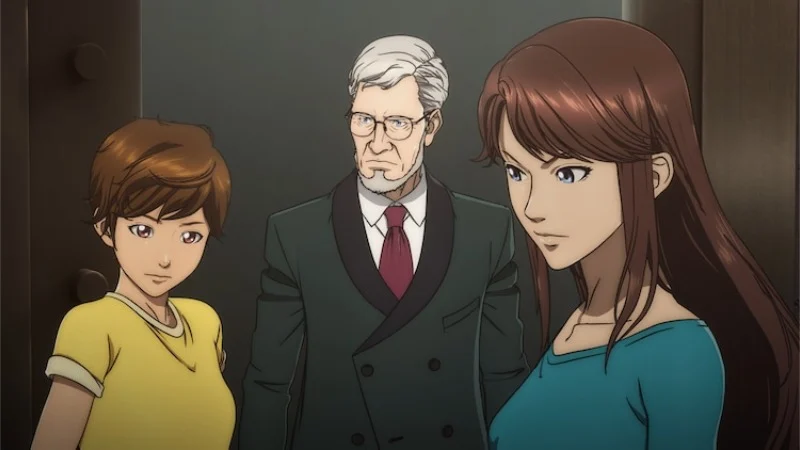
This Amazon original special celebrates anniversaries for both series and stages a three on one battle of thieves centered on a priceless art collection. The story sets the Cat’s Eye sisters against Lupin’s crew with overlapping targets and shifting alliances. TMS Entertainment animated the production and preserved the signature retro cool of both properties in modern CG. The release introduced the crossover to a new generation through streaming.
‘Dream 9 Toriko & One Piece & Dragon Ball Z Super Collaboration Special!!’ (2013)
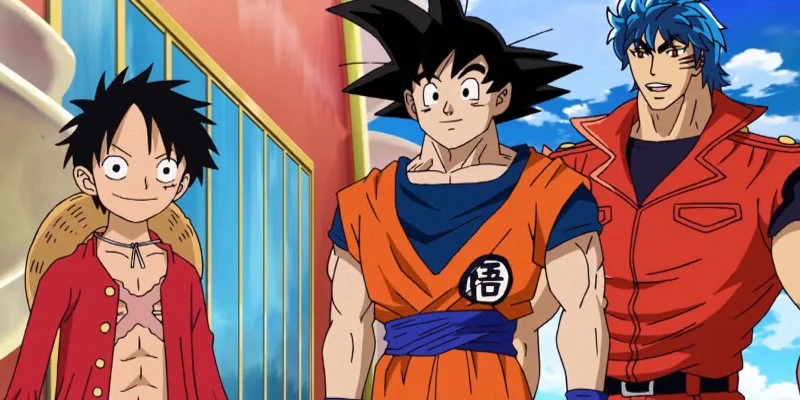
This hour long TV event features two connected episodes that pull together Goku, Luffy, and Toriko for a martial arts tournament that escalates into a monster hunt. It aired in the usual Sunday morning block and balanced screen time through tag team bouts and comedic interludes. Toei Animation produced the collaboration and matched each series’ visual style while keeping action pacing tight. The special also included crossover opening and ending sequences that acknowledged all three casts.
‘Toriko x One Piece Crossover Special’ (2011)
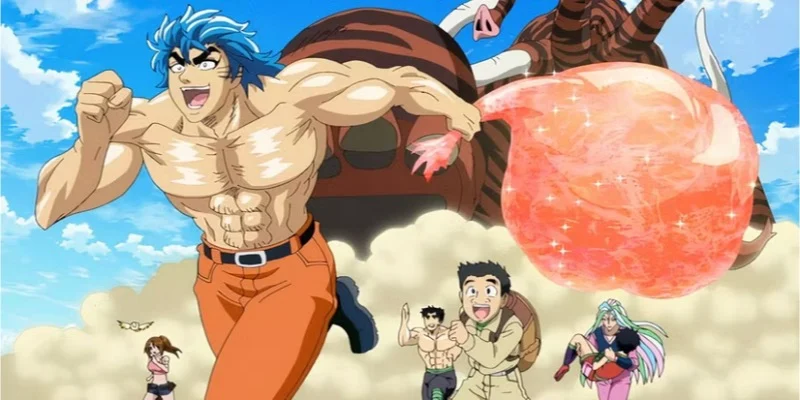
This earlier team up pairs the Straw Hats with Toriko’s hunters on a dangerous ingredient expedition that quickly becomes a survival challenge. The broadcast slotted into both shows’ schedules so viewers could follow events across episodes. Toei Animation handled the production and reused staff familiar with both series to keep character acting consistent. The collaboration helped set the template for the larger three way special that followed.
‘Cyborg 009 vs Devilman’ (2015)

This crossover OVA tells a complete story across multiple episodes where the 00 Cyborgs and Akira Fudo collide over demonic incidents and conflicting missions. It integrates the tech focused espionage of one series with the apocalyptic horror of the other. The animation was produced by Bee Media and Actas, blending updated designs with classic silhouettes. The release included home video extras that detailed how the staff aligned two very different power systems.
‘Mazinger Z vs. Devilman’ (1973)

This theatrical short pits Go Nagai’s giant robot against his demonic antihero in a straightforward showdown that predates many modern collaborations. The plot is built around a villain scheme that forces the two leads into direct combat before an inevitable team up. Toei Animation produced the film and used the staff from their television runs to maintain model fidelity. It circulated with other shorts and became an early proof of concept for shared universe experiments.
‘Gintama x Sket Dance Crossover Episodes’ (2012)

A pair of linked TV episodes swaps casts so the Yorozuya and the SKET Brigade can riff on each other’s formats while tackling a school centered mystery. The gag heavy scripts make room for guest voice actors and meta jokes about serialization and audience demographics. Sunrise handled the ‘Gintama’ side while Tatsunoko Production animated the ‘Sket Dance’ counterpart, creating playful differences in timing and layouts. The broadcast order encouraged viewers to watch both shows to catch every punchline.
‘Isekai Quartet’ (2019–2022)

This chibi comedy series places characters from ‘Overlord’, ‘Konosuba’, ‘Re:Zero’, and ‘The Saga of Tanya the Evil’ into a shared classroom with episodic skits and seasonal arcs. Cameos expand in later seasons to include other franchises through transfer student style introductions. Studio Puyukai animated the series with compact episodes built for quick gags and cross character pairings. Home releases bundled bonus shorts that continued jokes set up in the main broadcast.
‘Carnival Phantasm’ (2011–2012)

This OVA anthology adapts ‘Take-Moon’ and unites multiple Type Moon works so characters from ‘Fate’ and ‘Tsukihime’ can interact in comedic scenarios. The format rotates through game show spoofs, date lotteries, and neighborhood hijinks that reference routes and endings. Lerche produced the animation with clean designs that accommodate a wide cast of visual novels. The release coincided with milestone anniversaries and included music videos featuring ensemble appearances.
‘Space Patrol Luluco’ (2016)

The series follows Luluco across different dimensions that each echo a Trigger title, leading to on screen visits from ‘Inferno Cop’, ‘Kill la Kill’, and ‘Little Witch Academia’. The story structure uses short episodes that pivot rapidly between worlds without losing the central coming of age arc. Studio Trigger produced the show and staffed it with creators tied to each referenced work. The finale wraps the cross studio in jokes into a coherent conclusion that still reads as a crossover celebration.
‘Kaginado’ (2021–2022)
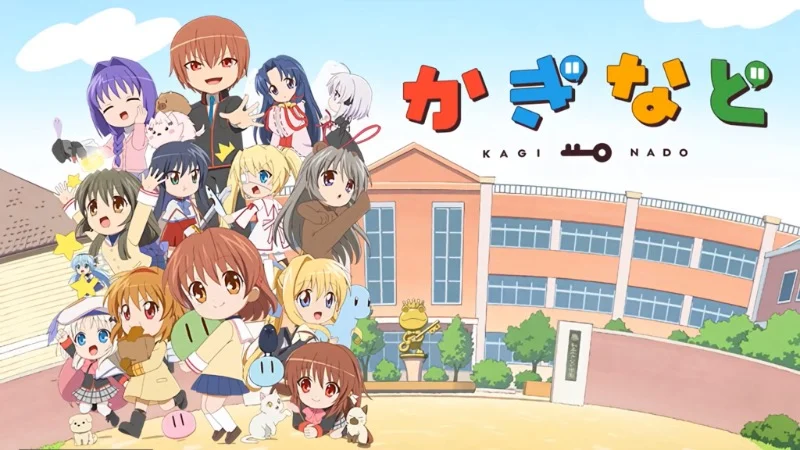
This short form series gathers leads from Key’s visual novel adaptations like ‘Clannad’, ‘Kanon’, ‘Air’, ‘Little Busters!’, and ‘Rewrite’ for school life sketches. Episodes mix running gags about routes with sincere beats that nod to each original story’s themes. Liden Films Kyoto Studio handled animation and used a super deformed style to keep tone light. The project marked the first official on screen meeting of these properties in one continuous show.
‘Shinkansen Henkei Robo Shinkalion the Animation’ (2018–2019)
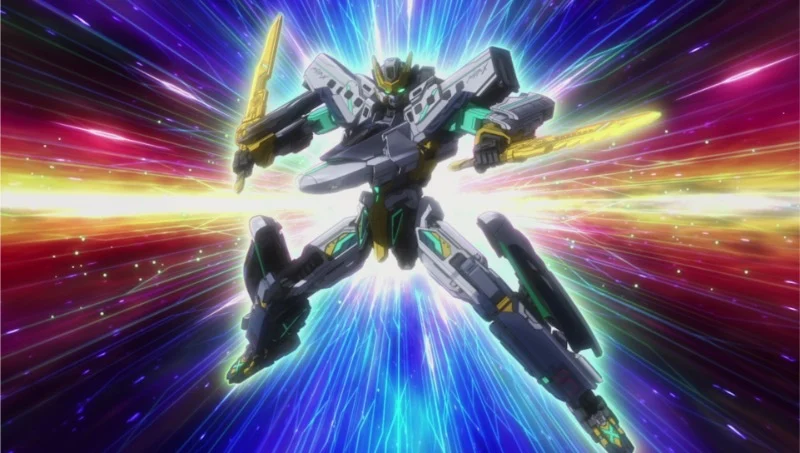
One standout episode introduces ‘Hatsune Miku’ as a genius driver who assists the main cast during a kaiju crisis, complete with a themed mecha and insert song. The appearance integrates Vocaloid culture into a mecha of the week structure without breaking the series’ internal rules. OLM animated the show and coordinated with music rights holders to incorporate voice and performance elements. The episode later inspired additional nods in concerts and promotional tie ins.
‘Pretty Cure All Stars New Stage: Friends of the Future’ (2012)

This film assembles teams from multiple seasons of ‘Pretty Cure’ to protect a dream realm that affects children’s hearts in the real world. The script assigns mentor roles to earlier leaders while giving newer heroines clear introduction beats. Toei Animation produced the movie and standardized transformations and finishing moves so they could be staged back to back. Annual entries around this era turned these gatherings into a regular spring event for the franchise.
‘Hello Kitty x Gundam’ (2019–2020)
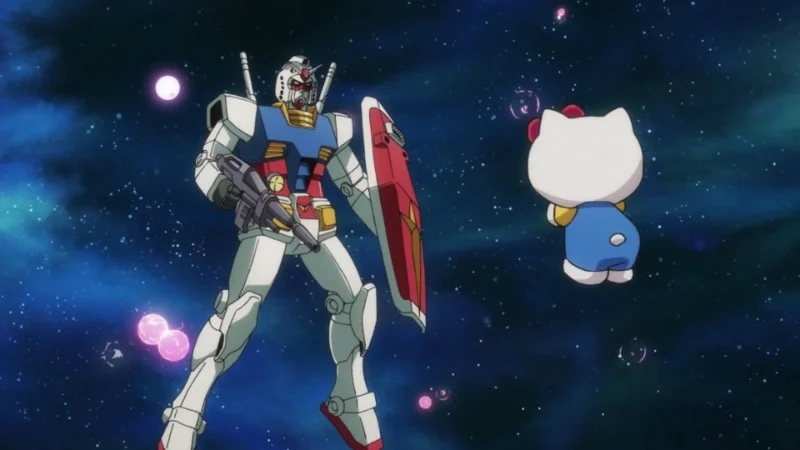
This web animation project celebrates anniversaries by staging meetings between ‘Mobile Suit Gundam’ characters and ‘Hello Kitty’ in comedic shorts. Episodes move between space opera settings and Sanrio’s bright world while summarizing classic arcs for newcomers. Sunrise partnered on the production to represent the Gundam side, aligning mecha designs with a softer palette for the collaboration. The campaign ran alongside merchandise and social media polls that let viewers influence later installments
Share your favorite unexpected anime team up in the comments and tell us which crossover you want to see next.