


Craziest Cases of Celebrity Blackmailing



Blackmail cases involving famous people tend to unfold in very public ways, which makes the details memorable. Some involved hacked phones or stolen photos. Others centered on business partners, employees, or acquaintances who demanded money in exchange for silence. What ties them together is a pattern of threats, rapid legal action, and clear timelines that show how quickly these situations can escalate.
This list gathers cases where demands were made and authorities or courts became involved. You will find dates, locations, dollar amounts, and outcomes when they were reported, such as arrests, pleas, or civil judgments. The goal is to outline what happened in each case and how it ended, so readers can see the concrete steps that followed each threat.
Jeff Bezos
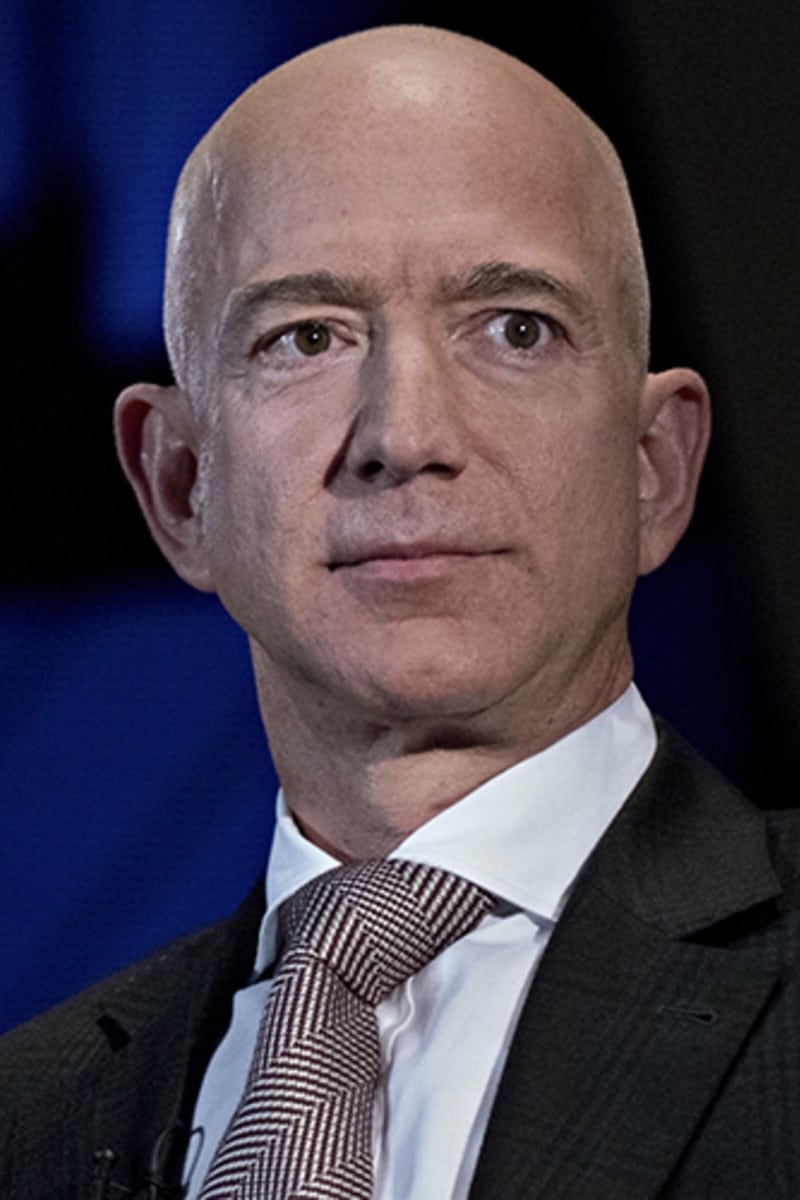
In 2019 the Amazon founder disclosed that people linked to a media company sent emails threatening to publish private messages and photos. The emails described what would be released and set out what they wanted in return. He released the messages to show the demand and stated that he would not agree.
The situation led to internal reviews at the media company and public statements about how the material was obtained. There was no payment to the people making the threats. The disclosure placed the communications on record and ended the leverage the senders claimed to have.
David Letterman

In 2009 a television producer was arrested after demanding two million dollars from the late night host. The demand involved claims about Letterman’s personal life and a threat to write and sell a screenplay. The host contacted law enforcement, which set up a controlled meeting and recorded the exchange.
The producer later pleaded guilty to attempted grand larceny. He received a prison sentence and probation conditions. The case became a clear example of a fast law enforcement response after a direct cash demand tied to reputational harm.
John Stamos

In 2010 two people claimed to possess compromising photos of the actor and demanded six hundred eighty thousand dollars. Investigators arranged a sting, and the two were arrested after presenting what they said were the materials. In court it emerged that the photos did not show what had been claimed.
A jury convicted both defendants of conspiracy and extortion related charges. The judge imposed prison time and restitution. The case is often cited because the accused attempted to monetize fabricated evidence and were caught after recorded negotiations.
Cindy Crawford

In 2009 a man obtained a photo taken by a babysitter years earlier and contacted the model’s family with a demand for one hundred thousand dollars. The family contacted the FBI. The man was charged with an extortion related offense, and authorities said he tried to use the image to force a payout.
The suspect returned to Europe and faced proceedings there that referenced the U.S. case. The FBI detailed how the demand was communicated and why it met the legal definition of an extortion attempt. The family did not pay the money that was requested.
John Travolta
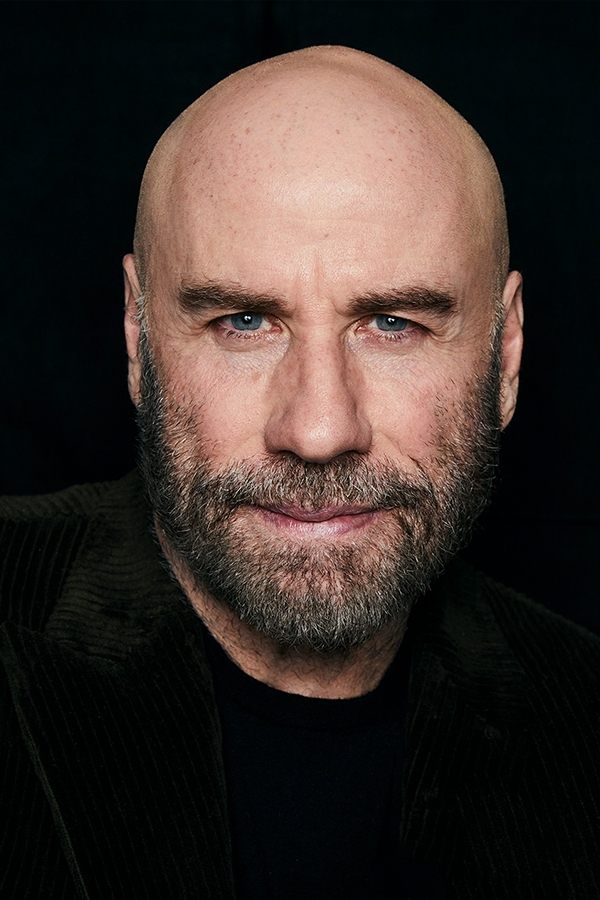
In 2009 authorities in the Bahamas charged two people after they sought twenty five million dollars from the actor. The demand was tied to a medical document related to his son’s emergency transport. A trial began, and the case drew wide attention because of the size of the demand and the sensitive context.
In 2010 prosecutors withdrew the charges at the actor’s request. He said the family wanted to move on from the matter. The record of the case still documents the initial arrest, the claimed demand, and the point at which the prosecution ended.
Bella Thorne

In 2019 the actress stated that a hacker contacted her with threats to release private photos. She posted the images herself and described the messages she received. She also said she had reached out to federal authorities. The public post was intended to remove the pressure behind the threat.
After her disclosure, the individuals involved lost the ability to trade on secrecy. The case showed a common modern tactic where a target publishes material to defeat a demand. There was no reported payment, and the incident prompted wider discussions about digital security.
Stevie Wonder
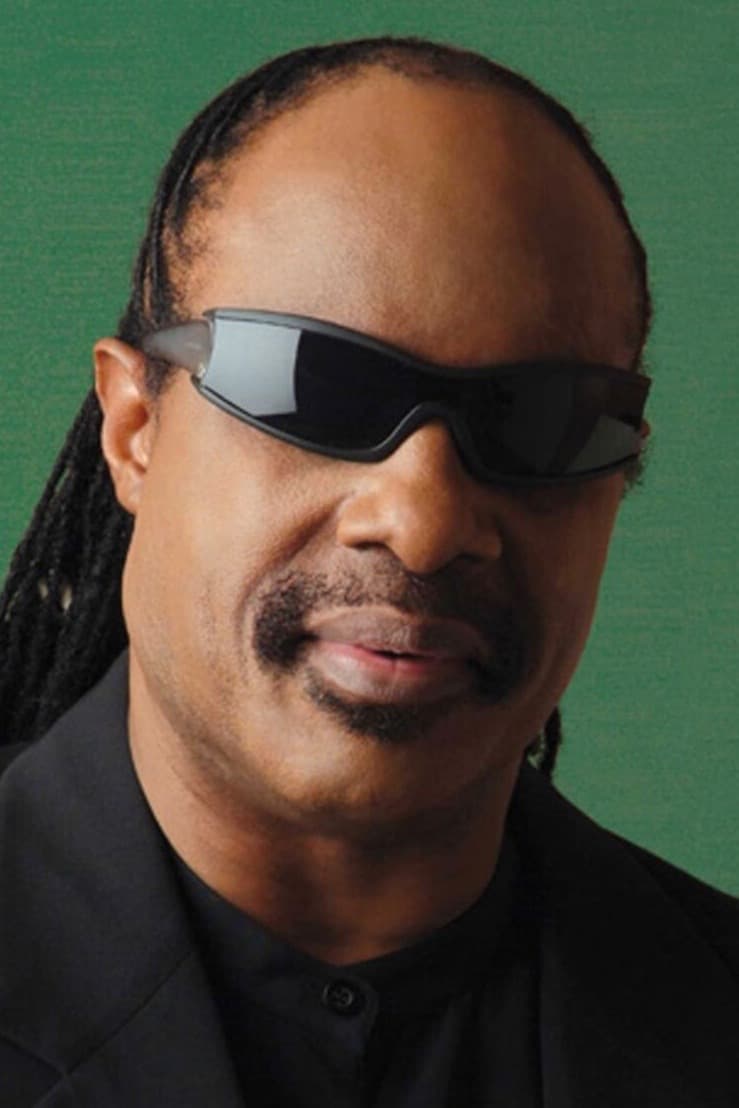
In 2012 Los Angeles prosecutors charged two people who approached the musician with claims that they would release false information if they were not paid. Police recorded meetings, and the suspects were arrested after they outlined the demand and the threat. The case file detailed the method they used to seek money.
Both defendants later entered no contest pleas to attempted extortion. The court issued sentences that included probation and restrictions. The filings explain how the recording of the approach and the follow up meeting created an evidentiary trail for prosecutors.
Pete Sampras
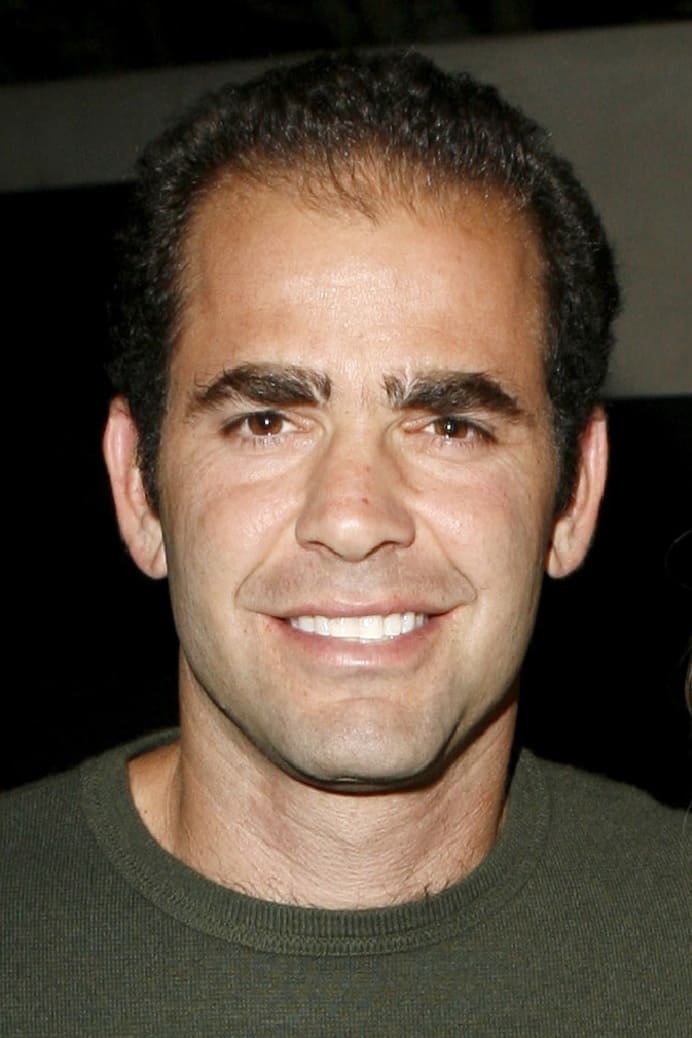
In 2000 a thief stole the tennis champion’s tax records and other documents and then contacted his representatives with a demand for cash. The thief said he would sell or release the records if he did not receive payment. The FBI became involved, and an undercover operation followed.
Agents recovered the materials and arrested the person behind the demand. Court records show how financial documents can be used to pressure a public figure and how investigators staged a handoff to build the case. No payment was made to satisfy the threat.
Cameron Diaz

In 2004 a photographer contacted the actress with an offer to suppress topless pictures he had taken years earlier in exchange for money and a contract. Prosecutors said he also forged a model release to market the images. The actress reported the approach, which led to a criminal case.
A jury convicted him of attempted grand theft, forgery, and perjury. He received a prison sentence. The conviction explains the legal view that demanding money to prevent publication of images can meet extortion related standards when combined with threats and falsified paperwork.
Steven Seagal
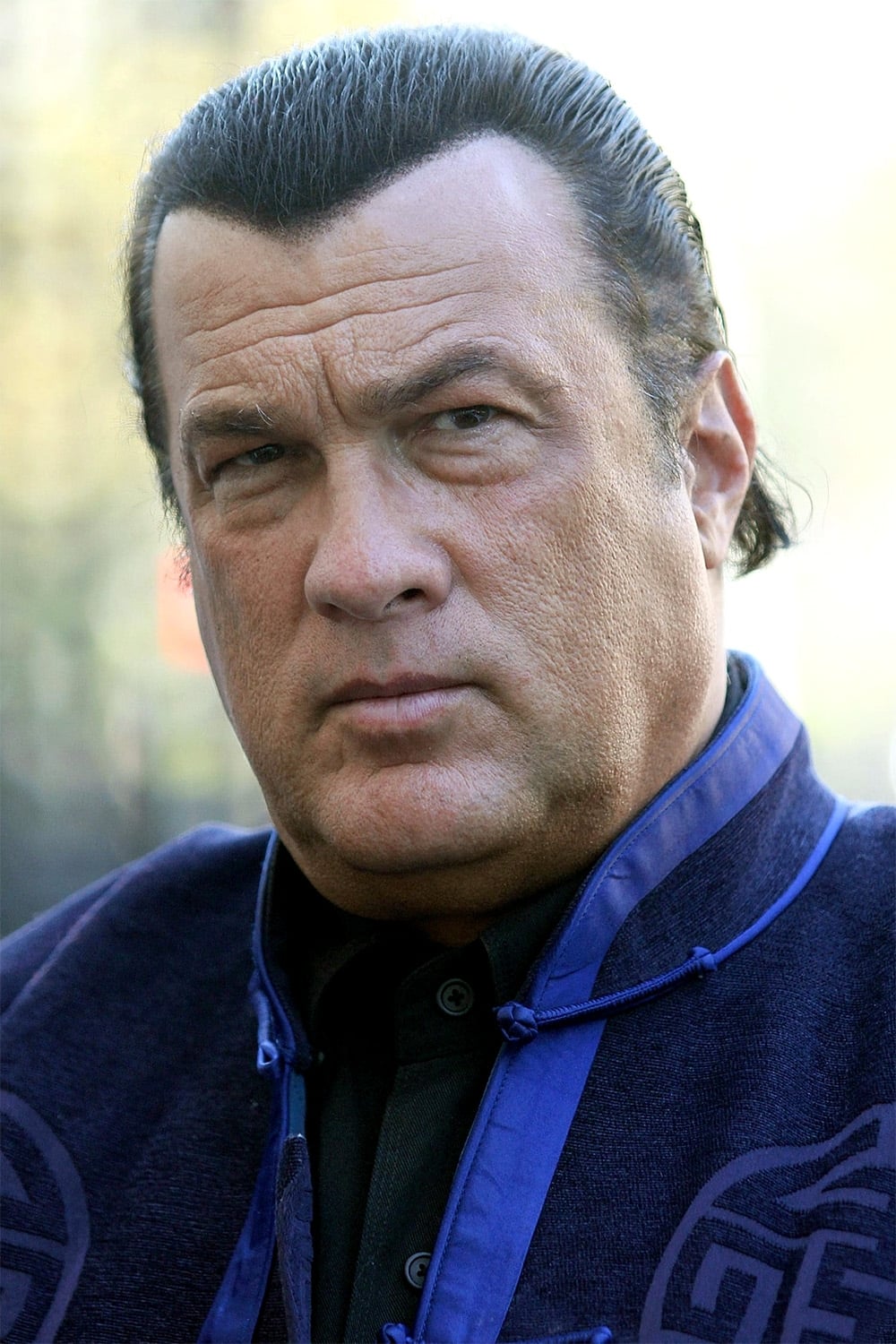
In 2001 the actor reported that his former producing partner and others connected to organized crime demanded payments tied to his film work. Federal prosecutors charged the partner with extortion conspiracy. The case referenced meetings and phone calls in which specific sums and terms were discussed.
In 2003 the producer pleaded guilty to extortion conspiracy. He admitted that he worked with others to pressure the actor to pay. The plea detailed the use of intimidation and repeated demands and showed how federal statutes address schemes that try to force a person to make business payments.
Rick Pitino

In 2009 a woman contacted the college basketball coach with demands for money and material benefits. Prosecutors said she threatened to go public with claims about a private encounter unless the demands were met. The coach alerted authorities, and agents recorded calls and meetings.
In 2010 a jury convicted her of extortion and related charges. She received a prison sentence. The evidence included recordings that captured the terms of the demand and showed how the requested payments increased over time.
Cassidy Wolf

In 2013 the Miss Teen USA titleholder reported that her webcam had been hacked and private images captured. The hacker sent emails demanding that she send more images and perform acts on camera or face a leak. The FBI traced the communications to a former classmate.
He pleaded guilty to extortion and computer intrusion. The court sentenced him to prison. The case is a clear example of sextortion in which the threat used stolen images and the demand required further acts rather than only money.
Michael Flatley

In 2006 the dancer filed a civil lawsuit stating that a woman and her attorney demanded millions after a brief meeting at a hotel years earlier. He said they threatened to go public with allegations unless he paid. A jury later awarded him significant damages against the attorney after reviewing evidence of the demand.
The civil judgment described the conduct as a shakedown and set out how the demand was communicated. The case shows that civil courts can also address blackmail related conduct through damages when criminal charges are not filed or are not the route chosen by the parties.
Shakira

In 2011 Spanish media and police reports described a complaint by the singer that two former employees demanded money in exchange for keeping private information out of the press. Police arrested the individuals and took statements about the threats and sums that were requested.
The matter proceeded through the Spanish system with attention to employment records and communications between the parties. The public record explains the use of non disclosure clauses in contracts and how those terms interact with criminal laws when threats and money demands appear.
A High Profile Tech Founder

In the mid 2010s a prominent entrepreneur reported that a hacker had accessed private accounts and sent messages demanding payment in digital currency. The messages listed what would be released and set a deadline for a transfer. The founder’s team contacted federal agents and secured the accounts.
Investigators advised against payment and gathered logs that traced the access point used by the hacker. The event shows how modern blackmail can involve cryptocurrency addresses, time stamped demands, and cloud service records that help investigators identify the sender and preserve evidence.
Share the case you think stands out most in the comments.