


15 Critically Acclaimed Series That Are Actually Too Complicated to Enjoy

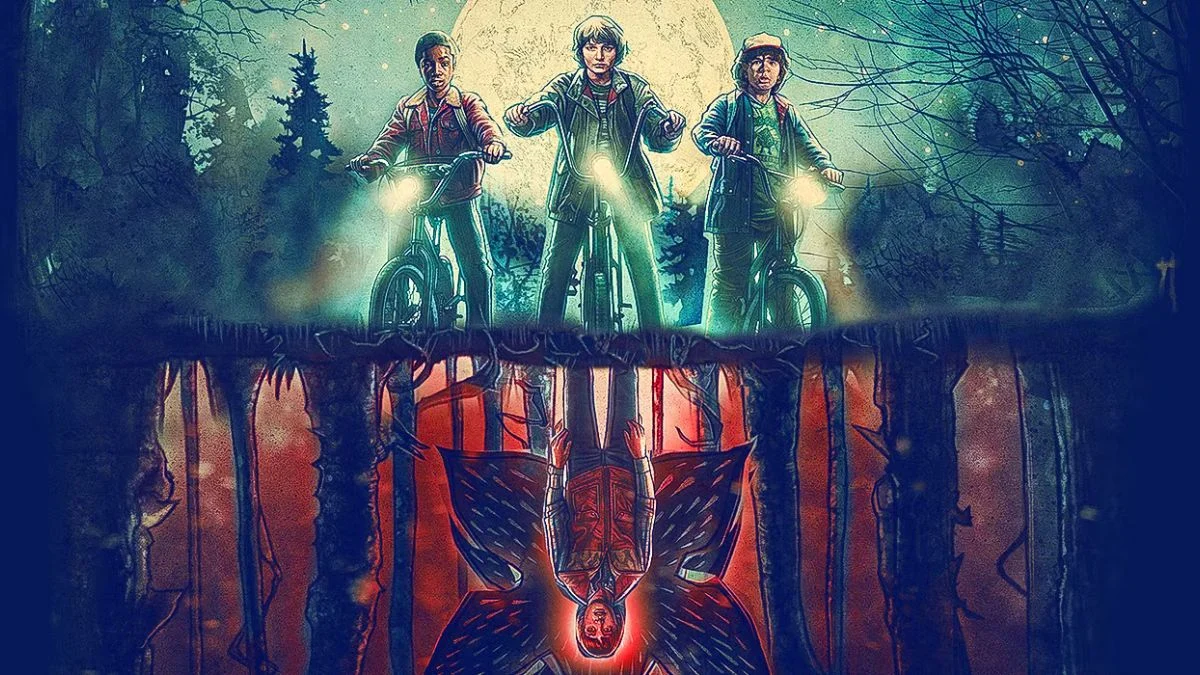


Some TV series earn glowing reviews from critics for their bold storytelling and intricate plots. They’re often hailed as masterpieces, packed with layers of meaning and complex narratives that demand attention. But sometimes, that complexity can make a show feel like a puzzle too tricky to solve, leaving viewers more frustrated than entertained. When a series gets tangled in its own web of twists, timelines, or mysteries, it can lose the spark that makes watching fun.
I’ve rounded up 15 critically acclaimed shows that, despite their praise, often feel overly complicated for casual enjoyment. These series shine with ambition, stellar casts, and deep themes, but their dense plots or confusing twists can overwhelm. From time-traveling epics to psychological mazes, here’s why these shows might leave you scratching your head, starting from the least to most daunting.
Outer Range (2022-2024)
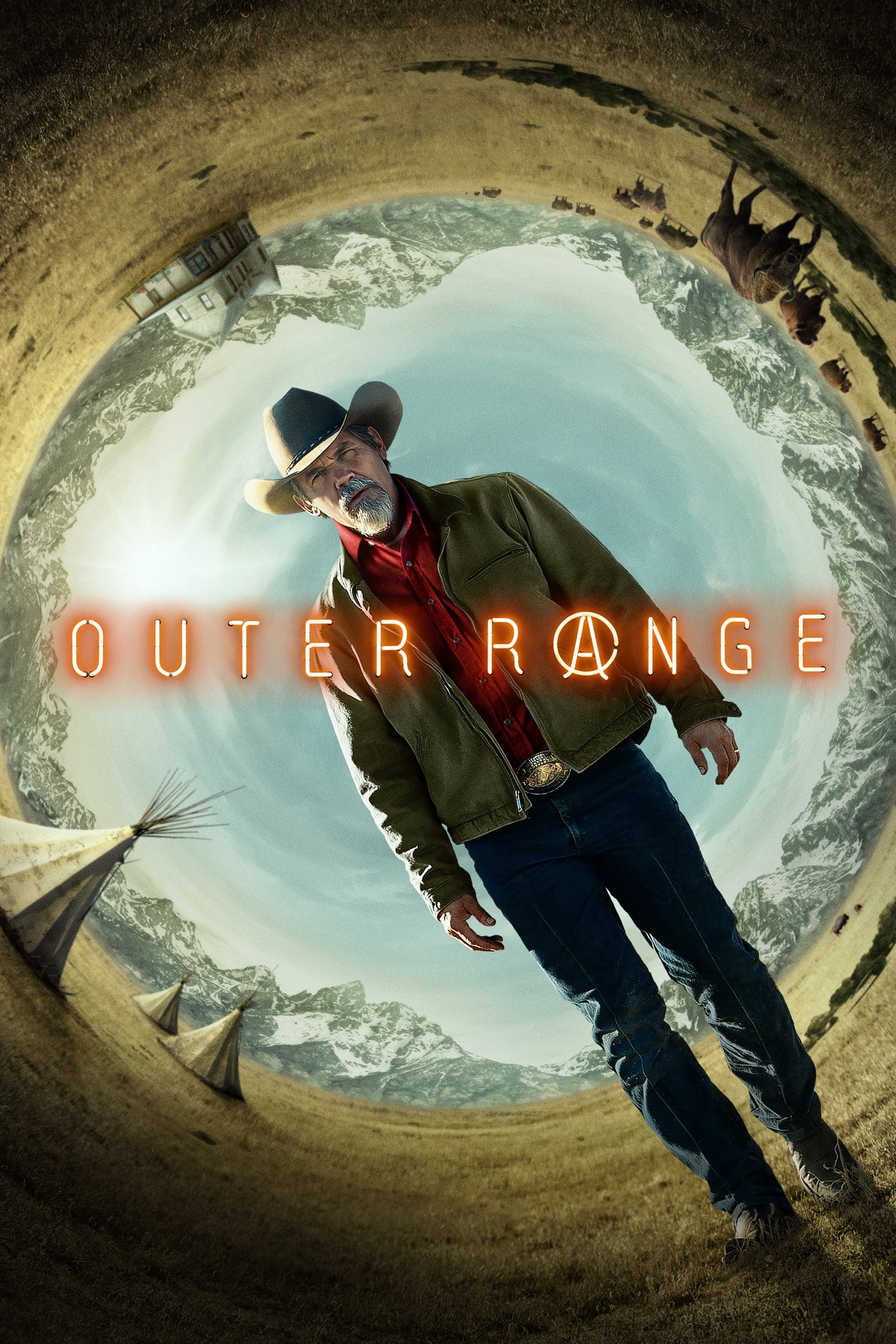
This Western with a sci-fi twist follows a ranching family thrown into chaos by a mysterious void on their land. The show kicks off with a gripping premise, blending gritty drama with time-travel oddities, anchored by Josh Brolin’s weathered performance. Critics loved its bold mix of genres and atmospheric tension.
But as the story unfolds, the time-travel rules get murky, piling on contradictions that muddle the plot. The show’s abrupt cancellation by Amazon left many questions unanswered, making its complexity feel like a chore. For all its promise, the head-scratching moments outweigh the thrills, leaving you wishing for a clearer path.
Riverdale (2017-2023)
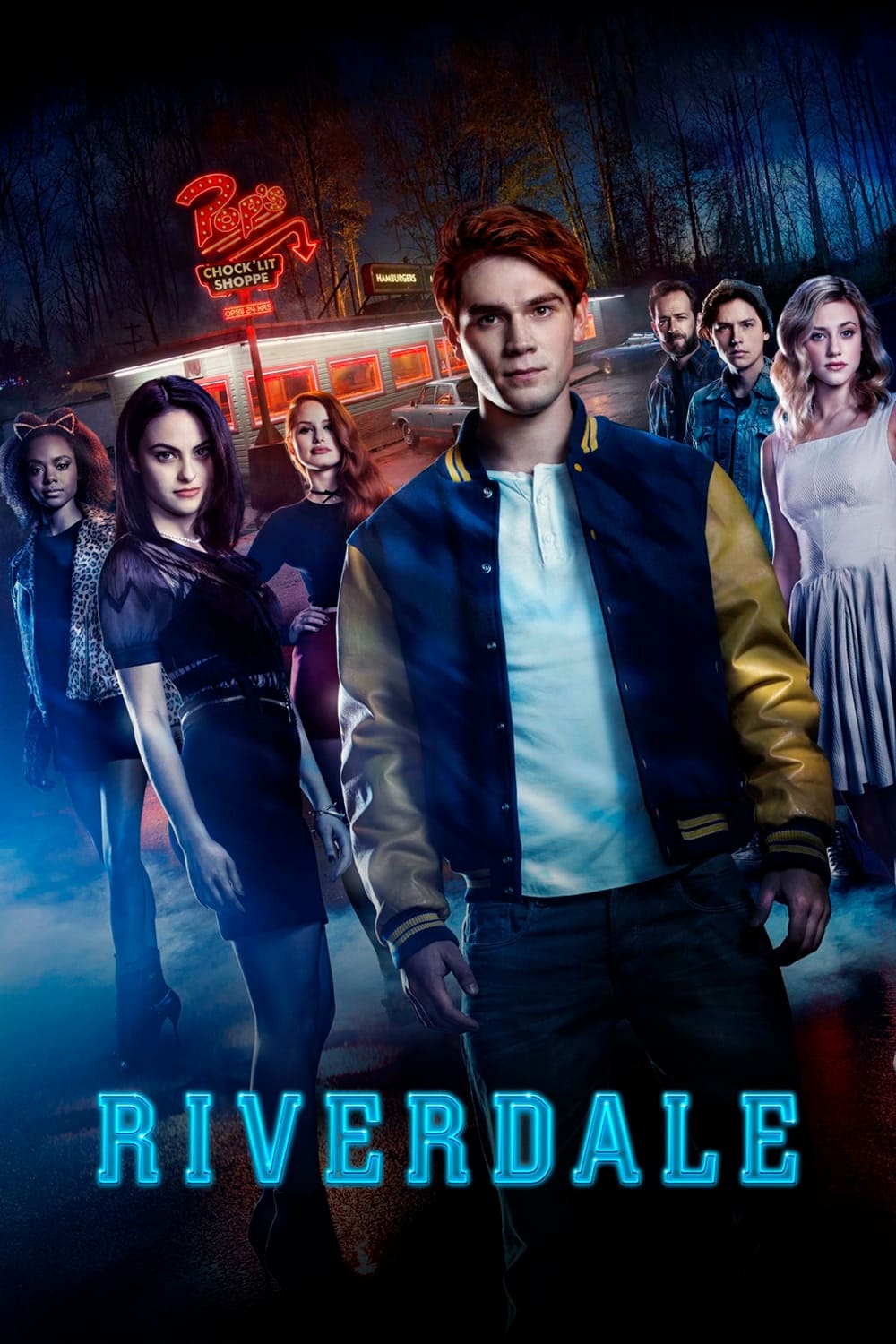
What starts as a dark, modern take on Archie Comics turns into a wild ride of murder mysteries and teen drama. The first season hooks you with a straightforward whodunit, elevated by a charismatic cast like KJ Apa and Lili Reinhart. Critics praised its bold reimagining and stylish flair.
Then come the later seasons, tossing in time travel, witchcraft, and alternate realities that feel like they’re from a different show. The plot veers so far from its roots that it’s hard to keep up, and some twists clash with earlier events. It’s a fun mess at times, but the convoluted turns can exhaust even dedicated viewers.
Lost (2004-2010)
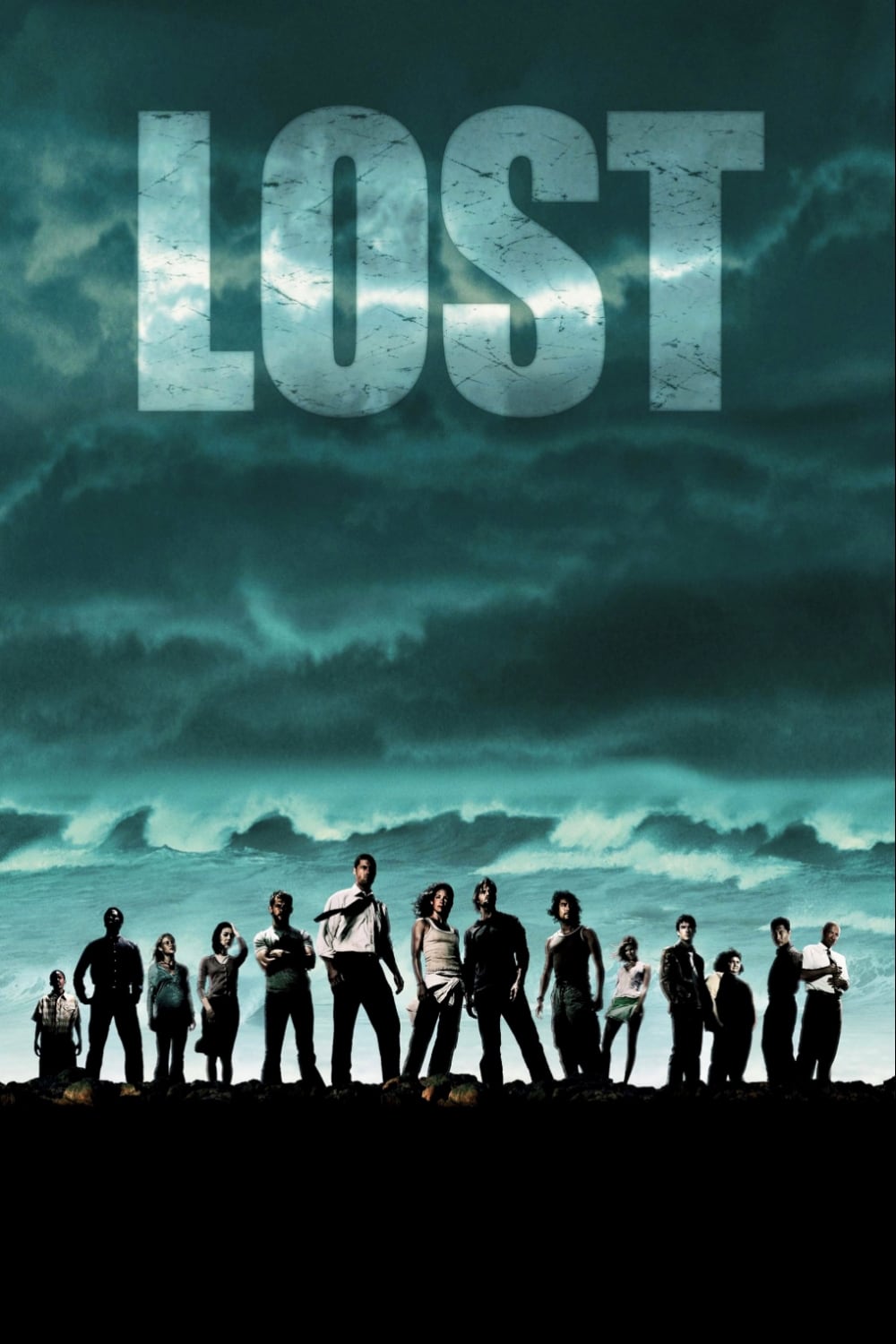
This iconic series about plane crash survivors on a strange island redefined TV storytelling. With a sprawling cast led by Matthew Fox and Evangeline Lilly, it wove flashbacks and mysteries that critics called groundbreaking. Its early seasons gripped audiences with emotional depth and eerie secrets.
Yet as new questions piled up, the show’s mythology grew tangled, with time travel and cryptic forces clouding the narrative. By the end, many felt the answers didn’t match the buildup, leaving re-watches more frustrating than rewarding. The brilliance is there, but the labyrinthine plot can feel like a trap.
The Witcher (2019-)
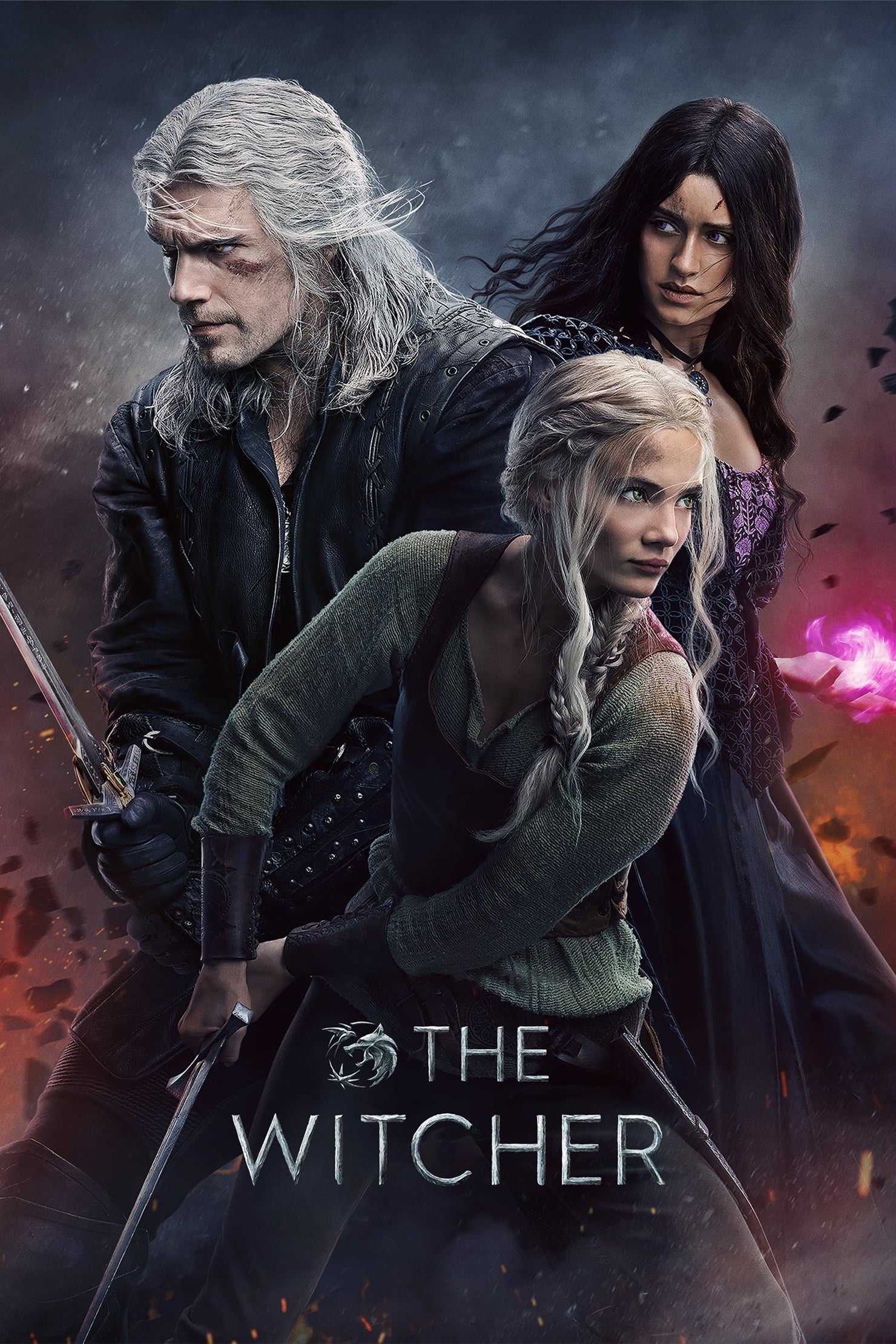
Based on beloved books and games, this fantasy epic follows monster hunter Geralt, played with gruff charm by Henry Cavill. Its rich world and strong performances, especially Anya Chalotra as Yennefer, earned rave reviews for ambition and spectacle. The first season’s bold narrative choices hooked fantasy fans.
But the show’s jumbled timelines and sprawling cast make it tough to follow without a guide. Multiple time periods converge slowly, and the lore feels dense even for book readers. While the action and visuals dazzle, the intricate plotting can leave you lost in the Continent’s chaos.
Fringe (2008-2013)
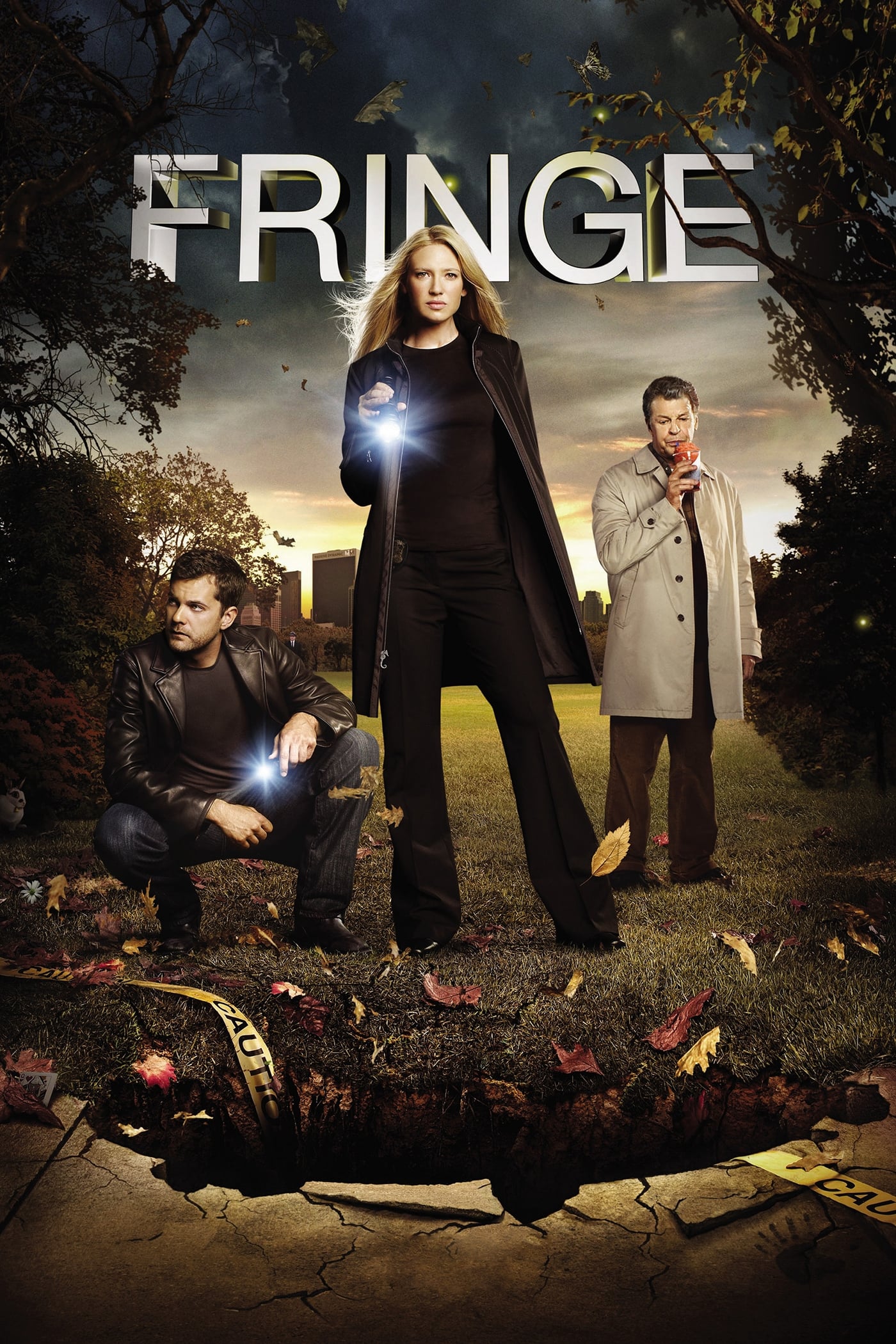
This sci-fi gem tracks an FBI team diving into bizarre cases, led by Anna Torv’s steely agent and John Noble’s quirky scientist. Critics lauded its mix of procedural thrills and serialized depth, blending X-Files vibes with bold sci-fi. Its character arcs and consistent lore won hearts.
As it leans into parallel universes and time travel, though, the story gets dizzyingly complex. Casual viewers might struggle to track the shifting realities and dense mythology. It’s a rewarding ride for the dedicated, but the mental gymnastics required can sap the fun.
Westworld (2016-2022)
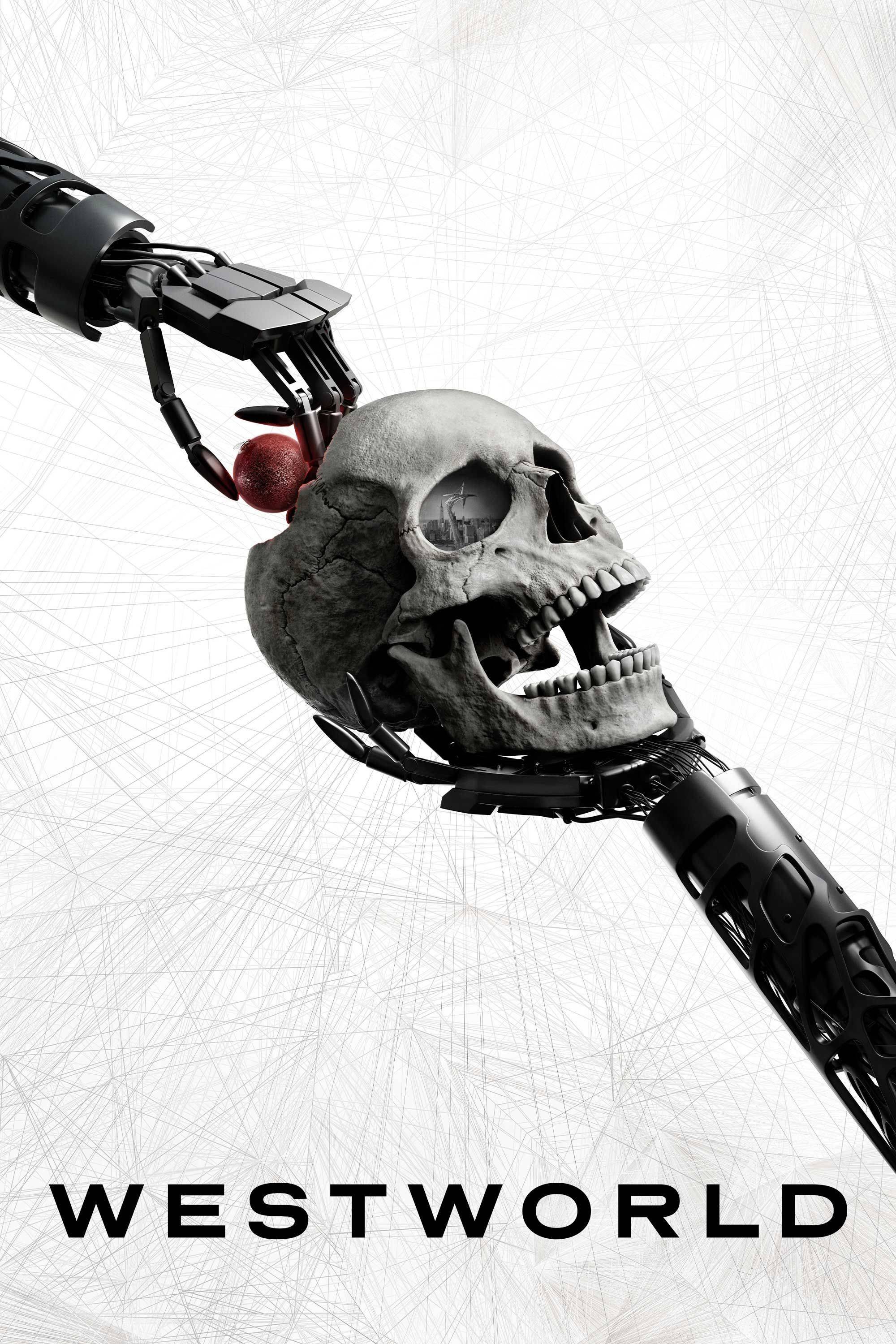
This sci-fi thriller about a futuristic theme park with sentient robots boasts a stellar cast, including Evan Rachel Wood and Anthony Hopkins. Its philosophical depth and jaw-dropping twists earned critical acclaim for pushing TV boundaries. The first season’s mind-bending narrative felt like a revelation.
Later seasons, though, pile on timelines, simulations within simulations, and cryptic host identities that strain comprehension. The dense themes and fractured storytelling can make episodes feel like a riddle without a key. For all its brilliance, the complexity often overshadows the story’s heart.
Dark (2017-2020)
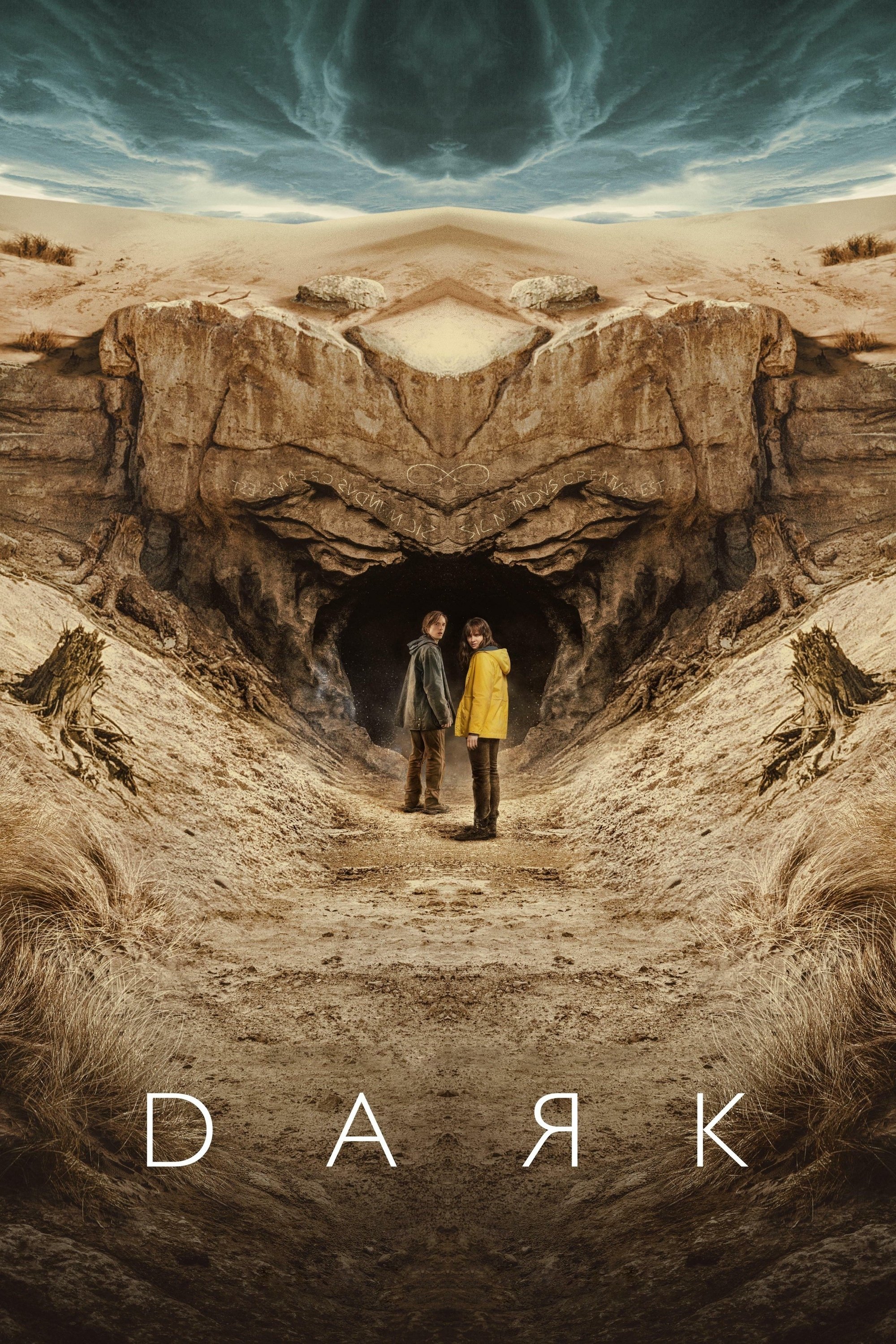
This German Netflix series starts with a missing child in a small town, unfolding into a time-travel saga. Its moody atmosphere and stellar ensemble, including Louis Hofmann, won critics over for its ambitious scope. The show’s meticulous plotting is a masterclass in sci-fi drama.
But with multiple timelines, dozens of characters, and intricate family trees, keeping track feels like a full-time job. Even the characters seem confused by the looping narratives. It’s a stunning achievement, but the relentless complexity can make it more exhausting than enjoyable.
Twin Peaks (1990-1991, 2017)
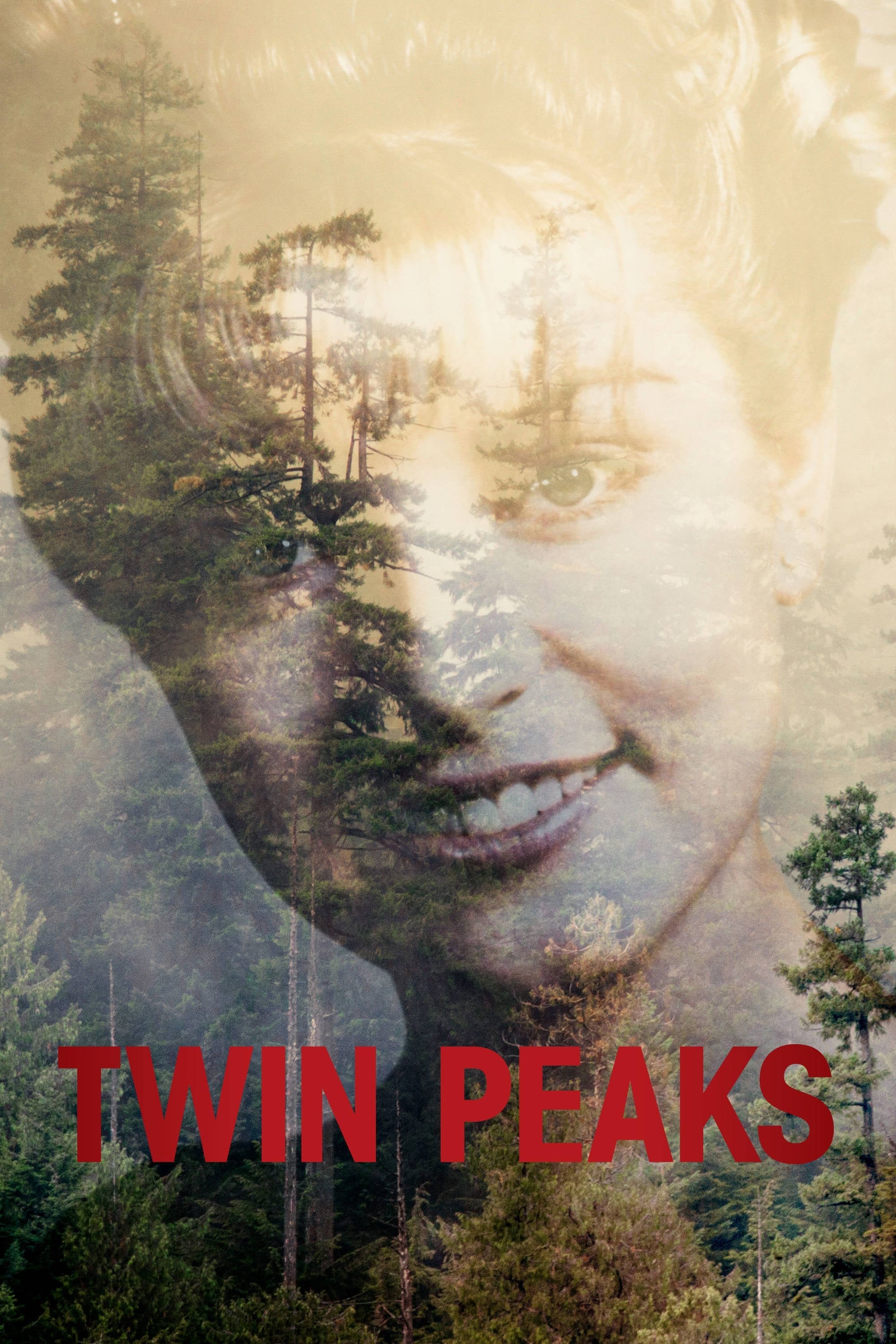
David Lynch’s surreal masterpiece blends murder mystery with supernatural weirdness. Kyle MacLachlan’s quirky FBI agent leads a cult classic praised for its haunting visuals and bold storytelling. Critics adore its boundary-pushing creativity, especially in the revival season.
The dreamlike narrative, packed with cryptic symbols and nonlinear plots, often feels impenetrable. The revival doubles down on ambiguity, leaving even fans puzzled. Its artistry is undeniable, but the labyrinthine story can make casual viewing feel like decoding a fever dream.
Legion (2017-2019)
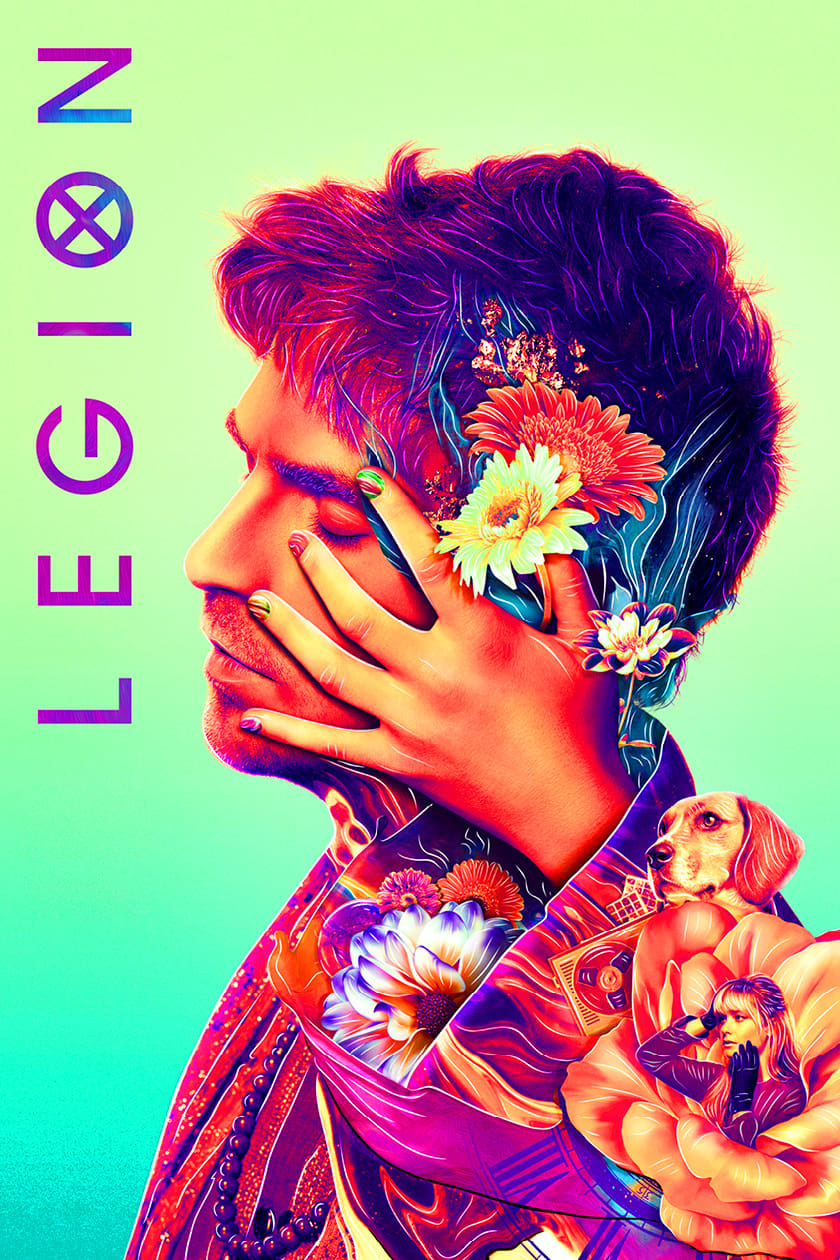
This Marvel series follows a mutant with psychic powers, played by Dan Stevens, in a mind-bending tale of mental illness and superpowers. Its psychedelic visuals and inventive storytelling earned critical praise for redefining superhero TV. The cast, including Aubrey Plaza, dazzles.
Yet the show’s nonlinear structure and reality-warping plot twists can be disorienting. Timelines blur, and the psychological depth often feels like a maze with no exit. It’s a bold experiment, but the constant mind games can leave you more confused than captivated.
The OA (2016-2019)
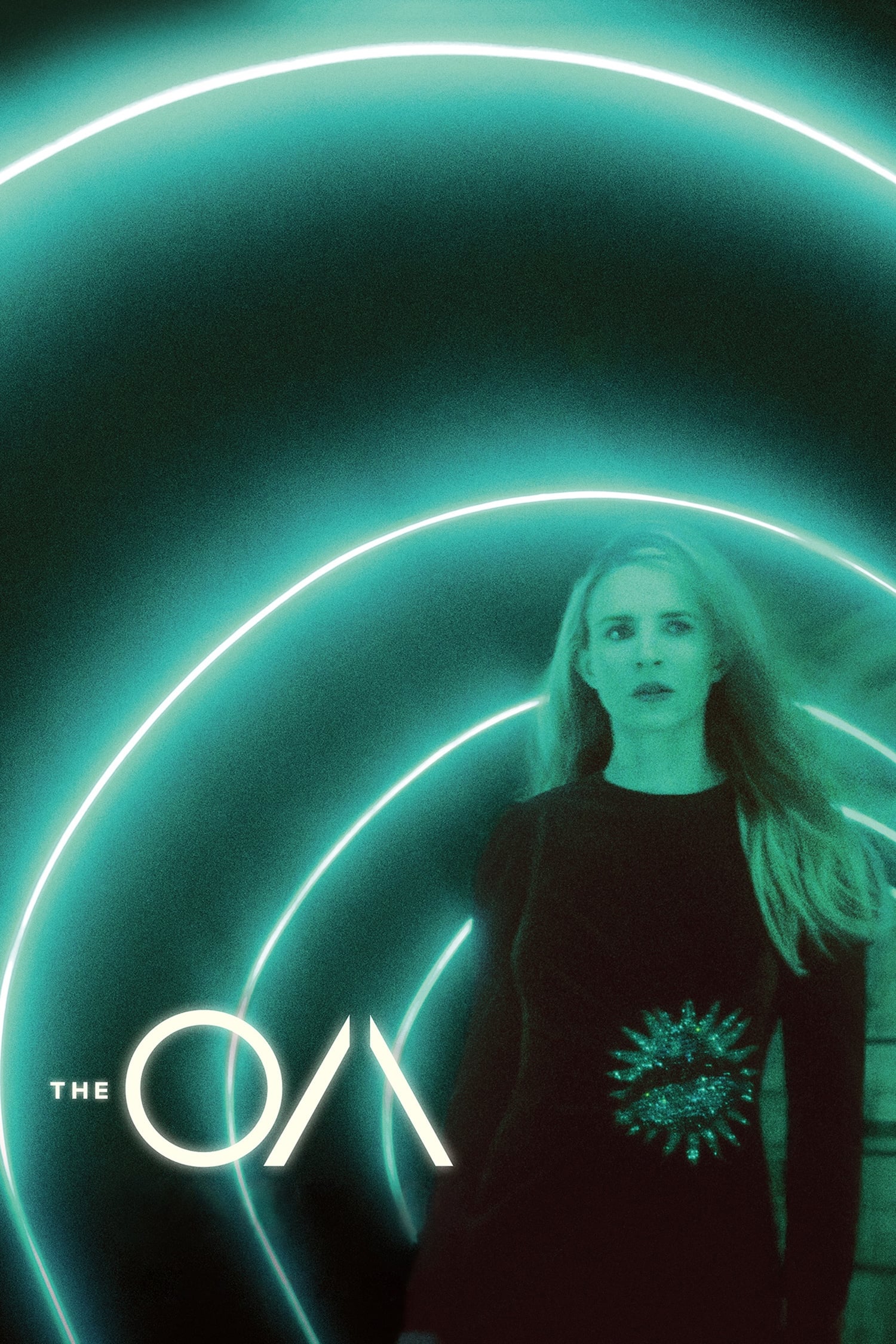
This Netflix mystery centers on a woman, played by Brit Marling, with a wild tale of near-death experiences and alternate dimensions. Its emotional core and ambitious storytelling won critics over for its originality. The ensemble, including Jason Isaacs, adds depth.
The plot spirals into complex multiverse rules and interpretive dance rituals that strain belief. The abrupt cancellation left many threads dangling, making the dense narrative feel like a slog. It’s a fascinating mess, but the effort to unravel it can outweigh the payoff.
Mr. Robot (2015-2019)
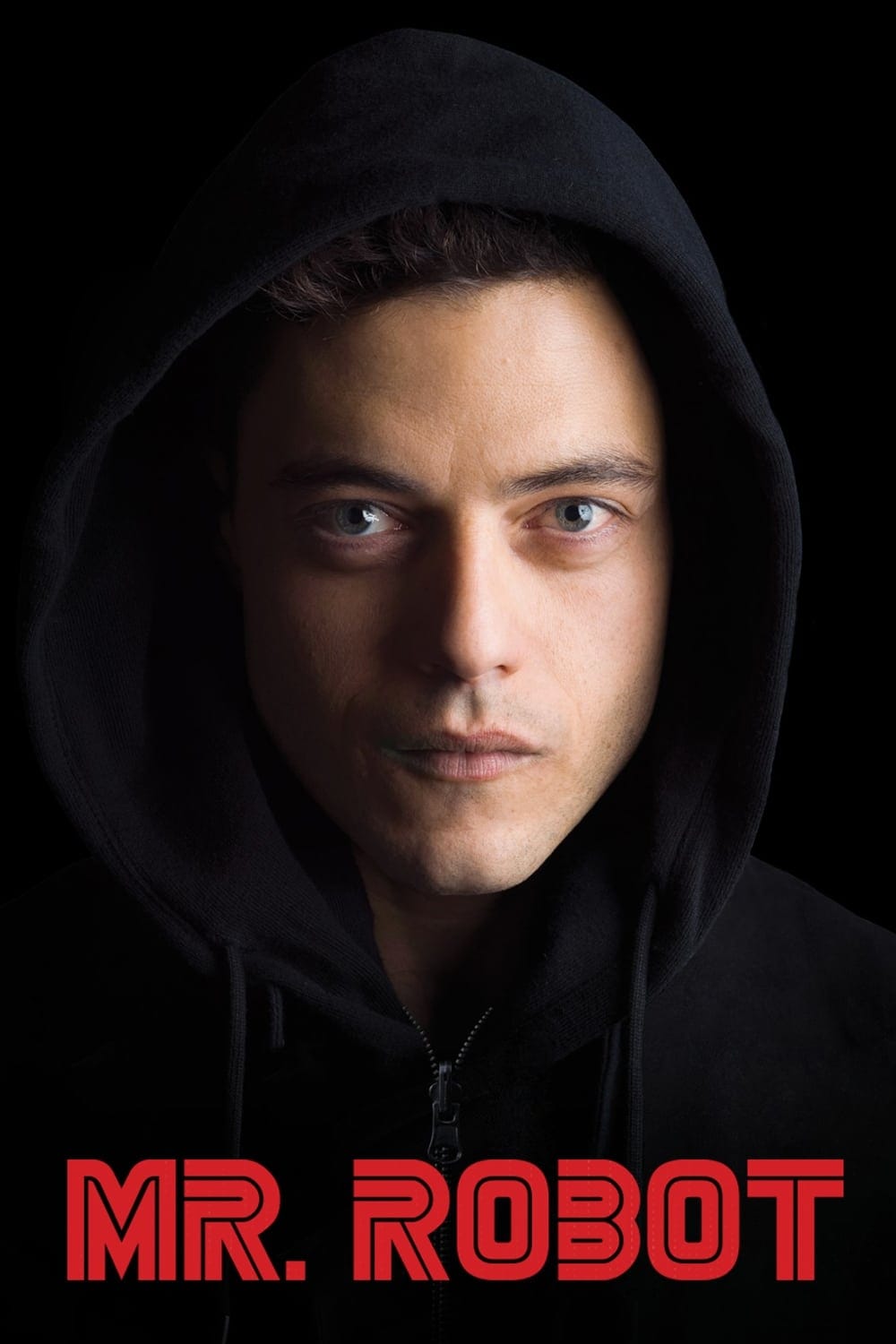
This cyber-thriller follows hacker Elliot, portrayed by Rami Malek, as he battles corporate corruption. Its gritty realism and psychological depth, paired with a stellar cast like Christian Slater, earned raves for bold storytelling. Critics hailed its fresh take on tech paranoia.
As the series dives into Elliot’s psyche, multiple personalities and time loops muddy the waters. The intricate hacking schemes and unreliable narrators demand constant focus. While the payoff is strong, the mental strain of piecing it together can feel overwhelming.
Hannibal (2013-2015)
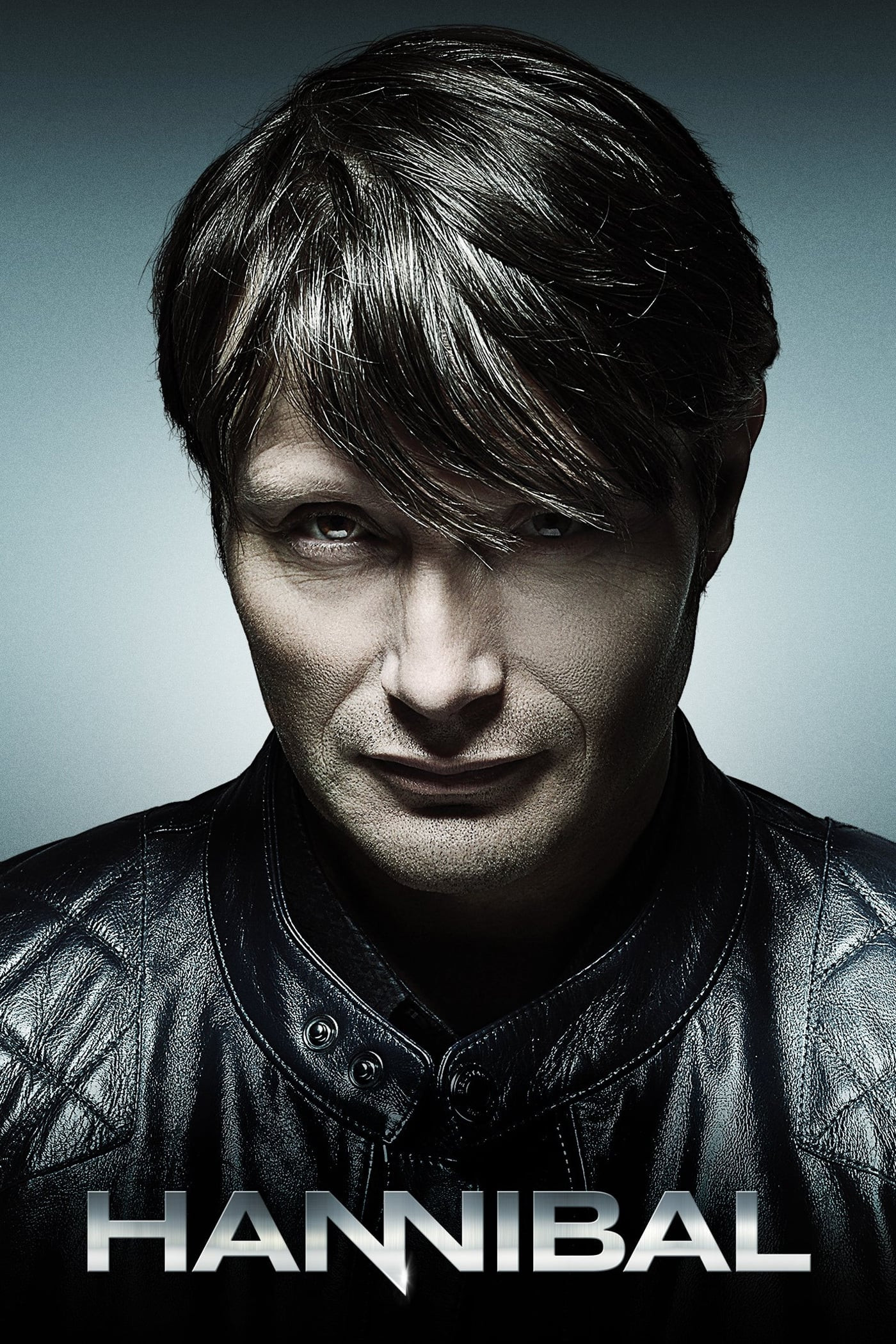
Based on Thomas Harris’ novels, this psychological horror tracks FBI agent Will Graham and the cunning Hannibal Lecter, played by Hugh Dancy and Mads Mikkelsen. Its lush visuals and chilling performances earned critical love for elevating the genre. The cat-and-mouse game grips you.
The plot grows increasingly abstract, with Will’s mental unraveling and surreal visions blurring reality. The complex relationship dynamics and symbolic imagery can feel like a psychological labyrinth. It’s gripping but often too dense to savor without a second screen for notes.
Search Party (2016-2022)

This dark comedy follows a group of friends, led by Alia Shawkat, searching for a missing acquaintance. Its sharp humor and millennial satire won critics for blending mystery with wit. The ensemble, including John Early, shines in chaotic group dynamics.
The show shifts from a simple premise to a wild spiral of murder cover-ups and cult leadership. By the final season, the original thread feels lost in bizarre twists. It’s clever but so convoluted that the humor gets buried under the chaos.
Stranger Things (2016-2025)
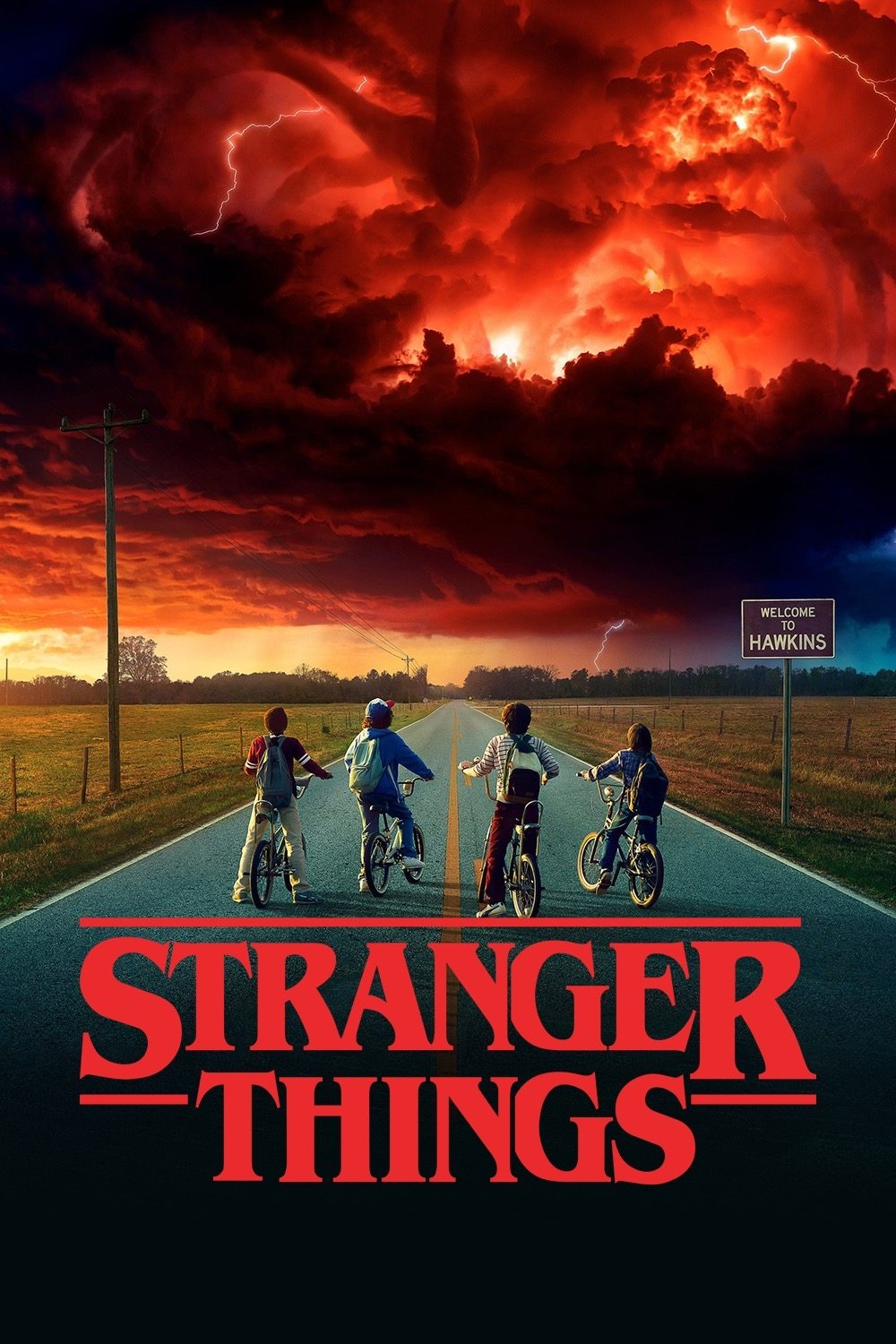
This Netflix hit blends 80s nostalgia with sci-fi horror, following kids battling supernatural forces. The Duffer Brothers’ creation, with stars like Millie Bobby Brown, won praise for its heart and thrills. Critics love its retro vibe and emotional stakes.
Later seasons pile on Soviet conspiracies, alternate dimensions, and sprawling subplots that strain the simple charm. The expanding cast and lore make it hard to track who’s fighting what. It’s still a blast, but the tangled web can feel like a chore.
The Leftovers (2014-2017)
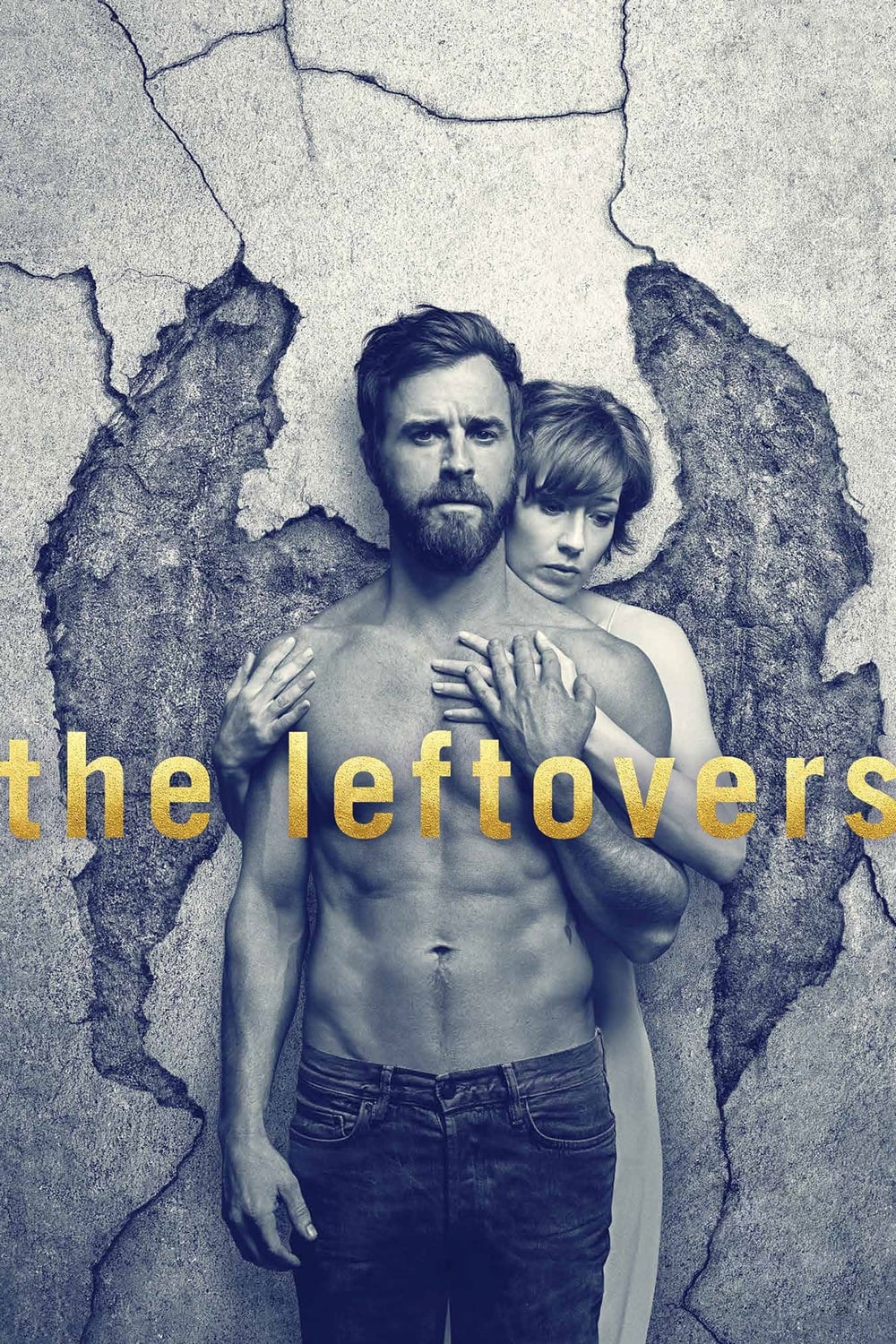
This HBO drama explores life after a mysterious global event vanishes millions. Justin Theroux and Carrie Coon lead a stellar cast in a show critics praised for its emotional depth and bold themes. It tackles grief and faith with raw intensity.
The nonlinear storytelling and cryptic supernatural elements, though, can feel like a puzzle with missing pieces. The show leans heavily on ambiguity, making answers scarce. Its heavy tone and complex mysteries demand patience that not every viewer can muster.
What’s the most complicated TV show you’ve tried to untangle, or is there a dense series you love despite the brain strain? Drop your thoughts in the comments!