


Dave Bautista Names His Five Favourite Movies of All Time

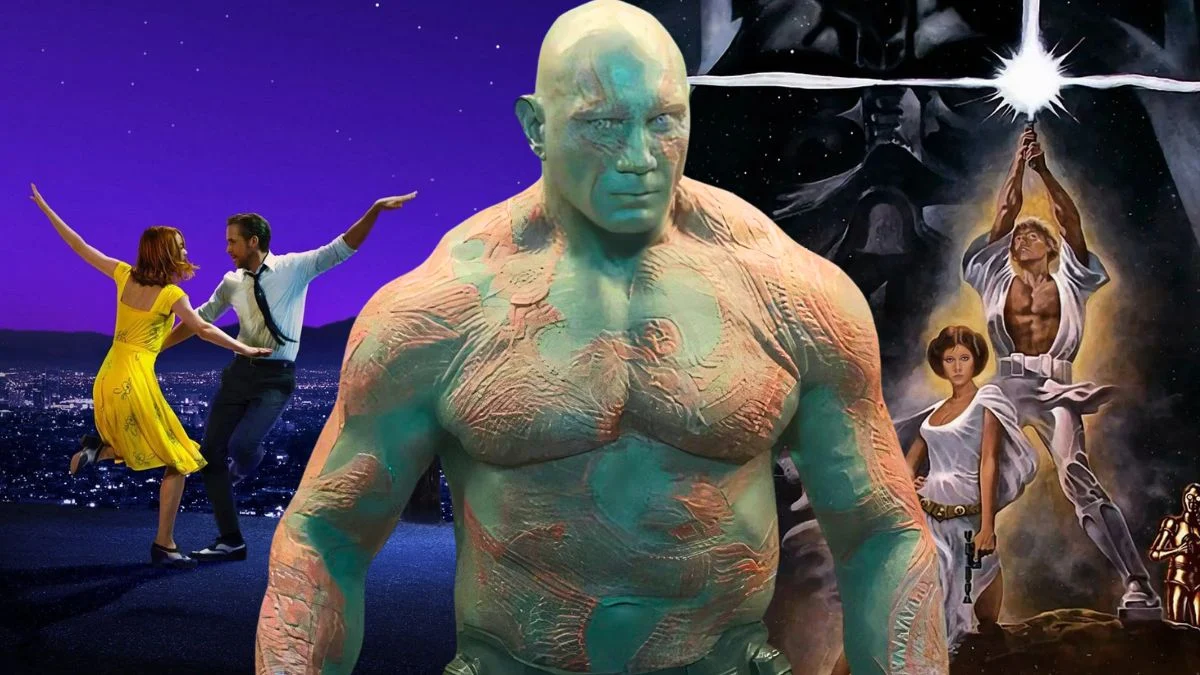


Dave Bautista has built a career that moves from powerhouse action to thoughtful character work, and he has often shared the films that shaped his taste. His picks cover different genres and eras, showing the stories and craftsmanship that stuck with him through the years. These are the five titles he has singled out as his all time favourites.
The list ranges from a landmark space adventure to a courtroom drama that defined moral courage. You will also find a sweeping crime saga, a science fiction first contact tale, and a modern movie musical. Here is what each film is about and why it continues to matter to audiences around the world.
‘Close Encounters of the Third Kind’ (1977)
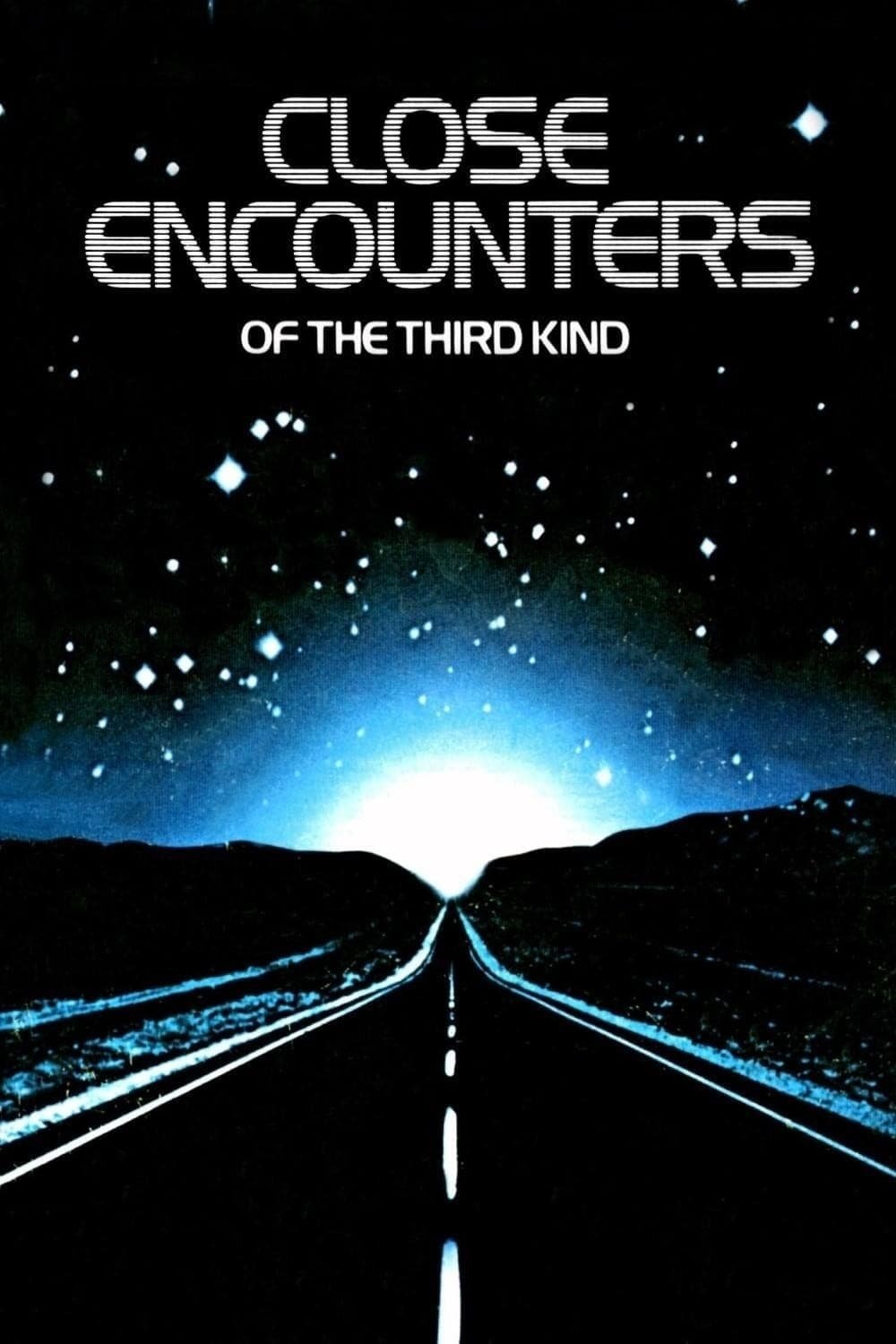
Steven Spielberg directs this story about ordinary people drawn to a mysterious pattern of lights in the sky, led by an electrical lineman whose life is changed after a night encounter. The film features Richard Dreyfuss, Melinda Dillon, Teri Garr, and François Truffaut, and follows civilian and government paths that converge at a remote geological landmark where contact becomes possible.
Production made extensive use of practical effects, large scale soundstage work, and groundbreaking sound design to create an awe filled depiction of communication beyond language. The five tone musical motif became a cultural touchstone, and the film’s depiction of curiosity and discovery influenced later science fiction about first contact.
‘The Godfather’ (1972)
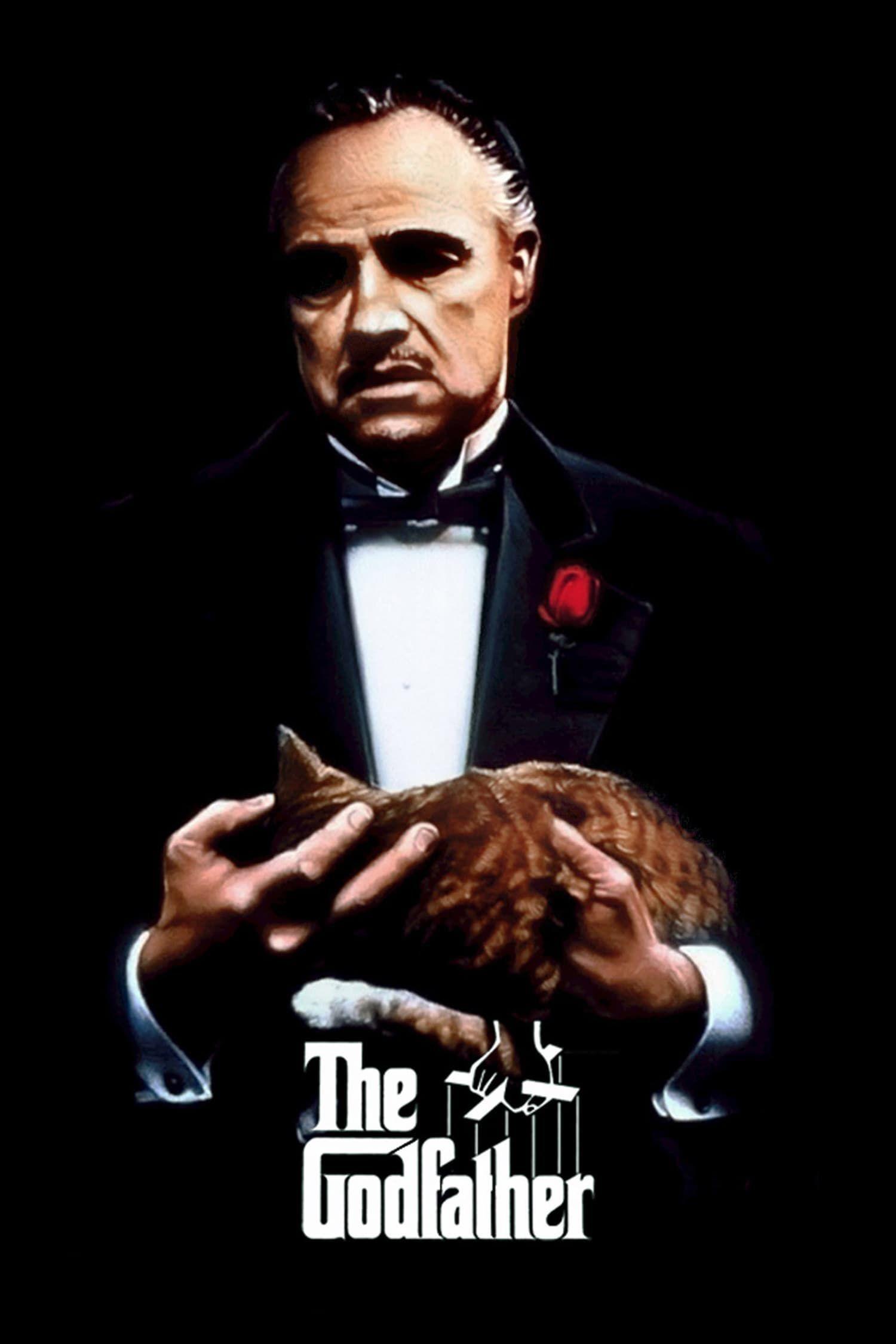
Francis Ford Coppola adapts Mario Puzo’s novel into the story of the Corleone family and the transfer of power within an organized crime dynasty. Marlon Brando plays Vito Corleone with Al Pacino as Michael, supported by James Caan, Robert Duvall, and Diane Keaton, as the narrative follows family loyalty, business decisions, and the cost of violence.
The film earned multiple Academy Awards and set new expectations for crime epics through its cinematography by Gordon Willis, memorable score by Nino Rota, and meticulous production design. Its dialogue, character arcs, and operatic structure shaped the way subsequent films and series approached organized crime and family sagas.
‘La La Land’ (2016)
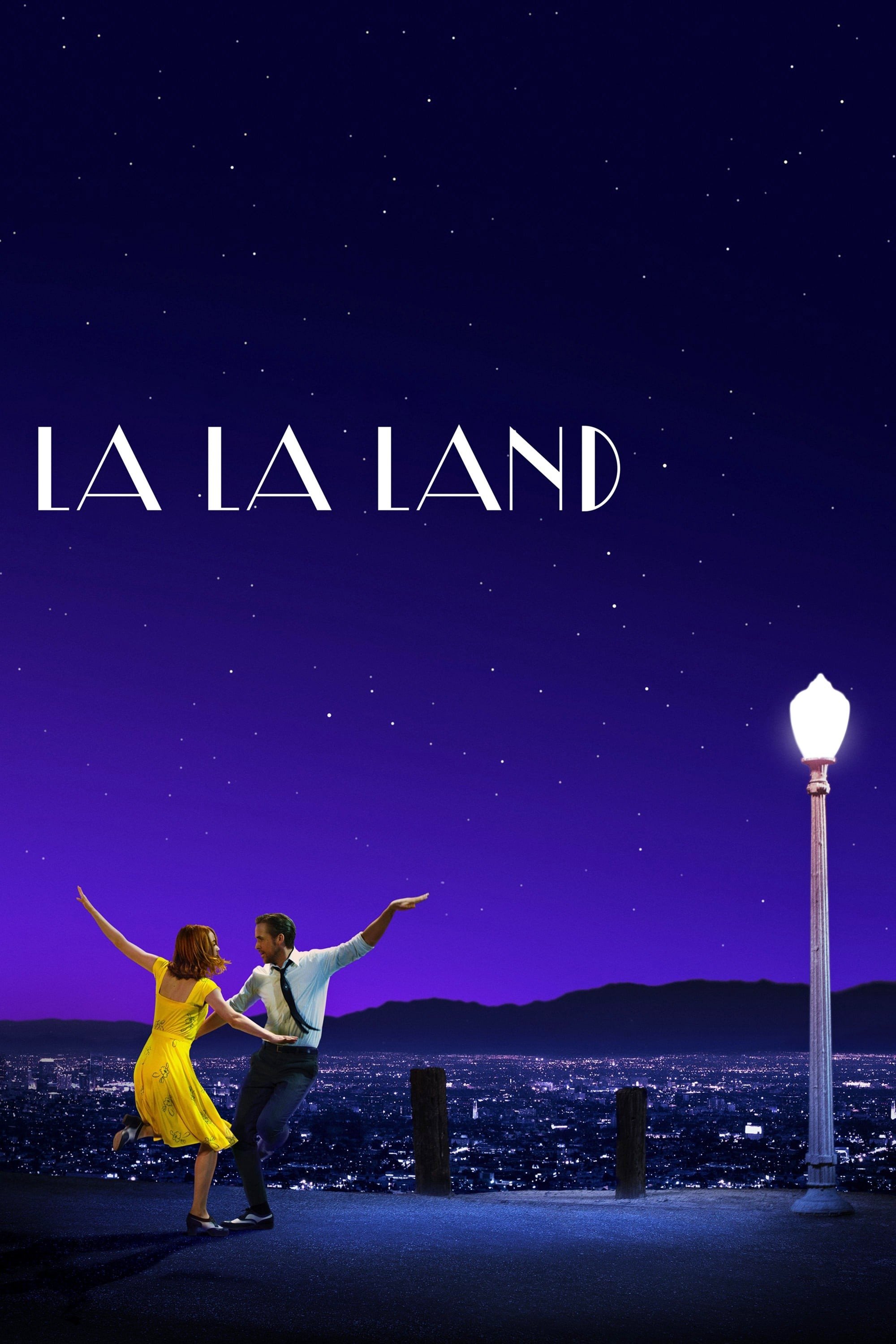
Damien Chazelle’s original musical follows two artists in Los Angeles, an aspiring actress and a jazz pianist, played by Emma Stone and Ryan Gosling. The story traces their careers and relationship through showstopping numbers like the opening freeway sequence and the observatory duet, mixing location shooting with soundstage set pieces.
The film received wide recognition for Justin Hurwitz’s music, Mandy Moore’s choreography, and Linus Sandgren’s cinematography, including the long takes that anchor several musical numbers. It revitalized interest in contemporary screen musicals and sparked renewed discussion about the role of original songs and orchestration in modern filmmaking.
‘Star Wars: Episode IV – A New Hope’ (1977)
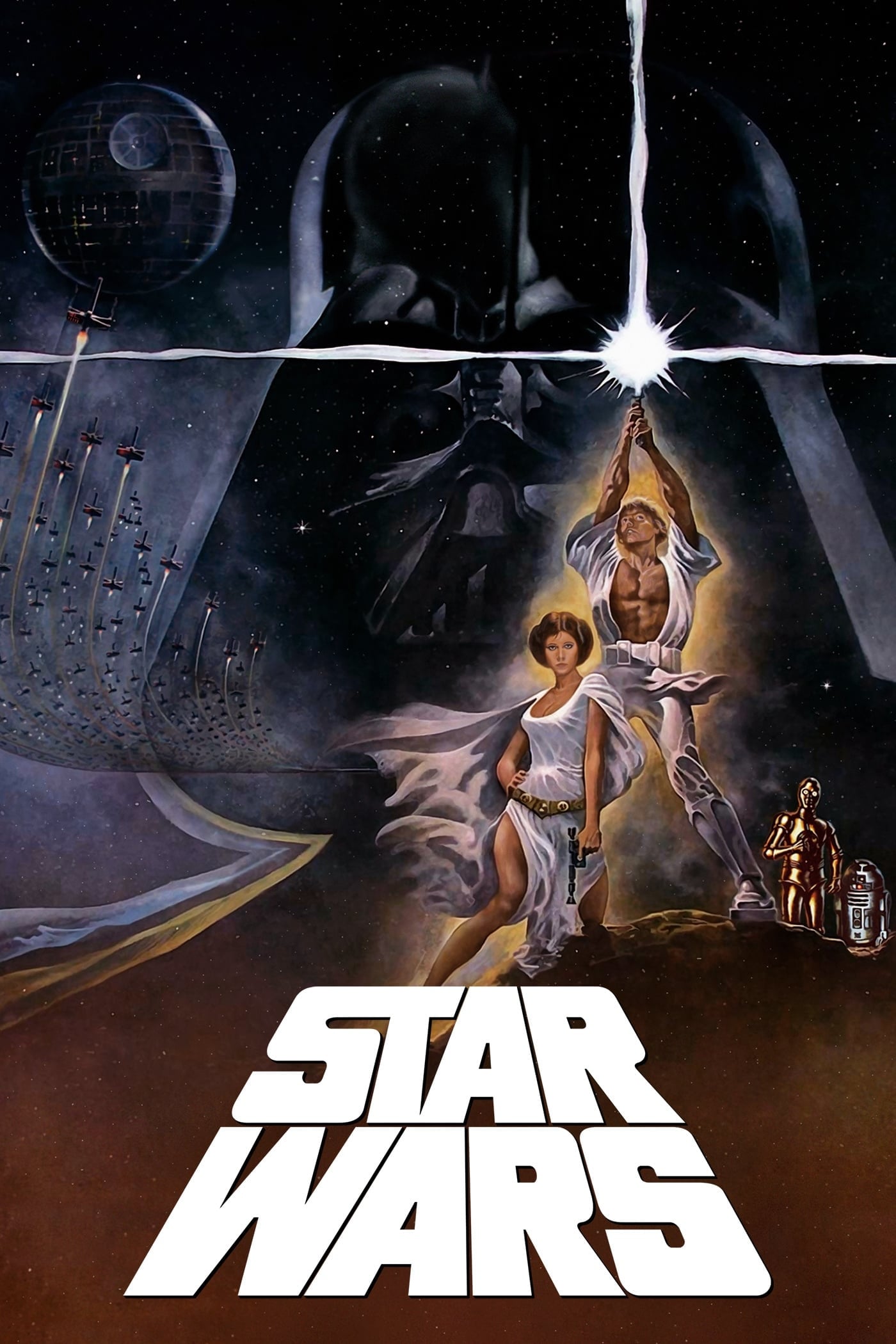
George Lucas presents a hero’s journey that follows a farm boy who joins a rebellion against a galactic empire with help from a smuggler, a princess, and a mysterious mentor. The cast includes Mark Hamill, Harrison Ford, and Carrie Fisher, and the film blends adventure storytelling with visual effects that redefined space fantasy on screen.
Industrial Light and Magic pioneered motion control photography and miniatures to build starships and battles that felt tactile and fast. John Williams’s score, Ben Burtt’s sound design, and the film’s editing rhythms helped form the template for modern blockbusters while introducing characters and mythology that would expand across films, television, and publishing.
‘To Kill a Mockingbird’ (1962)
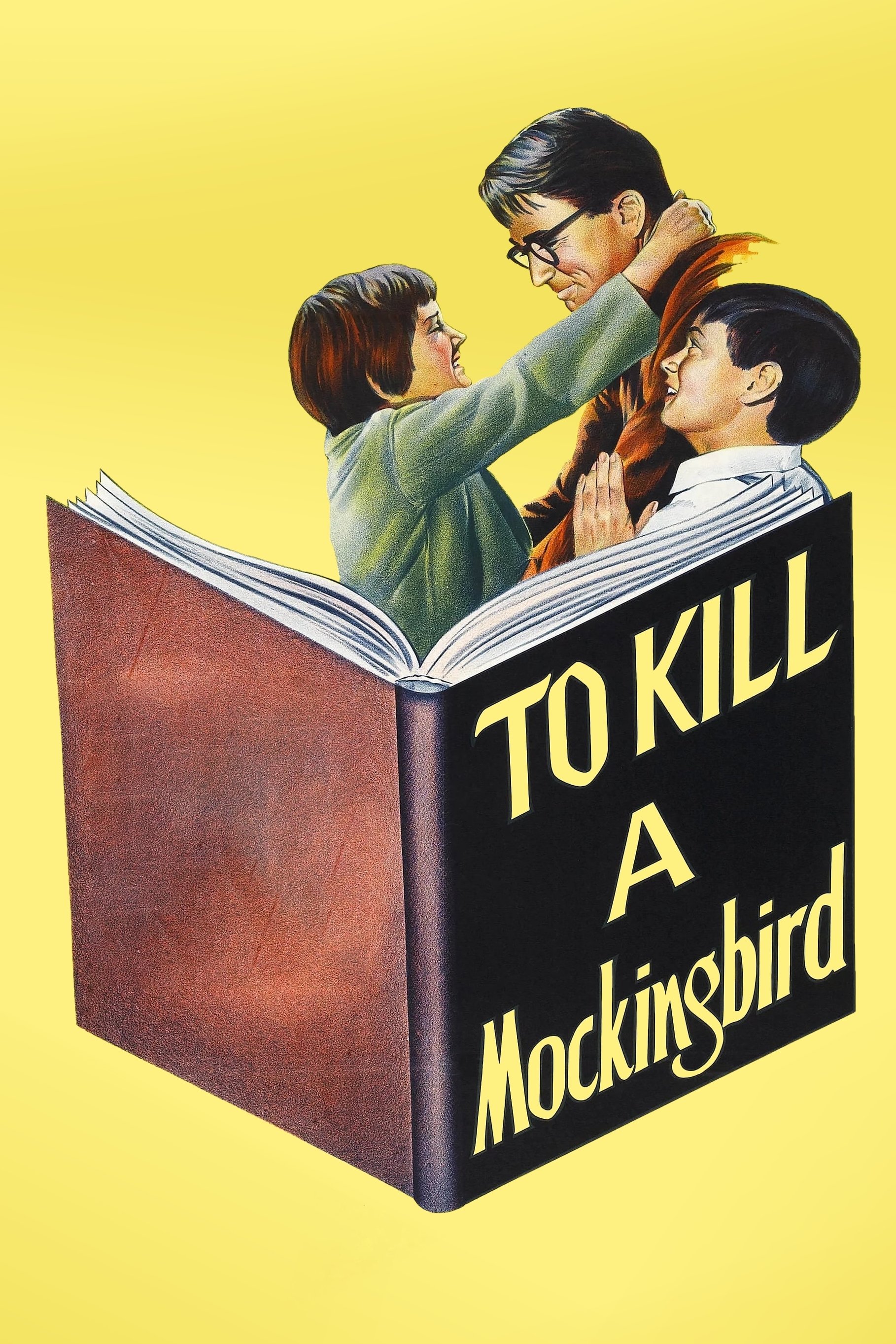
Robert Mulligan adapts Harper Lee’s novel into a courtroom drama viewed through the perspective of a child in a small Southern town. Gregory Peck portrays lawyer Atticus Finch, with Mary Badham as Scout and Robert Duvall in his screen debut, as the story examines justice, empathy, and the power of standing up for what is right.
The film won multiple Academy Awards and is frequently used in classrooms to support lessons on ethics and civic life. Elmer Bernstein’s score, Russell Harlan’s black and white cinematography, and Henry Bumstead’s production design create a strong sense of place that serves the narrative’s focus on community and conscience.
Share your own five in the comments and tell us which of Bautista’s favourites you would pick for a movie night.