


Dead Actors Who Defined the Archetypes We Still See Today

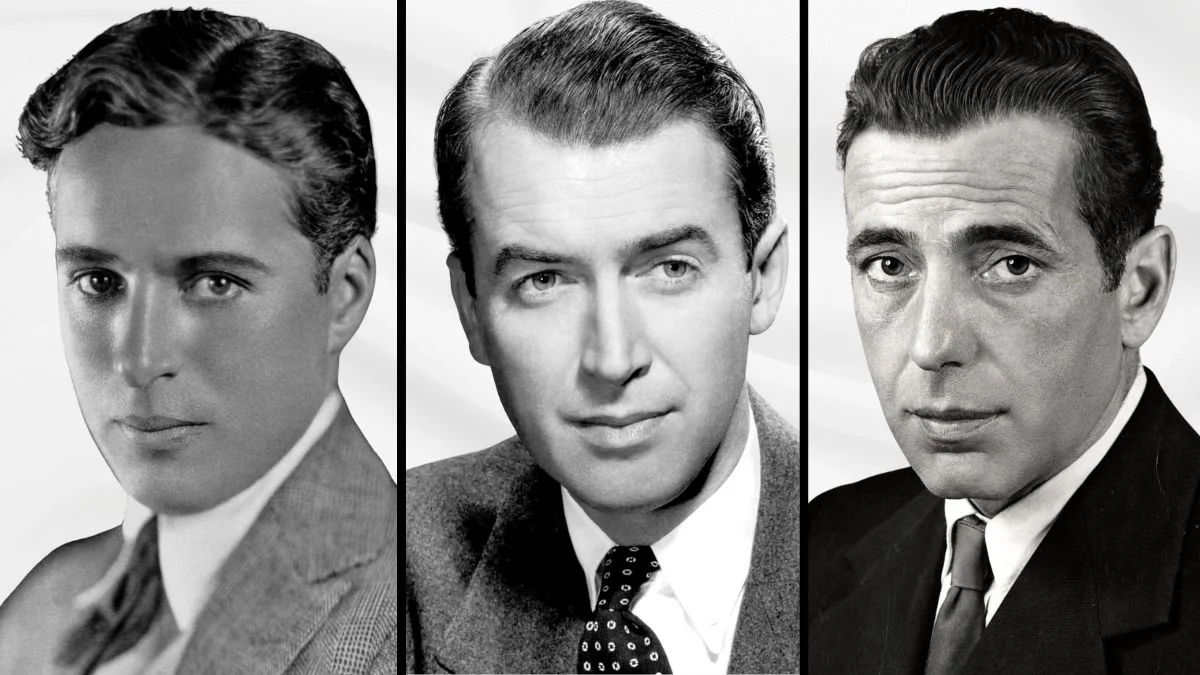


Cinema history is built upon the foundations laid by performers who created distinct personas that continue to influence storytelling. These actors did not just play roles but established specific character types that modern movies still utilize to connect with audiences. Their legacies remain visible in the way contemporary stars approach the tough guys, the romantics, and the rebels of today’s screen. We examine the careers of late actors who cemented the archetypes that remain essential to the film industry.
Humphrey Bogart
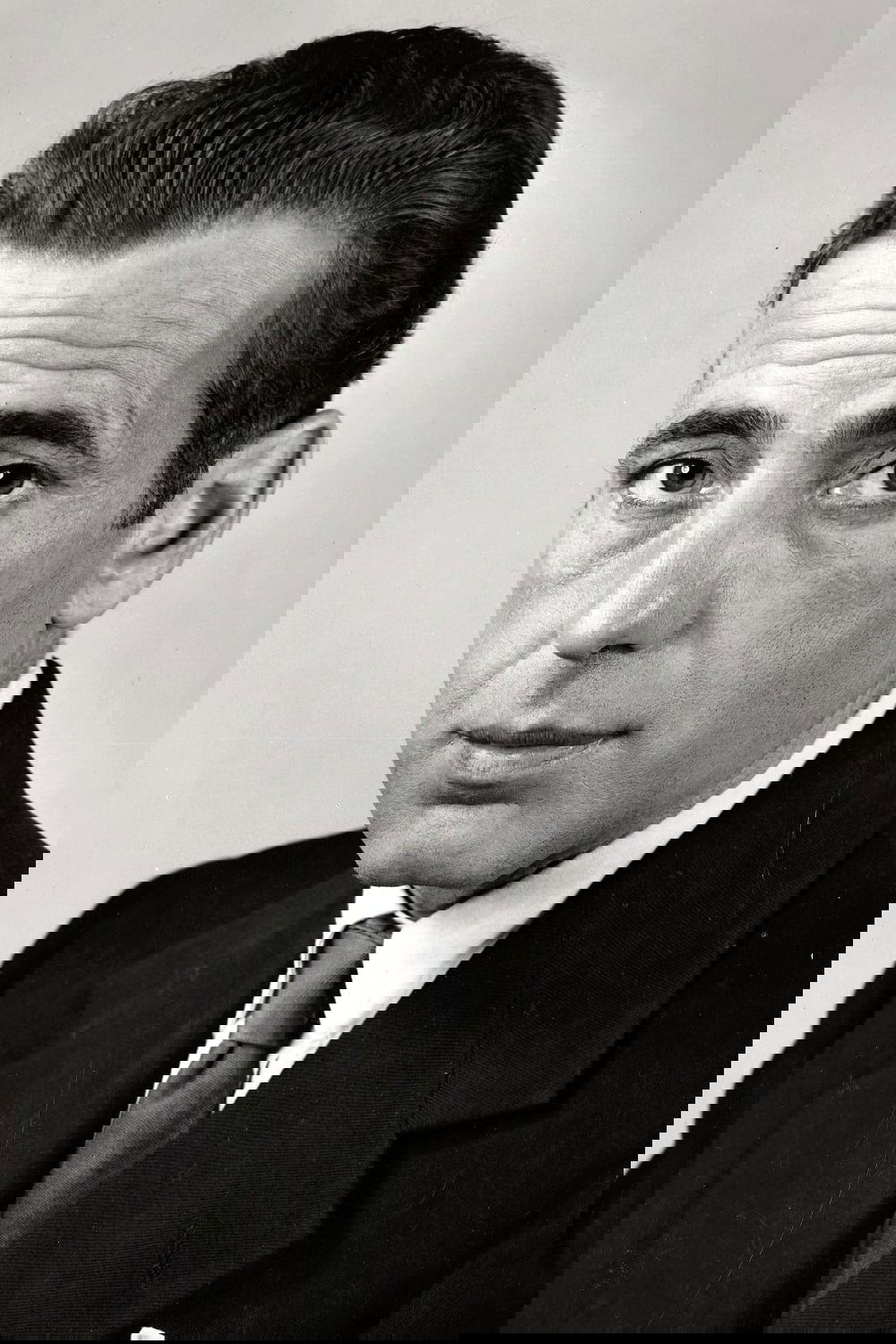
Humphrey Bogart solidified the archetype of the cynical hardboiled detective who hides a noble heart beneath a tough exterior. His performances in films like ‘The Maltese Falcon’ and ‘Casablanca’ established a template for the weary anti-hero. Bogart portrayed men who adhered to a personal code of honor despite the corruption surrounding them. This gritty persona became the gold standard for film noir protagonists and continues to influence crime dramas today.
John Wayne
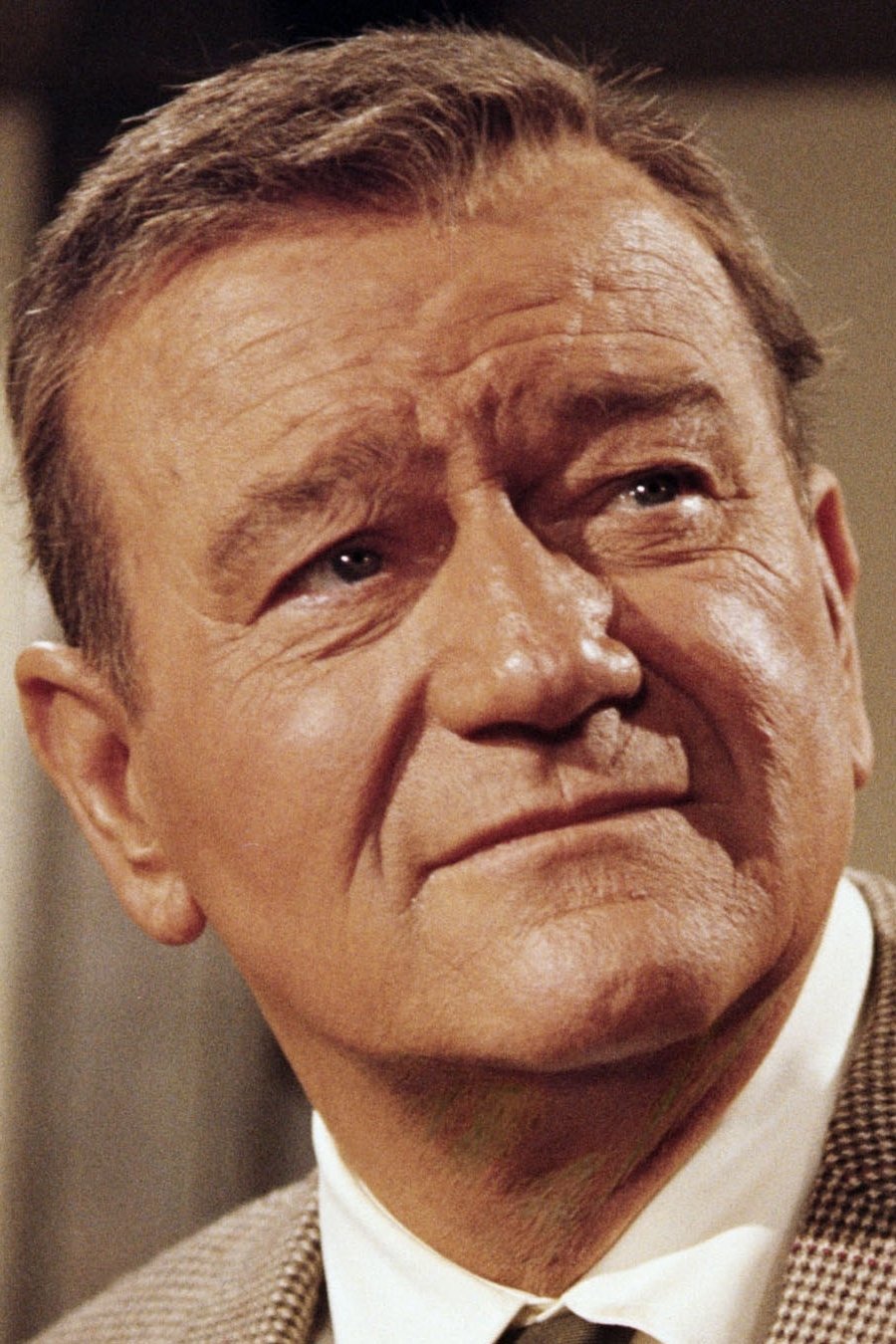
John Wayne remains the enduring symbol of the American West and the rugged individualism associated with the frontier. He defined the cowboy archetype through his distinct walk, slow cadence, and imposing physical presence. Movies such as ‘Stagecoach’ and ‘The Searchers’ showcased his ability to play men of action who spoke little but commanded respect. His legacy is inextricably linked to the image of the stoic protector who restores order to a lawless land.
Marlon Brando
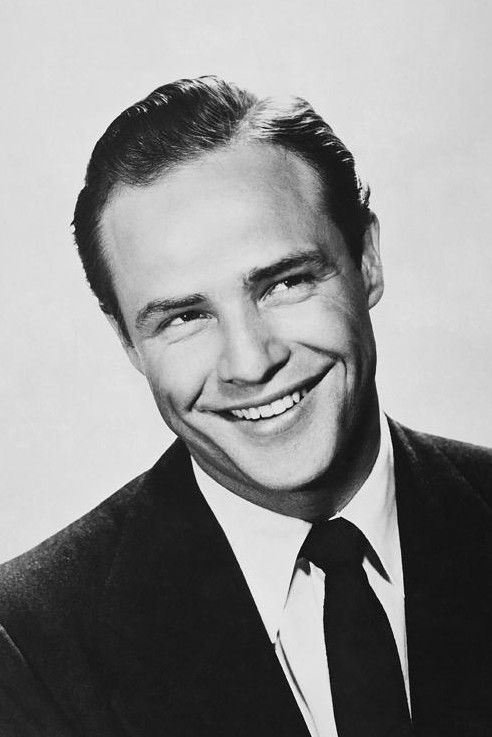
Marlon Brando revolutionized acting by introducing a raw and naturalistic style that challenged the theatrical conventions of his time. He perfected the archetype of the brooding rebel in films like ‘A Streetcar Named Desire’ and ‘The Wild One’. His intense emotional vulnerability and mumbling delivery brought a new layer of psychological realism to the screen. Brando paved the way for future generations of method actors who prioritize emotional truth over polished technique.
James Dean
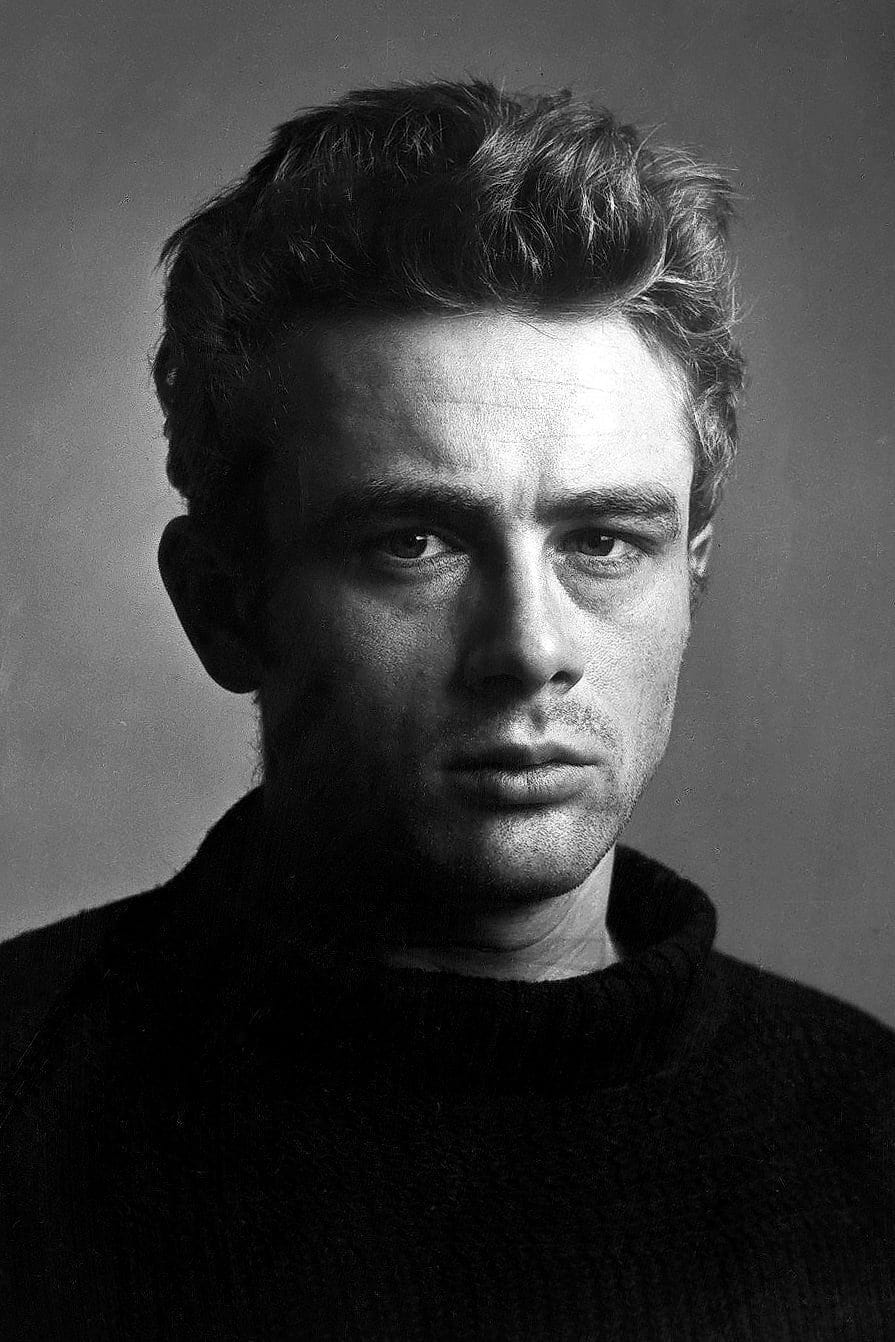
James Dean captured the essence of teenage disillusionment and cemented the archetype of the misunderstood youth. Although he only starred in three major films, his performance in ‘Rebel Without a Cause’ became iconic for its portrayal of generational angst. Dean communicated deep inner turmoil and sensitivity that resonated powerfully with young audiences. His untimely death froze him in time as the eternal symbol of youthful rebellion and emotional restlessness.
Cary Grant
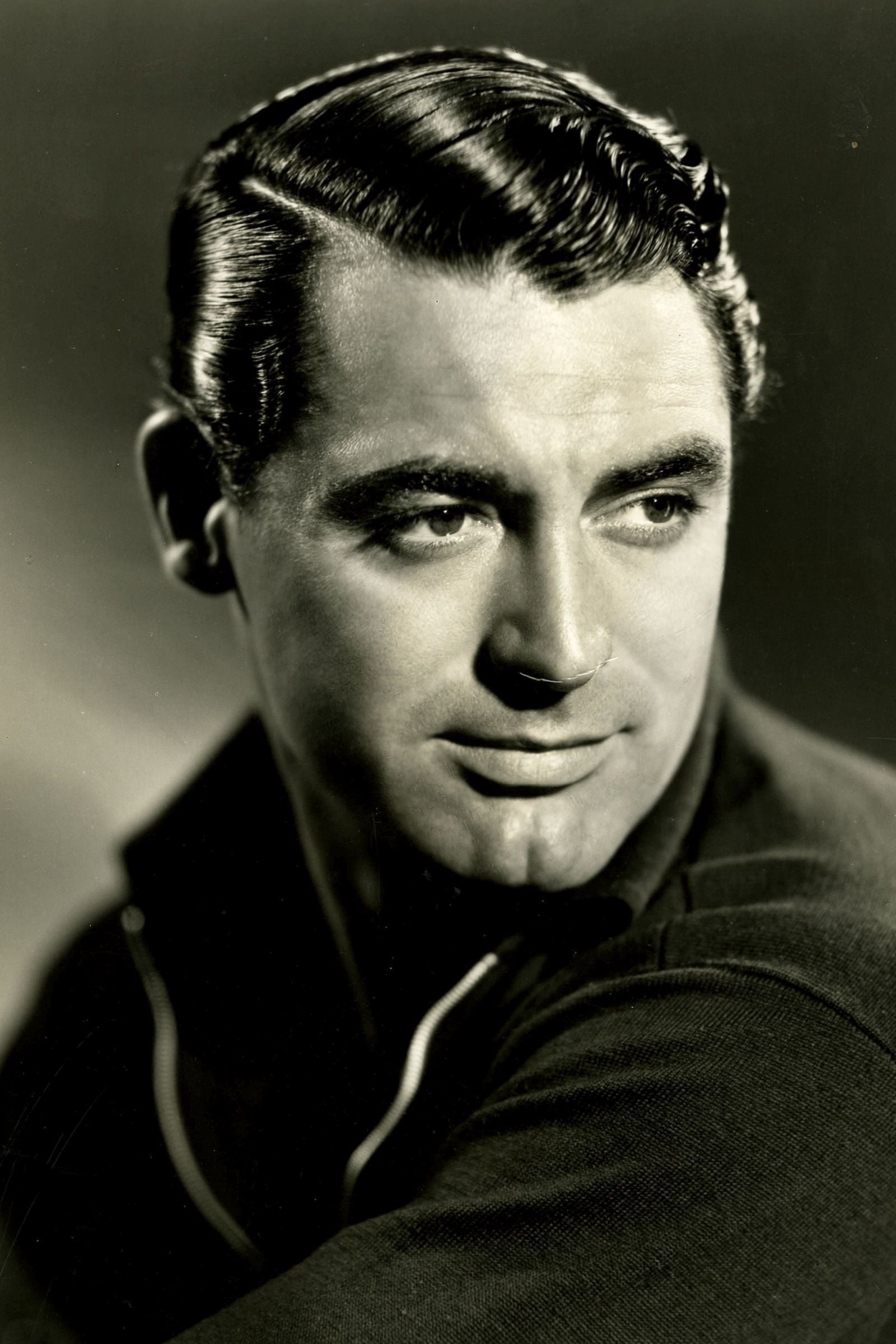
Cary Grant defined the mid-century archetype of the debonair and sophisticated gentleman. He moved effortlessly between screwball comedies and romantic thrillers while maintaining an air of unmatched elegance. Films such as ‘North by Northwest’ and ‘Charade’ highlighted his ability to be charming, witty, and unflappable under pressure. Grant remains the benchmark for the suave leading man who combines good looks with impeccable comic timing.
James Stewart
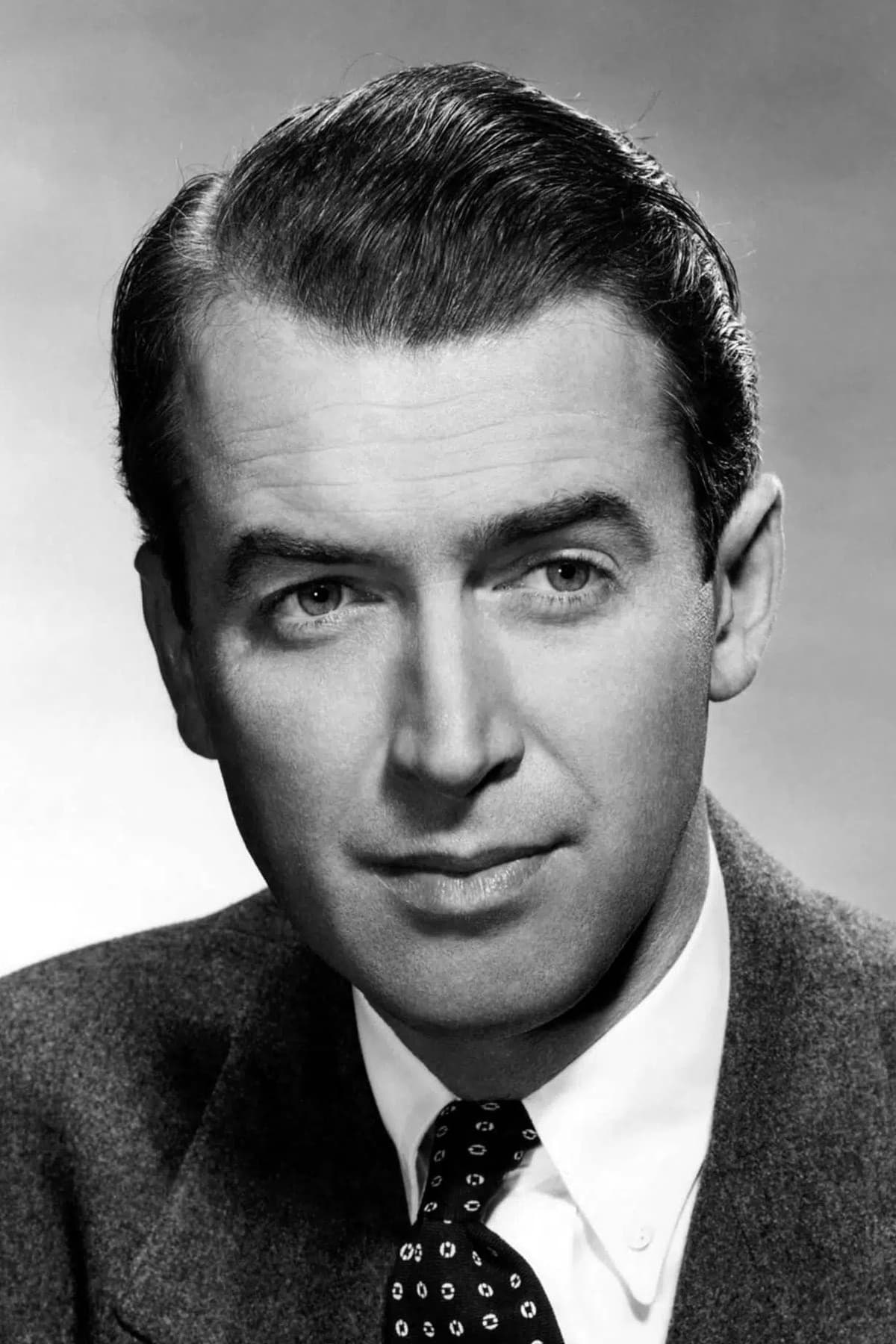
James Stewart established the archetype of the idealistic everyman who stands up for what is right against overwhelming odds. His roles in ‘Mr. Smith Goes to Washington’ and ‘It’s a Wonderful Life’ showcased a relatable decency that endeared him to audiences. Stewart often played ordinary men thrust into extraordinary circumstances who relied on their moral compass to survive. This persona of the humble hero remains a staple in American cinema.
Charlie Chaplin
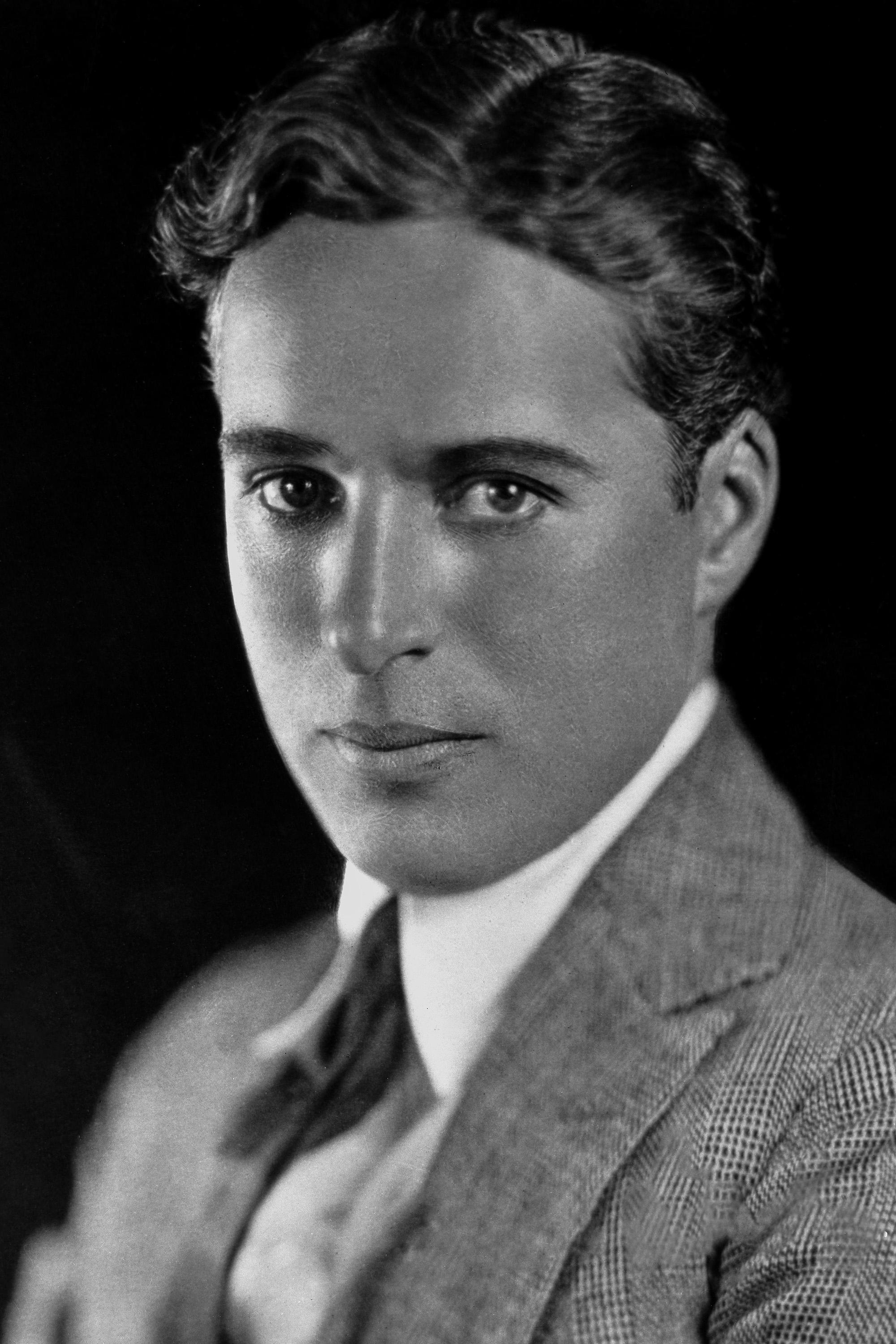
Charlie Chaplin created the Tramp, one of the most recognizable figures in film history, which defined the archetype of the lovable underdog. He used physical comedy and pantomime to evoke both laughter and sympathy without speaking a word. Movies like ‘City Lights’ and ‘Modern Times’ used this character to critique social injustices while championing the resilience of the human spirit. Chaplin demonstrated that comedy could be a profound vehicle for emotional storytelling.
Buster Keaton
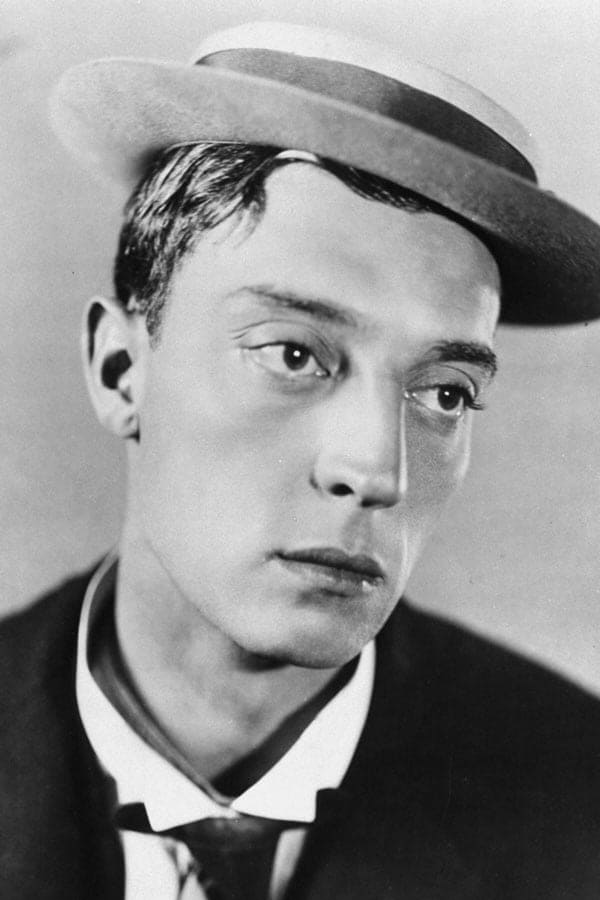
Buster Keaton pioneered the archetype of the stoic survivor who endures chaos with a stone face. His incredible stunt work and physical precision in films like ‘The General’ set a high bar for action-comedy. Keaton played characters who remained calm and expressionless while the world around them collapsed into absurdity. His influence is clearly visible in the work of modern physical comedians and stunt performers.
Clark Gable
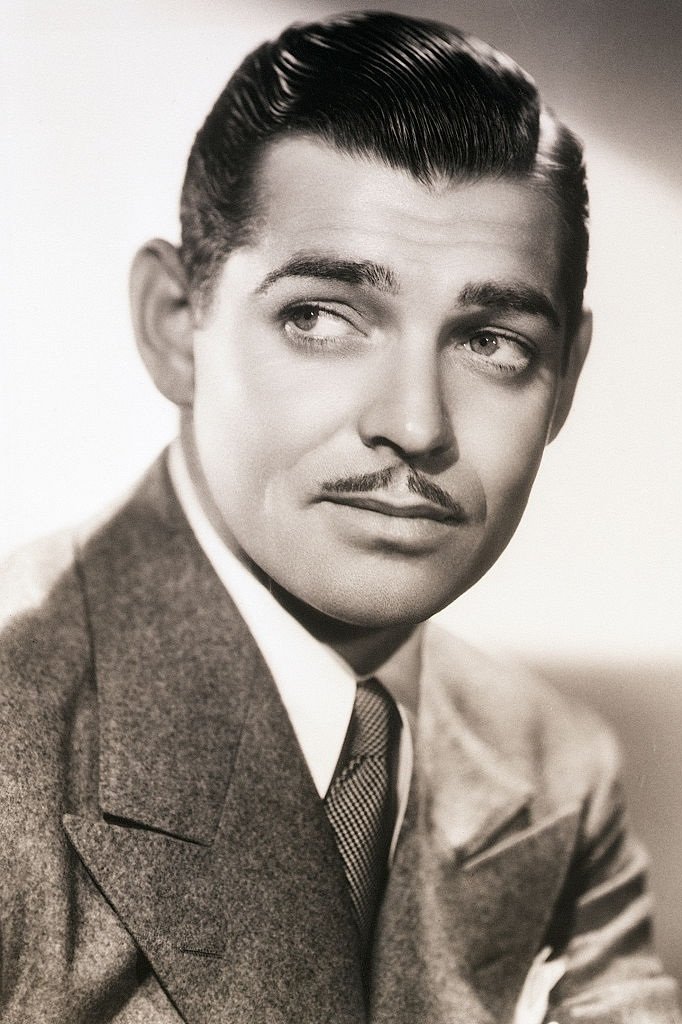
Clark Gable embodied the archetype of the roguish but charming leading man who exuded masculine confidence. He became known as the King of Hollywood due to his commanding presence in hits like ‘Gone with the Wind’ and ‘It Happened One Night’. Gable often played characters who were initially cynical or rough but ultimately revealed a romantic or heroic nature. His style set the precedent for the confident alpha male in romantic dramas.
Sidney Poitier
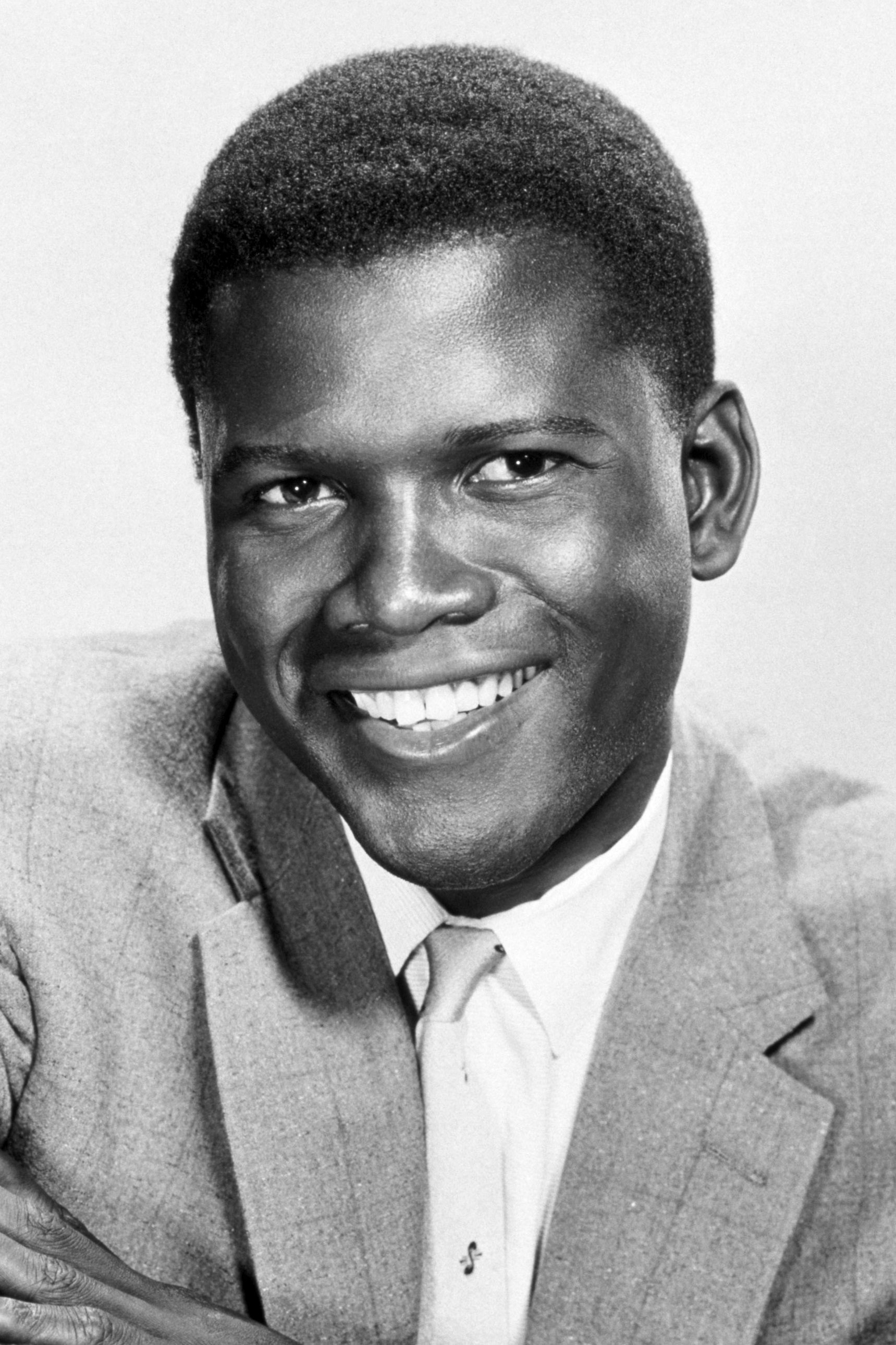
Sidney Poitier defined the archetype of the dignified trailblazer who maintains composure in the face of prejudice. His performances in ‘In the Heat of the Night’ and ‘Guess Who’s Coming to Dinner’ presented characters of immense intelligence and moral fortitude. Poitier broke racial barriers by refusing to play subservient roles and insisting on characters with agency and respect. He established a legacy of quiet strength and grace that transformed the depiction of Black men in cinema.
Steve McQueen
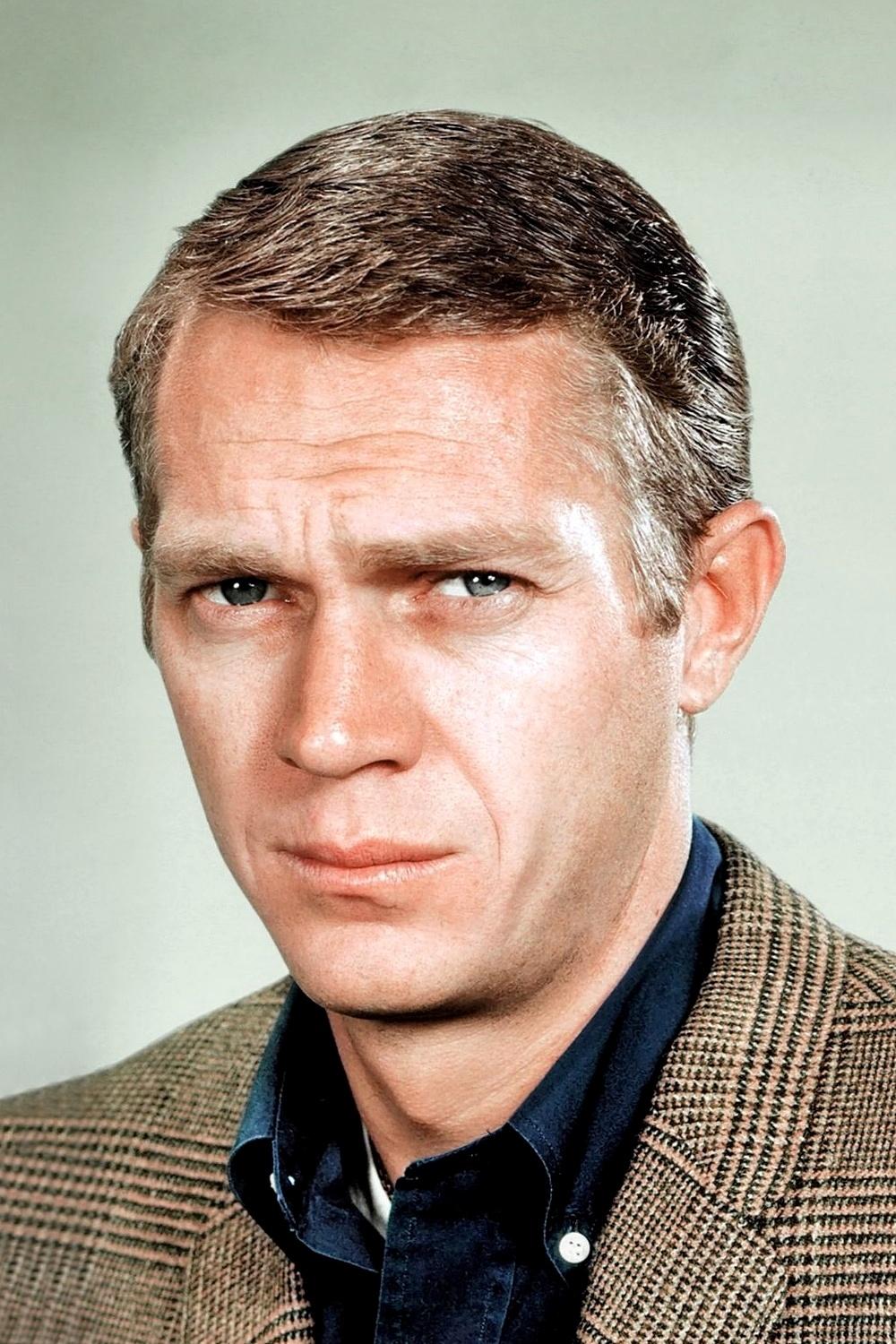
Steve McQueen became the ultimate definition of the King of Cool and the modern anti-hero. He excelled at playing men of few words who communicated through action and expert driving skills in films like ‘Bullitt’ and ‘The Great Escape’. McQueen projected an air of detachment and rebellion that made him an icon of counterculture style. His archetype relies on a effortless charisma that does not require dialogue to command the screen.
Bruce Lee
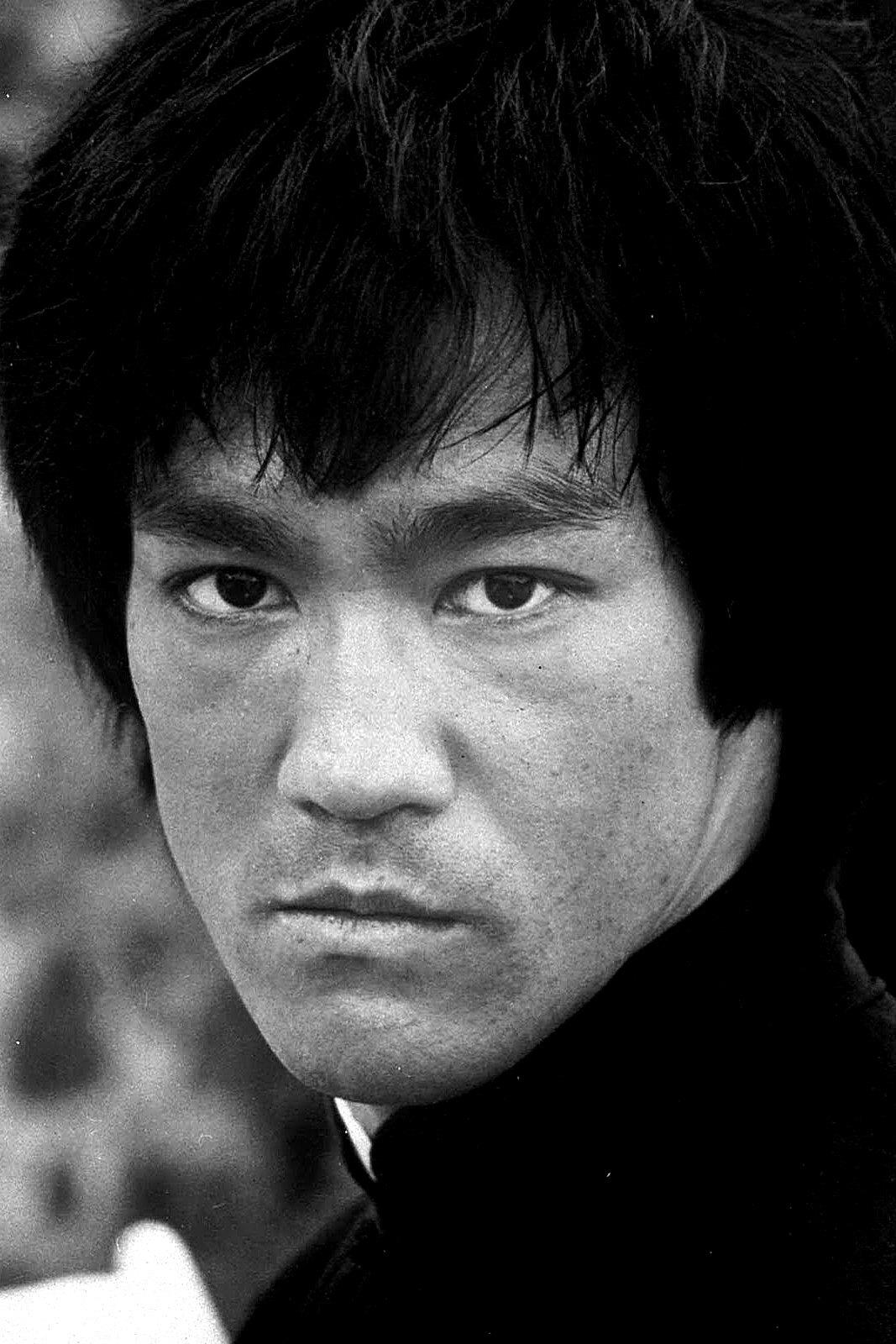
Bruce Lee established the archetype of the philosophical warrior who combines physical mastery with spiritual discipline. His films like ‘Enter the Dragon’ brought martial arts to the forefront of global pop culture. Lee played characters who fought against oppression and injustice using their bodies as lethal weapons. He permanently changed the action genre by integrating Eastern philosophy with kinetic fight choreography.
Fred Astaire
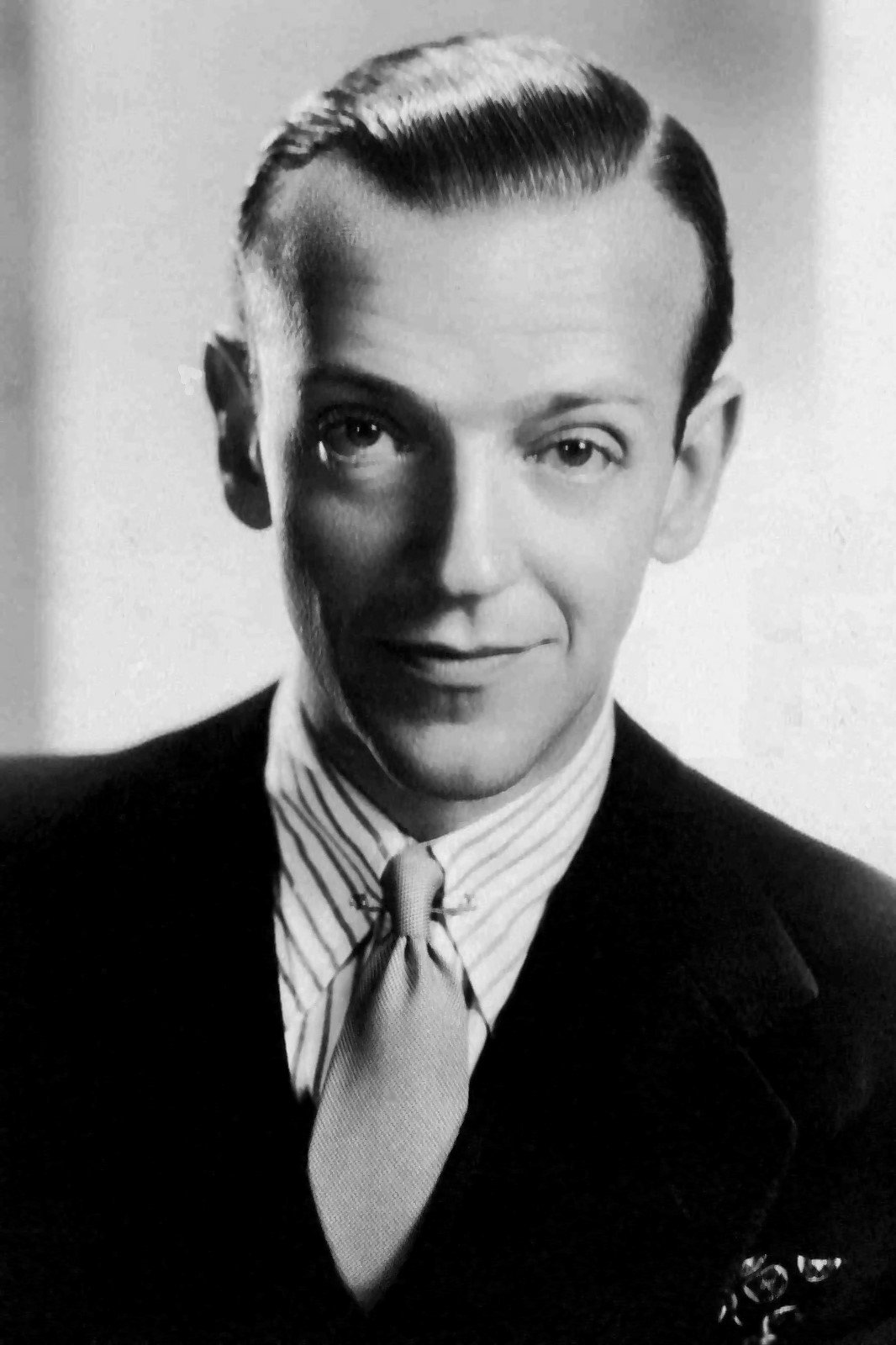
Fred Astaire defined the archetype of the elegant song-and-dance man who makes complex movement look effortless. His partnership with Ginger Rogers produced classics like ‘Top Hat’ where he displayed sophistication and charm in equal measure. Astaire revolutionized the way dance was filmed by insisting that full-body shots be used to capture the choreography intact. His legacy lives on in every musical performer who strives for grace and precision.
Gene Kelly
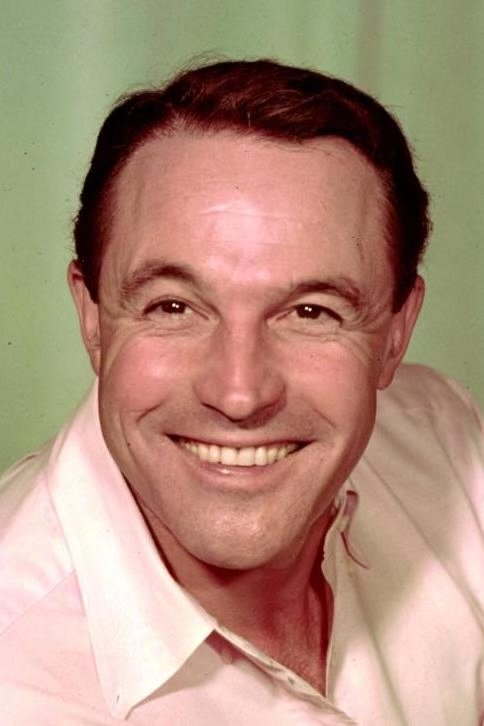
Gene Kelly offered a counterpoint to Astaire by establishing the archetype of the athletic and blue-collar dancer. He brought a muscular and energetic style to films like ‘Singin’ in the Rain’ and ‘An American in Paris’. Kelly often played characters who were ambitious and spirited, making dance feel accessible and grounded. His work emphasized joy and vitality, influencing generations of performers who view dance as an athletic pursuit.
Boris Karloff
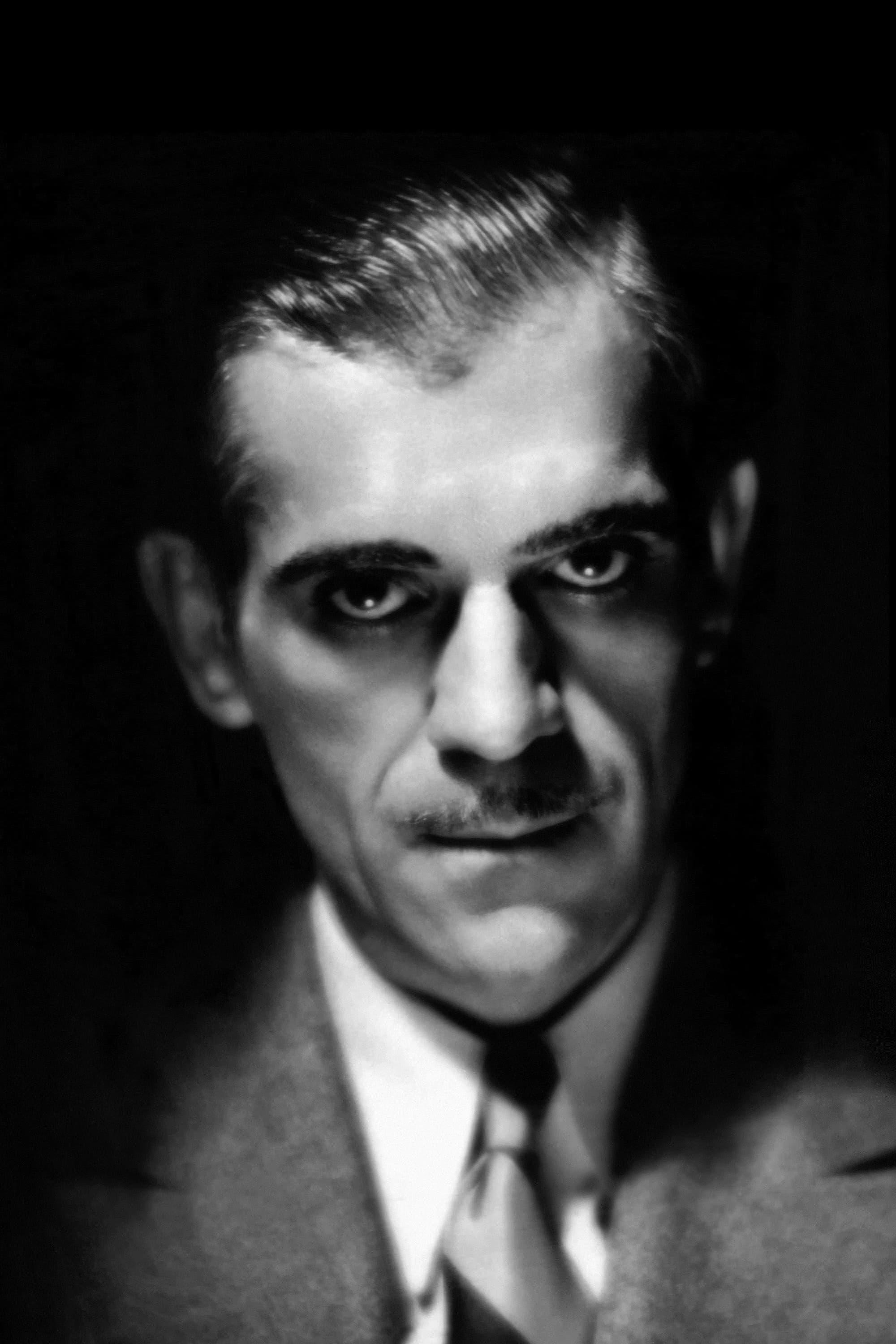
Boris Karloff created the archetype of the tragic monster who elicits sympathy despite his terrifying appearance. His portrayal of the creature in ‘Frankenstein’ relied on heavy makeup and pantomime to convey a sense of confusion and loneliness. Karloff proved that horror characters could possess depth and humanity. This performance established the template for the misunderstood beast that is still used in creature features today.
Bela Lugosi
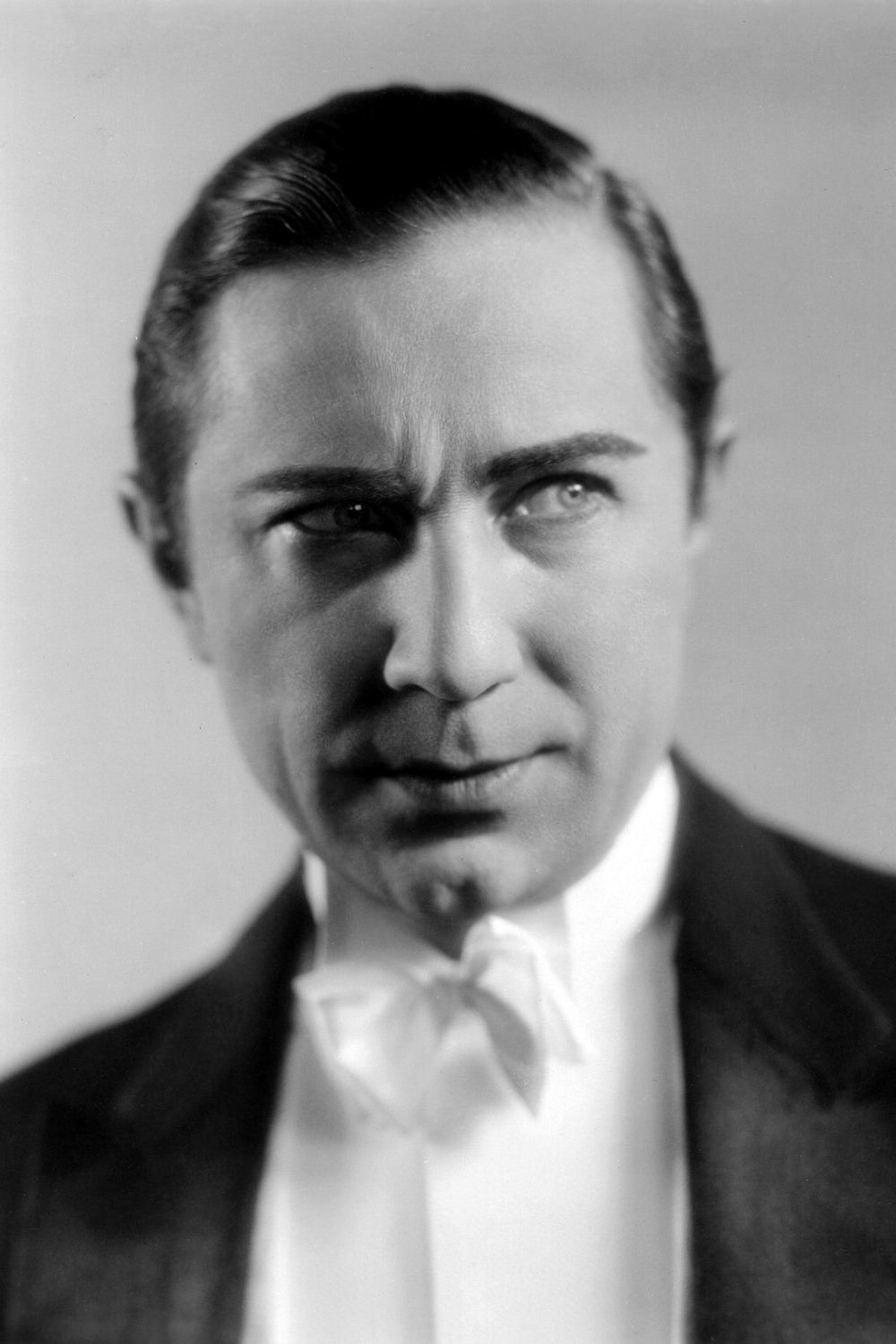
Bela Lugosi defined the archetype of the aristocratic vampire with his hypnotic gaze and distinctive accent. His performance in ‘Dracula’ set the visual and behavioral standard for the vampire count for nearly a century. Lugosi brought a seductiveness and menace to the role that transformed the vampire from a pest into a sophisticated villain. His interpretation remains the primary reference point for gothic horror antagonists.
James Cagney
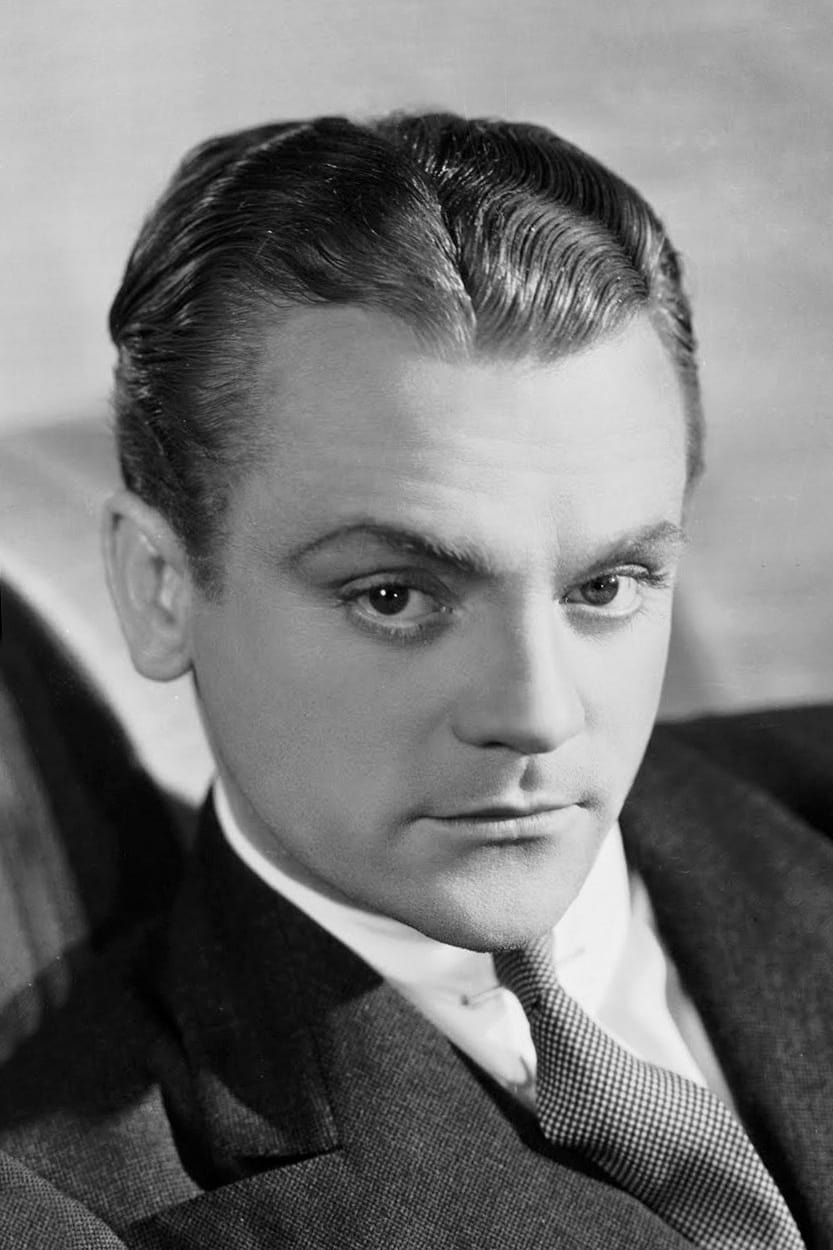
James Cagney established the archetype of the fast-talking gangster whose ambition leads to his downfall. He brought an electric energy to films like ‘The Public Enemy’ and ‘White Heat’, often playing volatile criminals. Cagney used his background in dance to give his tough guys a unique physicality and rhythm. His portrayal of the aggressive underdog fighting his way to the top defined the rise-and-fall narrative of the mob movie.
Errol Flynn
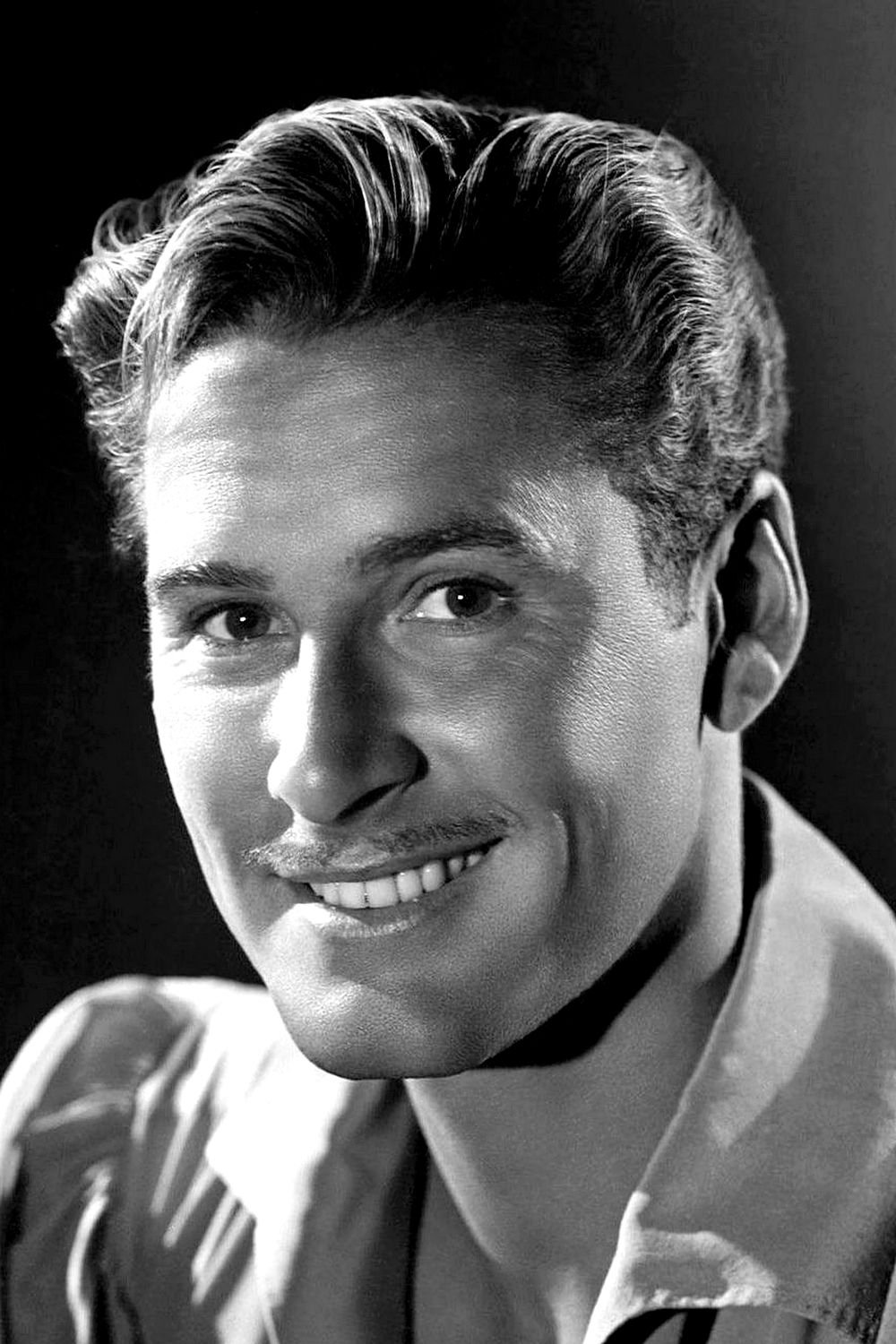
Errol Flynn perfected the archetype of the dashing swashbuckler who fights for justice with a smile. He became world-famous for his roles in ‘The Adventures of Robin Hood’ and ‘Captain Blood’, where he performed daring stunts and sword fights. Flynn embodied a playful heroism that combined athletic prowess with romantic charm. This archetype of the joyful adventurer remains a key influence on modern action-adventure films.
Gregory Peck

Gregory Peck defined the archetype of the moral authority figure who represents the conscience of the story. His Oscar-winning role as Atticus Finch in ‘To Kill a Mockingbird’ is the definitive example of integrity and fatherly wisdom. Peck possessed a deep voice and a calm demeanor that naturally commanded respect and trust. He excelled at playing leaders and professionals who uphold justice and decency.
Paul Newman
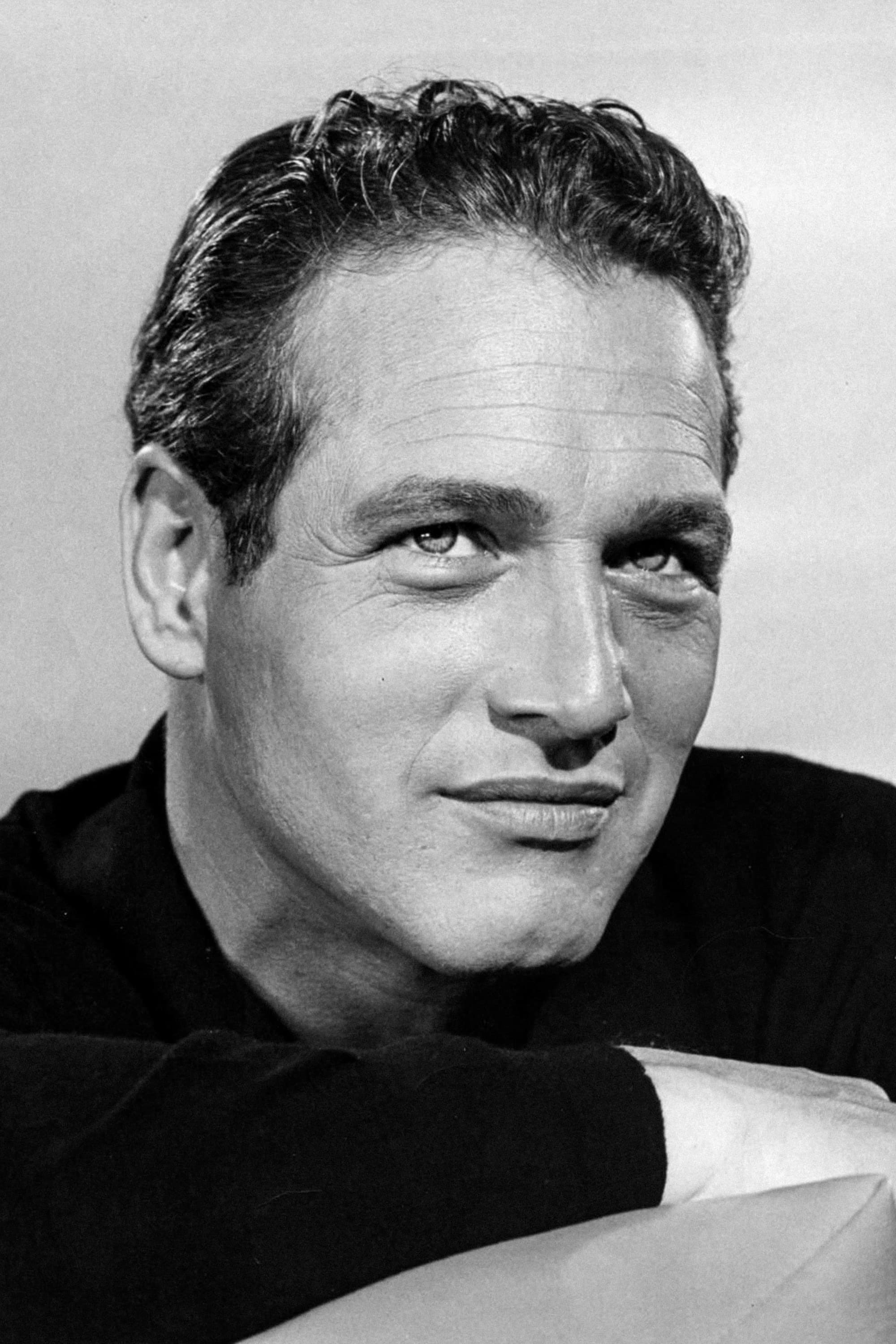
Paul Newman established the archetype of the charming hustler who skates by on wit and blue-eyed charisma. Films like ‘The Hustler’ and ‘Cool Hand Luke’ featured him as a rebellious spirit who refuses to conform to authority. Newman brought a sense of vulnerability to these confident characters that made them deeply human. His legacy is built on playing flawed protagonists who win the audience over despite their questionable choices.
Rudolph Valentino
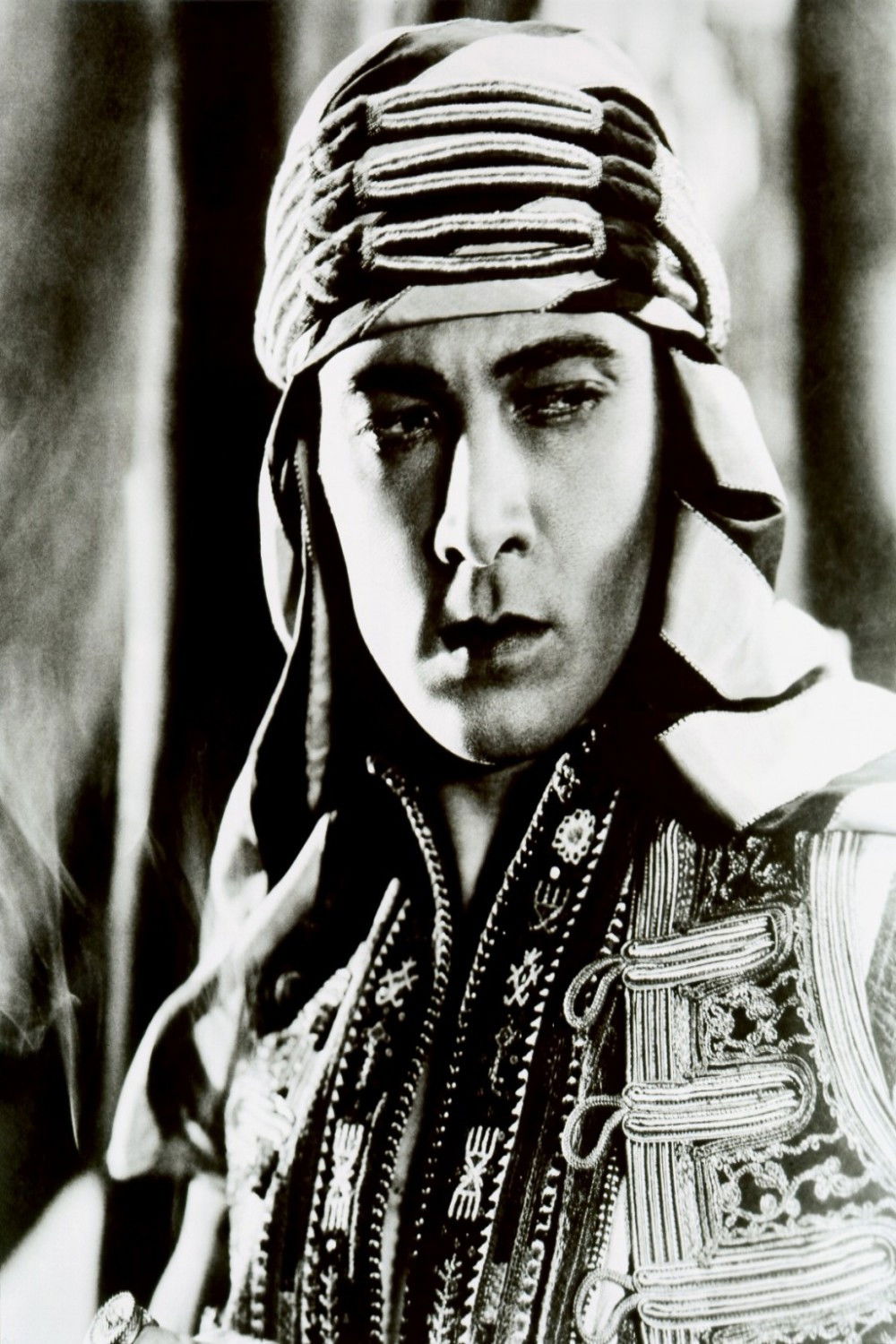
Rudolph Valentino created the archetype of the Latin Lover who causes mass hysteria among fans. He starred in silent era hits like ‘The Sheik’, where his intense gaze and exotic appeal defined screen romance. Valentino represented a passionate and dangerous allure that was distinct from the wholesome American heroes of the time. His early death cemented his status as the original cinematic heartthrob.
Groucho Marx
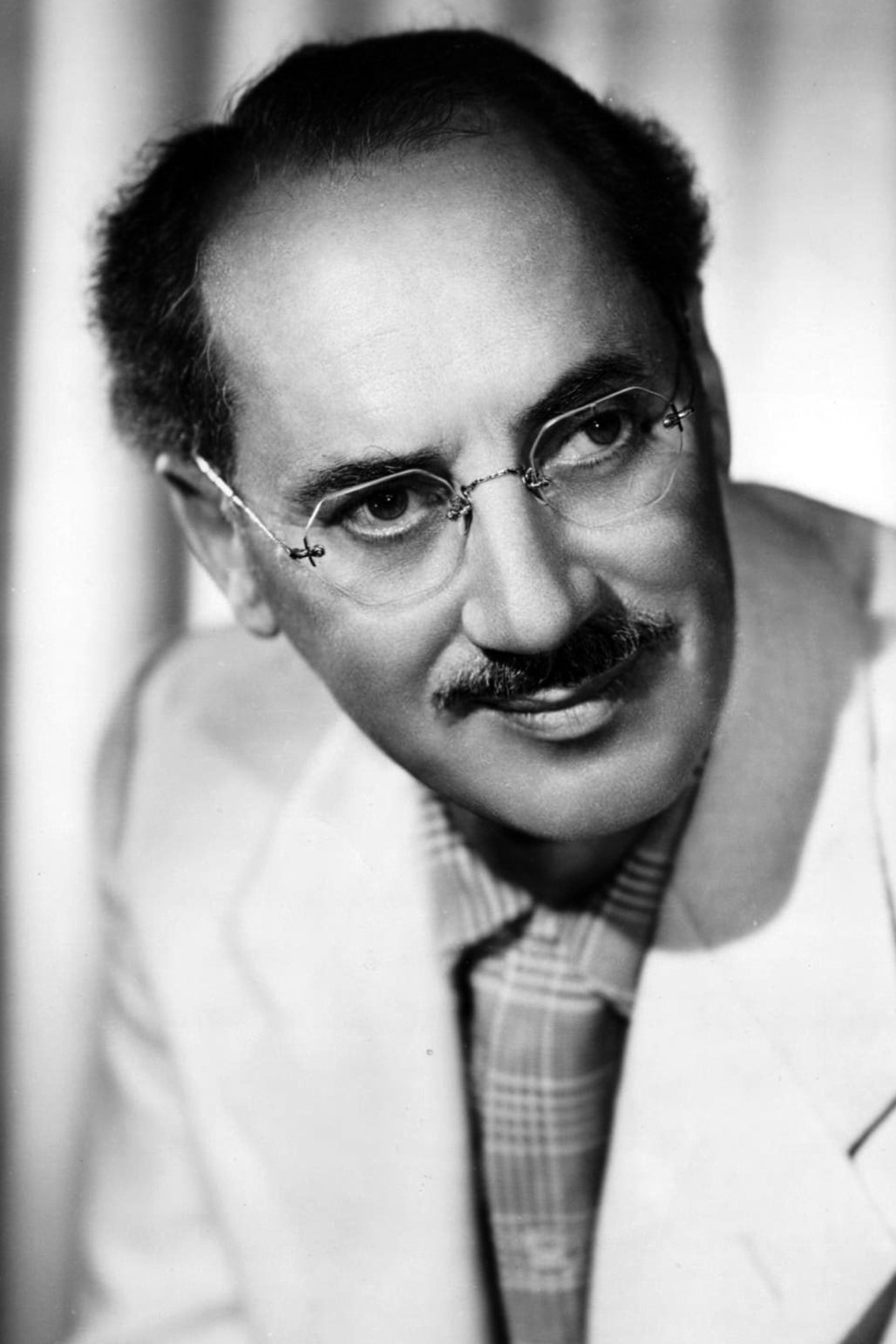
Groucho Marx defined the archetype of the anarchic wit who uses language to dismantle social norms. As the leader of the Marx Brothers in films like ‘Duck Soup’, he utilized puns, insults, and rapid-fire dialogue to confuse and mock authority figures. His distinctive greasepaint mustache and stooped walk became instant symbols of comedy. Groucho established the template for the wise-cracking smart aleck that pervades modern sitcoms and stand-up.
Peter Sellers
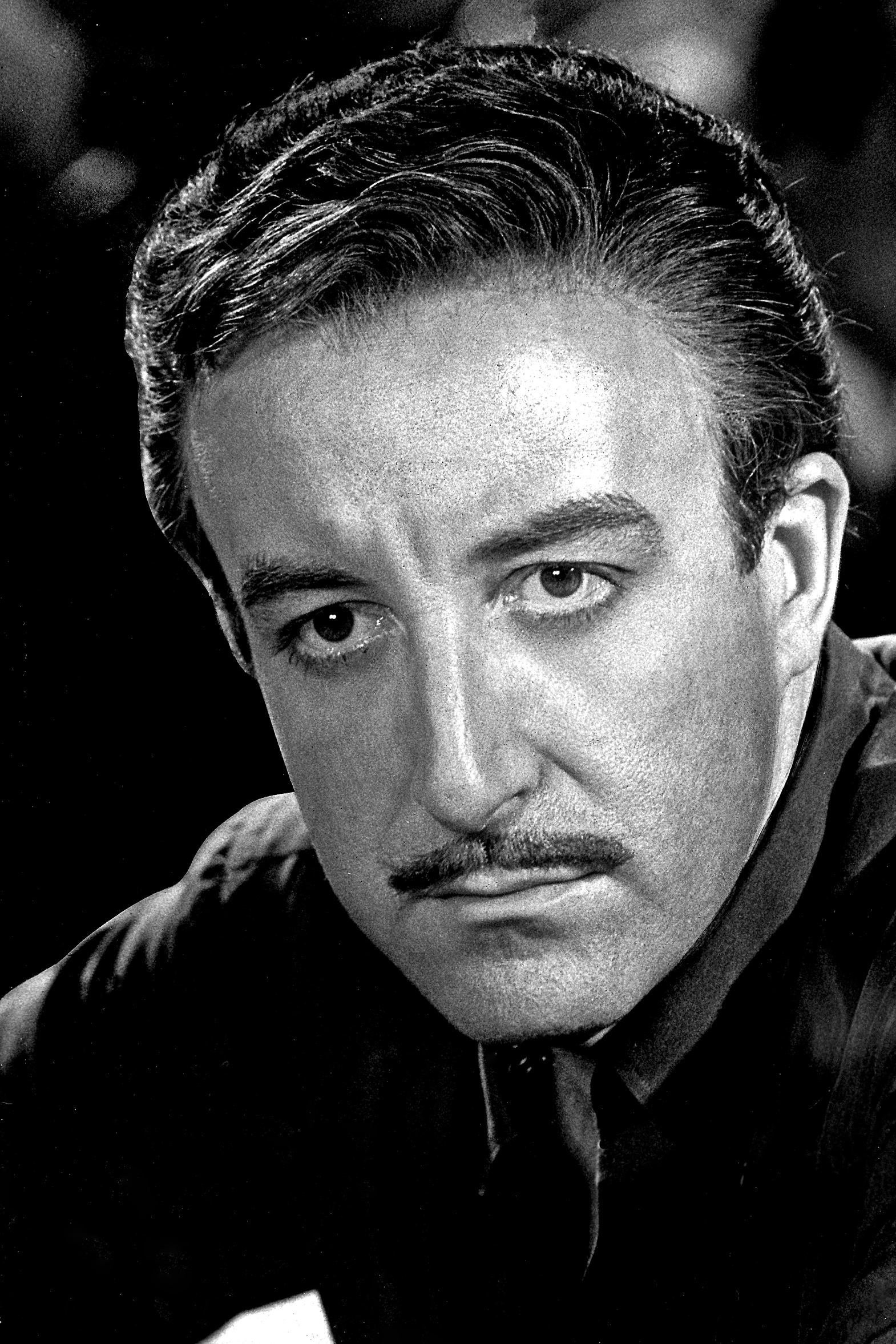
Peter Sellers established the archetype of the comedic chameleon who disappears completely into his roles. He famously played three different characters in ‘Dr. Strangelove’ and the bumbling Inspector Clouseau in ‘The Pink Panther’. Sellers used accents, makeup, and distinct body language to create entirely separate personas for each performance. His work demonstrated the limitless possibilities of character acting within the comedy genre.
Spencer Tracy
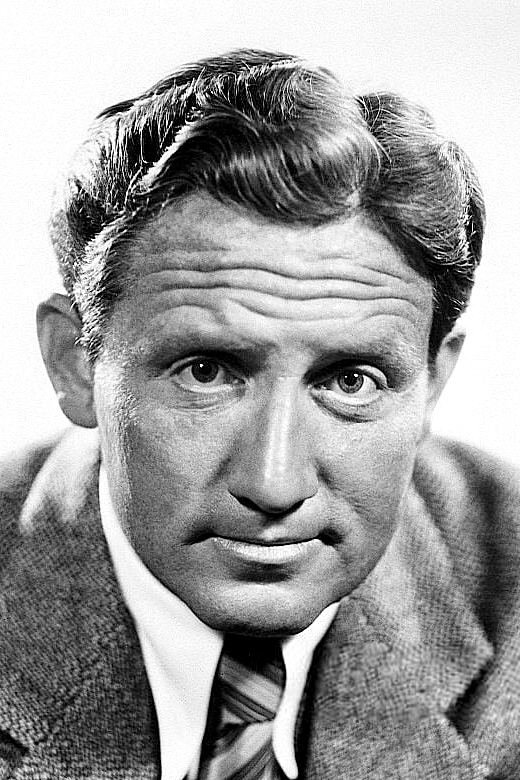
Spencer Tracy defined the archetype of the grounded realist who anchors the film with naturalism. He was known as the actor’s actor for his ability to listen and react with absolute authenticity in films like ‘Inherit the Wind’. Tracy avoided flashy techniques in favor of a conversational style that made his characters feel like real people. His partnership with Katharine Hepburn showcased his ability to play the solid counterpoint to a more eccentric lead.
Henry Fonda
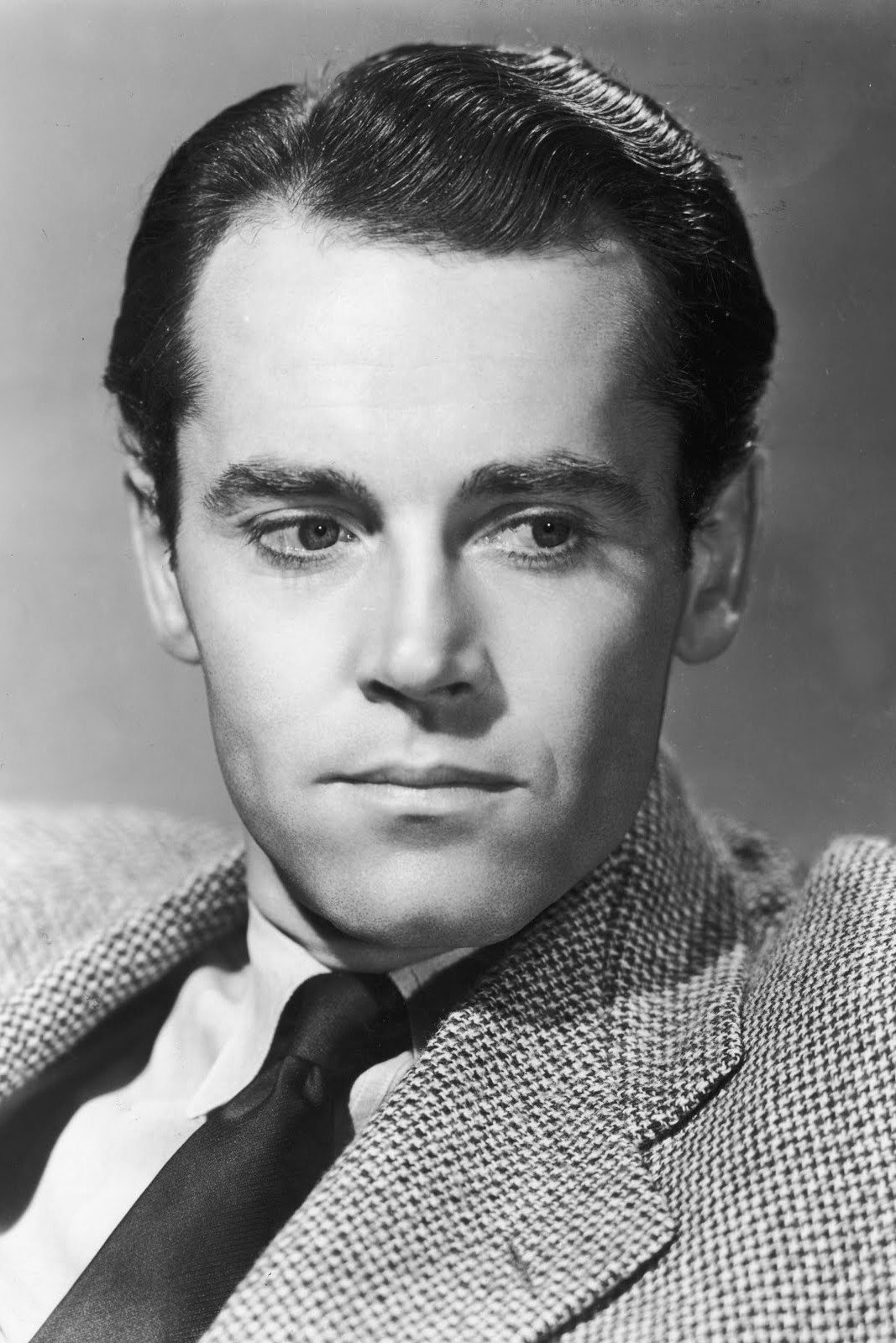
Henry Fonda embodied the archetype of quiet integrity and understated resolve. His role in ’12 Angry Men’ showcased the power of a single rational voice standing against a tide of emotion. Fonda often played characters who were slow to anger but unshakeable in their convictions. This persona of the soft-spoken defender of truth is a recurring figure in courtroom and political dramas.
Gary Cooper
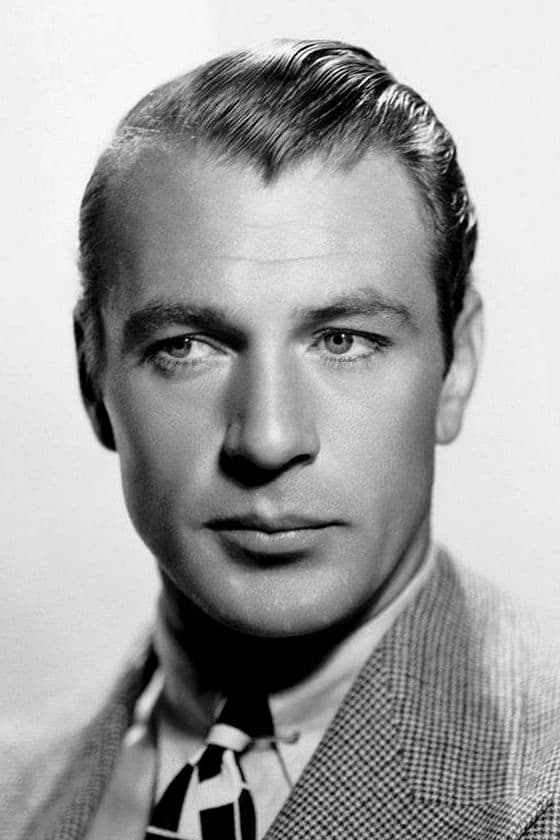
Gary Cooper established the archetype of the reluctant hero who steps up when no one else will. In ‘High Noon’, he played a marshal who faces a gang of killers alone because his code of duty demands it. Cooper projected a hesitant shyness that made his eventual acts of bravery more impactful. He represents the ordinary man who finds courage through necessity rather than desire.
Montgomery Clift

Montgomery Clift defined the archetype of the sensitive and tortured soul who wears his heart on his sleeve. He was one of the first actors to bring a deep psychological vulnerability to the screen in films like ‘A Place in the Sun’. Clift played characters who were often internally conflicted and fragile. His intense and introspective style bridged the gap between the classical era and the method acting revolution.
Richard Burton

Richard Burton solidified the archetype of the volatile thespian whose voice commands absolute attention. He brought a Shakespearean grandeur to modern roles in films like ‘Who’s Afraid of Virginia Woolf?’. Burton was known for his brooding intensity and the explosive power of his delivery. He represents the actor who brings a sense of danger and classical training to every performance.
Laurence Olivier
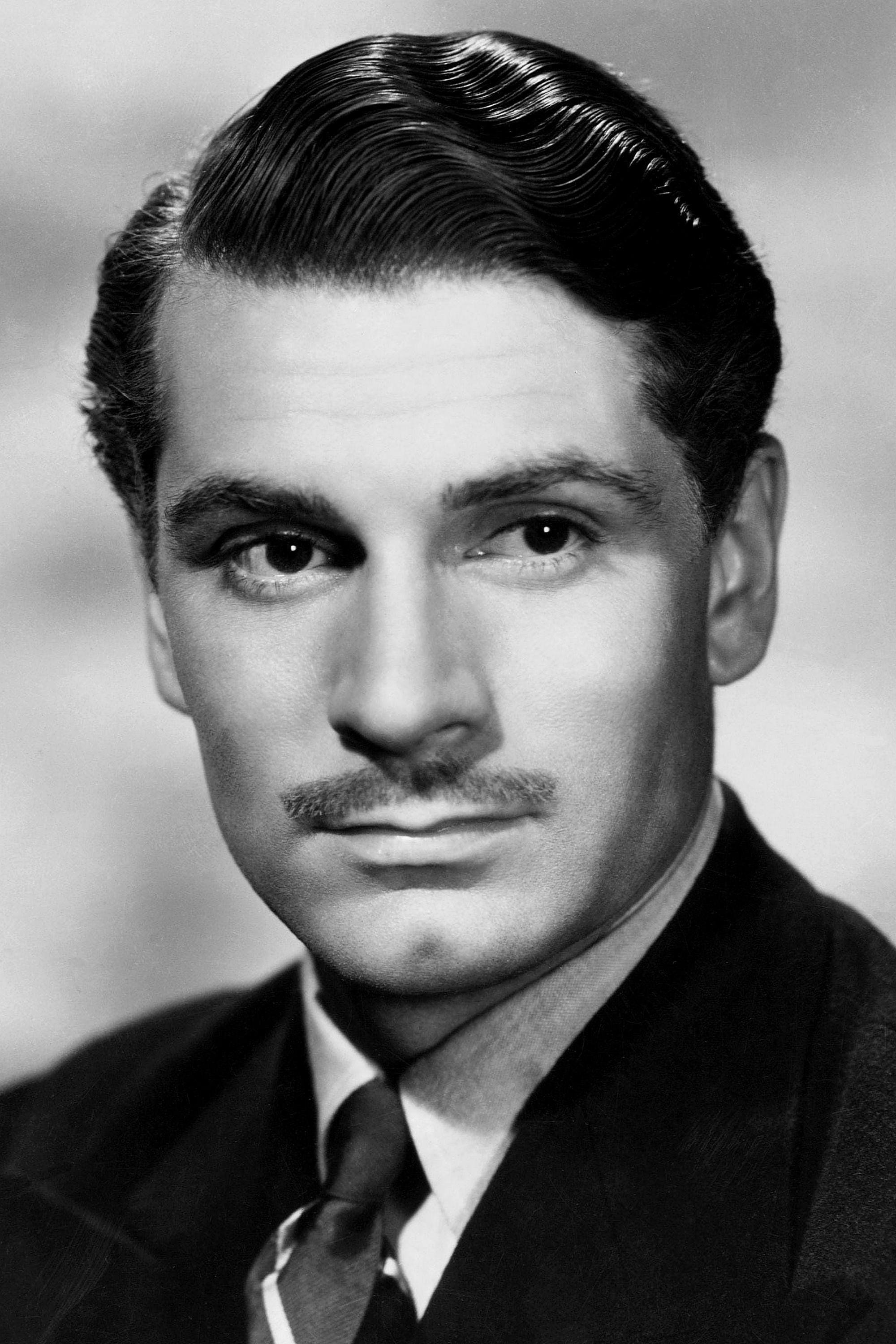
Laurence Olivier established the archetype of the classical titan who masters the technical aspects of acting. He is often cited as the greatest actor of the 20th century for his adaptations of ‘Hamlet’ and ‘Henry V’. Olivier possessed a chameleonic ability to change his voice and appearance to suit the demands of the text. His career defined the standard for the prestigious British actor who conquers both stage and screen.
Alec Guinness
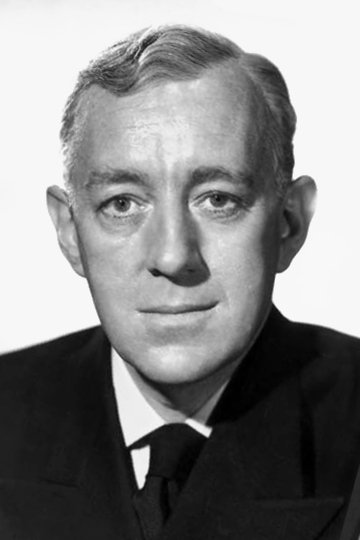
Alec Guinness defined the archetype of the wise mentor and the cryptic master. While he won an Oscar for ‘The Bridge on the River Kwai’, he is best known to modern audiences as Obi-Wan Kenobi in ‘Star Wars’. Guinness brought a gravitas and mystery to his roles that suggested a deep reservoir of knowledge. This character type remains the blueprint for the elder guide in fantasy and science fiction.
Peter O’Toole
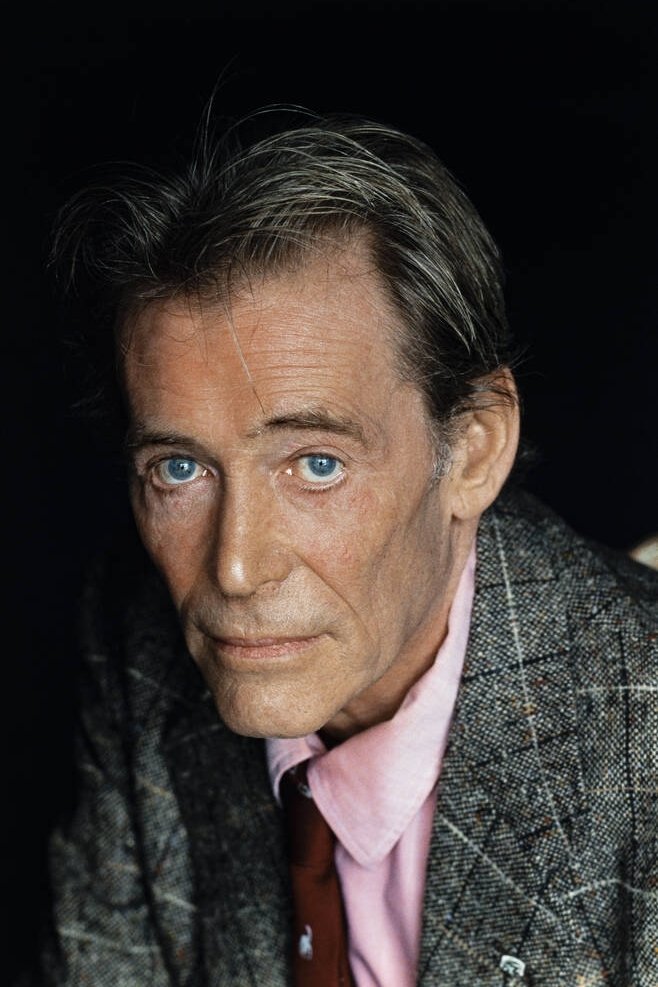
Peter O’Toole established the archetype of the eccentric dreamer whose ambition borders on madness. His legendary performance in ‘Lawrence of Arabia’ captured a man driven by a vision that others could not see. O’Toole possessed a wild charisma and piercing blue eyes that conveyed intense fanaticism. He excelled at playing larger-than-life figures who are ultimately consumed by their own myths.
Robin Williams
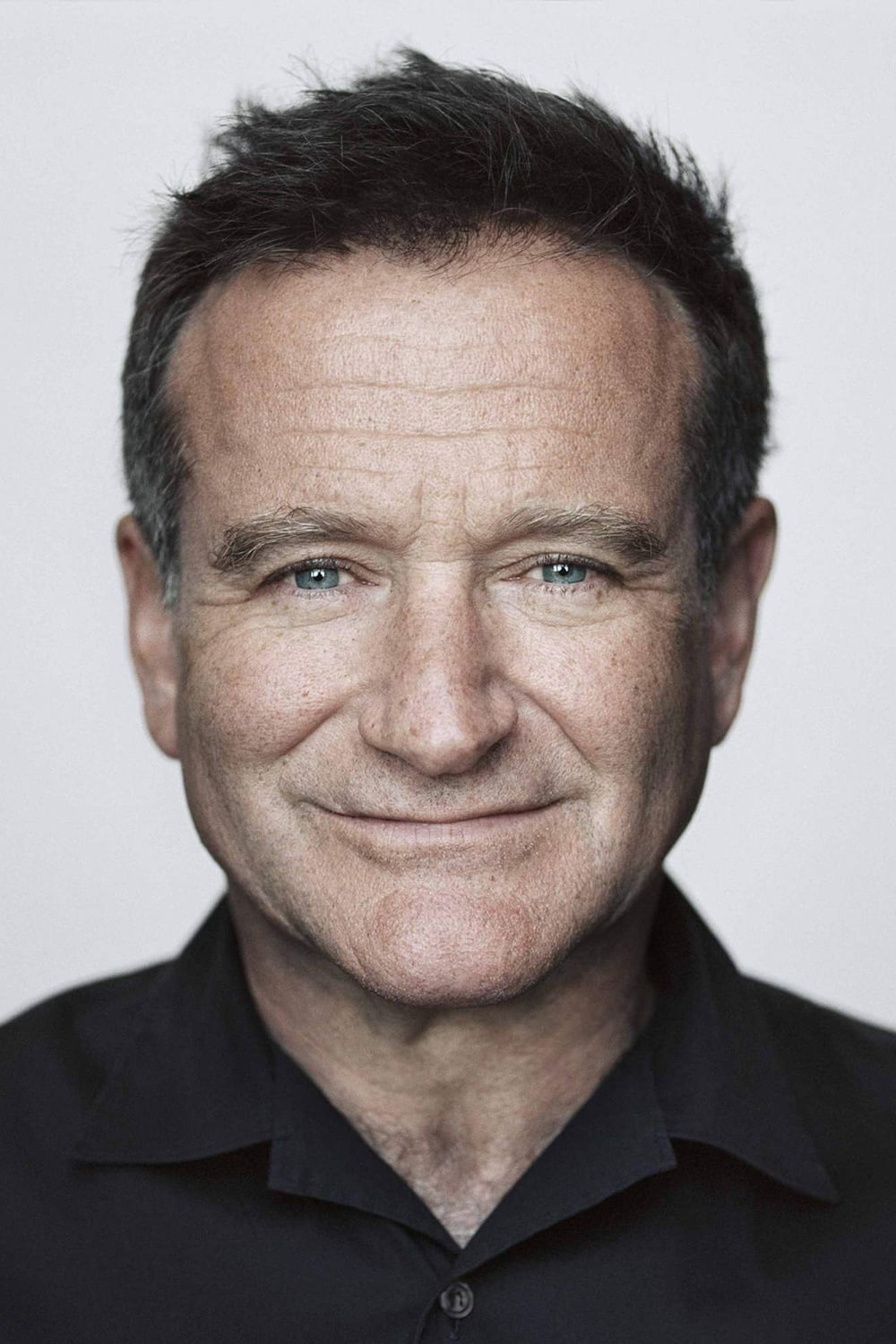
Robin Williams defined the archetype of the manic improviser who can switch between comedy and pathos in an instant. His rapid-fire delivery in ‘Good Morning, Vietnam’ and ‘Aladdin’ showcased a mind that moved faster than the script. Williams used humor as a shield and a weapon, creating characters who were hilarious yet deeply humane. His legacy influences every comedian who relies on high-energy stream of consciousness.
Christopher Lee
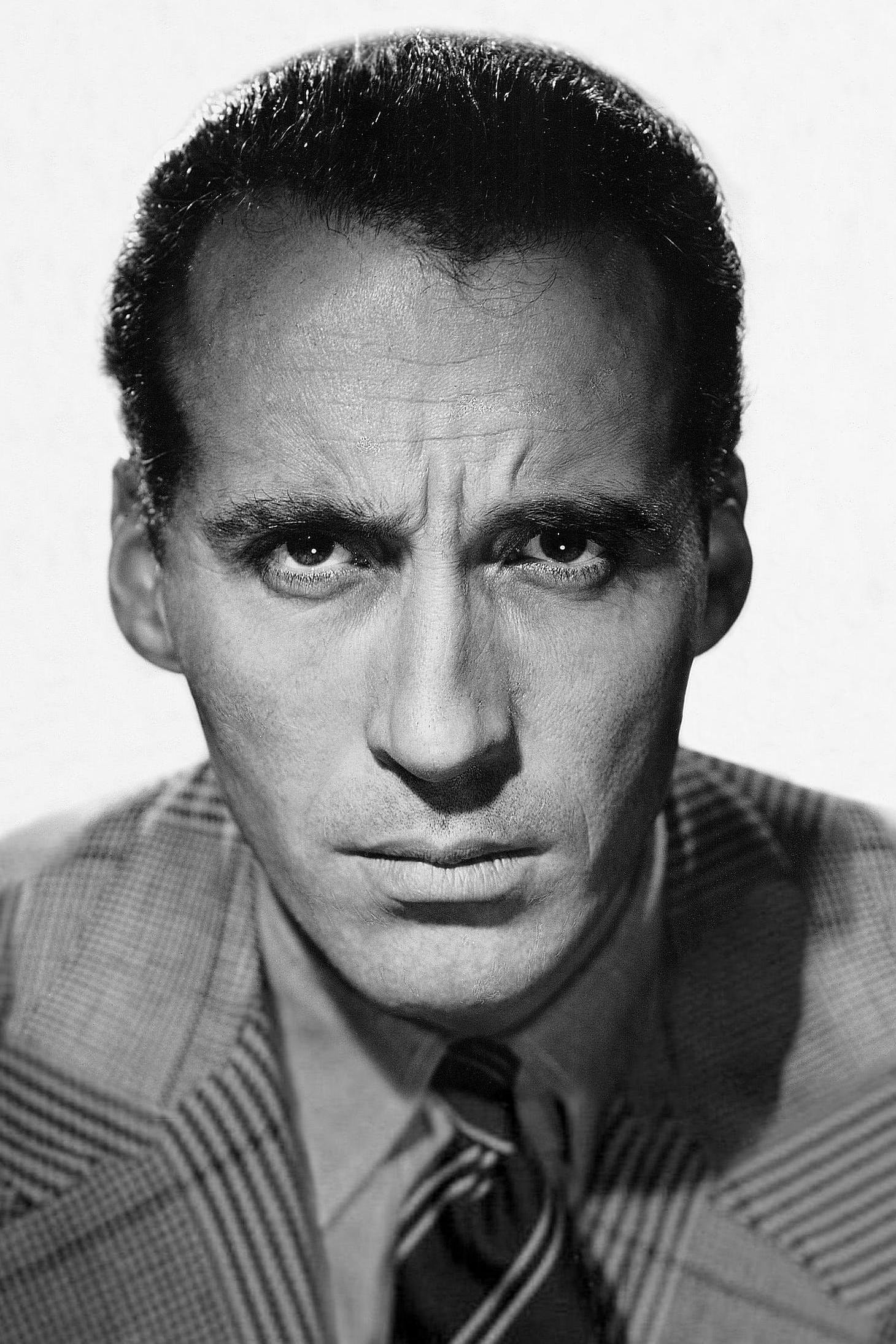
Christopher Lee established the archetype of the imposing and elegant villain. He used his towering height and deep voice to play antagonists like Count Dooku, Saruman, and Dracula. Lee brought a sense of aristocracy and intelligence to his villains, making them formidable opponents. His career proved that playing the bad guy could be done with sophistication and class.
Vincent Price
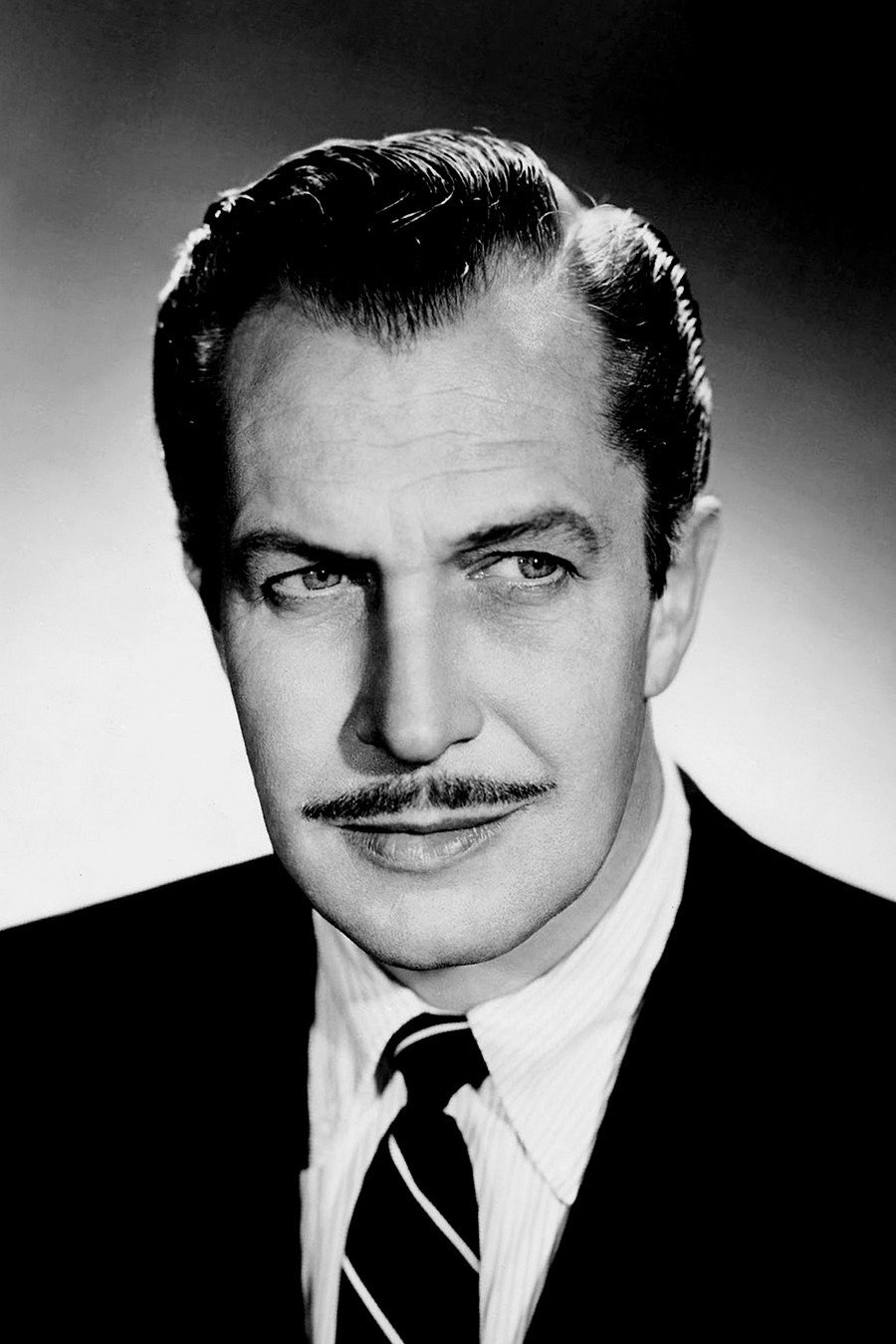
Vincent Price defined the archetype of the camp horror icon who delights in the macabre. He starred in numerous Edgar Allan Poe adaptations where he played tormented aristocrats or mad scientists. Price possessed a distinctive voice and a theatrical flair that allowed him to be scary and amusing simultaneously. He remains the face of a specific brand of stylized gothic horror.
Edward G. Robinson
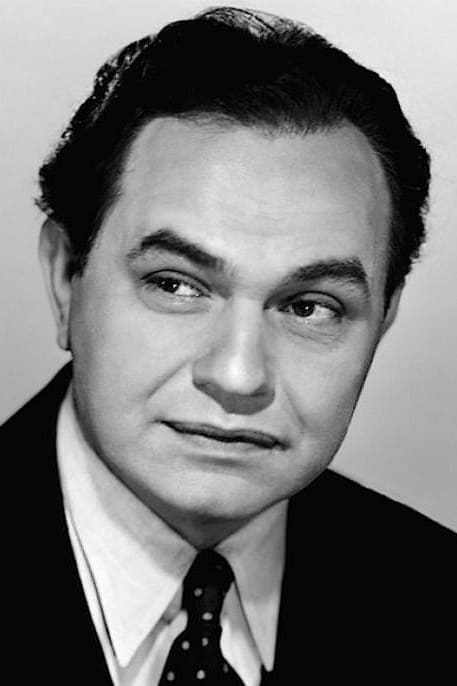
Edward G. Robinson created the archetype of the ruthless crime boss who demands absolute loyalty. His performance as Rico in ‘Little Caesar’ set the mold for the snarling, cigar-chomping mobster. Robinson could project immense menace despite his diminutive stature. He remains the definitive image of the Prohibition-era gangster who rules his empire with an iron fist.
William Holden
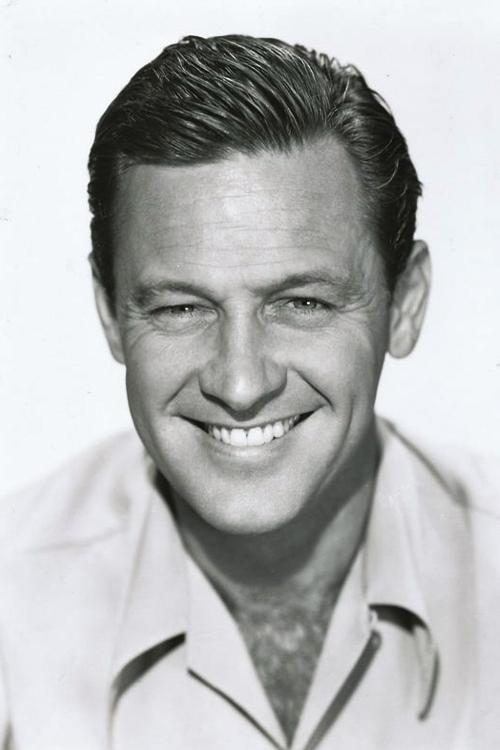
William Holden established the archetype of the cynical opportunist who eventually finds his conscience. In ‘Stalag 17’ and ‘Sunset Boulevard’, he played characters who were jaded and looked out for themselves. Holden brought a modern edge to the leading man role by allowing his characters to be unlikeable at first. His arc usually involved a redemption that felt earned because of the initial cynicism.
Rock Hudson
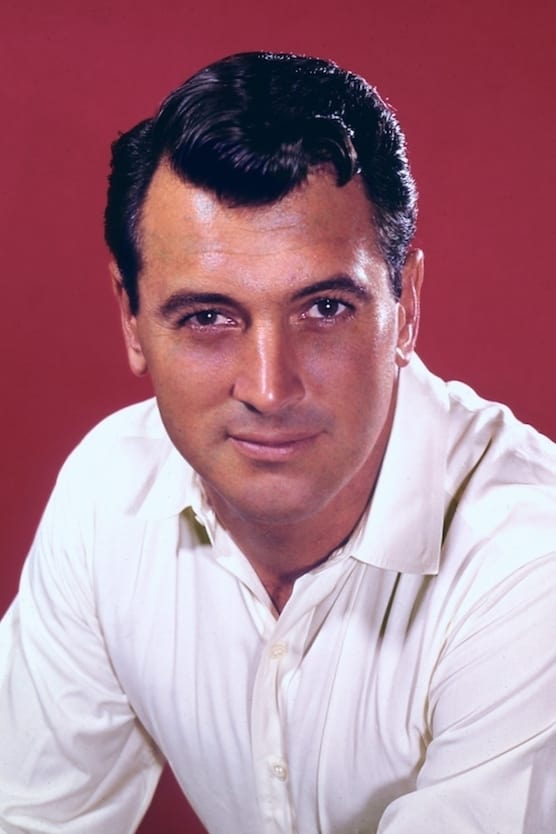
Rock Hudson defined the archetype of the classic romantic lead and the handsome dream boat. He starred alongside Doris Day in a series of glossy comedies that capitalized on his good looks and charm. Hudson represented the idealized American male of the 1950s who was tall, dark, and protective. His screen persona was carefully cultivated to appeal to mass audiences seeking escapist romance.
Frank Sinatra
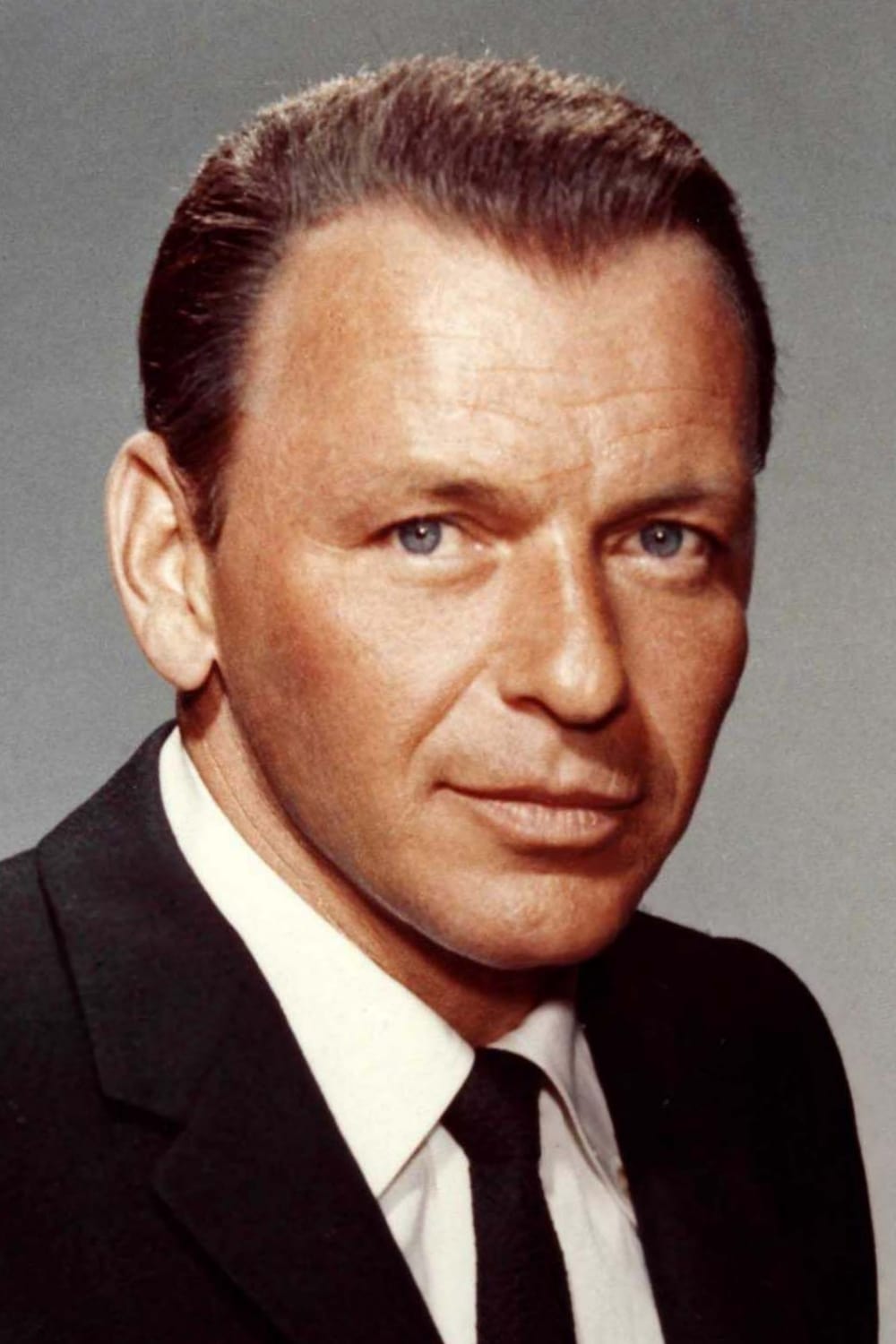
Frank Sinatra solidified the archetype of the cool showman who can handle himself in a fight. Beyond his music, his Oscar-winning role in ‘From Here to Eternity’ proved he could play tough, street-smart characters. Sinatra projected a cocky attitude and a sense of danger that came from his real-life reputation. He embodies the intersection of entertainment glamour and grit.
Kirk Douglas
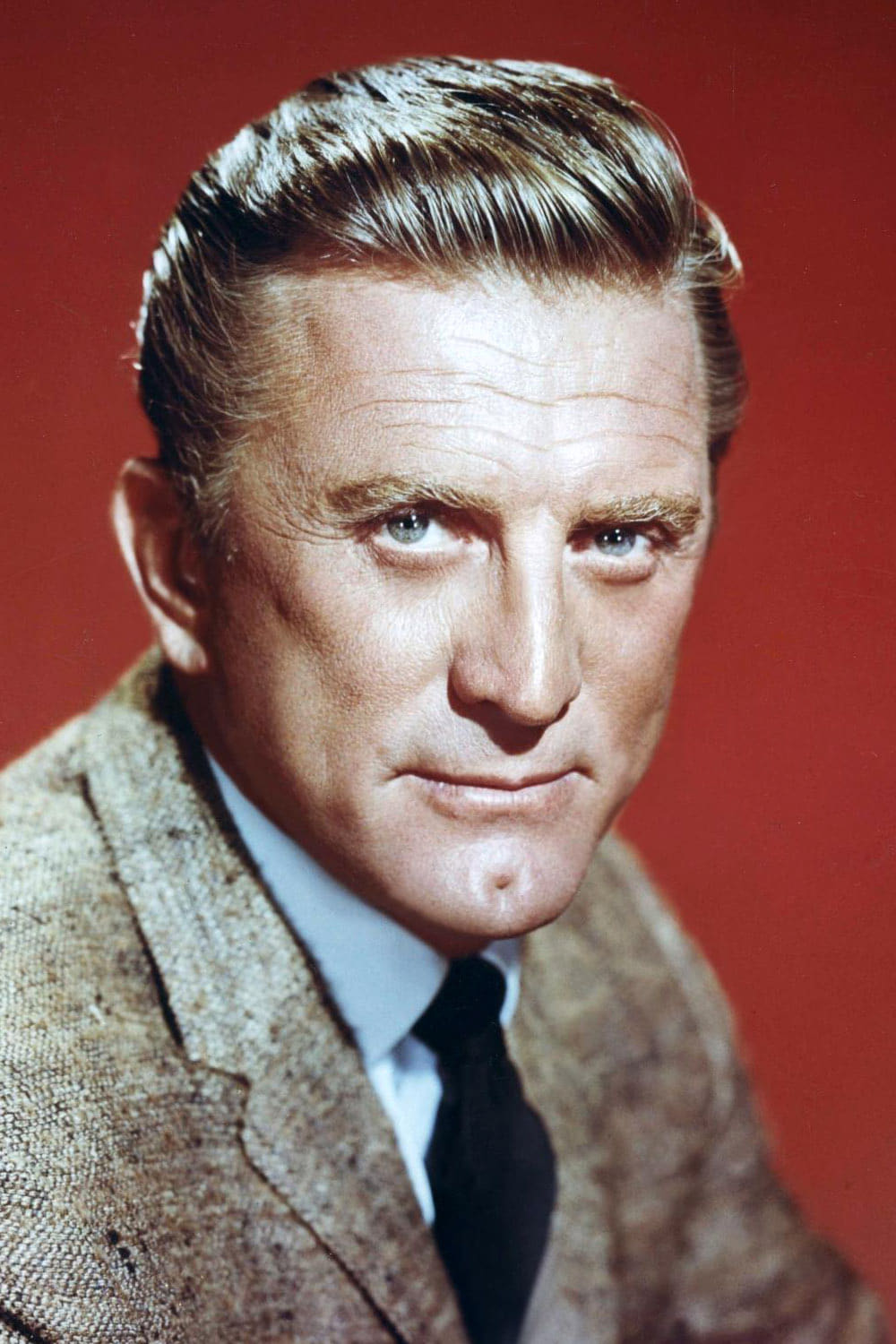
Kirk Douglas established the archetype of the intense alpha male who fights against the system. He was known for his clenched jaw and explosive energy in films like ‘Spartacus’ and ‘Paths of Glory’. Douglas played characters who were driven by a fierce desire for justice or survival. His performances were marked by a physical and emotional ferocity that demanded viewer attention.
Burt Lancaster
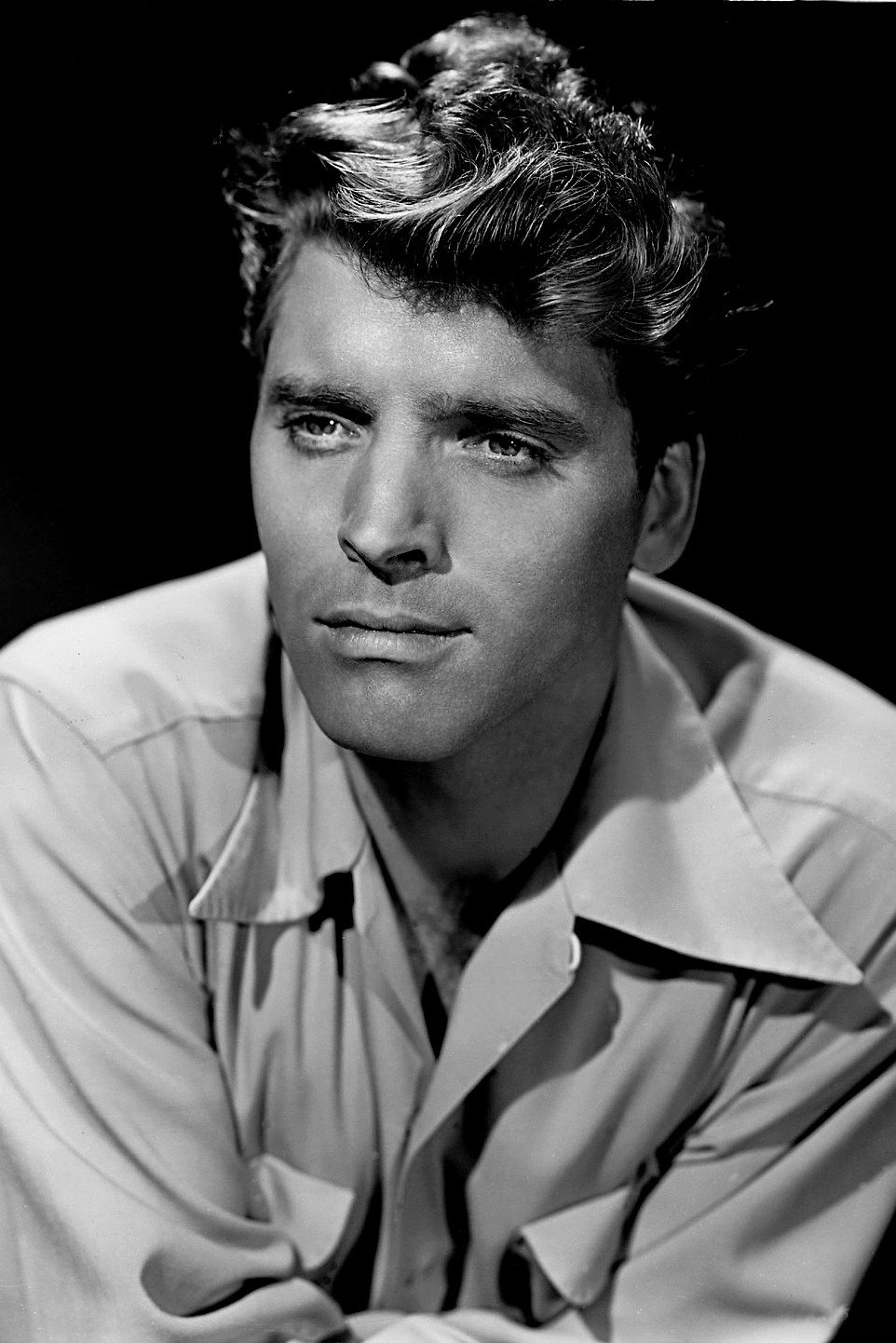
Burt Lancaster defined the archetype of the athletic lead who possesses a toothy grin and boundless energy. He began as an acrobat and used his physical gifts in adventure films like ‘The Crimson Pirate’. Lancaster later transitioned to serious dramatic roles but always retained a sense of physical dominance. He represents the star who combines the body of an athlete with the soul of an artist.
Orson Welles
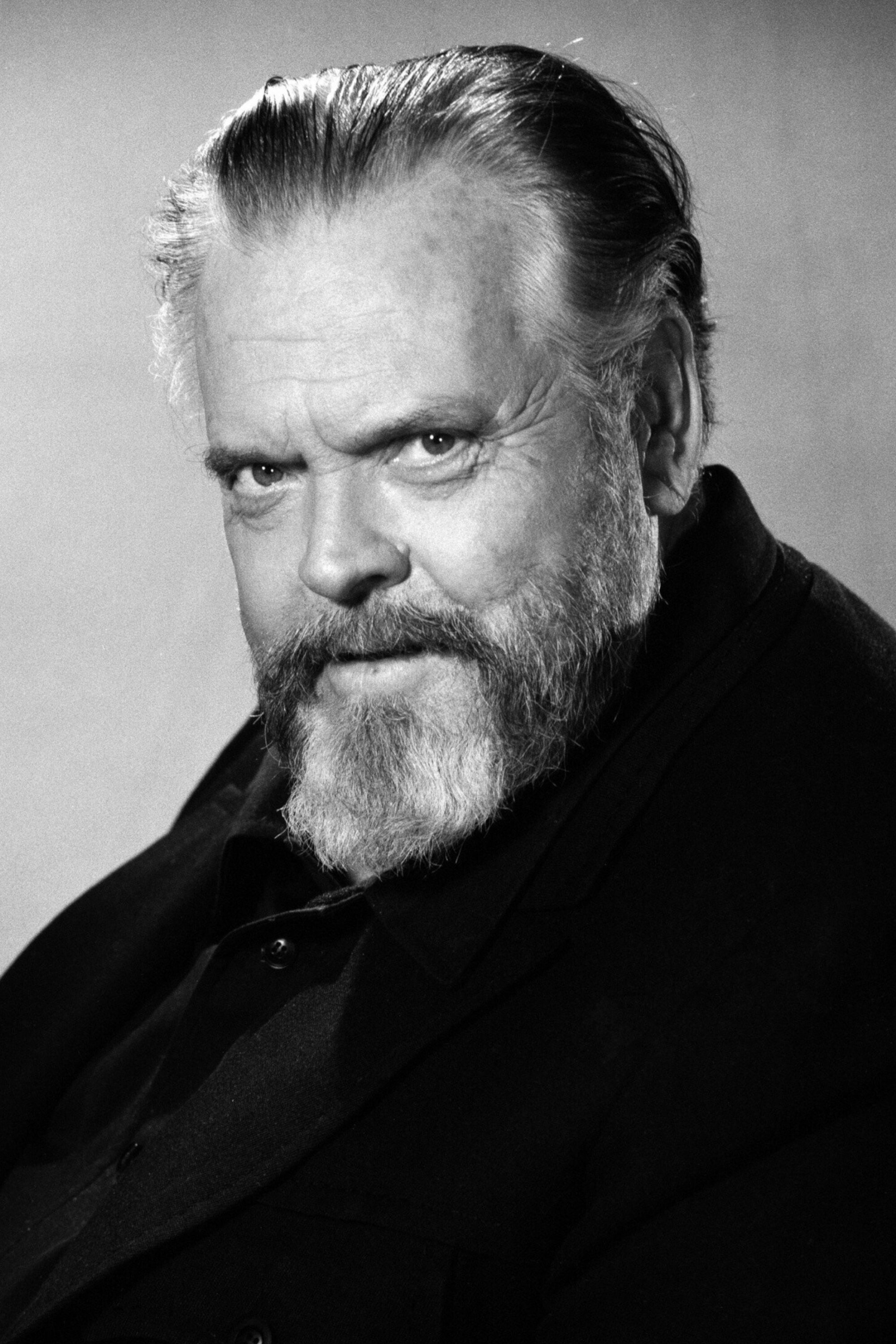
Orson Welles established the archetype of the tragic genius who is larger than life. He wrote, directed, and starred in ‘Citizen Kane’, creating a character who achieves everything but loses his soul. Welles possessed a booming voice and a commanding presence that often overshadowed the other actors. He remains the symbol of the auteur whose artistic ambition knows no bounds.
Charlton Heston
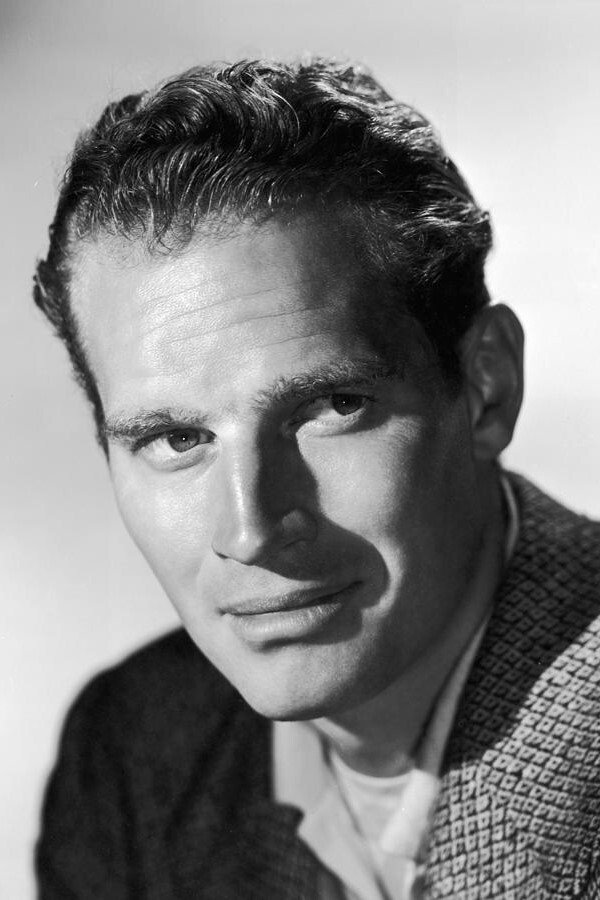
Charlton Heston defined the archetype of the epic hero chosen by history or God for a great task. He is best known for playing biblical and historical figures in massive productions like ‘The Ten Commandments’ and ‘Ben-Hur’. Heston had the physical stature and gravitas to make these legendary characters feel believable. His legacy is tied to the era of the widescreen spectacle.
Charles Bronson
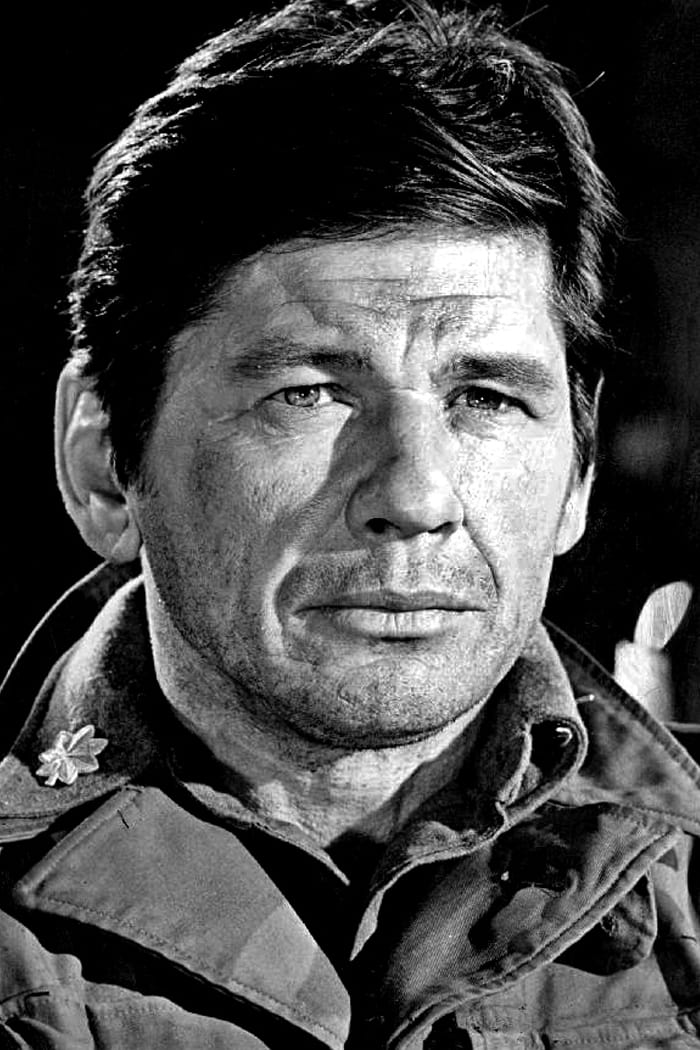
Charles Bronson defined the archetype of the silent vigilante who takes the law into his own hands. In ‘Death Wish’, he played an ordinary man pushed to violence by personal tragedy. Bronson had a weathered face and a quiet menace that made him the perfect urban avenger. His archetype speaks to the primal desire for retribution in a society perceived as decaying.
John Belushi
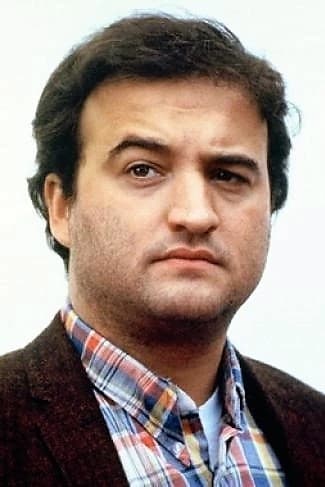
John Belushi established the archetype of the chaotic party animal who lives without limits. His performance as Bluto in ‘Animal House’ created the standard for the gross-out comic relief who is the life of the party. Belushi utilized a fearless physical commitment to comedy that ignored personal dignity. He remains the patron saint of the rebellious frat-boy humor that dominated 1980s comedies.
Chris Farley
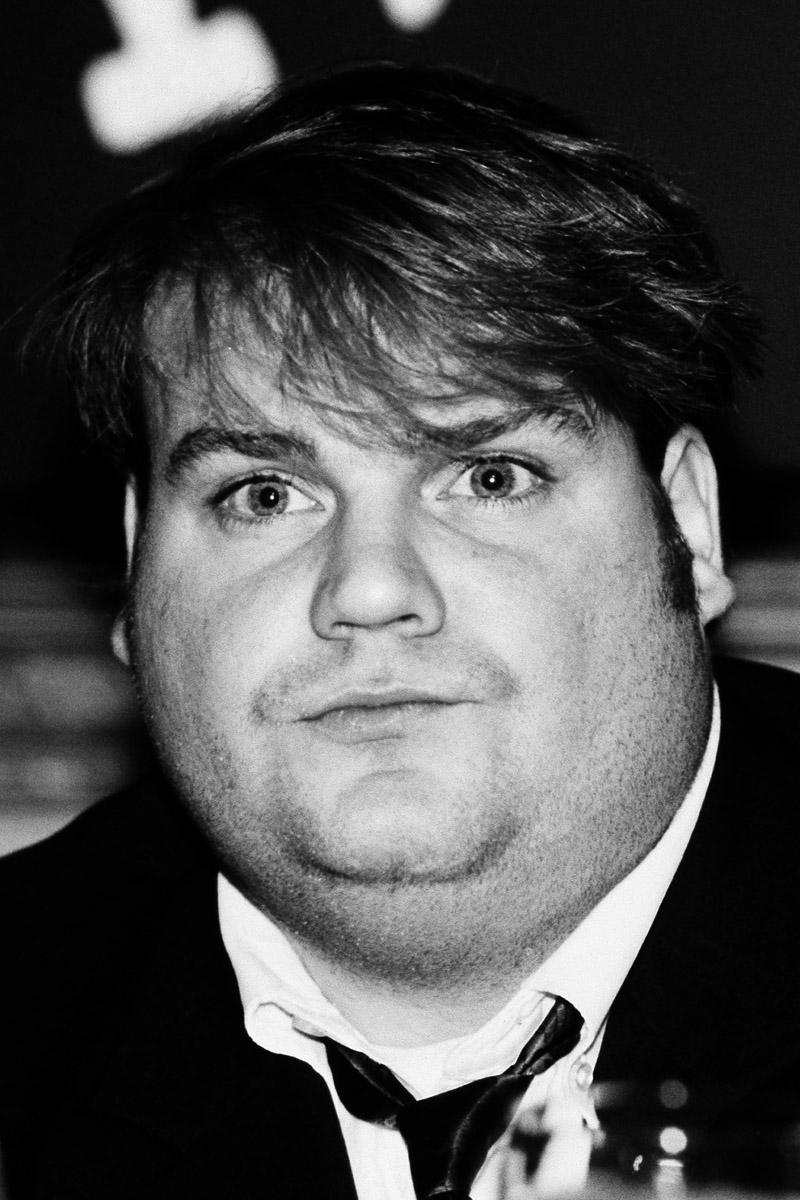
Chris Farley defined the archetype of the loud and lovable big man who uses his size for laughs. He idolized Belushi but brought a sweetness and vulnerability to roles in ‘Tommy Boy’. Farley threw his body around with reckless abandon to entertain audiences while hiding a desire for acceptance. His comedic style relied on the contrast between his imposing size and his frantic, high-energy behavior.
River Phoenix
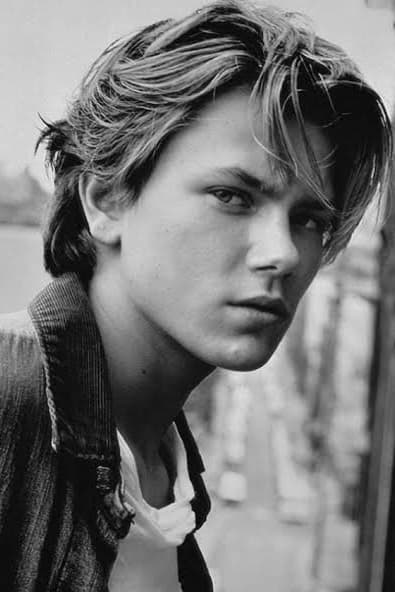
River Phoenix established the archetype of the sensitive, modern youth who carries the weight of the world. His performance in ‘Stand by Me’ and ‘My Own Private Idaho’ displayed a raw emotional depth that drew comparisons to James Dean. Phoenix played characters who were often marginalized or struggling with deep internal pain. His tragic death cut short a career that was defining a new kind of masculinity for the 1990s.
Philip Seymour Hoffman
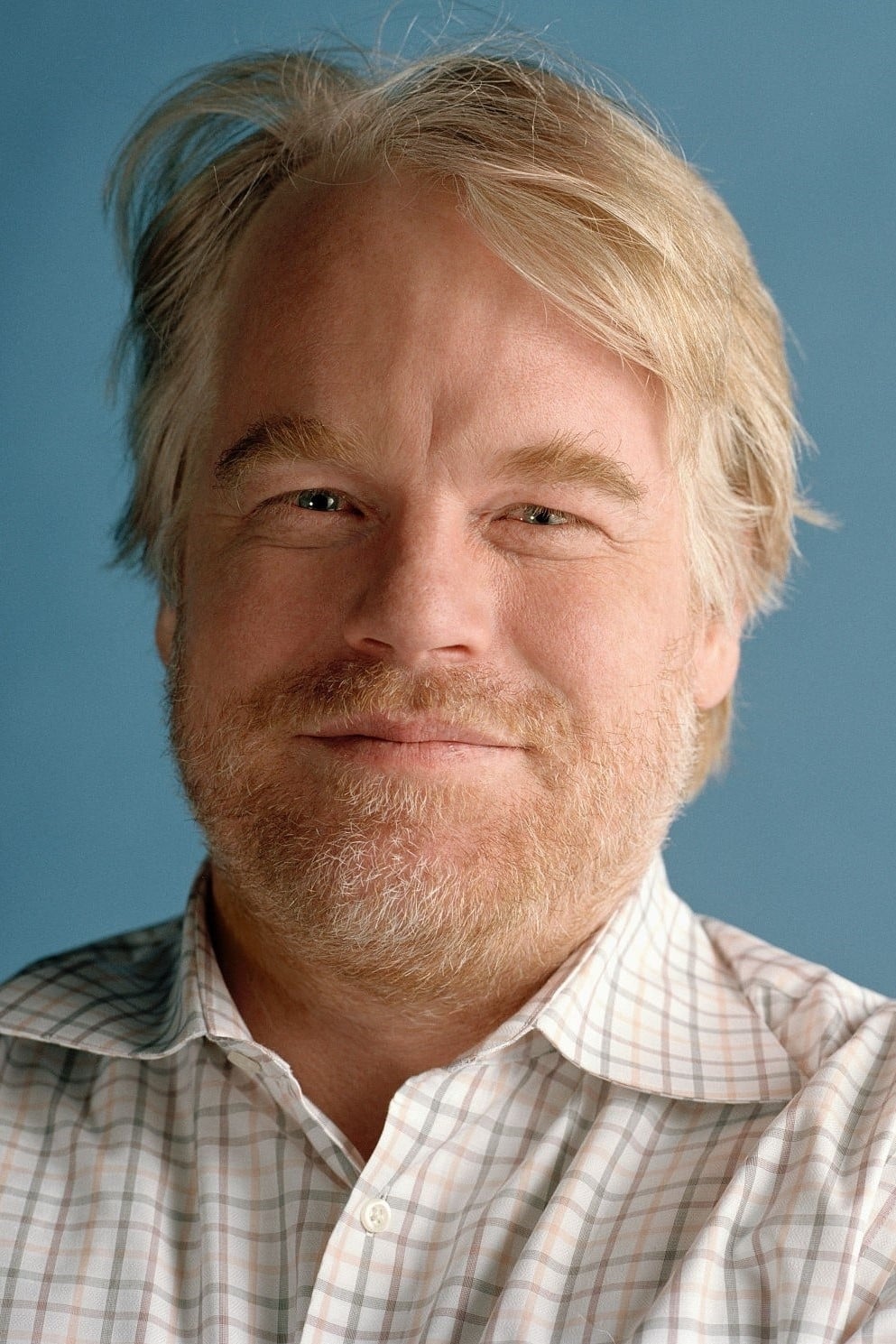
Philip Seymour Hoffman defined the archetype of the tragic character actor who steals the show from the lead. He excelled at playing socially awkward, arrogant, or deeply flawed men in films like ‘The Master’ and ‘Capote’. Hoffman used his physicality and voice to create characters that were uncomfortably real. He proved that a supporting actor could command as much screen presence as any traditional star.
Heath Ledger
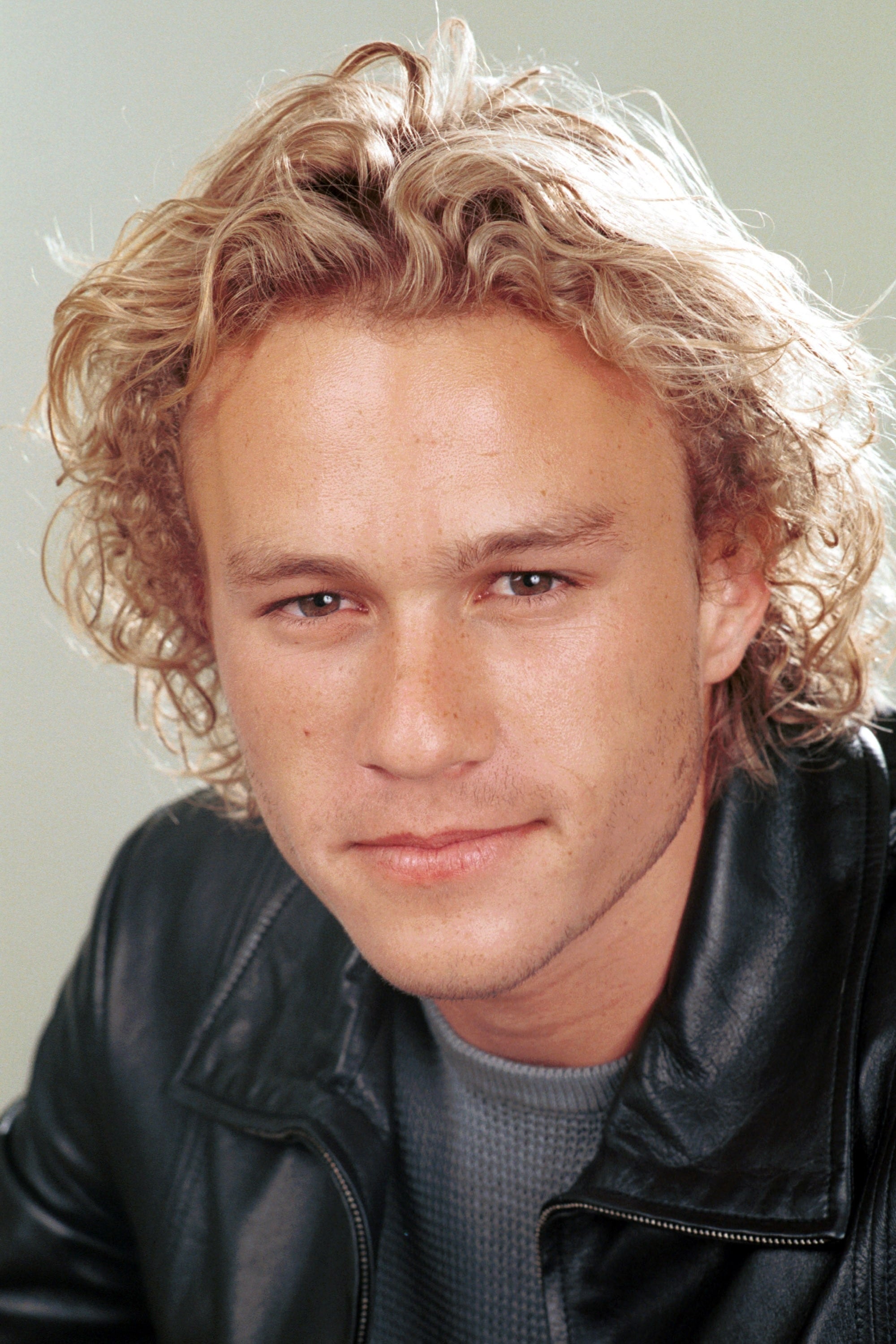
Heath Ledger established the archetype of the transformative agent of chaos. His Oscar-winning performance as the Joker in ‘The Dark Knight’ set a new benchmark for villainy by disappearing completely into the makeup and mannerisms. Ledger played the role with a terrifying unpredictability that redefined the comic book movie genre. His work stands as the ultimate example of an actor surrendering fully to the darkness of a character.
Chadwick Boseman
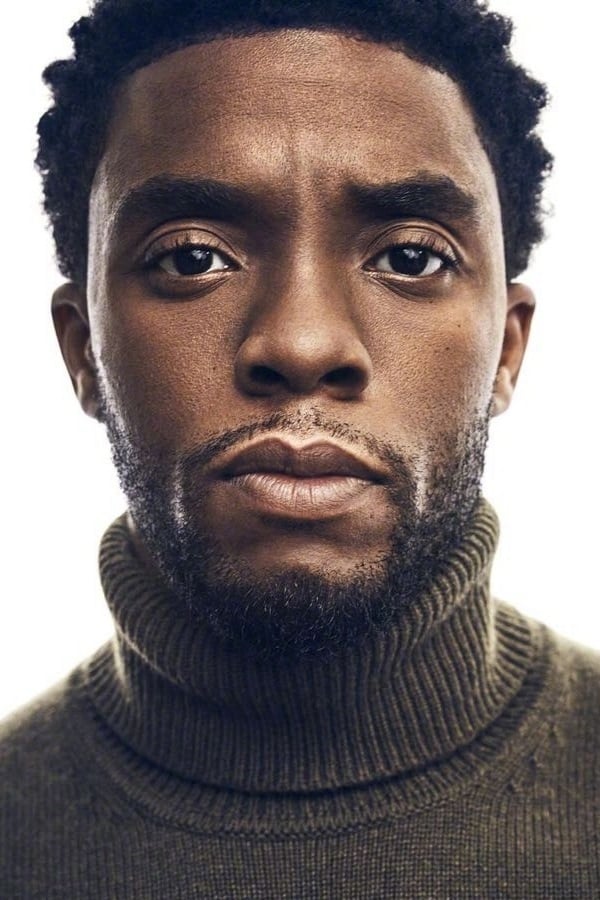
Chadwick Boseman defined the archetype of the regal warrior king who carries the hopes of a people. Through his role as T’Challa in ‘Black Panther’, he projected a quiet dignity and authority that resonated globally. Boseman played characters who were burdened by duty but faced their challenges with grace. His legacy is cemented as a symbol of strength and noble leadership for a new generation.
Tell us which of these legendary actors made the biggest impact on your movie-watching experience in the comments.