


Dead Actors Whose Names Are Synonymous With Cinematic Excellence

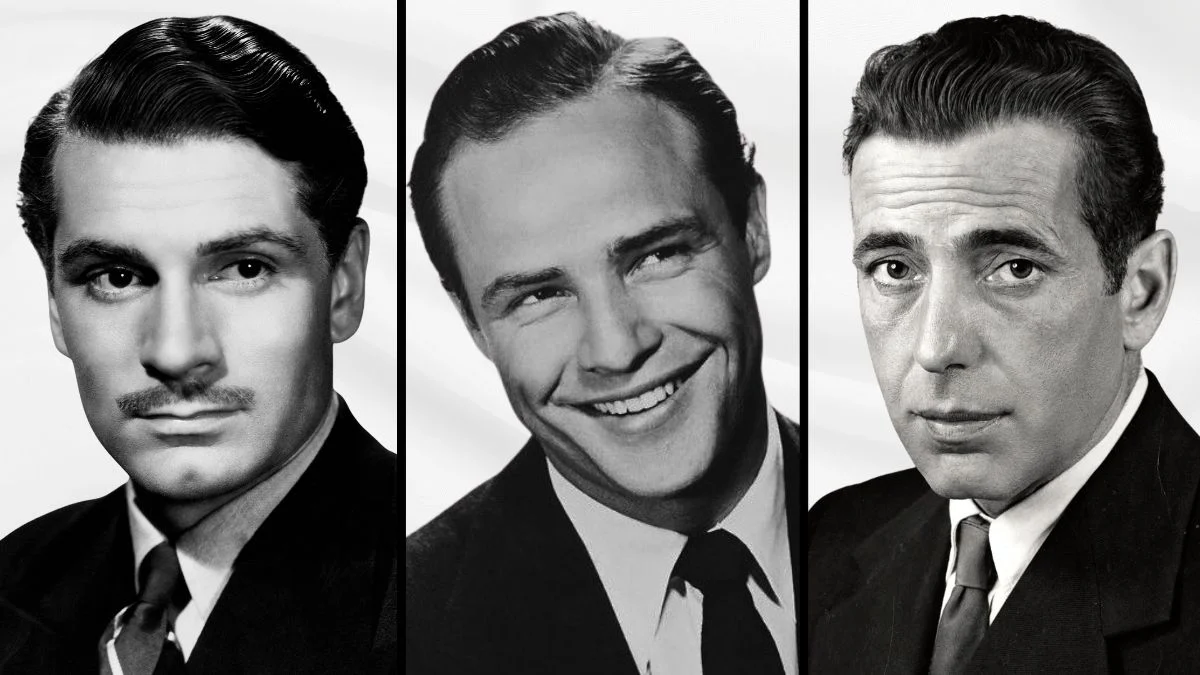


The history of cinema is built upon the performances of actors who dedicated their lives to the art of storytelling. These men defined generations of filmmaking and established the standards by which modern acting is measured. Their influence extends beyond their filmographies and continues to shape the techniques used by performers today. We honor the legacies of these iconic figures who left an indelible mark on the silver screen.
Marlon Brando
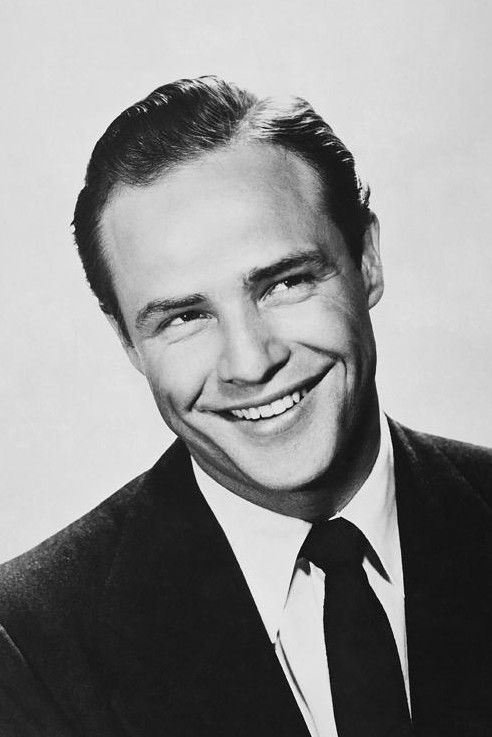
Marlon Brando is widely considered one of the greatest and most influential actors of the twentieth century. He brought a revolutionary realism to film acting that forever changed the profession. His performances in ‘A Streetcar Named Desire’ and ‘On the Waterfront’ introduced audiences to the raw power of the Method acting technique. Brando later delivered an iconic portrayal of Don Vito Corleone in ‘The Godfather’ that revitalized his career.
Humphrey Bogart
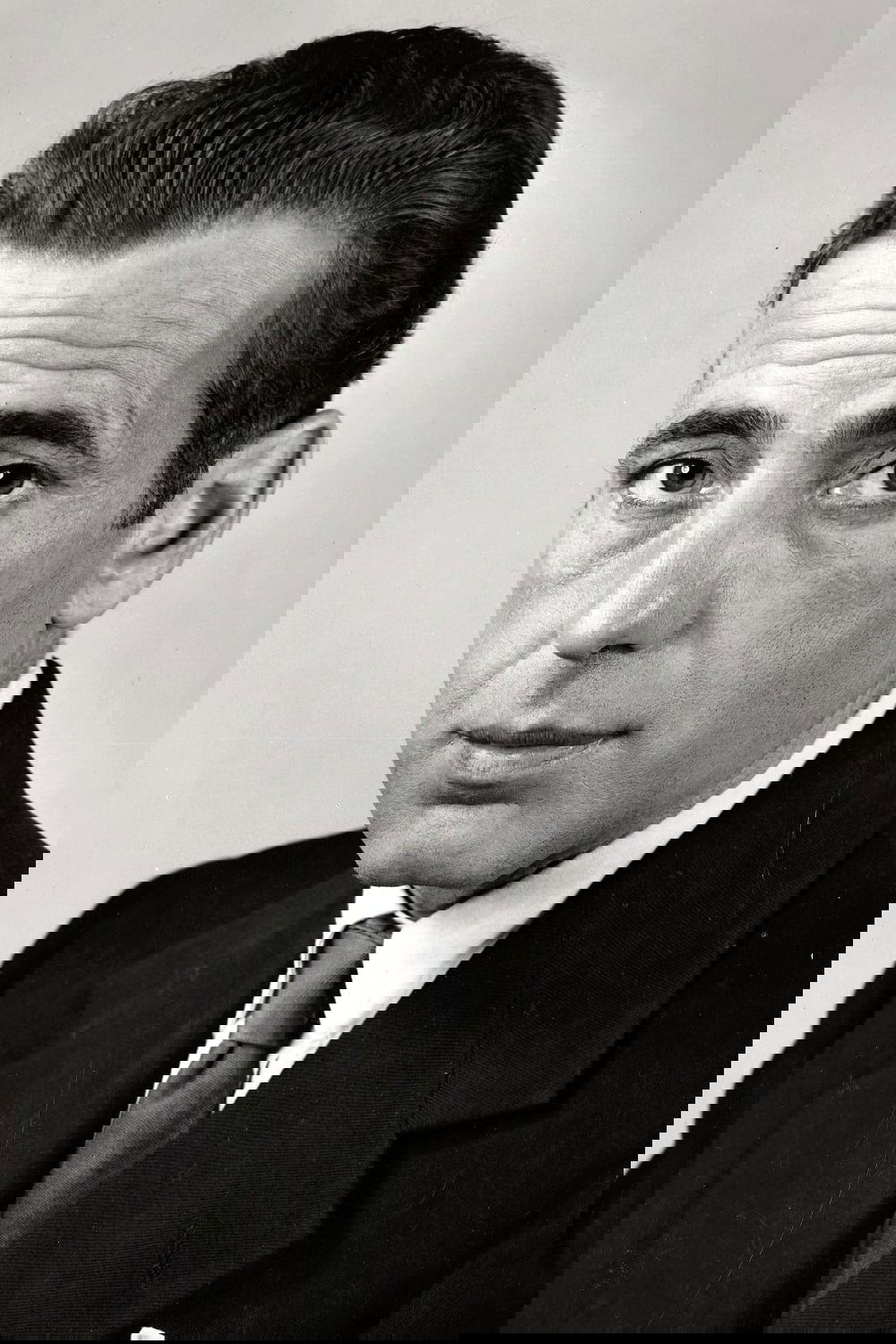
Humphrey Bogart remains the quintessential symbol of the film noir era and the Golden Age of Hollywood. His weary yet cynical persona defined the cool anti-hero archetype in classics like ‘The Maltese Falcon’ and ‘The Big Sleep’. He demonstrated remarkable romantic depth opposite Ingrid Bergman in the enduring masterpiece ‘Casablanca’. Bogart finally won an Academy Award for his gritty performance in ‘The African Queen’.
Laurence Olivier
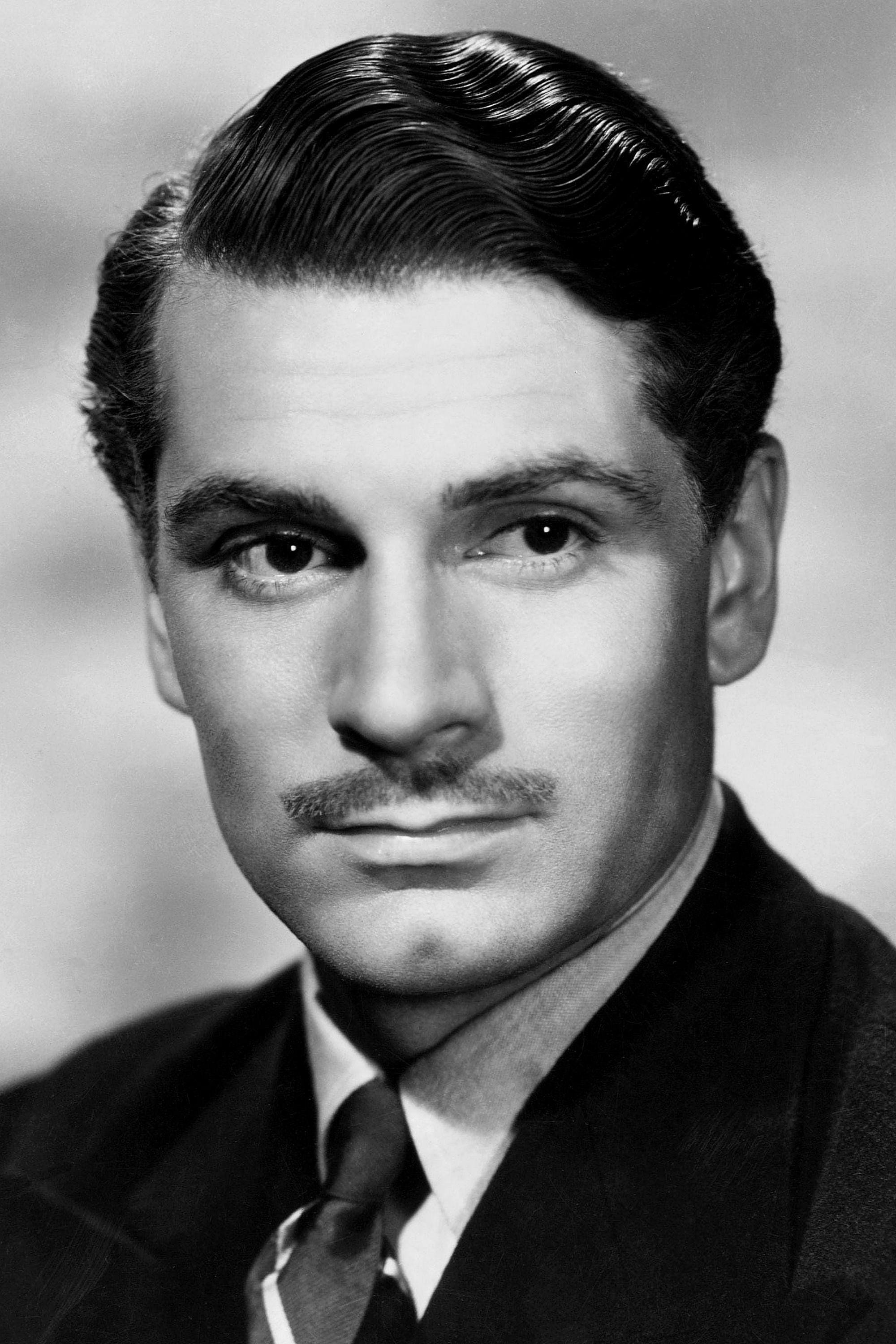
Laurence Olivier dominated the British stage and screen with a classical training that set him apart from his contemporaries. He directed and starred in Shakespearean adaptations such as ‘Hamlet’ and ‘Henry V’ that brought the Bard to mass cinema audiences. His technical proficiency and commanding voice allowed him to disappear into a vast array of character roles. Olivier is frequently cited by critics and historians as the definitive actor of his generation.
James Stewart
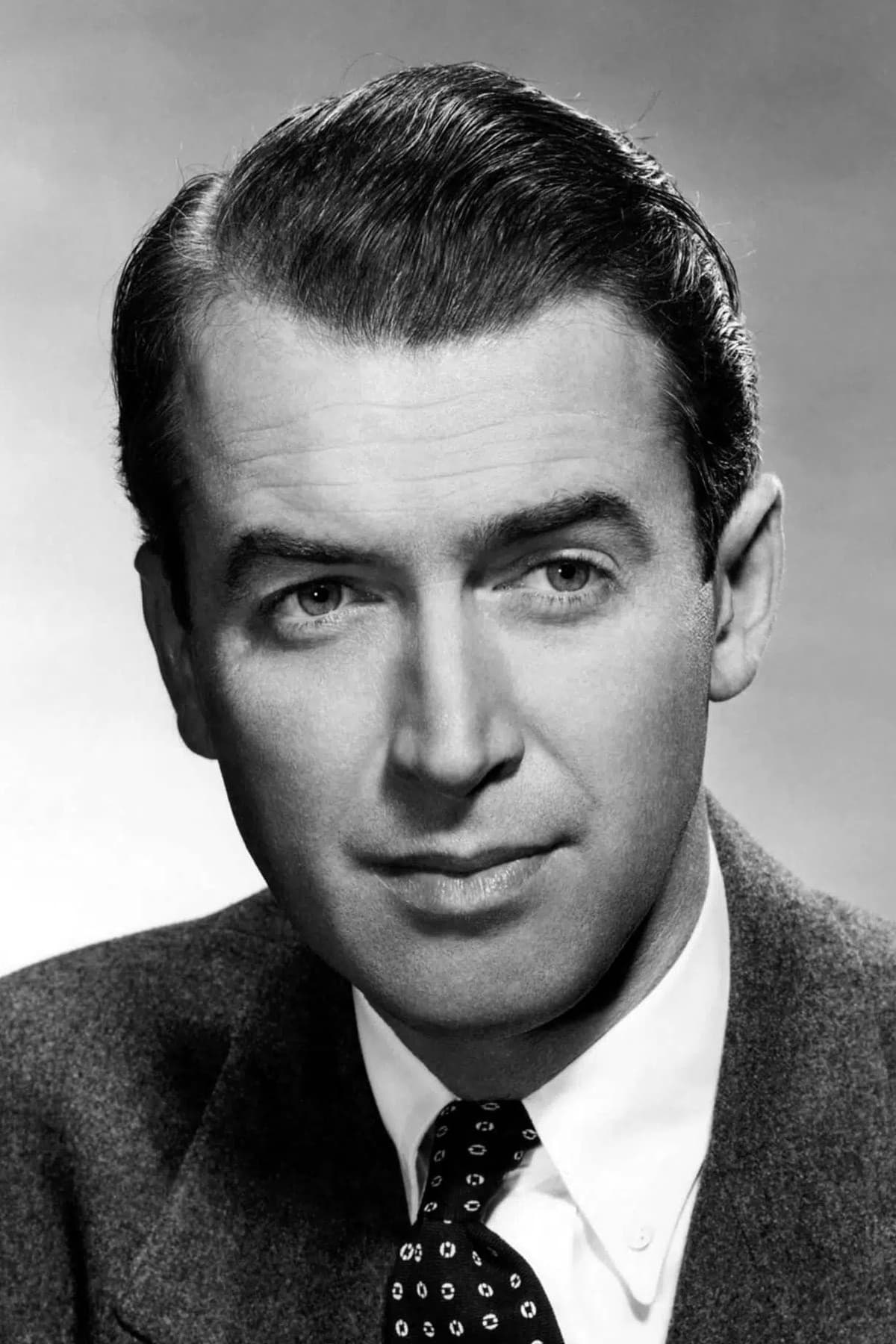
James Stewart captured the heart of audiences with his portrayal of the idealistic everyman. He collaborated frequently with director Alfred Hitchcock on psychological thrillers like ‘Vertigo’ and ‘Rear Window’. His performance in ‘It’s a Wonderful Life’ became a cultural touchstone that is celebrated annually around the world. Stewart brought a unique blend of integrity and vulnerability to the Western genre in films like ‘The Man Who Shot Liberty Valance’.
Cary Grant
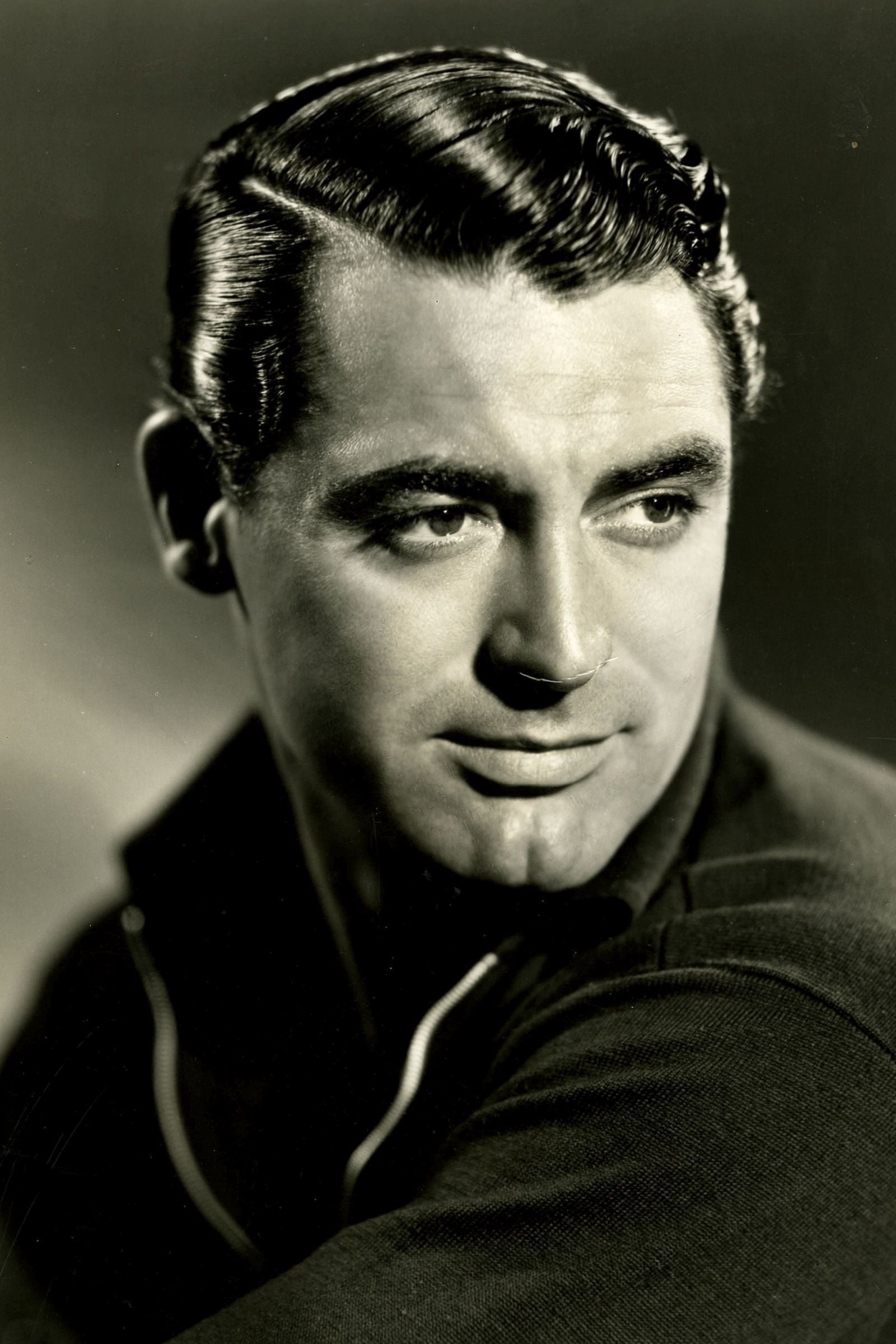
Cary Grant defined cinematic charm and sophistication during his decades as a leading man. He showcased impeccable comic timing in screwball classics such as ‘Bringing Up Baby’ and ‘His Girl Friday’. His collaboration with Alfred Hitchcock produced the suspenseful masterpiece ‘North by Northwest’. Grant successfully balanced his suave public image with dramatic capability in films that required significant emotional range.
Henry Fonda
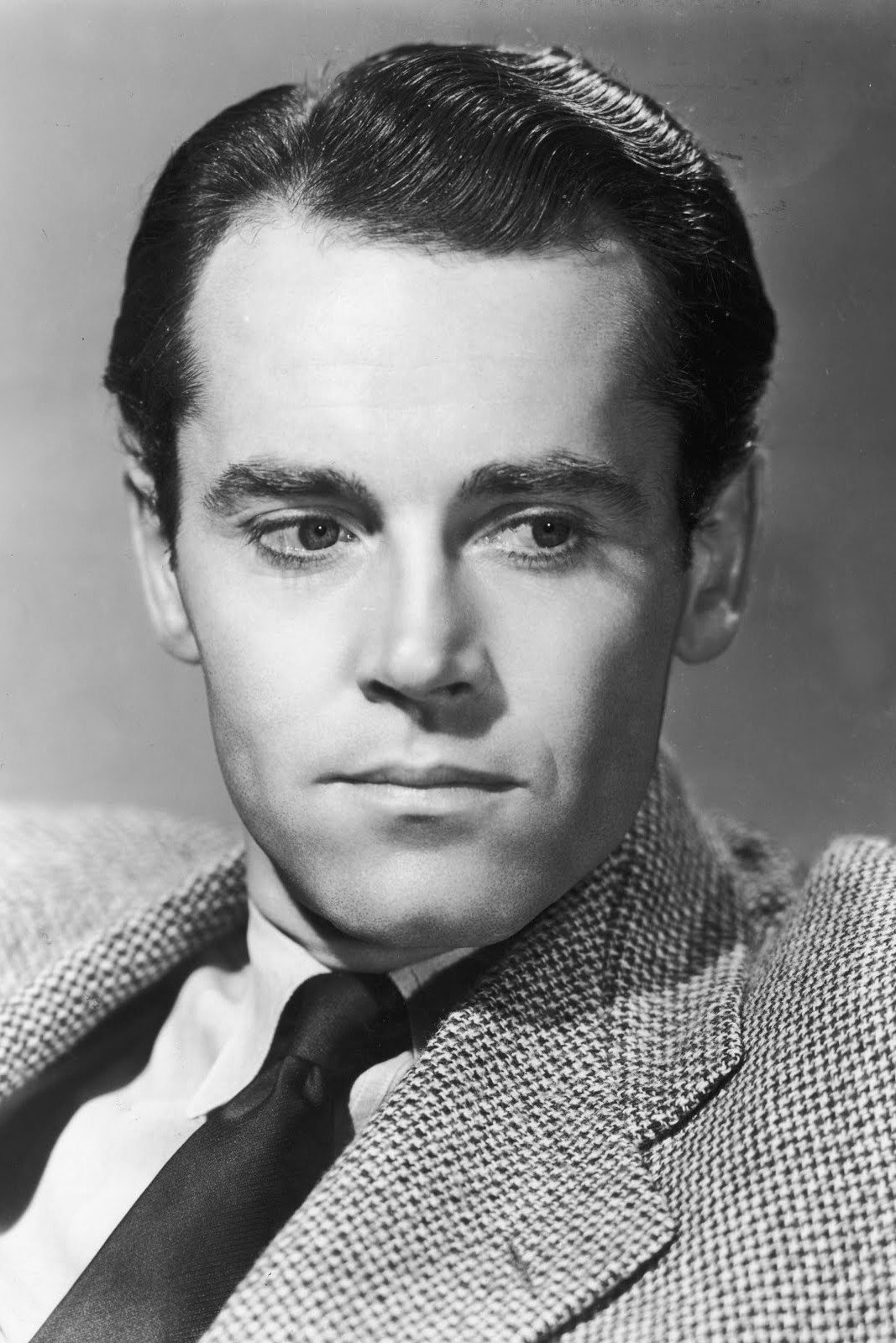
Henry Fonda exuded a quiet strength and moral rectitude that made him the perfect choice for heroic roles. He created one of cinema’s most righteous figures as Juror 8 in ’12 Angry Men’. His career spanned decades and included a shocking turn as a villain in the spaghetti western ‘Once Upon a Time in the West’. Fonda capped his legendary career with a touching performance in ‘On Golden Pond’.
Gregory Peck

Gregory Peck is forever associated with his portrayal of Atticus Finch in the adaptation of ‘To Kill a Mockingbird’. He possessed a dignified screen presence that lent authority to roles in ‘Roman Holiday’ and ‘The Guns of Navarone’. His deep voice and tall stature made him a commanding figure in dramas and war films alike. Peck served as a moral compass for the industry and presided over the Academy of Motion Picture Arts and Sciences.
Paul Newman
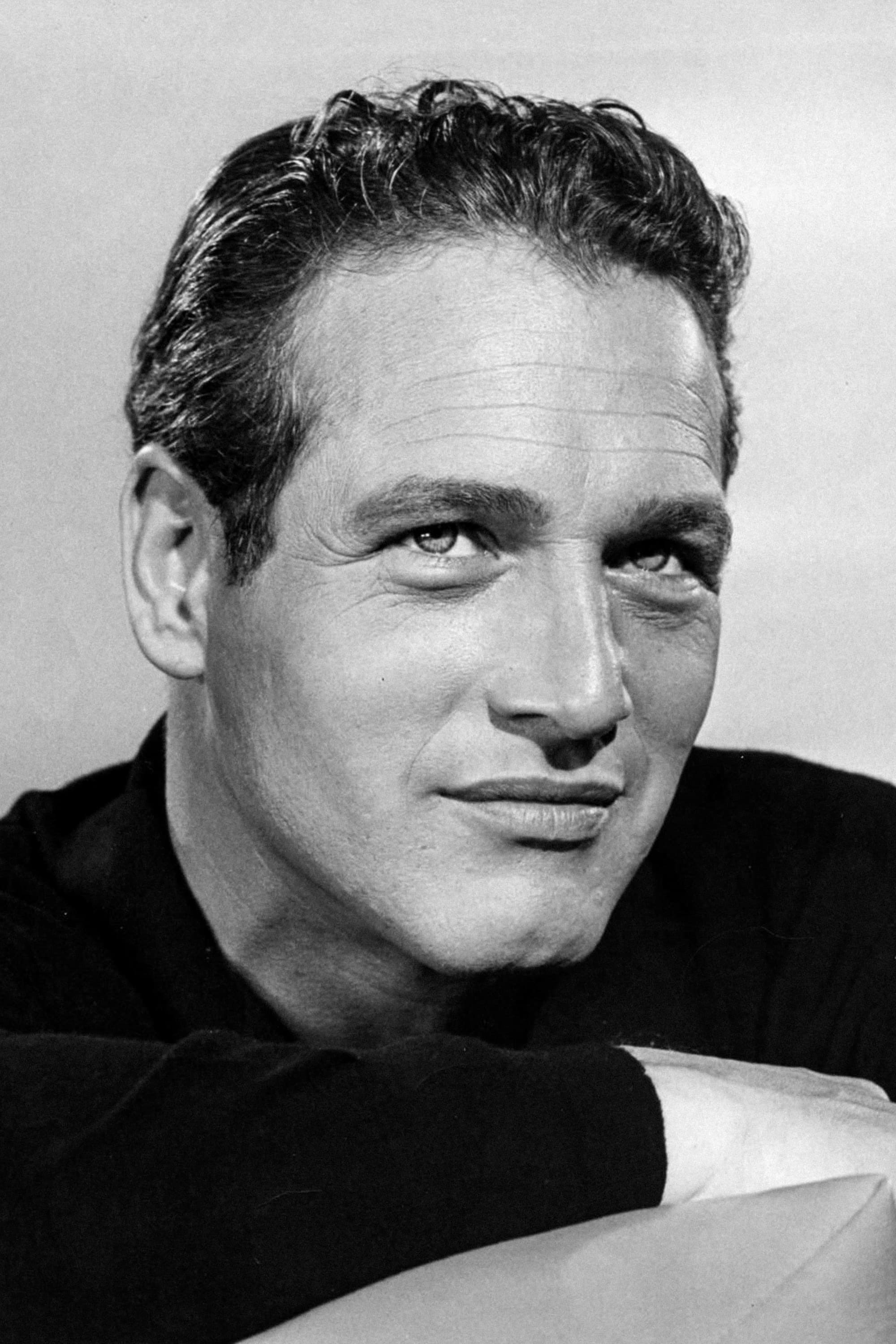
Paul Newman combined striking physical beauty with a rebellious energy that captivated audiences for fifty years. He delivered unforgettable performances in ‘Cool Hand Luke’ and ‘Butch Cassidy and the Sundance Kid’. Newman constantly challenged himself with complex anti-hero roles in films like ‘The Hustler’ and ‘The Verdict’. He successfully transitioned into directing and philanthropy while maintaining his status as a top box office draw.
Peter O’Toole
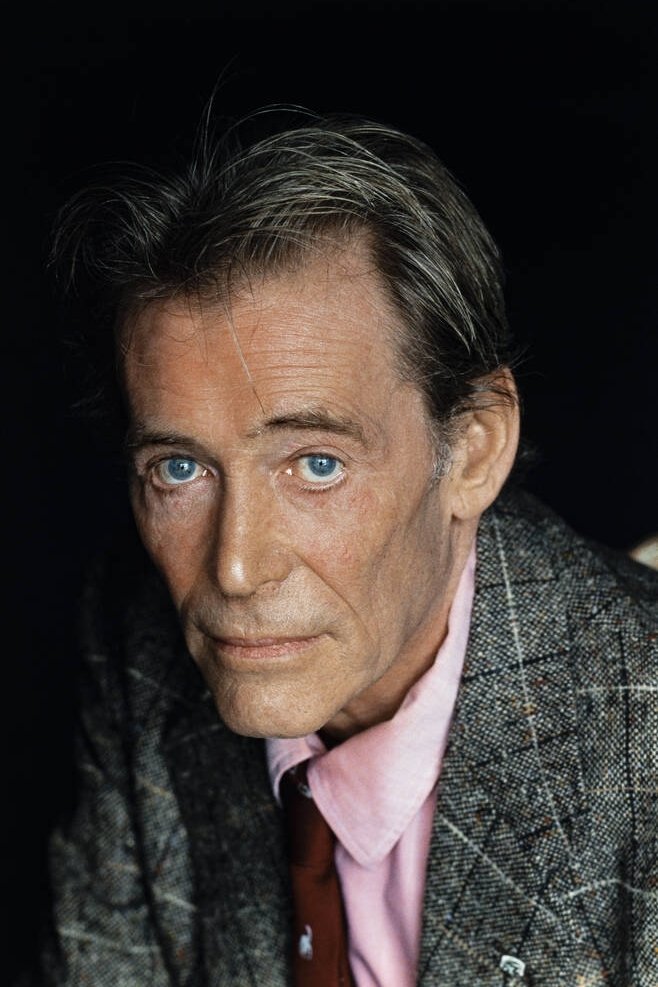
Peter O’Toole burst onto the international scene with his mesmerizing performance in ‘Lawrence of Arabia’. He held the record for the most Academy Award nominations for acting without a win until receiving an honorary Oscar. His theatrical background fueled dynamic performances in ‘The Lion in Winter’ and ‘Beckett’. O’Toole possessed a volatile charisma that made him one of the most exciting actors to watch on screen.
Richard Burton

Richard Burton was renowned for his mellifluous baritone voice and his intense Shakespearean background. He formed a legendary professional and personal partnership with Elizabeth Taylor that resulted in ‘Who’s Afraid of Virginia Woolf?’. His seven Oscar nominations attest to his consistent excellence in films like ‘The Spy Who Came in from the Cold’. Burton remains one of the most celebrated British actors to ever transition to Hollywood stardom.
Orson Welles
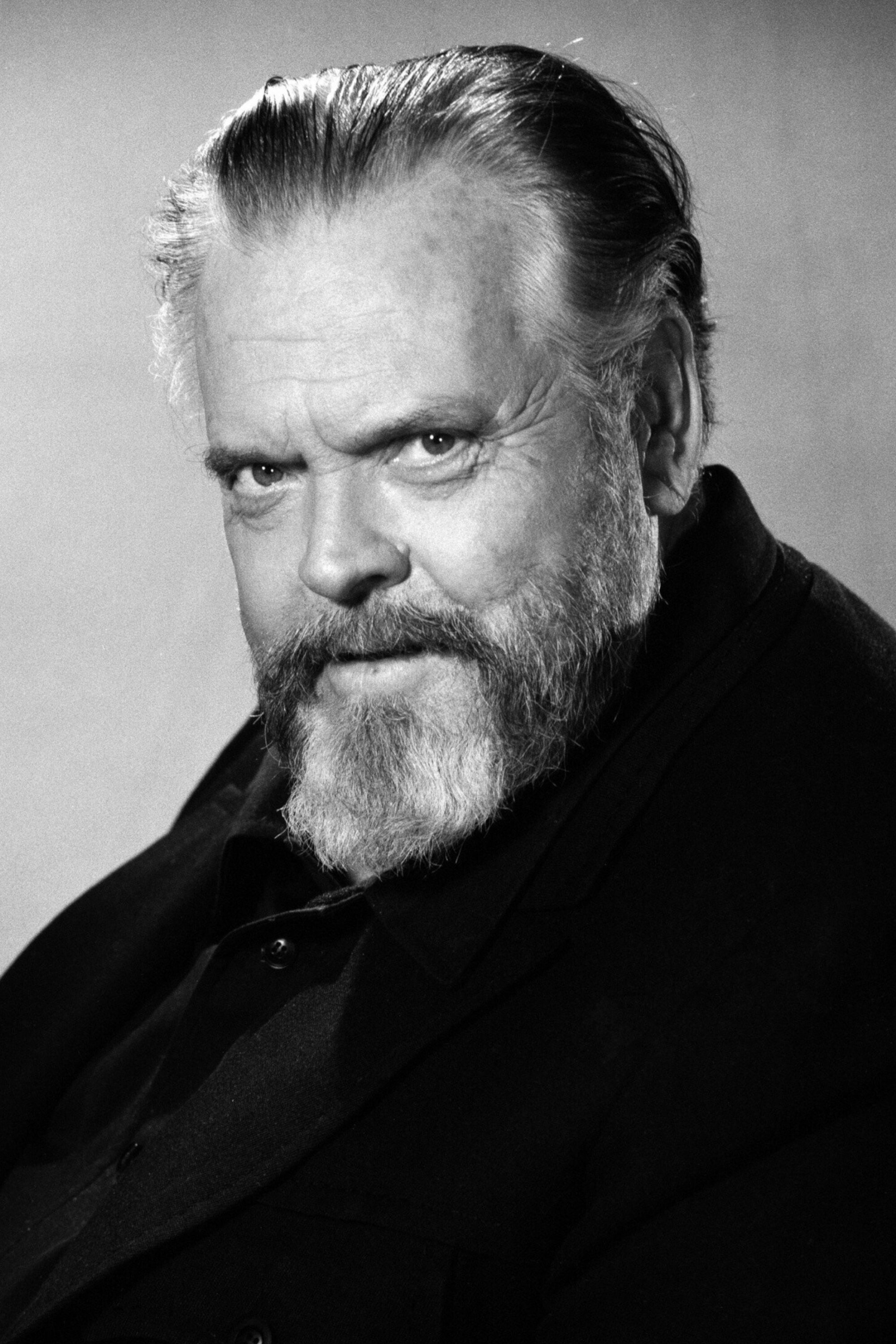
Orson Welles wrote, directed, and starred in ‘Citizen Kane’ which is frequently cited as the greatest film ever made. His genius for visual storytelling was matched by his commanding presence as an actor in ‘The Third Man’. He struggled against the studio system but managed to produce masterpieces like ‘Touch of Evil’. Welles left a legacy of innovation that fundamentally altered the language of cinema.
Charlie Chaplin
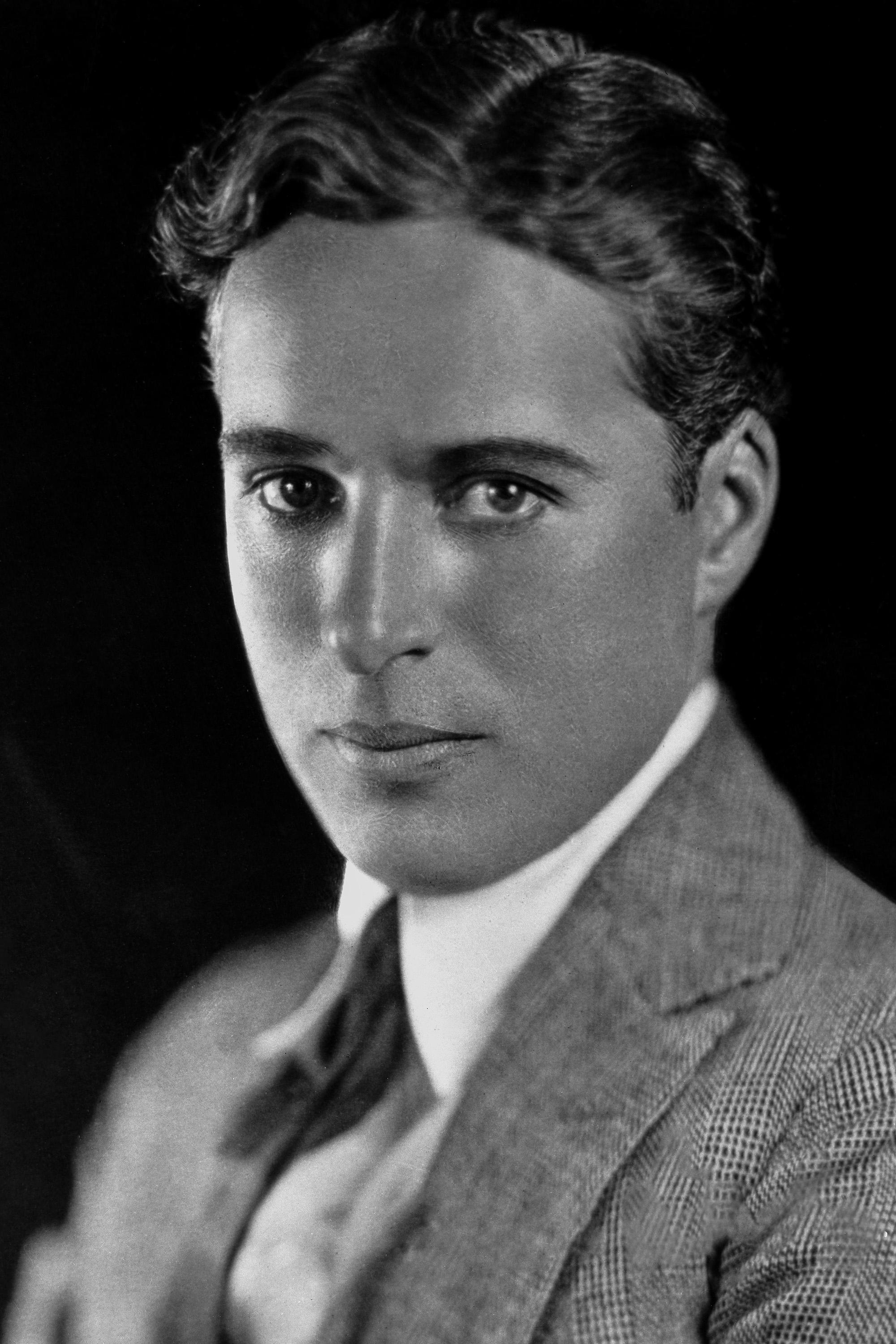
Charlie Chaplin became the most famous man in the world through his silent film character the Tramp. He wrote, directed, scored, and edited his own films including ‘City Lights’ and ‘Modern Times’. His ability to blend slapstick comedy with deep pathos created a universal language of emotion. Chaplin bravely tackled political satire in ‘The Great Dictator’ and cemented his place as a cinematic pioneer.
Buster Keaton
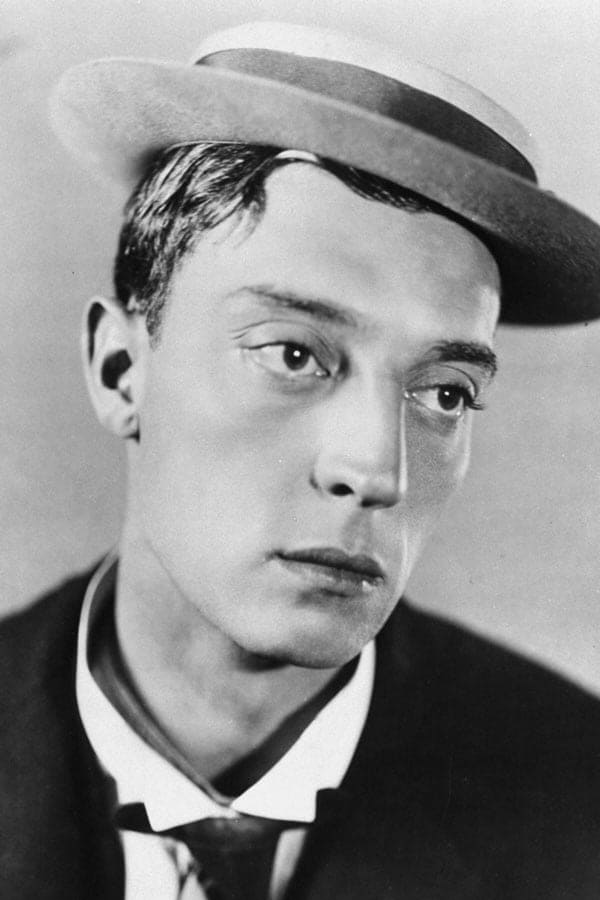
Buster Keaton was a silent film visionary known for his deadpan expression and incredible physical stunts. He directed and starred in ‘The General’ which is regarded as a masterpiece of comic timing and visual engineering. Keaton performed dangerous feats without a double and influenced generations of action stars like Jackie Chan. His understanding of camera geometry allowed him to create gags that remain funny a century later.
Spencer Tracy
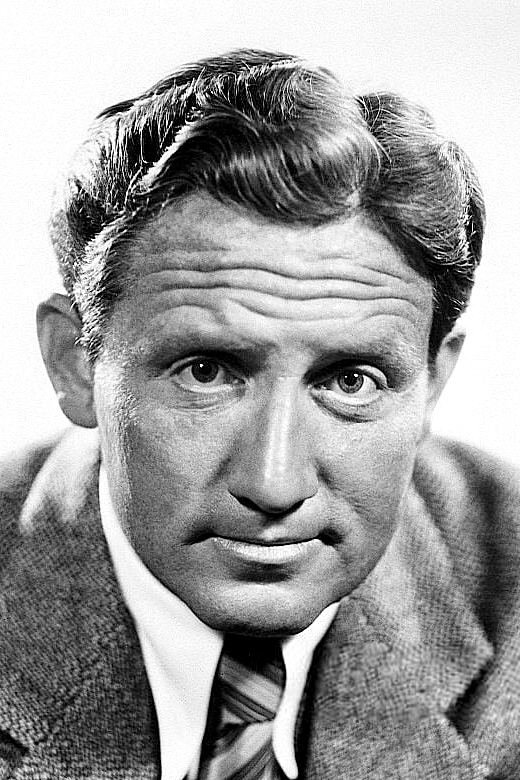
Spencer Tracy was admired by his peers for his naturalistic style and ability to convey deep emotion with minimal effort. He won consecutive Academy Awards for ‘Captains Courageous’ and ‘Boys Town’. His on-screen partnership with Katharine Hepburn produced nine films including ‘Guess Who’s Coming to Dinner’. Tracy remains a benchmark for authenticity in acting.
Sidney Poitier
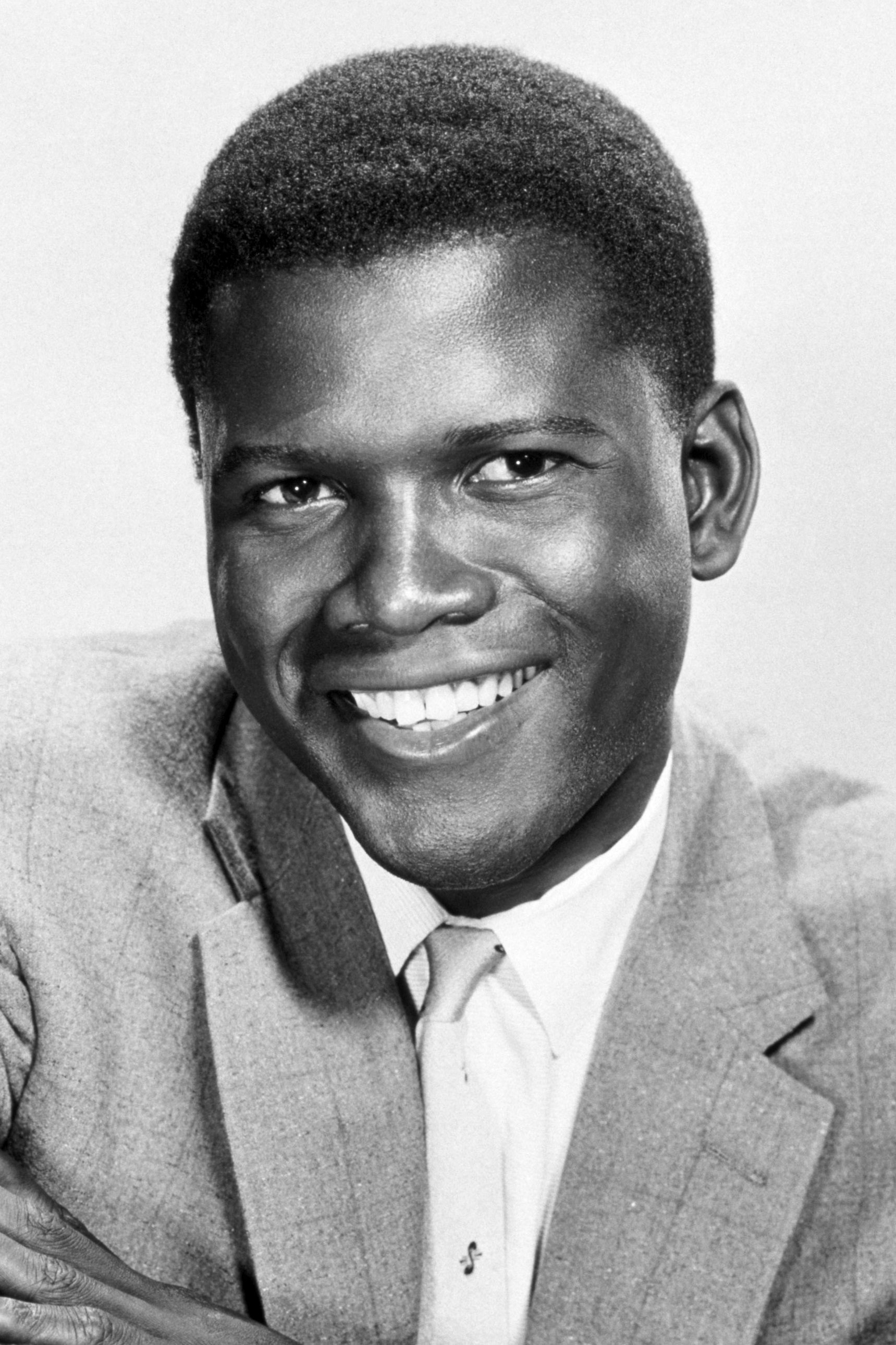
Sidney Poitier broke racial barriers in Hollywood and became the first Black actor to win the Academy Award for Best Actor. He starred in three major hits in 1967 including ‘In the Heat of the Night’ and ‘Guess Who’s Coming to Dinner’. His dignified performances challenged social prejudices and paved the way for future generations of minority actors. Poitier directed several successful films and remained an icon of elegance and talent until his passing.
Kirk Douglas
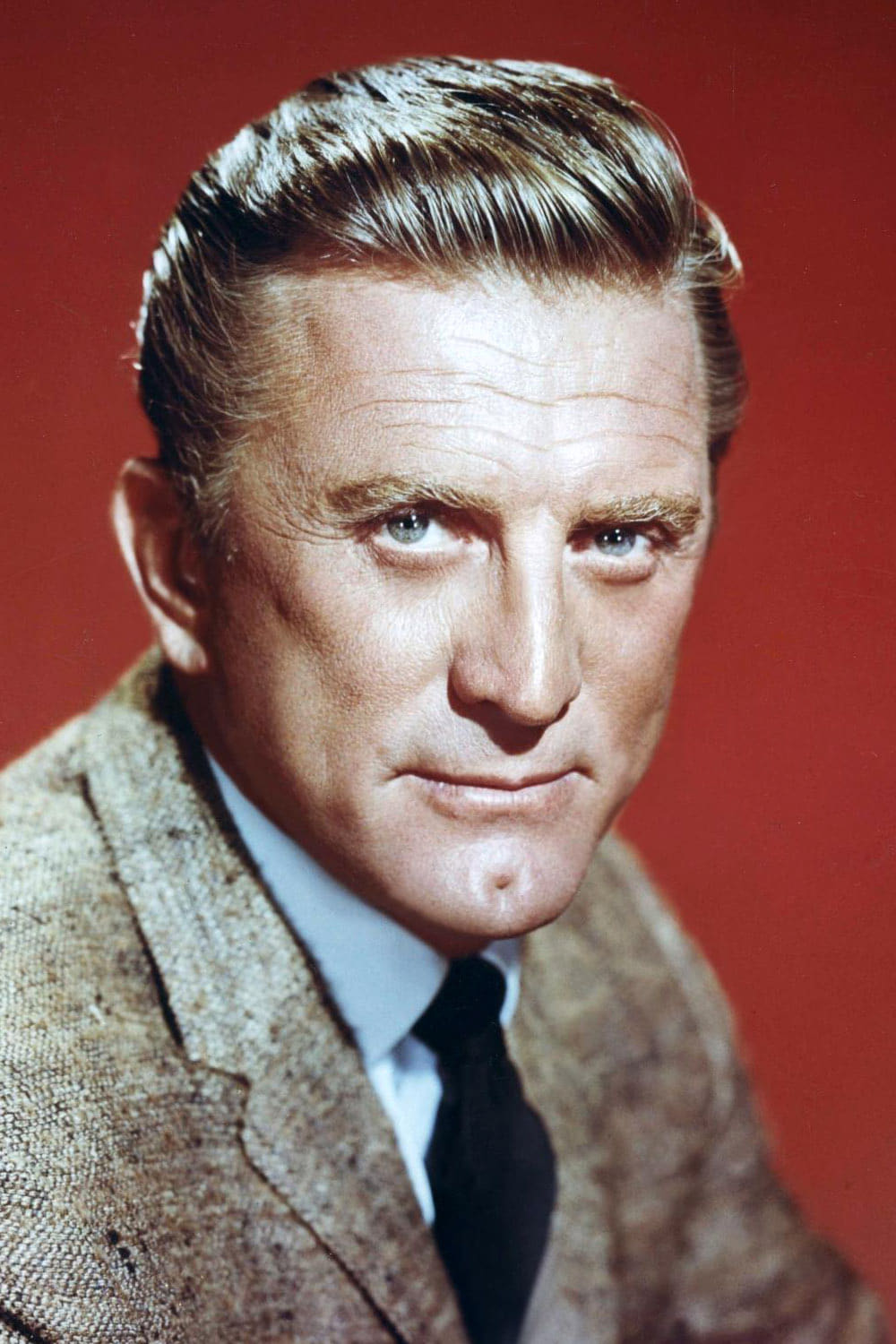
Kirk Douglas brought an intense physical vitality to his roles in films like ‘Champion’ and ‘Spartacus’. He was a major force behind the scenes and helped break the Hollywood blacklist by hiring Dalton Trumbo. His performance in ‘Lust for Life’ captured the tortured soul of Vincent van Gogh. Douglas remained a symbol of the Golden Age’s rugged masculinity throughout his long life.
Burt Lancaster
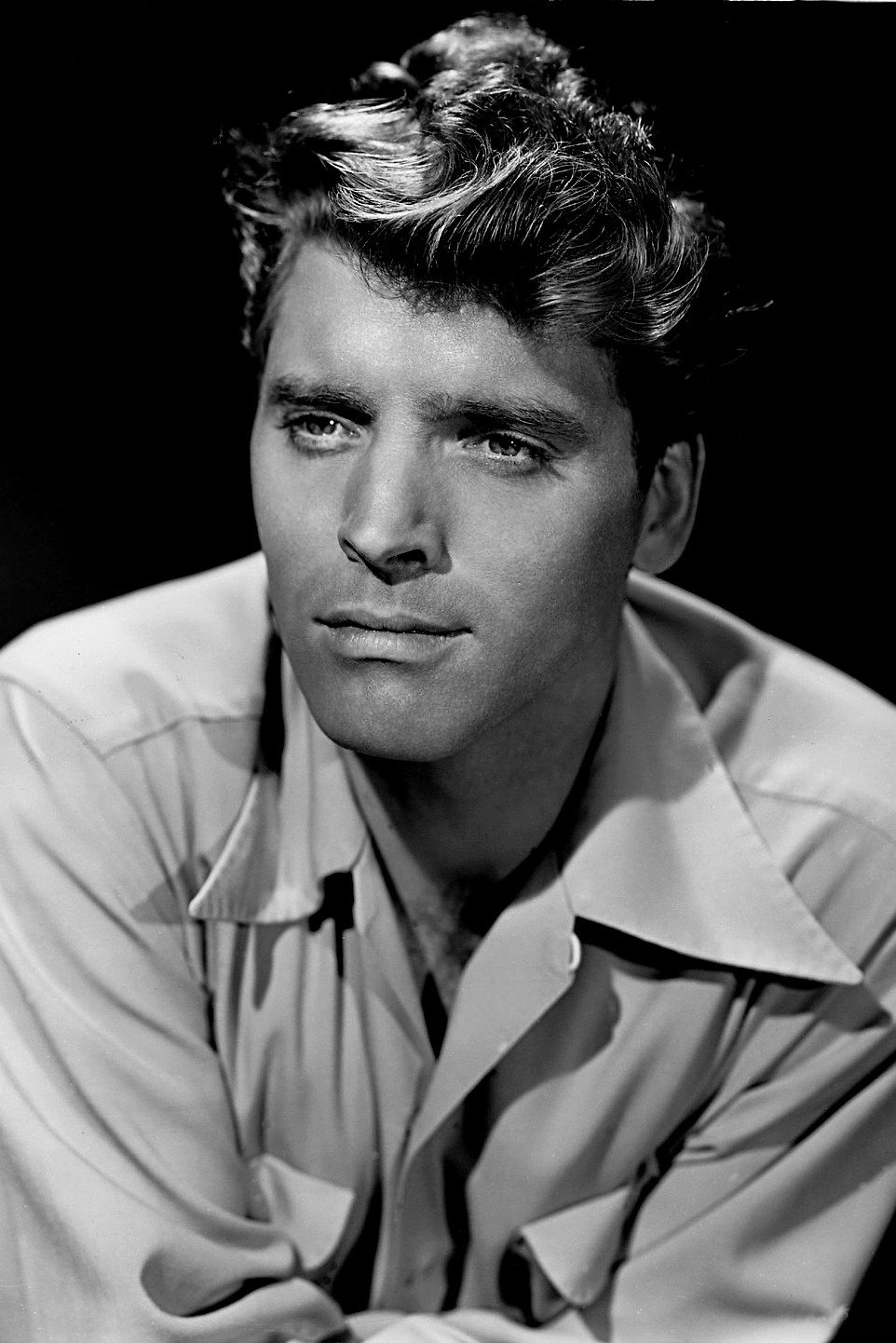
Burt Lancaster transitioned from a circus acrobat to one of Hollywood’s most versatile leading men. He starred in the film noir classic ‘The Killers’ and the sweeping drama ‘From Here to Eternity’. Lancaster used his production company to support risky projects like ‘Sweet Smell of Success’. He won an Academy Award for playing a charismatic evangelist in ‘Elmer Gantry’.
Steve McQueen
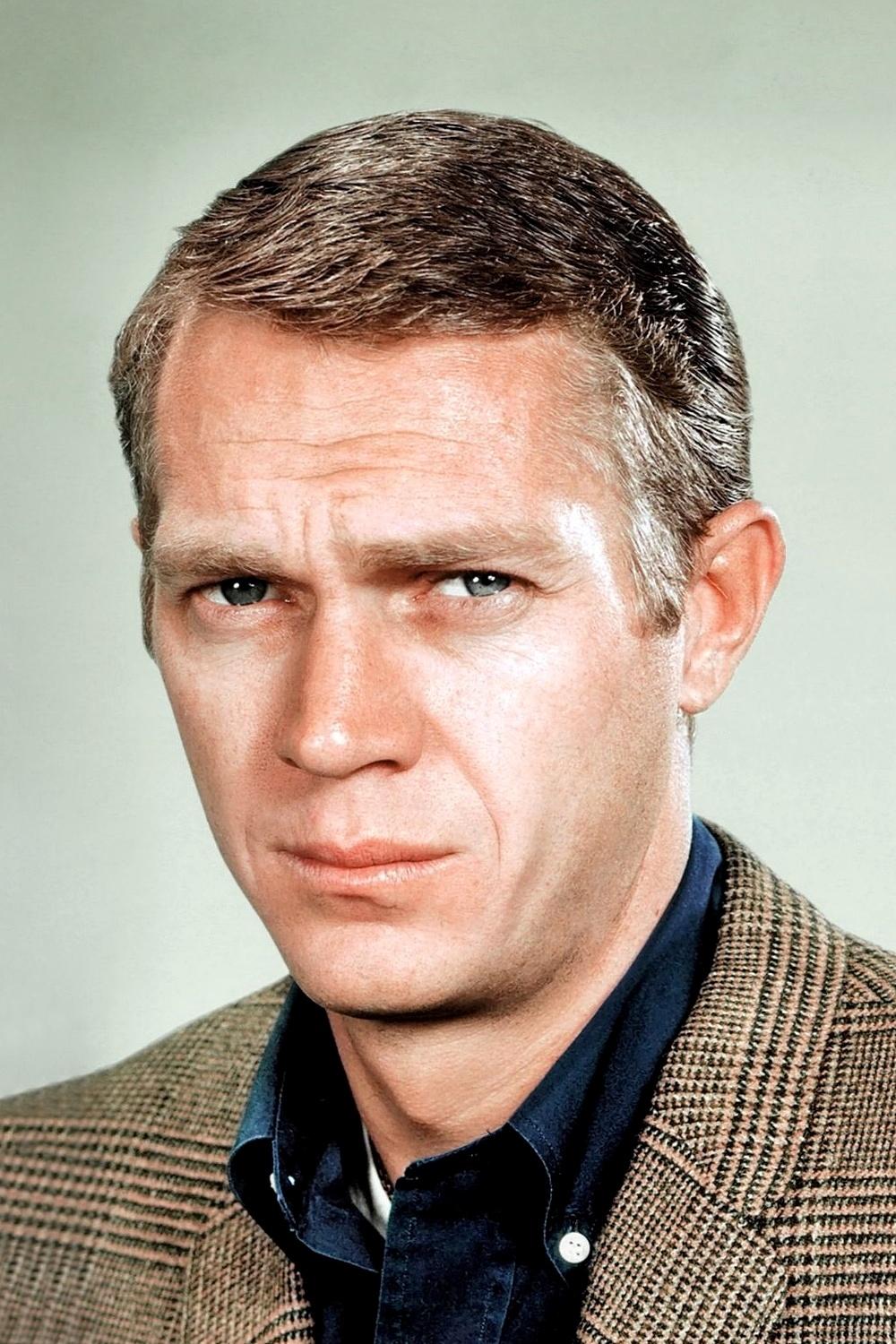
Steve McQueen was nicknamed the King of Cool for his stoic demeanor and affinity for action roles. He drove his own vehicles in high-octane films like ‘Bullitt’ and ‘The Great Escape’. McQueen commanded the screen with a minimalist style that relied on presence rather than dialogue. His performances in ‘The Magnificent Seven’ and ‘Papillon’ solidified his status as a global superstar.
John Wayne
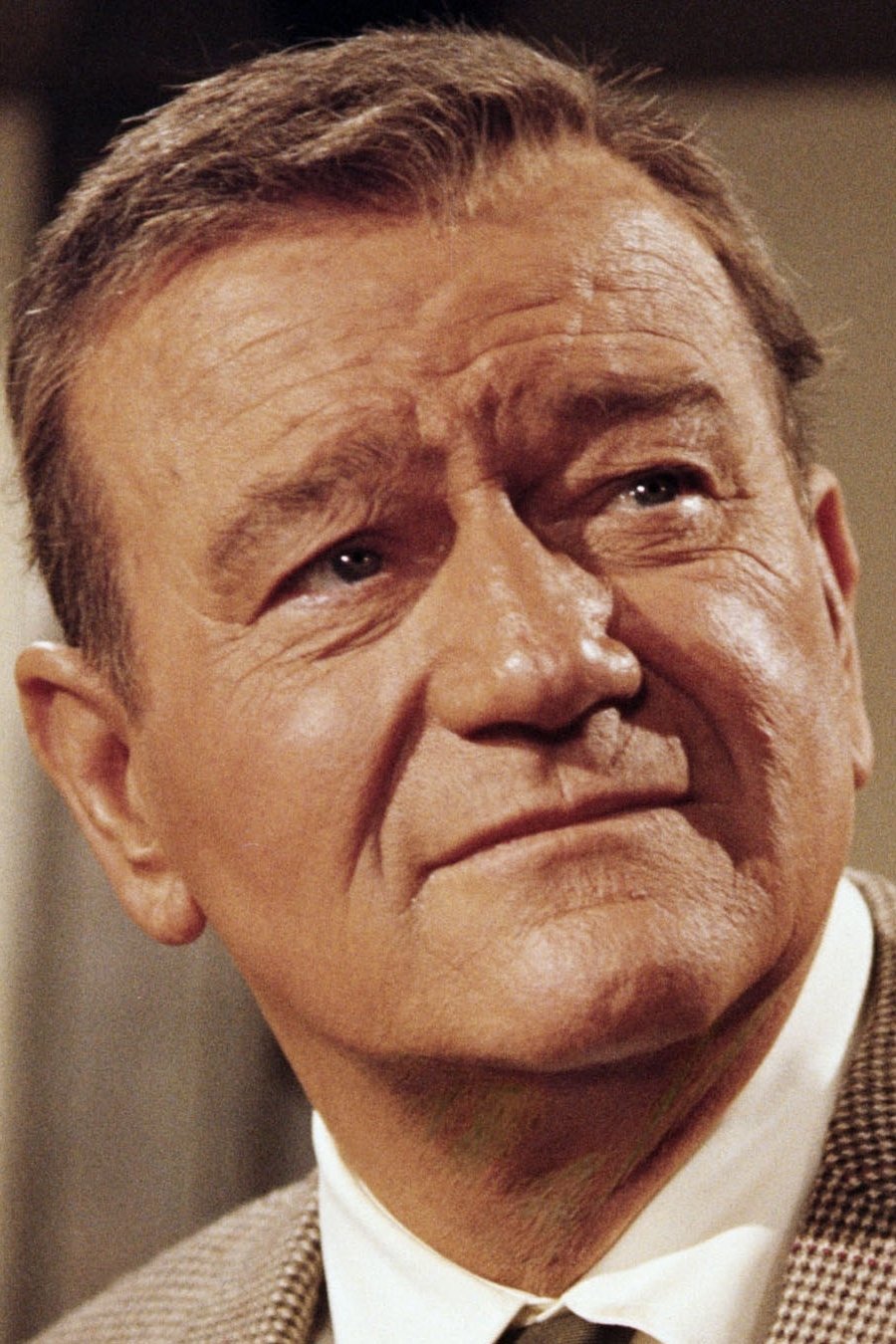
John Wayne became the enduring face of the American Western through his collaborations with director John Ford. He starred in genre-defining classics such as ‘Stagecoach’, ‘The Searchers’, and ‘The Man Who Shot Liberty Valance’. His distinct cadence and walk became instantly recognizable symbols of rugged individualism. Wayne won his only Academy Award for his performance as Rooster Cogburn in ‘True Grit’.
Clark Gable
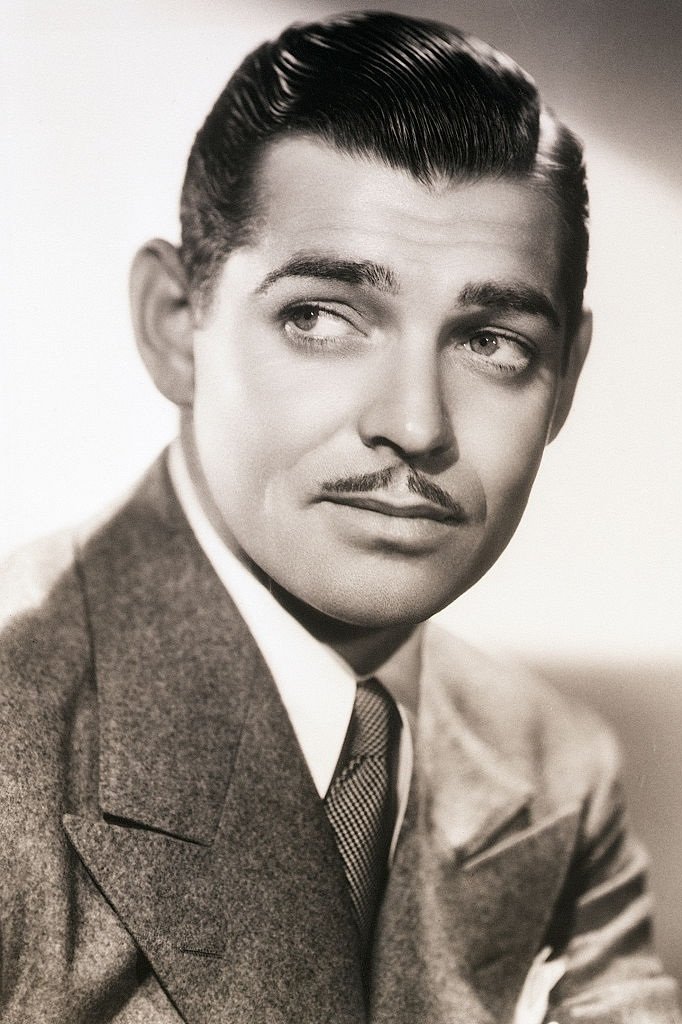
Clark Gable was known as the King of Hollywood during the peak of the studio era. He delivered one of the most famous lines in movie history as Rhett Butler in ‘Gone with the Wind’. His rugged charm and confidence made him the template for the modern leading man in ‘It Happened One Night’. Gable remained a top box office attraction for three decades.
Gary Cooper
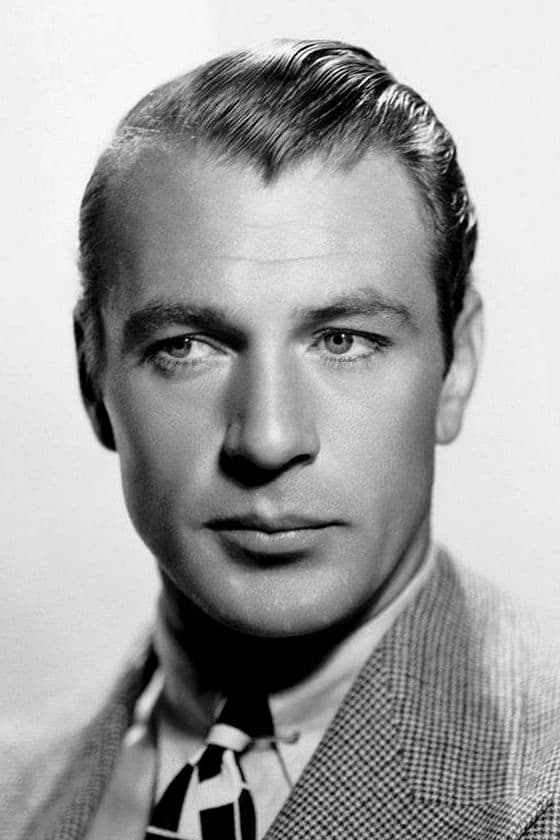
Gary Cooper perfected the strong and silent persona in films like ‘High Noon’ and ‘Sergeant York’. His understated acting style allowed him to convey integrity and courage without theatricality. He won two Academy Awards for Best Actor and starred in over one hundred films. Cooper embodied the American ideal of the reluctant hero.
Alec Guinness
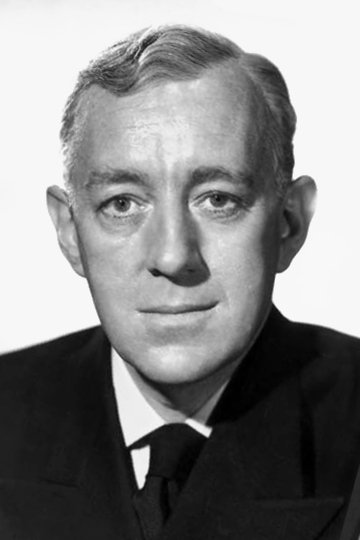
Alec Guinness was a chameleon who could vanish into disparate roles ranging from comedies to epics. He played eight different characters in the black comedy ‘Kind Hearts and Coronets’. He is best known to modern audiences as Obi-Wan Kenobi in ‘Star Wars’. Guinness won an Academy Award for his disciplined performance in ‘The Bridge on the River Kwai’.
Sean Connery
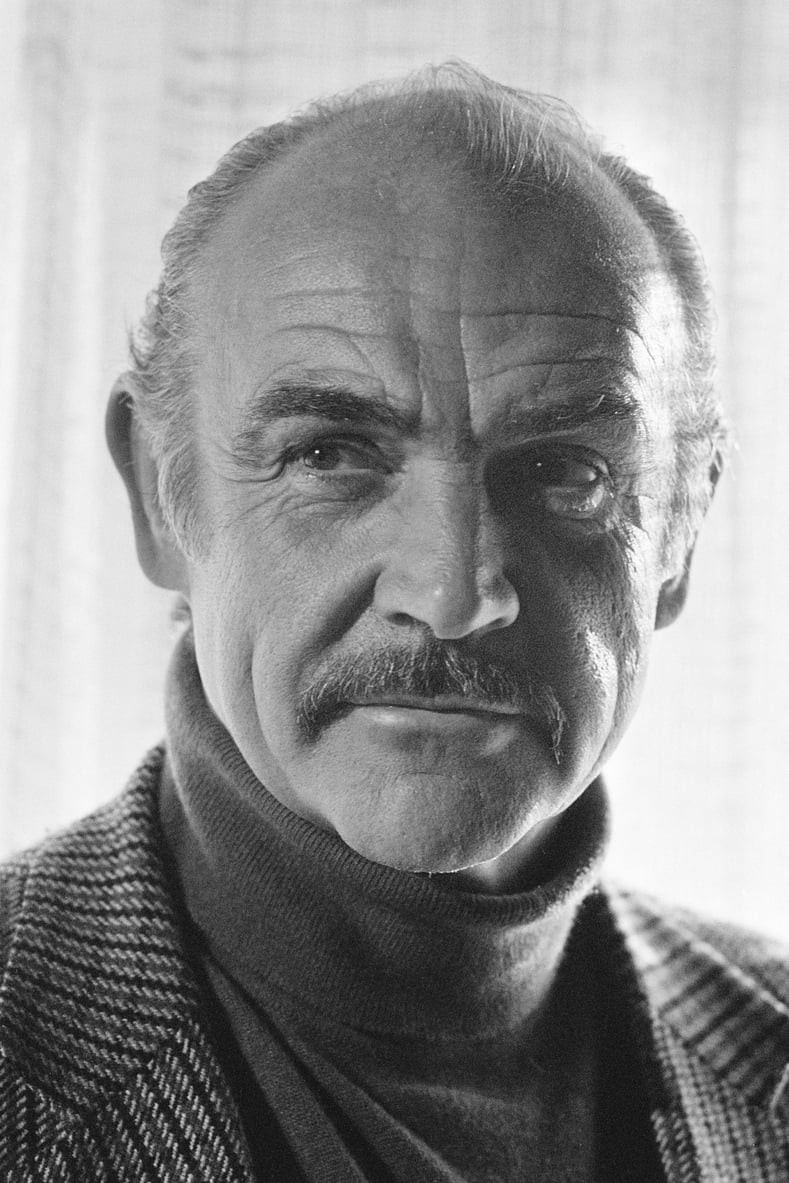
Sean Connery launched the James Bond franchise and set the standard for the character in ‘Dr. No’ and ‘Goldfinger’. He successfully broke away from the role to win an Oscar for ‘The Untouchables’. His charisma and commanding voice made him a favorite in adventures like ‘Indiana Jones and the Last Crusade’. Connery remained a major leading man well into his sixties.
Christopher Plummer
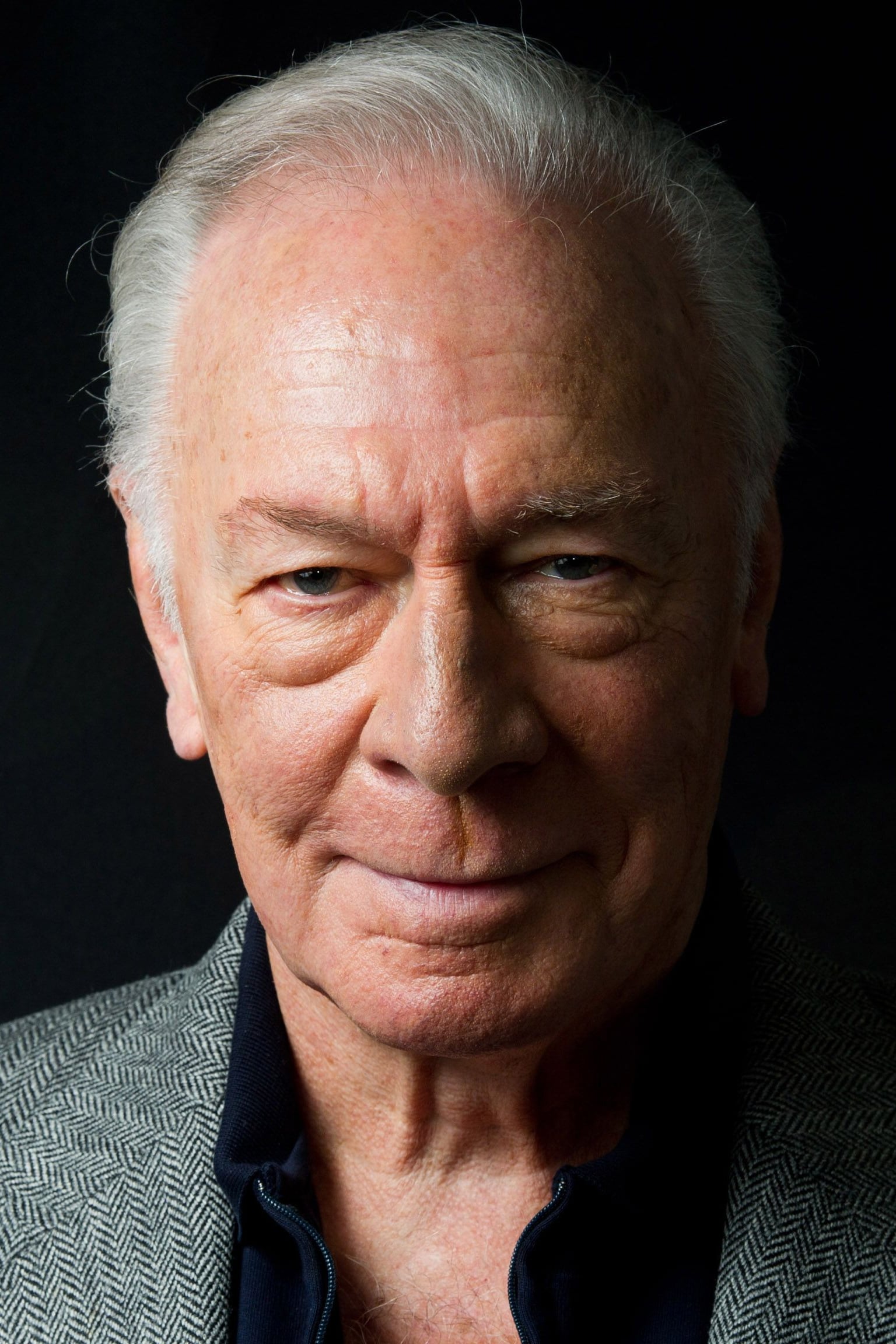
Christopher Plummer enjoyed a seven-decade career that began with stage triumphs and the musical ‘The Sound of Music’. He won an Academy Award at age eighty-two for his performance in ‘Beginners’. His late-career resurgence included powerful roles in ‘Knives Out’ and ‘All the Money in the World’. Plummer was revered for his impeccable diction and versatility.
Philip Seymour Hoffman
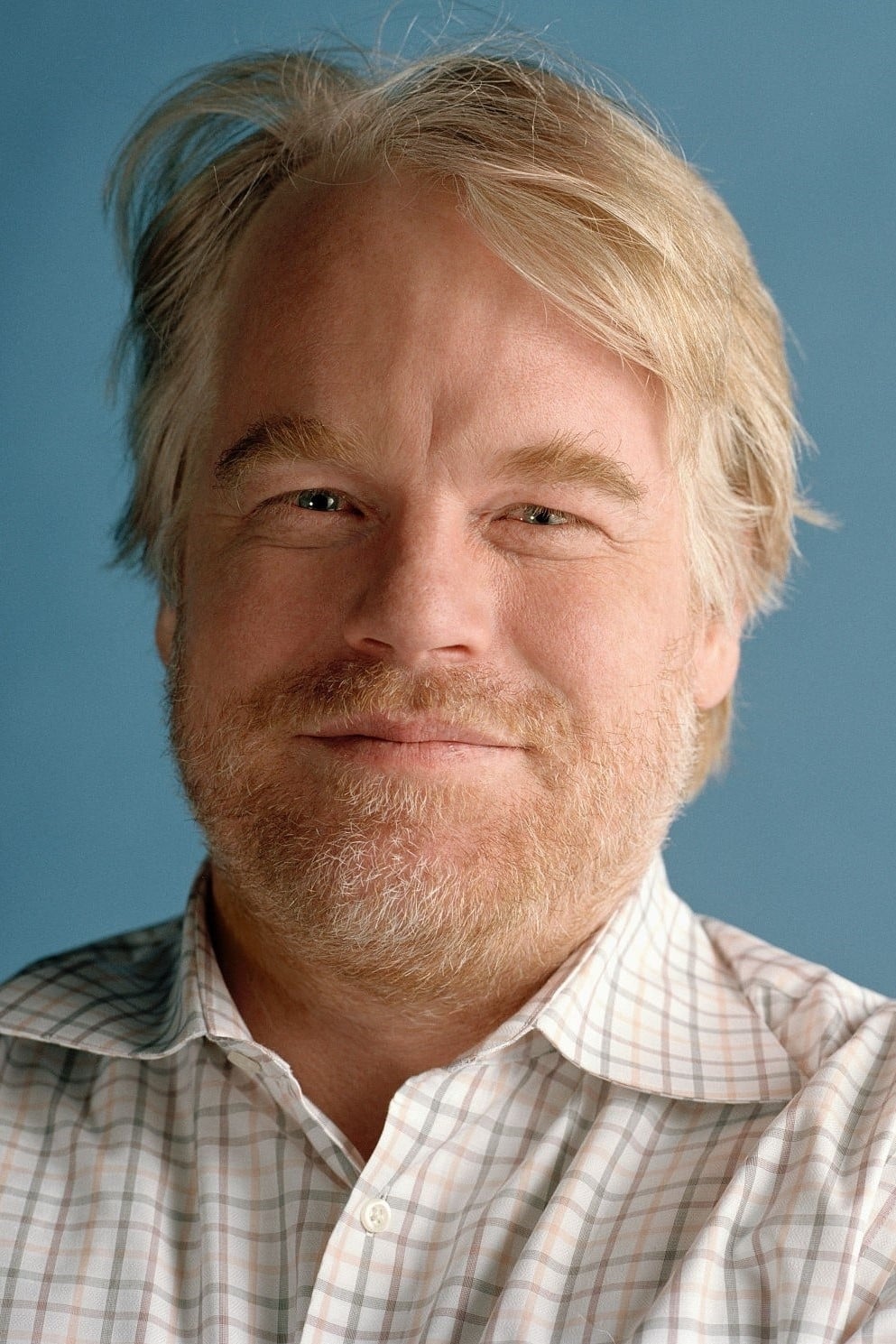
Philip Seymour Hoffman was a master of character acting who brought profound humanity to flawed individuals. He won the Academy Award for Best Actor for his transformation in ‘Capote’. His filmography includes standout supporting roles in ‘The Master’, ‘Doubt’, and ‘Boogie Nights’. Hoffman is widely missed for his ability to elevate every film he appeared in.
Heath Ledger
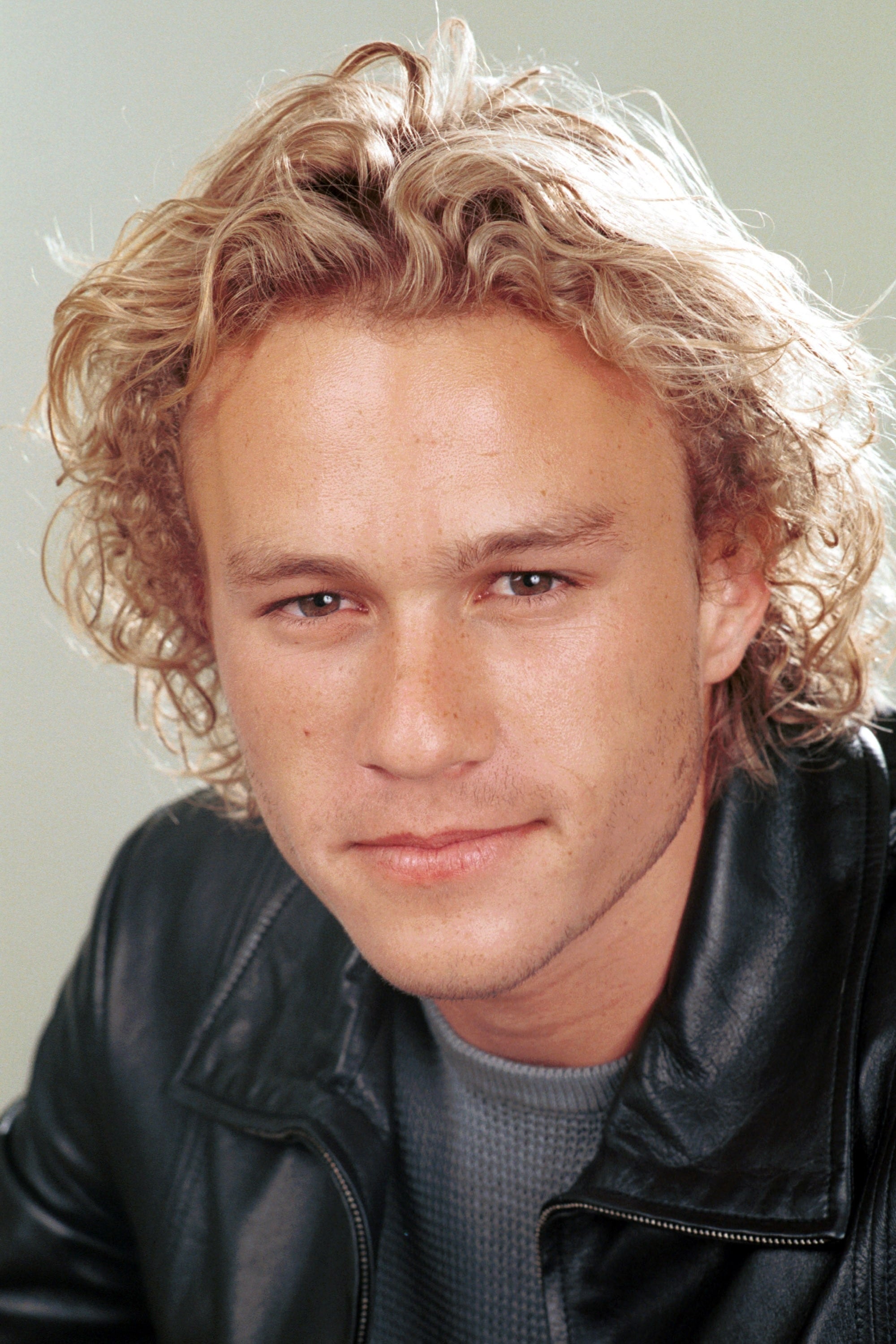
Heath Ledger left a tragic but undeniable legacy with his transformative performances. His portrayal of the Joker in ‘The Dark Knight’ set a new benchmark for screen villainy and earned him a posthumous Oscar. He demonstrated incredible range with his tender performance in ‘Brokeback Mountain’. Ledger was a fearless artist who disappeared completely into his characters.
Robin Williams
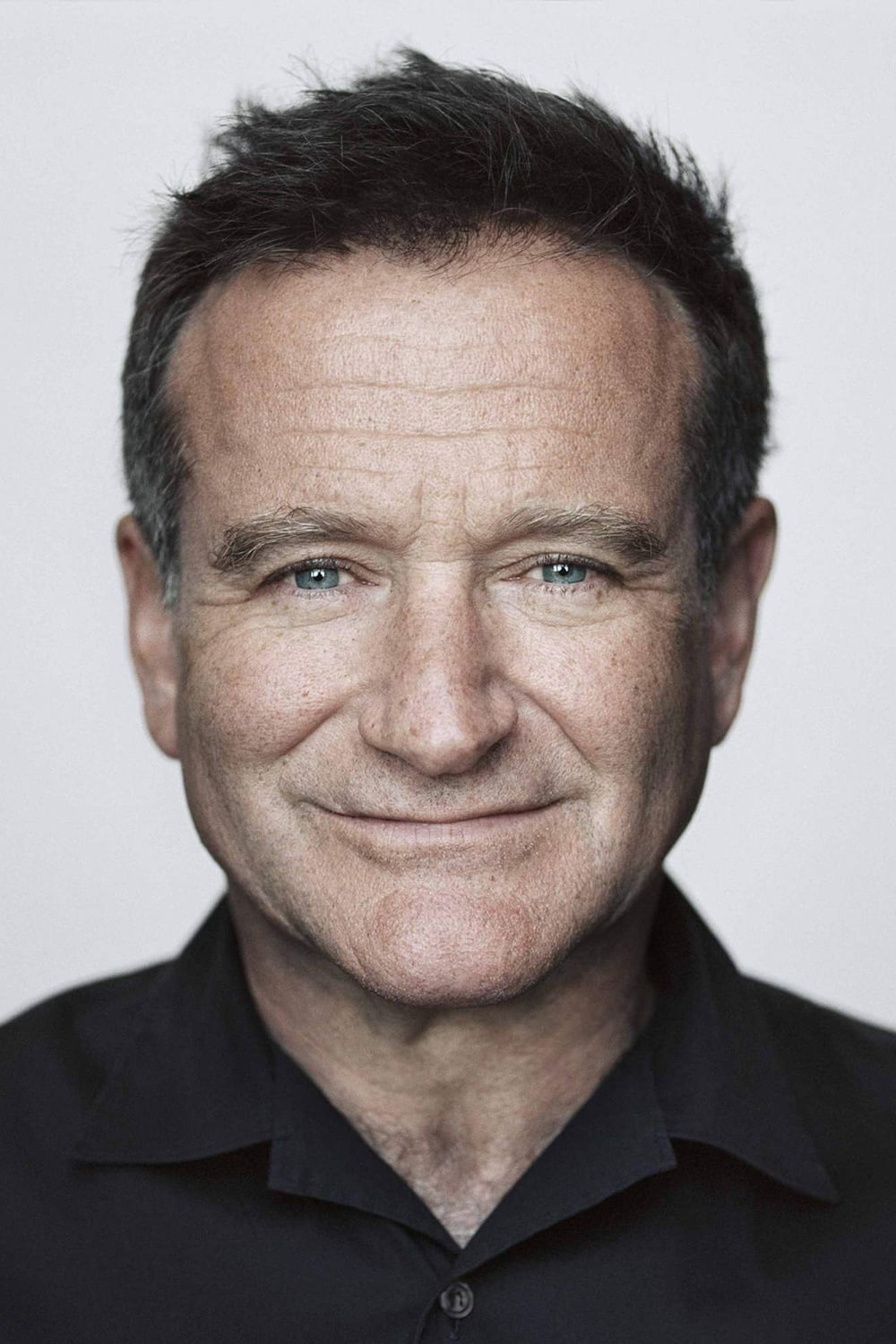
Robin Williams began as a manic stand-up comedian before proving himself as a dramatic heavyweight. He won an Academy Award for his supporting role in ‘Good Will Hunting’. His improvisational genius was showcased in ‘Aladdin’ and ‘Mrs. Doubtfire’. Williams possessed a unique ability to make audiences laugh and cry within the same scene.
James Dean
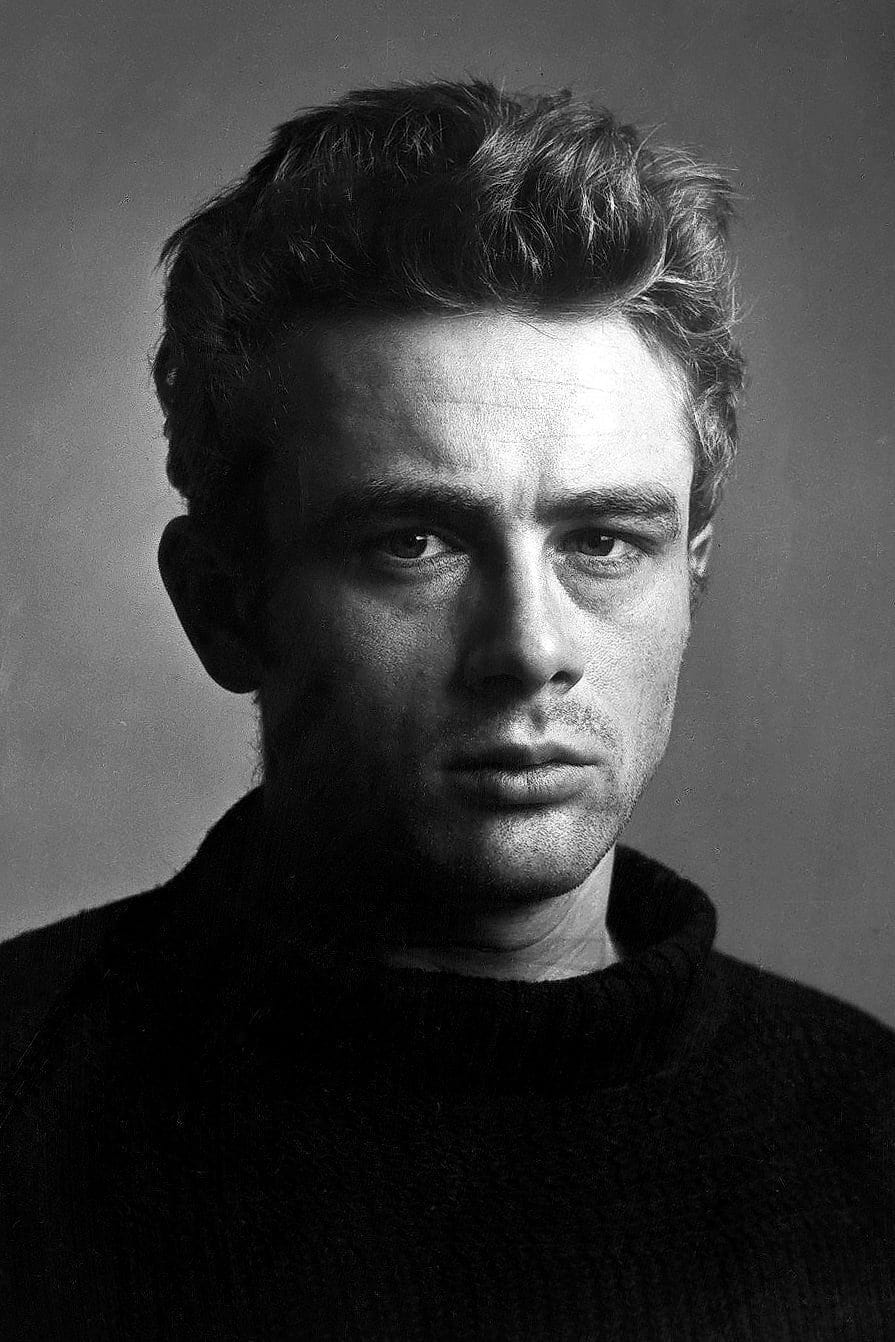
James Dean became a cultural icon of teenage disillusionment despite starring in only three major films. His raw and emotional performance in ‘Rebel Without a Cause’ spoke to a generation of youth. He demonstrated remarkable promise in ‘East of Eden’ and ‘Giant’ before his untimely death. Dean remains the ultimate symbol of cool and wasted potential.
Marcello Mastroianni
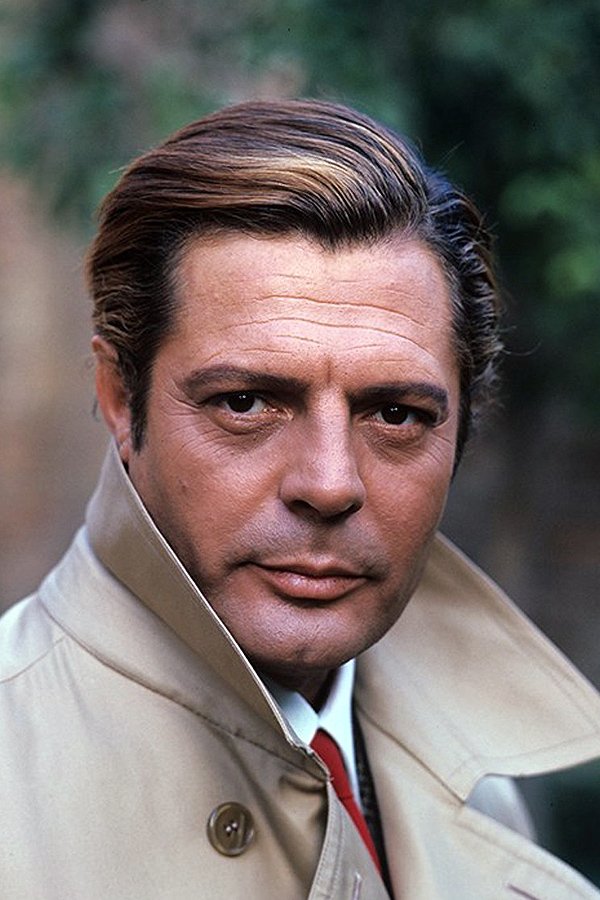
Marcello Mastroianni was the face of Italian cinema and a frequent collaborator with Federico Fellini. He starred in international classics such as ‘La Dolce Vita’ and ‘8½’. His charm and world-weariness made him one of the most sought-after actors in Europe. Mastroianni was nominated for Best Actor at the Academy Awards three times.
Montgomery Clift

Montgomery Clift was one of the first method actors to reach stardom in Hollywood. His sensitive and brooding performances in ‘A Place in the Sun’ and ‘From Here to Eternity’ challenged traditional masculinity. He received four Academy Award nominations during his short career. Clift is often cited alongside Brando and Dean as a pioneer of modern acting.
Edward G. Robinson
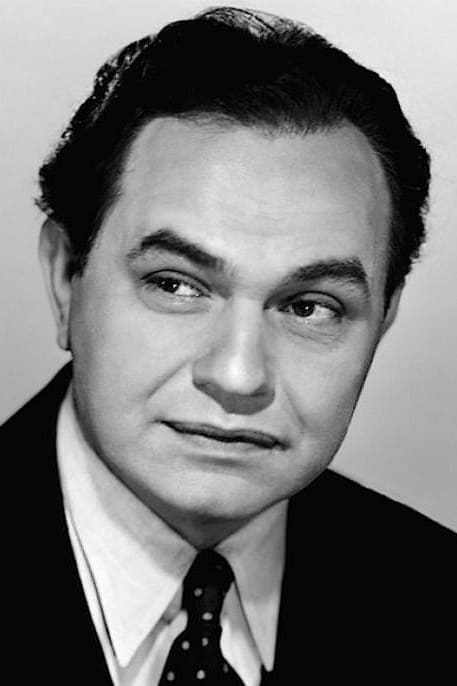
Edward G. Robinson created the archetype of the movie gangster with his role in ‘Little Caesar’. Despite his tough screen image, he was a refined art collector and spoke multiple languages. He delivered a powerful supporting performance in the noir classic ‘Double Indemnity’. Robinson worked steadily until his death and received an honorary Oscar.
James Cagney
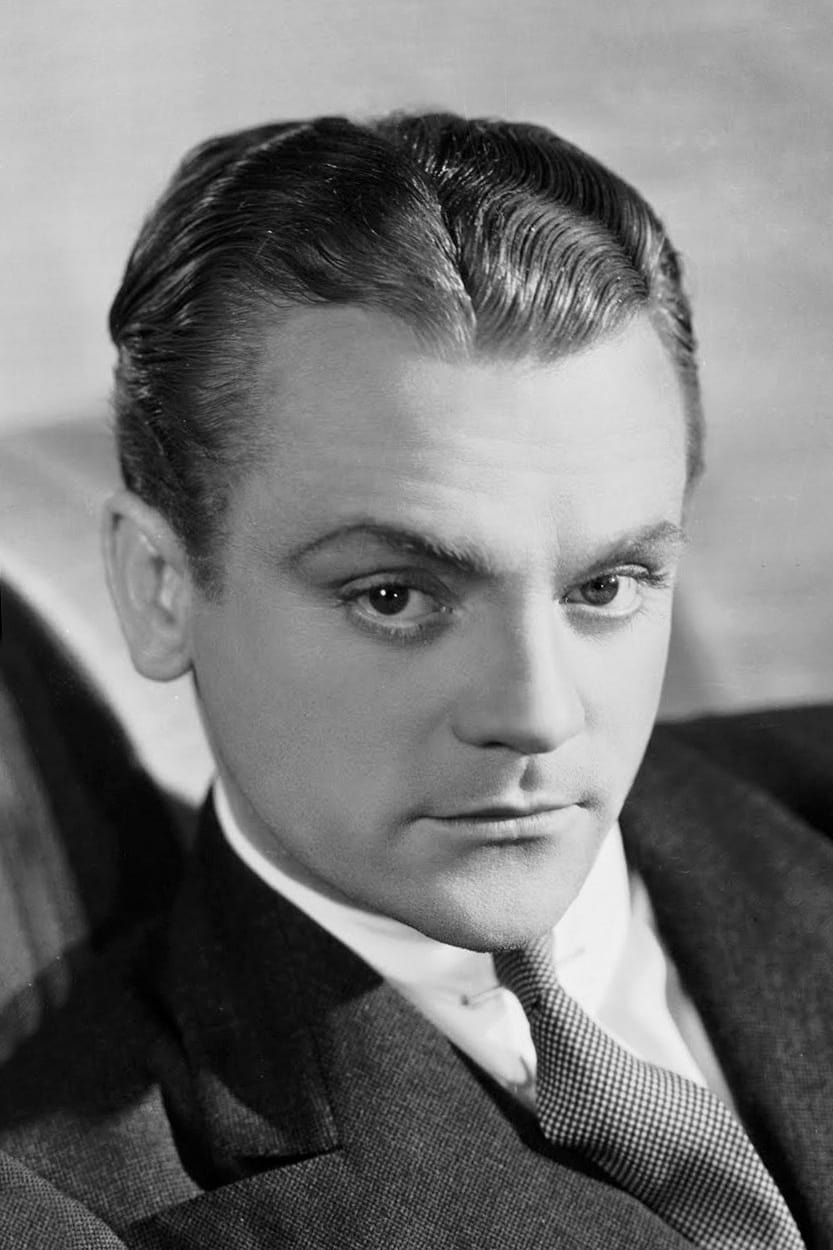
James Cagney brought an explosive energy to the screen that was honed during his years in vaudeville. He is best remembered for his gangster roles in ‘The Public Enemy’ and ‘White Heat’. Cagney displayed his incredible dancing and singing ability in ‘Yankee Doodle Dandy’. His intensity and rapid-fire delivery made him one of the most dynamic performers of the studio era.
Jack Lemmon
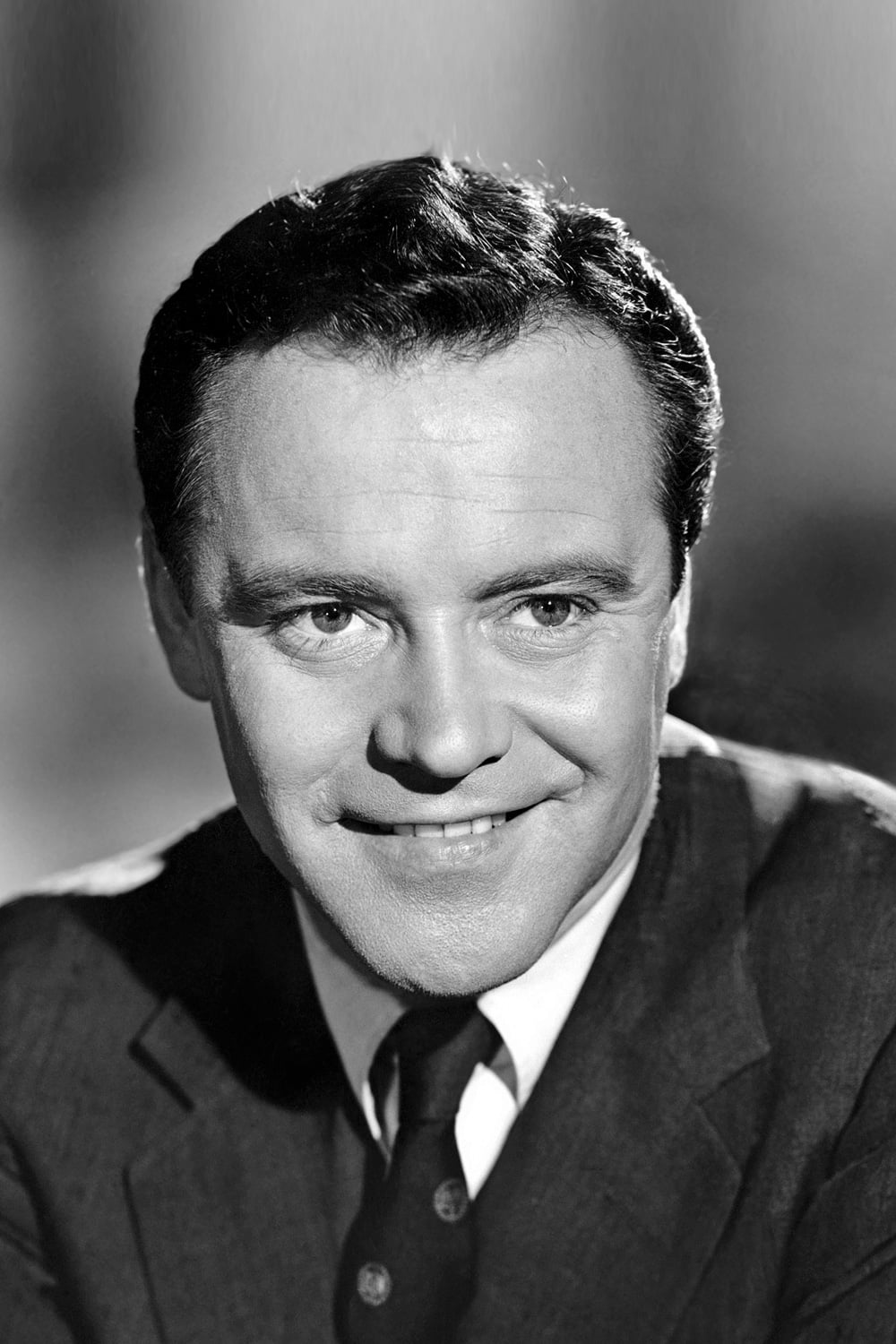
Jack Lemmon was a master of both comedy and drama who could play the everyman like no other. He starred in Billy Wilder classics such as ‘Some Like It Hot’ and ‘The Apartment’. Lemmon won Oscars for both Best Supporting Actor and Best Actor. His dramatic turn in ‘Glengarry Glen Ross’ showcased his desperation and depth.
Anthony Quinn
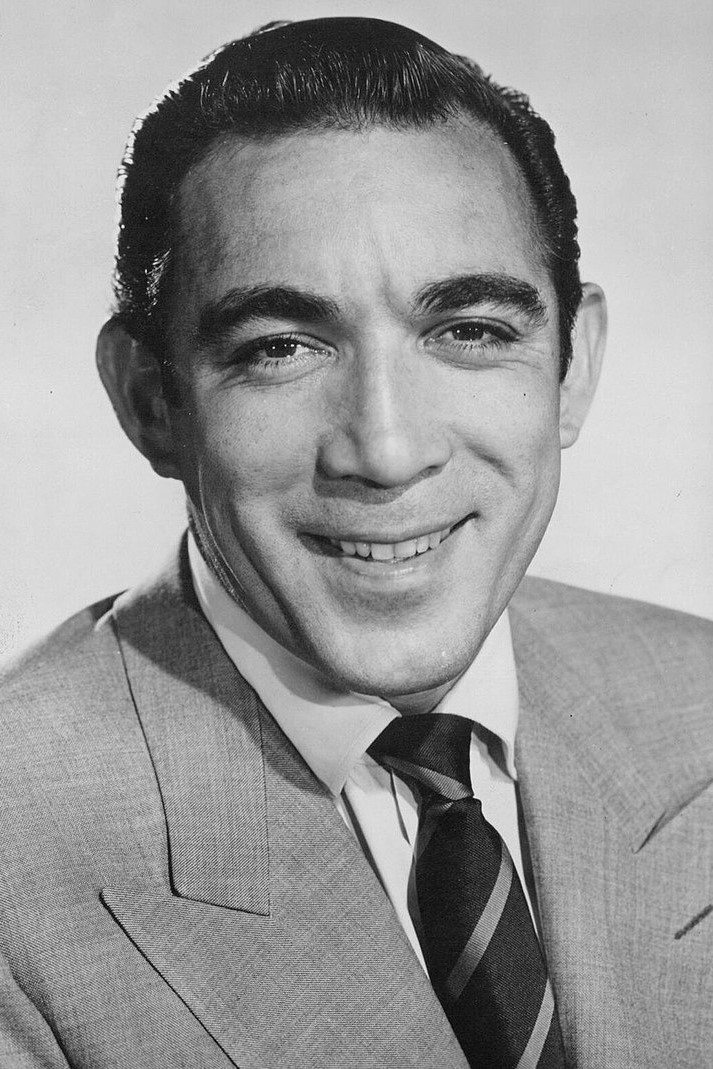
Anthony Quinn appeared in more than one hundred and fifty films and played characters of various ethnicities. He won two Academy Awards for his supporting roles in ‘Viva Zapata!’ and ‘Lust for Life’. His performance as the title character in ‘Zorba the Greek’ is iconic. Quinn brought a robust and earthy presence to every role he undertook.
Charles Laughton
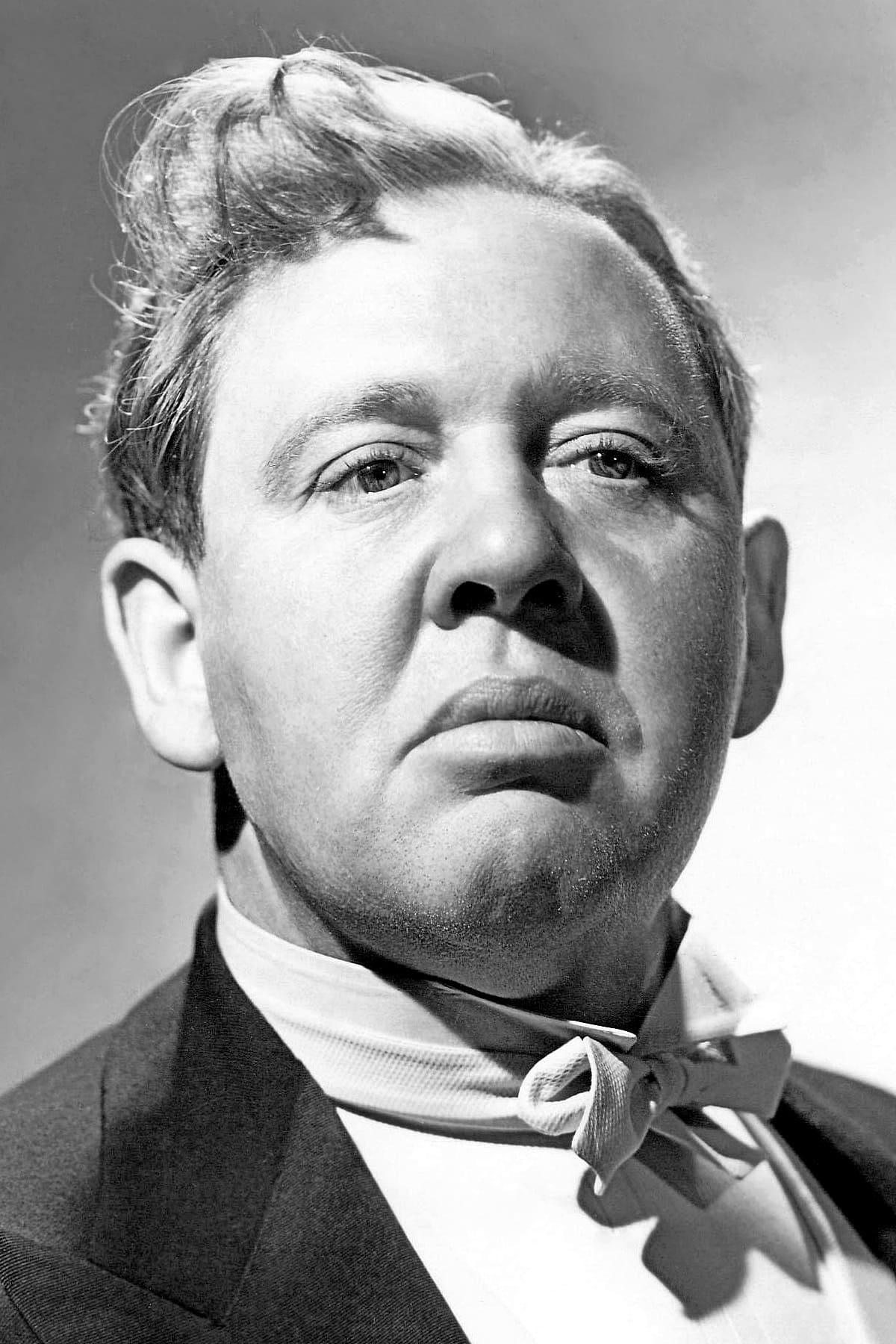
Charles Laughton was a formidable British actor known for his commanding voice and historical roles. He won an Academy Award for ‘The Private Life of Henry VIII’. Laughton directed the noir masterpiece ‘The Night of the Hunter’ which is now considered a classic. His portrayal of Quasimodo in ‘The Hunchback of Notre Dame’ was heartbreakingly human.
Robert Mitchum
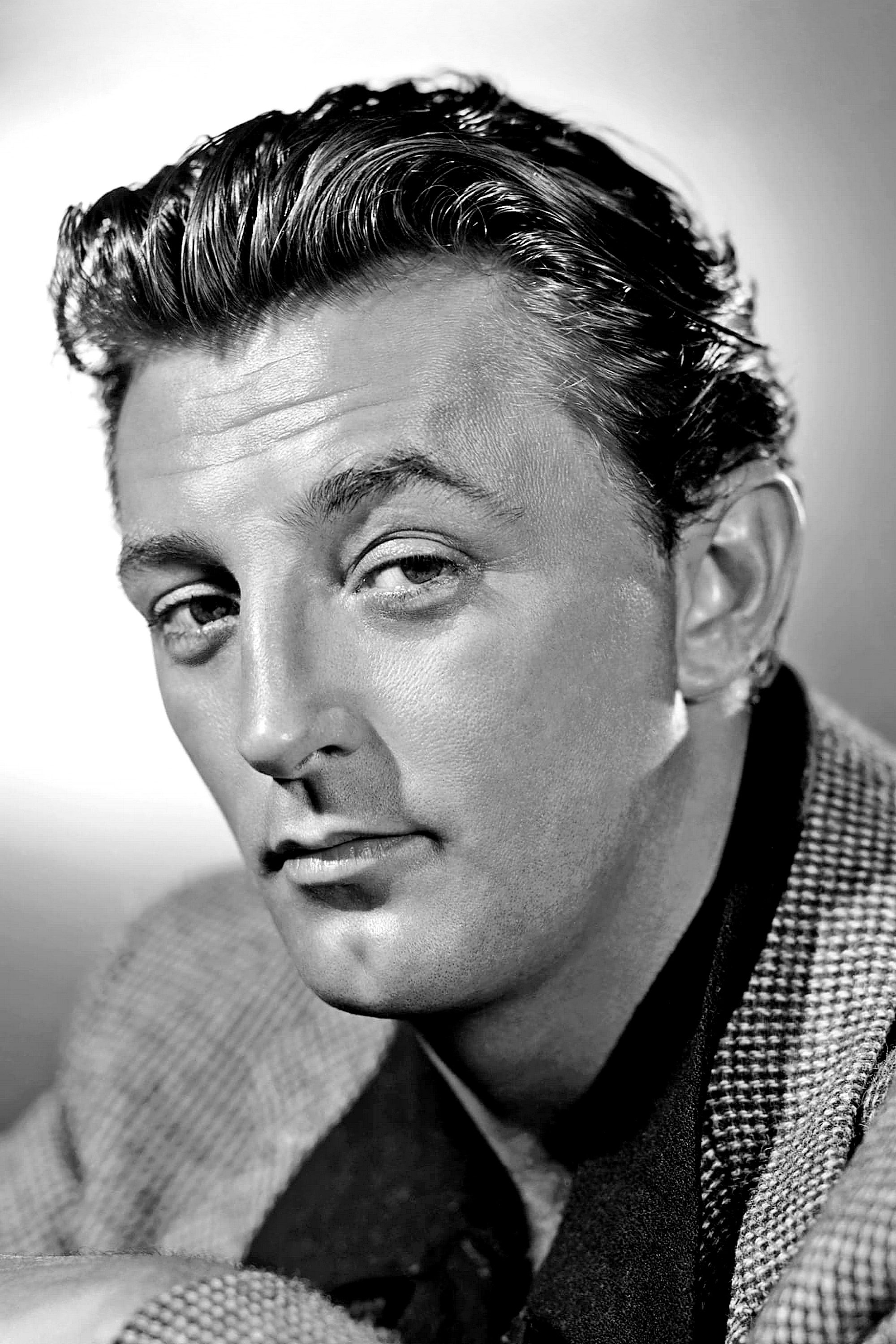
Robert Mitchum was the ultimate anti-hero of film noir with his sleepy eyes and imposing frame. He created terrifying villains in ‘The Night of the Hunter’ and ‘Cape Fear’. His understated style influenced cool actors for generations to come. Mitchum dismissed the art of acting publicly but possessed immense natural talent.
William Holden
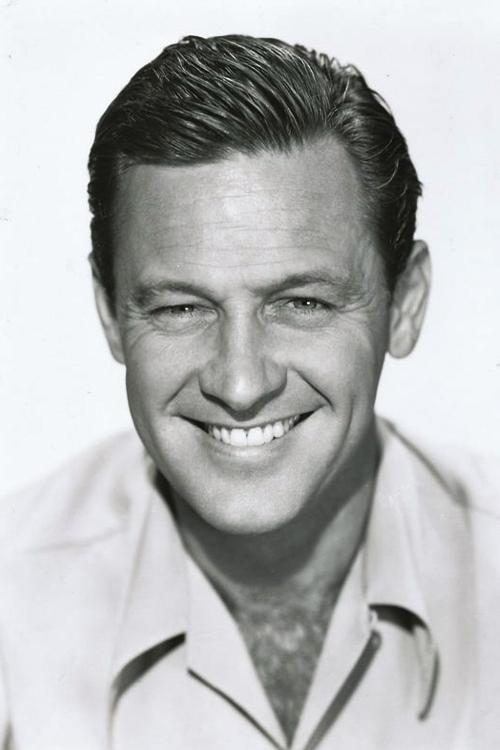
William Holden was a top box office draw known for his cynicism and handsome features. He starred in the darker Billy Wilder classic ‘Sunset Boulevard’ as a doomed screenwriter. Holden won an Oscar for his role in the prisoner of war drama ‘Stalag 17’. His performance in ‘The Wild Bunch’ helped redefine the Western genre in the late sixties.
Peter Sellers
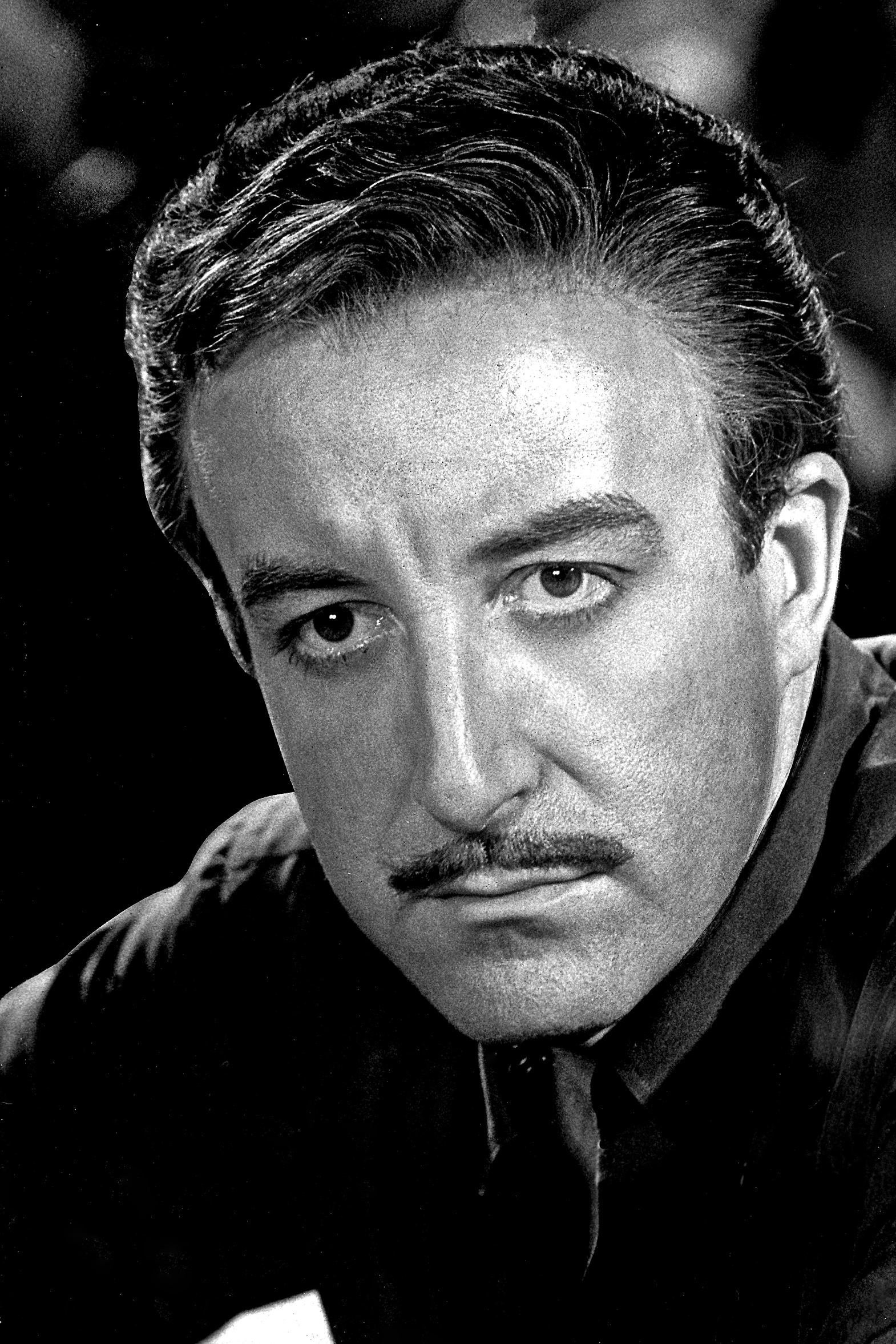
Peter Sellers was a comic genius known for his ability to inhabit multiple characters in a single film. He played three distinct roles in ‘Dr. Strangelove’ including the President and the title character. His portrayal of Inspector Clouseau in ‘The Pink Panther’ series is legendary. Sellers often disappeared so completely into his roles that he claimed to have no personality of his own.
River Phoenix
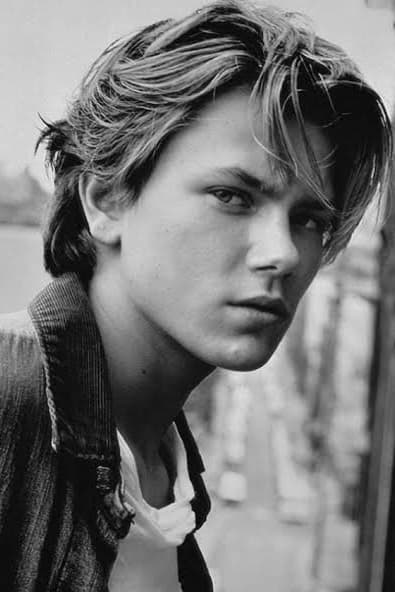
River Phoenix was regarded as the most talented young actor of his generation before his tragic death. He delivered a sensitive and mature performance in ‘Stand by Me’. His work in ‘My Own Private Idaho’ earned him critical acclaim and cemented his status as an indie icon. Phoenix received an Academy Award nomination for ‘Running on Empty’.
Max von Sydow
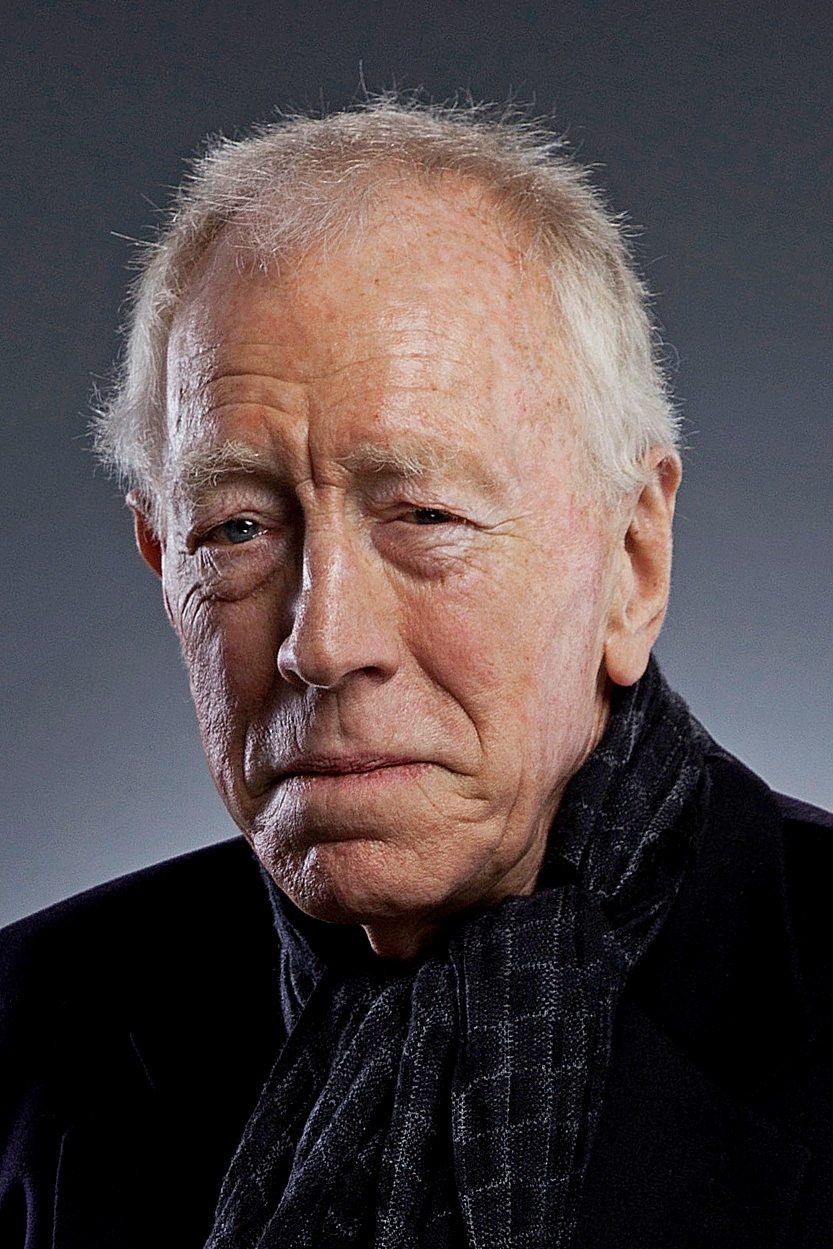
Max von Sydow was a Swedish actor who gained international fame through his work with Ingmar Bergman. He played the knight who plays chess with Death in ‘The Seventh Seal’. His career spanned European art house films and Hollywood blockbusters like ‘The Exorcist’. Von Sydow worked until the end of his life and appeared in ‘Star Wars’ and ‘Game of Thrones’.
Omar Sharif
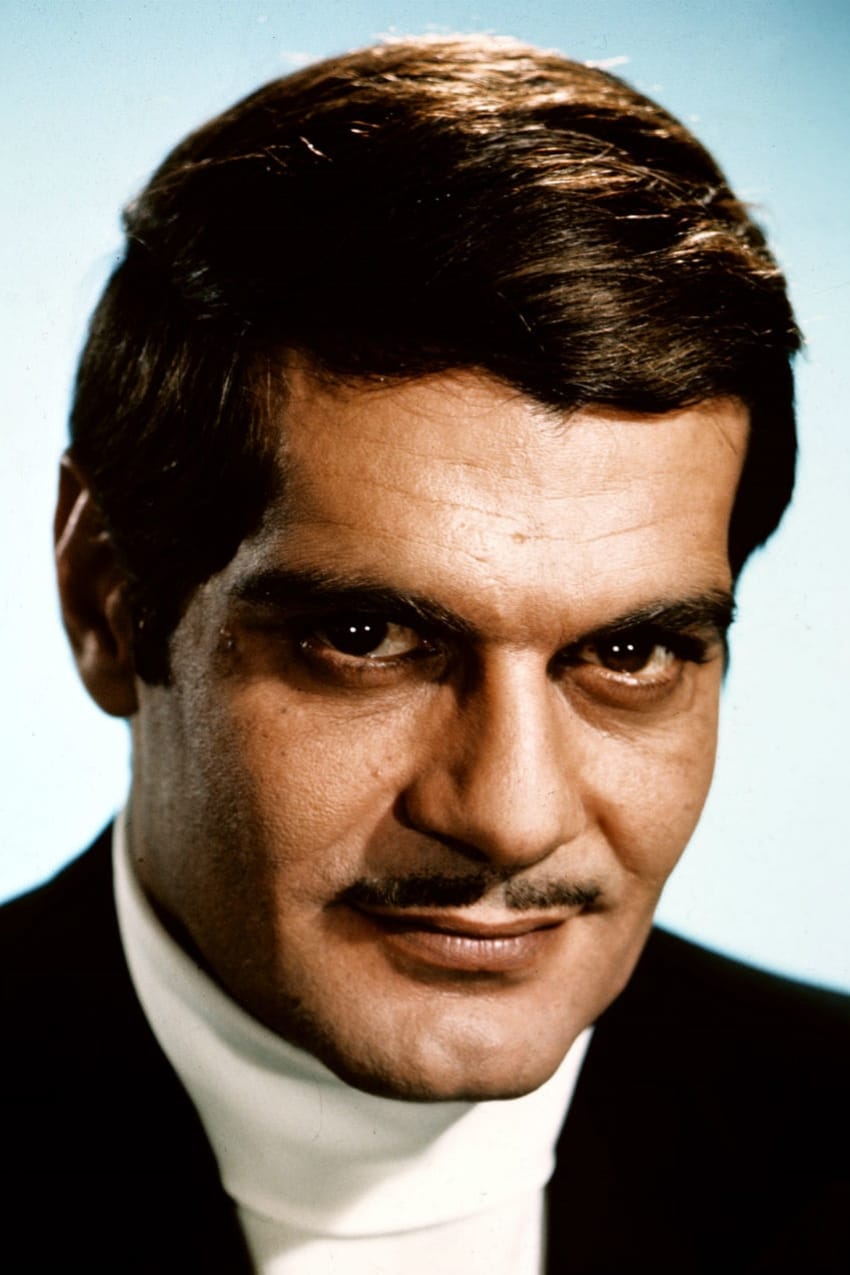
Omar Sharif became a global superstar with his role in the epic ‘Lawrence of Arabia’. He carried the romantic drama ‘Doctor Zhivago’ which became one of the highest-grossing films of all time. Sharif brought a sophisticated and cosmopolitan charm to his roles. He won three Golden Globe awards during his career.
James Earl Jones
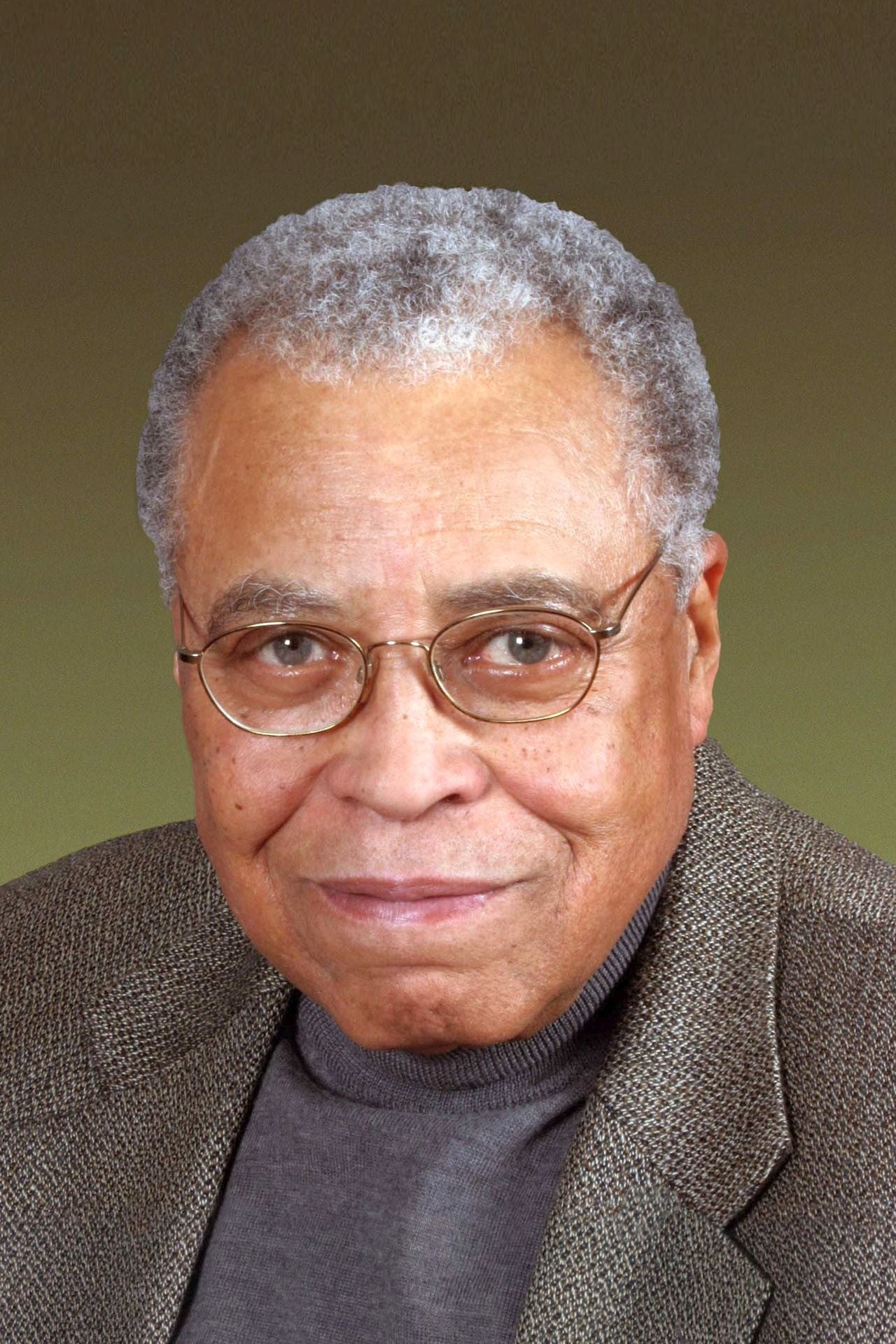
James Earl Jones possessed one of the most recognizable and commanding voices in entertainment history. He voiced the iconic villain Darth Vader in the ‘Star Wars’ franchise and Mufasa in ‘The Lion King’. His stage work earned him Tony Awards and he starred in the film adaptation of ‘The Great White Hope’. Jones broke barriers and became an EGOT winner through his contributions to the arts.
Donald Sutherland
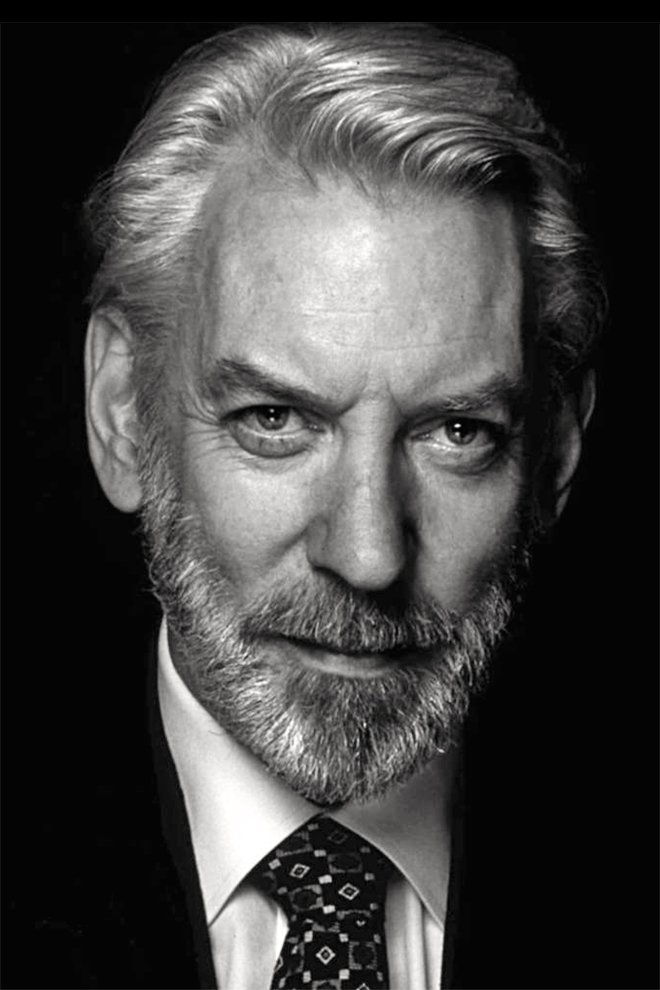
Donald Sutherland was a counterculture icon who became one of the most prolific actors in cinema. He starred in the war comedy ‘MAS*H’ and the thriller ‘Klute’ in the seventies. His chilling performance in ‘Invasion of the Body Snatchers’ remains a horror favorite. Sutherland received an Academy Honorary Award for his lifetime of impactful performances.
Alan Rickman
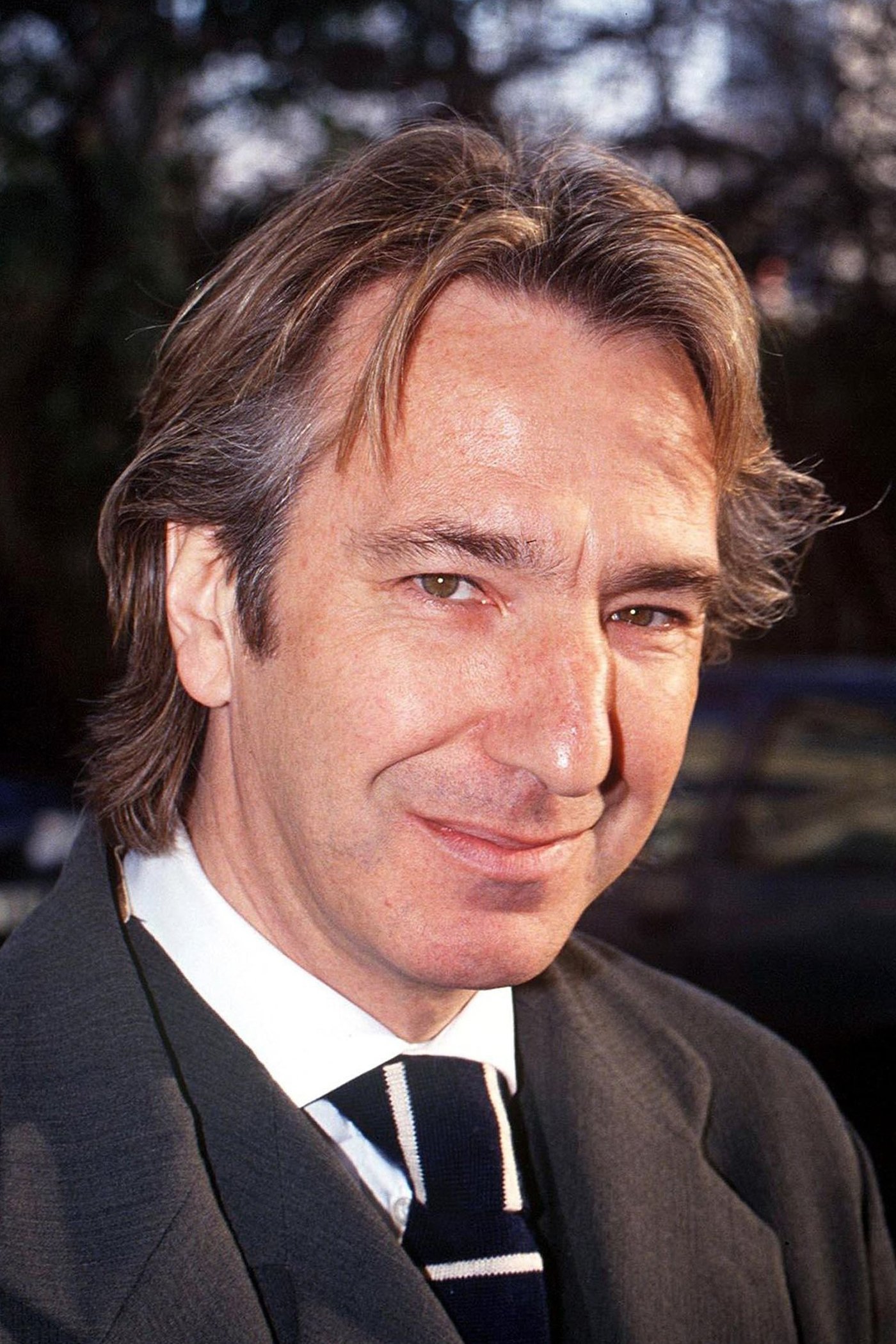
Alan Rickman was a classically trained actor who found global fame as the villain Hans Gruber in ‘Die Hard’. He brought depth and complexity to the role of Severus Snape in the ‘Harry Potter’ series. His voice was instantly recognizable for its languid tone and perfect diction. Rickman excelled in both villainous roles and romantic dramas like ‘Sense and Sensibility’.
Christopher Lee
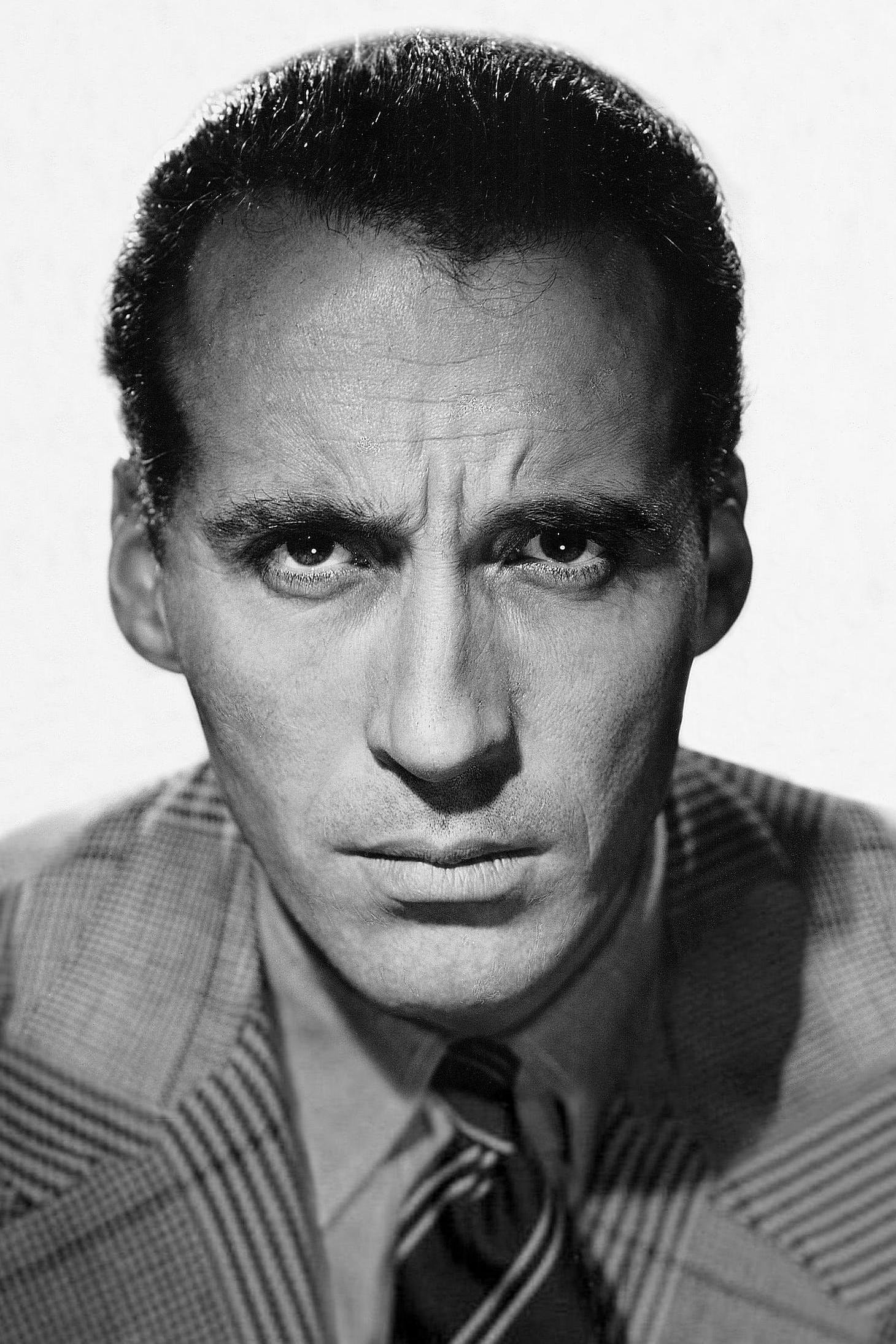
Christopher Lee played the Count in numerous ‘Dracula’ films for Hammer Horror. He revitalized his career in his later years as Saruman in ‘The Lord of the Rings’. His imposing height and deep voice made him a natural choice for antagonistic roles. Lee appeared in over two hundred films and was knighted for his services to drama.
Chadwick Boseman
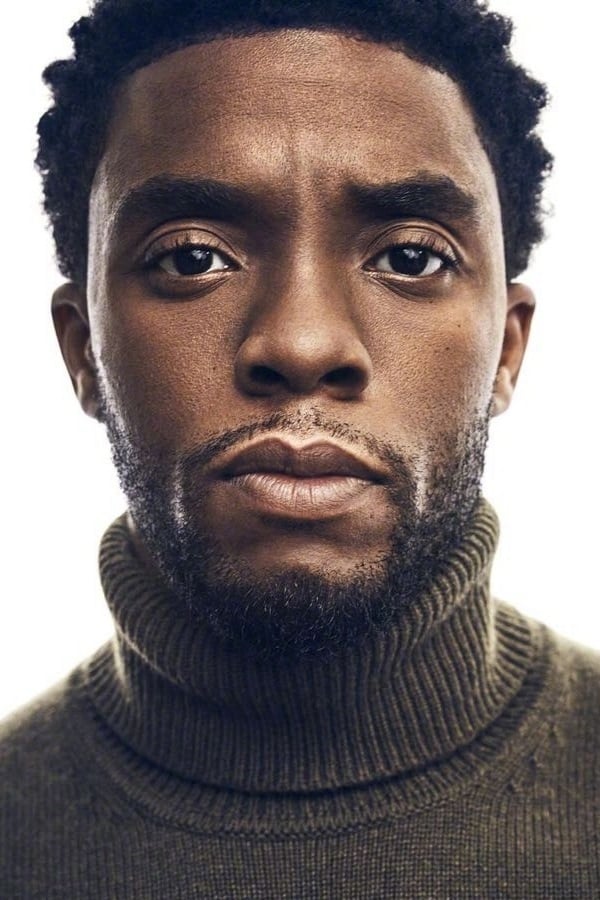
Chadwick Boseman inspired millions with his regal performance as T’Challa in ‘Black Panther’. He portrayed real-life icons Jackie Robinson and James Brown with intensity and grace. His final performance in ‘Ma Rainey’s Black Bottom’ displayed his immense range and dedication. Boseman left a profound impact on culture despite his career being cut short.
Ray Liotta
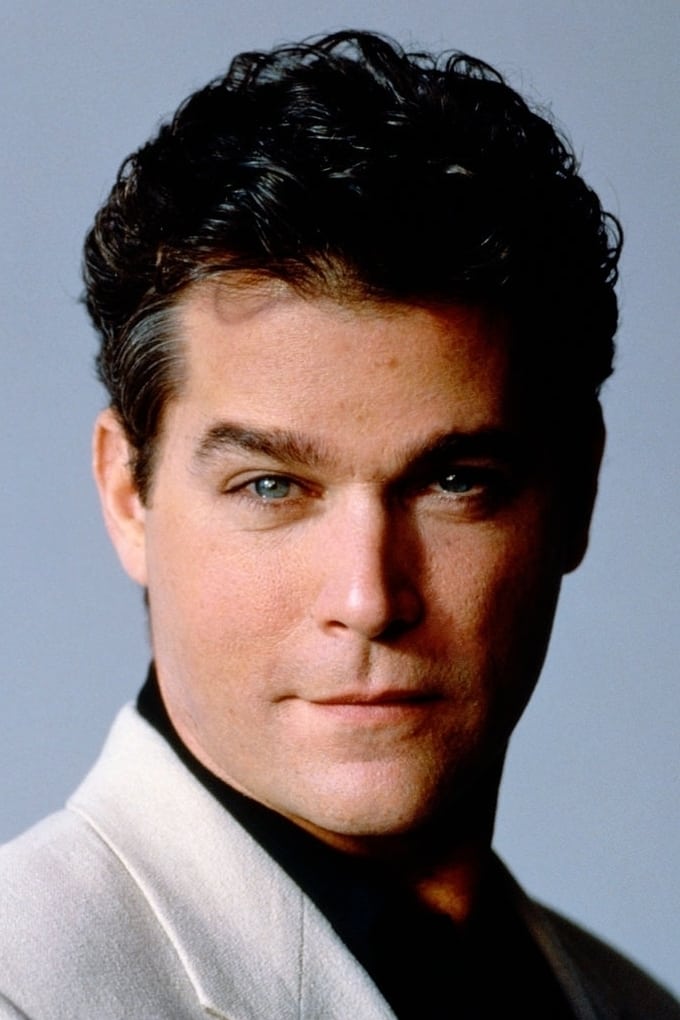
Ray Liotta delivered an electrifying performance as Henry Hill in Martin Scorsese’s ‘Goodfellas’. His intensity and laugh became his trademarks in crime dramas and thrillers. He brought a surprising tenderness to his role as Shoeless Joe Jackson in ‘Field of Dreams’. Liotta remained a busy and respected character actor until his sudden passing.
Tom Wilkinson
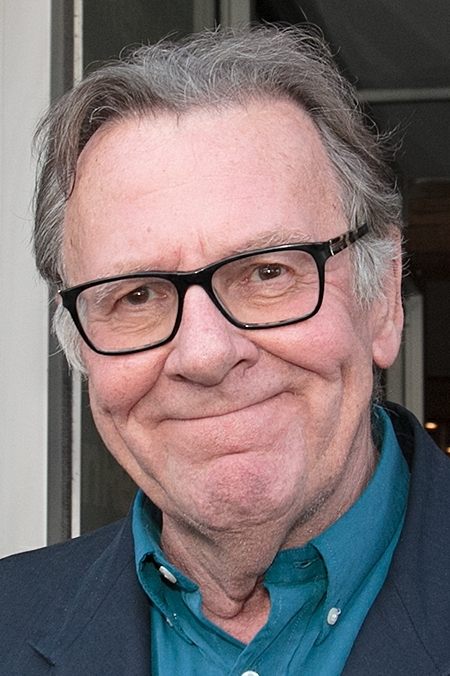
Tom Wilkinson was a celebrated British character actor known for his grounding presence. He received Oscar nominations for his roles in ‘In the Bedroom’ and ‘Michael Clayton’. He moved seamlessly between period dramas and modern thrillers. Wilkinson brought a quiet dignity and intelligence to every project he joined.
Albert Finney
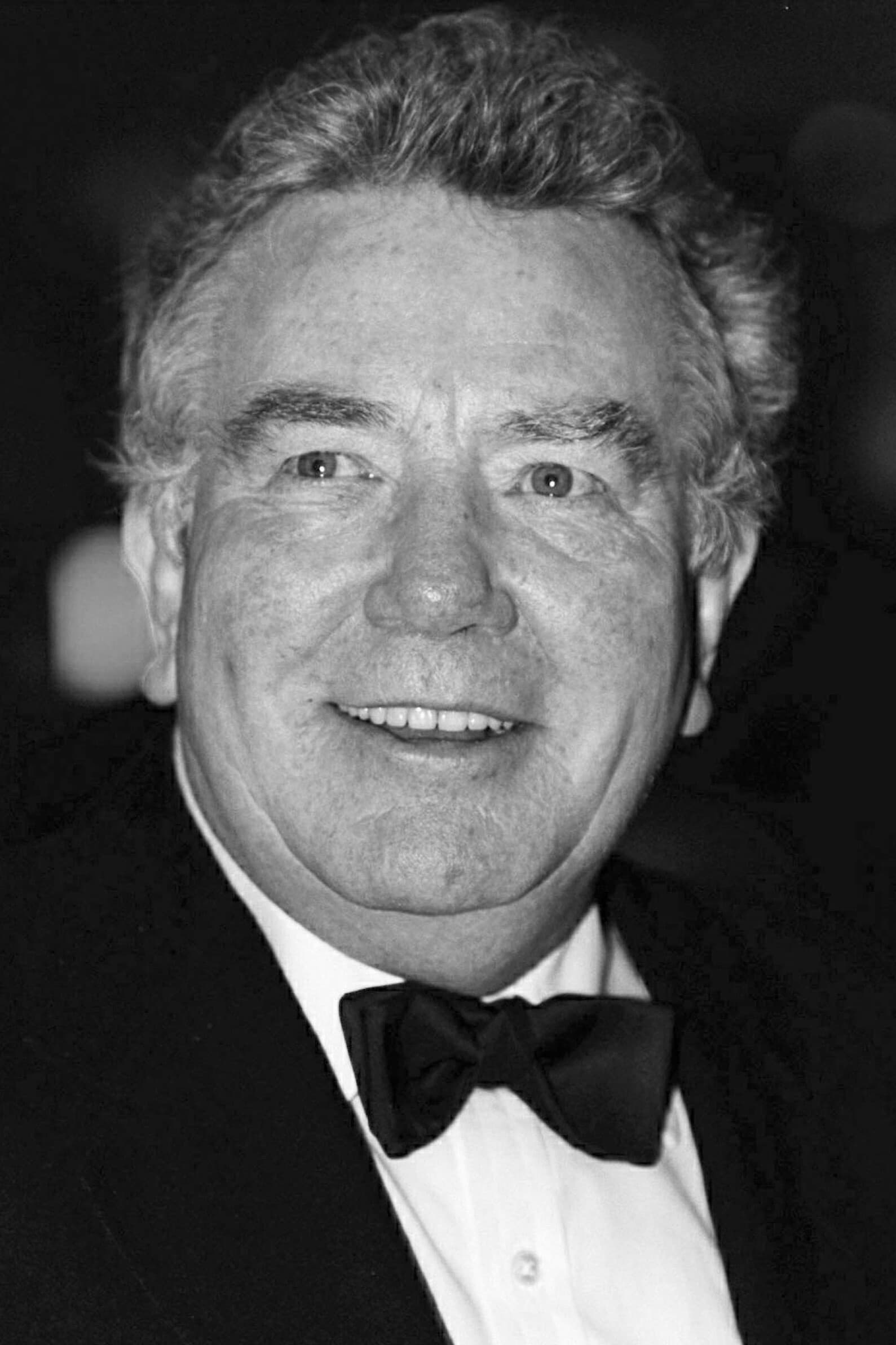
Albert Finney was a leading figure of the British New Wave cinema in the sixties. He burst onto the screen as the angry young man in ‘Saturday Night and Sunday Morning’. His portrayals of Hercule Poirot and Winston Churchill demonstrated his transformative abilities. Finney refused a knighthood but left a noble legacy of screen work.
Tell us which of these legendary actors had the biggest impact on your love for cinema in the comments.