


Dead Actors Whose Off-Screen Lives Were As Fascinating As Their Roles



Hollywood history is filled with leading men who commanded the screen but lived existences that eclipsed their fictional counterparts in complexity and drama. These performers often hid secret talents or endured tragic hardships that remained unknown to the general public for decades. From war heroes and spies to racing drivers and tireless activists, their biographies offer a glimpse into the human condition beyond the glamour of cinema. The following list explores the remarkable true stories of late actors whose personal journeys were just as compelling as their filmography.
Christopher Lee
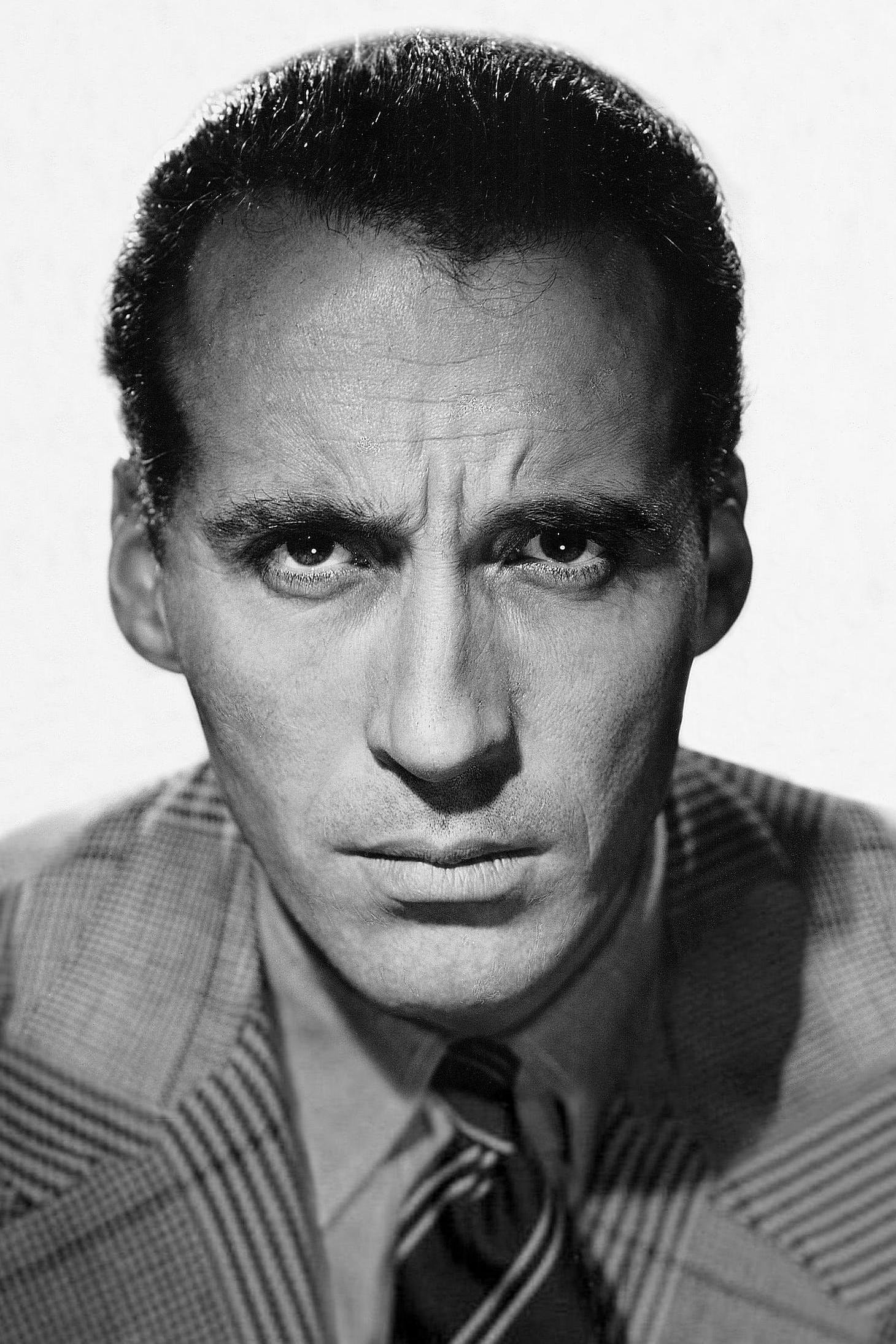
This legendary actor appeared in over two hundred films and became an icon of horror cinema. His real life included service in the Royal Air Force and intelligence work during World War II that he rarely discussed in detail. He was a cousin of James Bond creator Ian Fleming and a step-cousin to a Swedish countess. Lee released several heavy metal albums in his eighties and nineties to demonstrate his operatic vocal range. He remained professionally active and culturally relevant until his death at age ninety-three.
James Stewart
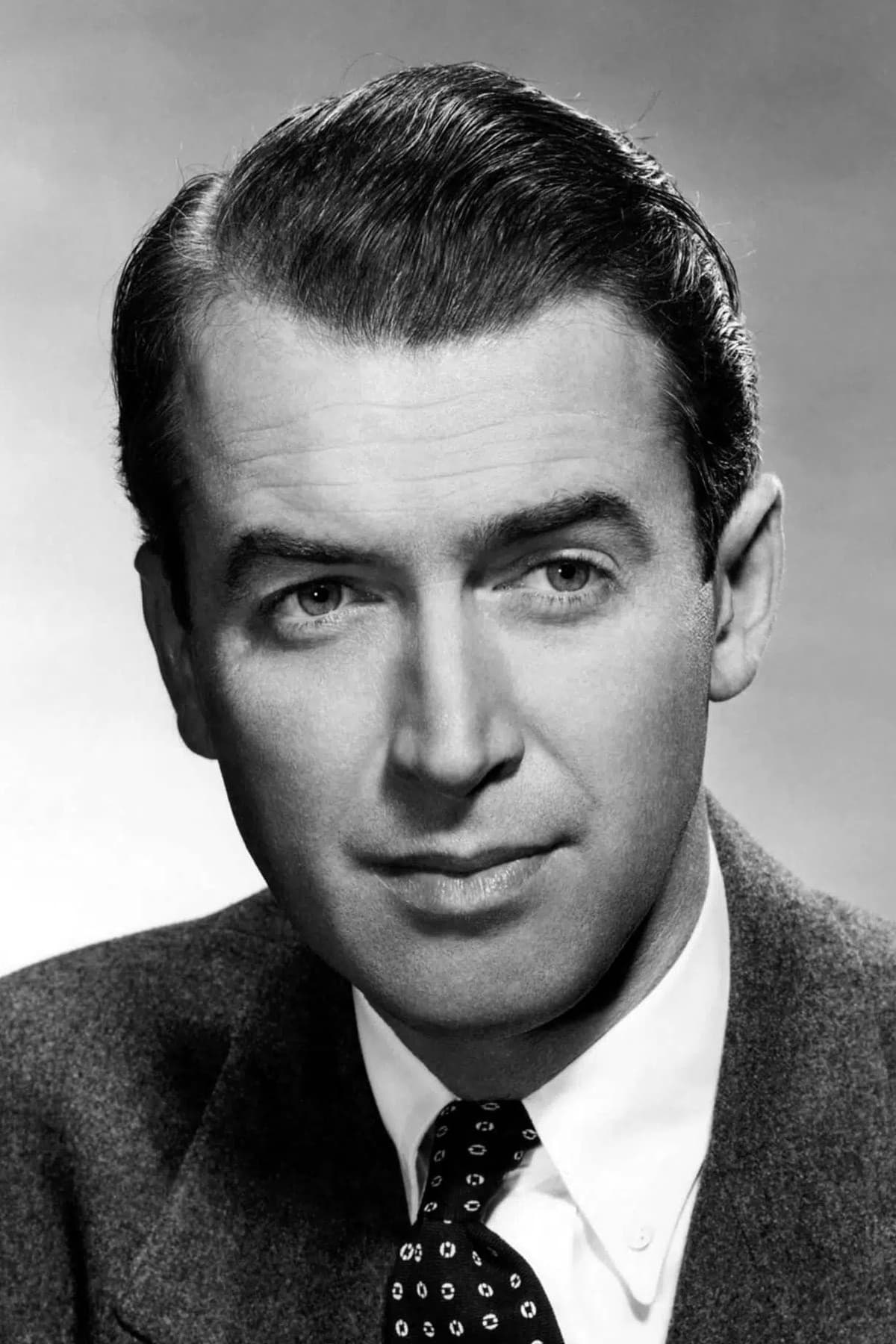
Audiences loved him for his portrayal of the stammering everyman in films like ‘It’s a Wonderful Life’ and ‘Mr. Smith Goes to Washington’. Stewart put his acting career on hold to enlist in the Army Air Corps during World War II where he flew numerous combat missions over Nazi-occupied Europe. He remained in the reserves for years and eventually retired with the rank of Brigadier General. His modesty meant he rarely spoke of his military achievements or the psychological toll of his service.
Steve McQueen
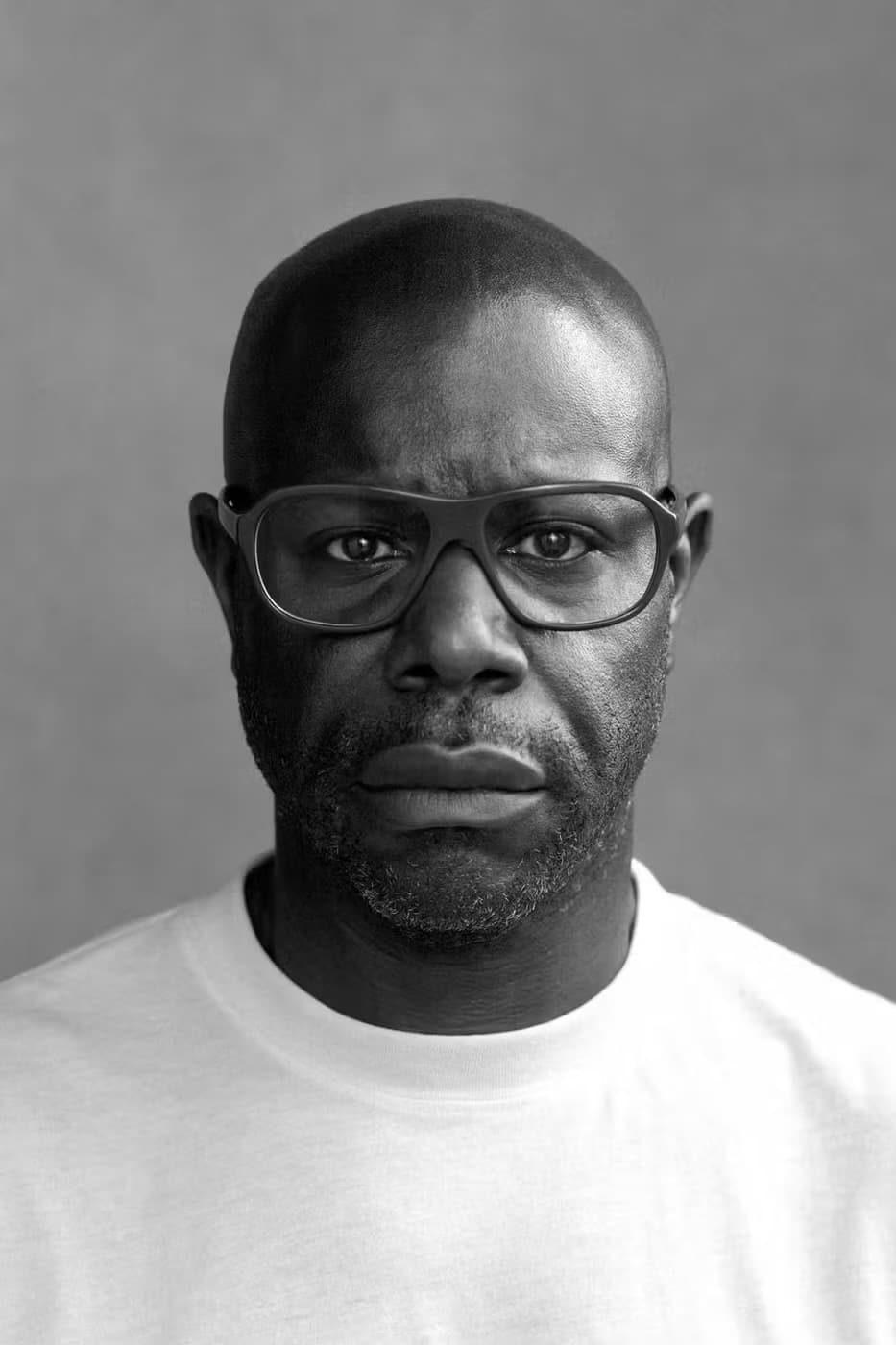
Known as the King of Cool for his anti-hero persona in ‘Bullitt’ and ‘The Great Escape’, McQueen lived for adrenaline. He was an accomplished race car driver who considered acting a secondary profession to his passion for motorsports. His rebellious nature led to a stint in a reform school during his youth and later service in the Marines. He famously studied martial arts under Bruce Lee and eventually became a pallbearer at the funeral of the martial arts legend.
Marlon Brando
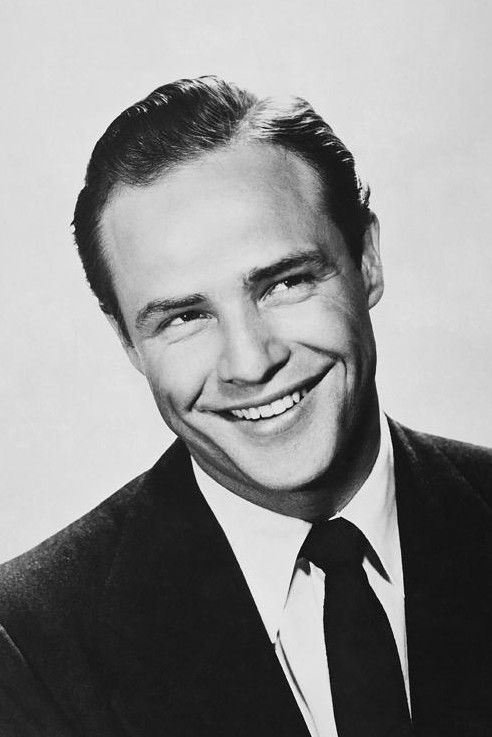
Brando revolutionized acting with his method approach in ‘A Streetcar Named Desire’ and ‘The Godfather’. His personal life was marked by fierce political activism including his support for the Civil Rights Movement and Native American rights. He bought a private atoll in French Polynesia where he sought to create an ecological paradise away from Hollywood. His later years were characterized by family tragedies and reclusive behavior that only added to his mystique.
Richard Burton

This Welsh actor possessed one of the most distinctive voices in theater and film history. Burton grew up in a working-class mining family and rose to fame through sheer talent and intellectual brilliance. His tumultuous relationship with Elizabeth Taylor became the subject of intense global media scrutiny that foreshadowed modern celebrity culture. He was a voracious reader who documented his thoughts and struggles with alcoholism in extensive personal diaries.
Peter O’Toole
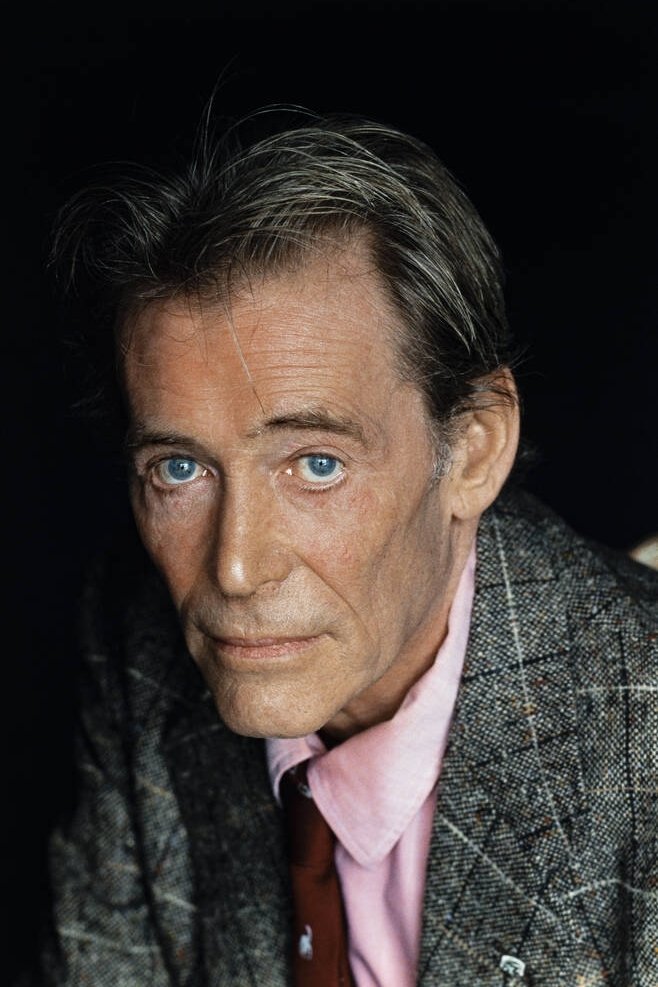
O’Toole shot to international stardom as the lead in the epic ‘Lawrence of Arabia’. He was notorious for his hell-raising lifestyle and legendary drinking bouts with fellow actors throughout the sixties and seventies. Despite his reputation for excess he was a Shakespearean actor of the highest caliber who received eight Academy Award nominations without a win. He once went out for a drink in Paris and woke up in Corsica creating one of many anecdotes about his unpredictable nature.
Oliver Reed
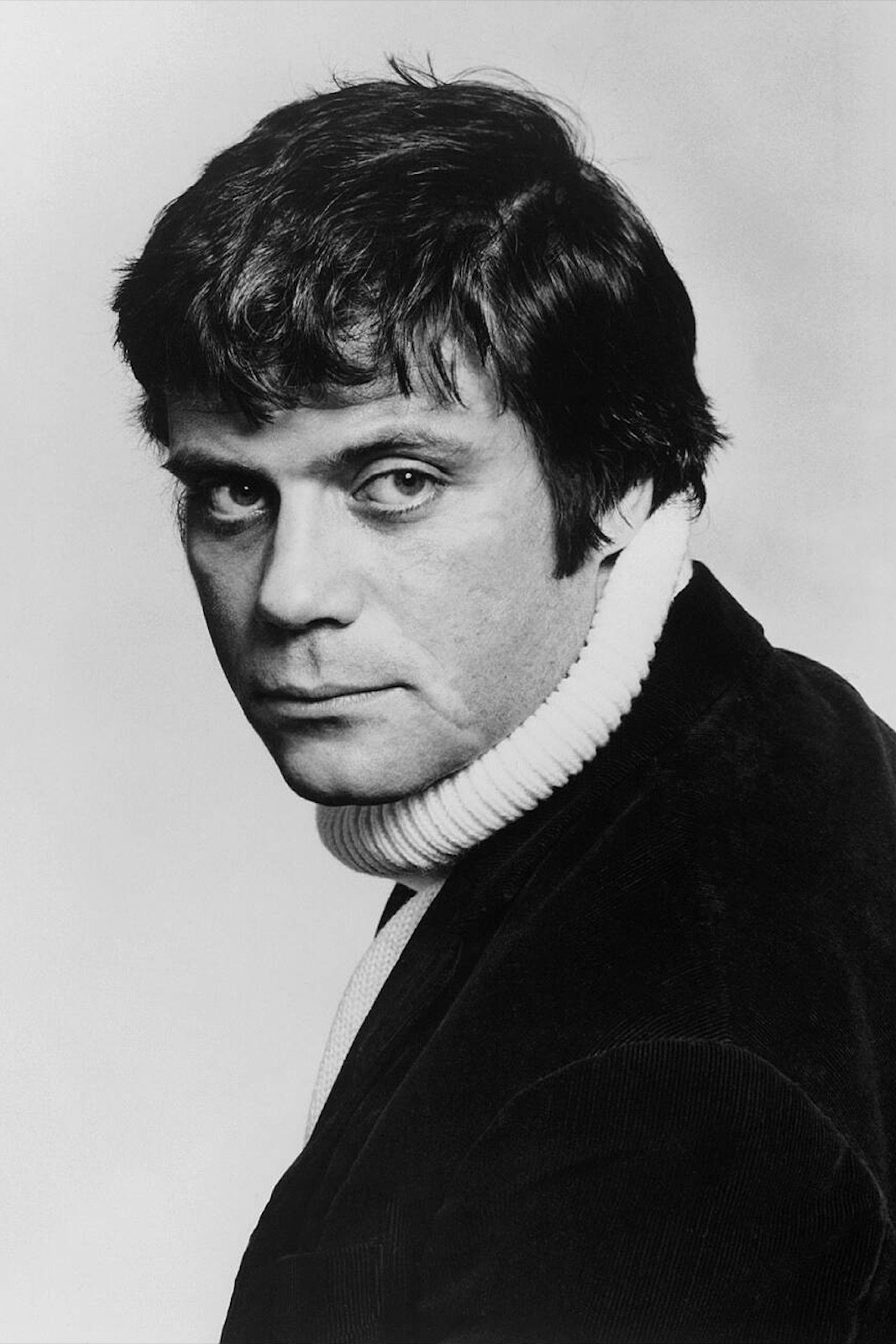
Reed was a British actor known for his brooding presence in ‘Oliver!’ and ‘Gladiator’. His public persona was defined by his macho image and highly publicized altercations in bars and television interviews. He came from a prestigious lineage but preferred the company of drinking companions to high society. He passed away during the production of his final film after a legendary night of drinking in a Maltese pub.
Errol Flynn
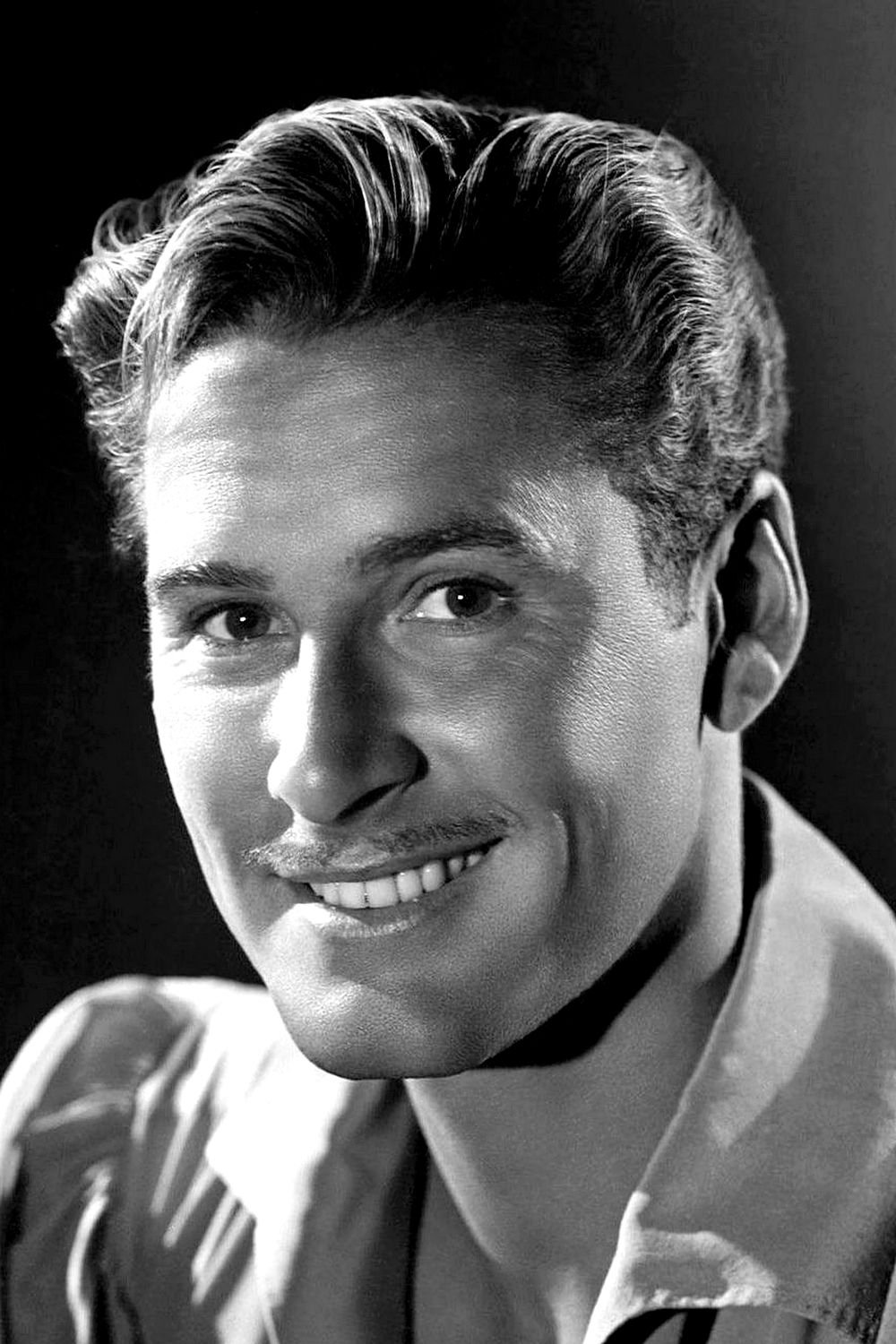
Flynn defined the swashbuckler archetype in films like ‘The Adventures of Robin Hood’. His off-screen life was a whirlwind of sailing adventures and legal battles that frequently made headlines. He spent his early years in New Guinea working as a plantation overseer and gold prospector before finding fame. His memoir detailed a life of hedonism and controversy that cemented his reputation as a rogue until his premature death.
Cary Grant
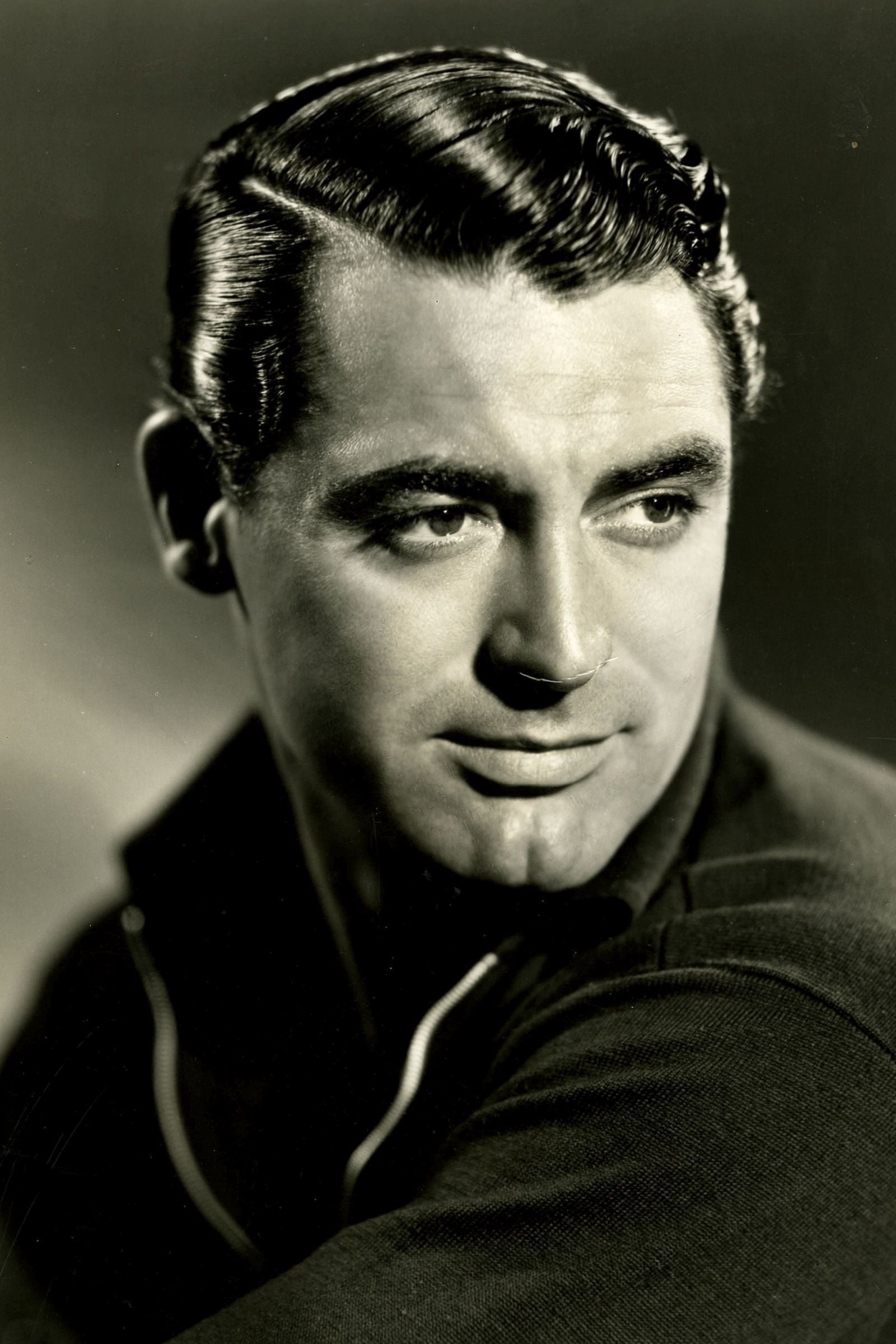
Born Archibald Leach in Bristol, Grant reinvented himself as the ultimate symbol of transatlantic sophistication. He ran away from home as a teenager to join an acrobat troupe and honed his physical comedy skills in vaudeville. Grant experimented with LSD therapy in the fifties under medical supervision to resolve childhood trauma regarding his mother. His journey from poverty to the pinnacle of Hollywood elegance remains one of the great self-inventions of the twentieth century.
Rock Hudson
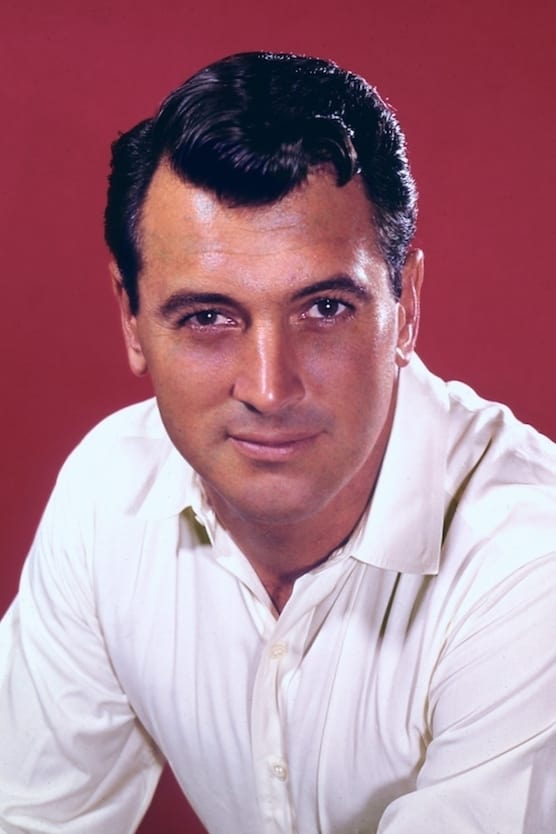
Hudson was the premier heartthrob of the fifties and starred in romantic comedies alongside Doris Day. He was forced to maintain a heterosexual public image by the studio system while living as a gay man in secret. His eventual diagnosis with AIDS brought global attention to the epidemic and changed public perception of the disease. His death marked a turning point in the conversation about HIV awareness and celebrity privacy.
Audie Murphy
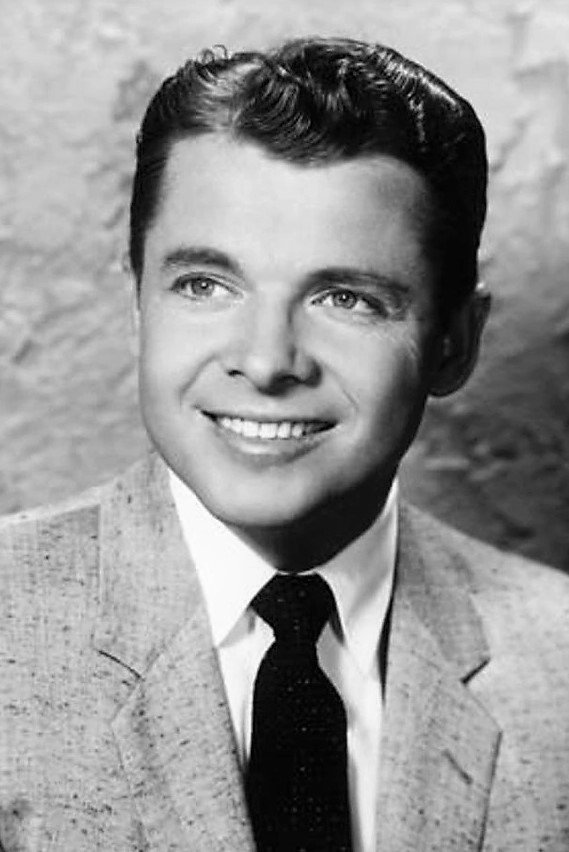
Murphy starred in numerous westerns and played himself in the autobiographical war film ‘To Hell and Back’. Before Hollywood he was one of the most decorated American combat soldiers of World War II. He received every military combat award for valor available from the U.S. Army including the Medal of Honor at age nineteen. He suffered from severe post-traumatic stress disorder and slept with a loaded gun under his pillow for the rest of his life.
Humphrey Bogart
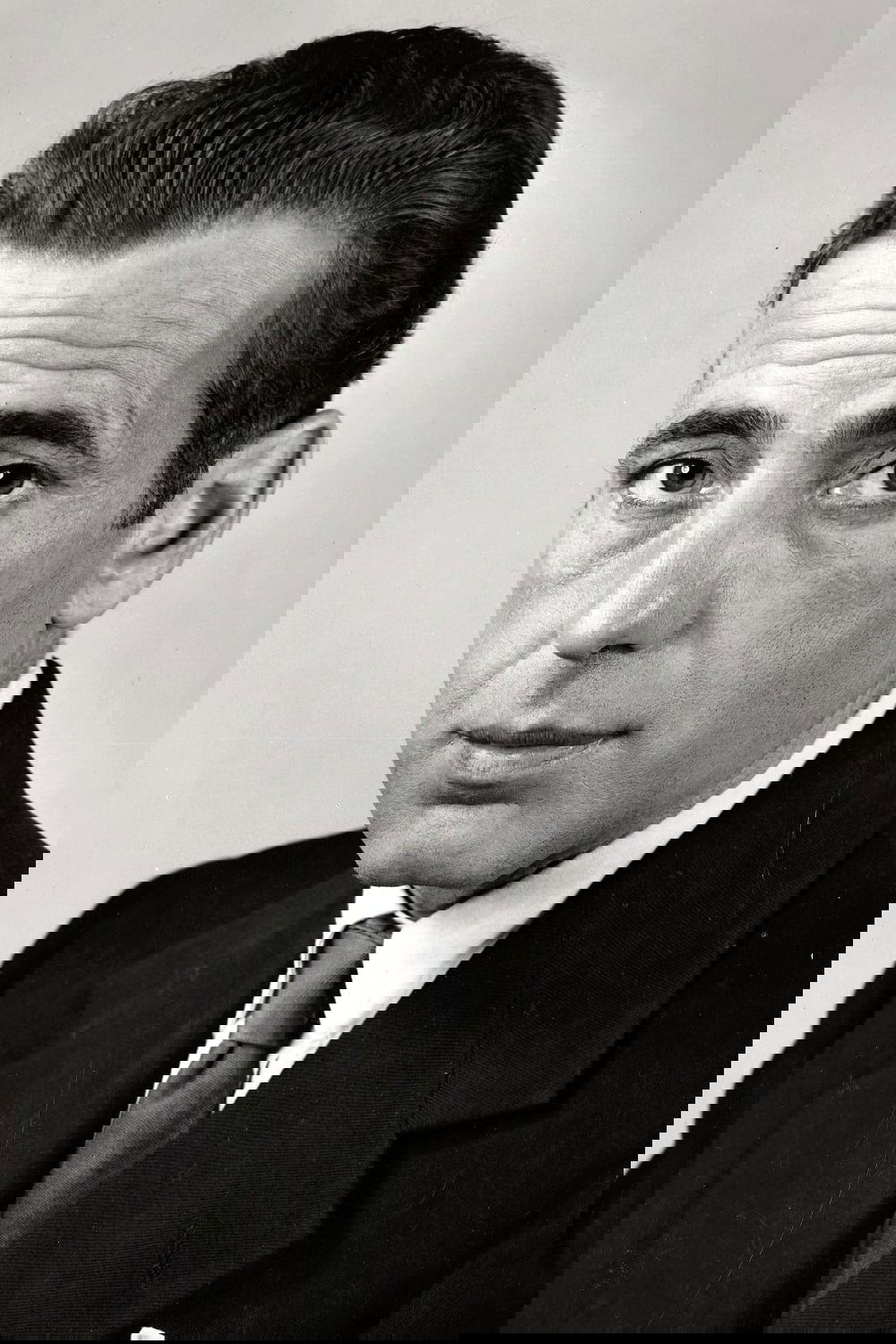
The star of ‘Casablanca’ became a cultural icon for his cynical yet noble screen persona. Bogart was a skilled chess player who used his winnings from matches to survive during his early struggling years in New York. He was an avid sailor who joined the Coast Guard Reserve during World War II to patrol American shores. His leadership of the Rat Pack set the standard for Hollywood coolness before Frank Sinatra took over the mantle.
Dennis Hopper
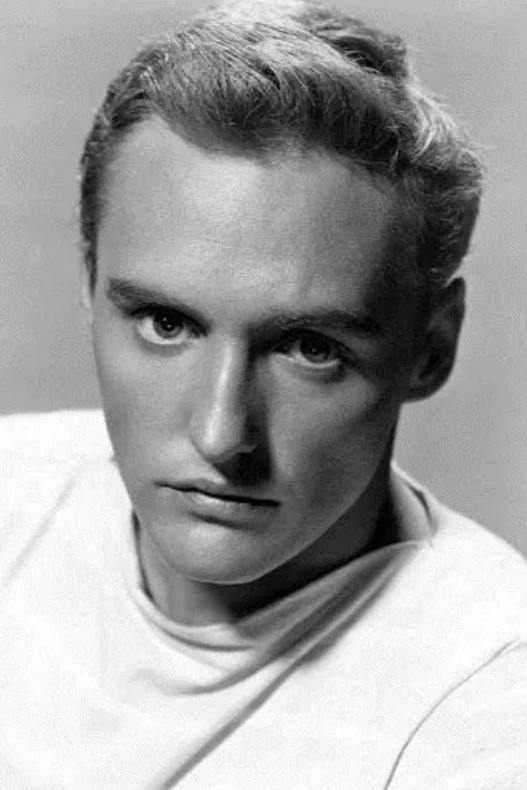
Hopper directed and starred in the counterculture landmark ‘Easy Rider’ which changed independent cinema forever. His life was a rollercoaster of substance abuse and erratic behavior that alienated him from major studios for years. He eventually achieved sobriety and reinvented himself as a respected character actor and an accomplished photographer. His art collection and photography provided a unique window into the cultural shifts of the late twentieth century.
Klaus Kinski
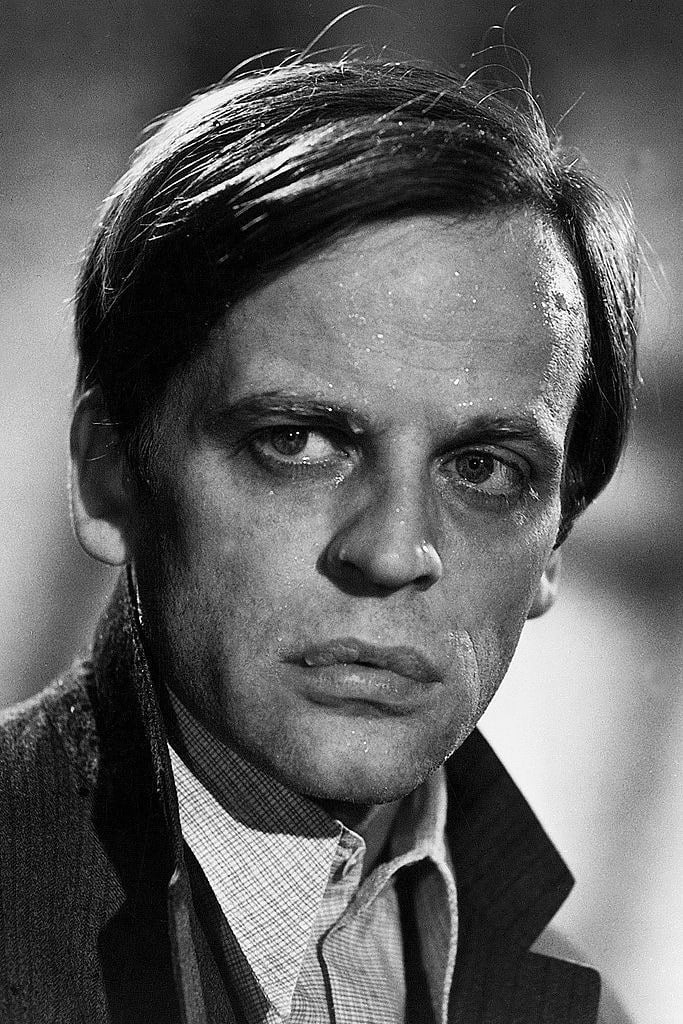
Kinski was a German actor known for his intense collaborations with director Werner Herzog in films like ‘Aguirre, the Wrath of God’. His volatile temper and fits of rage on set became the stuff of legend and were captured in the documentary ‘My Best Fiend’. He lived a nomadic existence and often took roles in low-budget films solely for the paycheck. His performances were fueled by a manic energy that terrified cast members and mesmerized audiences.
Montgomery Clift

Clift was a sensitive method actor who delivered powerful performances in ‘A Place in the Sun’ and ‘From Here to Eternity’. He suffered severe facial injuries in a car accident that altered his appearance and led to a dependence on painkillers. His refusal to conform to Hollywood norms regarding his private life made him an outsider in the industry. He is often cited as a bridge between the classic leading men and the grittier realism of the sixties.
James Dean
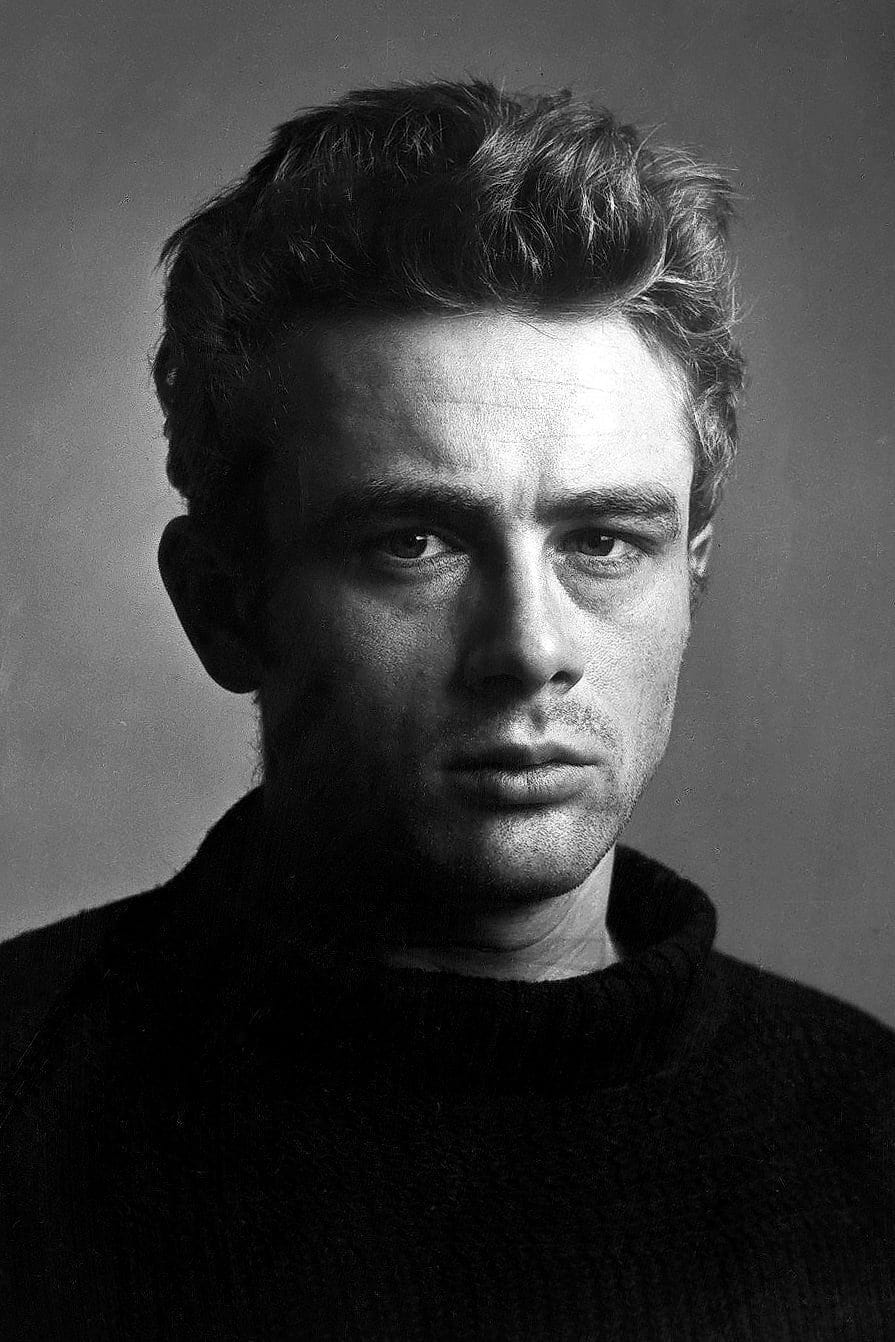
Dean starred in only three major films before his death yet remains a symbol of teenage disillusionment. He was a talented sculptor and had a keen interest in bullfighting and motor racing. His death in a car crash at age twenty-four immortalized him as a tragic figure of wasted potential. He approached acting with an intensity and vulnerability that influenced generations of performers who followed.
River Phoenix
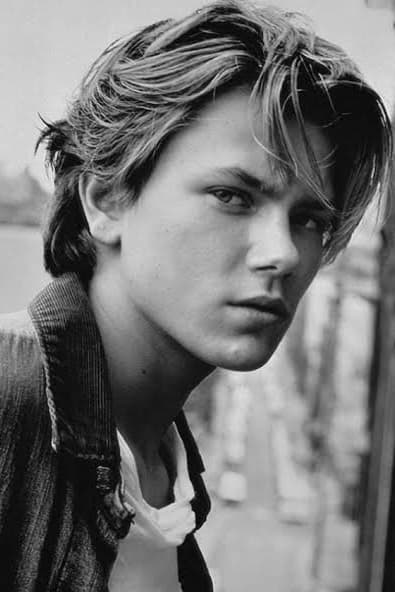
Phoenix was a child star who transitioned into complex adult roles in films like ‘My Own Private Idaho’. He grew up in a traveling religious cult in South America before his family moved to Los Angeles. He was a dedicated animal rights activist and musician who used his platform to advocate for environmental causes. His accidental overdose outside a nightclub halted a career that promised to be one of the finest of his generation.
Heath Ledger
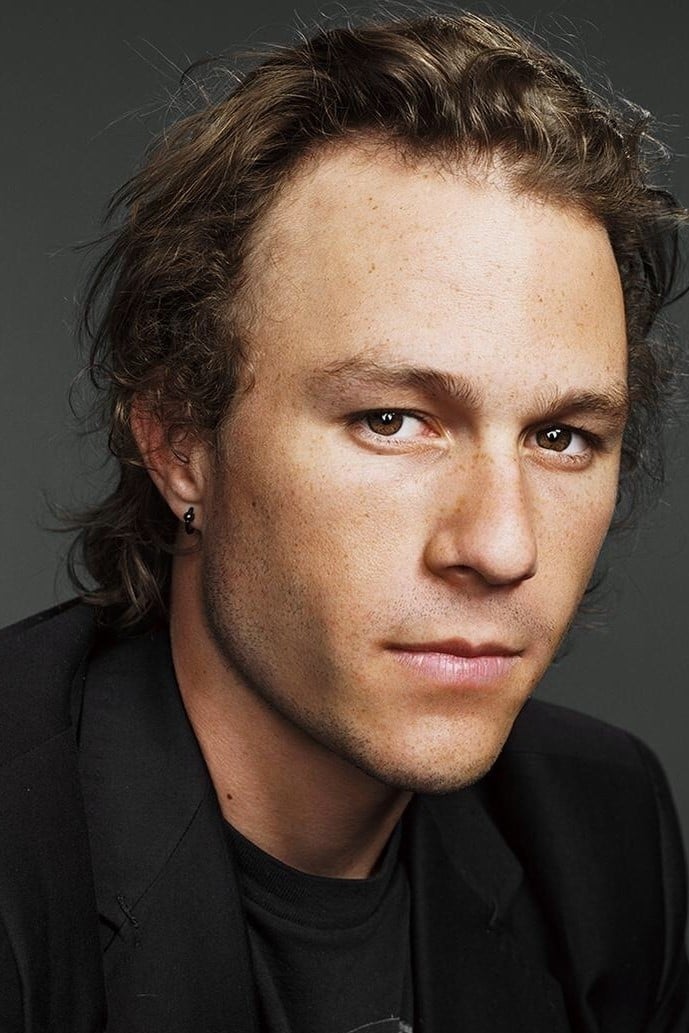
Ledger began as a teen heartthrob before delivering a defining performance in ‘The Dark Knight’. He was an avid chess player and aspiring director who created music videos for friends. His preparation for roles involved immersive techniques that included keeping detailed character diaries. His accidental death shocked the world and resulted in a posthumous Academy Award for his portrayal of the Joker.
Chadwick Boseman
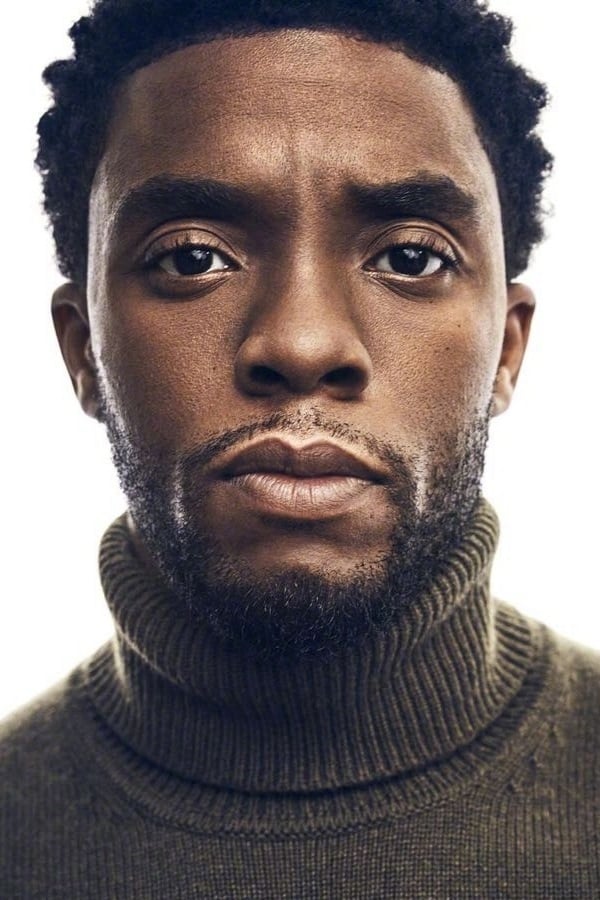
Boseman achieved global fame as King T’Challa in the Marvel blockbuster ‘Black Panther’. He quietly battled colon cancer for four years while filming intense action movies and dramas. His commitment to his craft led him to visit children in cancer wards while concealing his own terminal diagnosis. His legacy is one of immense dignity and artistic perseverance under unimaginable physical strain.
Bruce Lee
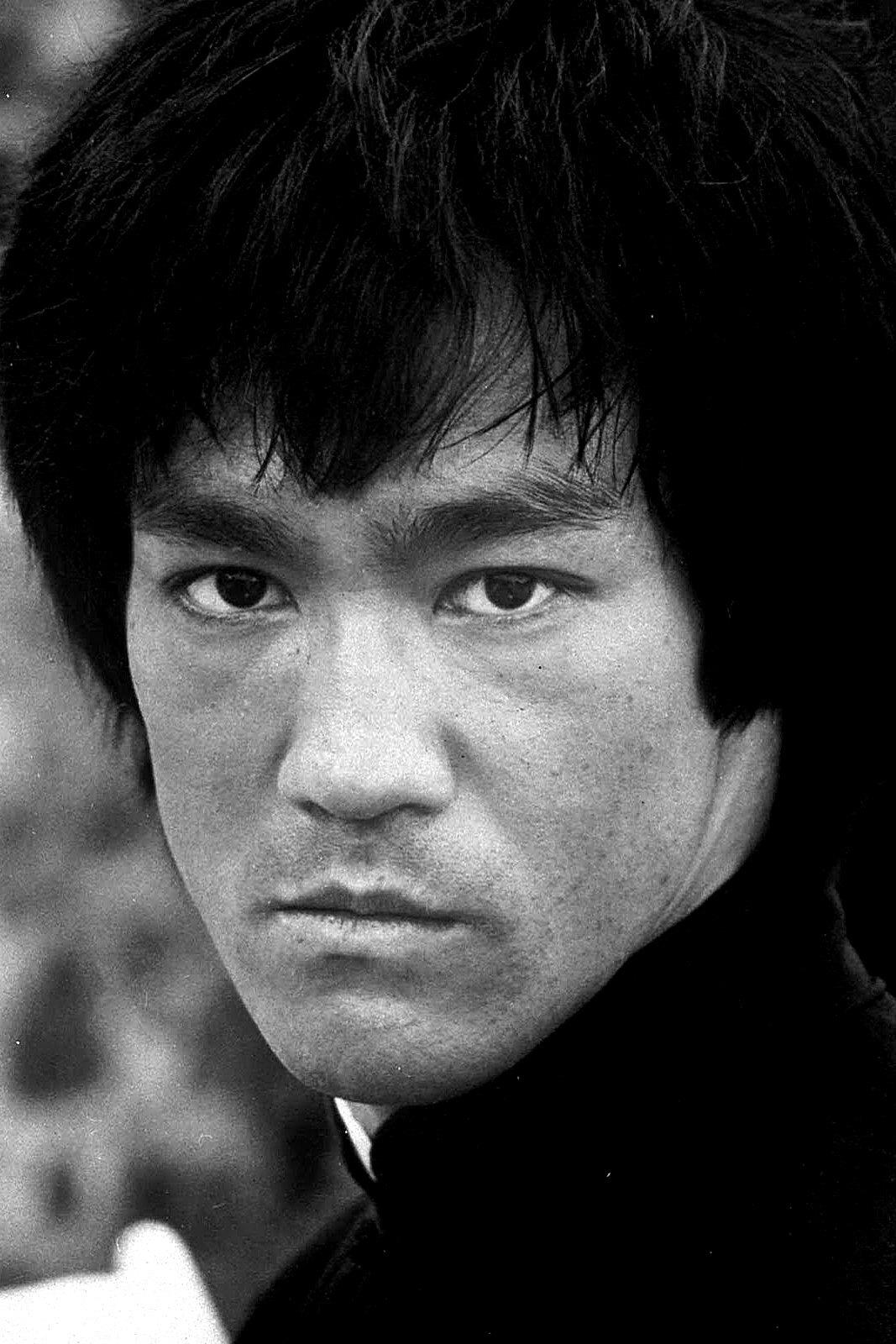
Lee is the most influential martial artist in modern history and broke racial barriers in Hollywood. He studied philosophy at the University of Washington and developed his own hybrid martial art called Jeet Kune Do. His physical training regimen was decades ahead of its time and included electrical muscle stimulation. His sudden death from cerebral edema at age thirty-two sparked endless theories and solidified his status as a cultural legend.
Orson Welles
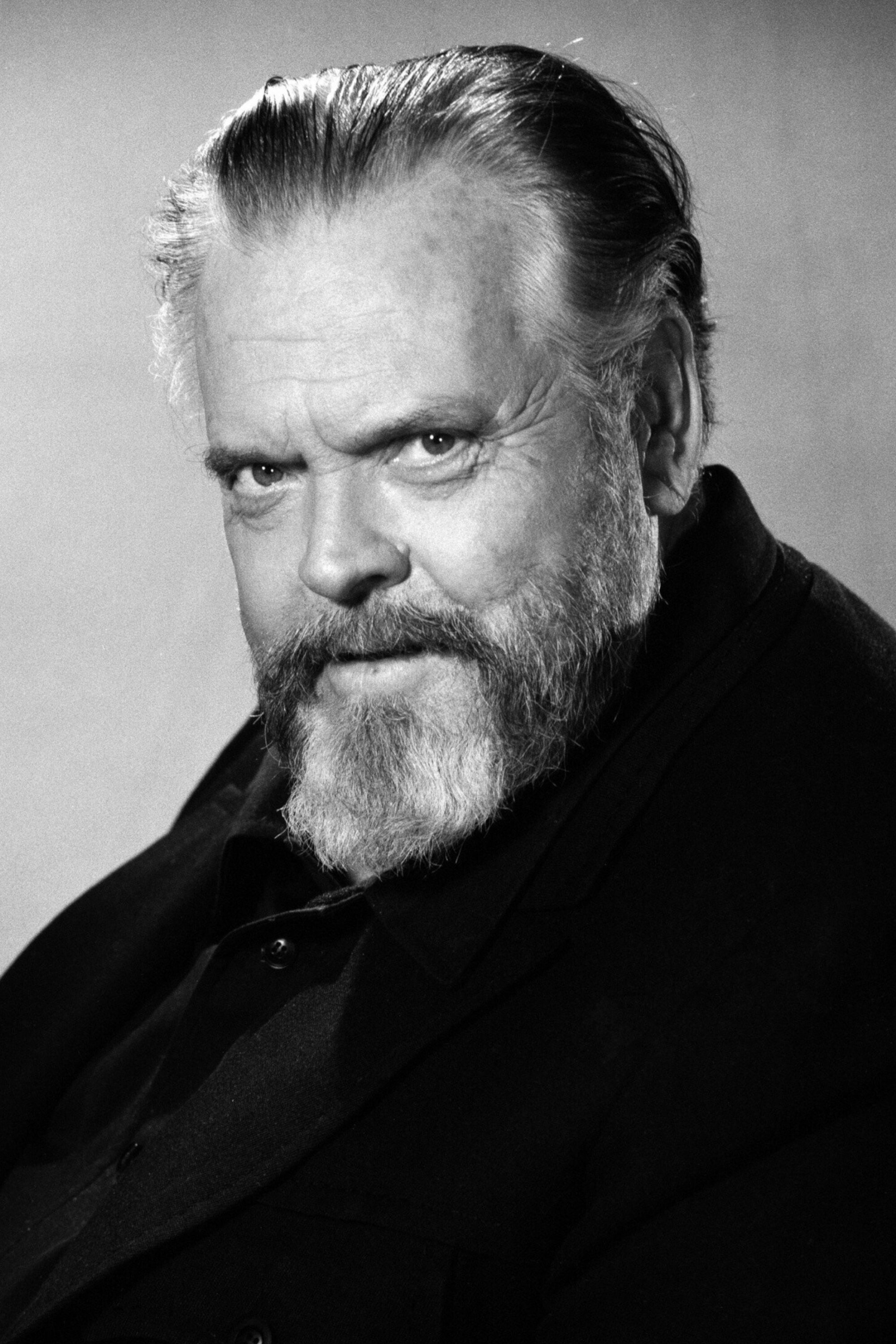
Welles wrote, directed, and starred in ‘Citizen Kane’ at the age of twenty-five. He was a child prodigy who conquered the theater and radio worlds before ever stepping onto a film set. His later years were marked by financial struggles to fund independent projects and voiceover work. He was a magician and raconteur who could captivate dinner parties with stories of his global travels and encounters.
Charlie Chaplin
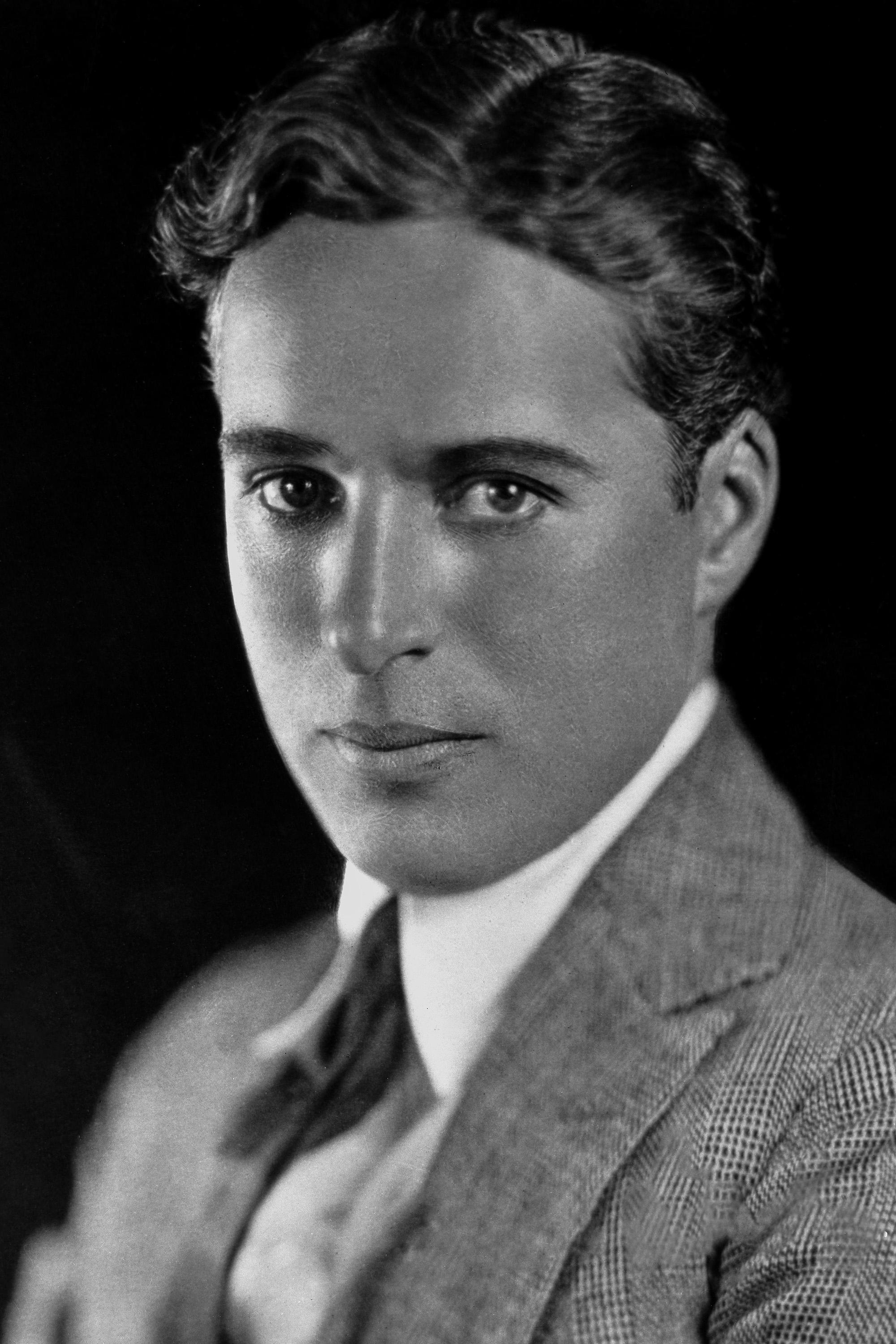
Chaplin was the most famous man in the world during the silent era thanks to his Little Tramp character. He rose from destitute poverty in Victorian London to become a studio mogul and creative genius. His political views and alleged communist sympathies led to his exile from the United States during the McCarthy era. He composed the music for many of his films and remained a perfectionist who would shoot hundreds of takes for a single gag.
Buster Keaton
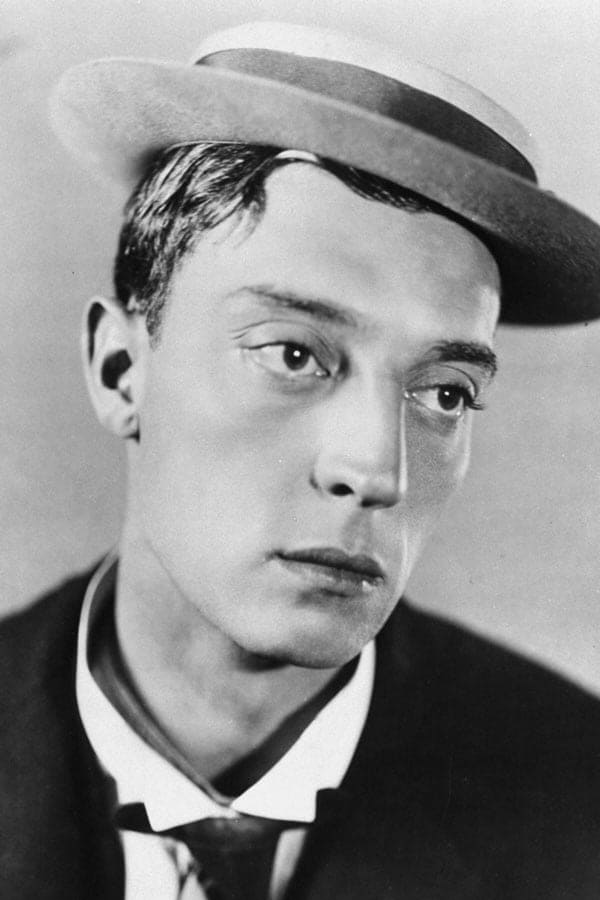
Keaton rivaled Chaplin with his deadpan expression and incredible physical stunts in films like ‘The General’. He performed dangerous feats without safety equipment and broke several bones throughout his career without realizing it. His career suffered with the advent of talkies and personal struggles with alcohol. He experienced a career revival later in life and was recognized as a pioneer of visual comedy.
Bela Lugosi
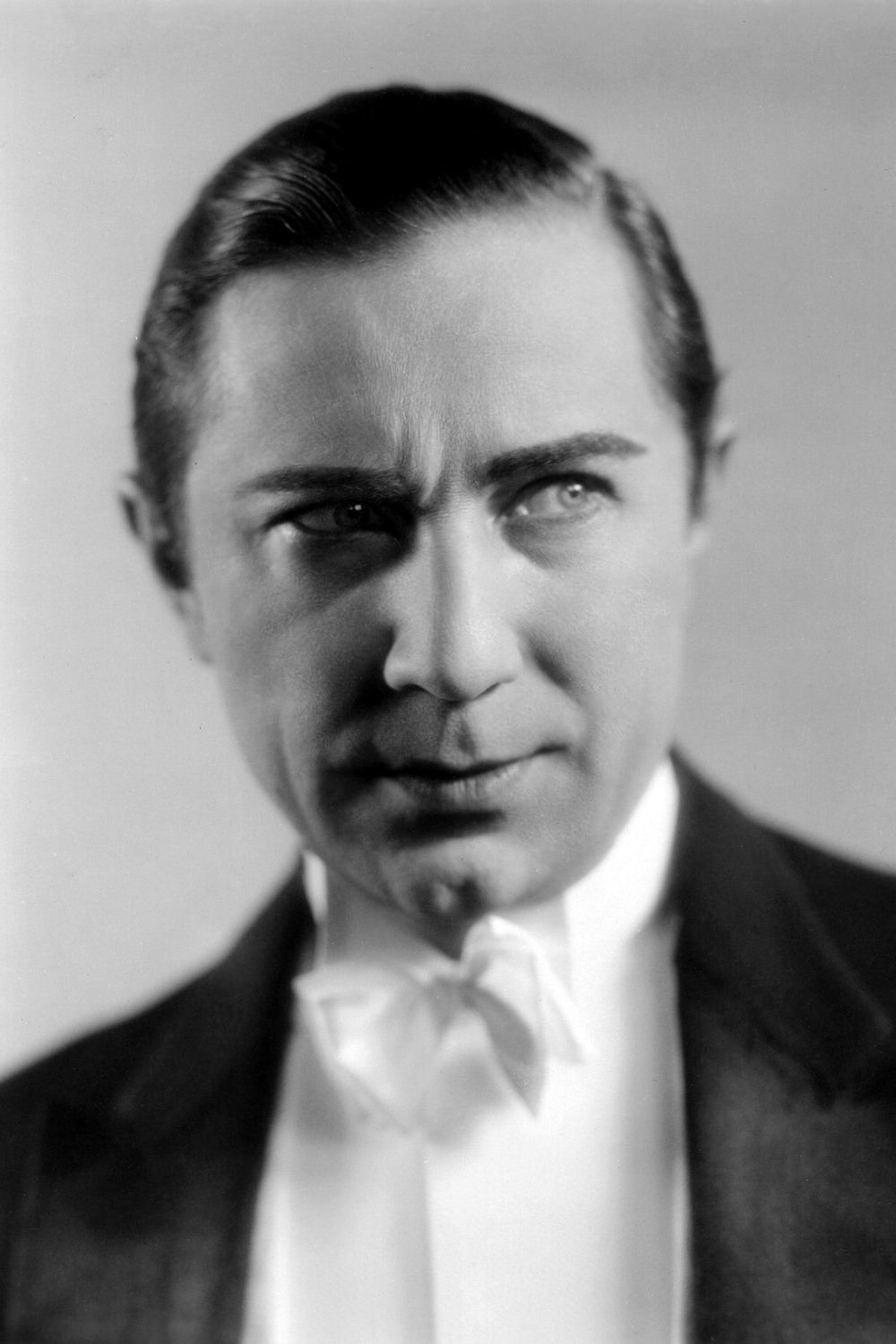
Lugosi became the definitive Count Dracula in the Universal horror classic but struggled to escape the role. He had been a respected stage actor in his native Hungary and a union activist before fleeing political unrest. His later years were plagued by typecasting and a painful addiction to morphine for chronic leg pain. He was buried in his Dracula cape at his request following a career defined by the character.
Robert Mitchum
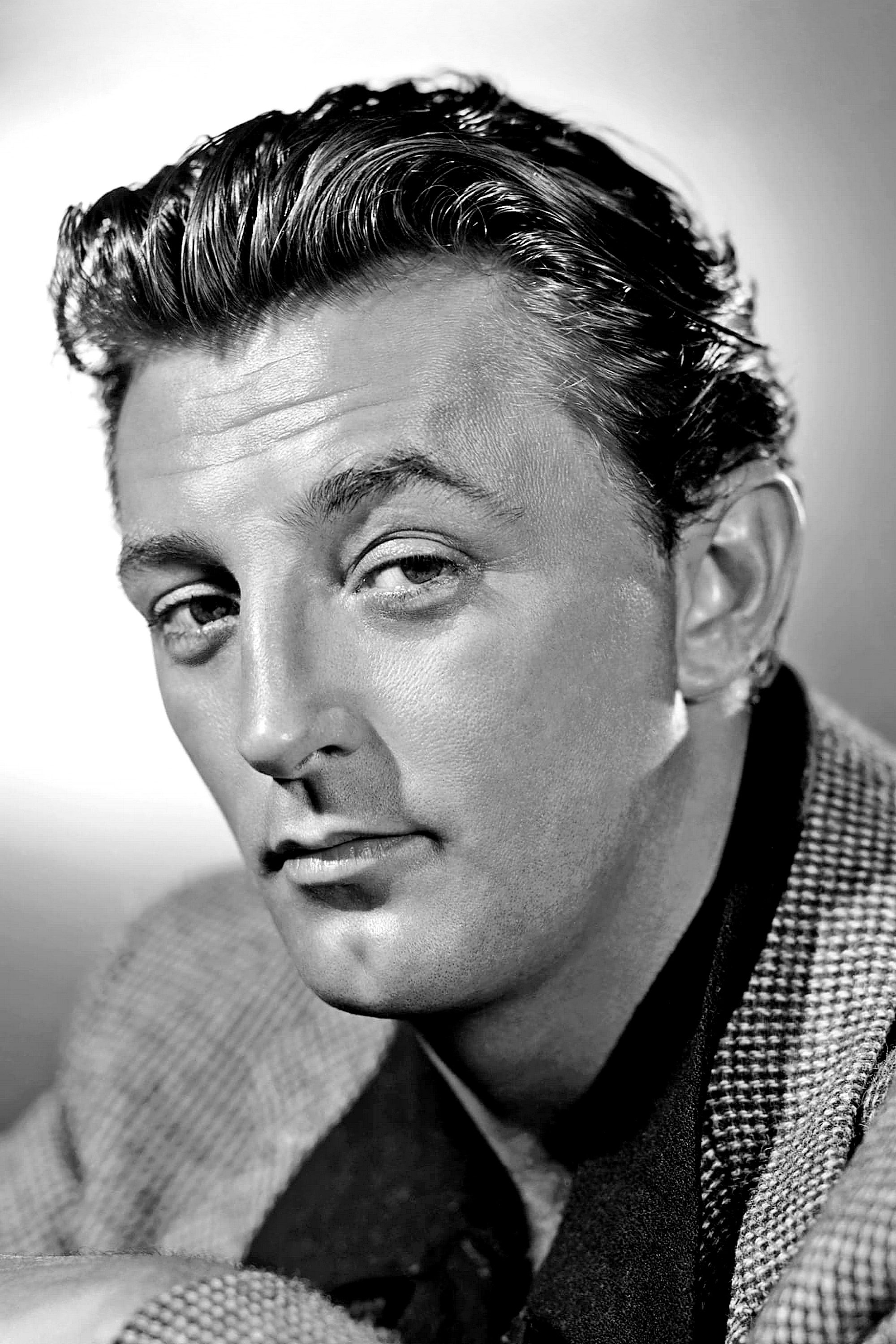
Mitchum was the ultimate film noir anti-hero known for his sleepy eyes and nonchalant acting style. He served time on a chain gang for vagrancy as a teenager and traveled the country as a boxcar-hopping drifter. He was arrested for marijuana possession in the forties but his popularity surprisingly increased after the scandal. He released calypso albums and wrote poetry which revealed a sensitive side beneath his tough exterior.
Sterling Hayden
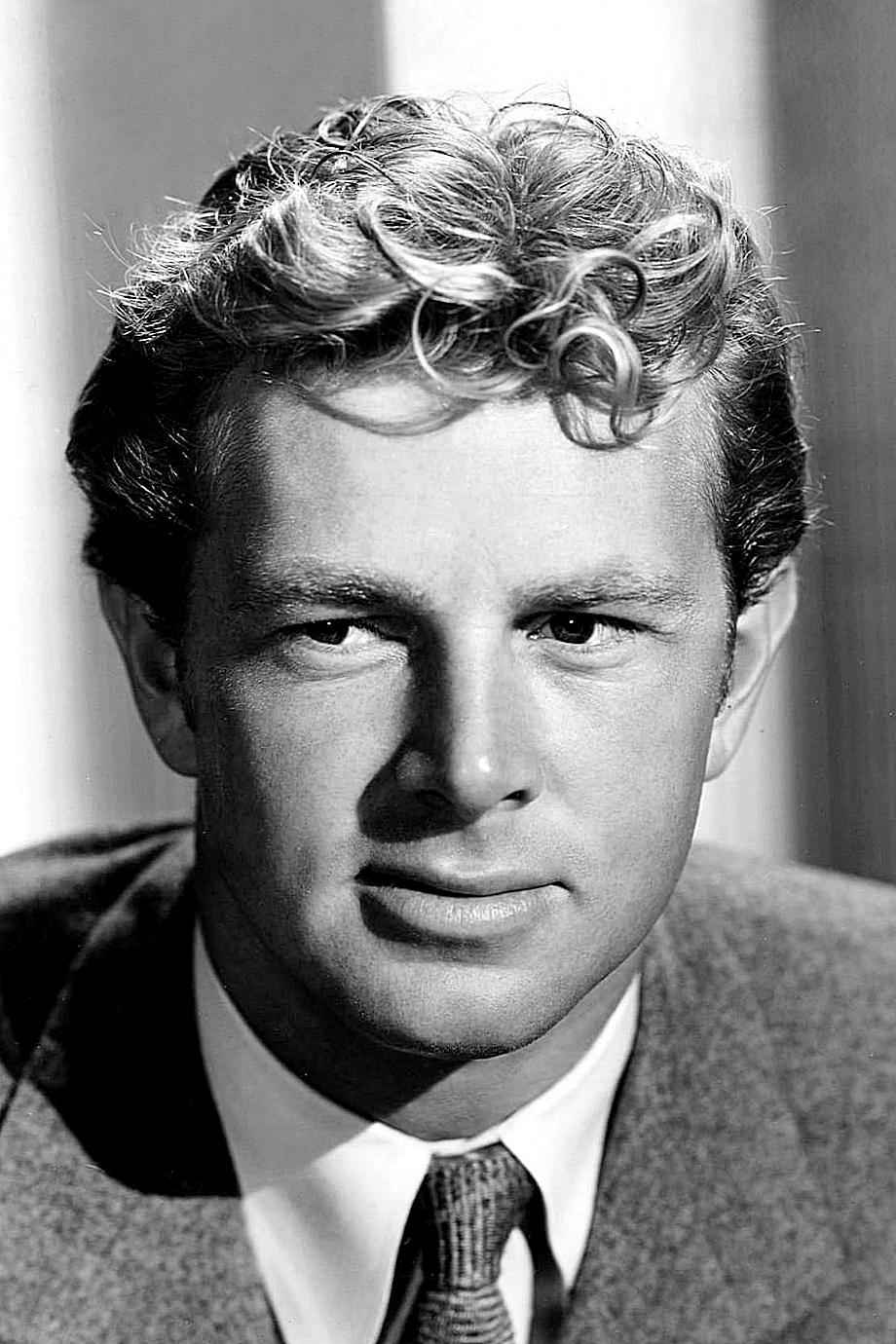
Hayden starred in ‘The Killing’ and ‘Dr. Strangelove’ but held a deep disdain for the Hollywood studio system. He was a master sailor who once ran away with his children on a schooner to Tahiti to defy a court order. During World War II he served in the OSS and ran guns through German lines to Yugoslav partisans. He eventually authored a candid autobiography that detailed his regrets over naming names during the Red Scare.
Paul Newman
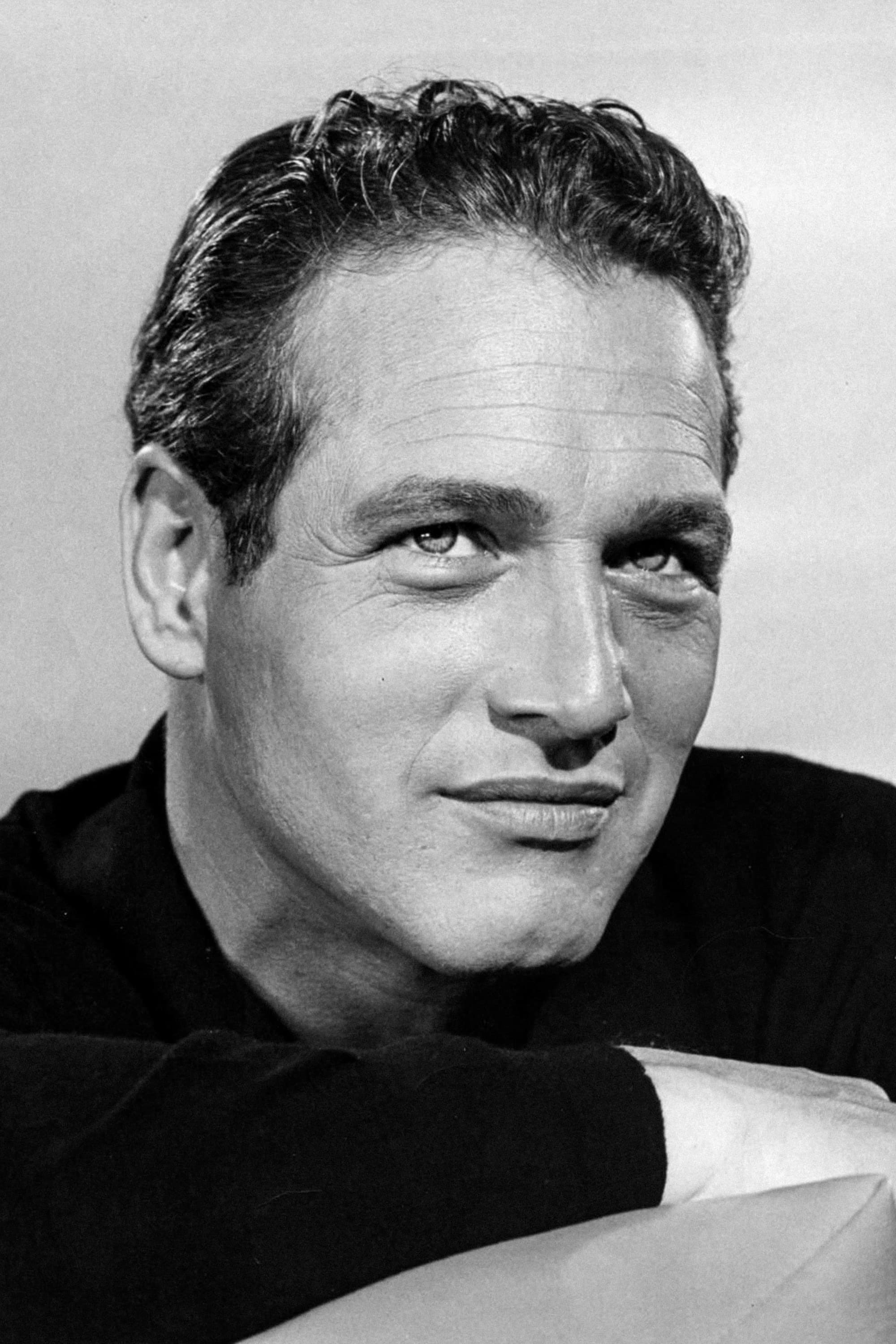
Newman was a blue-eyed screen legend who starred in classics like ‘Cool Hand Luke’ and ‘The Hustler’. He became a highly successful professional race car driver and won several national championships. He founded a food company that has donated hundreds of millions of dollars to charity since its inception. His fifty-year marriage to Joanne Woodward was revered as one of the most enduring partnerships in entertainment history.
Frank Sinatra
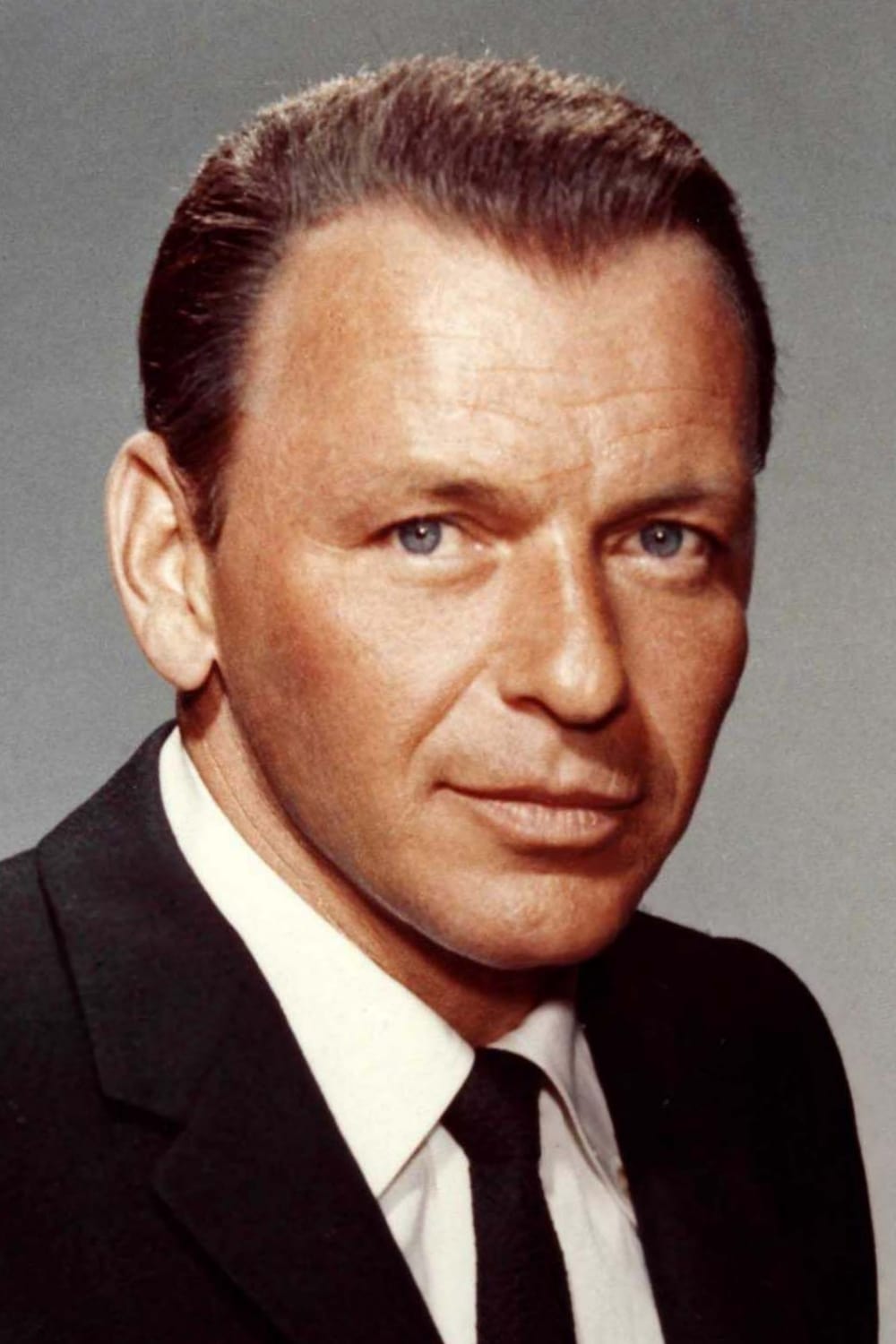
Sinatra was the premier vocalist of the twentieth century and an Academy Award-winning actor. His connections to organized crime figures and political leaders made him a figure of immense power and intrigue. He used his influence to fight racial segregation in Las Vegas venues during the fifties and sixties. His volatile temper and romantic entanglements kept him in the tabloids for the entirety of his career.
Sammy Davis Jr.
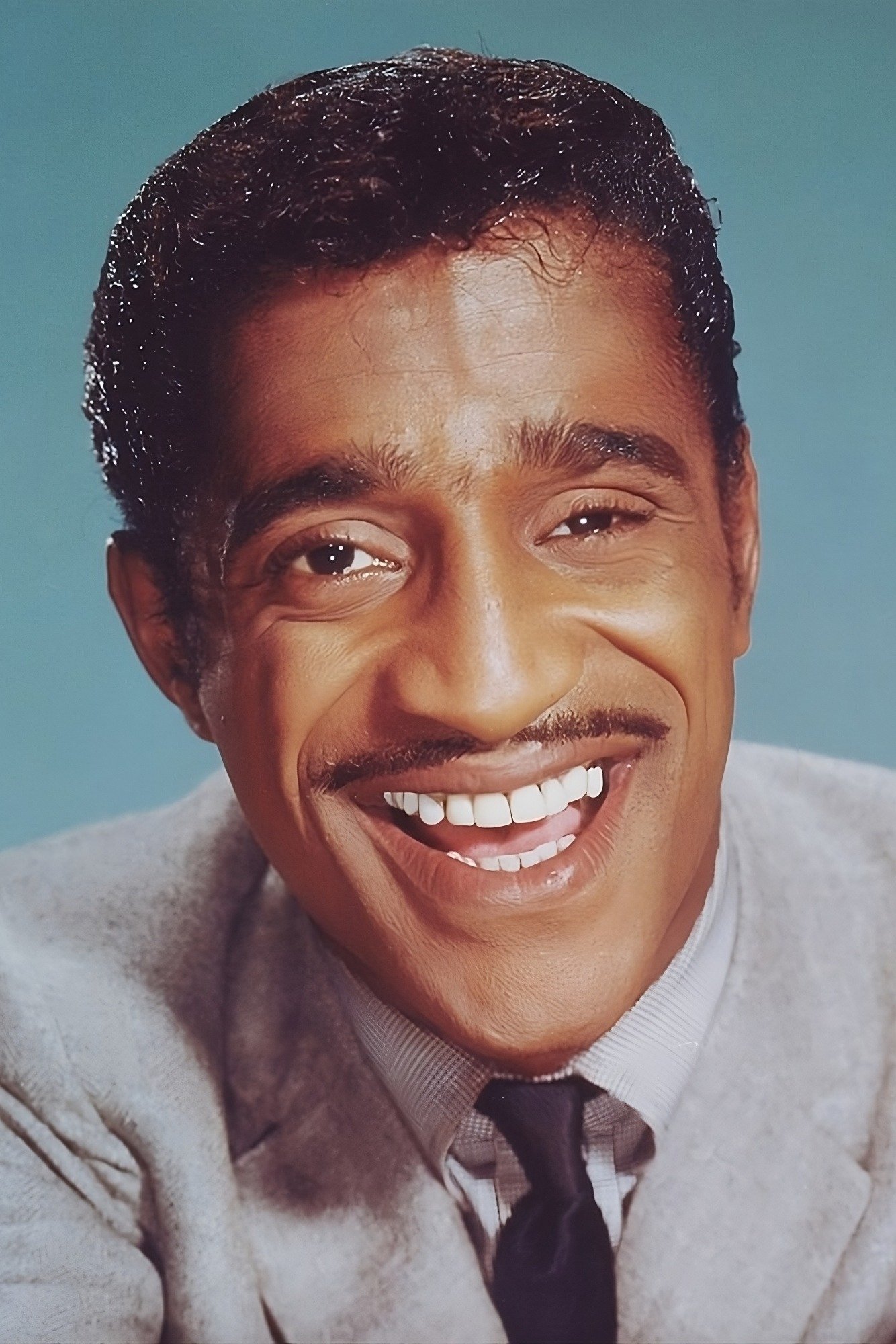
Davis was a multi-talented entertainer who excelled at singing, dancing, and acting despite prevailing racism. He lost his left eye in a car accident and converted to Judaism after finding comfort in the history of the Jewish people. He was a member of the Rat Pack who broke barriers by refusing to perform in segregated clubs. His incredible tap dancing skills and vocal impressions made him one of the most versatile performers in show business.
Dean Martin
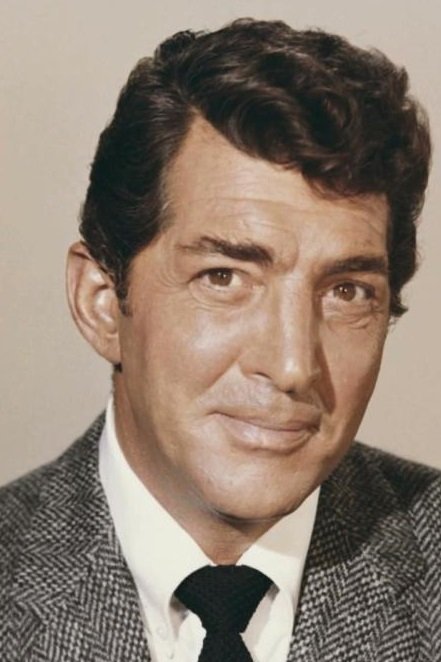
Martin cultivated a persona as a boozy playboy but was actually a disciplined professional who often drank apple juice on stage. He started as a boxer and worked in illegal casinos before teaming up with Jerry Lewis. He was a family man who preferred watching westerns and playing golf to attending Hollywood parties. His relaxed singing style and comedic timing made him one of the most beloved entertainers of his era.
John Belushi
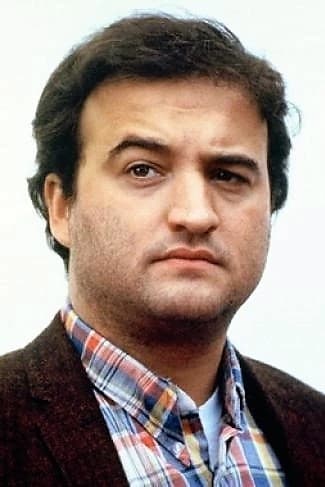
Belushi was a comedic force of nature on ‘Saturday Night Live’ and in films like ‘The Blues Brothers’. He operated a blues bar in New York City which became a hangout for celebrities and musicians. His punk rock attitude and physical comedy masked deep insecurities and substance abuse issues. His death from a speedball overdose signaled the end of the initial era of innocent excess for the SNL cast.
Robin Williams
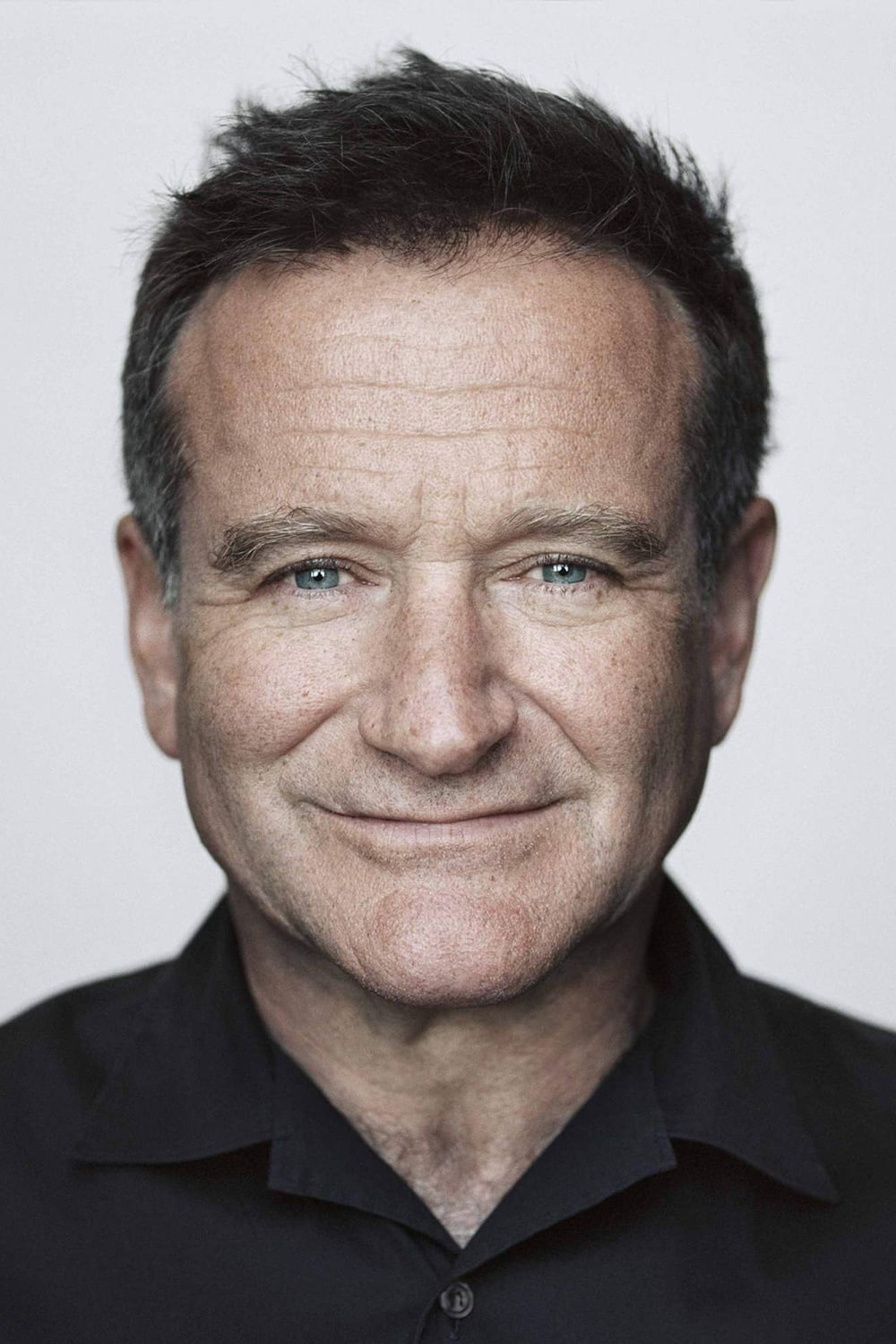
Williams began as a manic stand-up comedian and evolved into an Academy Award-winning dramatic actor. He was a classically trained performer who studied at Juilliard alongside Christopher Reeve. He frequently participated in USO tours to entertain troops and was heavily involved in philanthropic work for the homeless. His suicide revealed a hidden struggle with Lewy body dementia that had been affecting his mind and body.
Philip Seymour Hoffman
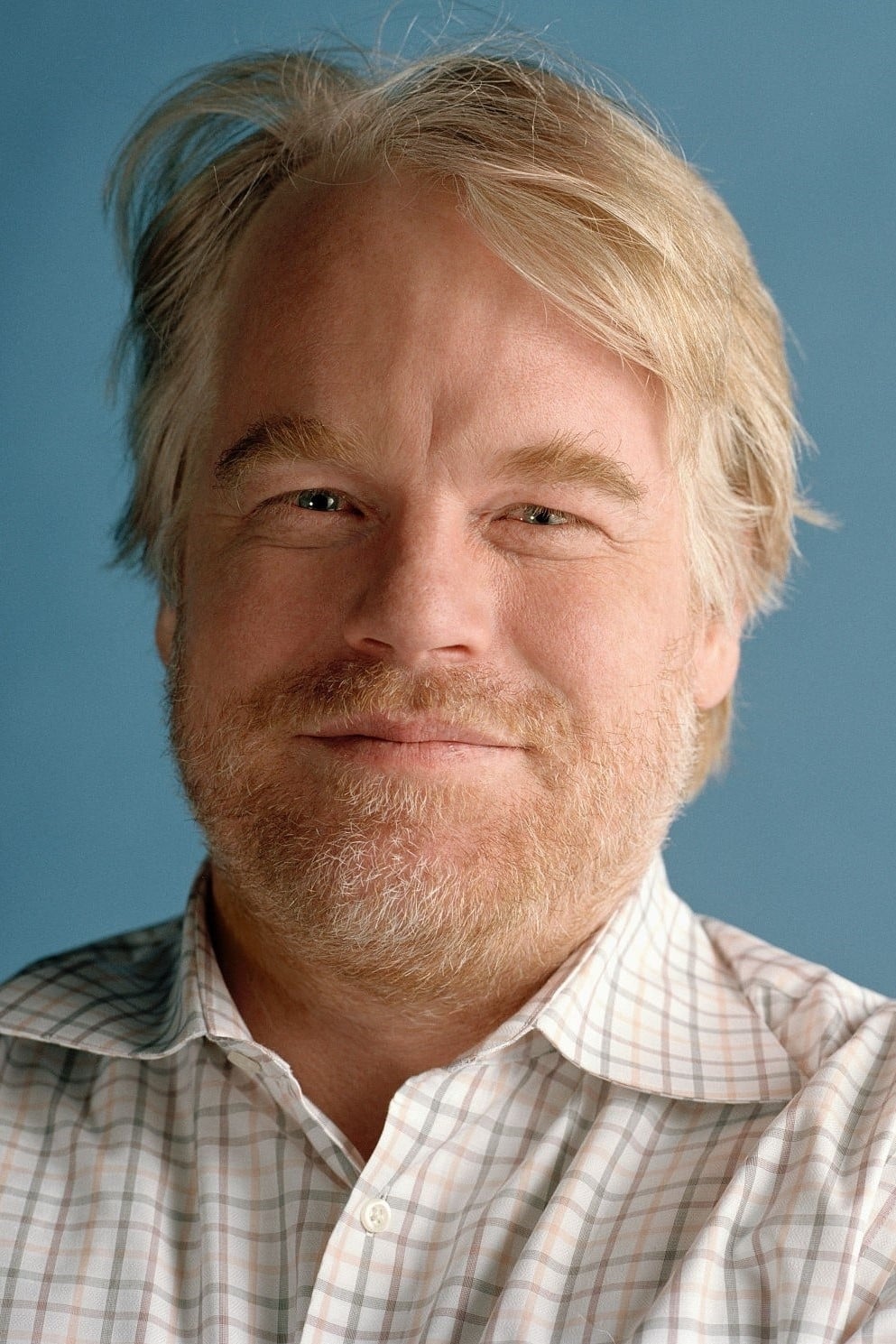
Hoffman was widely considered the greatest character actor of his generation with roles in ‘Capote’ and ‘The Master’. He had a background in theater and directed plays while maintaining a busy film schedule. He was open about his history of addiction and had remained sober for over two decades before a relapse. His death was a massive loss to the acting community and highlighted the ongoing opioid crisis.
Kirk Douglas
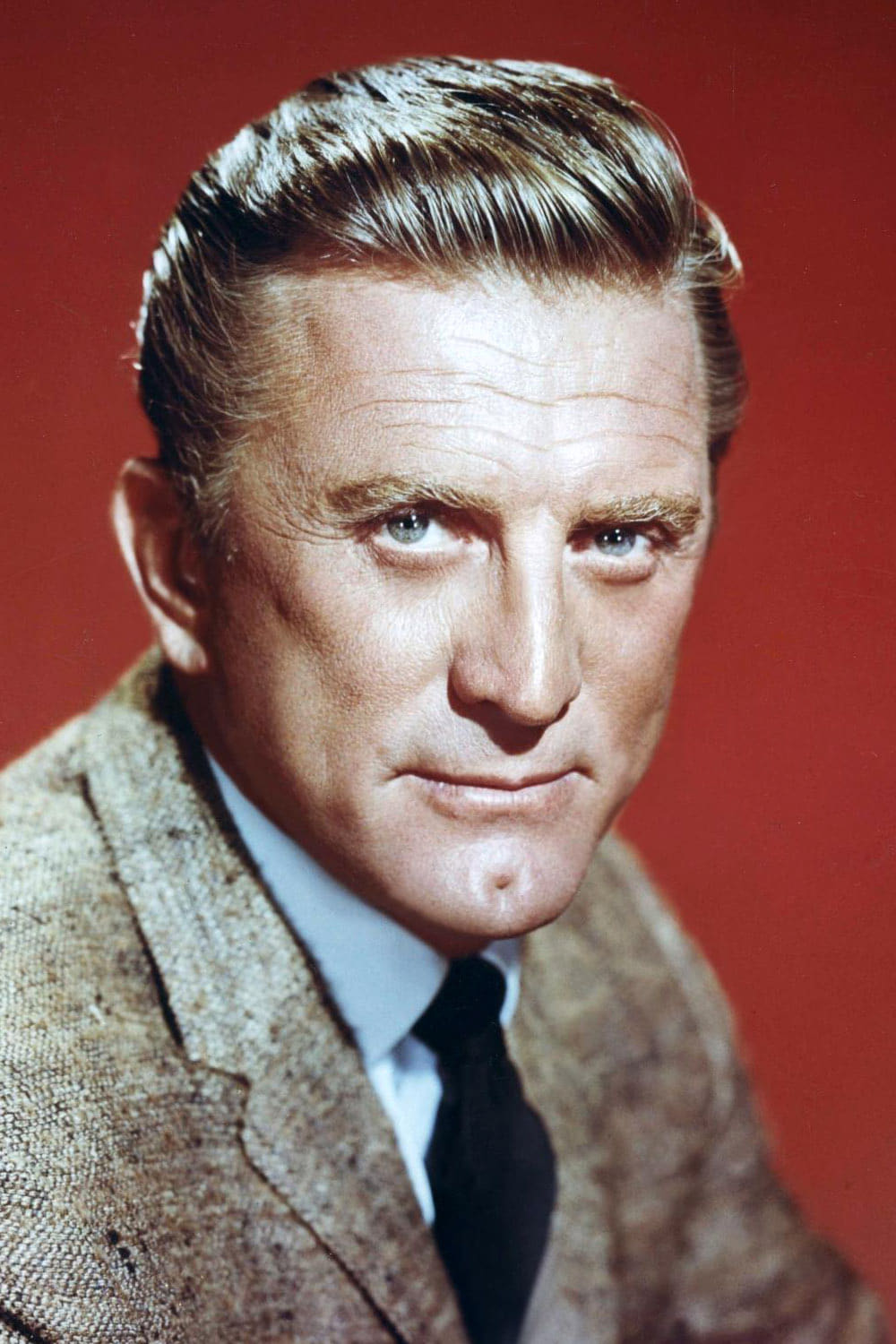
Douglas was the intense star of ‘Spartacus’ and ‘Paths of Glory’ who lived to be one hundred and three. He played a crucial role in breaking the Hollywood Blacklist by giving screen credit to writer Dalton Trumbo. He survived a helicopter crash in the nineties that killed two other passengers and left him with a severe back injury. He suffered a debilitating stroke later in life but taught himself to speak again to continue acting.
Sidney Poitier
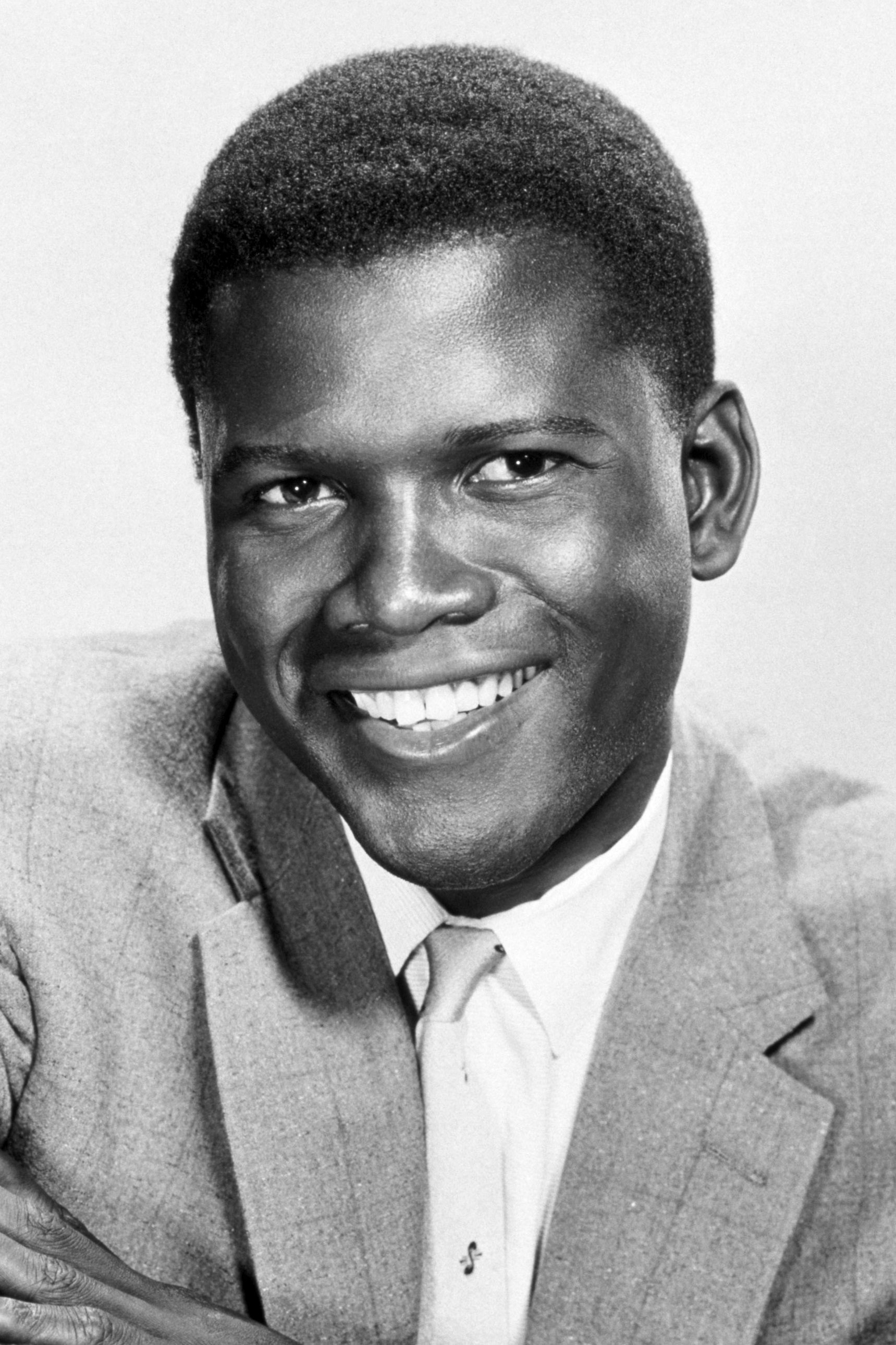
Poitier was the first Black actor to win the Academy Award for Best Actor for ‘Lilies of the Field’. He grew up in the Bahamas in poverty and had to learn to read after moving to the United States as a teenager. He served as the Bahamian ambassador to Japan and to UNESCO later in his life. His dignified roles in the sixties forced audiences to confront racial prejudice during the height of the Civil Rights Movement.
Burt Reynolds

Reynolds was the top box office attraction in the world for five consecutive years in the late seventies. He was a college football star at Florida State University before injuries ended his athletic career. He performed many of his own stunts which led to chronic pain and an addiction to painkillers. His financial ups and downs were public knowledge but he maintained a self-deprecating sense of humor until the end.
Charles Bronson
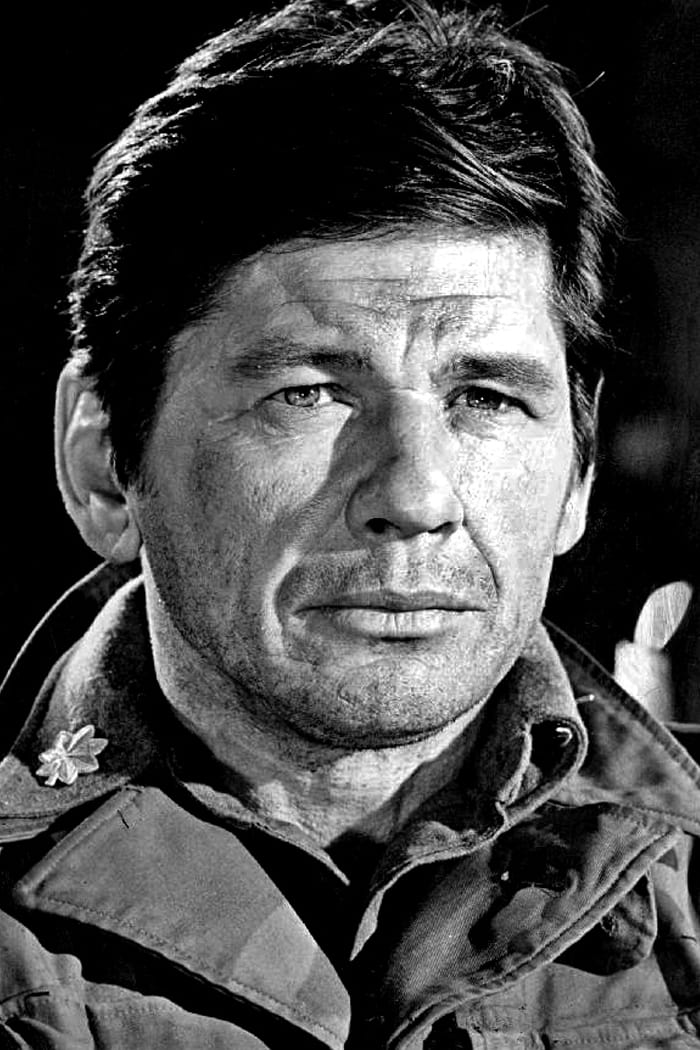
Bronson became an international action star in ‘Death Wish’ after years of playing supporting roles. He grew up in extreme poverty as one of fifteen children in a Pennsylvania coal mining family. He worked in the mines himself before serving as an aerial gunner in the Army Air Forces. He was a quiet and private man who painted as a hobby and avoided the Hollywood social scene entirely.
Lee Marvin
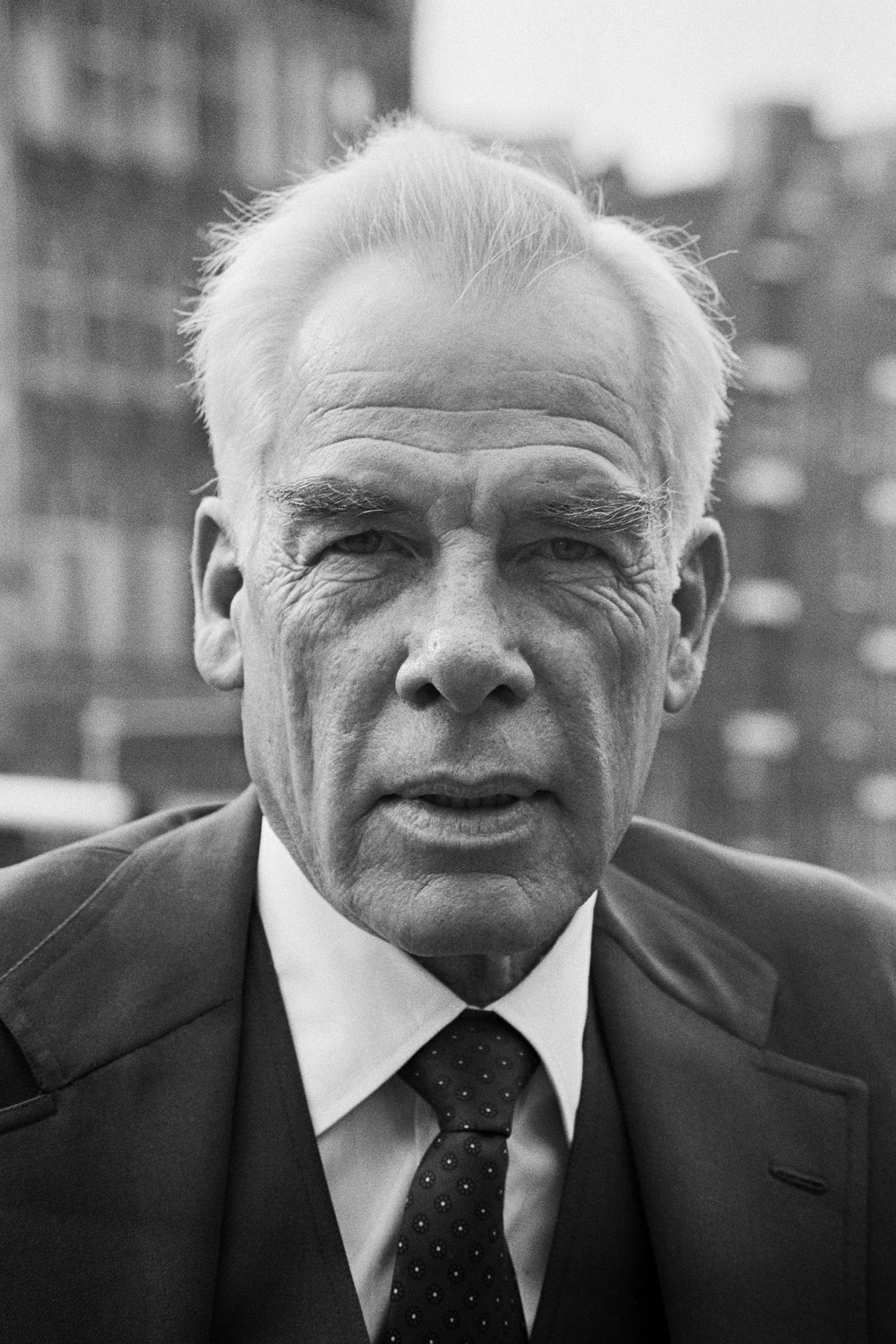
Marvin brought a menacing authenticity to his roles in ‘The Dirty Dozen’ and ‘Point Blank’. He was a U.S. Marine sniper in the Pacific theater during World War II and was wounded in the Battle of Saipan. His war experiences deeply influenced his acting style and his view on violence in cinema. He famously sued a former partner in a landmark palimony case that changed family law in California.
Rudolph Valentino
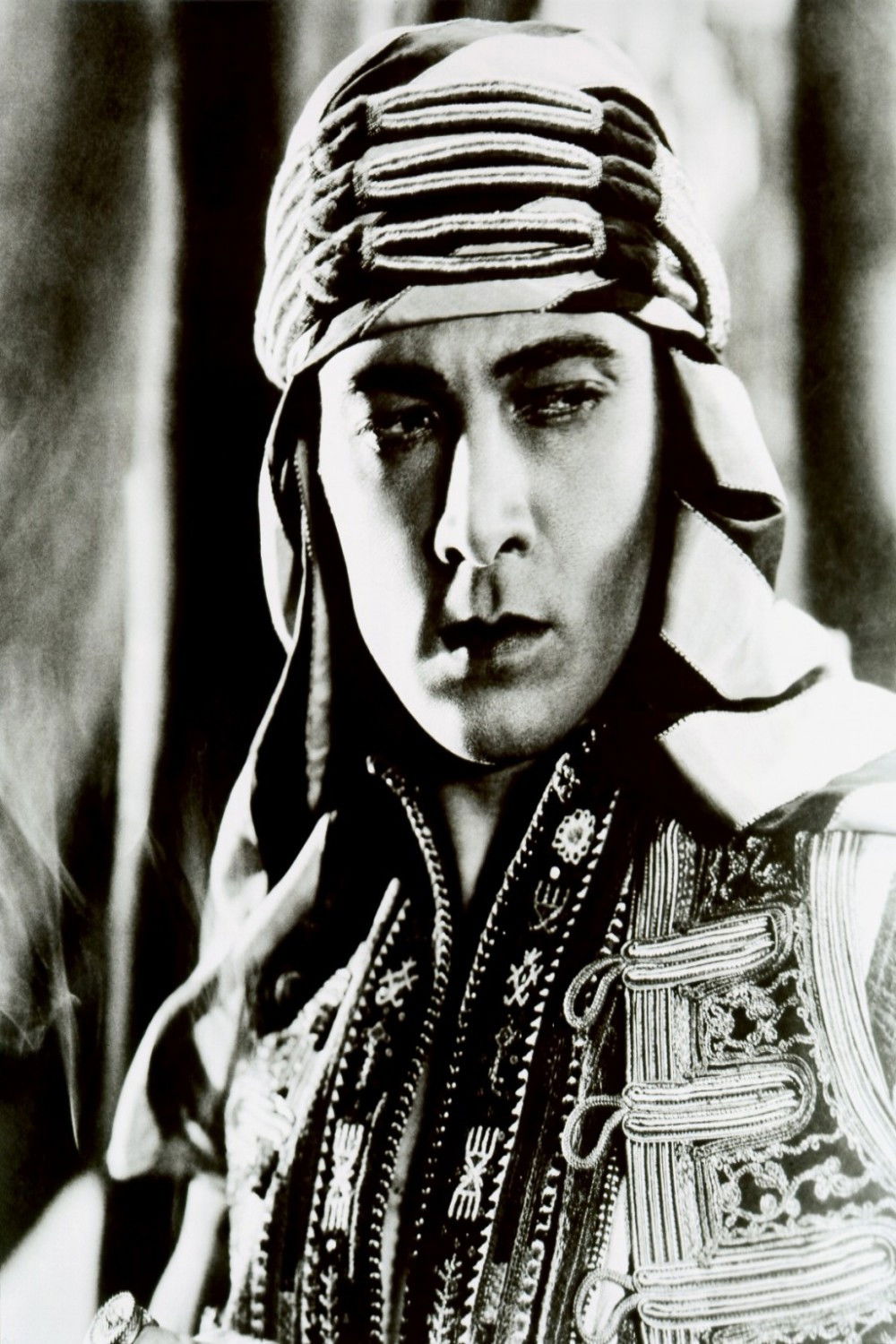
Valentino was the first male sex symbol of the silver screen and caused mass hysteria among female fans. He worked as a taxi dancer and landscape gardener before finding success in silent films. He was arrested for bigamy early in his career due to a misunderstanding of divorce laws. His death at age thirty-one caused riots at his funeral and several reported suicides among his devastated fanbase.
Douglas Fairbanks
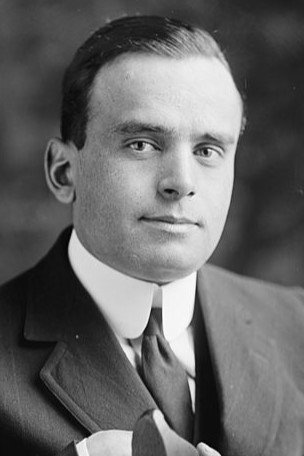
Fairbanks was the first King of Hollywood and celebrated for his athletic roles in ‘The Mark of Zorro’. He was a founding member of United Artists alongside Chaplin, Griffith, and his wife Mary Pickford. He did all his own stunts and maintained superb physical condition throughout his life. His marriage to Pickford made them the first celebrity supercouple and their home was the center of Hollywood social life.
Clark Gable
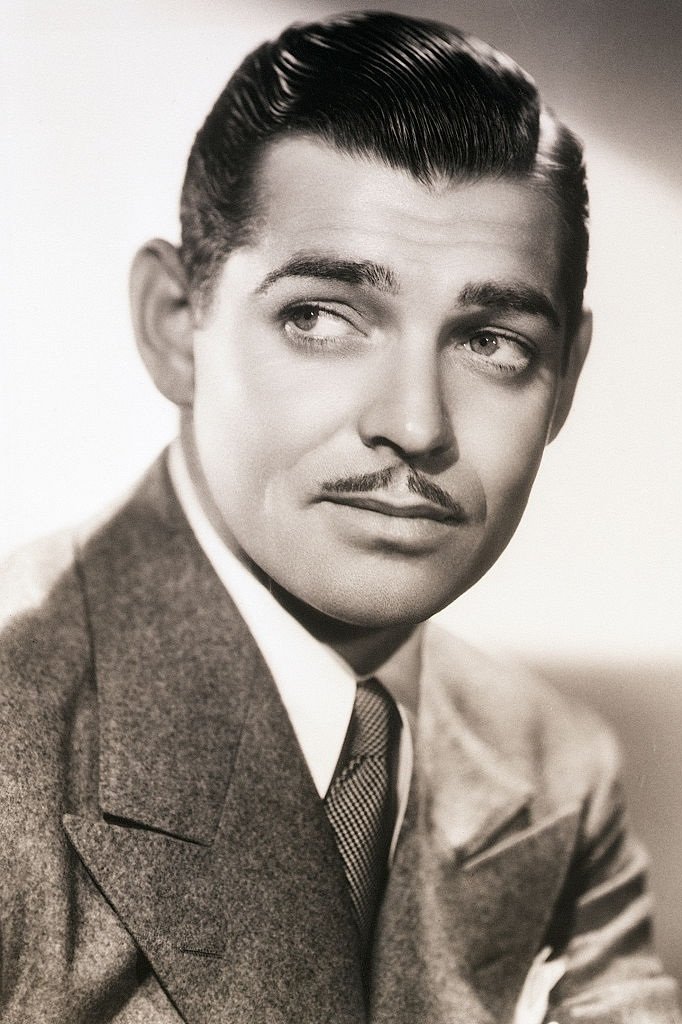
Gable was known as the King of Hollywood and starred in the epic ‘Gone with the Wind’. He was devastated by the death of his wife Carole Lombard in a plane crash during a war bond tour. He joined the Army Air Forces in his forties and flew combat missions over Germany as an observer gunner. He never fully recovered from the loss of Lombard and is buried beside her at Forest Lawn.
Spencer Tracy
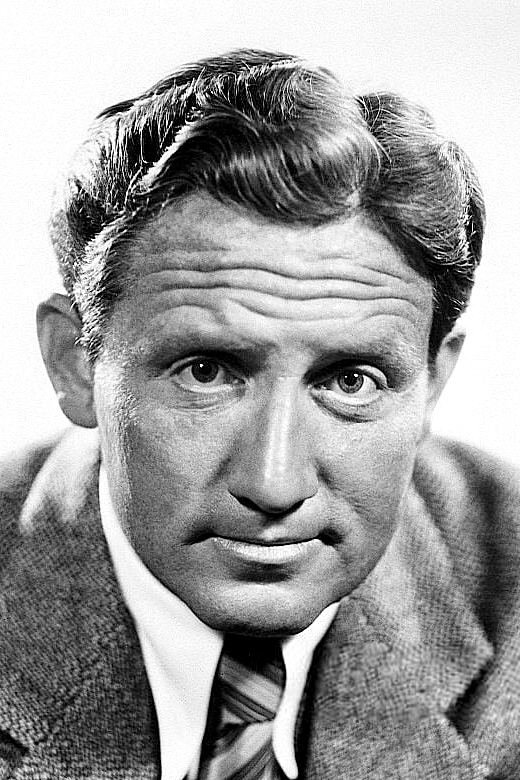
Tracy was a naturalistic actor who won two consecutive Academy Awards in the late thirties. He struggled with severe alcoholism and guilt related to his son being born deaf. He maintained a decades-long relationship with Katharine Hepburn that was an open secret in Hollywood. He remained married to his wife Louise for religious reasons and lived in a separate guest house for years.
Patrick Swayze
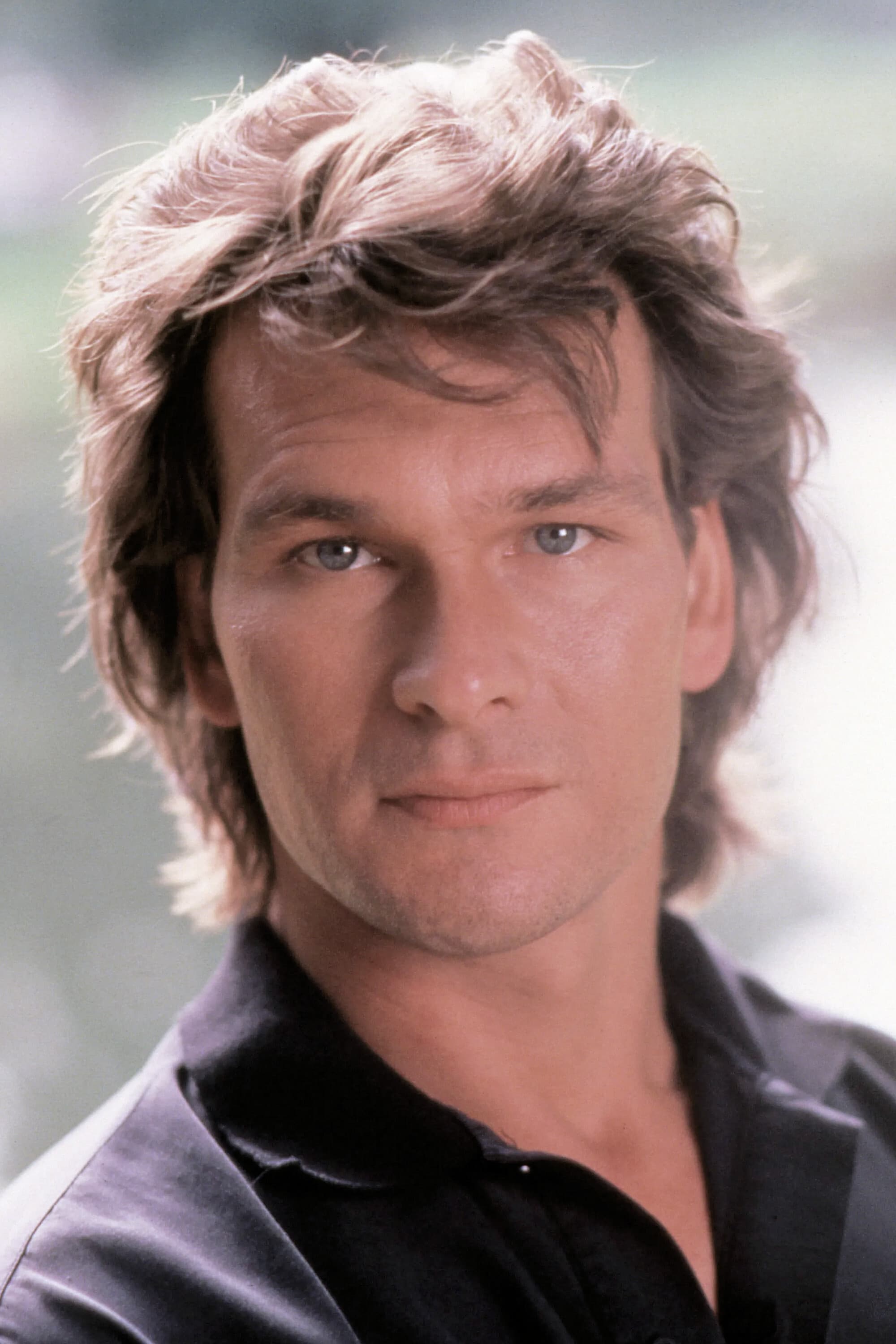
Swayze became a global icon with ‘Dirty Dancing’ and ‘Ghost’ thanks to his charisma and physical grace. He was a trained ballet dancer who studied at the Joffrey and Harkness ballet schools in New York. He was an accomplished horseman who bred Arabians on his ranch in California. He continued to work on a television series while undergoing grueling treatment for pancreatic cancer.
John Cazale
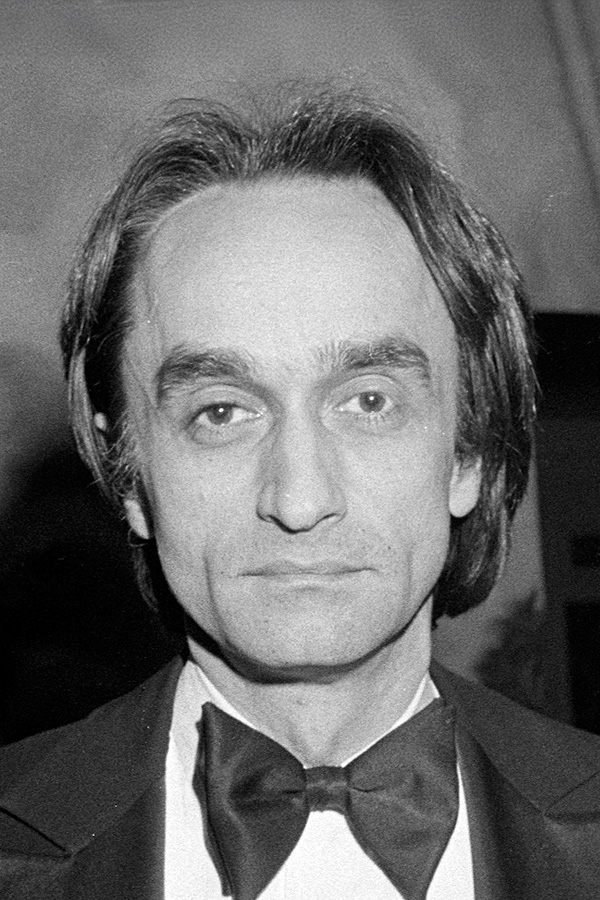
Cazale appeared in only five feature films during his lifetime and every single one was nominated for Best Picture. He was highly respected by his peers for his vulnerability in ‘The Godfather’ and ‘The Deer Hunter’. He was in a romantic relationship with Meryl Streep who cared for him during his battle with lung cancer. His small body of work remains one of the most impressive legacies in cinema history.
Boris Karloff
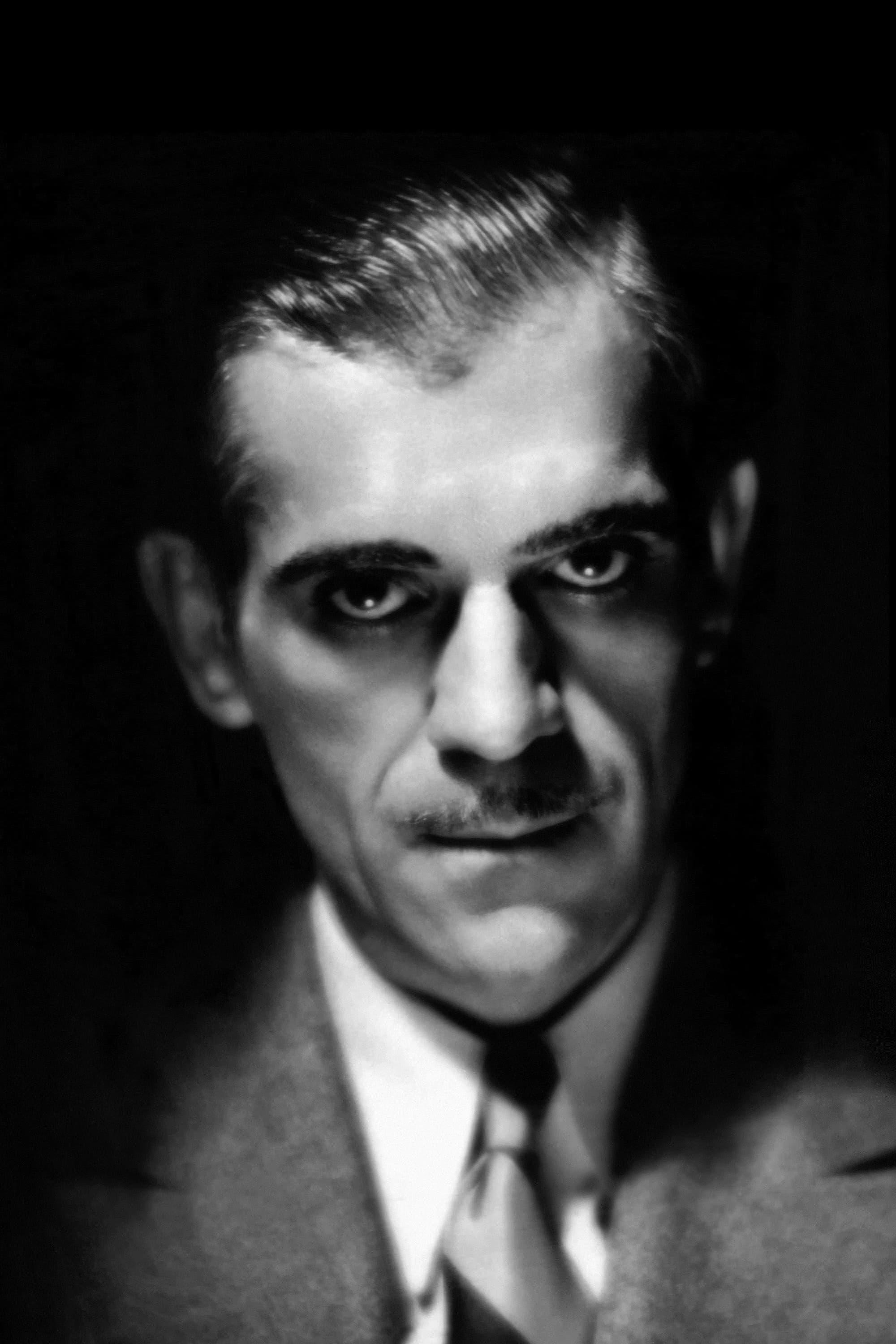
Karloff played the monster in ‘Frankenstein’ but was known in real life as a gentle and well-read English gentleman. He was a cricket enthusiast and a founding member of the Screen Actors Guild. He risked his career to fight for safer working conditions for actors who were often mistreated by studios. He narrated the animated classic ‘How the Grinch Stole Christmas’ which introduced his voice to a new generation.
Vincent Price
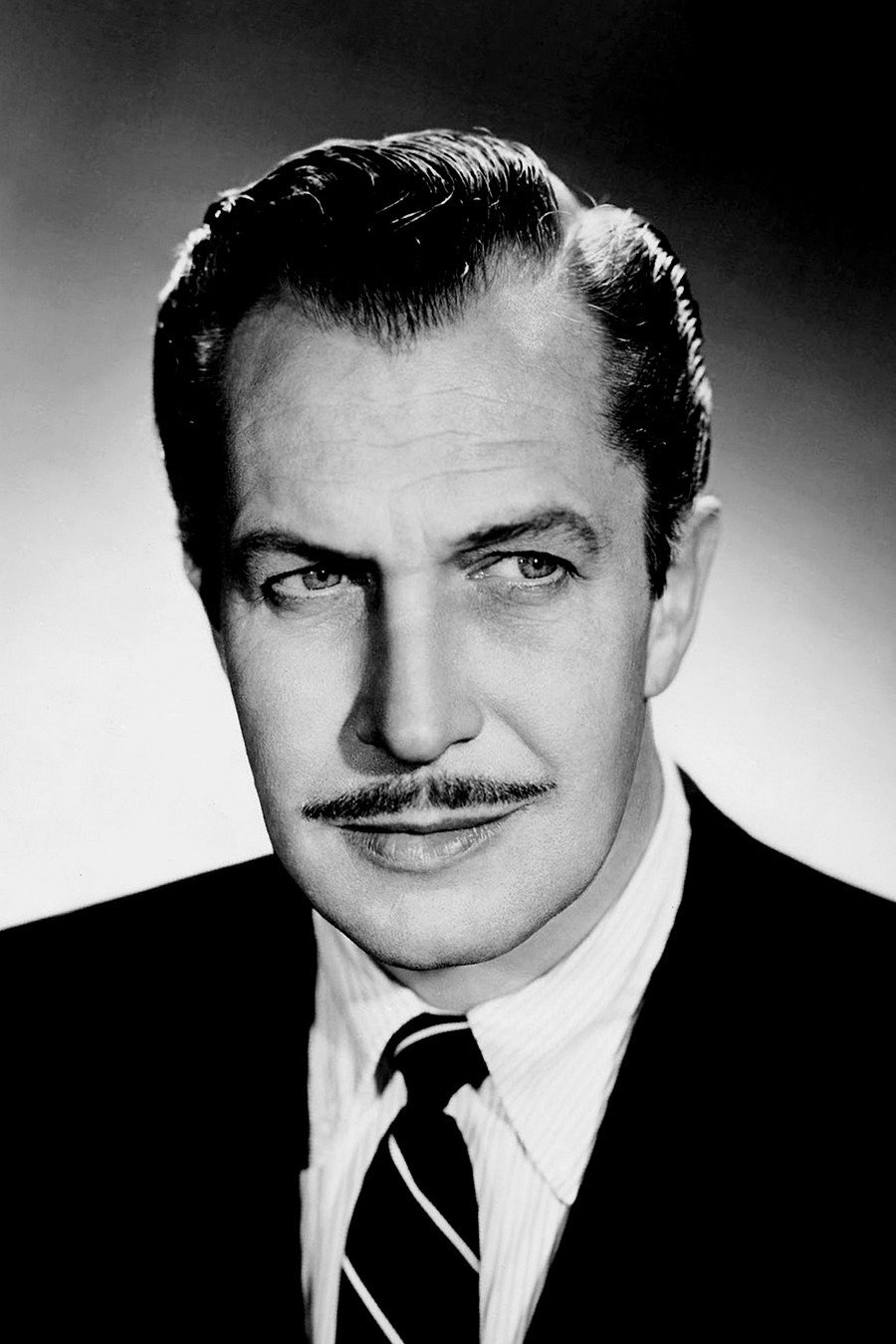
Price was a master of horror who starred in adaptations of Edgar Allan Poe stories. He was an art historian with a degree from Yale and wrote several successful gourmet cookbooks. He served as an art consultant for Sears and curated a fine art collection sold in their department stores. He remained a beloved figure in pop culture and contributed the monologue to Michael Jackson’s ‘Thriller’.
Omar Sharif
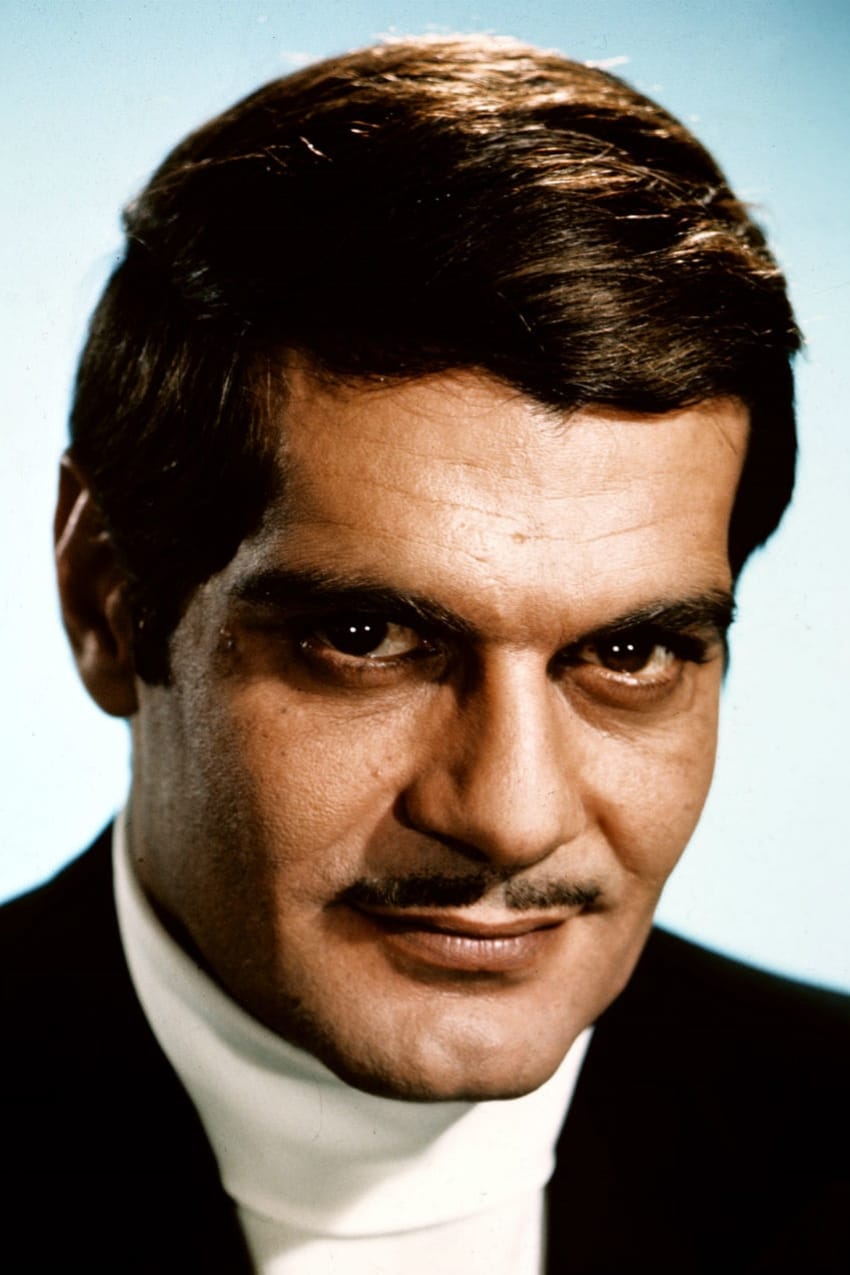
Sharif gained international fame in ‘Lawrence of Arabia’ and ‘Doctor Zhivago’. He was a world-class bridge player who wrote a syndicated column on the game for many years. He lived a nomadic lifestyle staying in luxury hotels across Europe and gambling away fortunes. He was fluent in multiple languages and remained a sophisticated symbol of the multicultural actor.
Anthony Quinn
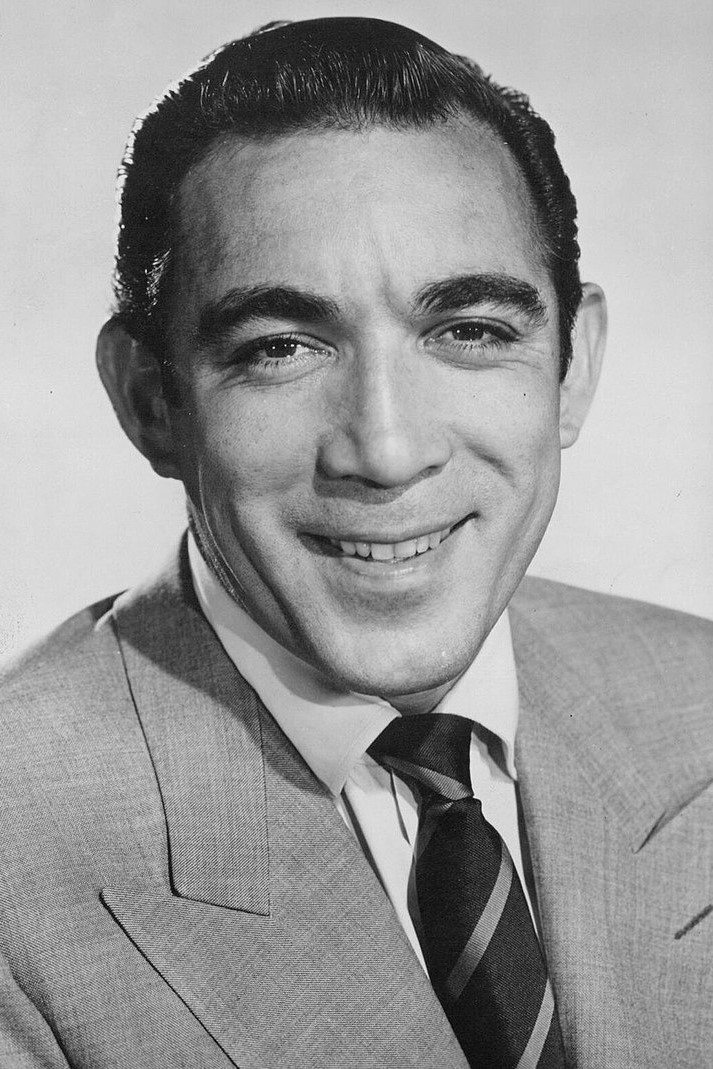
Quinn starred in ‘Zorba the Greek’ and had a career that spanned over six decades. He was a talented painter and sculptor who exhibited his artwork internationally. He fathered over a dozen children and became a father again in his eighties. His background was a mix of Mexican and Irish heritage which allowed him to play characters of various nationalities throughout his career.
Peter Sellers
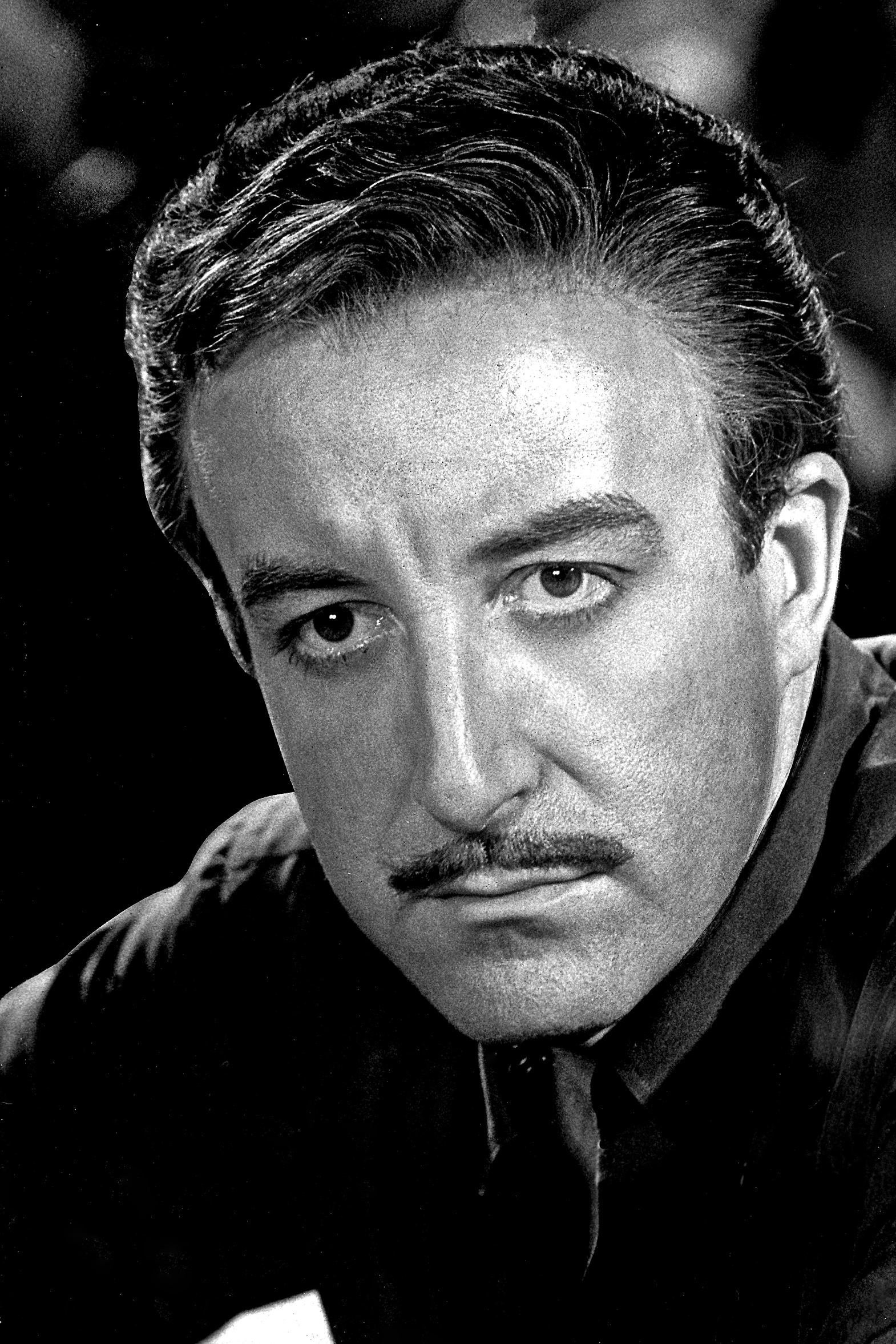
Sellers was a comic genius known for playing multiple characters in ‘Dr. Strangelove’ and the bumbling Clouseau in ‘The Pink Panther’. He claimed to have no personality of his own and only felt alive when inhabiting a character. His personal life was chaotic with four marriages and strained relationships with his children. He suffered a series of heart attacks in his thirties which led him to explore spiritualism and alternative medicine.
Please share your thoughts in the comments on which actor’s life story surprised you the most or who you think deserves a biopic.