

‘Death Note’ Mistakes You’ll Never Be Able to Unsee




Even the most meticulous cat-and-mouse thriller has slip-ups that shape the investigation in ways fans still analyze, and ‘Death Note’ is no exception. Across police tactics, Shinigami rules, and high-stakes proxies, several choices and oversights quietly hand the advantage from one player to another. Below are ten concrete missteps—by investigators, accomplices, and would-be gods—that directly affect how the notebook’s power is understood, traced, and ultimately neutralized.
Taking the Regional Broadcast Bait

When Light responds to the televised challenge from the man calling himself L, he writes the name shown on a program that is only broadcast in the Kanto area. That single response lets the task force pin Kira’s activity to a specific region, shrinking a national search to a local one overnight. The stunt also confirms that Kira can kill with just a name and a face from a TV signal, tightening the profile of the suspect. From then on, police surveillance in and around Light’s city becomes far more targeted.
Overexposing Pre-Death Control with Raye Penber
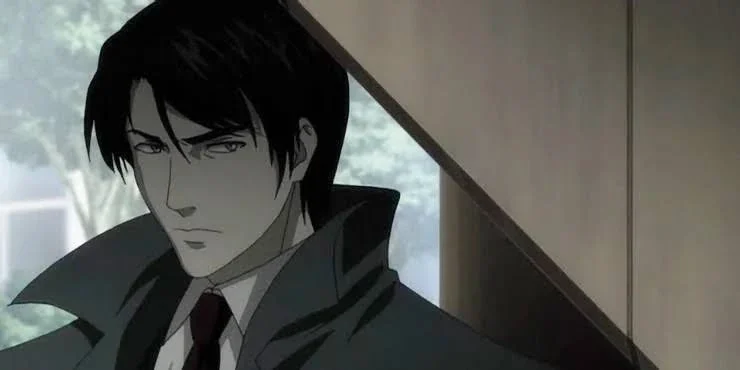
By coercing Raye Penber on the subway to write down his colleagues’ names before dying, Light reveals that Kira can dictate complex actions prior to a victim’s death. Investigators use the sequence and specificity of those actions to refine the Death Note rule set beyond “heart attack within 40 seconds.” It tells L that Kira needs both a face and a legal name but can stage behavior leading up to the fatal moment. That knowledge drives stricter identity-shielding protocols inside the task force.
The Bus-Jacking Field Test That Leaves a Trail
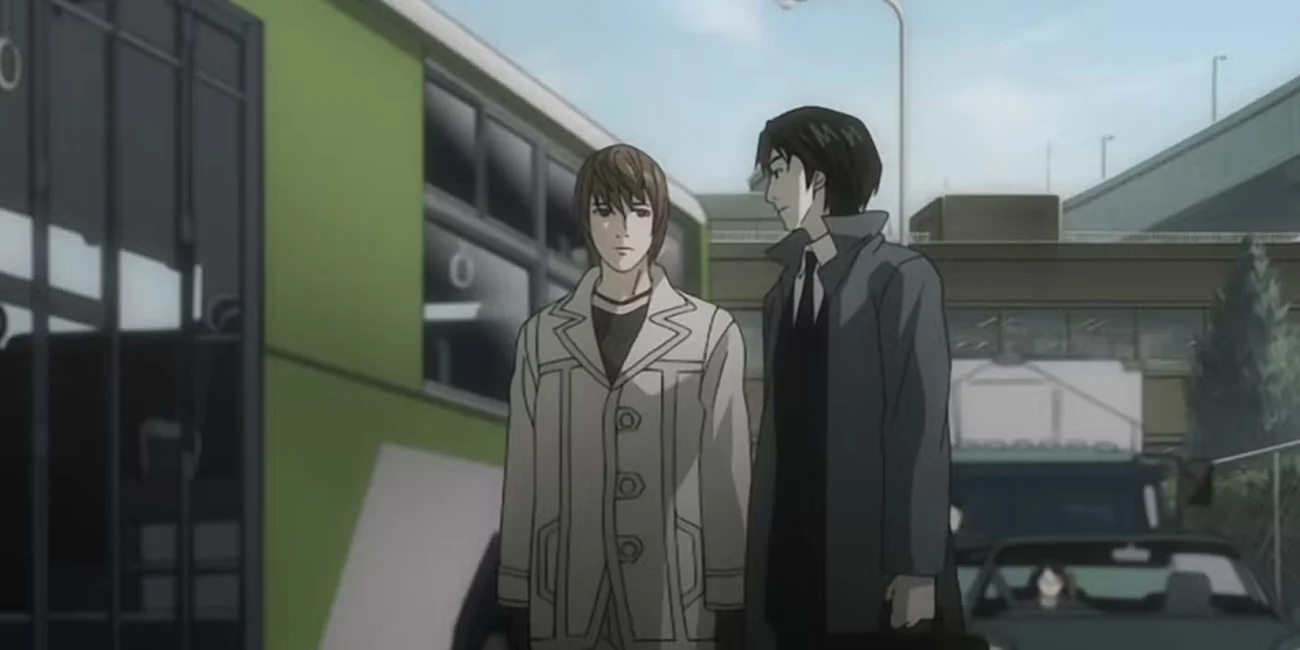
Light’s early field test using a petty criminal on the bus confirms that Kira can manipulate a target’s behavior in public without physical contact. The timing, the recovered items, and the victim’s scripted actions supply investigators with a repeatable pattern to look for in other incidents. That pattern helps L separate ordinary crimes from Kira-influenced events. It also nudges the task force to audit victim timelines down to minutes, not hours.
Misa’s Tapes and the Aoyama Trap
Misa’s couriered videotapes to a TV station contain enough voice and handling clues to let the task force profile a second actor. When she follows instructions to find Kira in Aoyama, stakeout teams and photographic evidence place her near key suspects. Her Shinigami Eyes create a distinctive operational signature—knowing names at a glance—that the investigation quickly factors into its models. Those combined tells facilitate her capture and interrogation.
Accepting the “13-Day Rule” Without a Hard Test
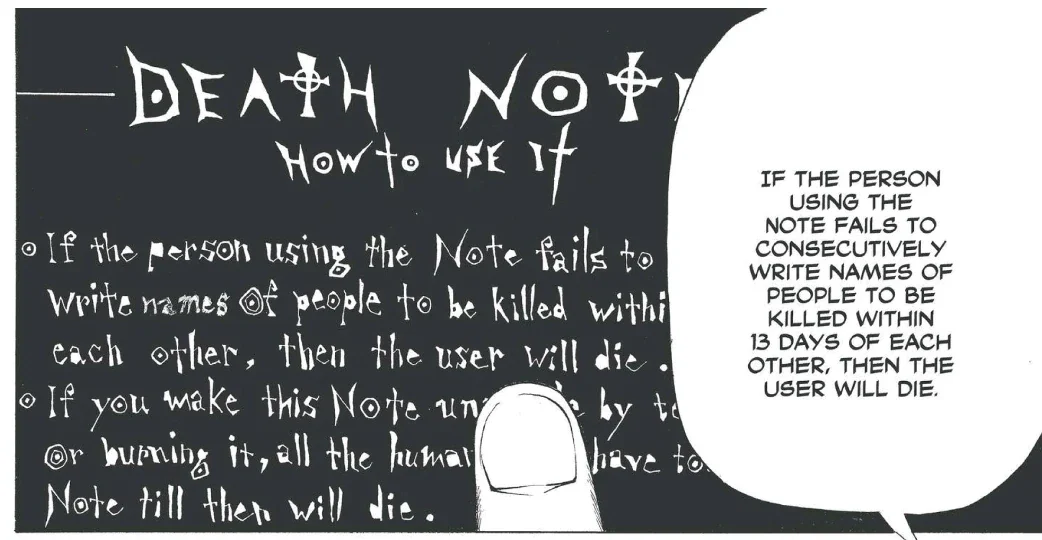
After the notebook reveals a rule claiming the user dies if they refrain from writing a name for 13 days, the task force declines a definitive, controlled test. That decision forces L to loosen suspicion on Light and Misa despite unresolved contradictions. The untested rule becomes a shield that affects custody, surveillance intensity, and who can access the notebook. Only much later is the rule exposed as a planted fabrication.
Rem’s Intervention That Plays into a Setup
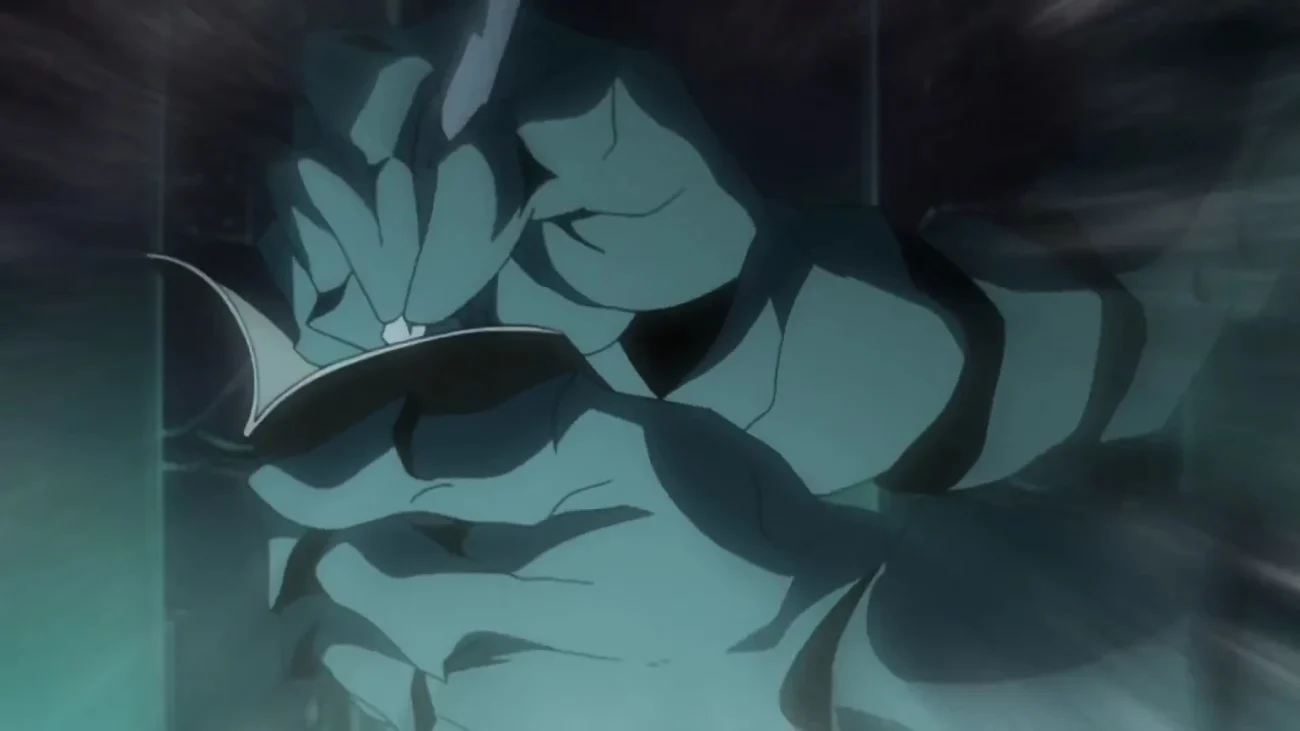
Rem acts to save Misa by eliminating immediate threats within the investigation, demonstrating that a Shinigami can directly kill humans whose names they know. However, doing so fulfills the exact contingency Light anticipates, removing the lead investigator and reshaping the command structure. The sudden leadership change resets strategies, evidence priorities, and oversight on suspects. It also proves to the task force that Death Note rules can be strategically weaponized by non-human actors.
Higuchi’s Corporate Pattern of Abuse

Within the Yotsuba Group, Higuchi applies the notebook to manipulate markets and business rivals in short, obvious bursts. Those bursts correlate tightly with meetings, contracts, and scheduled broadcasts, creating a data pattern the task force can chart. The predictability allows for sting operations that funnel him into a monitored pursuit. When apprehended, he provides live confirmation of the notebook’s mechanics under controlled conditions.
Choosing Teru Mikami as a Rigid Proxy
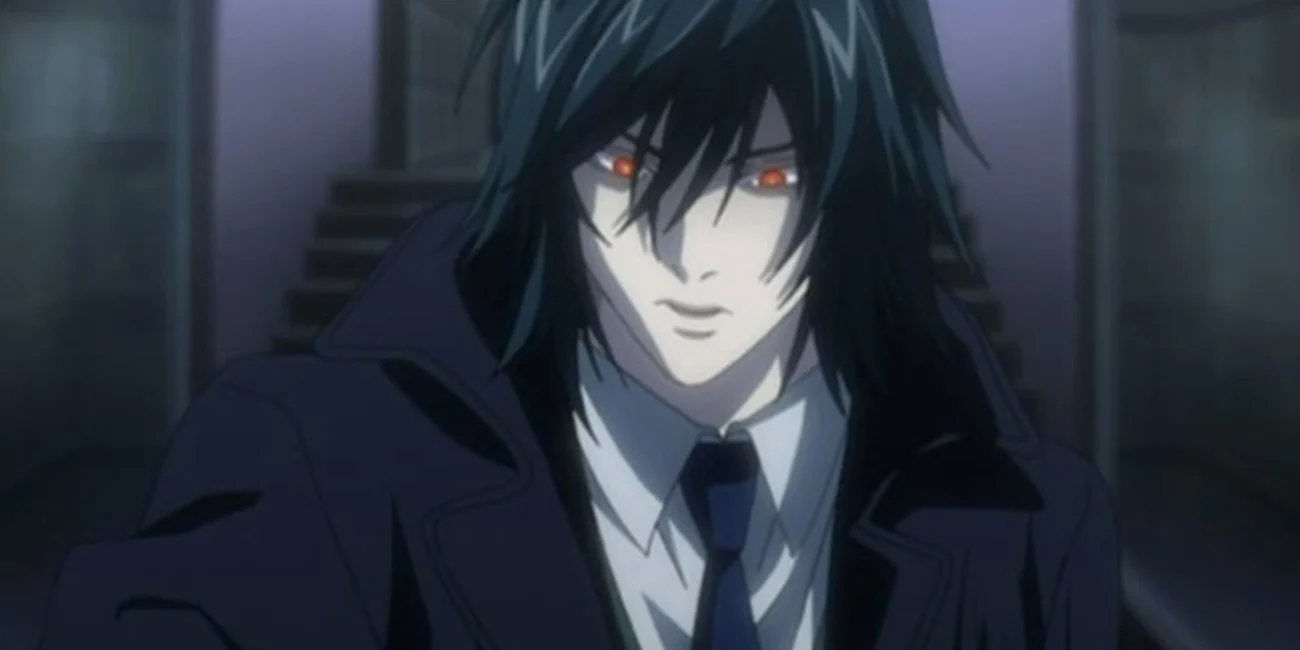
Mikami’s strict routines—fixed gym times, predictable bank visits, and methodical weekly schedules—give Near’s team clean windows for observation. Surveillance exploits that rigidity to identify where the real notebook is stored and when it’s handled. That enables a physical swap under conditions Mikami never varies, severing the link between intent and effect at a critical moment. The break in causality becomes testable proof that someone’s tool has been compromised.
Re-Engaging Kiyomi Takada as a Public Liaison

Light’s use of Takada to relay orders reintroduces a high-visibility figure with well-known ties to him. Her communications—multiple secured phones, timed calls, and controlled movements—produce signals intelligence the SPK and task force can track and correlate. The abduction that follows exposes the entire relay chain, including the emergency protocols she’s been given. Those exposures let Near map decision latency between Light, Mikami, and Takada.
Premature Writing at the Yellow Box
At the final warehouse confrontation, Mikami writes names before receiving a clear signal from Light, treating the scenario as routine rather than adversarial. Because the investigation has already swapped the notebook he’s carrying, the absence of effect is immediate and measurable. The mismatch between written entries and real-world outcomes supplies unambiguous evidence in front of both teams. That real-time failure locks the sequence of responsibility and closes the case.
Share which ‘Death Note’ misstep you think changed the game the most in the comments!