


Deceased Actors Whose Performances Were Way Ahead Of Their Time

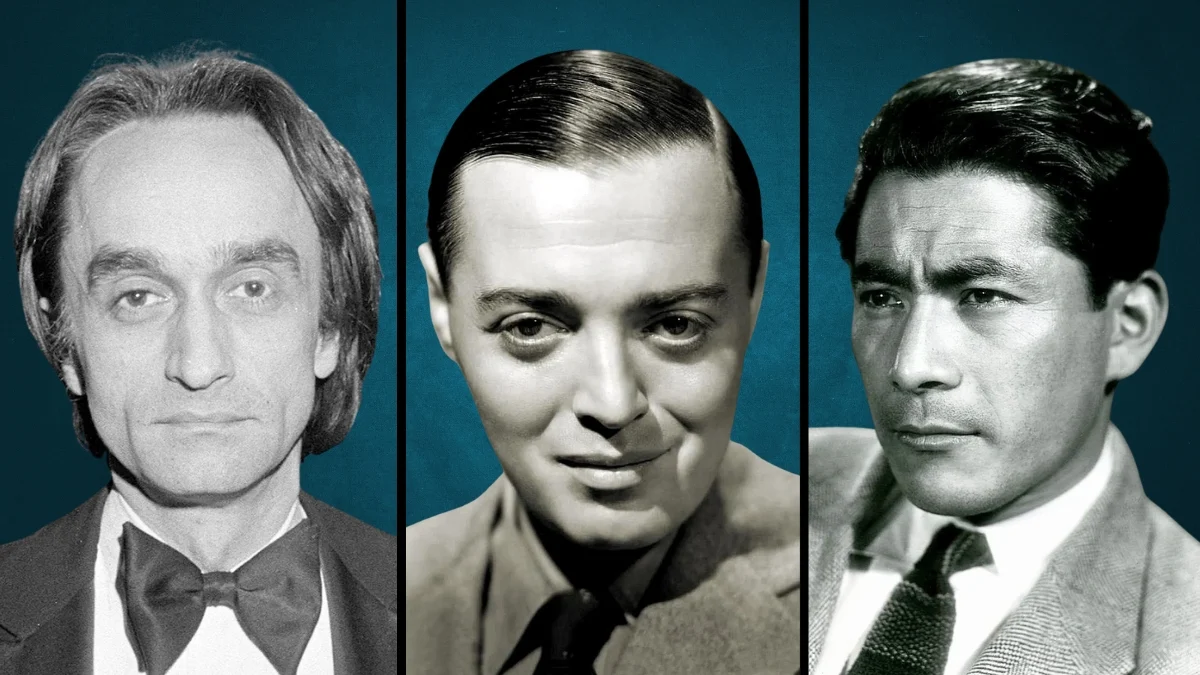


The history of cinema is defined by performers who challenged the conventions of their era to deliver something profoundly modern. While many actors of the golden age relied on theatrical artifice, a select few adopted naturalism, psychological depth, and physical transformation long before these techniques became industry standards. These individuals possessed an intuitive understanding of the camera that allowed them to connect with audiences across generations. By examining their work, one can see the foundations of contemporary acting being laid decades in advance. The following list highlights male actors whose craft was uniquely progressive for the time in which they lived.
James Dean
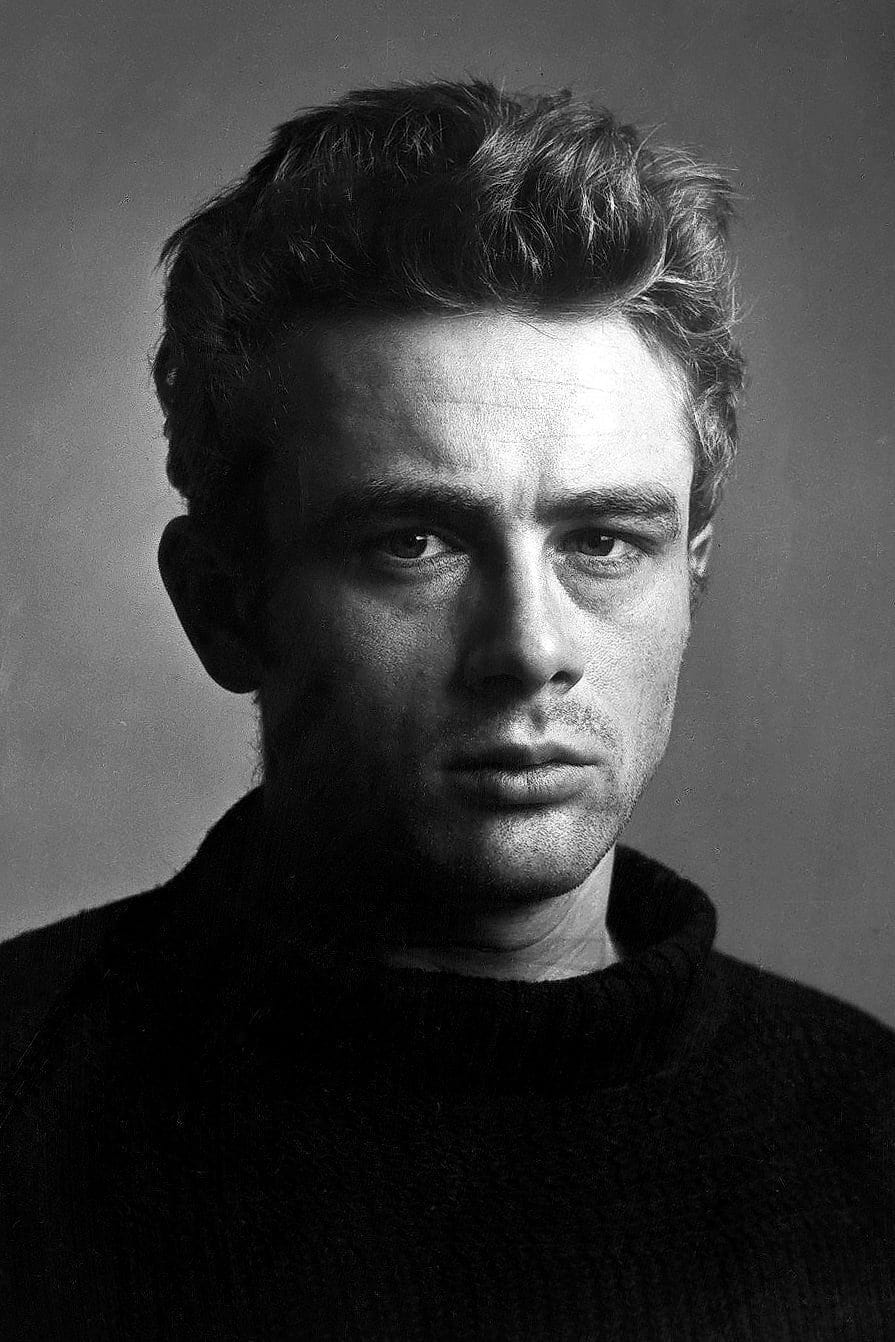
James Dean revolutionized screen acting in the 1950s by bringing a raw, understated sensitivity to his roles that contrasted with the era’s formal style. In ‘Rebel Without a Cause’, he utilized Method acting techniques to portray the internal turmoil and vulnerability of youth with painful realism. His ability to convey deep emotion through subtle gestures and hesitant speech patterns influenced the naturalistic approach of future generations. Dean’s performance in ‘East of Eden’ further demonstrated his capacity for psychological complexity and spontaneous behavior on screen. Though his career was brief, his modern sensibilities helped bridge the gap between classic Hollywood and the gritty realism of the 1970s.
Marlon Brando
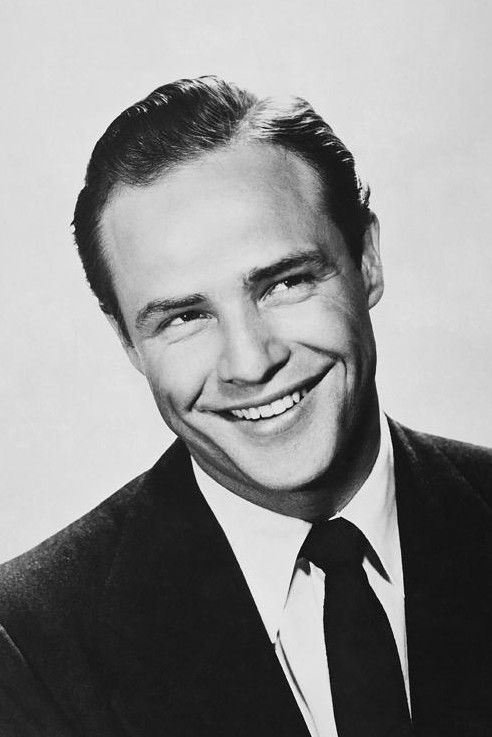
Marlon Brando is widely credited with changing the course of American acting through his visceral and naturalistic performances. In ‘A Streetcar Named Desire’, he abandoned traditional elocution for a muddled, realistic delivery that felt startlingly authentic to audiences in 1951. He prioritized emotional truth over theatrical perfection, often incorporating everyday habits into his characterizations to enhance their humanity. His work in ‘On the Waterfront’ remains a benchmark for dramatic intensity and nuanced vulnerability. Brando’s influence is seen in nearly every contemporary actor who prioritizes psychological immersion over performance artifice.
Montgomery Clift

Montgomery Clift introduced a level of onscreen fragility and introversion that was largely absent from the hyper-masculine roles of his time. In ‘A Place in the Sun’, he utilized intense facial expressions and quiet pauses to reveal the internal state of his character. Unlike many of his peers, Clift avoided grand gestures, opting instead for a minimalist style that the camera captured with great intimacy. His performance in ‘From Here to Eternity’ showcased a quiet defiance and modern psychological depth. This internal approach to acting paved the way for the nuanced character studies that would dominate cinema in later decades.
Heath Ledger
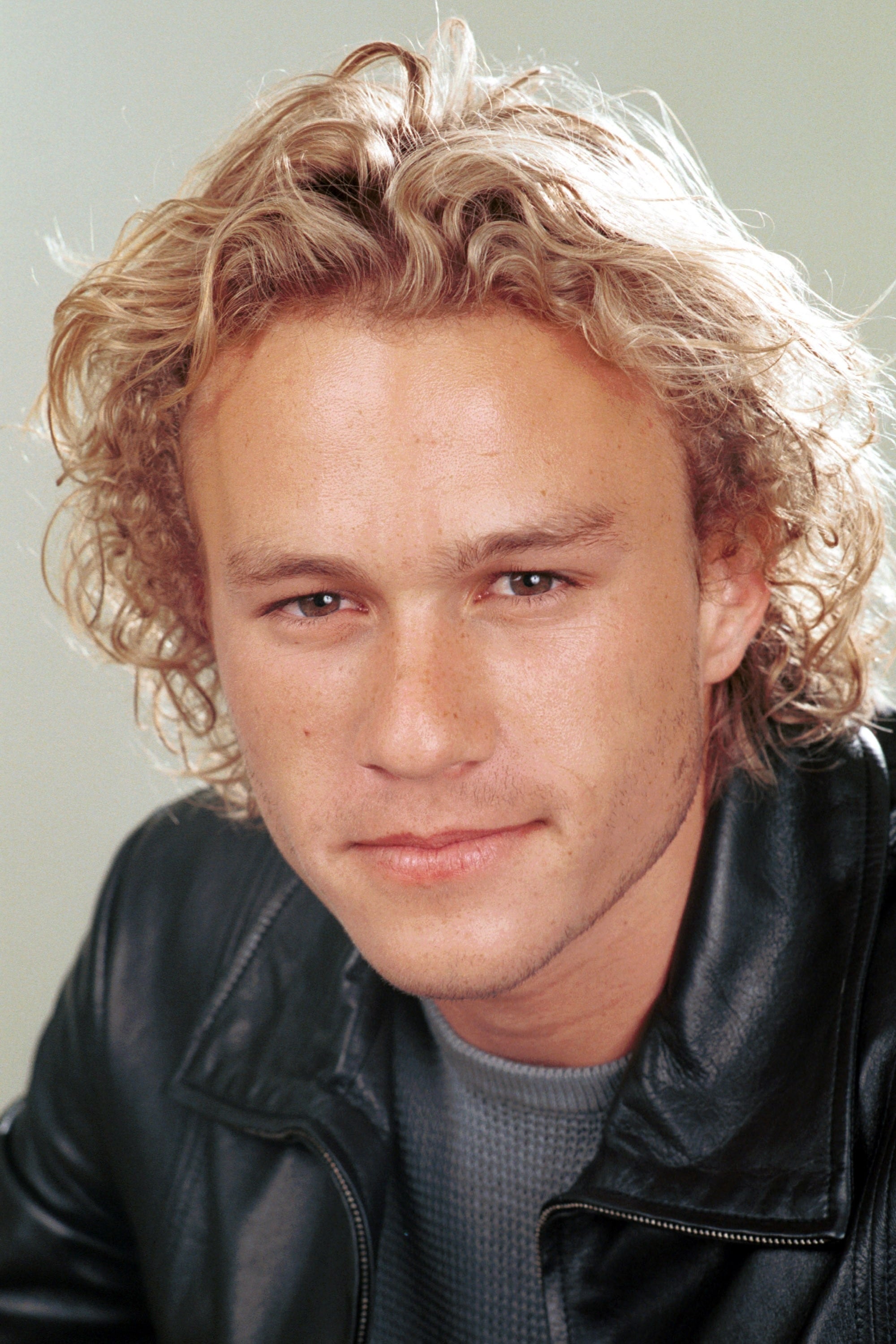
Heath Ledger provided a transformative performance as the Joker in ‘The Dark Knight’ that redefined the possibilities of the superhero genre. He utilized a unique vocal range, erratic physical tics, and a chaotic energy that felt grounded in a terrifying, modern reality. This performance moved beyond simple villainy into a complex exploration of sociopathic philosophy and anarchy. Ledger’s commitment to the role involved an immersive preparation process that resulted in a character unlike any previously seen on screen. His work remains a primary example of how an actor can elevate genre material through total artistic dedication.
Philip Seymour Hoffman
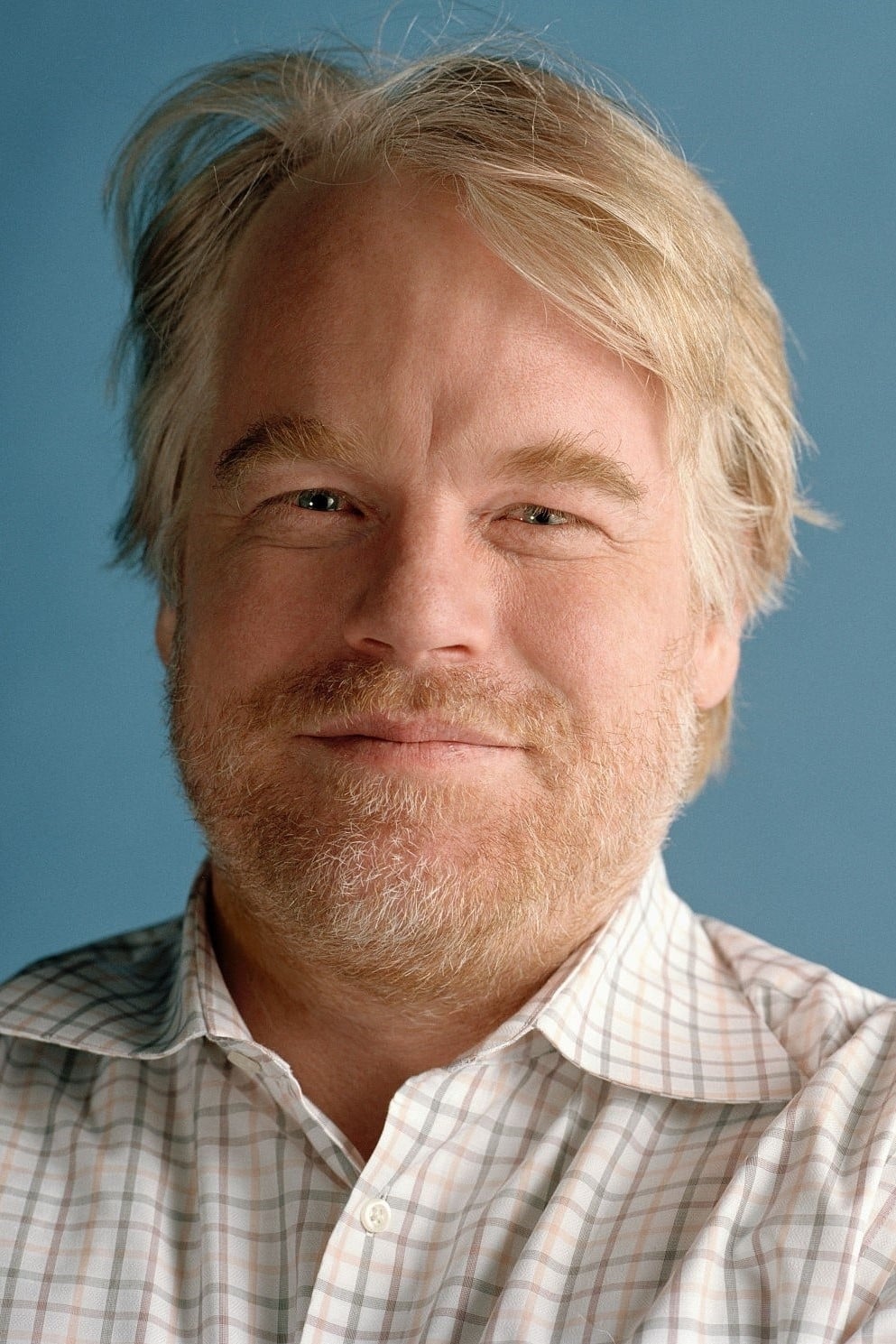
Philip Seymour Hoffman was known for his incredible range and his ability to find the profound humanity in deeply flawed or eccentric characters. In ‘Capote’, he meticulously recreated the voice and mannerisms of the author without ever lapsing into caricature or imitation. He often chose roles that required a high degree of emotional transparency and intellectual rigor. His performances in films like ‘The Master’ demonstrated a command of subtext and physical presence that felt ahead of contemporary standards. Hoffman’s legacy is defined by his consistent ability to bring a modern, unvarnished truth to every role he inhabited.
Peter Lorre
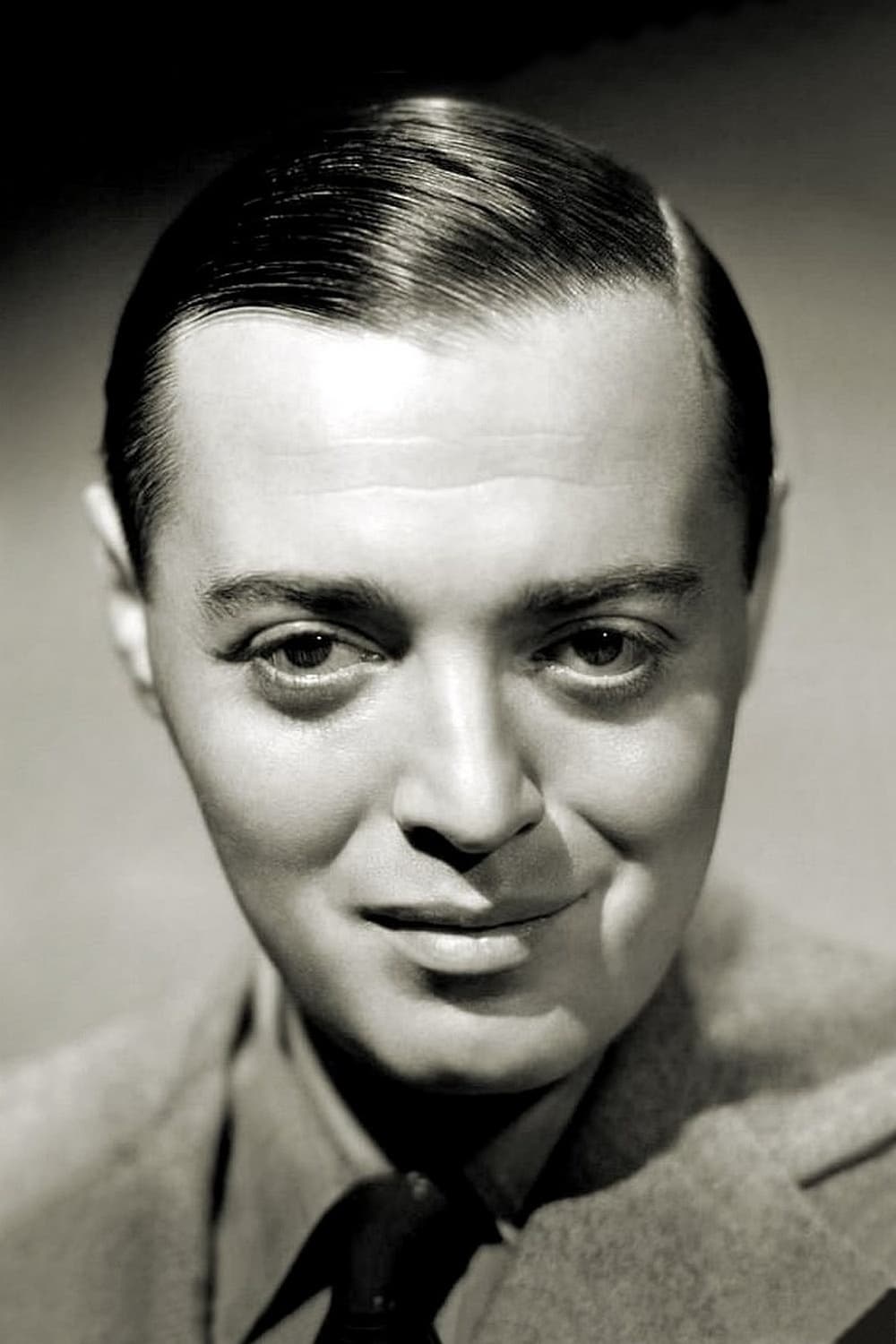
Peter Lorre delivered a chillingly modern performance in the 1931 German film ‘M’, where he played a complex and tormented serial killer. At a time when many actors were still using the broad gestures of silent cinema, Lorre used his eyes and voice to convey a terrifying sense of psychological collapse. He managed to elicit a strange sense of empathy for a monster, a feat of characterization that was highly sophisticated for the period. His ability to blend menace with vulnerability made his work stand out in both European and Hollywood productions. Lorre’s psychological approach to horror and suspense set a standard for the “sympathetic villain” trope.
River Phoenix
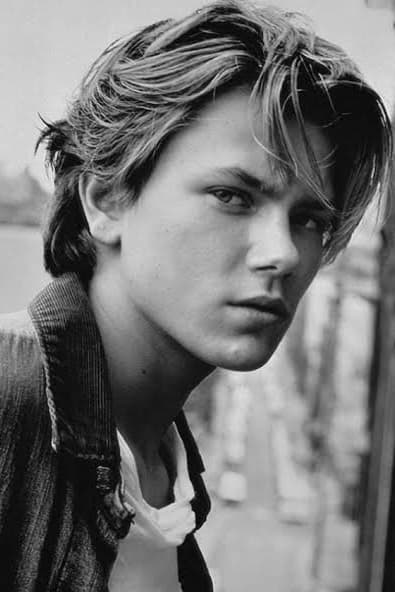
River Phoenix was recognized for a naturalistic and soulful acting style that made him a standout talent of the late 1980s and early 1990s. In ‘My Own Private Idaho’, he portrayed a street hustler with a level of raw vulnerability and improvisational freedom that felt decades ahead of its time. He had a unique ability to appear completely uncalculated on camera, as if the audience were witnessing private moments in real time. His performance in ‘Running on Empty’ displayed a maturity and emotional intelligence that transcended his young age. Phoenix’s approach to acting emphasized authenticity and emotional honesty over polished technical delivery.
Anthony Perkins
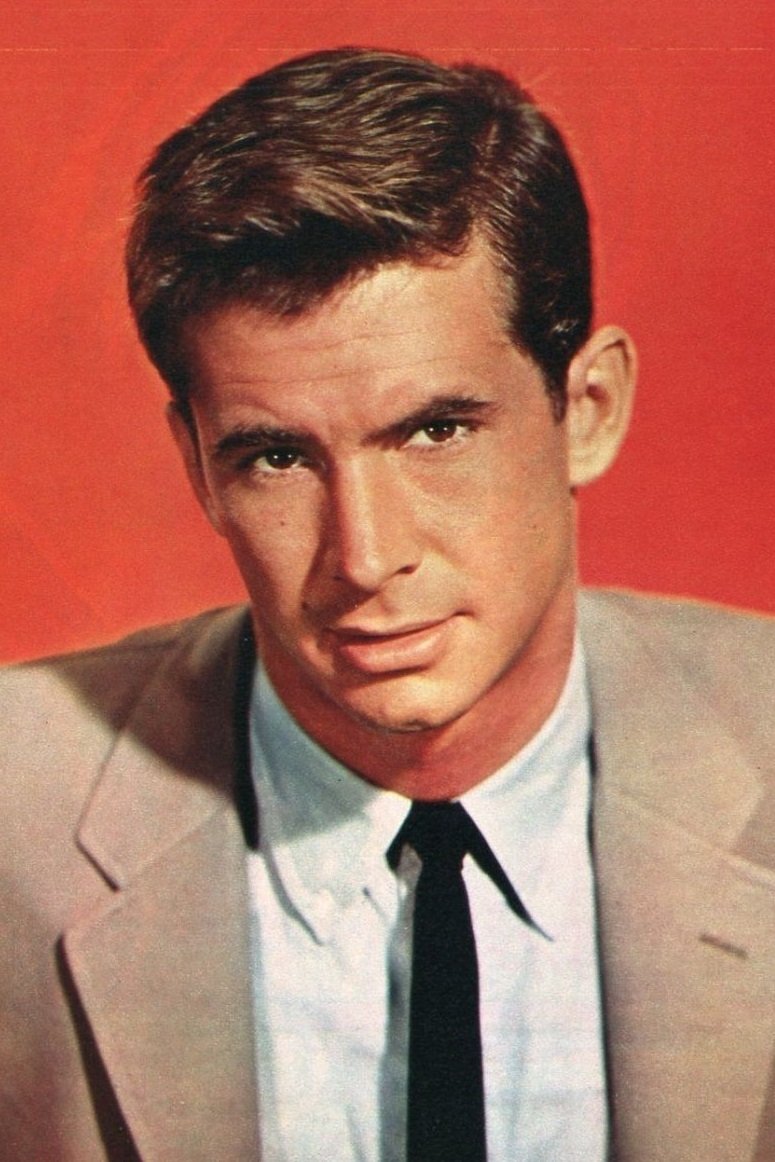
Anthony Perkins changed the landscape of the thriller genre with his portrayal of Norman Bates in ‘Psycho’. He chose to play the character with a stuttering, boyish charm that made the eventual reveal of his true nature significantly more shocking. This subversion of the typical “scary” villain introduced the concept of the “neighborly” psychopath to a mainstream audience. Perkins used subtle nervous habits and awkward social cues to build a character that was deeply layered and psychologically consistent. His performance remains one of the most studied examples of how to build tension through character nuance.
Buster Keaton
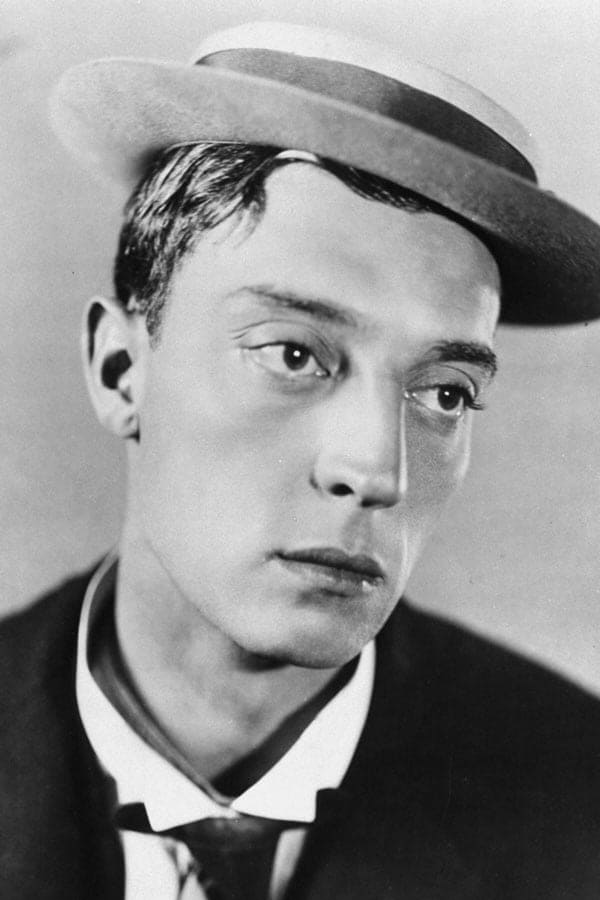
Buster Keaton was a pioneer of physical comedy whose stunt work and deadpan delivery remain technically impressive by modern standards. In ‘The General’, he performed dangerous, intricate stunts with a stoic expression that became his trademark and influenced the “deadpan” style of comedy. His understanding of framing, pacing, and visual storytelling was far more advanced than many of his contemporaries in the silent era. Keaton’s films relied on environmental interaction and physical ingenuity rather than simple slapstick or exaggerated faces. His work continues to be a major influence on both action directors and comedic performers today.
Lon Chaney
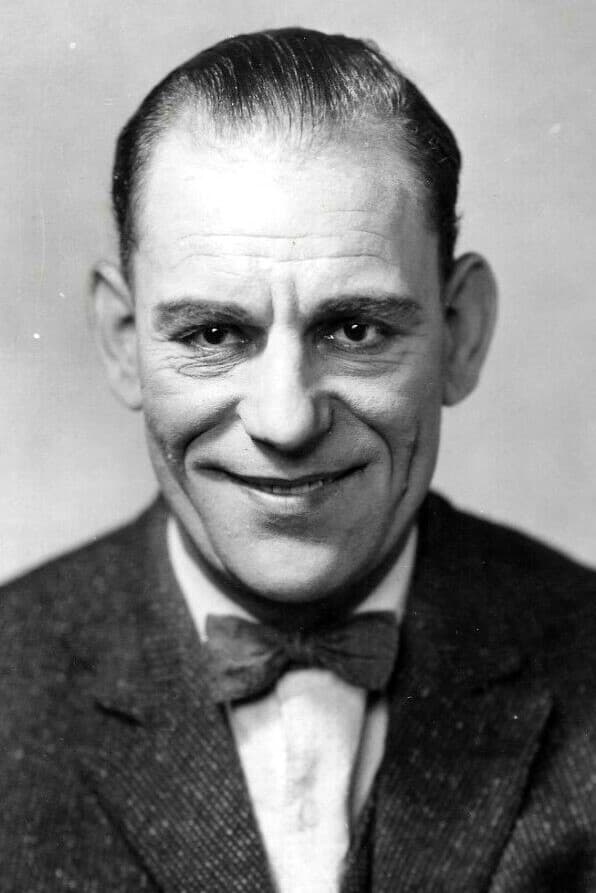
Lon Chaney, known as the Man of a Thousand Faces, was a pioneer in the art of physical transformation and special effects makeup. In ‘The Phantom of the Opera’, he created a terrifying aesthetic that relied on his own ingenuity and tolerance for physical discomfort. Beyond his makeup, Chaney was a master of using body language to convey profound sorrow and social alienation in his characters. He brought a psychological depth to silent-era monsters that made them more than just sources of fear. His dedication to character immersion and technical craft set the stage for modern prosthetic work in film.
Toshirō Mifune
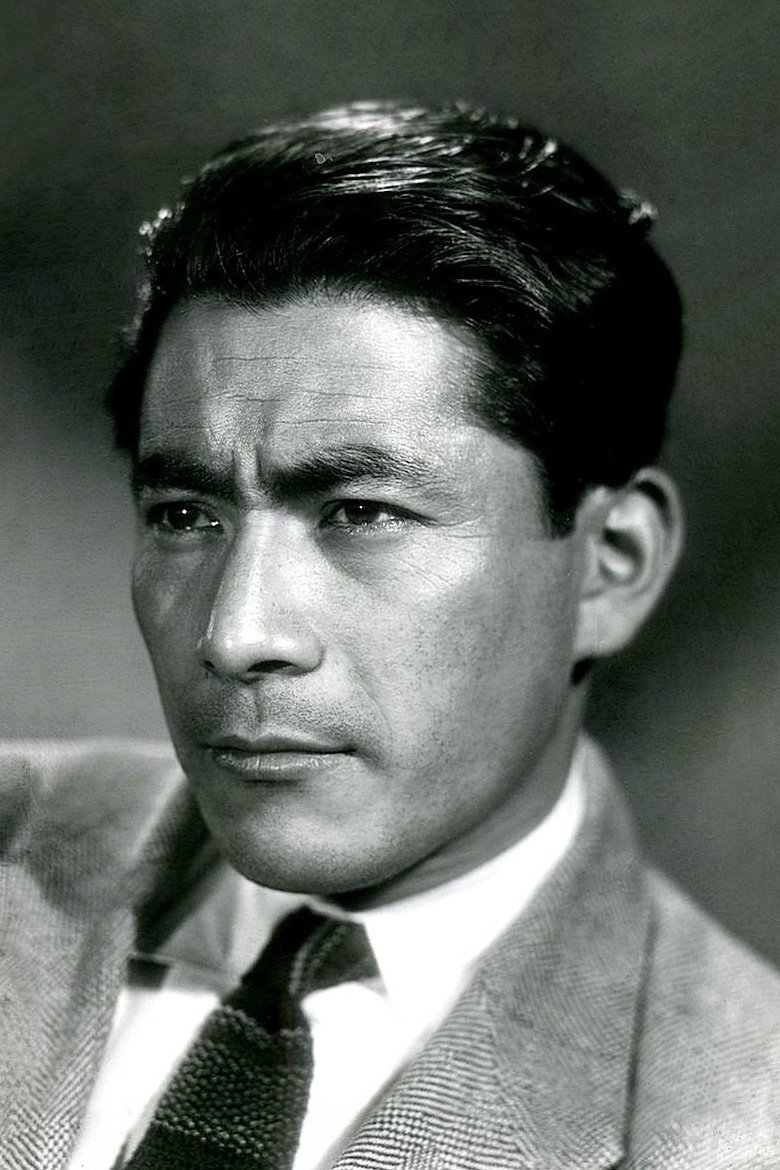
Toshiro Mifune brought a feral, explosive energy to Japanese cinema that had a profound global impact on the action genre. In ‘Seven Samurai’, his performance was characterized by a manic physicality and a range of expressions that broke from the more restrained traditions of Japanese acting. He could shift instantly from comedic buffoonery to intense, tragic violence, demonstrating a versatile and modern range. Mifune’s collaboration with director Akira Kurosawa produced some of the most iconic and physically demanding performances in film history. His presence on screen was so commanding that it influenced the “tough guy” archetypes found in Westerns and modern action films.
Bruce Lee
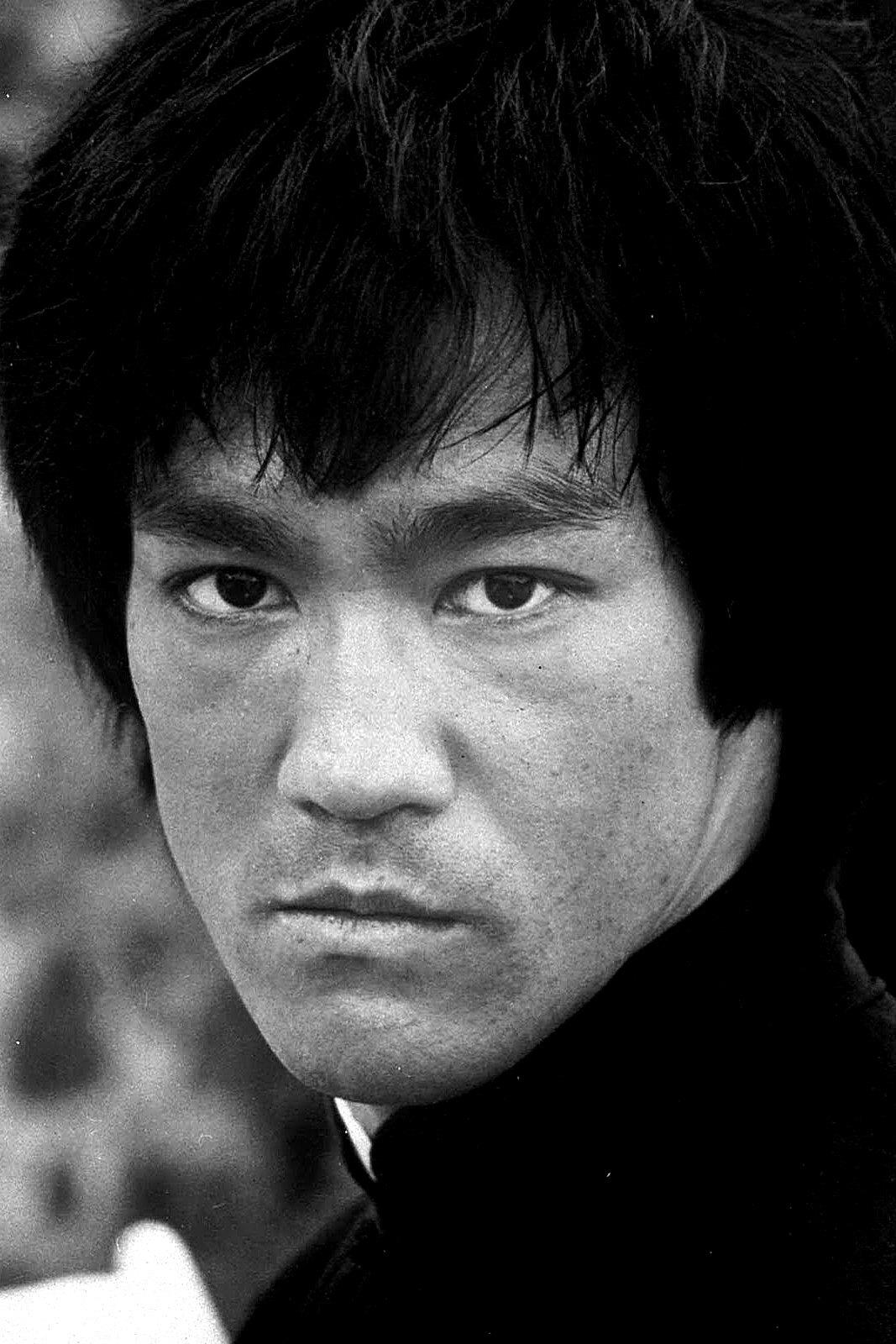
Bruce Lee transformed the martial arts genre by introducing a level of speed, realism, and philosophy that had never been captured on film. In ‘Enter the Dragon’, his movements were so fast that cameras had to be adjusted to properly record his strikes. He moved away from the choreographed, dance-like fighting of earlier films in favor of a practical and efficient style known as Jeet Kune Do. Lee also brought a charismatic and intense screen presence that challenged racial stereotypes in Hollywood. His legacy is defined by his commitment to physical perfection and his role in making martial arts a global cinematic phenomenon.
Robert Walker
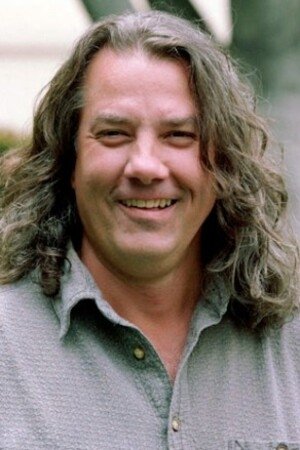
Robert Walker delivered a sophisticated and chilling performance as Bruno Antony in the 1951 film ‘Strangers on a Train’. He portrayed a sociopath with a playful, almost flirtatious charm that was a radical departure from the snarling villains of the era. Walker used a light, conversational tone to discuss murder, creating a sense of unease that felt disturbingly modern. His ability to appear both sophisticated and completely unhinged made him one of the most effective antagonists in Hitchcock’s filmography. This nuanced take on the psychopathic personality anticipated the complex anti-heroes and villains of modern psychological thrillers.
Gene Wilder
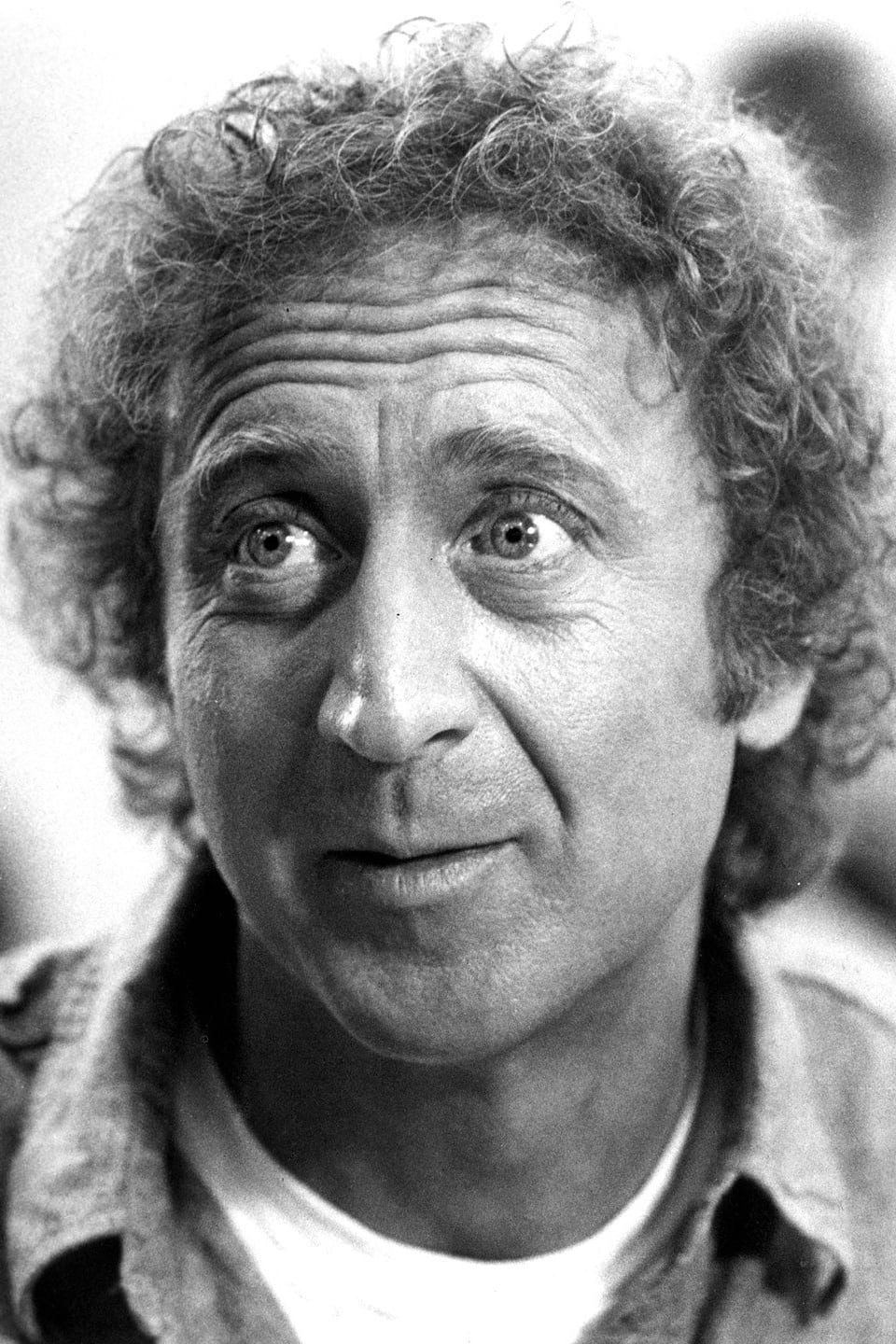
Gene Wilder possessed a unique comedic timing that relied on sudden shifts from calm restraint to manic obsession. In ‘Young Frankenstein’, his performance as Dr. Frederick Frankenstein showed a brilliant use of neurotic energy and subtle physical comedy. He often played characters who were barely holding their sanity together, a relatable and modern comedic trope. Wilder’s work in ‘Willy Wonka & the Chocolate Factory’ showcased his ability to be both whimsical and slightly menacing at the same time. His style of comedy was intellectual and character-driven, rather than relying on simple gags or punchlines.
Robin Williams
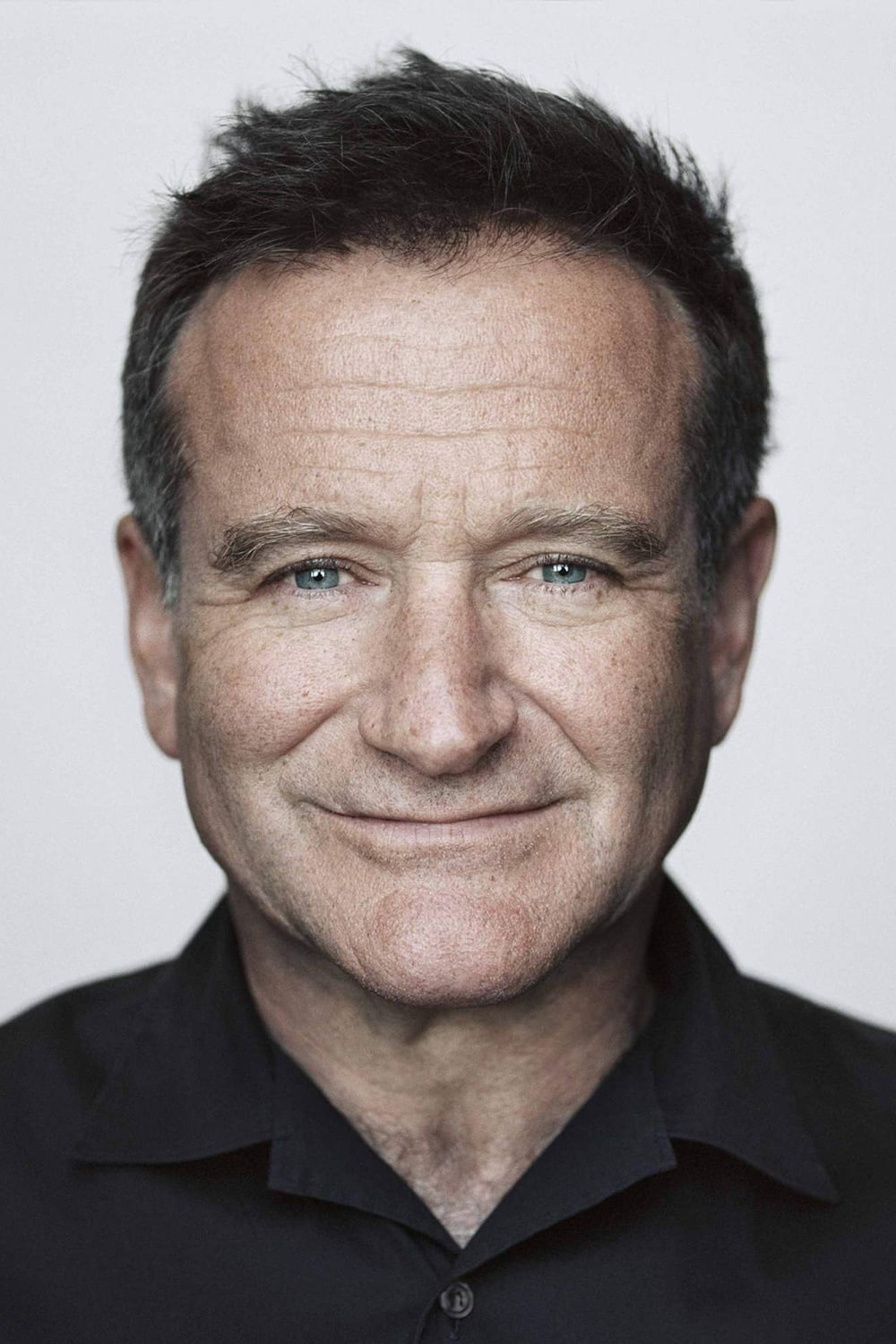
Robin Williams was a master of rapid-fire improvisation and emotional depth, often blending the two in a single performance. In ‘Good Will Hunting’, he stepped away from his high-energy persona to deliver a restrained, soulful performance that won him an Academy Award. His ability to pivot from chaotic comedy to intense drama made him a uniquely versatile performer in Hollywood history. In films like ‘The Fisher King’, he explored themes of mental illness and trauma with a sensitivity that was ahead of its time. Williams’ legacy is one of boundless creativity and a deep, empathetic connection to the human condition.
Steve McQueen
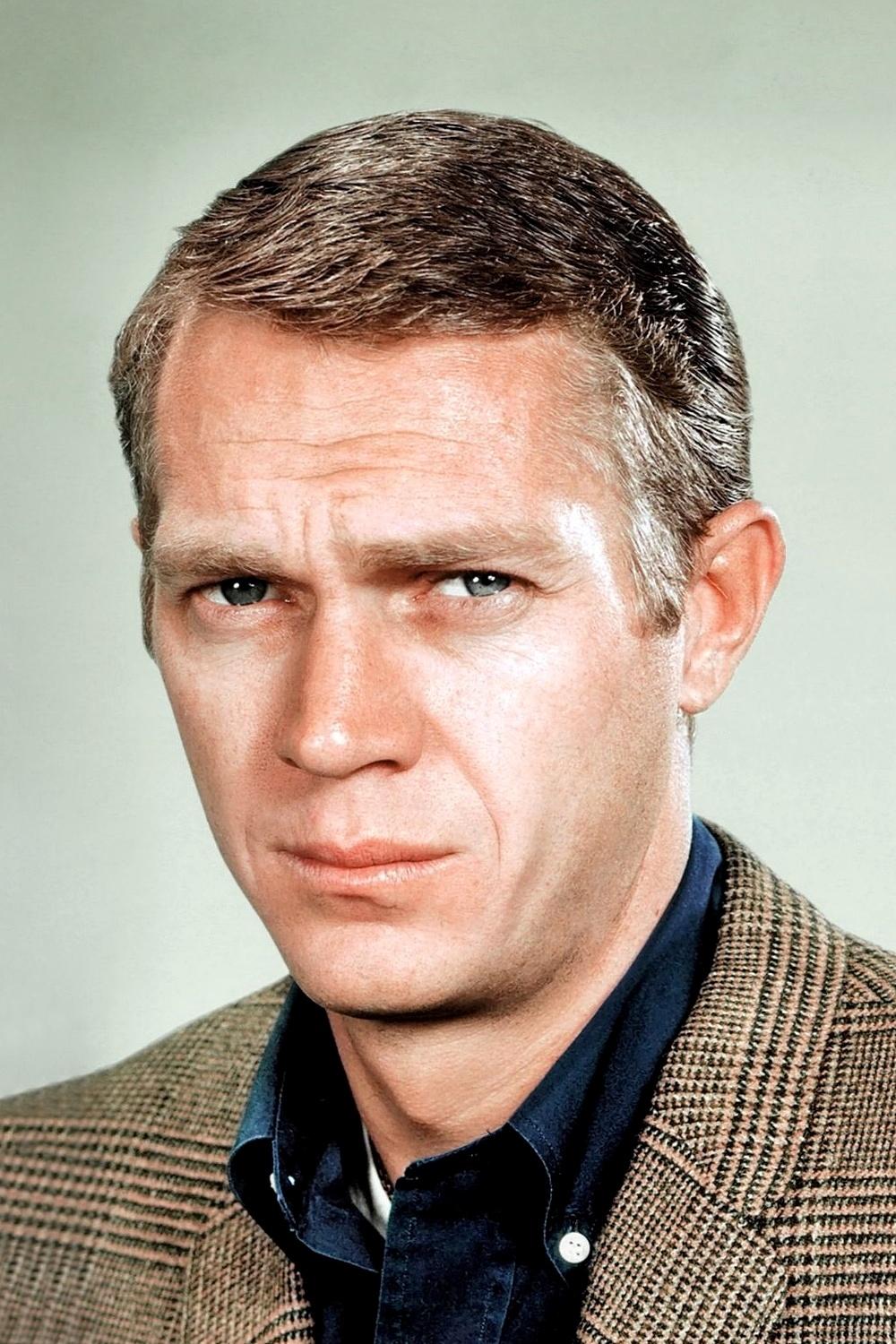
Steve McQueen was the ultimate practitioner of “less is more” acting, relying on his physical presence and the camera’s gaze rather than long monologues. In ‘Bullitt’, he defined the modern action hero through his cool detachment and calculated movements. He understood the power of silence and the importance of looking like a person who was actually performing the tasks required by the plot. McQueen often did his own stunts, which added a level of grit and realism to his films that was uncommon in the 1960s. his minimalist style remains a blueprint for the understated masculinity seen in contemporary action cinema.
Laurence Olivier
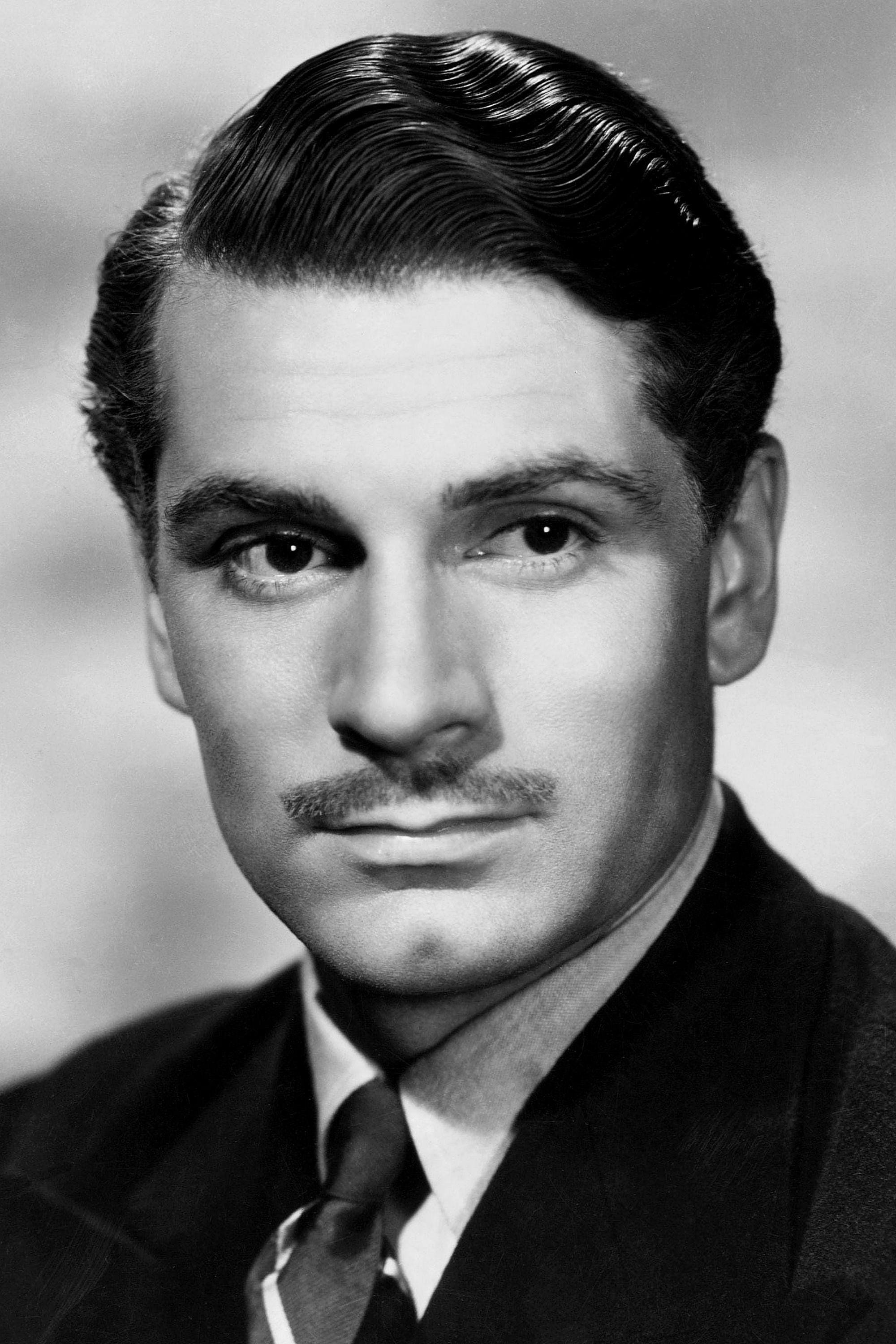
Laurence Olivier was instrumental in bringing the complexity of Shakespearean theater to the cinematic screen with modern psychological insight. In his 1948 version of ‘Hamlet’, he utilized deep focus photography and film noir techniques to explore the protagonist’s fractured psyche. He treated the text as a living, breathing emotional journey rather than a static piece of classic literature. Olivier’s work in ‘Rebecca’ demonstrated his ability to play a modern, brooding romantic lead with hidden depths of guilt. He was a pioneer in adapting classical acting techniques for the intimate and technological requirements of film.
Paul Newman
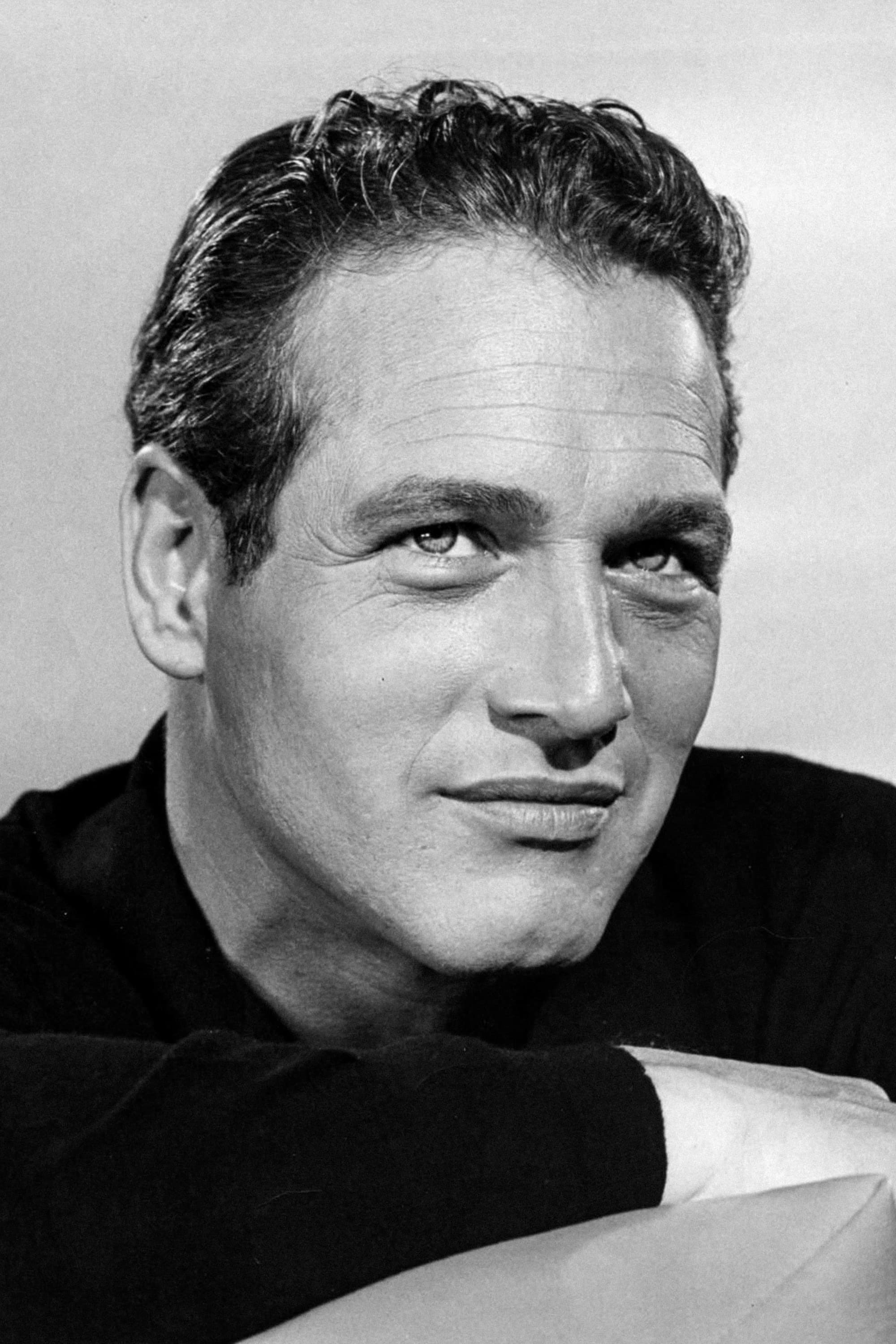
Paul Newman brought a cool, rebellious energy to the screen that made him the definitive anti-hero of the late 20th century. In ‘The Hustler’, he portrayed a character driven by pride and self-destruction with a level of grit that was rare for a leading man in 1961. He possessed a naturalistic charm that allowed him to remain likable even when playing morally ambiguous or cynical men. Newman’s commitment to his craft led him to embrace the Method, which added layers of realism to his work in ‘Cool Hand Luke’. His career is a testament to how an actor can maintain stardom while consistently challenging the audience’s expectations.
Richard Burton

Richard Burton was celebrated for a voice of incredible power and a screen presence that crackled with intellectual intensity. In ‘Who’s Afraid of Virginia Woolf?’, he and Elizabeth Taylor delivered raw, abrasive performances that pushed the boundaries of what was allowed on screen in 1966. He excelled at playing weary, articulate men who were haunted by their own intelligence or past failures. Burton’s ability to handle complex, dialogue-heavy scripts with natural ease made him a favorite of modern playwrights and directors. His work often focused on the darker, more visceral aspects of the human experience.
Marcello Mastroianni
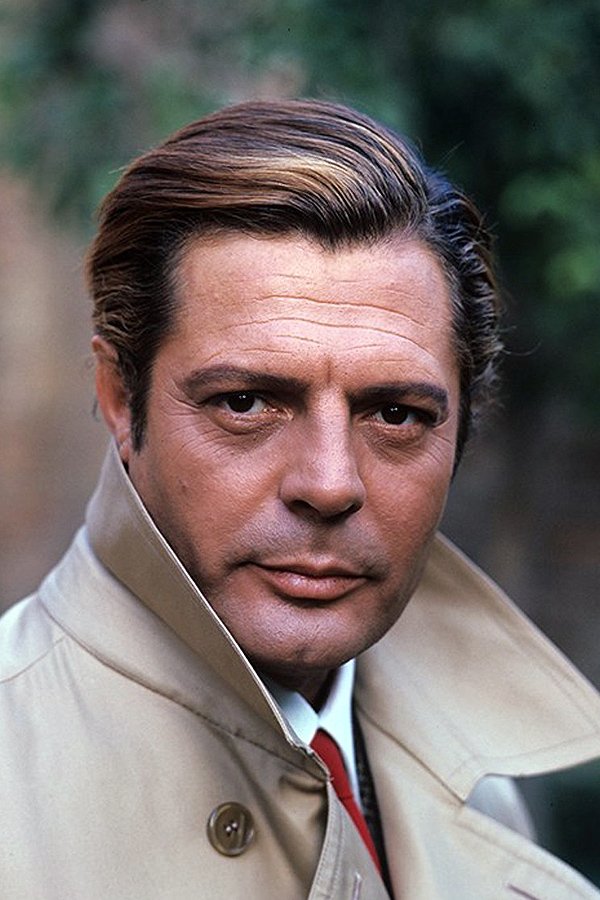
Marcello Mastroianni was the face of European existentialism, bringing a weary, sophisticated charm to the films of Federico Fellini. In ‘La Dolce Vita’, he perfectly captured the aimlessness and spiritual vacuum of modern celebrity culture. He was a master of the “passive” performance, where the character’s internal life is reflected in their reactions to the world around them. Mastroianni avoided the over-the-top dramatics often associated with Latin lovers, opting instead for a subtle, ironic detachment. His work remains a high-water mark for the portrayal of modern masculine identity and urban alienation.
Vincent Price
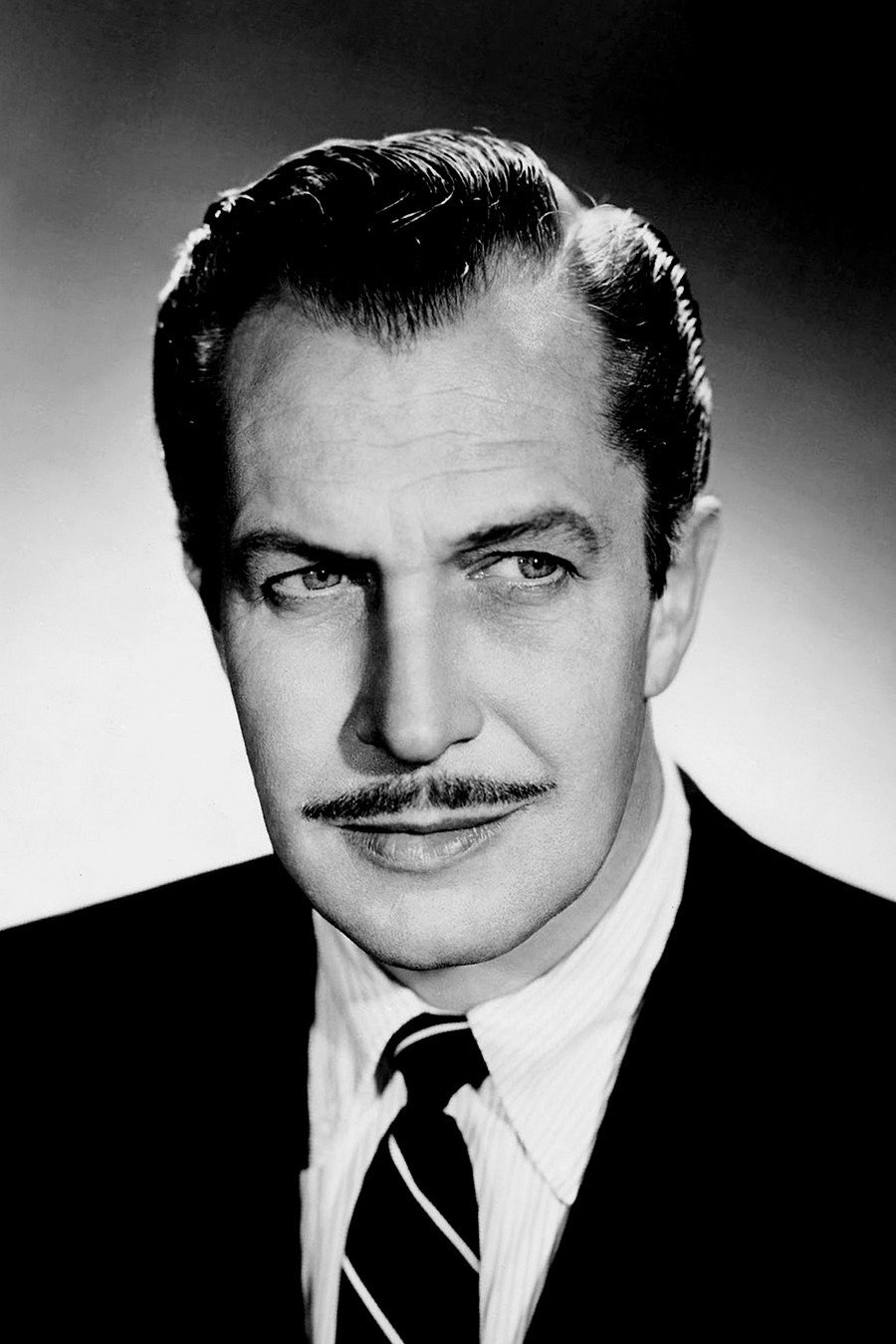
Vincent Price brought a unique blend of high-art theatricality and camp sensibility to the horror genre, making him a cult icon. In ‘The Masque of the Red Death’, he delivered a performance that was both elegant and terrifying, emphasizing the intellectual cruelty of his character. He understood how to play to the back of the room while still maintaining a sharp, cinematic focus. Price’s voice and stature were used to create a specific brand of gothic horror that felt both classical and subversive. He embraced the darker elements of the human psyche with a theatrical flair that influenced the modern aesthetic of horror.
Peter Sellers
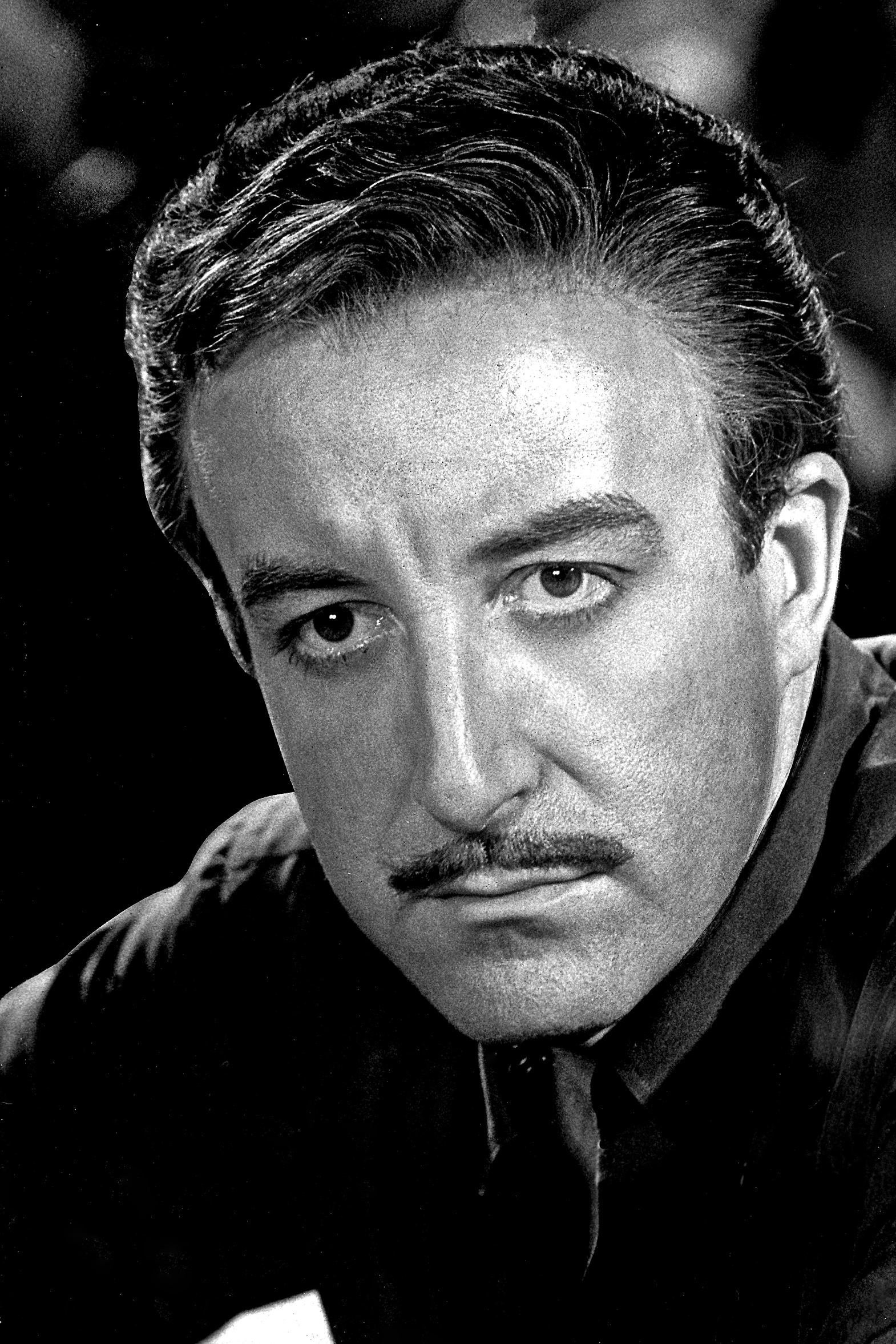
Peter Sellers was a comedic chameleon who utilized makeup, accents, and physical transformations to disappear entirely into his roles. In ‘Dr. Strangelove’, he played three distinct characters, each with their own unique voice and personality, highlighting his incredible range. He was an early practitioner of “cringe” comedy and satire, often playing characters who were blissfully unaware of their own incompetence. Sellers’ performance in ‘Being There’ was a masterclass in minimalism, where he used a blank slate of a character to reflect the world’s absurdities. His ability to balance broad slapstick with sharp social commentary was truly ahead of its time.
Boris Karloff
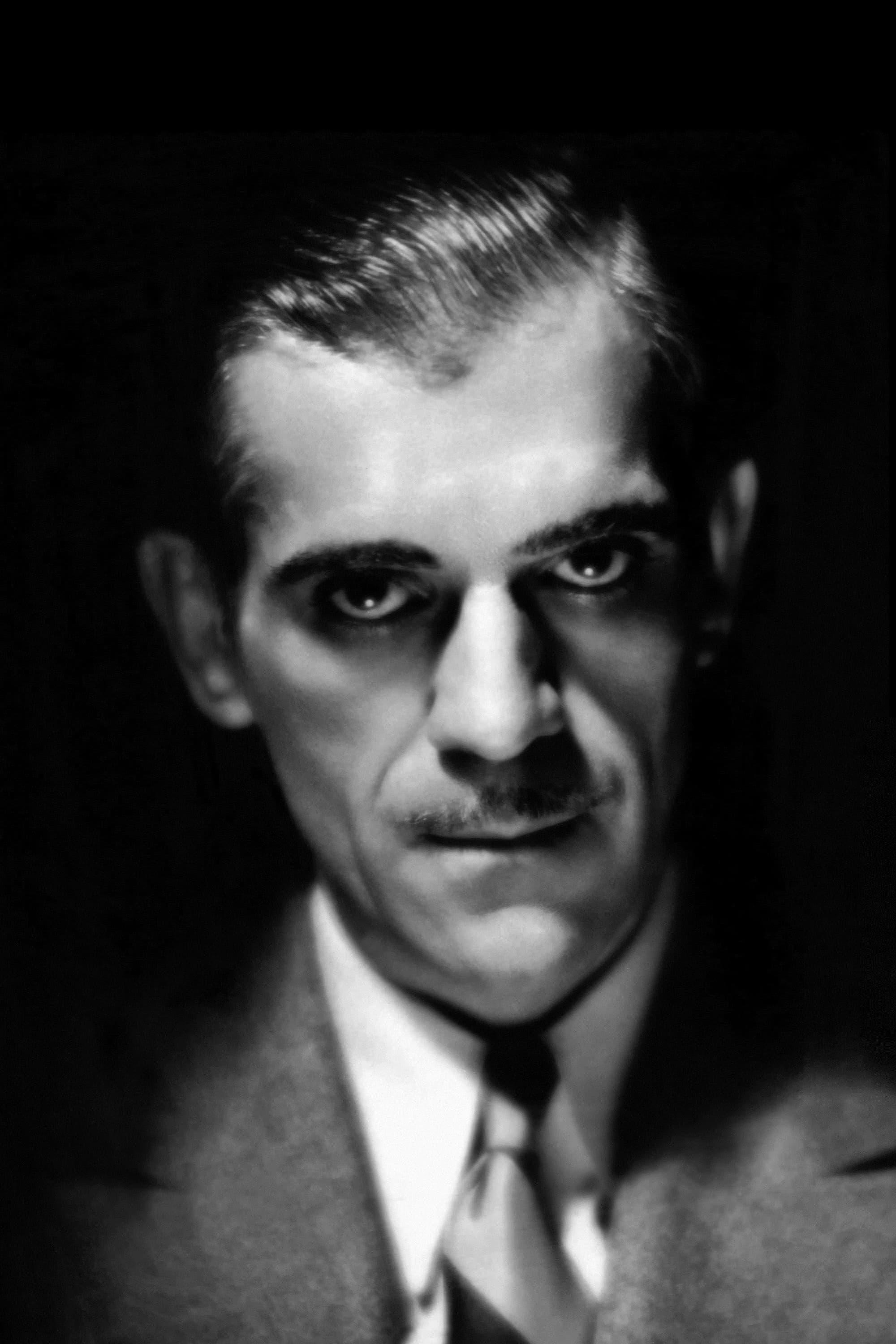
Boris Karloff brought an unexpected pathos and dignity to the role of the Monster in ‘Frankenstein’, elevating the character above a simple movie beast. He used his eyes and heavy, laboured movements to convey the suffering and confusion of a creature brought into a world that hated it. At a time when horror was often seen as low-brow entertainment, Karloff’s performance was deeply psychological and empathetic. He continued to refine this approach in films like ‘The Mummy’, where he played ancient characters with a sense of tragic history. Karloff’s work proved that even the most fantastical characters could be grounded in human emotion.
Humphrey Bogart
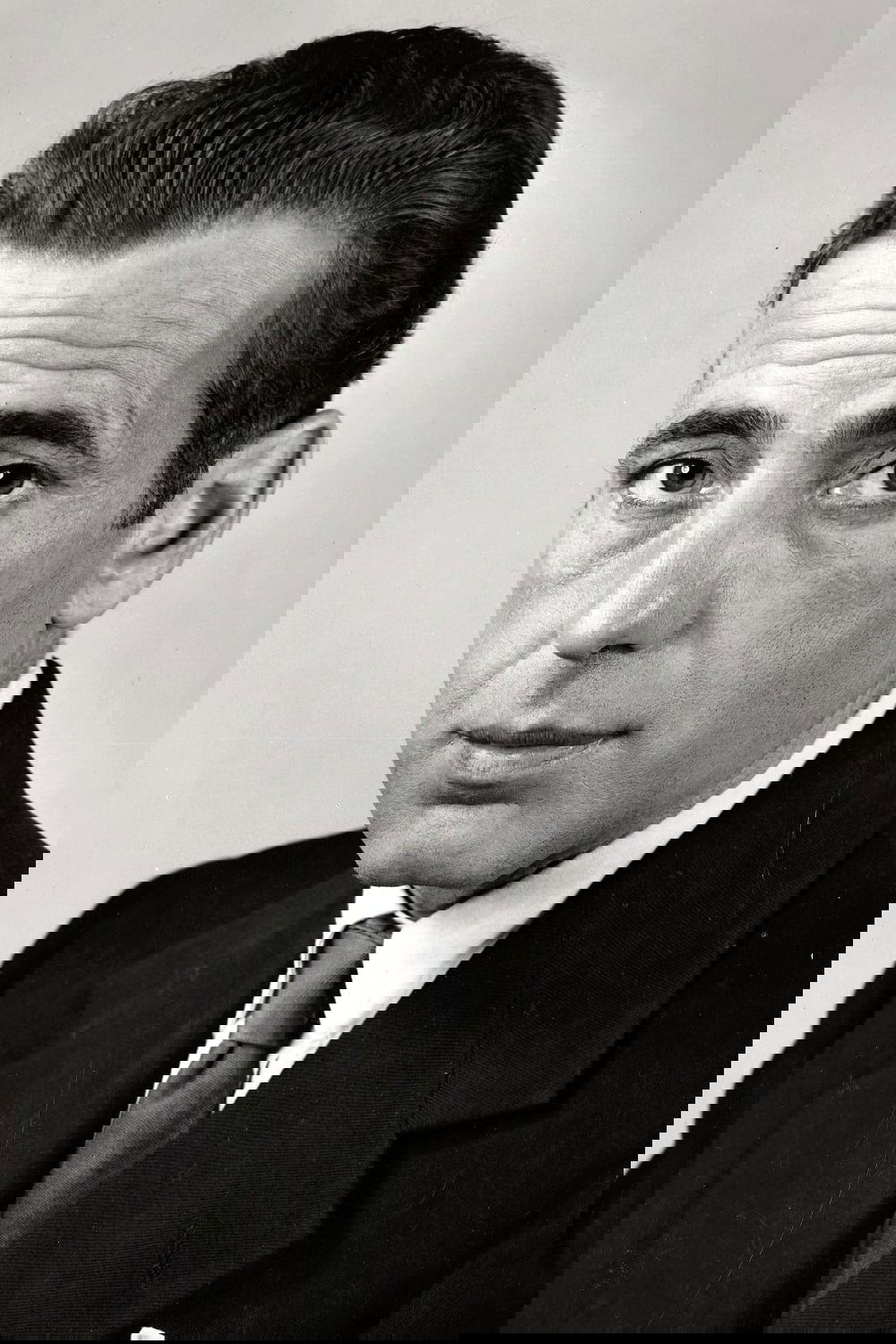
Humphrey Bogart created the archetype of the cynical, world-weary anti-hero who nonetheless operates by a personal moral code. In ‘The Maltese Falcon’, his portrayal of Sam Spade was fast-talking, tough, and emotionally guarded, setting the standard for film noir. He moved away from the polished leading man image of the 1930s to play men who were battered by life and skeptical of authority. His performance in ‘Casablanca’ showcased a modern sense of romantic sacrifice and political ambiguity. Bogart’s understated style and distinctive “tough guy” persona remain some of the most imitated in cinematic history.
Klaus Kinski
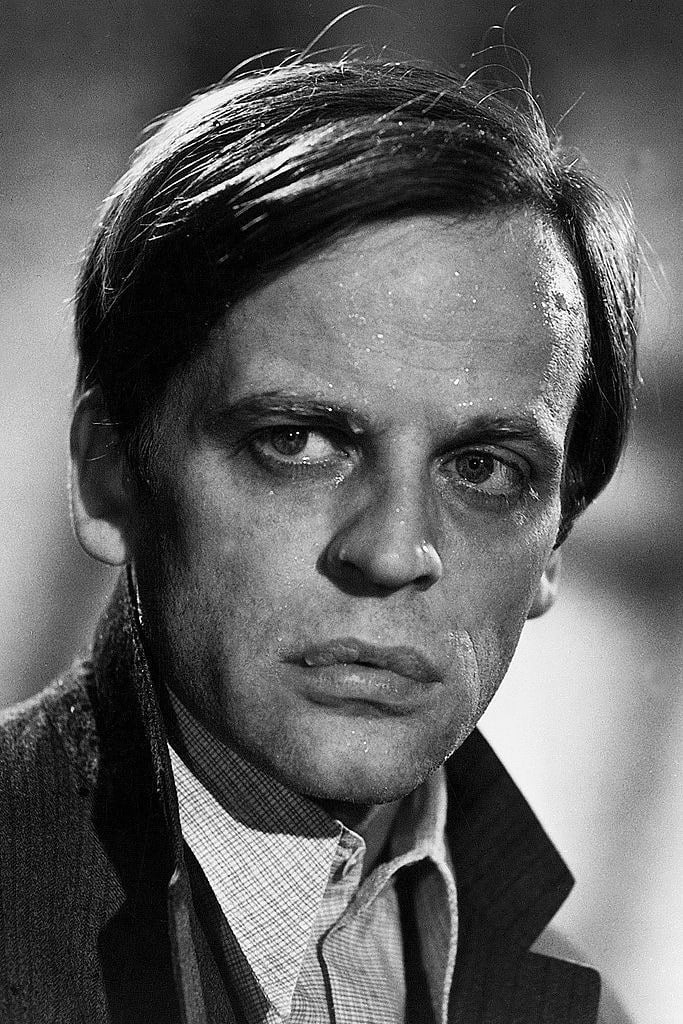
Klaus Kinski was known for his extreme intensity and his ability to portray obsession on a grand, almost operatic scale. In ‘Aguirre, the Wrath of God’, he played a conquistador descending into madness with a terrifyingly focused and erratic energy. He often collaborated with director Werner Herzog to create characters that were pushed to their physical and psychological limits in real environments. Kinski’s performances were unpredictable and often felt as though he were truly living the mania of the character. His raw, unhinged style of acting was a precursor to the radical immersion seen in contemporary experimental film.
Rod Steiger
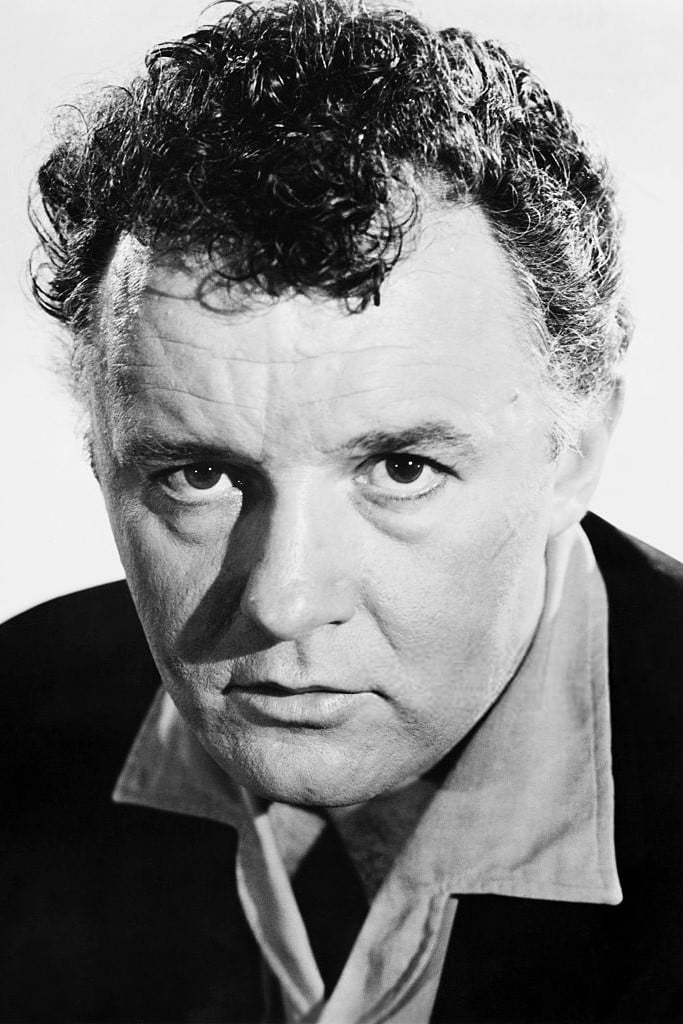
Rod Steiger was a devoted practitioner of Method acting who brought a high degree of emotional volatility and technical precision to his roles. In ‘In the Heat of the Night’, he played a Southern police chief with a complex mixture of prejudice and professional respect. He was known for his extensive research and his ability to improvise within a scene to find a more authentic emotional beat. Steiger’s performance in ‘The Pawnbroker’ was a landmark in the portrayal of trauma and emotional repression on screen. His dedication to exploring the darker corners of the human heart made his work stand out in the 1950s and 60s.
Charles Laughton
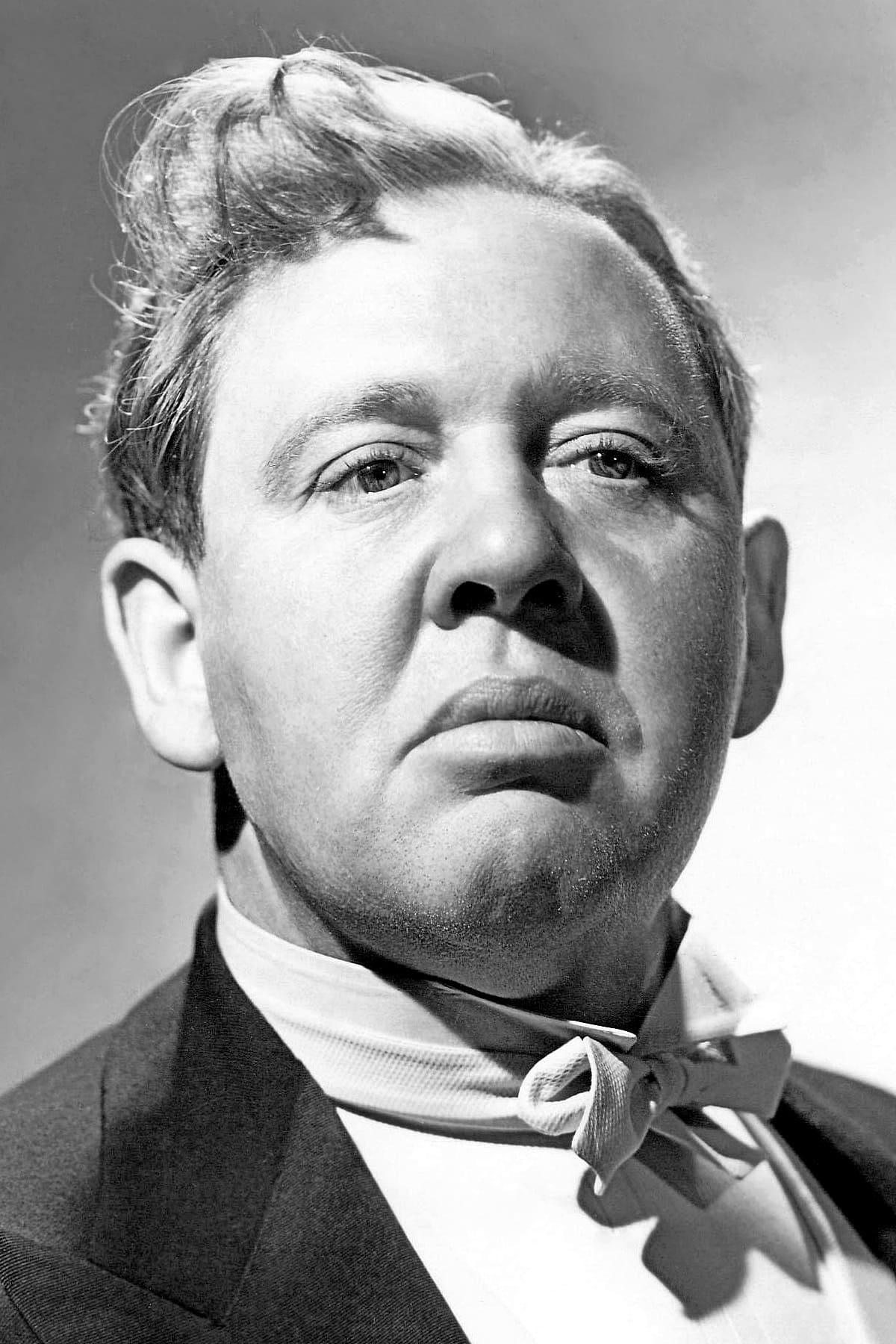
Charles Laughton was a character actor who possessed the screen presence of a leading man and a penchant for bold, psychological transformations. In ‘The Hunchback of Notre Dame’, he utilized heavy prosthetics and a deeply physical performance to evoke intense sympathy for Quasimodo. He was never afraid to appear grotesque or vulnerable, often pushing his characters to emotional extremes. Laughton’s voice and timing were impeccable, allowing him to dominate scenes with a sophisticated, intellectual authority. His work demonstrated that character acting could be just as nuanced and impactful as any traditional lead performance.
Edward G. Robinson
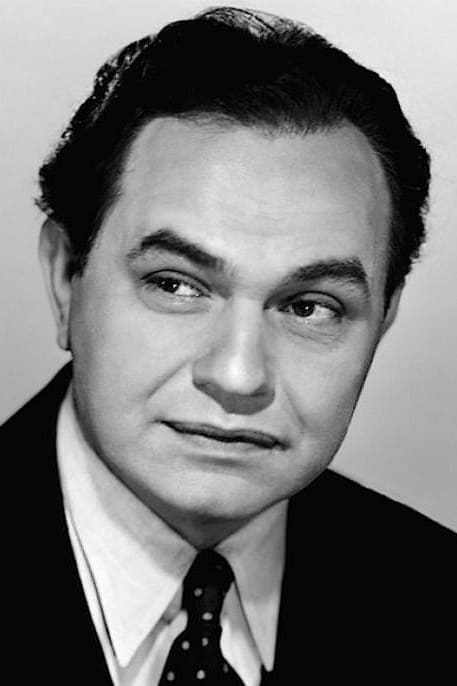
Edward G. Robinson helped define the gangster genre while simultaneously subverting the image of the simple hoodlum. In ‘Little Caesar’, he brought a tragic, almost Shakespearean quality to the rise and fall of a criminal, emphasizing his internal insecurities. Despite his small stature, Robinson had a commanding presence and a sharp, rhythmic delivery that felt incredibly modern. He later transitioned into sophisticated roles in films like ‘Double Indemnity’, where he played a shrewd, observant insurance investigator. Robinson’s ability to balance menace with intelligence and vulnerability made him one of the most versatile actors of his era.
James Mason
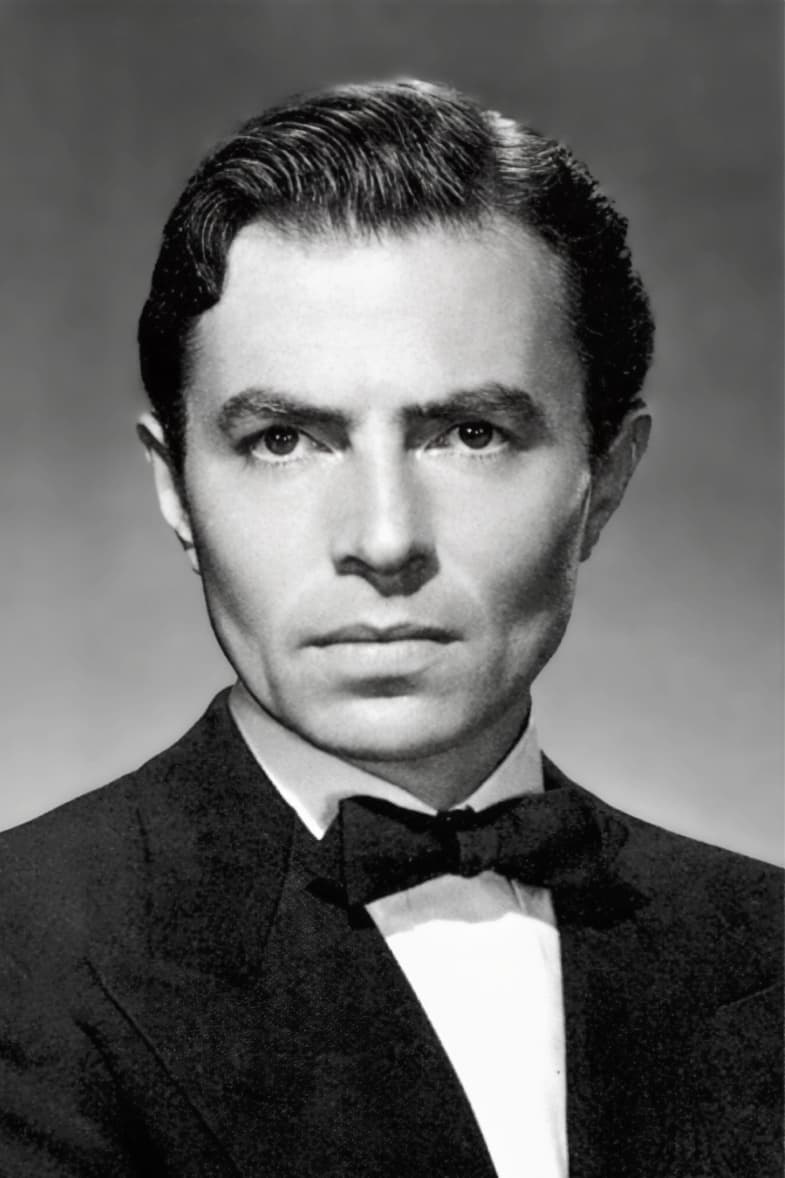
James Mason was master of the urbane, slightly cynical protagonist whose smooth exterior often masked a deep well of emotional conflict. In ‘A Star is Born’, he delivered a heartbreaking performance as an actor struggling with alcoholism and a fading career. He had a unique ability to convey a sense of intellectual weariness and moral ambiguity with just a change in his vocal tone. Mason’s work in ‘Lolita’ showcased his capacity for playing deeply problematic characters with a chilling, yet humanizing, complexity. His sophisticated and understated style was a major influence on the “modern gentleman” archetype in film.
John Cazale
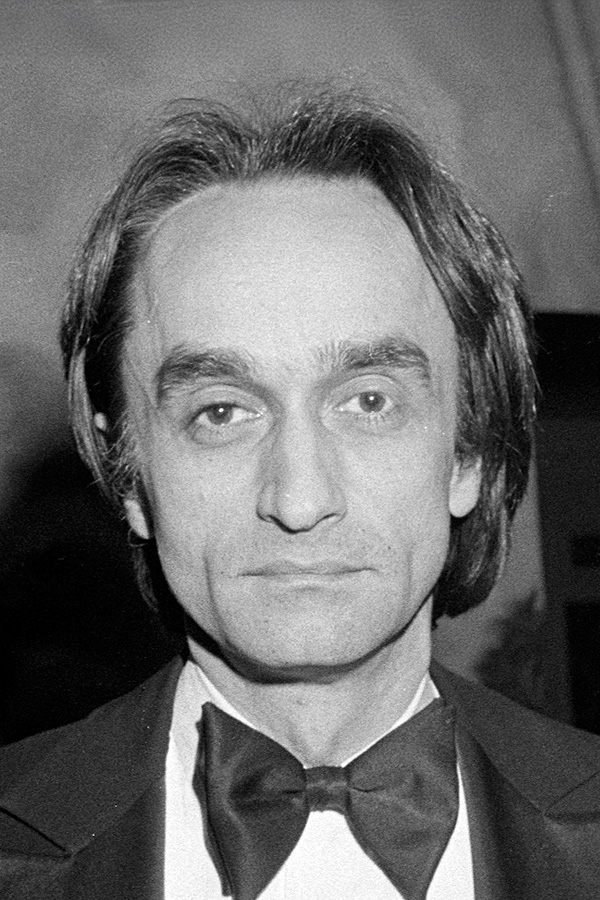
John Cazale appeared in only five feature films before his early death, but every one of them was nominated for the Academy Award for Best Picture. In ‘The Godfather’, his portrayal of Fredo Corleone was a masterclass in showing the quiet desperation and weakness of a man living in the shadow of giants. He had a unique, eccentric energy that made him stand out in ensembles filled with some of the greatest actors of all time. Cazale prioritized the specific, often uncomfortable truths of his characters over making them conventionally attractive or heroic. His legacy is one of perfect consistency and a profound understanding of the “outsider” perspective in modern drama.
Share your thoughts on which of these actors had the biggest impact on modern cinema in the comments.