


Deceased Celebs Whose Talent Was Underappreciated In Their Lifetime

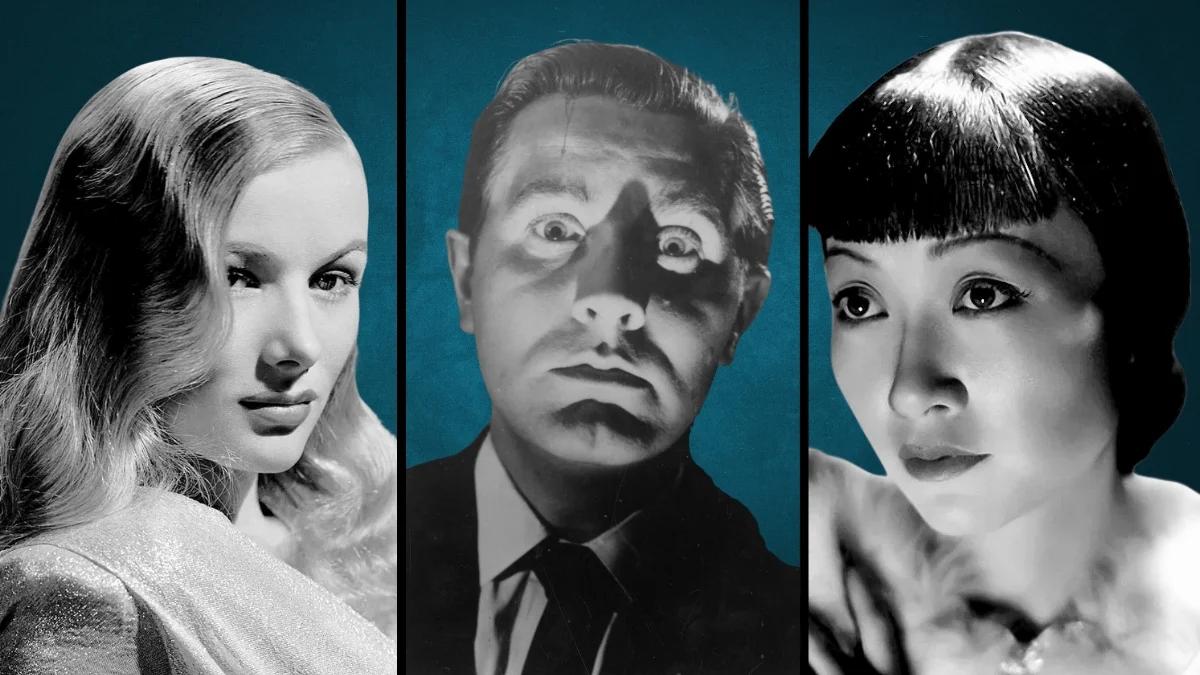


The entertainment industry often recognizes greatness long after a performer or creator has passed away. Many actors, directors, and artists have made significant contributions to cinema and television without receiving the accolades or financial security their work deserved while they were active. These individuals frequently faced systemic barriers, were relegated to character roles, or worked in genres that were not taken seriously by the contemporary establishment. This list highlights figures from the history of film and media whose influence and skill are now more fully understood than they were during their lives.
Edward D. Wood Jr.
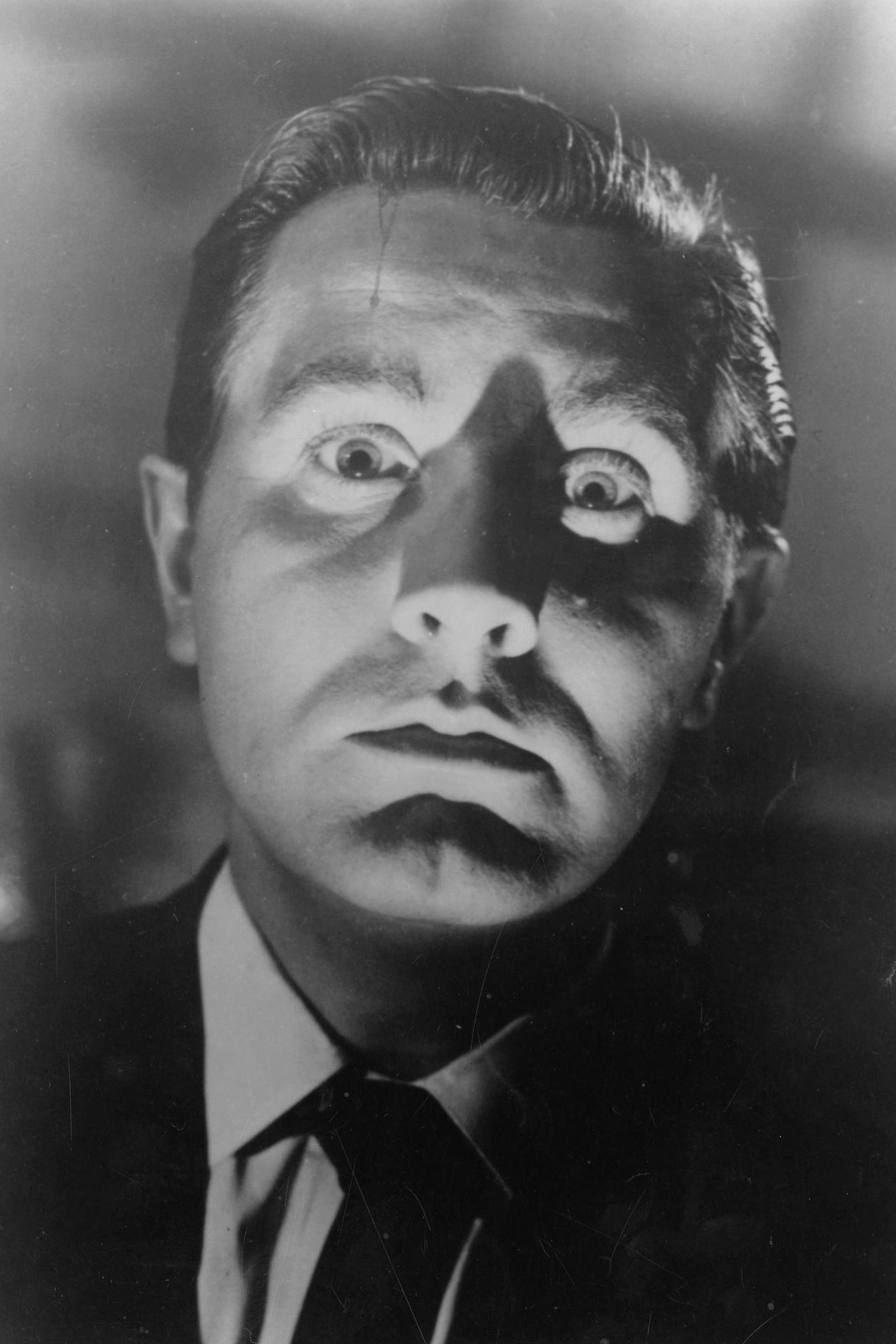
Edward Wood Jr. was an American filmmaker known for directing ‘Plan 9 from Outer Space’ and ‘Glen or Glenda’. He often filled multiple roles on his productions, including writer, director, and editor, despite working with extremely low budgets and minimal resources. During his career, his films were largely ignored by the mainstream industry or cited for their technical flaws and eccentric storytelling. It was not until the 1980 film book ‘The Golden Turkey Awards’ that his work gained a significant cult following. He passed away in 1978, years before his name became synonymous with a specific style of independent cult cinema.
Dorothy Dandridge
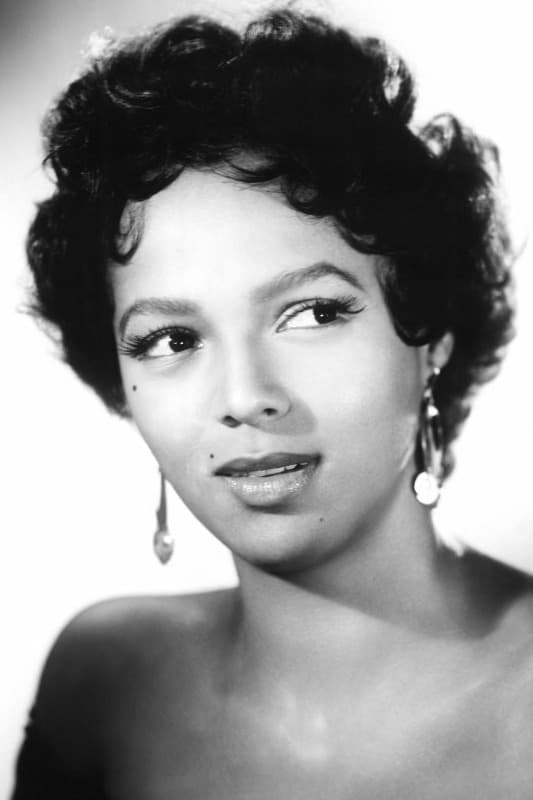
Dorothy Dandridge was the first African American woman nominated for an Academy Award for Best Actress for her performance in ‘Carmen Jones’. Despite her immense talent and screen presence, she faced limited opportunities due to the systemic racism of the 1950s film industry. She struggled to find roles that matched her caliber, often being relegated to supporting characters in films like ‘Island in the Sun’. Her career suffered as a result of the lack of diverse scripts available during her professional prime. Dandridge died at the age of 42, having never fully realized the heights of her potential in Hollywood.
Anna May Wong
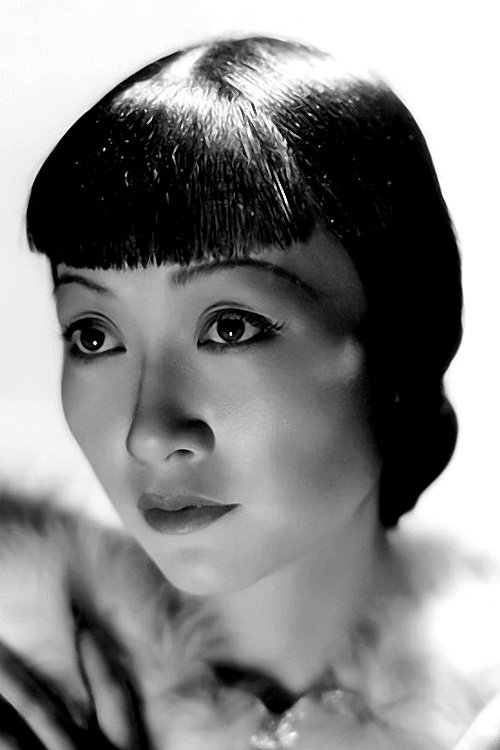
Anna May Wong was the first Chinese American Hollywood movie star, appearing in films like ‘The Thief of Bagdad’ and ‘Shanghai Express’. Throughout her career, she was frequently passed over for lead roles in favor of white actresses in yellowface makeup. She eventually moved to Europe to find more substantial work where her talent could be properly showcased without the restrictions of the Hays Code. Despite her pioneering efforts, she never received the level of leading-lady recognition in the United States that her European counterparts enjoyed. Her legacy was rehabilitated decades later as a pioneer for Asian representation in media.
Hedy Lamarr
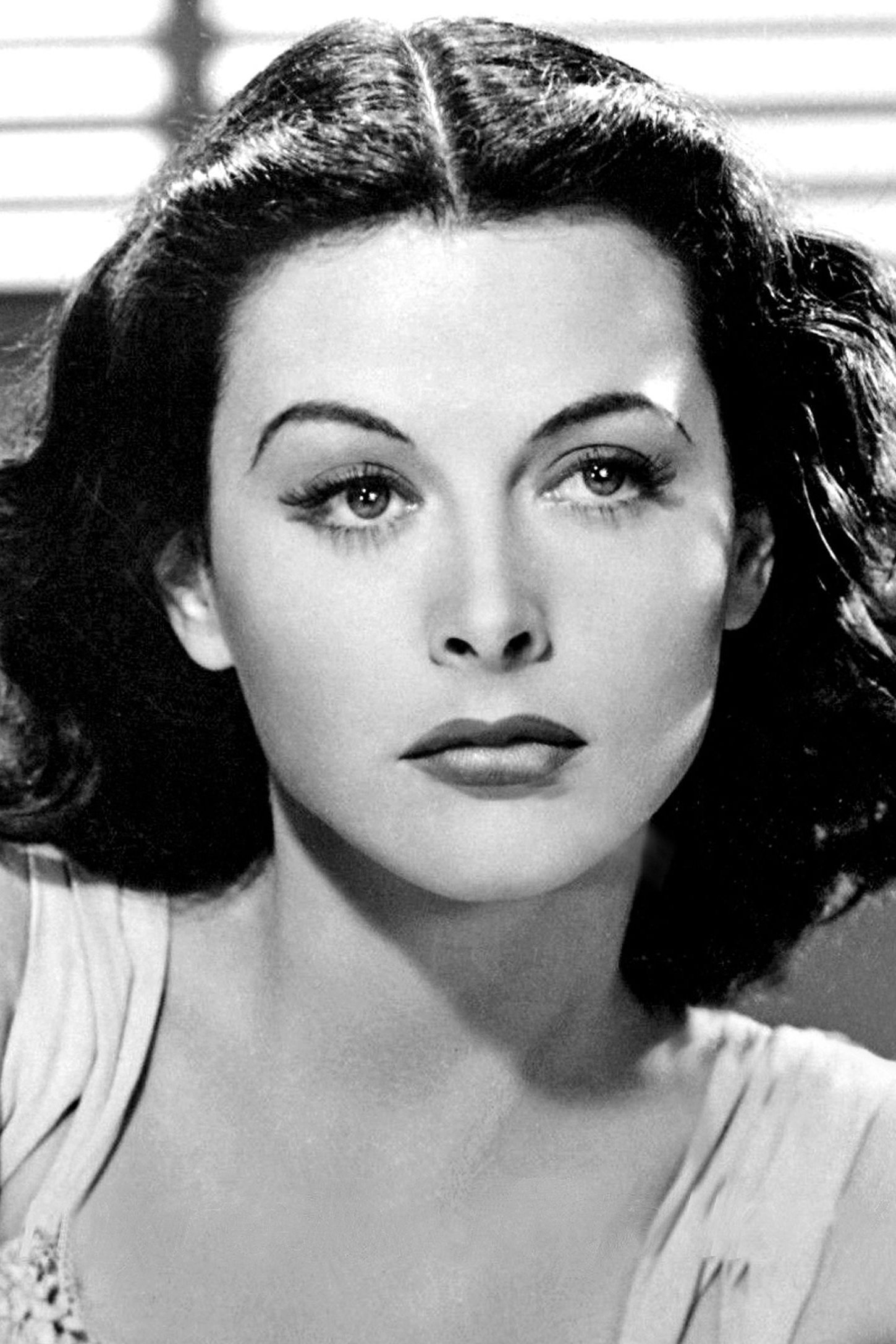
Hedy Lamarr was often marketed primarily for her beauty in films such as ‘Samson and Delilah’ and ‘Algiers’. While she was a successful actress, her intellectual contributions and technical talent were frequently overlooked by the public and the industry. During World War II, she co-invented a radio signaling device that utilized frequency hopping, a precursor to modern Wi-Fi and Bluetooth technology. This scientific achievement received little recognition at the time, as she was expected to focus solely on her acting career. She died in 2000, only receiving widespread credit for her technological vision in her final years and posthumously.
John Cazale
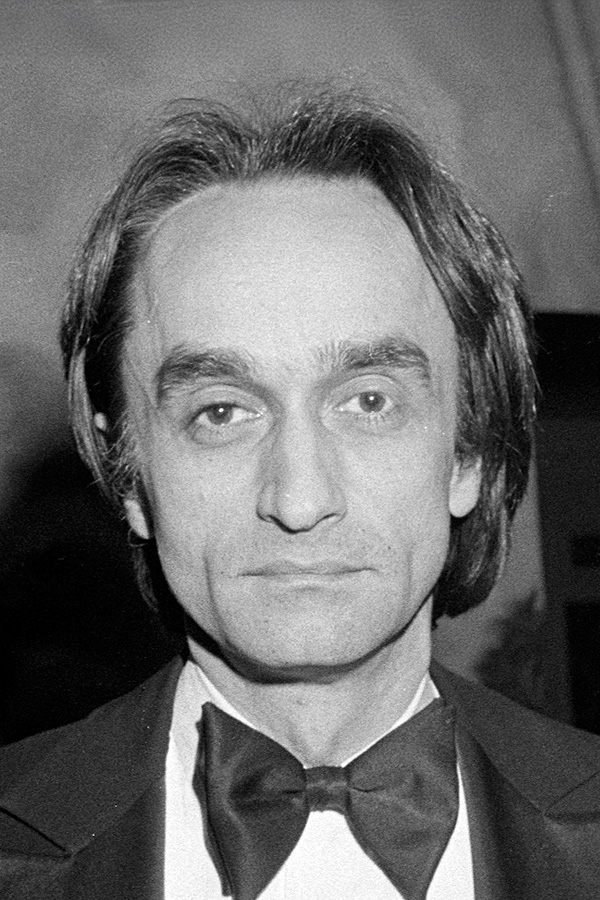
John Cazale appeared in only five feature films during his short career, and all five were nominated for the Academy Award for Best Picture. His credits include ‘The Godfather’, ‘The Godfather Part II’, ‘The Conversation’, ‘Dog Day Afternoon’, and ‘The Deer Hunter’. Despite his consistent presence in some of the most critically acclaimed films of the 1970s, he never received an individual Academy Award nomination. His nuanced performances were often overshadowed by more famous co-stars like Al Pacino and Robert De Niro. Cazale died of lung cancer at the age of 42, before he could experience the full longevity of his career.
Buster Keaton
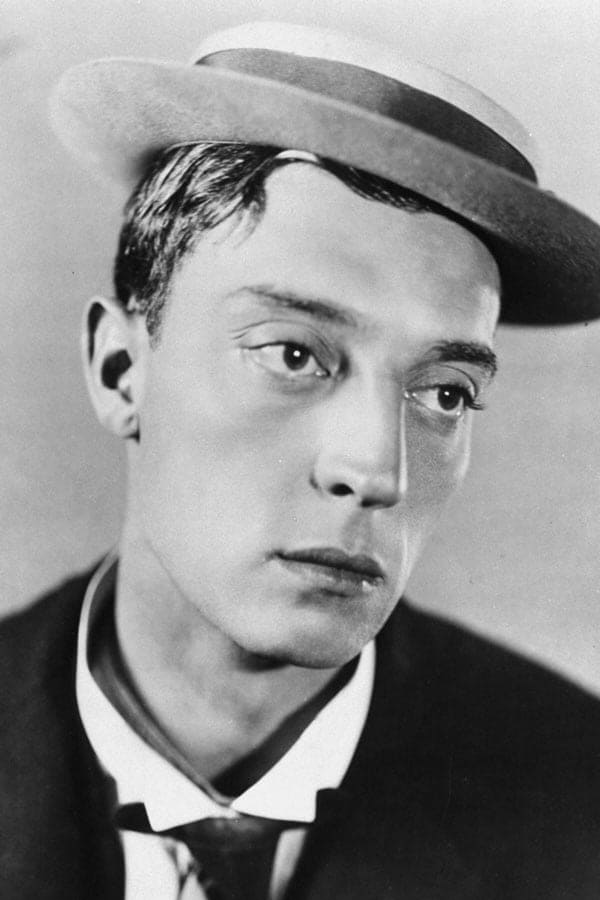
Buster Keaton was a pioneer of the silent film era, known for his physical comedy and innovative stunt work in ‘The General’ and ‘Sherlock Jr.’. When the film industry transitioned to sound, Keaton struggled to maintain his creative independence under restrictive studio contracts at MGM. His career went into a sharp decline, and he spent years working as a gag writer for other comedians while his own directorial contributions were forgotten. It was only in the late 1950s and early 1960s that his films were rediscovered by a new generation of critics and historians. He received an Honorary Academy Award in 1959, just a few years before his death.
Thelma Ritter
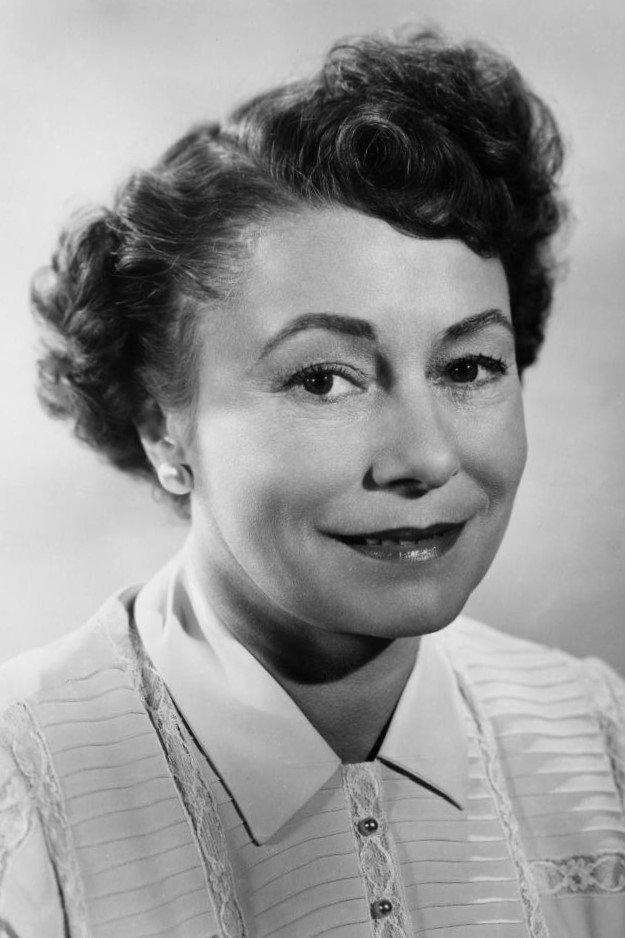
Thelma Ritter was a prolific character actress known for her sharp wit and grounded performances in films like ‘All About Eve’ and ‘Rear Window’. She achieved the rare feat of being nominated for an Academy Award for Best Supporting Actress six times throughout her career. Despite these frequent nods from the industry, she never won a competitive Oscar, often being viewed as a reliable supporting player rather than a star. Her ability to elevate every scene she was in was highly valued by directors, yet she rarely received top billing. She died in 1969, shortly after her final television appearance.
John Cassavetes
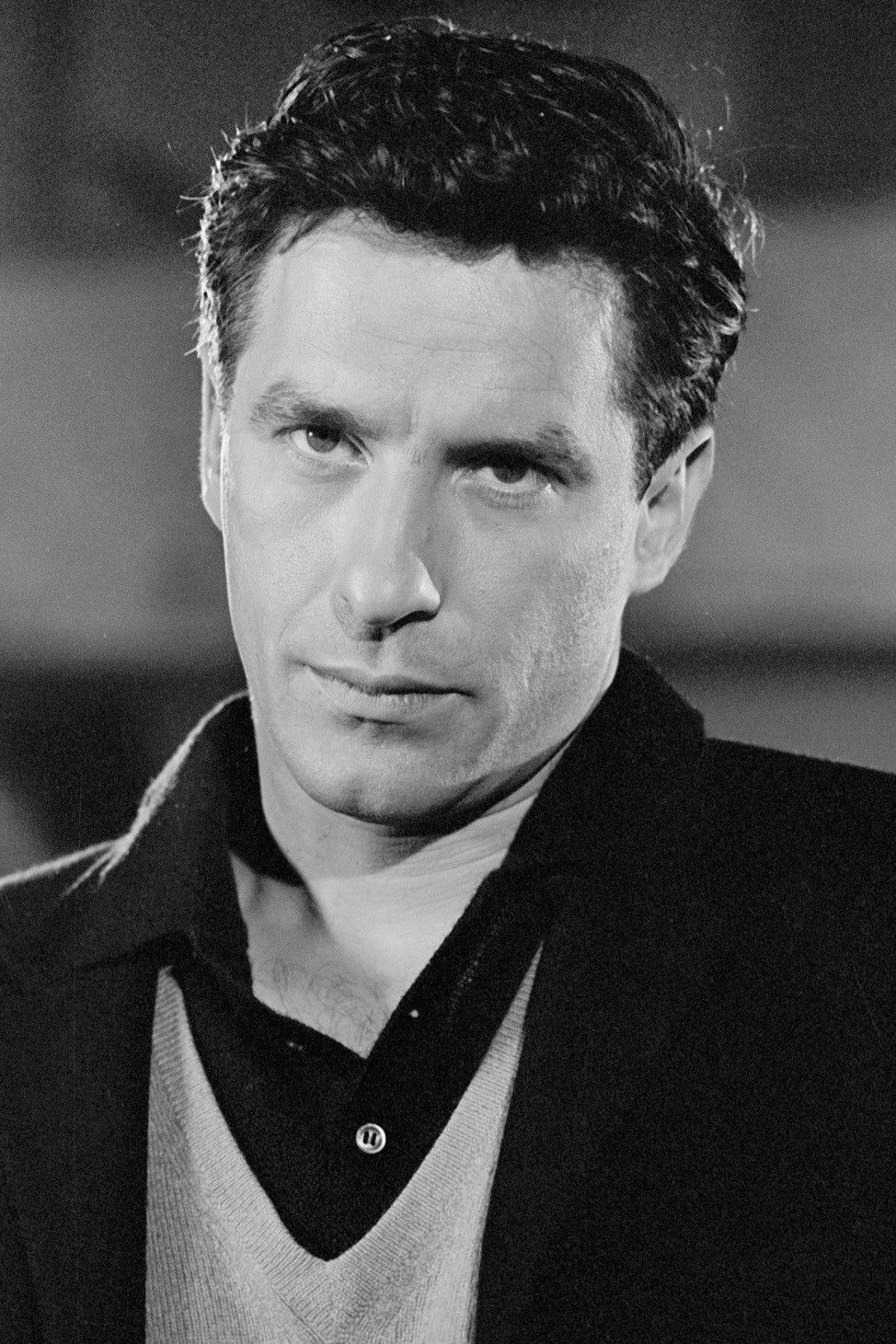
John Cassavetes is widely considered the father of American independent cinema due to his improvisational style and self-funded projects. He directed and wrote raw, character-driven films such as ‘Shadows’, ‘A Woman Under the Influence’, and ‘Faces’. To fund his directorial efforts, he often took acting roles in mainstream studio films like ‘The Dirty Dozen’ and ‘Rosemary’s Baby’. During his lifetime, his experimental approach was frequently misunderstood or dismissed by major studios and traditional critics. Today, he is revered as a visionary who changed the landscape of filmmaking by prioritizing emotional truth over commercial appeal.
Sessue Hayakawa
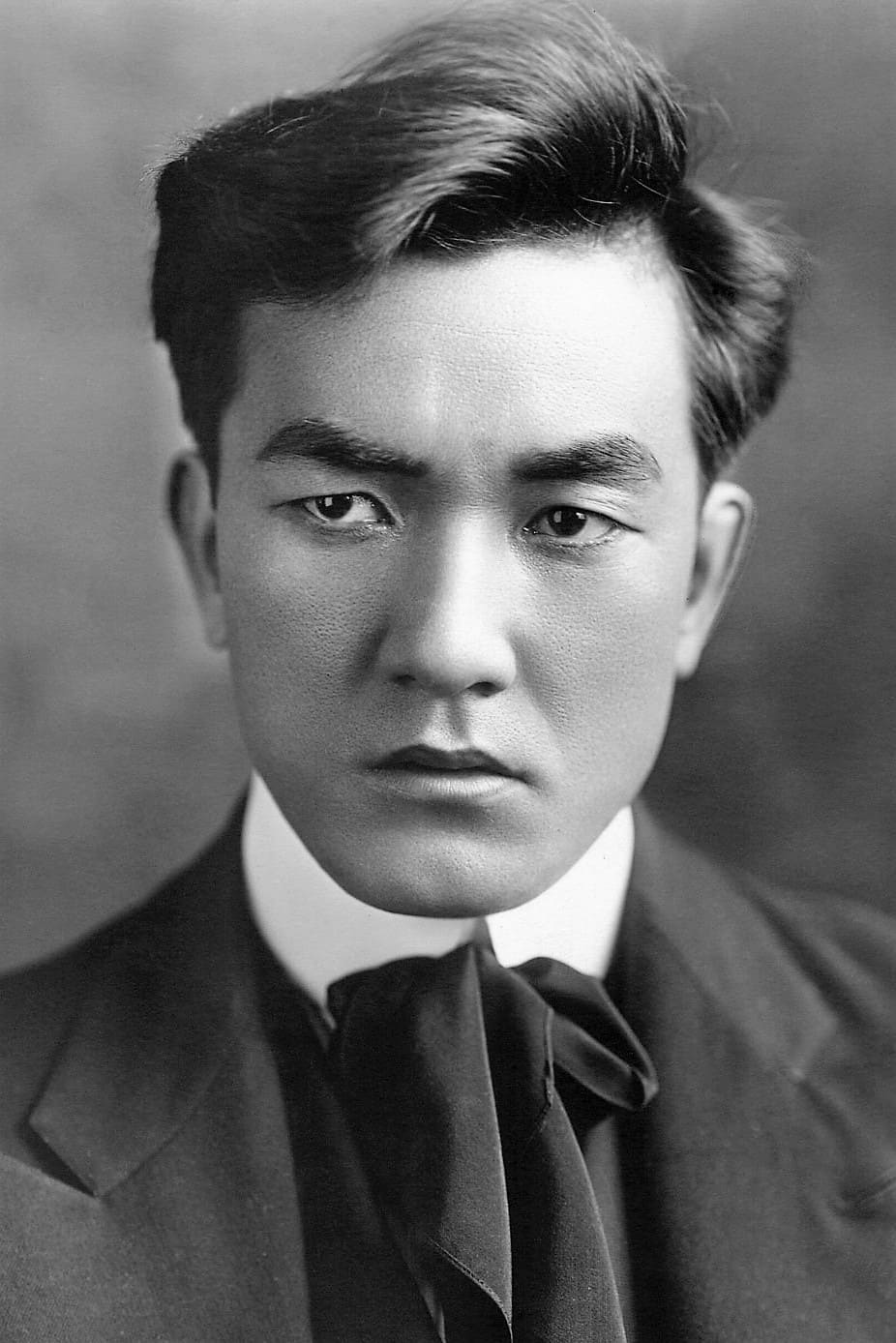
Sessue Hayakawa was one of the biggest stars of the silent film era and the first Asian American actor to achieve leading man status in Hollywood. He became a romantic idol through films like ‘The Cheat’, but anti-Asian sentiment and the Hays Code eventually restricted the types of roles he could play. He spent much of his later career in Europe and Japan before a late-career comeback in ‘The Bridge on the River Kwai’. Despite his early superstardom, his place in film history was largely obscured for decades. He is now recognized as a vital figure in the history of global cinema.
Paul Robeson
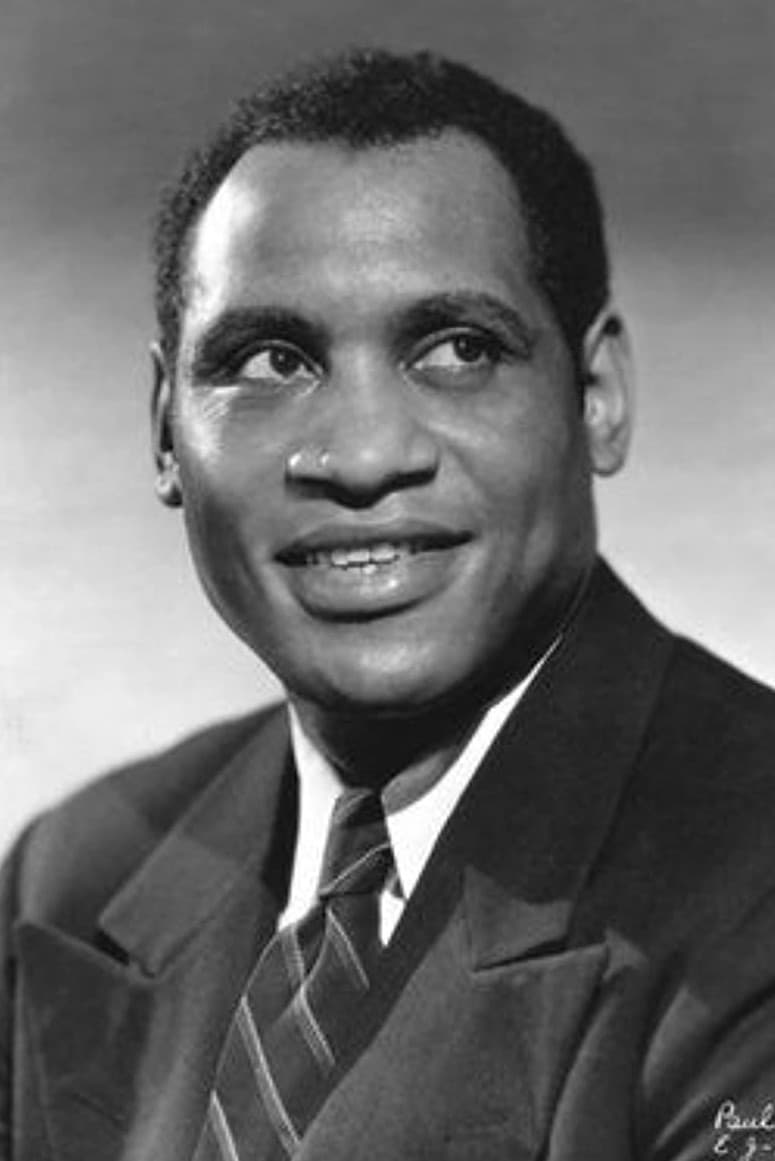
Paul Robeson was a multi-talented actor, singer, and athlete who starred in ‘Show Boat’ and ‘The Emperor Jones’. His career was severely damaged by the political climate of the 1950s when he was blacklisted for his activism and political beliefs. The United States government revoked his passport, preventing him from performing internationally and effectively stifling his artistic output. While he was a celebrated figure in the Harlem Renaissance, the broader entertainment industry distanced itself from him during the height of the Cold War. His contributions to the stage and screen were only fully re-evaluated long after his professional decline.
Hattie McDaniel
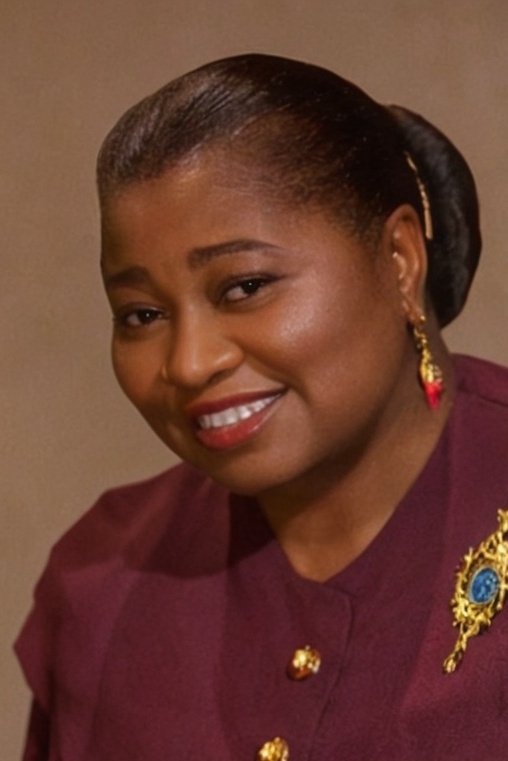
Hattie McDaniel made history as the first African American to win an Academy Award for her role in ‘Gone with the Wind’. However, she was forced to sit at a segregated table during the ceremony and was barred from the film’s premiere in Atlanta. Throughout her career, she was largely relegated to playing maid and servant roles due to the racial prejudices of the time. She faced criticism from both the white establishment and civil rights groups who felt her roles perpetuated stereotypes. McDaniel passed away in 1952, having been denied the opportunity to play the diverse range of characters her talent warranted.
Charles Laughton
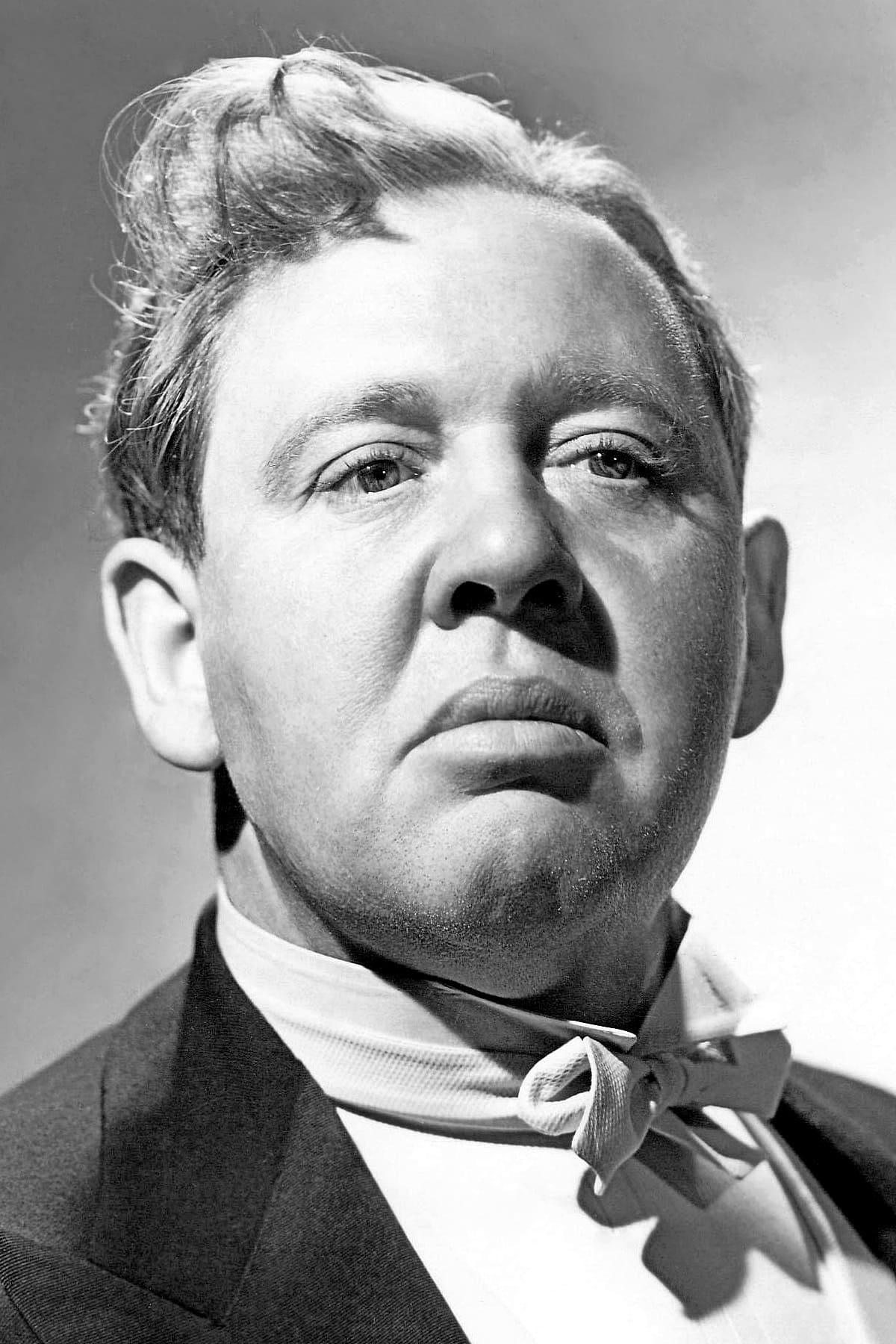
Charles Laughton was an English actor and director known for his powerful performances in ‘The Hunchback of Notre Dame’ and ‘Mutiny on the Bounty’. He directed only one feature film, ‘The Night of the Hunter’, which was a critical and commercial failure upon its release in 1955. This rejection deeply discouraged Laughton, and he never directed another film before his death in 1962. Decades later, ‘The Night of the Hunter’ is considered a masterpiece of American cinema and one of the most visually influential films ever made. His directorial vision was recognized far too late to benefit his career as a filmmaker.
Sterling Hayden
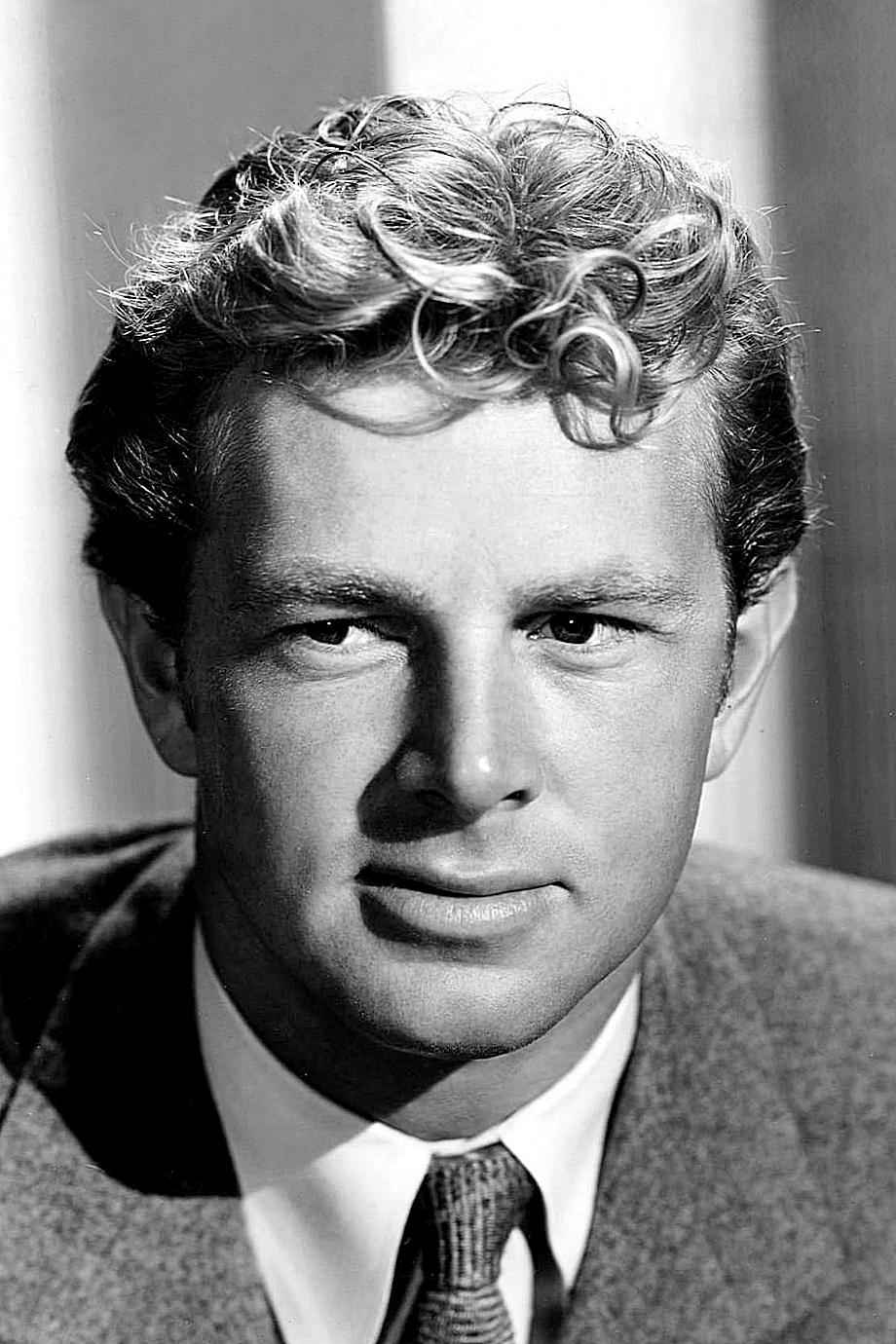
Sterling Hayden was a versatile actor who appeared in classic films such as ‘The Asphalt Jungle’, ‘The Killing’, and ‘Dr. Strangelove’. Despite his commanding presence and talent, Hayden often expressed a deep dislike for the acting profession and the Hollywood lifestyle. He took frequent breaks from the industry to pursue his passion for sailing, which led to he being viewed by studios as unreliable or uninterested. He was a prominent figure in film noir, yet he never achieved the same level of mainstream accolades as his contemporaries. Hayden remained a cult figure until his death, valued more by cinephiles than by the general public.
Jean Seberg
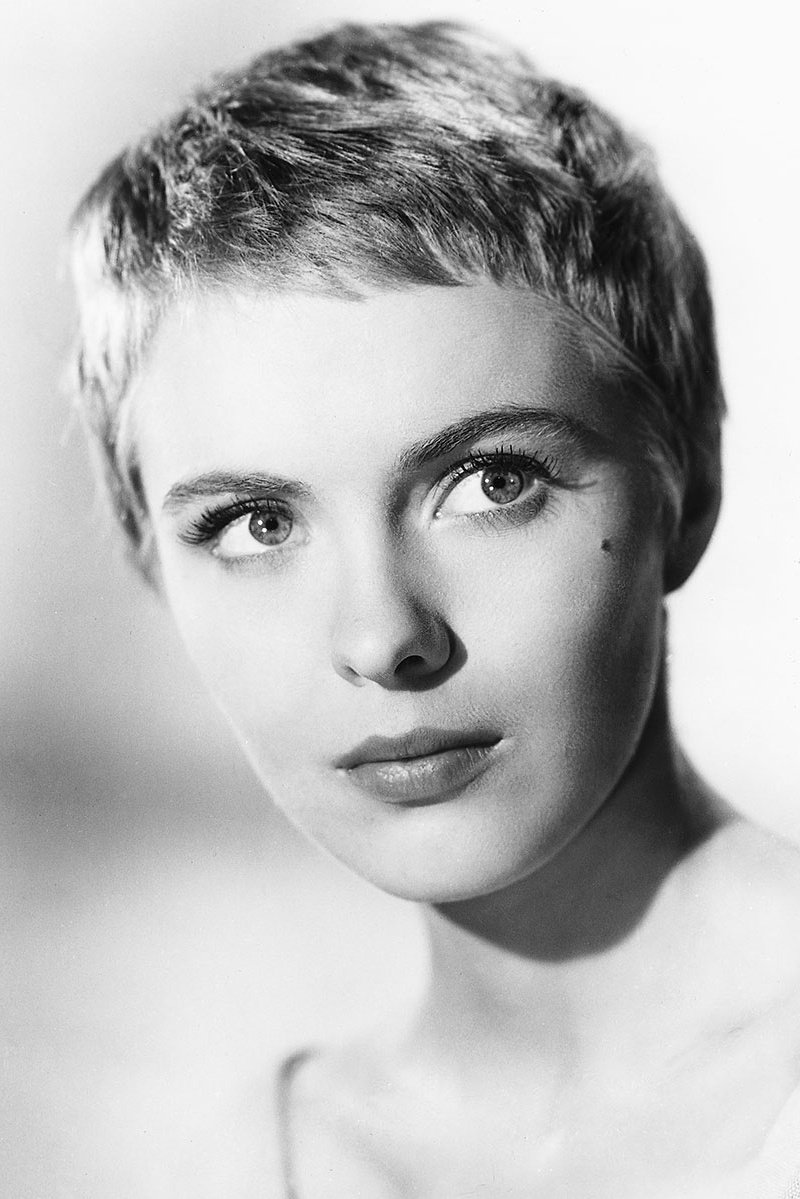
Jean Seberg became an icon of the French New Wave after starring in Jean-Luc Godard’s ‘Breathless’. Her American career was less successful, and she became a target of the FBI’s COINTELPRO program due to her support for the Black Panther Party. The smear campaign against her included planting false stories in the media, which significantly damaged her reputation and mental health. This institutional harassment hindered her ability to find work in Hollywood during the 1970s. She died under mysterious circumstances in 1979, and her talent is now viewed through the lens of the political persecution she endured.
Sal Mineo
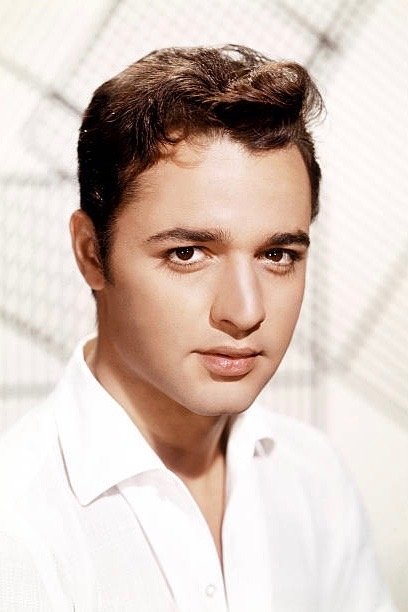
Sal Mineo rose to fame as a teenager for his Oscar-nominated performance in ‘Rebel Without a Cause’ alongside James Dean. As he grew older, he struggled to transition into adult roles, partly due to the industry’s discomfort with his open discussion of his bisexuality. He was often relegated to guest spots on television or low-budget films throughout the late 1960s and 70s. Despite his early promise and talent, he was frequently overlooked for major roles during his adult life. Mineo was tragically murdered in 1976 just as he was beginning a career resurgence in the theater.
Divine
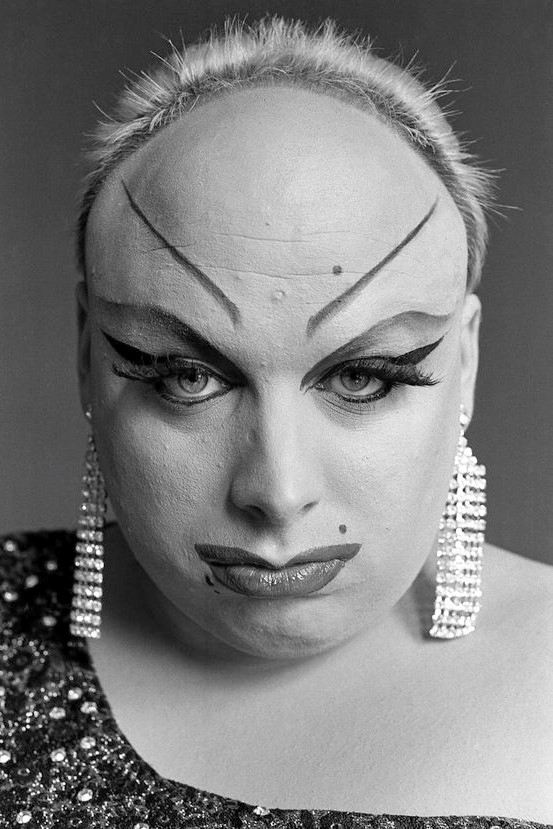
Divine, born Harris Glenn Milstead, was a character actor and singer who became a cult icon through collaborations with director John Waters in films like ‘Pink Flamingos’ and ‘Female Trouble’. For much of his career, he was dismissed as a mere novelty act or a niche performer within the underground scene. He eventually began to receive mainstream critical acclaim for his role in the 1988 film ‘Hairspray’, proving his range as an actor. Divine died just as the film was becoming a success and shortly before he was scheduled to appear on the sitcom ‘Married… with Children’. His legacy as a boundary-breaking performer grew exponentially after his passing.
Anton Yelchin
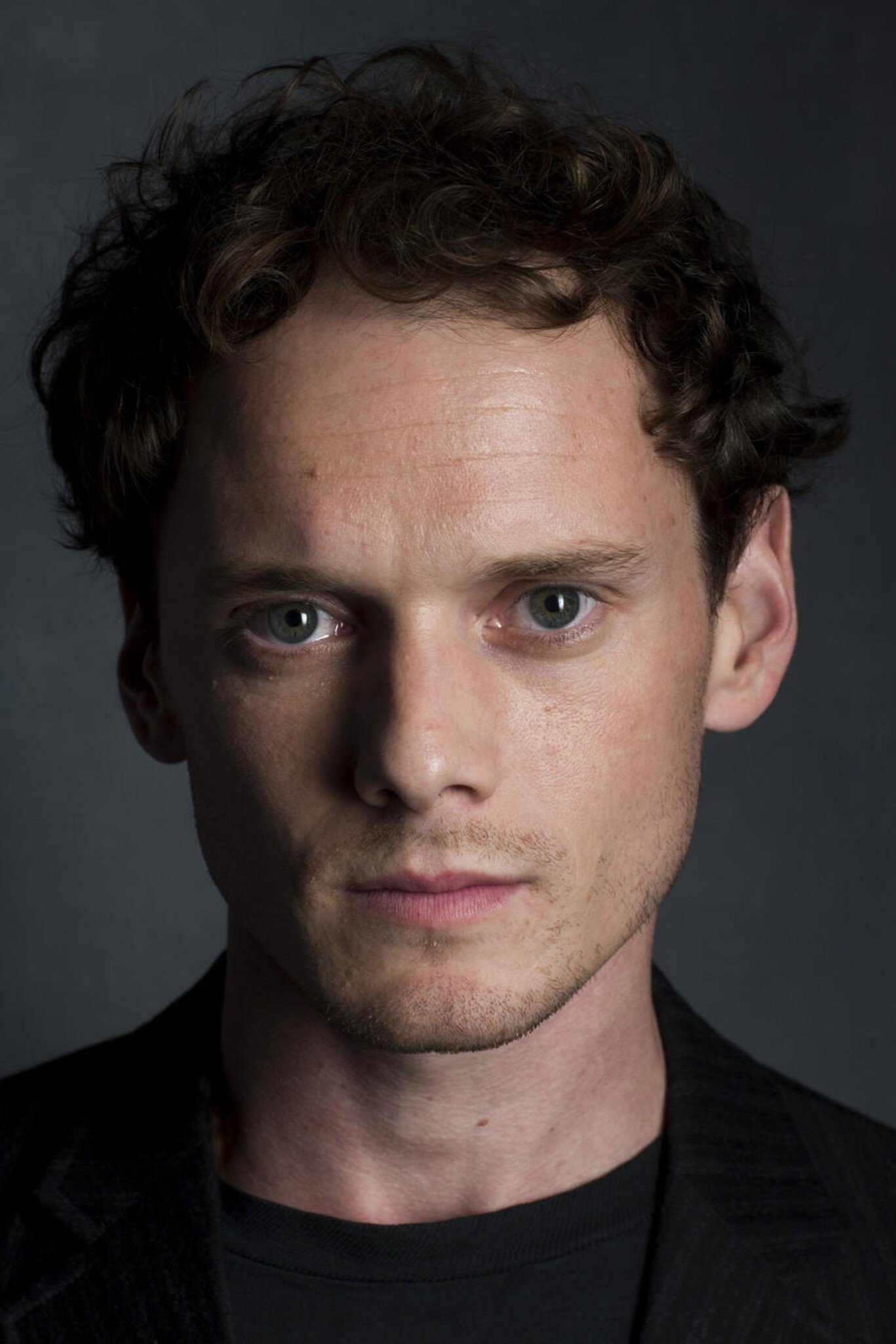
Anton Yelchin was a prolific young actor known for his roles in ‘Star Trek’, ‘Like Crazy’, and ‘Green Room’. He was widely regarded by peers and critics as one of the most talented and dedicated actors of his generation. Despite a steady stream of work, he had yet to reach the pinnacle of household-name status or major award recognition. His life was cut short by a freak automobile accident in 2016 at the age of 27. Posthumously, a documentary titled ‘Love, Antosha’ showcased the depth of his artistic commitment and the high regard in which he was held by the industry.
Michael Kenneth Williams
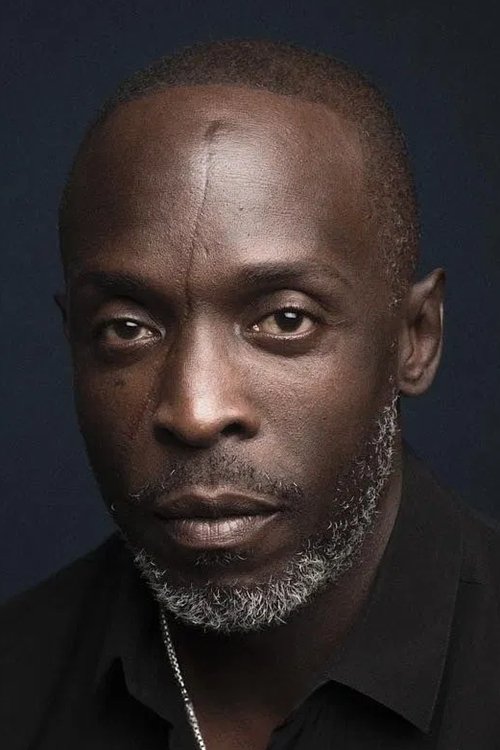
Michael K. Williams gained widespread fame for his portrayal of Omar Little in ‘The Wire’, a character frequently cited as one of the best in television history. Despite this acclaim, he was often overlooked for major awards, never winning a Primetime Emmy despite five nominations. He brought a unique vulnerability and complexity to his roles in projects like ‘Boardwalk Empire’ and ‘Lovecraft Country’. Williams often spoke about the difficulty of being typecast in “tough guy” or “criminal” roles because of his physical appearance and scar. He passed away in 2021, leaving behind a legacy of deeply humanized characters that challenged viewer perceptions.
Eartha Kitt
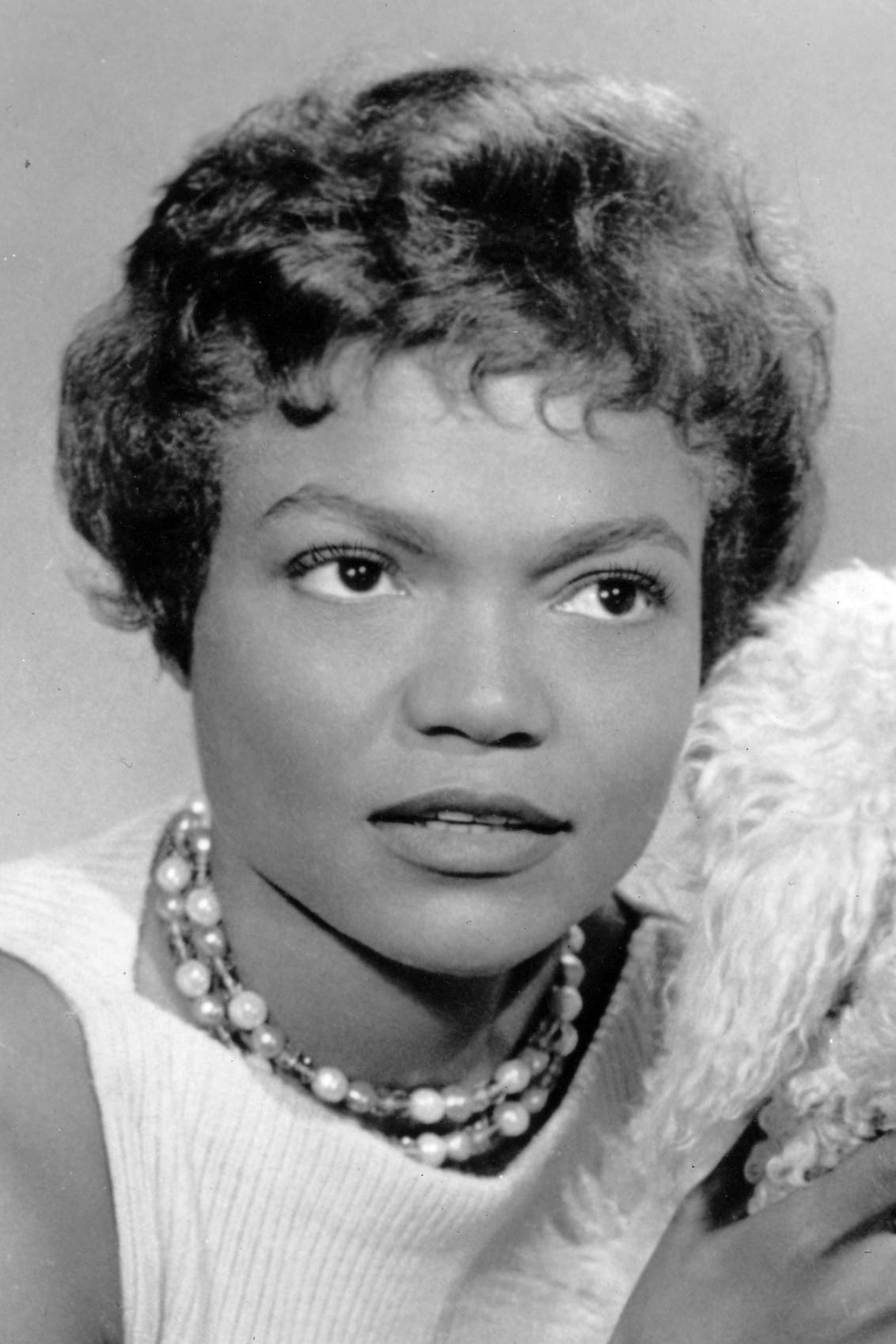
Eartha Kitt was a versatile entertainer who starred as Catwoman in the ‘Batman’ television series and had a successful career as a singer and stage actress. Her career in the United States was derailed in 1968 after she made anti-war comments during a lunch at the White House. This led to her being blacklisted by the industry and investigated by the CIA, forcing her to work primarily in Europe for many years. Although she eventually returned to American screens and stages, the prime years of her domestic career were significantly impacted by the backlash. She is now remembered as a fearless artist and activist who refused to be silenced.
Billie Holiday
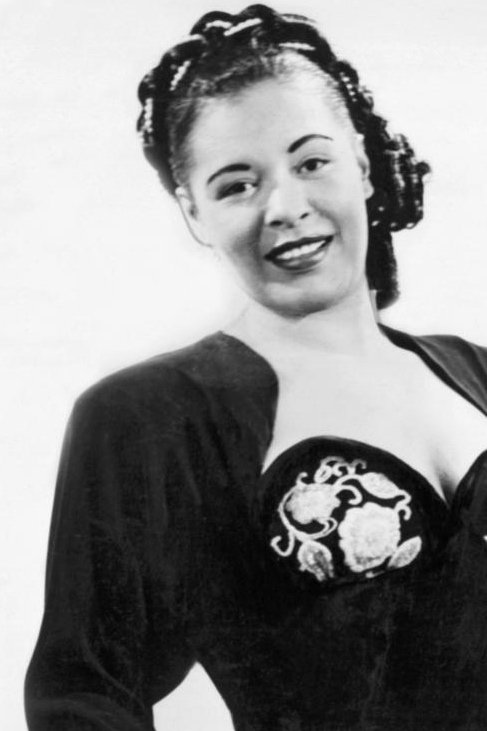
Billie Holiday was primarily a legendary jazz singer, but she also made significant contributions to film, most notably in ‘New Orleans’. Her portrayal of a singing maid was one of the few times she appeared on screen, as Hollywood rarely offered meaningful roles to Black women of her stature. Her life and music inspired the film ‘Lady Sings the Blues’, which was released after her death. During her life, her immense influence on vocal style and phrasing was often overshadowed by her personal struggles and legal issues. Holiday’s impact on the intersection of music and cinema has only grown in the decades following her passing in 1959.
Roscoe Arbuckle
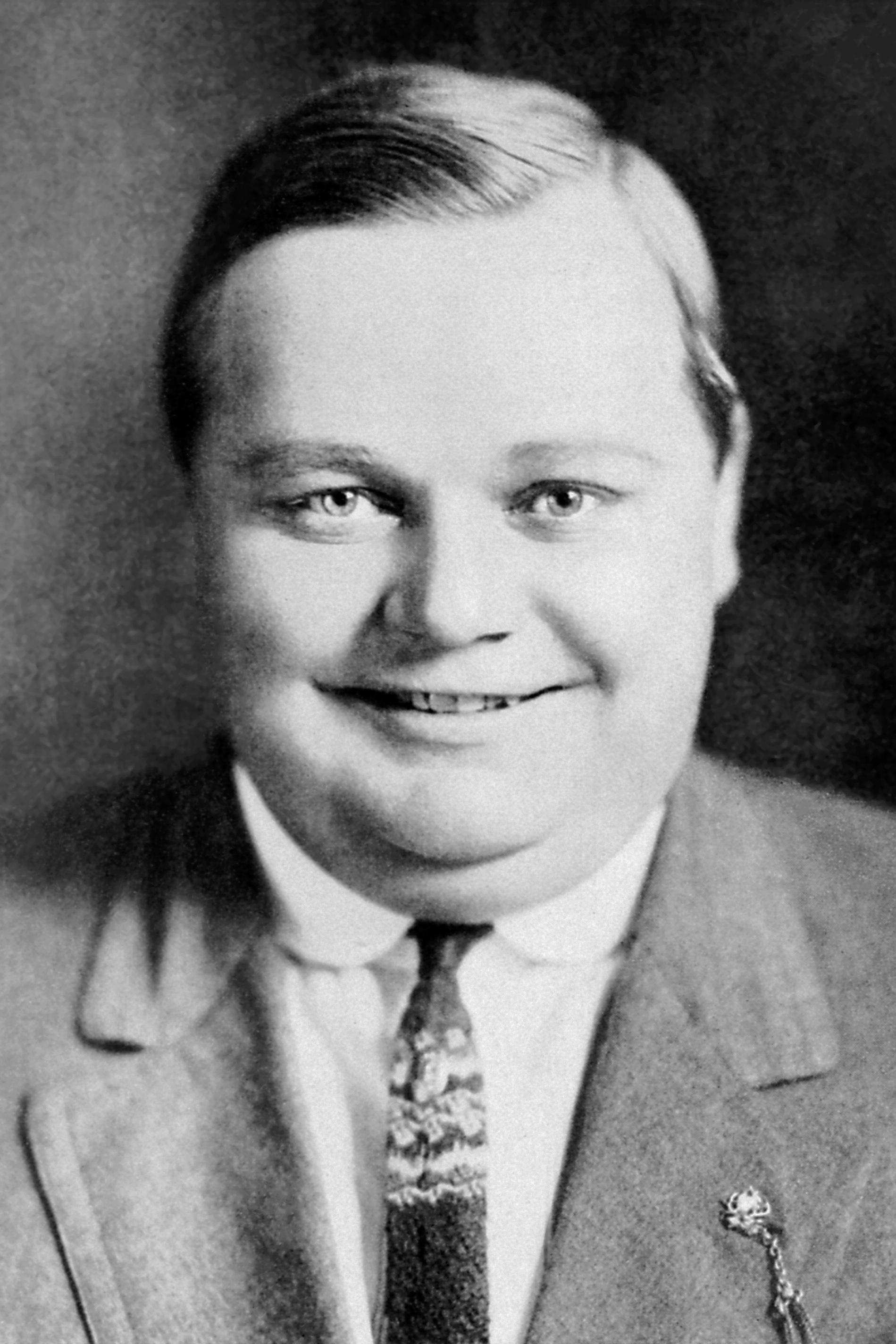
Roscoe “Fatty” Arbuckle was one of the highest-paid and most popular stars of the silent film era, serving as a mentor to Charlie Chaplin and Buster Keaton. His career was abruptly halted in 1921 following a scandal and a series of trials for which he was eventually acquitted and given a formal apology by the jury. Despite his innocence, he was blacklisted by the industry, and his films were pulled from circulation for years. He attempted a comeback as a director under a pseudonym and eventually signed a new acting contract, but he died the night after signing it. His technical innovations in film comedy are only now being fully credited by historians.
Harry Dean Stanton

Harry Dean Stanton was a quintessential character actor whose career spanned over six decades in films like ‘Alien’, ‘Repo Man’, and ‘Twin Peaks: Fire Walk with Me’. He was frequently the standout performer in supporting roles, yet he rarely received the opportunity to lead a major production. His first leading role in a major film did not come until ‘Paris, Texas’ in 1984, when he was already in his late 50s. While he was a “director’s favorite,” mainstream awards and top-tier stardom remained elusive. He remained active until his death in 2017, with his final film ‘Lucky’ serving as a poignant tribute to his understated talent.
Dick Miller
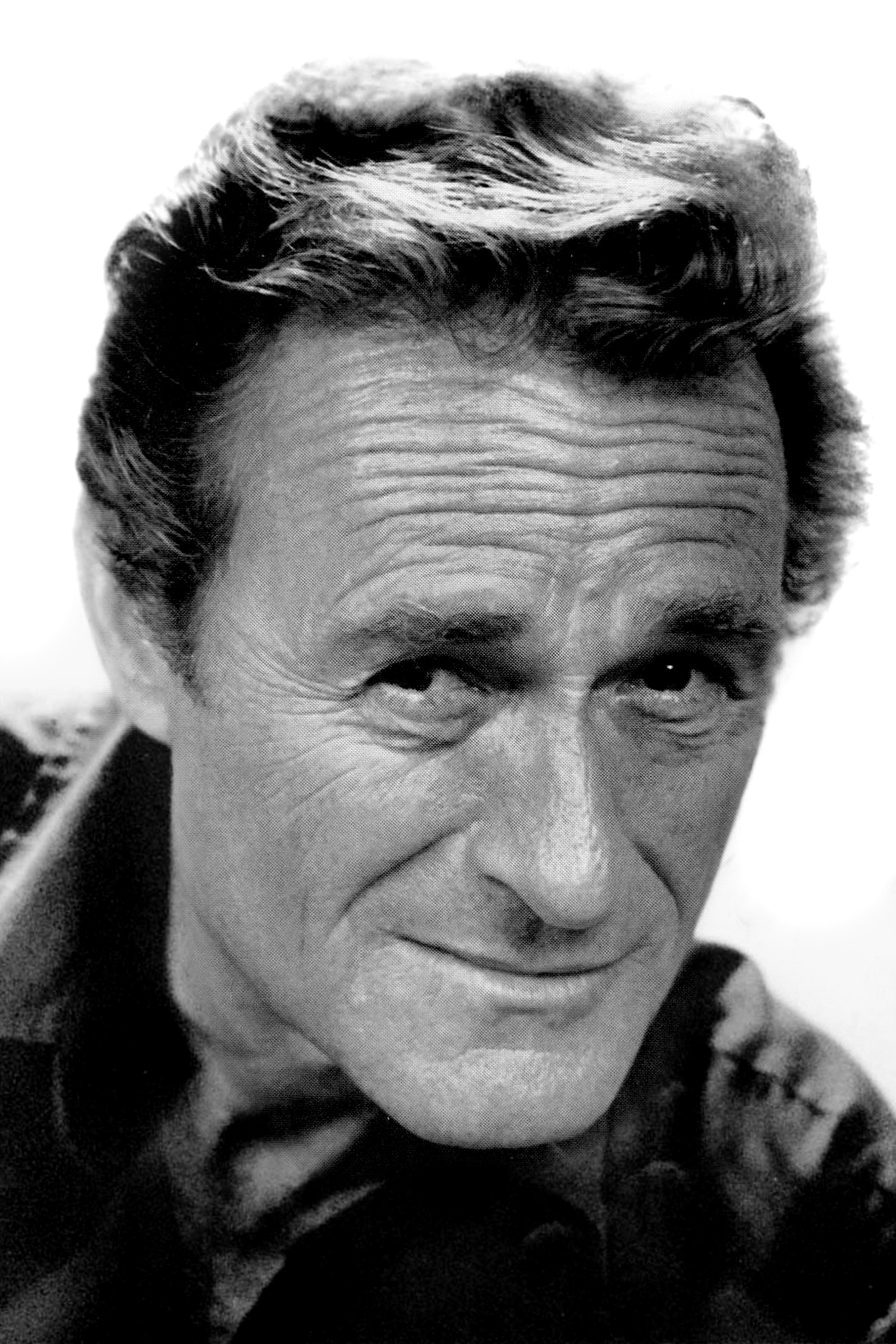
Dick Miller was a staple of American genre cinema, appearing in over 100 films including ‘Gremlins’, ‘The Terminator’, and ‘A Bucket of Blood’. He was a favorite of directors like Joe Dante and Roger Corman, often serving as a “lucky charm” for their productions. Despite his prolific output and recognizable face, he was rarely given roles that allowed him to demonstrate the full extent of his acting range. He was the ultimate “working actor,” respected by his peers but never achieving the fame associated with leading roles. Miller passed away in 2019, celebrated by cinephiles as one of the most reliable character actors in history.
Fred Ward
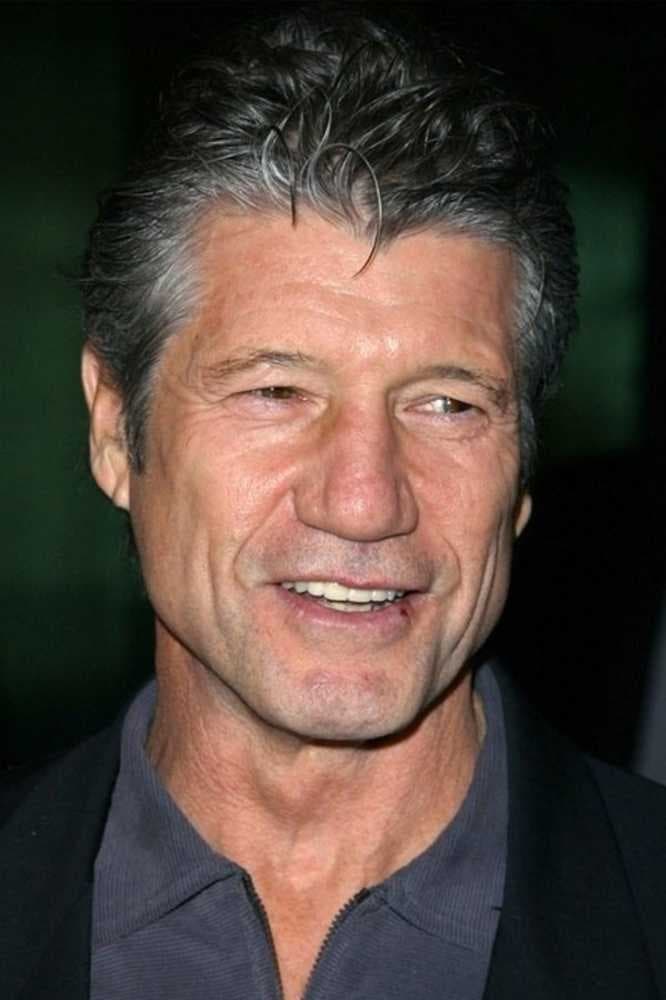
Fred Ward was a rugged character actor known for his roles in ‘Tremors’, ‘The Right Stuff’, and ‘Henry & June’. He possessed a versatile ability to play both tough-guy roles and sensitive, nuanced characters in independent dramas. Despite his consistency and strong screen presence, he was often overlooked during awards seasons and rarely headlined major studio blockbusters outside of the ‘Tremors’ franchise. His work in the 1990s demonstrated a significant range that many critics felt should have led to more prominent leading roles. Ward passed away in 2022, leaving behind a body of work that is highly regarded for its authenticity.
Philip Baker Hall
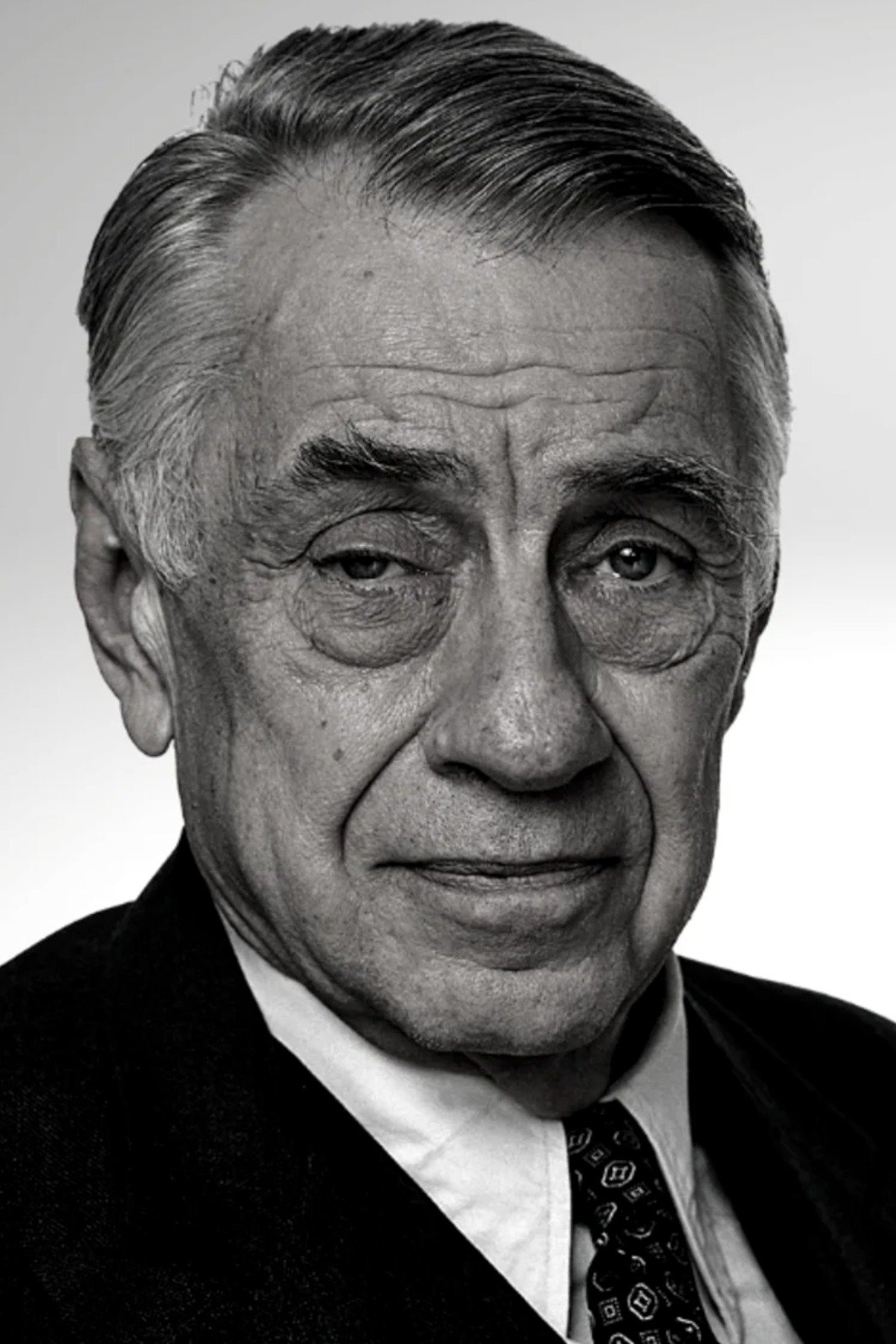
Philip Baker Hall was a seasoned stage and screen actor who found late-career fame through his collaborations with Paul Thomas Anderson in ‘Hard Eight’ and ‘Magnolia’. Before this resurgence, he spent decades working in relative obscurity or in small, uncredited roles on television. He was known for his gravity and gravitas, often playing authoritative or world-weary figures with immense depth. Despite his status as a “greatest living actor” among critics in his later years, he was never nominated for an Academy Award. Hall’s talent for making every line of dialogue feel essential was a hallmark of his work until his death in 2022.
Mako

Mako was a Japanese-born American actor who co-founded the East West Players, the first Asian American theater company in the United States. He received an Academy Award nomination for ‘The Sand Pebbles’, but he spent much of his subsequent career fighting against limited and stereotypical roles. He became well-known to younger audiences for his voice work as Uncle Iroh in ‘Avatar: The Last Airbender’ and Aku in ‘Samurai Jack’. Despite his significant influence on Asian American theater and his technical skill, he was often underutilized by Hollywood’s mainstream film industry. He died in 2006, remembered as a trailblazer for actors of Asian descent.
J. T. Walsh
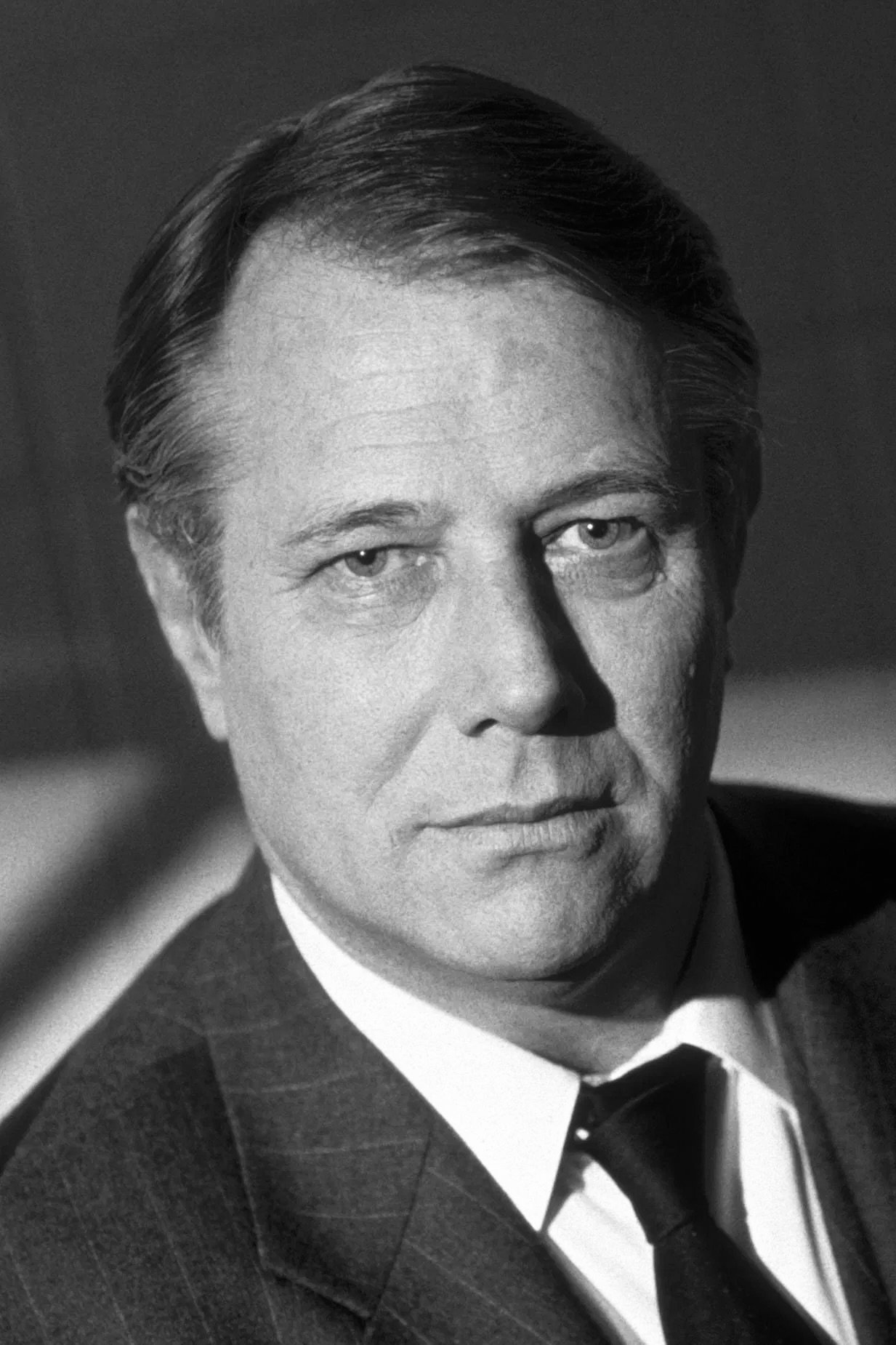
JT Walsh was often described as one of the best villains in modern cinema, appearing in ‘A Few Good Men’, ‘Breakdown’, and ‘Pleasantville’. He had a unique ability to play morally ambiguous or outright sinister characters with a quiet, terrifying intensity. While he was highly sought after for supporting roles, he died at the age of 54, just as he was beginning to receive more significant critical attention. Jack Nicholson famously dedicated his Golden Globe win to Walsh, noting how much the actor’s work was respected by his peers. His untimely death in 1998 cut short a career that many believed was heading toward major award recognition.
Miguel Ferrer
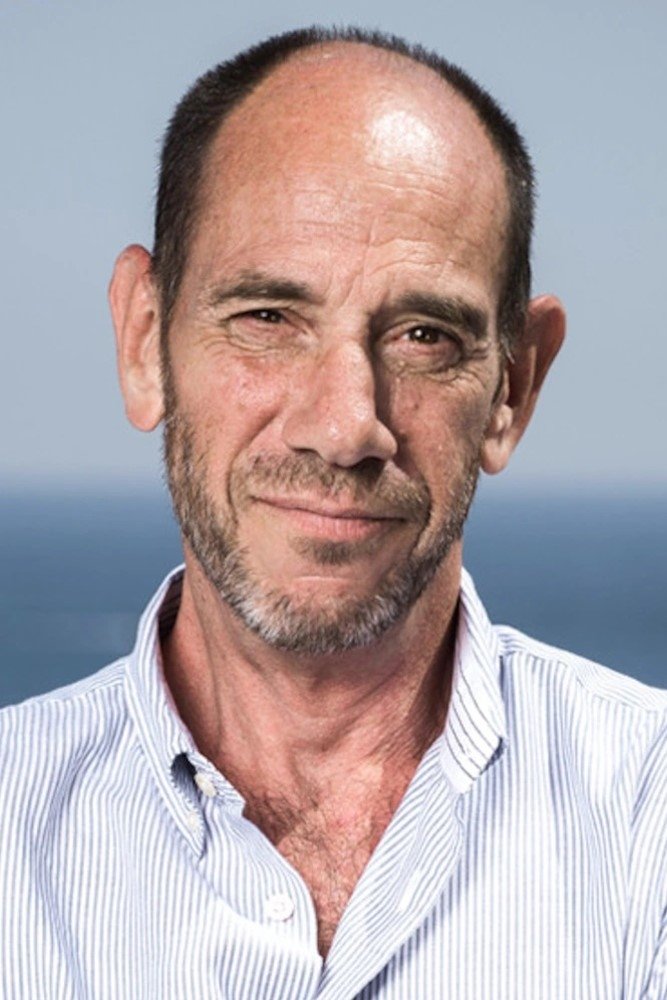
Miguel Ferrer was a versatile actor known for his roles in ‘RoboCop’, ‘Twin Peaks’, and ‘Crossing Jordan’. As the son of Jose Ferrer and Rosemary Clooney, he possessed a deep artistic pedigree and a distinctive, gravelly voice. He was a frequent presence in both film and television, often playing characters with a sharp edge or a dry sense of humor. Despite his reliability and the high quality of his performances, he was rarely the primary focus of the industry’s promotional efforts. Ferrer continued to work prolifically until his death from throat cancer in 2017.
Robert Ryan
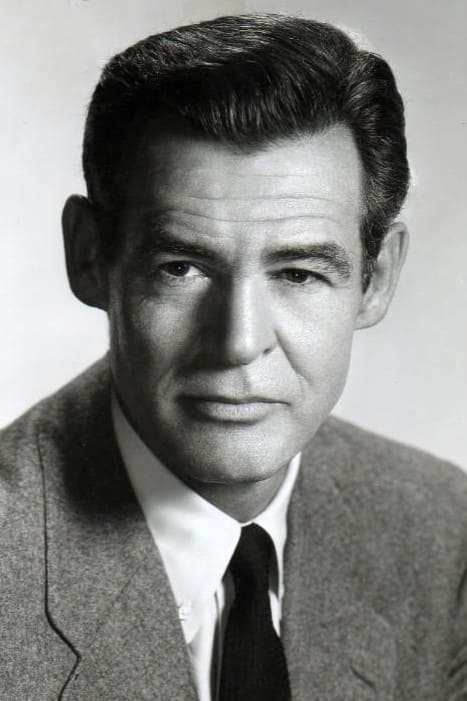
Robert Ryan was a powerhouse of mid-century cinema, starring in ‘The Set-Up’, ‘The Wild Bunch’, and ‘Bad Day at Black Rock’. He was known for playing complex, often tormented or bigoted characters with a level of psychological depth that was ahead of its time. Although he received one Academy Award nomination for ‘Crossfire’, he was often overshadowed by more traditional leading men of the era. His commitment to portraying the darker sides of the human psyche made him a favorite of directors but perhaps less of a commercial draw for the masses. Ryan died in 1973, with his reputation as a “thinking man’s actor” only growing in retrospect.
Lee Van Cleef
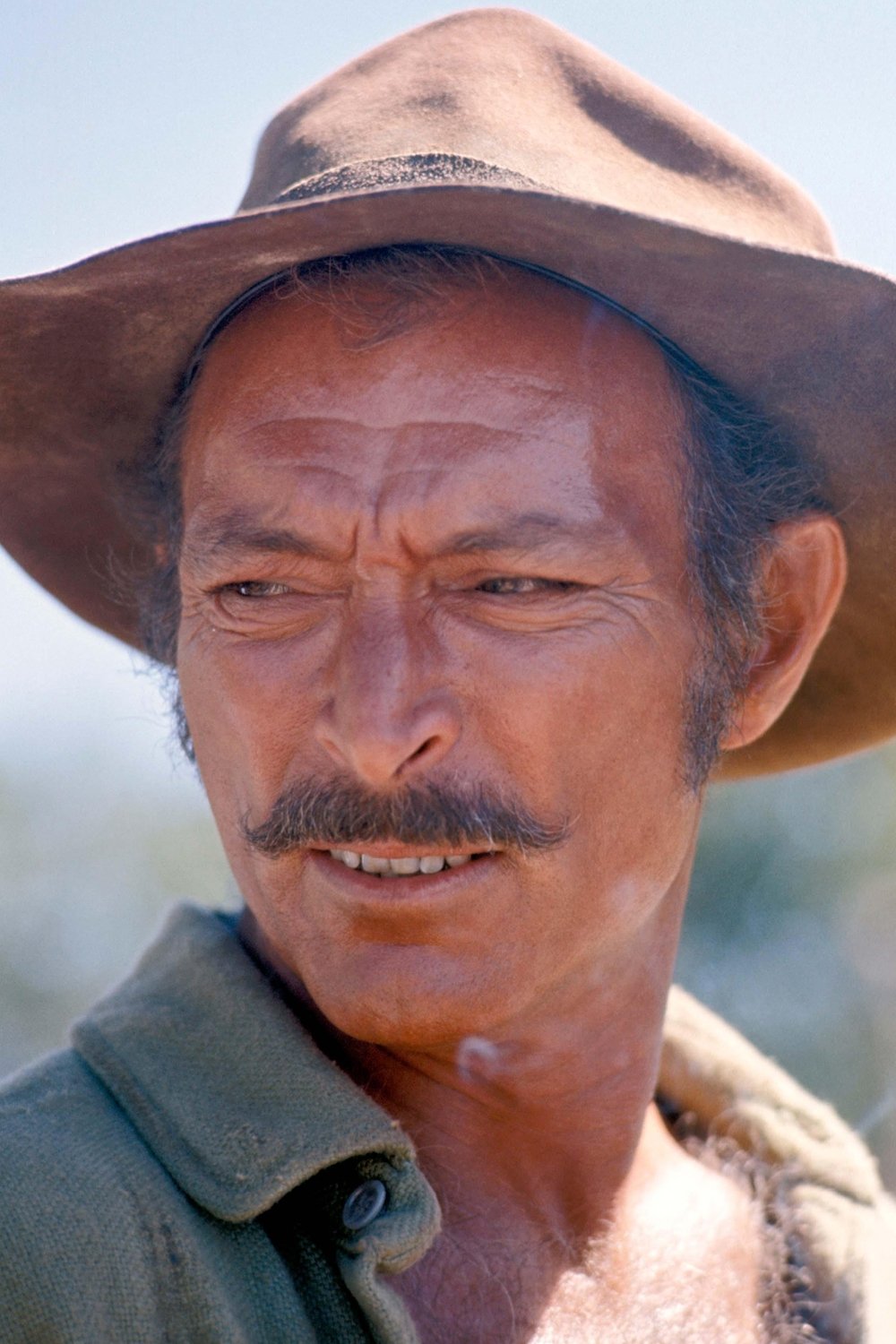
Lee Van Cleef was a character actor in American Westerns for years, often playing minor villains, before his career was revitalized in Europe. Sergio Leone cast him in ‘For a Few Dollars More’ and ‘The Good, the Bad and the Ugly’, which turned him into an international star. Before this, he had nearly quit acting following a severe car accident and a lack of meaningful roles in Hollywood. While he became an icon of the Spaghetti Western genre, the American film industry was slow to recognize his potential as a leading man. He passed away in 1989, having found his greatest success far from the Hollywood studio system.
Warren Oates
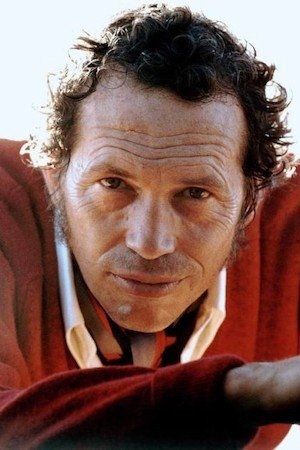
Warren Oates was a favorite collaborator of Sam Peckinpah and Monte Hellman, starring in ‘The Wild Bunch’ and ‘Two-Lane Blacktop’. He embodied a gritty, lived-in realism that defined the New Hollywood era of the 1970s. Despite his status as a cult hero among cinephiles, he never achieved mainstream superstardom or significant award recognition. He often chose challenging, offbeat roles in independent films rather than pursuing conventional leading roles in blockbusters. Oates died in 1982, leaving behind a legacy as one of the most authentic and unpretentious actors of his generation.
James Wong Howe
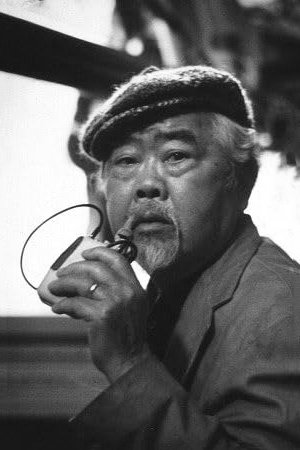
James Wong Howe was one of the most innovative cinematographers in Hollywood history, working on films like ‘Hud’ and ‘The Rose Tattoo’. He pioneered the use of deep focus, handheld cameras, and low-key lighting to create dramatic visual effects. Despite his ten Academy Award nominations and two wins, he faced extreme racial discrimination throughout his life, including being unable to gain citizenship until the repeal of the Chinese Exclusion Act. He was often denied the same level of social and professional mobility as his white colleagues. Howe is now recognized as a master of the craft whose technical contributions changed the look of modern cinema.
Oscar Micheaux
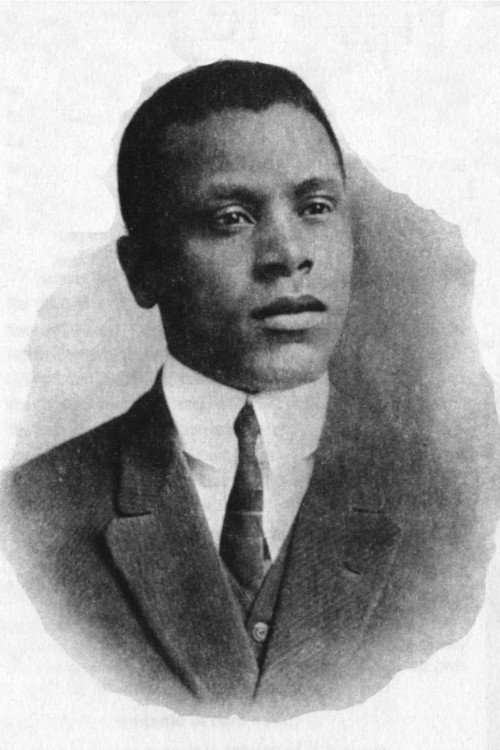
Oscar Micheaux was a pioneer of independent cinema and the first major African American feature filmmaker. He produced, wrote, and directed over 40 “race films” between 1919 and 1948, including ‘Within Our Gates’, which challenged the racism of ‘The Birth of a Nation’. Working outside the mainstream studio system, he faced constant financial struggles and censorship from local boards. For decades, many of his films were considered lost, and his name was largely absent from standard film history texts. Micheaux is now celebrated as a visionary who provided a vital platform for Black stories during a period of intense segregation.
Ida Lupino
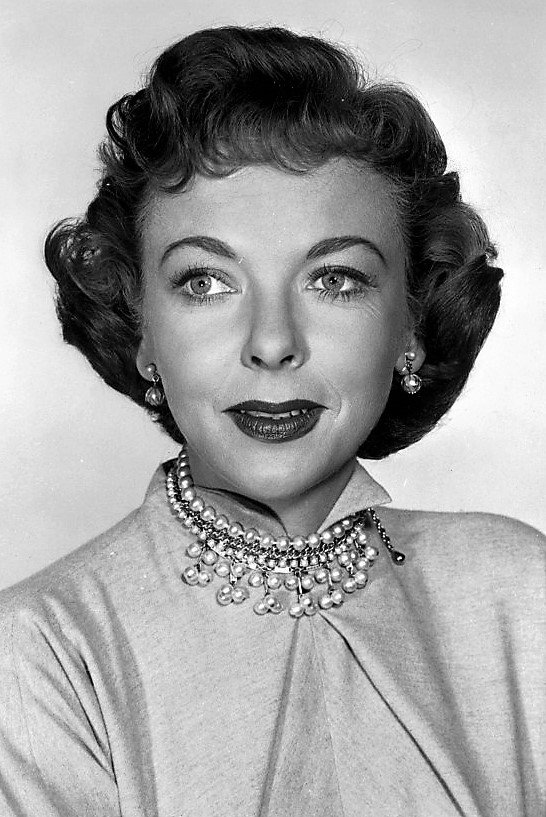
Ida Lupino was a successful actress who became one of the few women to direct films in Hollywood during the 1940s and 50s. She often self-financed her directorial projects through her production company, The Filmmakers, focusing on social issues like sexual assault and bigamy in films like ‘The Outrage’. Despite her skill as a director and her ability to work under tight budgets, she was often marginalized by the male-dominated studio establishment. She eventually transitioned primarily to television directing, where she was extremely prolific but less recognized for her cinematic artistry. Her work as a pioneering female filmmaker has only received significant academic and critical attention in recent years.
Dorothy Arzner
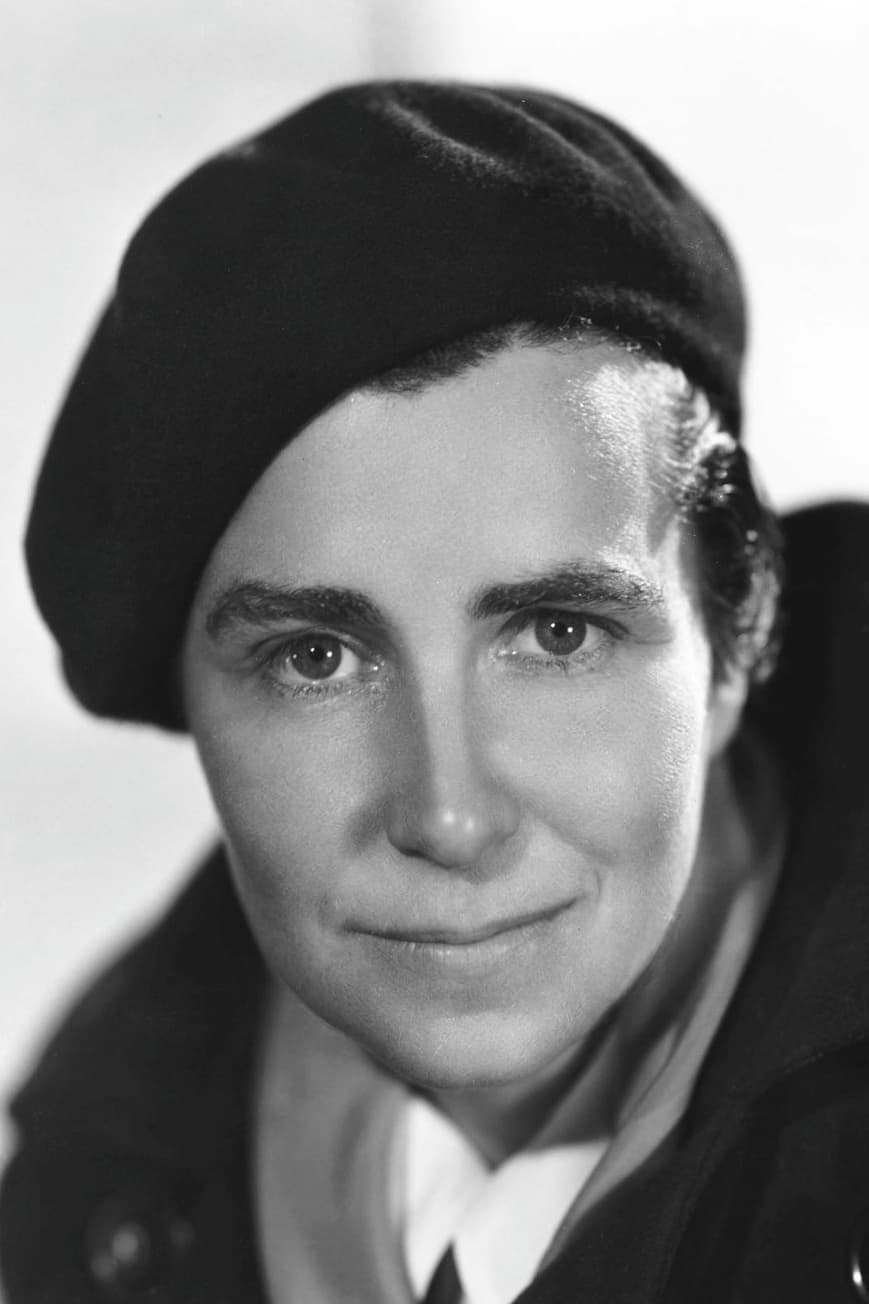
Dorothy Arzner was the only female director working in Hollywood during the transition from silent films to talkies and throughout the 1930s. She directed stars like Katharine Hepburn and Joan Crawford in films such as ‘Christopher Strong’ and ‘The Bride Wore Red’. Arzner is also credited with inventing the first boom microphone by attaching a mic to a fishing pole on the set of ‘The Wild Party’. Despite her technical innovations and consistent commercial success, she eventually left the industry due to the increasing restrictions of the studio system. She remained largely forgotten by film historians until feminist film scholars rediscovered her work in the 1970s.
Mary Blair
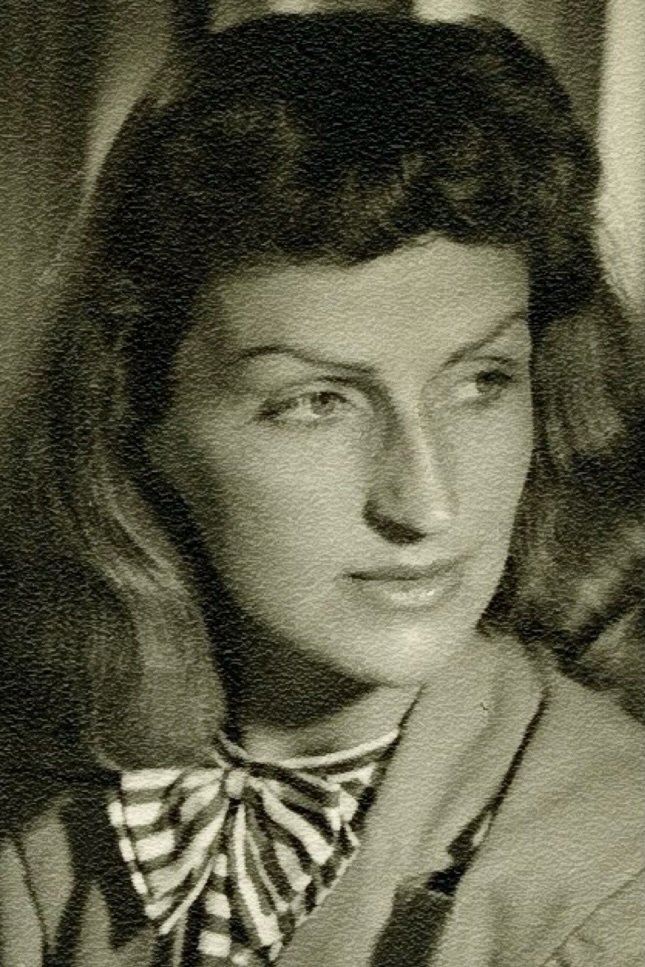
Mary Blair was an influential artist and designer best known for her conceptual work for Walt Disney Animation Studios. Her unique use of color and modernist style heavily influenced films like ‘Alice in Wonderland’, ‘Peter Pan’, and ‘Cinderella’. While she was a favorite of Walt Disney, her avant-garde aesthetic was sometimes toned down by other animators who preferred a more traditional look. She left the studio several times to pursue freelance work in advertising and illustration, where she had more creative freedom. Blair passed away in 1978, but her visual legacy continues to be a primary influence on modern animation and theme park design.
Alice Guy-Blaché
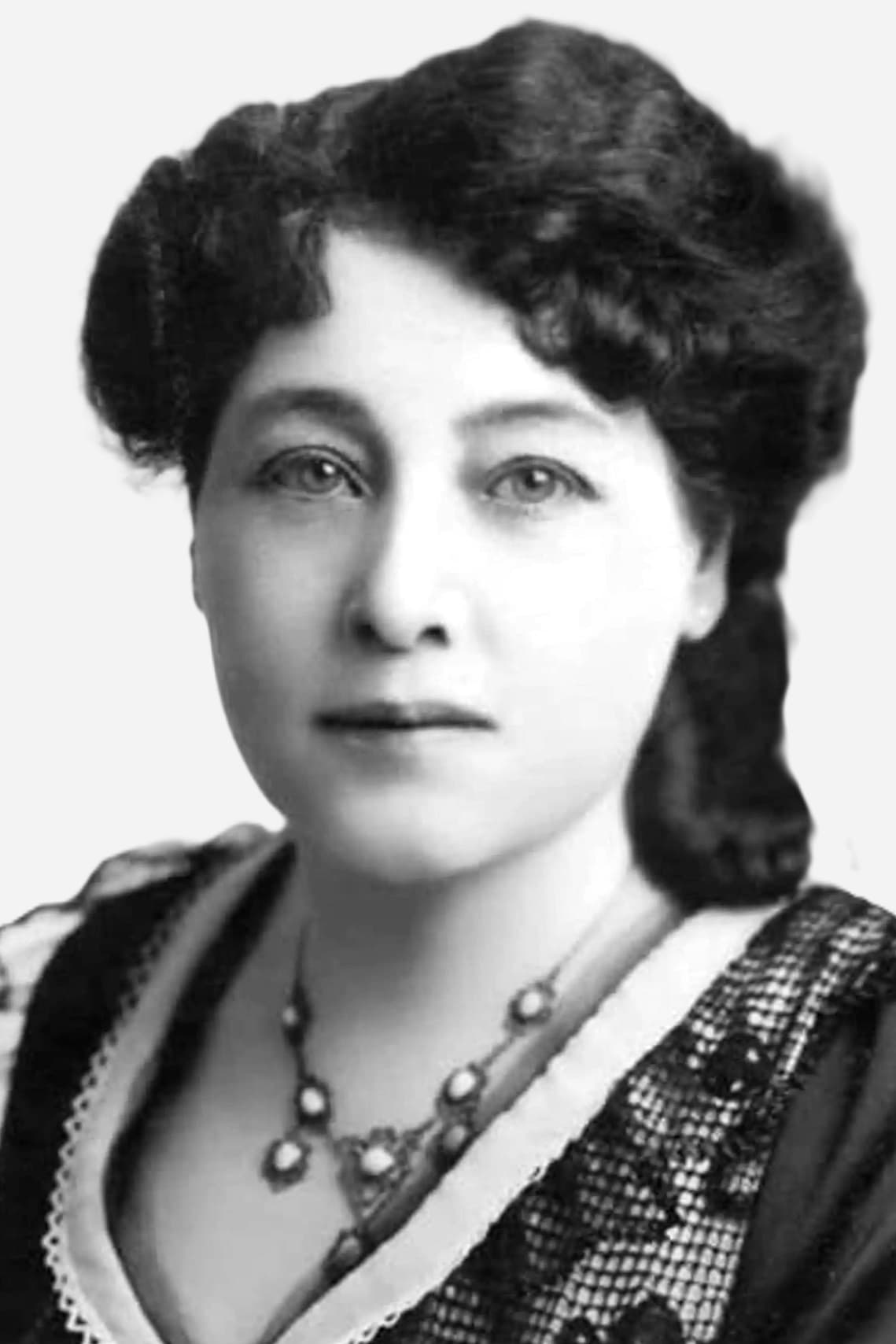
Alice Guy-Blaché is likely the first person to ever direct a narrative fiction film, with her 1896 work ‘The Cabbage Fairy’. She ran her own studio, Solax, in the United States and experimented with sound-syncing and color tinting long before they became industry standards. Despite her immense contributions and having directed hundreds of films, she was largely erased from film history for much of the 20th century. Her achievements were often misattributed to her male assistants or her husband. It was only through posthumous research that she regained her title as a true pioneer of the medium.
Lois Weber
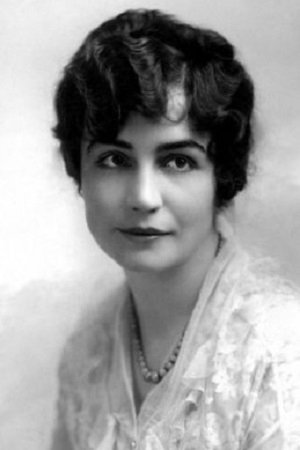
Lois Weber was one of the most important and highest-paid directors of the silent era, often mentioned alongside D.W. Griffith. She wrote and directed films that tackled complex social issues, such as ‘Hypocrites’ and ‘Where Are My Children?’. As the studio system became more centralized and conservative in the 1920s, her independent voice and focus on social morality lost favor with executives. She struggled to find work in the later years of her life and died in poverty in 1939. Today, she is recognized as a technical innovator and a master of early cinematic storytelling.
Maya Deren
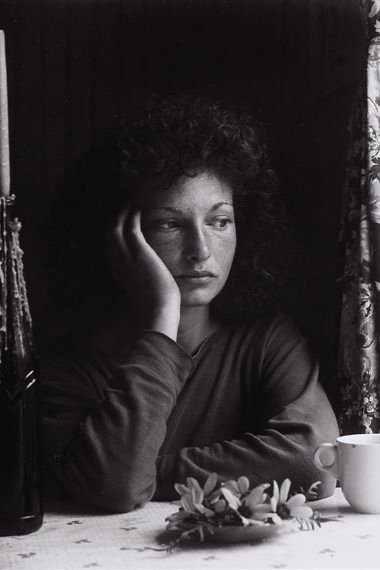
Maya Deren was a key figure in the American avant-garde cinema movement of the 1940s, most famous for ‘Meshes of the Afternoon’. She operated entirely outside the commercial Hollywood system, advocating for the film as an art form rather than a business. Her experimental techniques and focus on dream-like logic were highly influential but provided her with little financial stability or mainstream recognition during her life. She often had to distribute her own films and organize screenings in small venues. Deren died at age 44, but her influence on experimental and independent filmmaking remains profound.
Frances Farmer

Frances Farmer was a highly regarded actress of the late 1930s, known for her performance in ‘Come and Get It’ and her work with the Group Theatre. Her career was derailed not by a lack of talent, but by a series of high-profile legal issues and involuntary institutionalization for mental health struggles. The sensationalized media coverage of her personal life completely overshadowed her artistic achievements and potential. She was eventually unable to secure major roles in Hollywood, and her story became more famous than her actual performances. She passed away in 1970, having spent her later years working in local television.
Veronica Lake
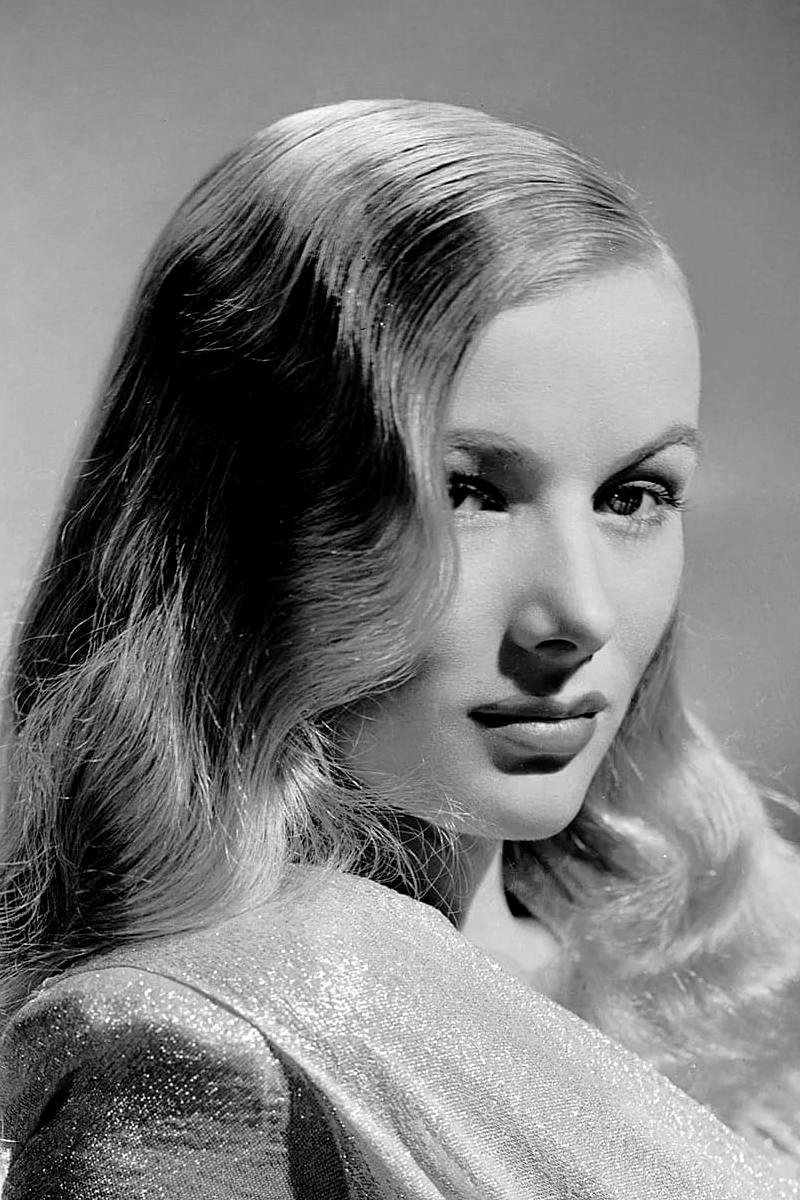
Veronica Lake was a massive star in the early 1940s, famous for her “peek-a-boo” hairstyle and roles in noir classics like ‘The Blue Dahlia’. Her stardom was short-lived as she was notoriously difficult to work with according to studio heads, and her popularity waned as the decade ended. She struggled with alcoholism and mental health issues, which led to her being dropped by major studios and eventually working as a waitress in New York City. Despite her iconic status as a symbol of the era, she died at age 50 with very little of the wealth she had once earned. Her talent for understated, cool performances is now more appreciated than it was during her decline.
Gene Tierney

Gene Tierney was one of the most successful leading ladies of the 1940s, known for the title role in ‘Laura’ and her Oscar-nominated turn in ‘Leave Her to Heaven’. While she was a major star, the depth of her talent was often ignored in favor of her striking physical appearance. She faced significant personal tragedies and mental health struggles that forced her to take long absences from her career. These gaps in her resume led to a loss of momentum and a transition into smaller character roles earlier than expected. Tierney’s work is now praised for its emotional complexity and modern sensibility.
Montgomery Clift

Montgomery Clift was a pioneer of “Method” acting, bringing a raw intensity to films like ‘A Place in the Sun’ and ‘From Here to Eternity’. He was nominated for four Academy Awards but never won, often losing out to more traditional performers. A devastating car accident in 1956 altered his appearance and led to a struggle with chronic pain and substance abuse, which made him “uninsurable” in the eyes of many studios. Despite his immense influence on subsequent generations of actors like Marlon Brando and James Dean, his career was marked by tragedy and a sense of unfulfilled potential. He died at the age of 45, shortly after completing ‘The Defector’.
Edward G. Robinson
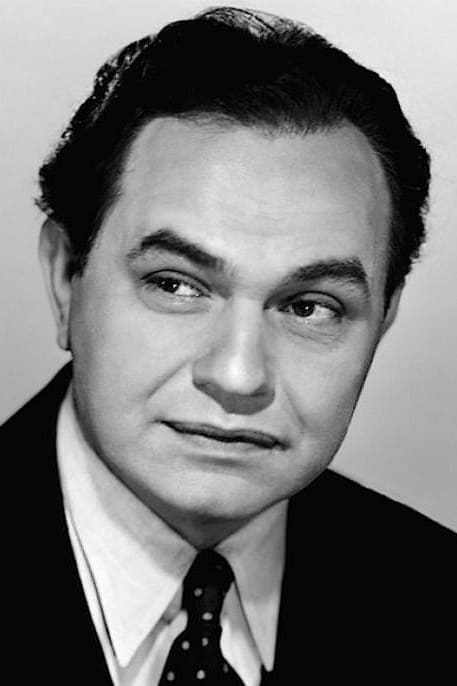
Edward G. Robinson was a legendary actor best known for his tough-guy roles in ‘Little Caesar’ and ‘Key Largo’. Despite his status as one of the most recognizable and skilled actors of the Golden Age, he never received a single competitive Academy Award nomination. He was a highly cultured man and an art collector who often felt frustrated by being typecast as a gangster. During the Red Scare, his career suffered after he was graylisted for his past political associations. He was finally awarded an Honorary Oscar in 1973, but he passed away just two months before the ceremony.
Peter Lorre
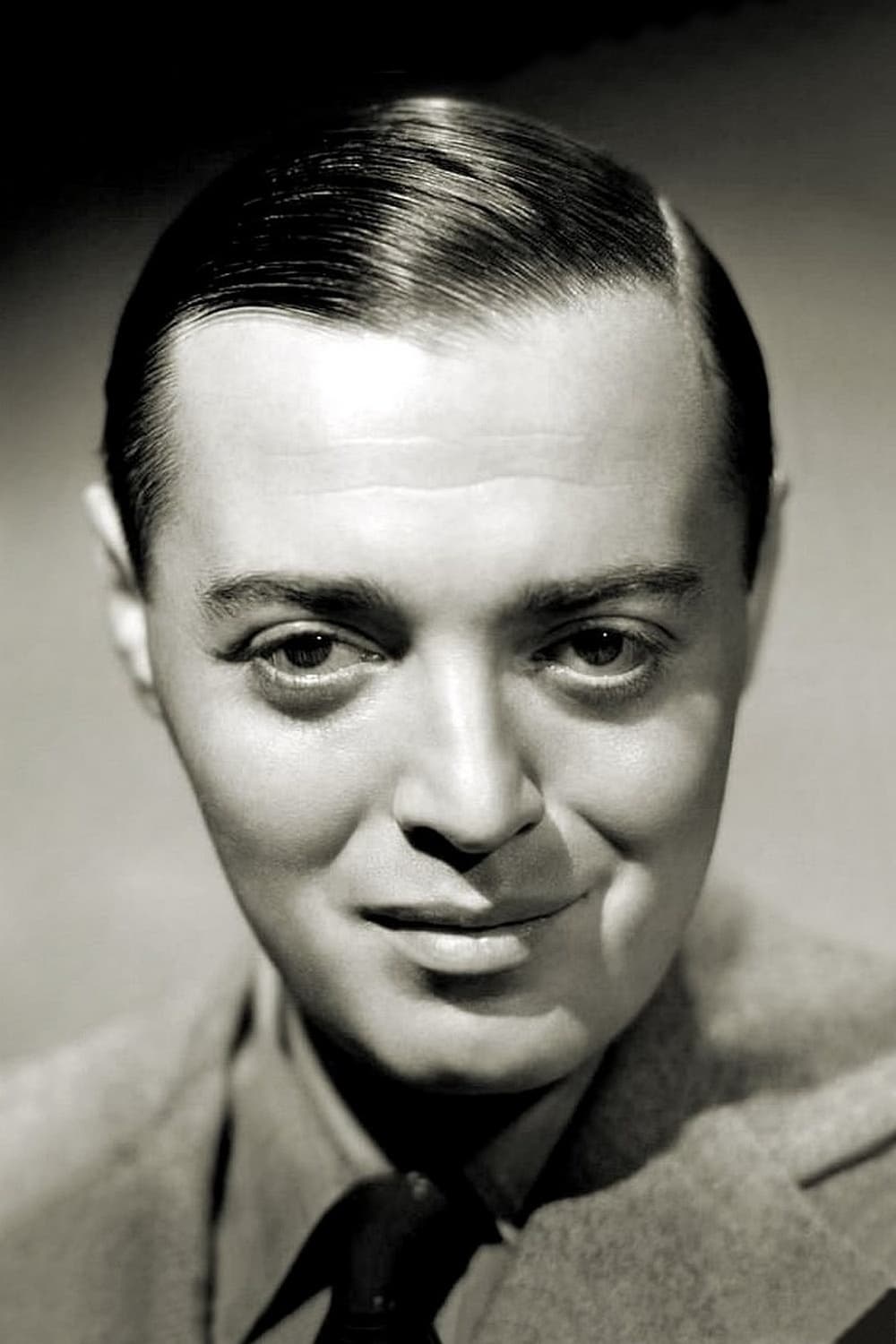
Peter Lorre was an international star following his chilling performance in the German film ‘M’. After moving to Hollywood to escape the Nazi regime, he was frequently relegated to playing eccentric or sinister supporting characters in films like ‘Casablanca’ and ‘The Maltese Falcon’. His unique voice and physical features led to him being parodied and typecast, which limited the range of roles he was offered. Despite being one of the most technically proficient actors of his time, he often felt he was not taken seriously as a performer. Lorre died in 1964, remembered more for his distinct persona than for his deep dramatic capabilities.
Share your thoughts on which other icons deserve more recognition in the comments.