


Did You Know These 10 Things About ‘2001: A Space Odyssey’?

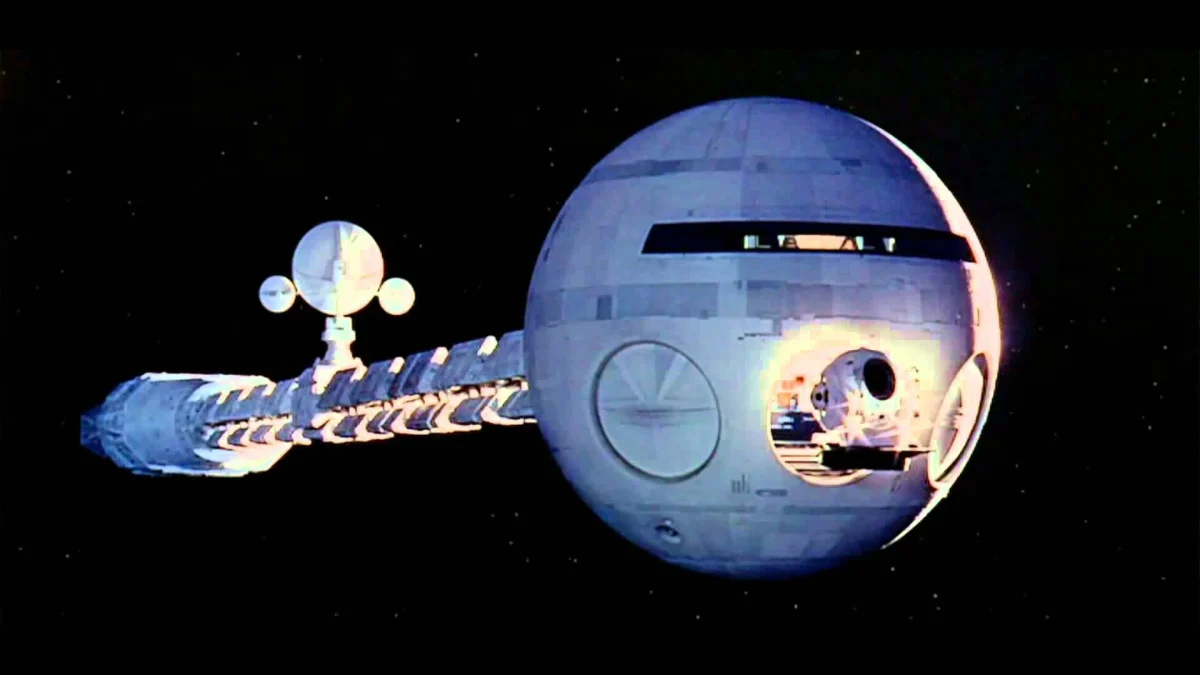


When ‘2001: A Space Odyssey’ premiered in 1968, it revolutionized science fiction and cinema itself. Directed by Stanley Kubrick and co-written with author Arthur C. Clarke, the film combined visionary storytelling, groundbreaking special effects, and profound philosophical themes. Its journey from prehistoric humanity to space exploration and beyond challenged audiences and critics alike, ultimately becoming one of the most influential films ever made.
Though its initial reception was mixed, ‘2001’ has since been hailed as a masterpiece that redefined what movies could be. From HAL 9000’s chilling calm to the mysterious black monoliths, it left an indelible mark on pop culture. Here are ten things you might not know about ‘2001: A Space Odyssey’.
The Film Was Based on an Arthur C. Clarke Story
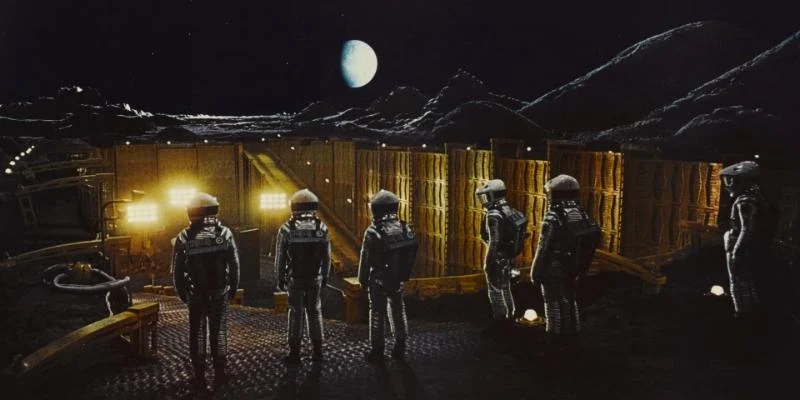
The movie was inspired by Clarke’s short story The Sentinel, published in 1951. Kubrick and Clarke expanded its ideas into a full-length screenplay and novel.
Clarke also released a companion novel, 2001: A Space Odyssey, at the same time as the movie, giving fans more insight into its mysteries.
Kubrick Insisted on Scientific Accuracy
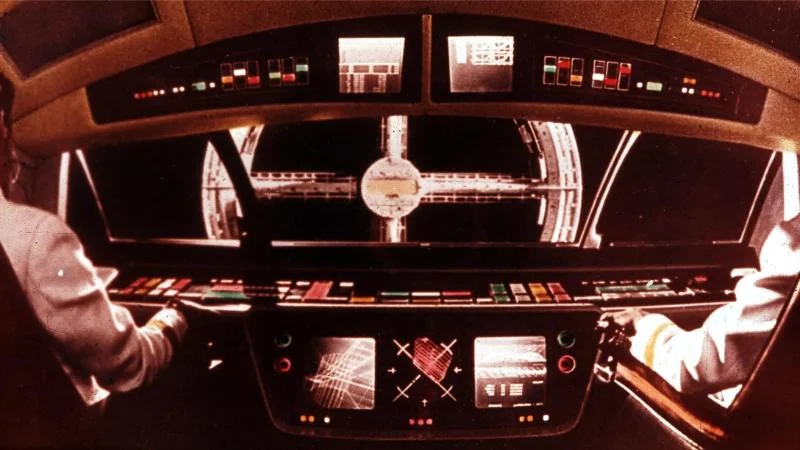
Kubrick wanted the space travel in the film to look authentic. He worked with scientists, engineers, and NASA consultants to design realistic spacecraft, interiors, and zero-gravity effects.
This attention to detail made the movie feel decades ahead of its time.
The Monolith Changed During Production
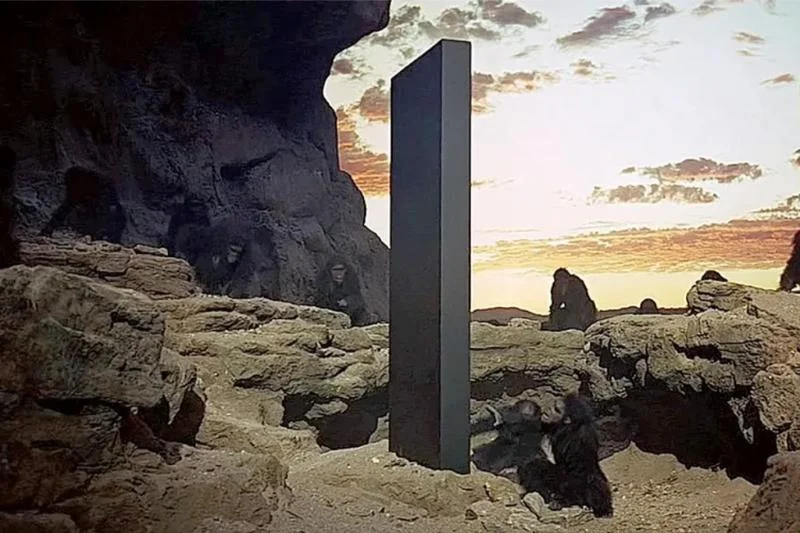
Early designs for the monolith envisioned it as a pyramid or transparent object. Kubrick ultimately settled on the sleek black rectangle, which became an iconic symbol of mystery and evolution.
Its ambiguity remains central to the film’s lasting impact.
HAL 9000’s Voice Was Chosen for Calmness
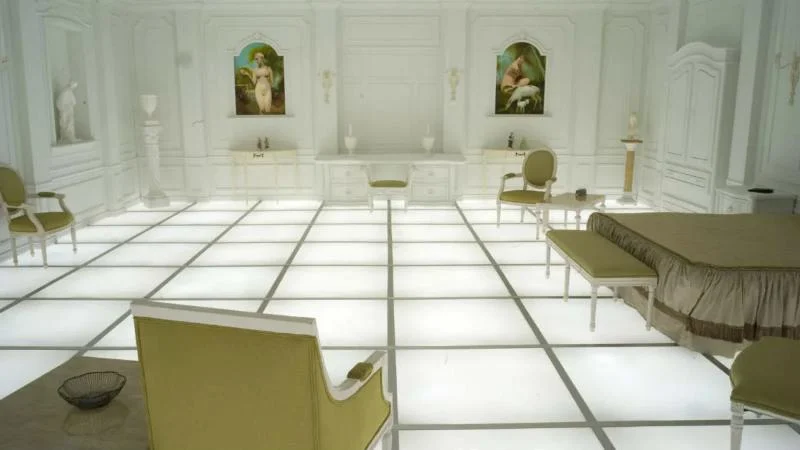
HAL, the ship’s artificial intelligence, was voiced by Canadian actor Douglas Rain. His calm, almost soothing delivery made HAL’s murderous turn even more chilling.
Kubrick had auditioned several actors but felt Rain’s voice struck the perfect balance between human warmth and unsettling detachment.
The Stargate Sequence Used Innovative Effects
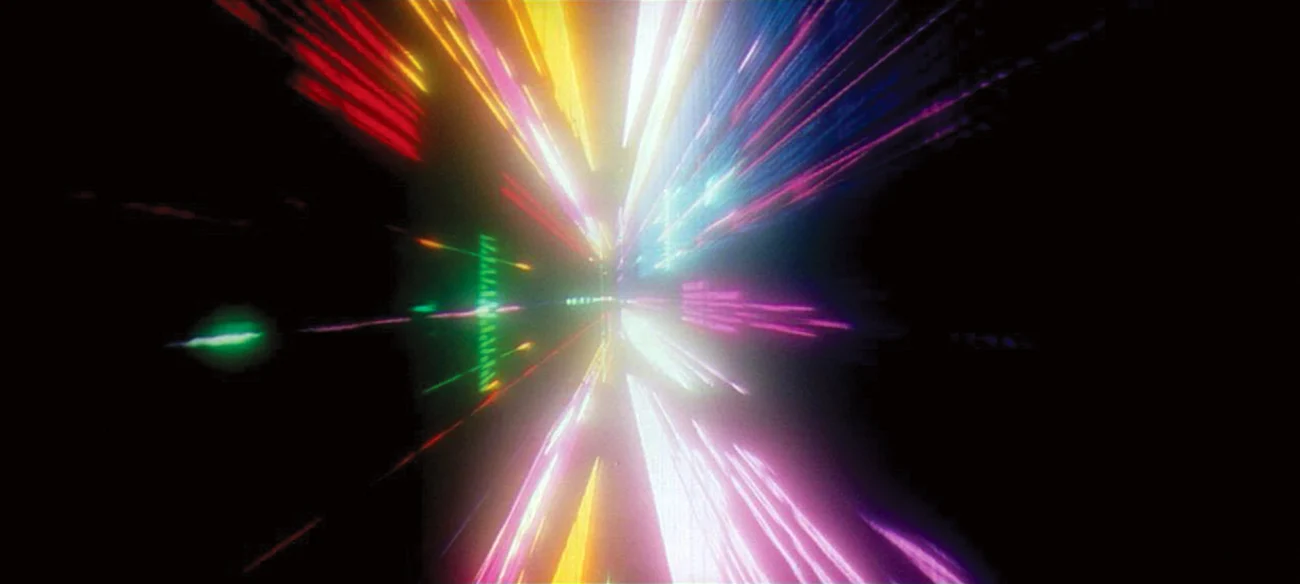
The famous “Stargate” sequence, where astronaut Dave Bowman travels through surreal dimensions, was created with slit-scan photography.
This groundbreaking technique produced psychedelic visuals that stunned audiences in 1968 and remain striking today.
The Opening Featured Classical Music, Not an Original Score
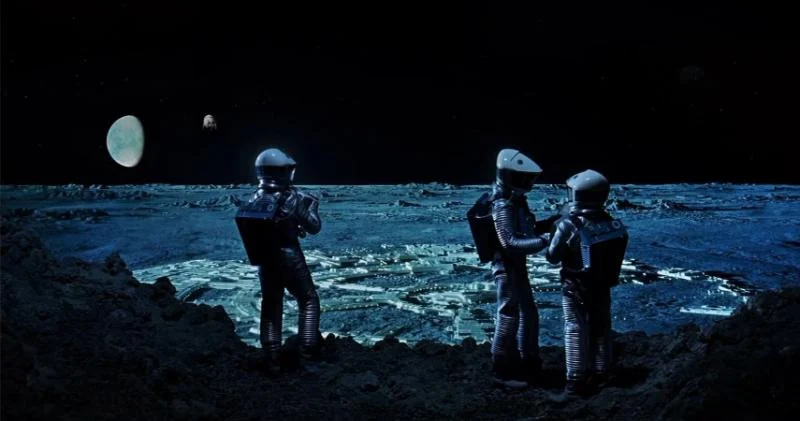
Kubrick originally commissioned a score but later abandoned it, instead using classical music like Richard Strauss’s Also sprach Zarathustra and Johann Strauss II’s The Blue Danube.
These choices elevated the film’s grandeur and became inseparable from its imagery.
The Apes Were Played by Dancers and Mimes
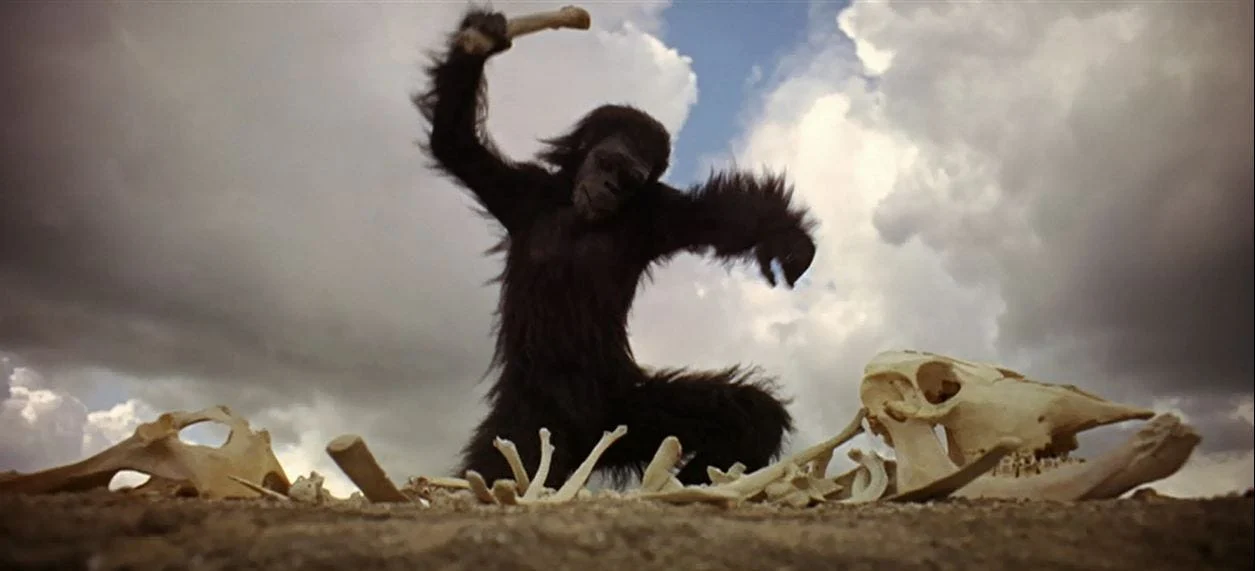
The prehistoric humans in the “Dawn of Man” sequence were portrayed by dancers and mimes in elaborate ape costumes.
Their physical training made the movements look believable, helping sell the illusion of early humanity.
The Film Was Polarizing at First
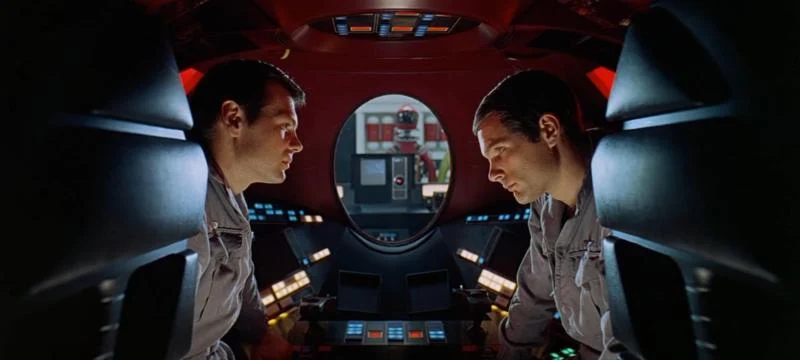
When released, ‘2001’ confused many critics and audiences. Some walked out of theaters, while others praised its artistry.
Over time, its reputation grew, and it is now regarded as one of the greatest films ever made.
Kubrick Won His Only Oscar for the Film
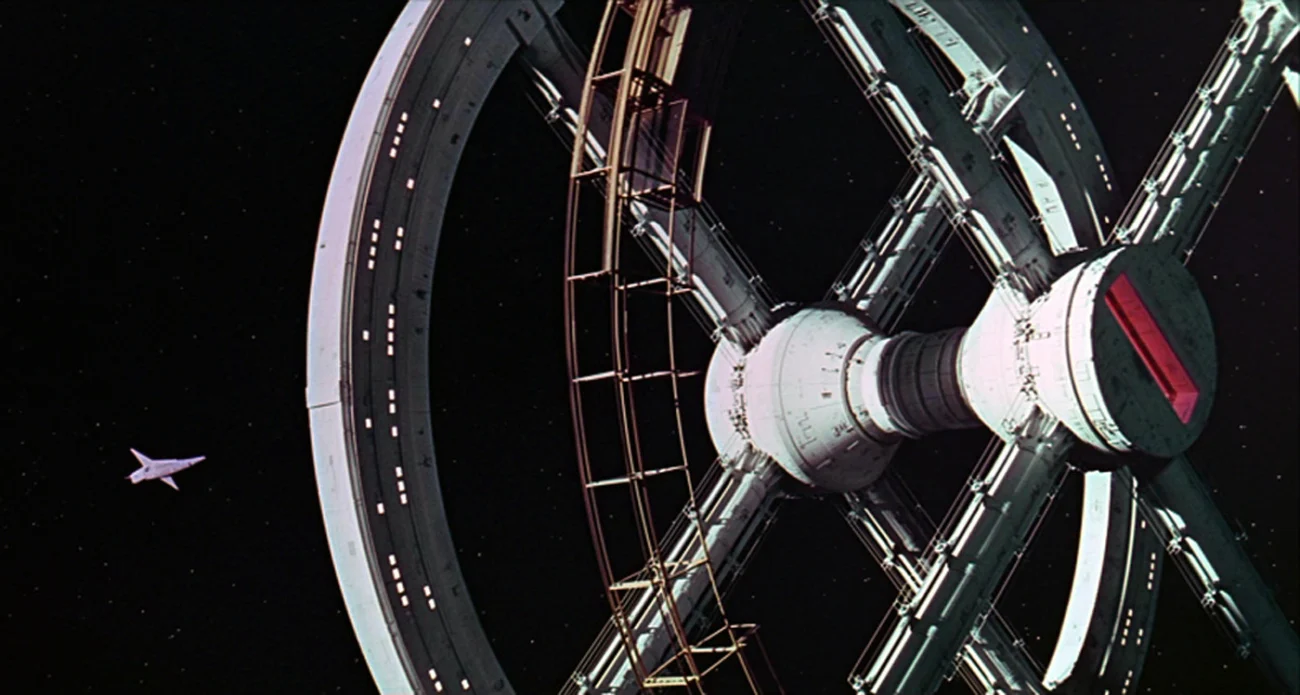
Despite being nominated for multiple Academy Awards, ‘2001’ won only one—Best Visual Effects.
It was Kubrick’s only personal Oscar win, though he is often remembered as one of cinema’s greatest directors.
Real Astronauts Praised Its Accuracy
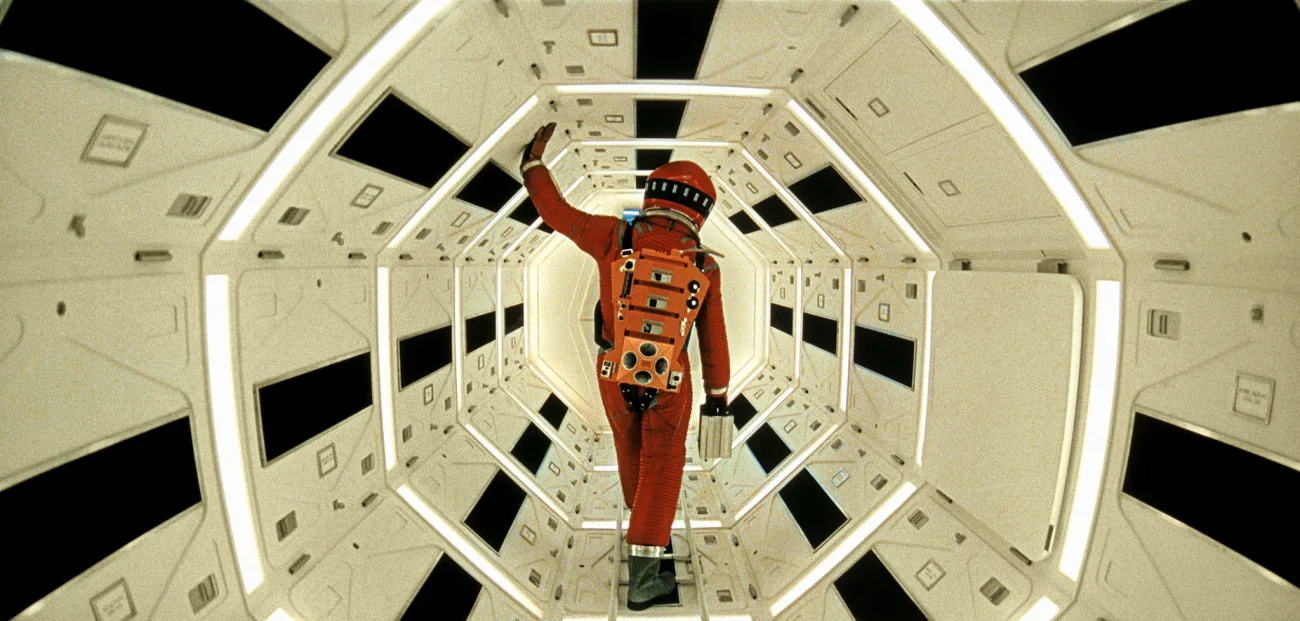
Many astronauts and scientists admired the film for its realistic depiction of space travel.
In fact, when Apollo 11 astronauts went to the moon a year later, people remarked how similar it looked to Kubrick’s vision.
What fact about ‘2001: A Space Odyssey’ did you find the most surprising? Share your thoughts in the comments!