


Did You Know These 10 Things About ‘Back to the Future’?

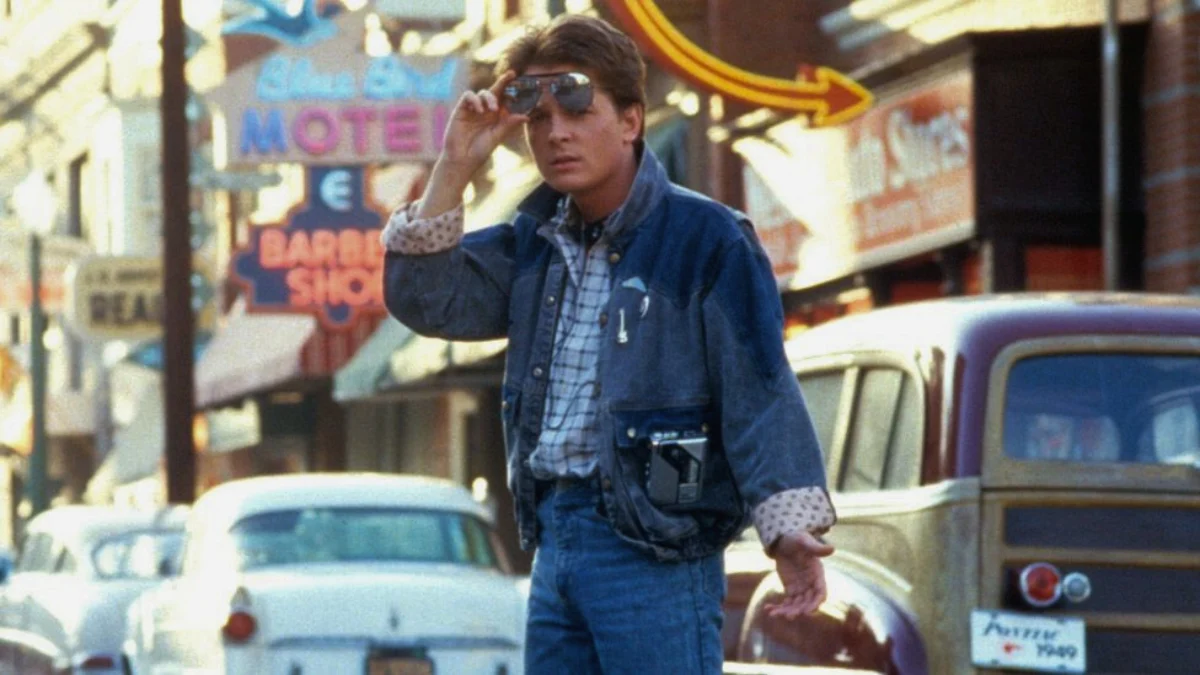


When ‘Back to the Future’ premiered in 1985, it quickly became one of the most beloved science fiction adventure films of all time. The story of Marty McFly traveling back to 1955 in a DeLorean time machine captured audiences with its humor, creativity, and heart. Michael J. Fox’s performance as Marty and Christopher Lloyd’s eccentric Doc Brown helped turn the movie into a cultural icon that still resonates with fans today.
The film’s blend of comedy, sci-fi, and heartfelt storytelling made it a classic, but what happened behind the scenes is just as fascinating. From casting challenges to unusual props and surprising trivia, there are plenty of details that even longtime fans might not know. Here are ten things you may not know about ‘Back to the Future’.
Michael J. Fox Wasn’t the First Marty McFly
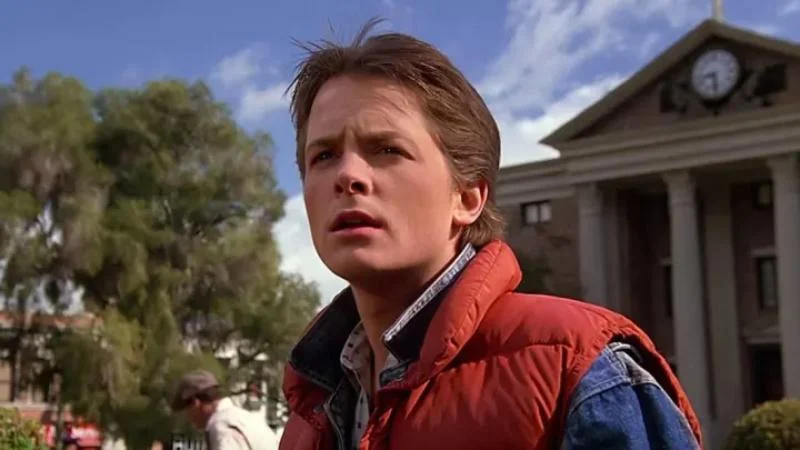
Although Michael J. Fox is inseparable from the role of Marty, he wasn’t the original actor cast. Eric Stoltz was first chosen to play Marty and even filmed several weeks of scenes. However, his performance was considered too serious, and the filmmakers decided to recast.
Fox, who was busy with the TV show ‘Family Ties,’ joined the production despite a grueling schedule. His natural comedic timing and energy brought the character to life in a way that defined the film.
The DeLorean Was Chosen for Its Look
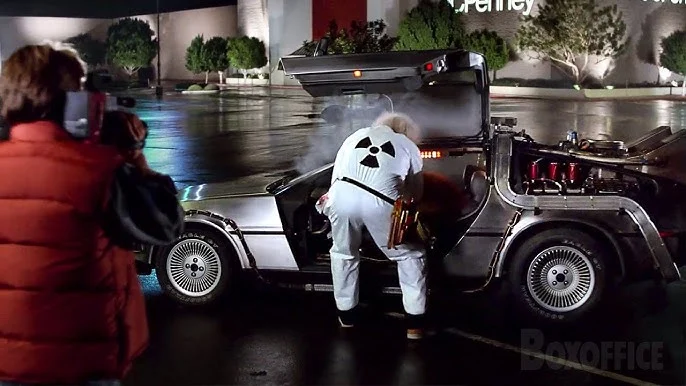
The time machine in the movie became one of the most famous cars in film history. The filmmakers chose the DeLorean DMC-12 because of its futuristic stainless steel body and distinctive gull-wing doors. Its unusual design made it look believable as a machine that could travel through time.
Special effects teams added lights, wires, and gadgets to make it appear more advanced. The DeLorean became a pop culture icon and is now forever linked to the concept of time travel.
The Original Script Was Very Different
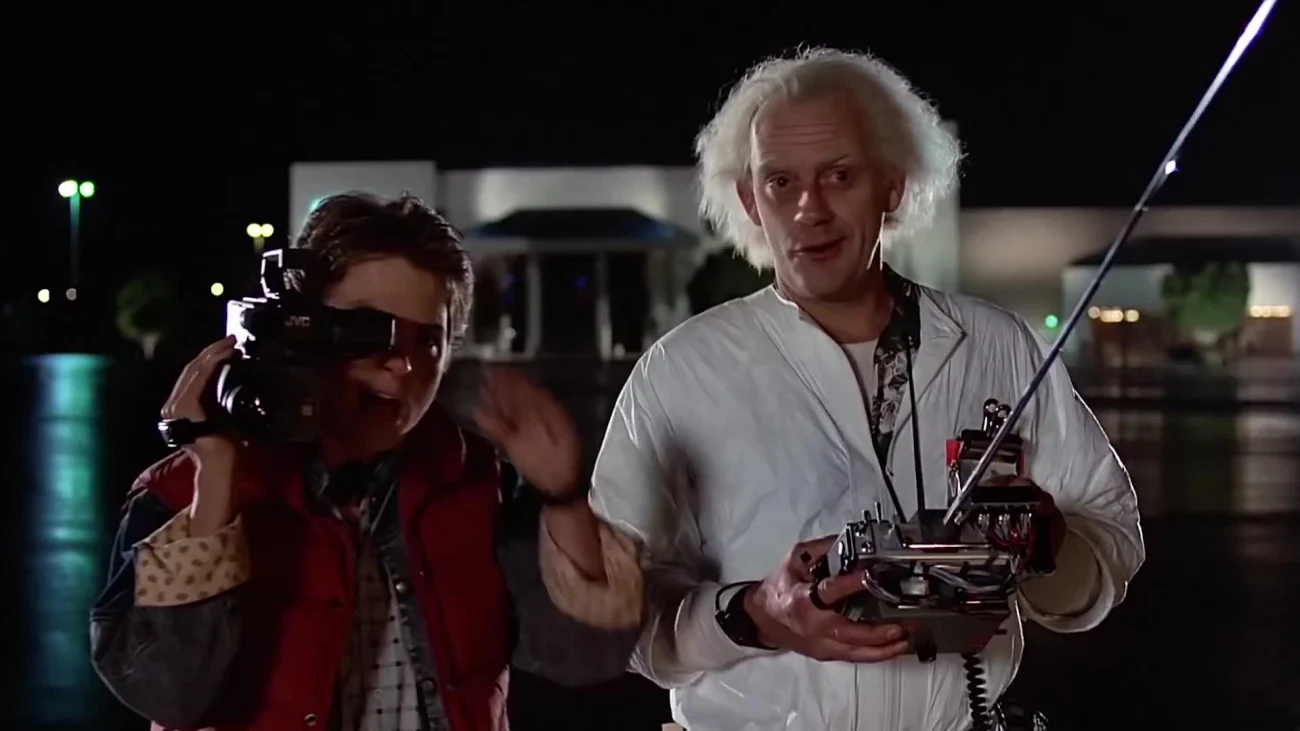
In early drafts, the time machine wasn’t a car at all. The script featured a refrigerator as the device that sent Marty back in time. This idea was eventually dropped because the filmmakers worried children might try to climb into fridges imitating the movie.
Switching to a car also made the story more dynamic, since Marty could drive the DeLorean at 88 miles per hour to activate time travel. This change added excitement and became one of the defining features of the film.
Huey Lewis Wrote the Theme Song
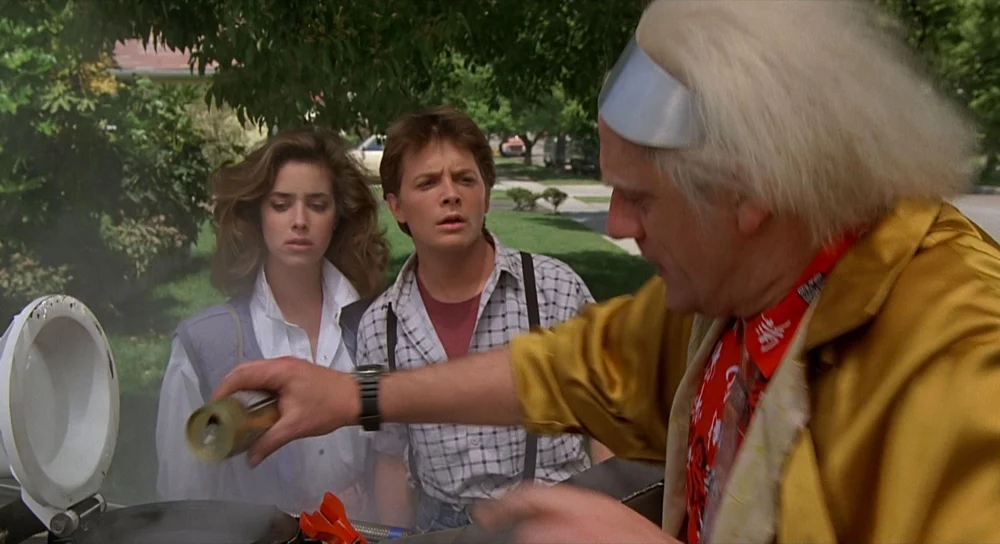
The catchy song ‘The Power of Love’ was written and performed by Huey Lewis and the News specifically for the film. It became a chart-topping hit and remains one of the most recognizable songs from an ’80s movie.
Huey Lewis even made a cameo appearance as one of the high school judges who tells Marty’s band they’re too loud during auditions. The song helped set the energetic tone for the movie and became forever linked with Marty’s adventures.
The Clock Tower Scene Was Filmed on a Universal Lot
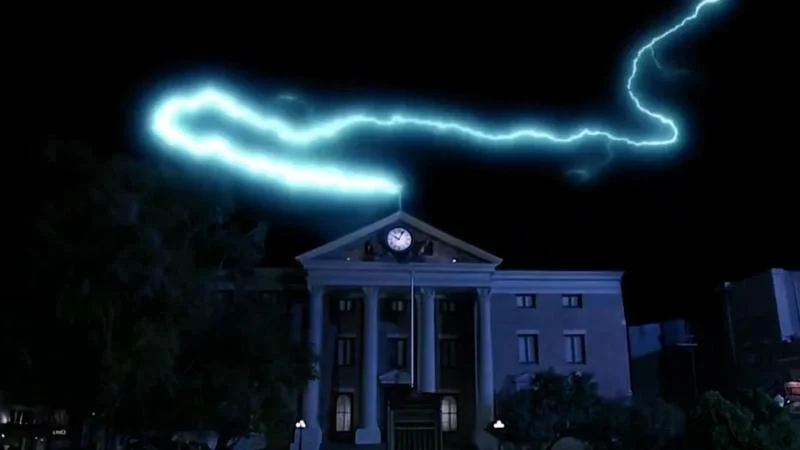
The climactic lightning strike at Hill Valley’s clock tower was filmed on the Universal Studios backlot. The courthouse square set had been used in many other movies and TV shows, but ‘Back to the Future’ made it iconic.
The lightning bolt sequence required precise timing and effects to pull off convincingly. It became one of the most thrilling moments in the movie and remains a highlight of 1980s cinema.
Ronald Reagan Loved the Movie
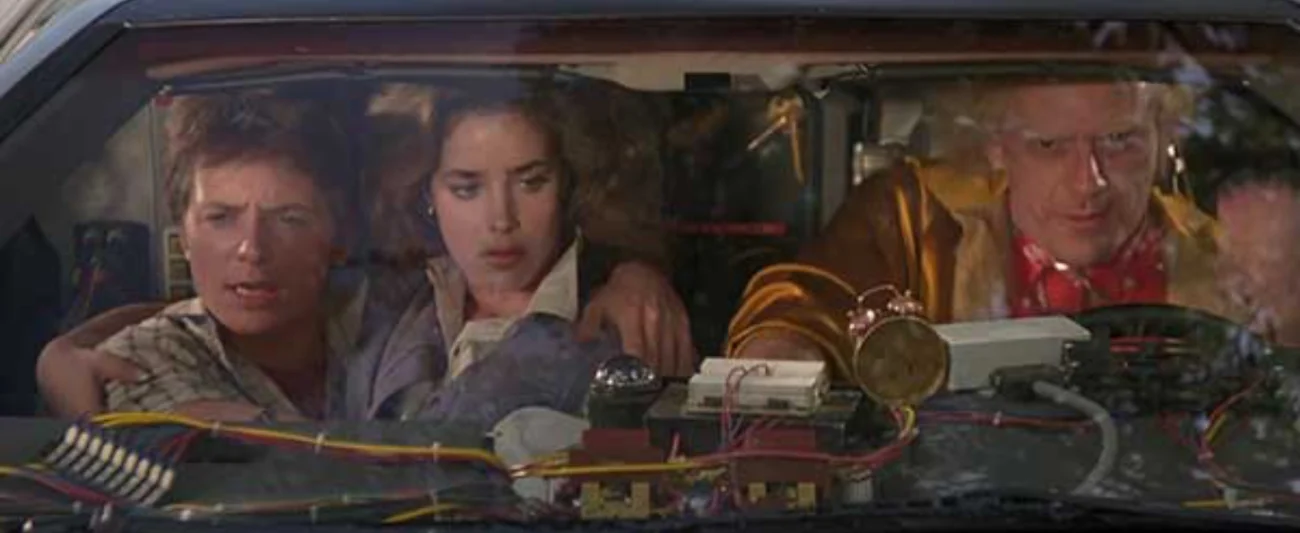
‘Back to the Future’ included a joke where Doc Brown is surprised to learn that Ronald Reagan is president in 1985. Reagan reportedly loved the line and even referenced the movie in a speech, quoting “Where we’re going, we don’t need roads.”
The lighthearted political nod helped cement the film’s place in the cultural landscape of the decade. It also showed how quickly the movie had made its mark on American pop culture.
The Libyan Terrorist Scene Was Controversial
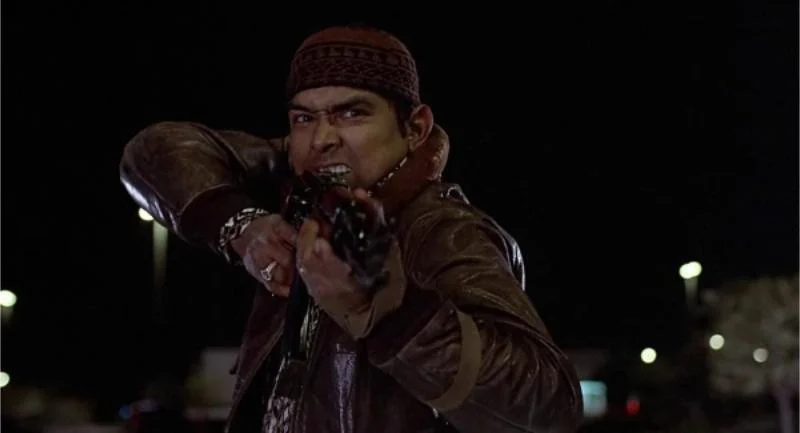
The film begins with Libyan terrorists chasing Marty and Doc over stolen plutonium. This subplot provided the necessary radioactive material for time travel but also sparked some controversy for its depiction of real-world groups.
Despite the criticism, the sequence created urgency early in the film and set the chain of events into motion. It remains one of the darker elements in an otherwise upbeat story.
Christopher Lloyd Based Doc Brown on Einstein
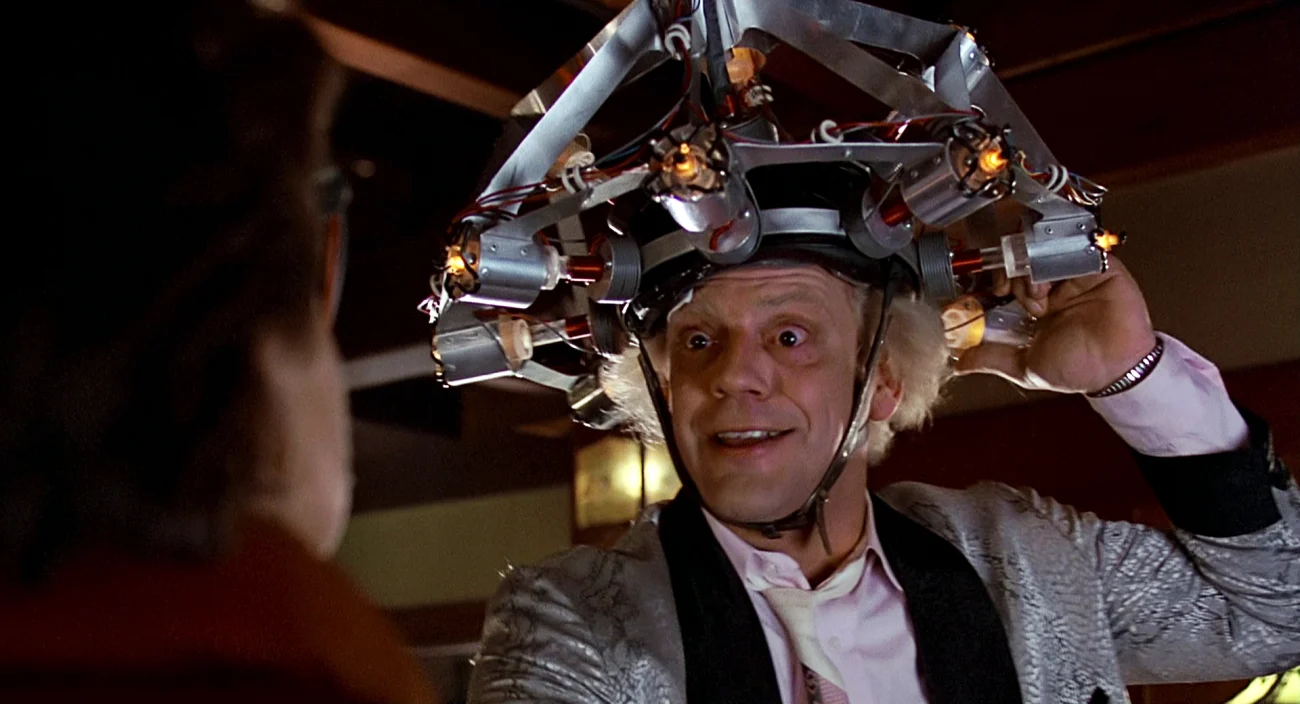
Christopher Lloyd gave Doc Brown his wild energy by drawing inspiration from real-life figures. He modeled some of Doc’s eccentric mannerisms after Albert Einstein, including his untamed hair and excited bursts of speech.
This blend of scientific genius and comic exaggeration made Doc one of the most memorable mentors in movie history. His dynamic with Marty added both heart and humor to the film.
The Johnny B. Goode Scene Almost Didn’t Happen
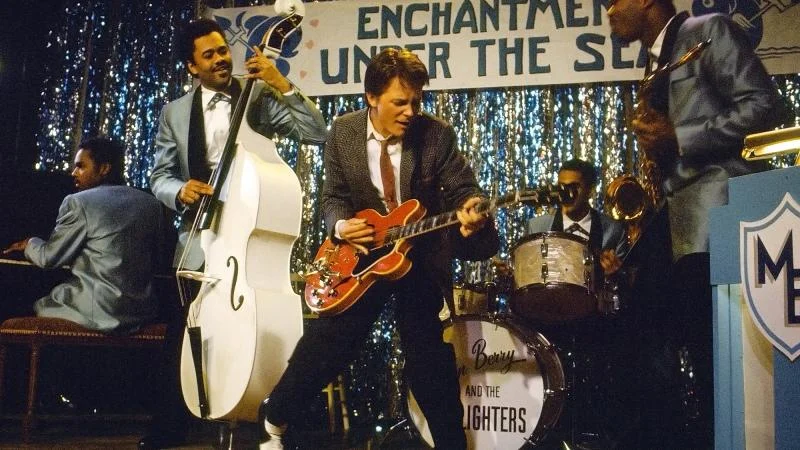
One of the film’s most iconic moments is when Marty performs ‘Johnny B. Goode’ at the high school dance. The performance tied into the idea that Marty influenced rock and roll history by inspiring Chuck Berry.
The scene required Michael J. Fox to learn how to convincingly look like he was playing guitar. A professional guitarist provided the actual track, while Fox mimed the performance. It became a standout moment that blended music, comedy, and time travel perfectly.
The Film Almost Had a Different Title
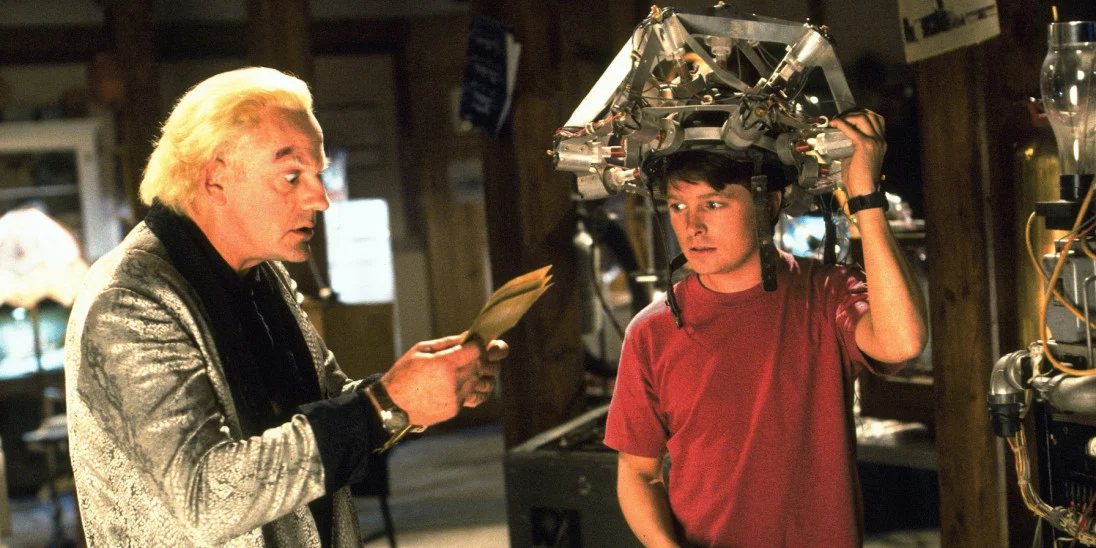
At one point, studio executive Sid Sheinberg suggested that the movie be titled ‘Spaceman from Pluto.’ He believed ‘Back to the Future’ wouldn’t resonate with audiences. Thankfully, the filmmakers stuck with the original name.
The chosen title not only made sense for the story but also captured the imagination of audiences. It has since become one of the most recognizable movie titles of all time.
What detail about ‘Back to the Future’ did you find the most surprising? Share your thoughts in the comments!