


Did You Know These 10 Things About ‘Back to the Future Part II’?

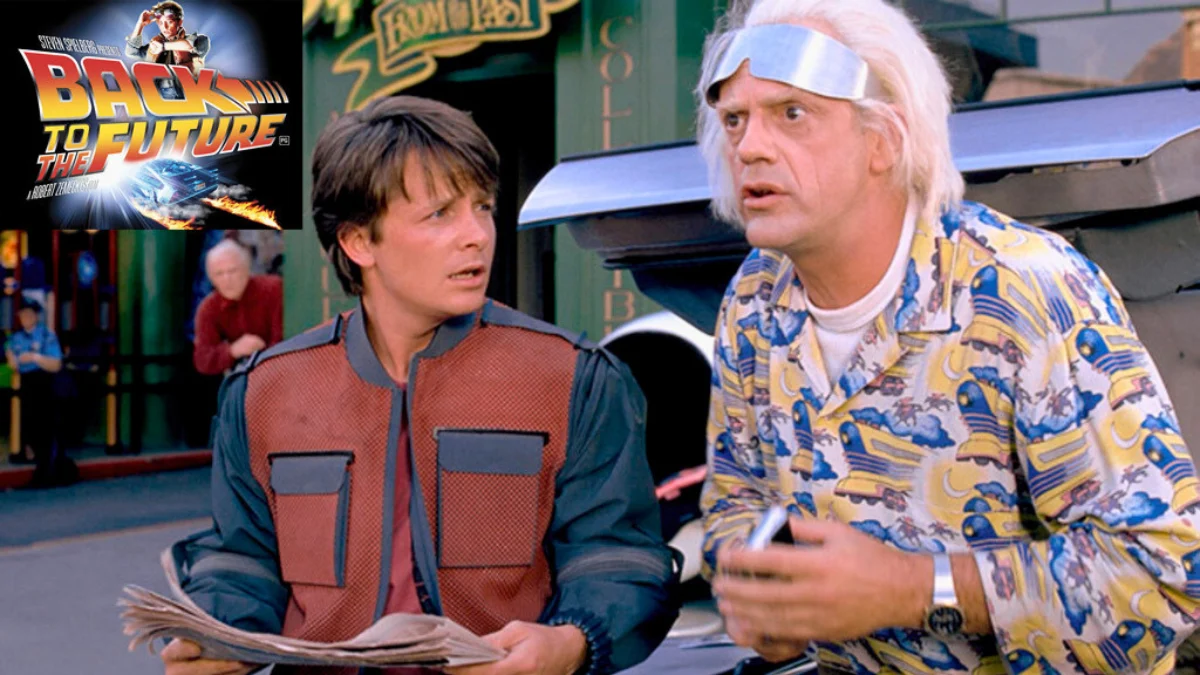


When ‘Back to the Future Part II’ was released in 1989, fans were eager to see where Marty McFly and Doc Brown’s adventures would lead next. The movie took audiences on a wild ride through three different timelines, including a futuristic version of 2015, an alternate 1985, and a return to 1955. Its ambitious scope made it one of the most inventive sequels of its time, expanding on the original while setting up the final chapter of the trilogy.
The film is remembered for its clever storytelling, memorable gadgets, and creative special effects that pushed the boundaries of late 1980s filmmaking. From hoverboards to self-lacing shoes, it created visions of the future that still spark conversation today. But behind all the fun, there are plenty of surprising details about how the film was made and what went on behind the scenes. Here are ten things you may not know about ‘Back to the Future Part II’.
Crispin Glover Didn’t Return as George McFly
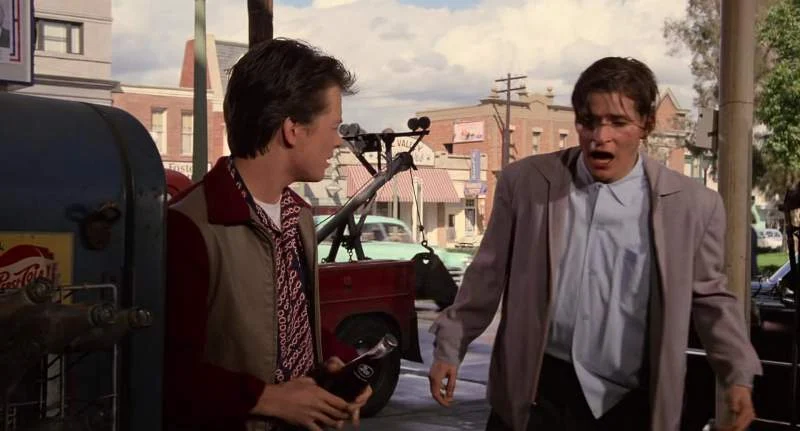
Crispin Glover, who played George McFly in the first film, did not come back for the sequel due to disagreements over pay and creative differences. The filmmakers used a combination of old footage and lookalike actors to cover his absence.
This decision led to a lawsuit from Glover, which eventually influenced Hollywood’s rules about using an actor’s likeness without permission. The controversy became a landmark case in the industry.
The Future of 2015 Was a Big Challenge to Design
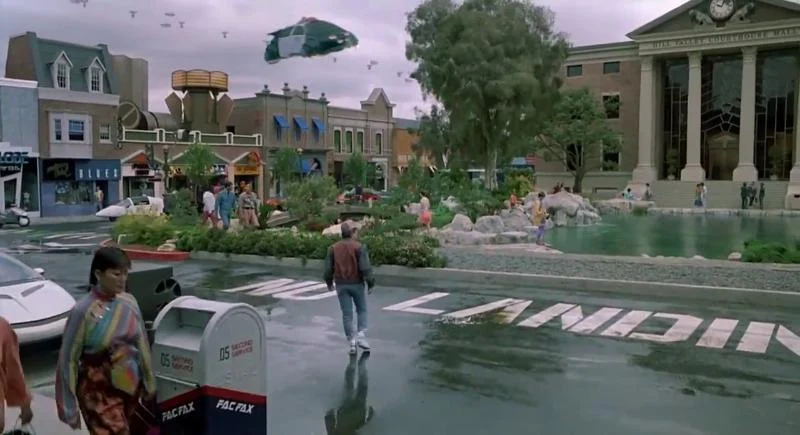
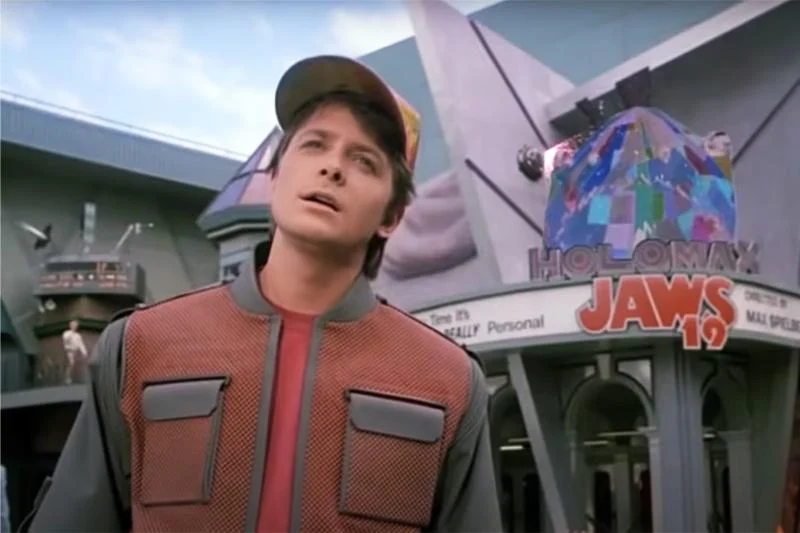
Creating the version of 2015 seen in the film required the production team to imagine technology decades ahead of its time. They filled Hill Valley with flying cars, holograms, and futuristic gadgets.
While not all predictions came true, some ideas like video calls, smart glasses, and big-screen flat TVs were surprisingly accurate. The film’s vision of the future has continued to fascinate fans long after 2015 passed in real life.
Hoverboards Became a Pop Culture Phenomenon
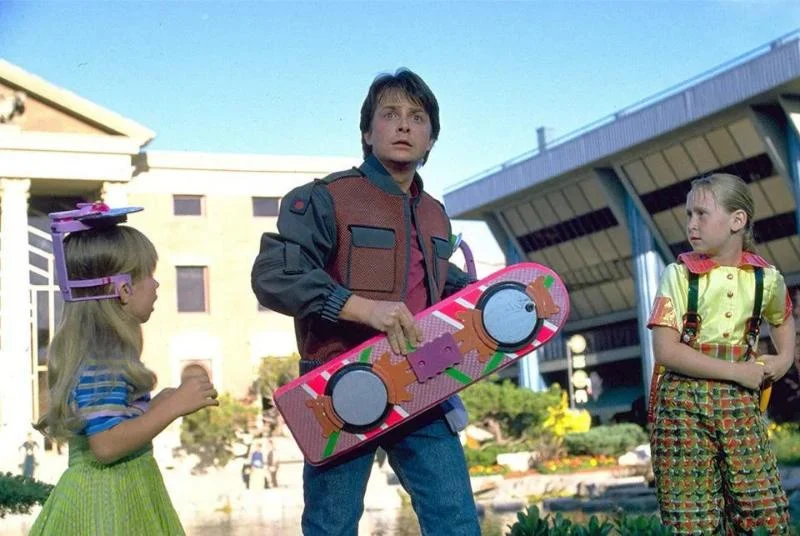
One of the most iconic inventions from the movie was the hoverboard Marty uses to escape bullies. The pink Mattel hoverboard captured the imagination of audiences, sparking rumors that real versions existed.
Although the hoverboards in the film were special effects, the idea stuck around for decades. Companies later developed self-balancing scooters that were often nicknamed hoverboards, showing how lasting the movie’s influence was.
Michael J. Fox Played Multiple Roles
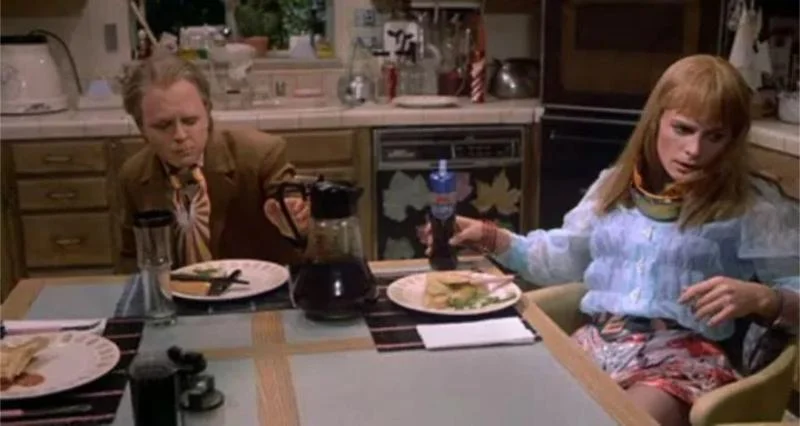
In a groundbreaking sequence set in the McFly household of 2015, Michael J. Fox played not just Marty but also Marty’s future son and daughter. This was achieved through clever camera tricks and visual effects that were cutting-edge for the time.
The scene showcased Fox’s versatility and added a layer of comedy to the futuristic storyline. It remains one of the standout examples of how the film pushed technical boundaries.
The Alternate 1985 Was Inspired by Real Concerns
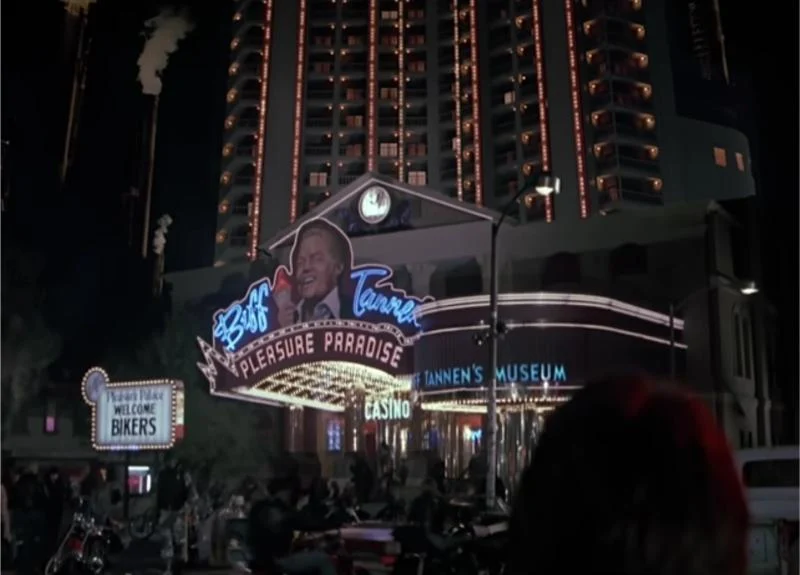
When Marty and Doc return to an alternate 1985 ruled by Biff Tannen, the world is darker and more corrupt. This version of Hill Valley was meant to reflect anxieties about greed and social decline in the 1980s.
The design of Biff’s casino empire was modeled after real-life excesses of Las Vegas and Atlantic City. This dystopian timeline created a sharp contrast with the more optimistic version of Hill Valley from the original film.
Filming Parts II and III Back-to-Back Was Risky
The decision to shoot ‘Back to the Future Part II’ and ‘Part III’ back-to-back was unusual at the time. It required a massive commitment from the cast and crew, who had to juggle two films at once.
This approach allowed for continuity between the movies and ensured that the trilogy would be completed without long delays. However, it was an exhausting process that pushed everyone involved to their limits.
Elisabeth Shue Took Over as Jennifer
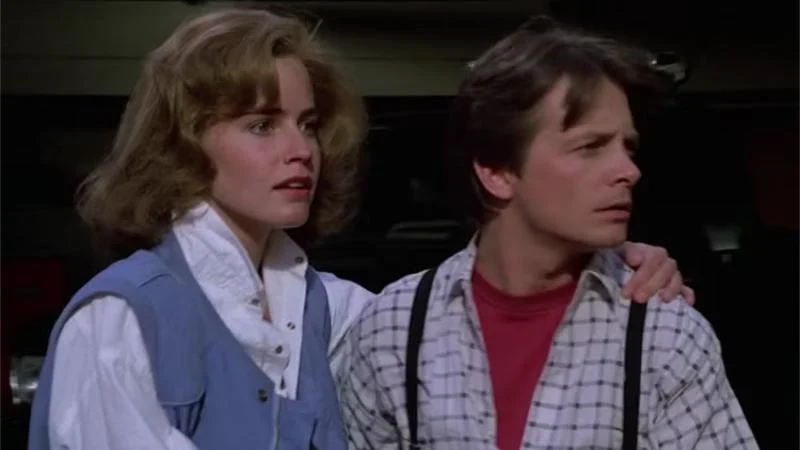
Claudia Wells, who played Jennifer in the first film, was unable to return for the sequels due to personal reasons. Elisabeth Shue was cast as her replacement, and the ending of the first film was reshot with her in the role.
This seamless switch allowed the story to continue, though some fans noticed the subtle differences. Shue’s version of Jennifer went on to play a bigger part in the time travel chaos of the second film.
The Sports Almanac Was a Clever Plot Device
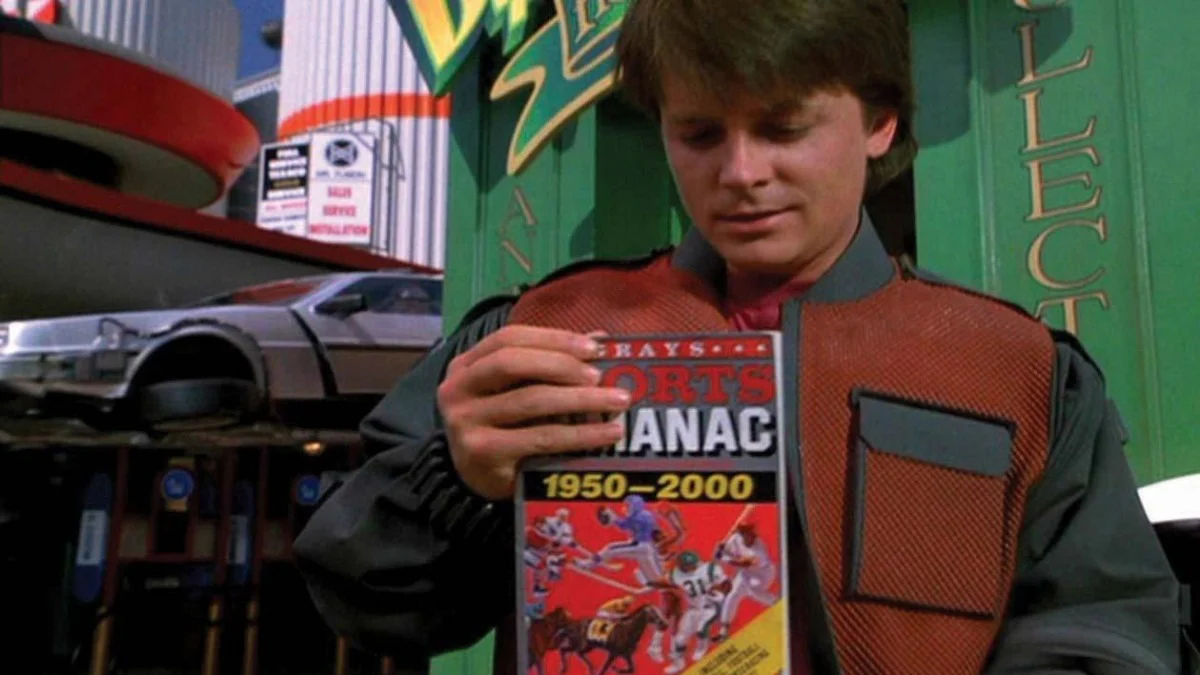
The Gray’s Sports Almanac became one of the film’s central story elements. By allowing Biff to gamble on future events, it created a ripple effect that altered the timeline dramatically.
The idea highlighted the dangers of misusing time travel for personal gain. It also gave the sequel its main conflict, tying together the jumps between 2015, 1985, and 1955 in a clever way.
The Special Effects Broke New Ground
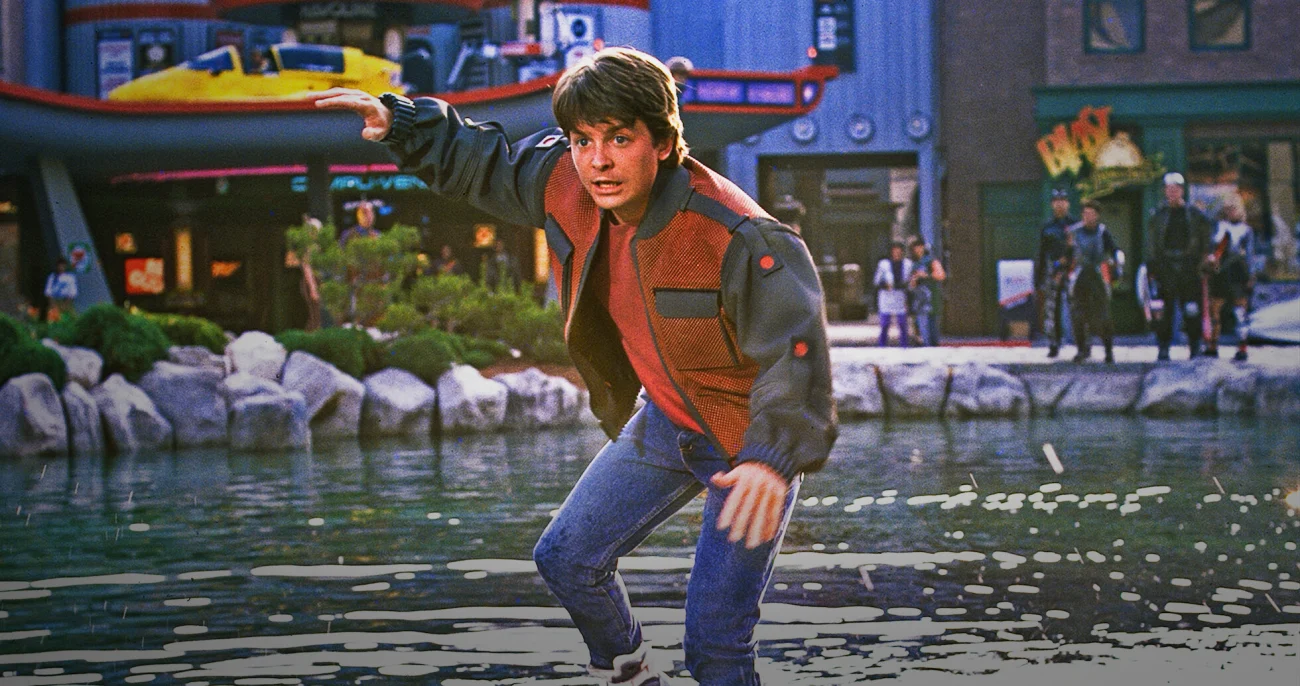
‘Back to the Future Part II’ used advanced motion control cameras and compositing to create seamless scenes where multiple versions of the same actor interacted. These techniques were cutting-edge for the late 1980s.
The work paid off, with many of the effects still holding up decades later. The film’s innovations influenced how visual effects would be used in Hollywood throughout the 1990s.
The Ending Was a Direct Setup for Part III
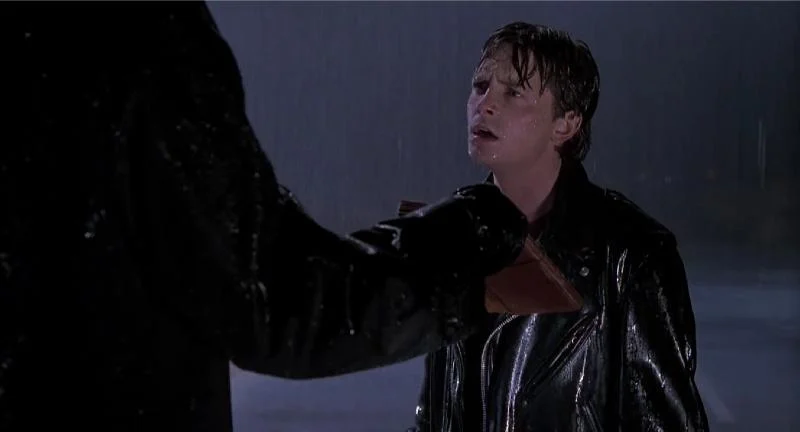
Unlike the first film, which had a self-contained story, ‘Back to the Future Part II’ ended on a cliffhanger. Marty sees Doc vanish into the past, only to receive a letter from him sent 70 years earlier.
This bold choice left audiences eager for the next chapter, which arrived just one year later with ‘Back to the Future Part III.’ It was one of the earliest examples of a blockbuster sequel directly leading into another film.
What fact about ‘Back to the Future Part II’ did you enjoy the most? Share your thoughts in the comments!