


Did You Know These 10 Things About ‘Django Unchained’?

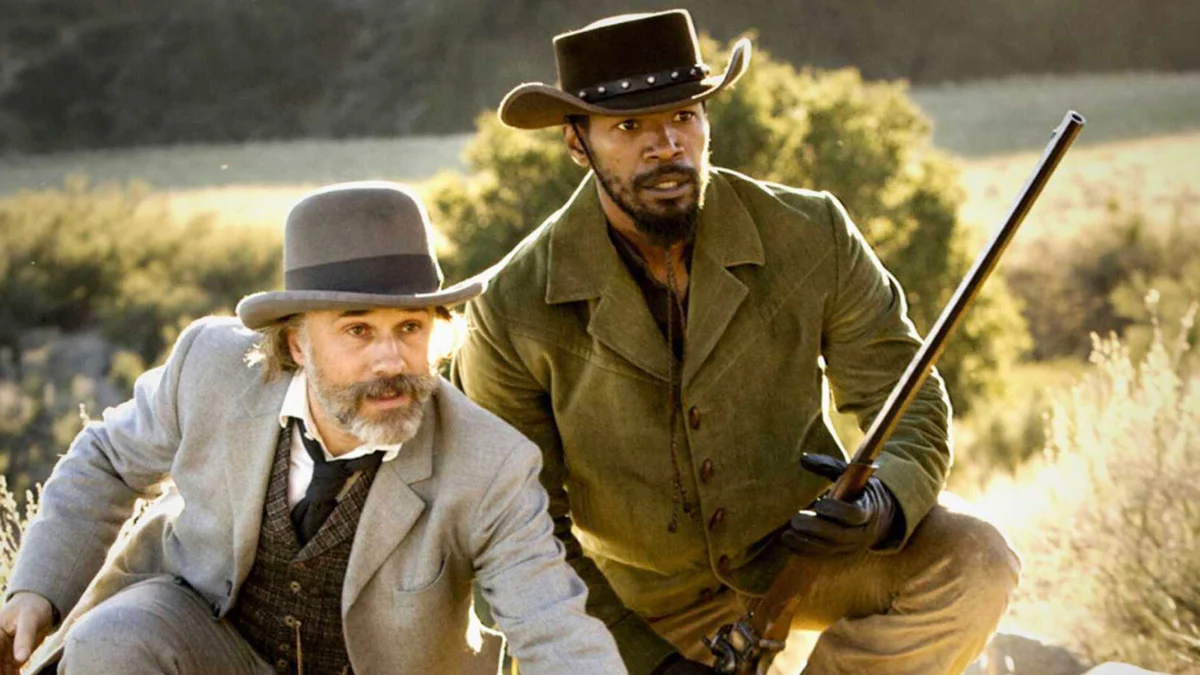


When ‘Django Unchained’ premiered in 2012, it brought Quentin Tarantino’s signature style to the Western genre. Mixing revenge drama, sharp dialogue, and stylized violence, the film told the story of Django, a freed slave turned bounty hunter, as he sought to rescue his wife from a brutal plantation owner. With Jamie Foxx, Christoph Waltz, Leonardo DiCaprio, and Samuel L. Jackson in key roles, the movie became both controversial and widely acclaimed.
It earned strong box office numbers and multiple Academy Awards, including Best Original Screenplay for Tarantino and Best Supporting Actor for Christoph Waltz. The film stood out for its blend of history, genre, and Tarantino’s bold storytelling. Behind the gunslinging and tense standoffs, there are plenty of fascinating details. Here are ten things you might not know about ‘Django Unchained’.
Will Smith Was Considered for the Lead
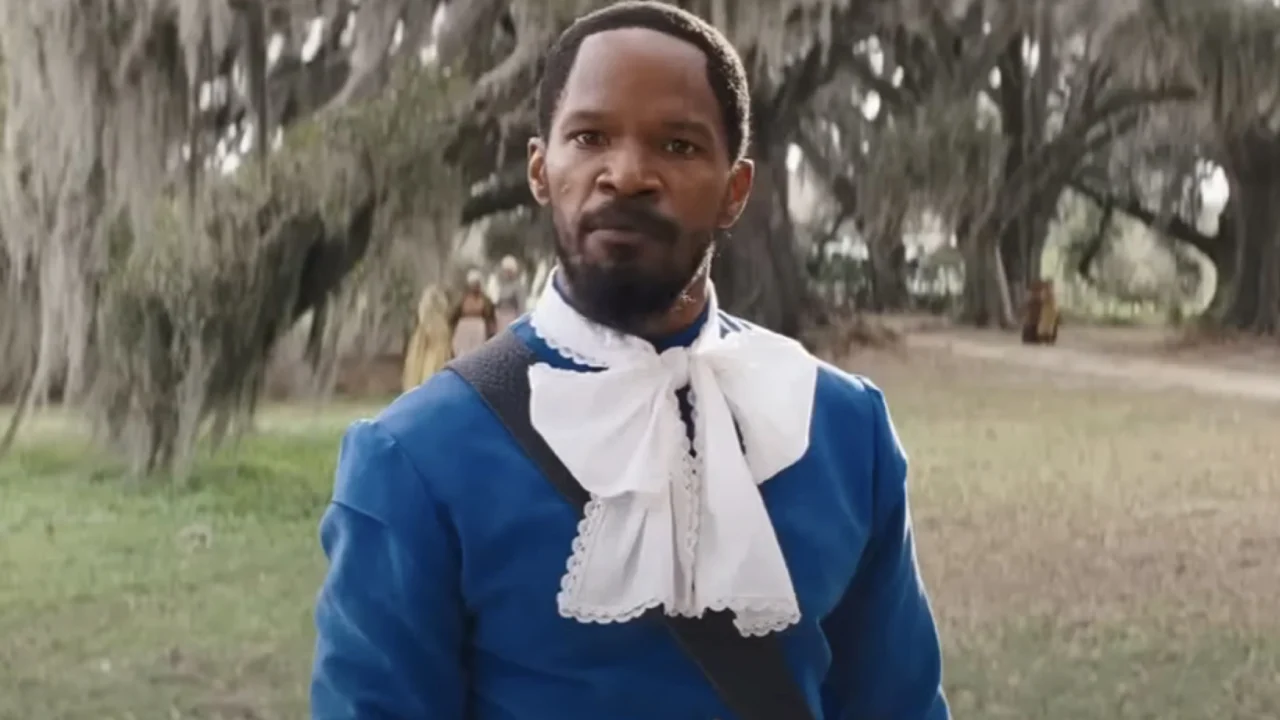
Before Jamie Foxx was cast, Quentin Tarantino offered the role of Django to Will Smith. Smith reportedly turned it down because he wanted the story to focus more on Django than on Dr. King Schultz.
Jamie Foxx ultimately took the role and delivered a performance that became one of his most celebrated. His presence gave Django a balance of vulnerability and strength.
Christoph Waltz Won His Second Oscar
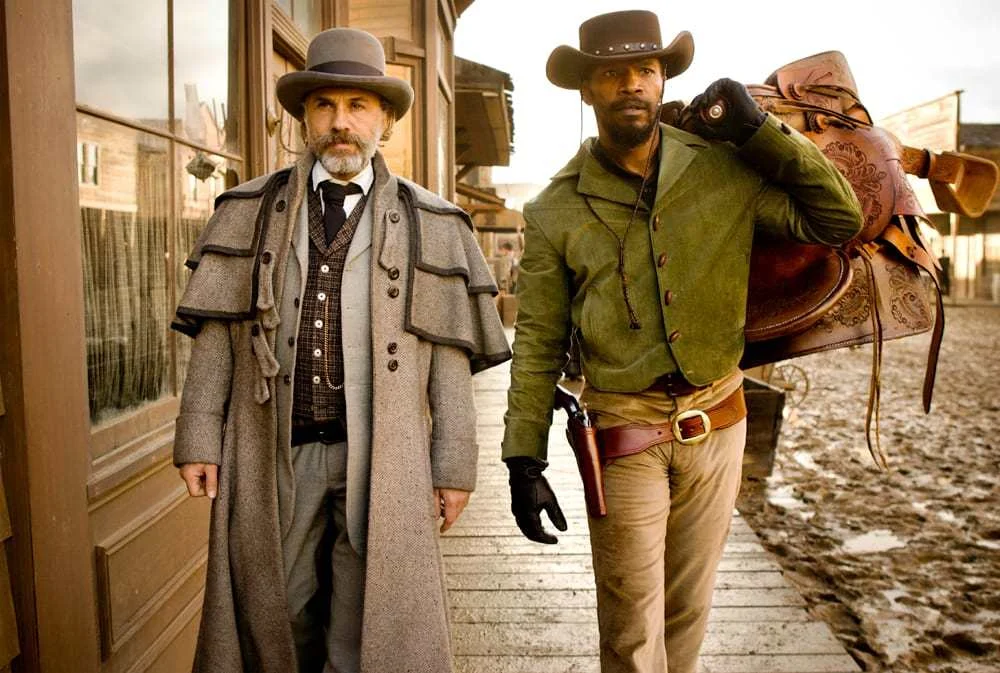
Christoph Waltz, who played Dr. King Schultz, won his second Academy Award for Best Supporting Actor. He had previously won for Tarantino’s ‘Inglourious Basterds.’
Waltz’s portrayal of the charming and principled bounty hunter became a standout, providing balance to the film’s darker themes.
Leonardo DiCaprio Played His First Villain Role
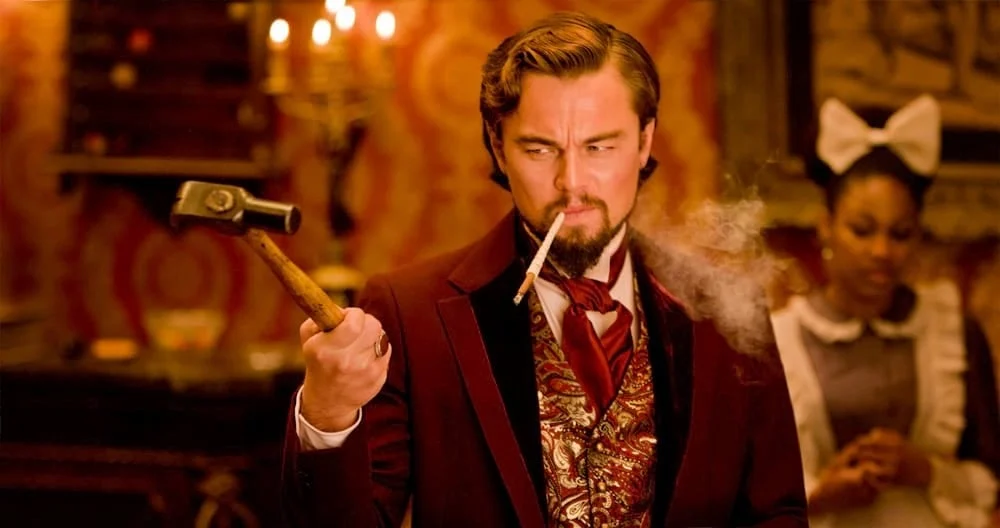
Leonardo DiCaprio took on the role of Calvin Candie, a ruthless plantation owner. It was his first time playing a true villain on screen.
DiCaprio fully embraced the role’s brutality, even injuring his hand during the dinner table scene when he smashed a glass—yet continuing to act through the real blood.
Samuel L. Jackson Played Against Type
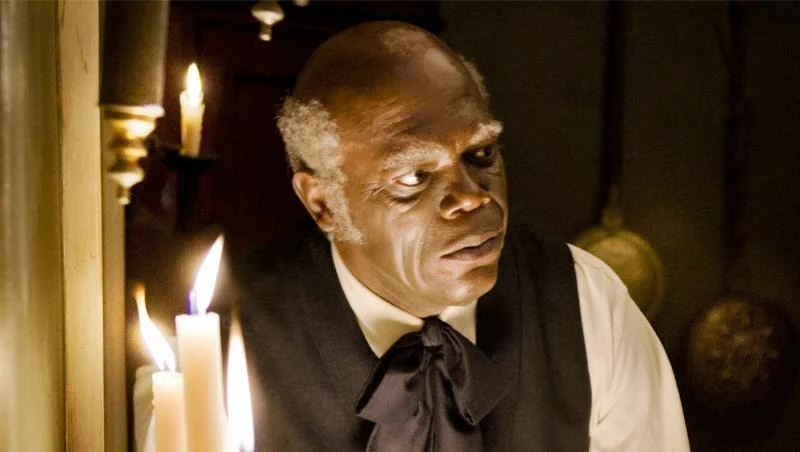
Samuel L. Jackson portrayed Stephen, the loyal yet manipulative house slave who secretly controlled much of Candie’s plantation. His performance shocked audiences with its cold cunning.
Jackson transformed into one of the film’s most detestable figures, adding complexity to the story’s exploration of power and oppression.
The Film Paid Homage to Spaghetti Westerns
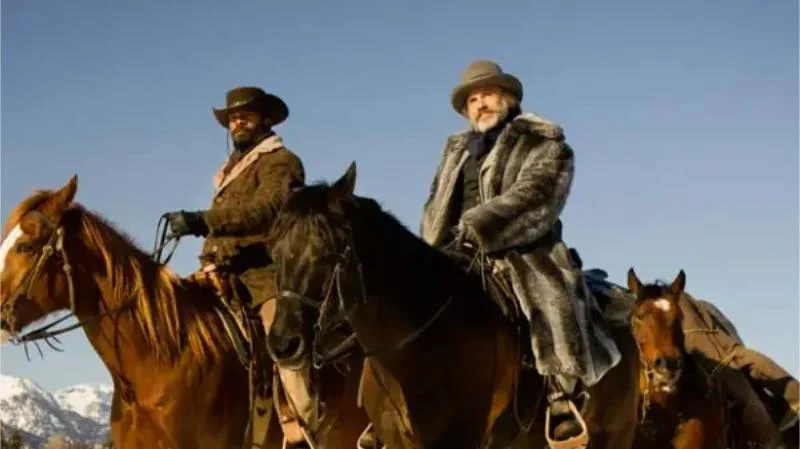
‘Django Unchained’ was heavily influenced by Italian spaghetti Westerns, especially Sergio Corbucci’s 1966 film ‘Django.’ The original Django actor, Franco Nero, even appeared in a cameo.
The movie’s soundtrack, gunfights, and sweeping shots all echoed the style of those classic Westerns.
The Script Was Written With Waltz in Mind
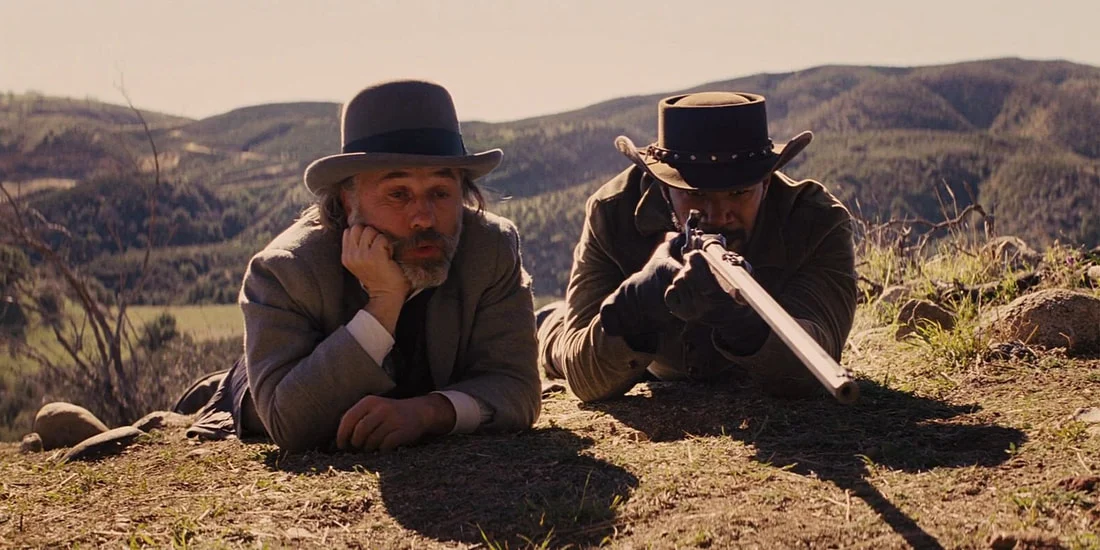
Tarantino wrote the role of Dr. King Schultz specifically for Christoph Waltz, having been so impressed with his work in ‘Inglourious Basterds.’
Waltz almost couldn’t take the role due to scheduling conflicts, but Tarantino was determined to wait for him, knowing no one else could capture the part.
The Movie Sparked Controversy Over Language
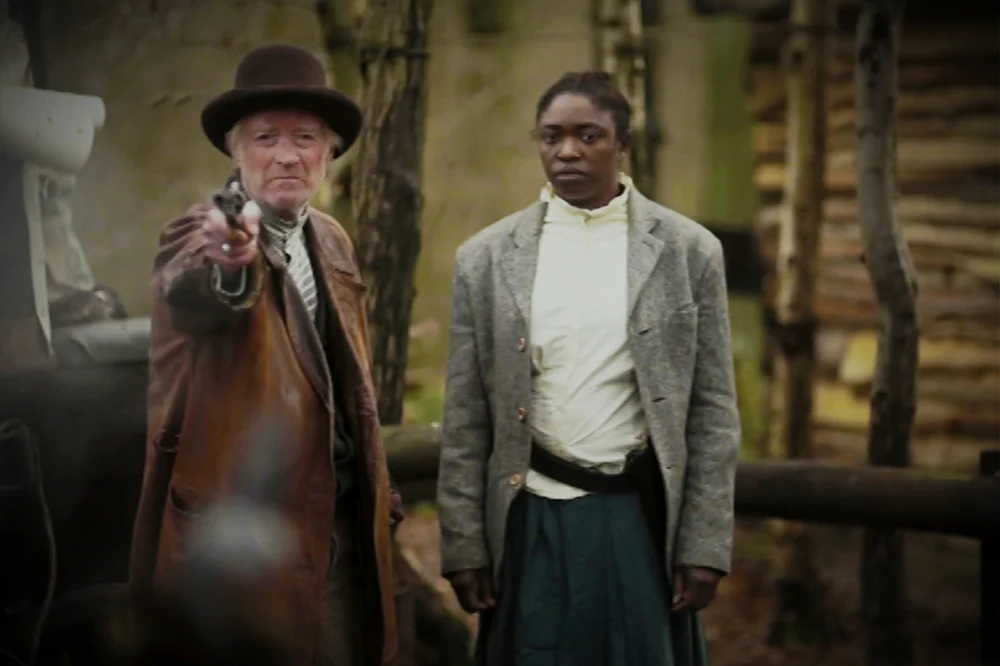
The film drew criticism for its frequent use of racial slurs, particularly the N-word. Tarantino defended the dialogue as historically accurate for the time period.
Despite the controversy, many praised the film for its boldness in confronting the brutality of slavery through genre storytelling.
Jamie Foxx Used His Own Horse
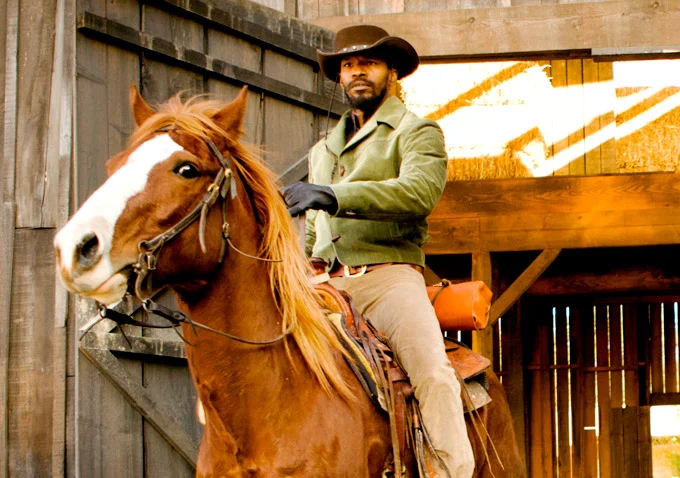
The horse Django rides at the end of the film was actually Jamie Foxx’s real-life horse, named Cheetah. Foxx had been riding horses for years and wanted to bring that authenticity to the role.
This detail added a personal touch to Django’s triumphant final ride.
Ennio Morricone Contributed to the Soundtrack
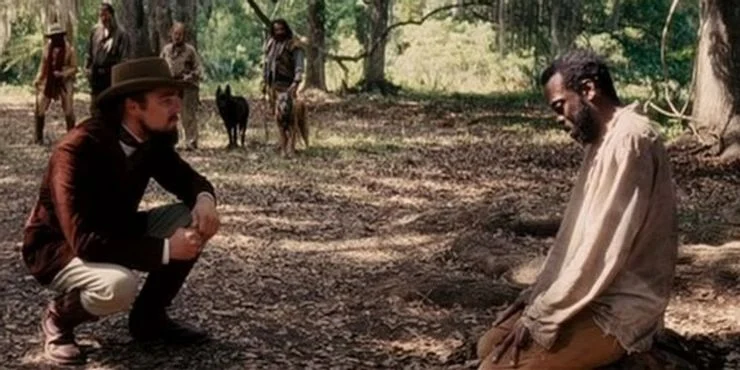
The legendary composer Ennio Morricone, known for scoring classic spaghetti Westerns, contributed music to ‘Django Unchained.’ His involvement gave the soundtrack even more authenticity.
The mix of Morricone’s music with modern tracks created a unique soundscape that matched Tarantino’s unconventional style.
It Became Tarantino’s Highest-Grossing Film
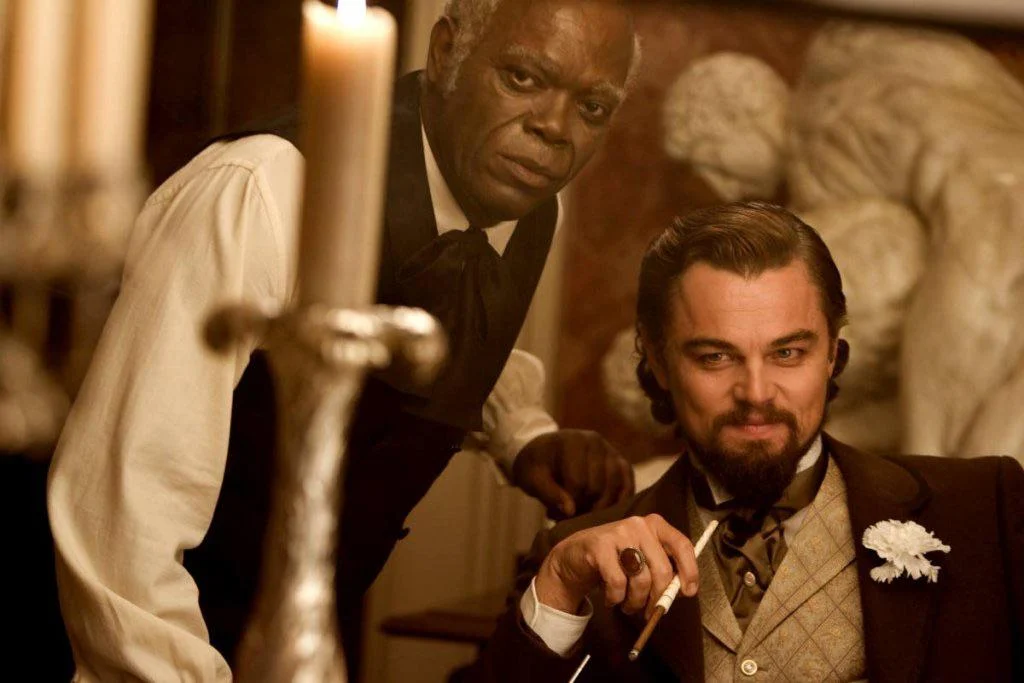
‘Django Unchained’ grossed over \$425 million worldwide, making it Quentin Tarantino’s highest-grossing movie at the time.
Its commercial success, combined with its awards and cultural impact, cemented it as one of Tarantino’s most important films.
What fact about ‘Django Unchained’ did you find the most surprising? Share your thoughts in the comments!