


Did You Know These 10 Things About ‘Gladiator II’?

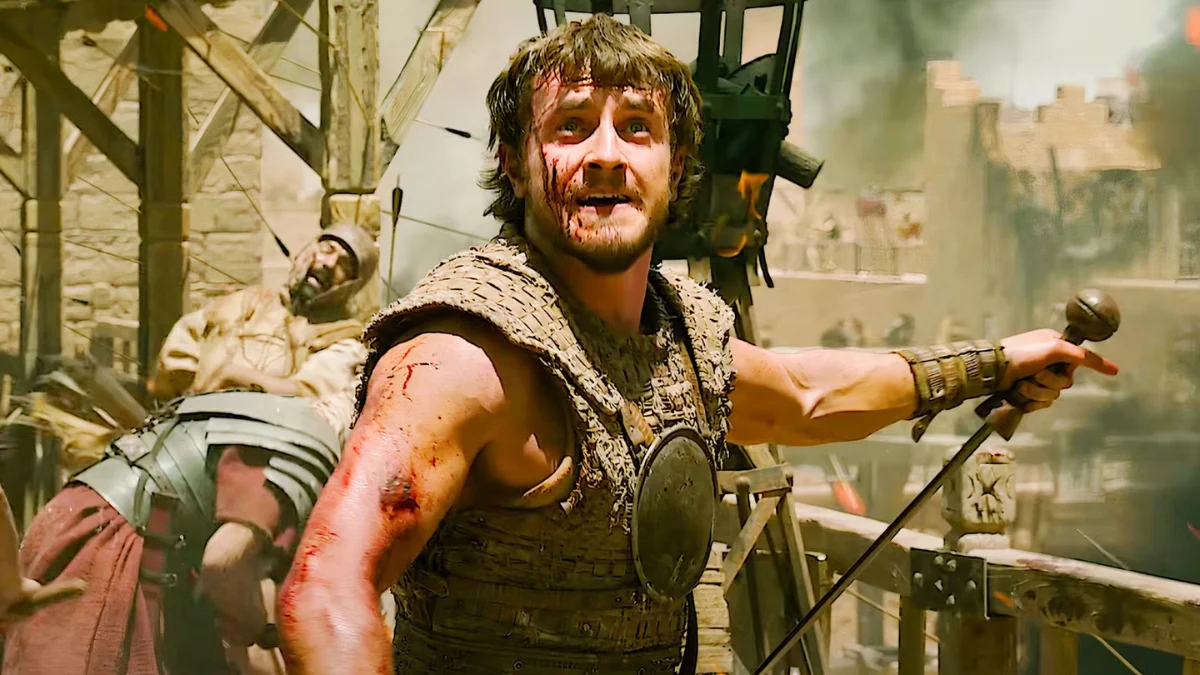


When ‘Gladiator II’ released in 2024, it brought audiences back to the bloody sands of the Roman arena after more than two decades. Directed once again by Ridley Scott, the sequel followed Lucius, the grown-up son of Lucilla, who finds himself enslaved and forced to fight as a gladiator. With Paul Mescal stepping into the lead role alongside stars like Denzel Washington, Pedro Pascal, and Connie Nielsen, the film continued the epic legacy of its predecessor while introducing a new generation of warriors and rulers.
The movie blended historical drama with blockbuster spectacle, delivering massive battles, political schemes, and striking visuals. While it sparked plenty of debate among fans and critics, it also reignited interest in the ancient world and proved the enduring power of the ‘Gladiator’ saga. Here are ten things you might not know about ‘Gladiator II’.
Paul Mescal Took Over as the New Lead
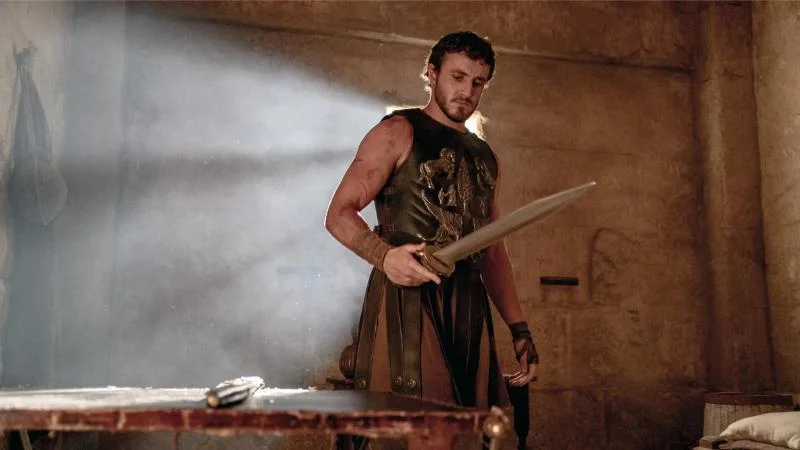
Paul Mescal starred as Lucius, stepping into the role of the new central hero. Known for his breakout work in television and independent films, this was his first major blockbuster lead.
Mescal trained extensively to embody a battle-hardened gladiator, undergoing intense physical preparation. His performance was praised for bringing both vulnerability and strength to a character caught between slavery and rebellion.
Denzel Washington Played a Scheming Power Broker
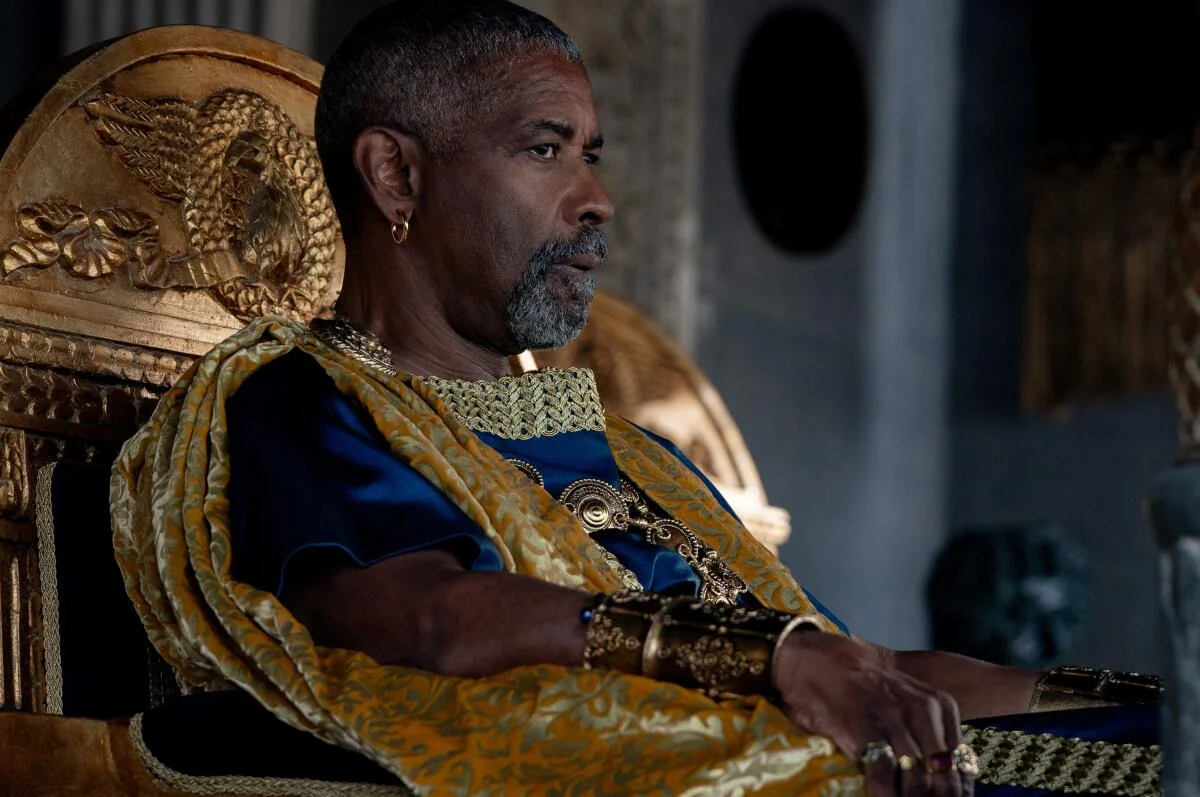
Denzel Washington joined the franchise as Macrinus, a wealthy Roman pulling strings behind the scenes. His character manipulated gladiators and rulers alike, seeking influence over the empire.
Washington’s commanding screen presence gave the story additional weight. His role introduced a different kind of antagonist, one who used cunning and wealth rather than brute force.
Pedro Pascal Brought Star Power to the Arena
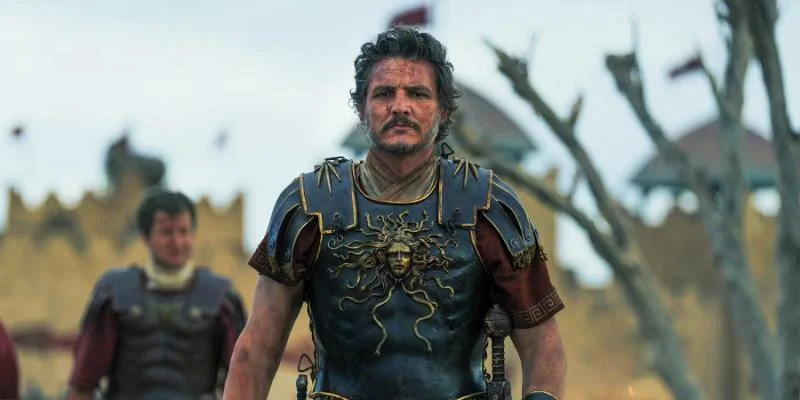
Pedro Pascal appeared as Marcus Acacius, a Roman general connected to Maximus’s legacy. His character’s loyalty and shifting alliances played a major role in the political conflict.
Pascal’s performance added nuance to the film, balancing action with emotional depth. His inclusion also drew new audiences familiar with his work in other major franchises.
Ridley Scott Returned to Direct at Age 86

Despite being well into his 80s, Ridley Scott returned to direct the sequel more than twenty years after the original. His vision ensured continuity between the films while pushing the action to new heights.
Scott’s ability to stage large-scale battles and blend practical sets with modern effects kept the film visually stunning. His return reassured fans that the sequel would maintain the epic scope of the first movie.
The Colosseum Battles Were Larger Than Before
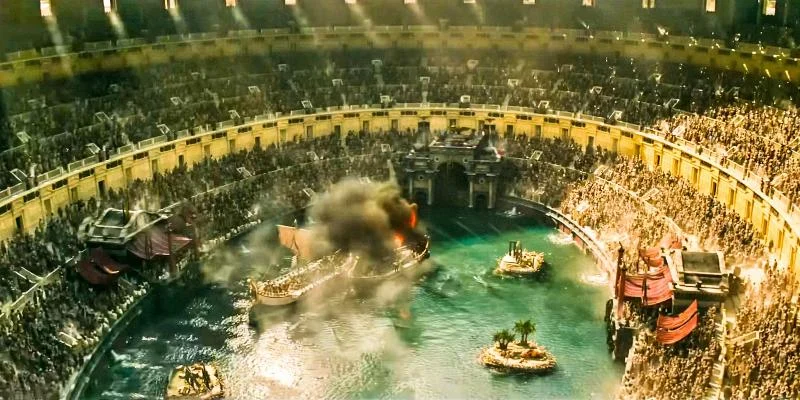
While the first film focused heavily on Rome’s Colosseum, the sequel expanded the scale of the gladiator games. Audiences saw elaborate naval battles staged within the arena, complete with ships and wild animals.
These sequences were inspired by historical accounts of Roman spectacles, even if dramatized for cinematic effect. The massive set pieces became highlights of the film’s action.
Historical Liberties Included Sharks and Rhinoceroses
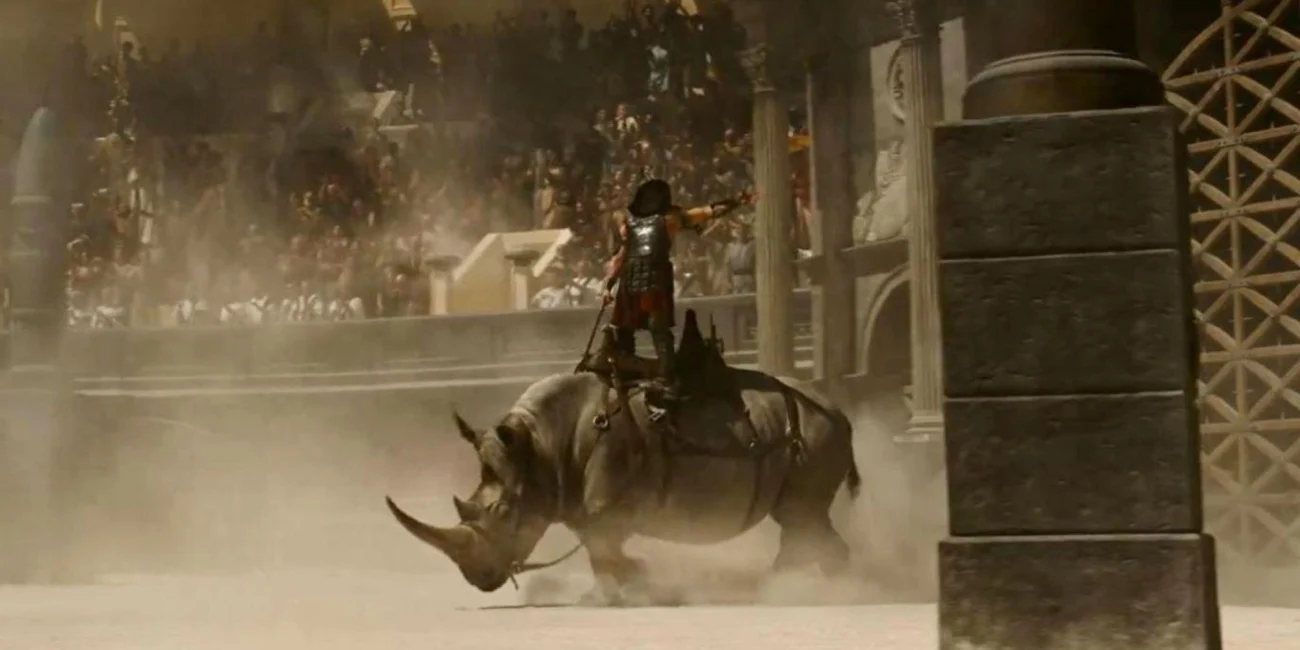
The movie drew attention for its bold interpretation of Roman entertainment, including battles against sharks and rhinoceroses. While not entirely accurate, these additions reflected accounts of exotic animals being used in gladiator shows.
These scenes heightened the spectacle, giving audiences action unlike anything seen in the original. The exaggerated details sparked conversation about where history ends and fantasy begins.
Connie Nielsen Returned as Lucilla
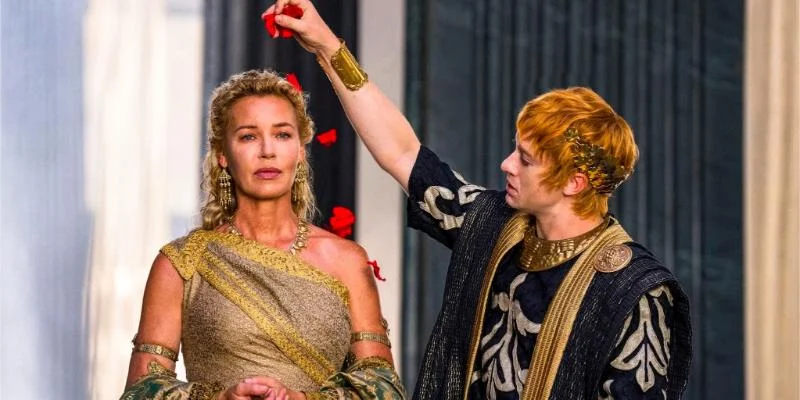
Connie Nielsen reprised her role as Lucilla, now older and still entangled in imperial politics. Her relationship with Lucius drove much of the emotional heart of the story.
Her return created a direct link to the original film and provided continuity for fans who remembered her complex role in the downfall of Commodus.
The Twin Emperors Added Intrigue
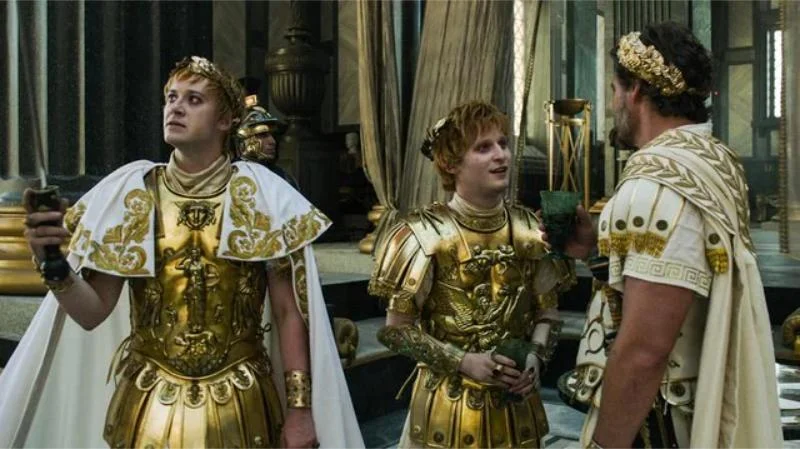
The story introduced twin emperors, Caracalla and Geta, whose unstable rule created political turmoil. Their presence highlighted the corruption and excess of Rome’s leadership.
By weaving these historical figures into the narrative, the film connected fiction with real Roman history. Their dynamic also fueled the central conflict that Lucius was forced to navigate.
The Soundtrack Paid Tribute to the Original
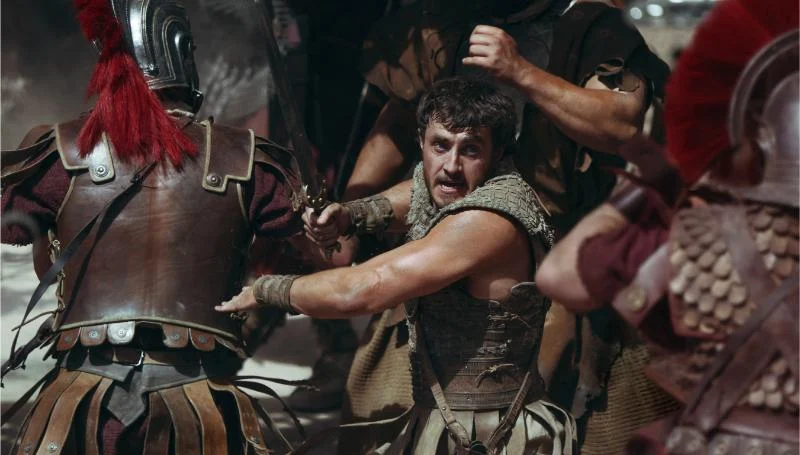
Composer Harry Gregson-Williams scored the sequel, blending new themes with echoes of Hans Zimmer and Lisa Gerrard’s iconic original music. The score mixed sweeping orchestral sounds with emotional choral passages.
This musical continuity reminded audiences of Maximus’s story while helping establish Lucius’s own journey. The soundtrack became one of the most praised aspects of the sequel.
A Third Film Is Already in Development
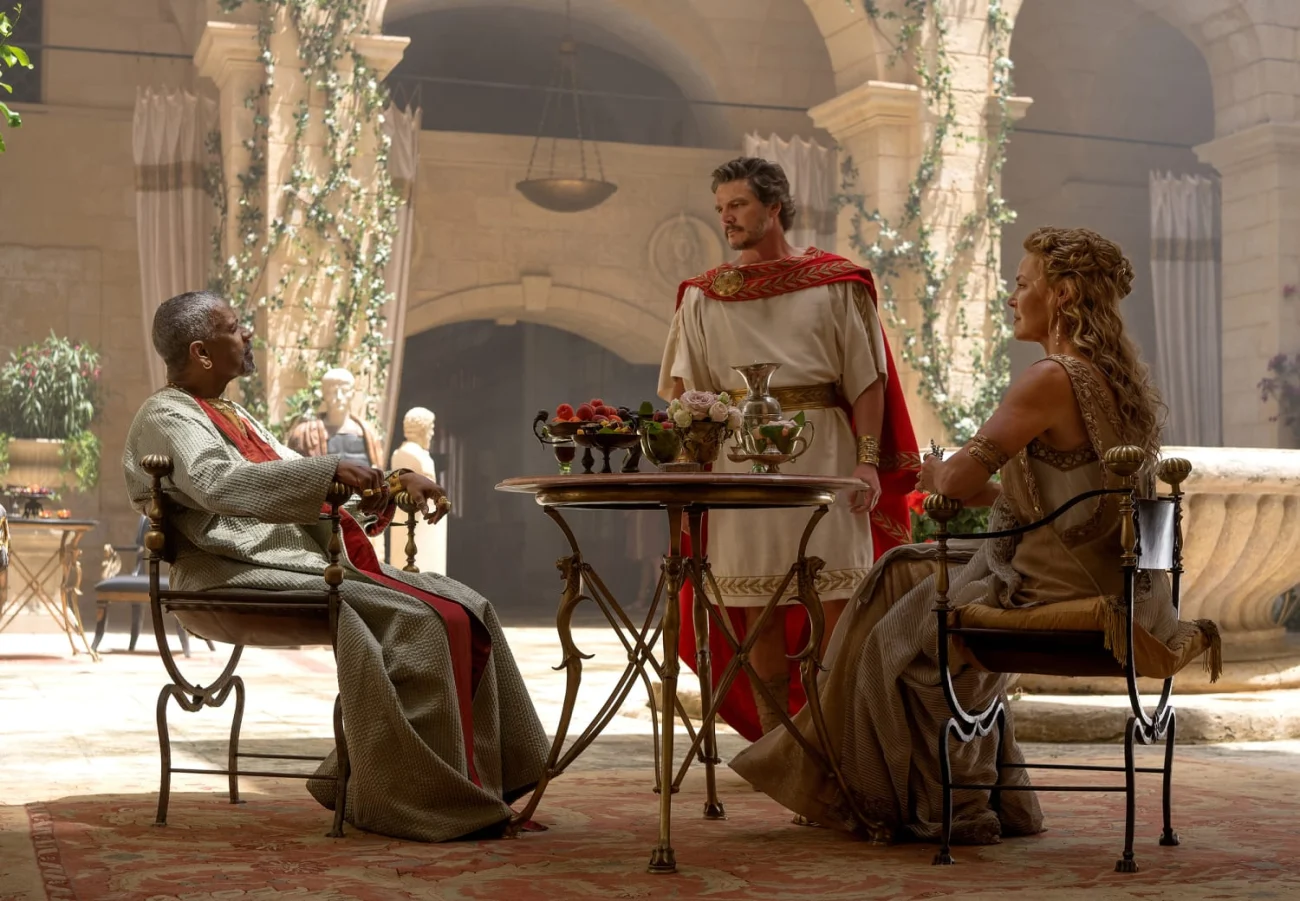
Following the release of ‘Gladiator II,’ Ridley Scott confirmed that ‘Gladiator III’ is in early development. The story is expected to continue Lucius’s journey after the events of the second film.
The announcement showed confidence in the franchise’s future, with plans to expand the saga into a trilogy. Fans can expect more political intrigue, rebellion, and battles to come.
What detail about ‘Gladiator II’ did you find the most surprising? Share your thoughts in the comments!