


Did You Know These 10 Things About ‘Star Wars: A New Hope’?

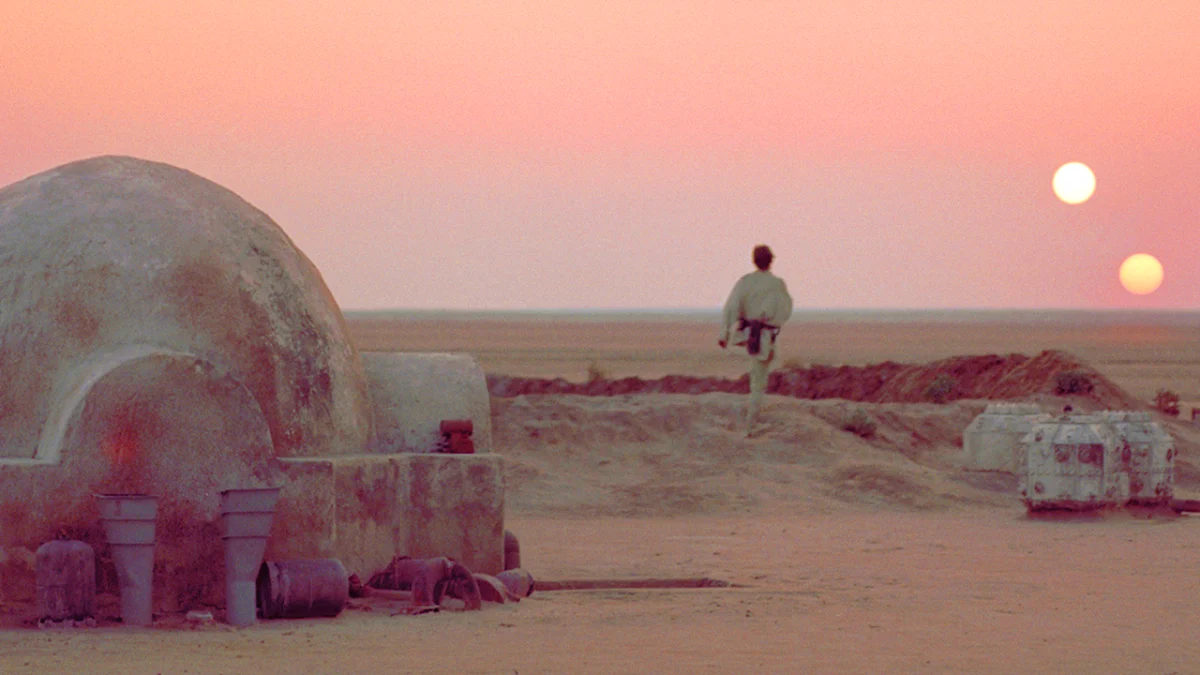


When ‘Star Wars: A New Hope’ hit theaters in 1977, it completely changed the landscape of science fiction and blockbuster cinema. The movie introduced audiences to a galaxy filled with Jedi, Sith, smugglers, and rebels, while also redefining how stories could be told on such a grand scale. George Lucas’s vision not only created a film but launched one of the most influential franchises in history.
Over four decades later, ‘A New Hope’ is still celebrated for its groundbreaking visuals, memorable characters, and its role in shaping pop culture. From behind-the-scenes struggles to little-known trivia about its production, the film is packed with fascinating details. Here are ten things you might not know about ‘Star Wars: A New Hope’.
George Lucas Struggled to Get the Film Made
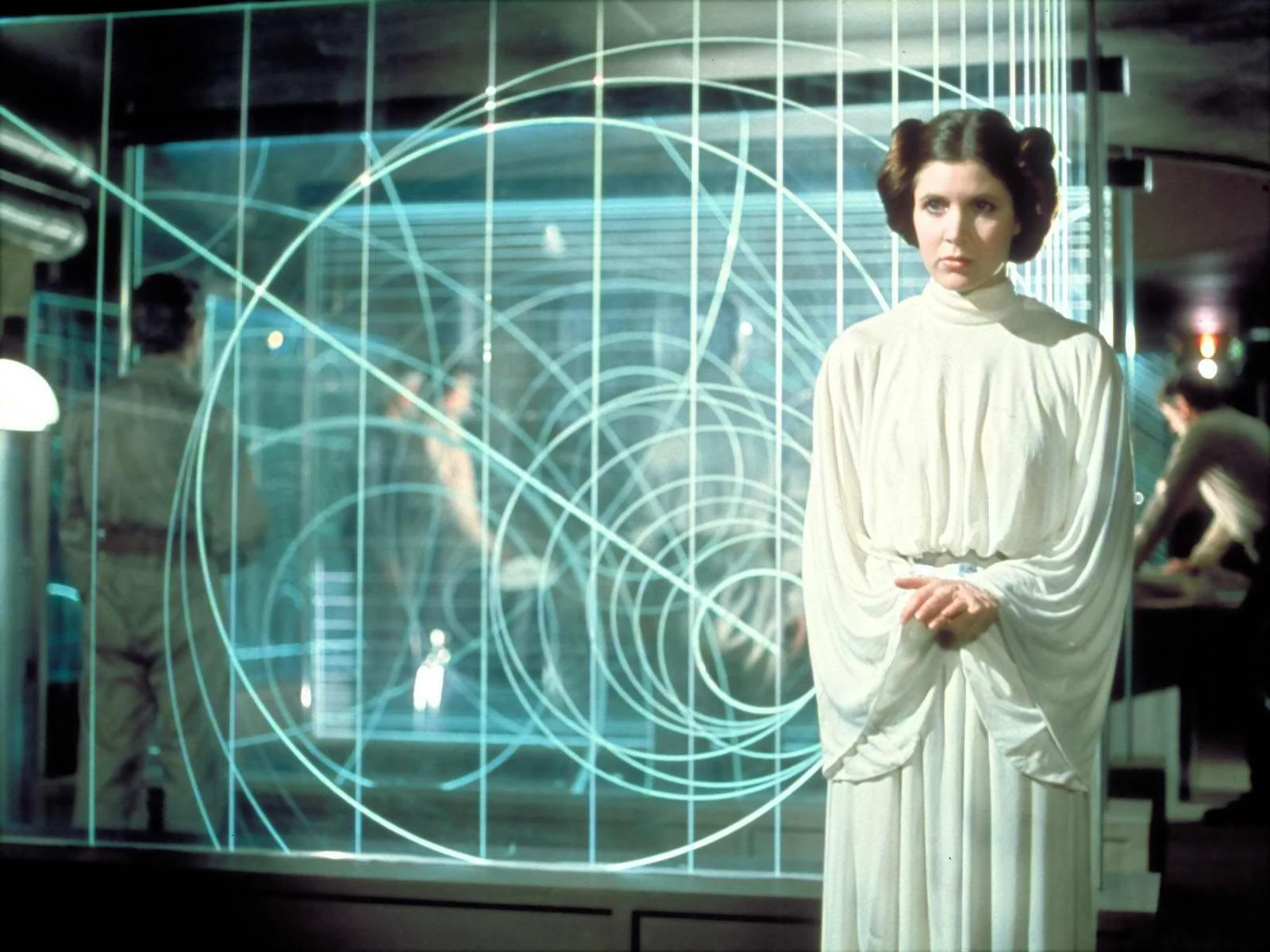
George Lucas faced rejection from multiple studios before finally landing a deal with 20th Century Fox. Executives were skeptical of a sprawling space opera filled with unknown actors and elaborate special effects. The budget was modest for such an ambitious project, and Lucas had to fight to get his vision realized.
Despite doubts, Fox eventually agreed, and the film’s production began under tight financial restrictions. Lucas’s persistence and ability to bring together talented artists and technicians helped overcome these challenges. Without his determination, ‘A New Hope’ might never have made it to theaters.
The Original Title Was Different
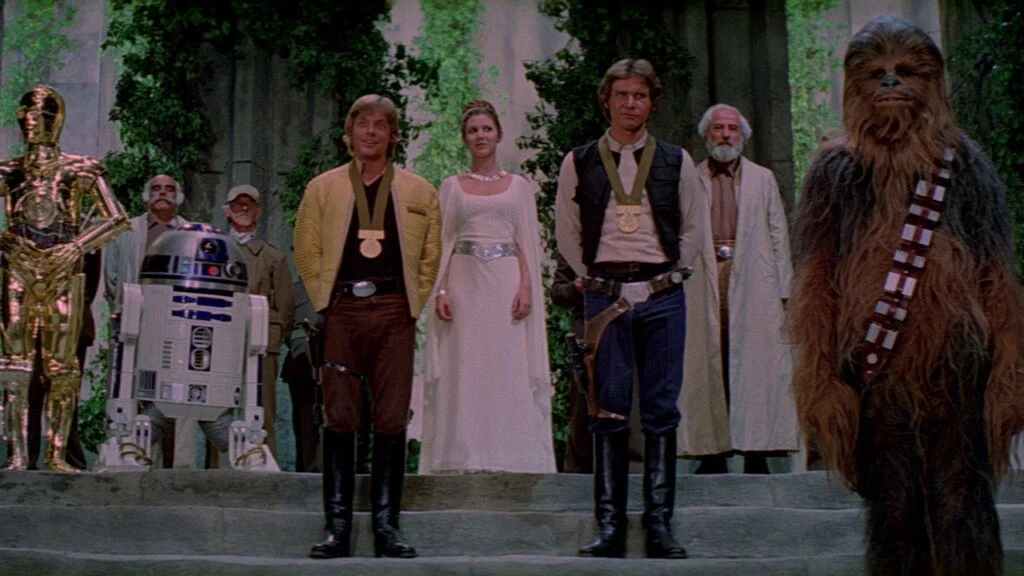
When George Lucas first drafted the script, the title wasn’t ‘Star Wars: A New Hope.’ The film was simply called ‘Star Wars’ upon release in 1977. It wasn’t until 1981, after the success of ‘The Empire Strikes Back,’ that the subtitle ‘Episode IV – A New Hope’ was officially added.
This change helped solidify the saga as part of a larger story, establishing that there was a bigger narrative already in motion. By reframing the movie as the fourth chapter, Lucas gave audiences the sense that they were entering a universe with a deep and ongoing history.
The Opening Crawl Was Inspired by Old Serials
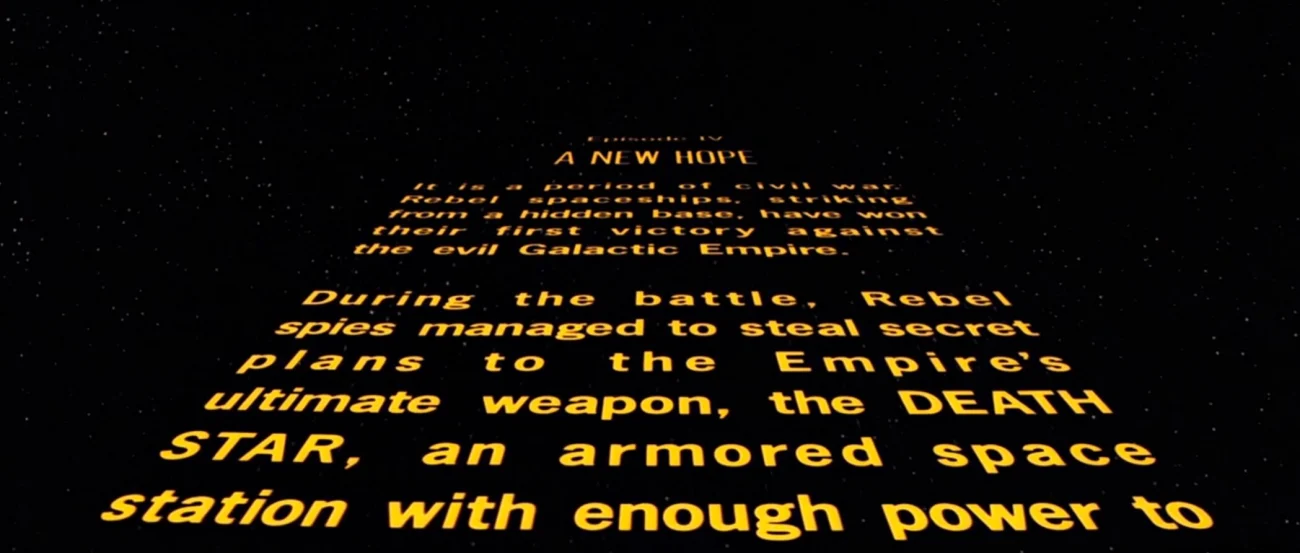
The iconic opening crawl was inspired by the Flash Gordon and Buck Rogers serials George Lucas loved as a child. Those old serials often started with text that brought audiences up to speed on the story. Lucas wanted to capture the same sense of adventure and immediacy for his space fantasy.
Creating the crawl wasn’t easy, as the text had to be filmed with practical effects. A physical model of the words was carefully panned over with a camera to achieve the scrolling effect. It became one of the most recognizable introductions in film history.
Harrison Ford Wasn’t Originally Considered for Han Solo
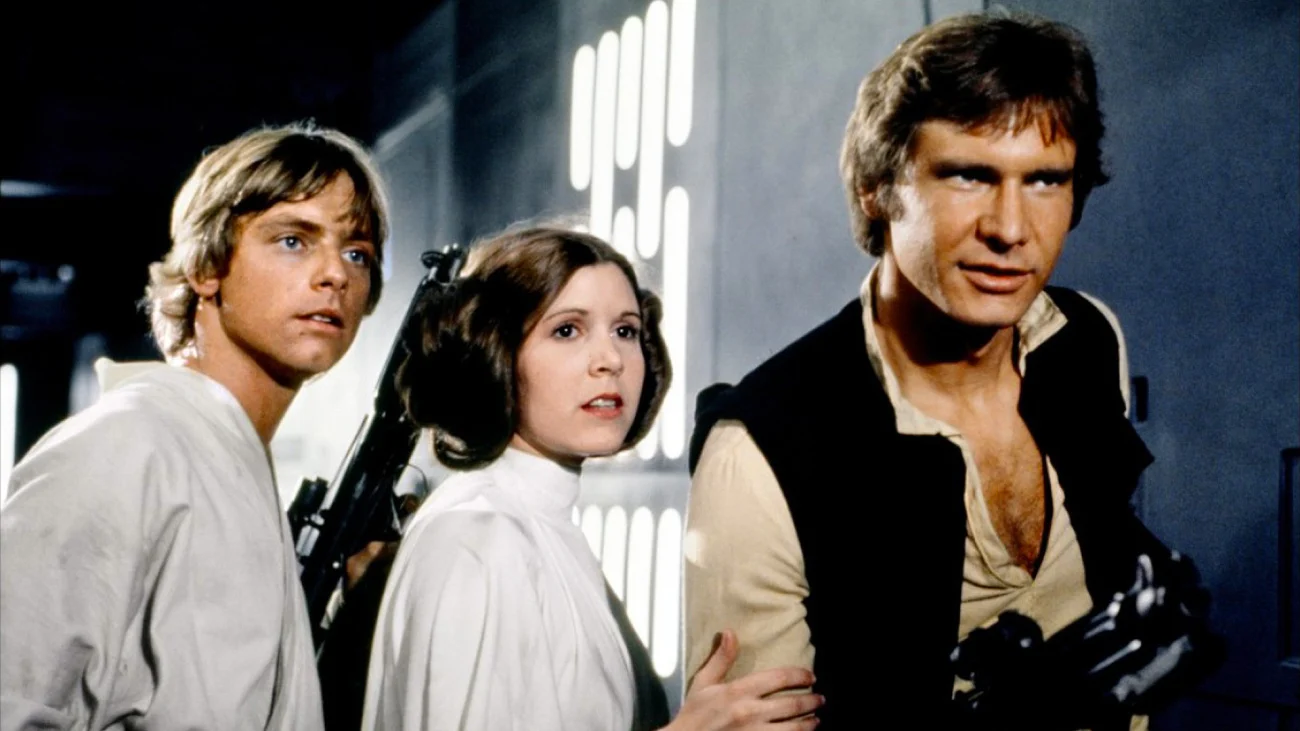
Casting Han Solo was a long process, and Harrison Ford wasn’t the first choice. Lucas tested many other actors, including Kurt Russell and Al Pacino. Ford was originally brought in only to read lines with other auditioning actors.
However, his natural charisma and ability to embody the roguish charm of Han Solo eventually won Lucas over. Ford’s performance became one of the standout elements of the movie and helped launch his career into superstardom.
The Lightsaber Sound Came from Everyday Objects
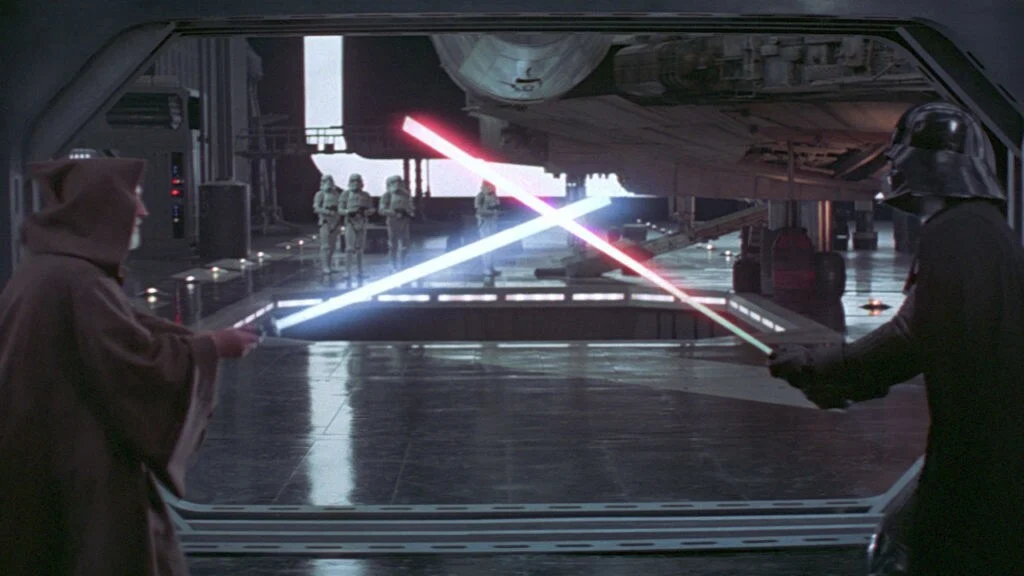
The sound design for ‘A New Hope’ was as groundbreaking as its visuals. Sound designer Ben Burtt created the lightsaber hum by combining the hum of an old projector motor with feedback from a television set. By mixing and layering these sounds, he created the iconic effect.
Burtt also made the swooshing noises by recording himself moving a microphone past a speaker. These inventive techniques gave lightsabers their distinctive presence and helped make them one of the most recognizable weapons in film.
Many Models Were Used for the Space Battles
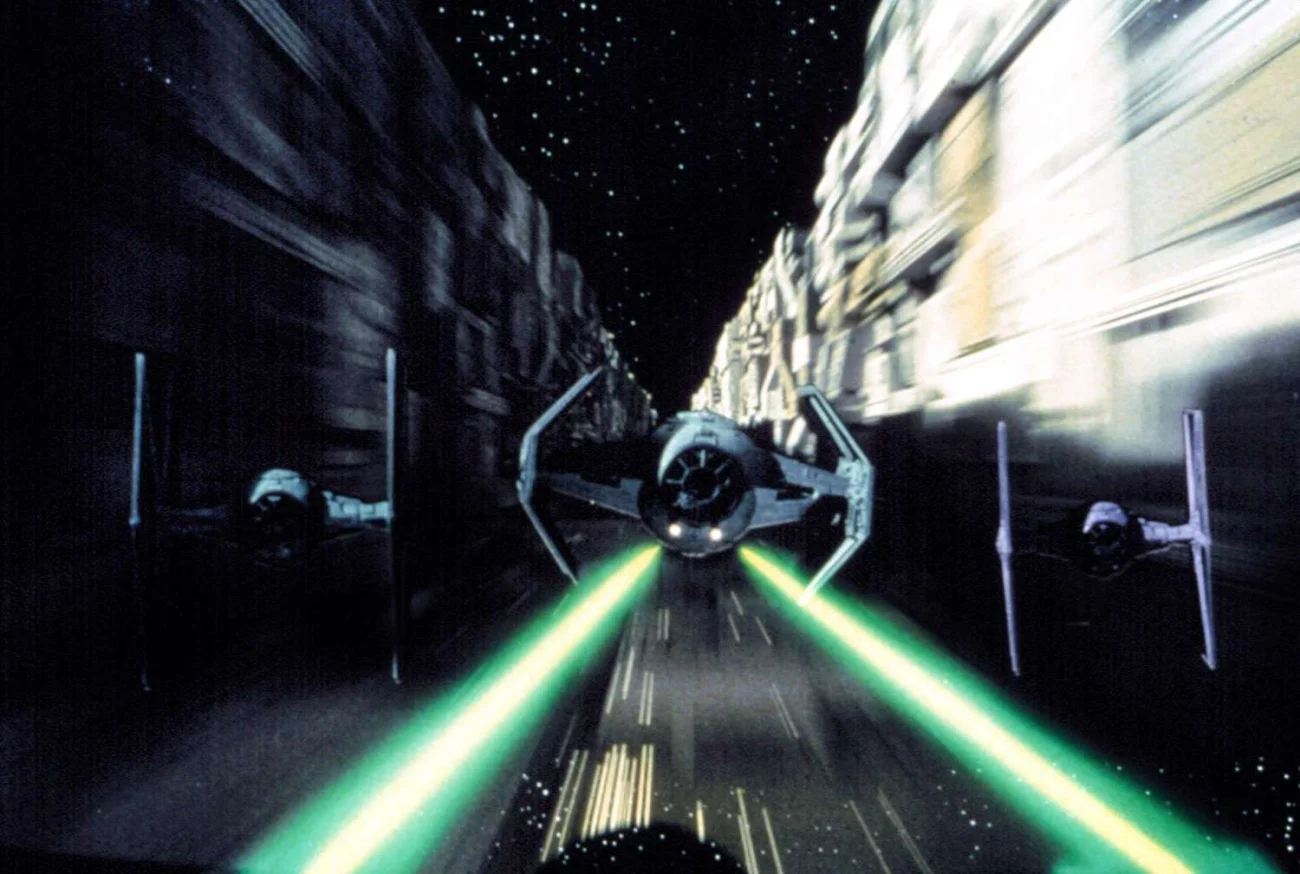
The thrilling space battles in ‘A New Hope’ weren’t done with computer graphics. Instead, Industrial Light & Magic built detailed miniature models of X-wings, TIE fighters, and the Death Star. These models were filmed using motion-control cameras to create dynamic battle sequences.
The attention to detail in these models gave the film its realism, despite being set in a galaxy far, far away. These practical effects not only looked convincing but also set new standards for visual effects in cinema.
Alec Guinness Had Mixed Feelings About the Film
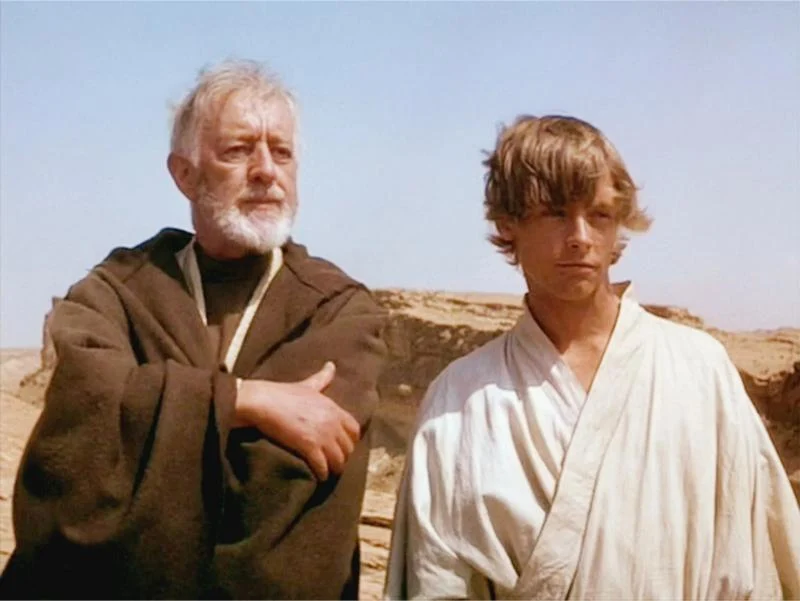
Sir Alec Guinness, who played Obi-Wan Kenobi, had a complicated relationship with the role. While he respected the story and enjoyed the production, he sometimes referred to the dialogue as clunky and difficult to deliver.
However, Guinness also recognized the cultural impact the movie was having. His performance gave Obi-Wan a sense of wisdom and gravitas, grounding the fantastical story in something more relatable. For many fans, his portrayal remains one of the highlights of the film.
R2-D2 and C-3PO Were Inspired by Kurosawa Films
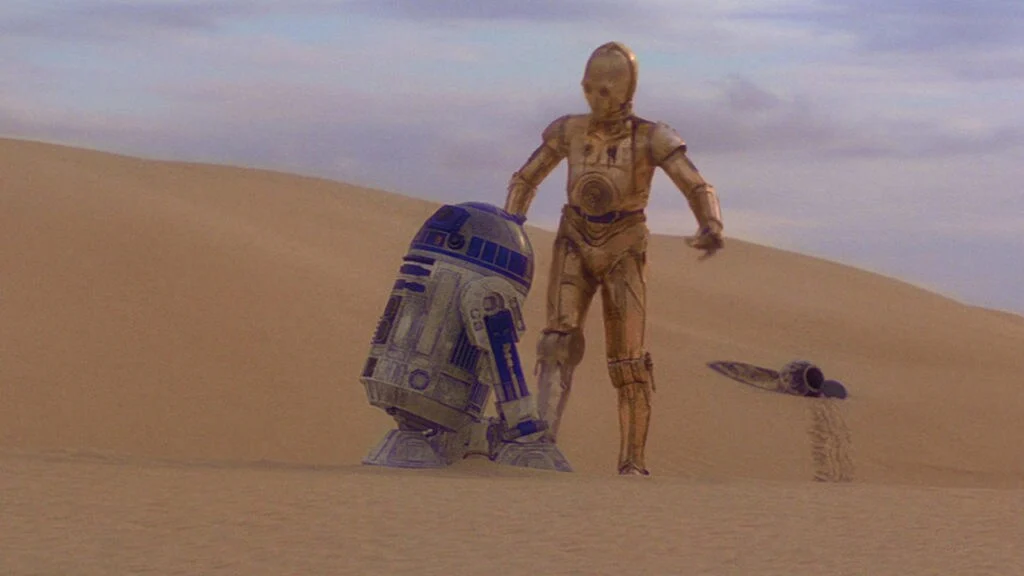
George Lucas drew inspiration for R2-D2 and C-3PO from the characters Tahei and Matashichi in Akira Kurosawa’s ‘The Hidden Fortress.’ Those two characters served as the audience’s entry point into the story, just as the droids guide viewers through ‘A New Hope.’
By presenting much of the story from the perspective of the droids, Lucas was able to make the vast universe feel more approachable. Their comedic banter also provided much-needed levity in the middle of an epic struggle between good and evil.
The Trash Compactor Scene Was Filmed with Real Garbage
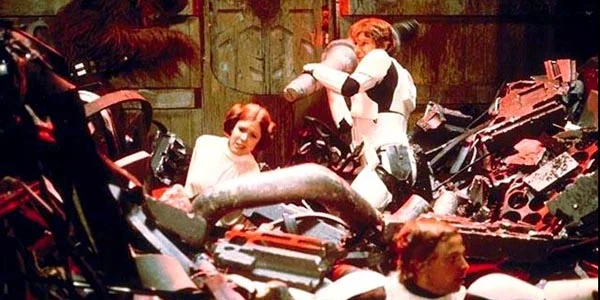
The trash compactor scene on the Death Star was a grueling shoot for the cast. To make the setting realistic, the crew filled the set with actual garbage. This made the set smell awful, adding an extra challenge for the actors.
The water used in the scene was also less than ideal, as it quickly became dirty during filming. Despite the discomfort, the sequence became one of the most memorable moments in the movie. It showcased the danger and unpredictability of the Empire’s fortress.
The Film Was Saved in the Edit
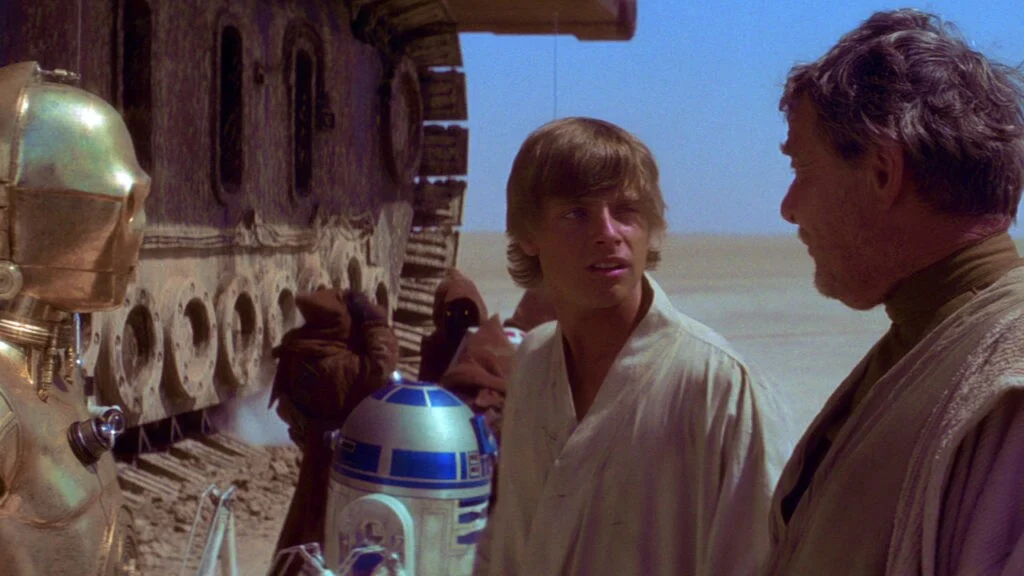
The editing of ‘A New Hope’ was crucial to its success. Early cuts of the film were slow and confusing, but editors Marcia Lucas, Richard Chew, and Paul Hirsch restructured the story and tightened the pacing. Their work turned a rough version into a thrilling space adventure.
The editors also made innovative use of cross-cutting during the final Death Star battle. This technique heightened the tension and made the climax one of the most exciting in movie history. Without this careful editing, the film might not have become the phenomenon it is today.
What detail about ‘Star Wars: A New Hope’ surprised you the most? Share your thoughts in the comments!