


15 Directors Who Were Fired from Their Own Movies

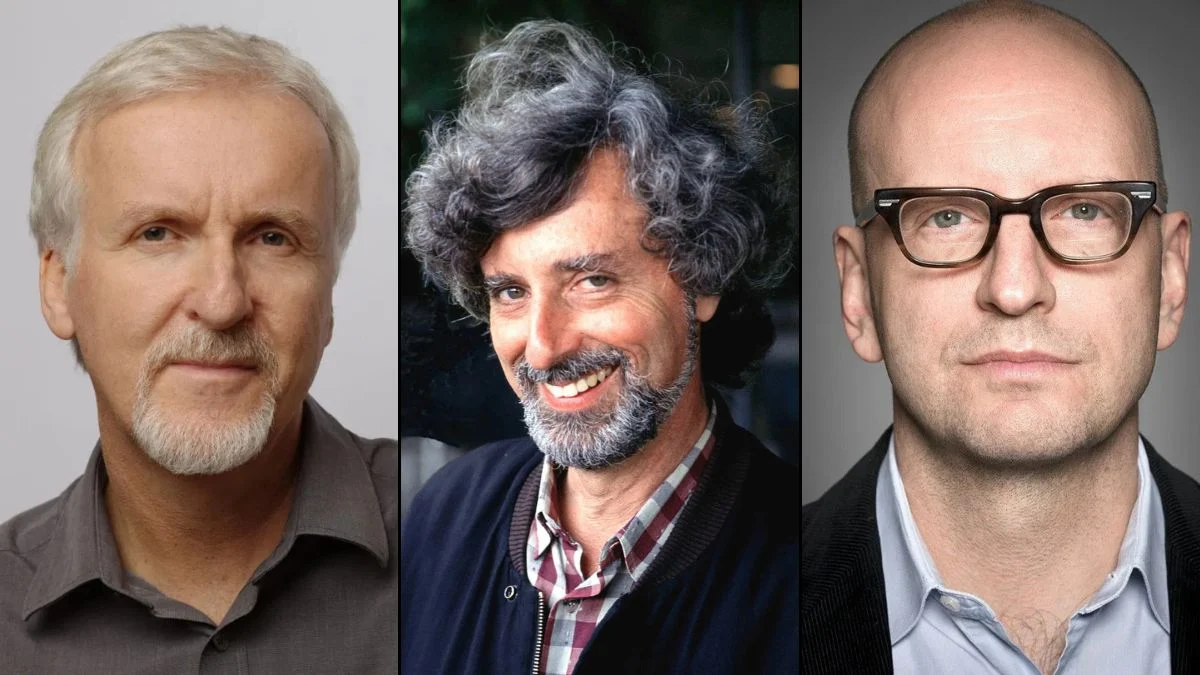


The world of filmmaking is a high-stakes game where creative visions can clash with studio demands, leading to dramatic shake-ups behind the camera. Directors pour their hearts into projects, but sometimes, disagreements, egos, or unforeseen issues result in their abrupt exit.
This article dives into 15 cases where directors were fired from their own movies, exploring the reasons behind their departures and the impact on the final films. From classic epics to modern blockbusters, these stories reveal the turbulent side of Hollywood.
Richard Thorpe – ‘The Wizard of Oz’ (1939)
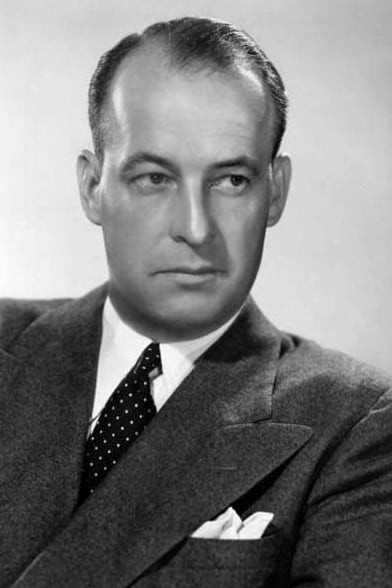
Richard Thorpe was the first director tapped for the iconic ‘The Wizard of Oz’, but his tenure lasted only two weeks. Producers felt his approach lacked the whimsical tone needed for the fairy-tale classic, and his choice to dress Judy Garland’s Dorothy in a more mature style clashed with the story’s vision.
His rushed pace also caused issues, notably contributing to an incident where actor Buddy Ebsen suffered a severe allergic reaction to his Tin Man makeup. George Cukor stepped in briefly as an advisor before Victor Fleming took over, shaping the beloved film we know today.
George Cukor – ‘Gone With the Wind’ (1939)
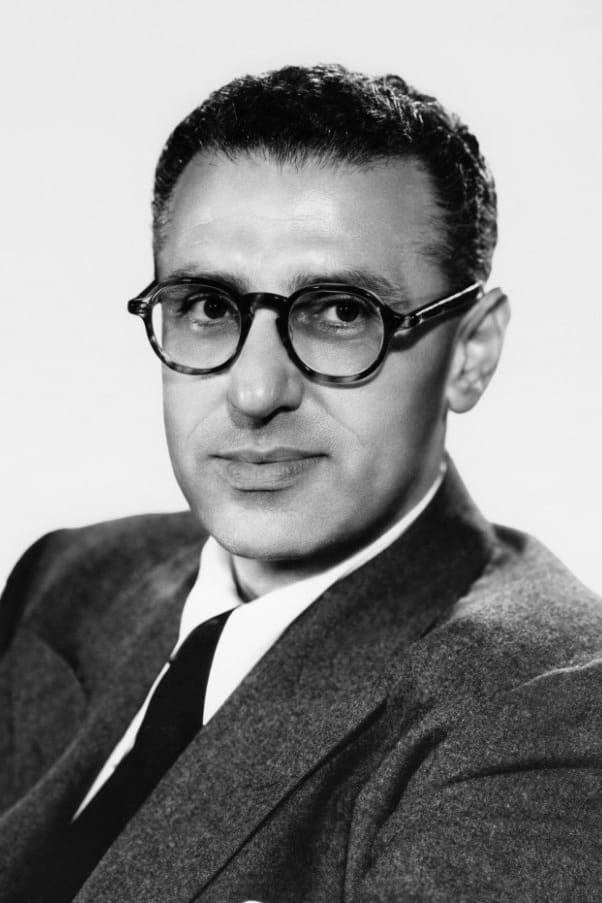
George Cukor spent years preparing for ‘Gone With the Wind’, but he was sacked just three weeks into filming. Tensions with producer David O. Selznick over the script’s direction and rumored friction with star Clark Gable led to his exit.
Despite his firing, Cukor secretly coached stars Vivien Leigh and Olivia de Havilland, helping shape their performances. Victor Fleming replaced him, delivering the sweeping epic that became a cinematic landmark.
Anthony Mann – ‘Spartacus’ (1960)

Anthony Mann, known for his Westerns, was hired to direct the Roman epic ‘Spartacus’, but he was out after just a few weeks. Star and producer Kirk Douglas felt Mann was overwhelmed by the project’s massive scale and let actors like Peter Ustinov take too much control.
Stanley Kubrick stepped in, bringing a sharper focus to the film. His direction turned ‘Spartacus’ into a gritty, iconic historical drama, though Mann’s early work was left on the cutting room floor.
Richard Donner – ‘Superman II’ (1980)
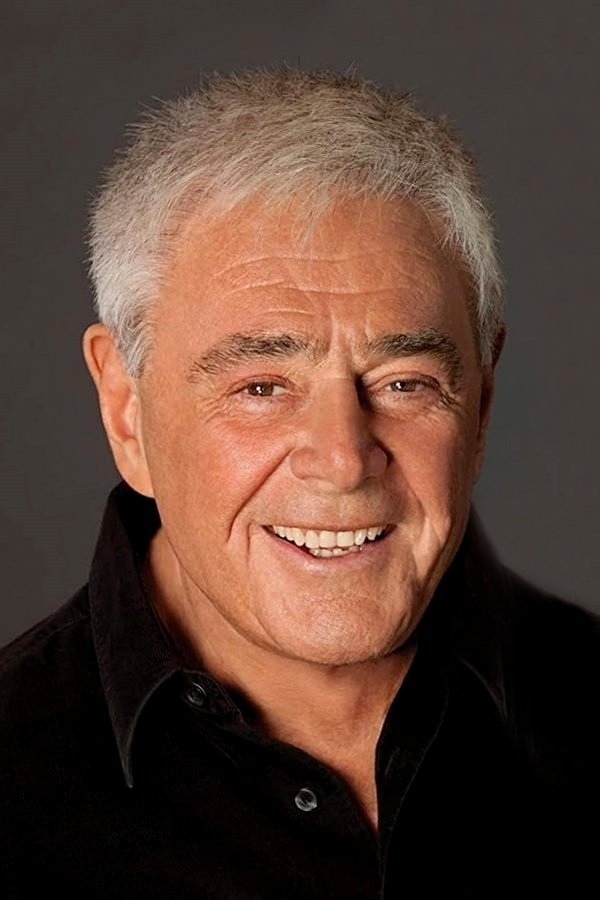
Richard Donner had already filmed much of ‘Superman II’ alongside the first ‘Superman’ when he was fired by producers Alexander and Ilya Salkind. Budget disputes and Donner’s frustration with Marlon Brando’s high pay for a small role fueled the conflict.
Richard Lester took over, reshooting large portions to claim sole credit, adding a lighter, comedic tone. Fans later clamored for Donner’s vision, which was partially restored in the 2006 ‘Superman II: The Richard Donner Cut’.
Martin Brest – ‘WarGames’ (1983)
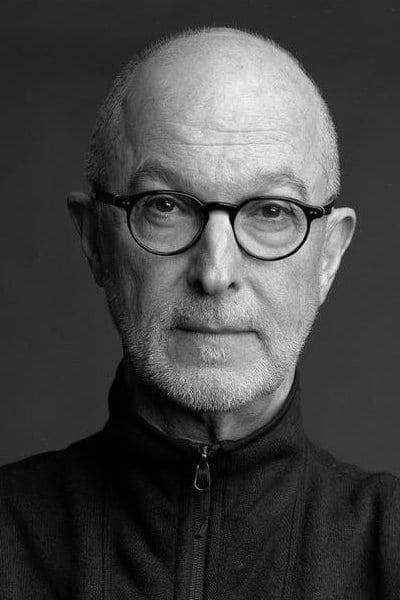
Martin Brest was 12 days into directing the tech-thriller ‘WarGames’ when producers clashed with his darker, more serious approach. They wanted a livelier, more accessible film, and Brest’s vision didn’t align.
John Badham stepped in, infusing the movie with a fast-paced, entertaining vibe that suited the story of a teen hacker sparking global chaos. The switch paid off, as ‘WarGames’ became a hit.
Philip Kaufman – ‘The Outlaw Josey Wales’ (1976)
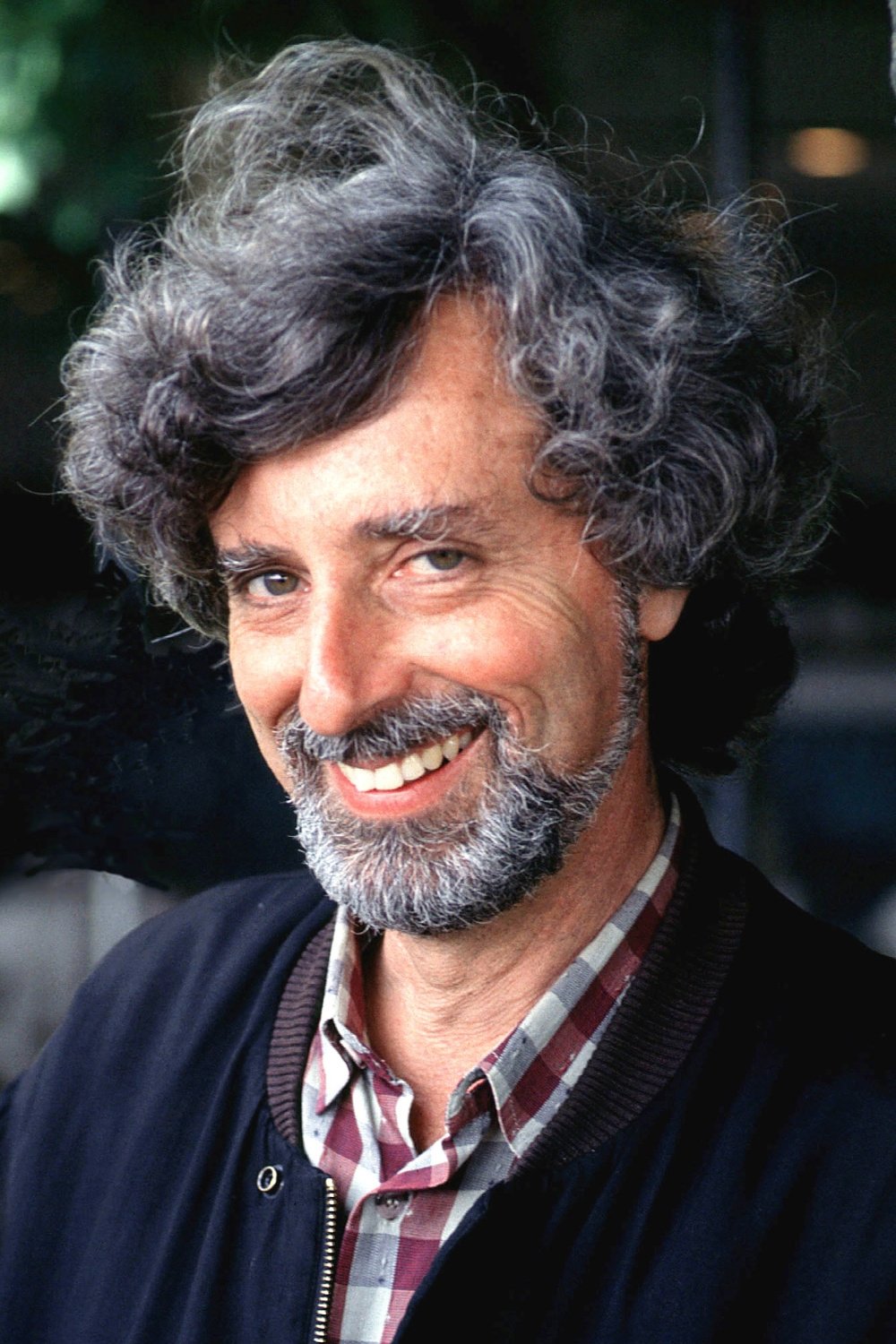
Philip Kaufman was directing the Western ‘The Outlaw Josey Wales’ when star Clint Eastwood, unhappy with Kaufman’s meticulous style, pushed for his removal. Personal tensions, including both men pursuing actress Sondra Locke, added fuel to the fire.
Eastwood took over as director, crafting a lean, gritty Western that became a classic. Kaufman’s slower, detailed approach was scrapped, leaving no trace in the final cut.
Howard Zieff – ‘Jumpin’ Jack Flash’ (1986)
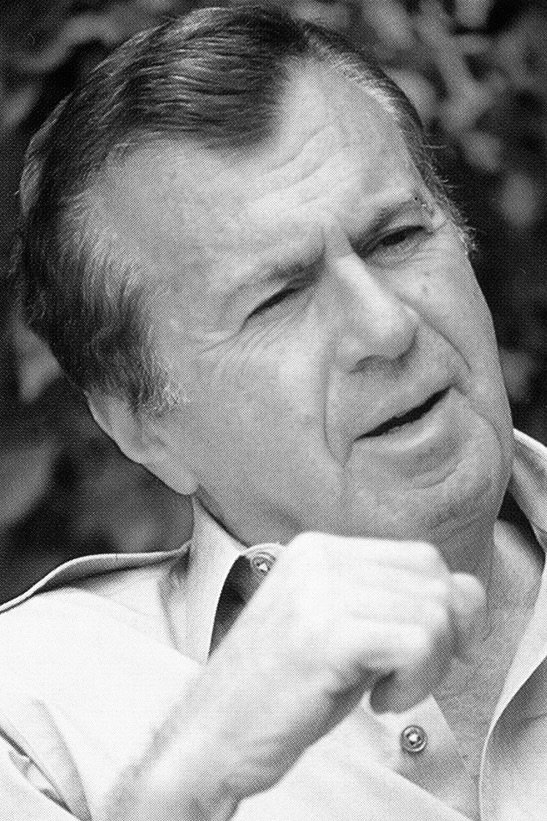
Howard Zieff was several weeks into directing the comedy ‘Jumpin’ Jack Flash’ with Whoopi Goldberg when he was let go. The studio felt his direction wasn’t capturing the energetic, comedic tone needed for the spy caper.
Penny Marshall, in her directorial debut, stepped in and reshaped the film into a quirky, fast-moving hit. Her fresh perspective gave Goldberg’s performance the spark it needed.
James Cameron – ‘Piranha II: The Spawning’ (1981)
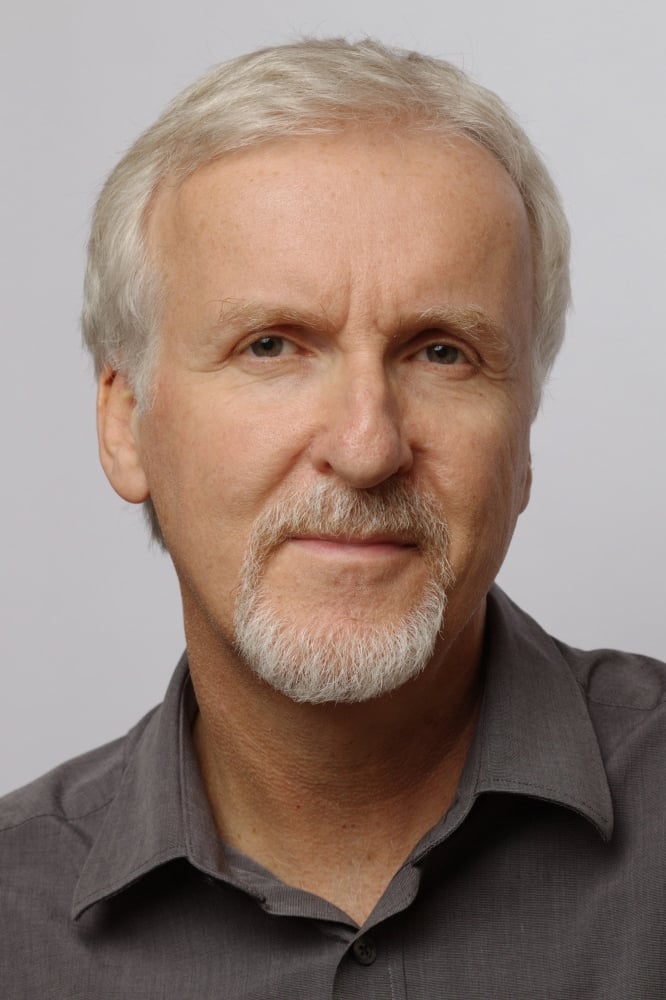
James Cameron’s first directorial gig was ‘Piranha II: The Spawning’, but he was fired just weeks into production. Creative clashes with producer Ovidio Assonitis, who wanted a different tone for the low-budget horror sequel, led to his exit.
Cameron later snuck into the editing room to piece together his own cut, which saw limited release. The experience was a rocky start for the future ‘Titanic’ director.
Alex Cox – ‘Fear and Loathing in Las Vegas’ (1998)
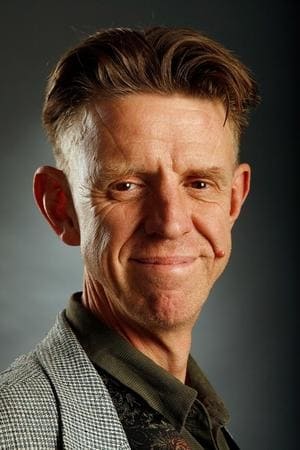
Alex Cox was directing the wild ‘Fear and Loathing in Las Vegas’ when he was fired for creative differences. He struggled to connect with star Johnny Depp and writer Hunter S. Thompson, and his script didn’t click with the team.
Terry Gilliam took over, rewriting the script and infusing the film with his surreal style. The result was a cult classic that captured Thompson’s chaotic energy.
Richard Stanley – ‘The Island of Dr. Moreau’ (1996)
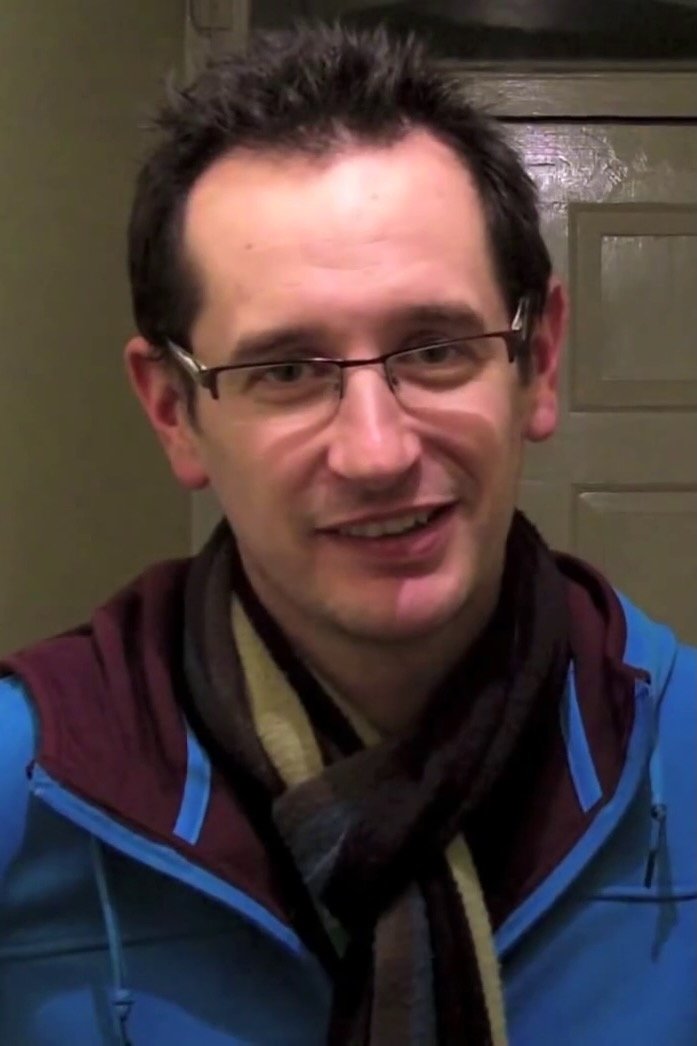
Richard Stanley spent years developing ‘The Island of Dr. Moreau’, but his time on set lasted just days. The studio blamed him for failing to manage difficult stars like Val Kilmer and Marlon Brando, whose behavior derailed production.
John Frankenheimer stepped in, but the film still flopped critically and commercially. Stanley famously snuck back onto set disguised as an extra, leaving a bizarre footnote in the film’s troubled history.
Steven Soderbergh – ‘Moneyball’ (2011)

Steven Soderbergh was set to direct ‘Moneyball’, envisioning a documentary-style approach with real-life interviews. Sony, wanting a more traditional narrative, fired him after he’d already started shaping the project.
Bennett Miller took over, delivering a polished drama that earned critical praise and Oscar nods. Soderbergh’s unique vision was abandoned, but the film thrived under Miller’s straightforward style.
Paul Schrader – ‘Exorcist: The Beginning’ (2004)
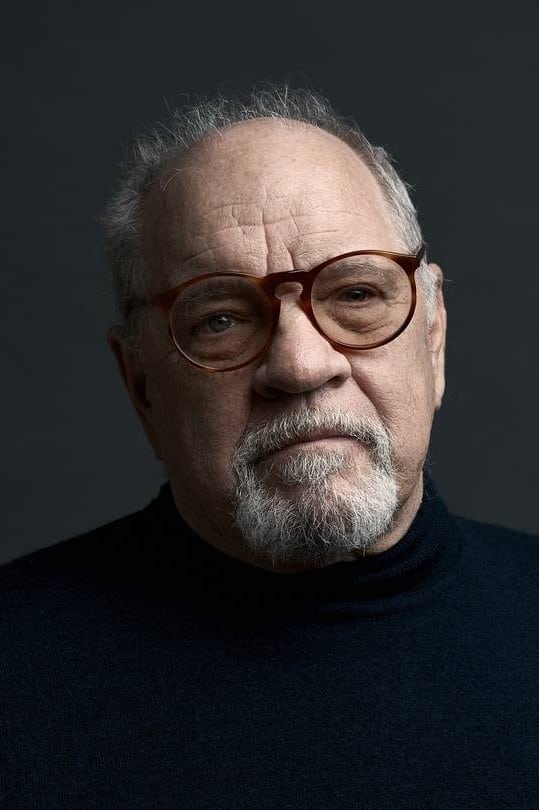
Paul Schrader nearly completed ‘Exorcist: The Beginning’ when producers fired him, unhappy with his psychological, less gory take on the horror prequel. They wanted a bloodier, more conventional scare-fest.
Renny Harlin was brought in, reshooting most of the film. Despite the overhaul, the movie flopped, and Schrader’s original cut later surfaced, earning some praise for its introspective approach.
Pete Travis – ‘Dredd’ (2012)
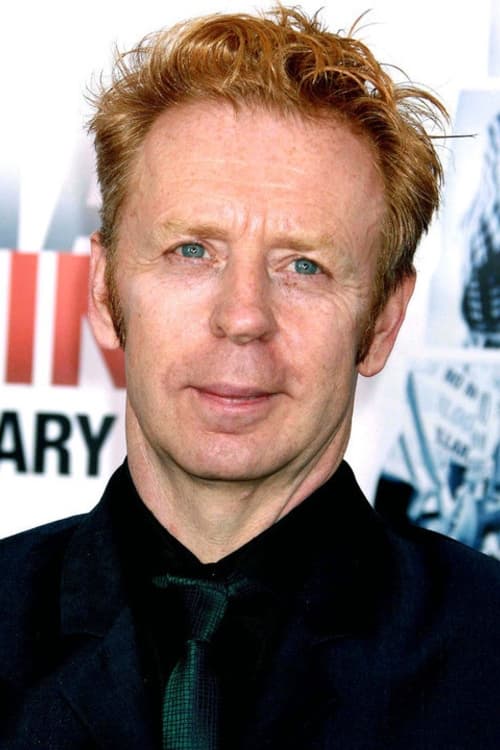
Pete Travis finished filming ‘Dredd’ but was pushed out during post-production due to creative clashes with producers. His vision for the gritty sci-fi action film didn’t align with their expectations.
Screenwriter Alex Garland took over in the editing room, shaping the final cut. Though Travis retained the director credit, the film’s intense, lean style owes much to Garland’s influence.
Brenda Chapman – ‘Brave’ (2012)
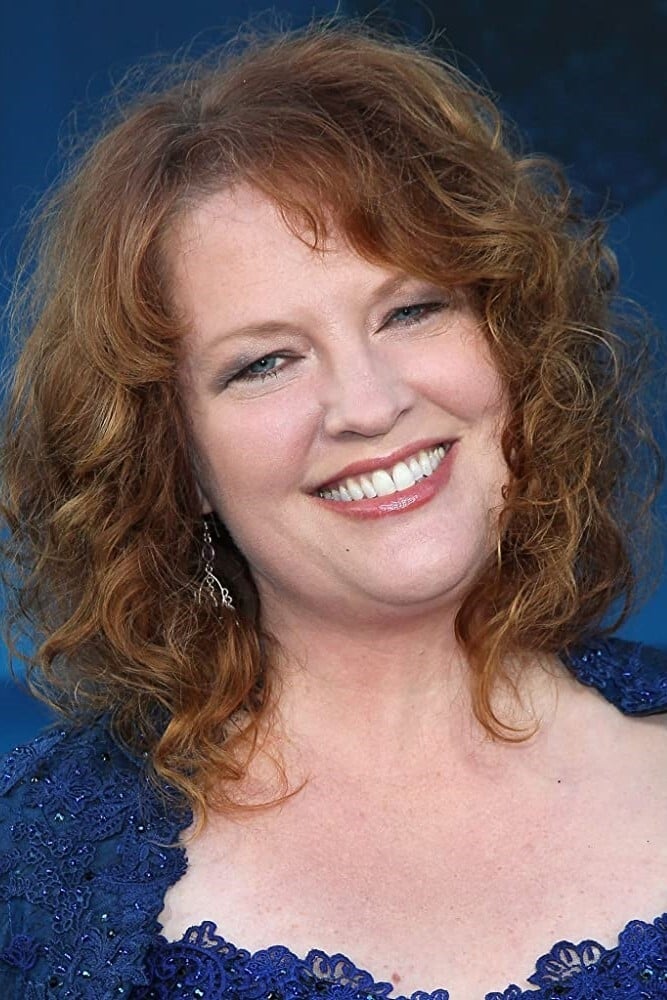
Brenda Chapman was poised to be Pixar’s first female director with ‘Brave’, a deeply personal story inspired by her daughter. Creative differences with the studio led to her removal halfway through production.
Mark Andrews stepped in, sharing the director credit. The film won an Oscar, but Chapman’s departure highlighted Pixar’s struggles with balancing artistic vision and studio control.
Bryan Singer – ‘Bohemian Rhapsody’ (2018)
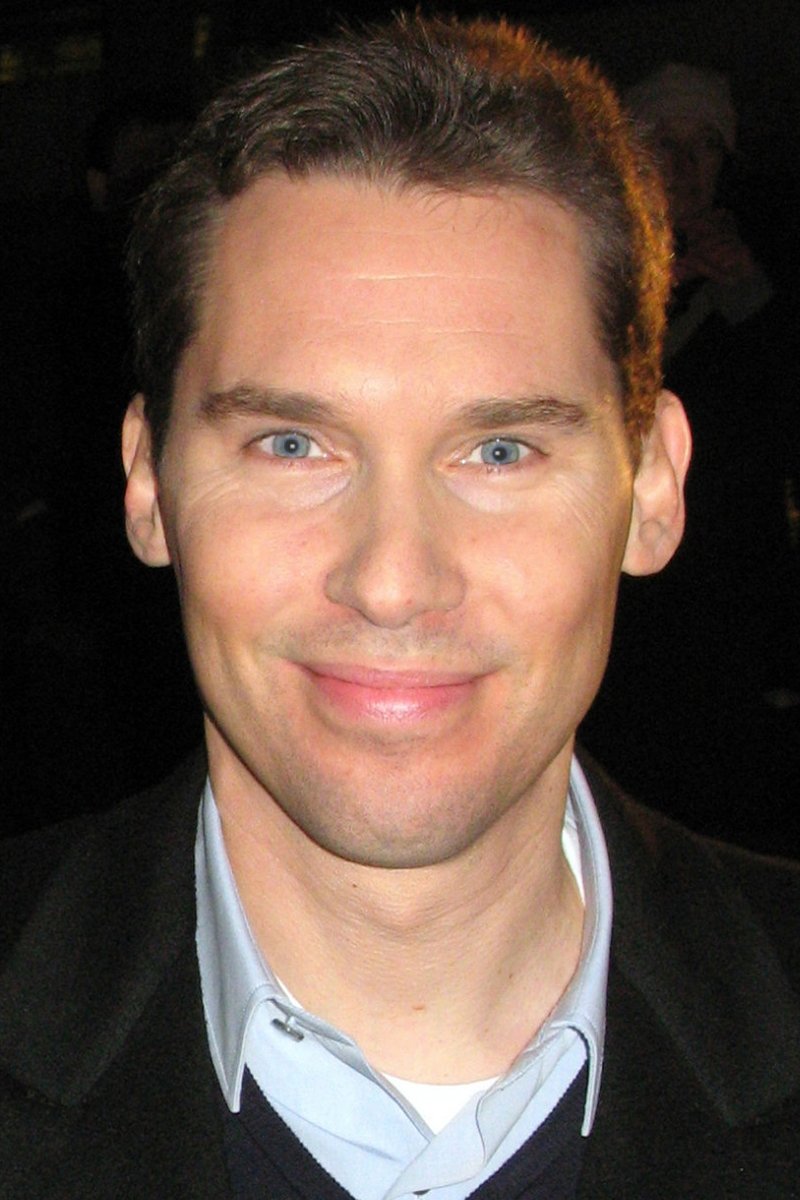
Bryan Singer was close to finishing ‘Bohemian Rhapsody’ when he was fired with just weeks left. Frequent absences, clashes with star Rami Malek, and reported unprofessional behavior prompted the studio to act.
Dexter Fletcher wrapped up the film, though Singer kept the director credit. The movie became a massive hit, but its troubled production left lingering questions about Singer’s role.
Which director’s firing surprised you most, or is there another ousted filmmaker I missed? Drop your thoughts in the comments!