


Disney Movies That Are Much Darker Than You Remember

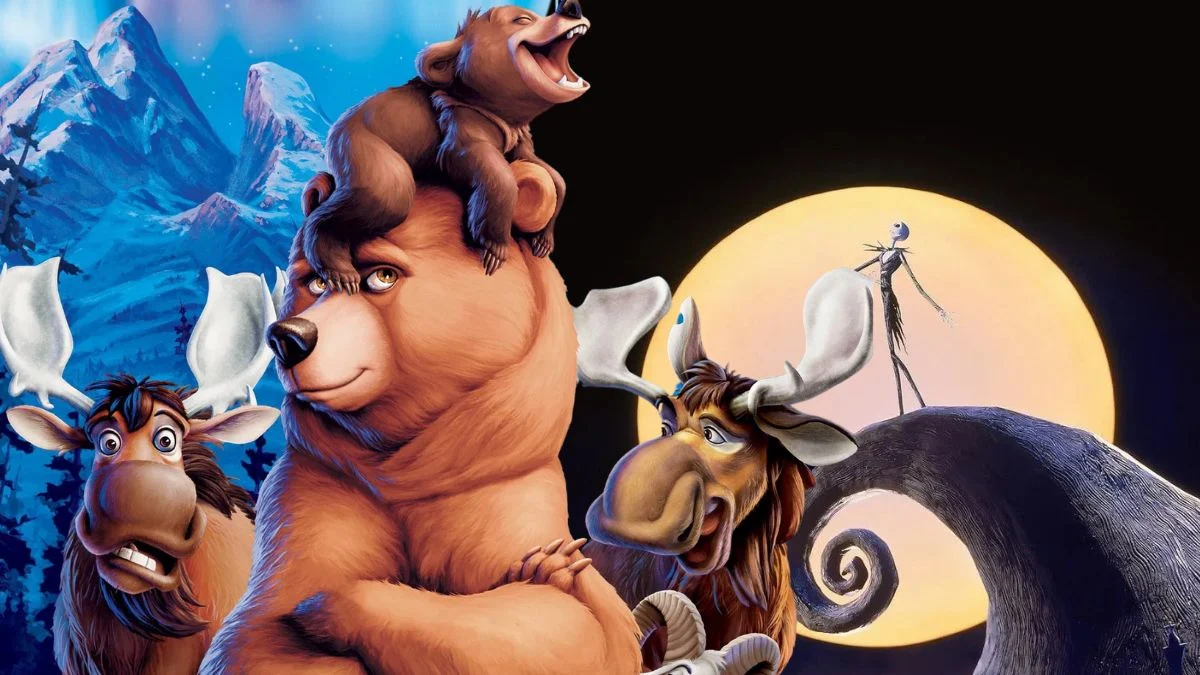


Disney is widely known for creating magical worlds and optimistic endings for families around the globe. However many of these beloved films contain surprisingly mature themes and unsettling imagery that can be shocking upon closer inspection. From existential dread to harrowing sequences of peril these movies often push the boundaries of their age ratings. Exploring these darker elements reveals a layer of storytelling that resonates with older audiences through complex character motivations and grim consequences.
‘Pinocchio’ (1940)
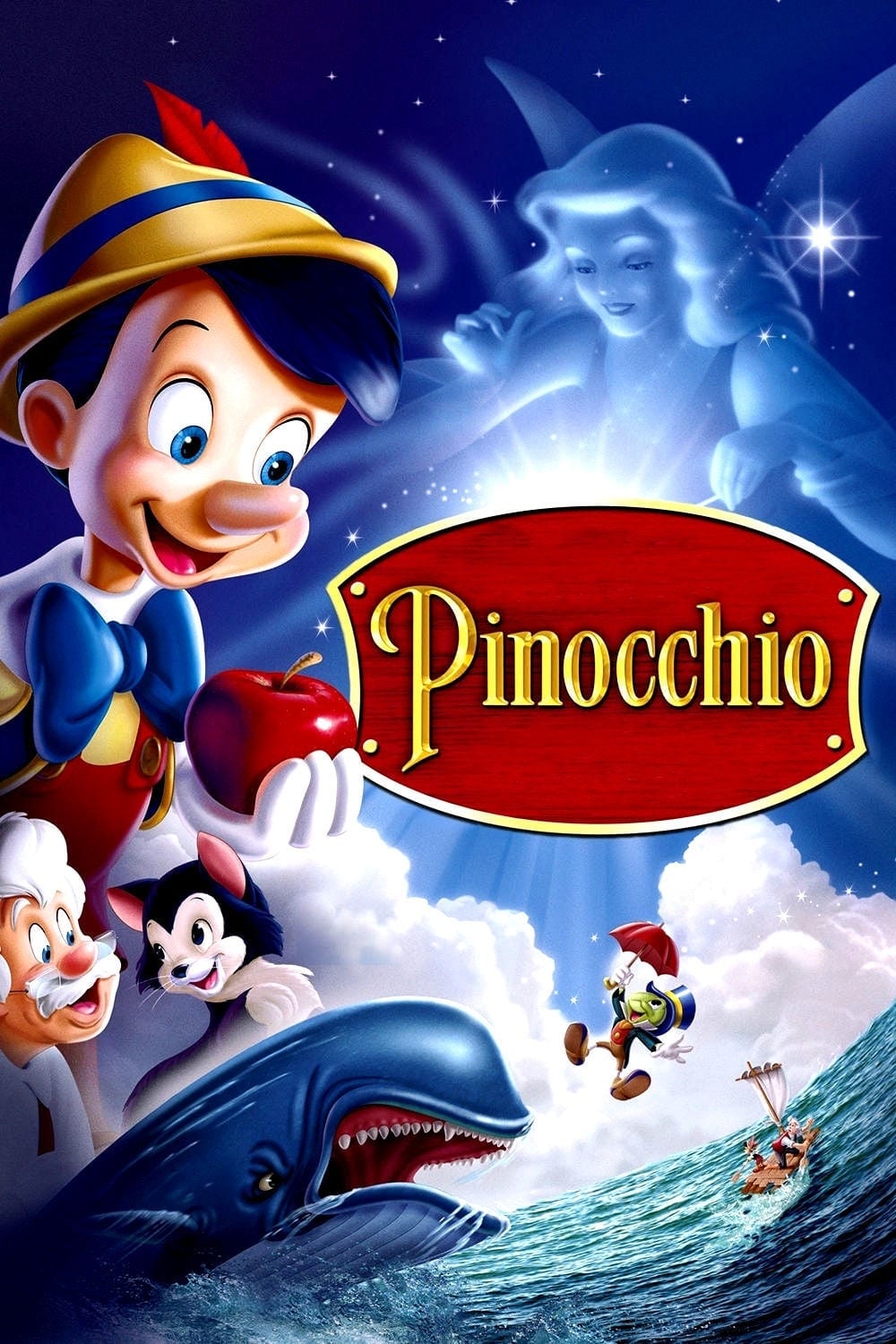
This classic tale features a puppet who must prove himself worthy to become a human boy through good deeds. The journey takes a terrifying turn when he is lured to Pleasure Island where misbehaving children are magically transformed into donkeys. These young boys are then sold into a lifetime of hard labor in salt mines while they cry out for their mothers. The film also includes a harrowing encounter with a massive whale that attempts to consume the protagonists in a dark sea. These elements create a sense of genuine danger and moral weight throughout the story.
‘Fantasia’ (1940)
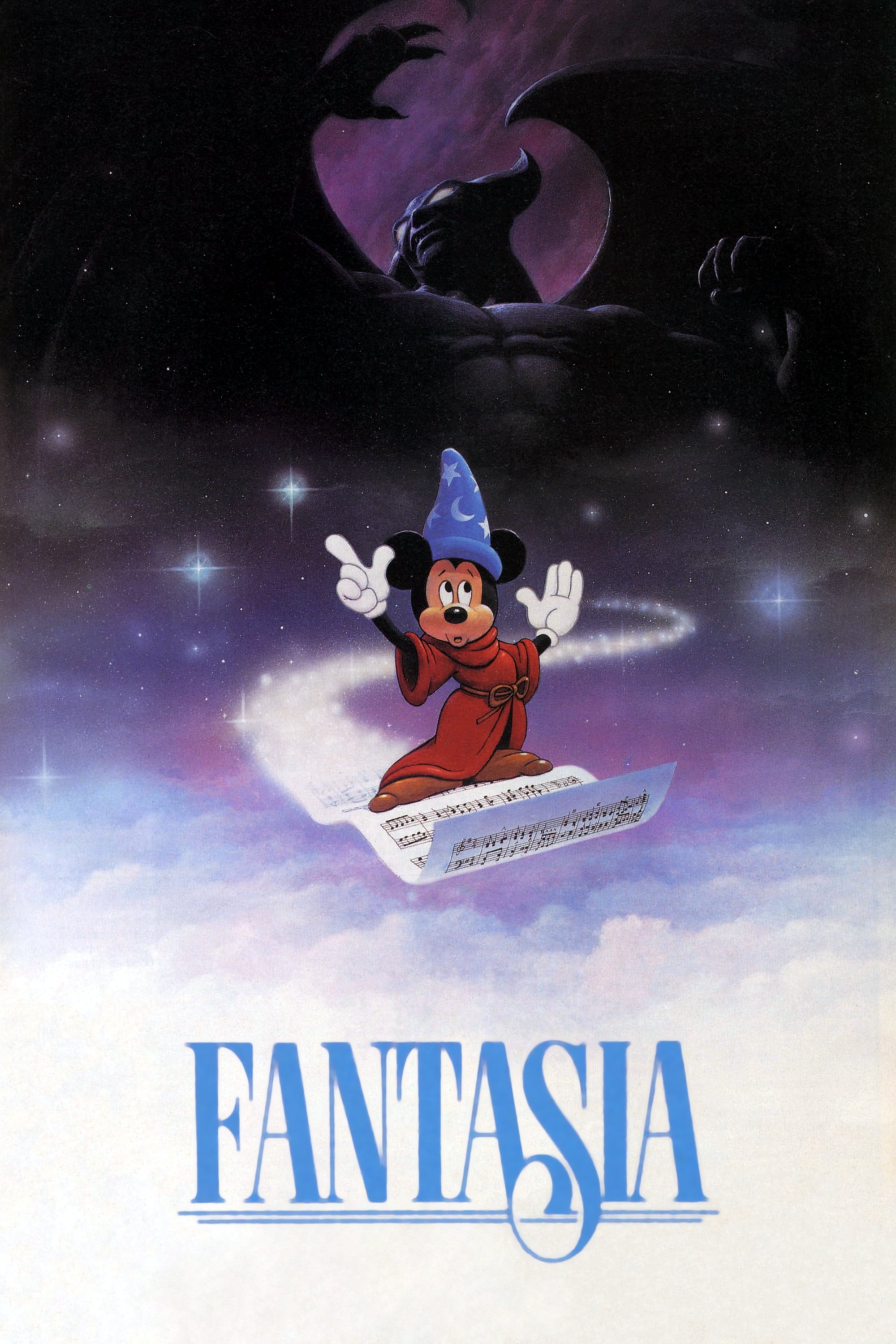
This experimental film combines classical music with innovative animation to tell various abstract stories without dialogue. The segment titled Night on Bald Mountain features a towering demon named Chernabog who summons restless spirits and demons from their graves. These macabre figures dance around a fiery mountain in a display of pure gothic horror and damnation. The imagery of hellish power is a stark contrast to the more whimsical segments found elsewhere in the movie. It remains one of the most visually striking and frightening sequences in the history of the studio.
‘Dumbo’ (1941)
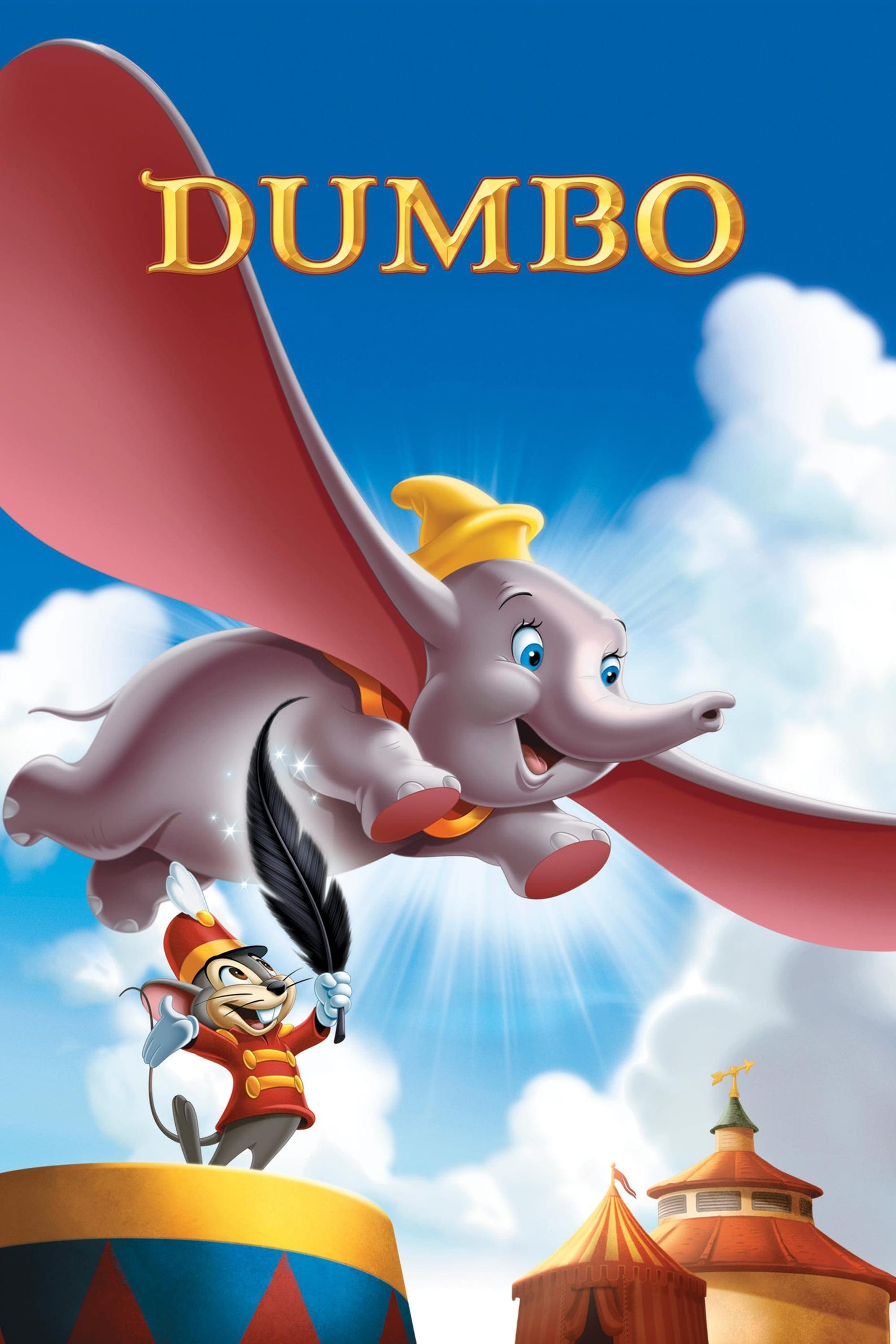
The story follows a young circus elephant with large ears who faces ridicule and isolation from those around him. A particularly distressing sequence involves his mother being locked in a small cage after she tries to protect him from bullies. Dumbo visits her while she is in chains and she cradles him through the bars as they both weep. The film also features a surreal and hallucinogenic sequence involving pink elephants that can be quite unsettling for younger viewers. These moments highlight themes of cruelty and the pain of forced separation.
‘Bambi’ (1942)
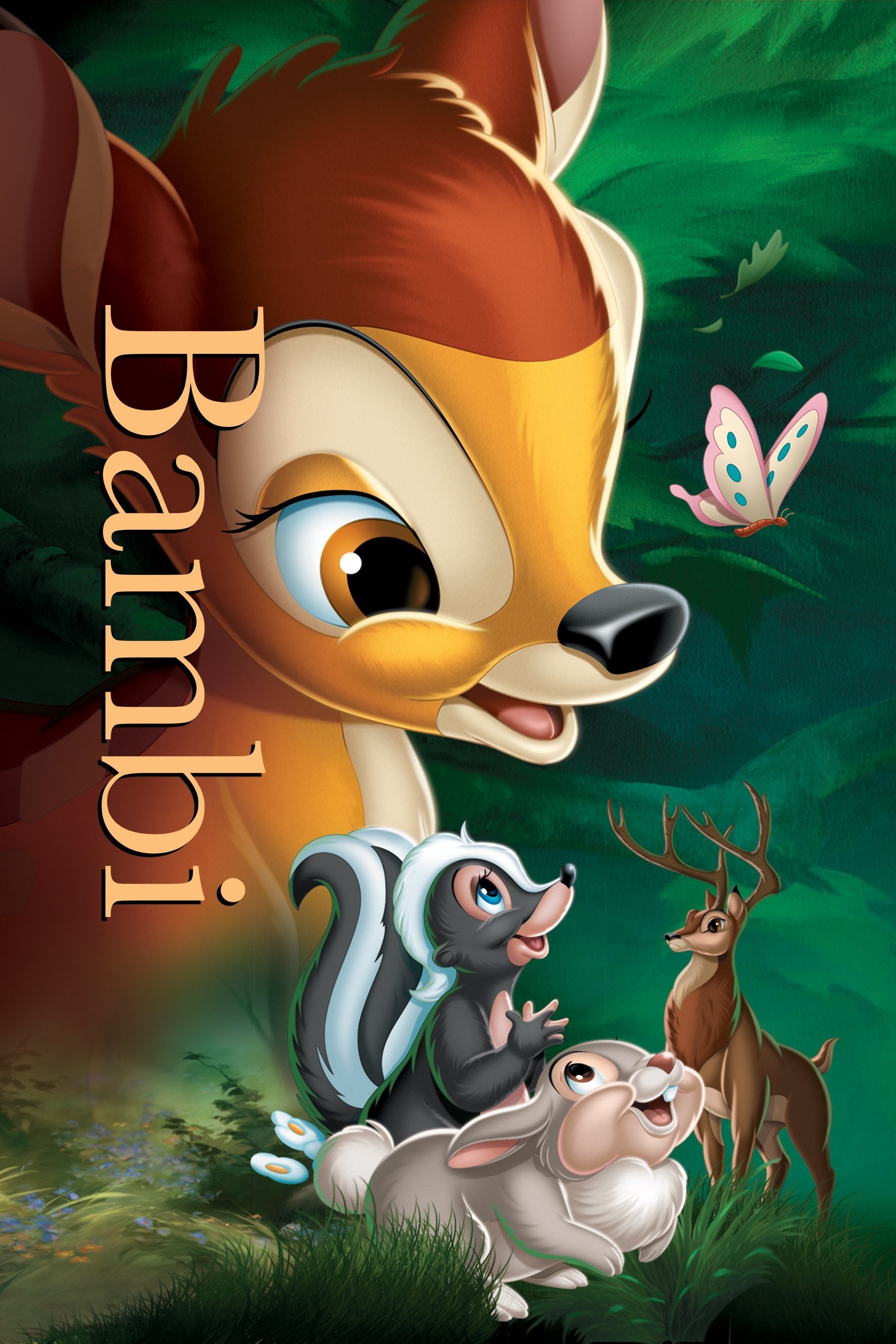
This coming of age story explores the life of a young deer in a forest filled with both beauty and danger. The most famous and traumatic moment occurs when Bambi and his mother are hunted by humans during a harsh winter. His mother tells him to run and never look back but she is killed off screen by a gunshot. The sound of the shot echoing through the forest marks a sudden shift from childhood innocence to the harsh reality of survival. The film continues to explore the threat of forest fires and human intervention in the natural world.
‘Snow White and the Seven Dwarfs’ (1937)
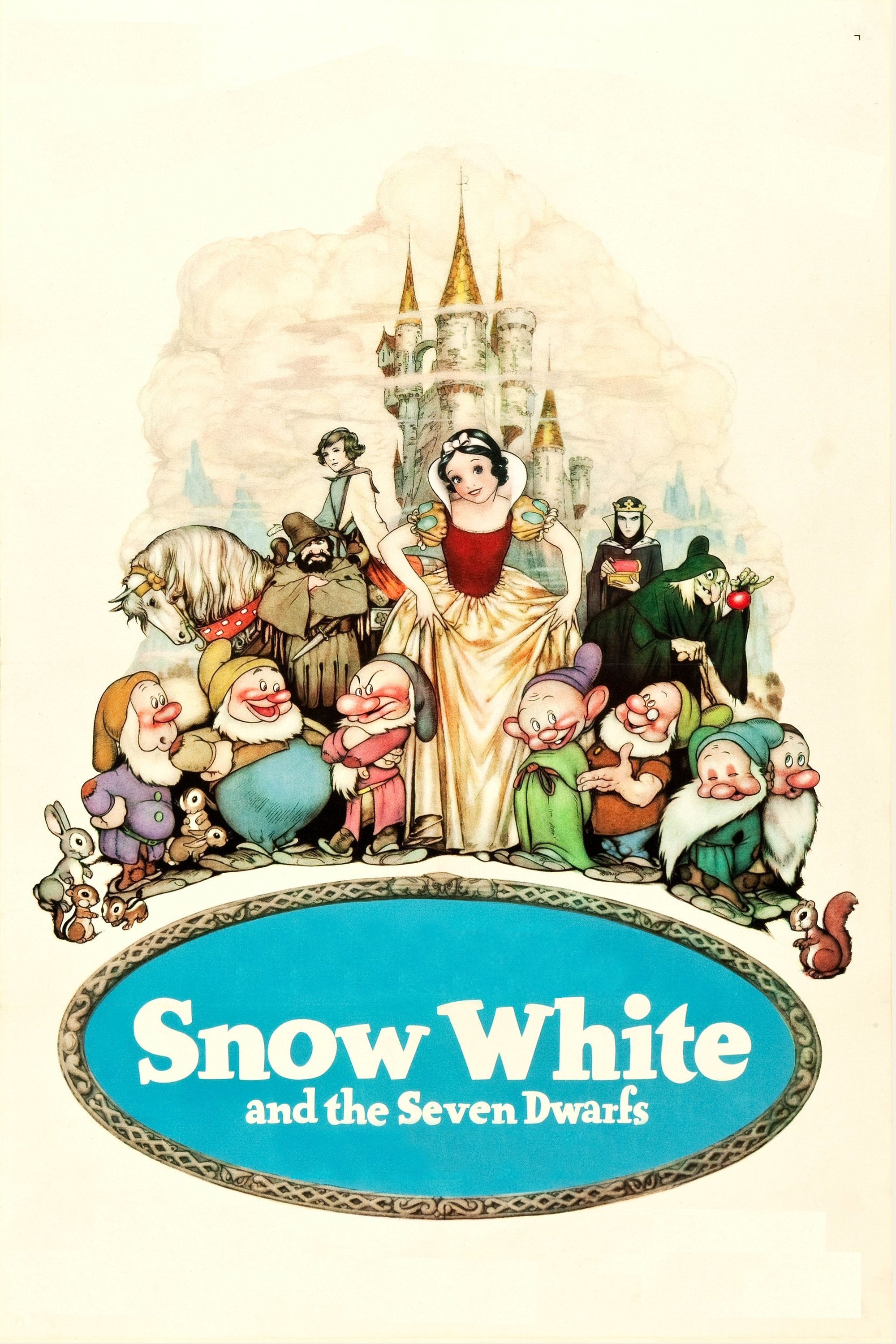
The first full length animated feature from the studio includes several sequences that lean heavily into the horror genre. The Evil Queen orders a huntsman to take Snow White into the woods and return with her heart in a box. When the princess escapes into the forest the trees seem to come alive with terrifying faces and grabbing limbs. The Queen eventually transforms herself into a haggard crone using a dark potion in a visually intense scene. Her ultimate demise involves falling from a cliff while vultures circle overhead waiting to feast.
‘Sleeping Beauty’ (1959)
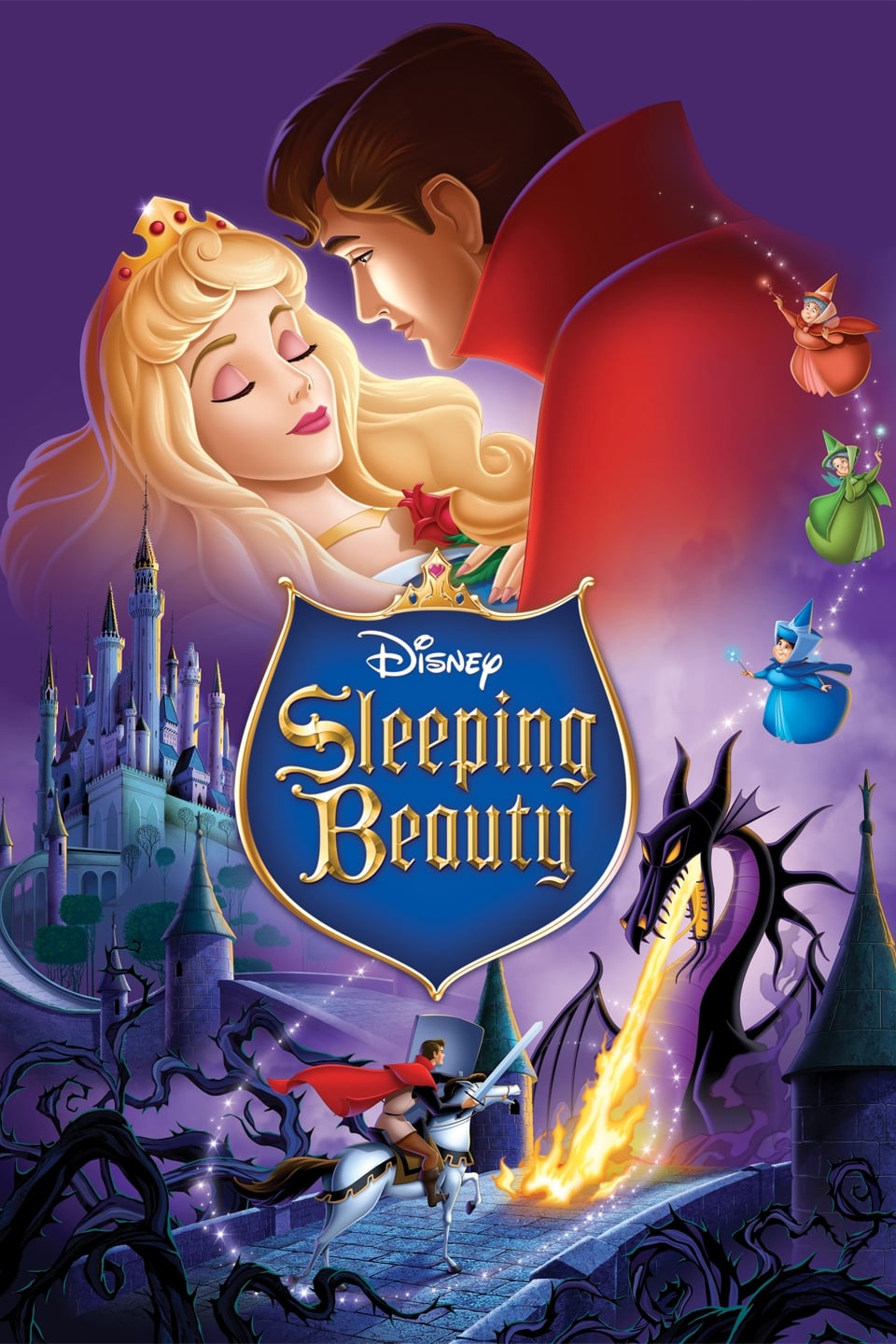
Maleficent is often cited as one of the most formidable villains due to her command over dark magic and her lack of empathy. She places a death curse on an innocent infant and eventually transforms into a massive black and purple dragon to kill the prince. The final battle features a landscape of thorns and hellish green flames that create an atmosphere of dread. Maleficent describes her powers as coming from all the forces of hell which is a very heavy concept for a fairy tale. The animation style uses sharp angles and cold colors to emphasize the sinister nature of the antagonist.
‘The Black Cauldron’ (1985)

This film is widely considered one of the darkest entries in the animated canon due to its focus on necromancy and the undead. The Horned King seeks a magical cauldron to raise an army of skeleton warriors known as the Cauldron Born. The imagery of decaying corpses returning to life was so intense that it led to significant edits before the official release. It explores themes of sacrifice and the corrupting nature of power in a way that feels more like high fantasy horror. The grim visual palette and lack of musical numbers contribute to its oppressive and somber tone.
‘The Hunchback of Notre Dame’ (1996)
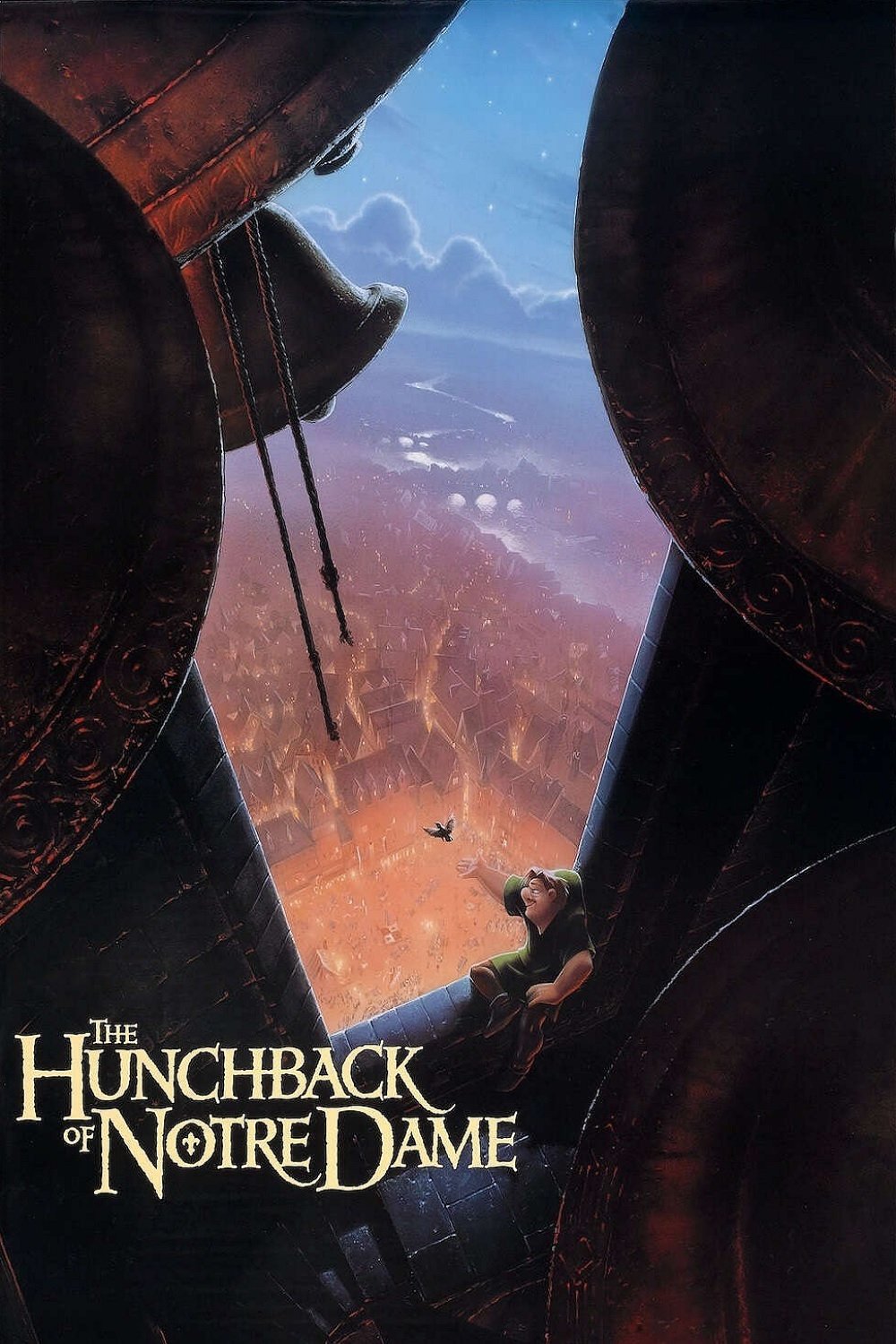
This adaptation of the Victor Hugo novel tackles complex social issues such as religious hypocrisy and genocide. The antagonist Judge Claude Frollo is a deeply disturbed individual who is driven by lust and a desire to purge the city of those he deems inferior. His song Hellfire depicts his inner turmoil and his threat to burn a woman alive if she does not submit to him. The film also portrays the public humiliation of Quasimodo in a scene that is difficult to watch due to its cruelty. It remains a bold exploration of adult themes within the framework of an animated musical.
‘The Fox and the Hound’ (1981)
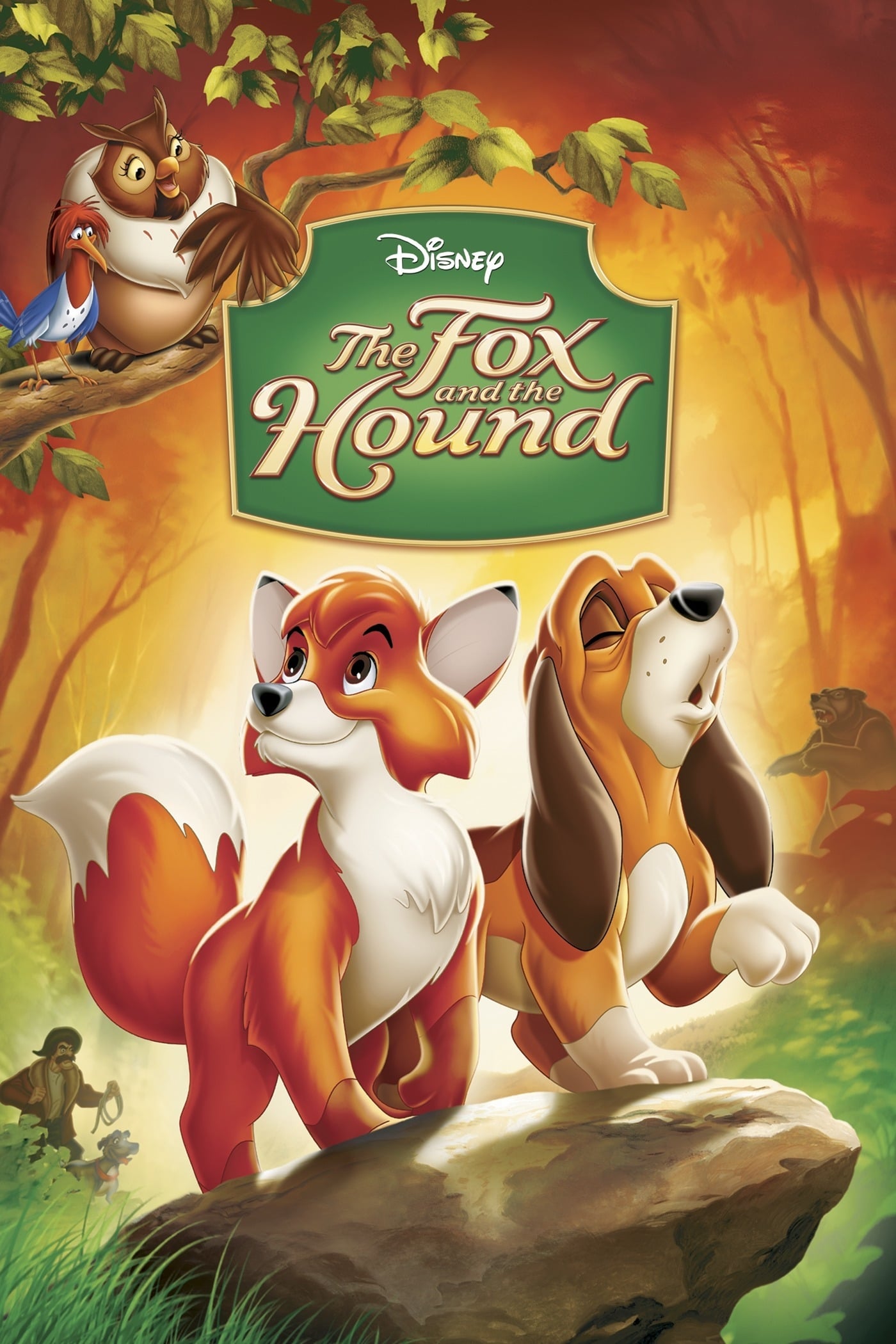
The story focuses on the friendship between a fox named Tod and a hound dog named Copper who are forced apart by their natural roles as predator and prey. As they grow older their bond is tested by the violent expectations of the humans who own them. The film ends on a bittersweet note that emphasizes the loss of innocence and the permanent scars of conflict. A scene involving a bear attack is particularly brutal and features intense sound design to heighten the sense of danger. It serves as a somber meditation on how societal pressures can destroy personal relationships.
‘Return to Oz’ (1985)
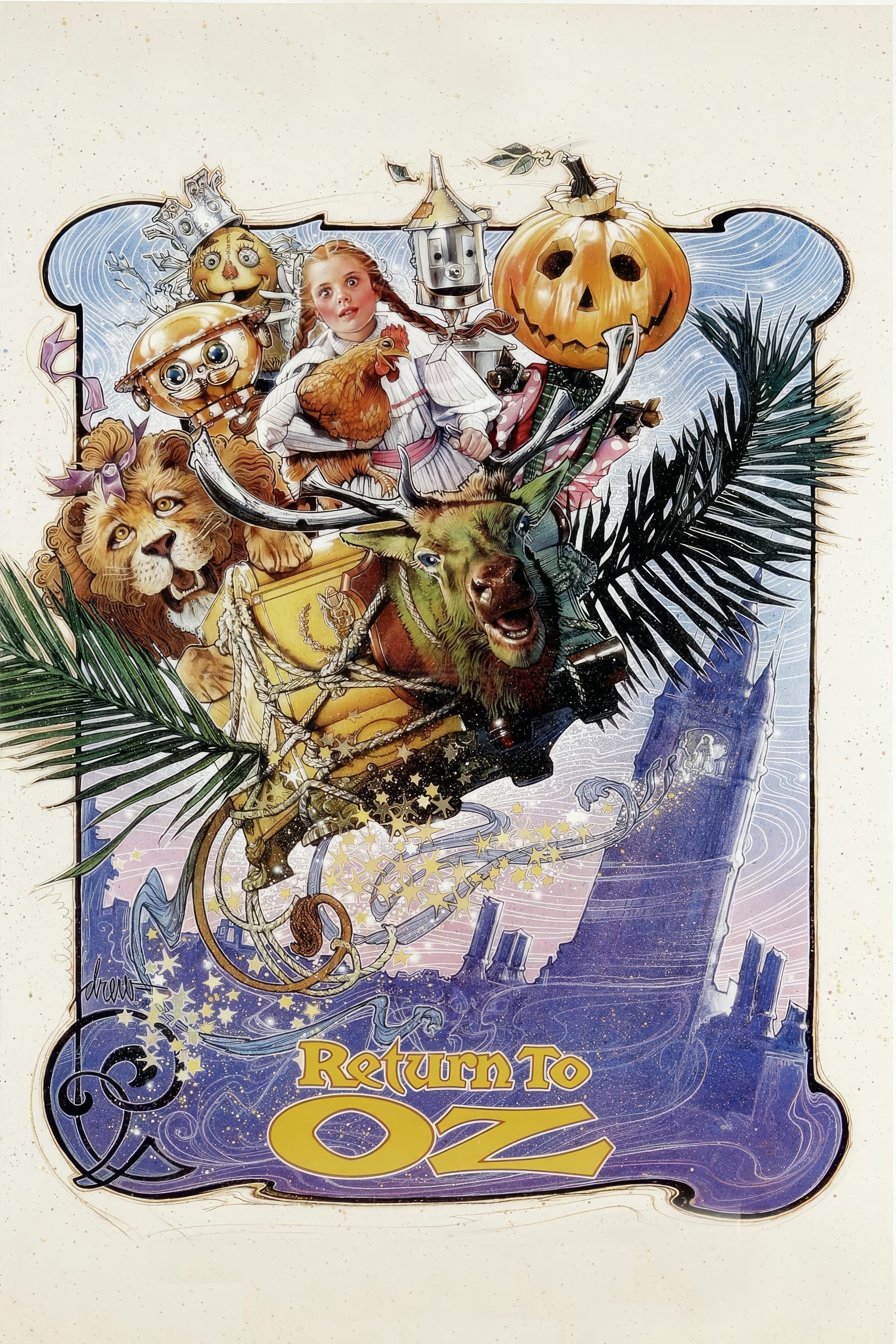
This unofficial sequel to the famous musical takes a much grimmer approach to the land of Oz. Dorothy begins the film in a psychiatric clinic where she is about to undergo electroshock therapy to cure her fantasies. When she returns to Oz she finds the Yellow Brick Road in ruins and her old friends turned to stone. The movie features terrifying villains like the Wheelers and a queen who switches her own head for those of her decapitated victims. This production leaned heavily into dark fantasy and psychological horror elements that were absent from the original.
‘The Watcher in the Woods’ (1980)
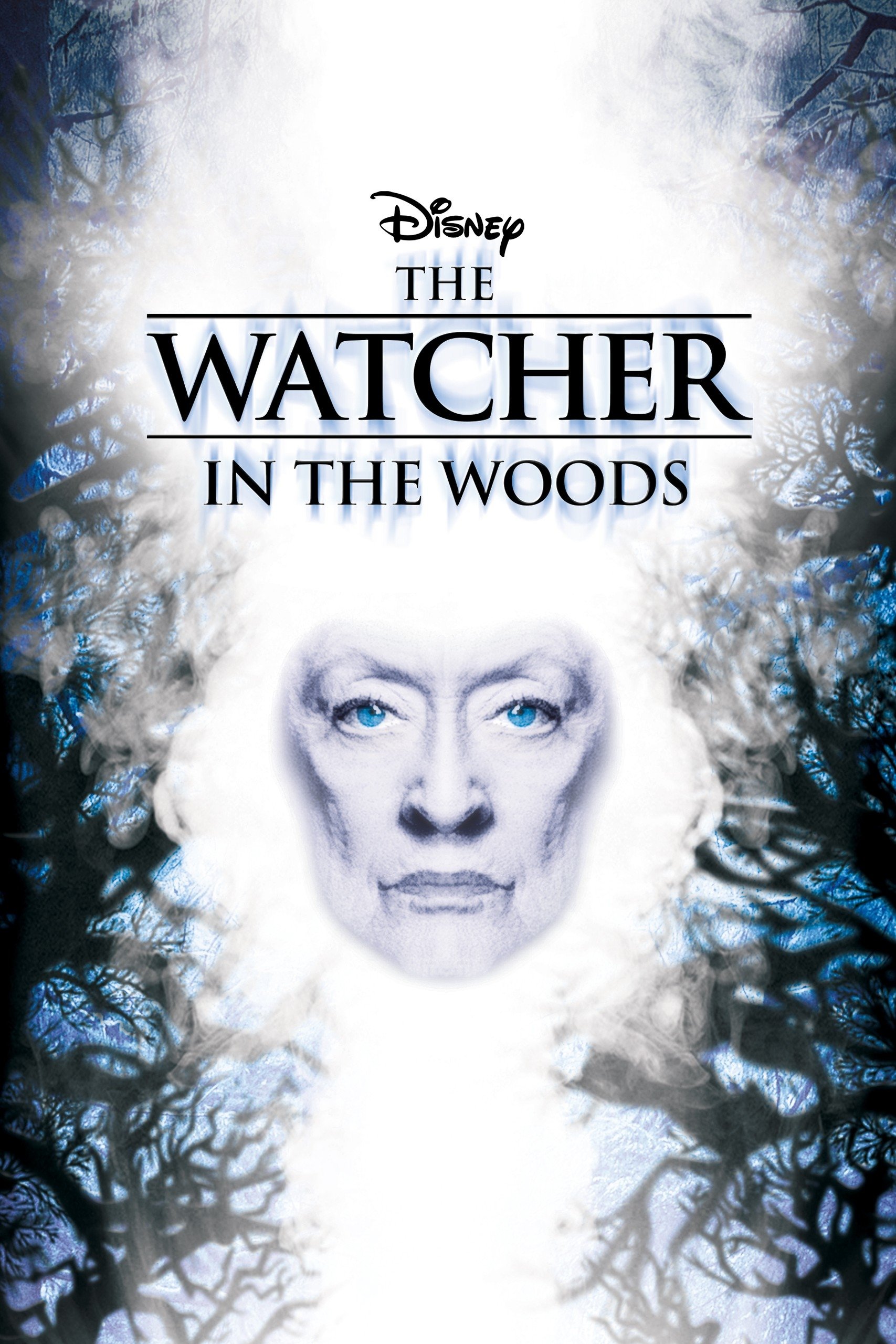
This live action mystery centers on a family that moves into a manor where a young girl disappeared years ago. The film utilizes supernatural elements and a sense of mounting dread to create a genuine horror experience. It explores themes of missing children and the lingering grief of those left behind in a rural setting. The original ending was reportedly so frightening and confusing that it had to be reshot for the theatrical release. It remains a cult favorite for its ability to generate atmospheric tension without relying on typical jump scares.
‘Something Wicked This Way Comes’ (1983)
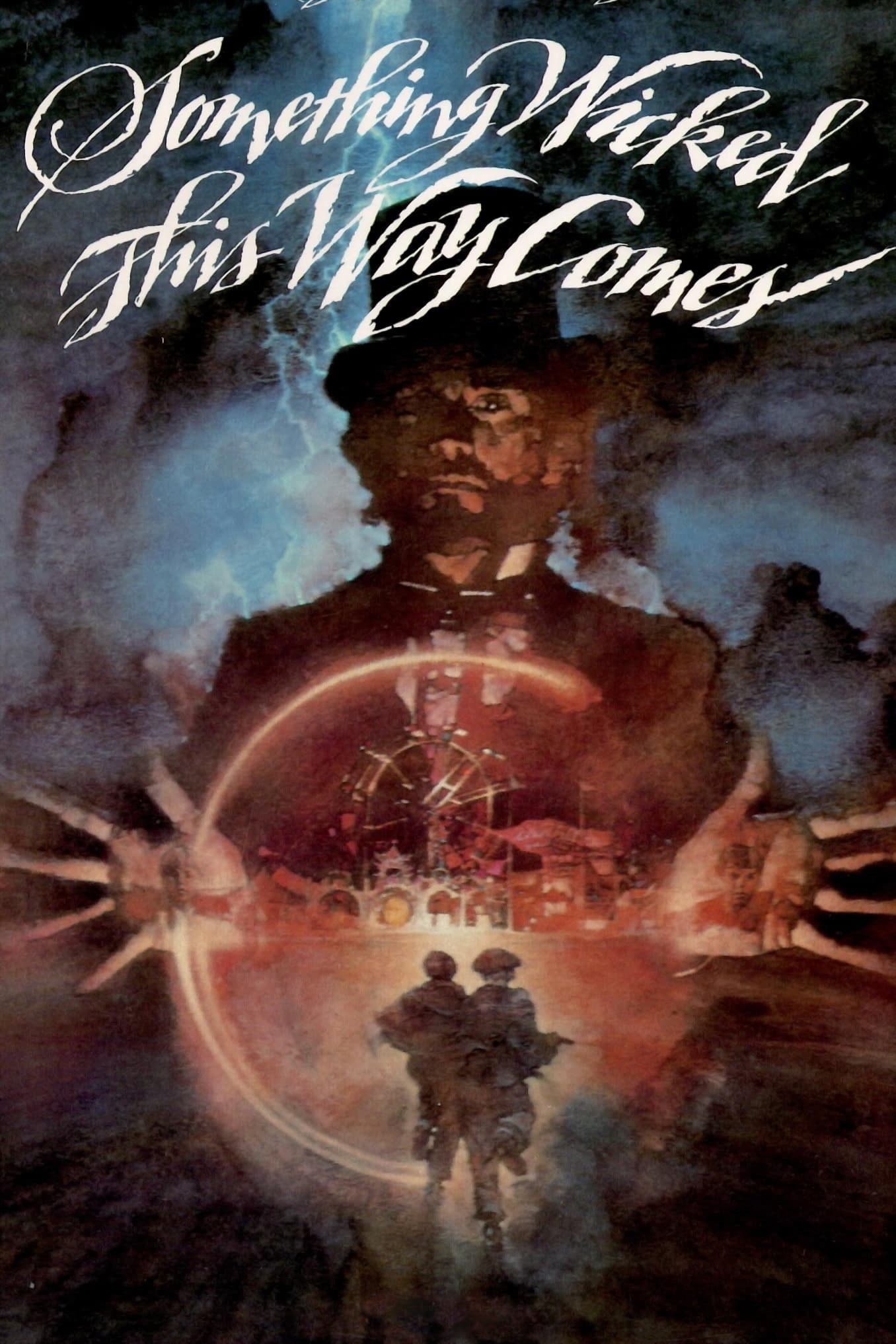
A mysterious carnival arrives in a small town and begins to fulfill the dark desires of the residents at a terrible cost. The leader Mr. Dark is a sinister figure who collects the souls of those who succumb to temptation. Two young boys must find a way to stop the evil forces before the town is consumed by the supernatural carnival. The film features imagery of aging and death that is remarkably mature for a family production. It creates a lingering sense of dread through its focus on the consequences of regret and the loss of time.
‘The Lion King’ (1994)
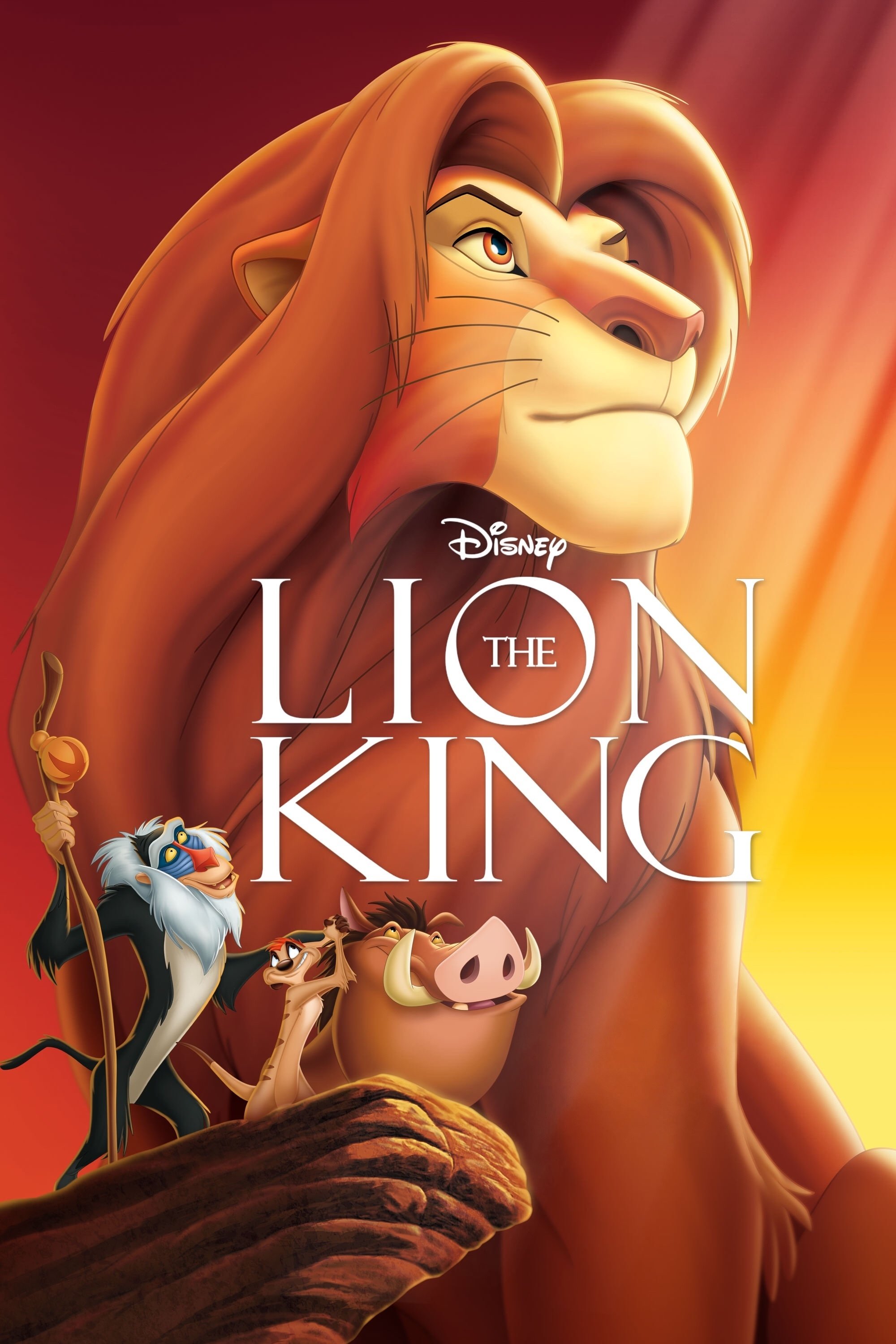
While famous for its music and vibrant characters this film is built on the foundation of a Shakespearean tragedy. The murder of Mufasa by his own brother Scar is a violent and emotionally devastating moment that the audience witnesses directly. Simba is forced to live with the guilt of his father’s death which is a heavy burden for a young character. The reign of Scar results in a wasteland where the hyenas suffer from starvation and the environment is completely destroyed. The final confrontation takes place amidst a raging fire that symbolizes the total collapse of the kingdom.
‘Tarzan’ (1999)

The film opens with a brutal sequence showing the destruction of a ship and the death of Tarzan’s parents at the hands of a leopard. Sabor the leopard is a relentless predator who kills the baby gorilla before attempting to hunt the human infant. The villain Clayton meets a particularly gruesome end when he accidentally hangs himself during a frantic fight in the jungle vines. The audience sees the silhouette of his dangling body during a flash of lightning which is a haunting image for a children’s movie. These moments of visceral violence ground the story in the dangerous reality of the wild.
‘Mulan’ (1998)
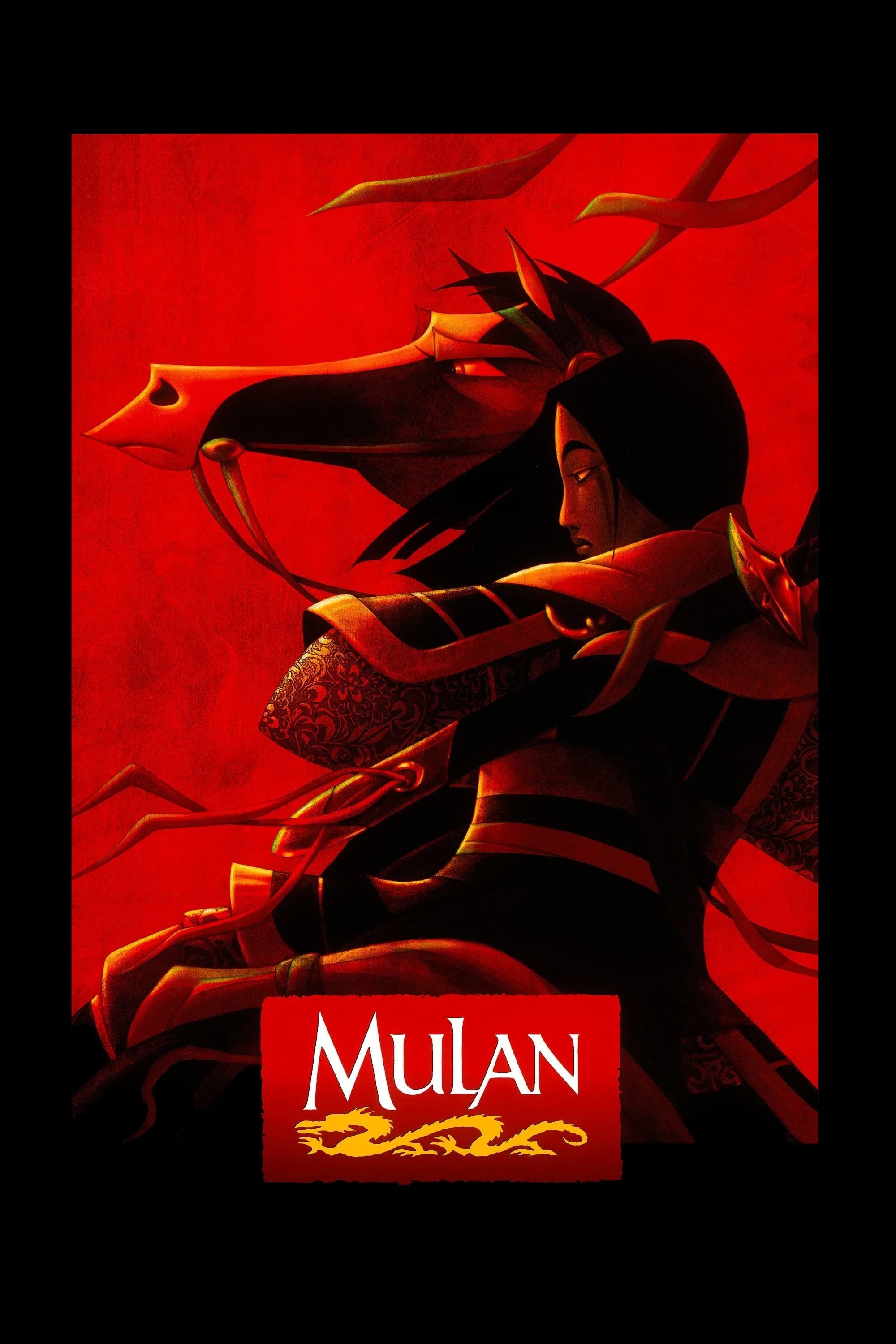
This story of a young woman joining the army in place of her father features some of the most sobering depictions of war in animation. In one scene the protagonists arrive at a village that has been completely burned and decimated by the Huns. They find a mass grave and the remains of the Imperial Army which includes the father of a main character. The Huns are portrayed as a terrifying force that shows no mercy to civilians or soldiers alike. The film balances its comedic moments with the cold reality of life and death on the battlefield.
‘The Great Mouse Detective’ (1986)

Set in Victorian London this mystery features a villain named Professor Ratigan who is prone to sudden outbursts of extreme violence. In one scene he feeds a subordinate to his pet cat simply because the mouse insulted his heritage. The climax of the film takes place inside the gears of Big Ben where Ratigan sheds his sophisticated persona and becomes a feral beast. His attempt to murder Basil is physically intense and features a dark atmosphere filled with rain and shadows. The film captures the gritty side of London and the psychological instability of its primary antagonist.
‘The Rescuers’ (1977)
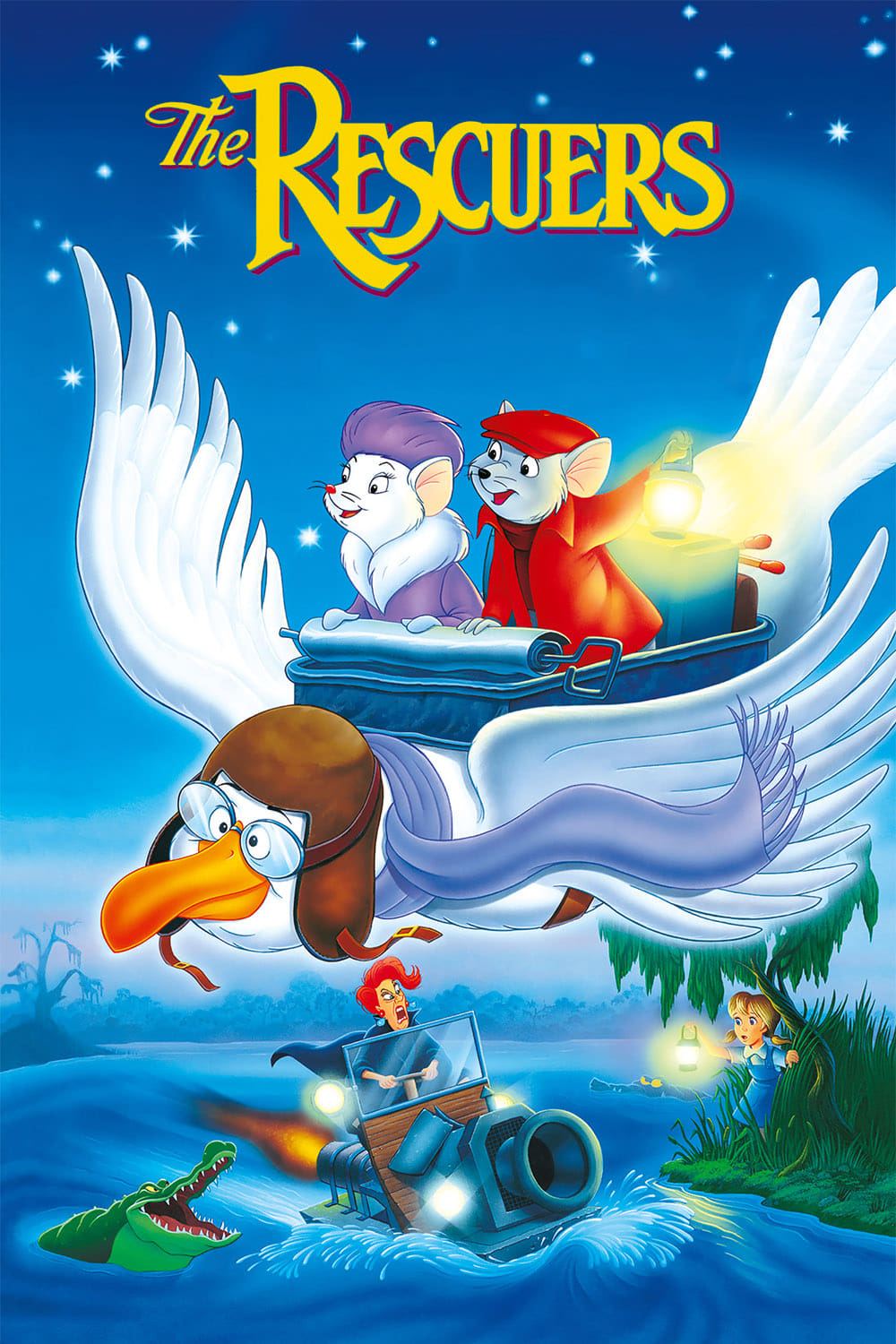
Two mice from a global rescue organization travel to a swamp to save an orphaned girl named Penny. The girl has been kidnapped by a pawn shop owner who forces her into a dark and dangerous tidal cave to retrieve a diamond. Penny is nearly drowned as the tide rises and she must face terrifying crocodiles that guard the perimeter of her prison. The film explores themes of child endangerment and psychological abuse in a very grounded and unsettling way. The dingy atmosphere and sense of isolation make the stakes feel particularly high for the young protagonist.
‘Toy Story 3’ (2010)
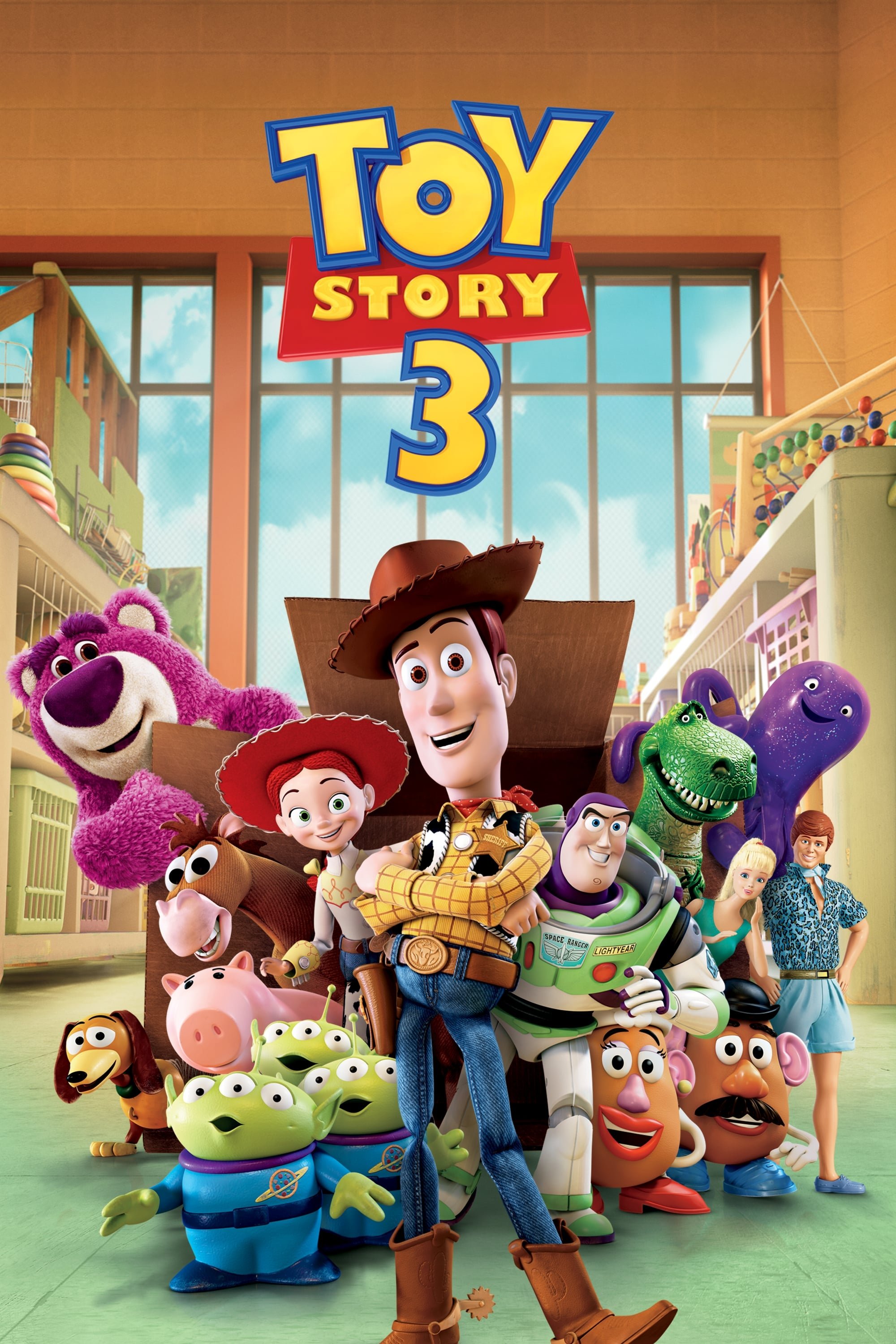
The third entry in this franchise deals heavily with the themes of abandonment and the inevitability of death. The most harrowing scene occurs when the toys are trapped on a conveyor belt heading toward a massive incinerator. They realize they cannot escape and choose to hold hands while accepting their fate as they descend into the flames. This moment of collective resignation is an incredibly mature and somber depiction of mortality. The film also features a villainous teddy bear who runs a daycare center like a high security prison for toys.
‘Old Yeller’ (1957)
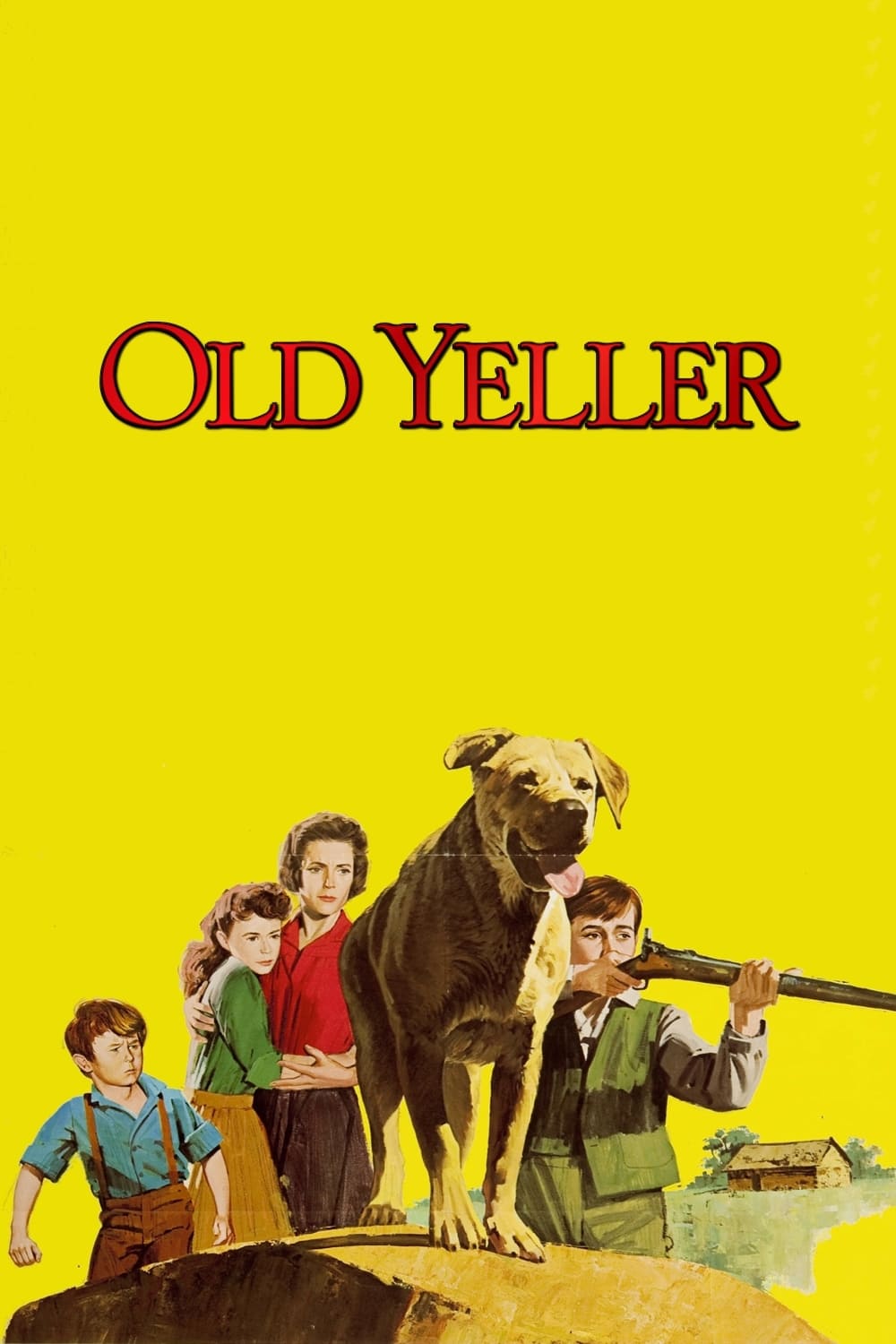
This live action drama is famous for having one of the most heartbreaking endings in cinematic history. After a loyal dog protects his family from a rabid wolf he contracts the disease himself and becomes a threat. The young protagonist is forced to take responsibility and shoot his own dog to end its suffering. This act of mercy is a traumatic rite of passage that explores the harsh realities of life on the frontier. It remains a benchmark for emotional storytelling that does not shy away from the pain of loss and duty.
‘Bridge to Terabithia’ (2007)
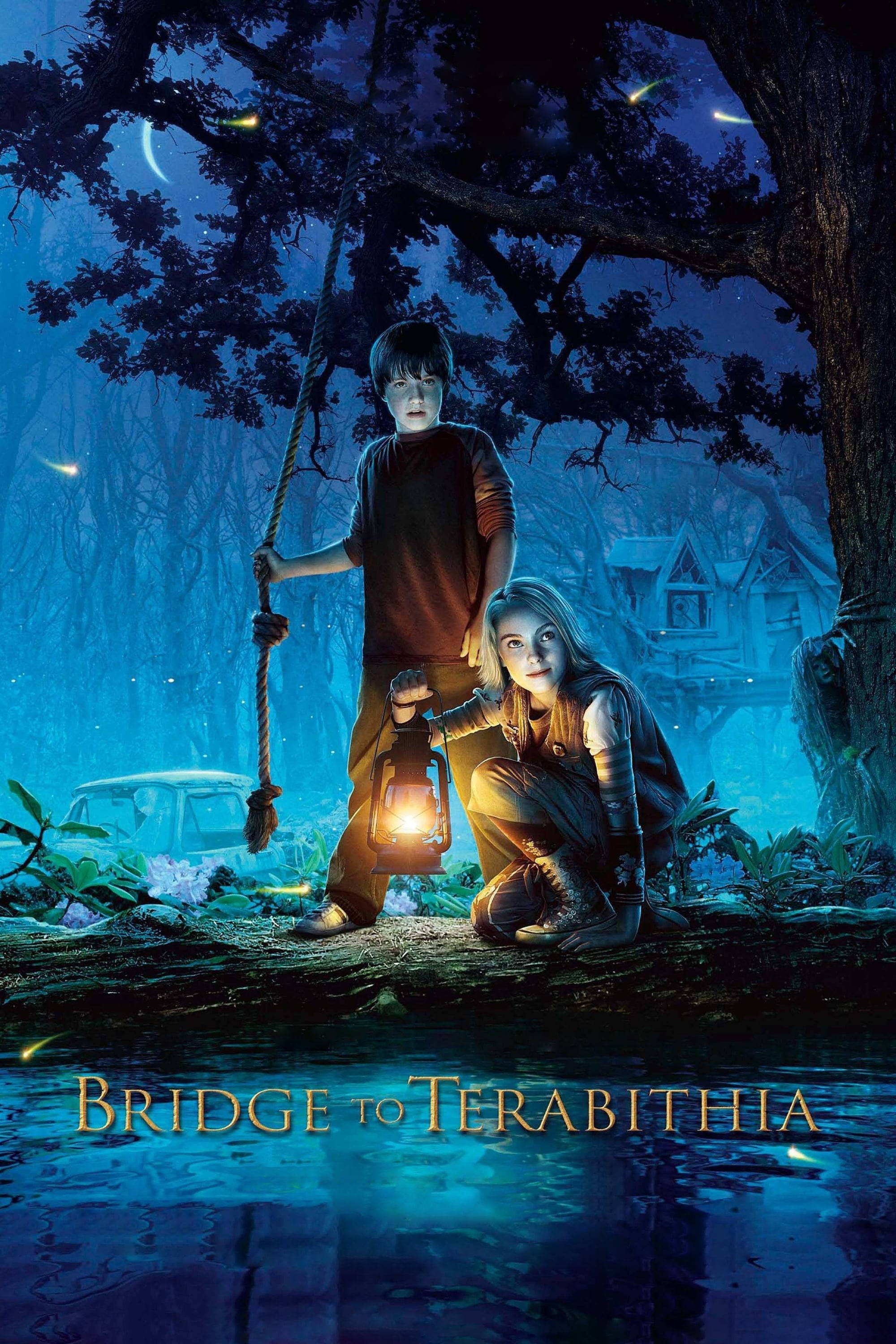
Two lonely children create a magical kingdom in the woods to escape the difficulties of their daily lives. The story takes a devastating turn when one of the children dies in a tragic accident while trying to reach their secret spot. The film shifts from a whimsical fantasy to a grounded exploration of grief and the stages of mourning. It forces the young audience to confront the random nature of death and the importance of emotional resilience. The portrayal of the family and their struggle to process the loss is deeply moving and realistic.
‘Finding Nemo’ (2003)
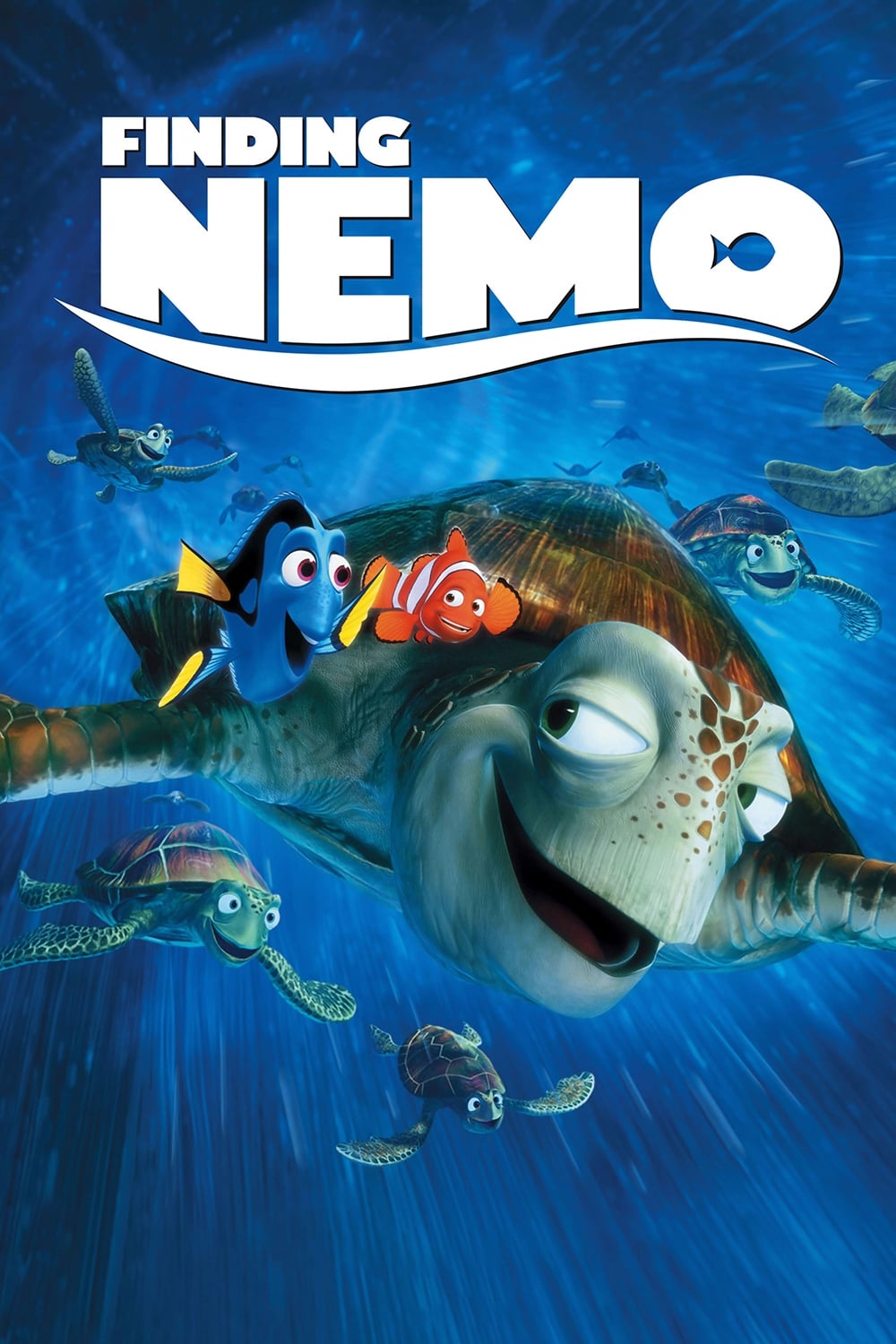
The film begins with a terrifying barracuda attack that kills Nemo’s mother and almost all of his unborn siblings. Marlin is left as a single parent with a physical reminder of the tragedy in Nemo’s underdeveloped fin. This opening sets a tone of anxiety and loss that drives Marlin’s overprotective behavior throughout the adventure. The ocean is depicted as a vast and dangerous place filled with predators and environmental hazards. Nemo’s time in the fish tank also highlights the dark side of the pet trade and the fear of being trapped.
‘Up’ (2009)

The opening montage of this film is a celebrated but deeply sad sequence that depicts the life of Carl and Ellie. It shows their happy marriage alongside the pain of infertility and the eventually death of Ellie which leaves Carl alone. This condensed look at a lifetime of joy and sorrow is a very mature way to begin a family adventure. Carl’s journey is motivated by his inability to move on from his grief which leads him to become a bitter recluse. The film uses these heavy emotional themes to give weight to the whimsical premise of a flying house.
‘The Little Mermaid’ (1989)
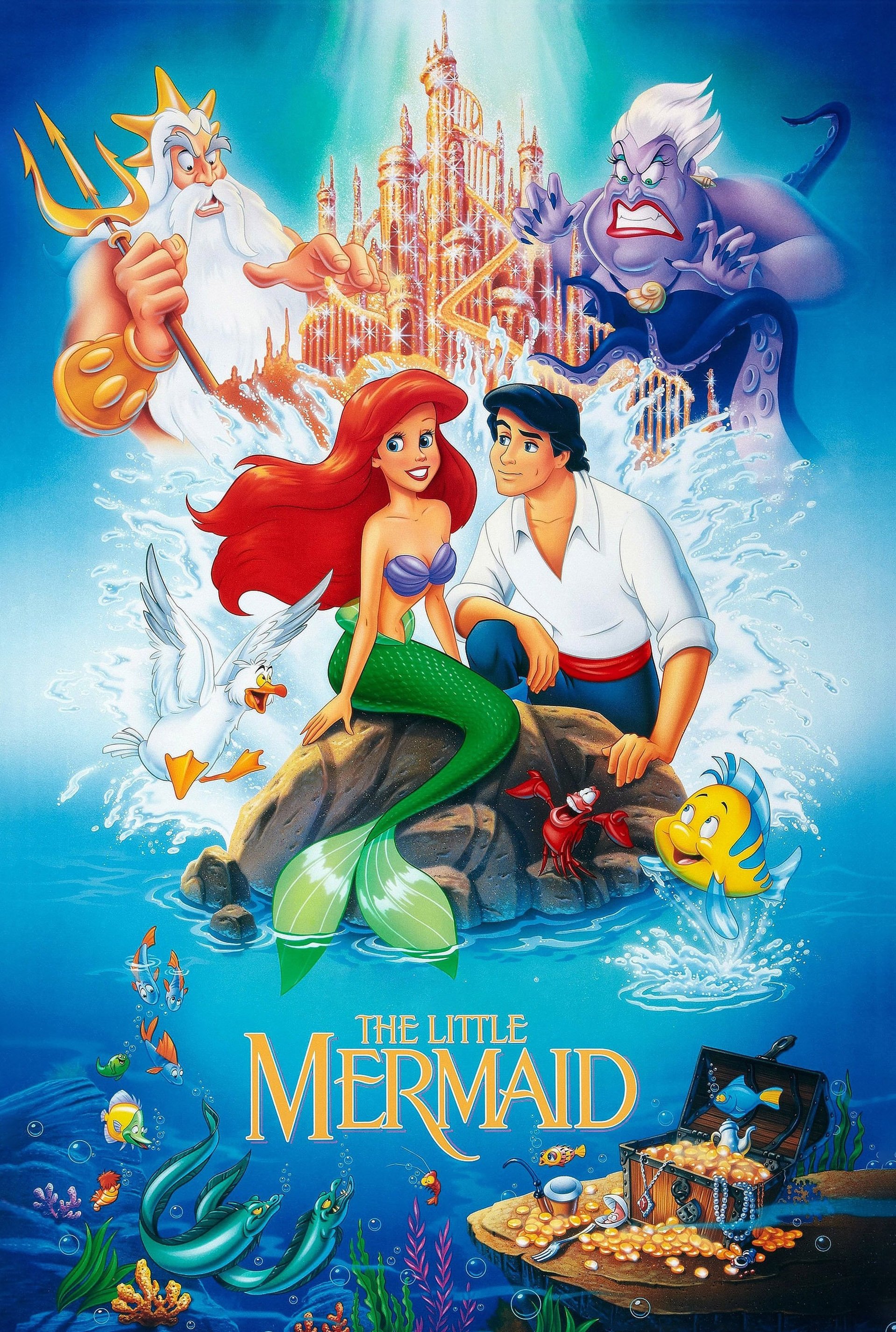
Ursula is a sea witch who uses the desperation of others to expand her collection of shriveled souls. Her garden is filled with polyps that were once merfolk who failed to fulfill their contracts with her. These creatures are depicted as writhing and miserable beings who have lost their humanity and their freedom. The final battle features Ursula growing to a monstrous size and creating a whirlpool of sunken ships while lightning strikes the ocean. Her death involves being impaled by the splintered mast of a ship in a violent climax.
‘Alice in Wonderland’ (1951)
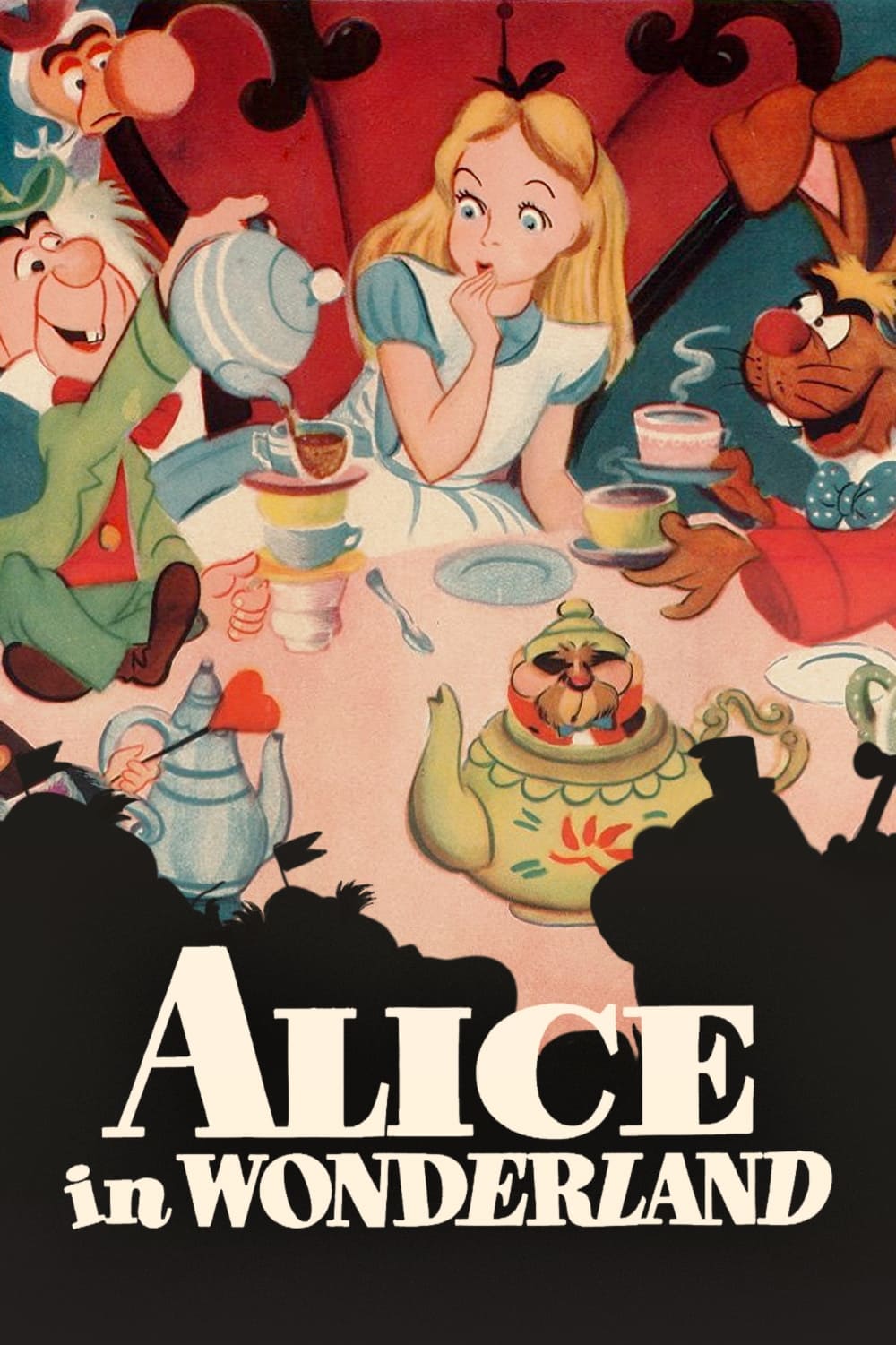
While the film is famous for its vibrant colors and nonsensical characters it contains a strong undercurrent of psychological distress. Alice is trapped in a world where logic does not exist and she is constantly threatened with decapitation by the Queen of Hearts. Many of the characters she encounters are rude or hostile which creates a sense of social anxiety and isolation. The sequence with the Walrus and the Carpenter features the cold blooded consumption of young oysters who are lured to their deaths. This dark humor and the constant threat of violence make the world of Wonderland feel quite dangerous.
‘Atlantis: The Lost Empire’ (2001)

This adventure film features a higher body count and more intense action than the typical animated feature. The expedition to find the lost city is marked by several deaths caused by mechanical failure and monstrous sea creatures. The primary antagonist is a mercenary who is willing to kill the peaceful inhabitants of Atlantis for personal profit. The climax features a character being transformed into a crystalized monster and shattered into pieces after being struck by a propeller. The film explores themes of imperialism and the destructive nature of greed in a very direct manner.
‘Treasure Planet’ (2002)

This sci-fi adaptation of the classic pirate story focuses on the relationship between a rebellious teen and a cyborg cook. John Silver is a complex character who genuinely cares for Jim but is also a ruthless pirate capable of betrayal. The film includes the death of a beloved crew member who is sucked into a black hole during a space storm. The threat of mutiny and the internal struggle of the protagonist add a layer of psychological tension to the adventure. It deals with the themes of fatherhood and finding one’s purpose in a harsh and unforgiving galaxy.
‘Lilo & Stitch’ (2002)
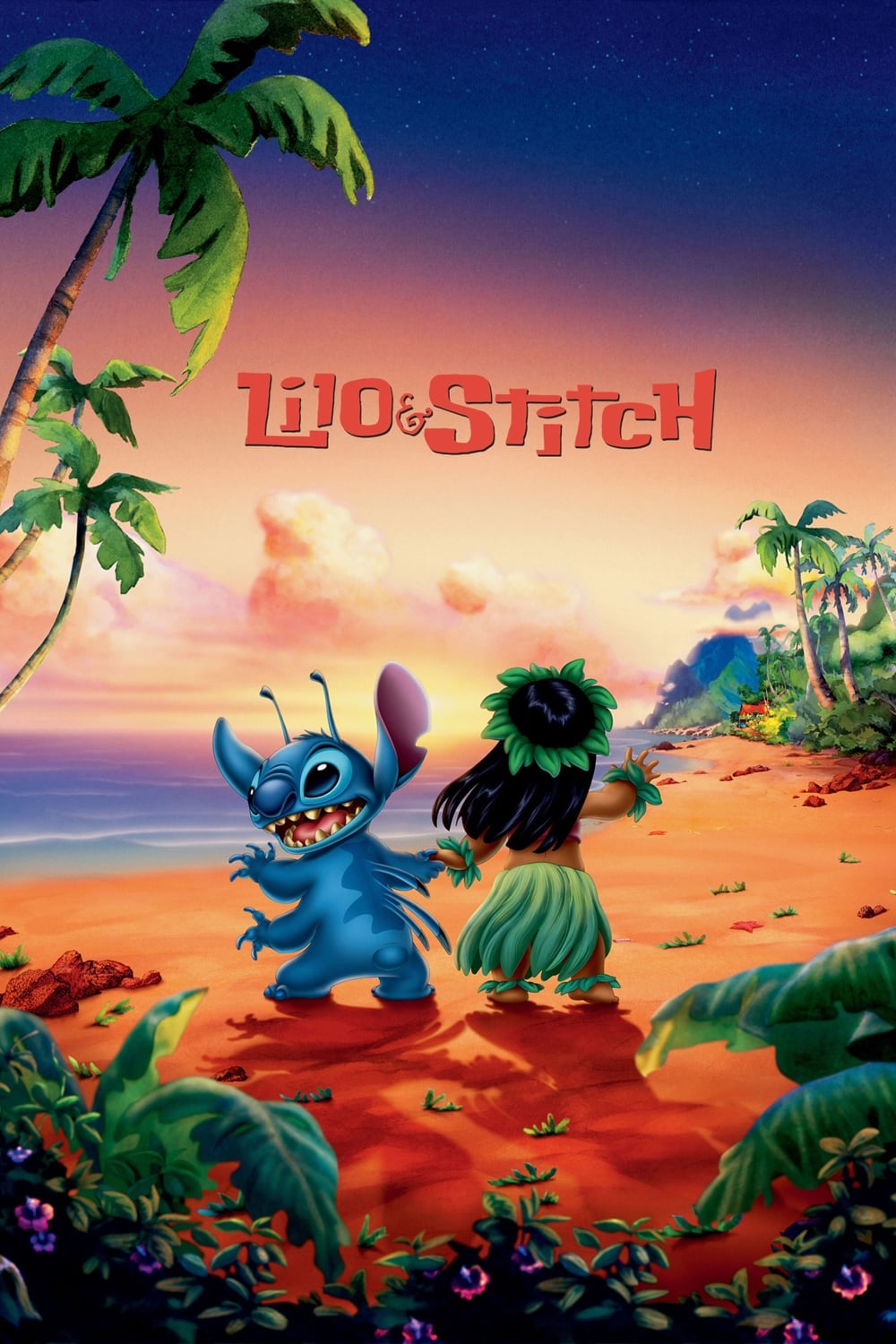
The core of this movie is the struggle of two sisters who are trying to stay together after the death of their parents. Lilo and Nani are constantly threatened with separation by a social worker who believes their home life is unstable. Lilo is an isolated child who uses her imagination to cope with her grief and her difficulty making friends. The film portrays the realities of poverty and the fear of losing family in a way that is very grounded for an alien story. Even the science fiction elements involve genetic experiments and the threat of planetary destruction.
‘Brother Bear’ (2003)
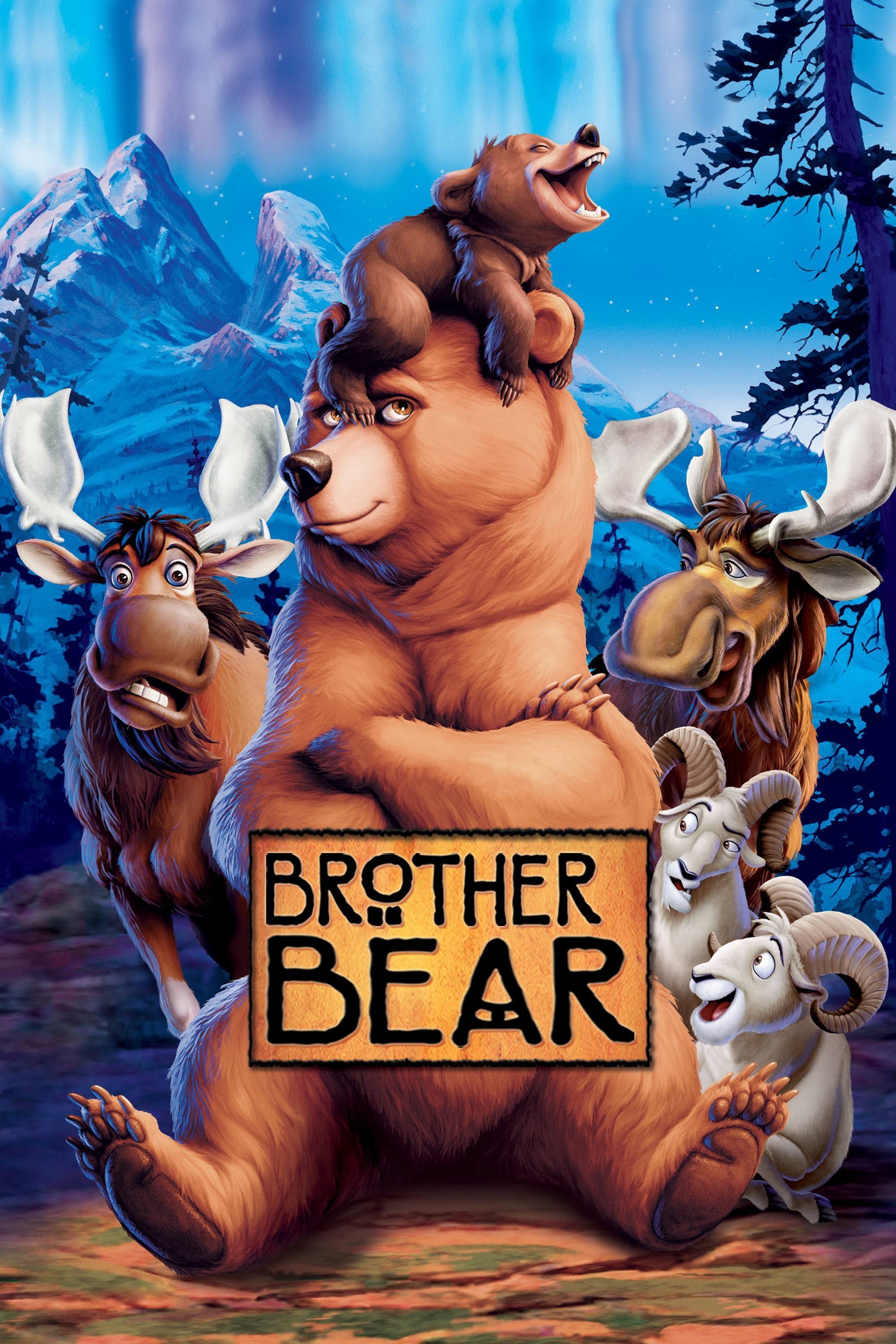
The protagonist Kenai is driven by a desire for revenge after his brother is killed during a confrontation with a bear. He tracks the animal down and kills it only to be transformed into a bear himself as a spiritual lesson. He soon discovers that the bear he killed was the mother of a young cub he has befriended on his journey. This revelation is a heavy moral blow that forces Kenai to confront the consequences of his anger and violence. The film explores the cycle of hatred and the importance of empathy across different species.
‘The Nightmare Before Christmas’ (1993)
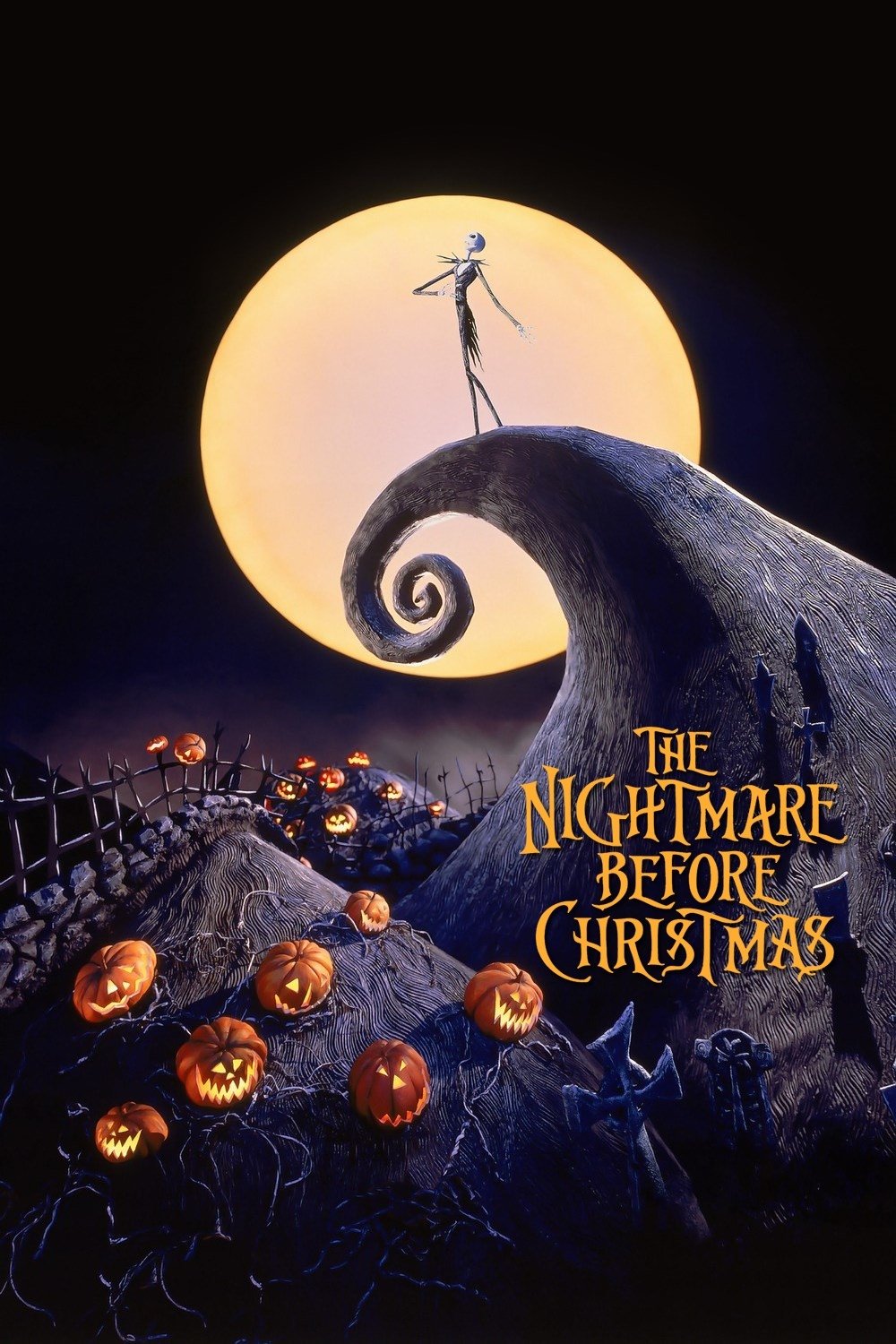
This stop motion classic blends the holiday spirit with gothic horror and macabre character designs. Halloween Town is populated by monsters who delight in scaring people and creating grotesque gifts for children. The villain Oogie Boogie is a gambling boogeyman made of a burlap sack filled with thousands of insects. His lair is a dungeon filled with traps and torture devices that create a sense of genuine peril for Santa Claus. The film deals with themes of identity crises and the unintended consequences of interfering with things one does not understand.
‘James and the Giant Peach’ (1996)

James is an orphan who is forced to live with two abusive aunts who treat him like a slave and starve him. The film begins with the death of his parents who are reportedly eaten by a spectral rhinoceros from the clouds. The aunts are depicted as grotesque and cruel women who eventually meet a violent end when they are crushed by the giant peach. The journey features several frightening encounters including a mechanical shark and undead pirates at the bottom of the ocean. It captures the dark and surreal tone of the original Roald Dahl book perfectly.
‘Frankenweenie’ (2012)
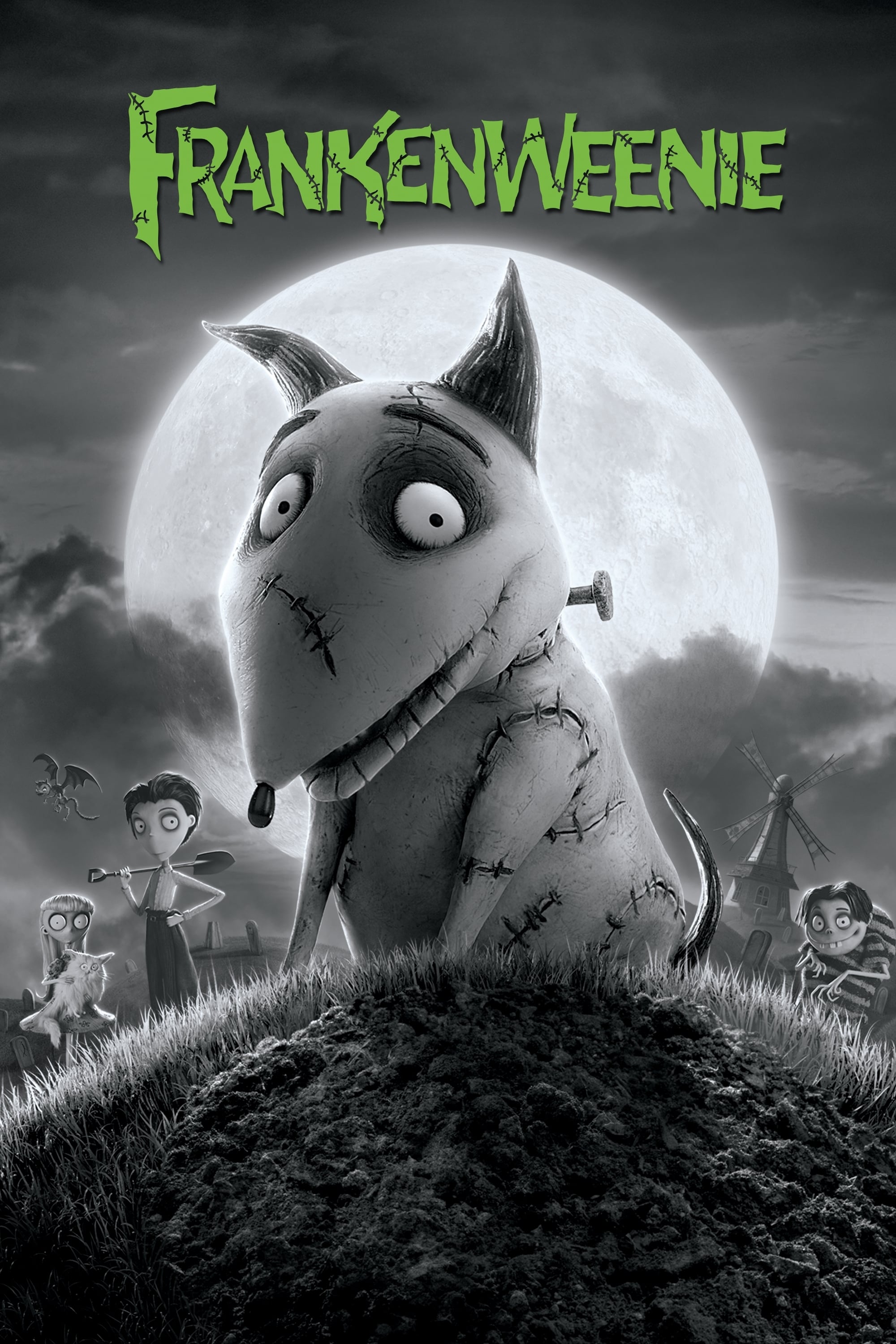
This film is a black and white homage to classic horror movies and tells the story of a boy who brings his dog back from the dead. While the relationship between Victor and Sparky is heartwarming the premise is inherently macabre and deals with the pain of losing a pet. Other children in the neighborhood attempt to replicate the experiment which leads to the creation of various monstrous creatures. The climax takes place in a burning windmill and features intense sequences of monster mayhem. The film does not shy away from the eerie atmosphere and the gothic aesthetics of the genre.
‘Hercules’ (1997)
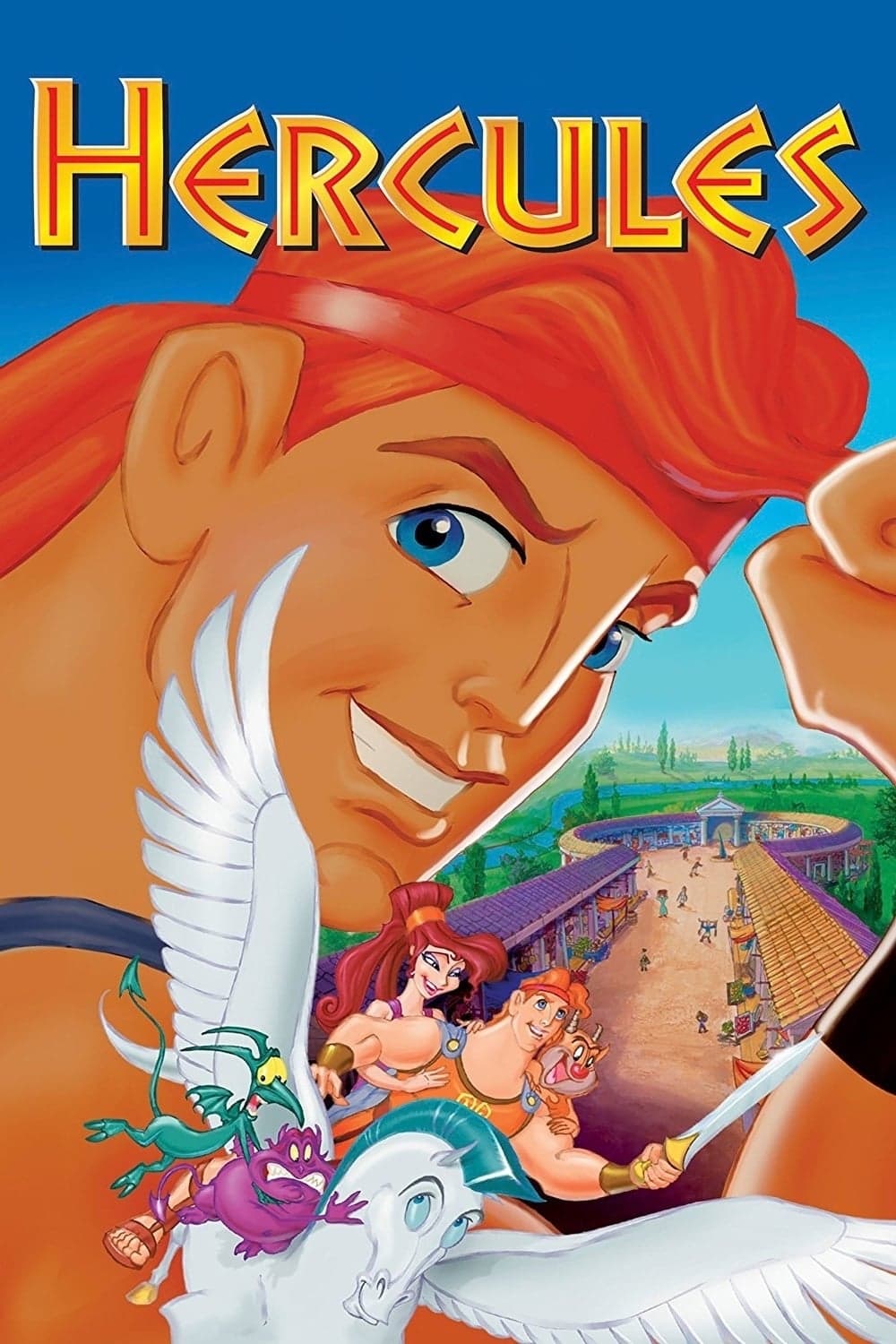
While the film is high energy and filled with humor it depicts a very grim version of the Greek underworld. Hades is a fast talking villain who rules over the realm of the dead where souls are shown floating in a river of green sludge. Megara has sold her soul to Hades to save a lover who eventually betrayed her which adds a tragic layer to her character. The final battle involves the Titans who are monstrous forces of nature that cause widespread destruction and chaos. Hercules must literally swim into the River Styx where he begins to age and die while trying to save Meg’s soul.
‘Pocahontas’ (1995)
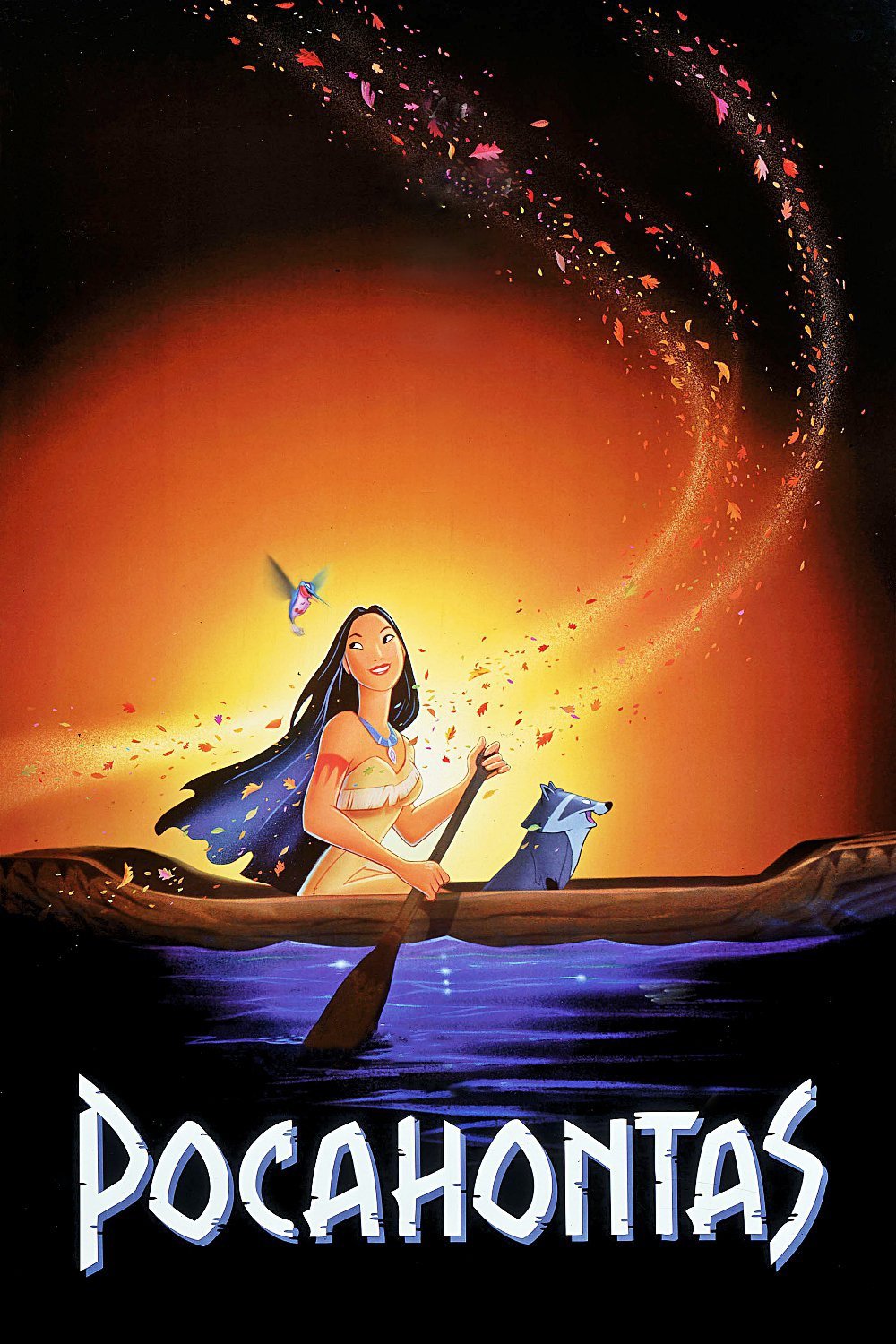
The film explores the violent conflict between English settlers and the indigenous people of Virginia. Governor Ratcliffe is a greedy antagonist who is willing to start a war and kill anyone who stands in the way of his search for gold. The story includes the death of Kocoum who is shot by a panicked settler in a scene that triggers a full scale battle. Themes of xenophobia and environmental destruction are central to the plot and are handled with a serious tone. The ending is bittersweet as the two lead characters are forced to say goodbye and remain in their separate worlds.
‘Lady and the Tramp’ (1955)

This romantic story includes several scenes that highlight the dangers faced by stray animals in an urban environment. Lady is attacked by a pack of stray dogs in a dark alley and later finds herself trapped in a bleak and frightening animal shelter. The film also features a sequence where a rat enters a nursery to attack a baby leading to a violent struggle in the dark. The threat of the dogcatcher and the looming possibility of being put down create a constant sense of stakes for the animal characters. These moments contrast sharply with the more famous and charming scenes in the movie.
‘The Jungle Book’ (1967)
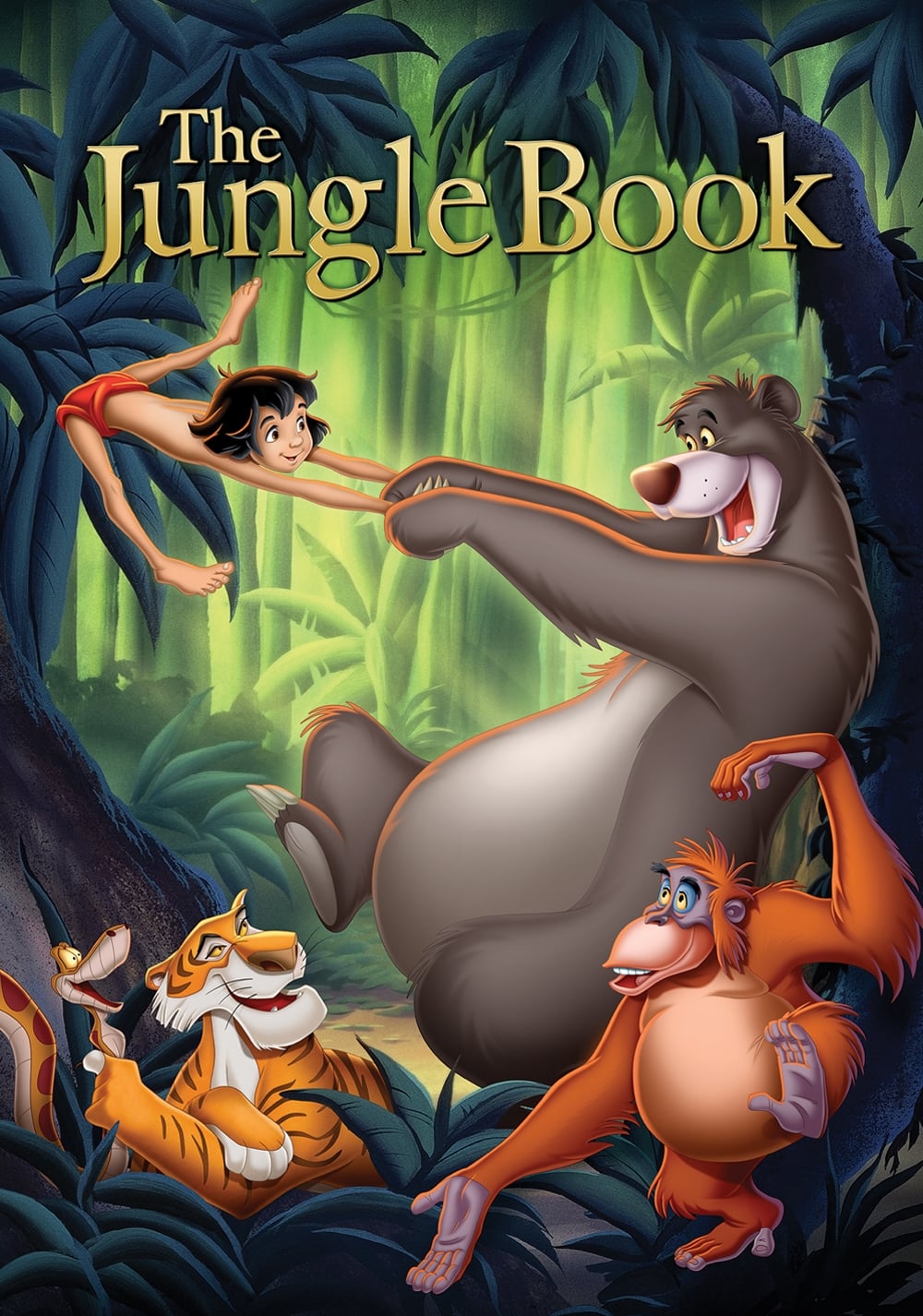
Shere Khan is a sophisticated but lethal tiger who is driven by a deep hatred for humans and a desire to kill Mowgli. The jungle is portrayed as a beautiful but treacherous place where predators are always lurking in the shadows. Kaa the python uses hypnosis to lure Mowgli into his coils with the intention of eating him in a slow and sinister manner. The final confrontation with Shere Khan takes place amidst a lightning strike that sets the forest on fire. The film emphasizes the law of the jungle where only the strong and the clever can survive.
‘Peter Pan’ (1953)
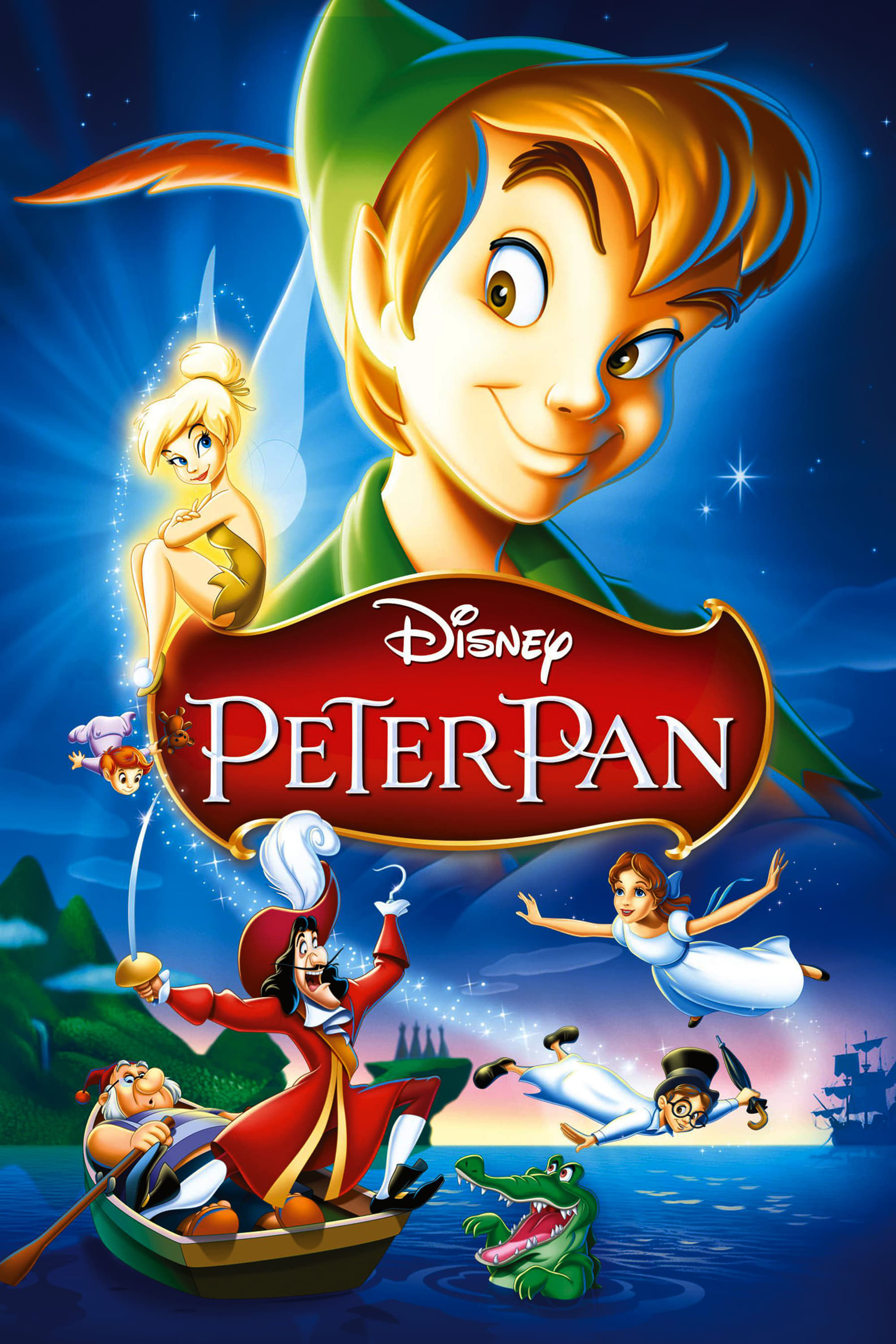
Captain Hook is a murderous pirate who is obsessed with getting revenge on Peter Pan and is willing to kill children to do it. He attempts to blow up Peter with a bomb and holds the Lost Boys captive while threatening them with a walk off the plank. The film also includes a dark sequence where the mermaids attempt to drown Wendy out of jealousy. The Crocodile is a constant and terrifying reminder of death as it stalks Hook throughout the story. The themes of never growing up are presented as a fun adventure but also suggest a tragic detachment from reality.
‘Cinderella’ (1950)
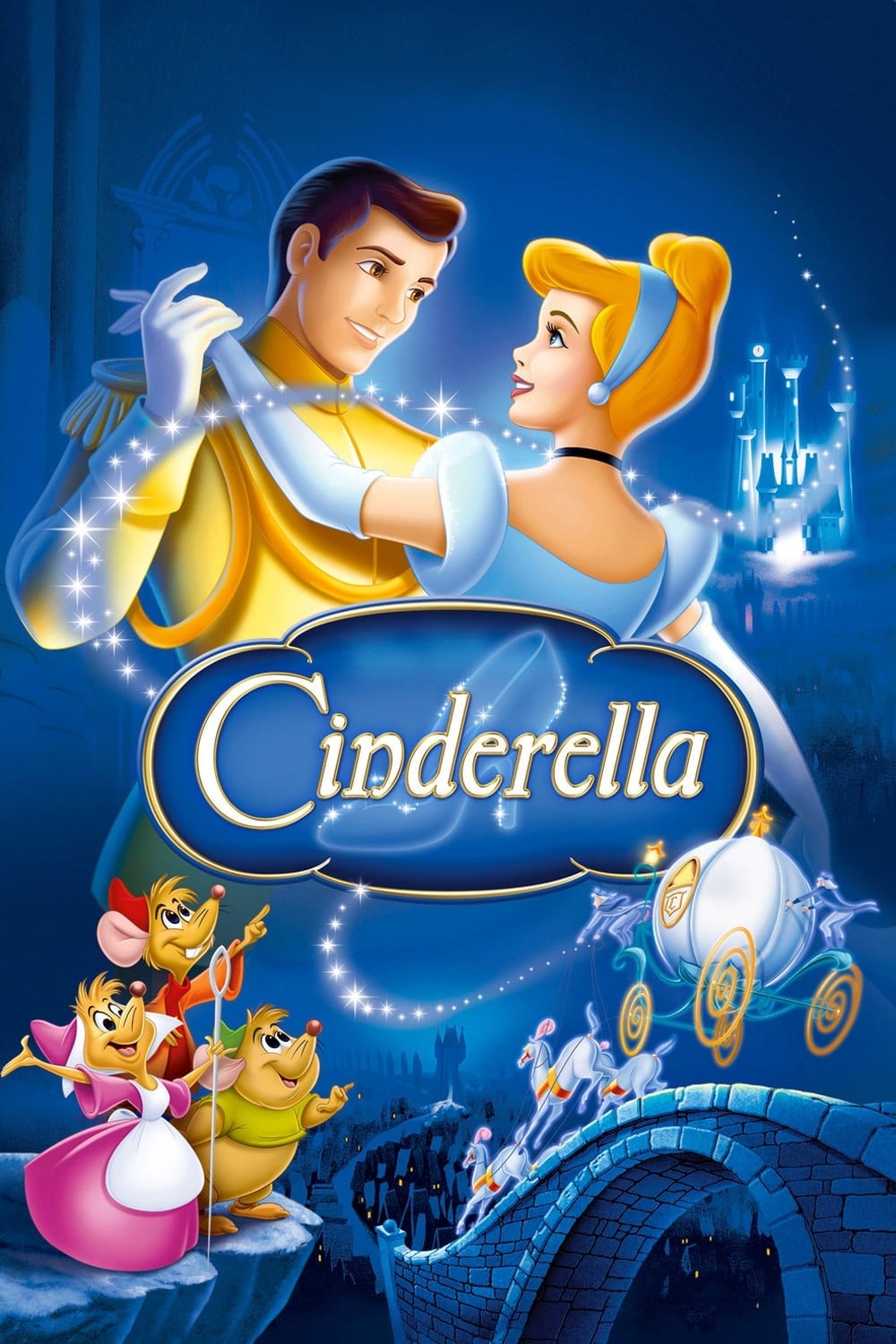
The story focuses on a young woman who is subjected to years of emotional abuse and isolation by her stepmother. Lady Tremaine is a cold and calculating villain who takes pleasure in destroying Cinderella’s hopes and her belongings. In one particularly cruel scene the stepsisters violently rip apart Cinderella’s handmade dress while she is wearing it. This act of bullying is presented with a level of intensity that makes it feel deeply personal and traumatic. The film portrays a life of domestic servitude and the psychological toll of being unloved in one’s own home.
‘Inside Out’ (2015)
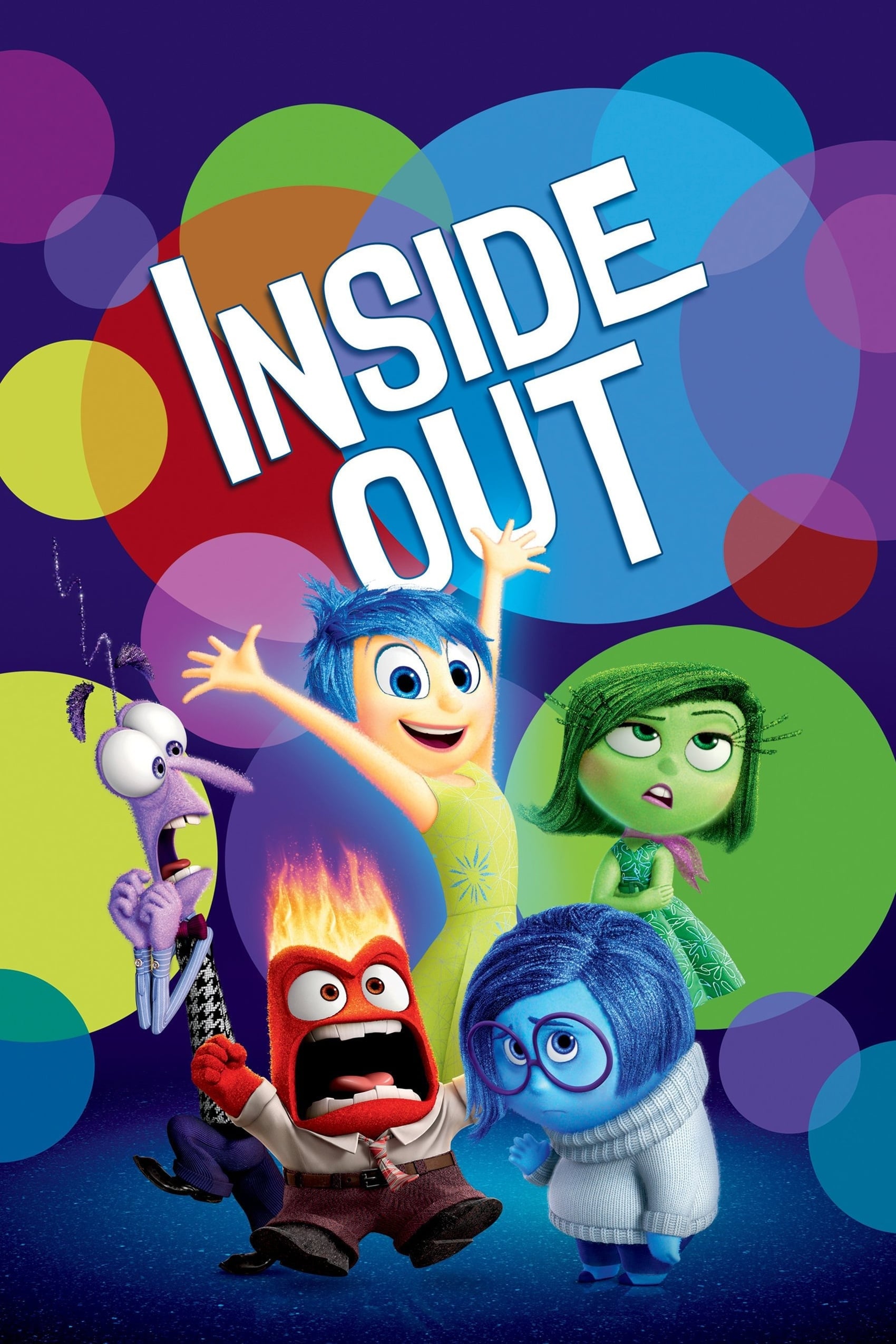
This film takes a sophisticated look at the emotional inner workings of a young girl named Riley who is struggling with a major life change. It explores the necessity of sadness and the danger of trying to suppress negative emotions to maintain a false sense of happiness. A devastating moment occurs when Bing Bong who is Riley’s forgotten imaginary friend chooses to fade away in the memory dump to save Joy. This sacrifice represents the loss of childhood wonder and the painful reality of growing up. The film addresses childhood depression and the feeling of emotional numbness in a very direct way.
‘Soul’ (2020)
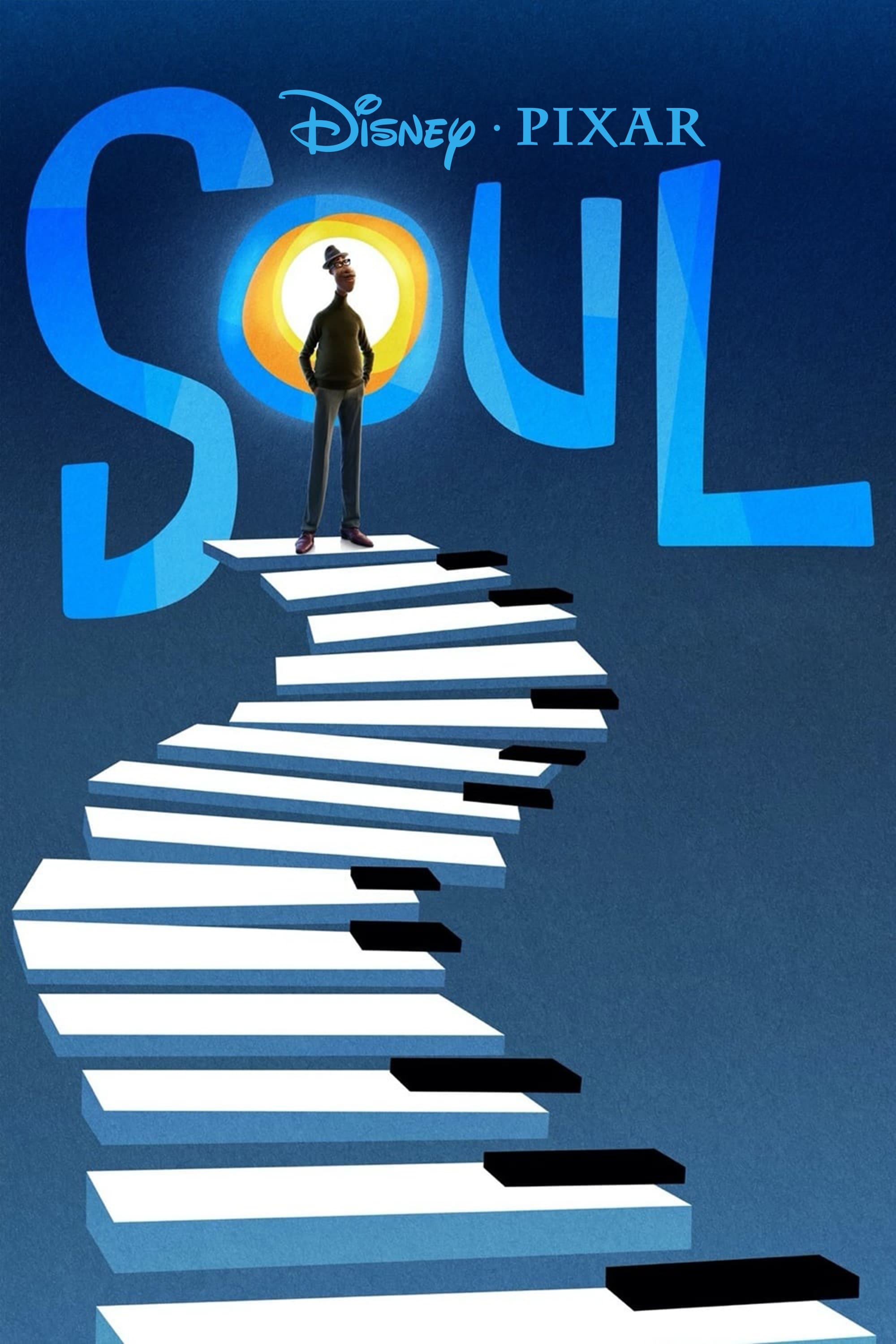
The story follows a music teacher who suffers a near fatal accident on the day he finally gets his big break in a jazz band. Most of the film takes place in the afterlife and the Great Before where souls are prepared for life on Earth. It tackles existential questions about the purpose of life and what happens after we die in a very mature fashion. One character becomes a lost soul who is consumed by obsession and anxiety in a dark and dusty wasteland. The film encourages the audience to appreciate the small moments of life while acknowledging the inevitability of death.
‘Coco’ (2017)
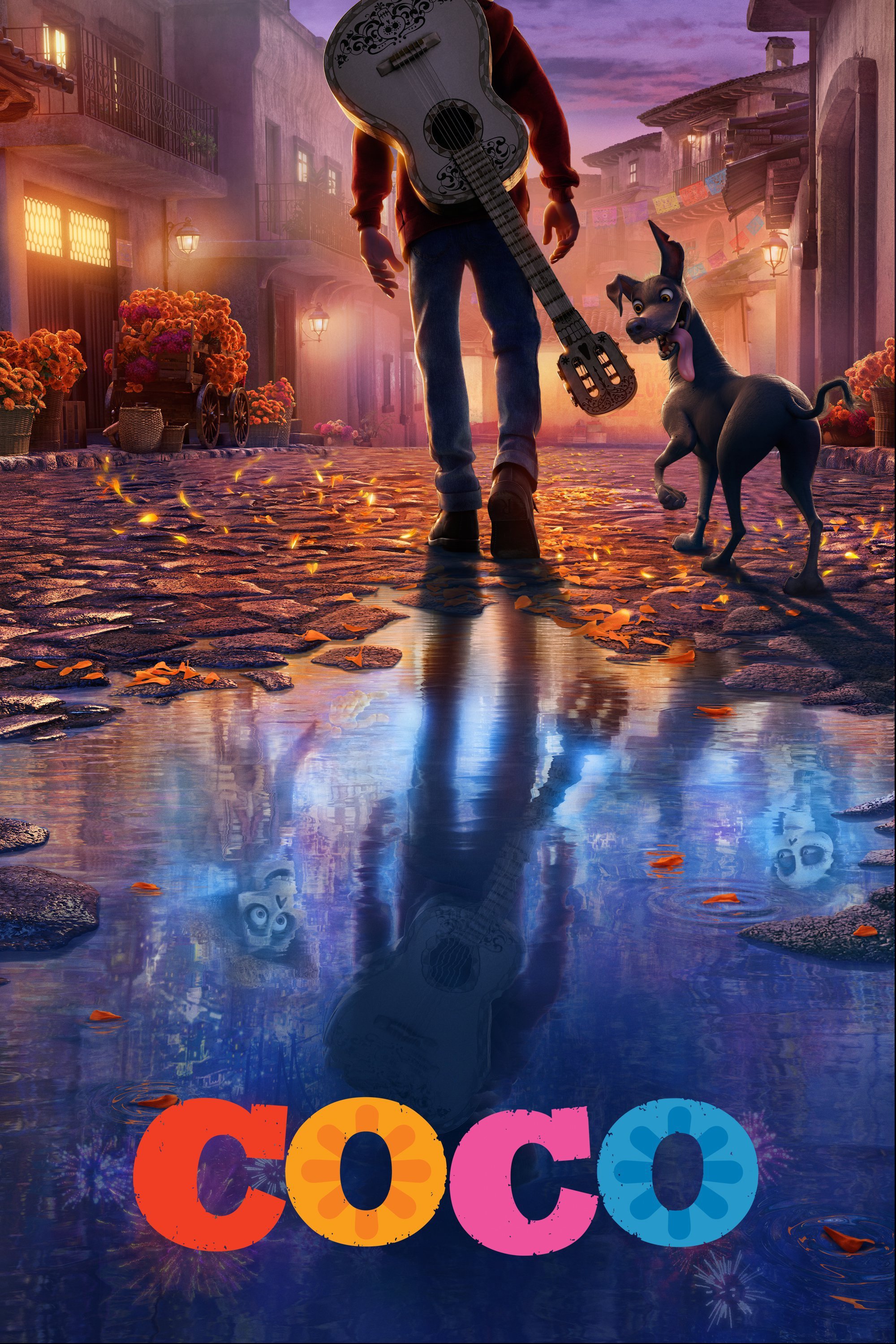
Set during the Day of the Dead this film explores themes of family legacy and the importance of being remembered by those we love. The plot reveals a dark secret involving a murder where the antagonist poisoned his partner to steal his songs and fame. The concept of the final death occurs when a soul in the land of the dead is forgotten by everyone in the living world and disappears forever. This adds a layer of urgency and tragedy to the colorful and musical journey of the protagonist. The film deals with the complexity of family betrayal and the grief of losing loved ones.
‘Dinosaur’ (2000)
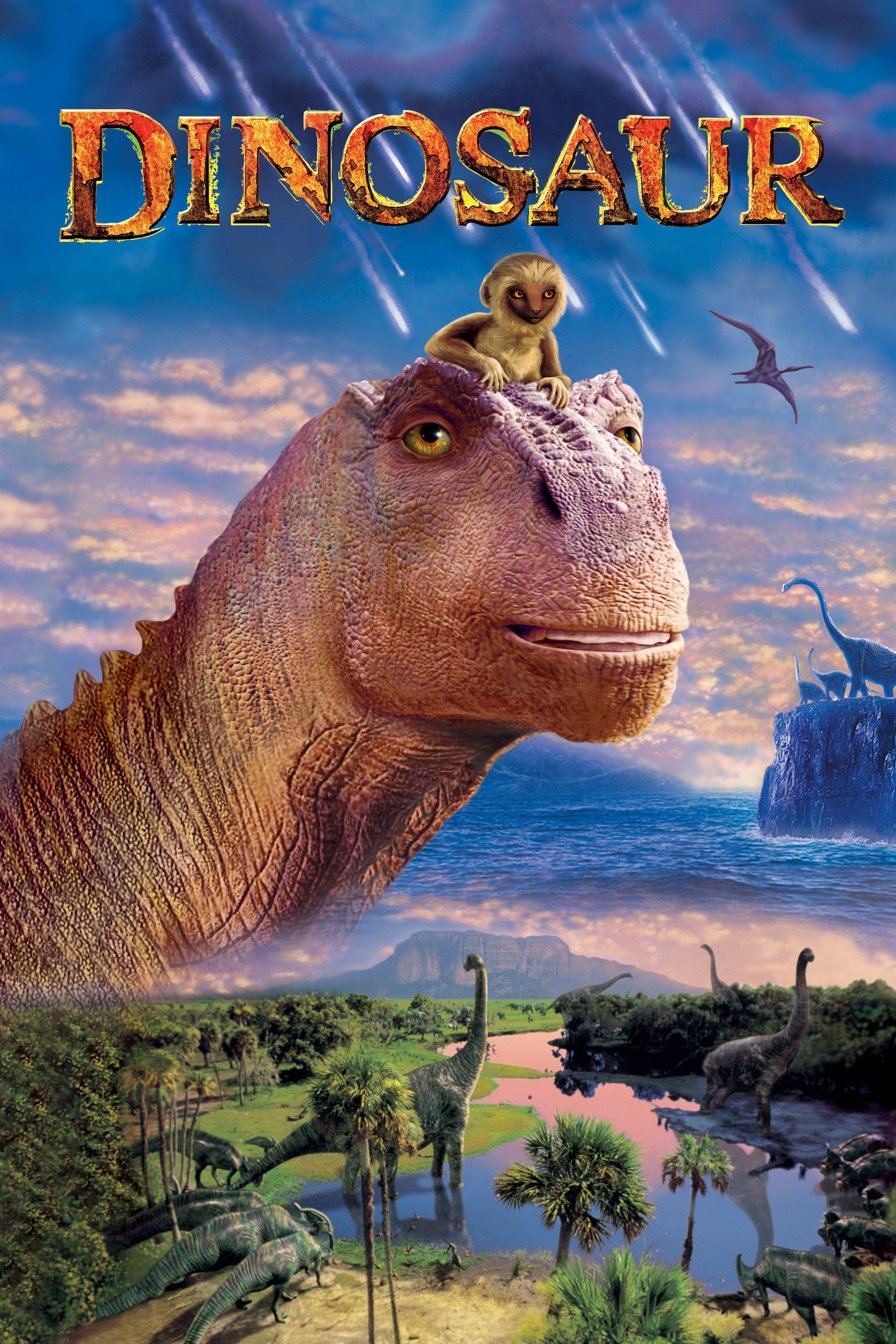
This film utilizes realistic CGI to tell a story about survival during a period of mass extinction. The opening sequence shows a brutal Carnotaurus attack that destroys a nesting ground and forces the protagonists to flee. Throughout their journey the dinosaurs face starvation and dehydration while being hunted by relentless predators. The environment is harsh and unforgiving with many characters dying from exhaustion or violence along the way. It is a gritty look at prehistoric life that emphasizes the struggle to maintain compassion in the face of total annihilation.
‘The Adventures of Ichabod and Mr. Toad’ (1949)
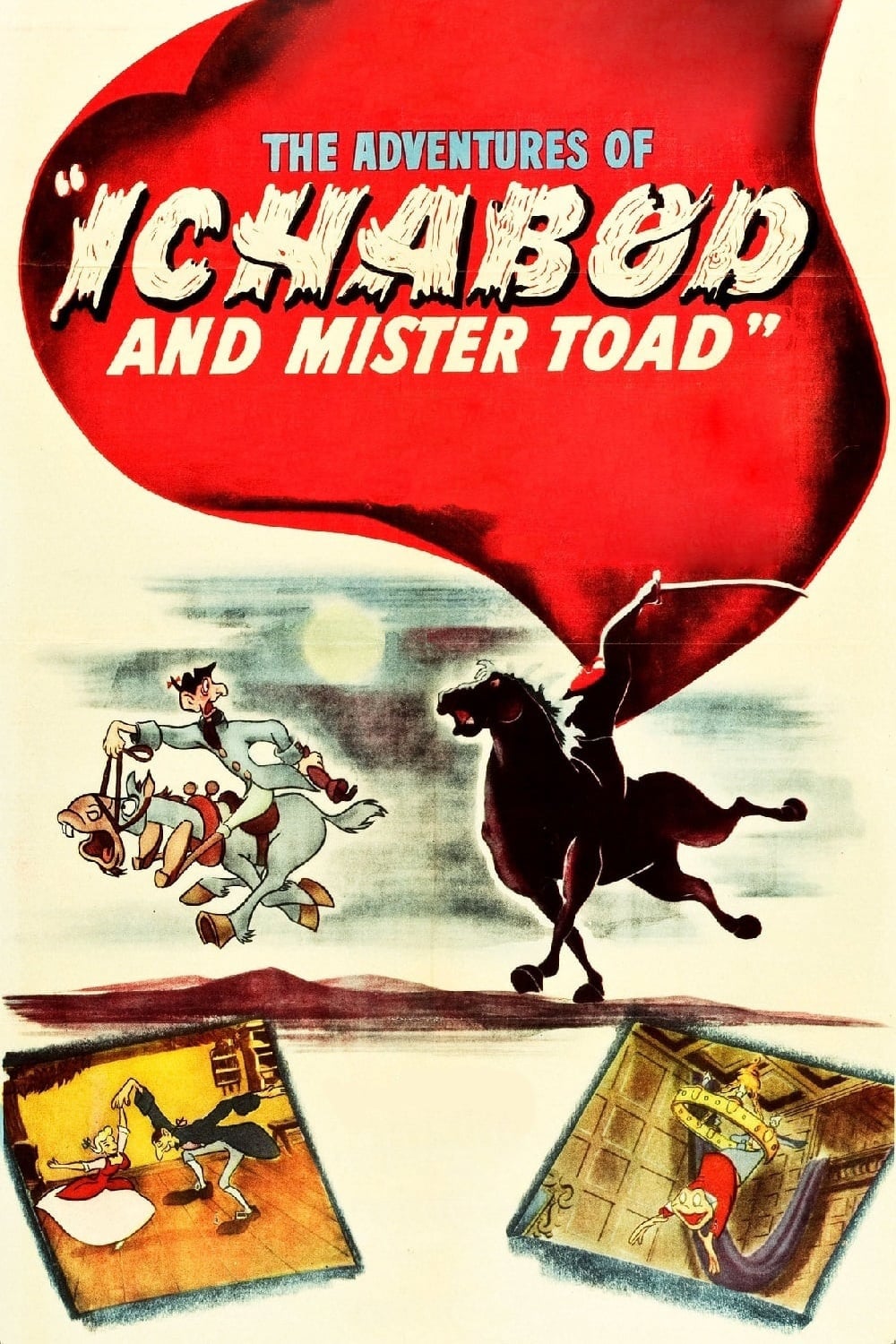
The second half of this film focuses on the legend of Sleepy Hollow and features one of the most frightening climaxes in animation. Ichabod Crane is chased through a dark forest by the Headless Horseman who is a truly menacing figure. The villain is depicted as a caped rider wielding a flaming pumpkin and a sharp sword while laughing maniacally. The ambiguous ending suggests a grim fate for the protagonist that is quite unusual for a Disney production. The use of shadow and sound design creates a genuine horror atmosphere during the final chase.
‘A Christmas Carol’ (2009)
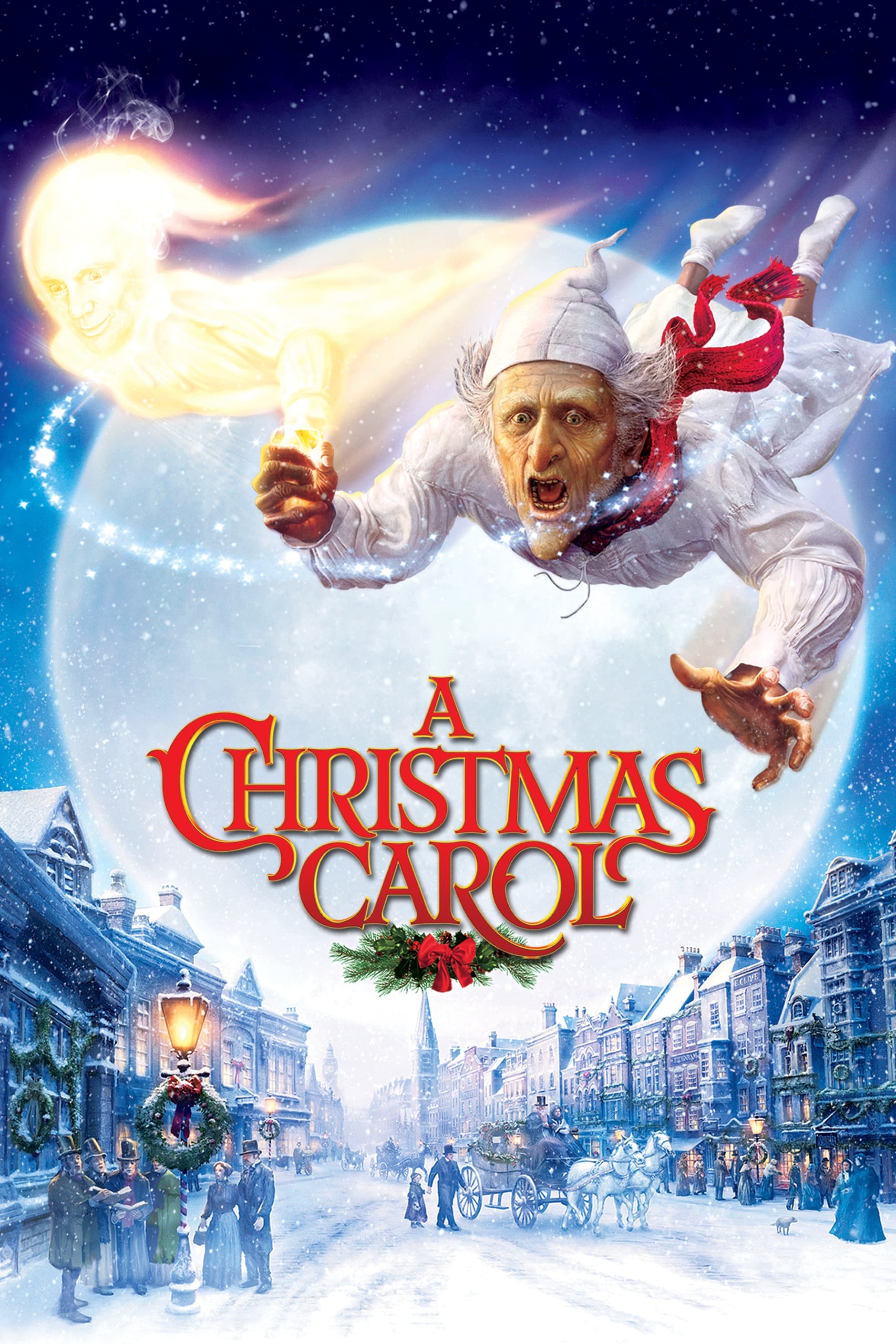
This motion capture adaptation of the Dickens classic leans heavily into the ghost story elements of the original text. The spirits are portrayed as unsettling and sometimes terrifying figures especially the Ghost of Christmas Yet to Come. Scrooge is shown his own lonely grave and the grim reality of how people will react to his death in a series of dark visions. The film includes intense sequences of Scrooge being chased by a spectral carriage through the streets of London. It captures the somber and haunting tone of the source material more effectively than most other versions.
‘Dragonslayer’ (1981)
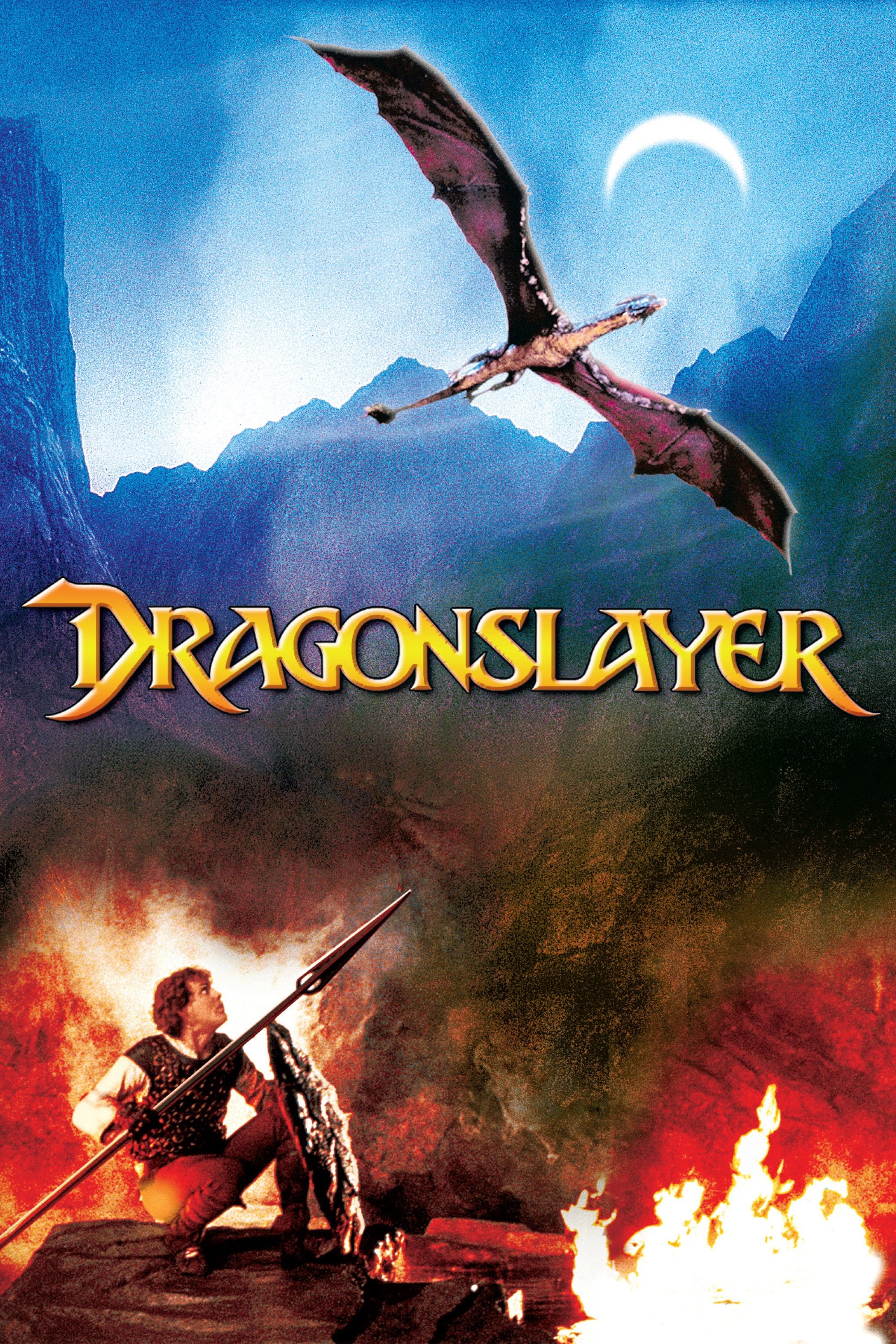
A young sorcerer’s apprentice must face a terrifying dragon that has been terrorizing a kingdom through a lottery of human sacrifice. The film includes scenes of young women being chosen to be devoured by the beast in a dark and damp cave. The dragon itself is a grotesque and menacing creature that represents a legitimate and lethal threat to the heroes. The dark and gritty aesthetic of the movie reflects the harsh realities of the medieval setting and its superstitions. It remains one of the most intense and mature live action films ever released under the studio banner.
‘Maleficent’ (2014)
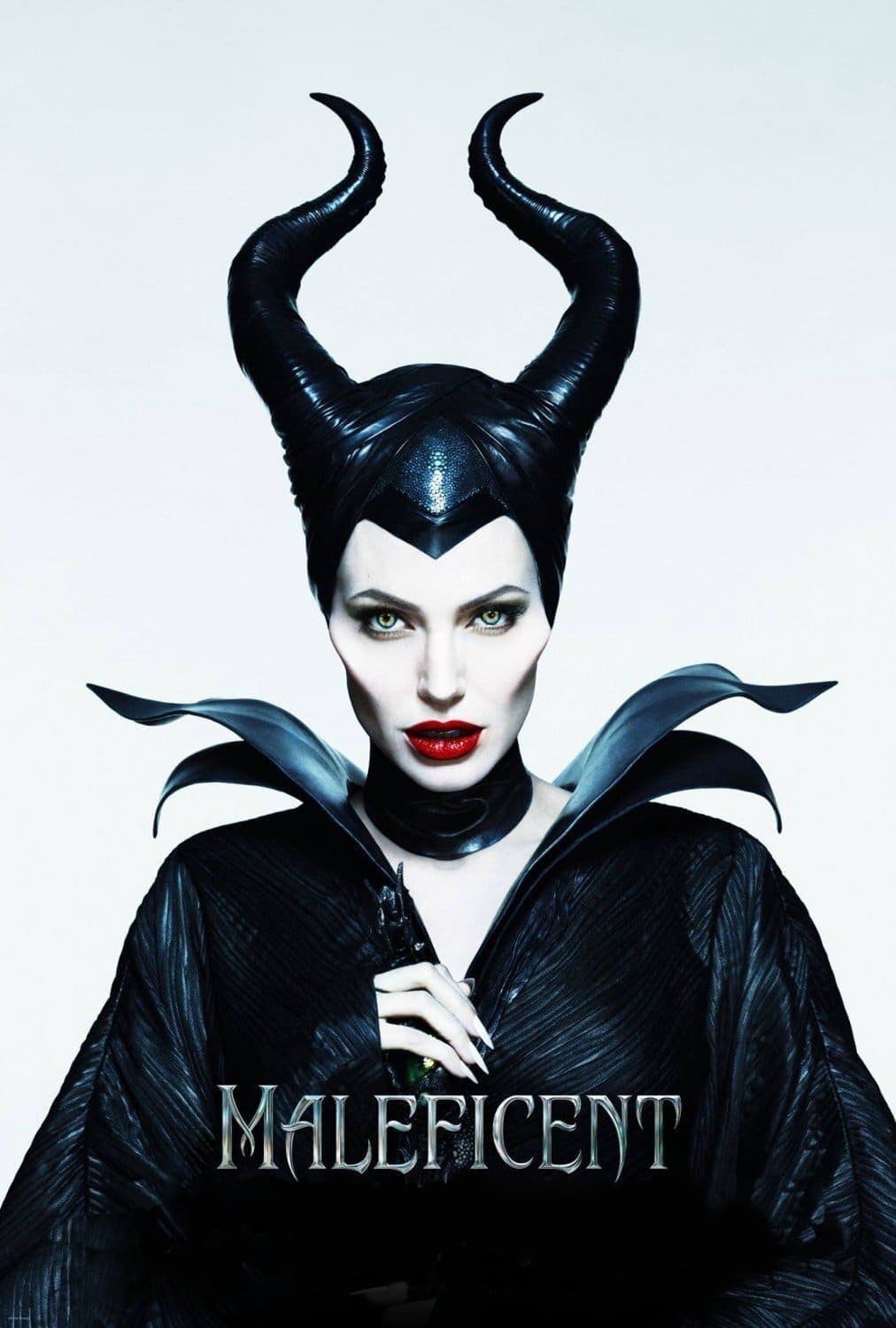
This reimagining of the classic fairy tale provides a dark backstory for the villain that involves a traumatic betrayal. The protagonist is drugged and has her wings violently removed by someone she trusted which serves as a metaphor for deep personal violation. This act turns her heart cold and leads her to cast the famous curse on the king’s daughter as an act of revenge. The film explores themes of trauma and the difficulty of finding redemption after being consumed by anger. It features several intense battle sequences and a somber atmosphere that permeates the entire story.
‘Oliver & Company’ (1988)
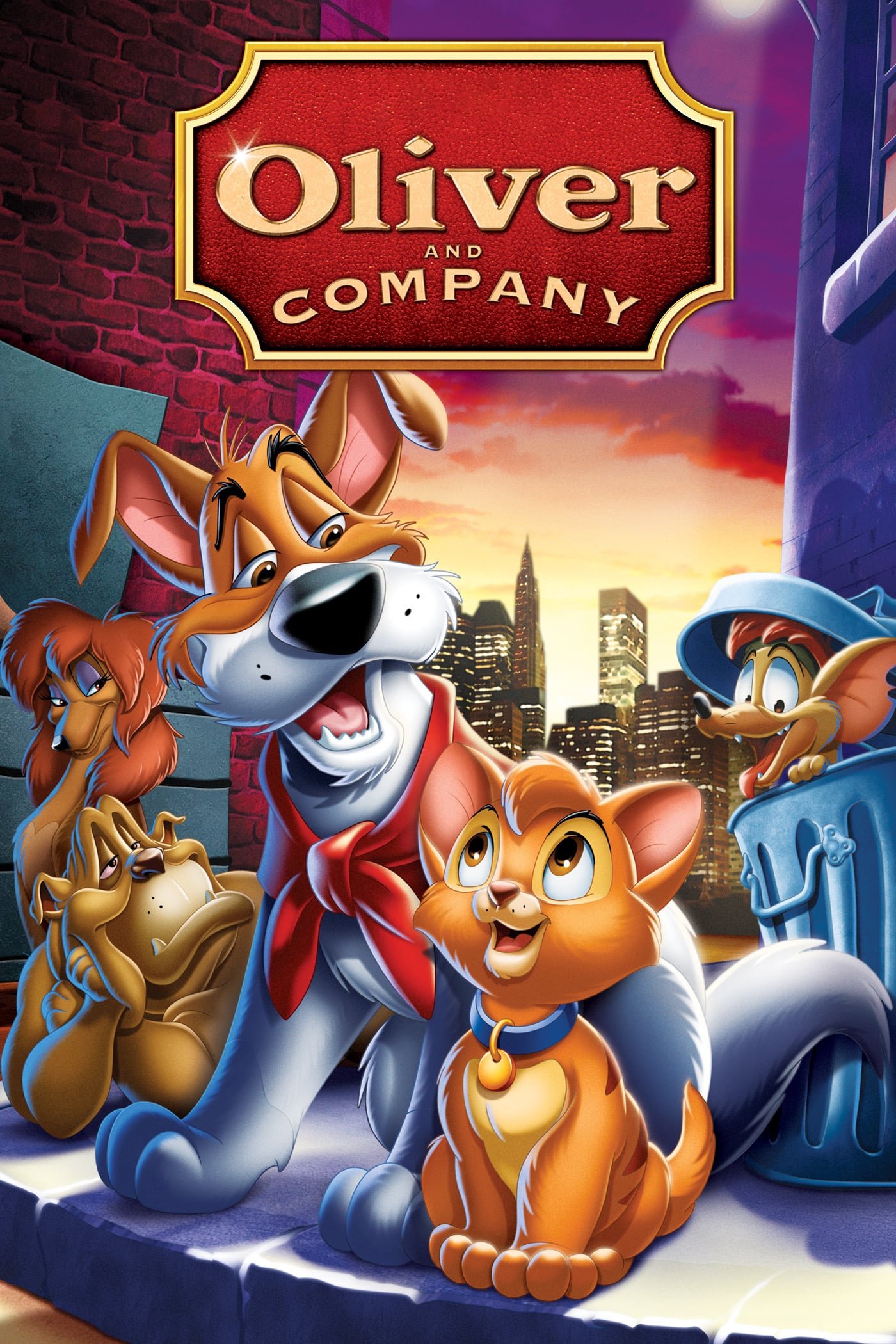
This modern update of Oliver Twist is set in a gritty version of New York City where animals must scrounge to survive. The primary villain Sykes is a dangerous loan shark who operates out of a dark shipyard and uses Dobermans to intimidate his enemies. In the climax Sykes is killed in a violent collision with a train on the subway tracks after a high speed chase. The film depicts the city as an unforgiving place where poverty and crime are constant threats to the main characters. Its focus on organized crime and physical danger adds a mature edge to the musical adventure.
‘Brave’ (2012)
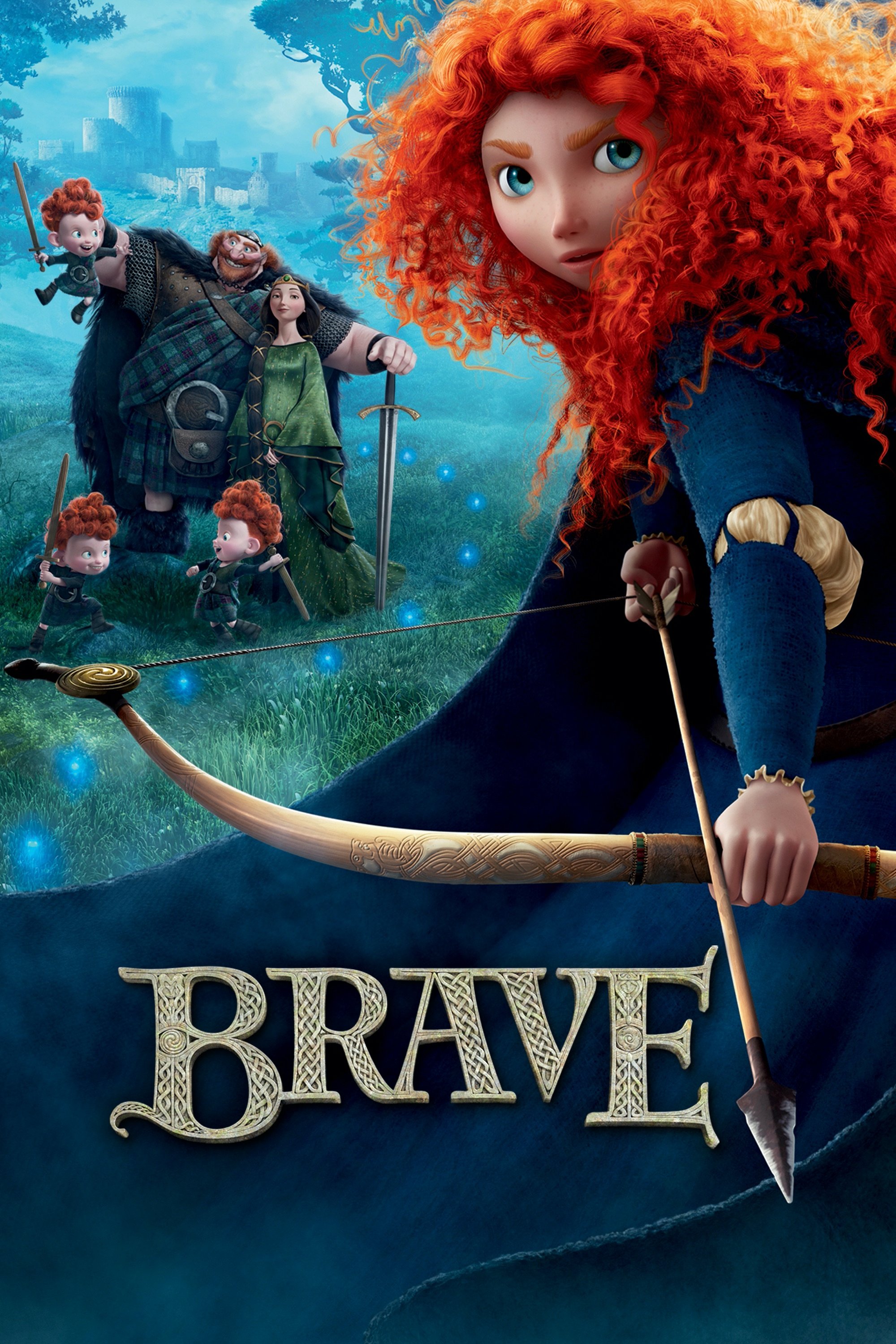
While the film starts as a story about a rebellious princess it quickly turns into a dark tale of transformation and survival. Merida’s mother is turned into a bear and they are hunted by a legendary demon bear named Mor’du. The backstory of Mor’du is particularly grim as it involves a prince who was consumed by greed and murdered his own brothers. The final confrontation takes place in a dark and misty forest where the threat of death is very real for the entire family. It deals with the themes of fate and the heavy responsibility of one’s own actions.
‘Pete’s Dragon’ (1977)
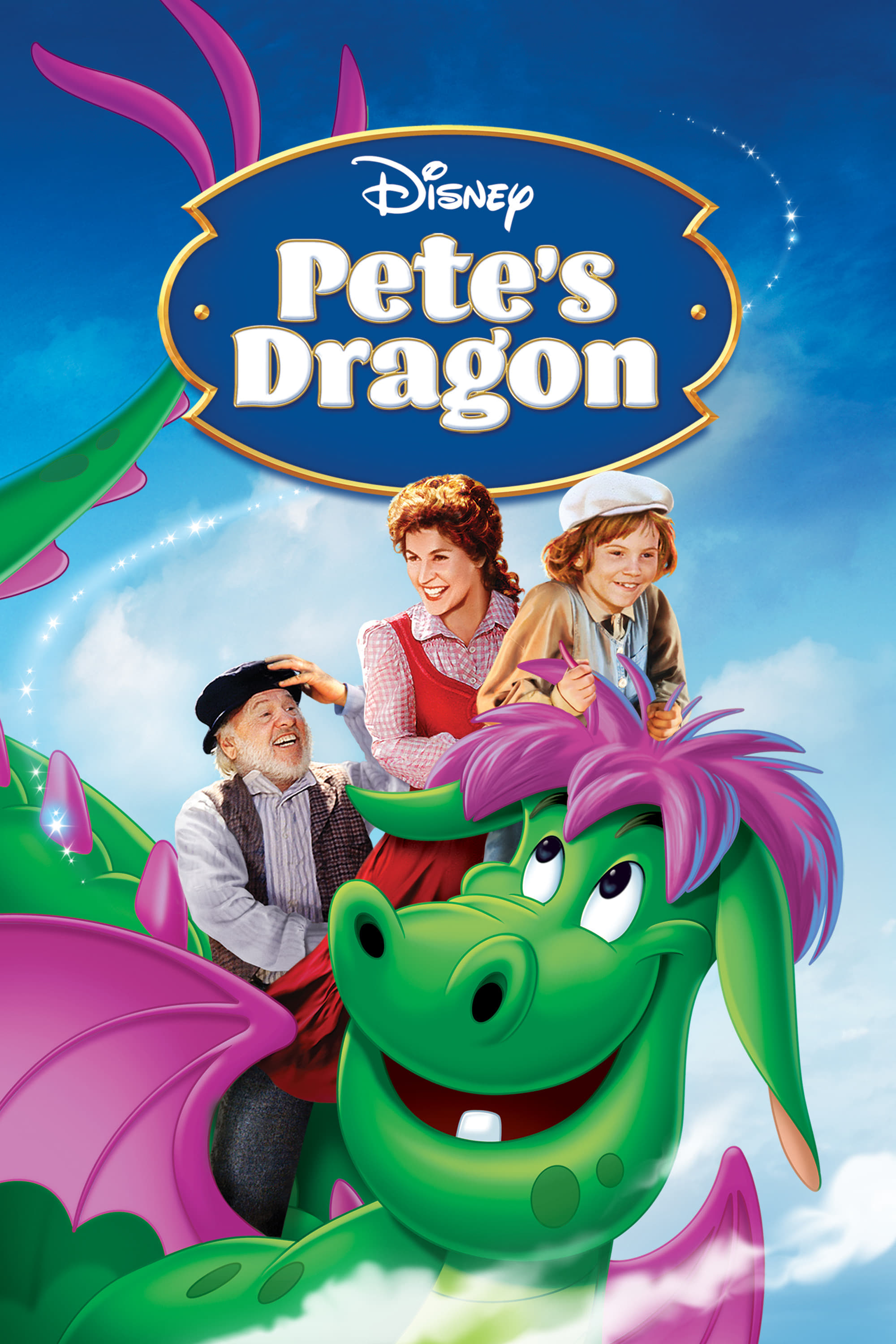
The film follows an orphan boy named Pete who escapes from an abusive foster family called the Goggins. This family treats Pete as their property and they sing a song about how they intend to beat him and keep him in a cage. The villainous Dr. Terminus is a con artist who wants to kidnap the dragon Elliott to kill him and sell his body parts for medicine. The themes of child abuse and the commercialization of living creatures add a dark layer to the story. Despite the presence of a friendly dragon the film spends a lot of time on the cruelty of its human characters.
‘The Rescuers Down Under’ (1990)
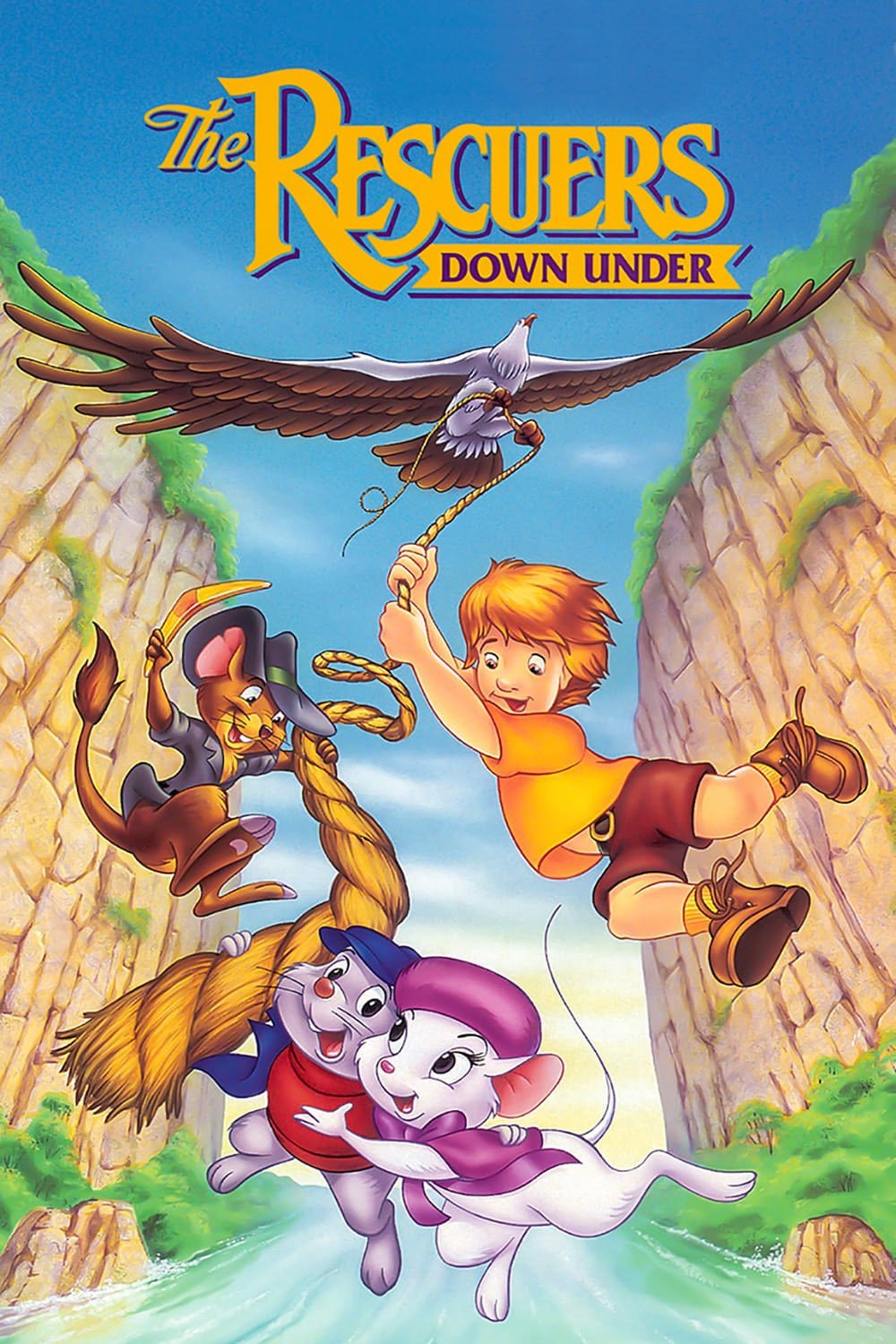
The story follows the return of Bernard and Miss Bianca as they travel to Australia to save a young boy named Cody. Cody is kidnapped by a ruthless poacher named McLeach who threatens to drop him into a pit of crocodiles to find a rare eagle. The villain shows a chilling disregard for human life and environmental preservation throughout his pursuit of profit. The film features intense aerial sequences and moments of genuine peril that elevate the tension beyond typical family fare. Its focus on the brutal reality of poaching and kidnapping adds a significant layer of maturity.
Tell us which of these Disney films haunted your childhood in the comments.