


16 Dramas About Journalists That Highlight Real Ethical Dilemmas




Journalism films often explore the precarious balance between the public right to know and the potential harm caused by reporting. These narratives frequently center on the complex decisions reporters make when uncovering uncomfortable truths or protecting vulnerable sources. The stakes in these stories range from political fallout to personal safety and professional ruin. Viewers gain insight into the rigorous and often dangerous process of investigative reporting through these compelling cinematic portrayals.
‘All the President’s Men’ (1976)
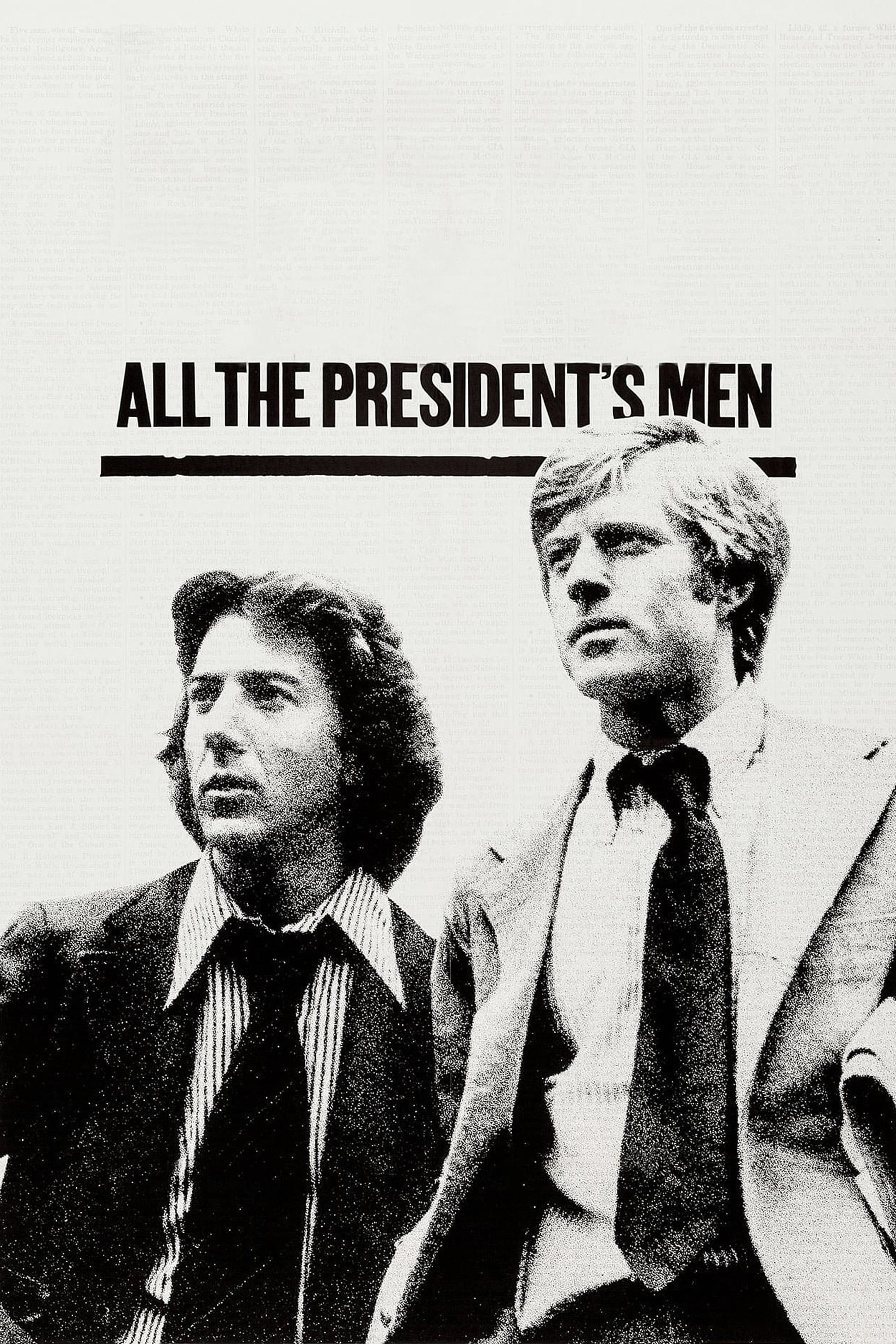
Washington Post reporters Bob Woodward and Carl Bernstein stumble upon a burglary that leads them to the highest levels of the American government. They rely heavily on an anonymous source known as Deep Throat to guide their investigation into the Watergate scandal. The duo faces constant pressure to verify information without exposing their sources or ruining their careers. This narrative highlights the persistence required to pursue a story when facing skepticism from editors and threats from political operatives.
‘The Post’ (2017)
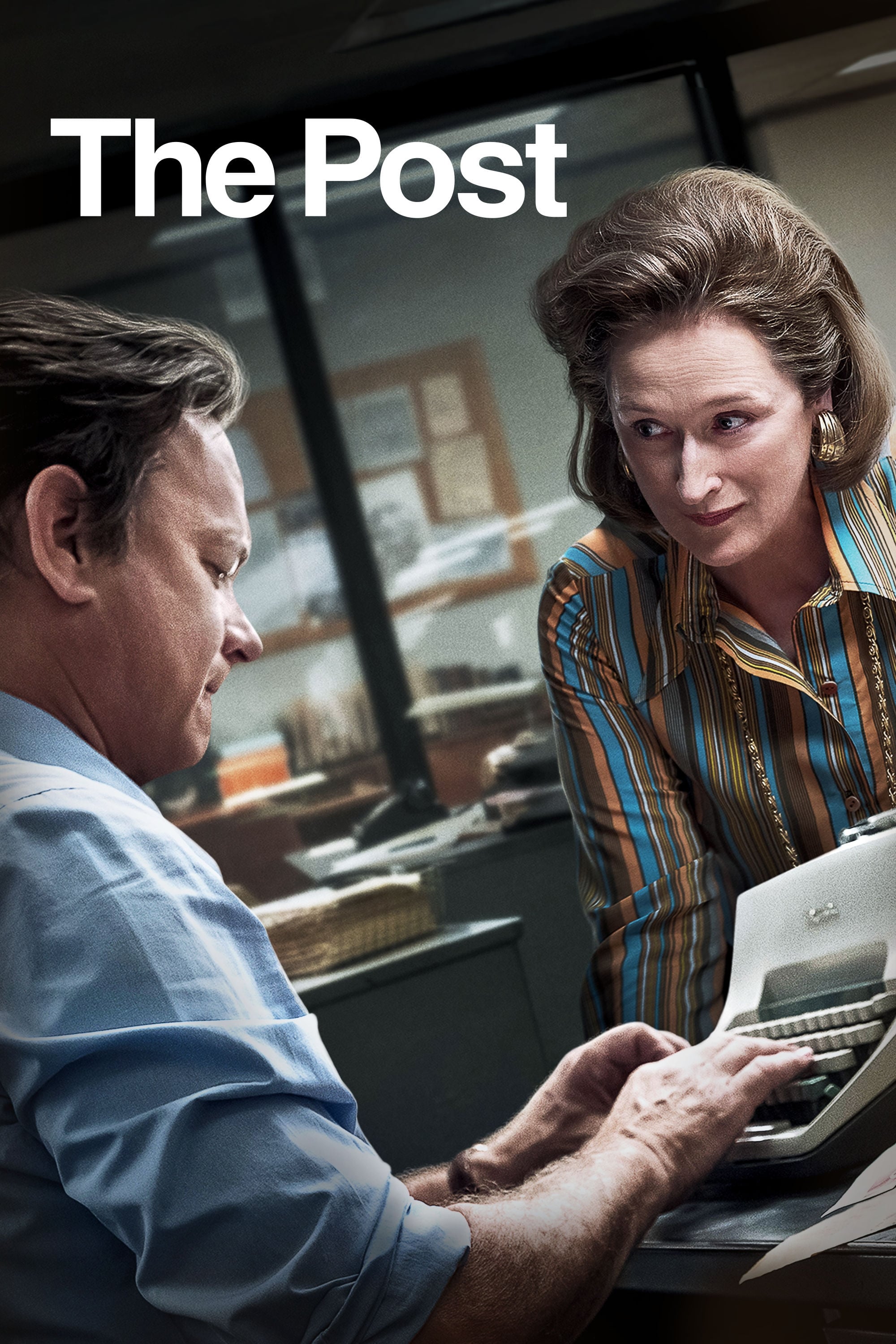
Publisher Katharine Graham and editor Ben Bradlee debate the publication of the Pentagon Papers regarding United States involvement in Vietnam. The team weighs the legal risk of defying a federal injunction against the moral imperative to inform the public about government deception. Graham must risk the future of her family newspaper while asserting her authority in a male-dominated industry. The story illustrates the tension between national security concerns and the freedom of the press.
‘Shattered Glass’ (2003)

Stephen Glass rises to prominence at The New Republic by writing entertaining and colorful feature stories that seem too good to be true. His editor Chuck Lane begins to suspect that Glass is fabricating sources and quotes to bolster his narratives. The film examines the breakdown of the editorial verification process and the betrayal of trust within a newsroom. It serves as a cautionary tale about the seduction of fame and the necessity of rigorous fact-checking.
‘Nightcrawler’ (2014)

Lou Bloom enters the cutthroat world of freelance crime journalism in Los Angeles by filming violent accidents and fires. He begins to manipulate crime scenes to get better footage and higher ratings from local news stations. The narrative questions the ethics of sensationalism and the demand for graphic content in television news. Bloom represents the extreme danger of prioritizing shock value over human decency and journalistic standards.
‘The Insider’ (1999)
A television producer seeks to air a segment featuring a whistleblower from the tobacco industry who possesses damning evidence about addictive additives. The news network faces a massive lawsuit that threatens its existence if they air the interview without edits. The story explores the conflict between corporate interests and the duty to report on public health hazards. It highlights the personal destruction often visited upon those who choose to speak out against powerful corporations.
‘Network’ (1976)
A failing news anchor announces he will commit suicide on live television and inadvertently becomes a ratings sensation. The network executives decide to exploit his mental decline for profit rather than getting him the help he needs. This satire critiques the transformation of news into entertainment and the loss of substantive reporting. It remains a relevant commentary on the commodification of anger and the pursuit of viewership at any cost.
‘Zodiac’ (2007)
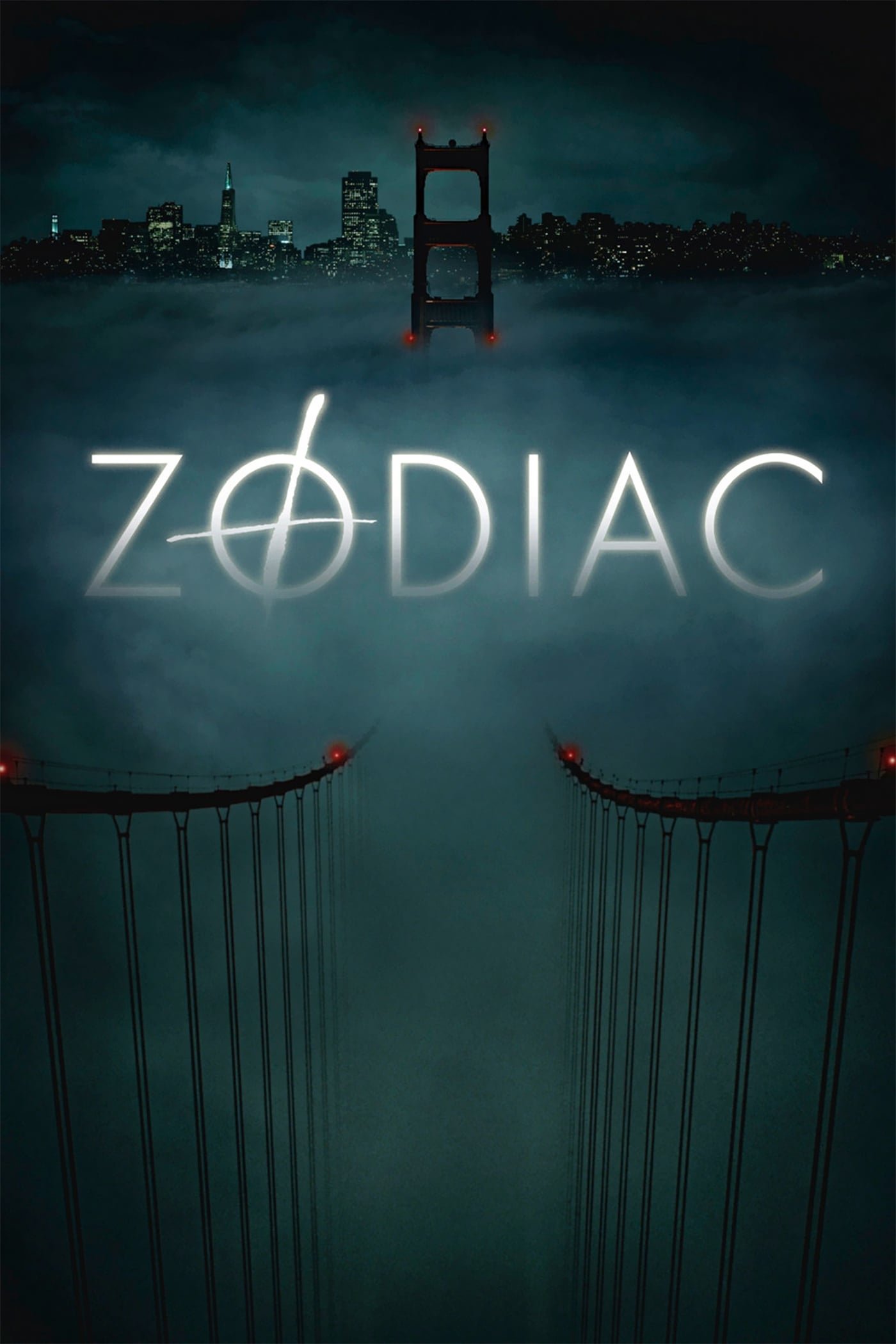
A cartoonist and a reporter at the San Francisco Chronicle become obsessed with identifying the Zodiac Killer who terrorizes the Bay Area. Their dedication to the case spans decades and begins to erode their personal lives and professional standing. The film portrays the blurred lines between investigative diligence and dangerous obsession. It questions how far journalists should go when the pursuit of truth endangers their own safety and sanity.
‘Frost/Nixon’ (2008)
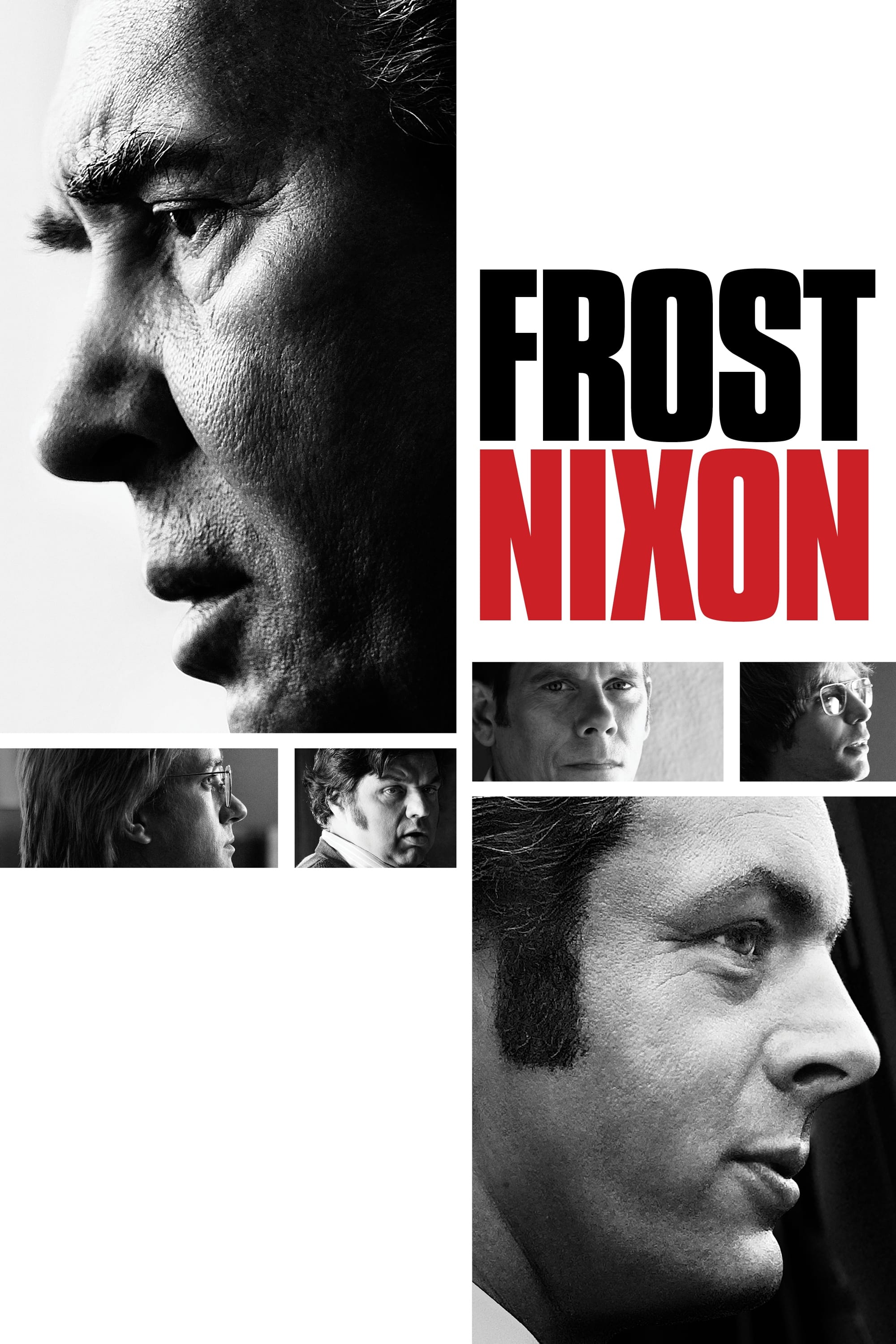
British talk show host David Frost secures a series of interviews with disgraced former President Richard Nixon. Frost struggles to move beyond his reputation as a light entertainment figure to extract an apology or confession from a seasoned politician. The narrative focuses on the concept of checkbook journalism and the theatrical nature of televised political discourse. Both men view the interview as a path to redemption and a way to shape their historical legacies.
‘State of Play’ (2009)
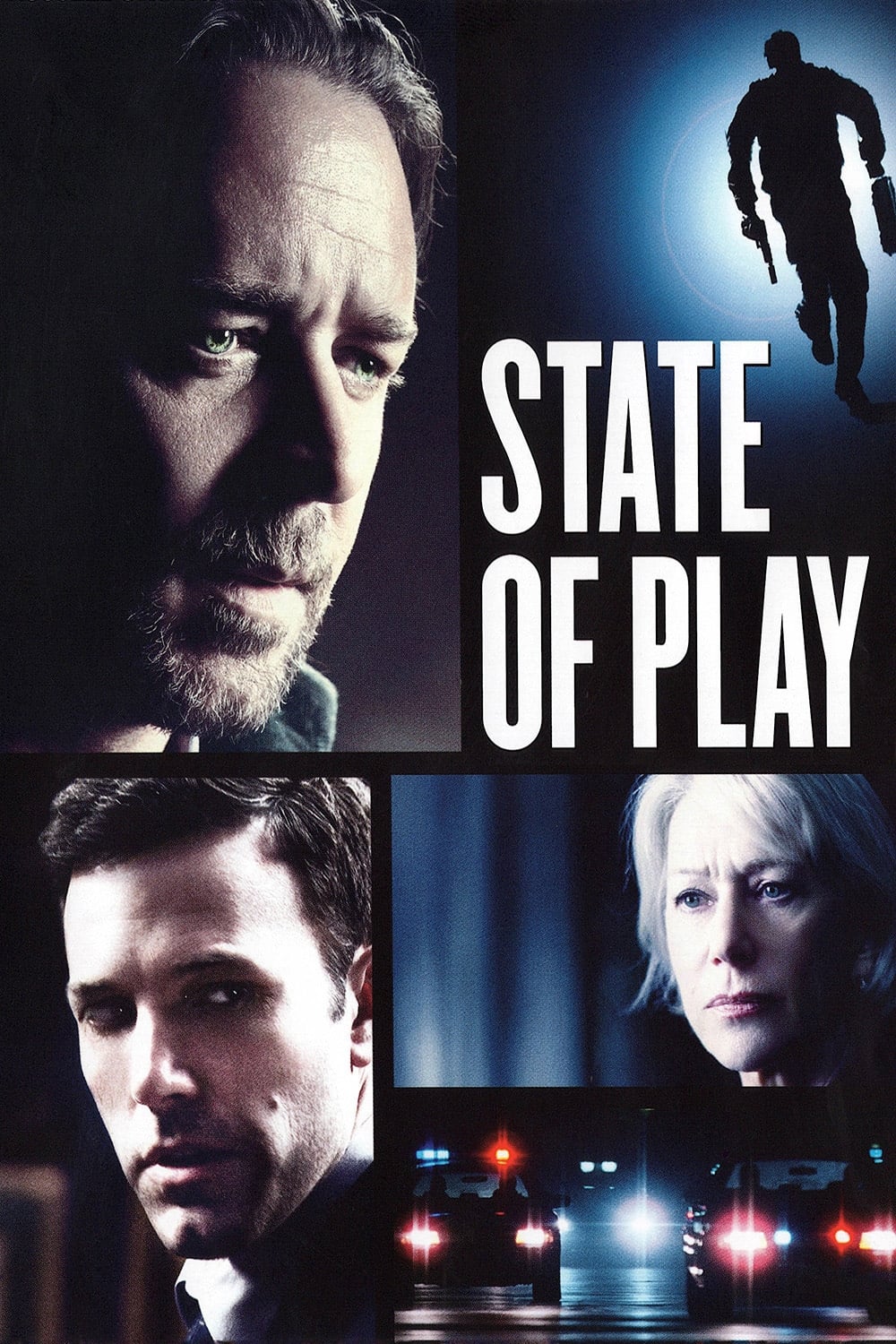
A veteran reporter investigates the suspicious death of a congressional aide who had an affair with his old college friend. He must balance his personal loyalty to the congressman with his professional obligation to uncover the truth about a military conspiracy. The film highlights the conflict of interest that arises when journalists report on people they know personally. It also touches on the friction between traditional print journalism and the new era of blogging.
‘Truth’ (2015)
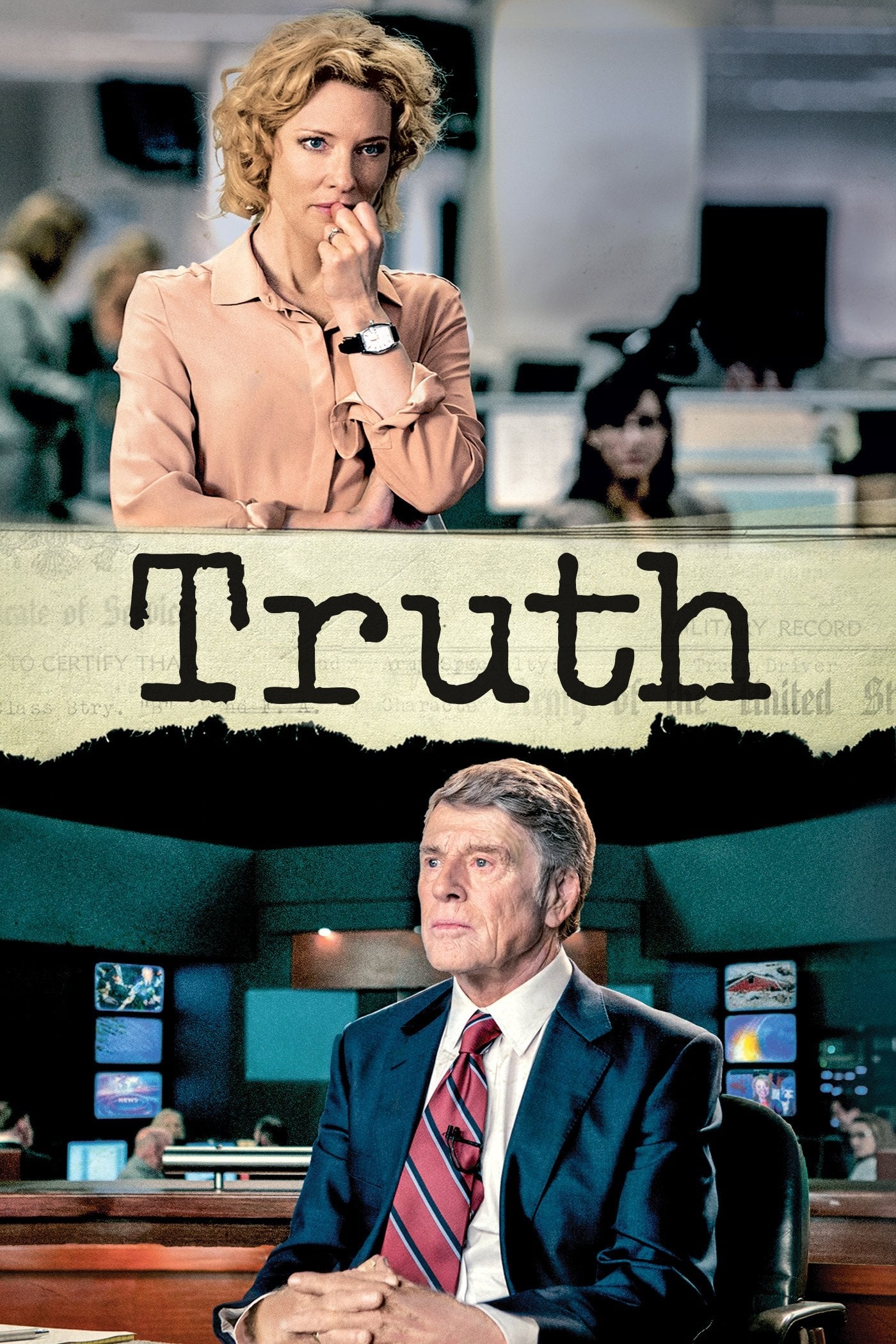
Producer Mary Mapes and anchor Dan Rather rush to air a report questioning the military service record of President George W. Bush. The story unravels when the authenticity of the documents used as evidence comes into question by critics and rival media outlets. The film examines the disastrous consequences of failing to fully authenticate sources during the heat of a presidential election. It shows how a single error in judgment can dismantle decades of journalistic credibility.
‘Absence of Malice’ (1981)
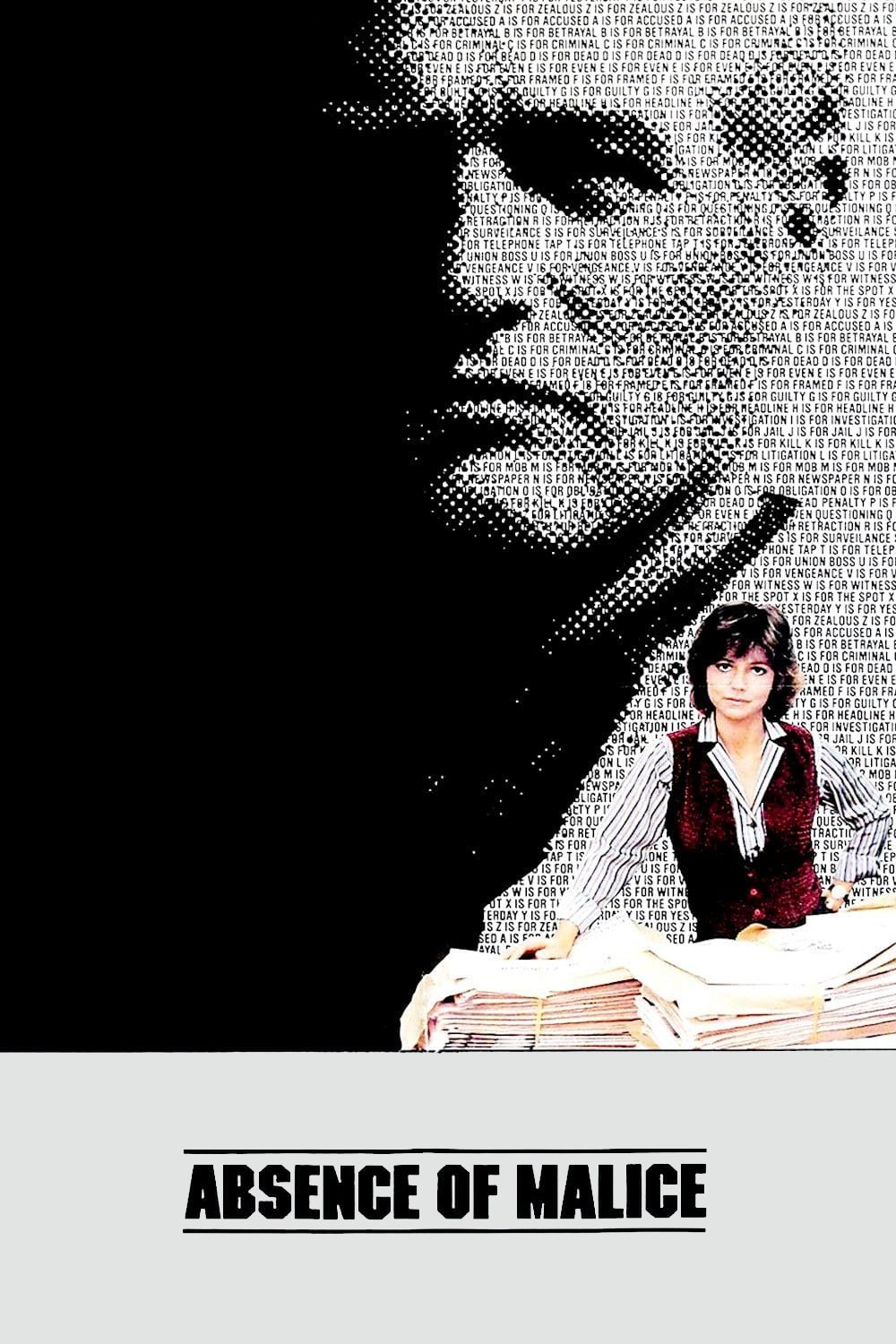
A reporter writes a story implicating a liquor wholesaler in the disappearance of a union leader based on a leaked file. She does not realize that the leak was intentional and meant to pressure the man into becoming an informant. The film deals with the damage inflicted on an innocent private citizen when the press prints the truth without context. It serves as a critique of how law enforcement can manipulate the media to serve their own investigations.
‘Broadcast News’ (1987)

A talented news producer must choose between a brilliant but socially awkward reporter and a charismatic but intellectually shallow anchor. The film addresses the ethical breach of staging emotional reactions to manipulate the audience during news segments. It contrasts the value of substantive journalism against the growing trend of style and likability in television news. The characters struggle to maintain their standards as the industry shifts toward entertainment.
‘The Killing Fields’ (1984)
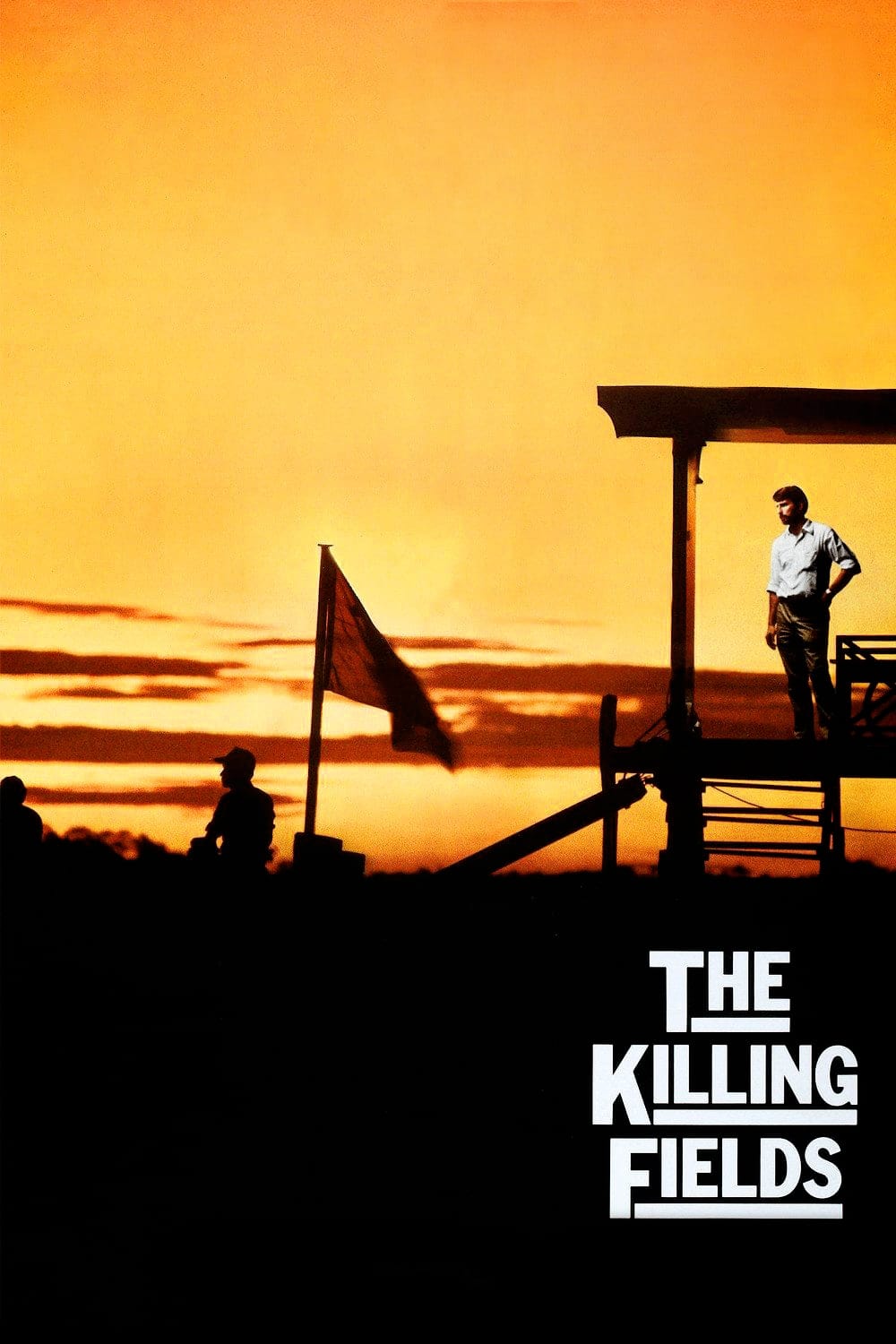
American journalist Sydney Schanberg covers the civil war in Cambodia with the help of local interpreter Dith Pran. When American forces evacuate, Schanberg leaves while Pran stays behind and eventually falls into the hands of the Khmer Rouge. The film explores the guilt carried by foreign correspondents who rely on local fixers for their success and safety. It depicts the profound responsibility journalists have toward the people who help them get the story.
‘Kill the Messenger’ (2014)

Reporter Gary Webb uncovers a connection between CIA operatives and the influx of crack cocaine into American inner cities. After publishing his findings, he becomes the target of a smear campaign orchestrated to discredit his work and reputation. The narrative illustrates the isolation a journalist faces when their own publication withdraws support under external pressure. It questions the ability of mainstream media to hold intelligence agencies accountable.
‘She Said’ (2022)

Two New York Times reporters investigate sexual harassment allegations against powerful Hollywood producer Harvey Weinstein. They face the challenge of convincing traumatized victims to go on the record despite strict non-disclosure agreements. The film emphasizes the importance of building trust with sources and the painstaking process of corroborating difficult stories. It showcases how investigative journalism can ignite a global movement for social change.
‘The Year of Living Dangerously’ (1982)
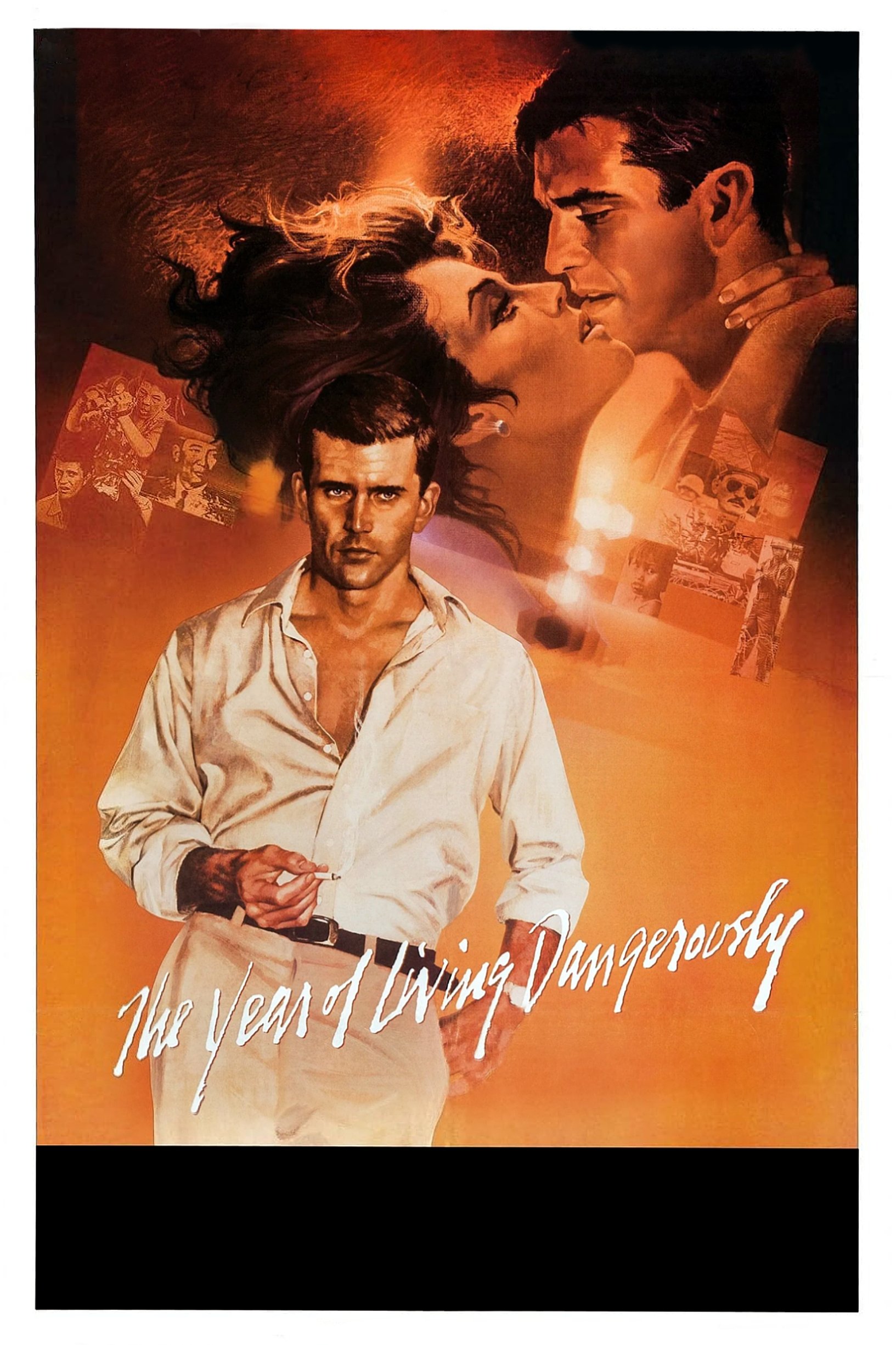
An Australian reporter in Indonesia navigates the political turmoil of the 1965 coup attempt with the help of a mysterious photographer. He faces a moral dilemma when he receives confidential information that could make his career but endangers the woman he loves. The story examines the seductive nature of being an observer in a foreign conflict zone. It asks whether a journalist can remain neutral when the lives of those close to them are at risk.
Please share your own favorite films about journalism ethics in the comments.