


Dustin Hoffman’s Best Roles




Dustin Hoffman emerged as a new kind of Hollywood star in the late 1960s, challenging the traditional image of a leading man. He was a key figure in the New Hollywood movement, bringing a depth and realism to his characters that resonated with audiences. His versatility allowed him to move seamlessly between comedy and drama, portraying a wide range of complex and often unconventional individuals. Hoffman became known for his meticulous preparation and his commitment to method acting.
Over a career spanning several decades, he has created some of cinema’s most memorable characters. From anxious young graduates to determined investigative journalists and loving fathers, his performances are marked by their emotional honesty and nuance. He has received numerous awards for his work, including two Academy Awards for Best Actor, cementing his status as one of the most respected and influential actors of his generation. His filmography reflects a dedication to challenging roles that explore the full spectrum of the human experience.
‘Outbreak’ (1995)
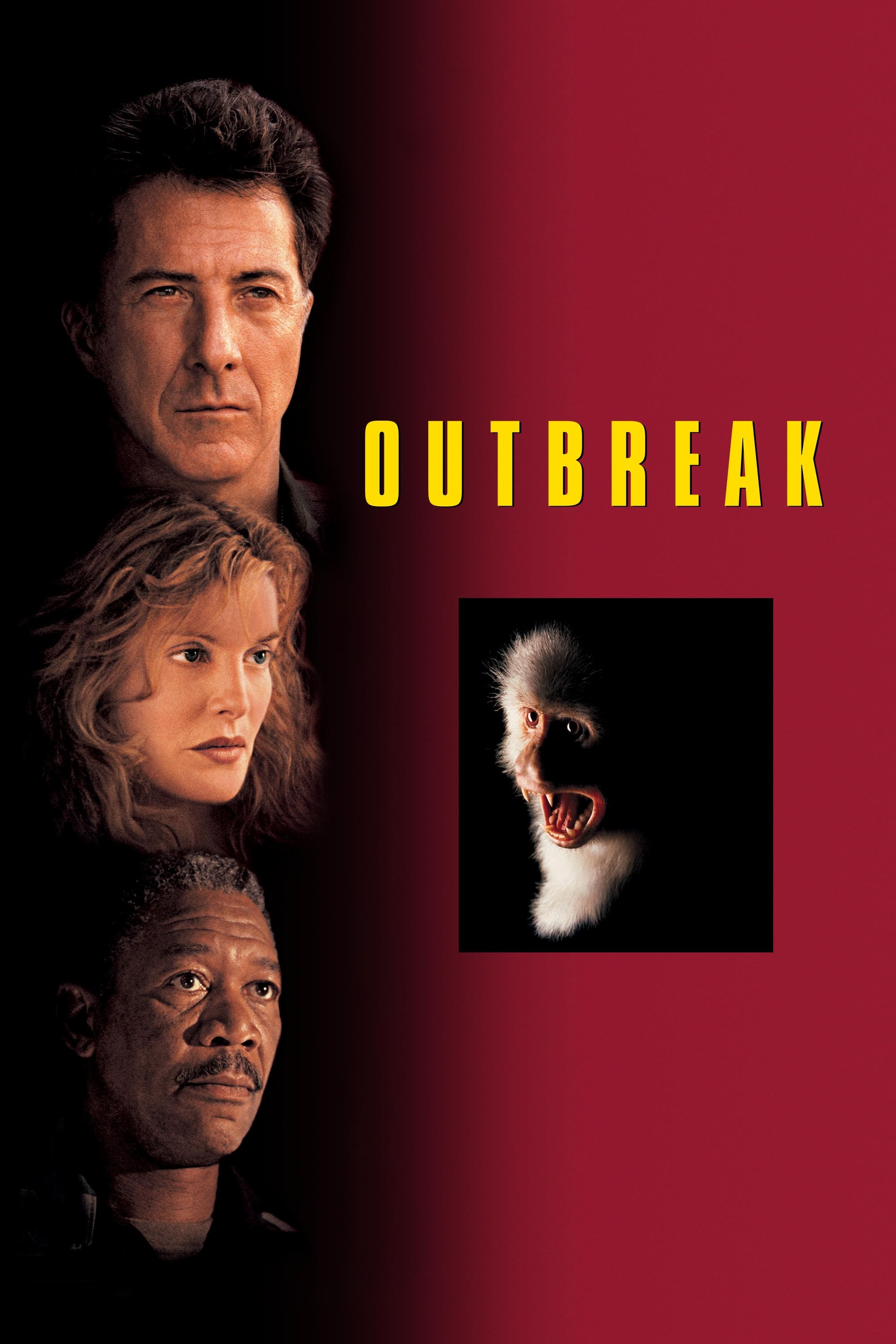
In this thriller, Dustin Hoffman plays Colonel Sam Daniels, a U.S. Army virologist who races against time to stop a deadly, fast-spreading virus. The film follows Daniels and his team as they try to find a cure and contain the outbreak before it becomes a global pandemic. His character clashes with military superiors who have their own agenda for dealing with the crisis, including a plan to destroy the infected town to keep the virus secret.
Hoffman’s character is a dedicated scientist who must navigate both a biological disaster and a political conspiracy. The movie features large-scale action sequences and a tense plot as the team tries to capture the virus’s animal host. The role shows Hoffman as a determined hero fighting a microscopic enemy and a corrupt system.
‘Hook’ (1991)
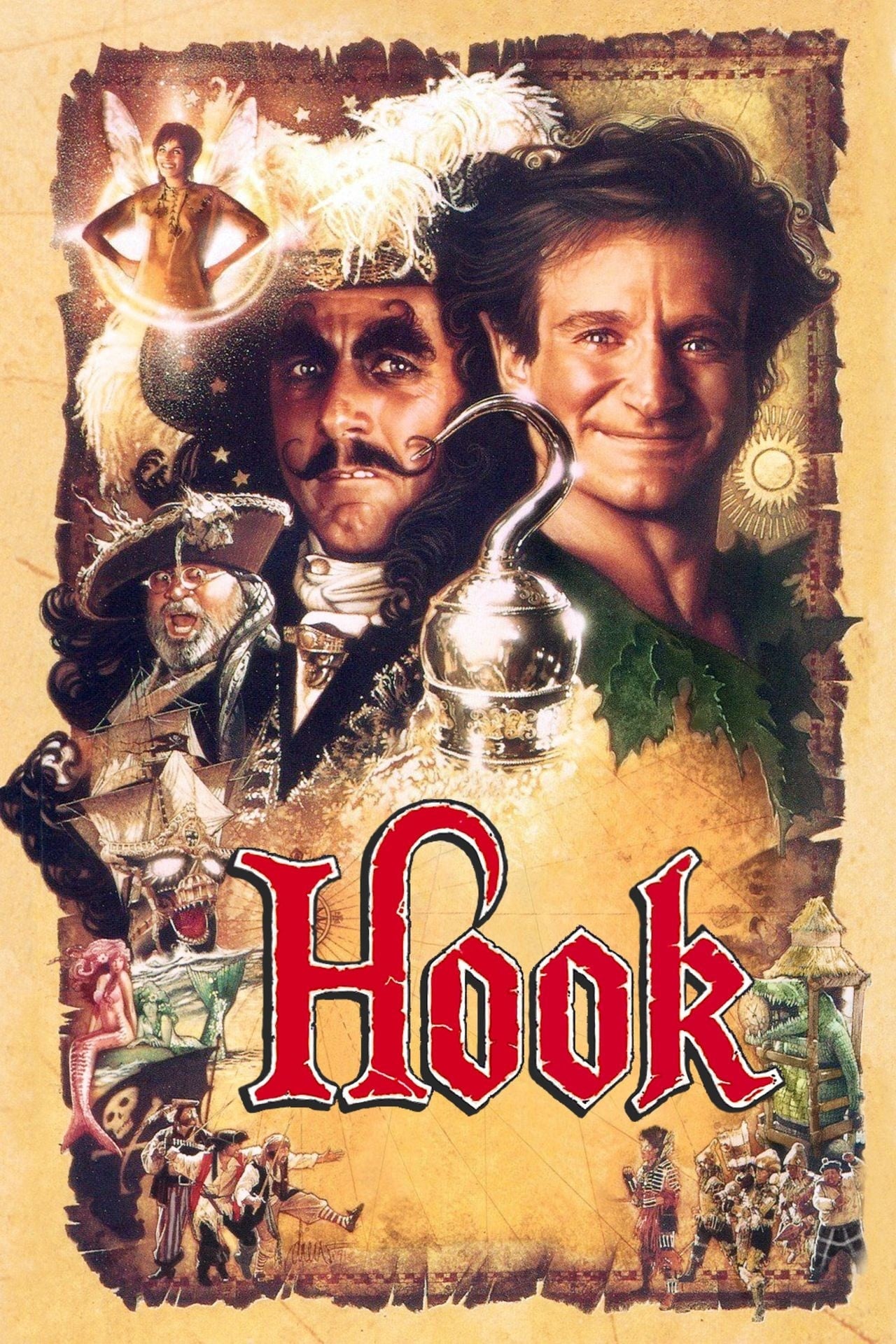
Dustin Hoffman portrays the iconic villain Captain Hook in this fantasy adventure film. This version of the character is the arch-nemesis of a grown-up Peter Pan who has forgotten his past in Neverland. Hoffman’s Captain Hook is both comical and menacing, a flamboyant pirate who is obsessed with finally defeating his old foe. He sports the character’s classic hook hand, elaborate wig, and a distinctively aristocratic accent.
To create his character’s look and feel, Hoffman worked closely with the costume and makeup departments. He provides a highly theatrical performance that captures the larger-than-life nature of the story. His Hook is not just a villain but also a complex figure who fears the passage of time, symbolized by a ticking crocodile. The role allowed him to showcase his talent for physical comedy and villainous charm in a big-budget family film.
‘Wag the Dog’ (1997)
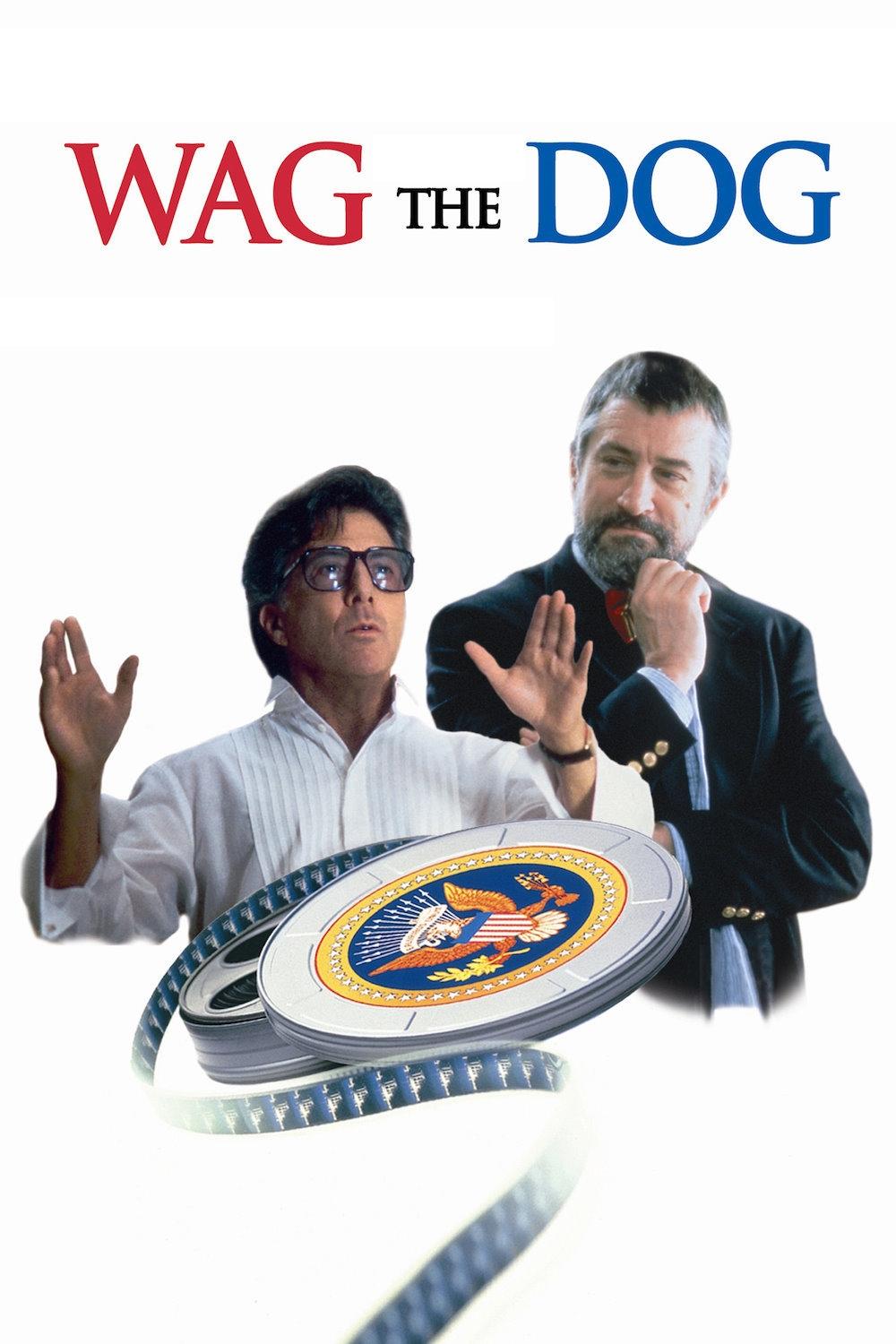
In this political satire, Dustin Hoffman plays Stanley Motss, a brilliant and eccentric Hollywood producer. His character is hired by a presidential spin doctor just weeks before an election to fabricate a war with Albania. The goal is to distract the public from a White House sex scandal. Motss dives into the project with artistic fervor, creating fake news reports, a war hero, and even a patriotic song for his manufactured conflict.
Hoffman’s performance is a sharp and funny take on a Hollywood power player, and his specific mannerisms made the character feel especially authentic. The film was released shortly before a real political scandal and military action occurred, making its cynical take on media and politics seem very timely. His portrayal earned him an Academy Award nomination for Best Actor, highlighting his comedic timing and his ability to embody a character’s ego and genius.
‘Straw Dogs’ (1971)
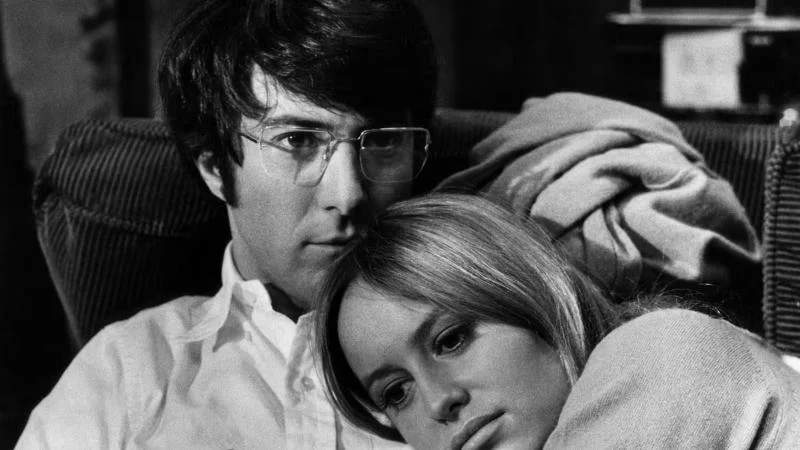
Dustin Hoffman stars as David Sumner, a quiet American mathematician who moves with his English wife to her hometown in rural Cornwall. The couple’s presence disrupts the small, tight-knit community, leading to escalating harassment and conflict with the local men. David, a pacifist who avoids confrontation, is pushed to his breaking point when his home is besieged, forcing him to defend himself and his wife in a violent siege.
The film was highly controversial upon its release for its intense and brutal final act. Hoffman’s character undergoes a significant transformation, from a meek intellectual to a man capable of extreme violence when his core principles are threatened. The performance explores themes of masculinity and the primal nature of survival. To prepare for the role, Hoffman lived in the English countryside to get a feel for the isolated setting.
‘Marathon Man’ (1976)
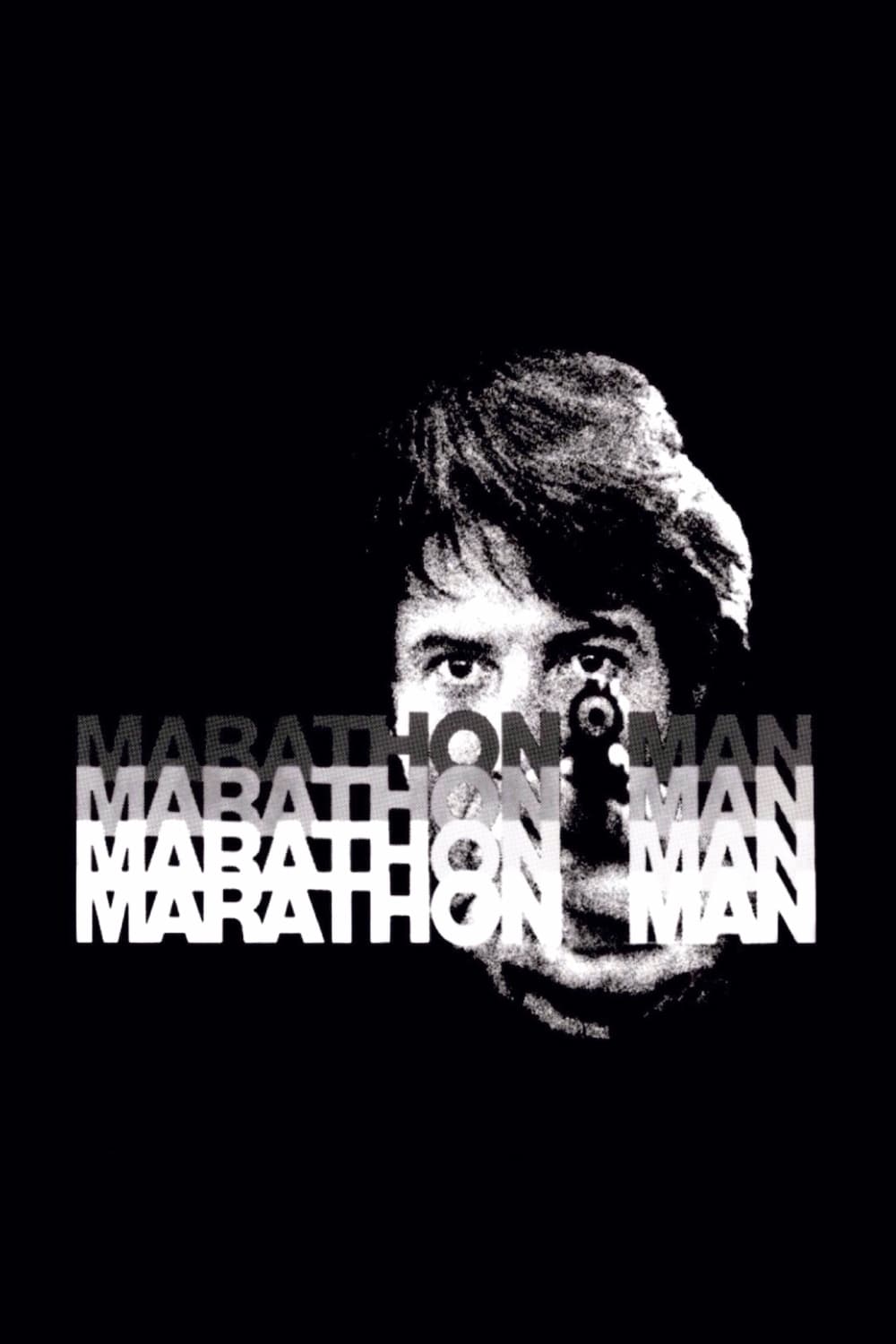
Dustin Hoffman plays Thomas “Babe” Levy, a graduate student and marathon runner in New York City who becomes entangled in a dangerous conspiracy involving a Nazi war criminal. His character is unwittingly drawn into the world of espionage when his brother, a secret government agent, is killed. Babe possesses a high tolerance for pain due to his marathon training, a skill that is put to the ultimate test during a famous and grueling torture scene.
This thriller is remembered for an intense scene where Hoffman’s character is repeatedly asked “Is it safe?” by his captor. A well-known story from the set involves Hoffman staying up for days to appear genuinely exhausted for a scene, to which his co-star Laurence Olivier reportedly remarked that he should “try acting, dear boy.” The role required significant physical commitment, and Hoffman’s performance captures the character’s journey from an ordinary student to a man forced to fight for his life.
‘Tootsie’ (1982)
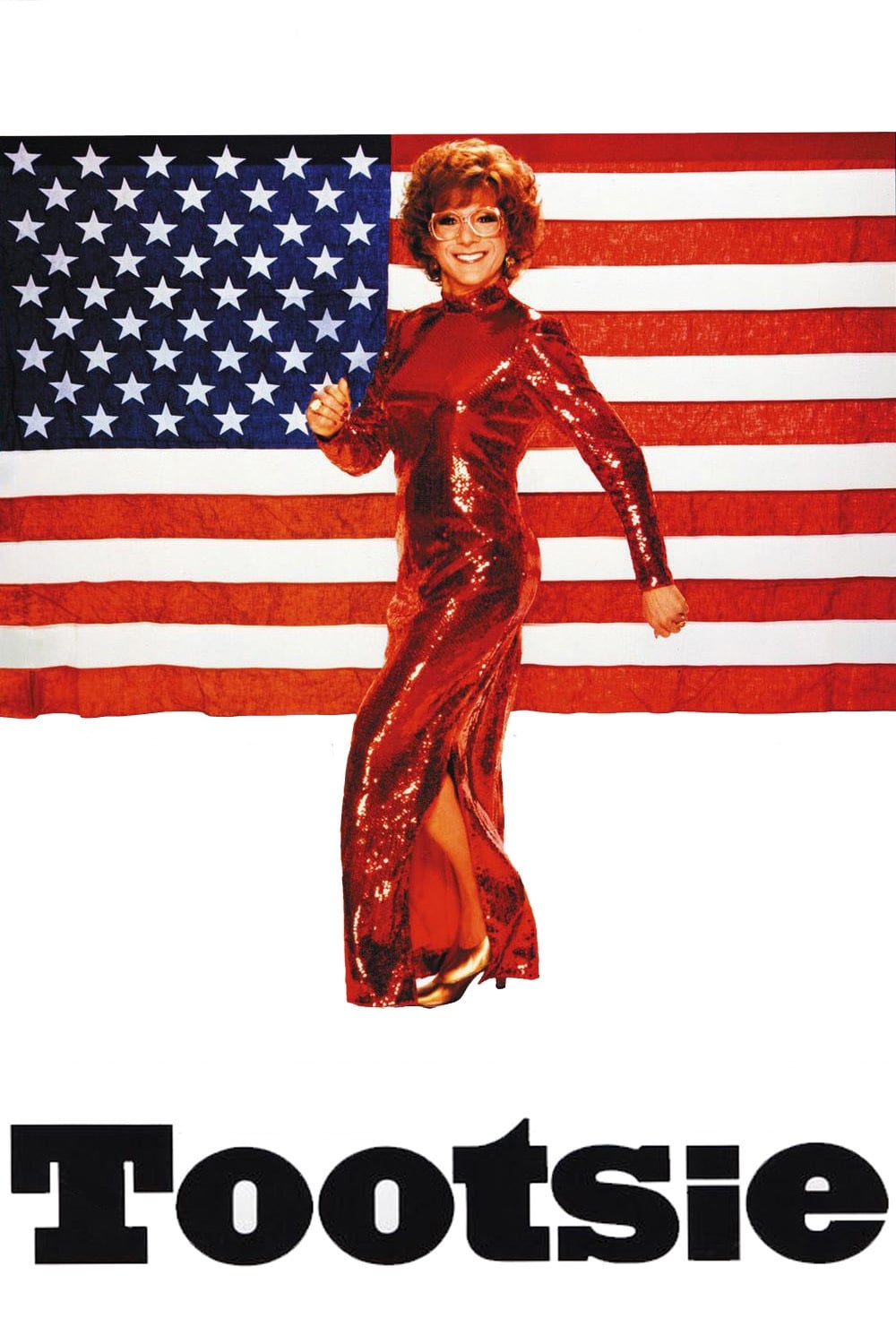
In this celebrated comedy, Dustin Hoffman plays Michael Dorsey, a talented but difficult actor who is unable to find work. In a desperate move, he auditions for a role on a daytime soap opera as a woman named Dorothy Michaels and gets the part. His character becomes a national sensation, but he must struggle to maintain his secret identity while dealing with his newfound fame and his romantic feelings for a female co-star.
Hoffman spent a great deal of time developing the look and voice of Dorothy Michaels, wanting the character to be a believable woman, not just a man in a dress. He has said that the experience of seeing the world as a woman, even for a role, was transformative and gave him a new perspective on gender dynamics. The film was a massive critical and commercial success, and his dual performance is considered one of the greatest in comedy history.
‘Little Big Man’ (1970)
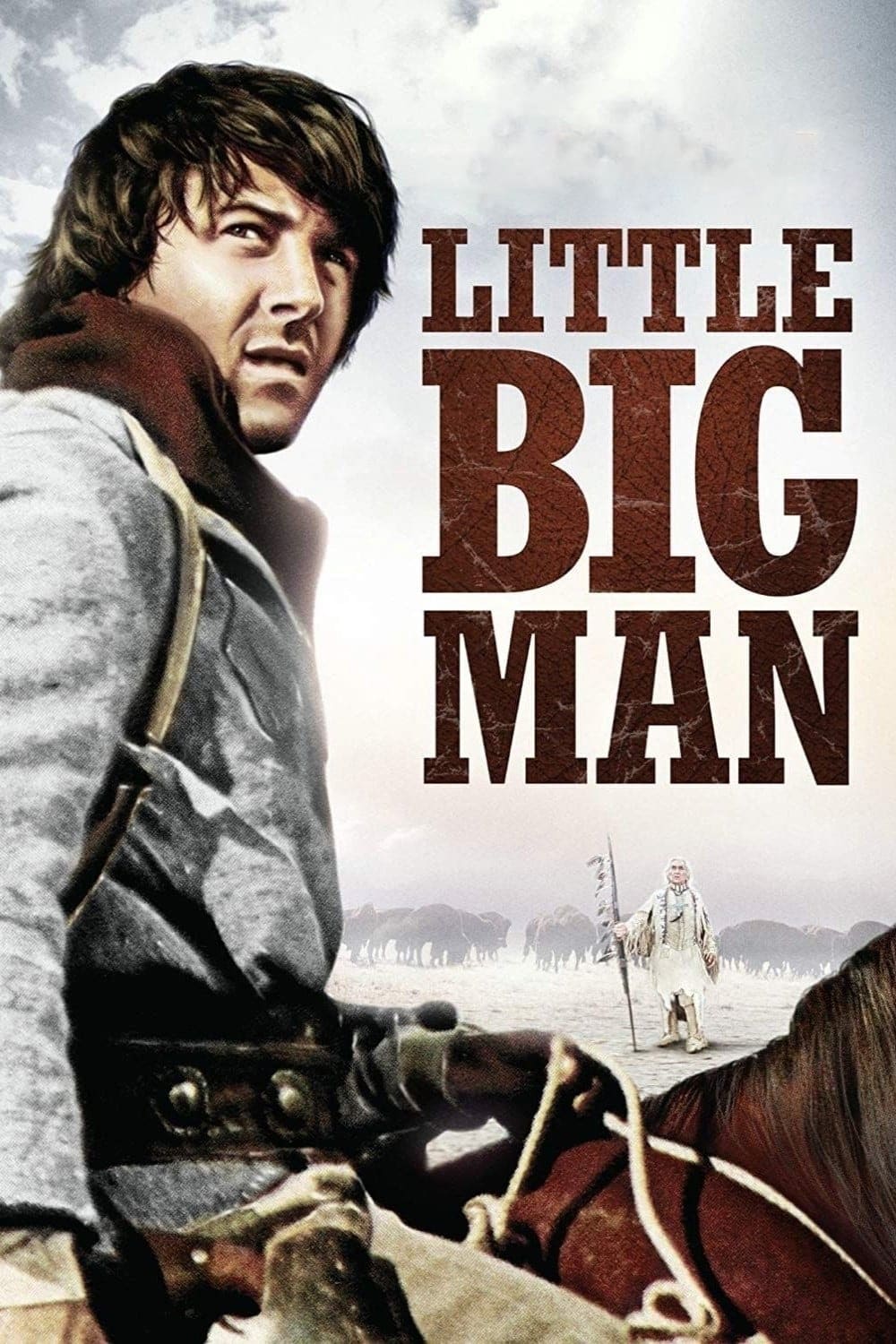
Dustin Hoffman stars as Jack Crabb, a 121-year-old man who recounts his life story in the American Old West. The film follows Crabb’s extraordinary life, from his adoption by the Cheyenne nation to his time as a gunslinger, a con man, and a scout for General Custer. The character is the only white survivor of the Battle of the Little Bighorn. Hoffman plays the character from his teenage years up to his extreme old age.
The role required extensive makeup work, with the old-age makeup taking hours to apply each day. Hoffman’s performance anchors the film’s satirical and often tragic look at American history and the myths of the West. He portrays Crabb’s journey with a mix of humor and pathos, capturing the character’s unique perspective as someone who has lived between two vastly different cultures. The film is known for its revisionist take on Western tropes.
‘Lenny’ (1974)
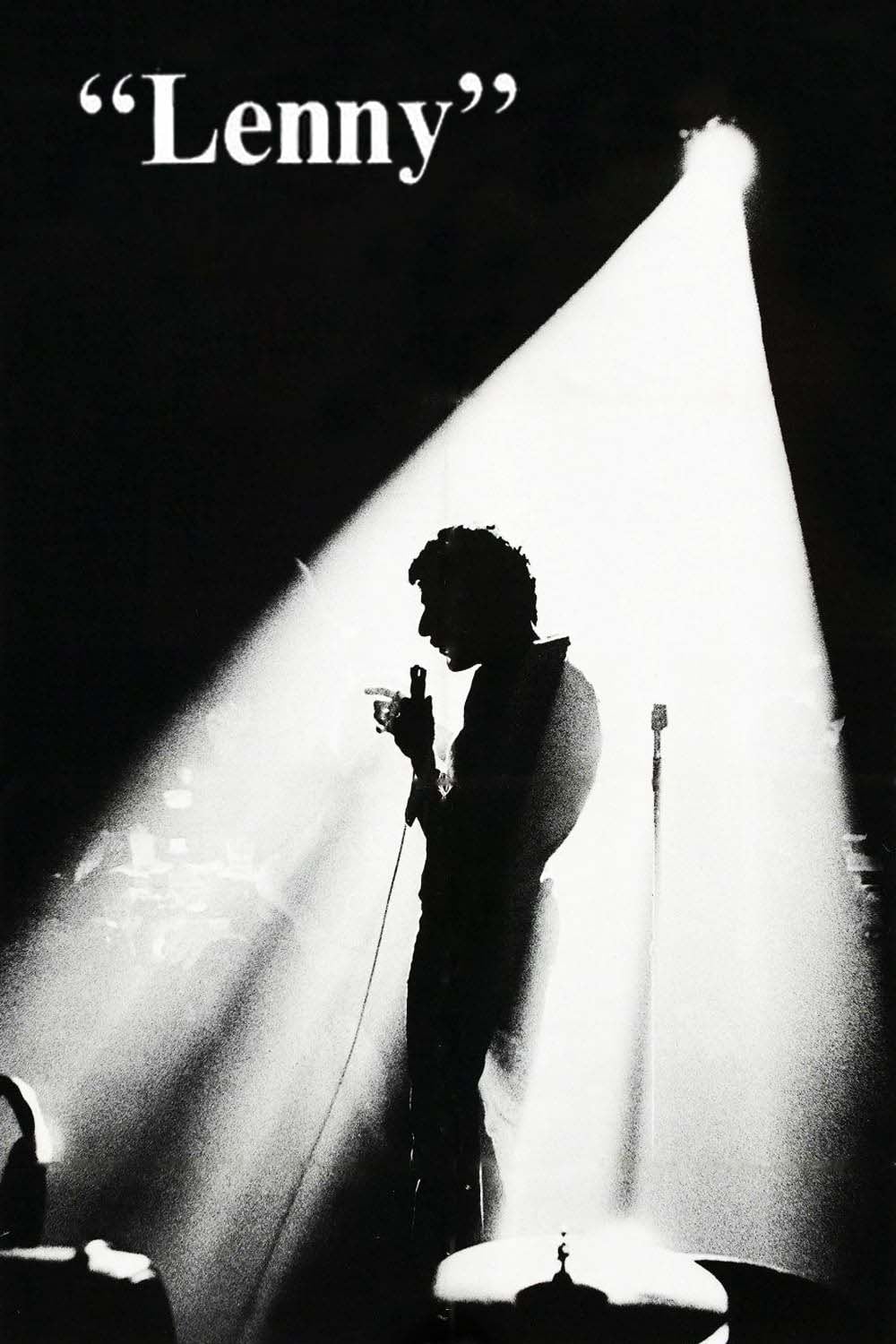
Dustin Hoffman portrays the controversial and influential stand-up comedian Lenny Bruce. The film is shot in a black-and-white documentary style and chronicles Bruce’s rise to fame, his legal battles over obscenity charges, and his eventual decline due to drug use. Hoffman recreated many of Bruce’s famous and provocative comedy routines, capturing his unique delivery and confrontational style.
To prepare for the role, Hoffman spent months studying recordings of Bruce’s performances and interviewing people who knew him. He fully committed to embodying the comedian’s persona, both on stage and off. The performance was widely acclaimed for its raw and honest depiction of a troubled genius who challenged societal norms and fought for freedom of speech. The role earned Hoffman an Academy Award nomination for Best Actor.
‘Finding Neverland’ (2004)
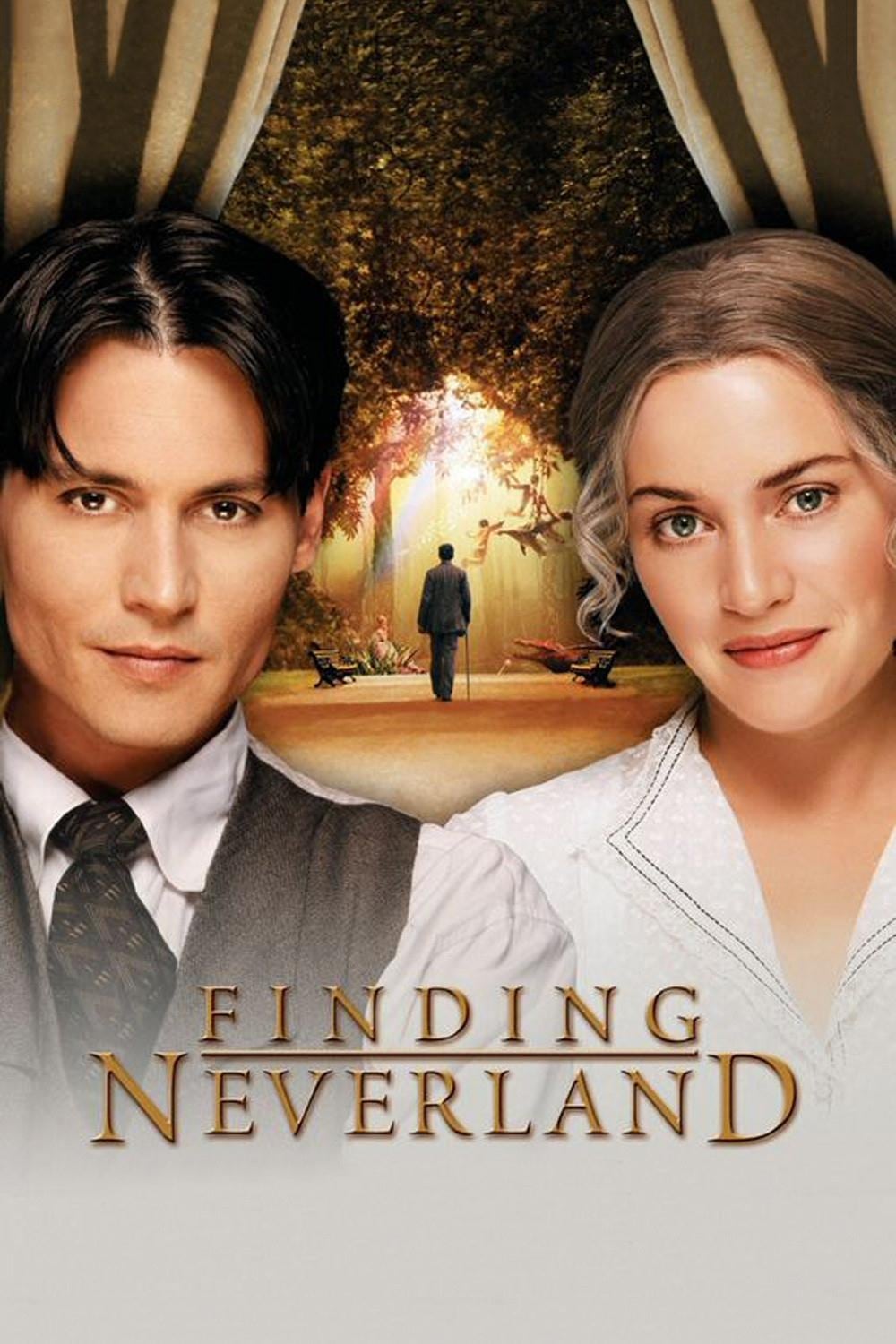
In this biographical film, Dustin Hoffman takes on a supporting role as Charles Frohman, a skeptical but supportive theater producer. The story centers on playwright J.M. Barrie and his friendship with a family who inspires him to write ‘Peter Pan’. Hoffman’s character is the pragmatic producer who initially doubts the commercial prospects of a play about fairies and flying children but ultimately takes a chance on Barrie’s vision.
Although not the lead, his performance provides a grounding presence in the whimsical story. He portrays Frohman with a mix of dry wit and underlying warmth, acting as both a friend and a business-minded mentor to the imaginative playwright. The role demonstrates his ability to make a strong impact in a supporting capacity, adding another layer of heart and humor to the acclaimed film.
‘Kramer vs. Kramer’ (1979)
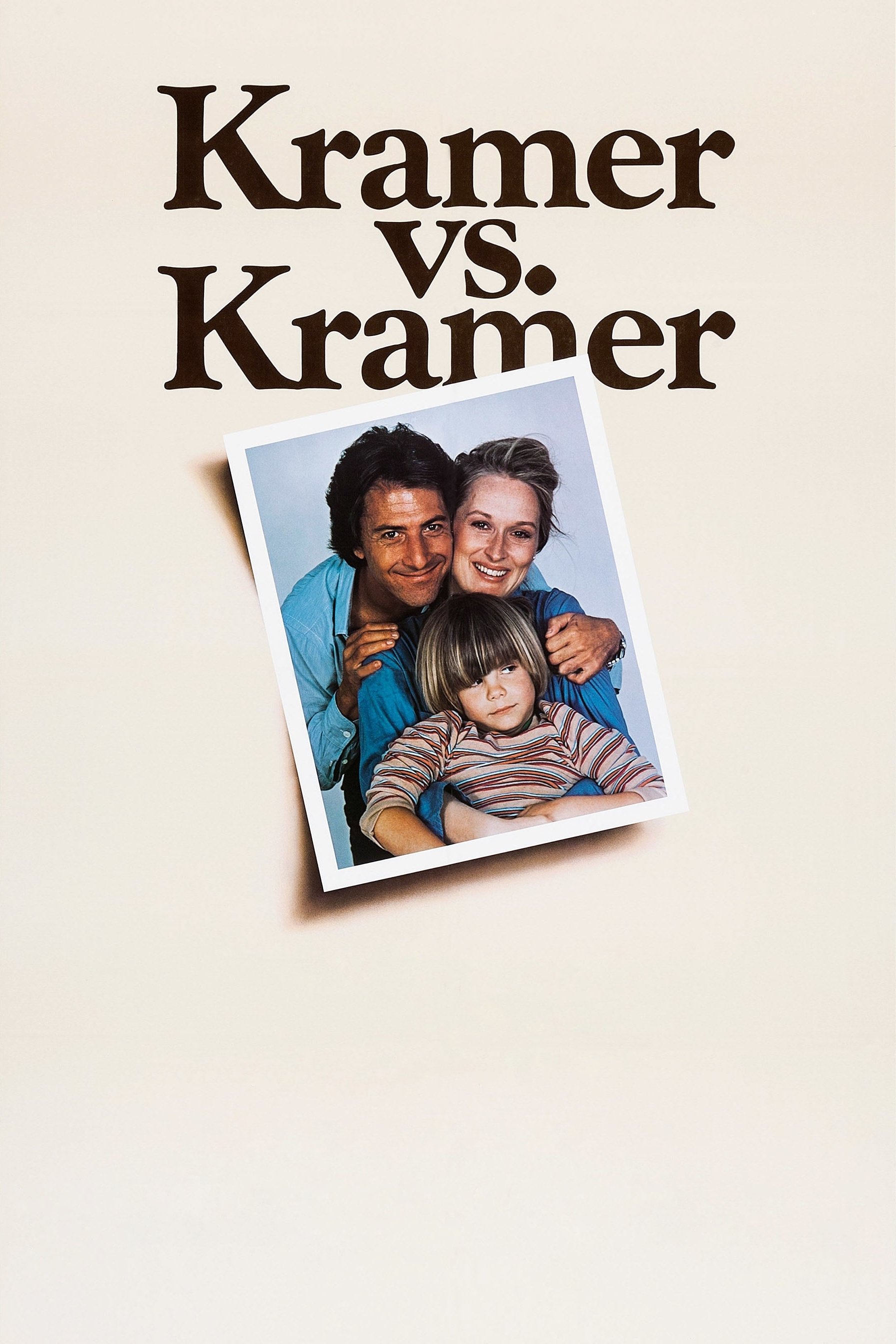
Dustin Hoffman plays Ted Kramer, a driven advertising executive whose life is turned upside down when his wife leaves him and their young son. The film follows Ted as he transitions from a work-obsessed, largely absent father to a loving and capable single parent. His new life is thrown into turmoil when his wife returns and seeks custody of their child, leading to a painful and emotional court battle.
The film was a significant cultural touchstone, exploring changing ideas about parenthood, gender roles, and the impact of divorce. Hoffman’s performance is deeply emotional and relatable, capturing the frustration, love, and growth of his character. He won his first Academy Award for Best Actor for his powerful and nuanced portrayal of a father fighting to keep his family together.
‘Midnight Cowboy’ (1969)
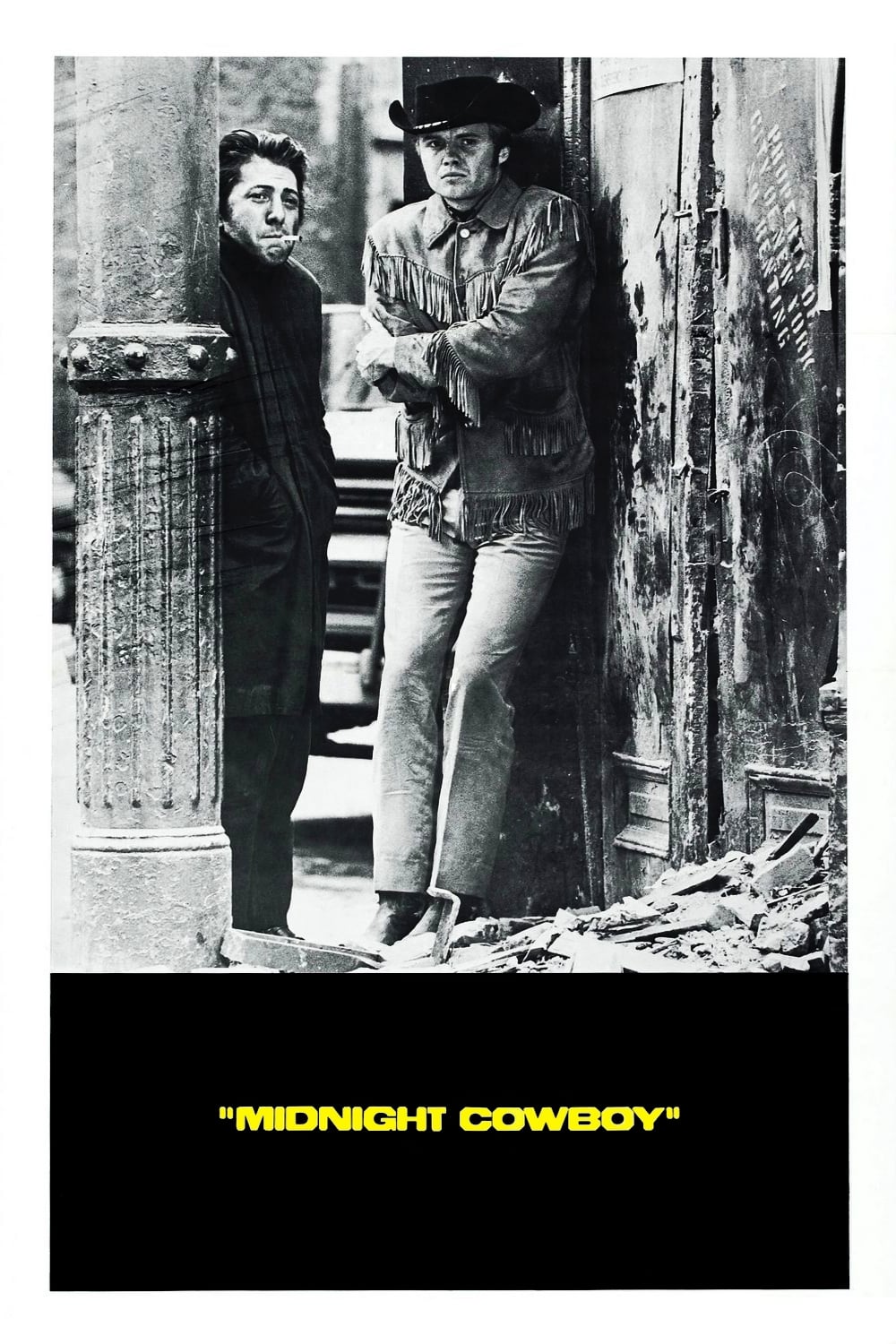
Dustin Hoffman gives a memorable performance as Enrico Salvatore “Ratso” Rizzo, a con man with a limp who lives on the fringes of society in New York City. He forms an unlikely friendship with Joe Buck, a naive Texan who comes to the city hoping to make a living as a male prostitute. Ratso becomes Joe’s self-appointed manager, and the two struggle to survive together in the city’s gritty underworld.
Hoffman fully inhabited the character, developing Ratso’s distinctive limp and raspy voice. He famously improvised the line “I’m walkin’ here!” after a taxi nearly hit him while filming a scene on a New York street, creating an iconic movie moment. The film was groundbreaking for its realistic depiction of urban decay and its complex characters, and it became the only X-rated film to ever win the Academy Award for Best Picture.
‘All the President’s Men’ (1976)
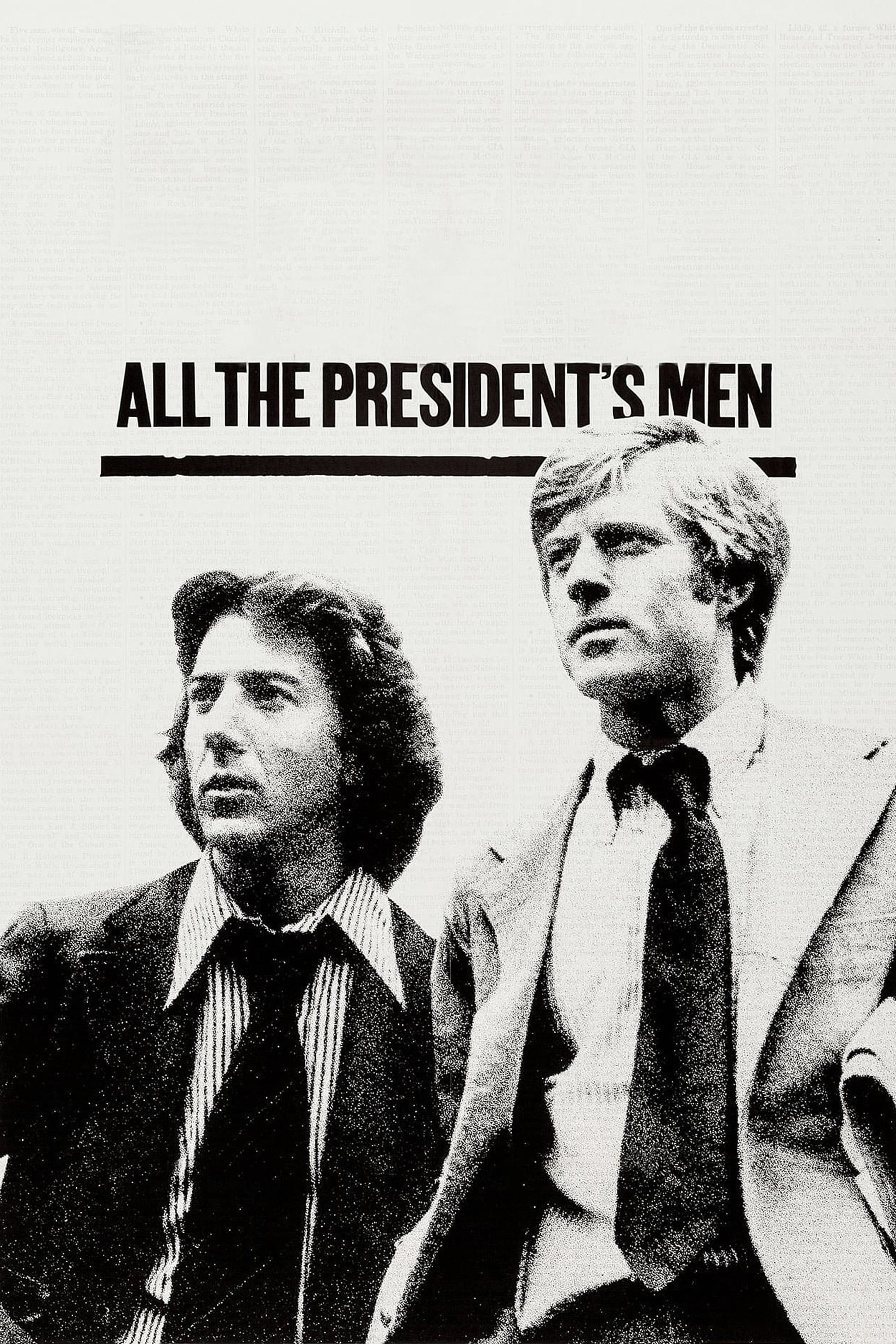
In this political thriller, Dustin Hoffman co-stars as Carl Bernstein, one of the two Washington Post reporters who investigated the Watergate scandal. Alongside his partner Bob Woodward, Bernstein uncovers a web of corruption that leads all the way to the White House and ultimately results in the resignation of President Richard Nixon. The film is a tense and meticulous depiction of investigative journalism.
Hoffman and his co-star Robert Redford spent months researching their roles, meeting with their real-life counterparts and observing the operations of the Washington Post newsroom. Hoffman’s portrayal captures Bernstein’s tenacious and detail-oriented approach to reporting. The film is celebrated for its accuracy and its gripping portrayal of one of the most significant events in American political history.
‘The Graduate’ (1967)
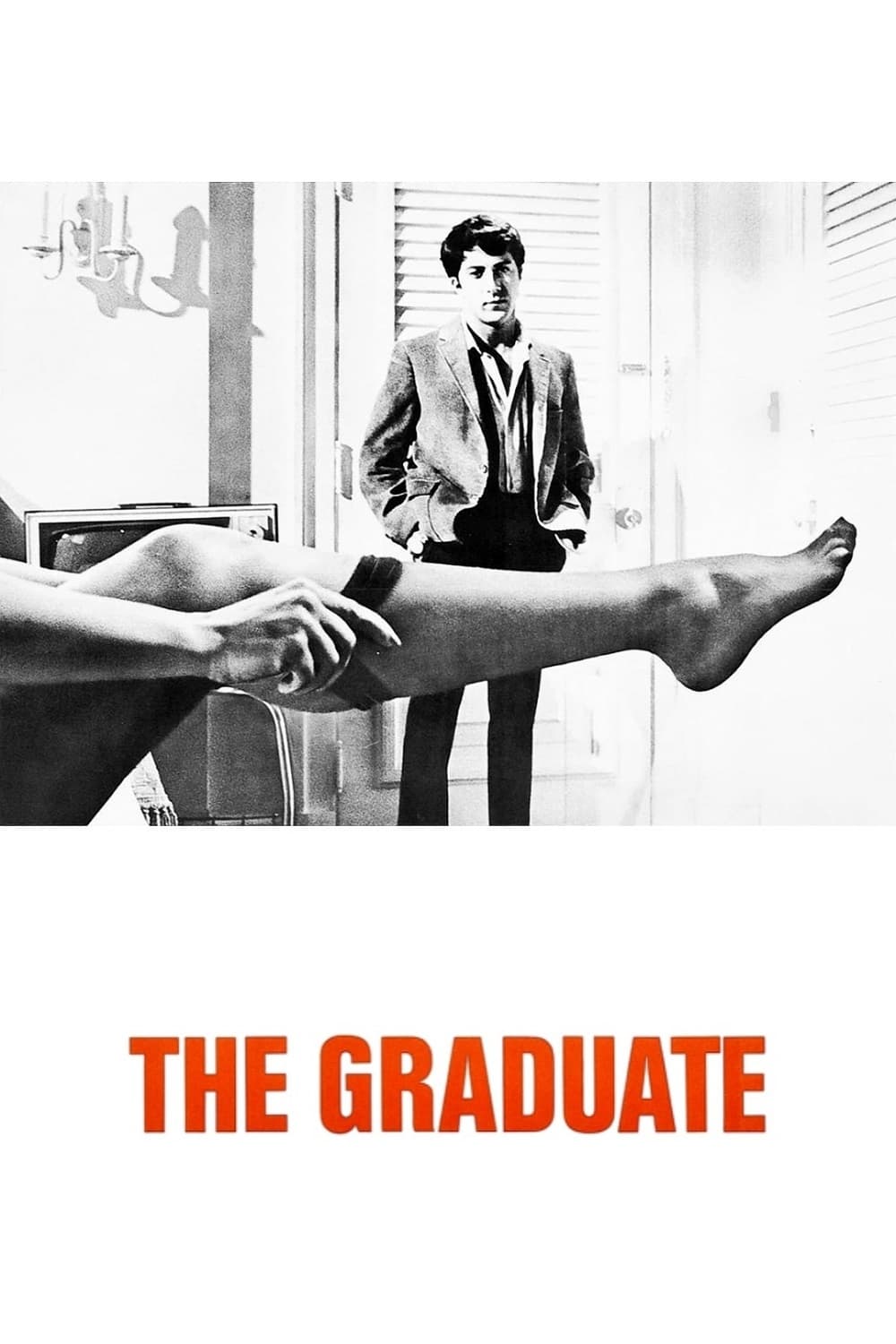
Dustin Hoffman had his breakout role as Benjamin Braddock, a recent college graduate who is anxious and uncertain about his future. Adrift and disillusioned, he begins an affair with Mrs. Robinson, the older, married wife of his father’s business partner. His life becomes even more complicated when he falls in love with her daughter, Elaine. The film captured the generational divide and counter-cultural spirit of the 1960s.
Hoffman was an unconventional choice for the lead role at the time, as he did not fit the mold of a typical Hollywood hero. His portrayal of Benjamin’s awkwardness and alienation struck a chord with young audiences, turning him into an overnight star. The film’s final scene, with its ambiguous and iconic shot of Benjamin and Elaine on the bus, remains one of the most discussed endings in movie history.
‘Papillon’ (1973)
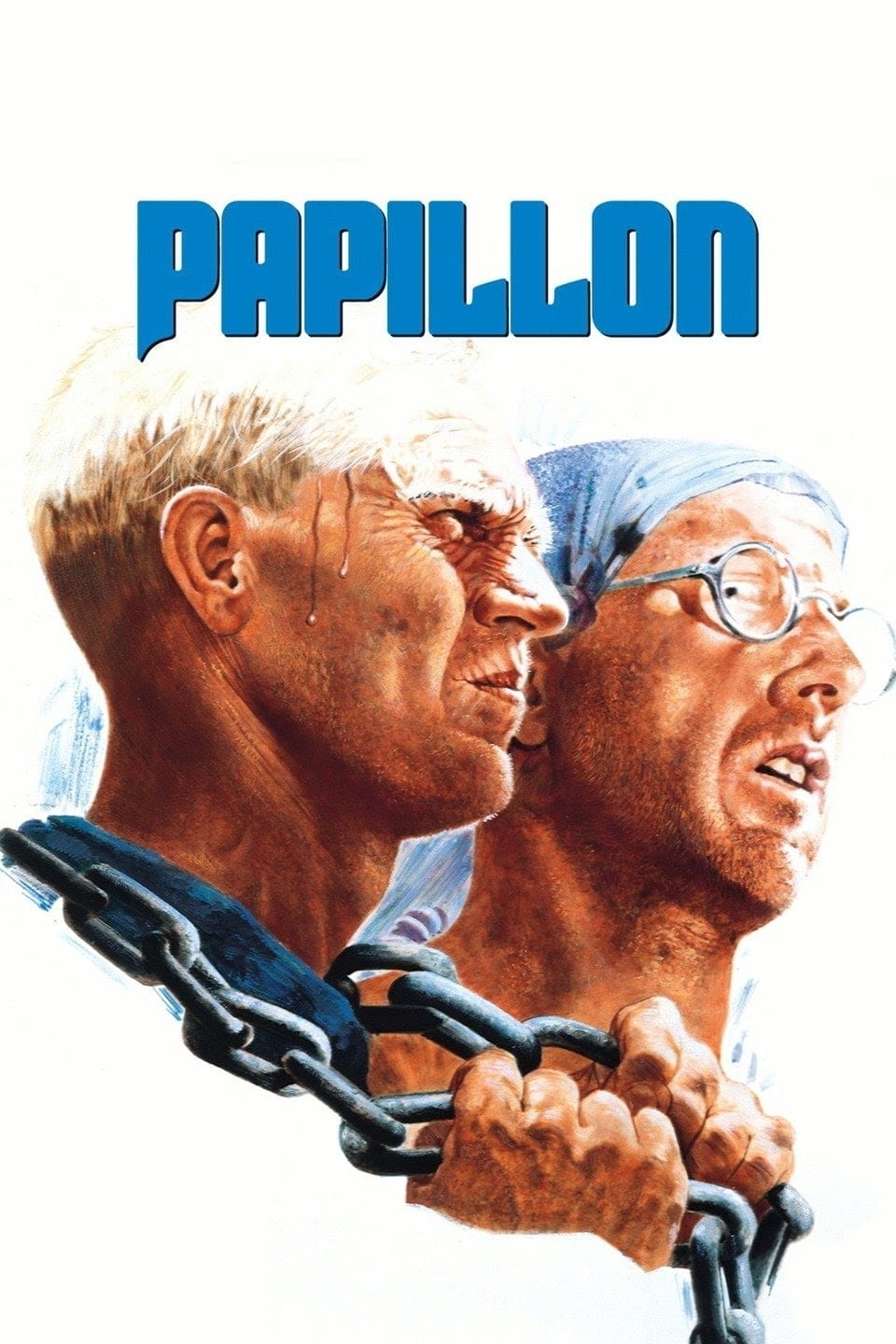
Dustin Hoffman plays Louis Dega, a convicted forger and fellow prisoner of Henri “Papillon” Charrière at a brutal French penal colony. Dega is a physically weak but wealthy inmate who forms a mutually beneficial partnership with the more resilient Papillon. In exchange for protection, Dega agrees to finance their numerous escape attempts from the infamous Devil’s Island. The film tells a powerful story of survival and friendship.
Hoffman’s character provides a compelling contrast to his co-star’s determined hero. He portrays Dega’s gradual transformation from a timid and self-interested man to a loyal friend who finds his own form of courage. His performance is a nuanced study of a man trying to survive in an inhumane environment, and his chemistry with his co-star is a central element of the film’s enduring appeal.
‘Rain Man’ (1988)
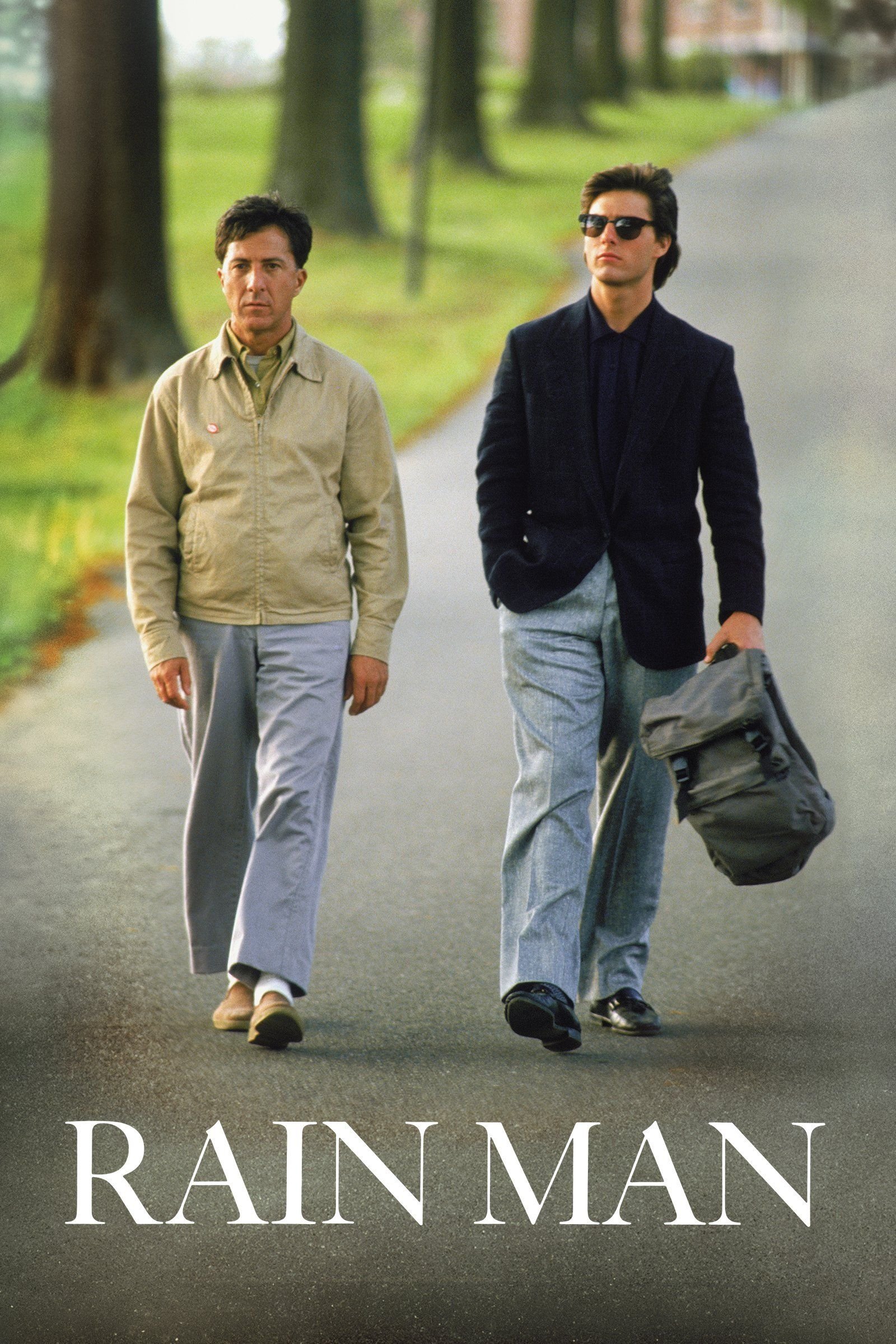
In this iconic role, Dustin Hoffman portrays Raymond Babbitt, an autistic savant with an incredible memory for numbers and details. The story follows his selfish younger brother, Charlie, who discovers Raymond’s existence and “kidnaps” him from an institution in hopes of getting his share of their late father’s fortune. Their cross-country road trip becomes a journey of discovery and connection for both men.
To prepare for the part, Hoffman spent over a year researching autism, meeting with and observing numerous individuals with the condition and their families. He worked to portray Raymond’s specific behaviors and thought processes with accuracy and respect. The performance was a monumental achievement, earning him his second Academy Award for Best Actor and raising public awareness of autism significantly.
Let us know which Dustin Hoffman role you think is his best in the comments below.