


20 Embarrassing Movies by Critically Acclaimed Directors

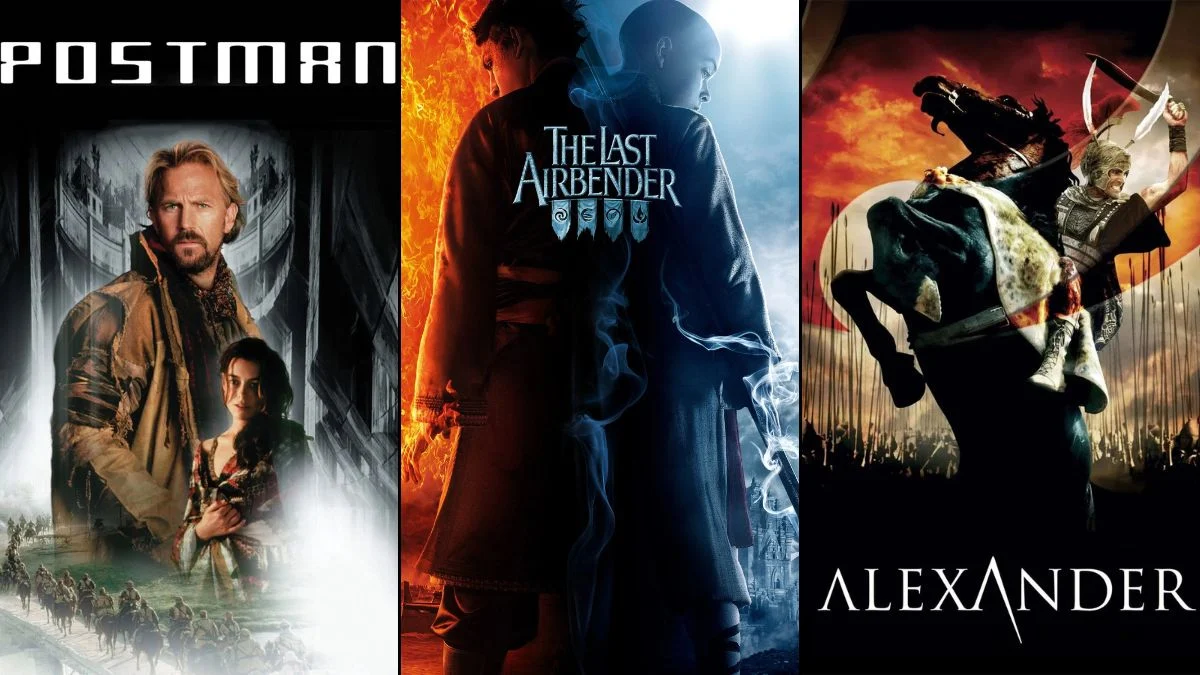


Sometimes even the most celebrated filmmakers release a project that leaves audiences puzzled and studios scrambling. These films came from directors with trophies on their shelves and prestige on their résumés, yet the finished work sparked headlines for all the wrong reasons and left reputations temporarily bruised.
Below are twenty movies that arrived with big names and bigger expectations, only to run into controversies, troubled productions, or reactions that fell far short of the filmmakers’ usual standard. You will find casting choices that stirred public backlash, reshoots that reshaped entire plots, and releases that were reedited, repatched, or revisited in search of a better outcome.
‘Heaven’s Gate’ (1980)
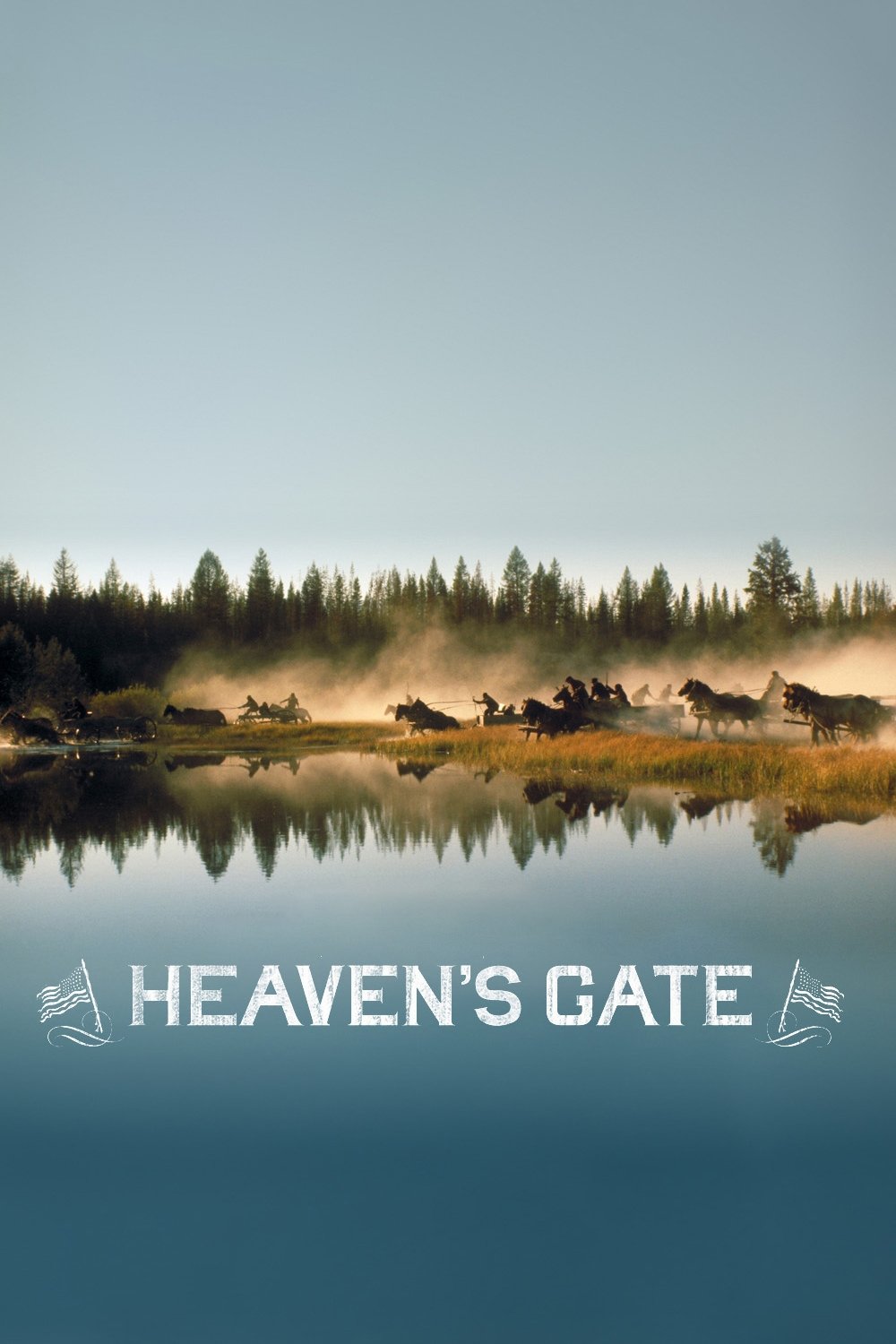
Director Michael Cimino followed the acclaim of ‘The Deer Hunter’ with this sprawling western set around the Johnson County War. The production famously built period towns from the ground up and shot elaborate set pieces that stretched schedules and resources. United Artists bankrolled the vision and saw a running time that initially reached epic length before major trims for theatrical release.
The movie opened to hostile reviews and quickly left theaters while the studio raced out a shorter cut. Its financial collapse became a case study in Hollywood excess and coincided with United Artists changing hands. Years later a restored version toured festivals and prompted reassessment, but the release saga remains a landmark example of a prestige project spinning out of control.
‘Ishtar’ (1987)
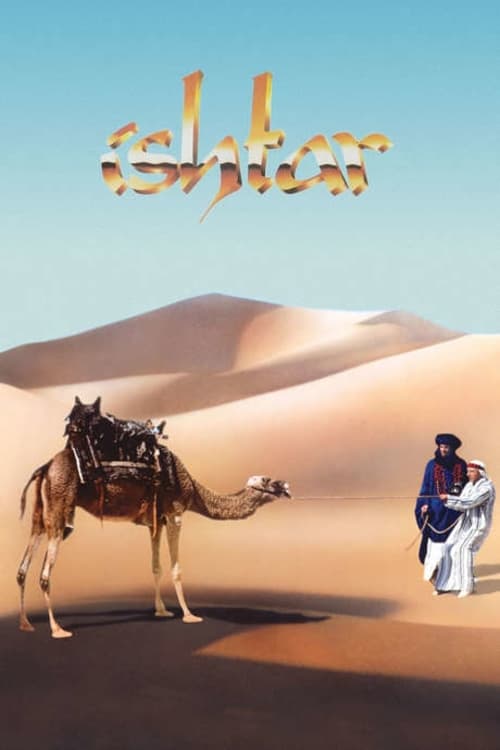
Elaine May, revered for sharp screenwriting and the cult reputation of ‘Mikey and Nicky’, teamed with stars Warren Beatty and Dustin Hoffman for a farce about lounge singers tangled in Middle East intrigue. The shoot required remote desert locations and complex logistics that compounded delays and expenses. The film’s insider pedigree ensured intense media interest long before the first public screening.
Once in theaters, it drew negative reviews and weak domestic turnout, and its title quickly became shorthand for a troubled studio comedy. In the decades since, critics have reevaluated aspects of the movie and highlighted studio politics that colored its reception, but the initial rollout cemented its place in Hollywood cautionary tales.
‘The Bonfire of the Vanities’ (1990)
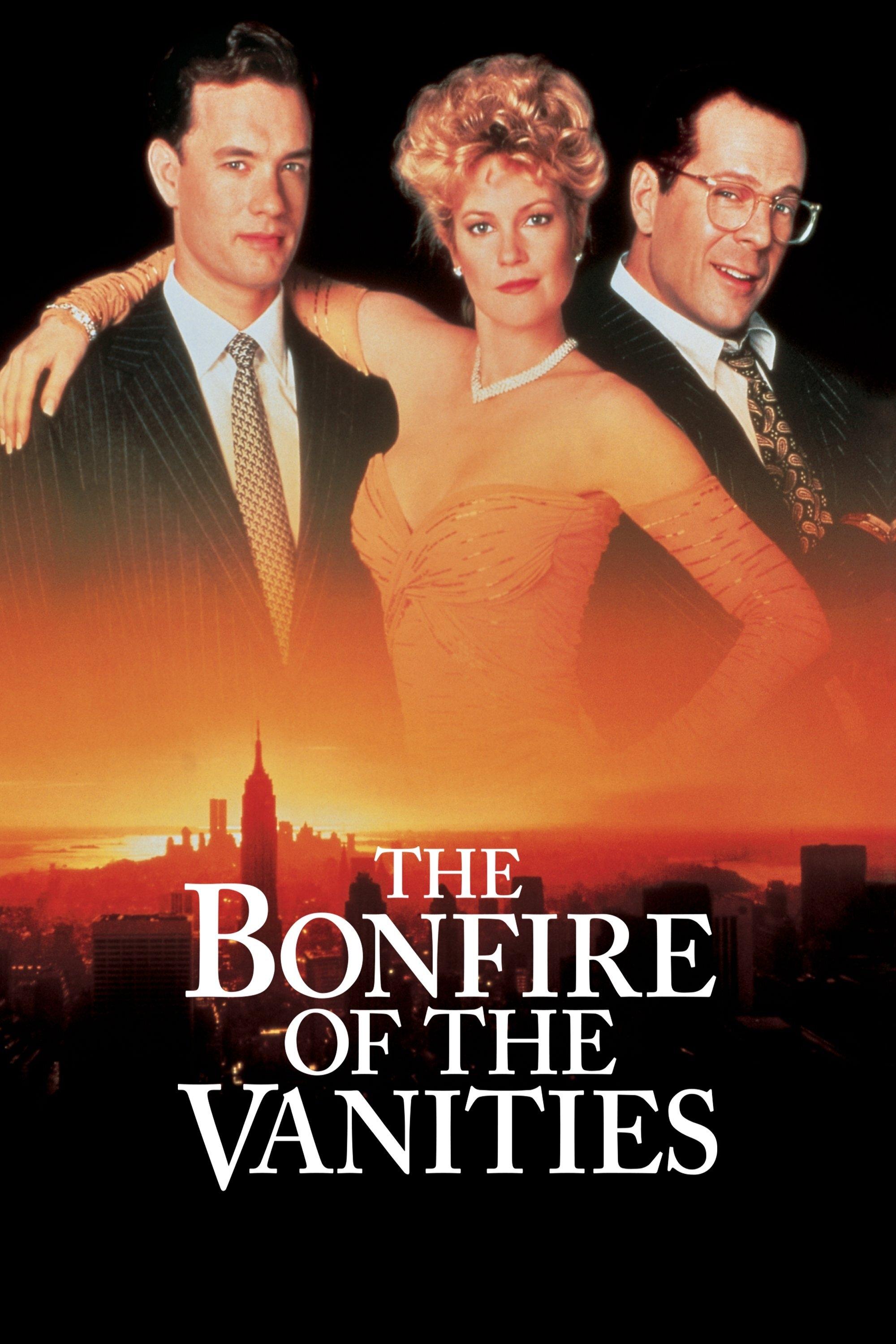
Brian De Palma adapted Tom Wolfe’s bestseller with a starry cast that included Tom Hanks, Bruce Willis, and Melanie Griffith. The production filmed extensively in New York and navigated high expectations attached to a wildly popular novel with a sprawling satirical scope. Casting choices and tonal shifts from page to screen drew intense scrutiny throughout the shoot.
The finished film struggled to capture the book’s voice and faced poor word of mouth. Journalist Julie Salamon’s behind the scenes chronicle ‘The Devil’s Candy’ documented the production’s pressures and creative compromises, turning the project into a textbook study of how prestige adaptations can go astray when tone, casting, and studio expectations do not align.
‘North’ (1994)
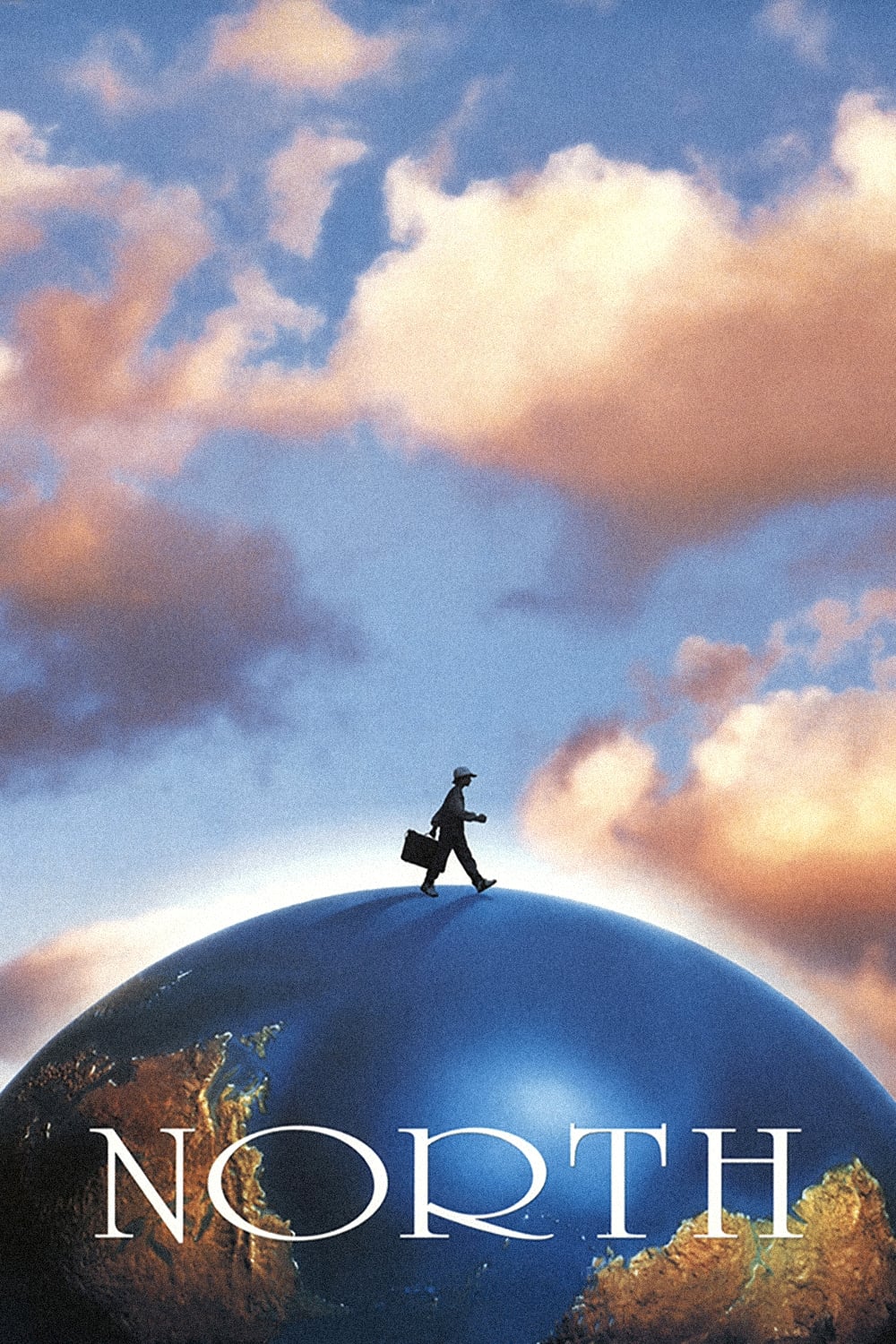
Rob Reiner, coming off a run that included ‘When Harry Met Sally’, ‘Misery’, and ‘A Few Good Men’, directed this family comedy based on Alan Zweibel’s novel. The story follows a gifted child who travels the world auditioning new parents while a narrator pops up in elaborate disguises. The release positioned the film for broad appeal with a large ensemble and a prime summer slot.
Critics responded harshly and audiences stayed away, and the movie collected multiple nominations from year end worst lists and awards. Its reception marked a sharp break from the director’s earlier momentum and became a frequent reference point whenever conversations turn to ambitious filmmakers stumbling outside their comfort zone.
‘The Postman’ (1997)
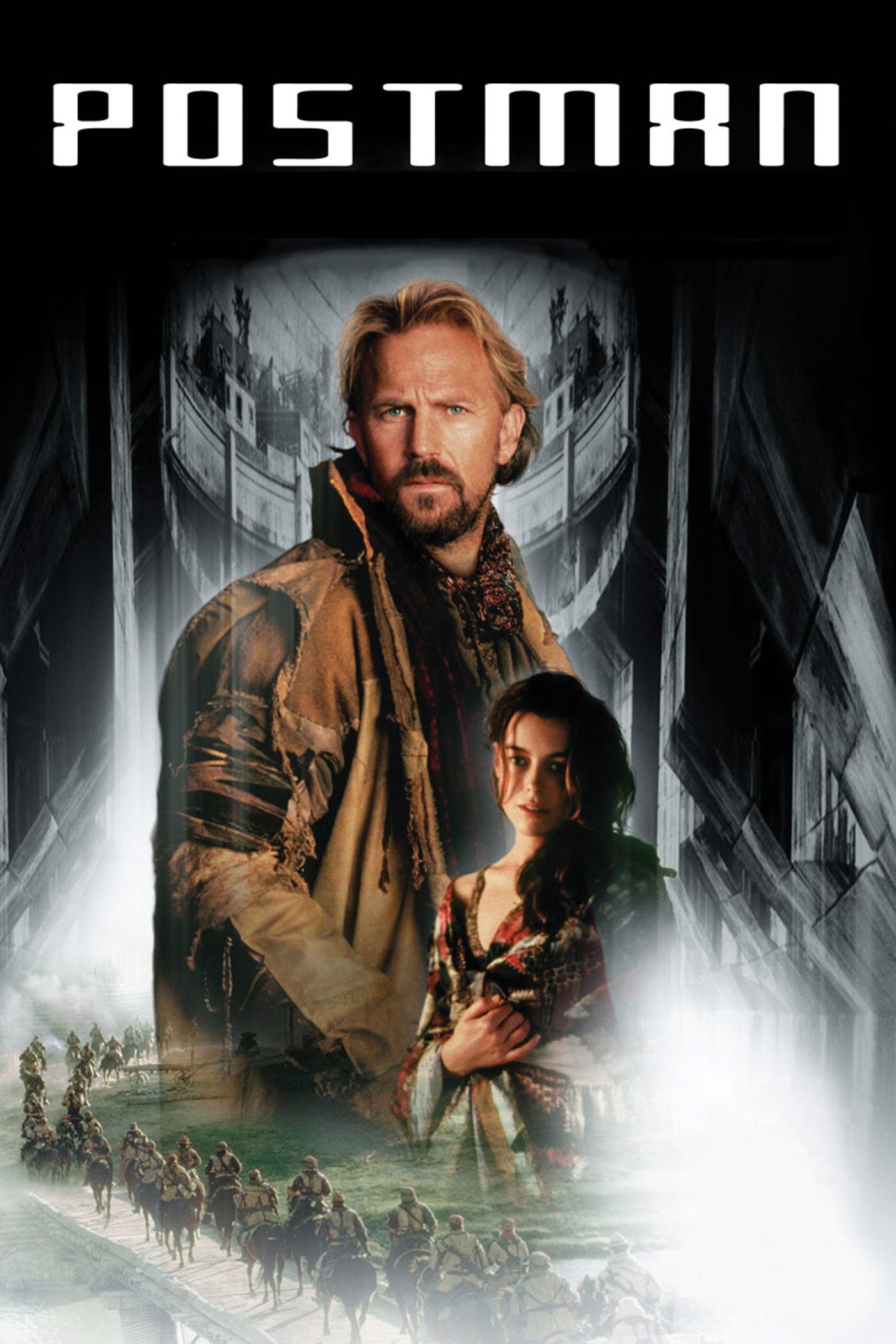
Kevin Costner directed and starred in a post apocalyptic epic about a drifter who revives hope by delivering mail across a fractured America. The production mounted large scale battles and location shoots across the American West, and its running time reflected the project’s sweeping ambitions. Marketing leaned into themes of rebuilding and national mythmaking.
The movie was met with scathing reviews and a chilly box office response, and it later figured prominently in Golden Raspberry tallies. Its commercial outcome contrasted sharply with the director’s earlier success on ‘Dances with Wolves’ and reinforced how quickly audience sentiment can turn on star driven prestige projects after a prior high profile misfire.
‘Psycho’ (1998)
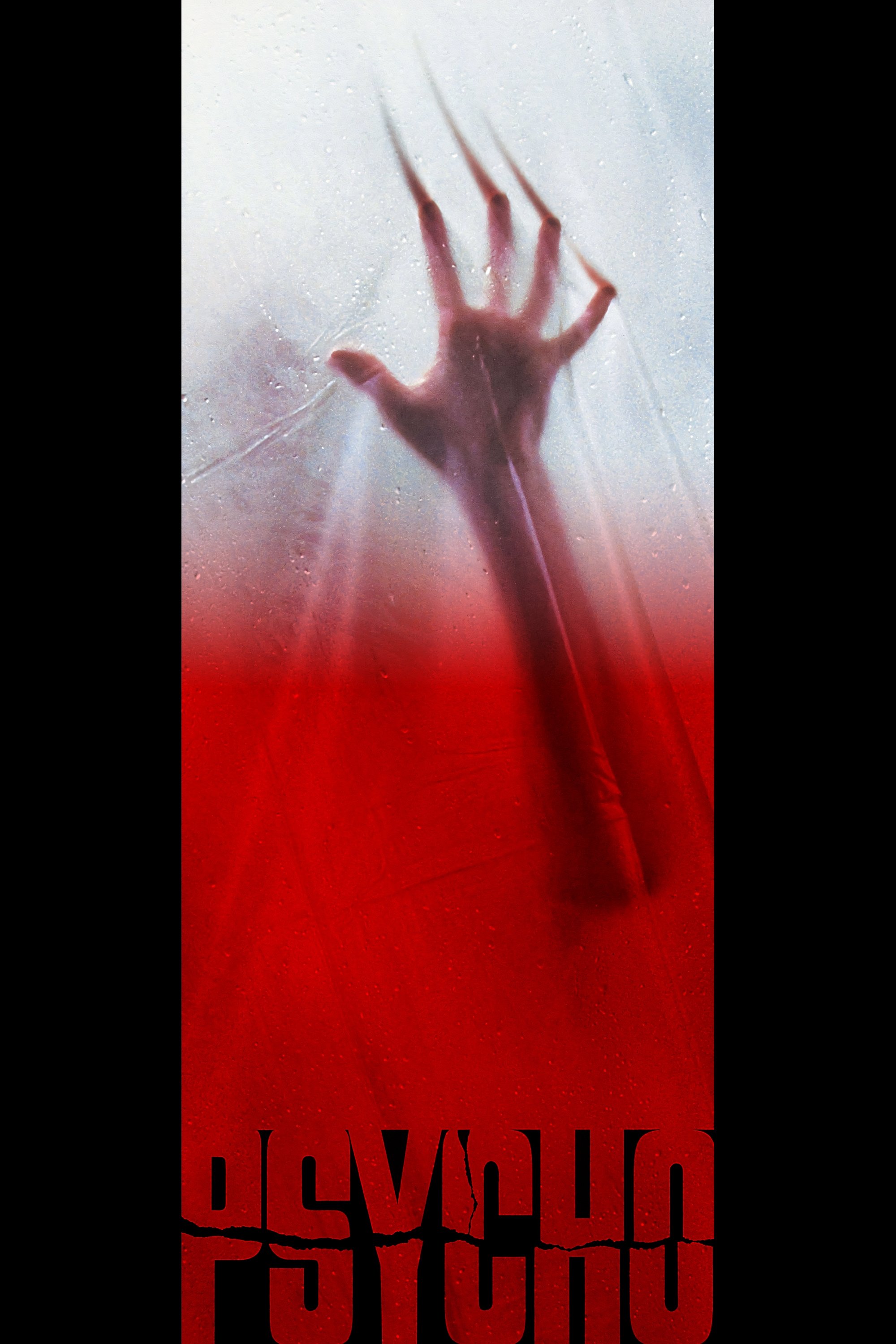
Gus Van Sant, acclaimed for ‘Drugstore Cowboy’ and ‘Good Will Hunting’, undertook a highly literal remake of Alfred Hitchcock’s classic. The new version reproduced camera setups, dialogue, and story beats while recasting the leads with Vince Vaughn, Anne Heche, Julianne Moore, and William H. Macy. The experiment aimed to explore authorship by changing performers and color while holding form constant.
Viewers and critics largely rejected the approach, arguing the exercise added little beyond curiosity value. The movie underperformed and quickly became the go to citation for the risks of remaking canonical titles without a strong reinterpretation, a lesson that has echoed through studio remake discussions ever since.
‘1941’ (1979)
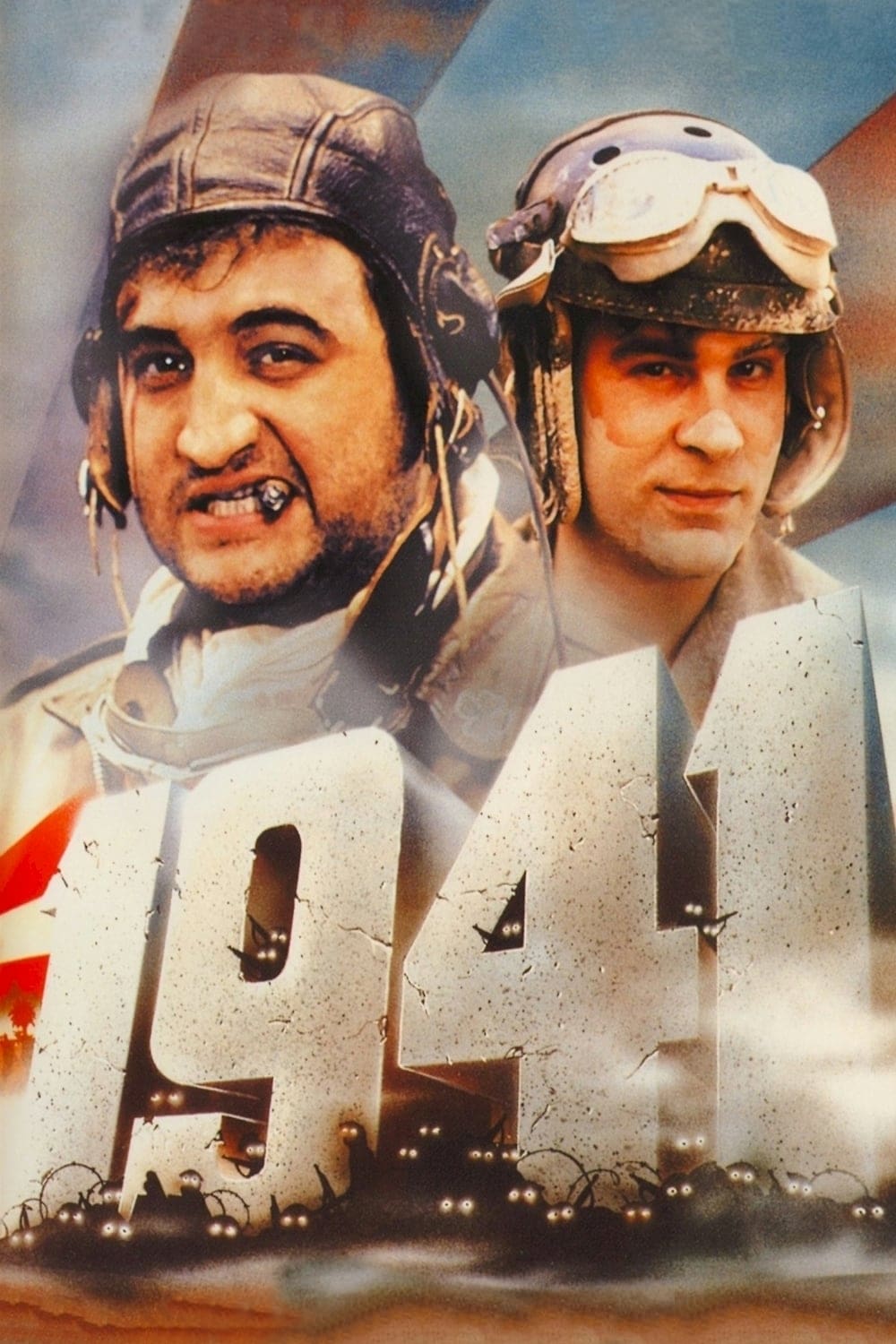
Steven Spielberg pivoted to broad ensemble comedy with this spectacle about wartime panic in Los Angeles after Pearl Harbor. The film assembled an all star cast including John Belushi and Dan Aykroyd and staged large scale effects sequences with elaborate miniatures and destructive gags. The production spared little expense in pursuit of size and slapstick mayhem.
The release drew mixed notices and a reputation for excess that contrasted with the director’s otherwise remarkable streak. While it fared better in some international markets, the domestic performance and critical reaction led to a swift course correction on subsequent projects, and the movie remains a frequently cited misfire in an otherwise towering filmography.
‘Jack’ (1996)
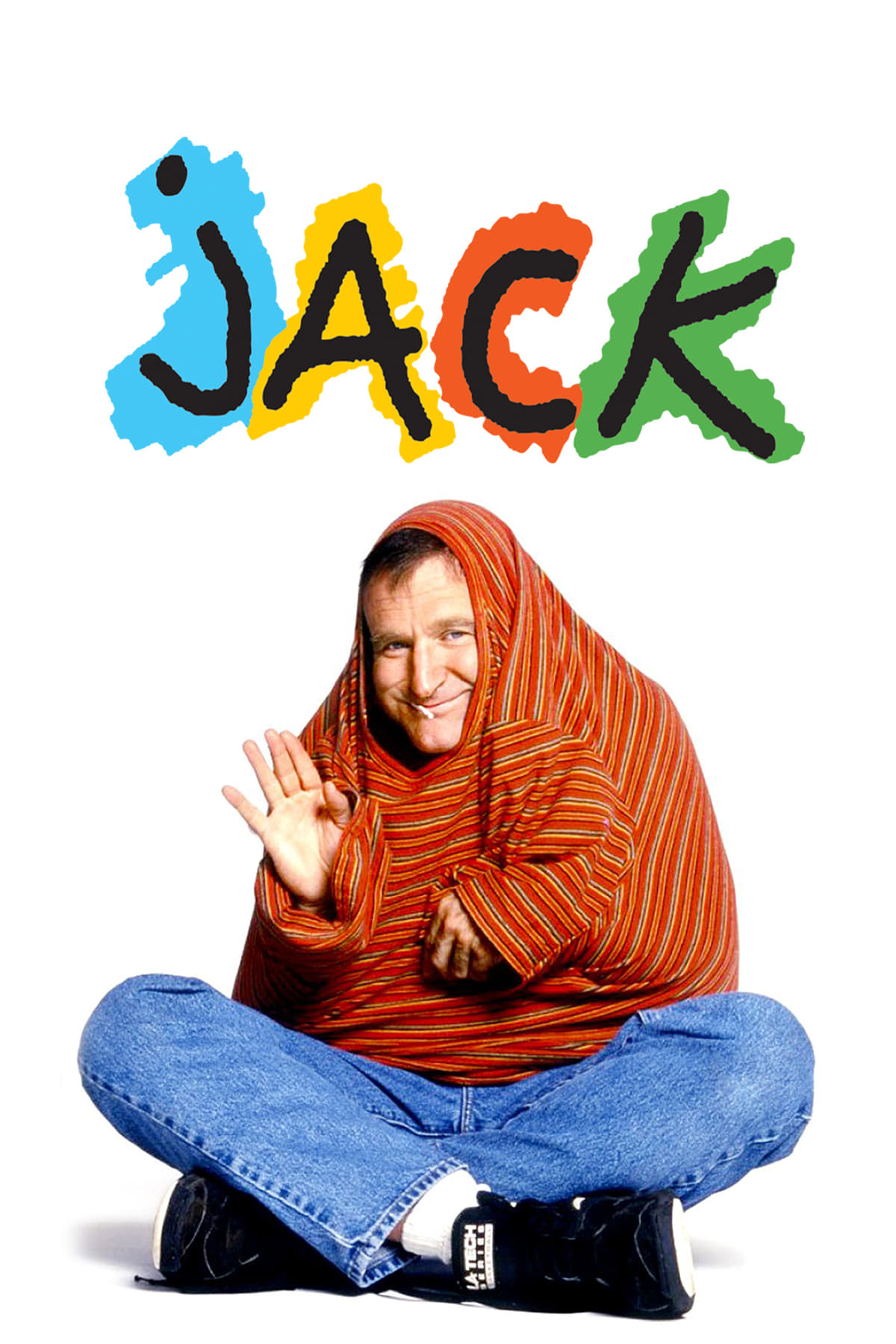
Francis Ford Coppola directed this story of a boy who ages four times faster than normal, with Robin Williams playing the lead alongside Diane Lane, Jennifer Lopez, and Bill Cosby. The production leaned on makeup, performance, and gentle visual effects to sell a fantastical premise within a suburban setting. The studio positioned it as a family friendly dramedy with broad appeal.
Reviews criticized the tonal balance and the handling of the central condition, and the film failed to build long legs in theaters. It later appeared in discussions of the director’s late career experiments that did not connect with audiences, illustrating how even legendary filmmakers can struggle when navigating sentiment, fantasy, and star expectations.
‘The Ladykillers’ (2004)
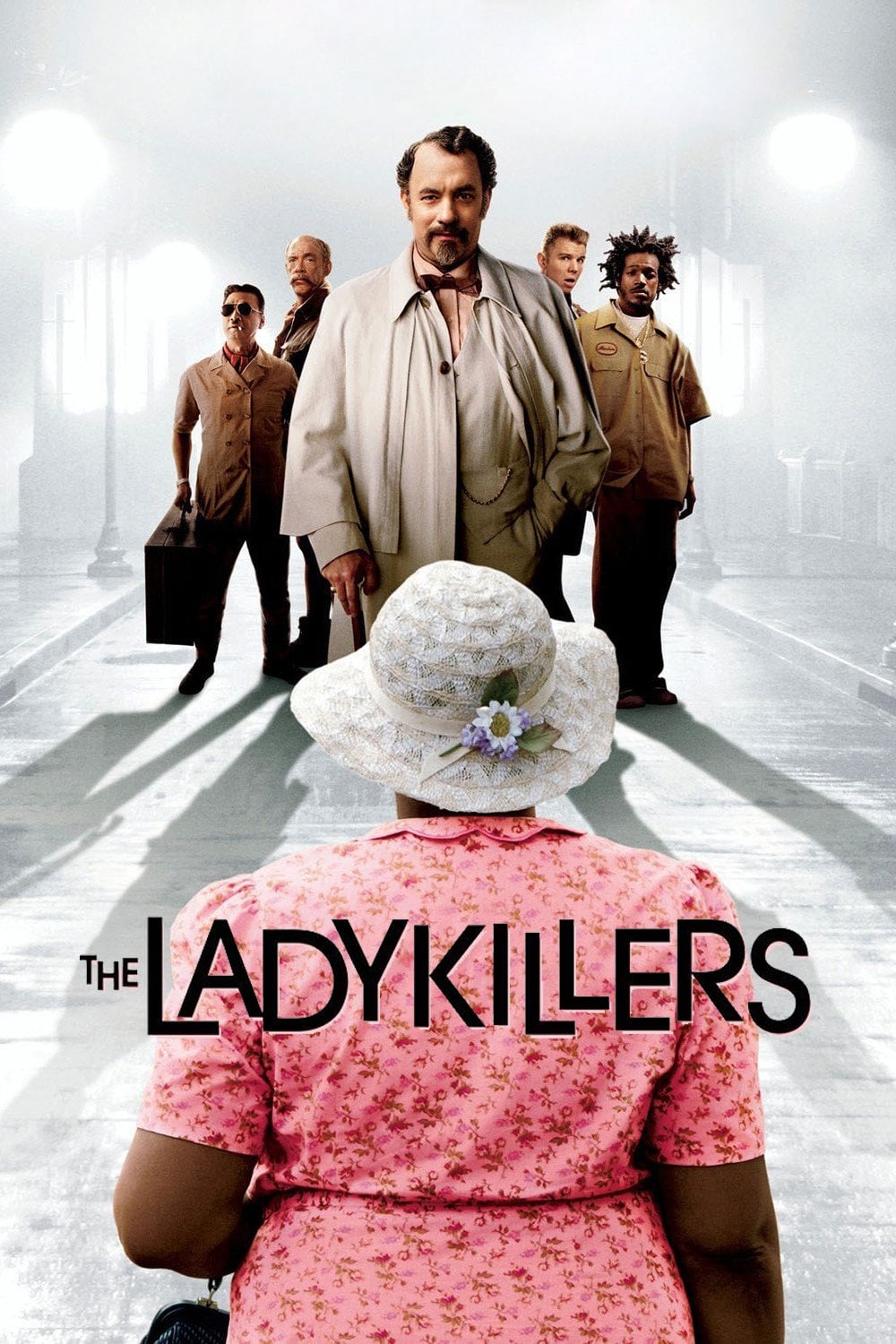
Joel and Ethan Coen remade the beloved Ealing comedy with Tom Hanks as a genteel con man plotting a heist from a Mississippi boarding house. The update shifted the setting and character dynamics while keeping the core scheme and ensemble interplay. Production took place under the Touchstone banner with a recognizable supporting cast.
The film arrived to lukewarm reviews and is often cited as an example of how tricky remakes can be when the source has a fiercely cherished tone. Despite pockets of appreciation for individual performances, the overall reception lagged behind the brothers’ usual standard and the movie quickly slipped out of rotation compared with their other titles from the same era.
‘Alexander’ (2004)
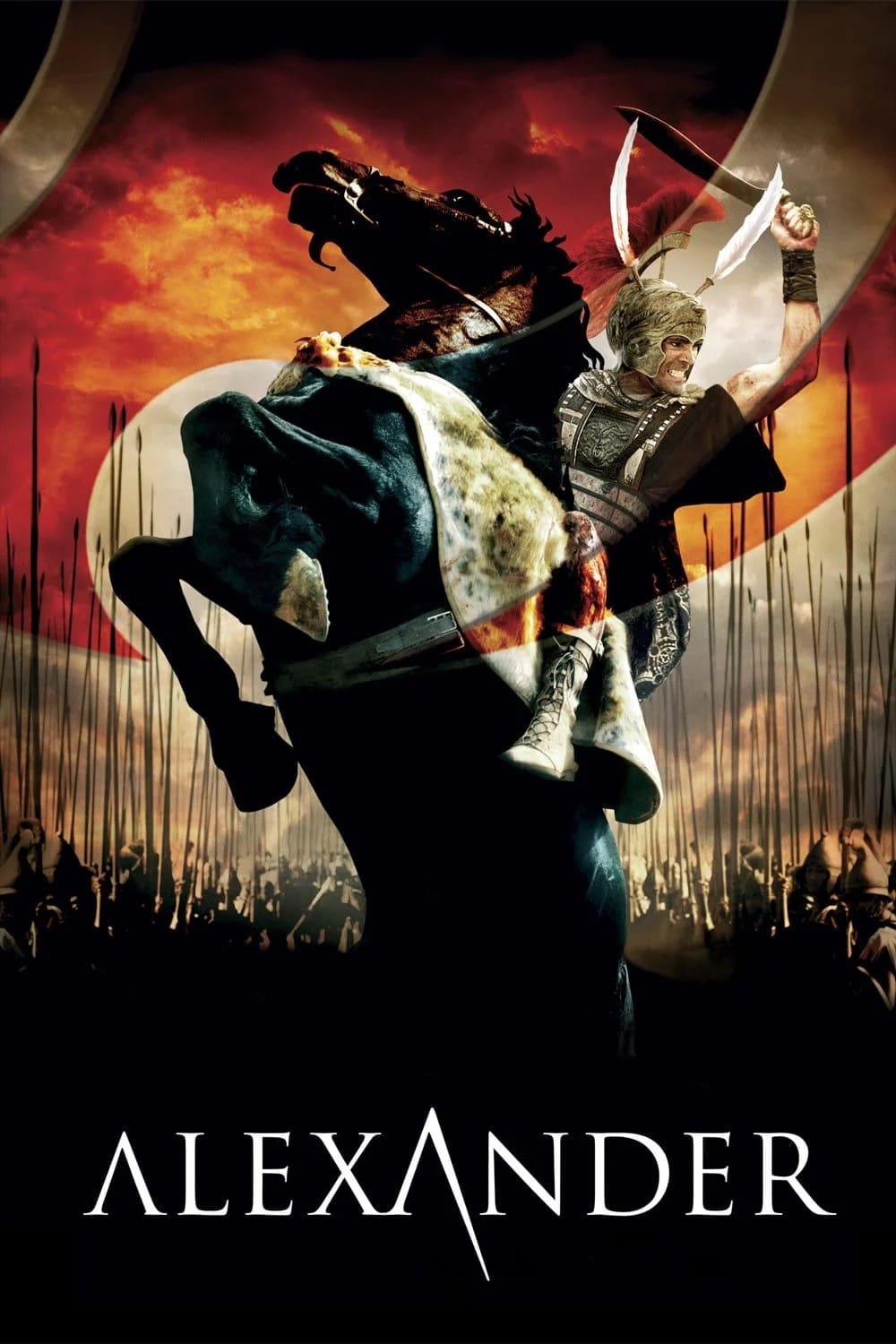
Oliver Stone mounted a sweeping biographical epic starring Colin Farrell, Angelina Jolie, and Val Kilmer. The shoot spanned multiple countries and recreated large scale battles with extensive stunt work and visual effects. The subject’s life demanded a narrative that jumped across continents and years, complicating structure and characterization.
Initial reviews were poor and the theatrical run disappointed domestically. The director subsequently issued multiple alternate cuts for home release, revising structure and emphasis in an effort to improve clarity. The unusual number of versions turned the film into a running example of how editing can radically reshape historical epics after a rough debut.
‘The Last Airbender’ (2010)
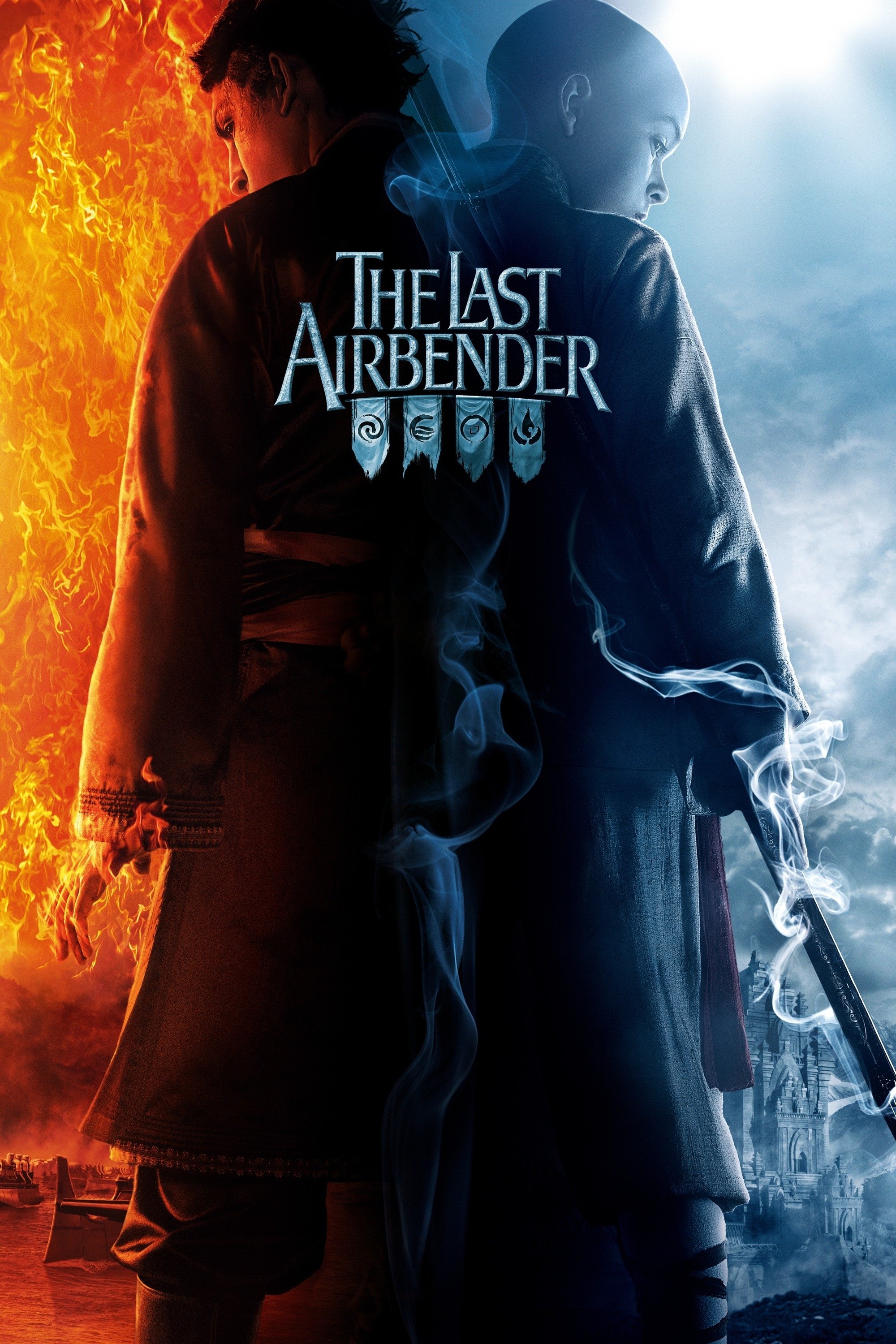
M. Night Shyamalan adapted the animated series ‘Avatar: The Last Airbender’ with plans for a live action trilogy. The production converted to 3D late in the process and relied heavily on visual effects to realize elemental battles and fantastical creatures. Casting decisions drew immediate attention from fans of the source material and from advocacy groups.
The movie was widely panned and gathered numerous Golden Raspberry awards. The planned sequels stalled and the franchise returned to television long before any new feature installment materialized. The outcome highlighted the difficulty of condensing a season of serialized storytelling into a single feature while meeting fan expectations for world building and representation.
‘The Tourist’ (2010)
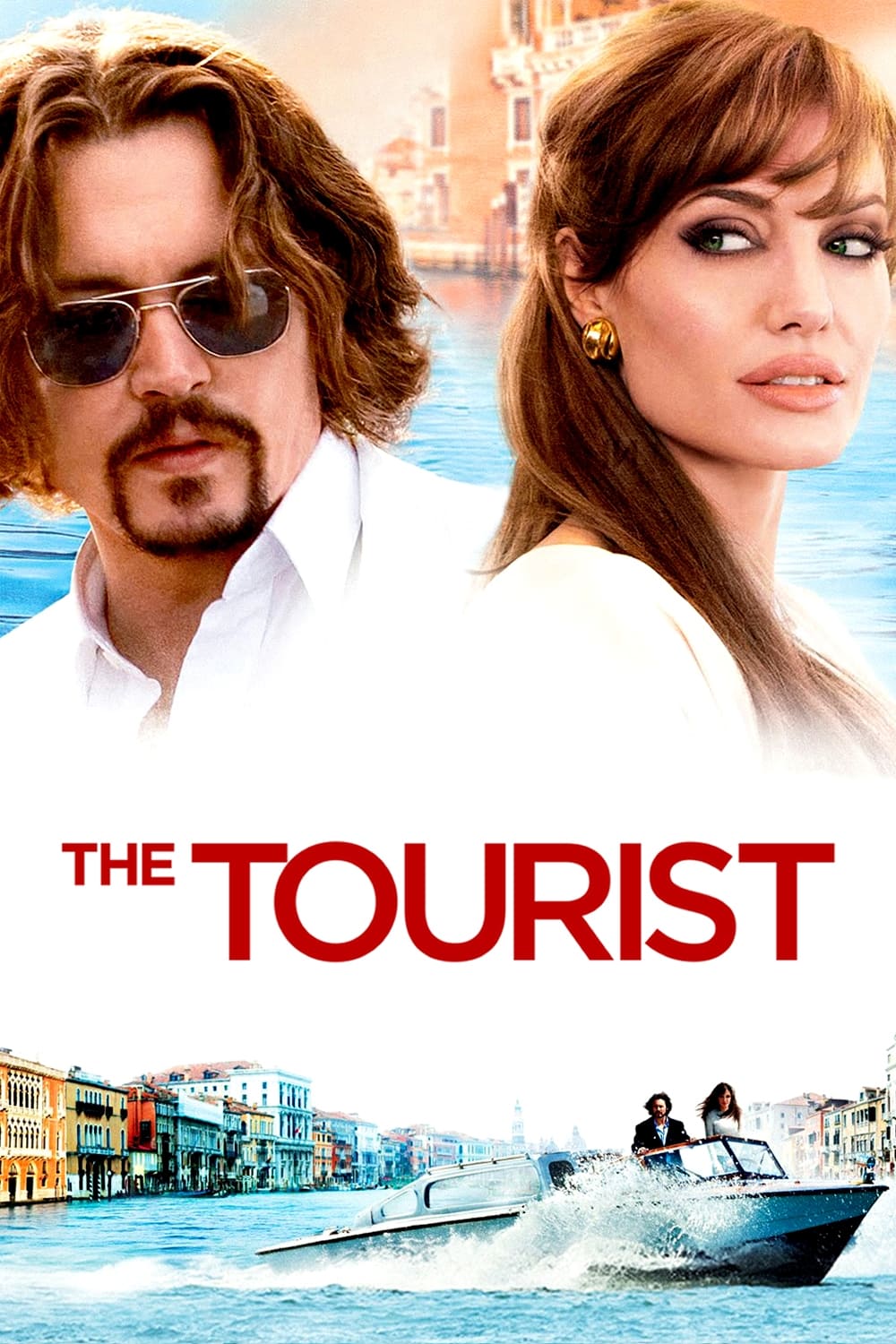
Florian Henckel von Donnersmarck followed ‘The Lives of Others’ with a romantic thriller led by Angelina Jolie and Johnny Depp. The production emphasized Venice locations, couture costuming, and glossy set pieces with an old fashioned caper flavor. Marketing focused on star power and travelogue appeal.
Reviews trended negative, but the film scored strong international grosses and surprising awards nominations in comedy categories, which sparked debate about categorization. The split between domestic reception and overseas turnout made it a frequent reference point for how global audiences can carry a critically maligned vehicle anchored by marquee names.
‘Aloha’ (2015)

Cameron Crowe set this contemporary story in Hawaii with Bradley Cooper, Emma Stone, Rachel McAdams, and Bill Murray. The plot combined military contracting, satellite technology, and a romantic triangle, while production worked closely with local crews and cultural advisors. The Sony email leak put the project under a microscope months before release.
The movie drew criticism for casting Emma Stone as a character written with Hawaiian and Asian heritage, prompting a public apology from the director. Reviews were poor and domestic box office fell short of expectations. The controversy fueled broader industry conversations about representation, crediting, and the responsibilities of filmmakers working in specific cultural settings.
‘Jupiter Ascending’ (2015)
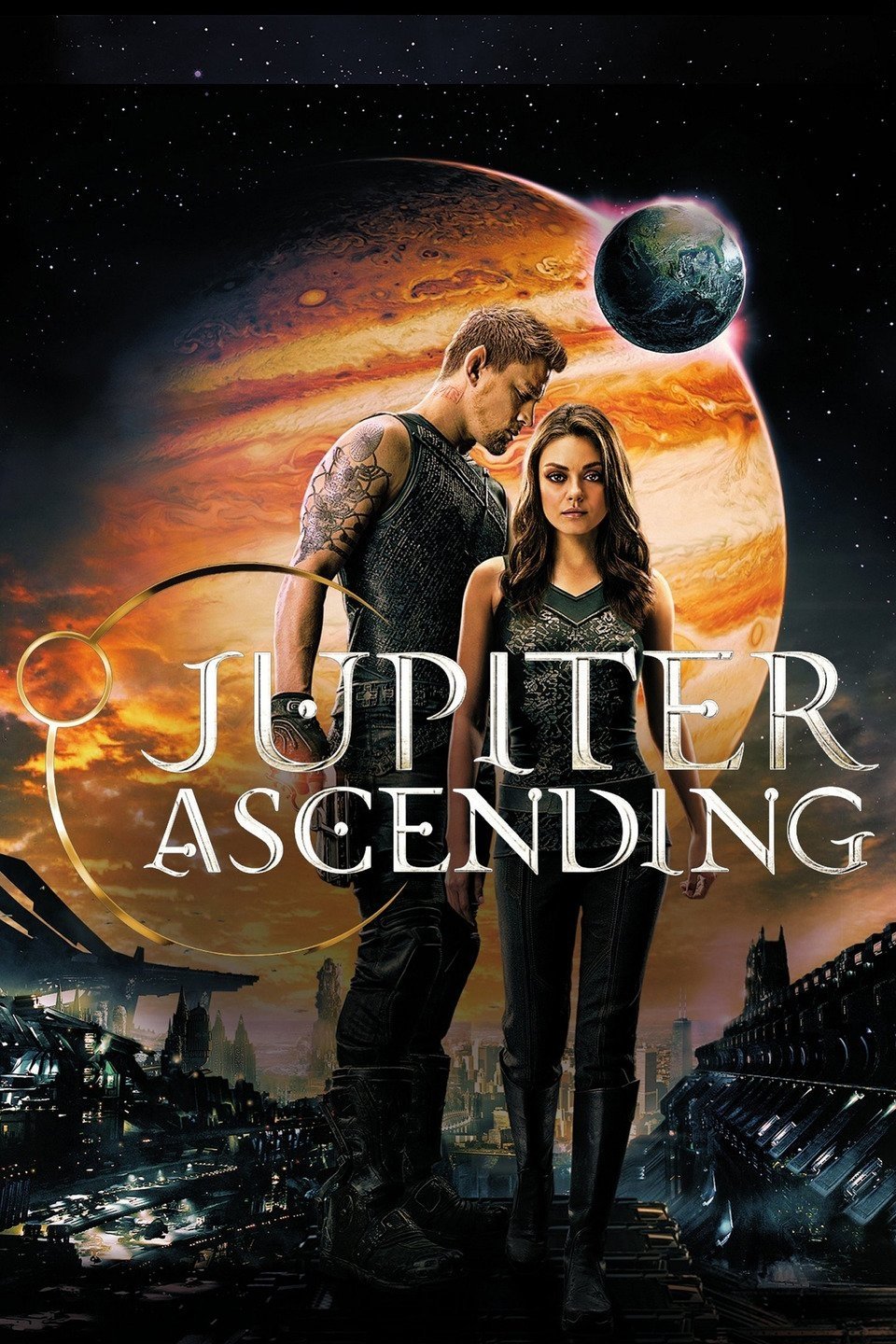
The Wachowskis introduced an original space opera starring Mila Kunis and Channing Tatum, with extensive world building across royal houses, gene splicing, and interstellar commerce. The release date shifted from a prime summer corridor to early the following year to accommodate additional effects work and positioning. The production blended practical sets with heavy digital environments.
Reaction fixated on tonal swings and narrative complexity, and the film won multiple Golden Raspberry awards, including attention for Eddie Redmayne’s performance during the same awards season he was celebrated elsewhere. International markets helped soften domestic shortfalls, but the movie quickly became a watchword for the risks of launching an unproven big budget mythology.
‘Pan’ (2015)

Joe Wright delivered an origin story for Peter Pan with Levi Miller, Hugh Jackman, and Rooney Mara. The production designed a colorful Neverland with large scale action numbers and musical cues that nodded to modern pop. The choice to cast Rooney Mara as Tiger Lily drew widespread criticism amid ongoing industry scrutiny of representation.
The film opened to weak numbers and unfavorable reviews, and studio plans for a franchise cooled. Its rollout is now cited in case studies about brand prequels that hinge on risky casting and tonal decisions, especially when the target audience spans families and adult fans of well known literary properties.
‘The Snowman’ (2017)
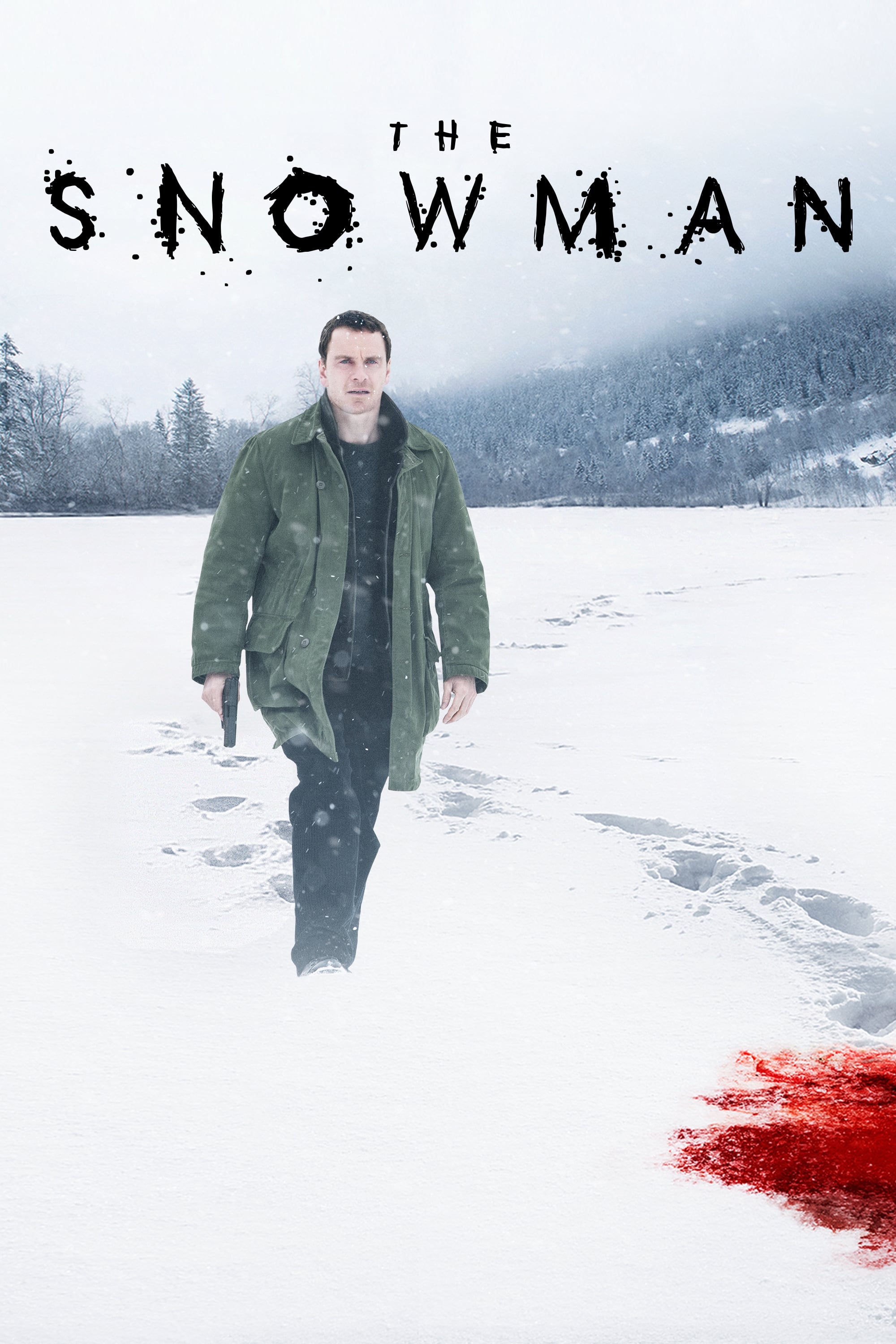
Tomas Alfredson adapted Jo Nesbø’s bestselling crime novel with Michael Fassbender and Rebecca Ferguson. The production shot across Norway with stark winter landscapes and aimed to launch a potential series. The director later stated that schedules prevented completion of all planned scenes, leaving gaps that complicated the edit.
Critics pointed to narrative incoherence and the movie performed poorly in key markets. The release spurred discussion about shooting schedules, post production timelines, and the limits of patching major missing material in the edit suite, all of which turned the project into a sobering example for studios hoping to build franchises from prestige crime novels.
‘Downsizing’ (2017)
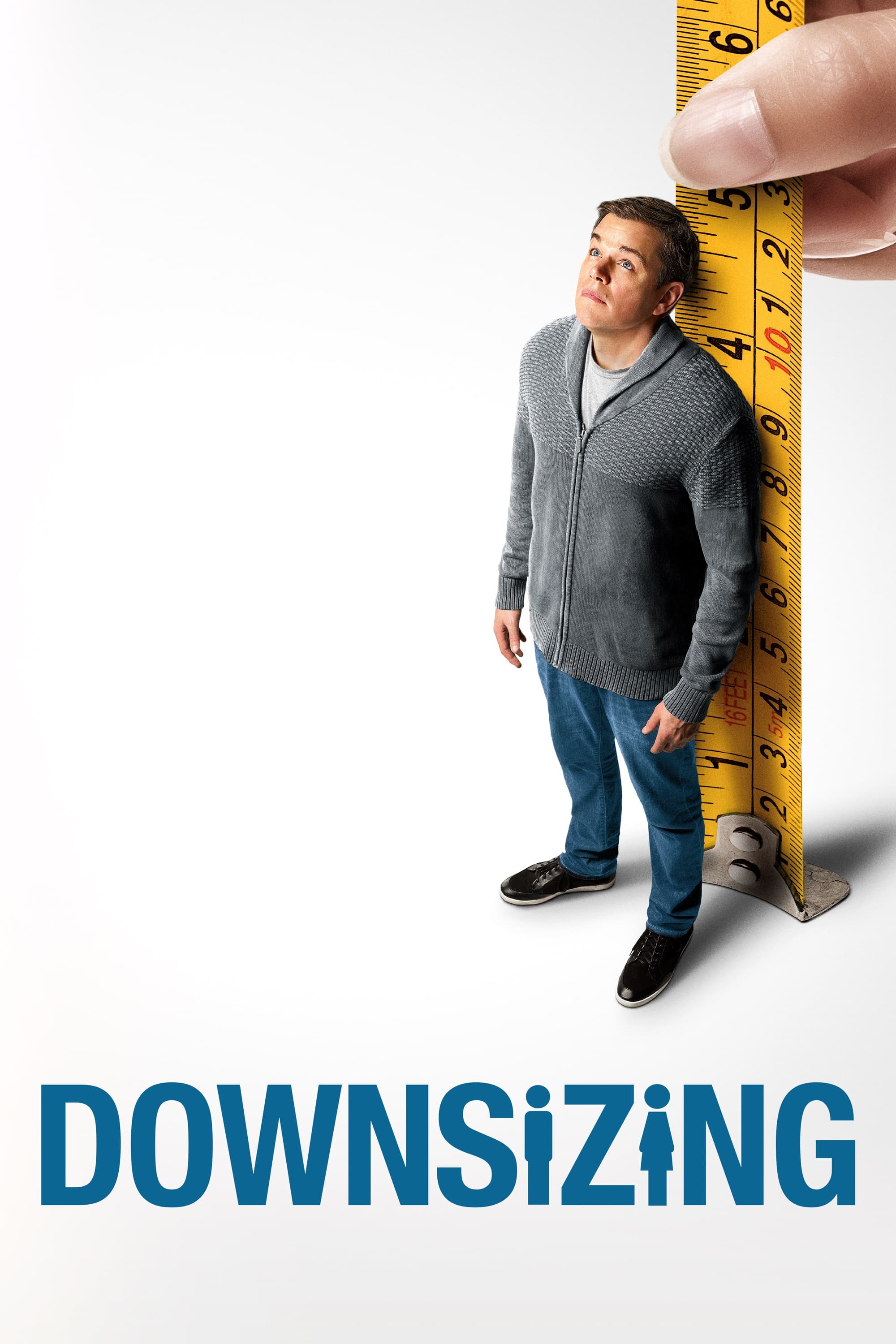
Alexander Payne pursued a high concept satire about people shrinking themselves to live better on fewer resources. The project shifted cast configurations during development and finally premiered at a major European festival to strong curiosity. Hong Chau’s supporting turn earned attention and sparked conversations about representation and accent choices.
Despite an ambitious premise, the film struggled to convert awareness into sustained ticket sales and drew mixed reviews. Its outcome underscored how difficult it can be to scale a specialized filmmaker’s sensibility to effects driven world building while preserving the intimate character work that drew acclaim on earlier, smaller canvases.
‘Welcome to Marwen’ (2018)
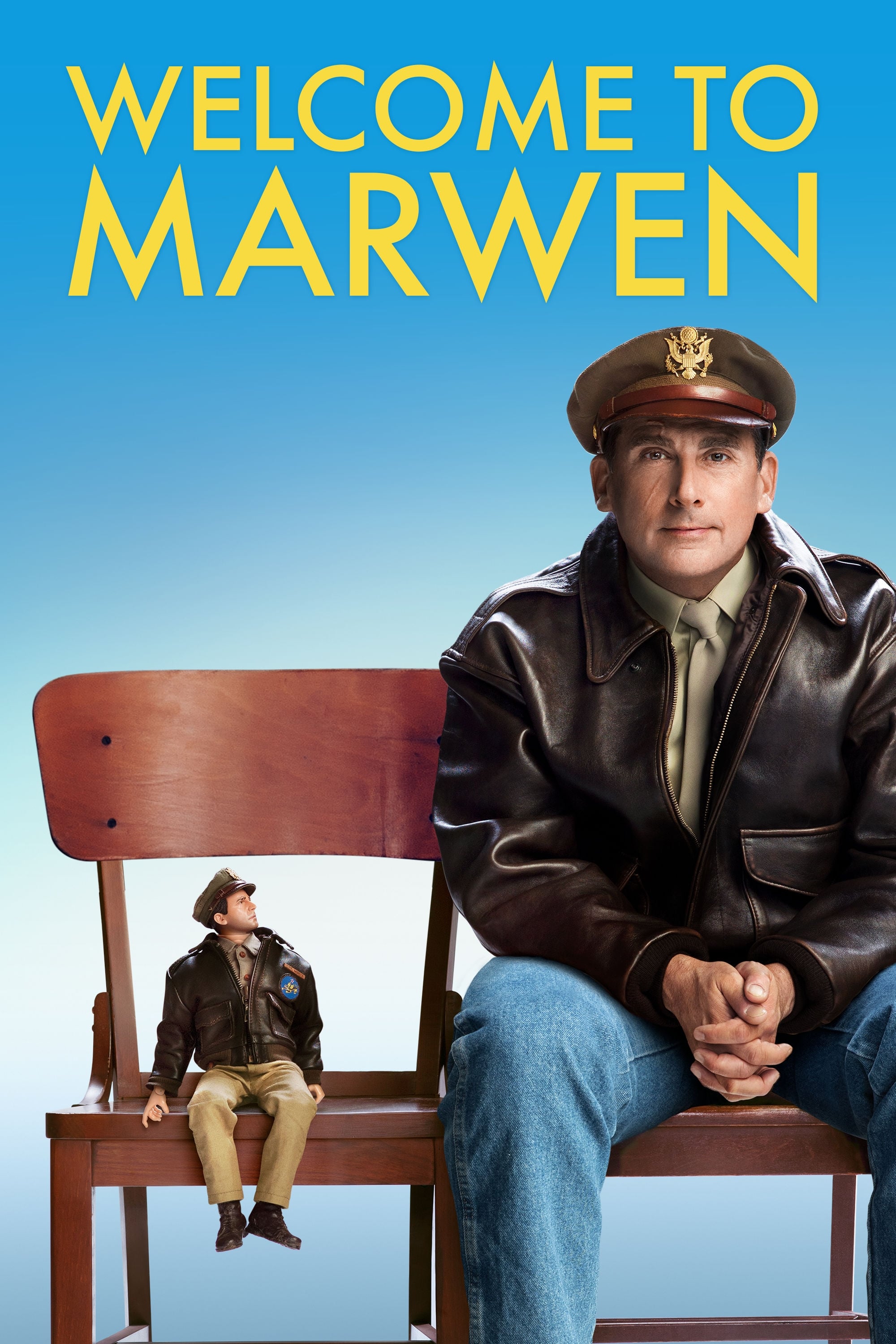
Robert Zemeckis dramatized the true story depicted in the documentary ‘Marwencol’, with Steve Carell portraying an artist who creates a miniature town as a coping mechanism. The production leaned on performance capture, digital environments, and stylized action sequences that mirrored the protagonist’s diorama battles. Trailers highlighted an inspirational arc and visual inventiveness.
The film underperformed and reviews questioned the blend of fantasy and trauma. It became a prominent example of an Oscar winning filmmaker applying cutting edge technology to intimate subject matter with results that audiences did not embrace, joining conversations about the limits of digital technique when emotional tone proves difficult to calibrate.
‘Cats’ (2019)
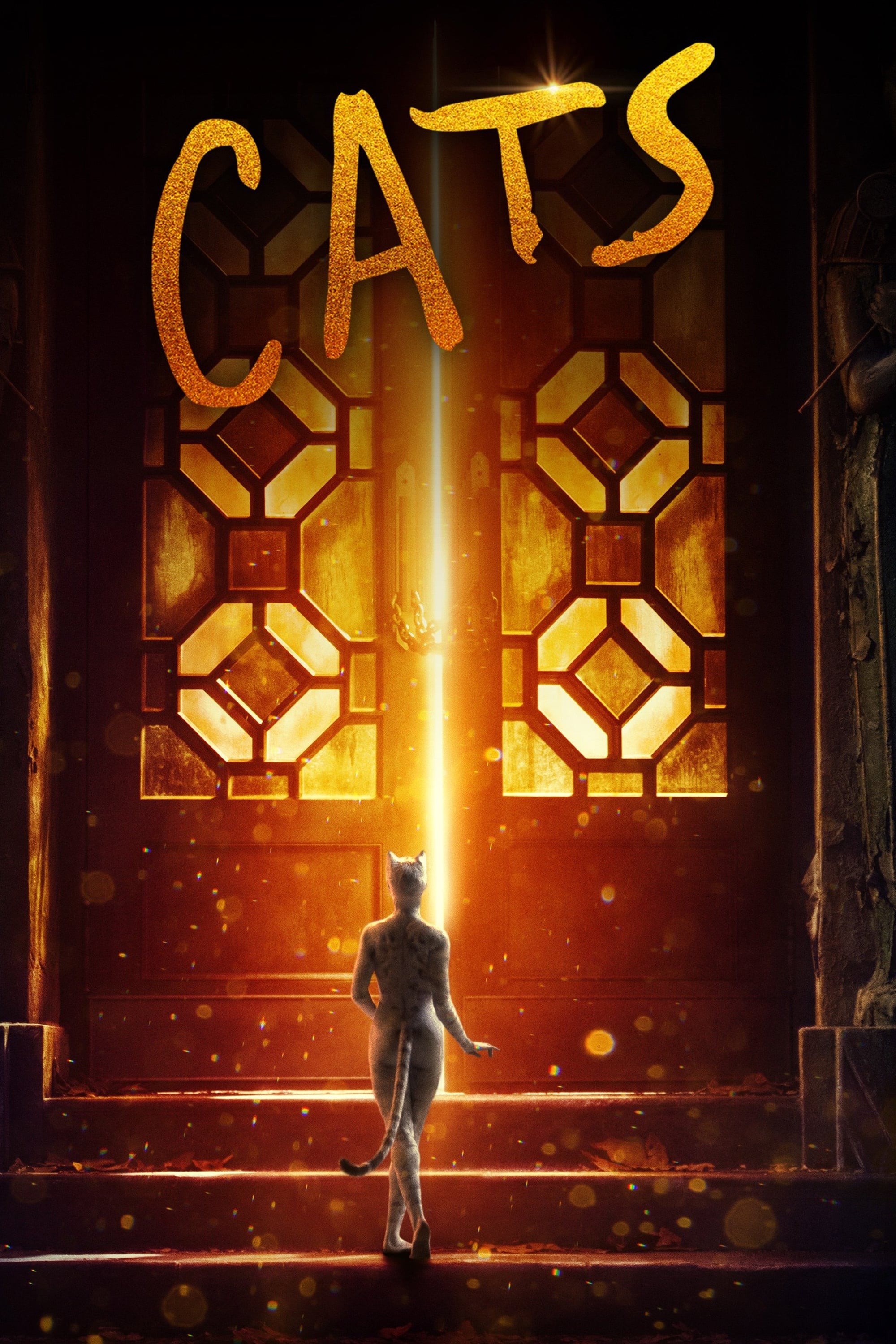
Tom Hooper adapted the long running stage musical with an ensemble that included Jennifer Hudson, Judi Dench, Idris Elba, and Taylor Swift. The production used digital fur technology to merge live action performances with feline designs and released a revised print to theaters shortly after opening to address visual effects issues spotted on screen.
The movie earned multiple Golden Raspberry awards and saw a swift box office decline after a widely discussed opening weekend. Its rollout prompted industry debate about VFX schedules, quality control, and the challenges of translating a theatrical phenomenon into a cinematic form that relies on photorealism rather than stage abstraction.
‘The Goldfinch’ (2019)
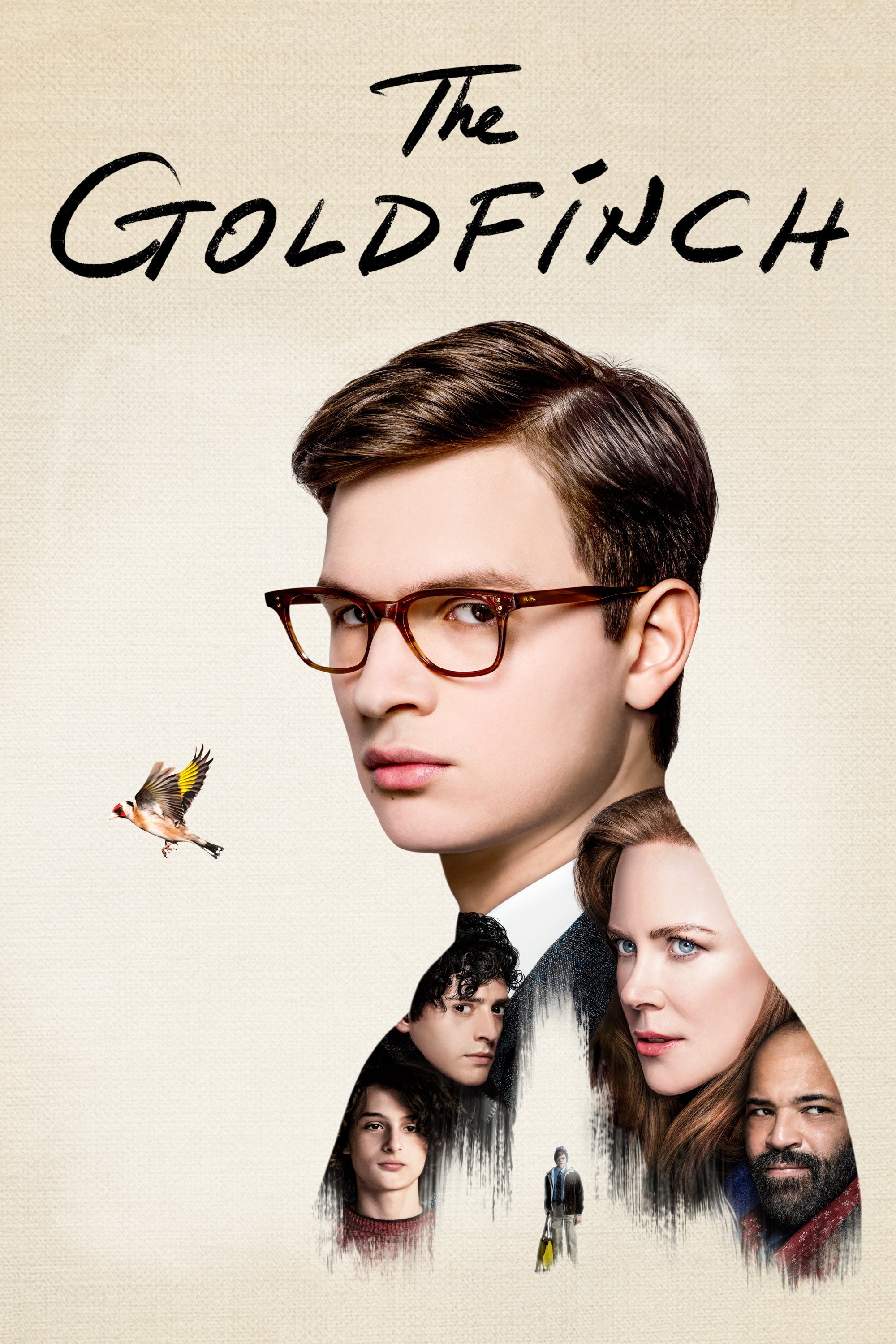
John Crowley adapted Donna Tartt’s Pulitzer winning novel with Ansel Elgort, Nicole Kidman, and Jeffrey Wright. The production condensed a complex time hopping narrative while preserving key locations and signature plot turns. Its festival debut positioned the film as a prestige contender with an awards season window.
Reviews criticized structure and tone, and the movie posted one of the weakest openings for a major literary adaptation in recent memory. The outcome reverberated through studio conversations about the risks of compressing lengthy novels into single features without extended running times or limited series formats, especially when audience familiarity sets a high bar for faithfulness.
Tell us which title you would add to the list and why in the comments.