Evan Rachel Wood (38) Says She Still Gets ‘Followed by Cars’ Years After Marilyn Manson (57) Sexual Abuse Allegations

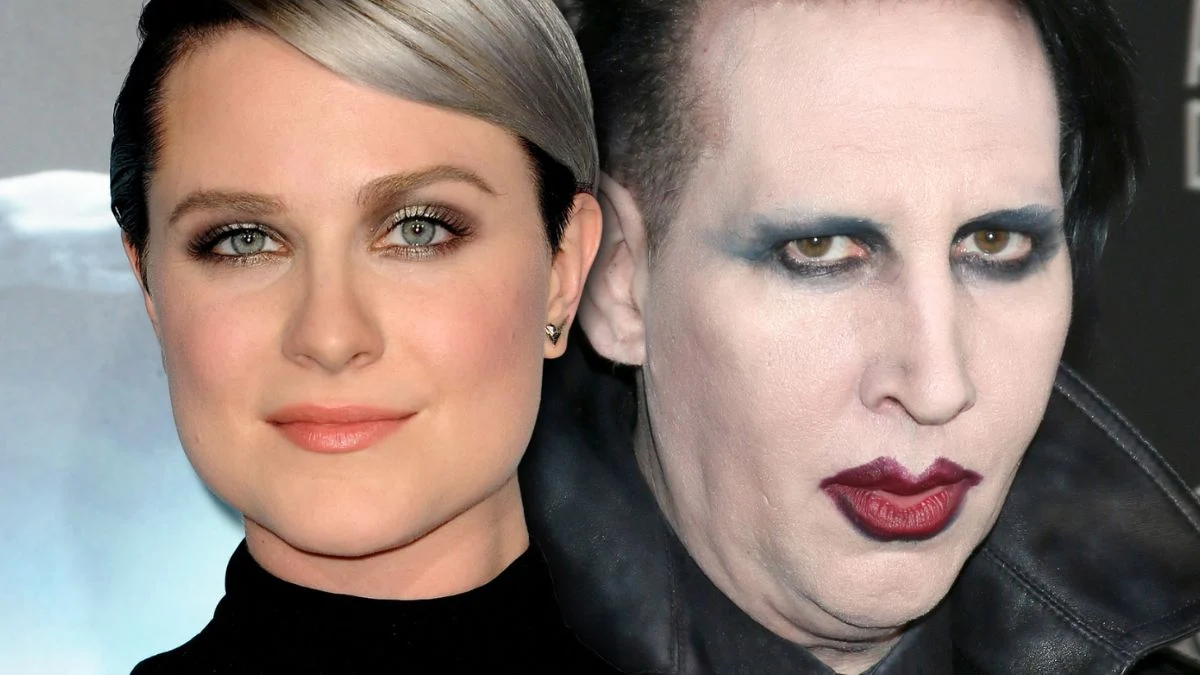

Evan Rachel Wood says she still experiences harassment years after she first accused Marilyn Manson of sexual abuse.
The comments were shared in a recent interview with The Times in the UK, where the actress spoke about the lasting impact of going public with her allegations. Wood first made her claims in 2021, saying that Manson groomed her when she was a teenager and abused her during their relationship. Manson has denied all of the allegations.
In the interview, Wood described ongoing incidents that still affect her daily life. She said she continues to feel unsafe at times and believes the harassment has not stopped.
She said, “I still get followed by cars. I still have phishing attempts on my computer. I still have numbers calling me over and over again.”
Wood also spoke more broadly about what she sees as the power dynamics involved in her past relationship with Manson. She compared the situation to a controlling system and said it had a cult-like structure.
She said, “His circle, his sphere, it operated very much like a cult.”
She added that speaking out was not easy and came with fear of backlash and pressure. According to her, people who come forward in situations like this often face intimidation and attempts to silence them.
Wood originally went public with her accusations in 2021. After that, several other women also made similar allegations against Manson. He has repeatedly denied all claims, calling them false.
Her story was later explored in the 2022 HBO documentary Phoenix Rising, where she spoke in more detail about her relationship with him. Manson later filed a defamation lawsuit against Wood, but it was dropped in 2024.
Legal proceedings involving Manson have continued to develop over the years, but prosecutors have not brought criminal charges that move forward in court. Some cases have been affected by time limits or legal standards of proof.
Wood said that despite the lack of legal resolution, she still feels a complicated sense of validation and frustration. She described the situation as proof that survivors often face difficult systems when trying to be heard.
This situation shows how long the effects of public accusations and legal battles can last for people involved. It also raises questions about safety, privacy, and how survivors are treated after speaking out. What do you think about her comments and the ongoing situation?