Every ‘Carrie’ Movie Explained From Brian De Palma’s Original to the Chloë Grace Moretz Remake



Stephen King’s debut novel introduced the world to Carrie White, and in the decades since, her story has made its way to the screen four separate times. There are four major adaptations of Stephen King’s Carrie, and each one takes a slightly different approach to the shy teenager plagued by telekinetic abilities and merciless bullies.
For anyone trying to watch the ‘Carrie’ franchise in order, the lineup spans nearly four decades of horror filmmaking, moving from a 1970s theatrical landmark to a modern studio remake. Below is a rundown of every ‘Carrie’ movie in the order they were released, along with the cast, plot, and reception details that separate one from the next.
‘Carrie’ (1976)
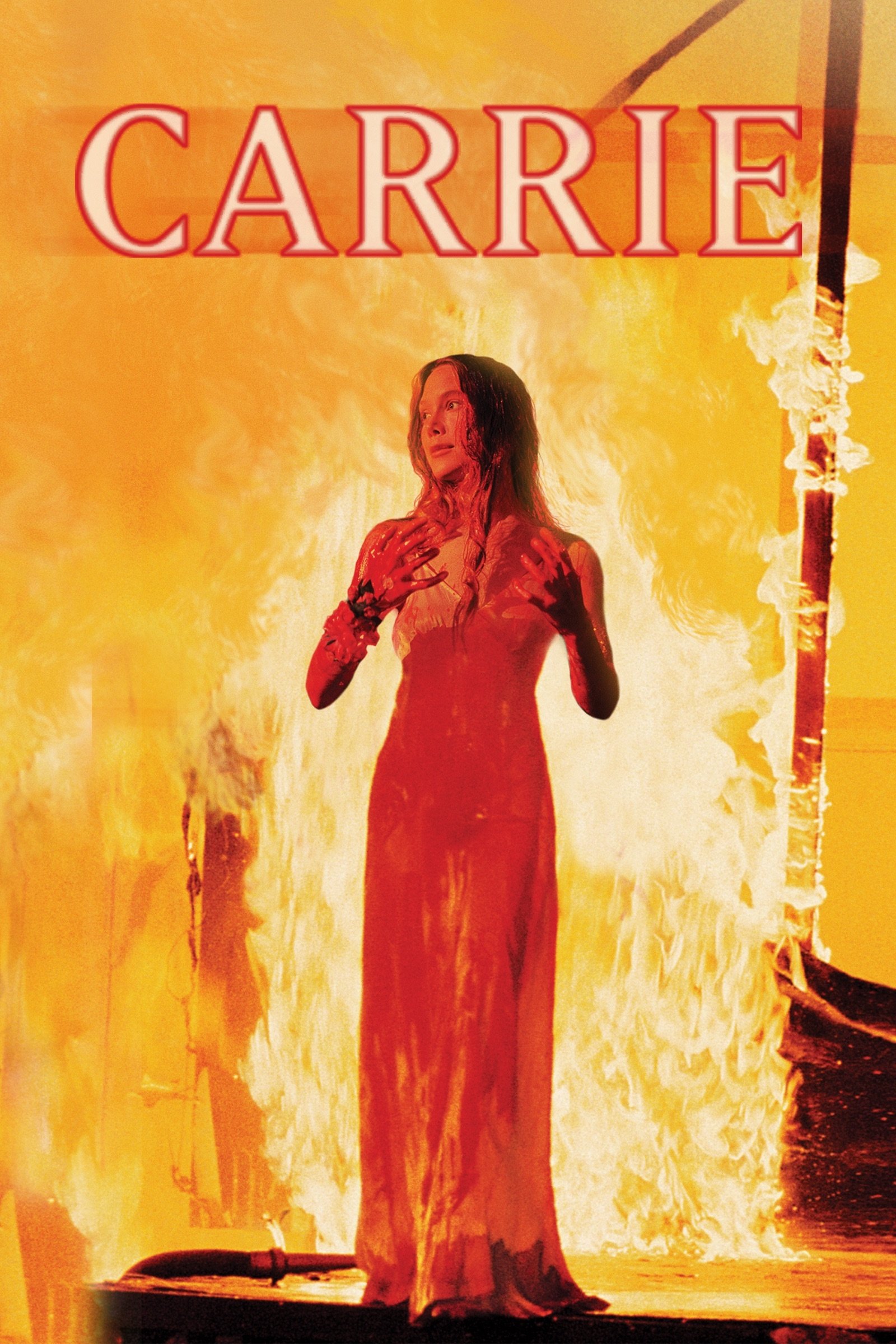
Carrie is a 1976 American supernatural horror film directed by Brian De Palma from a screenplay written by Lawrence D. Cohen, adapted from Stephen King’s 1974 novel of the same name. The film was produced by Paul Monash and stars Sissy Spacek, John Travolta, and Piper Laurie. Withdrawn and sensitive teenager Carrie White faces bullying from classmates and abuse from her fanatically pious mother, and when she begins to suspect she has supernatural powers, things take a dark and violent turn.
Carrie is ridiculed by her fellow classmates after having her first period, as her religious mother Margaret claims the incident was caused by sin, and the humiliation only deepens when her bully Chris Hargensen and boyfriend Billy Nolan plot revenge involving a bucket of pig’s blood at the senior prom. The supporting cast also includes Amy Irving, Nancy Allen, William Katt, and Betty Buckley.
Released on November 3, 1976, the film ran 98 minutes on a modest budget of 1.8 million dollars and went on to earn 33.8 million dollars at the box office. It shocked audiences, was a box office smash, and earned Academy Award nominations for both Spacek and Laurie, who played Carrie’s overbearing, religious fanatic mother. The film also features John Travolta in his first major motion picture role.
The film received two Academy Award nominations, one for Spacek in the title role and one for Laurie as her abusive mother, and it was the first of more than 100 film and television productions eventually adapted from Stephen King’s published works. Its enduring reputation is largely why later versions have struggled to escape its shadow.
‘The Rage: Carrie 2’ (1999)
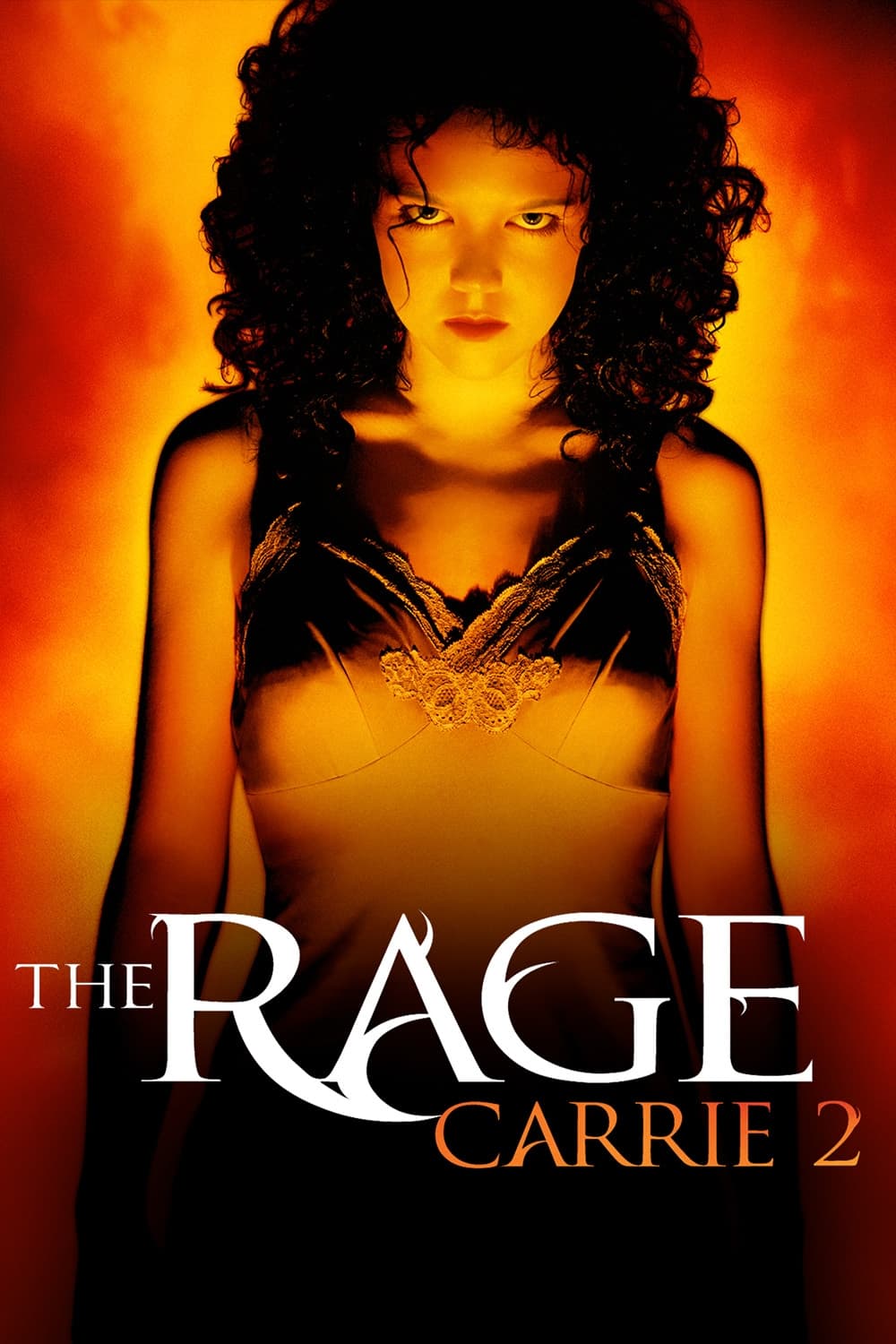
The Rage: Carrie 2 is a 1999 American film directed by Katt Shea and written by Rafael Moreu, produced by Paul Monash and based on Carrie by Stephen King. Its plot follows Rachel Lang, the younger half-sister of Carrie White, who also has telekinesis, and who discovers that her best friend Lisa Parker’s suicide was spurred by a group of popular male classmates who exploited her for sexual gain.
The film was originally titled The Curse and had no connection to the Carrie novel or film, but it was eventually rewritten to become a direct sequel to the 1976 movie, and it was shot on location in and around Charlotte, North Carolina in the spring of 1998. Before the rewrite, original director Robert Mandel was fired about one week into filming after executives grew concerned about the dailies and mounting costs, and Katt Shea was brought in to take over, requiring much of the film to be reshot.
The film stars Emily Bergl, Jason London, Dylan Bruno, and J. Smith Cameron, along with Amy Irving, who reprises her role of Sue Snell from the previous film and is the only actor to do so. Sissy Spacek declined an invitation to make a cameo, but allowed archival footage of her from the 1976 film to be used instead.
Released on March 12, 1999, The Rage was a box office bomb, grossing 17 million dollars against a 21 million dollar production budget, and it received generally negative reviews that criticized the recycling of the original film’s story and themes. Reviews were poor enough that audiences gave the sequel a C+ CinemaScore, and its earnings dropped sharply in the weeks that followed.
‘Carrie’ (2002)
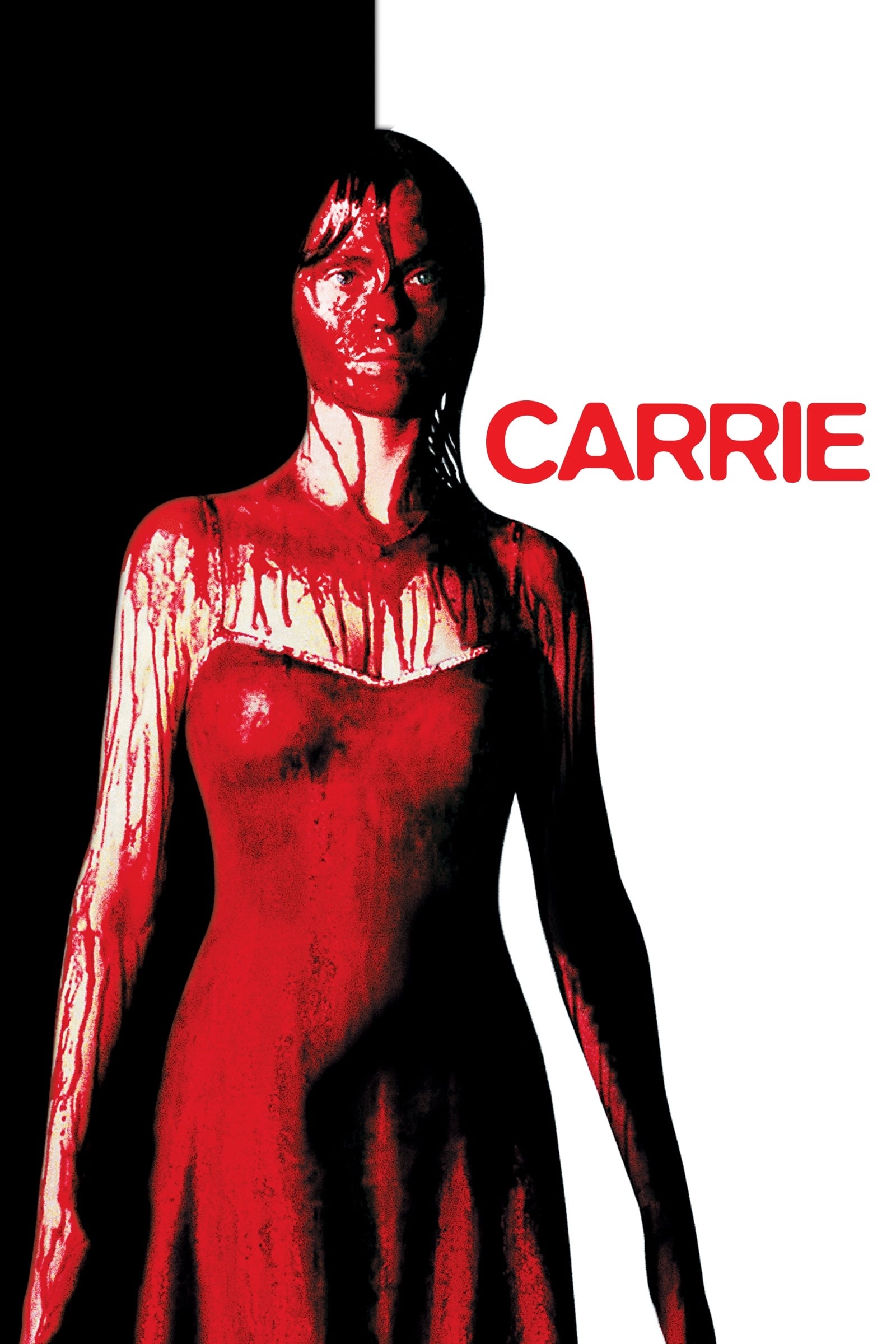
Carrie is a 2002 supernatural horror television film based on the 1974 novel by Stephen King, written by Bryan Fuller and directed by David Carson, and it is the second film adaptation and a re-imagining of the novel and the third film in the Carrie franchise. In the story, Carrie White, a shy girl harassed by her schoolmates, disappears, and a series of flashbacks reveal what has happened to her.
Filmed in Vancouver, the project was commissioned as a stand-alone feature by NBC, but the studios intended it as a backdoor pilot for a potential television series, and the ending of the novel was changed accordingly, though no follow-up series was ever produced. The cast is led by Angela Bettis in the title role, with Patricia Clarkson as Margaret White, Kandyse McClure as Sue Snell, and Emilie de Ravin as Chris Hargensen, alongside Rena Sofer, Tobias Mehler, and David Keith.
The film premiered on NBC on November 4, 2002, and was viewed by 12.21 million people, and it received award nominations including a Saturn Award for Best Television Presentation at the 29th Saturn Awards. Despite those nominations, the film was largely panned by critics for poor special effects, a lack of horror atmosphere, and a long runtime, though the performances from Bettis and Clarkson were heavily acclaimed.
Even years later, this small screen adaptation is noted for leaning more into psychological tension and exploring the emotional trauma behind Carrie’s powers in a grounded way. Of the four adaptations, this made for television version remains the most faithful attempt at replicating the tone and structure of King’s original novel.
‘Carrie’ (2013)
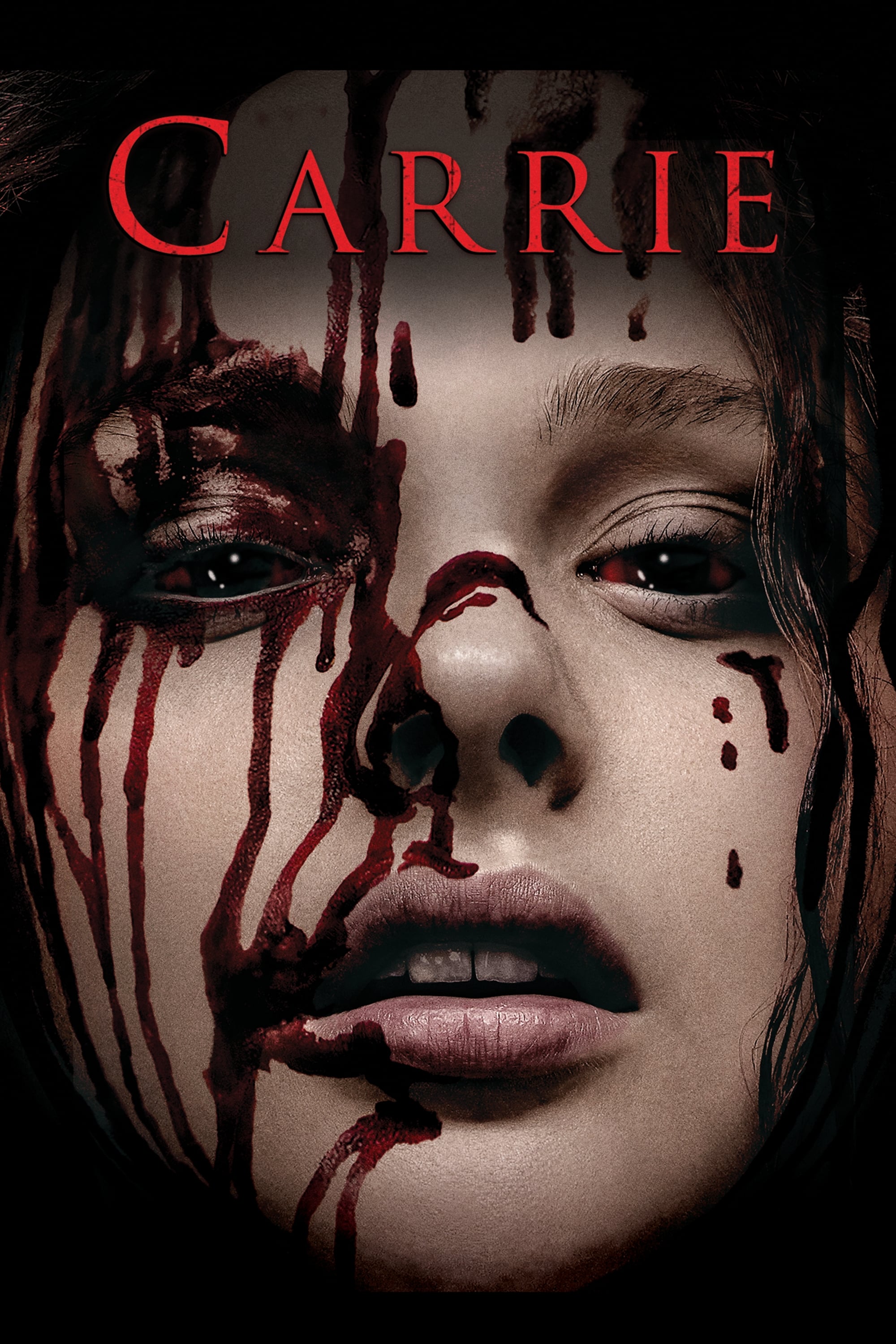
Carrie is a 2013 American supernatural horror film directed by Kimberly Peirce, with a screenplay by Lawrence D. Cohen and Roberto Aguirre-Sacasa, produced by Kevin Misher. A shy and awkward teenager raised by a religious zealot mother, Carrie is frequently the target of bullies, but she has a secret talent, the ability to make things move with her mind, and a cruel prank at her senior prom pushes her over the edge and causes her to unleash her telekinetic powers.
The film stars Chloë Grace Moretz as Carrie White and Julianne Moore as Margaret White, with Judy Greer as Miss Desjardin, Portia Doubleday as Chris Hargensen, Gabriella Wilde as Sue Snell, and Ansel Elgort as Tommy Ross. Because Moretz was a minor during filming, she was limited to eight hours of work per day, and many of Moore’s scenes opposite her character were shot with director Kimberly Peirce standing in off camera.
To help prepare Moretz for the role, Peirce reportedly sent the young actress to homeless shelters to meet people who had lived difficult lives, and Moretz has said she deliberately avoided watching earlier versions of the film so she could create her own interpretation of the character rather than echo Sissy Spacek or Angela Bettis.
Released in the United States on October 18, 2013, the film ran 99 minutes on a 30 million dollar budget and earned 84.8 million dollars worldwide. In December 2022, the film was selected for inclusion in the United States National Film Registry. Nearly fifty years after Carrie White first walked into a shower room in 1976, her story has proven durable enough to survive four wildly different eras of filmmaking, and it seems fair to ask which of these four versions actually got her right.