


Every ‘Star Trek’ Movie, Ranked from Worst to Best

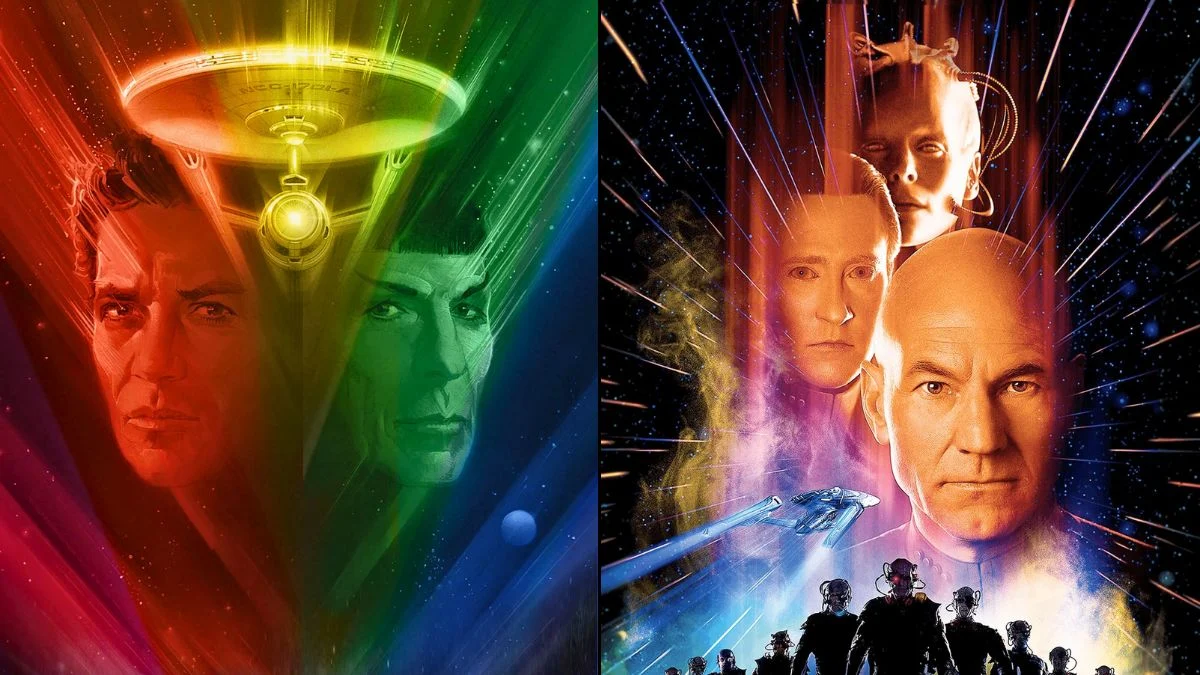


The big screen voyages of ‘Star Trek’ stretch across decades and generations, moving from the original crew to the Next Generation and into a new timeline with a younger cast. Across these films you see returning adversaries, new species, and a steady evolution in effects, music, and design as the franchise adapts to each era of filmmaking.
To make this list clear and consistent the films are ordered by overall audience ratings on a major movie database, presented from the lowest score up to the highest. You will find basic story setups, key creative credits, and notable production details for each entry so you can quickly place each film in the larger saga.
‘Star Trek V: The Final Frontier’ (1989)
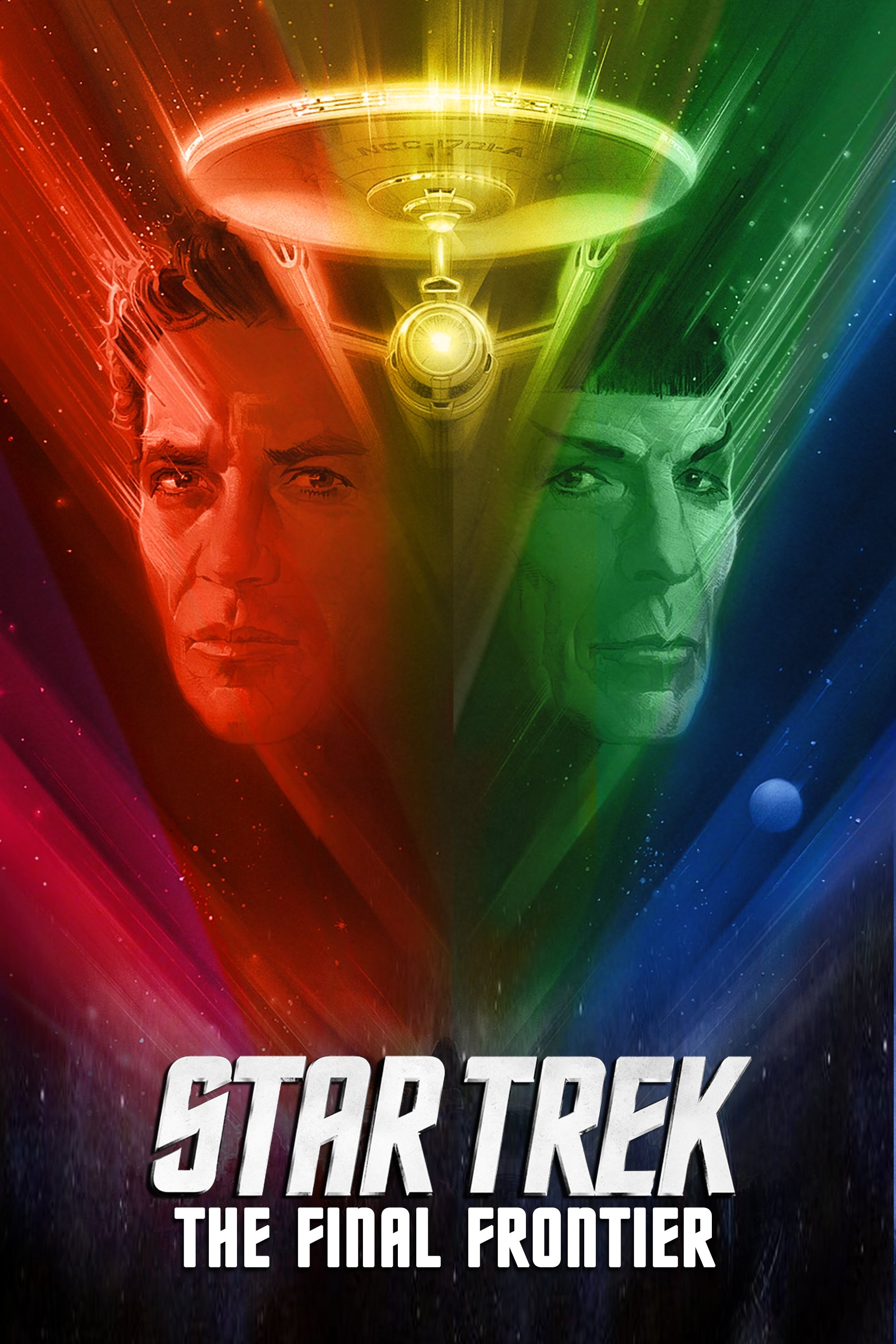
Captain Kirk and his crew are pulled into a hostage crisis on Nimbus III that leads to a search for a mysterious planet at the center of the galaxy. The story introduces Spock’s half brother Sybok and explores a quest that tests the Enterprise team when a powerful being claims to be the source of creation.
William Shatner directed with a cast led by Shatner, Leonard Nimoy, and DeForest Kelley. Industrial Light and Magic did not handle the visual effects on this production, which resulted in a different look than the surrounding films. Location work included scenes in Yosemite National Park and the film continued the use of the refit Enterprise sets built for prior features.
‘Star Trek: Nemesis’ (2002)
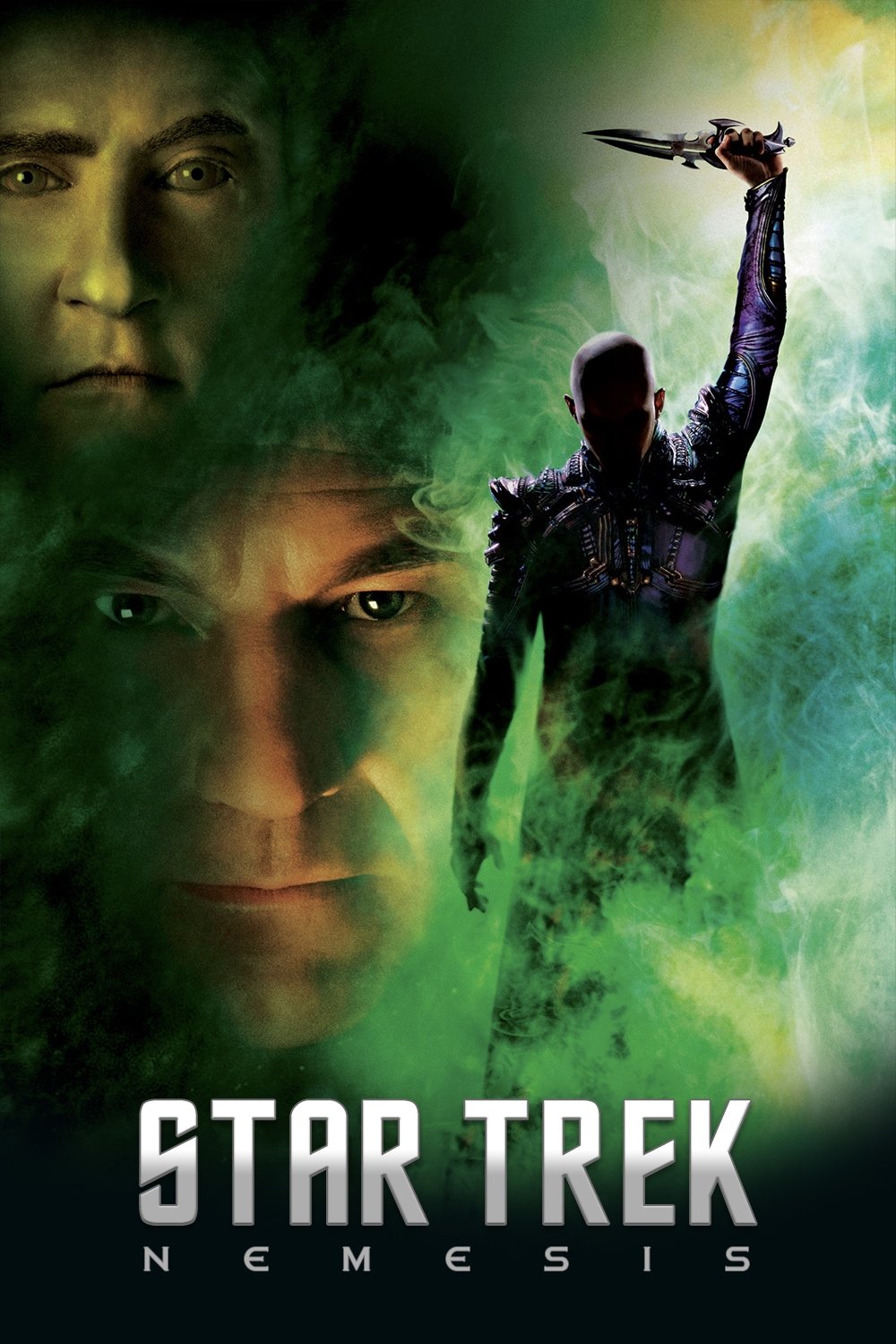
The Enterprise E confronts a Reman warlord named Shinzon who is revealed as a clone of Jean Luc Picard. A new superweapon threatens the Federation while Data forms a connection with another android that raises questions about identity and memory.
Stuart Baird directed with Patrick Stewart, Jonathan Frakes, Brent Spiner, and Tom Hardy headlining. The production introduced the warship Scimitar and expanded Reman culture on screen with extensive makeup and prosthetics. The film served as the final Next Generation feature before the series moved to new crew lineups.
‘Star Trek: Insurrection’ (1998)
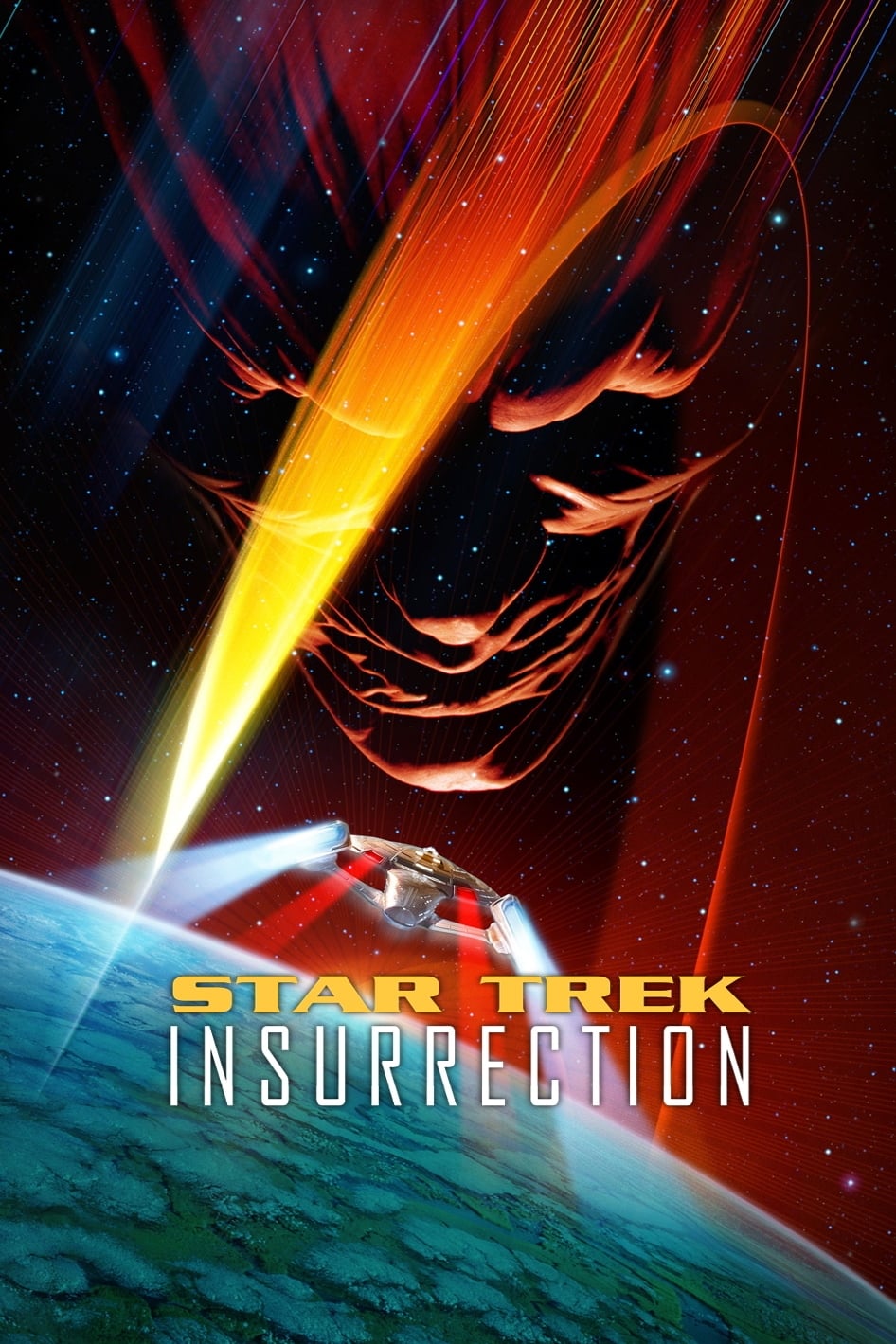
A covert observation mission on a peaceful world exposes a plan to remove its inhabitants for the sake of a rejuvenating resource. The Enterprise E crew investigates and refuses to participate in a forced relocation, which brings Starfleet politics and the Son’a into focus.
Jonathan Frakes directed with Patrick Stewart, Brent Spiner, and Michael Dorn returning. The film emphasizes location photography in the Sierra Nevada and features redesigned Starfleet uniforms introduced for this story. Composer Jerry Goldsmith returned to score, weaving established themes with new material for the Enterprise E era.
‘Star Trek: The Motion Picture’ (1979)
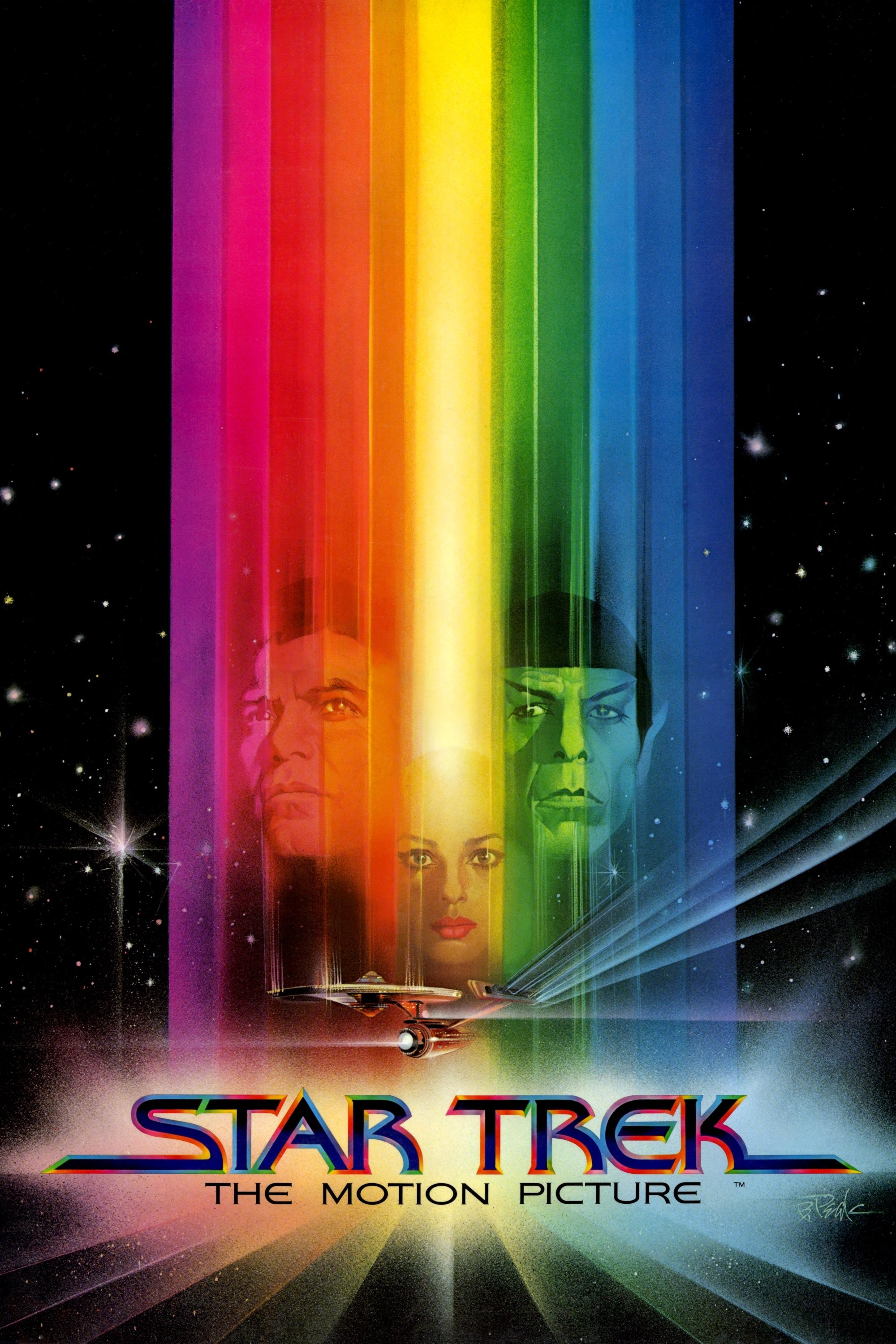
A vast energy cloud approaches Earth and destroys everything in its path, prompting Admiral Kirk to retake command of the newly refit Enterprise. The crew encounters an advanced machine intelligence known as V’Ger and must find a way to communicate with it before it reaches the planet.
Robert Wise directed with William Shatner and Leonard Nimoy returning to lead the original cast. The project evolved from the planned television series Phase II into a feature, which shaped characters like Will Decker and Ilia. Visual effects were completed under Douglas Trumbull and John Dykstra, and Jerry Goldsmith created the main theme later used for television as well.
‘Star Trek: Generations’ (1994)
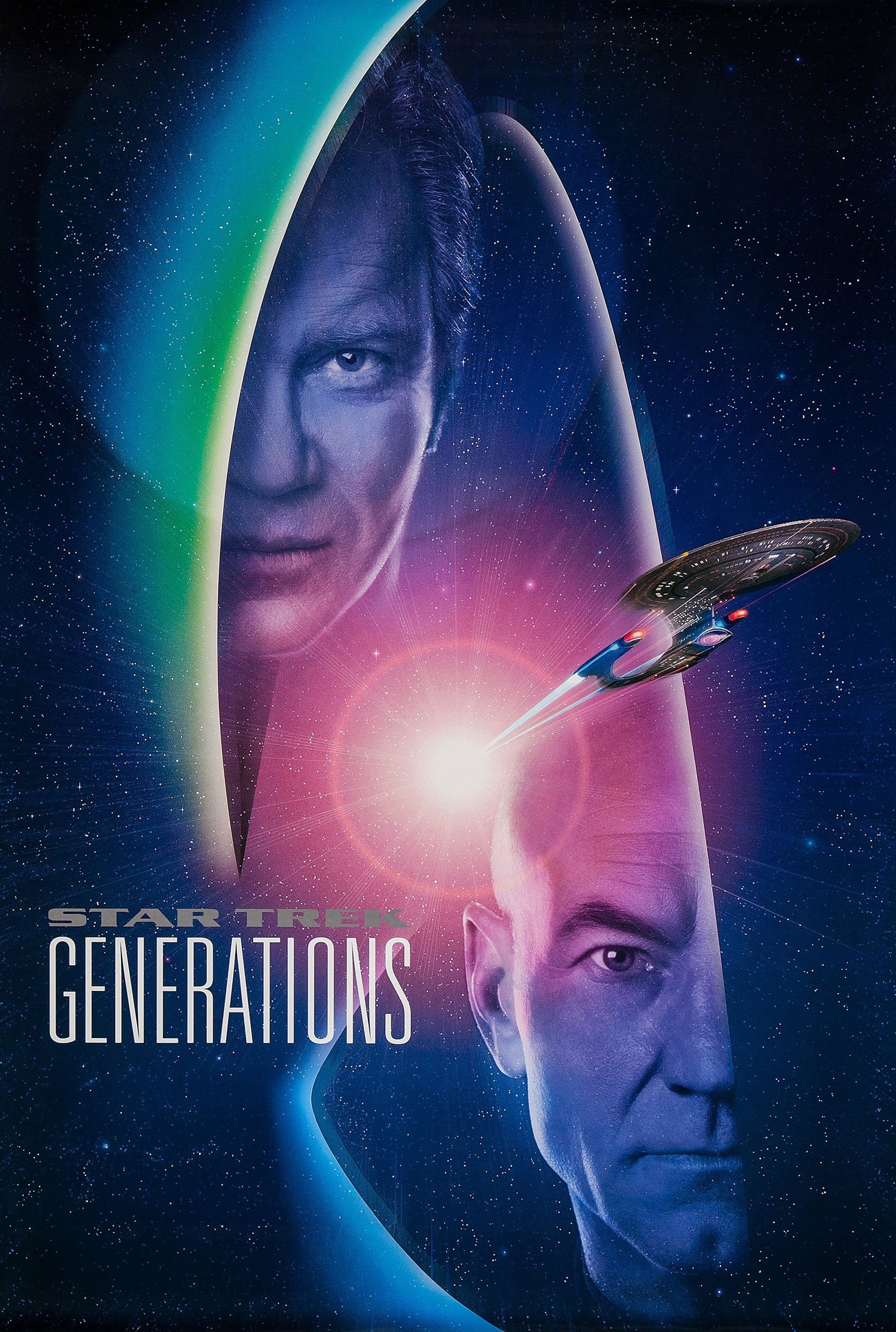
A cosmic energy ribbon called the Nexus links the fates of James T Kirk and Jean Luc Picard through separate timelines. Picard faces Dr Tolian Soran as the Enterprise D is drawn into a plan that could sacrifice millions for one person’s return to the Nexus.
David Carson directed with Patrick Stewart and William Shatner sharing the marquee as the film handed theatrical adventures from the original crew to the Next Generation cast. The Enterprise D saucer crash was staged with large scale miniature work and remains a signature sequence. Dennis McCarthy provided the score and the film introduced new uniforms that bridged designs from television to cinema.
‘Star Trek III: The Search for Spock’ (1984)
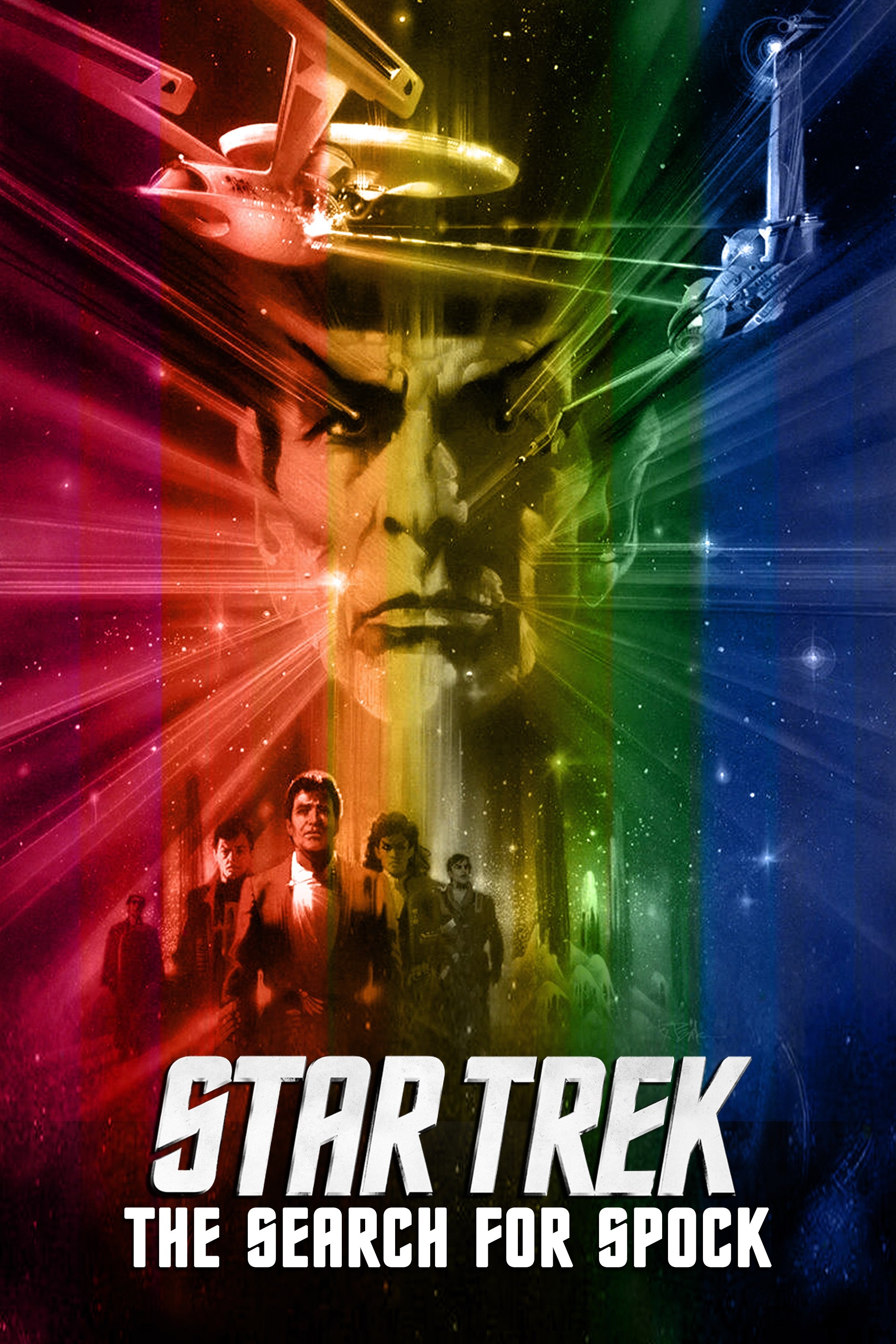
Following the events of the prior film the crew learns that Spock’s katra may still be preserved and that the Genesis Planet holds a possible path to his return. A Klingon commander named Kruge seeks the Genesis technology, which forces the Enterprise crew to make difficult choices to protect their friend.
Leonard Nimoy directed with William Shatner, DeForest Kelley, and Christopher Lloyd among the principals. The movie features the theft and scuttling of the Enterprise to prevent its capture, a major turning point in the original series story line. James Horner returned as composer and the production introduced the science vessel Grissom and the redesigned Klingon Bird of Prey that would reappear in later entries.
‘Star Trek Beyond’ (2016)
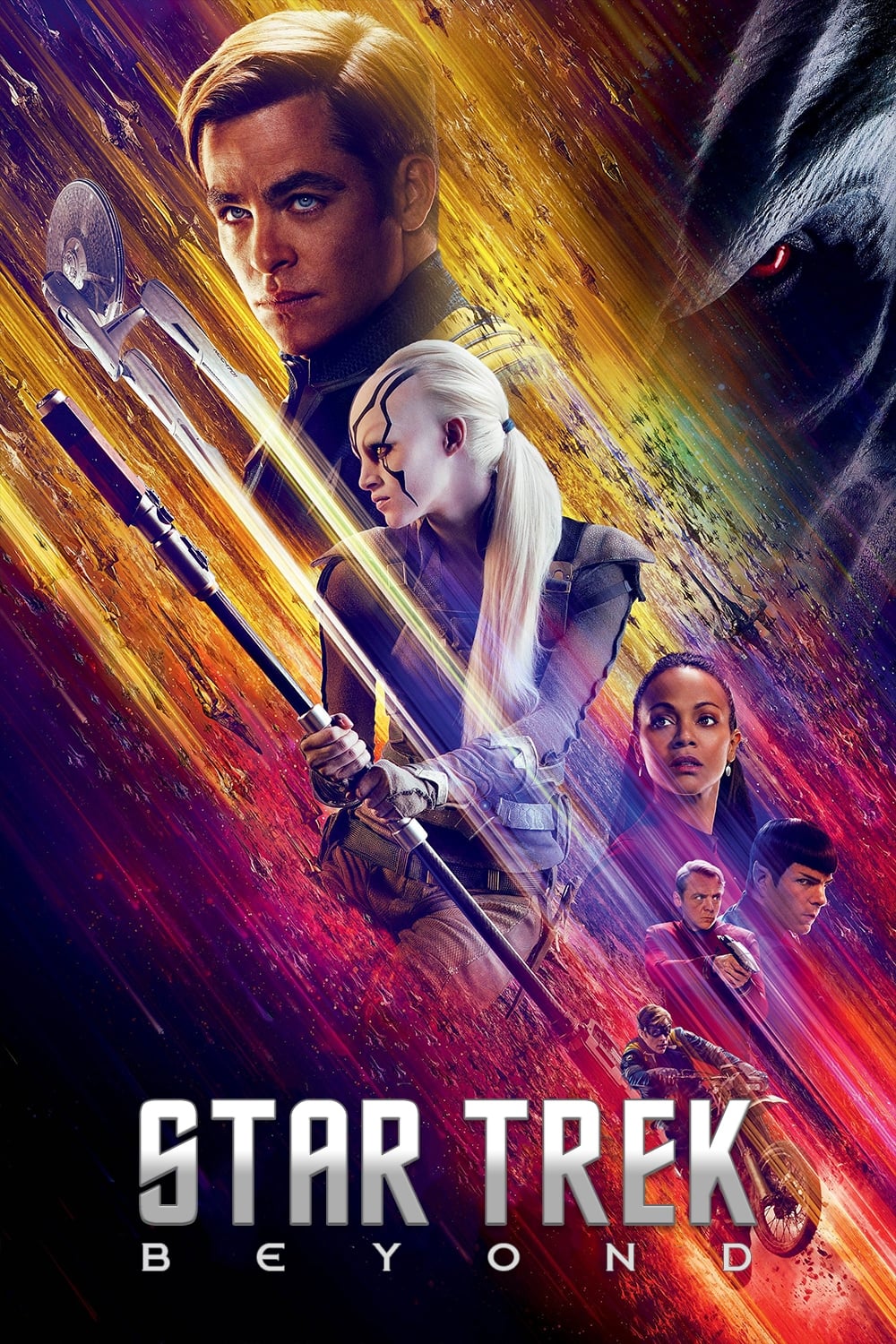
A distress call draws the Enterprise into a trap that leaves the crew stranded on a remote world. Kirk and his team uncover a long hidden threat connected to the early days of the Federation while working with a new ally named Jaylah.
Justin Lin directed with Chris Pine, Zachary Quinto, Zoe Saldana, Karl Urban, John Cho, Simon Pegg, and Anton Yelchin starring. The film showcases the Yorktown starbase with large scale digital environments and extensive practical sets. The screenplay by Simon Pegg and Doug Jung emphasizes ensemble problem solving and introduces new Starfleet craft and uniforms for the Kelvin timeline.
‘Star Trek VI: The Undiscovered Country’ (1991)
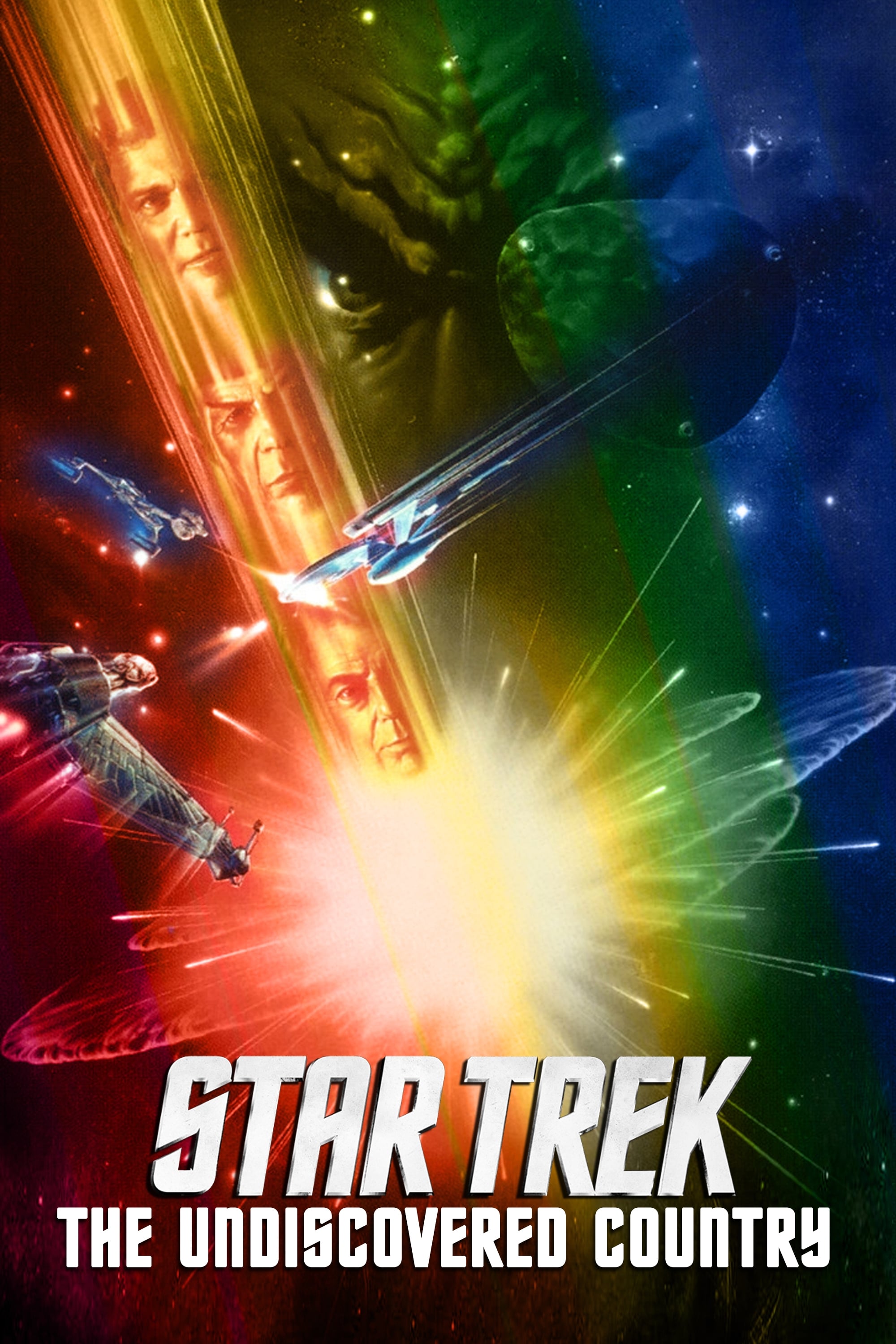
A disaster at a Klingon energy facility forces the Empire to consider peace with the Federation. A conspiracy attempts to sabotage the talks, leading to an investigation that puts Kirk and McCoy on trial and sends the Enterprise on a search for the truth.
Nicholas Meyer directed with William Shatner, Leonard Nimoy, DeForest Kelley, and Christopher Plummer featured. The production closes the original crew era with formal sign offs in the end credits and a focus on political intrigue. Cliff Eidelman composed a darker orchestral score and the film received Academy Award nominations for makeup and sound work.
‘Star Trek IV: The Voyage Home’ (1986)
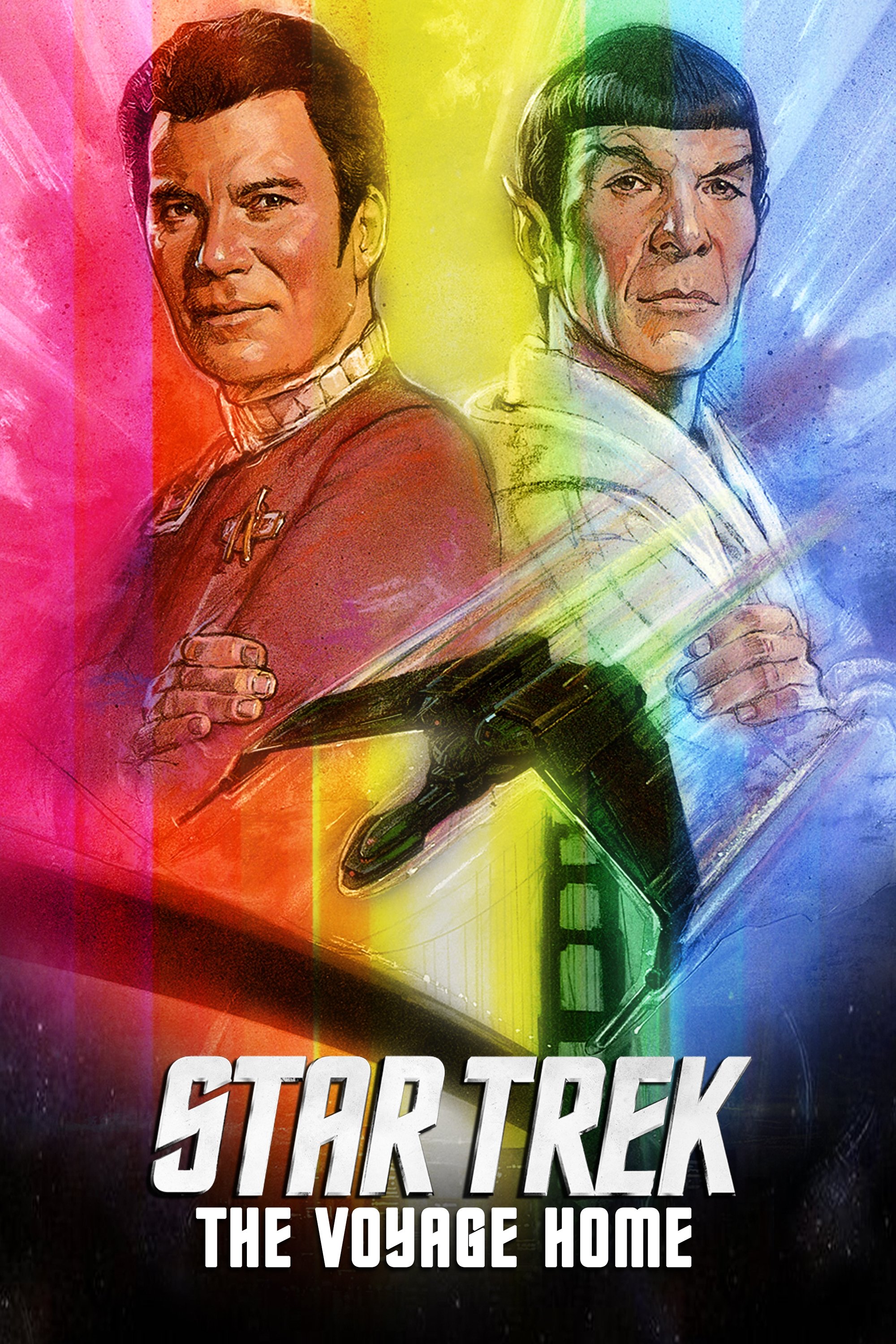
A powerful probe endangers Earth when it cannot find the song of humpback whales that are extinct in the future. The crew travels back to twentieth century San Francisco to locate and return two whales to their own time so the probe can complete its communication.
Leonard Nimoy directed with the original ensemble playing fish out of water in city locations that include the Monterey Bay Aquarium stand in for the Cetacean Institute. The story continues directly from the prior film and uses the captured Klingon Bird of Prey as the heroes’ ship. Composer Leonard Rosenman provided the music and Catherine Hicks joined the cast as marine biologist Gillian Taylor.
‘Star Trek: First Contact’ (1996)
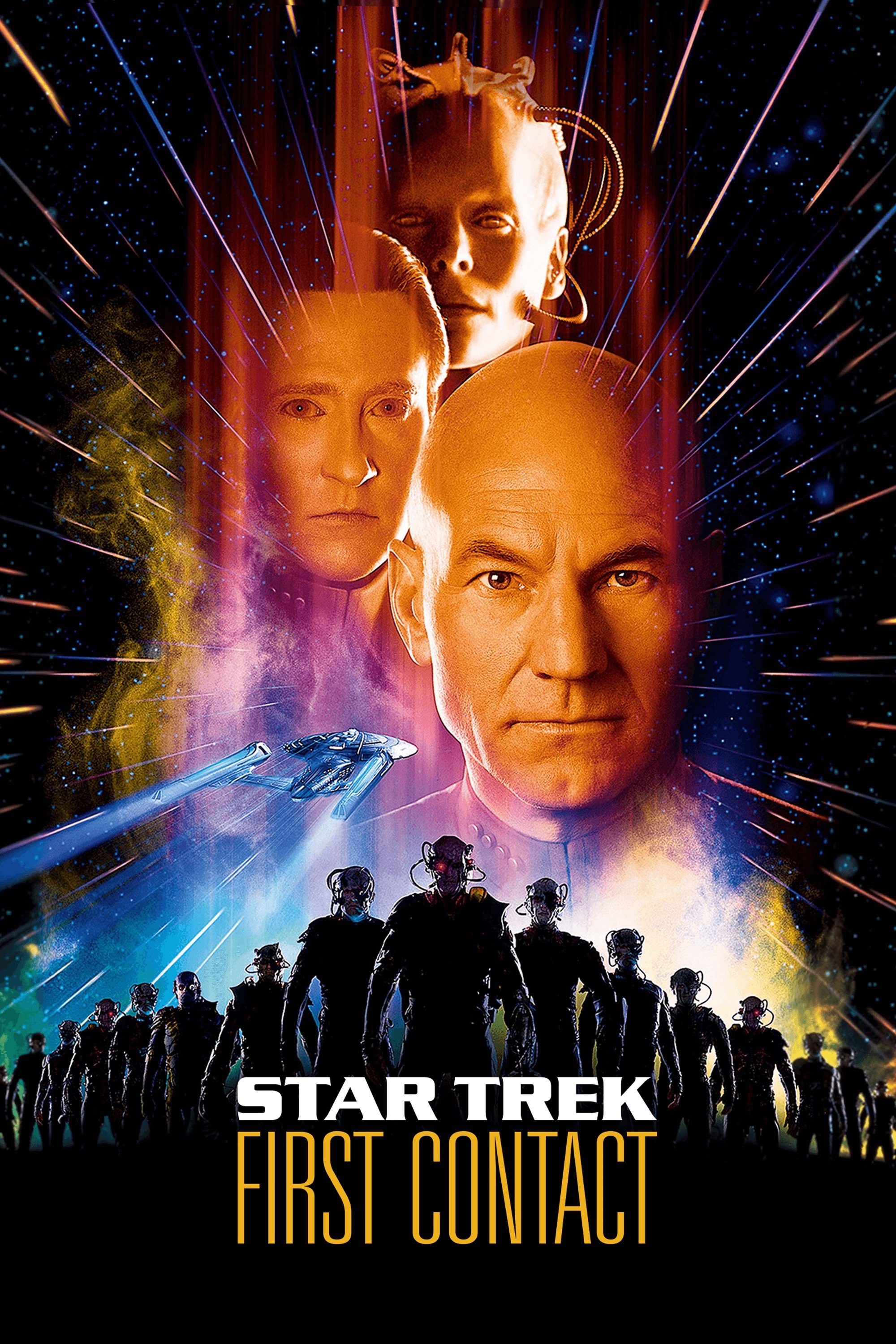
The Borg travel to the past to stop humanity’s first warp flight and prevent the formation of the Federation. The Enterprise E follows and helps Zefram Cochrane complete his test launch while confronting the Borg Queen aboard the ship.
Jonathan Frakes directed with Patrick Stewart, Brent Spiner, and Alice Krige leading the cast. The film introduces the Phoenix spacecraft and combines location work in Arizona with detailed Enterprise E sets. It features new Borg makeup and production design by Herman Zimmerman, and Jerry Goldsmith scored with contributions from Joel Goldsmith for action material.
‘Star Trek Into Darkness’ (2013)
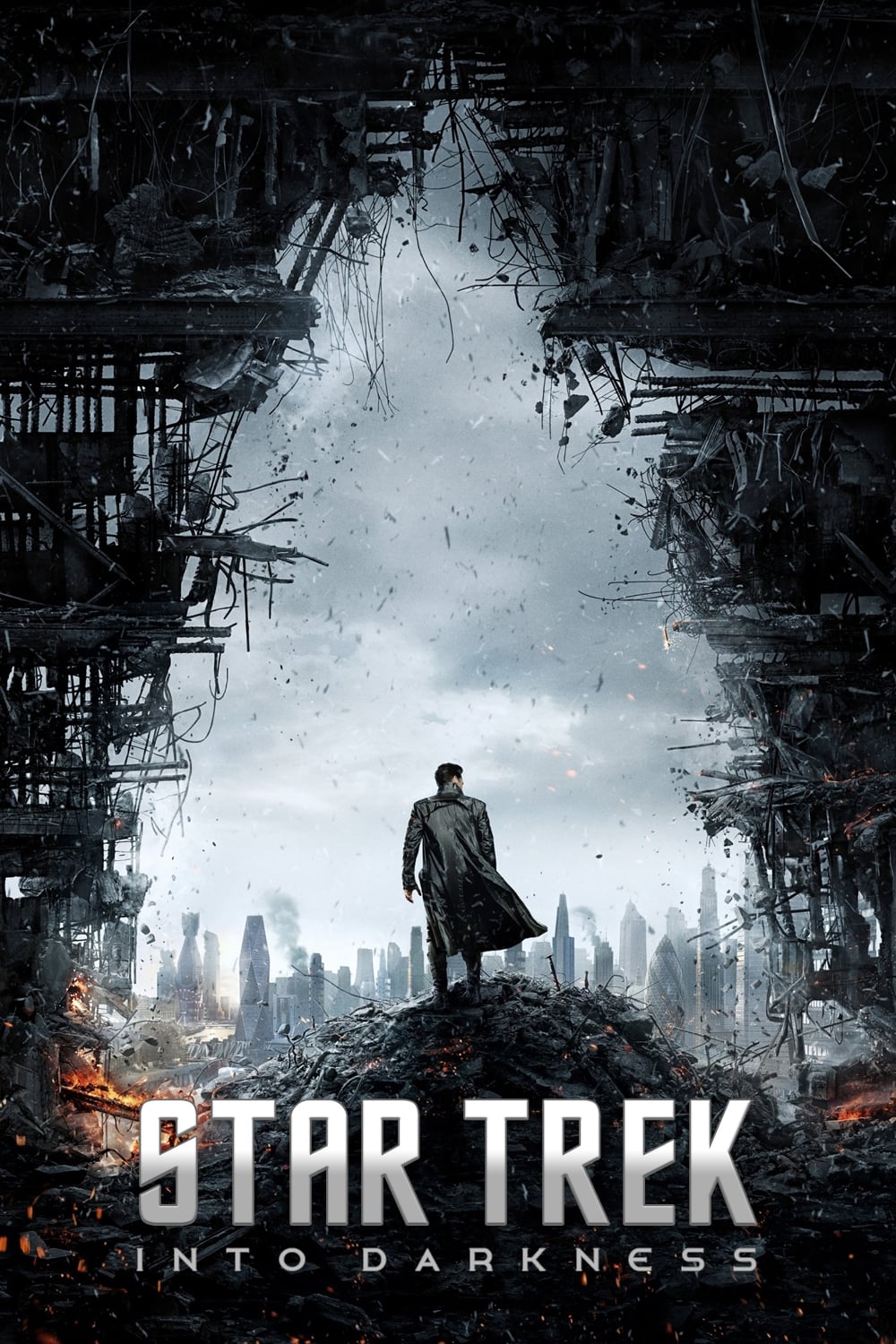
After a covert mission goes wrong Starfleet faces a series of attacks that lead the Enterprise to hunt a mysterious operative named John Harrison. The pursuit uncovers secrets tied to an earlier genetic engineering program and brings a powerful adversary into the open.
J J Abrams directed with Chris Pine, Zachary Quinto, Zoe Saldana, Benedict Cumberbatch, and Simon Pegg in key roles. The film expands the Kelvin timeline with references to Section 31, introduces the Dreadnought class starship, and stages large scale set pieces in London and San Francisco. Michael Giacchino returned as composer and the production blended practical sets with extensive digital work by Industrial Light and Magic.
‘Star Trek II: The Wrath of Khan’ (1982)
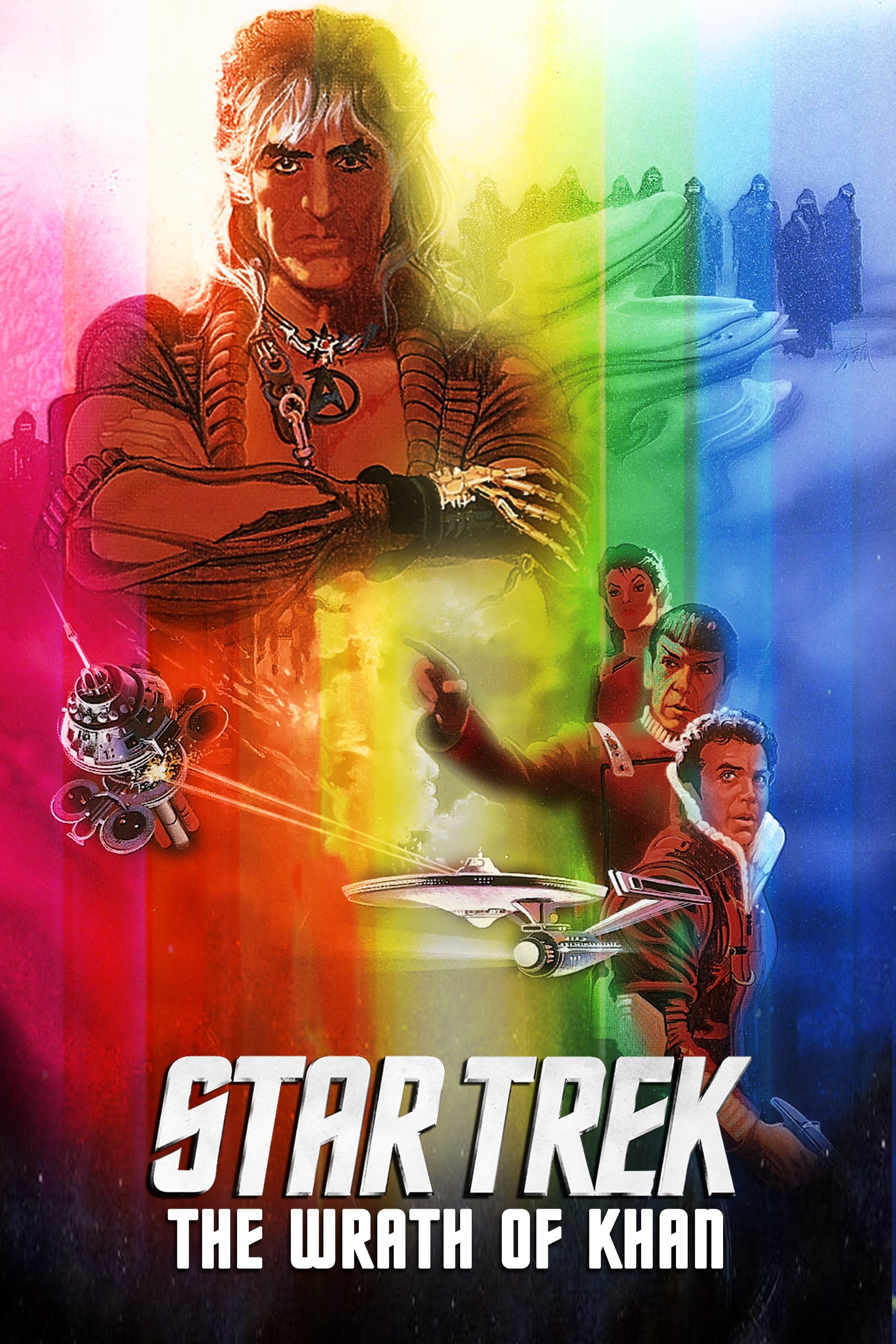
Khan Noonien Singh escapes exile and seeks revenge on Admiral Kirk after recovering an experimental technology known as the Genesis Device. The Enterprise and the Reliant engage in a series of tactical encounters that test the skills and experience of both crews.
Nicholas Meyer directed with William Shatner, Leonard Nimoy, Ricardo Montalbán, and Kirstie Alley headlining. The film introduced the naval tone that shaped later entries and used the then novel Genesis simulation created at Industrial Light and Magic to showcase computer generated imagery. James Horner provided the score and the production reused and redressed sets to control costs while creating a distinct visual style.
‘Star Trek’ (2009)
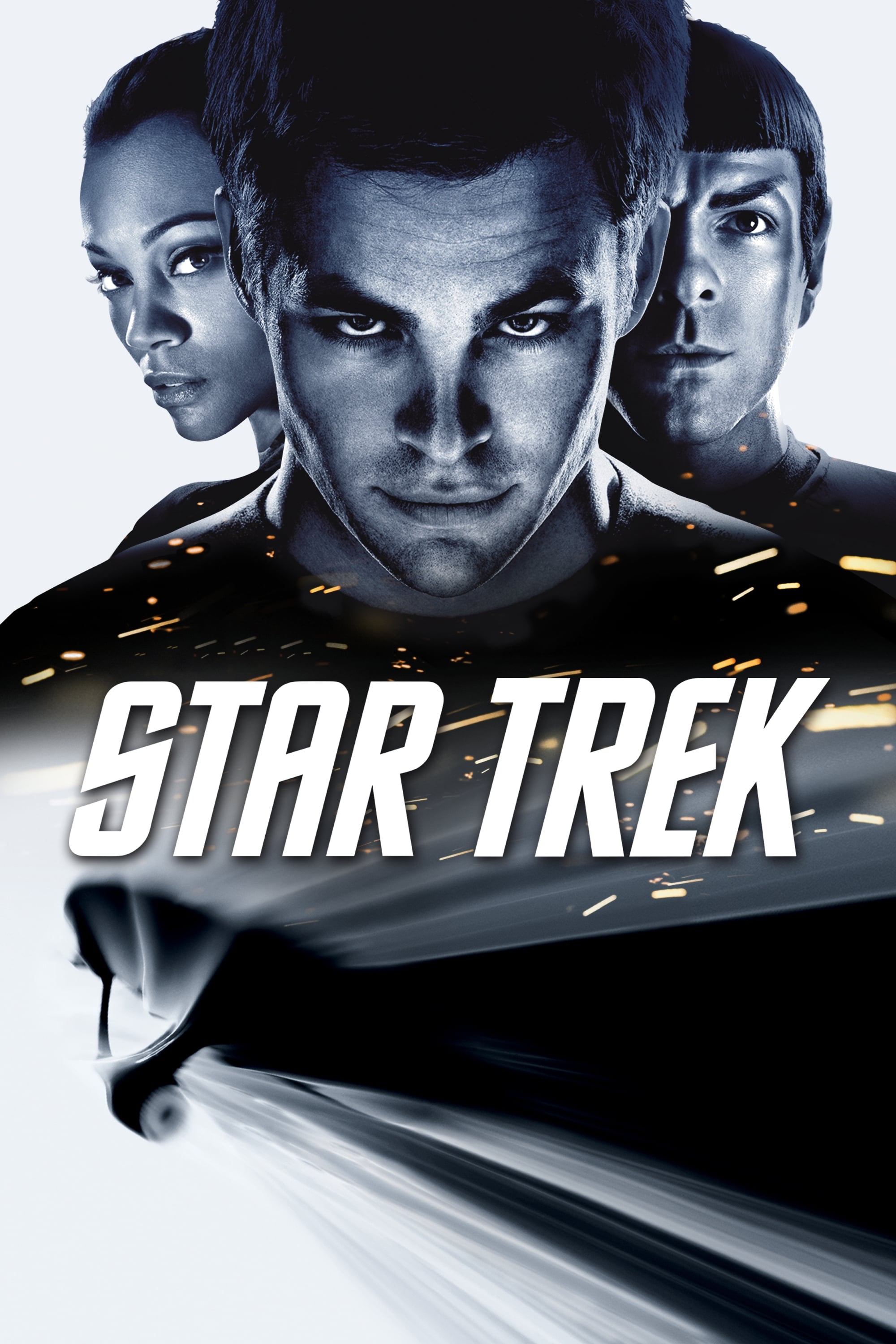
A Romulan named Nero alters the timeline after an attack on the Federation, which creates a new path for James T Kirk and Spock as they assemble the classic crew. The Enterprise faces a planet killing threat while the team finds its footing under new leadership.
J J Abrams directed with Chris Pine, Zachary Quinto, Zoe Saldana, Karl Urban, John Cho, Simon Pegg, and Anton Yelchin starring, and Leonard Nimoy appearing as an older Spock who bridges eras. Industrial Light and Magic led the visual effects and Michael Giacchino composed a new main theme that became a signature for the Kelvin timeline. The film won an Academy Award for makeup and hairstyling, which marked a first for the franchise.
Share your own order in the comments and tell us which entries you revisit the most.