[Exclusive] Outer Banks’ J. Anthony Crane Talks Final Chapter, Chandler Groff’s Fate, and the Art of Playing the Unhinged

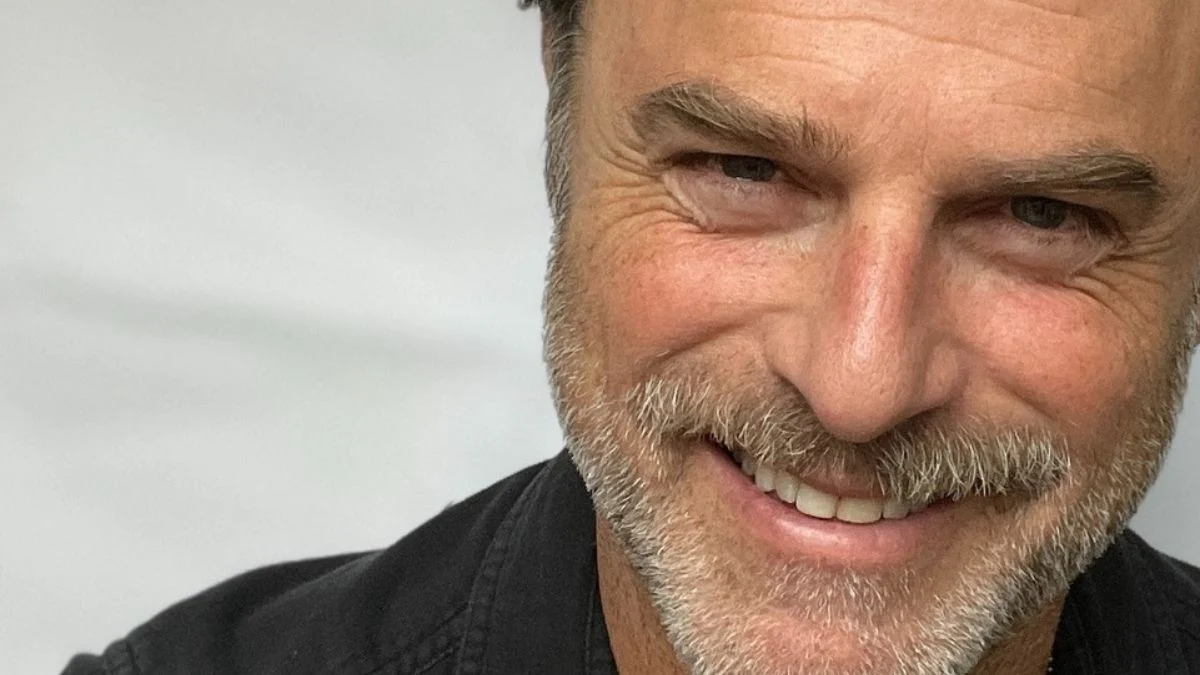

J. Anthony Crane has built a career out of inhabiting complicated men, characters whose charm, intelligence, volatility, and darker impulses often exist side by side. From Succession and Billions to Dead Ringers and his current work in Outer Banks, Crane has consistently brought a sharp, unpredictable energy to roles that refuse to fit neatly into a hero-or-villain box.
In this exclusive interview with Fiction Horizon, Crane opens up about Chandler Groff’s final chapter in Outer Banks Season 5, teasing a character whose fate may fall somewhere between redemption and complete destruction. He also reflects on the creative freedom of working on Succession, the transformative challenge of sharing scenes with Rachel Weisz in Dead Ringers, and the sometimes difficult negotiations between actor and director.
Beyond the screen, Crane discusses the unique demands of theater, why he believes Succession could make a compelling stage play, and the unpredictability of an acting career, including a recently lost opportunity that would have taken him in an entirely different direction.
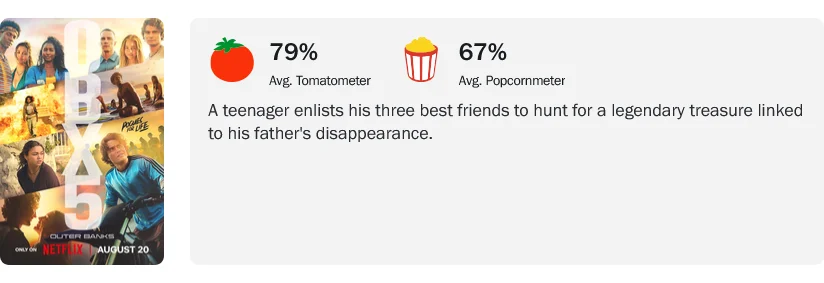
FH: Season 5 of Outer Banks is the final chapter, and we all know Chandler Groff isn’t one to fade away quietly. Without breaking your NDA, can you confirm if Groff’s endgame in the final episodes leans more toward a shocking redemption or absolute destruction?
It’s hard to say, really. A bit of both, if I’m being truthful. I think we learn more about him, to be sure, about his broken state, his original wound. We felt that was key with Groff. His crime was so heinous, his motivations so absent of humanity.
When people confront me on the street, and they do, they don’t only want to throttle me with a towel; they mostly want to know why. How could I do it?
The Ward character really came around to some kind of redemption, and I think we’ve tried to make something of a no-man’s-land with Chandler that makes him somewhat irredeemable. That’s the terrible black hole in the series we’ve introduced, and we’ll seek to close.
That being said, I think when you watch this season, it’s never really clear who is going to prevail, right until the very end.
FH: You’ve been part of some of the most highly guarded sets in television, like Succession and Billions. Is there a specific, unscripted moment or a behind-the-scenes interaction from one of those prestige shows that completely changed the trajectory of your character, but never made it into the official narrative?
Oh man, the boys at Succession were on fire for our stuff. Their comic banter was a finely honed machine by the time I got to the sandbox. The director would let the camera roll for whole minutes after our dialogue was long played out. They were well-practiced by then, and I was hip to get down.
He let us wend our way through the absurd narratives, and there were many. (I may have nearly molested Greg.) A lot of gold.
In the end, everything was cut, and the scene is script-perfect. There is one vestigial, delicious stare I gave that survived. But you can’t argue with the approach. The whole thing gained generations of vitality when we got to goof off.
FH: You’ve built a strong reputation for playing deeply layered, calculating characters across your career. Have you ever had to firmly push back against a director or showrunner on a creative decision because you felt they were taking your character in a direction that betrayed their true nature?
I’m a collaborator by nature. I’ve had great film directors with very specific visions who were still mostly interested in building a consensus with the actor’s work. And the result was something very intimate and built with love.
And I’ve also had theater directors clear the room when I’ve simply asked why they were dictating a choice so strongly without wanting to discuss it. I did a great play called Watch on the Rhine (playing a villain again) where the director had a fragile, bullying ego and an inability to discuss the work. She would just shut down if you ever tried to seek an understanding of her vision for your character, and then tried to make me look like the difficult one.
It happens. Art is made by people, and none of us are perfect. She was sure I should let Marsha Mason’s character slap my face without any reaction whatsoever. We spent a lot of time debating that. It was cliché and not consistent with the narcissism of the character. I’m not sure if I won, but it was a battle.
FH: You’ve shared the screen with some of the biggest, most intimidating names in Hollywood across hit shows like Succession, Billions, and Dead Ringers. Can you share an exclusive behind-the-scenes moment where a co-star completely threw you off-script or genuinely surprised you during a highly intense, dramatic scene?
Rachel Weisz was one of the most poised, accomplished actors I’ve ever worked with. She played twins in Dead Ringers, of course, but I was having the relationship with, let’s say, the more sensual one.
When we would shoot large scenes with both of her characters, she would usually shoot the more uptight twin first, and she was just totally and completely inaccessible to me—almost like a stranger.
Then she would reset for the other sister, and this explosion of passion and affection would emerge. This deluge of attention and humor, and we would banter like soulmates. It kept me on my toes, but it was also such a beautiful, perfect transformation.
FH: Theater demands absolute perfection in the moment, while television allows for continuous tweaking. Looking back at your extensive screen career, which of your major TV or film roles do you think would have been the most difficult to translate to a live stage, and why?
Live stage gives you this golden experiment: to keep re-originating the same story, from day to day, from beginning to end, and to let your present state inform you.
I’ve worked on some shows for numerous years that changed dynamically over time, where the original drama evolved to a very different place than where we started. In film, the present moment is the challenge, and you seek to piece together the story, sometimes over many seasons or sequels. It’s a great challenge, and you can keep the stakes of your narrative at a very high level, very consistently, if you want to, with all the cliffhangers you can buy.
I think a show like Succession would make a great play: the characters are powerhouses. The situations are riveting or hilarious. But what would you choose as your catharsis? You’ve only got two hours, remember.
The thing we love about great television is the extended nature of the story. It sustains itself, but it feeds you for a very long time. And it migrates.
FH: We know actors with your current momentum are constantly fielding major offers right now. Can you give us an exclusive hint about your next move, are you actively looking at leading another dark prestige drama, or perhaps stepping into a completely different genre?
I was all set to play a former Demolition Derby champion in rehab, going through some family issues, but I just this week found out the producers had not given me the full story, and the opportunity evaporated. Such is the life.
I was looking forward to Minnesota in September. I loved getting to play Steven Adly Guirgis’ work a few years ago on Broadway, so I’m avidly hunting for a theater gig.
Have something to add? Let us know in the comments!