

‘Fairy Tail’ Mistakes You’ll Never Be Able to Unsee

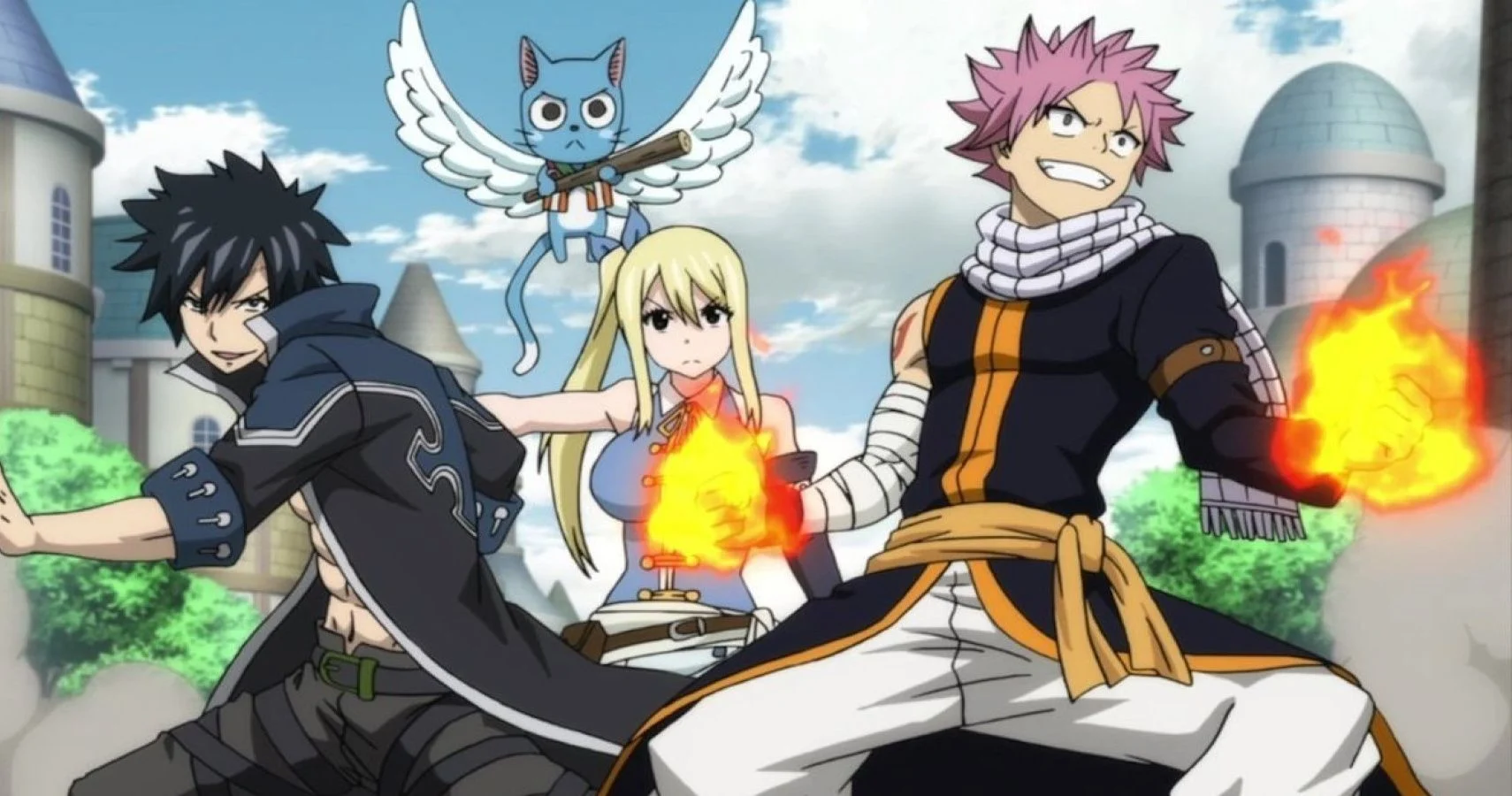


For a long-running shōnen like ‘Fairy Tail’, small continuity slips and production shortcuts inevitably sneak in—and once you notice them, they’re hard to ignore. From wandering guild marks to props that change shape between cuts, these goofs pop up across arcs and seasons as the story barrels ahead. None of them ruin the fun, but they do reveal the hectic reality of weekly anime production and the many hands that touch a scene before it airs. Here are ten recurring mistakes in ‘Fairy Tail’ that fans keep spotting on rewatch.
Natsu’s Scarf Quietly Changes
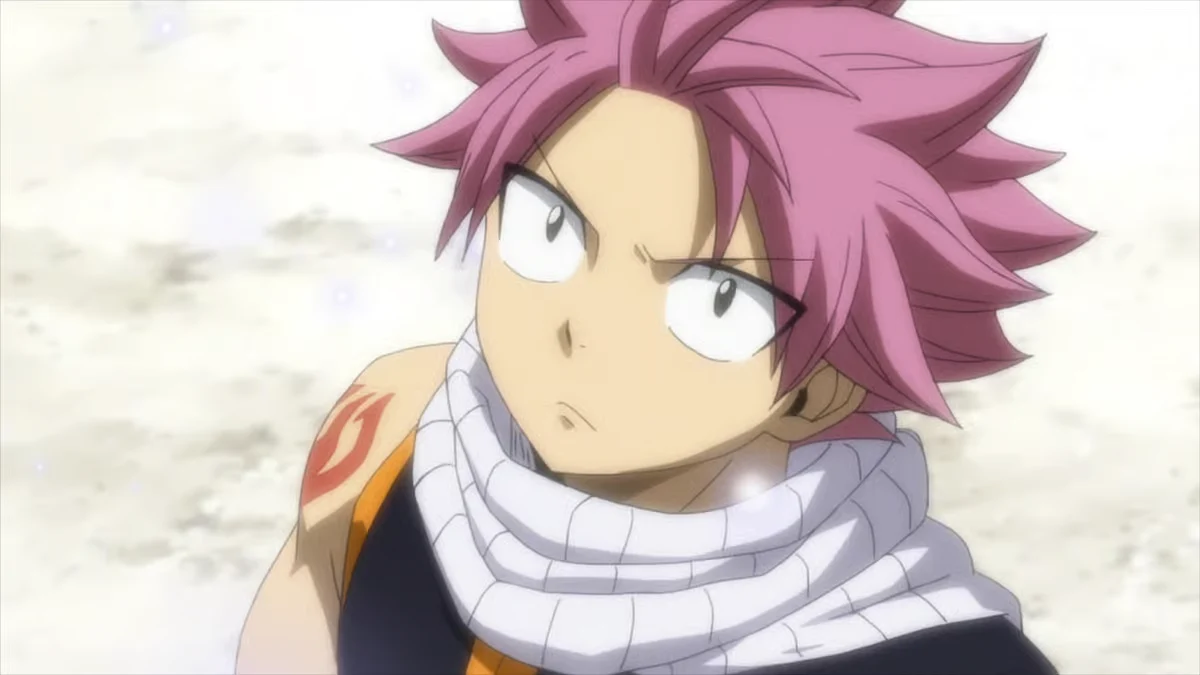
Natsu’s signature scarf occasionally flips its knit pattern or simplifies into flat shading between consecutive shots. You’ll see the scale-like texture vanish or reappear depending on the cut, especially during fast action. This is a classic in-between animation mismatch, where detail density gets reduced to keep motion smooth. It’s most noticeable when a close-up with crisp stitching cuts to a wider angle that redraws the scarf more loosely.
Guild Marks That Wander
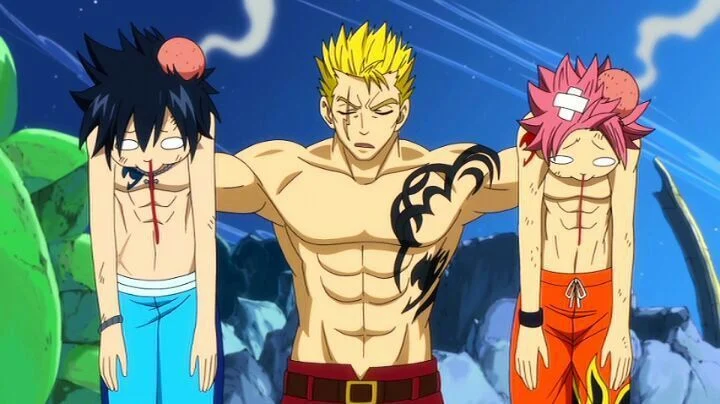
Fairy Tail guild emblems sometimes shift size, saturation, or exact placement within a single scene. Lucy’s pink insignia on the back of her right hand, for example, may appear lighter, darker, or slightly off position after a cut. These variations usually come from different animation teams handling adjacent cuts on tight schedules. Color grading passes can also nudge the emblem’s hue, creating a blink-and-you-miss-it discrepancy.
Eye Colors and Line Styles Don’t Always Match
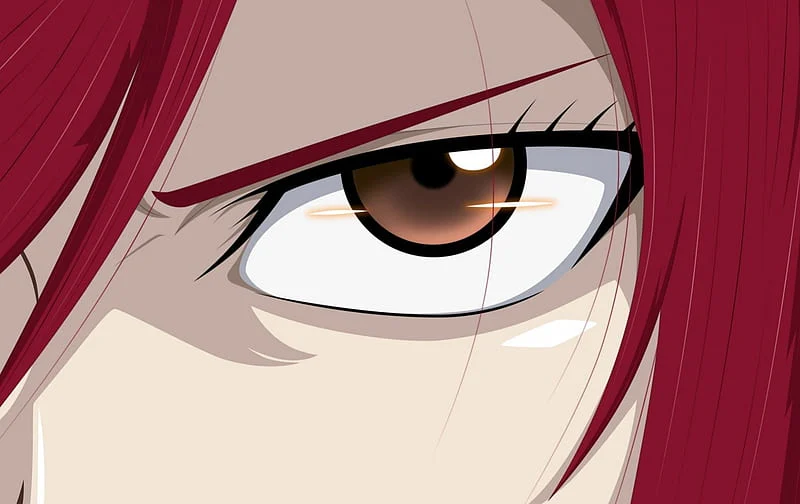
Character eye colors and iris line details can drift from model sheets during hectic episodes. Gray’s and Erza’s eyes occasionally darken to near-black or lighten more than usual, while highlights shift position. Such differences often trace back to scene lighting notes getting interpreted differently across cuts. Compositing can further amplify the mismatch by boosting or muting saturation unevenly.
Armor and Outfit Damage Heals Between Cuts
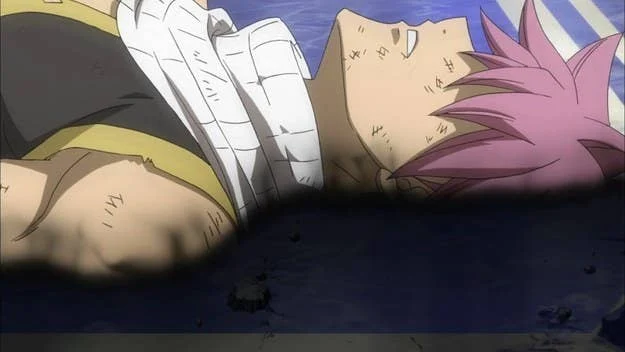
Battle damage on costumes—rips, scorch marks, missing plates—sometimes resets after a camera change. Erza’s armor is a frequent example: a cracked pauldron will look intact in the next medium shot before returning to damaged in a close-up. Shot continuity tracking is tough when multiple units split the same sequence. If retakes are limited, the clean model may slip back in to keep delivery on time.
Props Appear and Disappear
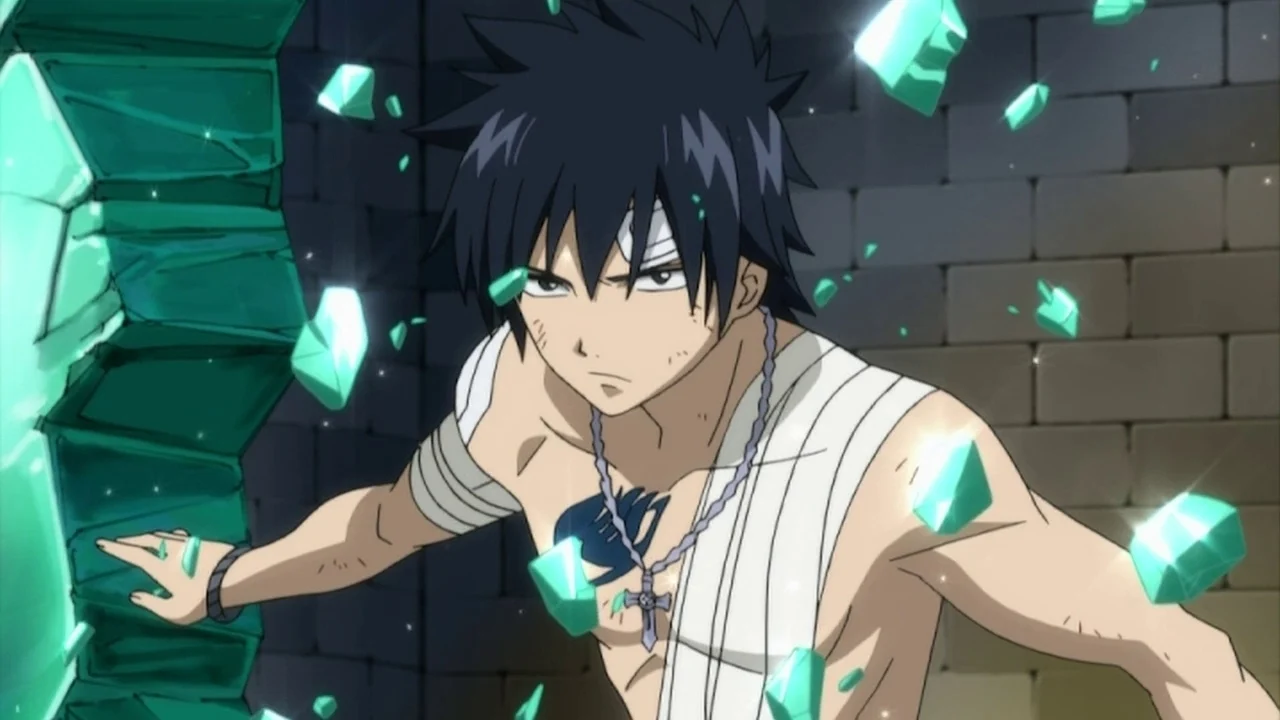
Small, recurring accessories like Gray’s necklace or belts and pouches on Lucy’s outfit can vanish in long shots and reappear in close-ups. These items live at the edge of a character’s silhouette, where in-between frames are simplified to prioritize motion. Key animators sometimes omit intricate shapes at distance to maintain readability. When the camera cuts back, the full prop set returns, creating a subtle “pop-in” effect.
Celestial Spirit Keys Multiply or Move
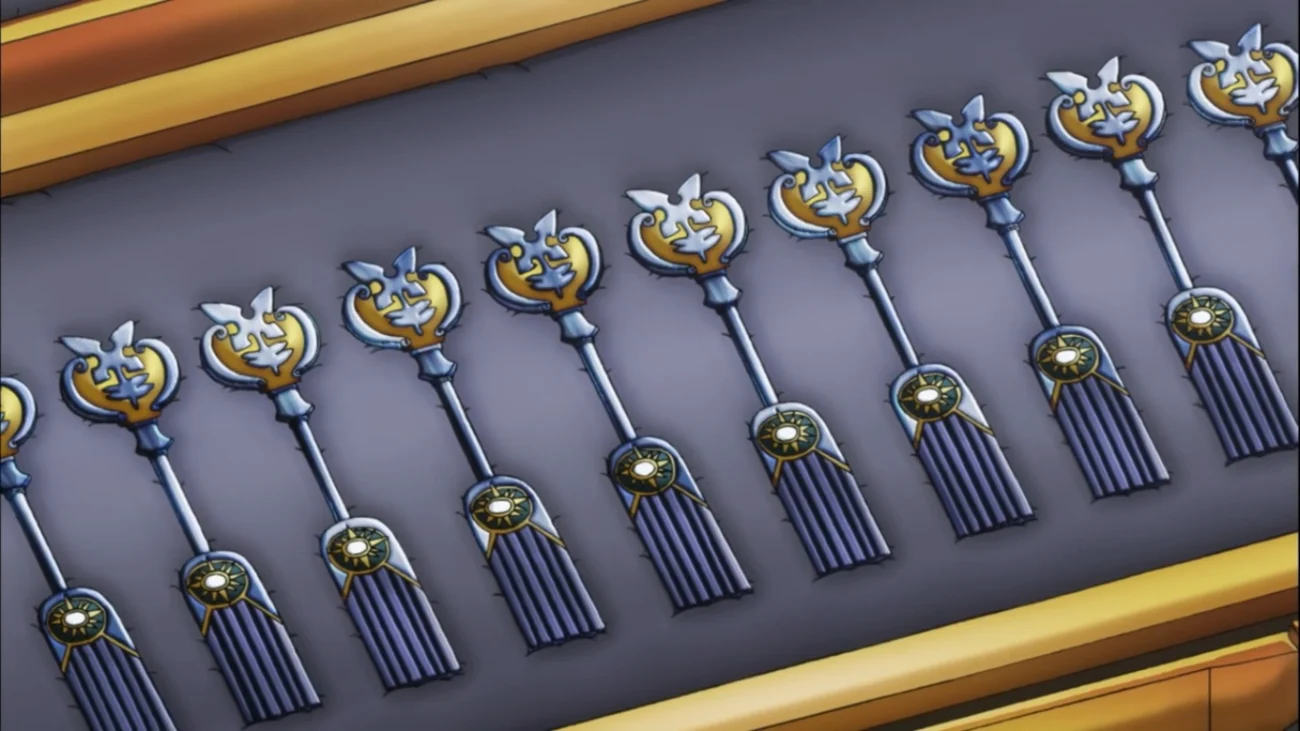
Lucy’s keyring occasionally shows an inconsistent number of silver keys, or their arrangement jumps between hands and belt loops. The gold keys keep their distinctive shapes, but silver ones can compress into generic silhouettes that are hard to track across shots. Layout artists might mirror a pose, unintentionally swapping which hand seems to hold the keys. The result is a brief continuity blip as the ring “teleports” between frames.
Magic Circles Swap Designs
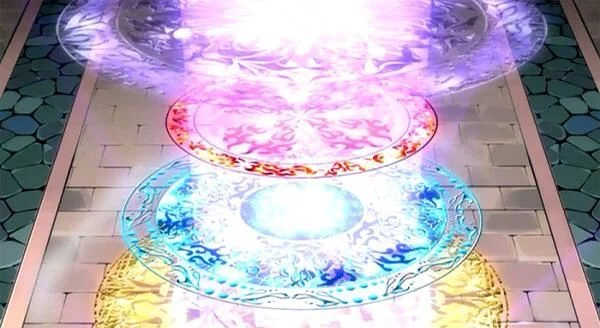
Spell circles—those ornate glyphs and motifs—sometimes change patterning or rotate inconsistently across linked cuts. A circle introduced with one crest detail may return with simplified sigils or different radial spacing. Since effects animation is often outsourced or layered late in compositing, mismatched asset versions can slip in. Motion blur and glow passes can also hide or reveal details unevenly from shot to shot.
Character Scale Stretches in Group Shots

In wide group compositions, relative heights and proportions can drift, making characters like Happy or Panther Lily look slightly too large or small. Perspective grids help, but busy crowd layouts can push figures off-model to fit staging. When the scene cuts to a closer angle, everyone snaps back to their standard size. This stems from layout compromises that favor composition over strict scale continuity.
Background Layouts of Magnolia Don’t Stay Fixed
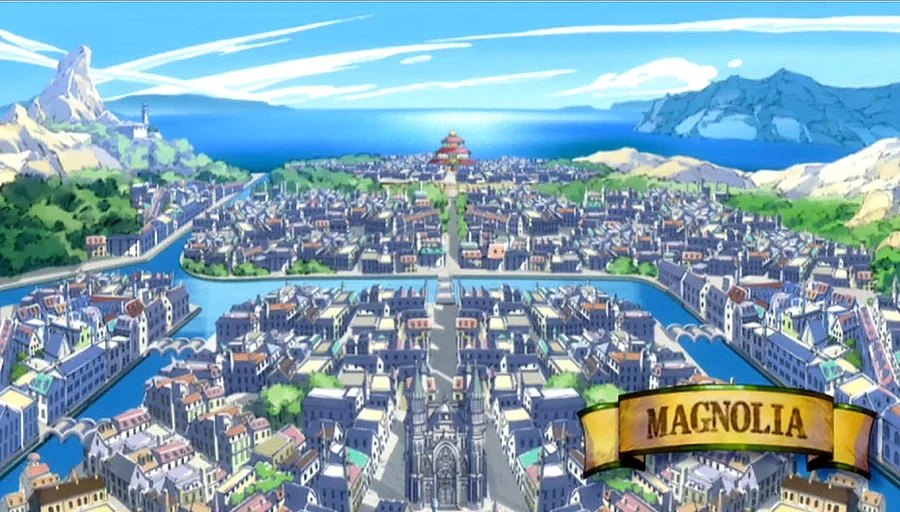
Establishing shots of Magnolia occasionally rearrange streets, canal curves, or building spacing between episodes. After major story events, the guild hall’s surroundings can appear with altered orientation or skyline silhouettes. Background teams reuse and adapt plates, so new angles sometimes conflict with previous geography. Map-level continuity tends to take a back seat to fresh vistas that suit the scene’s mood.
Name Spellings and Terms Vary Across Releases
Across broadcast, streaming, and home-video versions, you’ll encounter differing romanizations for names and terms in ‘Fairy Tail’. Examples include alternate spellings for characters like Jellal or magical terms like Etherion, depending on subtitle track and localization pass. Licensing changes and updated terminology guides can introduce new standards mid-run. This creates brief periods where on-screen text and earlier subtitles don’t fully align.
Enjoy catching these little slips in ‘Fairy Tail’? Share the ones you’ve spotted in the comments!