


Famous Actors Who Mentored Young Talent



Behind many breakout performances there is a seasoned actor who offered guidance, advocacy, and practical help. Mentorship in film and television often happens on set where veterans share technique, set etiquette, and career navigation advice that younger performers can apply immediately. The examples below highlight concrete ways established actors opened doors, paid for training, or created opportunities that helped emerging talent move forward. These stories show how insight shared at the right moment can shape a career.
Denzel Washington

Denzel Washington funded scholarships for young actors and directly supported Chadwick Boseman by covering tuition for a prestigious summer program in classical theater. Boseman later credited that support as pivotal early training that sharpened his craft. Washington also offered career guidance to younger casts on ensemble projects by emphasizing preparation and discipline. His hands on support connected rising performers to high level instruction and industry networks.
Robert Downey Jr.
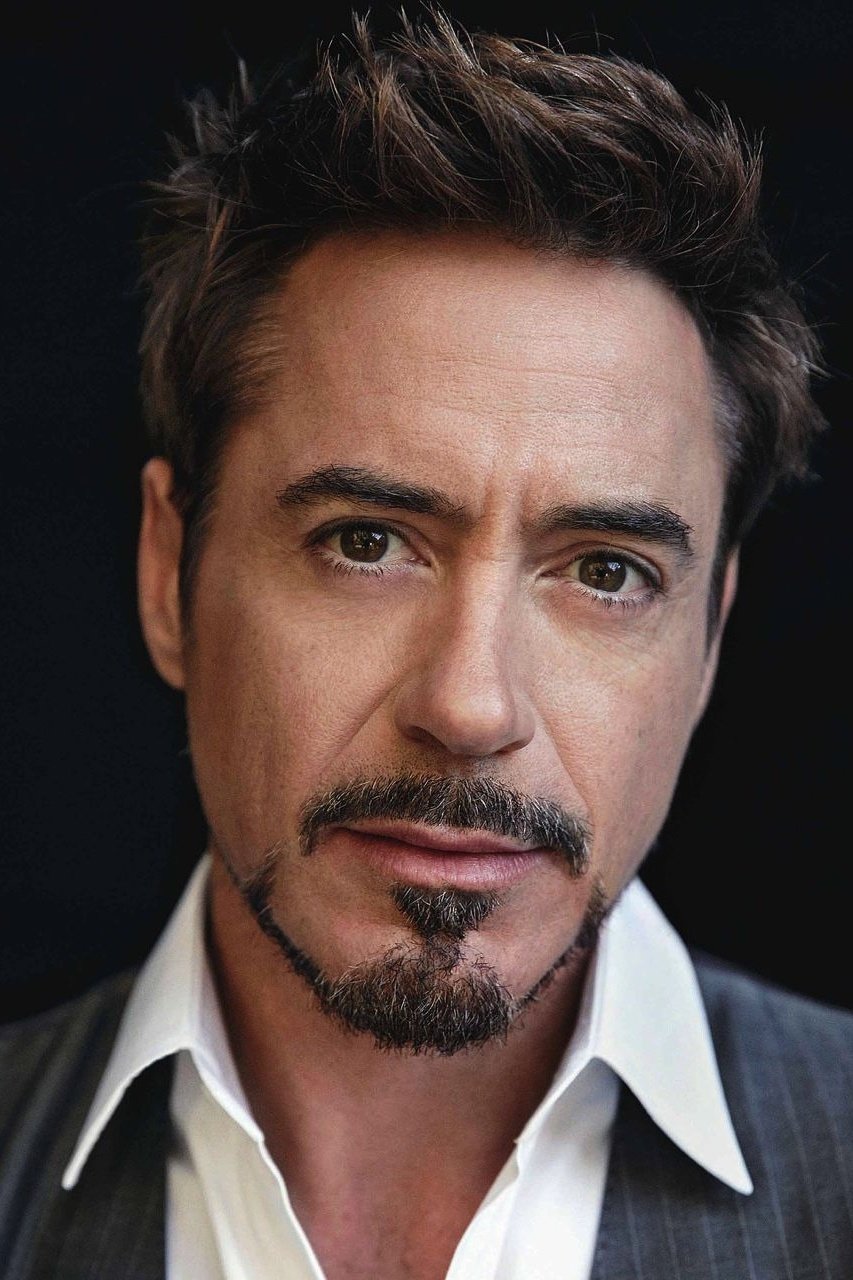
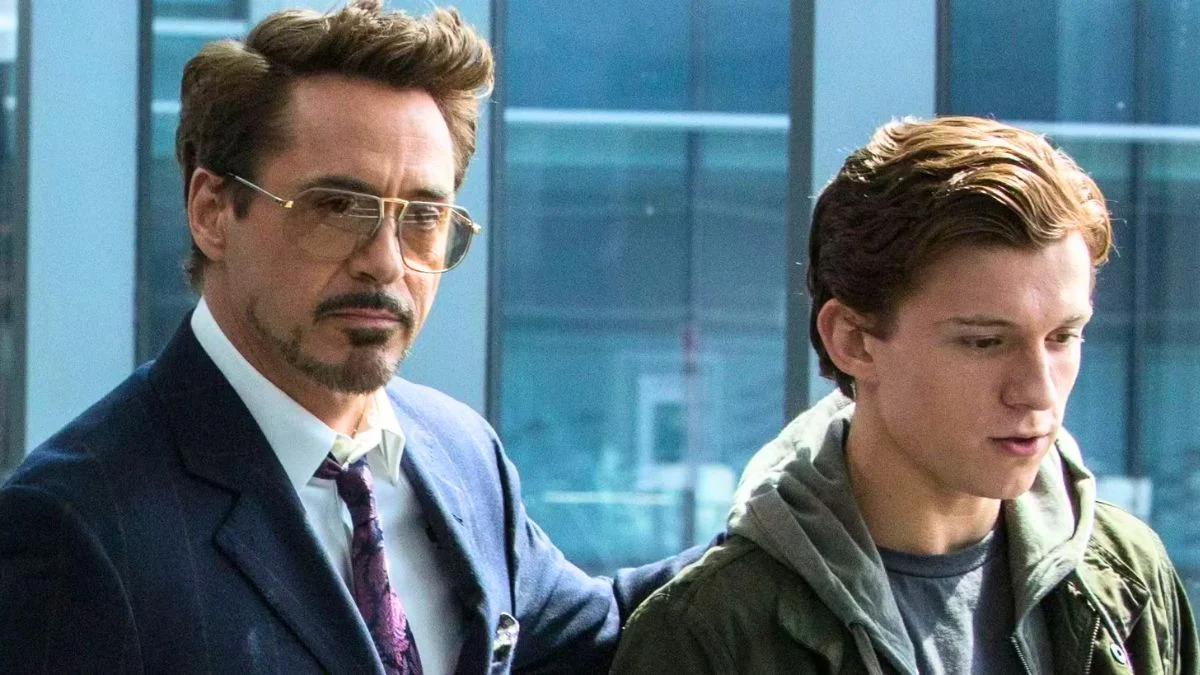
Robert Downey Jr. mentored Tom Holland during the early ‘Spider Man’ appearances in the larger franchise. On set he ran lines with Holland and modeled efficient rehearsal habits that translate across demanding action schedules. Downey Jr. also advised on media obligations which helped Holland manage global publicity cycles. The relationship continued across multiple films where Holland applied those professional routines to lead roles.
Hugh Jackman
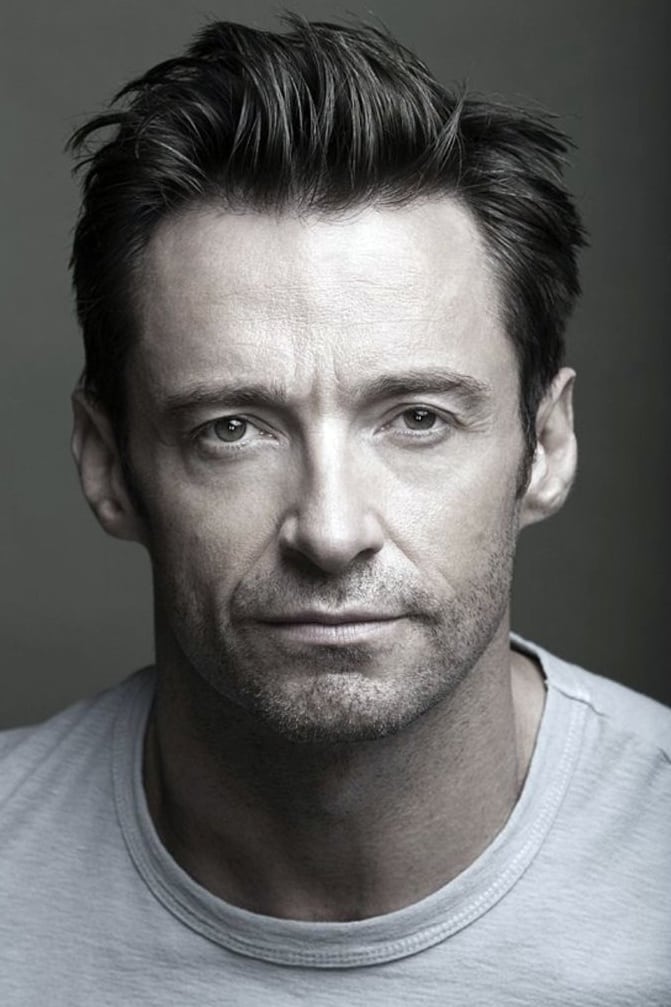
Hugh Jackman took a mentoring approach with Dafne Keen while filming ‘Logan’. He involved her in fight choreography discussions so she could build confidence with stunt teams and camera blocking. Jackman shared vocal and breath techniques that support emotional scenes shot out of sequence. Keen left the production with a toolkit for action work and dramatic material that she has used in subsequent projects.
Kenneth Branagh
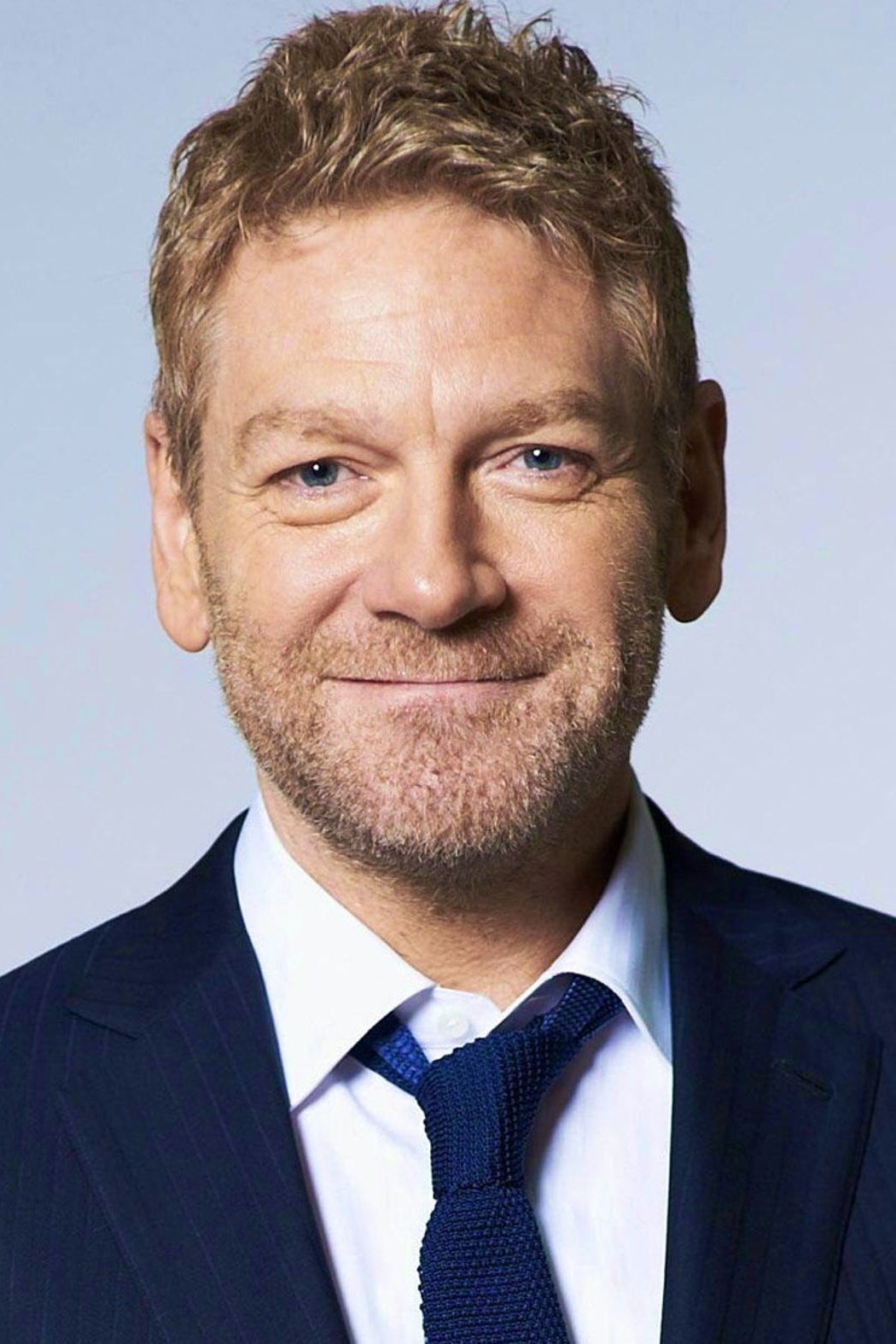
Kenneth Branagh taught and directed Tom Hiddleston early and then cast him in televised drama before a major franchise audition. He coached Hiddleston on verse speaking and camera awareness drawn from stage practice. Branagh’s recommendation introduced Hiddleston to decision makers who were selecting a complex antagonist. That pathway demonstrated how mentorship can link training to high profile casting.
Keanu Reeves
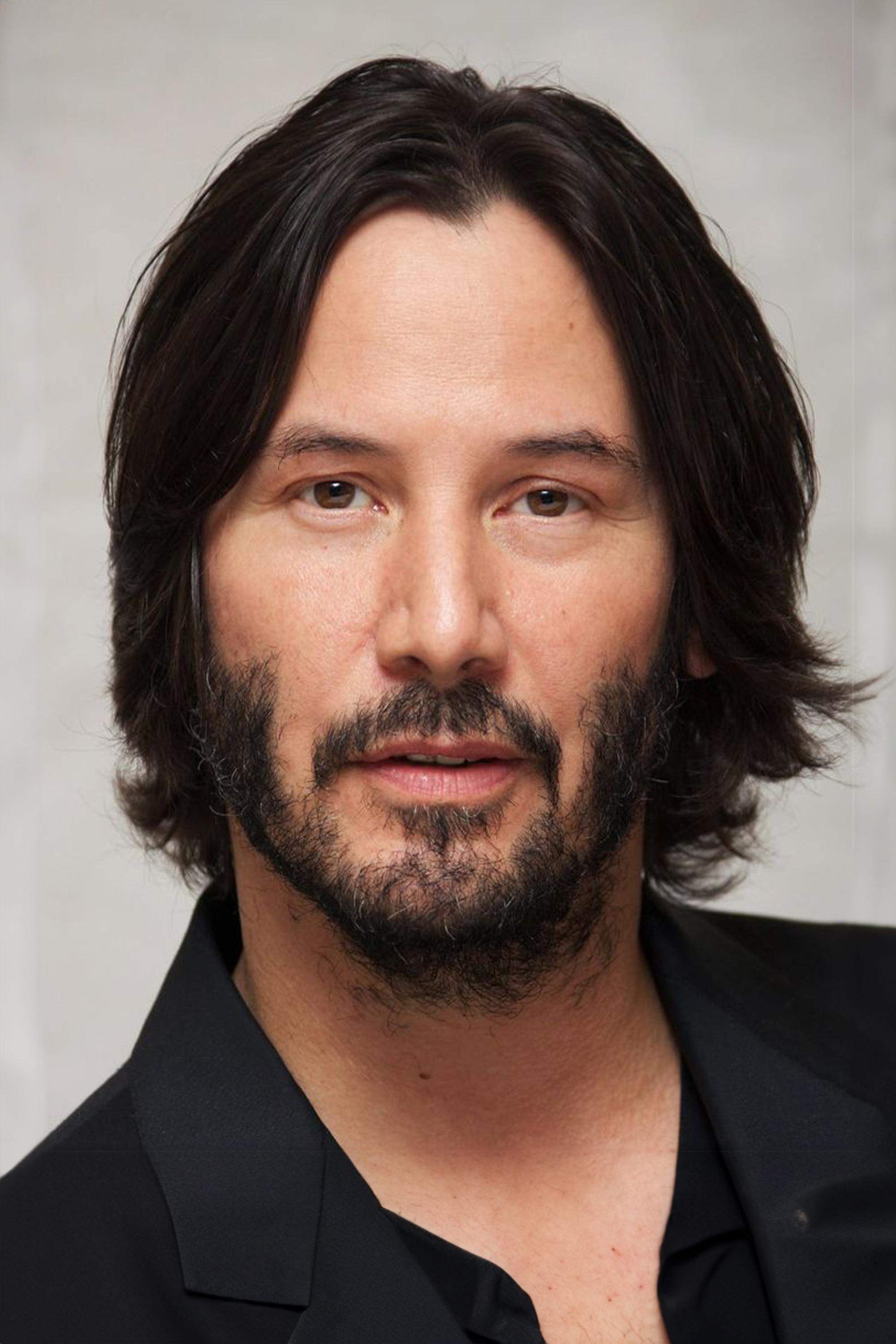
Keanu Reeves mentored Tiger Chen after meeting him through stunt work and later built a starring vehicle around his martial arts skill. Reeves arranged fight design sessions that highlighted Chen’s strengths for the camera. He structured the production schedule to give Chen room to lead sequences safely with experienced stunt partners. The collaboration moved Chen from team member to on screen lead.
Emma Thompson
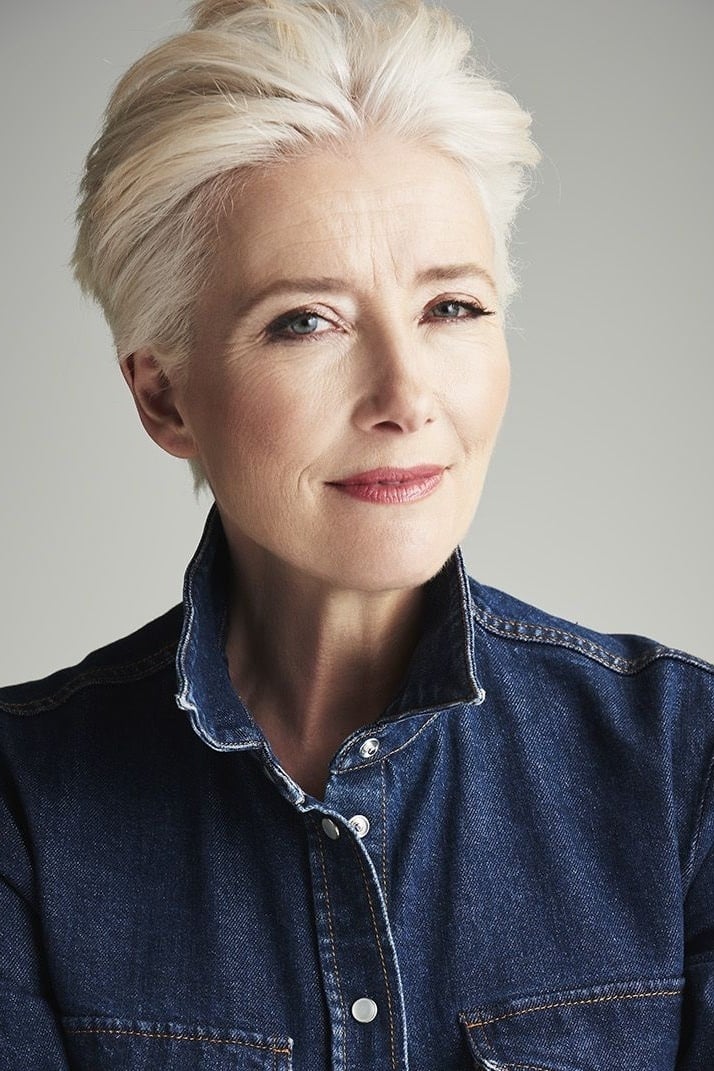
Emma Thompson supported Kate Winslet during production on a major period drama by sharing script analysis habits and rehearsal notebooks. Thompson modeled how to break down a scene into playable actions that survive rewrites and reshoots. She also offered practical advice on navigating awards season logistics and interviews. Winslet carried those methods into later roles that required sustained character work.
Laurence Olivier
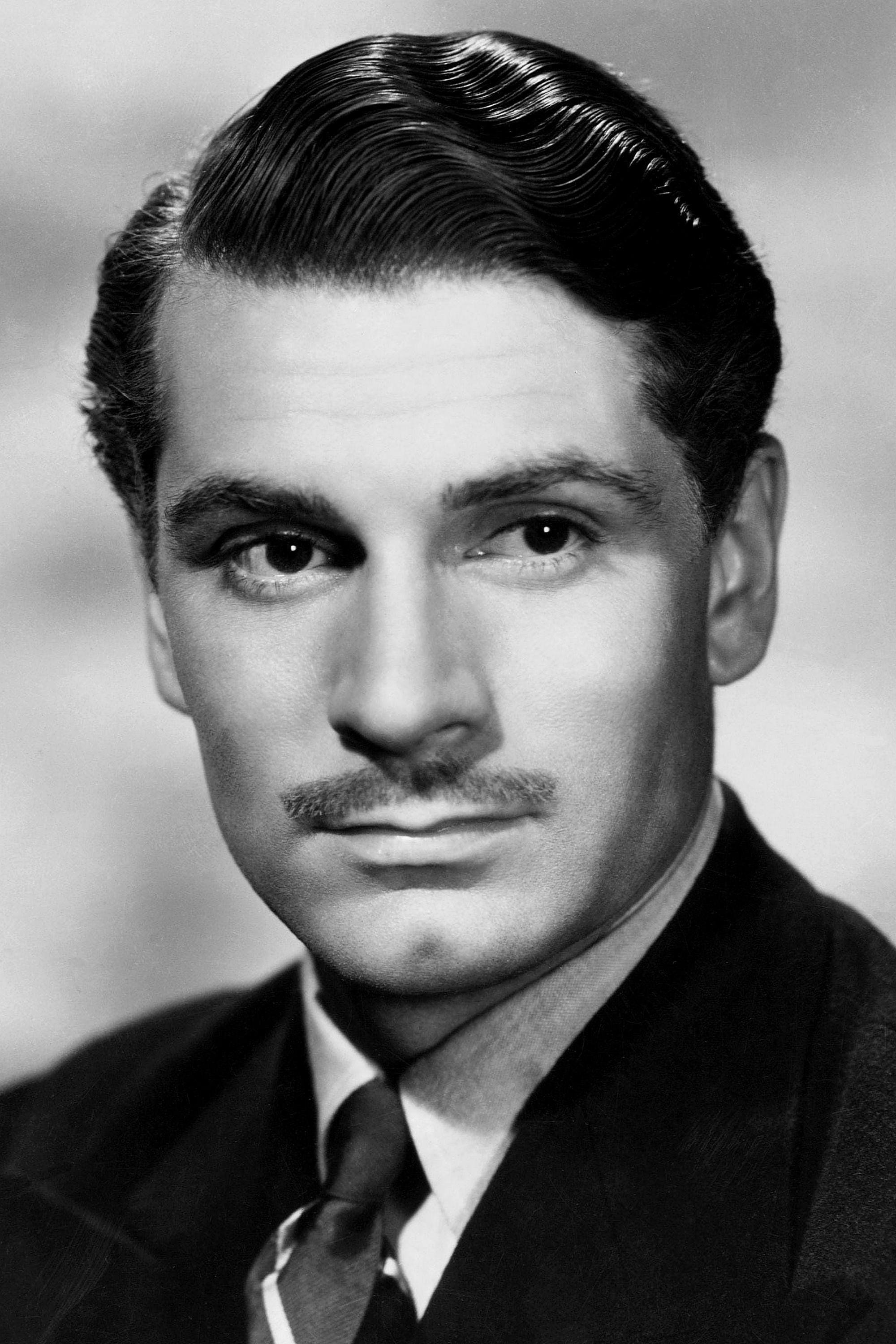
Laurence Olivier championed Anthony Hopkins after seeing his stage work and invited him to study technique from rehearsals inside a national company. Hopkins observed how Olivier calibrated performances for different houses and microphones which informed later film acting. Olivier’s recommendation led to prominent stage parts that showcased Hopkins’s range. The early access to professional process shortened the learning curve for screen transitions.
Al Pacino
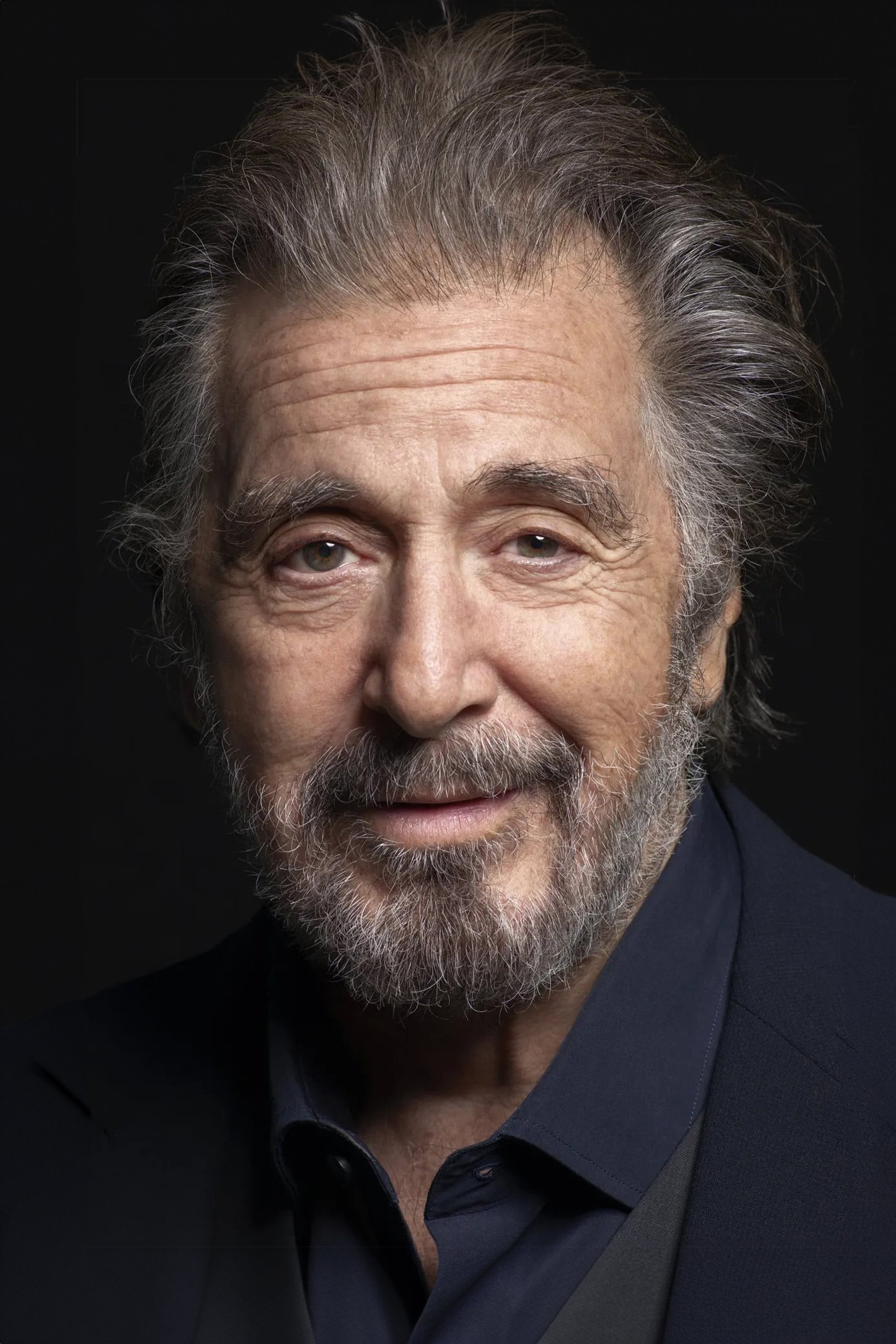
Al Pacino mentored Johnny Depp during their crime drama collaboration through detailed scene work at the table and on set. Pacino demonstrated how to use silence and stillness to control tension in close up shots. He also discussed script structure so Depp could track undercover arcs across shooting days. The guidance helped Depp refine choices in roles that balance charm with danger.
Clint Eastwood
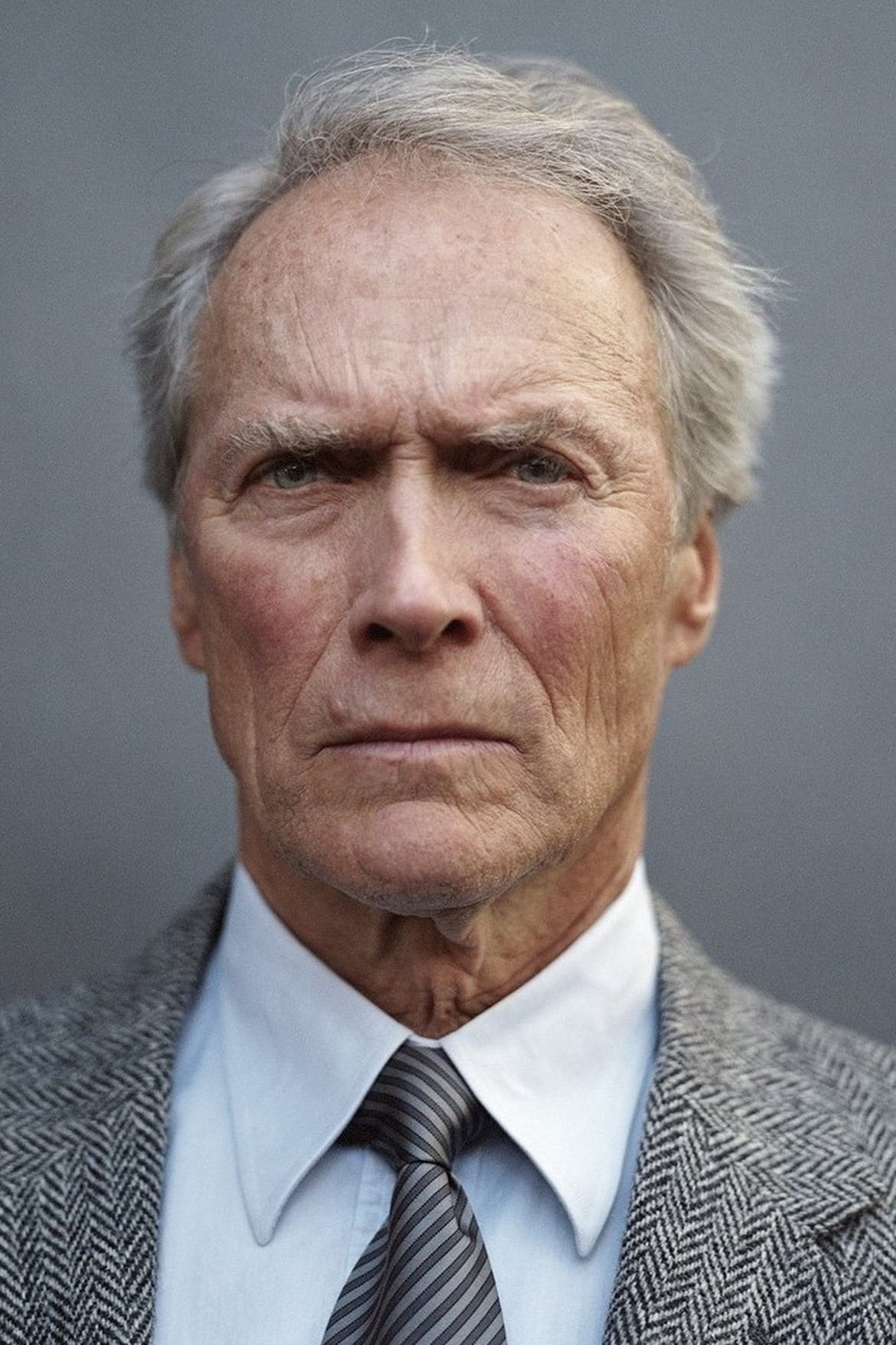
Clint Eastwood worked with Bradley Cooper on a military biopic and later a musical drama while offering steady career guidance. Eastwood shared directing insights that clarified how editors read performances in the cutting room. He encouraged Cooper to study lens selection to anticipate how movement lands on screen. Those lessons informed Cooper’s own directing and performance planning.
Robin Williams
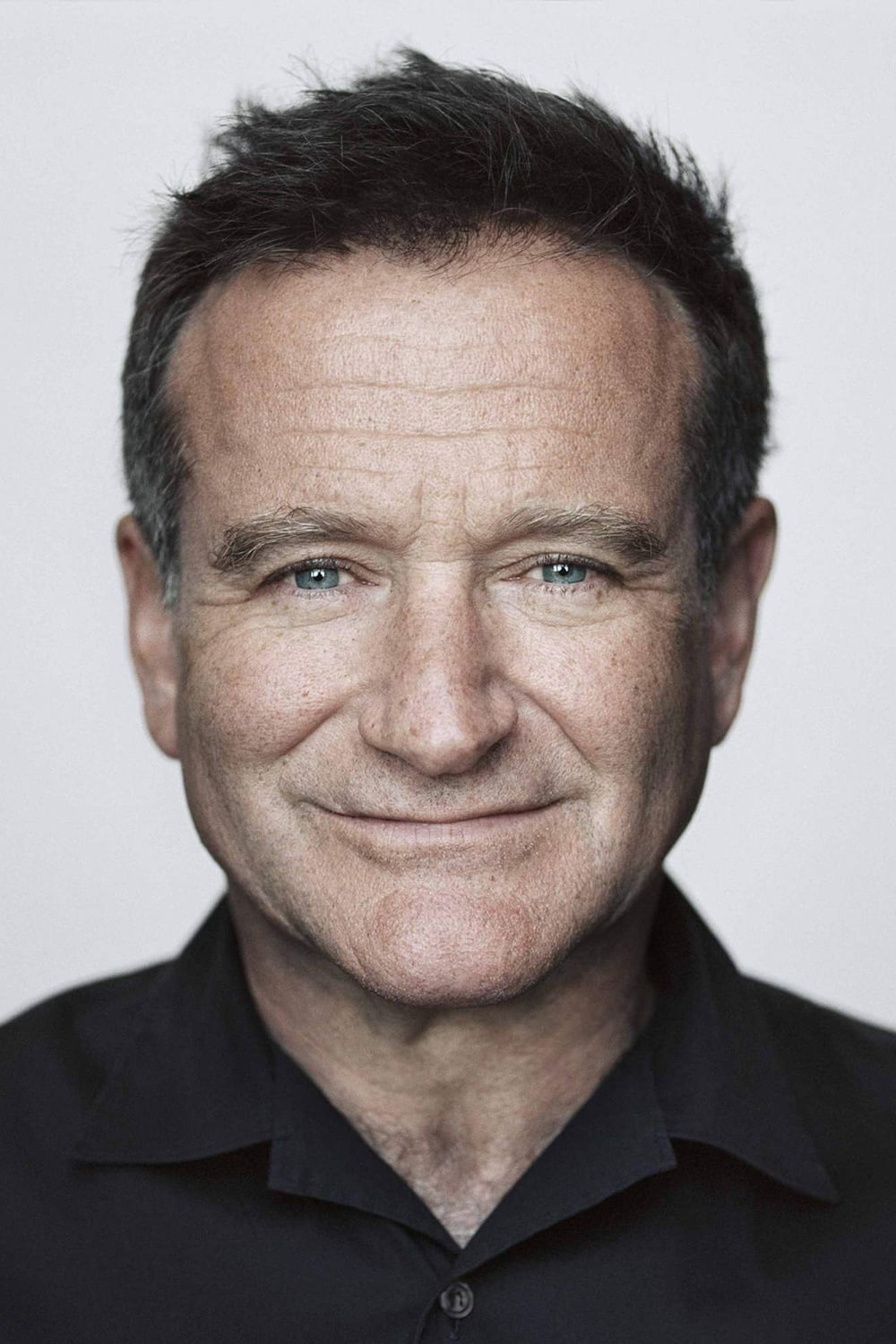
Robin Williams supported Matt Damon and Ben Affleck after joining their breakout project and maintained guidance as they navigated sudden visibility. Williams advised on contract choices that protect creative control for future scripts. He encouraged them to keep writing during promotional tours to maintain momentum. The mentorship provided practical frameworks for balancing acting and screenwriting careers.
Samuel L. Jackson
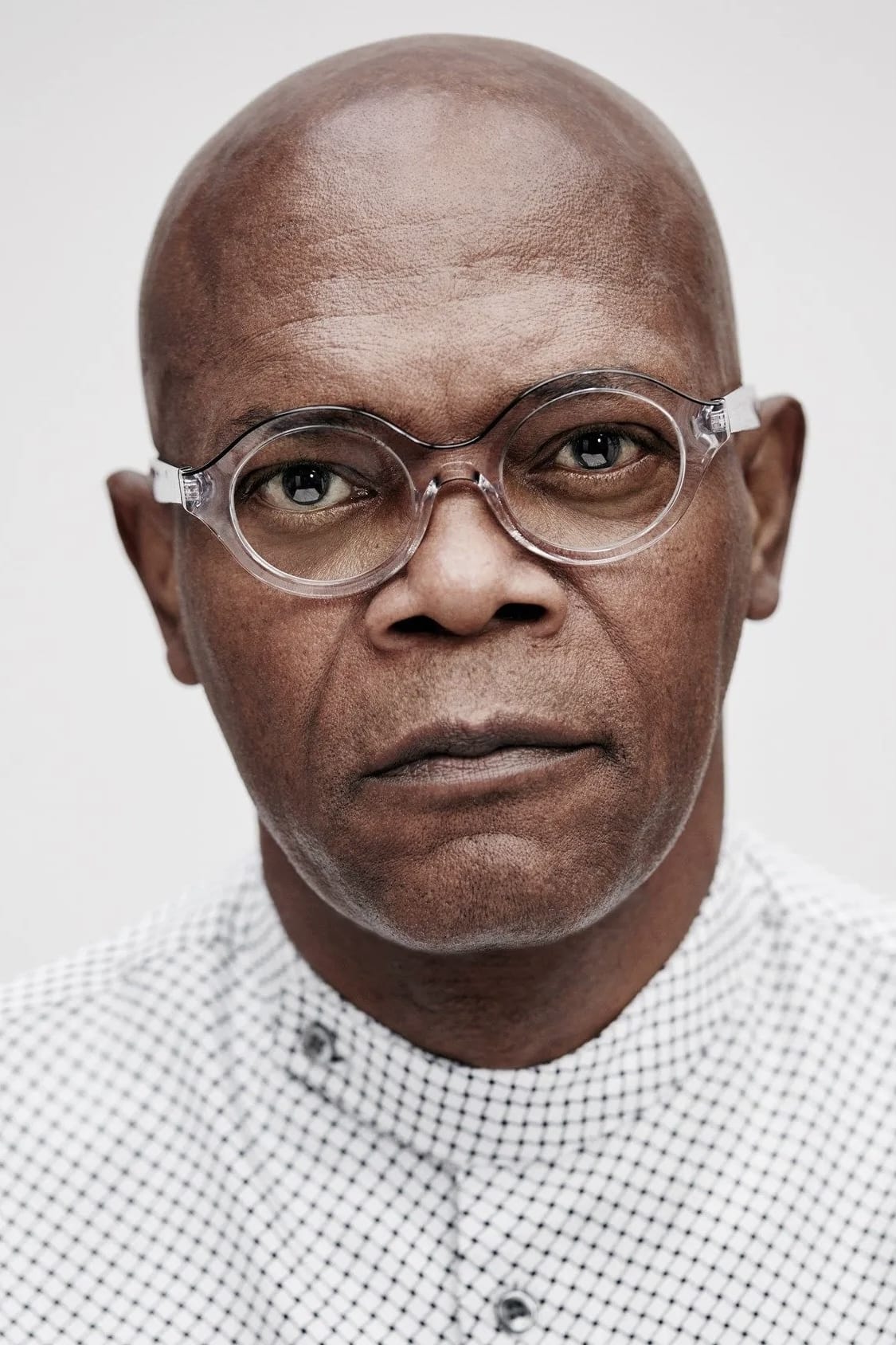
Samuel L. Jackson encouraged Brie Larson across multiple collaborations by normalizing rigorous preparation and improvisation within big budget environments. He shared strategies for handling long promotional schedules without losing focus between press and reshoots. Jackson also introduced Larson to crew leaders who could accelerate her learning in stunt and effects setups. The support helped Larson scale from independent drama to franchise production.
Judi Dench
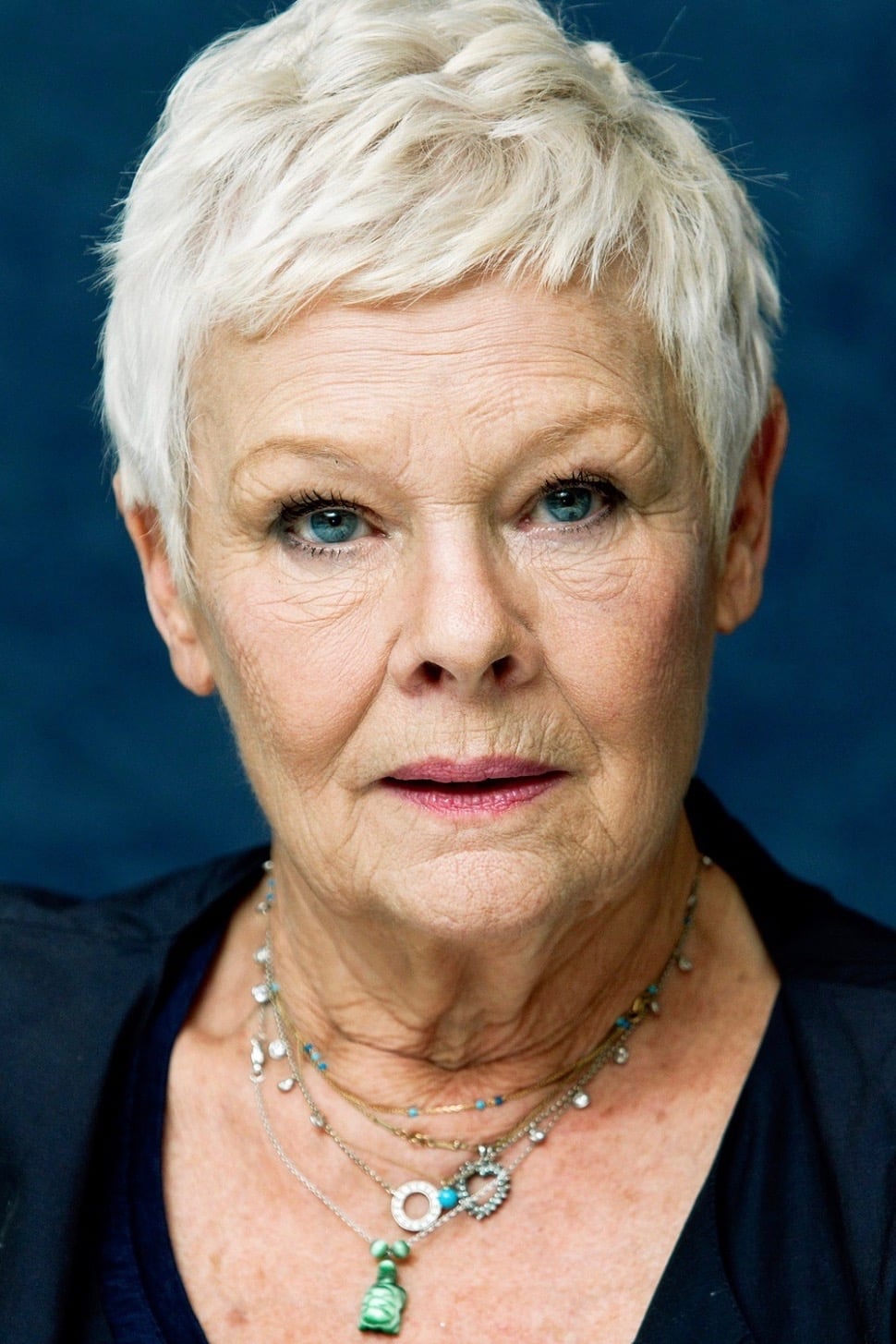
Judi Dench offered early encouragement to Eddie Redmayne during theater work that preceded his major film roles. She shared text scanning techniques that reveal rhythm and emphasis for screen dialogue. Dench also gave advice on balancing historical research with spontaneous choices on set. Redmayne has cited those tools when preparing complex biographical performances.
Robert De Niro
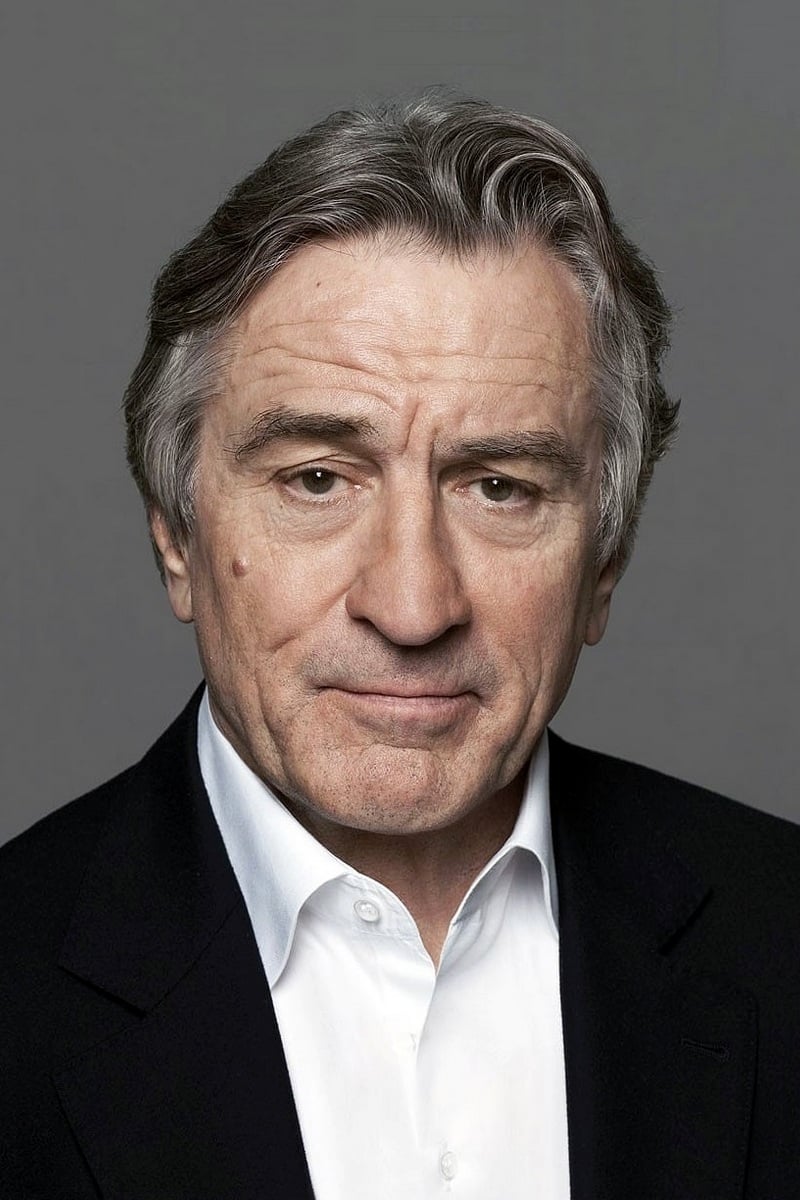
Robert De Niro recognized Leonardo DiCaprio’s potential during a formative drama and later worked with him again many years afterward. On their first project De Niro set expectations for rehearsal intensity that DiCaprio adopted across later films. He also demonstrated how to build character histories that inform small physical details under the camera. The professional standards modeled there influenced DiCaprio’s approach to challenging material.
Patrick Stewart
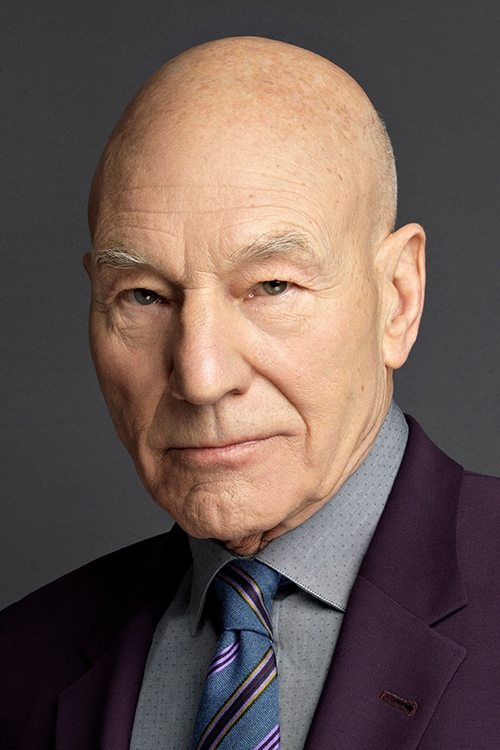
Patrick Stewart connected with James McAvoy across linked roles in a long running superhero series and shared insights on sustaining a character over multiple films. Stewart explained how to adjust performance scale for ensemble scenes versus intimate two handers. He also discussed vocal care needed for marathon publicity and convention appearances. McAvoy has acknowledged the value of that continuity planning.
Mark Hamill
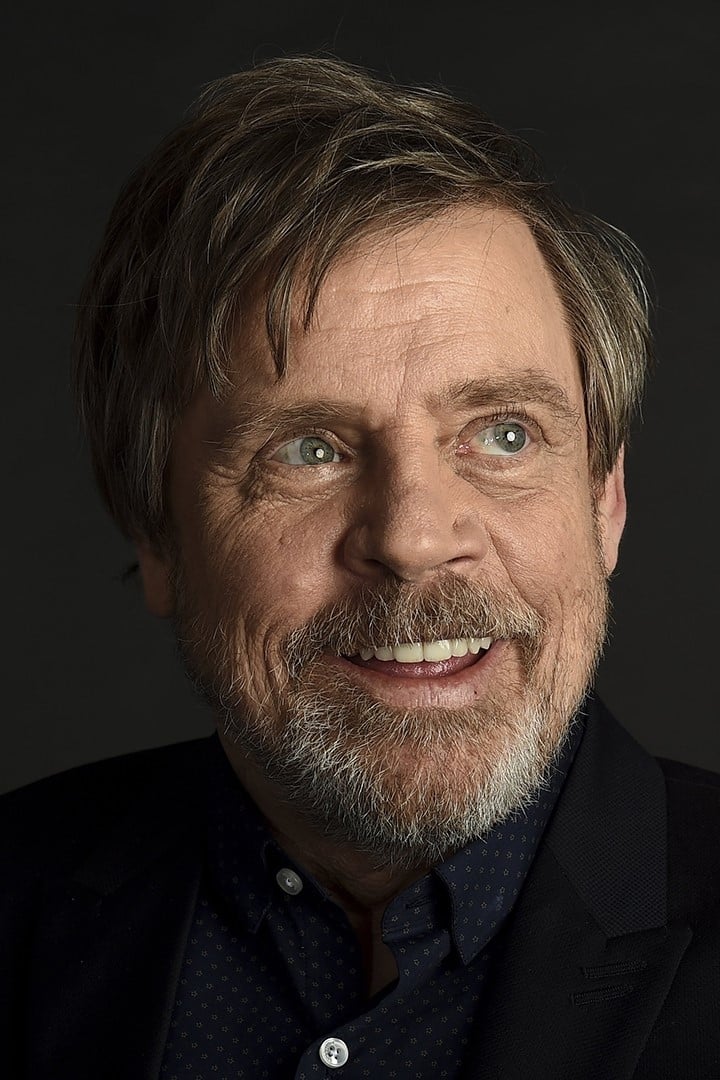
Mark Hamill mentored Daisy Ridley and John Boyega through an intergenerational franchise return. He walked them through stunt saber handling and camera angles that preserve speed and safety. Hamill also shared fan engagement practices that keep events welcoming and manageable. The guidance helped both actors handle intensive action shoots and global expectations.
Share your favorite mentorship stories in the comments so everyone can discover more examples of actors lifting the next generation.