


10 Famous Actors Who Proved Stardom Isn’t Always a Blessing

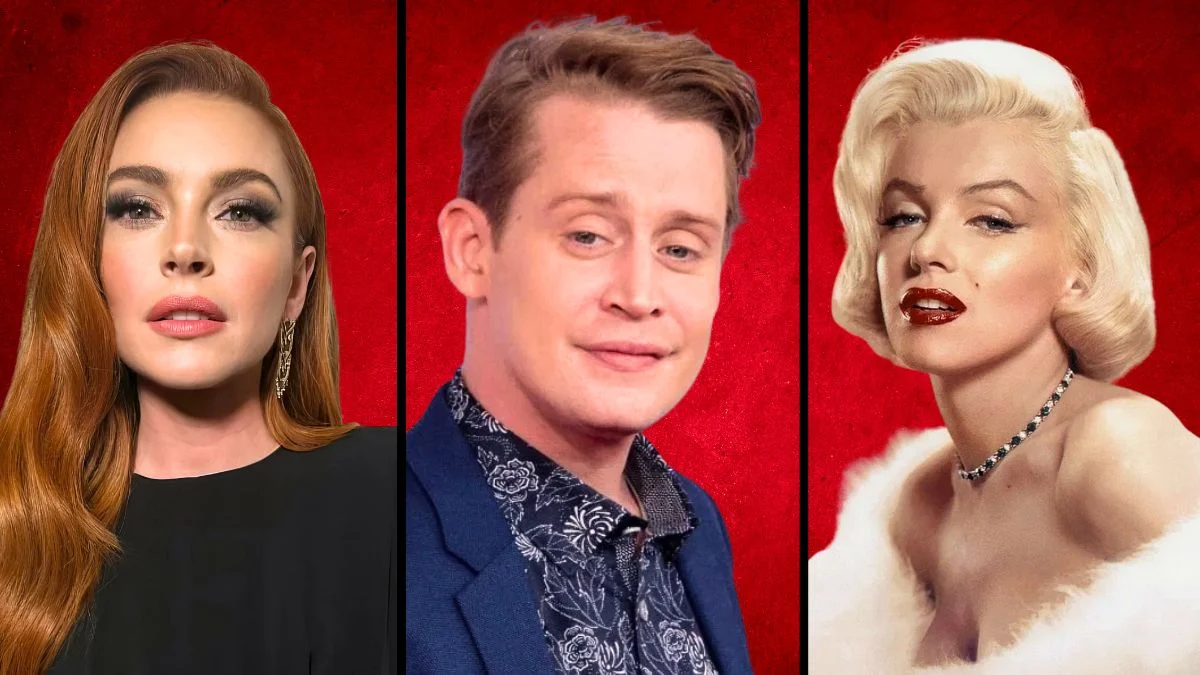


Fame can bring money, awards, and global recognition, yet it also invites relentless scrutiny and pressure that few people are prepared to handle. The stories below show how careers that look perfect from the outside often come with contracts that limit freedom, schedules that strain health, and public attention that never lets up. These actors reached the top of their fields, but the reality behind the headlines often told a harder story.
Each entry focuses on verifiable chapters in their lives rather than rumors. You will see how studios controlled images, how courts and contracts shaped careers, and how early success sometimes led to legal battles or personal crises. The goal is to understand what actually happened so the spotlight looks less like a dream and more like work with real costs.
Judy Garland
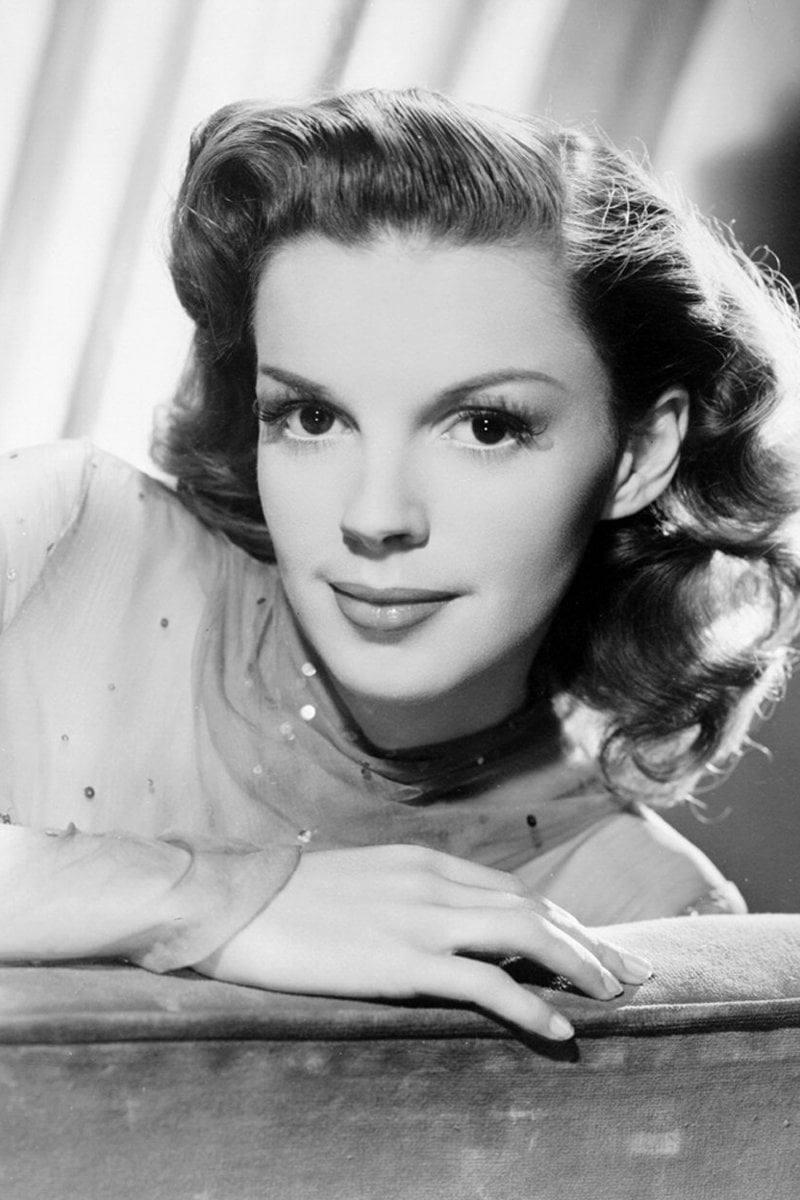
Judy Garland signed with MGM as a teenager and quickly became a studio centerpiece after the success of ‘The Wizard of Oz’. Studio handlers kept strict control over her schedule and appearance, including the use of pills to keep her working long hours. By 1950 she was released from her MGM contract, and the years that followed included frequent performances to manage finances along with health struggles that were widely documented.
Her final years included tours and television work that showed her enduring talent, yet the personal toll of early studio control never fully lifted. She died in 1969 from an accidental barbiturate overdose in London, a conclusion established by the inquest at the time. Her story later informed conversations about how young performers are managed and protected.
Marilyn Monroe
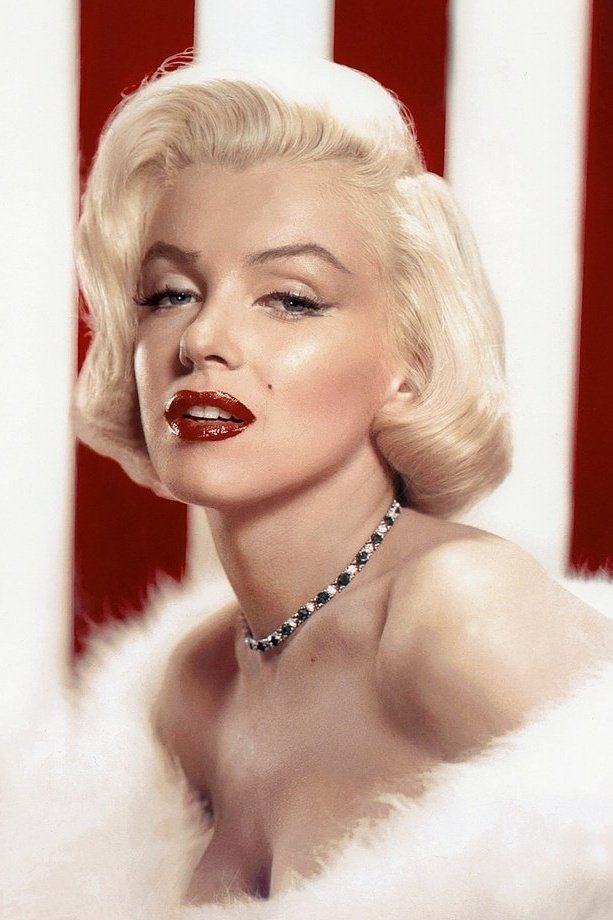
Marilyn Monroe’s rise at 20th Century Fox came with typecasting that limited her roles to a narrow image. In 1954 she formed Marilyn Monroe Productions to gain leverage over her career, and the move helped her secure better scripts and pay. Even with new business control, constant press attention followed her to film sets and personal milestones, creating pressure that never eased.
Her filmography includes classics such as ‘Some Like It Hot’ and ‘Gentlemen Prefer Blondes’, yet the off set picture included medical treatment, time away from work, and legal disputes over contracts and schedules. She died in 1962 from acute barbiturate poisoning in Los Angeles, a finding recorded by the authorities at the time. The combination of public fame and private strain remains one of the most analyzed parts of her legacy.
Macaulay Culkin
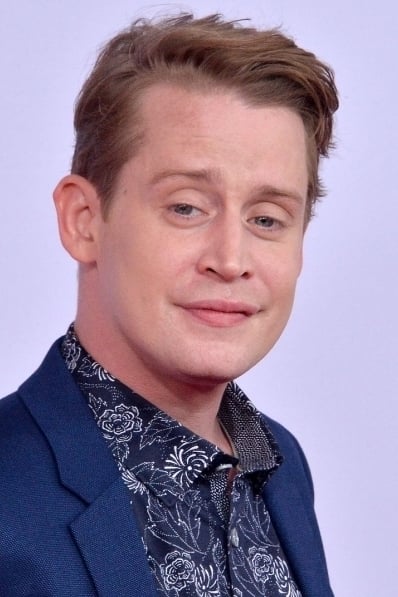
Macaulay Culkin became one of the most visible child actors in the world after ‘Home Alone’. As his earnings grew, a dispute inside his family over control of his career and finances emerged. In 1995 a court removed his parents as guardians of his estate and appointed an independent accountant, a step that protected his assets while he stepped back from acting.
He took a long break from work and returned later on his own terms with stage roles and independent projects. His experience is often cited in discussions about how young performers can separate family relationships from business decisions, especially when a hit like ‘Home Alone’ turns a minor into a major earner overnight.
Lindsay Lohan

Lindsay Lohan moved from child roles into major studio films and became a frequent target for tabloids. In 2007 she faced multiple arrests that included driving under the influence, which led to probation, mandated programs, and additional court appearances after violations. Work schedules were disrupted by legal requirements, and insurance concerns limited opportunities on film sets for a period.
She continued to alternate between treatment and attempts to return to regular acting work. Over time she relocated for privacy and gradually rebuilt parts of her career, including projects in television and streaming. Her path shows how legal trouble and intense media coverage can reduce creative options even for a well known star with a strong early resume.
Robert Downey Jr.
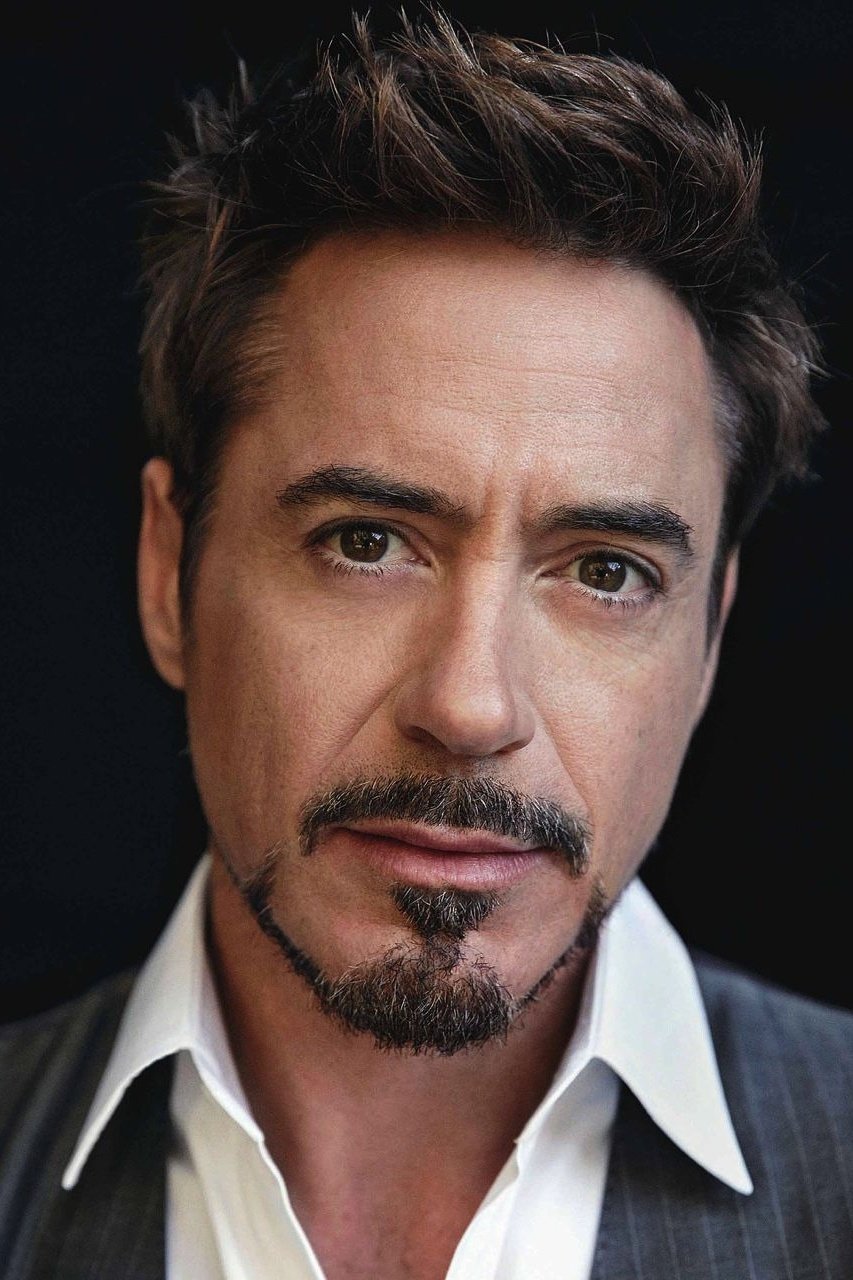
Robert Downey Jr. earned acclaim early in his career before a period of addiction led to repeated arrests beginning in the late nineteen nineties. Court sentences included jail time and mandated treatment, and in 2001 he was dismissed from ‘Ally McBeal’ after another arrest. Productions weighed the risk of hiring him because of insurance and scheduling concerns that come with unresolved legal issues.
After sustained recovery efforts he returned to lead roles and eventually headlined major franchises such as ‘Iron Man’. The turnaround required strict compliance with work conditions and support from producers willing to structure contracts that protected productions. His case is frequently used in industry conversations about rehabilitation, bonding, and the business rules that govern an actor’s return to set.
Daniel Radcliffe
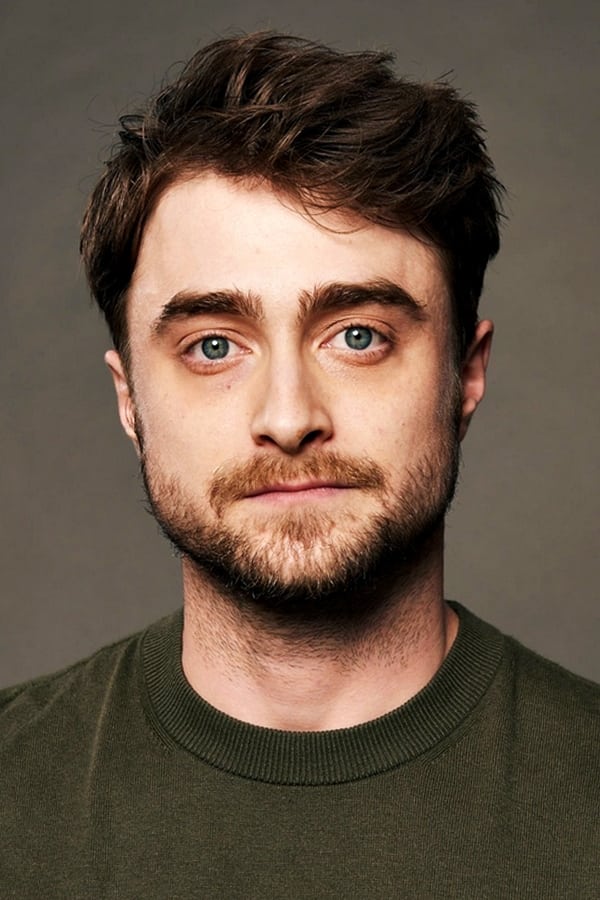
Daniel Radcliffe spent his adolescence and early adulthood working continuously on the ‘Harry Potter’ films. He later explained that the level of recognition made it difficult to live anonymously and that he used alcohol to cope during the final years of the series. He stopped drinking in 2010 and pursued stage work and independent films to redefine his career.
His choices after ‘Harry Potter’ included theater runs and films that kept him working while shifting audience expectations. Interviews over the years described the practical steps he took for privacy and health, including limiting nightlife and staying focused on rehearsal schedules. The contrast between public enthusiasm for ‘Harry Potter’ and the private challenges of growing up under constant attention illustrates how success can complicate everyday life.
Jackie Coogan
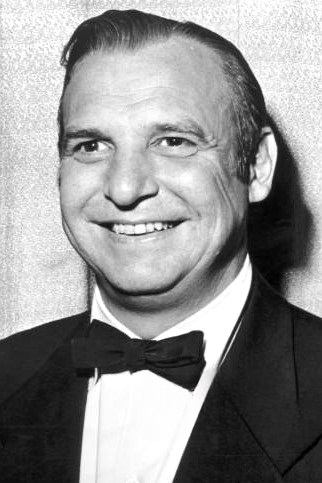
Jackie Coogan became famous as a child in ‘The Kid’ with Charlie Chaplin. When he reached adulthood he learned that most of his earnings were gone, spent by adults who managed his career. His legal fight led California to pass the Child Actor’s Bill in 1939, commonly known as the Coogan Law, which required a portion of a minor’s income to be placed in a trust.
He maintained a career in radio, film, and television as an adult, yet the financial loss from his youth never disappeared. The law that bears his name remains a standard reference in contracts for young performers. Modern updates require that employers deposit a set percentage of a minor’s pay into a dedicated account that parents cannot access for personal use.
Bela Lugosi
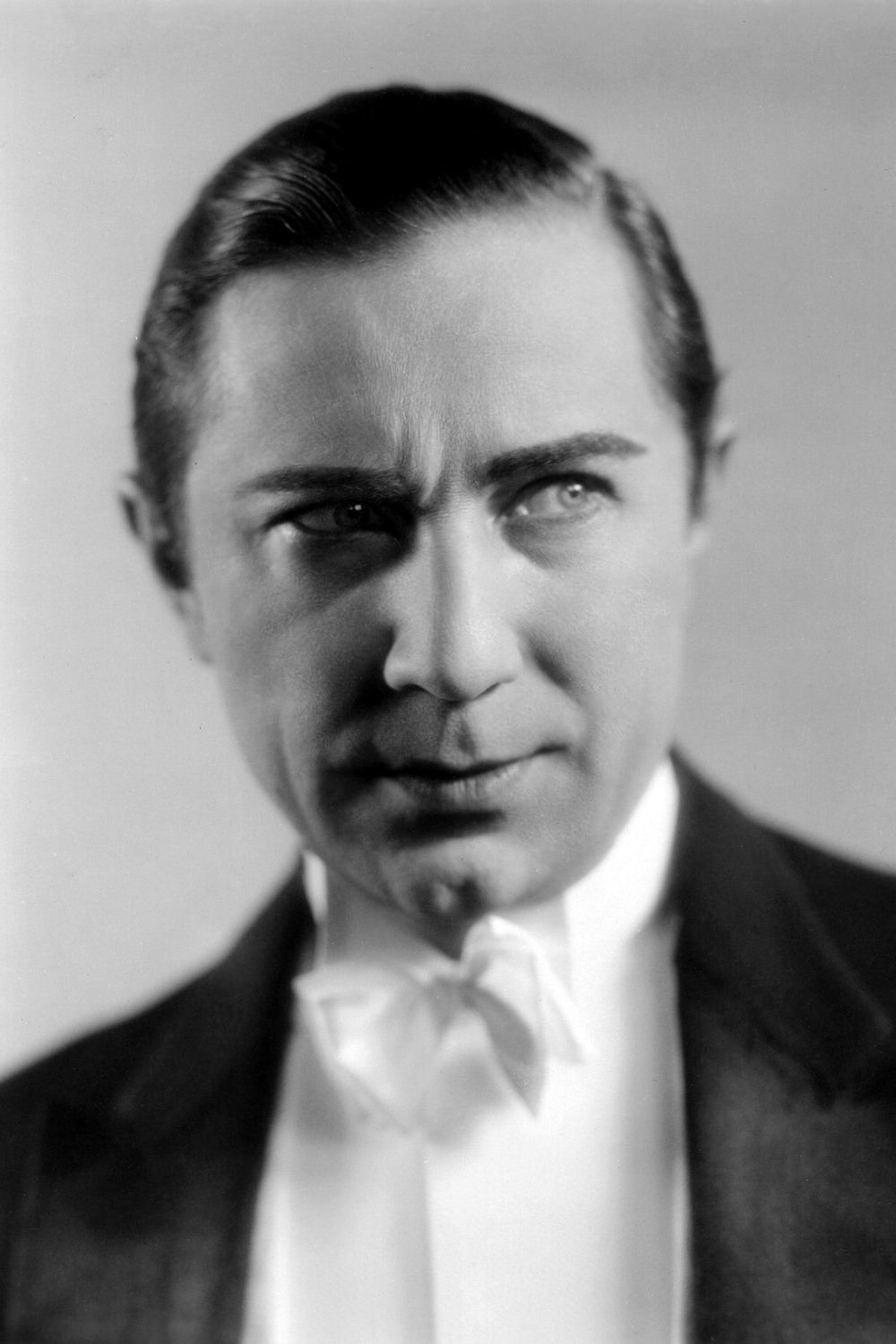
Bela Lugosi became internationally known for portraying Dracula, and the image proved hard to escape. Typecasting limited his roles, and the lack of varied offers contributed to financial problems between projects. Chronic pain led to the use of prescribed drugs, and in 1955 he entered treatment for addiction, which he discussed publicly.
Late in his career he worked on low budget productions such as ‘Plan 9 from Outer Space’, a sign of how limited his choices had become. He died in 1956 in Los Angeles. His experience is often cited by actors’ unions and historians who examine how a breakout role can restrict later casting, especially when studios market a performer as a single character rather than as a versatile professional.
River Phoenix
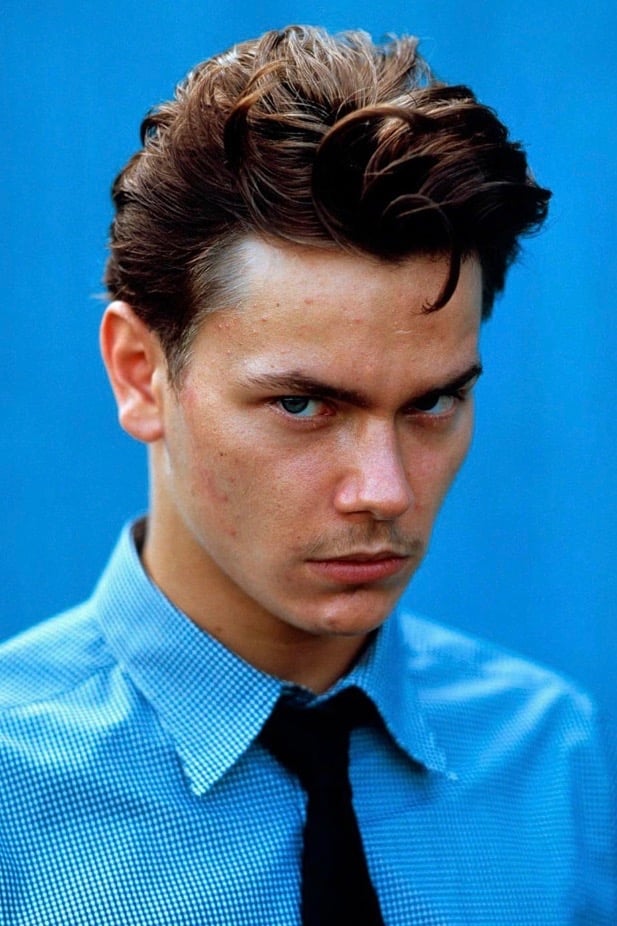
River Phoenix earned strong reviews for roles in films including ‘Stand by Me’ and ‘My Own Private Idaho’. He was open about wanting to balance work with activism and music, yet the rush of attention in his late teens and early twenties made privacy difficult. On October thirty one 1993 he collapsed outside The Viper Room in West Hollywood and was pronounced dead shortly afterward. The coroner reported acute multiple drug intoxication.
The loss prompted industry discussions about the pace of work for young stars and the availability of support during rapid rises to fame. Fans and colleagues have organized memorial events and charity efforts in his name. His career remains a reference point in conversations about the pressures surrounding early acclaim.
Roscoe ‘Fatty’ Arbuckle
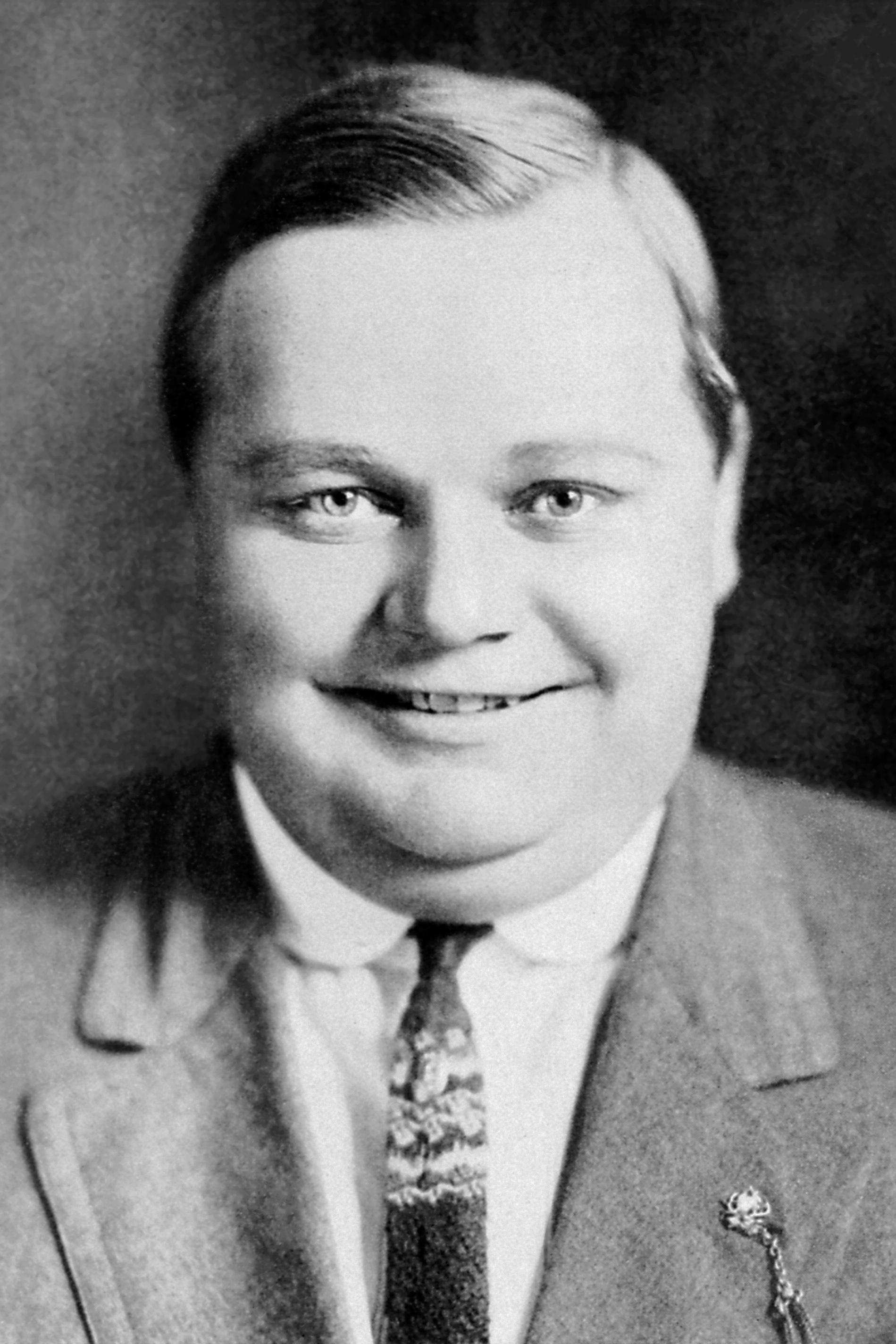
Roscoe Arbuckle was one of the highest paid comedians in silent cinema when a party in San Francisco in 1921 led to the death of Virginia Rappe. He faced three trials for manslaughter. The first two ended without a verdict, and the third in 1922 acquitted him with a full jury apology. Despite the acquittal, a ban from working issued by the studio system’s leadership crippled his career.
He later directed under a different name and returned to screen work only briefly. Studio policies and public pressure made it hard to secure major roles, and his career never recovered to earlier levels. His case is still studied as an example of how scandal and policy decisions can end an actor’s work even after the courts clear the charges.
Elizabeth Taylor
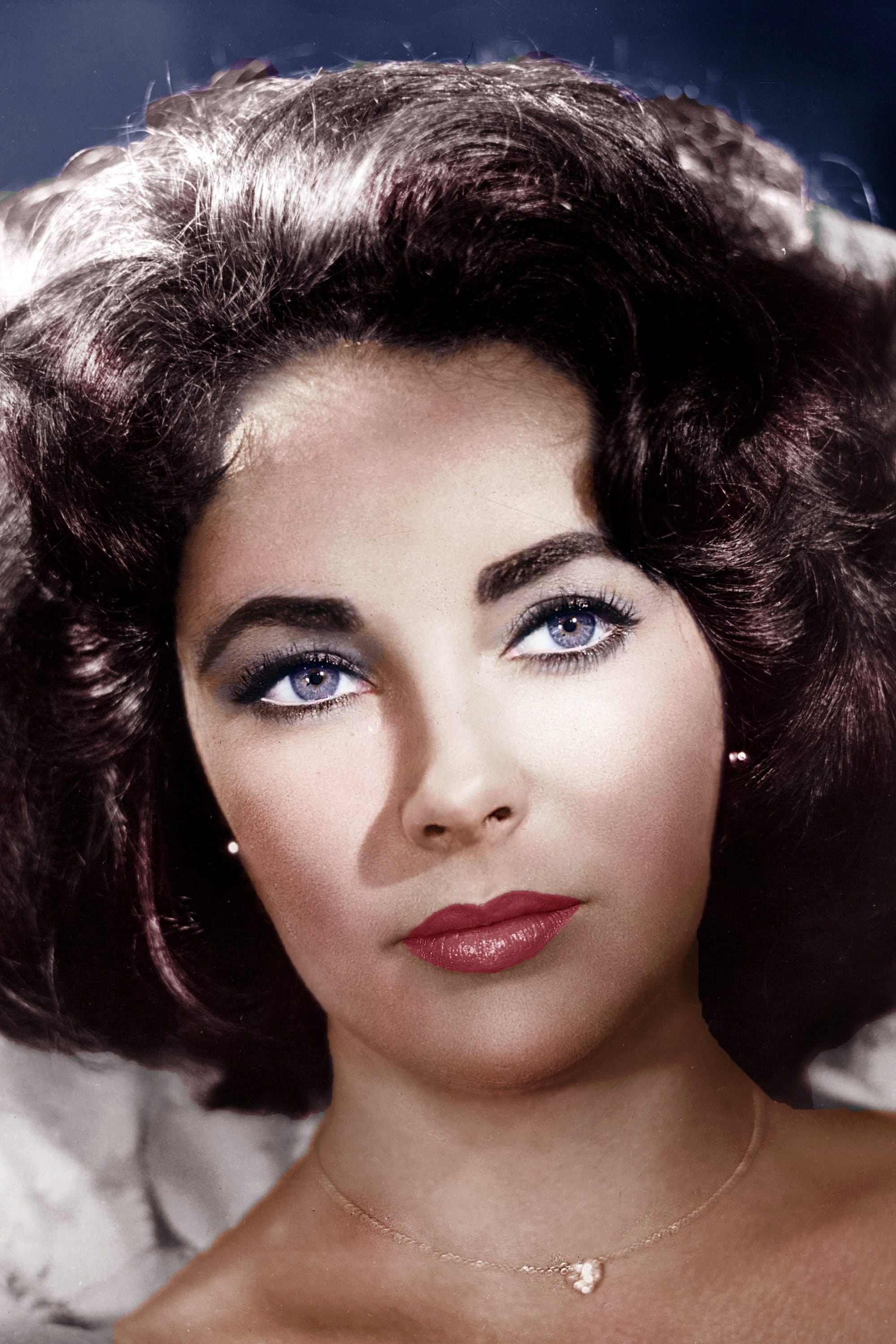
Elizabeth Taylor grew up on studio lots and moved into adult stardom with films such as ‘Cleopatra’. Constant paparazzi attention accompanied her marriages, divorces, and medical procedures, and crowding by photographers led to security concerns at public events. Production delays on major films, including the extensive shoot for ‘Cleopatra’, created cost overruns and intense press coverage that followed her for years.
She balanced health issues with work and later founded organizations that raised funds for AIDS research and support. Her schedule often included travel for advocacy in addition to film and television projects. The scale of fame she carried made routine activities complicated and showed how celebrity can turn every personal update into public news.
Share which stories surprised you most in the comments and tell us who else you think belongs on this list.