


Famous Celebrities Who Faced Intense Backlash for Their Experimental Identity

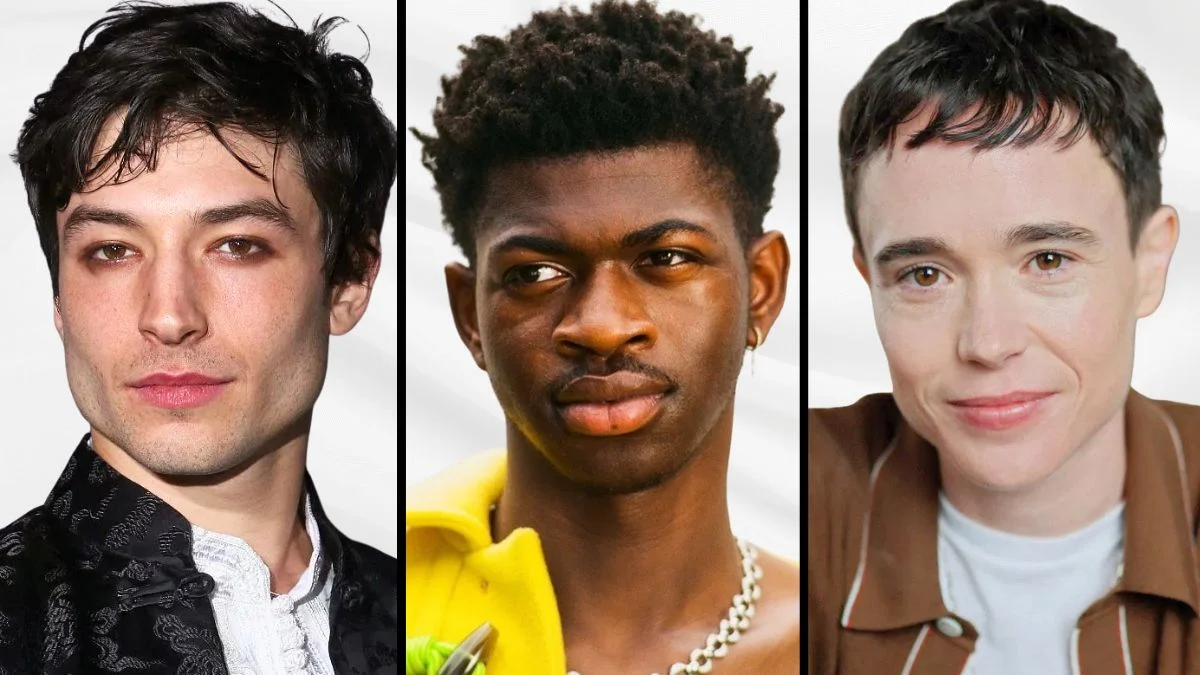


Public figures often undergo transformations that challenge traditional societal norms or personal expectations. These shifts in identity can range from changes in gender expression and sexual orientation to drastic alterations in public persona or cultural heritage. While some audiences offer support others respond with intense criticism or confusion. The following individuals navigated significant public scrutiny as they redefined who they were in the eyes of the world.
Caitlyn Jenner
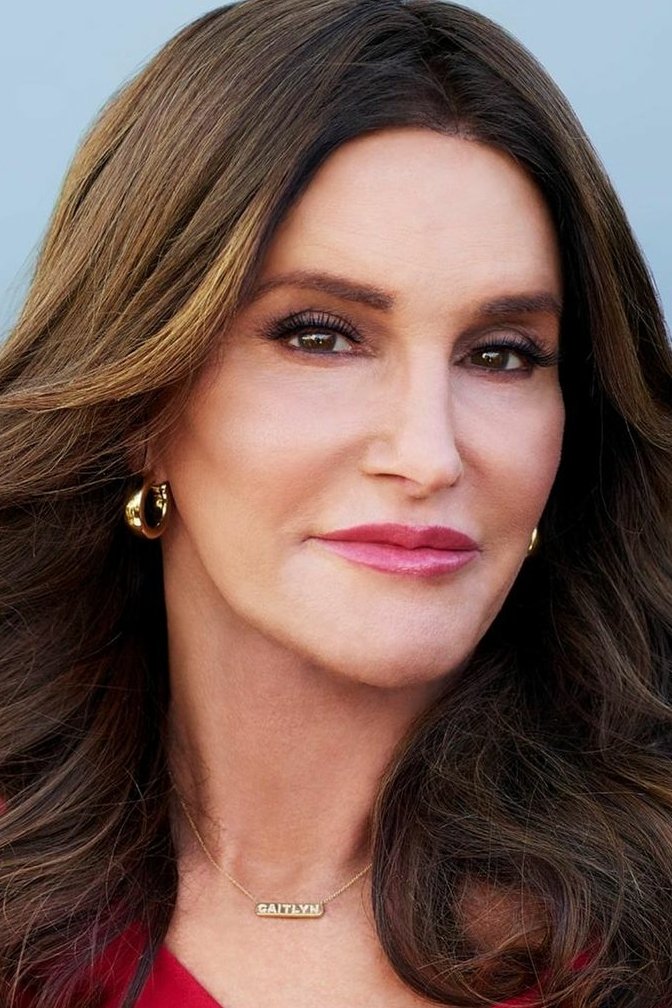
Caitlyn Jenner publicly announced her gender transition during a televised interview and a subsequent magazine cover in 2015. This revelation followed her decades of fame as an Olympic gold medalist and a member of a reality television dynasty. Many individuals within the transgender community and the general public questioned her political stances and her representation of gender identity. She received backlash from various groups for her conservative views which some felt contradicted her new public identity. This transition remains a focal point of discussion regarding celebrity and social change.
Elliot Page
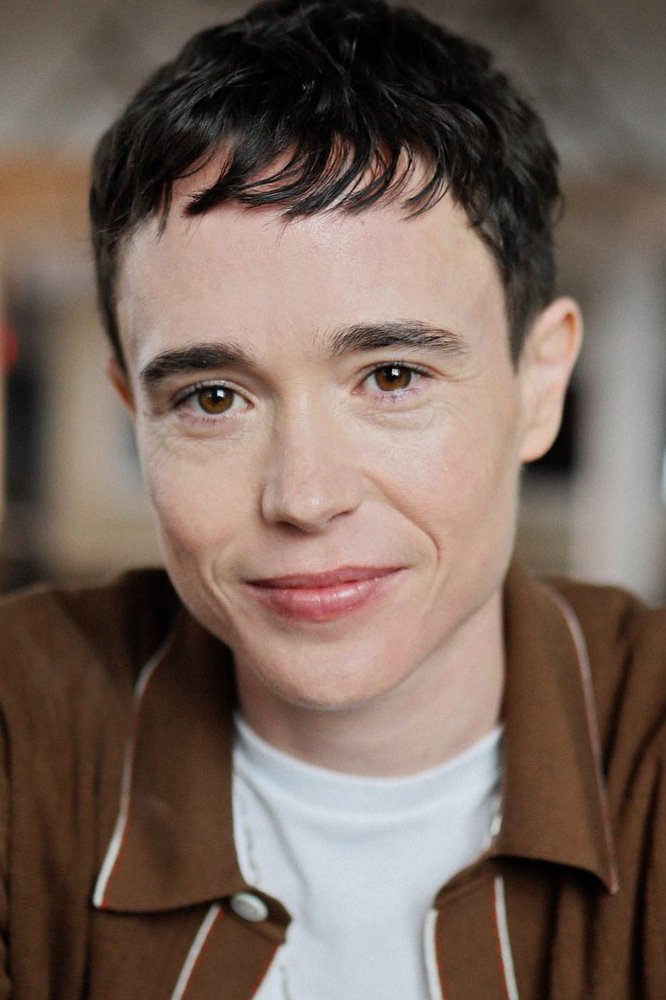
Elliot Page shared his identity as a transgender man in late 2020 through a social media announcement. Before this announcement he was well known for his roles in ‘Juno’ and ‘The Umbrella Academy’. While he received widespread industry support he also faced a wave of online harassment and transphobic rhetoric. He has since become a prominent advocate for LGBTQ+ rights and continues to document his journey through various media projects. His transition highlighted the challenges faced by transgender individuals in the entertainment industry.
Ezra Miller
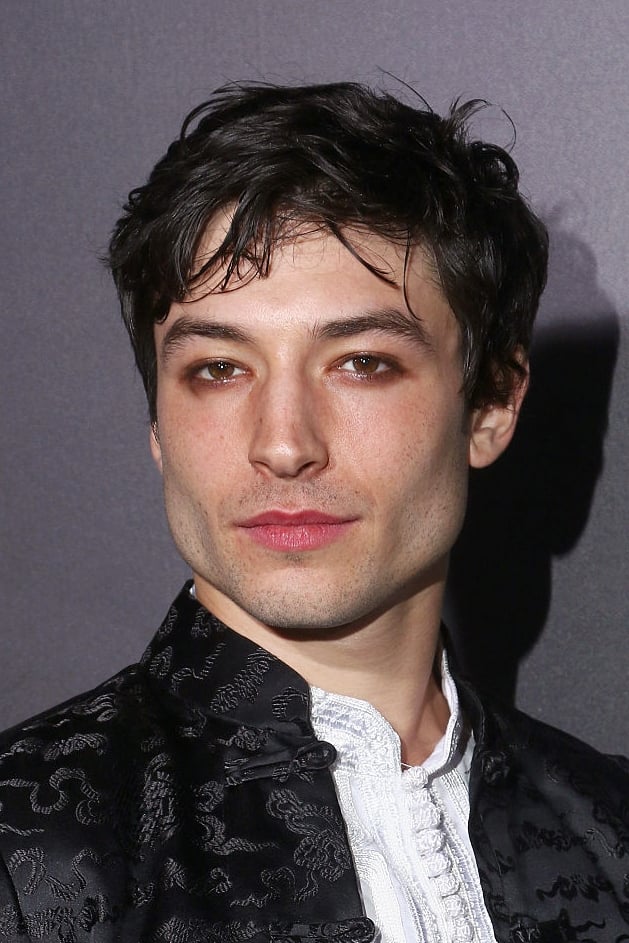
Ezra Miller identified as non-binary and used they/them pronouns while starring in major franchises like ‘Fantastic Beasts and Where to Find Them’. Their public identity and fashion choices often challenged traditional gender norms on the red carpet. However they faced intense backlash following a series of legal issues and reports of erratic behavior across multiple countries. The public discourse often conflated their personal identity with their legal troubles. This situation led to significant debate regarding their future in the ‘The Flash’ film and the broader film industry.
Sam Smith
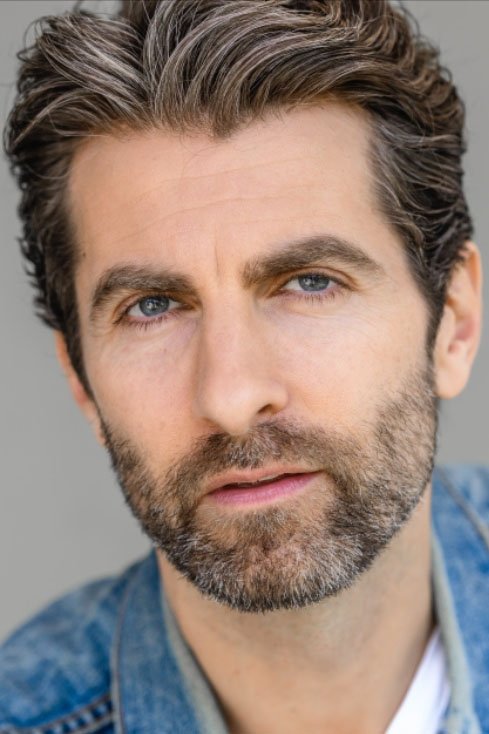
Sam Smith came out as non-binary in 2019 and requested the use of they/them pronouns. The singer faced significant criticism on social media regarding their fashion choices and public performances. Many critics targeted their appearance in music videos and during live award show segments. Despite the negative feedback they have continued to express their identity through their art and public image. Their journey has sparked wider conversations about gender expression in the music industry.
Demi Lovato

Demi Lovato announced they were non-binary and changed their pronouns in 2021 before later returning to using she/her pronouns as well. The singer has been open about her struggles with mental health and addiction which often influenced public perception of her identity shifts. Some critics accused her of seeking attention while others supported her fluid approach to self-discovery. Her public journey has been documented in several specials including ‘Demi Lovato: Dancing with the Devil’. She continues to be a vocal figure regarding personal growth and identity exploration.
Lil Nas X
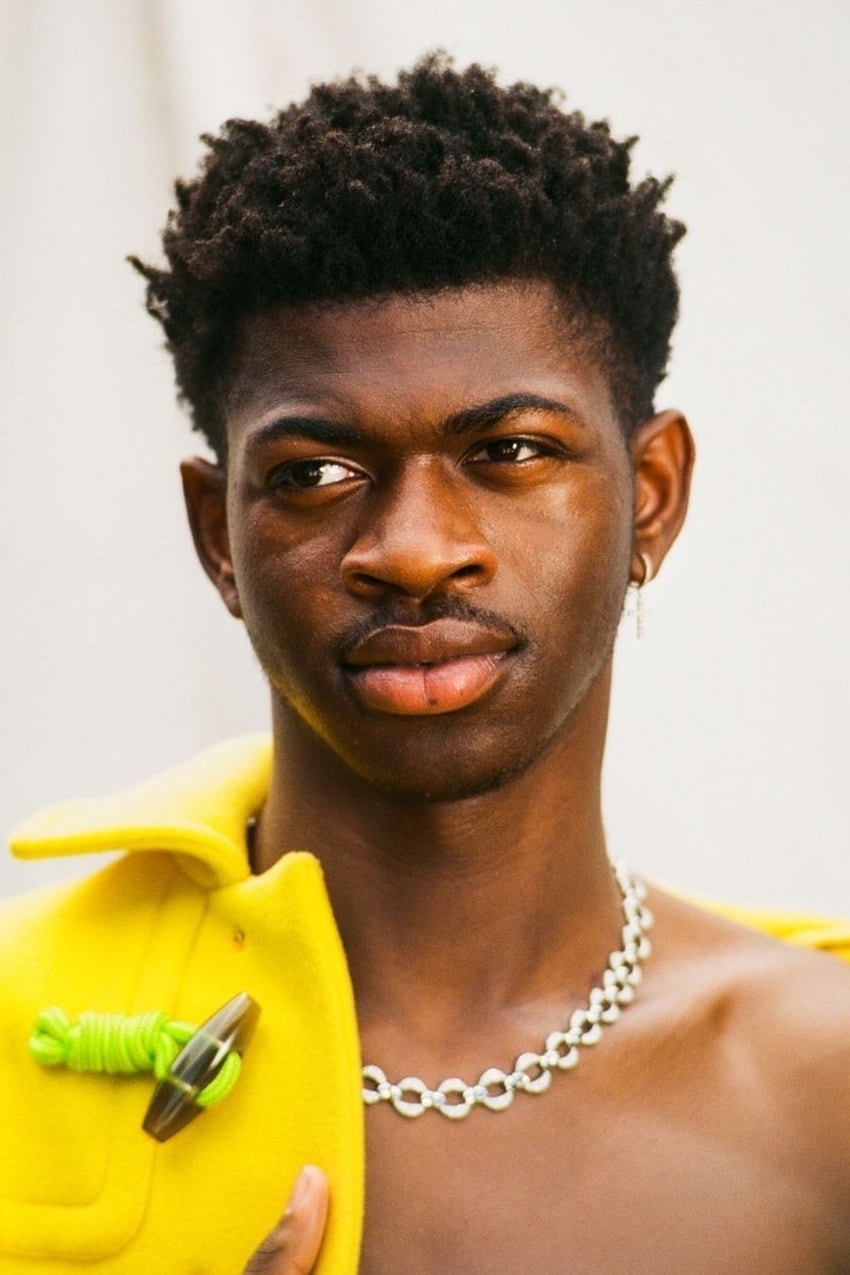
Lil Nas X rose to fame with ‘Old Town Road’ and later came out as gay at the height of the song’s popularity. He faced intense backlash for incorporating queer themes and religious imagery into his music videos and performances. Critics from various conservative groups condemned his artistic choices as being too provocative for younger audiences. He frequently used social media to respond to his detractors with humor and directness. His presence has significantly shifted the landscape for queer artists in hip hop and country music.
Miley Cyrus
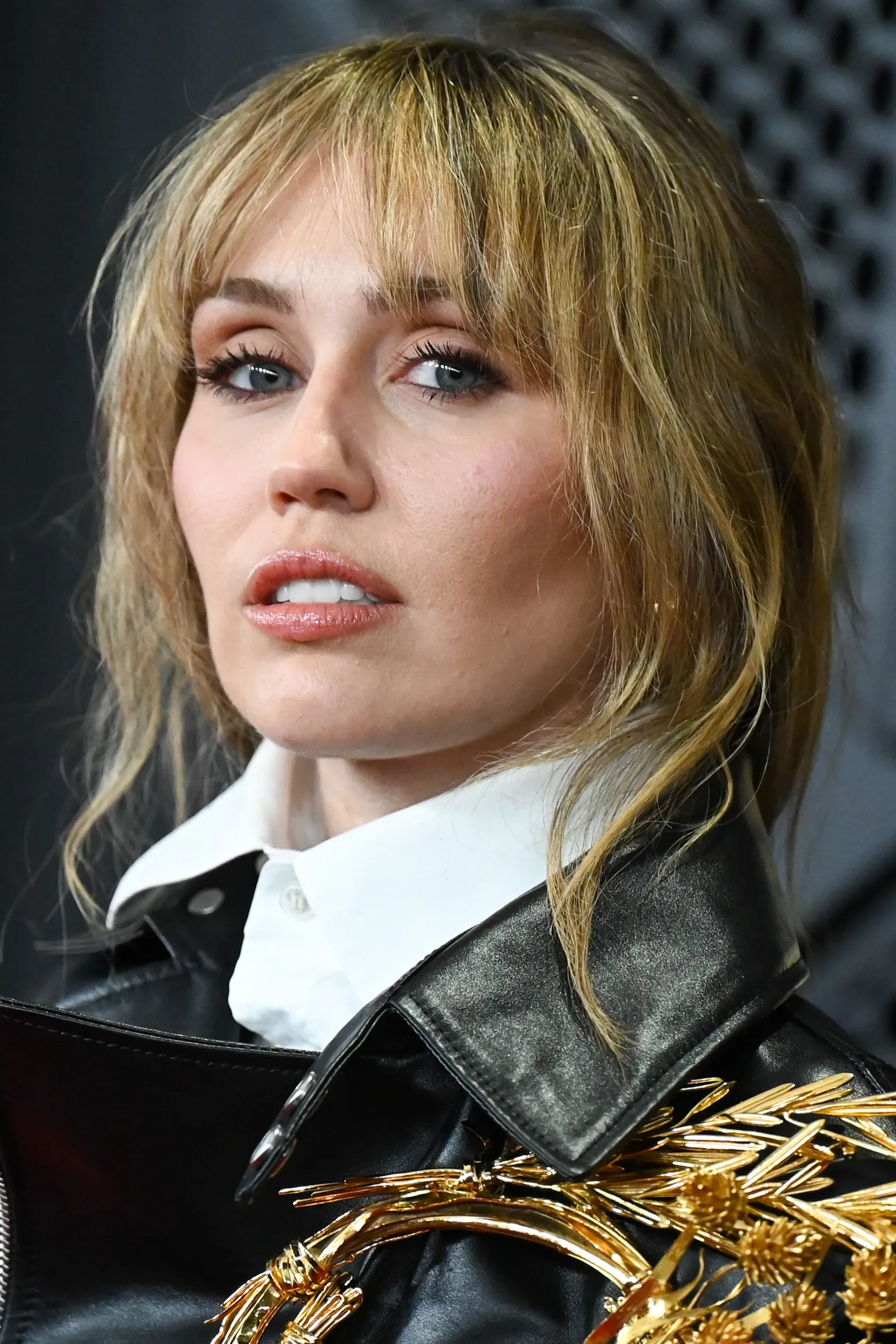
Miley Cyrus underwent a major identity shift during the release of her ‘Bangerz’ album in 2013. She moved away from her ‘Hannah Montana’ image by adopting a more provocative persona and exploring different musical genres. This transformation drew heavy criticism from parents and media pundits who found her new identity inappropriate. She also faced accusations of cultural appropriation during this period of experimental growth. Over the years she has continued to evolve her style and sound while reflecting on her past transitions.
Sinéad O’Connor
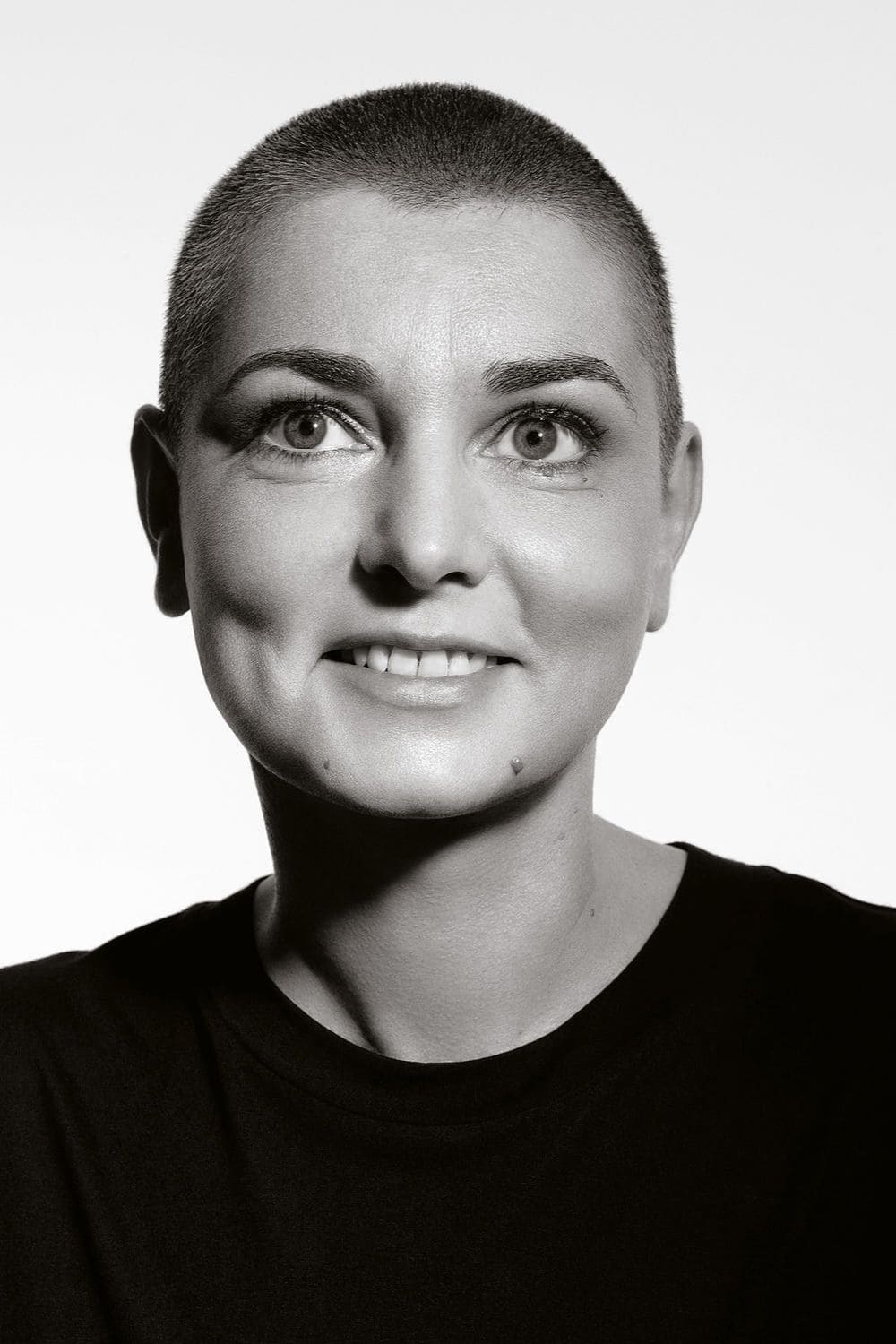
Sinéad O’Connor was known for her striking appearance and her outspoken views on religion and politics. She faced immense backlash after tearing up a photo of the Pope during a live television performance in 1992. Throughout her life she explored various spiritual identities and eventually converted to Islam in 2018. Her public struggles with mental health and her shifting religious identities were often the subject of tabloid scrutiny. She remained a controversial yet influential figure in the music world until her passing.
Prince
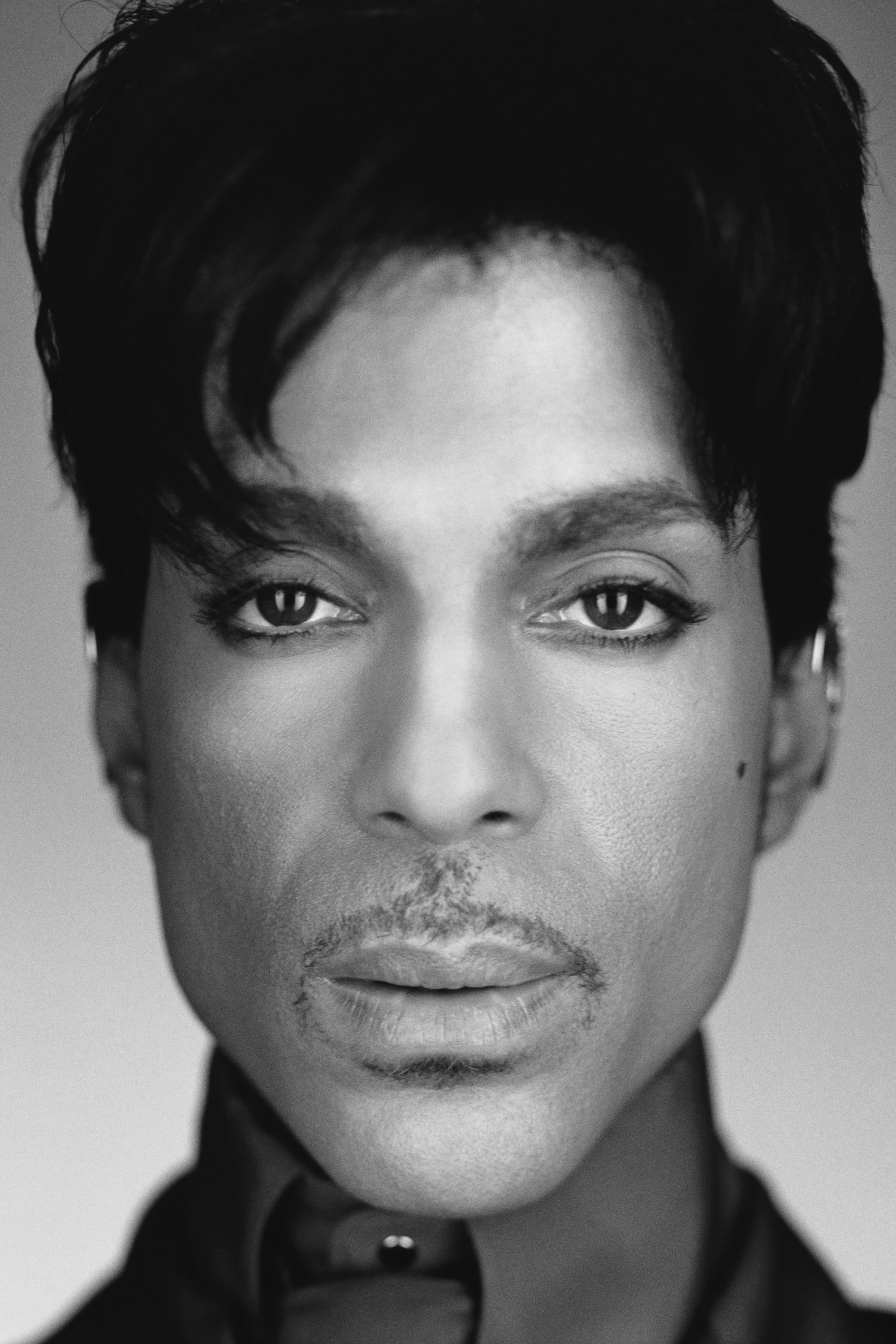
Prince famously changed his name to an unpronounceable symbol in 1993 to protest his recording contract with Warner Bros. This decision led the media to refer to him as the Artist Formerly Known as Prince for several years. Many critics and fans found the move confusing or pretentious at the time. He used this identity shift to regain control over his creative output and master recordings. His experimental approach to his name and gender expression paved the way for future artists to challenge industry standards.
Shia LaBeouf
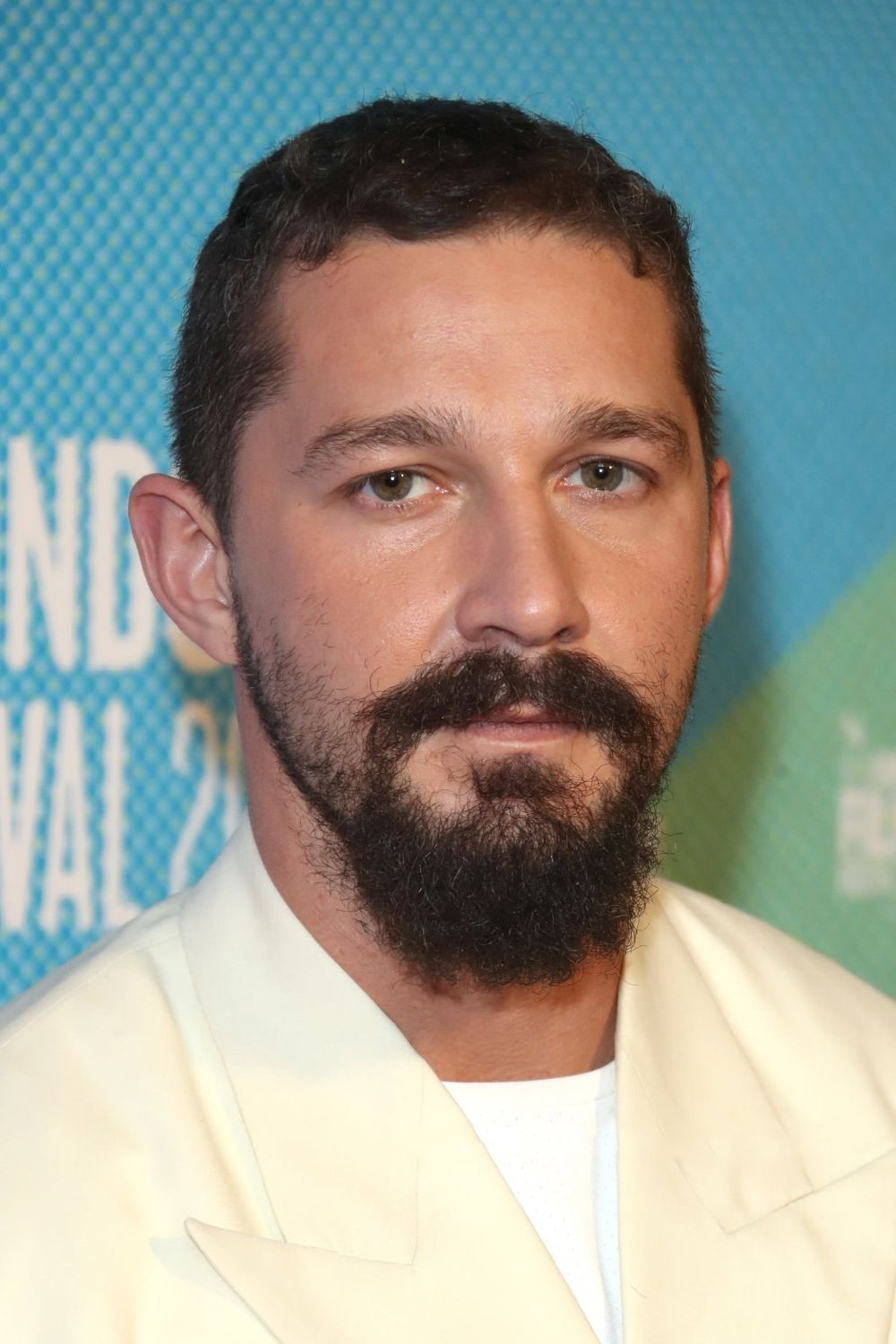
Shia LaBeouf transitioned from a child star to an experimental performance artist through various public displays. He famously wore a paper bag over his head on the red carpet that stated he was not famous anymore. These actions along with his participation in performance art pieces like ‘#IAMSORRY’ drew significant mockery and concern from the public. His identity as a serious artist was often overshadowed by his legal issues and unpredictable behavior. He has since continued to work in independent films while maintaining a complex public persona.
Jojo Siwa
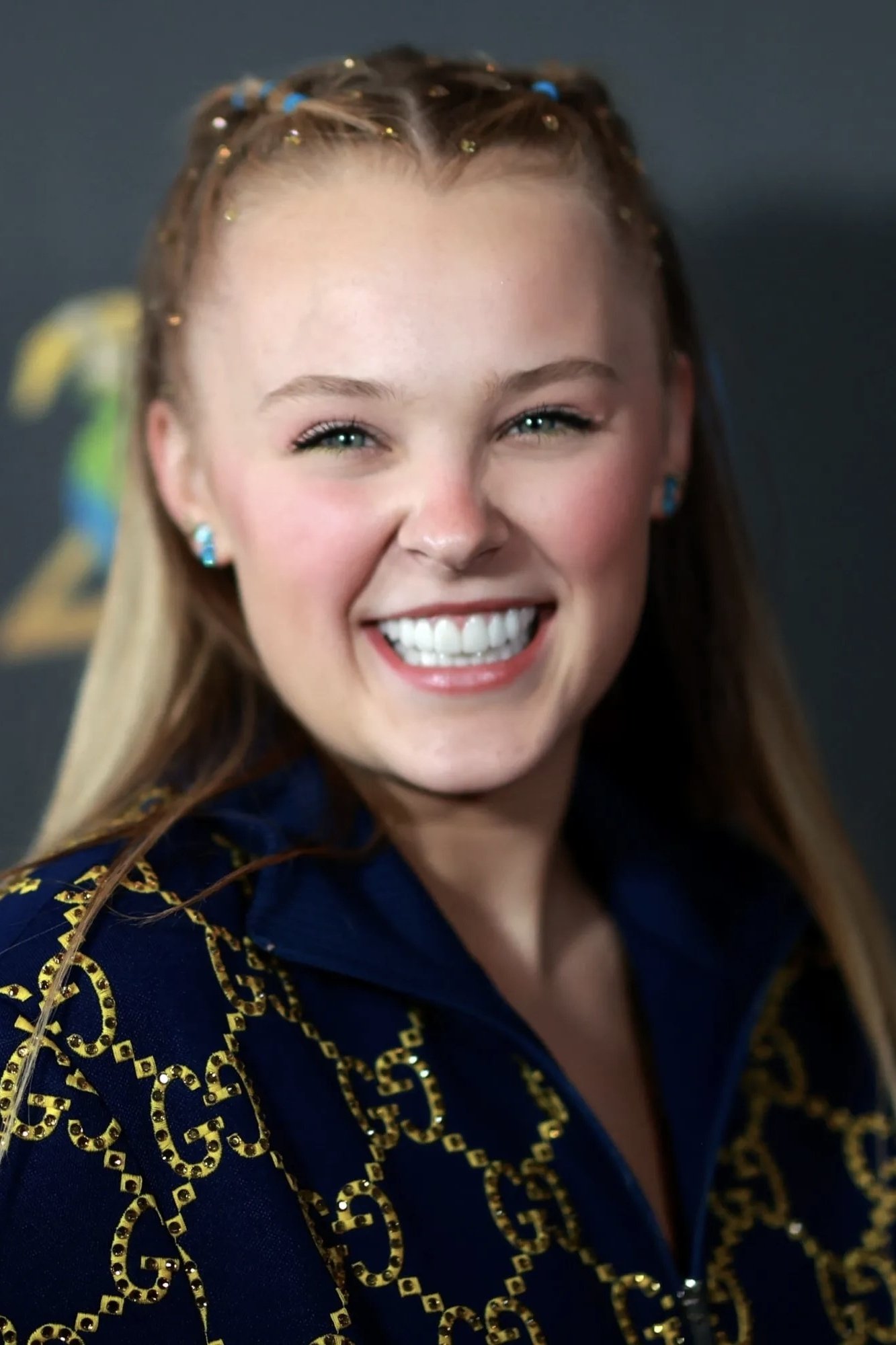
Jojo Siwa surprised her young audience by coming out as part of the LGBTQ+ community in 2021. She later underwent a dramatic image shift by moving away from her signature bows and colorful aesthetic. This transition sparked backlash from some parents who felt her new adult-oriented persona was not suitable for her original fan base. She faced criticism for her ‘Karma’ music video which featured a more mature and darker style. Despite the pushback she has remained committed to expressing her authentic self.
Ye
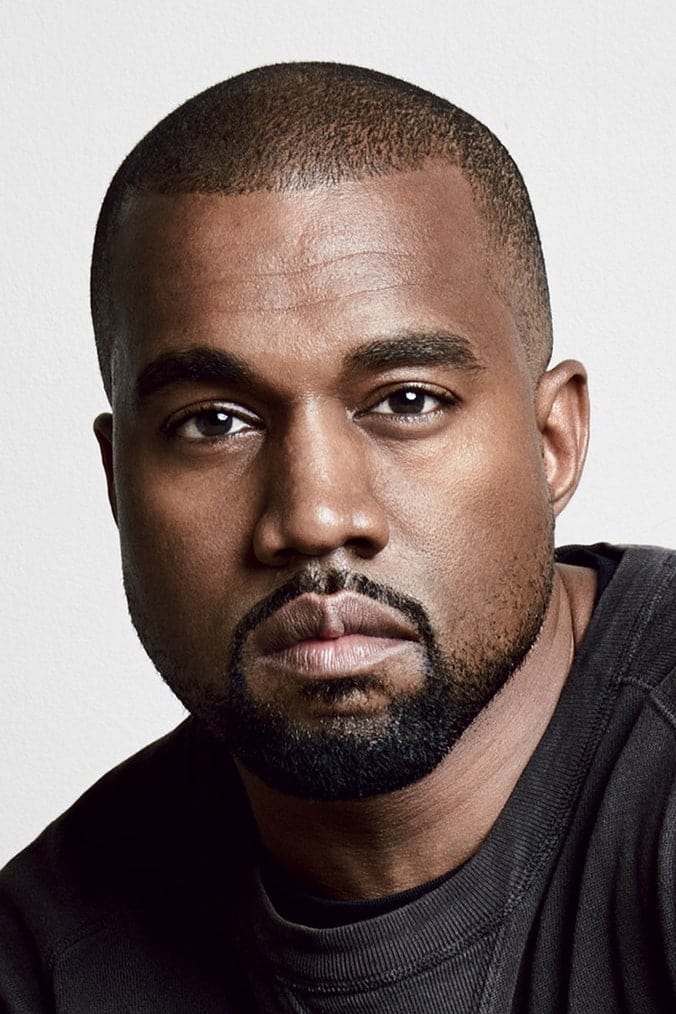
Ye formerly known as Kanye West has undergone several high profile identity shifts including his legal name change. His transition into a religious leader with his Sunday Service sessions and ‘Jesus is King’ album drew mixed reactions. He faced intense backlash for his political statements and erratic behavior during his presidential bid. Many fans felt alienated by his controversial remarks and shifts in public loyalty. His identity remains one of the most polarizing topics in modern celebrity culture.
Lady Gaga
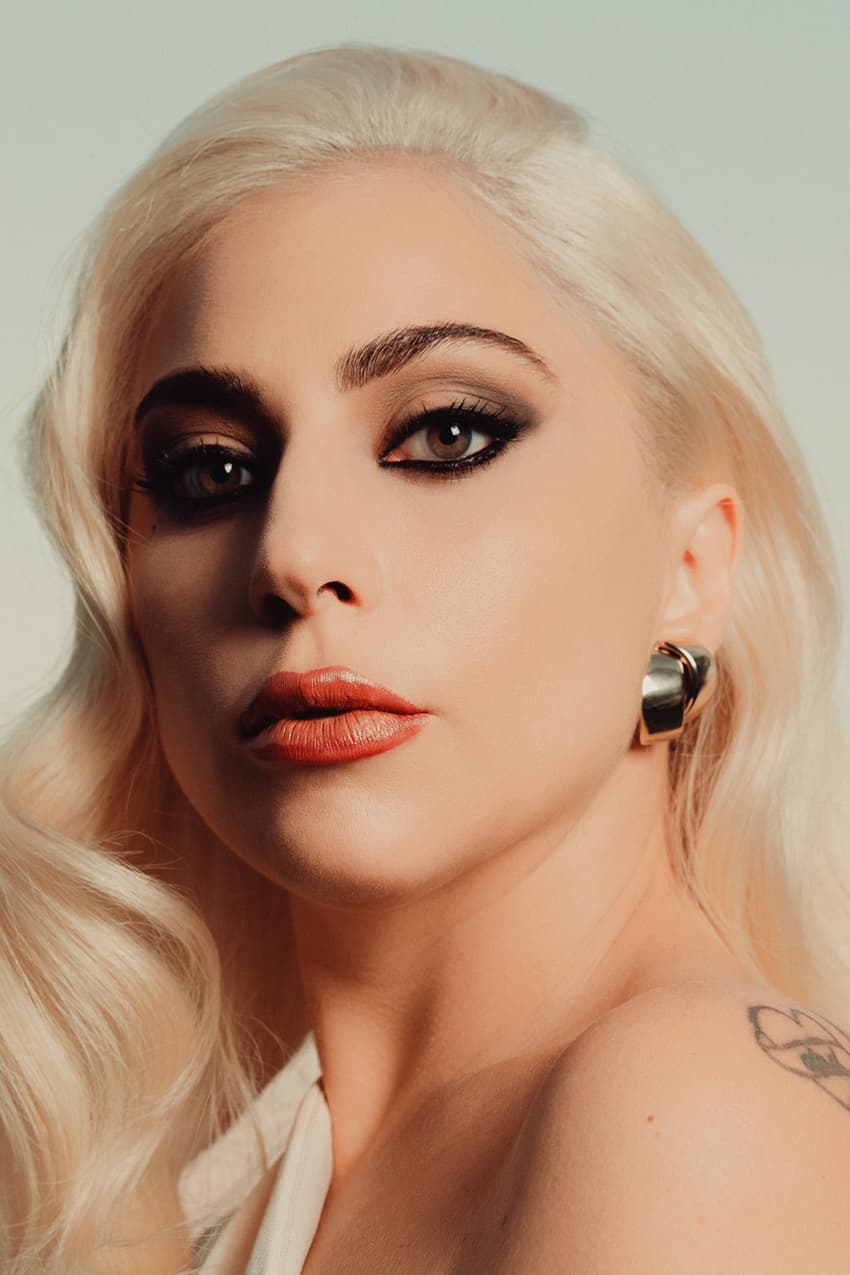
Lady Gaga initially faced backlash for her highly experimental and avant-garde public persona during the ‘The Fame Monster’ era. Critics often questioned whether her identity was a genuine expression or a marketing gimmick. Her use of unconventional fashion like the infamous meat dress sparked intense debate among animal rights groups and the public. As she transitioned into more traditional acting roles in ‘A Star Is Born’ she redefined her identity once again. She has consistently used her platform to advocate for self-acceptance and individuality.
Janelle Monáe
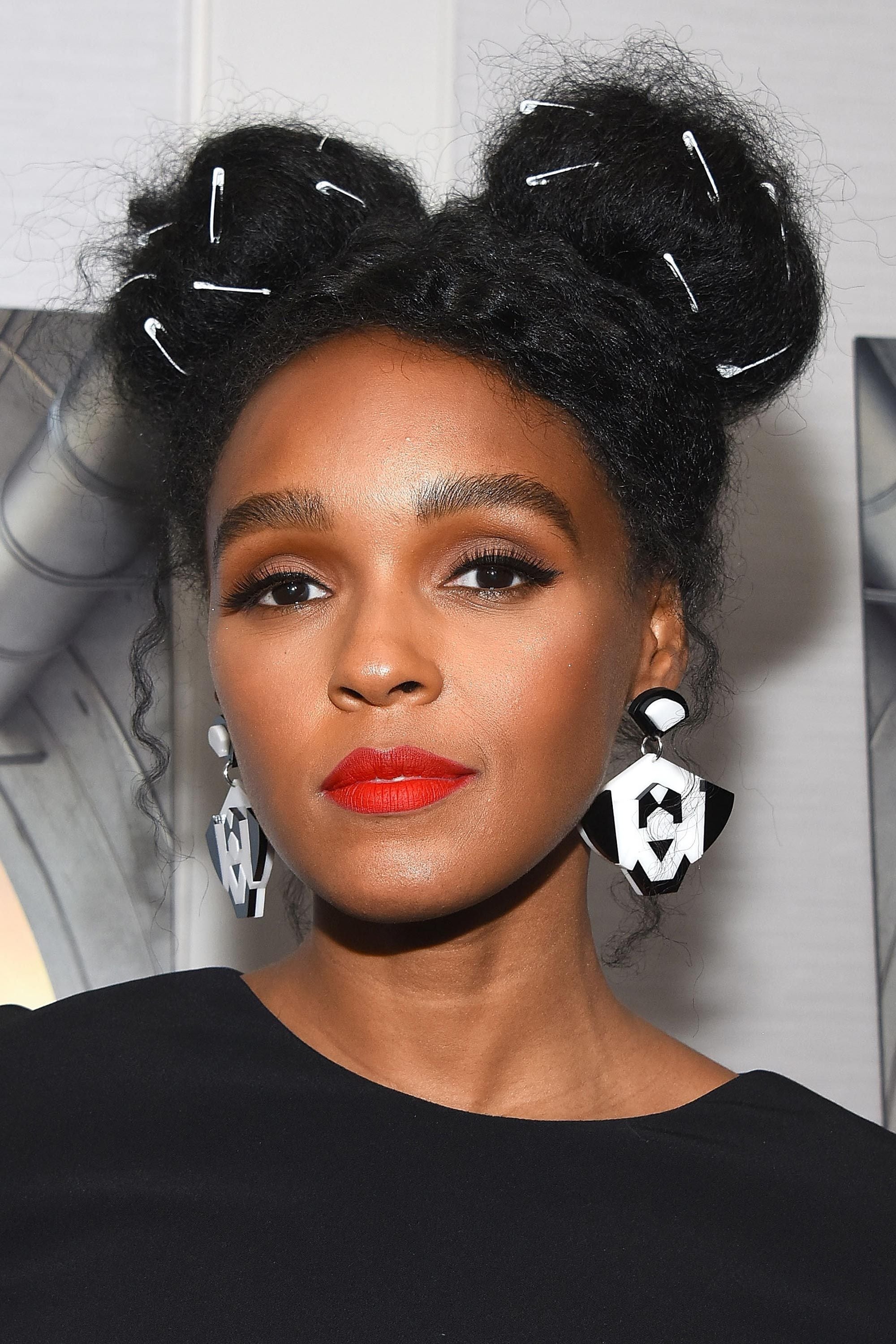
Janelle Monáe spent the early part of her career wearing strictly black and white suits as part of a uniform identity. She later transitioned into a more fluid expression of gender and sexuality and came out as non-binary. This shift was reflected in her music and fashion which moved away from her original rigid aesthetic. While she received praise for her honesty some fans of her early work found the change unexpected. She continues to be a leading voice in the Afrofuturism movement and LGBTQ+ advocacy.
Billy Porter
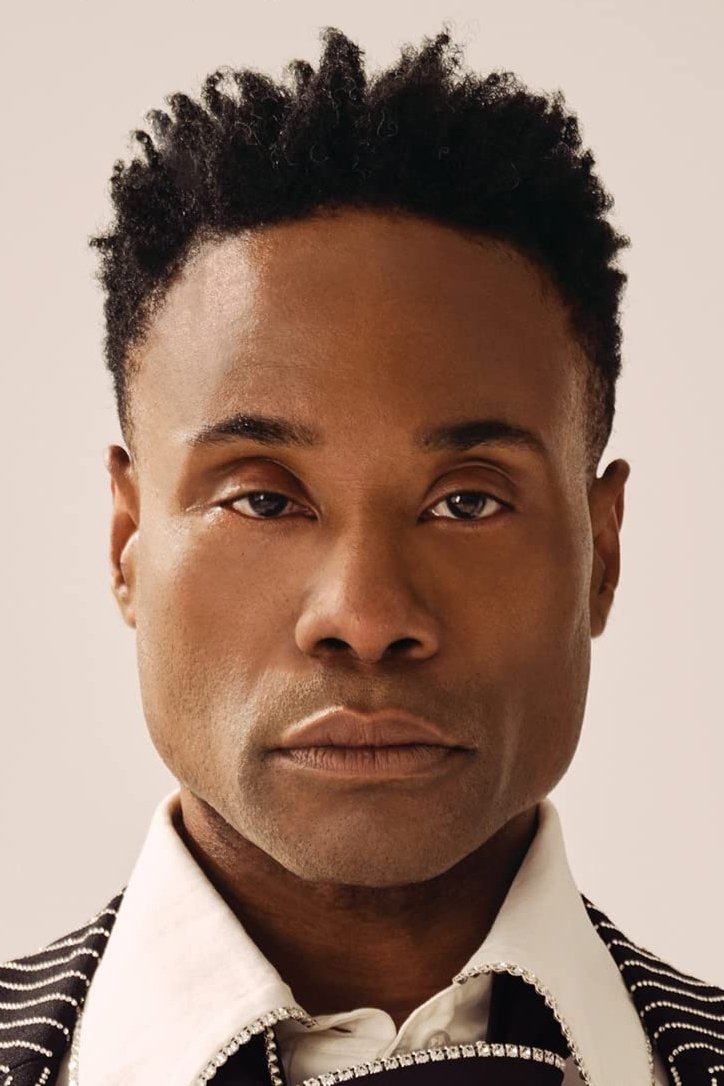
Billy Porter became a fashion icon by wearing gender-fluid garments on major red carpets including a notable tuxedo gown. These experimental identity expressions challenged traditional masculine norms in Hollywood. He faced significant online criticism and traditionalist backlash for his bold style choices. He often used these moments to highlight the importance of visibility for Black queer men. His career has flourished as he continues to push boundaries in both Broadway and television.
mgk
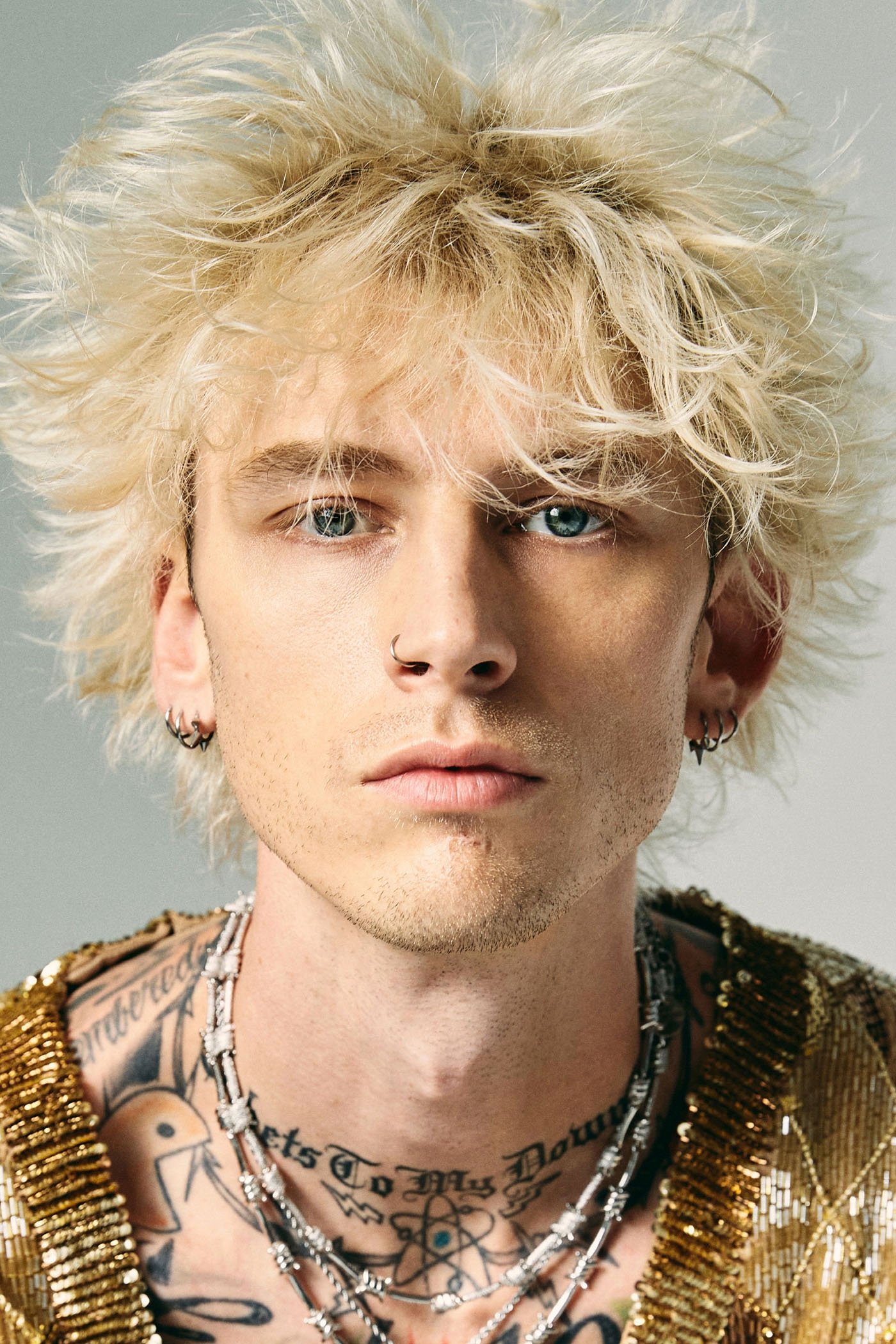
Machine Gun Kelly made a highly publicized transition from hip hop to pop-punk with his ‘Tickets to My Downfall’ album. This shift in musical and visual identity drew skepticism from long-time fans of both genres. He also faced backlash for his public relationship and his adoption of a more gothic and flamboyant aesthetic. Critics often questioned the authenticity of his new persona within the rock community. Despite this he achieved significant commercial success and helped revitalize interest in the genre.
Dove Cameron

Dove Cameron moved away from her Disney Channel image to embrace a darker and more mature musical identity. She came out as queer and changed her visual style which led to some backlash from fans of her earlier work. Some critics felt the transition was too sudden or influenced by current trends. She has spoken openly about the pressure of maintaining a specific image while discovering her true self. Her recent music and public appearances reflect a more personal and experimental side of her artistry.
Kesha
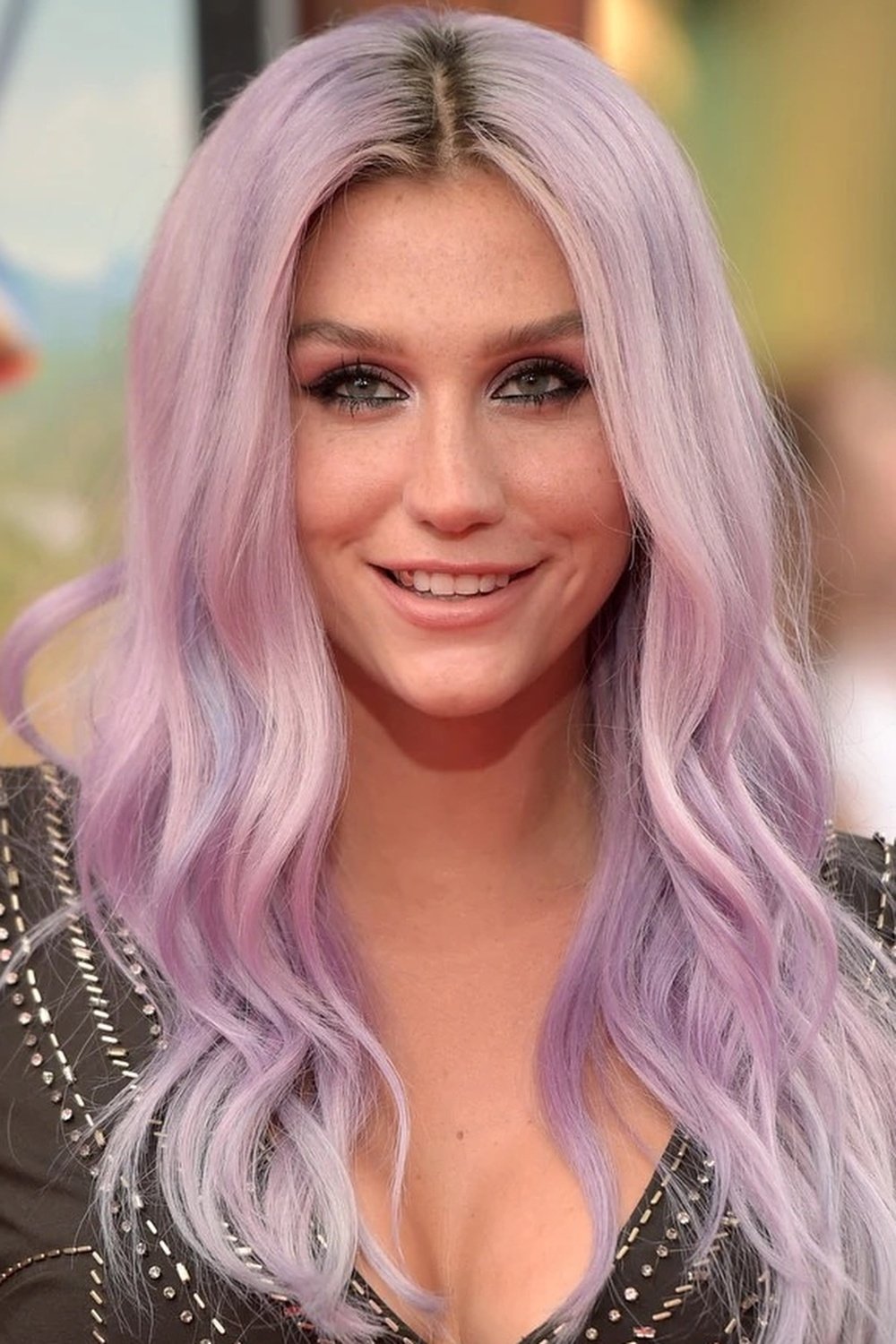
Kesha fought a long and public legal battle to regain control over her career and her creative identity. After moving away from her party-girl persona she released music that focused on healing and personal strength. Some fans who enjoyed her early electronic pop sound were critical of her new direction. She also faced backlash during her career for her unique fashion and outspoken nature. Her transformation has been seen as a symbol of resilience within the music industry.
Halsey
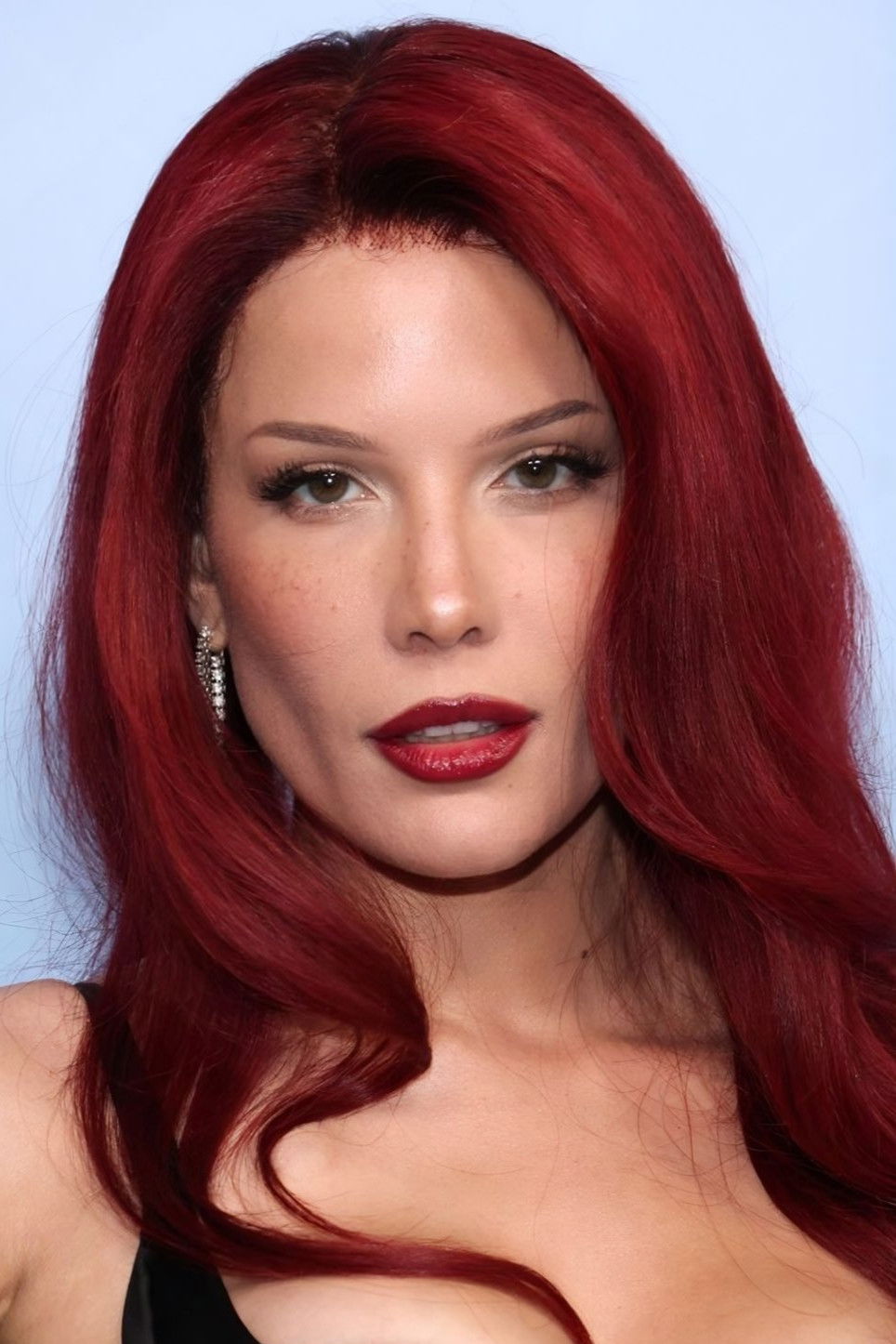
Halsey has been open about her identity as a biracial and bisexual woman throughout her career. She often faced backlash from critics who questioned her heritage or the sincerity of her public statements. Her experimental fashion and willingness to address social issues have made her a target for online trolls. She has also navigated public scrutiny regarding her health and her journey into motherhood. Through it all she has maintained a loyal fan base that appreciates her transparency and artistic evolution.
Rebel Wilson

Rebel Wilson faced significant public commentary after embarking on a year of health which led to a visible physical transformation. Some critics argued that her weight loss impacted her brand as a comedic actress known for her specific body type. She also faced backlash regarding the timing and manner of her coming out as part of a same-sex relationship. The media scrutiny surrounding her personal changes often overshadowed her professional accomplishments. She continues to navigate her career while being open about her life changes.
Harry Styles

Harry Styles transitioned from a boy band member to a solo artist known for his experimental and gender-fluid fashion. His decision to wear a dress on the cover of ‘Vogue’ sparked intense debate among conservative commentators and the public. Critics argued that his style choices were an attack on traditional masculinity. He has remained largely silent on the criticism and continues to explore different artistic expressions. His influence on modern fashion and music remains significant despite the occasional backlash.
Jaden Smith
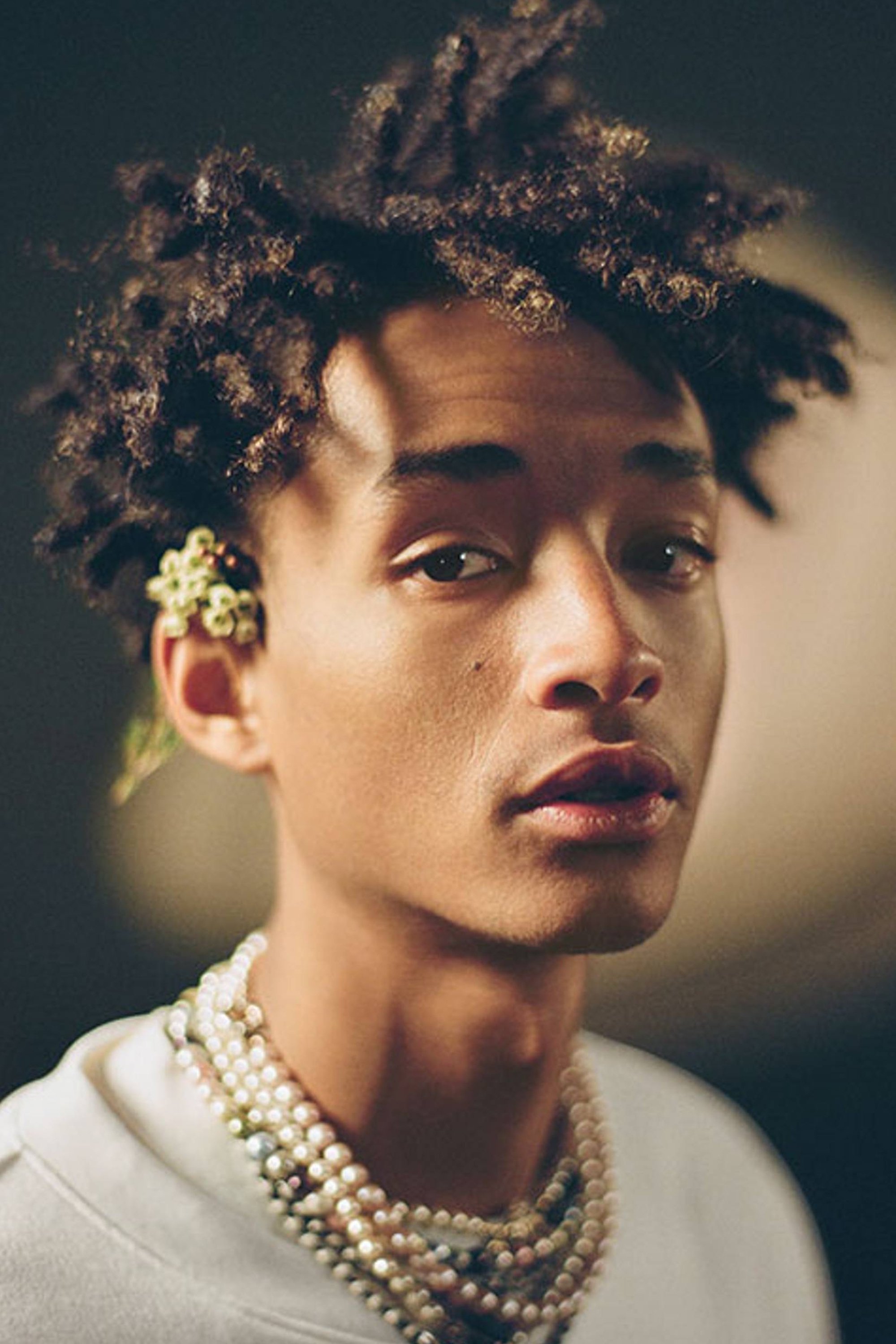
Jaden Smith has long been known for his experimental approach to fashion and his philosophical public statements. He faced backlash early in his career for wearing skirts in high fashion campaigns and public appearances. Critics often mocked his unconventional way of thinking and his departure from traditional celebrity expectations. He has used his platform to promote environmental causes and innovative business ventures. His identity as a creative polymath continues to evolve away from his famous parents’ shadows.
Willow Smith
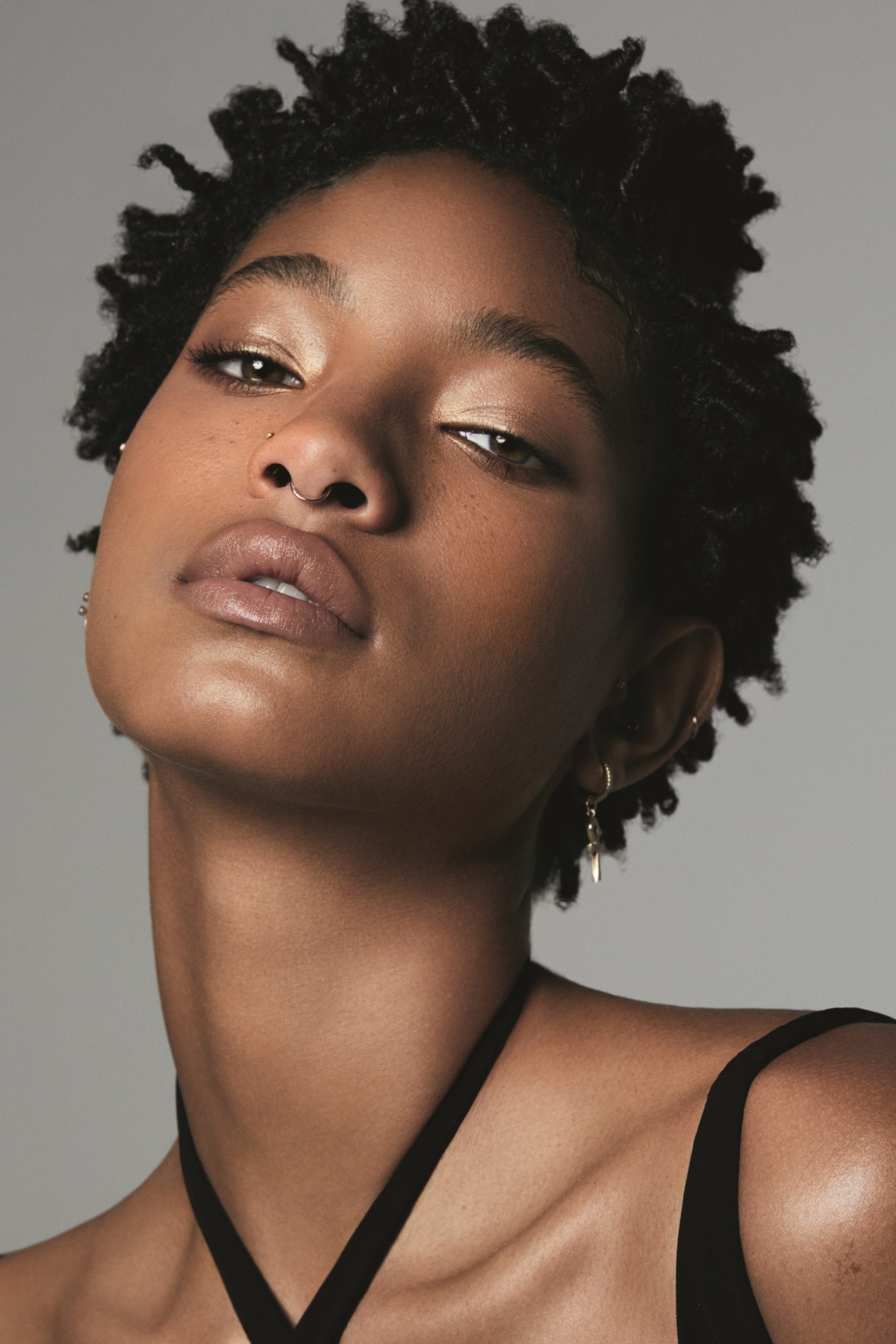
Willow Smith moved away from her early pop success with ‘Whip My Hair’ to explore alternative rock and punk music. She has been open about her fluid sexuality and her interest in polyamory which drew criticism from more traditional audiences. Her experimental visual style and candid discussions about mental health have also been met with mixed reactions. She has often spoken about the difficulty of growing up in the public eye and finding her own voice. Her recent musical projects have garnered critical acclaim for their depth and honesty.
Chaz Bono
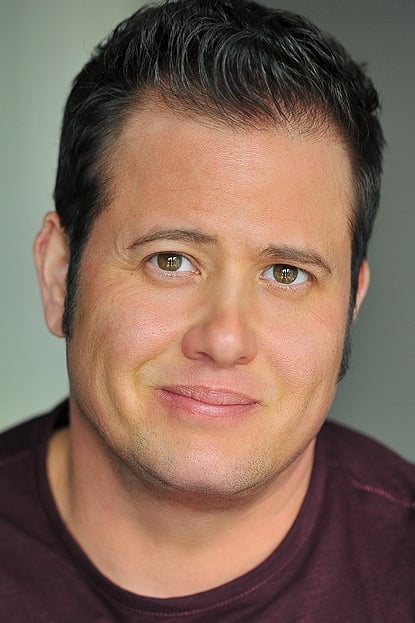
Chaz Bono underwent a very public gender transition that was documented in the film ‘Becoming Chaz’. As the child of famous parents he faced immense tabloid scrutiny and backlash during and after his transition. Many people in the public sphere struggled to accept his new identity at the time. He has since become a prominent activist and author who educates others on transgender issues. His journey remains a landmark moment in the visibility of transgender men in media.
Laverne Cox
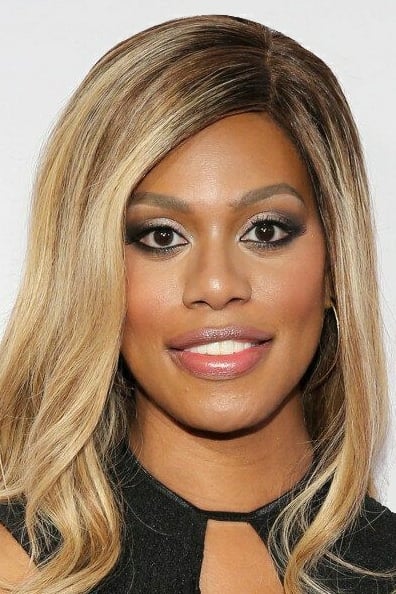
Laverne Cox rose to prominence in ‘Orange Is the New Black’ and became one of the most visible transgender women in the world. She faced significant backlash and transphobic comments as she navigated her newfound fame. Despite the negativity she used her platform to advocate for the rights and safety of transgender people. She has broken numerous barriers in the entertainment industry including becoming the first transgender person nominated for a Primetime Emmy Award. Her career continues to be a testament to resilience and the power of representation.
Asia Kate Dillon

Asia Kate Dillon made history as the first non-binary actor to play a non-binary character on a major television show in ‘Billions’. They faced backlash from viewers who were unfamiliar with or resistant to the concept of non-binary identities. They have also been vocal about the gendered nature of acting awards and have challenged industry standards. Their presence has sparked important conversations about inclusivity in Hollywood. They continue to use their career to push for better representation for all gender identities.
Indya Moore
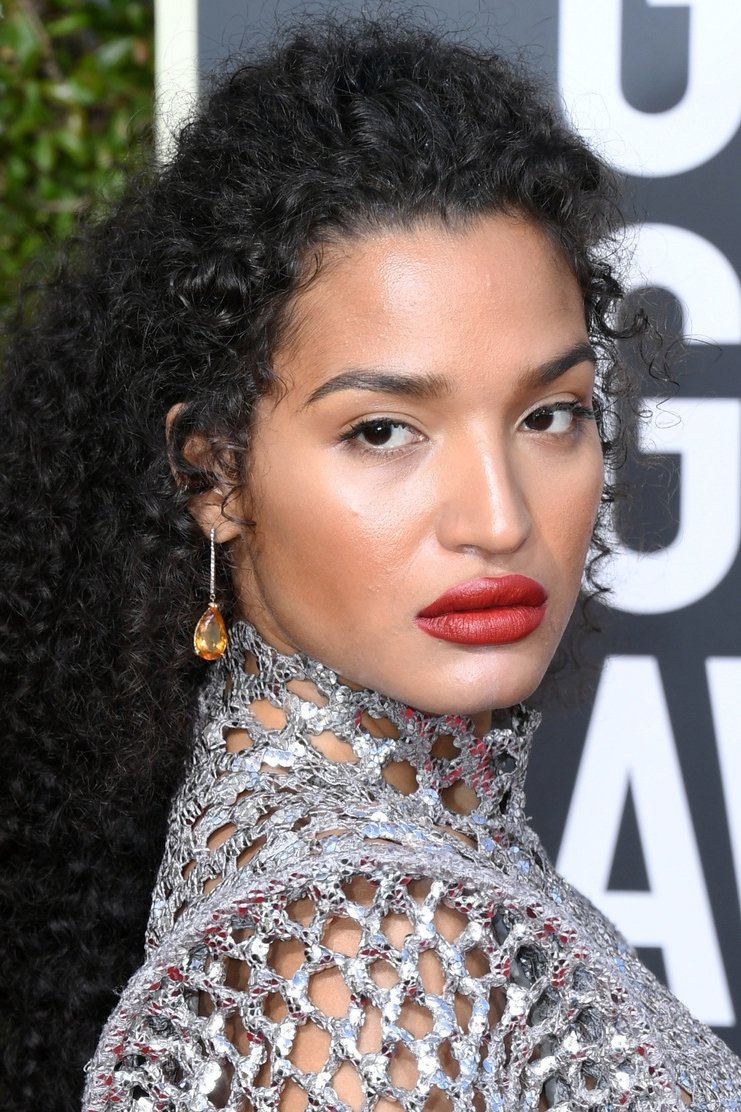
Indya Moore gained fame for their role in ‘Pose’ and has been an outspoken advocate for marginalized communities. They have faced backlash for their political activism and their willingness to call out industry giants. Their identity as a non-binary and transgender person has also made them a target for online harassment. They often use their social media platforms to educate others and share their personal experiences. Their influence extends beyond acting into the world of fashion and social justice.
Hunter Schafer
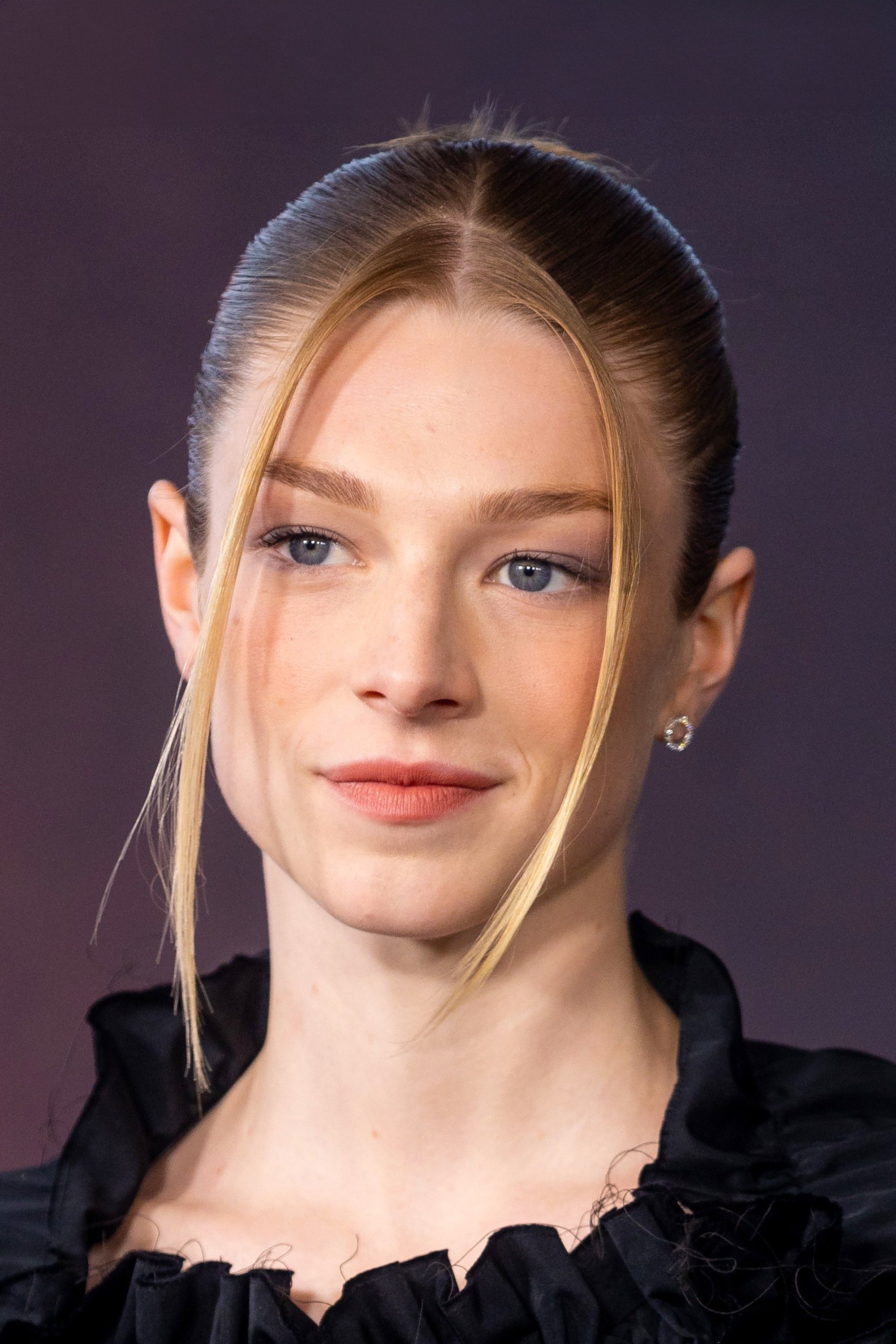
Hunter Schafer became a breakout star in ‘Euphoria’ and has been celebrated for her fashion and acting. As a transgender woman she has faced the typical scrutiny and backlash that comes with high visibility in the modern era. She has been selective about the roles she takes to ensure they provide authentic representation. Her work in both the modeling and acting industries has made her a prominent figure for a new generation. She continues to balance her artistic pursuits with her advocacy for transgender rights.
Kim Petras
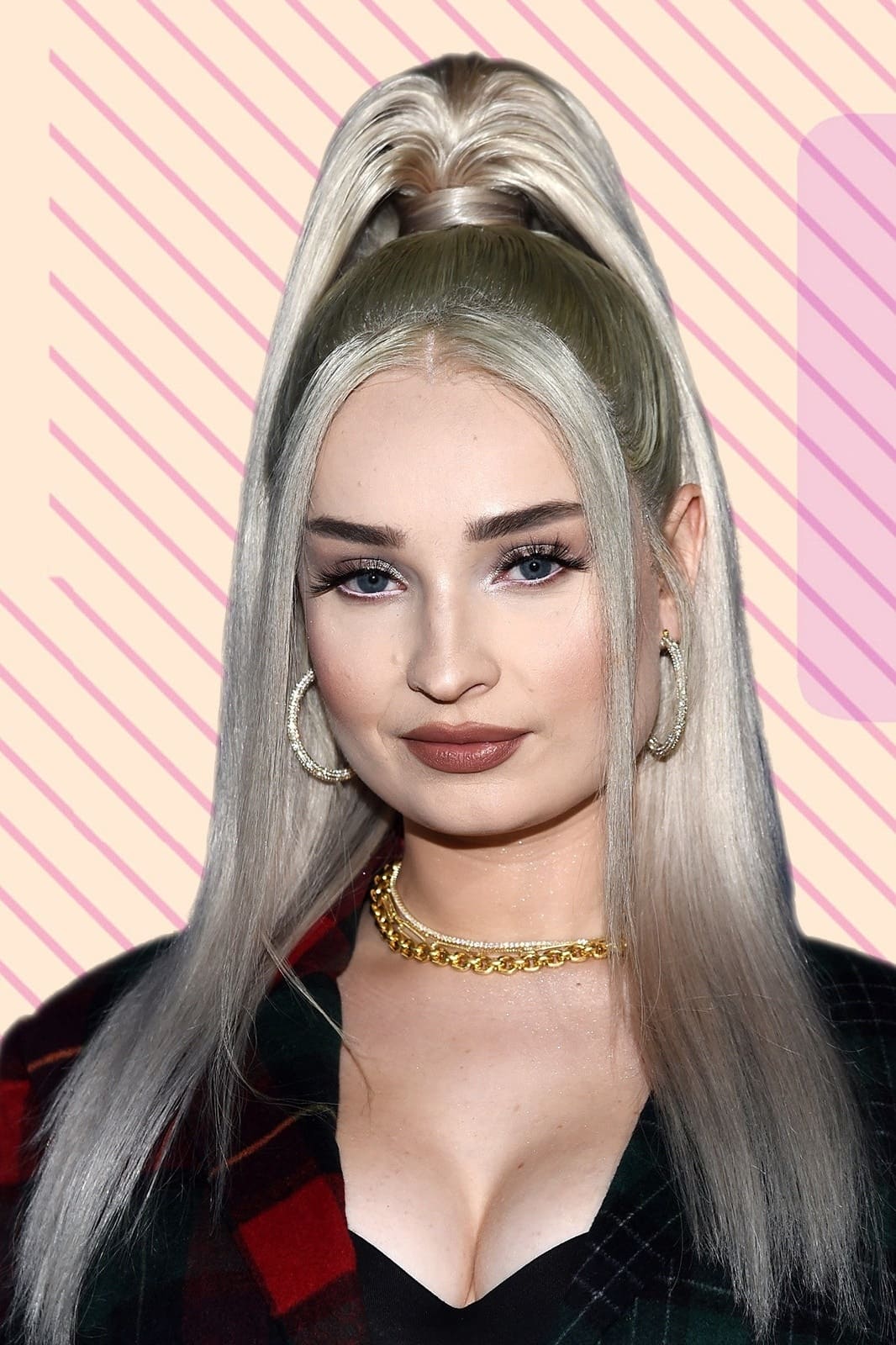
Kim Petras faced backlash early in her career due to her history as a high profile transgender youth in Germany. As she transitioned into a global pop star some critics focused more on her personal identity than her musical talent. She also faced controversy for her professional association with certain producers during the height of the Me Too movement. Despite these challenges she became the first openly transgender woman to win a Grammy Award in a major category. Her success has paved the way for more transgender artists in the mainstream music industry.
Angelica Ross
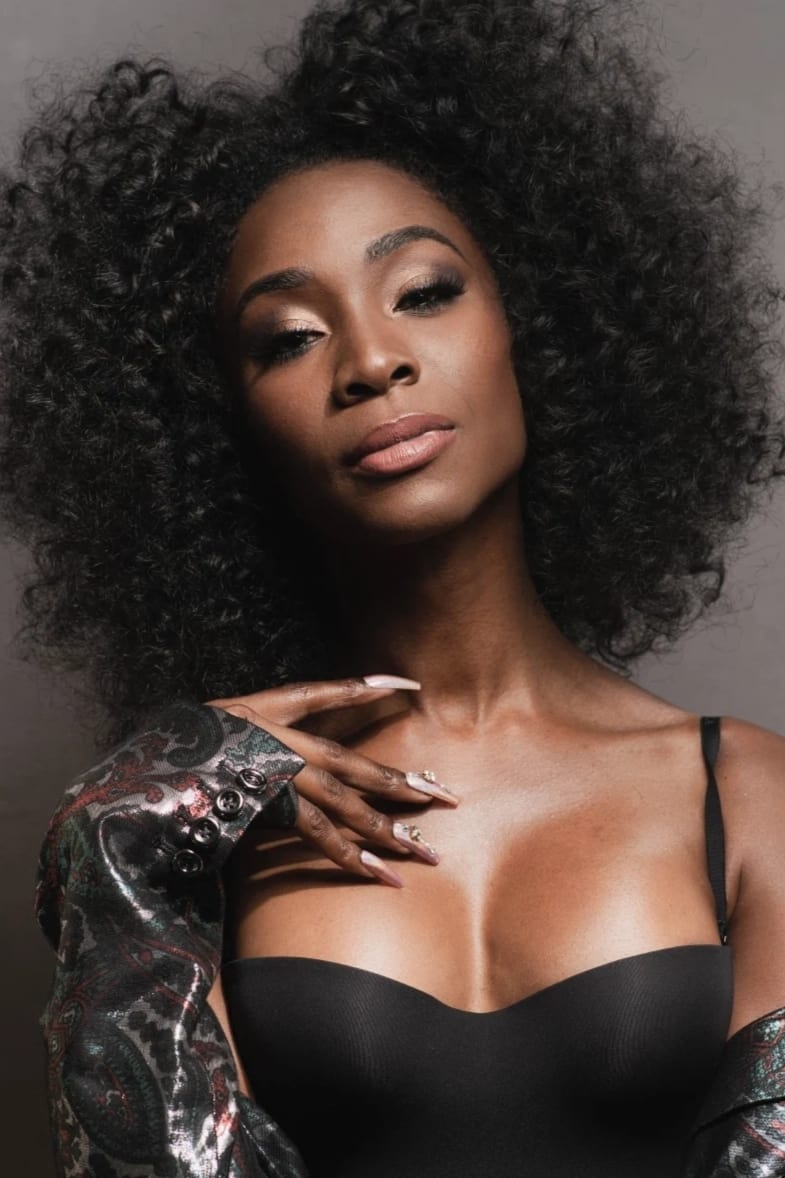
Angelica Ross is known for her roles in ‘Pose’ and ‘American Horror Story’ and for her work as a tech entrepreneur. She has faced backlash for her outspoken nature regarding racism and transphobia within the entertainment industry. Her identity as a Black transgender woman has placed her at the intersection of multiple social struggles. She has been a vocal critic of how major networks and productions treat marginalized talent. Her leadership in the trans community continues to inspire many through her advocacy and business ventures.
Bella Thorne
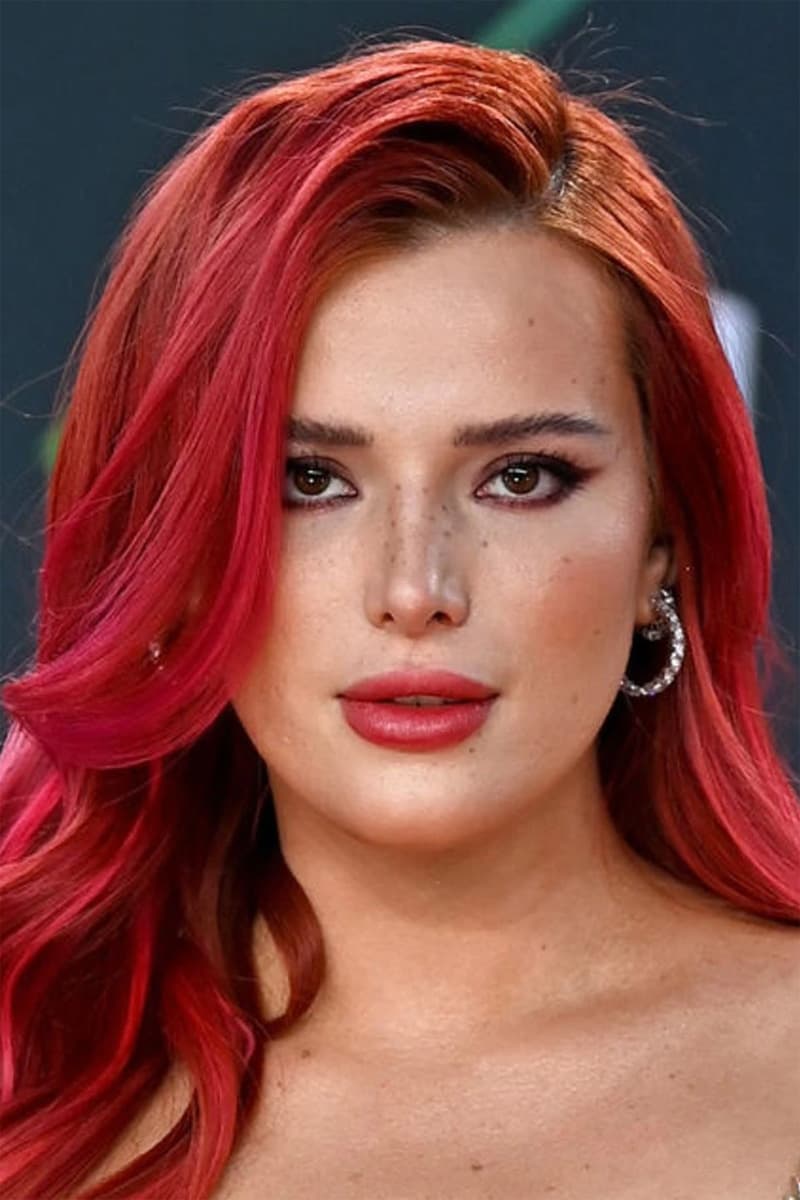
Bella Thorne transitioned from a Disney star to an independent filmmaker and actress with a highly experimental public persona. She faced intense backlash for joining a subscription based adult content platform and for her candid discussions about her sexuality. Many critics argued that her actions were damaging to her career and her younger fan base. She has defended her right to control her own image and financial future. Her career remains a frequent subject of debate regarding celebrity autonomy and identity.
Ruby Rose
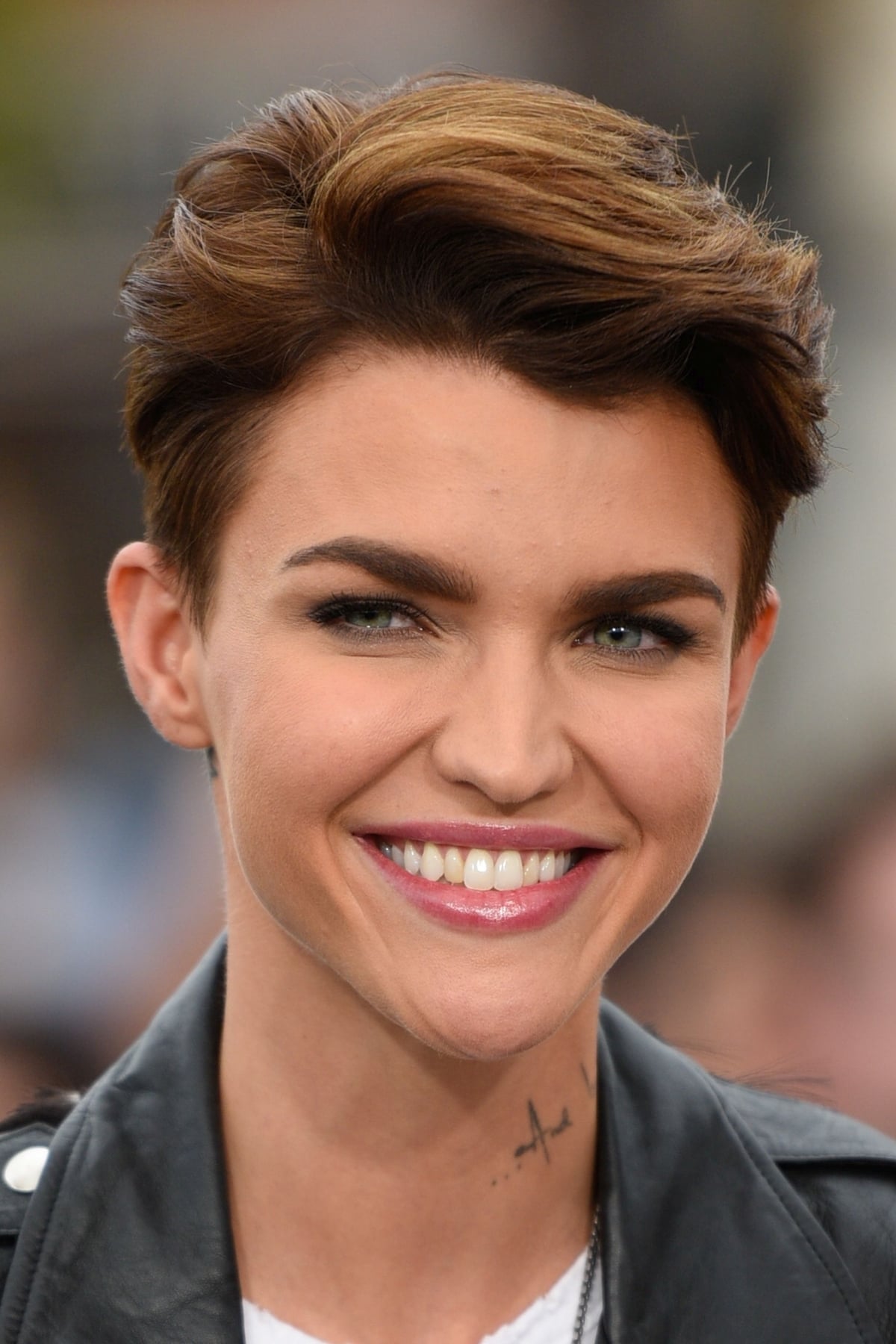
Ruby Rose faced significant backlash when they were cast as Batwoman due to perceptions of their identity and acting abilities. Some critics argued they were not the right fit for the iconic role which led to them leaving social media for a period. They have been open about their gender-fluid identity and the challenges of being a queer actor in action roles. Their departure from the series after one season sparked further rumors and public discussion. They continue to work in various international film projects while advocating for LGBTQ+ visibility.
Cara Delevingne

Cara Delevingne successfully transitioned from a high fashion model to a serious actress in films like ‘Suicide Squad’. She faced backlash for her fluid approach to her sexuality and for her sometimes erratic behavior in public. Critics often questioned her commitment to acting and her unconventional public appearances. She has been open about her struggles with mental health and the pressures of the fashion industry. Her identity as a multi-talented creative continues to be a point of interest for the media.
Ellen DeGeneres
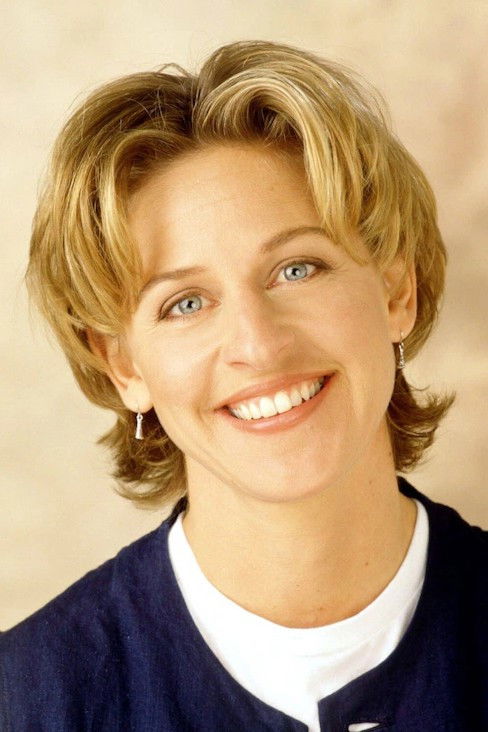
Ellen DeGeneres faced a massive career backlash after coming out as gay on her sitcom in 1997. The show was eventually canceled and she struggled to find work in the industry for several years. She later rebuilt her identity as a beloved daytime talk show host before facing a different kind of backlash regarding the work environment of her show. These shifts in her public identity have defined her long and complicated career. She remains a significant figure in the history of LGBTQ+ representation on television.
Ricky Martin
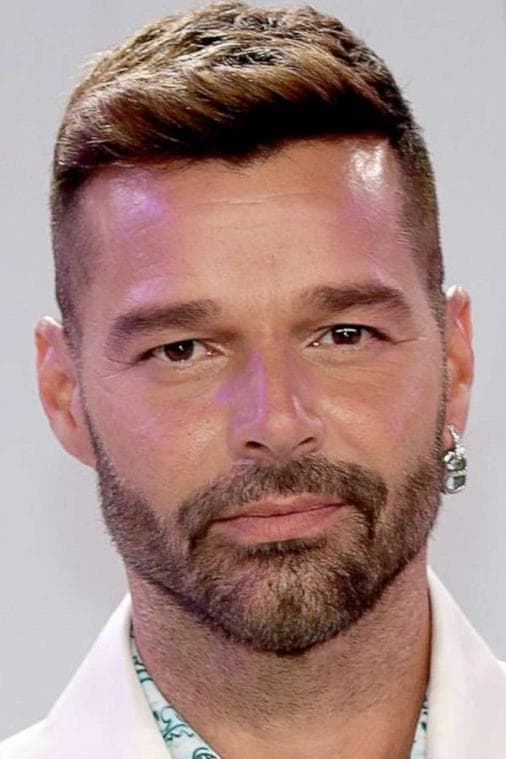
Ricky Martin was a global pop sensation before he publicly came out as gay in 2010. He faced backlash from some segments of his international fan base who were surprised by the revelation. Before coming out he had spent years maintaining a heartthrob persona that appealed to a broad audience. Since then he has embraced his identity as a gay father and an advocate for human rights. His career has continued to thrive as he balances his music with his personal advocacy.
George Michael
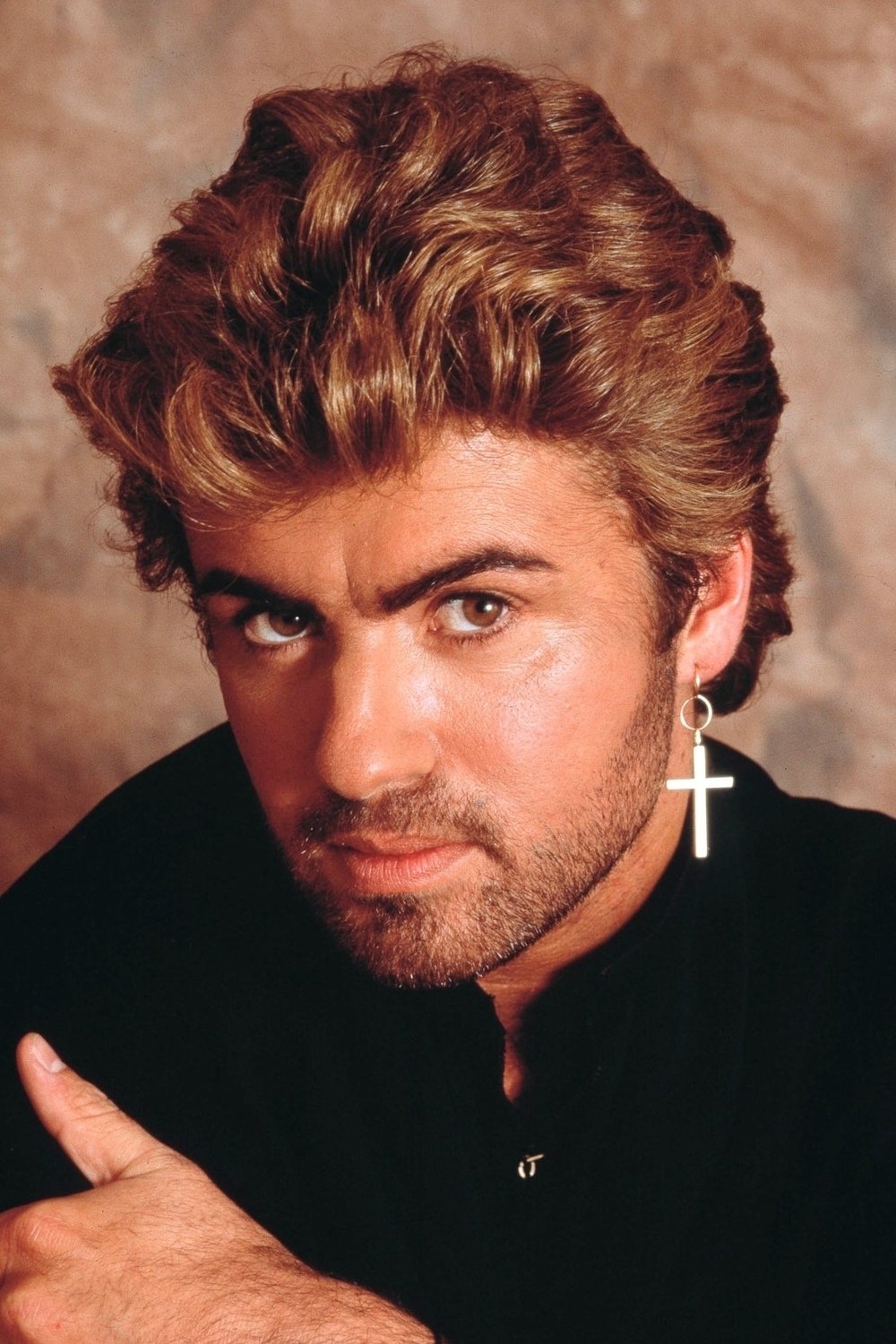
George Michael faced intense media scrutiny and backlash following a public incident that led to him coming out as gay. He used the experience to reclaim his identity and released music that directly addressed the controversy. Many critics and fans were divided over his bold approach to his personal life in his later years. He remained a respected and influential musician until his death and was known for his philanthropy. His journey highlighted the difficulties faced by stars who were forced into the spotlight regarding their private lives.
Colton Underwood

Colton Underwood gained fame on ‘The Bachelor’ before publicly coming out as gay in a televised interview. He faced backlash from some members of the reality television audience and the LGBTQ+ community for his past actions on the show. Critics questioned the timing of his announcement and the subsequent production of a documentary series about his life. He has spoken about the difficulty of living a closeted life while being a public figure in a dating franchise. His story remains a controversial example of identity shifts in the world of reality TV.
Doja Cat
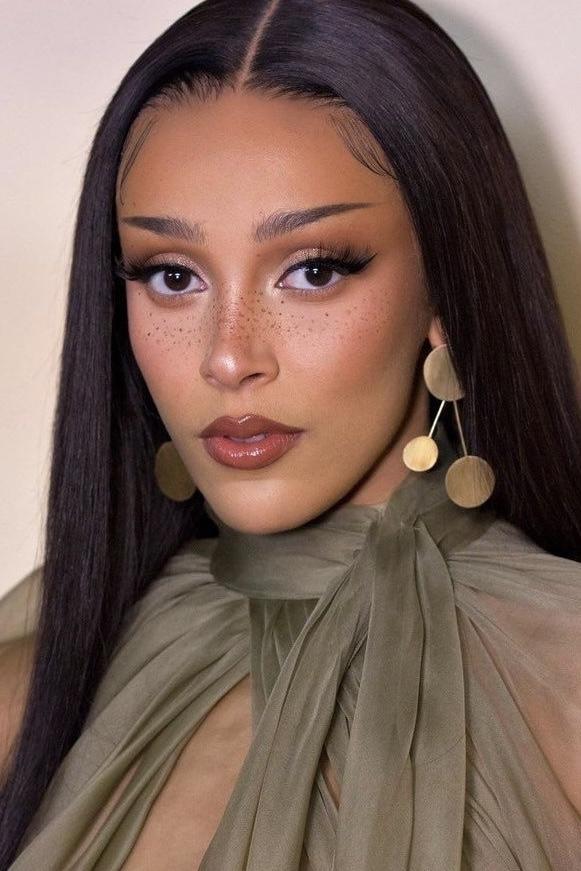
Doja Cat has faced frequent backlash for her experimental and often provocative online identity. She has been criticized for her interactions on social media platforms and for her dramatic changes in physical appearance such as shaving her head and eyebrows. Some fans felt alienated by her departure from traditional pop star aesthetics and her more confrontational persona. She has often responded to the criticism by doubling down on her unique style and artistic choices. Her career continues to be defined by her unpredictable and boundary-pushing nature.
Madonna
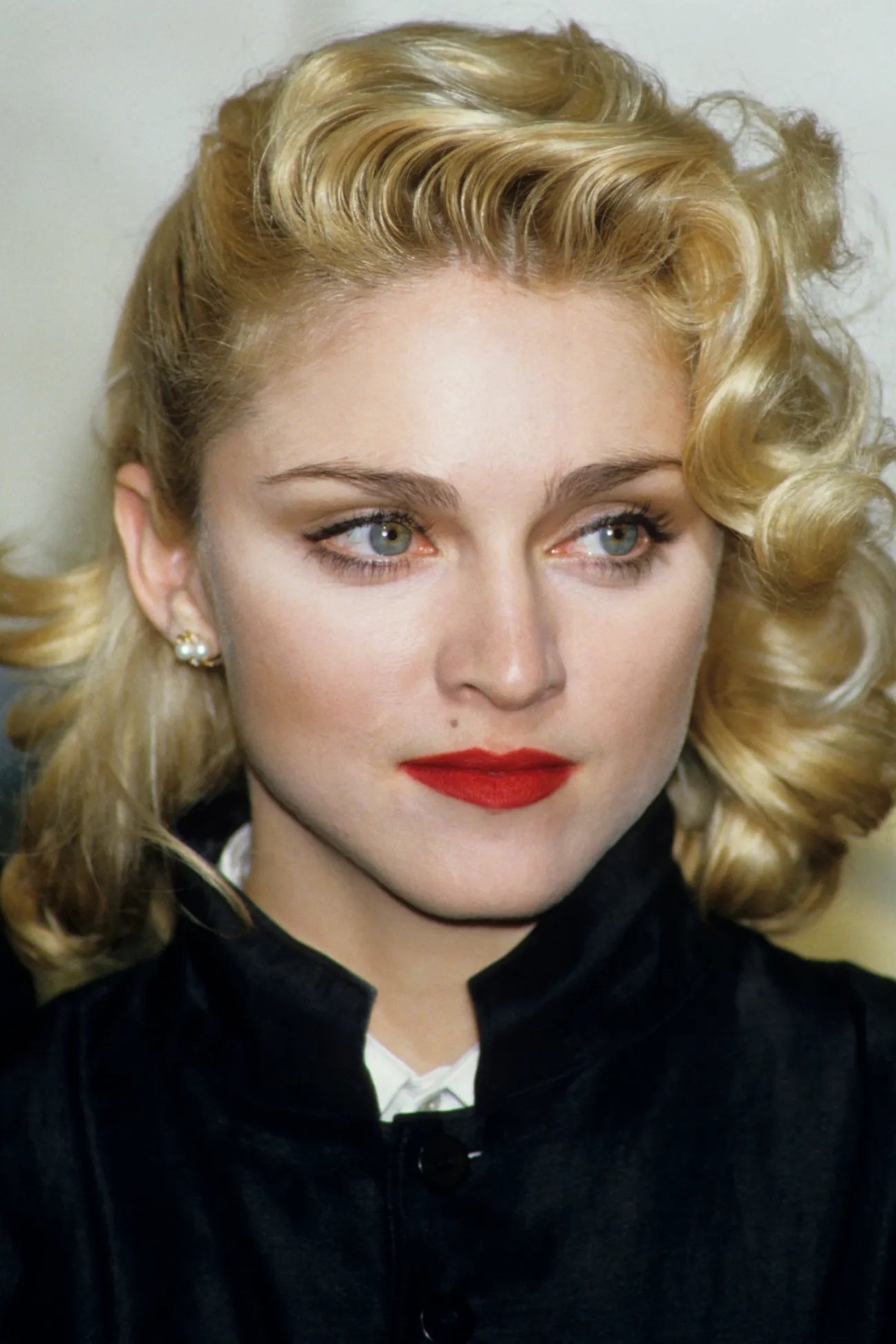
Madonna has spent decades reinventing her identity through various musical and visual eras. She has frequently faced backlash for her use of religious imagery and her exploration of sexuality in her work. Critics have often accused her of being too provocative or of seeking attention through controversial transformations. In recent years she has faced criticism regarding her appearance and her presence on social media. She remains a pioneering figure who has influenced how artists use identity as a form of creative expression.
Marilyn Manson
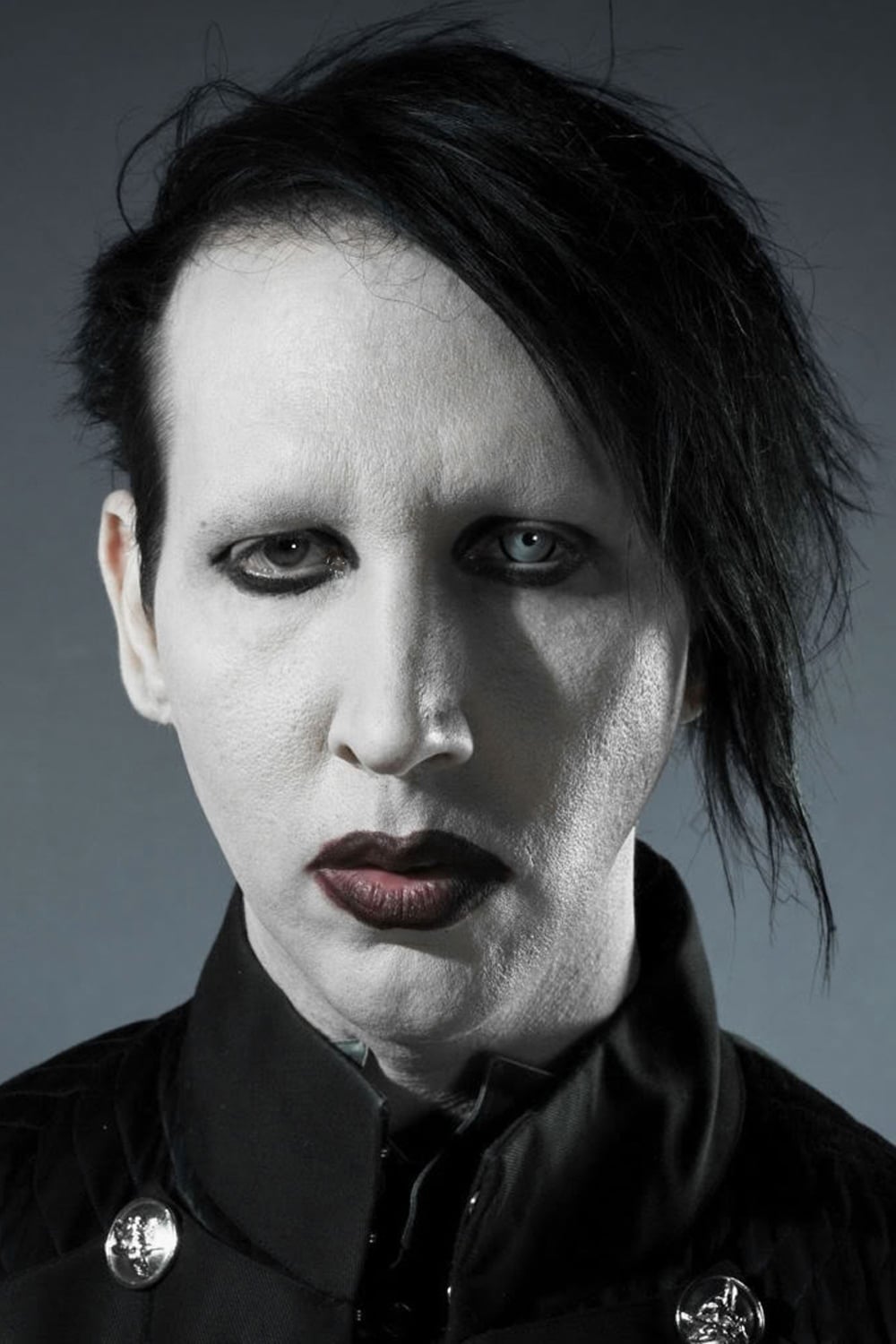
Marilyn Manson built his entire identity on being a controversial and experimental figure in rock music. He faced intense backlash from religious and political groups throughout the 1990s who blamed his persona for various social issues. In recent years he has faced a different and more severe backlash following numerous allegations of abuse. These allegations have led to a significant shift in his public standing and his career prospects. His identity as a shock rocker has been largely overshadowed by these serious legal and personal controversies.
David Bowie
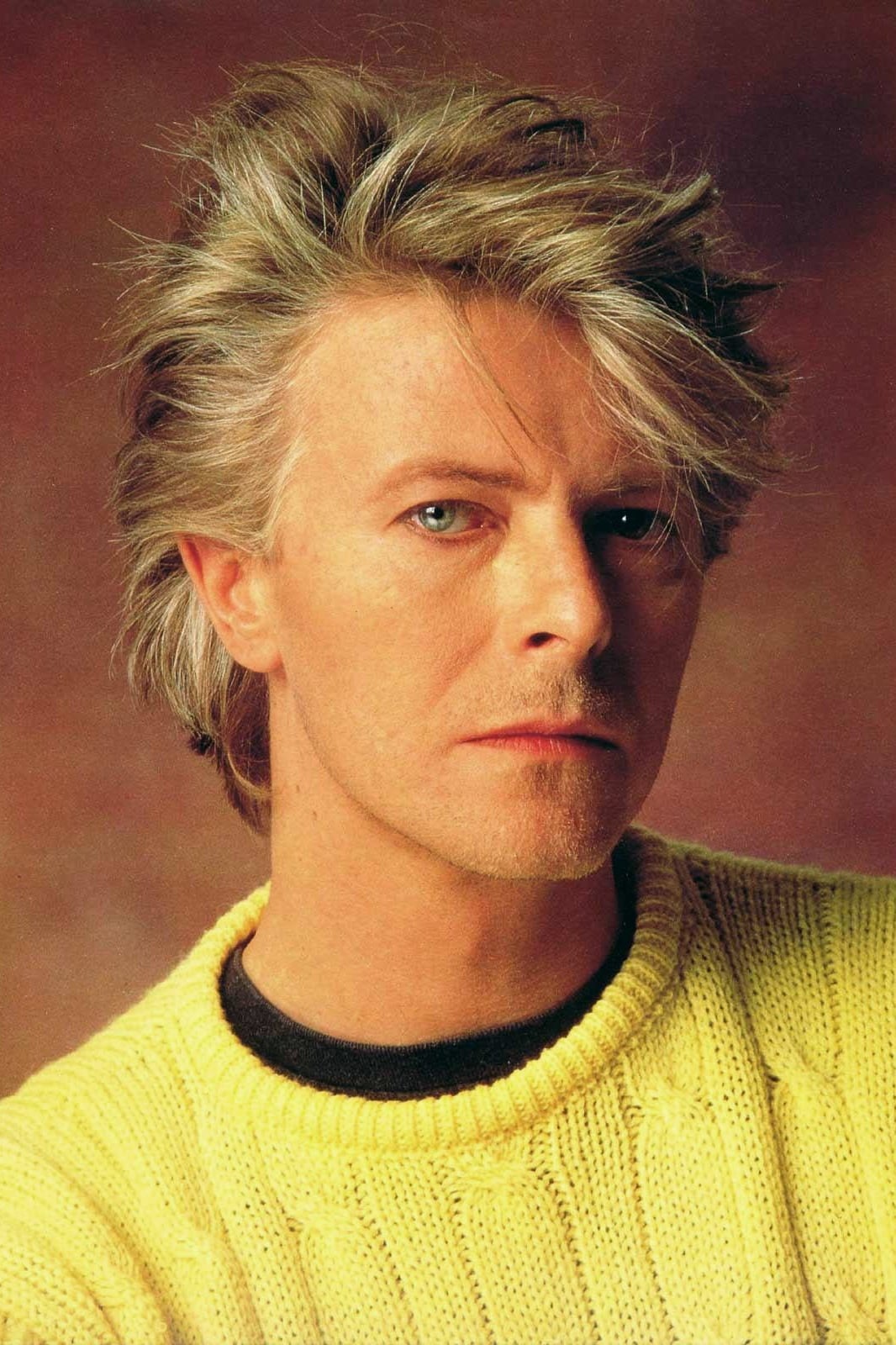
David Bowie was a pioneer of experimental identity through his various alter egos like Ziggy Stardust and the Thin White Duke. While he is now celebrated as an icon he faced significant confusion and backlash from critics during his early transitions. His gender-bending fashion and exploration of different musical styles were seen as radical at the time. He used these personas to explore complex themes of fame and alienation. His legacy continues to inspire artists to embrace fluidity and change in their own identities.
Salma Hayek Pinault

Salma Hayek Pinault faced challenges in the early part of her career as she fought to establish her identity as a lead actress in Hollywood. She often spoke about the backlash and stereotyping she encountered as a Mexican woman in the film industry. Her decision to produce and star in ‘Frida’ was an experimental career move that many doubted would succeed. She has also navigated public scrutiny regarding her marriage to a high profile businessman and her evolving roles in the industry. She remains a powerful figure who has helped open doors for other international actors.
Hilaria Baldwin
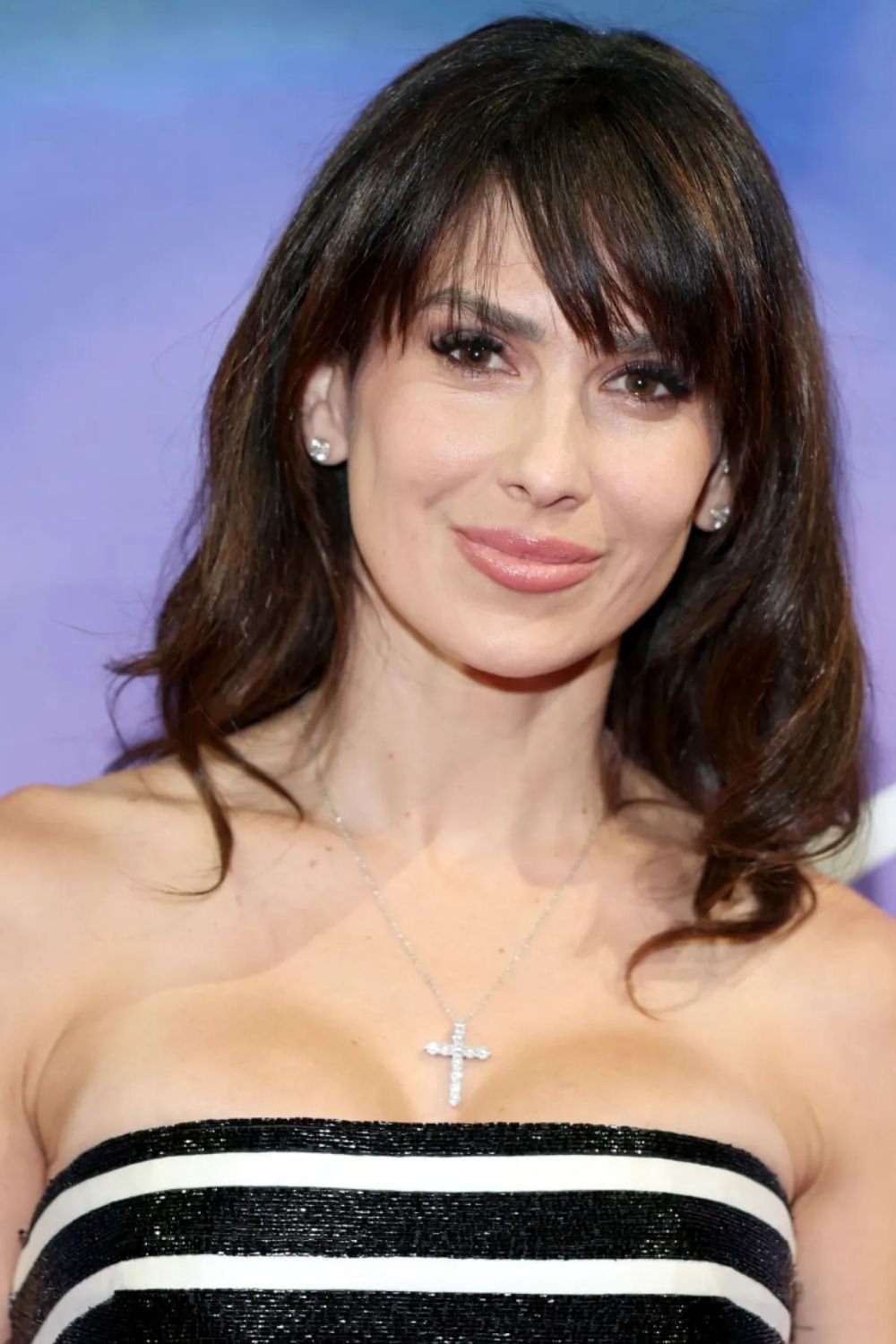
Hilaria Baldwin faced intense public backlash after it was revealed that her Spanish heritage was not as extensive as she had previously implied. This controversy led to a wider discussion about cultural identity and authenticity in the digital age. Many critics accused her of adopting an experimental persona that did not match her actual upbringing. She has addressed the situation by clarifying her background while continuing to share her life on social media. The incident significantly impacted her brand and public perception.
Prince Harry, Duke of Sussex

Prince Harry, Duke of Sussex faced significant backlash after he and his wife stepped back from their official roles in the British Royal Family. This transition into a more independent and experimental identity outside of traditional royal expectations drew criticism from the media and the public. He has been vocal about his personal struggles and his desire for a different kind of life in the United States. His public statements and media projects have further polarized opinions about his new direction. He continues to navigate his identity as a global public figure and an advocate for mental health.
Meghan, Duchess of Sussex
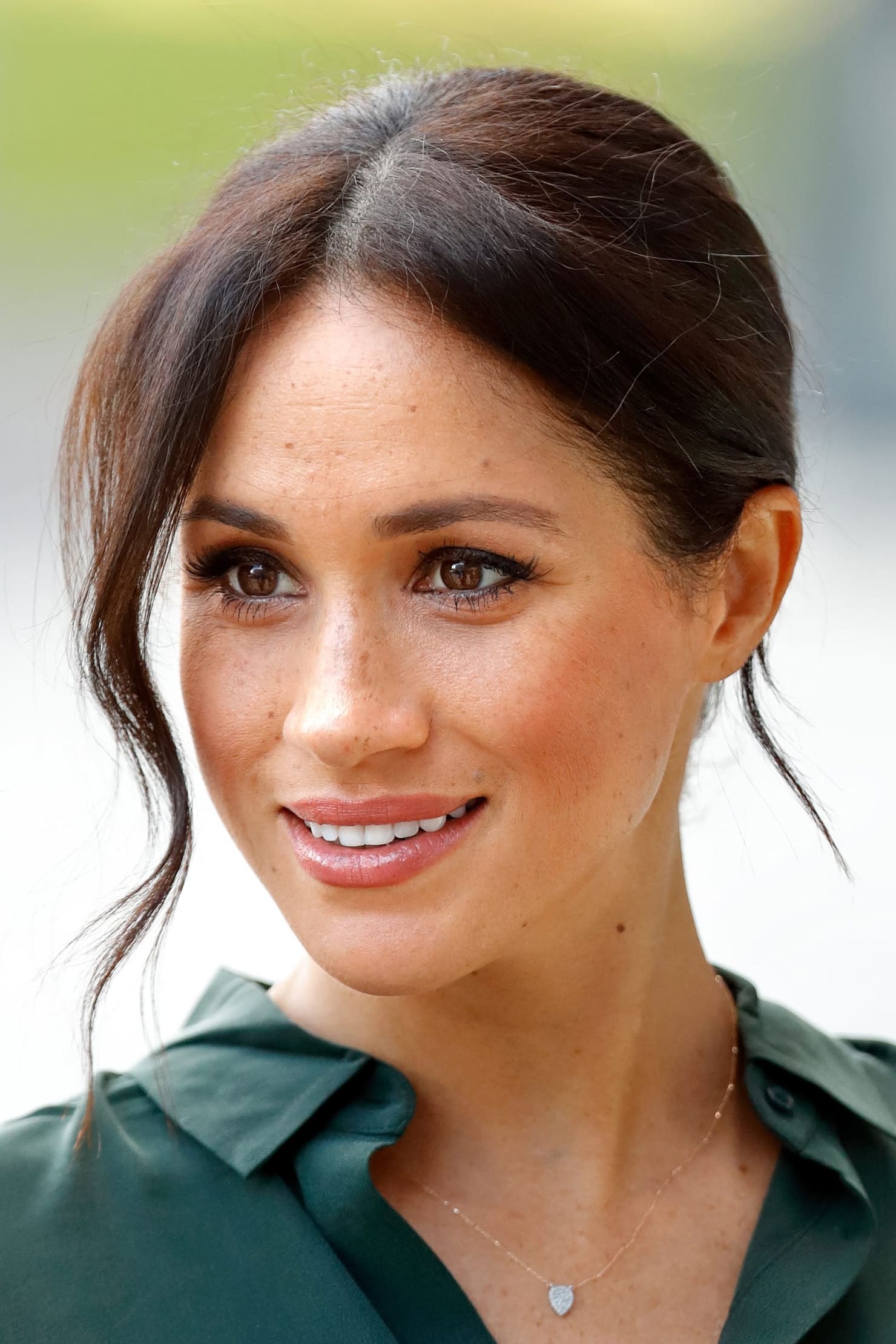
Meghan, Duchess of Sussex faced intense scrutiny and backlash as she integrated into the British Royal Family and later moved away from it. Critics often targeted her heritage and her previous career as an actress while questioning her motives. Her decision to speak openly about her experiences led to a divided public response. She has used her platform to focus on charitable work and media production while establishing a new identity outside of the monarchy. Her journey highlights the challenges of identity and representation within traditional institutions.
Anne Heche

Anne Heche experienced a major career backlash after she went public with her relationship with Ellen DeGeneres in the late 1990s. She often spoke about how her career in Hollywood suffered as a result of her open identity and personal choices. She was known for her experimental roles and her candid discussions about her past and mental health. Her public persona was often the subject of tabloid speculation throughout her life. She remained a dedicated actress until her tragic passing.
Amber Heard
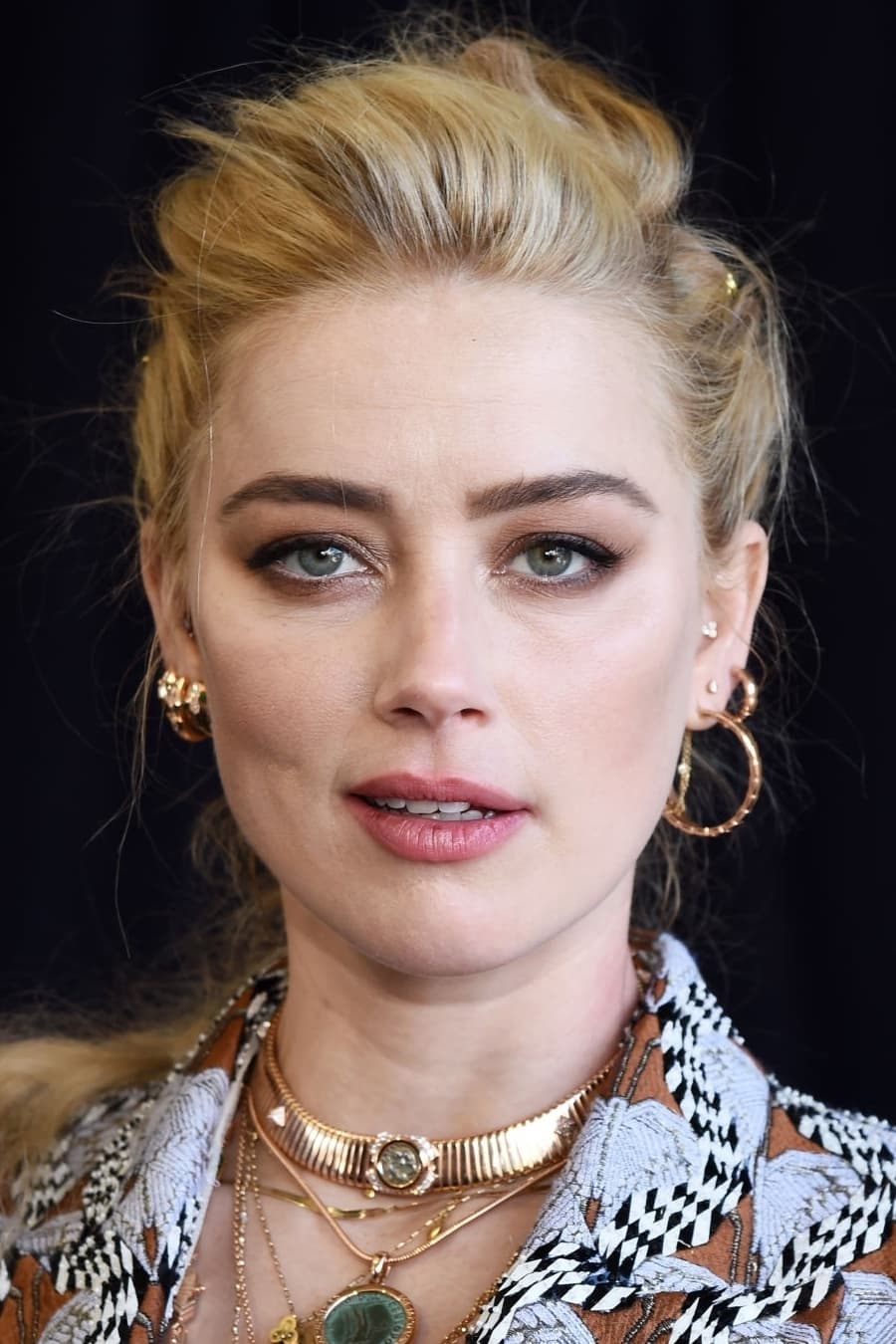
Amber Heard faced intense public backlash during her highly publicized legal battles which often focused on her personal identity and character. The media and social media discourse surrounding her life became extremely polarizing. Critics frequently questioned her motives and her public statements regarding her personal experiences. This situation led to a significant shift in how she was perceived by the public and the industry. She has since moved away from the spotlight to focus on her personal life and her family.
Boy George

Boy George was a leading figure of the New Romantic movement and was known for his flamboyant and gender-fluid identity. He faced significant backlash from the media and conservative groups during the height of his fame in the 1980s. His personal struggles were often documented in the tabloids and led to periods of public criticism. Despite the challenges he has remained a prominent figure in the music industry and a television personality. He continues to be celebrated for his unique style and his contributions to pop culture.
Grace Jones
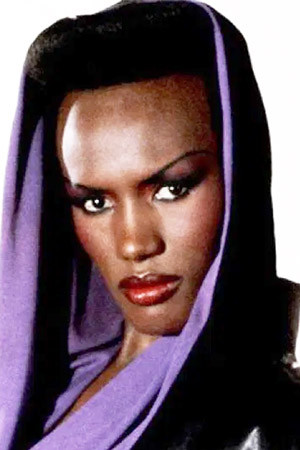
Grace Jones became an icon through her highly experimental and androgynous visual identity. She often faced backlash for her assertive persona and her unconventional approach to music and fashion. Her work challenged traditional notions of race and gender in a way that was ahead of its time. She has maintained a legendary status in the industry while continuing to perform and influence new generations of artists. Her identity remains a powerful example of using art to redefine personal and cultural boundaries.
Share your thoughts on these public figures and their journeys in the comments.