


Famous Musicians Who Claim “Cancel Culture” Is Destroying Creative Freedom

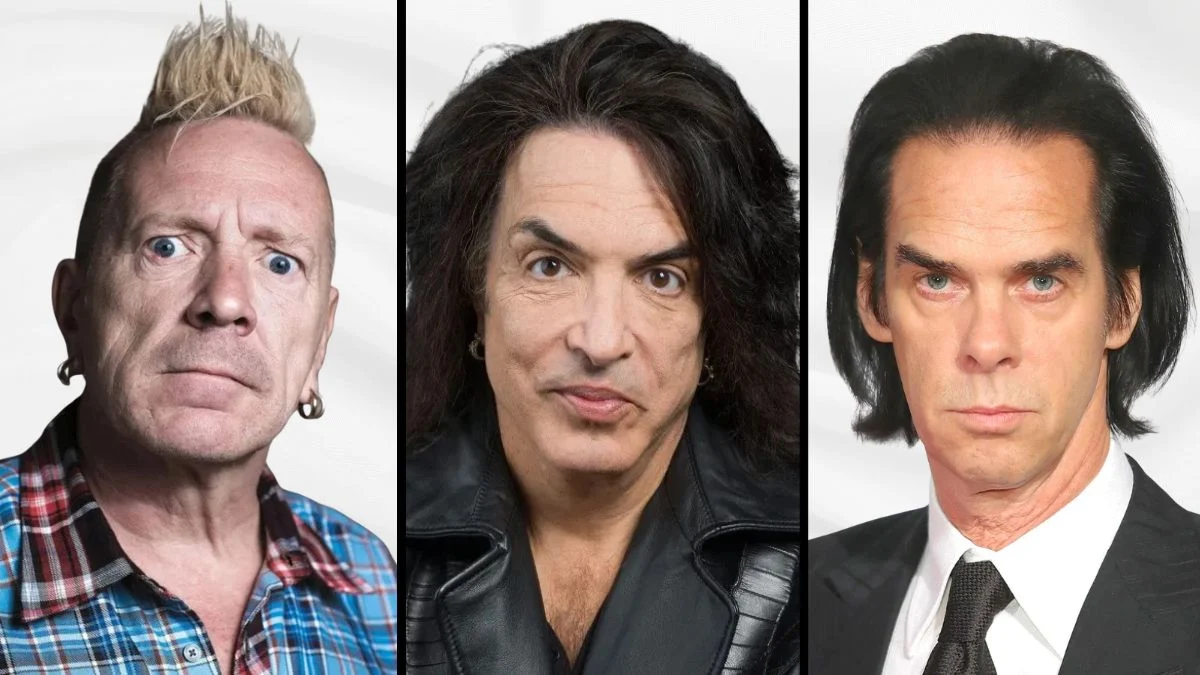


The music industry has faced a significant shift in how public perception and social accountability influence the careers of its biggest stars. Many legendary and contemporary artists have spoken out against the rise of cancel culture and argued that it stifles the artistic process. These performers claim that the fear of public backlash prevents musicians from taking risks or expressing controversial ideas. The debate continues as more public figures weigh in on the balance between professional consequences and creative liberty.
Ye
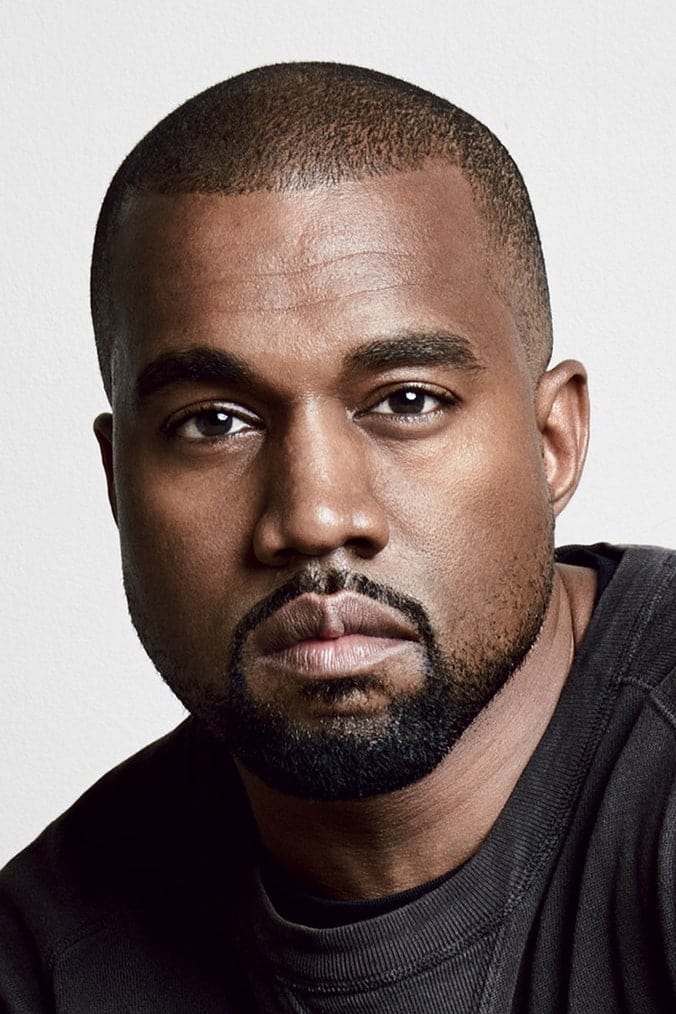
The rapper and producer formerly known as Kanye West has been a vocal opponent of social media boycotts and modern accountability. He has frequently suggested that the current social climate limits the ability of artists to be truly authentic and provocative. During various interviews and public appearances he has compared the pressure to conform to a form of mental imprisonment. His career has seen numerous controversies that he attributes to a lack of tolerance for diverse perspectives. He continues to advocate for a world where artists are free to make mistakes without facing permanent professional exile.
Alice Cooper
The shock rock pioneer has expressed concerns about how modern sensitivities might have prevented his own career from taking off in the past. He believes that the current atmosphere makes it difficult for new artists to create theatrical or shocking personas. Cooper has argued that rock and roll should be about pushing boundaries and challenging the status quo. He suggests that the threat of being cancelled creates a culture of fear that discourages genuine experimentation. The legendary singer maintains that art requires the freedom to be misunderstood or even offensive to some audiences.
Gene Simmons

The Kiss bassist is known for his outspoken nature and has frequently criticized the impact of social media on individual expression. He has stated that the current trend of public shaming is detrimental to the development of unique artistic voices. Simmons believes that the fear of losing business opportunities or public favor has led to a sanitized version of popular music. He has often defended the right of public figures to speak their minds regardless of whether their opinions are popular. According to him the collective power of the internet often suppresses individual creativity in favor of groupthink.
Paul Stanley
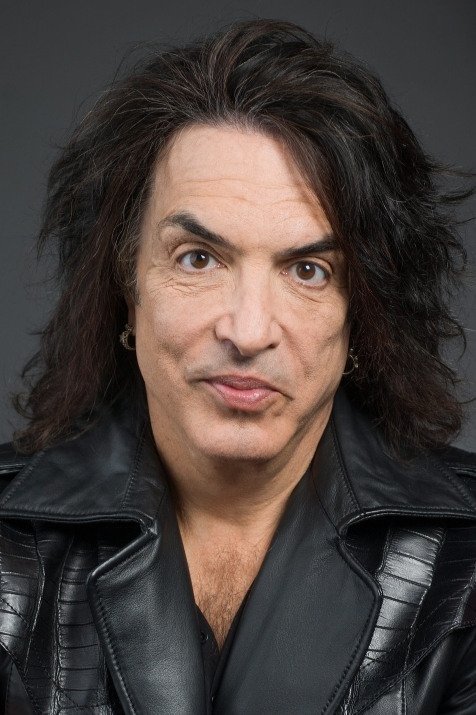
The Kiss frontman has expressed his disdain for what he calls the thought police of the modern era. He believes that people are too quick to judge and condemn others for their past actions or words. Stanley argues that this environment discourages open dialogue and prevents people from learning from their mistakes. He has shared that the current climate of hypersensitivity is toxic to the spirit of rock music. The singer advocates for a more forgiving society where artists can express themselves without fear of total destruction.
Nick Cave
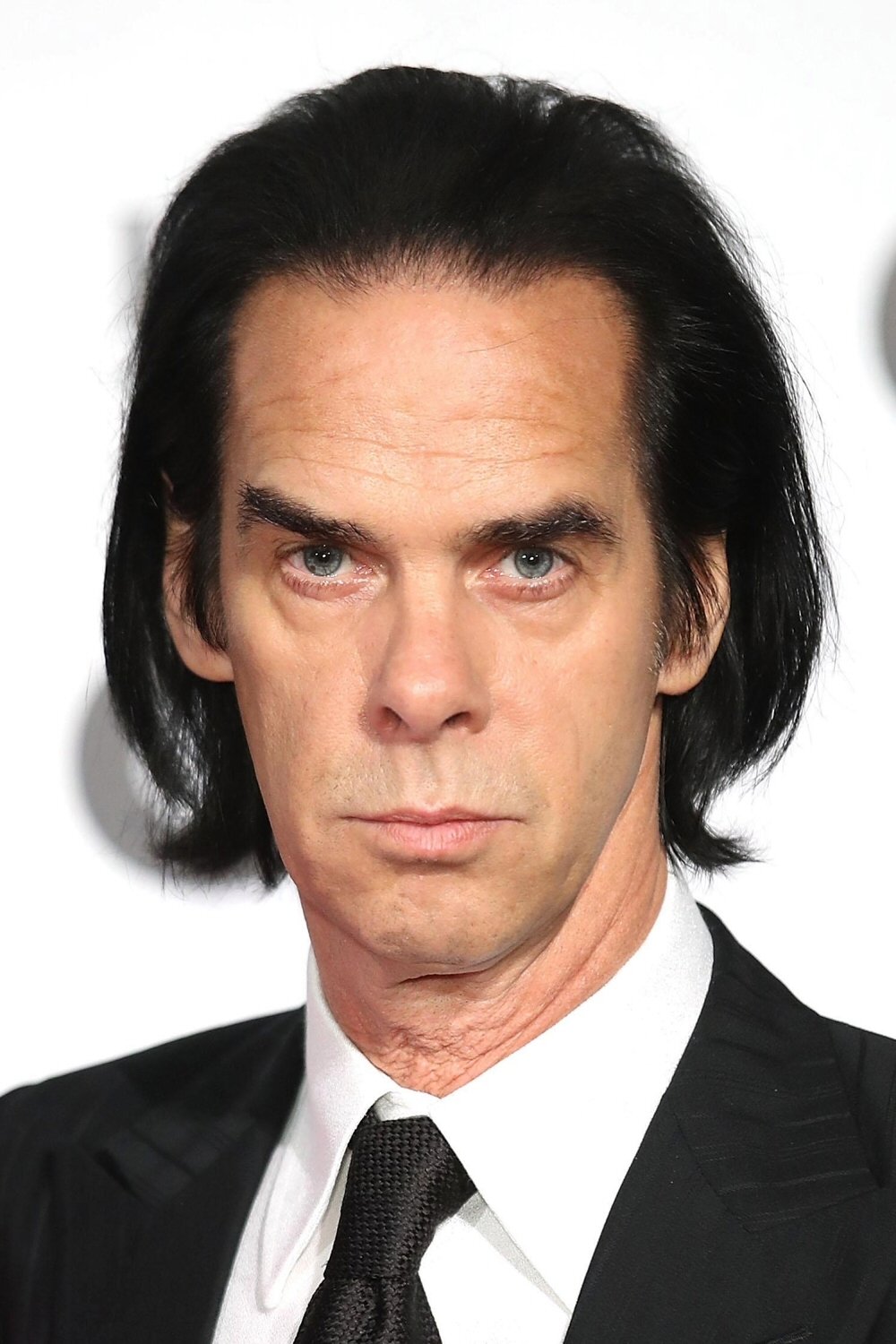
The Australian singer and songwriter has written extensively about the dangers of self censorship in the modern world. He describes cancel culture as a refusal to engage with uncomfortable ideas and a lack of mercy. Cave believes that the pressure to conform to specific social standards is damaging to the creative imagination. He has argued that great art often comes from exploring the darker and more complex aspects of human nature. The artist maintains that a culture without room for dissent or error is fundamentally anti creative.
Morrissey

The former lead singer of The Smiths has long been a critic of political correctness and institutional oversight in the arts. He has claimed that the industry is now controlled by people who are afraid of offending anyone. Morrissey argues that this shift has led to a decline in the quality and honesty of popular music. He has often described the modern media landscape as an environment that punishes individuality and rewards compliance. Despite facing significant backlash for his own statements he continues to speak out against the perceived silencing of artists.
John Lydon
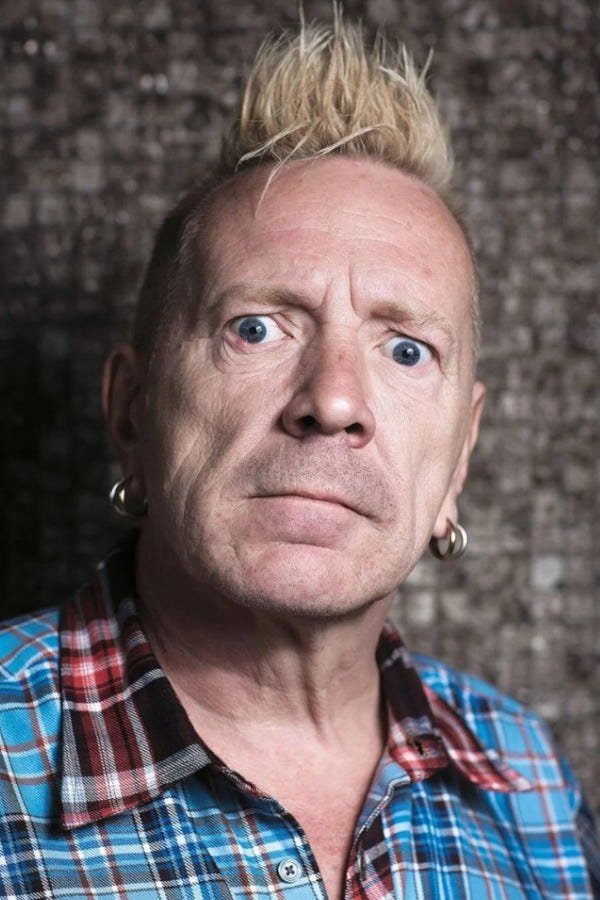
The punk icon known as Johnny Rotten has voiced his concerns about the loss of free speech in the contemporary music scene. He believes that the current generation is overly sensitive and prone to shutting down opposing viewpoints. Lydon has argued that the essence of punk rock is to be provocative and to challenge the established order. He suggests that the threat of being deplatformed keeps many musicians from being truly honest in their work. The singer remains a firm believer that art should be allowed to be messy and controversial.
Dee Snider
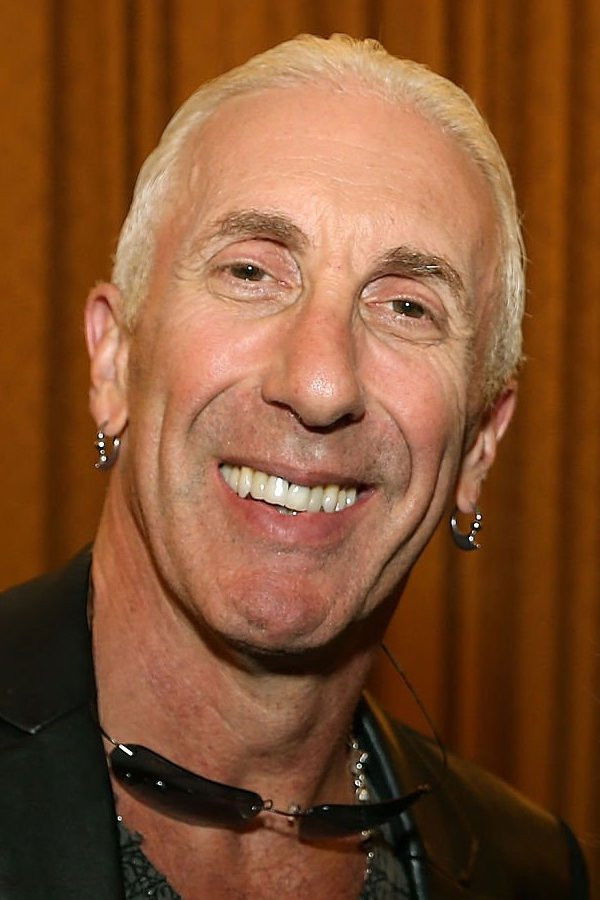
The Twisted Sister vocalist has been a defender of free expression since his days testifying at the PMRC hearings in the eighties. He has recently spoken about how the modern social environment feels even more restrictive than the censorship attempts of the past. Snider argues that the ability to offend is a crucial part of the democratic process and artistic freedom. He believes that the rush to judge public figures often lacks context and nuance. The musician continues to champion the right of creators to push the boundaries of social norms.
Roger Daltrey
The legendary frontman of The Who has described the current state of public discourse as miserable and restrictive. He believes that the fear of saying the wrong thing has created a sterile environment for younger generations of performers. Daltrey has commented that the constant scrutiny from social media makes it impossible for artists to develop naturally. He argues that the lack of room for nuance is a significant threat to the future of creative industries. The singer suggests that the industry was much more vibrant when artists felt free to make mistakes.
Brian May
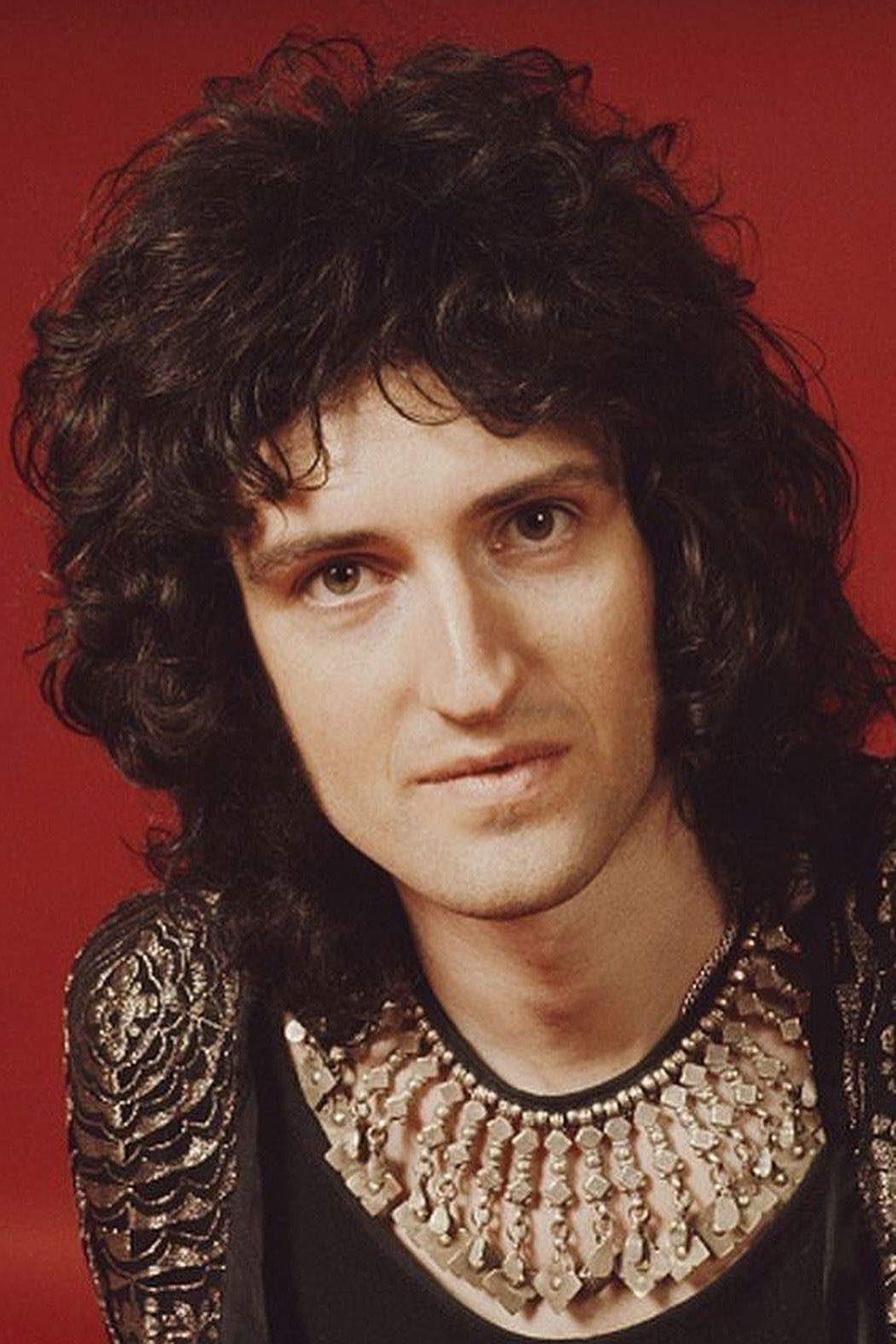
The Queen guitarist has expressed worry that the legacy of his band might have been affected if they were starting out today. He has spoken about the importance of being able to represent different perspectives without being subjected to moral purity tests. May believes that the pressure to be politically correct at all times can stifle the creative process and limit the scope of stories being told. He has defended the film ‘Bohemian Rhapsody’ against criticisms while discussing the broader cultural shifts in the industry. The musician advocates for an environment where artists are judged on their work rather than their perceived social compliance.
Winston Marshall
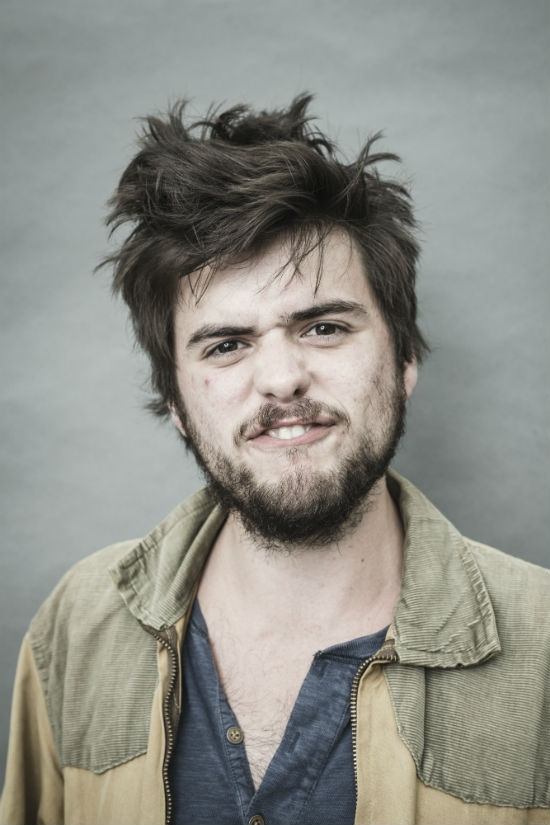
The former banjoist for Mumford and Sons left the band following a public controversy regarding his political reading habits. He has since become a vocal critic of the way public figures are pressured to apologize for holding unpopular views. Marshall argues that the industry now prioritizes social signaling over musical excellence or individual liberty. He believes that the current atmosphere encourages a culture of fear that leads to widespread self censorship among artists. The musician has shifted his focus to discussing the importance of free speech and intellectual diversity in the arts.
Erykah Badu
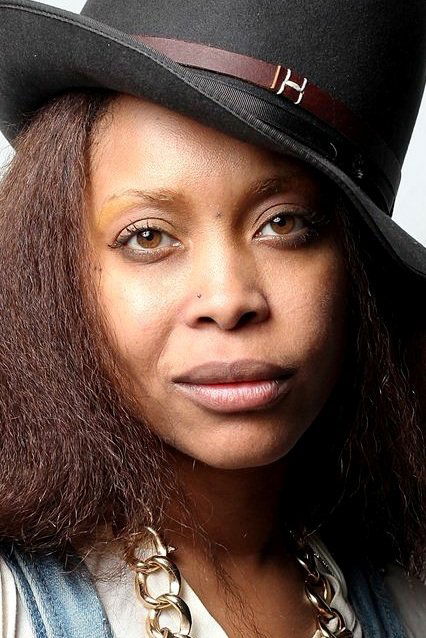
The soul singer has faced criticism for her comments about attempting to see the humanity in controversial public figures. She has argued that the habit of writing people off entirely is unproductive and prevents growth. Badu believes that the public’s desire to punish individuals often overlooks the complexities of human behavior. She has expressed concern that a culture focused on condemnation rather than conversation is detrimental to creative progress. The artist continues to emphasize the importance of empathy and open mindedness in both life and art.
Matty Healy
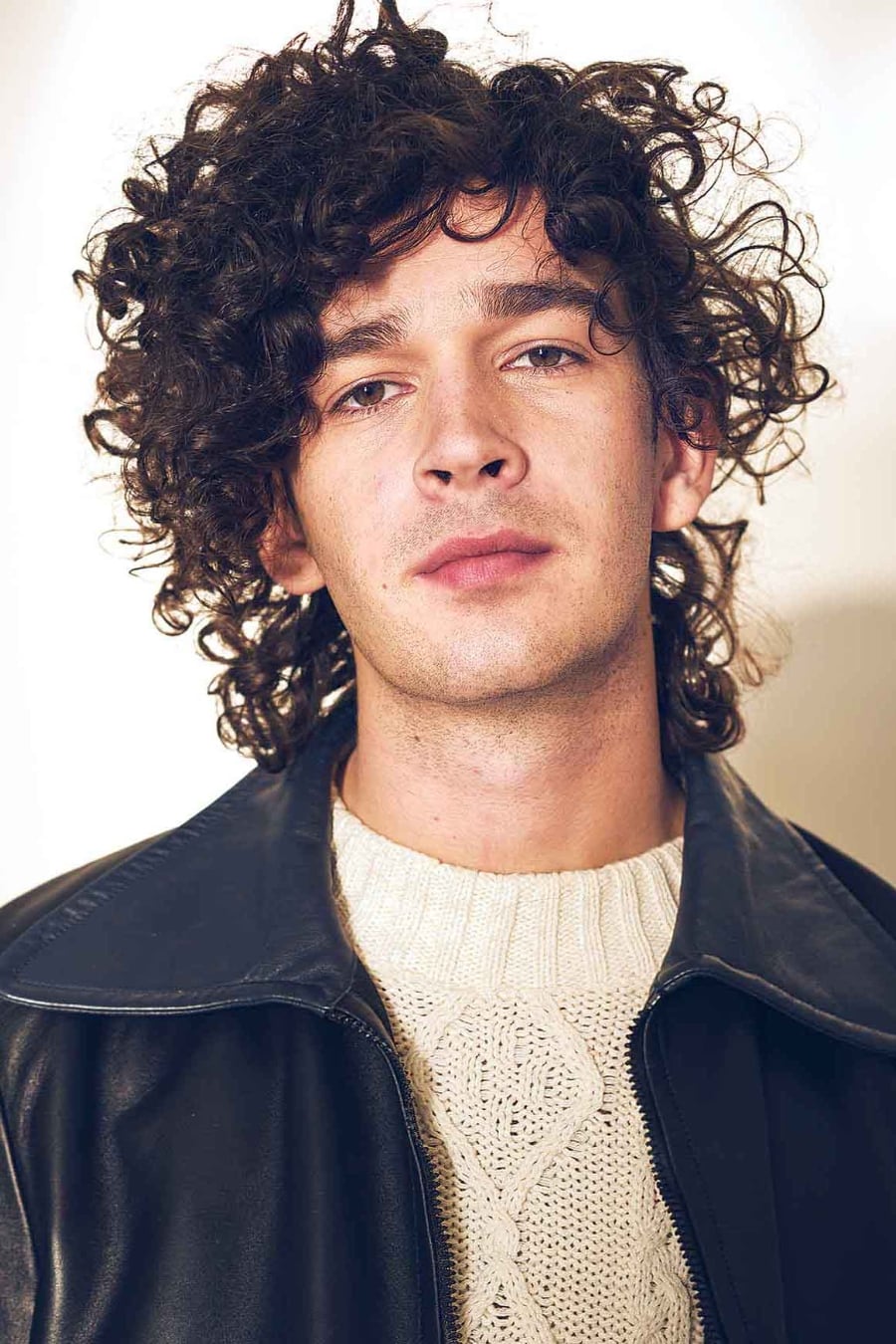
The lead singer of The 1975 has frequently addressed the issues he sees with modern internet culture and its impact on music. He has argued that the constant surveillance of an artist’s personal life and opinions is a distraction from their creative output. Healy believes that the demand for moral perfection from performers is unrealistic and ultimately harmful to the arts. He has often used his platform to challenge the idea that artists should serve as moral paragons for their audience. The musician suggests that the trend of public shaming creates an environment where true authenticity is rare.
Madonna
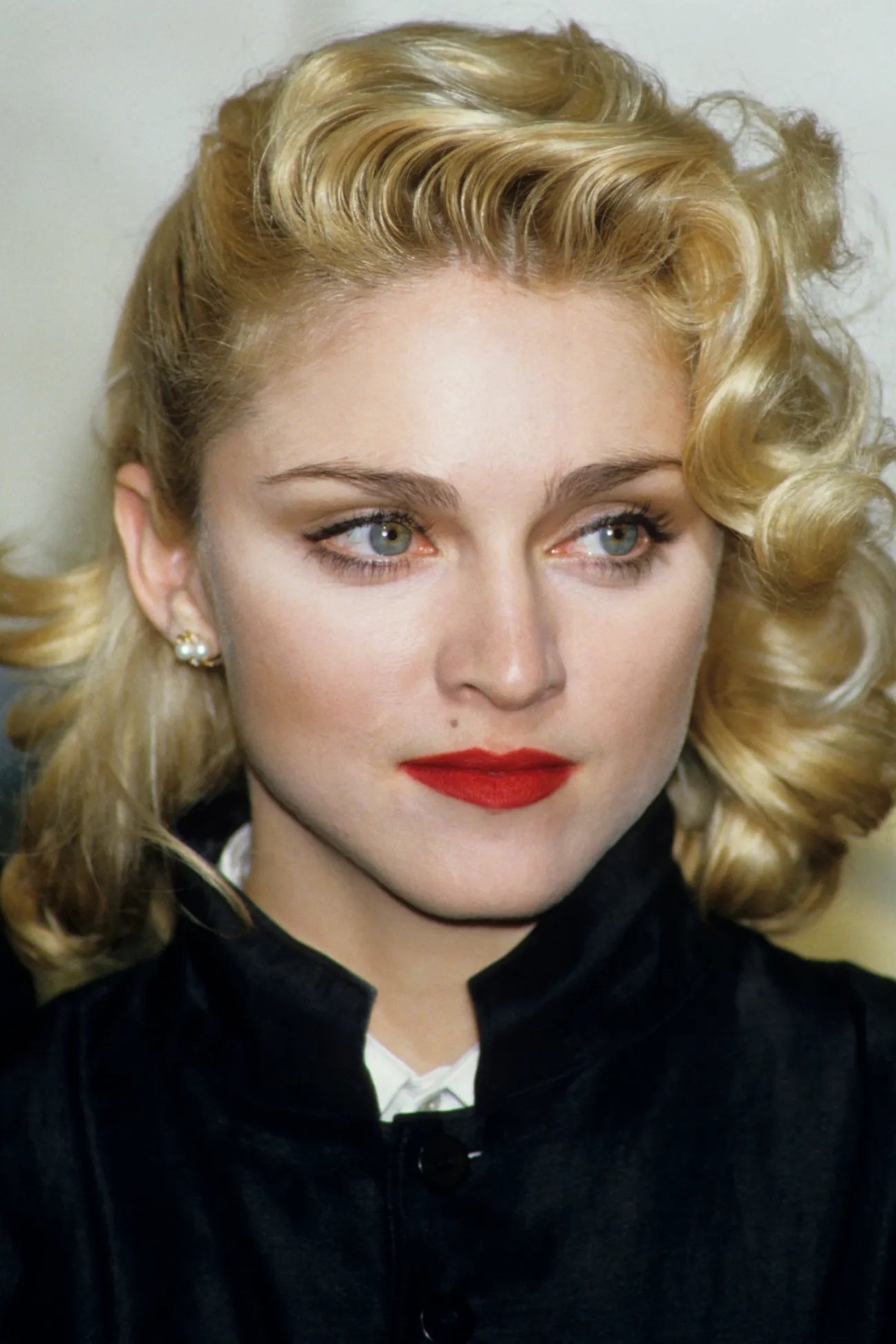
The pop icon has spent her entire career challenging social taboos and has recently commented on the increased sensitivity of the public. She has claimed that the current atmosphere makes it harder for artists to be truly transgressive or experimental. Madonna believes that the fear of being canceled has a chilling effect on the industry and discourages people from taking risks. She has spoken about the importance of maintaining a space where provocative ideas can still be explored. The singer remains a staunch advocate for the idea that art should provoke and unsettle its audience.
Mick Jagger
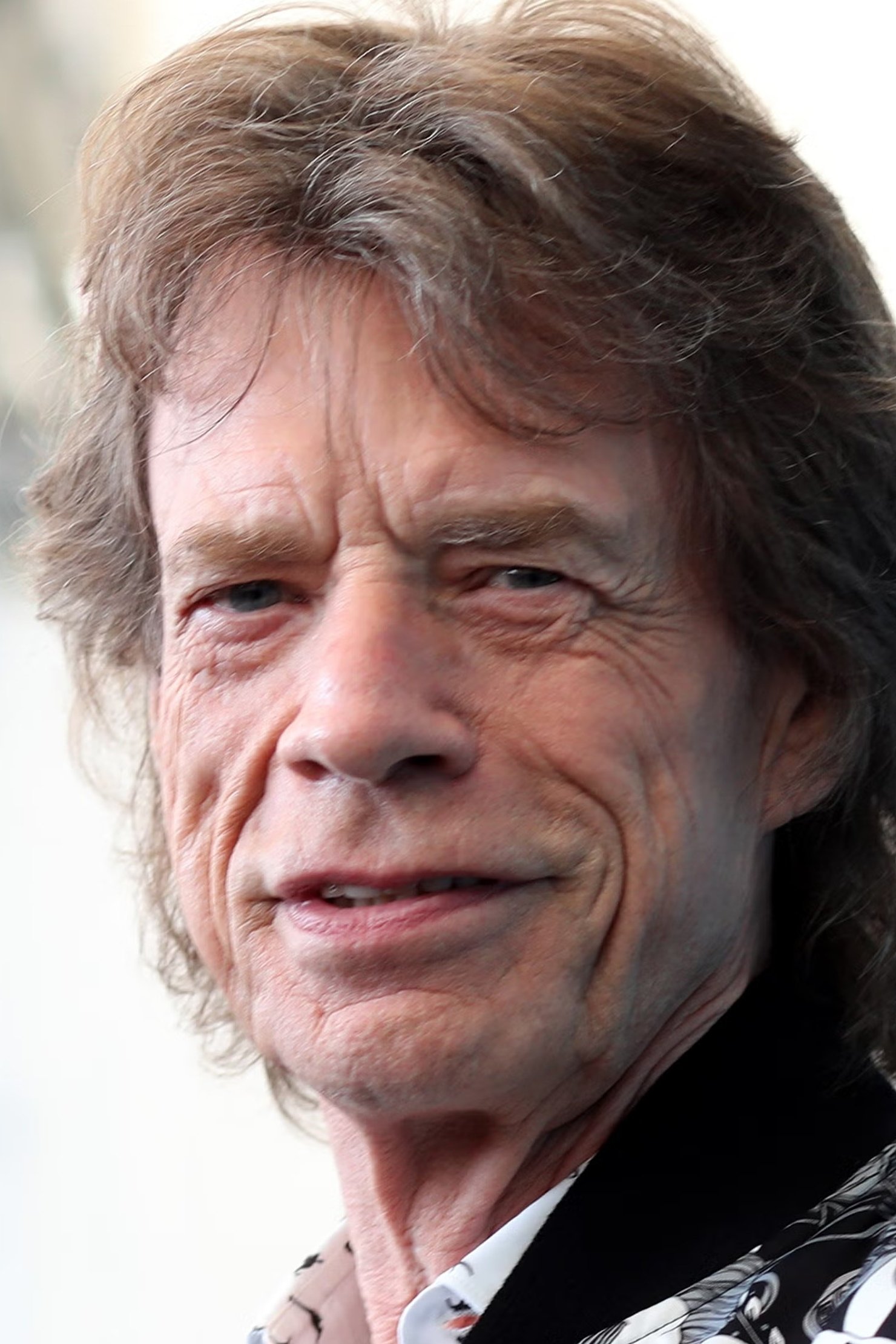
The Rolling Stones frontman has observed the changes in cultural norms over his many decades in the spotlight. He has noted that the world is much more sensitive now than it was during the peak of the rock era. Jagger believes that this heightened sensitivity has made it more difficult for performers to behave with the same level of spontaneity. He has suggested that the current climate requires artists to be much more careful about their public persona and lyrical content. The legendary singer acknowledges the shift while expressing a preference for the more relaxed standards of the past.
Keith Richards
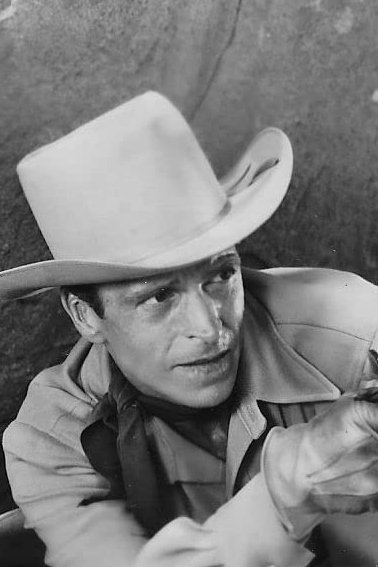
Like his bandmate the legendary guitarist has commented on the ways in which the world has become more restrictive for artists. He has expressed a lack of interest in the current trends of social media judgment and professional shunning. Richards believes that the essence of rock music is tied to a sense of freedom that feels increasingly under threat. He has often shared his view that musicians should focus on their craft rather than worrying about the prevailing social winds. The guitarist remains one of the most vocal proponents of a lifestyle and art form free from excessive regulation.
50 Cent
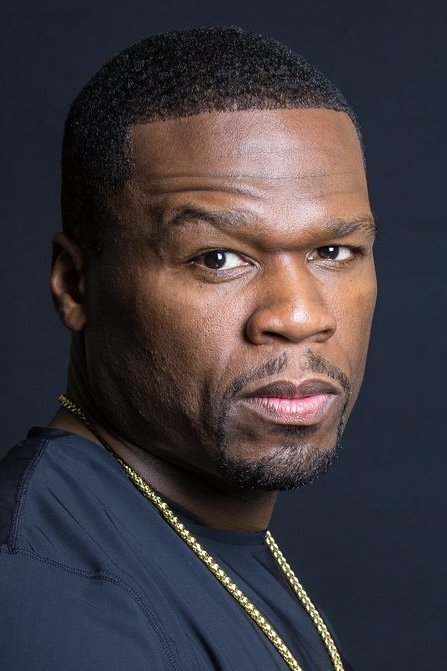
The rapper and business mogul has dismissed the concept of cancel culture as something that only affects those who allow it to. He has argued that the internet’s attempt to silence certain individuals is often performative and short lived. However he also believes that the constant search for reasons to be offended is a negative trend in modern society. 50 Cent has stated that artists should remain confident in their work and not be swayed by the opinions of a vocal minority. He continues to operate with a level of public defiance that challenges the norms of modern accountability.
Nicki Minaj

The hip hop star has been outspoken about her concerns regarding the lack of room for dissenting opinions in the music industry. She has compared the current social environment to a form of thought policing that discourages people from speaking their truths. Minaj has faced her own share of controversies and has often defended her right to question mainstream narratives. She believes that the pressure to conform to a specific set of beliefs is a threat to the individuality of artists. The rapper continues to encourage her fans to think for themselves and resist the urge to follow the crowd.
Gwen Stefani
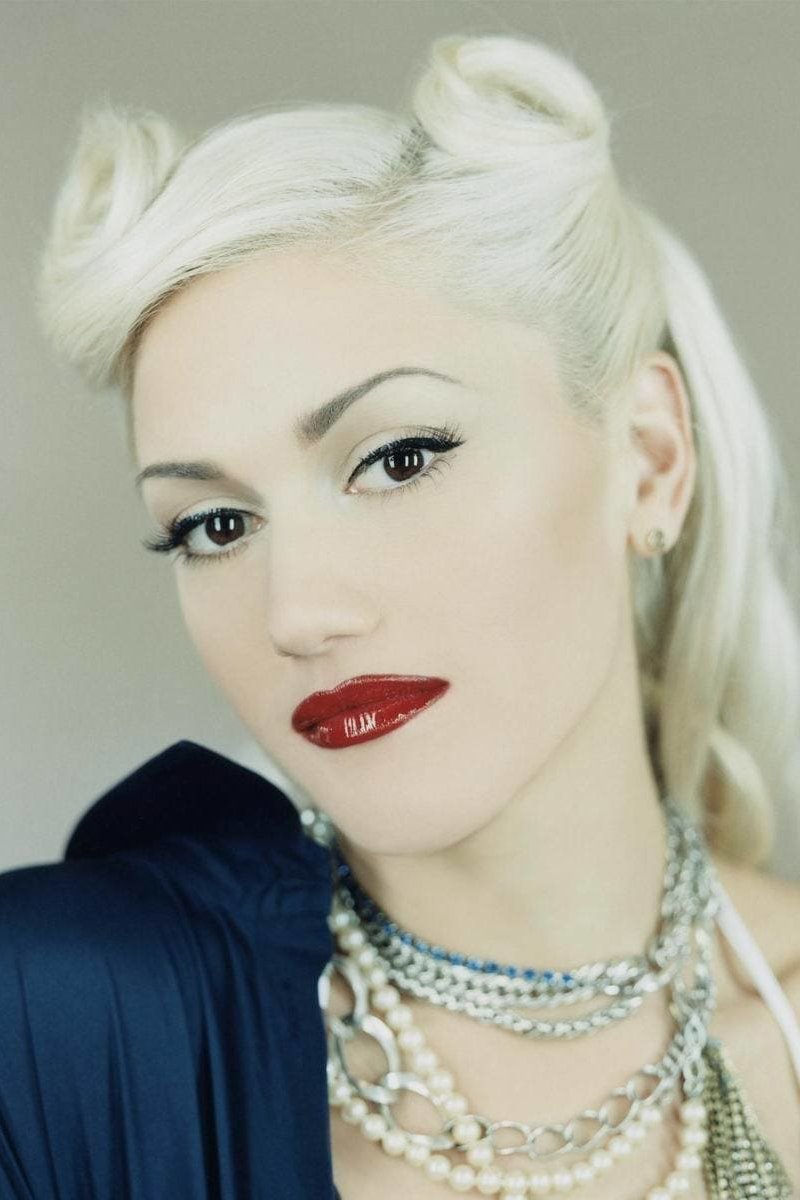
The singer has defended her past artistic choices and her use of different cultural influences in her work. She has expressed the belief that the current focus on cultural appropriation can sometimes limit the creative exchange of ideas. Stefani argues that her intentions have always been rooted in a genuine love and appreciation for different cultures. She believes that the modern climate makes it difficult for artists to explore diverse themes without being misunderstood. The performer maintains that the freedom to share and mix cultures is a vital part of the creative process.
DaBaby
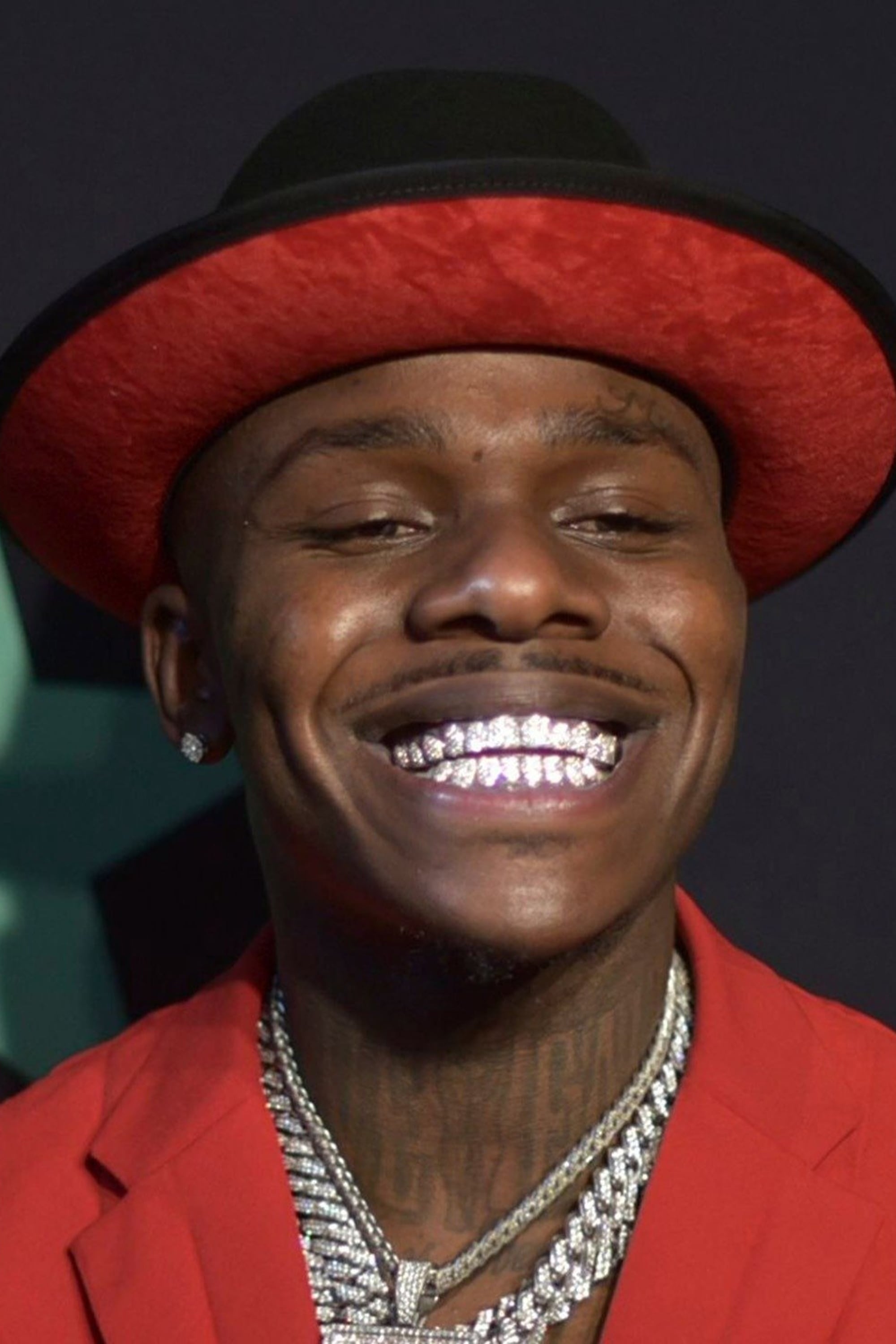
The rapper faced a significant professional backlash following comments made during a music festival performance. He has since spoken out about the speed at which the industry and fans can turn on an individual. DaBaby has argued that the lack of room for education or growth in the face of mistakes is a major issue in the modern world. He believes that the current system of professional punishment is often disproportionate and lacks a path for redemption. The artist continues to navigate his career while criticizing the mechanics of public shunning.
Morgan Wallen
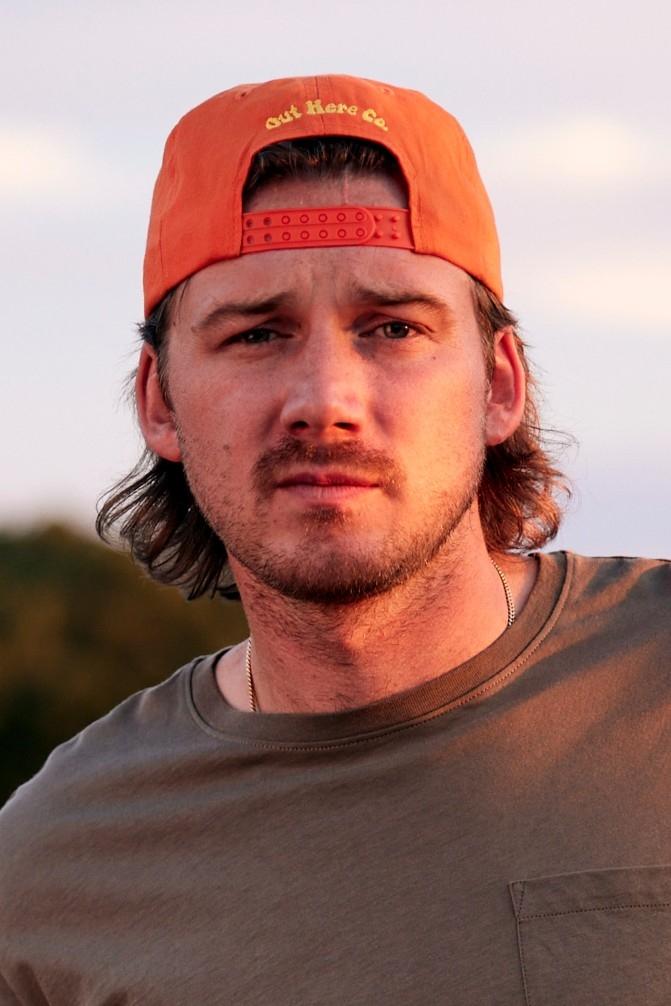
The country music star experienced a massive industry wide temporary ban after a video of him using a racial slur surfaced. He has since discussed his journey of learning from the incident while also noting the intensity of the public reaction. Wallen has expressed that the experience gave him a unique perspective on the power of modern accountability and the speed of social exclusion. He believes that the industry’s response was a reflection of the current cultural trend toward immediate and total condemnation. Despite the controversy his commercial success has continued to spark debates about the effectiveness of such boycotts.
Sia
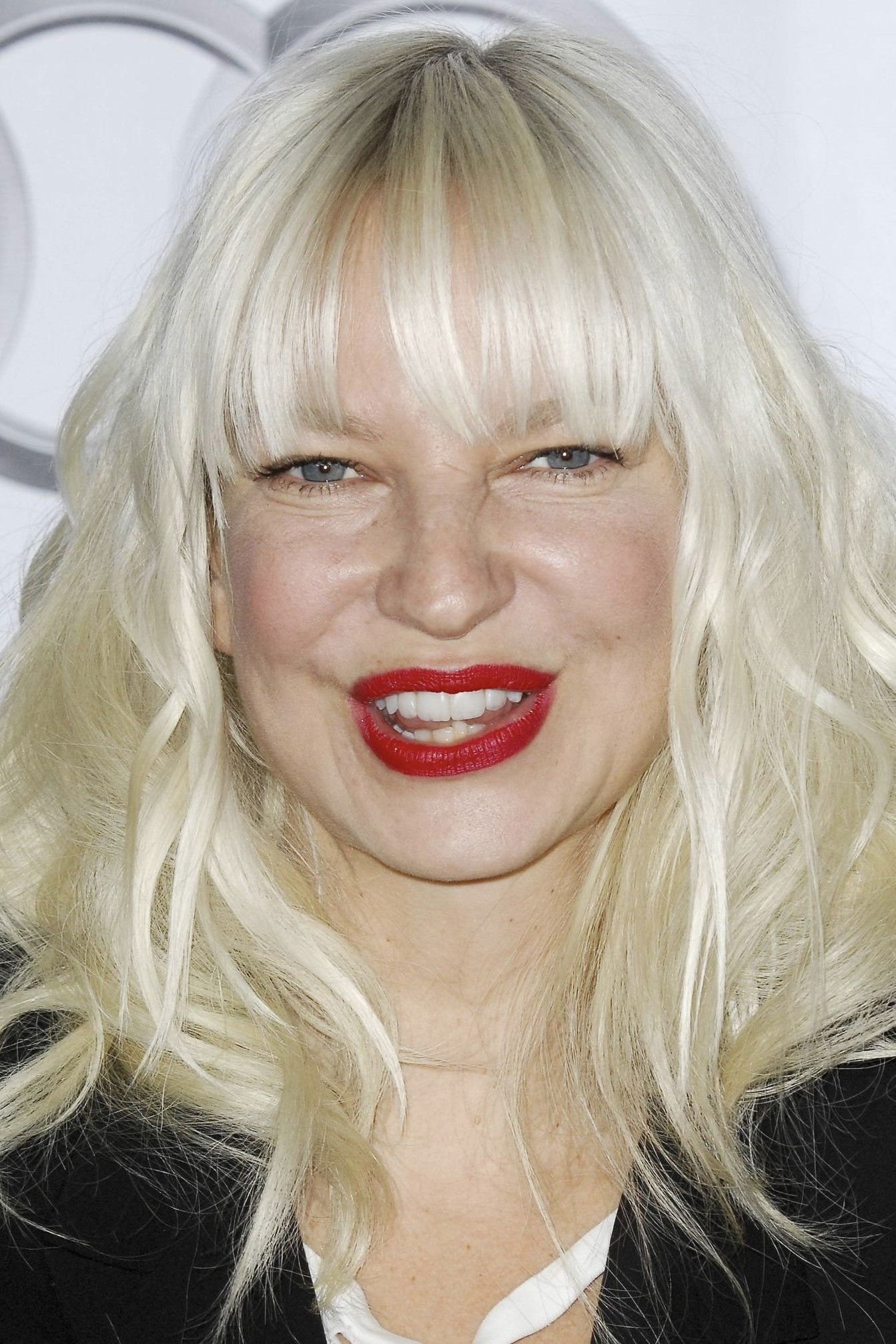
The singer and director faced intense criticism for her casting choices and depiction of autism in her film ‘Music’. She initially defended her artistic decisions and expressed frustration with the way the public reacted to her work. Sia argued that the backlash was a form of bullying that ignored the creative effort put into the project. She has since spoken about the emotional toll that the widespread condemnation took on her mental health. The artist believes that the current culture often prioritizes outrage over constructive dialogue or artistic intent.
Ariel Pink
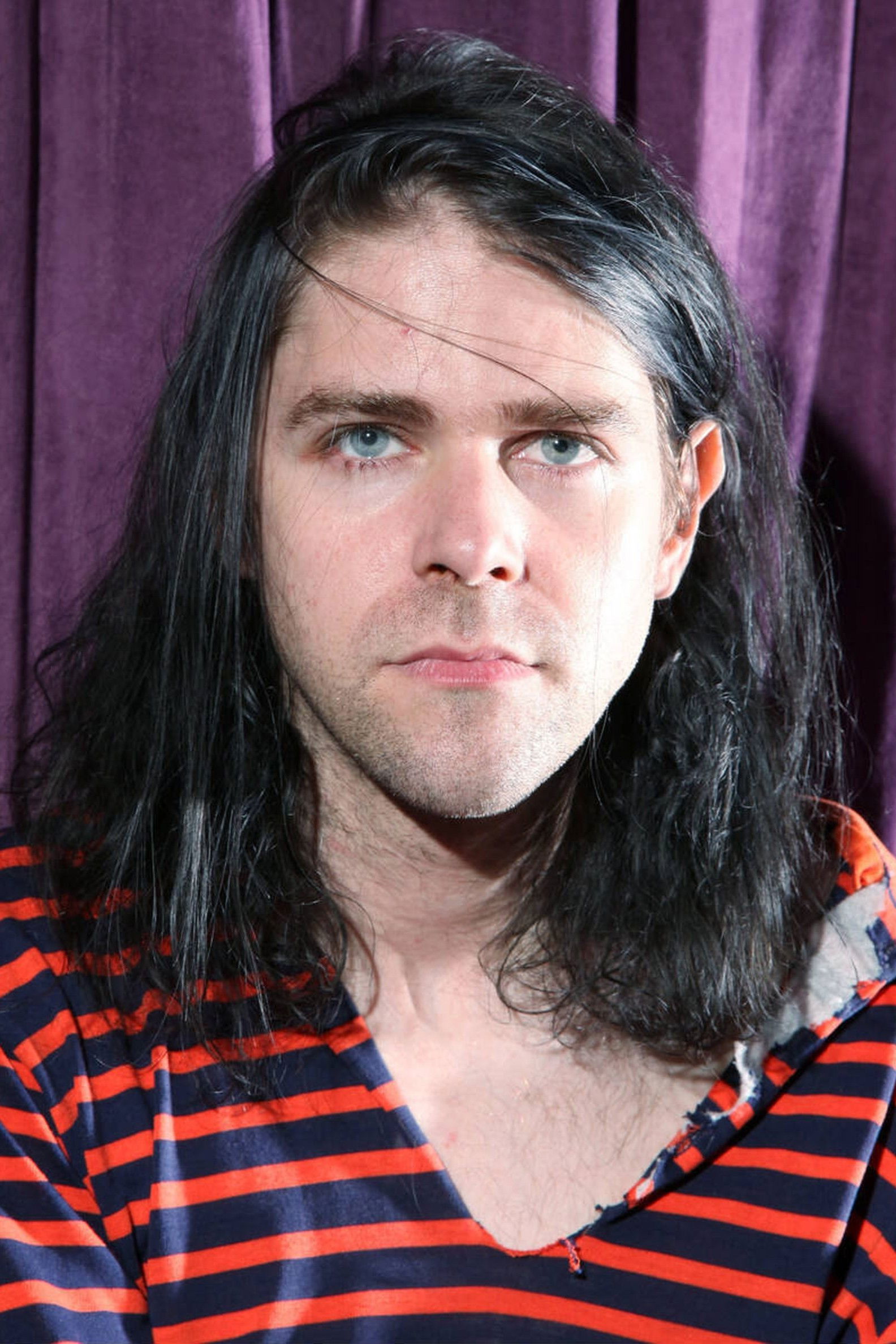
The independent musician was dropped by his record label after attending a political rally that turned into a riot at the United States Capitol. He has since become a vocal critic of what he calls the blacklisting of artists for their personal political views. Pink argues that his presence at the event was a personal choice that should not have affected his professional career. He believes that the industry is now dominated by a singular ideology that punishes any form of dissent. The musician continues to record music while advocating for the separation of art and personal politics.
Róisín Murphy
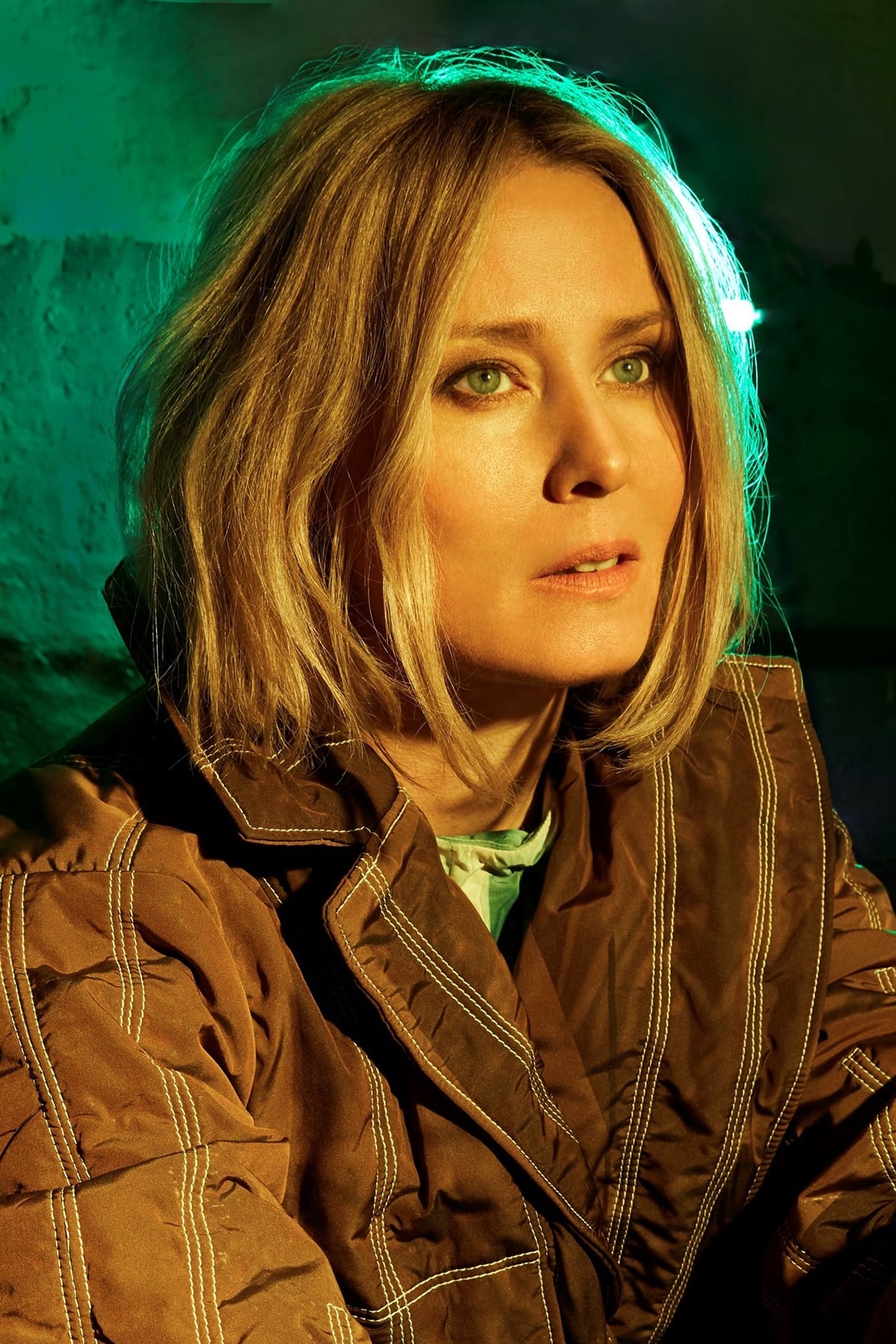
The Irish singer and songwriter faced a backlash for comments she made on social media regarding certain medical treatments. She later issued an apology while also expressing her concerns about the climate of public discourse. Murphy has noted that the fear of being targeted by online mobs can lead to a significant amount of self censorship. She believes that it is becoming increasingly difficult for artists to engage in complex or nuanced discussions without facing professional repercussions. The performer has continued to release music while navigating the challenges of maintaining an independent voice.
Ice Cube
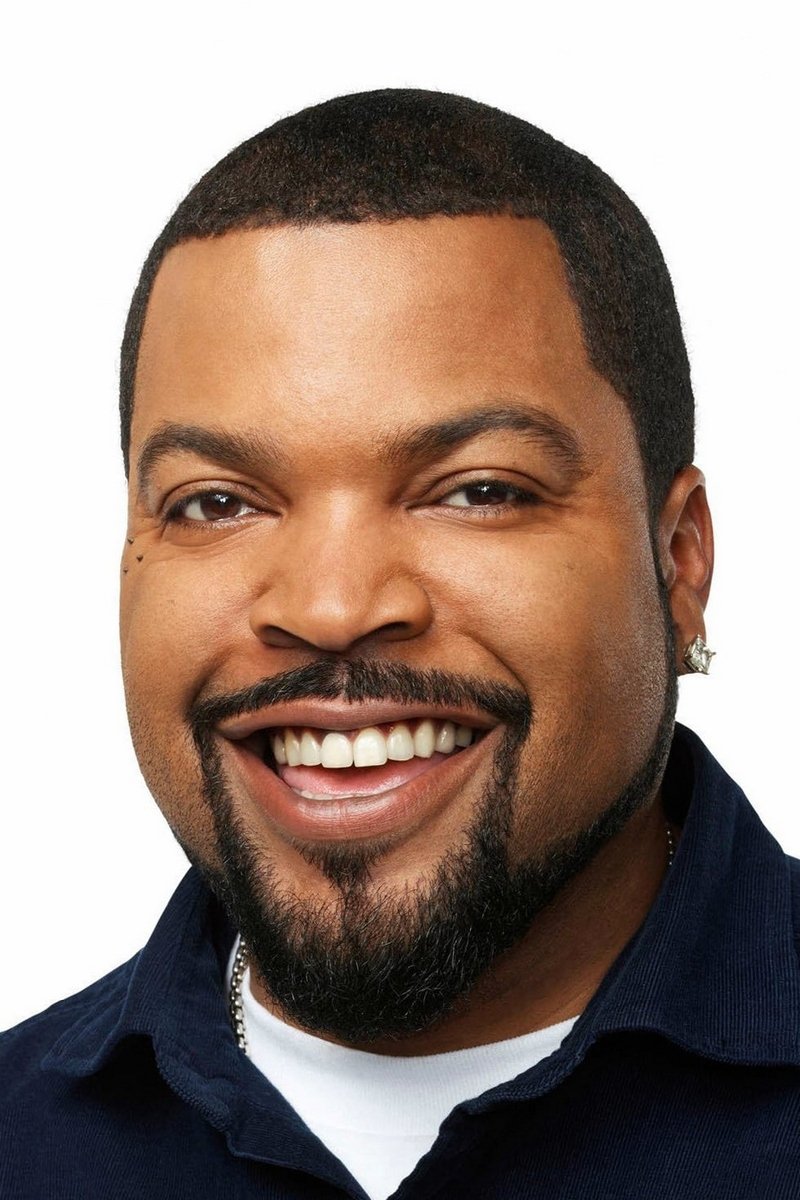
The legendary rapper and actor has been a consistent critic of the way social media influences public opinion and professional opportunities. He has argued that the current culture of offense is being used to silence people with unconventional ideas. Ice Cube believes that artists should not be afraid to be controversial or to challenge the powers that be. He has expressed concern that the pressure to be politically correct is a form of social control that limits the power of art. The musician continues to advocate for the importance of free speech and independent thought in the creative community.
Drake
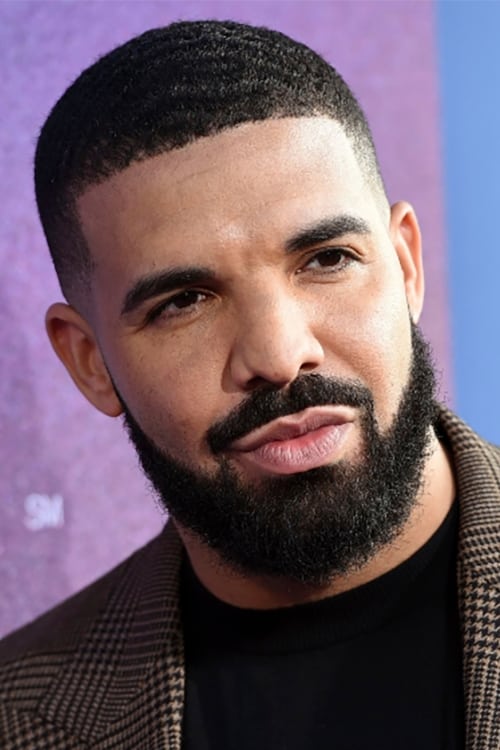
The global superstar has made comments during his performances about the nature of modern public judgment. He has encouraged his fans to focus on real life interactions rather than the often toxic environment of social media. Drake believes that the internet’s desire to find reasons to cancel people is a distraction from genuine human connection and art. He has suggested that the constant fear of being targeted for a mistake is a burden that many performers now carry. The rapper emphasizes the importance of staying true to oneself despite the shifting winds of public opinion.
Marilyn Manson
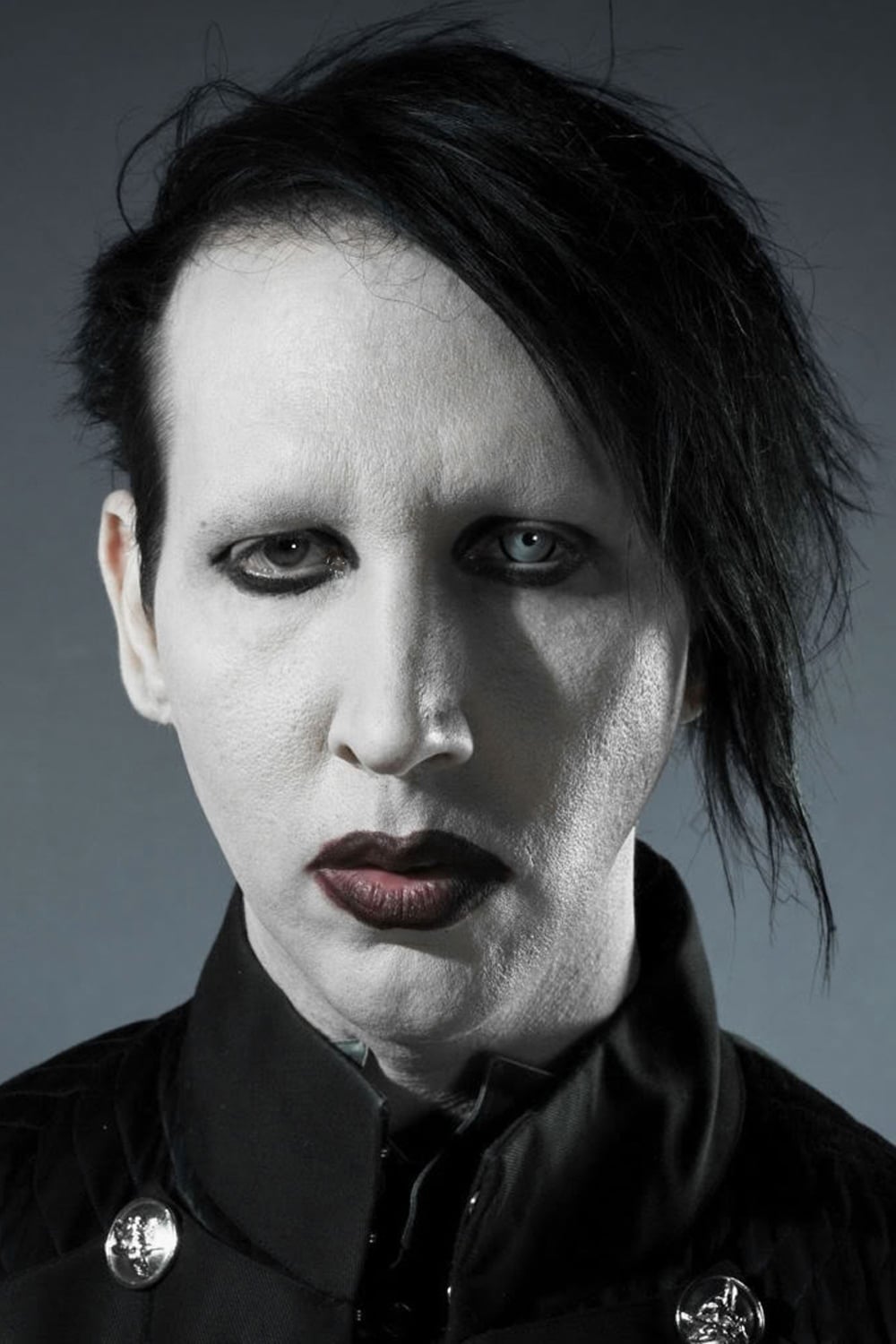
The rock star has always been a controversial figure and has recently spoken out against what he perceives as a new era of moral panic. He believes that the current cultural climate is focused on destroying individuals rather than understanding their art. Manson has argued that the essence of his work is to challenge societal norms and that this is becoming increasingly difficult to do. He suggests that the threat of being professionally silenced is a major deterrent for artists who wish to push boundaries. The musician continues to face significant legal and social challenges while maintaining his stance on artistic freedom.
Kid Rock
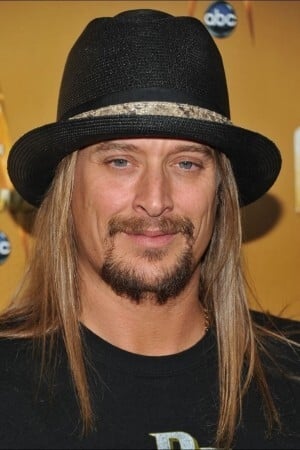
The genre blending musician is a vocal critic of modern social sensitivities and the influence of political correctness. He has frequently used his platform to speak out against the perceived silencing of conservative or unconventional voices. Kid Rock believes that the current atmosphere in the entertainment industry is hostile to anyone who does not follow a specific social narrative. He has often defended his right to say and do as he pleases without regard for the potential for backlash. The singer maintains that the freedom to be himself is more important than universal public approval.
Ted Nugent
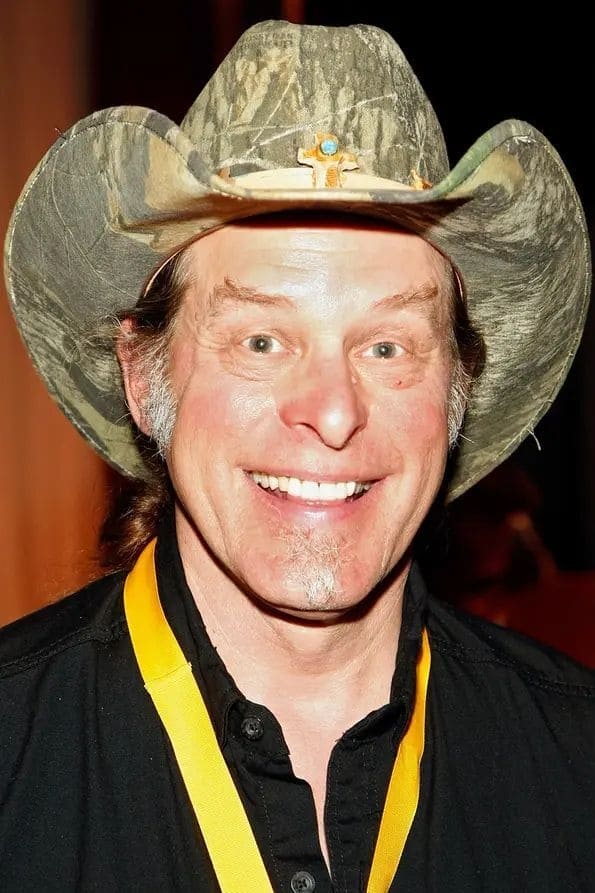
The veteran rock guitarist is well known for his strong political views and his defense of the First Amendment. He has argued that the modern trend of boycotting artists is a direct attack on the foundations of creative freedom. Nugent believes that the industry is being ruined by people who are more interested in social engineering than in quality music. He has often encouraged other artists to stand their ground and refuse to apologize for their personal beliefs. The musician remains a polarizing figure who continues to champion the right to be outspoken.
David Draiman
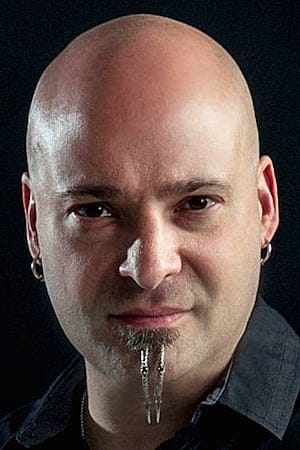
The lead singer of Disturbed has spoken about the dangers of the modern outrage culture and its impact on the rock community. He believes that the constant surveillance of an artist’s every word is a threat to the authenticity of the genre. Draiman has argued that the ability to express strong and sometimes unpopular opinions is essential for a healthy society. He has expressed concern that the fear of being canceled will lead to a generation of musicians who are too afraid to take risks. The singer remains a vocal supporter of free expression and intellectual debate.
Corey Taylor
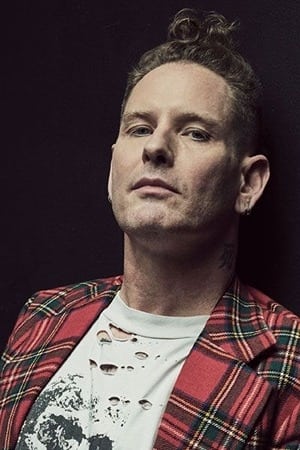
The Slipknot and Stone Sour frontman has criticized the way social media has changed the relationship between artists and their audience. He believes that the current environment encourages people to hunt for reasons to be offended. Taylor has argued that this constant scrutiny makes it difficult for performers to be their true selves. He has suggested that the focus on moral purity is a distraction from the music and the message behind it. The singer continues to advocate for a more nuanced approach to public discourse and artistic critique.
Meat Loaf
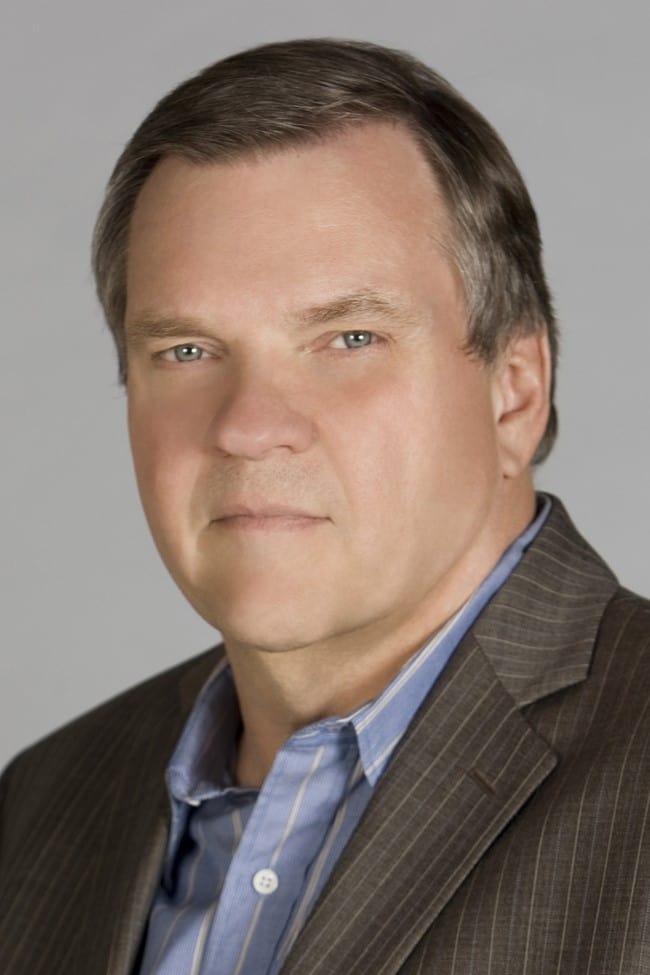
The late singer had expressed his concerns about the shift in cultural standards before his passing. He believed that the world had become much more restrictive and that people were losing their sense of humor. Meat Loaf argued that the ability to tell stories and perform without constant fear of backlash was a key part of his career success. He suggested that the modern environment would have made it much harder for him to create his iconic and dramatic musical style. The performer remained a believer in the importance of theatricality and freedom in the arts.
Bret Michaels
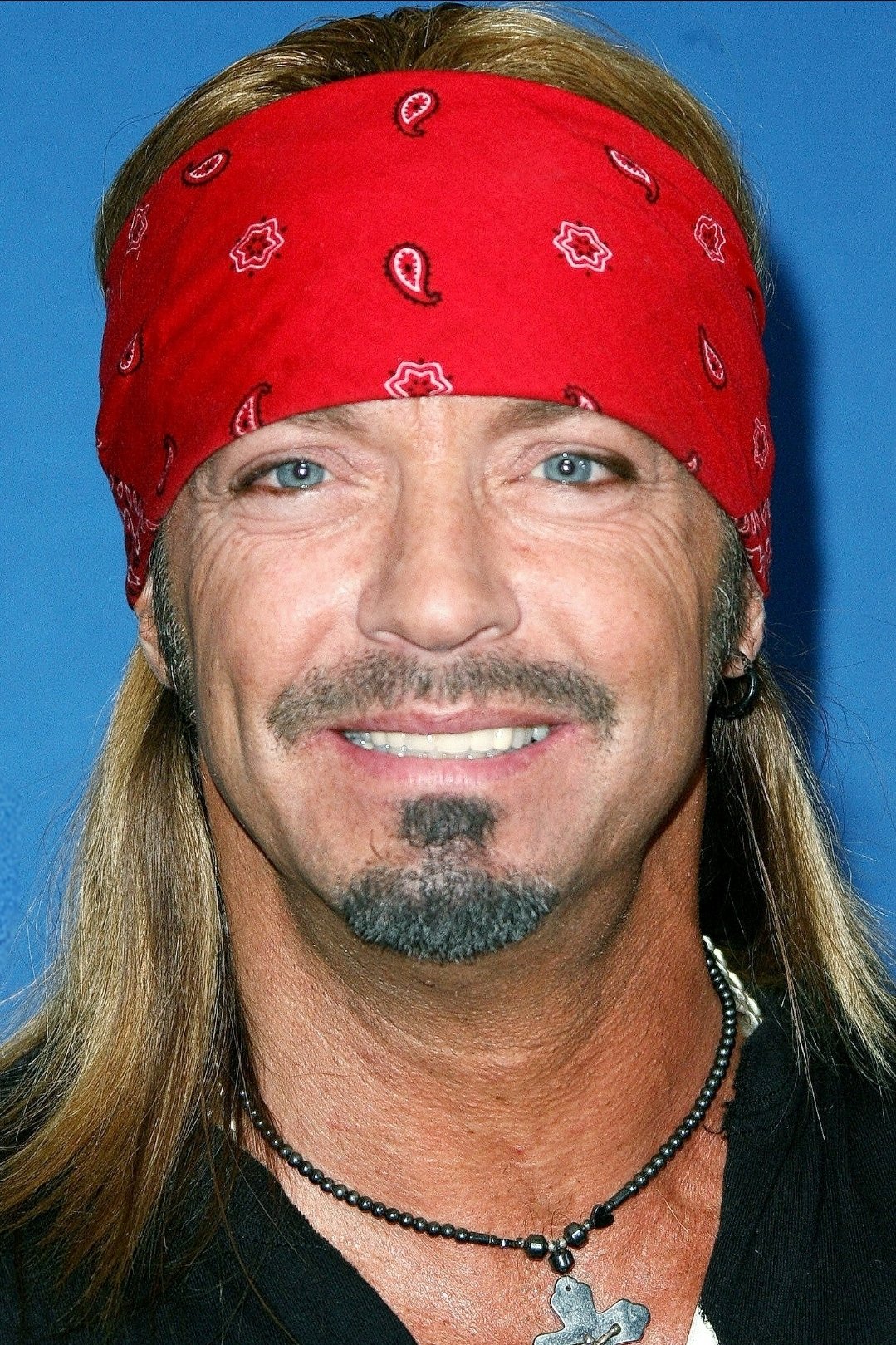
The Poison frontman has spoken about the importance of maintaining a positive and free environment for creativity. He has expressed concern that the current social climate is becoming too judgmental and focused on finding fault with others. Michaels believes that music should be a source of unity and freedom rather than a battleground for social accountability. He has often shared his view that artists need the space to grow and evolve without being permanently defined by their past mistakes. The singer continues to champion the spirit of rock and roll as a symbol of personal liberty.
Sebastian Bach
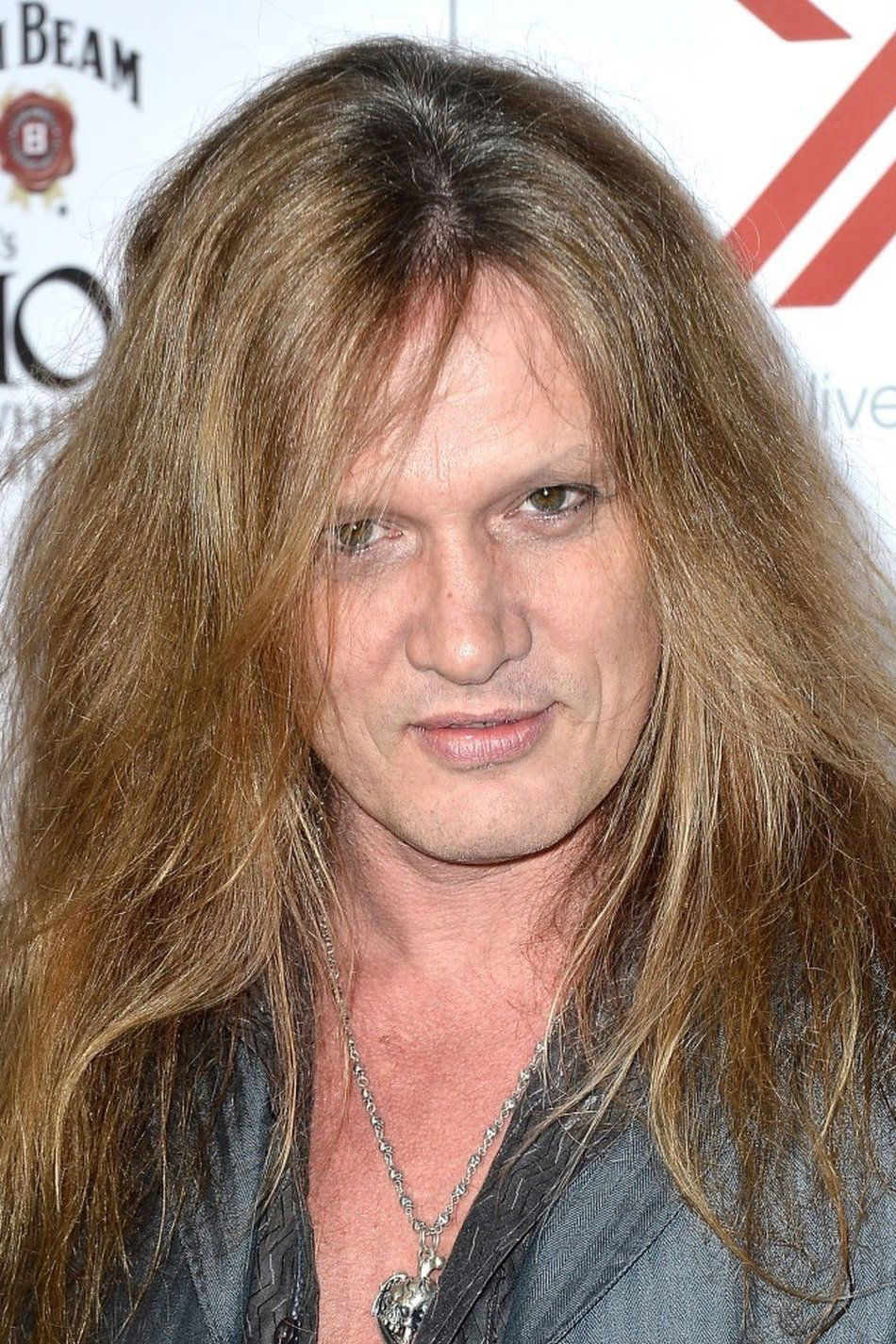
The former Skid Row vocalist has been vocal about his frustrations with the modern social media landscape. He believes that the current trend of public shaming is damaging to the individual spirit of rock musicians. Bach has argued that the industry was much more exciting when artists felt free to be wild and unpredictable. He suggests that the constant threat of being canceled has led to a more cautious and less interesting music scene. The singer remains an advocate for the high energy and unfiltered nature of classic hard rock.
Courtney Love
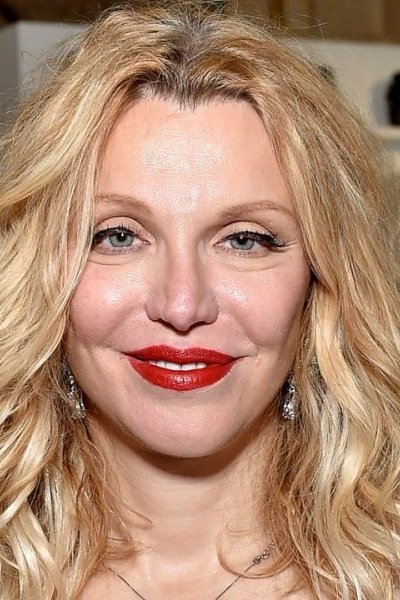
The Hole frontwoman has shared her views on the ways in which the industry has changed since the nineties. She has commented on the increased pressure to conform to specific social and political standards. Love believes that the current environment makes it harder for women in music to be truly raw and honest about their experiences. She has argued that the fear of public backlash can lead to a sanitized and less powerful version of female artistry. The musician remains a critic of the systems that she believes stifle genuine creativity.
Billy Joel
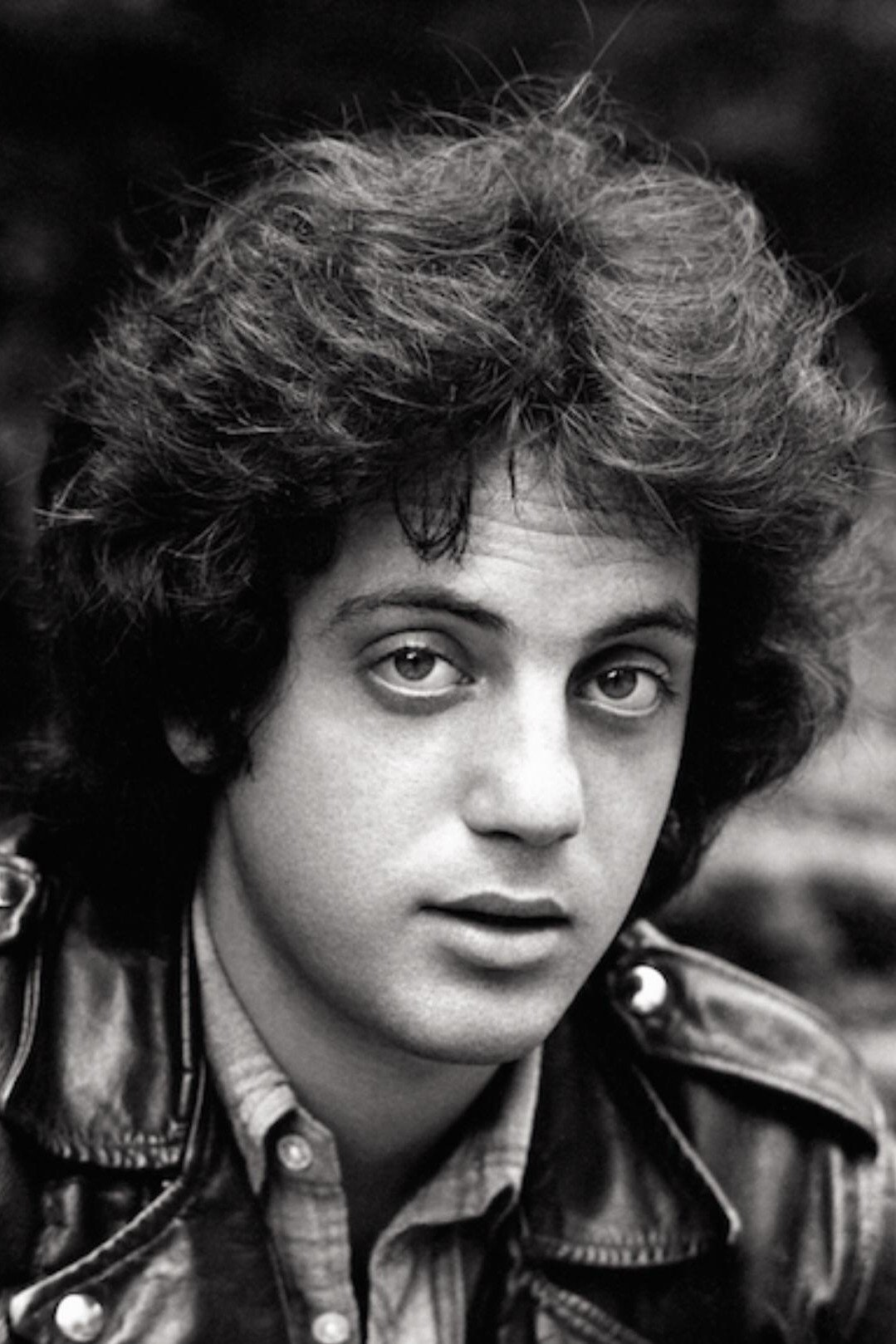
The legendary singer and songwriter has mentioned in interviews that he feels the modern world has become much more difficult for public figures. He has noted that the fear of saying the wrong thing can be a significant barrier to open and honest communication. Joel believes that the current culture of immediate judgment lacks the patience and understanding that was once more common. He has suggested that this environment might discourage new artists from being completely authentic in their songwriting. The musician continues to perform while observing the major shifts in how the public interacts with celebrities.
Eric Clapton
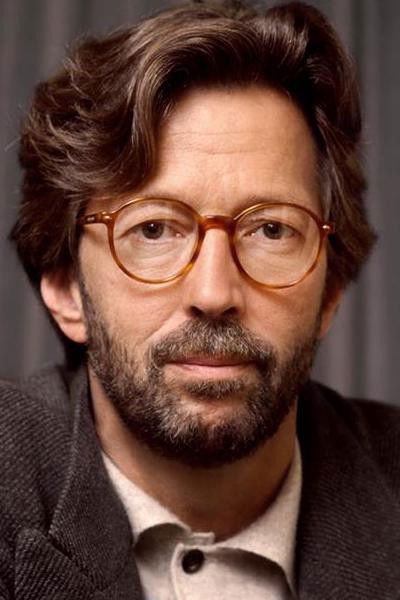
The iconic guitarist has become a vocal critic of government policies and social restrictions in recent years. He has also spoken out against what he perceives as a culture of censorship that targets those with differing opinions. Clapton believes that the pressure to adhere to a specific narrative is a threat to the personal and creative freedom of artists. He has shared his concerns that the current social climate discourages people from speaking their truths. The musician remains a controversial figure for his stances while continuing to defend the right to dissent.
Van Morrison
The Northern Irish singer has been very vocal about his opposition to the restrictions placed on live music and the broader culture of conformity. He has argued that the industry and society at large are becoming increasingly hostile to independent thought. Morrison believes that the freedom to perform and express ideas is essential for the health of the arts. He has released music that directly critiques the social and political atmosphere of the modern world. The artist continues to prioritize his artistic independence over the expectations of the mainstream industry.
Zayn Malik
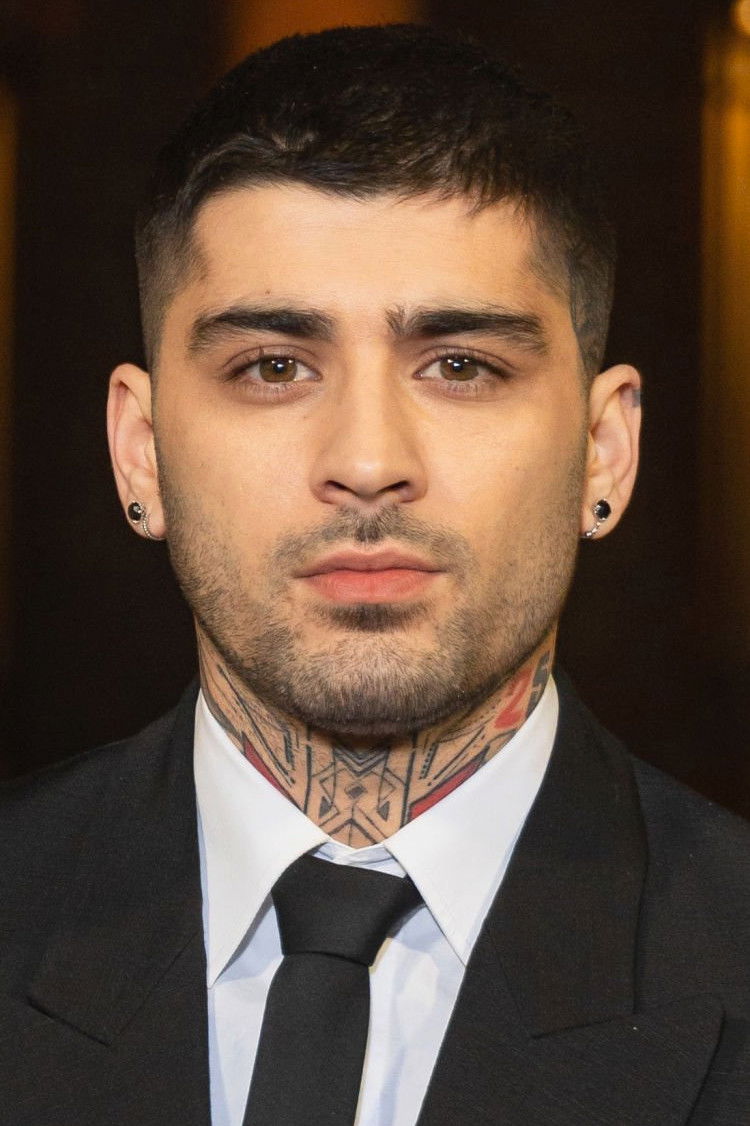
The former One Direction member has spoken about the intense pressure that comes with being a global pop star in the age of social media. He has suggested that the constant scrutiny and the fear of making a mistake can be overwhelming for young performers. Malik believes that the current culture of public judgment makes it difficult for artists to be their true selves. He has often expressed a desire for a more private and less judgmental relationship with the public. The singer continues to navigate his solo career while seeking a balance between fame and personal freedom.
MGK
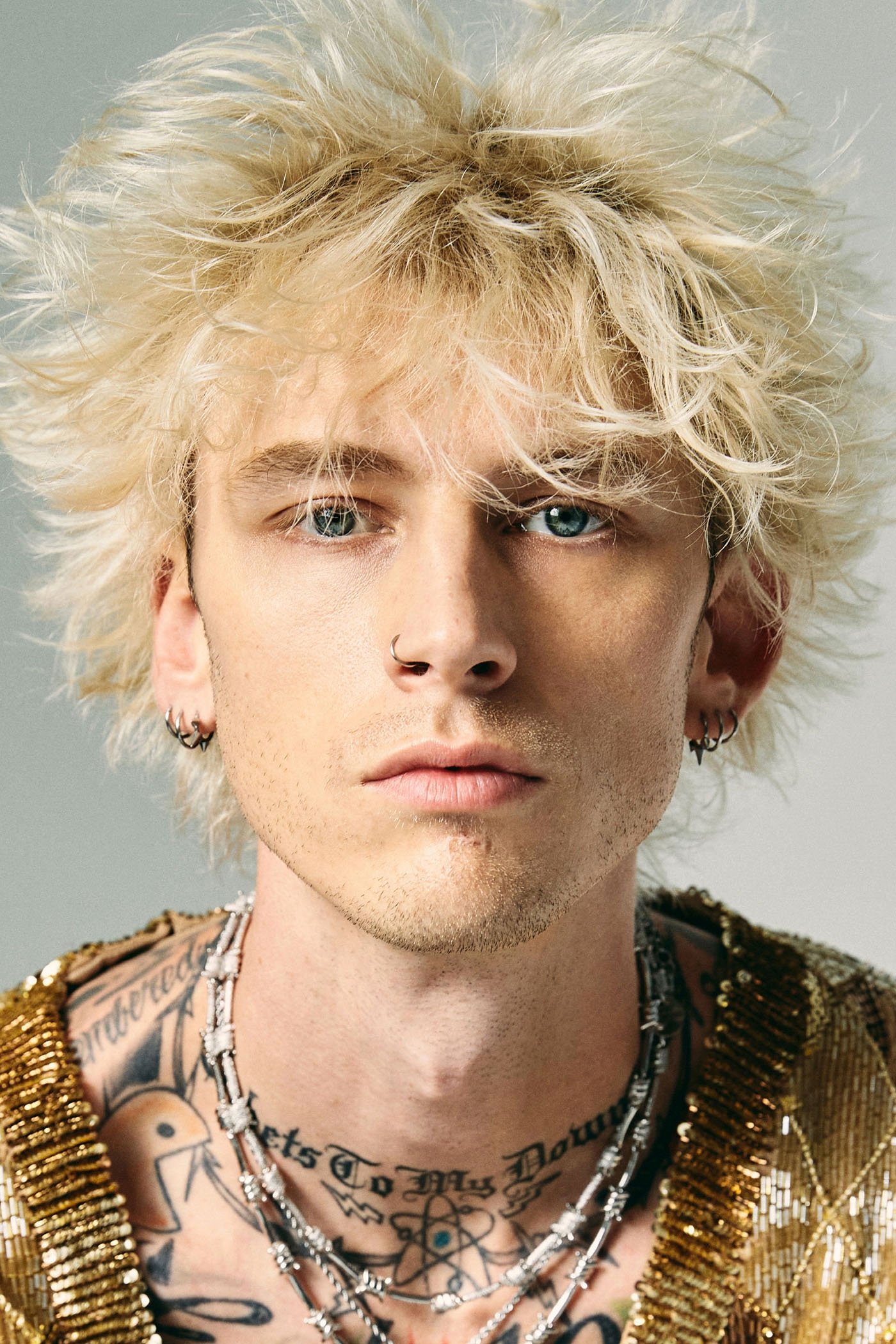
The artist formerly known for rap and now prominent in the pop punk scene has addressed the way modern audiences react to celebrities. He has spoken about the feeling of being targeted by the internet and the impact it has on an artist’s mental state. MGK believes that the desire to tear people down is a negative force that stifles creative energy. He has often used his music and public appearances to express his defiance against those who wish to silence him. The performer continues to push boundaries in his career despite the frequent public discourse surrounding his persona.
Liam Gallagher

The former Oasis singer has frequently shared his blunt opinions on the state of the modern music world. He believes that the industry has become too safe and that many new artists are afraid to be real. Gallagher has argued that the current culture of being offended by everything is detrimental to the spirit of rock and roll. He has often mocked the idea of being canceled and continues to speak his mind without any filters. The musician remains one of the most outspoken and unapologetic figures in the British music scene.
Noel Gallagher
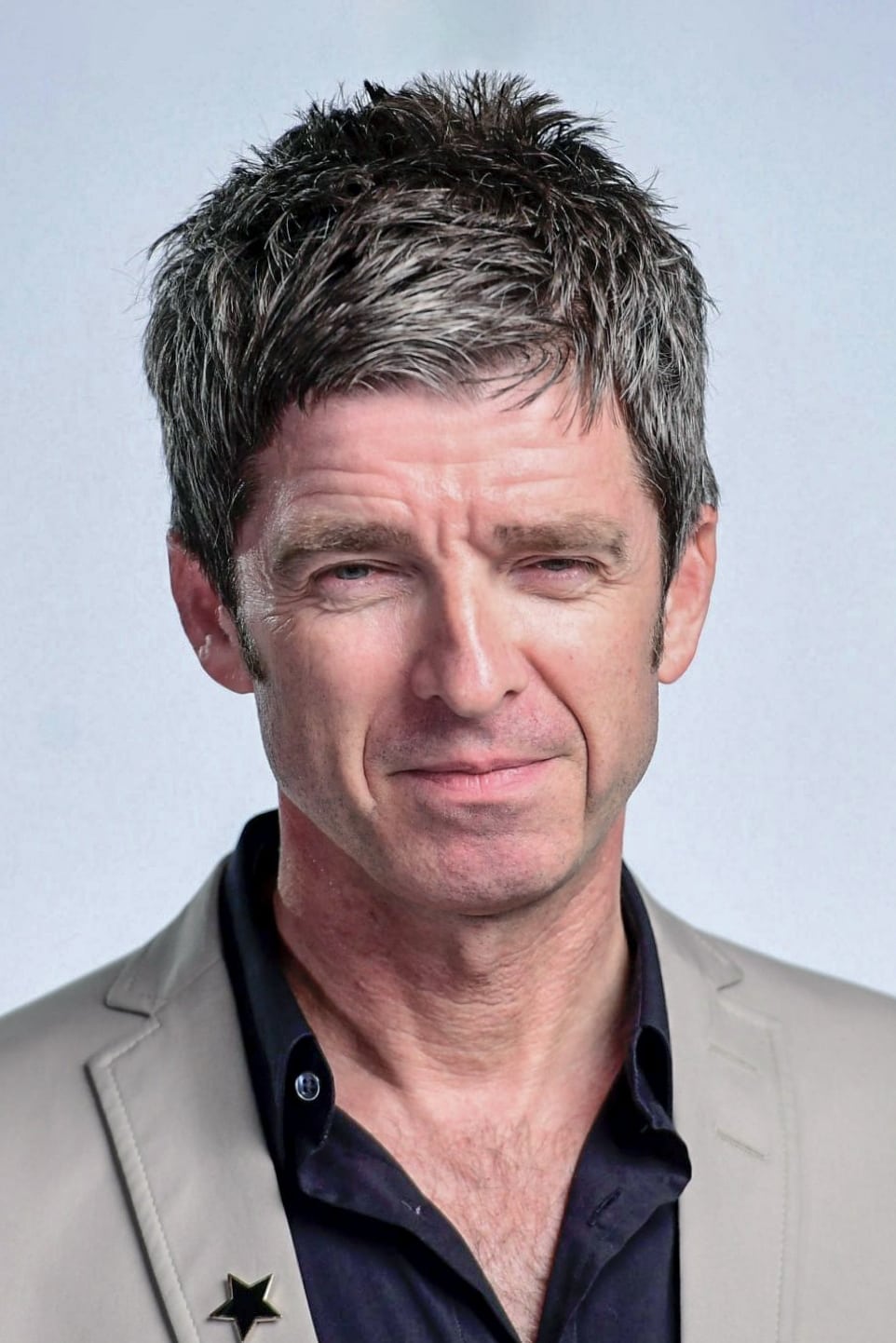
The songwriter and former Oasis guitarist has also expressed his disdain for the current cultural climate. He believes that the focus on being politically correct has led to a decline in the character and quality of popular music. Gallagher has argued that the fear of backlash prevents artists from writing lyrics that are truly honest or provocative. He suggests that the modern industry is now filled with people who are more concerned with their social media image than their music. The musician continues to be a vocal critic of the trends he believes are ruining the arts.
Robbie Williams
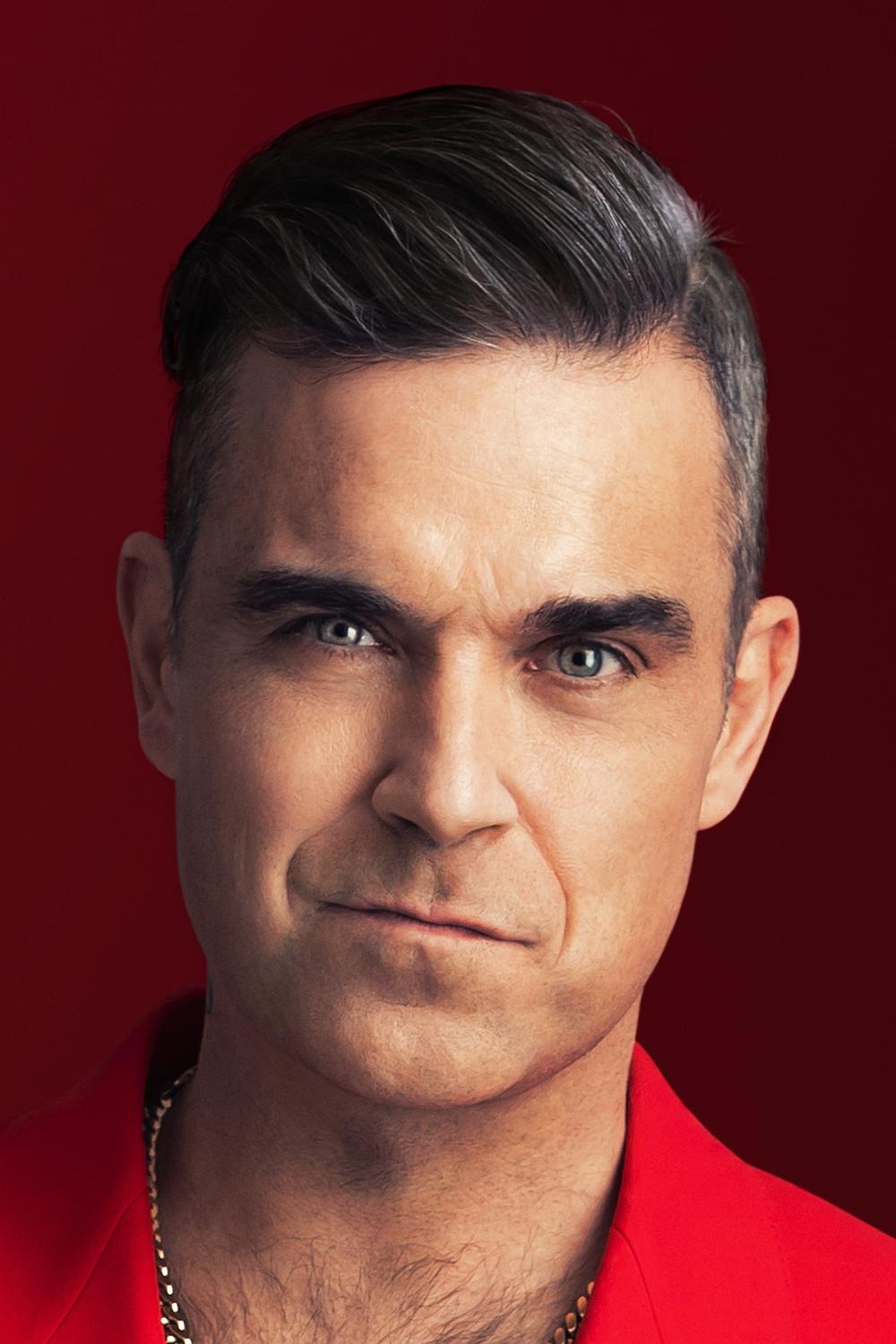
The British pop star has spoken about the challenges of being a performer in an era of constant public surveillance. He believes that the fear of being canceled has created a culture where artists are afraid to be authentic or spontaneous. Williams has argued that the lack of room for human error is a significant burden for those in the spotlight. He suggests that the industry was more fun and creative when there was less focus on moral perfection. The singer remains a popular figure who often reflects on the changes in the entertainment landscape.
Elton John
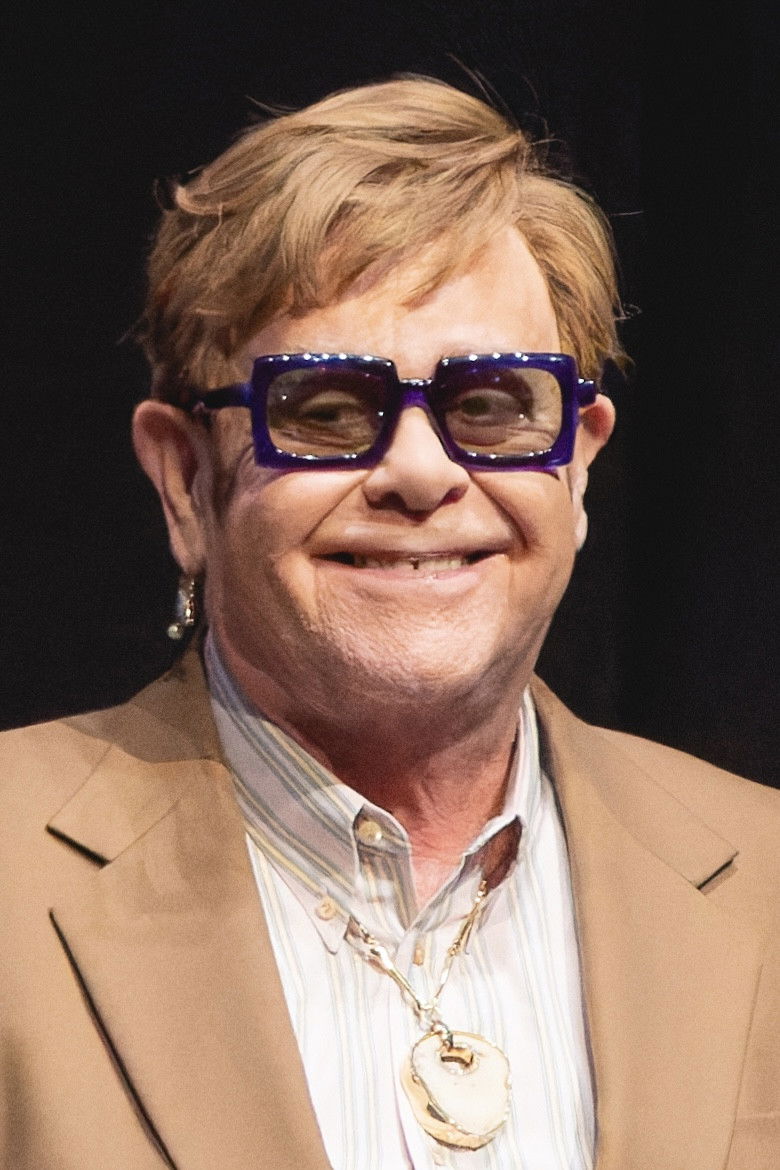
The legendary musician has expressed his concerns about the lack of tolerance for mistakes in the modern world. He has noted that everyone deserves a chance to learn and grow from their errors without facing permanent professional exile. John believes that the current social climate can be very harsh and unforgiving toward artists. He has advocated for a more compassionate approach to public life that allows for different perspectives. The singer continues to be a major force in the industry while encouraging a more balanced view of accountability.
Ozzy Osbourne
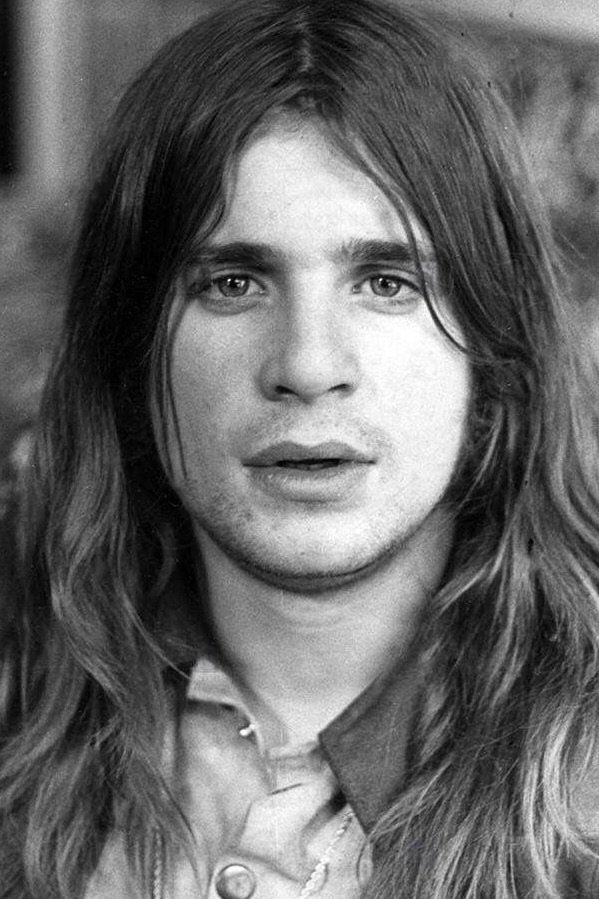
The Prince of Darkness has observed the evolution of the music industry over his long and storied career. He has commented on how much more restricted the world feels now compared to the height of the heavy metal era. Osbourne believes that the current focus on being careful with every word has taken some of the excitement out of performing. He has often expressed his confusion regarding the mechanics of modern social media boycotts. The legendary singer continues to maintain his unique persona while acknowledging the changing cultural standards.
Bruce Dickinson
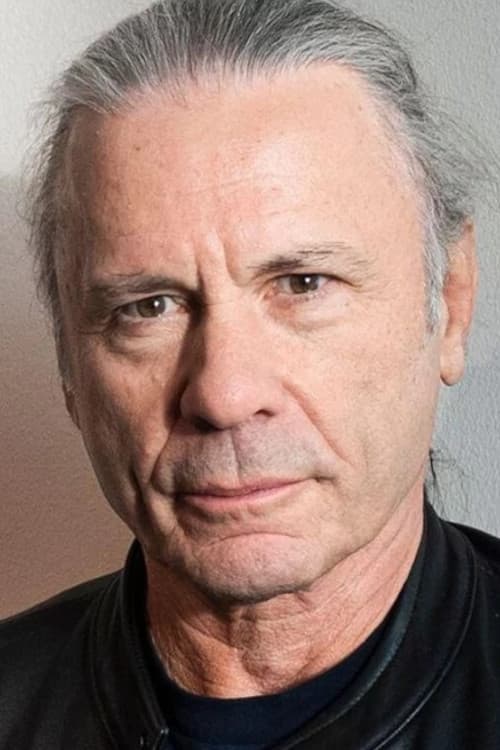
The Iron Maiden frontman has spoken about the importance of maintaining independence from the prevailing social trends of the time. He believes that artists should focus on their craft and their audience rather than the opinions of the wider public. Dickinson has argued that the current culture of outrage is often a distraction from true creative pursuits. He suggests that the fear of being judged can lead to a lack of ambition in the arts. The musician continues to be a leading voice in the metal community who champions individuality and excellence.
James Hetfield
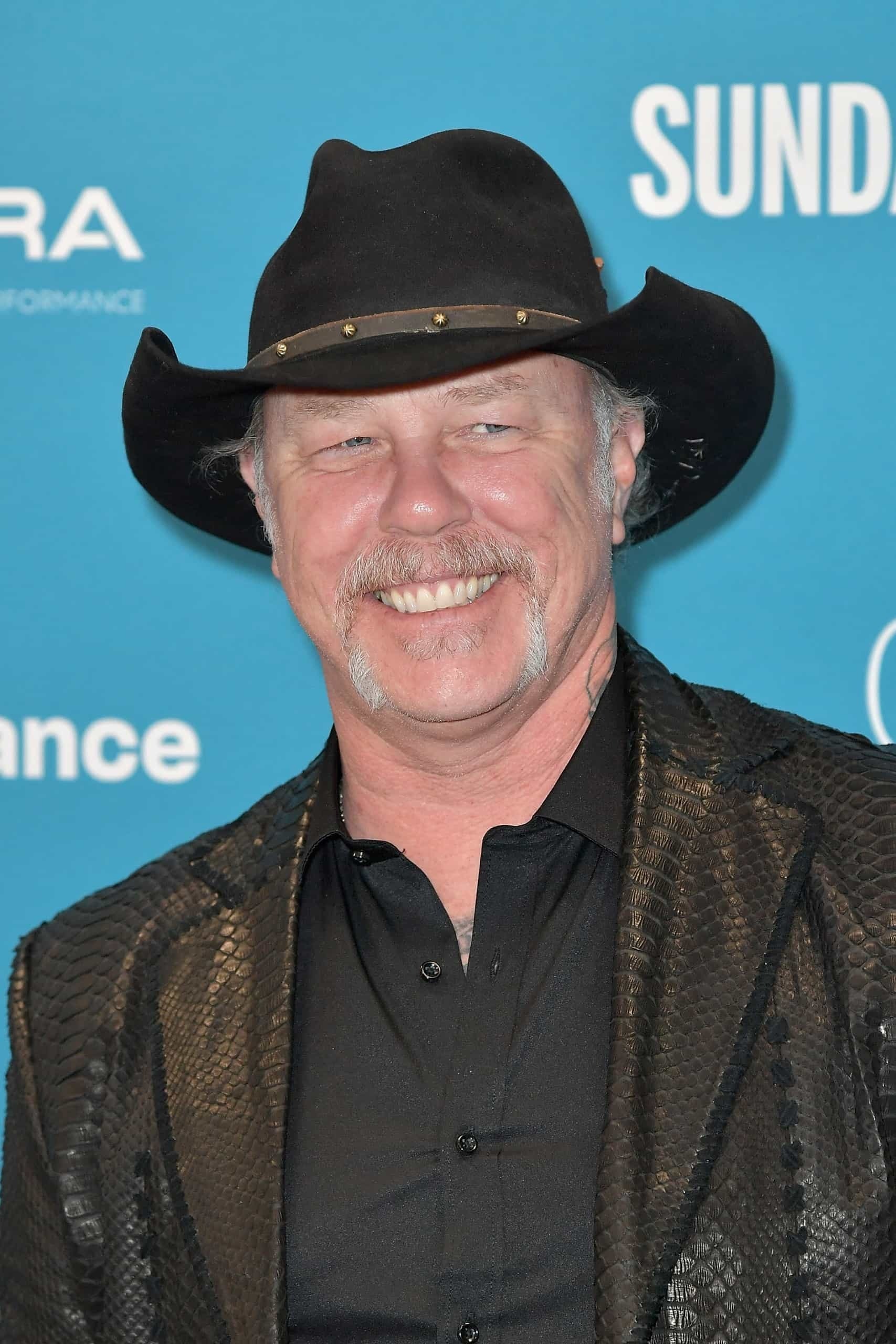
The Metallica frontman has addressed the way social media and modern public perception influence the lives of musicians. He has expressed that the constant scrutiny can make it difficult for artists to feel free in their creative process. Hetfield believes that the focus on past mistakes or controversial statements can overshadow the positive impact of an artist’s work. He has often shared his view that the most important thing is the connection between the band and the fans. The singer remains a key figure in rock who prioritizes the longevity and integrity of his music.
Dave Mustaine

The Megadeth leader has long been known for his outspoken and often controversial political views. He has argued that the modern music industry is increasingly less tolerant of those who do not follow the mainstream social narrative. Mustaine believes that the threat of being deplatformed is a serious issue for artists who wish to speak their minds. He has often defended his right to have a different opinion and has encouraged his fans to do the same. The musician continues to produce heavy metal while criticizing the systems he believes restrict free speech.
Phil Anselmo
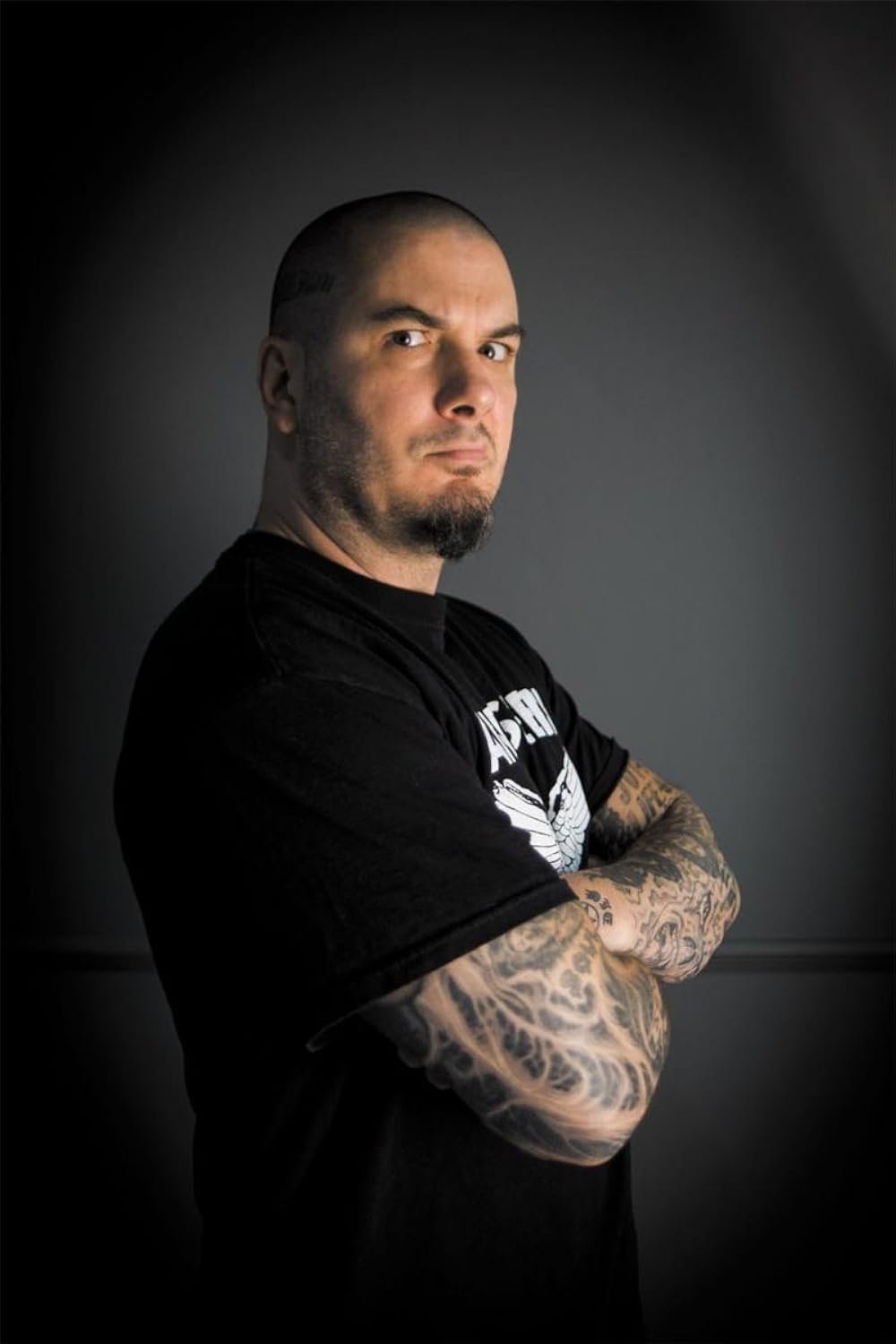
The former Pantera vocalist has faced significant backlash for his own public actions and words in the past. He has since spoken about the reality of being a target of widespread public condemnation. Anselmo believes that the current culture often lacks a path for redemption and focuses solely on the punishment. He has argued that the industry’s rush to judge can be a major barrier to the creative expression of certain artists. The musician continues to perform and record while dealing with the long term effects of his professional history.
Maynard James Keenan
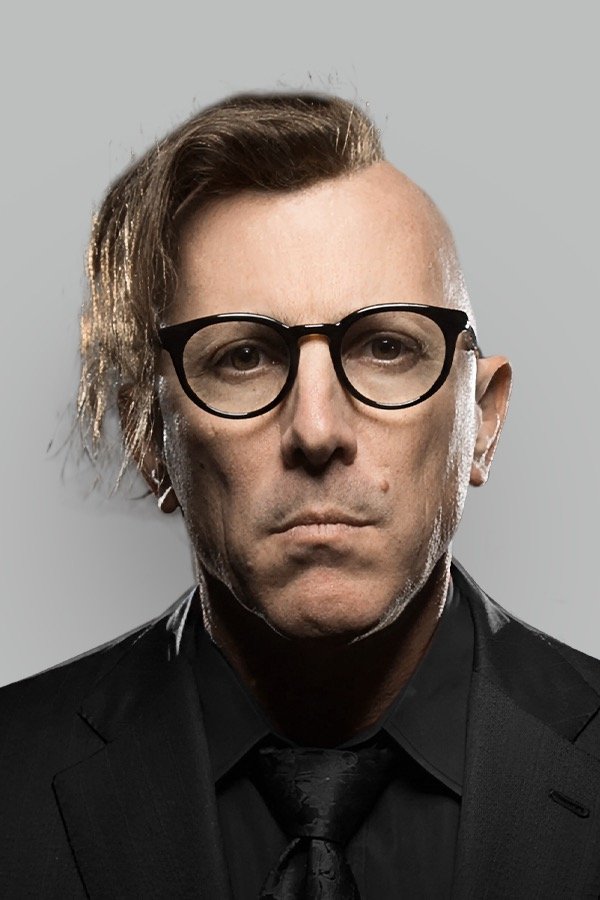
The frontman for Tool and A Perfect Circle has shared his thoughts on the hypersensitivity of modern society. He believes that the constant need for people to feel offended is a distraction from the more important aspects of life and art. Keenan has argued that the current cultural climate discourages critical thinking and genuine artistic exploration. He suggests that the fear of being canceled has led to a more superficial and less meaningful entertainment landscape. The musician remains a staunch defender of privacy and the right of artists to work without constant social interference.
Please share your thoughts on the impact of cancel culture in the music industry in the comments.