


Famous Musicians Who Refuse to Partner With Brands Using “Savior” Narratives

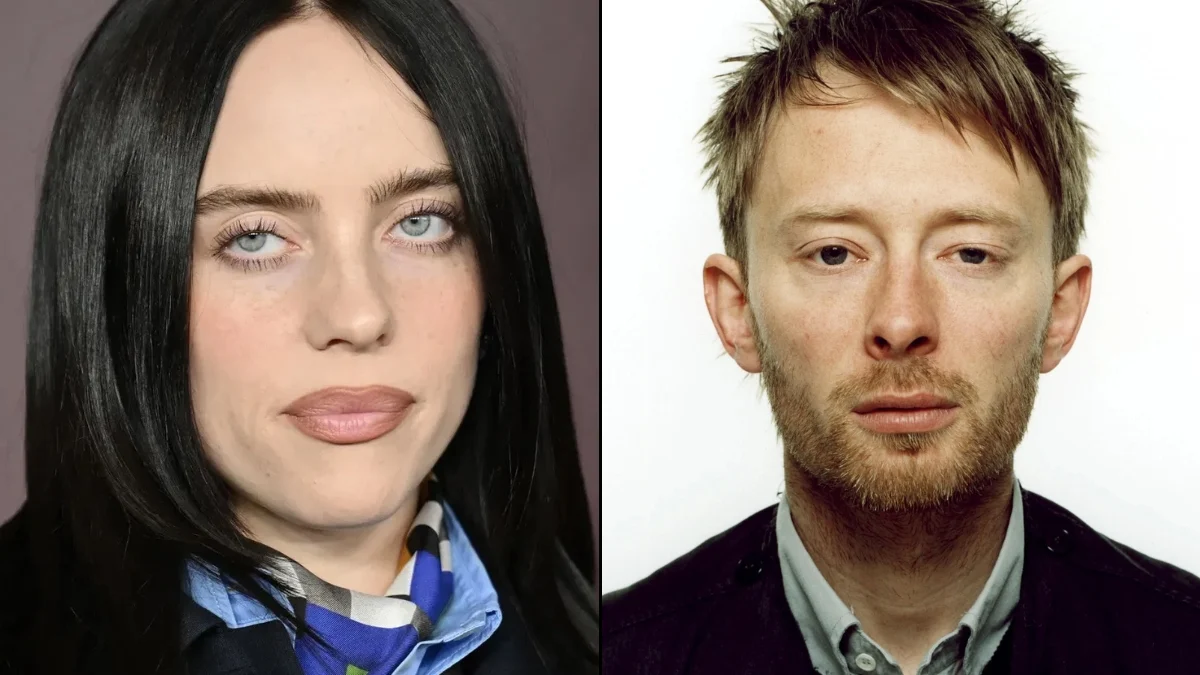


The intersection of music and commerce has often been fraught with tension, particularly when corporate entities attempt to leverage social justice movements or humanitarian causes to sell products. Many high-profile musicians have taken a principled stand against these “savior” narratives, where brands position themselves as the primary solution to systemic problems. These artists often cite concerns over “woke-washing,” commercial exploitation, and the loss of artistic integrity as their reasons for declining lucrative endorsement deals. By prioritizing community-led change over corporate-sponsored activism, these figures maintain a strict separation between their creative output and profit-driven marketing schemes.
Neil Young
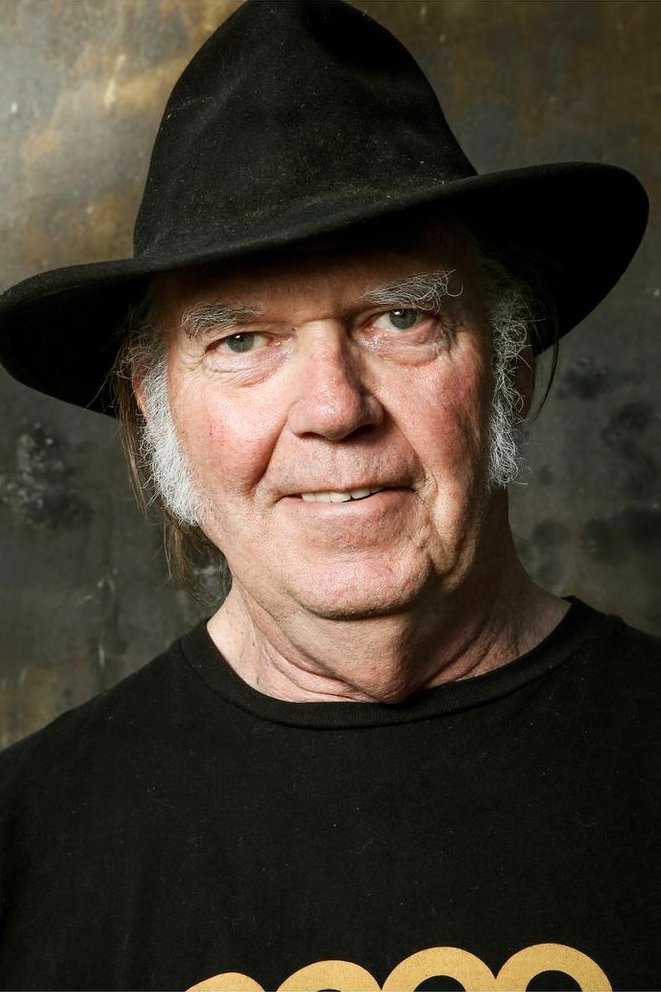
Young has a long-standing history of opposing corporate sponsorships, famously satirizing the practice in his song ‘This Note’s for You’. He has consistently criticized brands that attempt to align themselves with social movements for profit, particularly in the agricultural and environmental sectors. During his career, he has refused to allow his music to be used in advertisements that he believes dilute the message of his work. His advocacy often highlights the discrepancy between corporate branding and the actual impact of their business practices.
Thom Yorke

As the frontman of Radiohead, Yorke has been a vocal critic of corporate globalization and the commercialization of art. He has frequently rejected partnership offers from major brands that use social or environmental “savior” narratives to improve their public image. Yorke often argues that such collaborations are a form of “greenwashing” designed to distract from larger systemic issues. Radiohead as a whole has maintained a strict policy of keeping their tours and music free from corporate logos and sponsorship deals.
Tom Waits
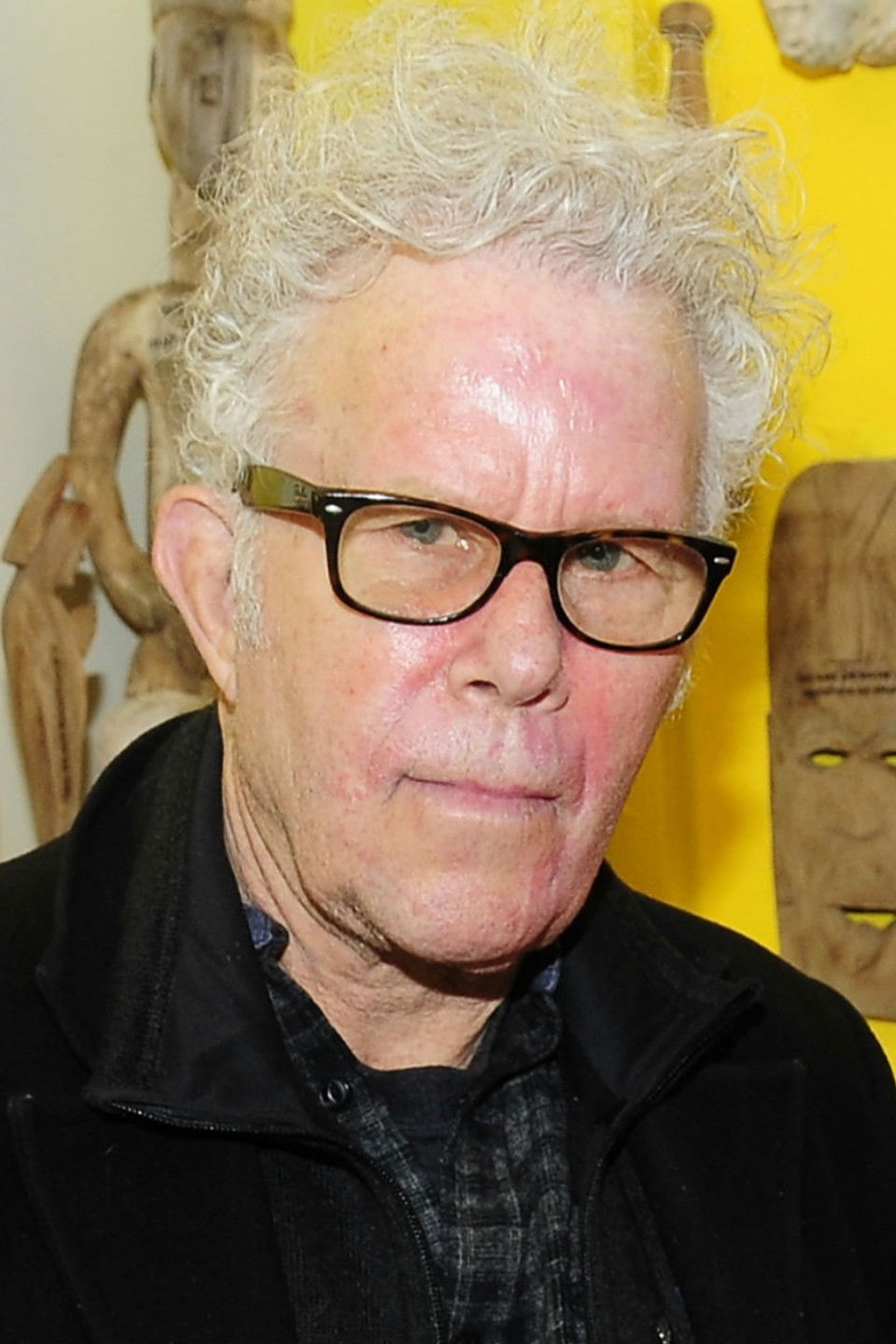
Waits is well-known for his staunch opposition to the use of his music or likeness in any form of advertising. He famously stated that “artists who do commercials are doing a disservice to themselves and the audience.” Over the years, he has successfully sued brands like Frito-Lay and Audi for using sound-alike voices in commercials that mimicked his signature style. Waits believes that the sacred bond between an artist and their listener is broken when a song is used to sell a product under a false narrative of lifestyle improvement.
Ian MacKaye

As the founder of Dischord Records and a member of Fugazi, MacKaye has lived by a philosophy of total independence from corporate structures. He famously refused all corporate sponsorships, advertisements, and even high-ticket prices to keep music accessible and untainted by brand influence. MacKaye has often spoken out against the “savior” mentality of large corporations that claim to support independent scenes while actually exploiting them. His career serves as a blueprint for musicians who seek to operate entirely outside the realm of commercial endorsements.
Zack de la Rocha

As the lead singer of Rage Against the Machine, de la Rocha has spent his career critiquing the exploitative nature of global capitalism. He has consistently refused to partner with brands that attempt to co-opt revolutionary imagery or social justice causes to sell consumer goods. De la Rocha argues that corporate “saviorism” is a tool used to neutralize genuine dissent and turn activism into a marketable aesthetic. This commitment to anti-corporate principles has defined the band’s public persona and business decisions since their inception.
J. Cole

Cole has frequently addressed the dangers of corporate exploitation within his music, specifically in tracks like ‘1985’. He is known for being highly selective with his partnerships, often avoiding brands that use social justice narratives to target Black youth. The artist has voiced his skepticism regarding companies that prioritize profit while presenting a facade of community empowerment. By maintaining control over his brand and image, Cole ensures that his message remains independent of corporate influence.
Eddie Vedder

The Pearl Jam frontman has a historic record of fighting against corporate monopolies and the commercialization of the live music experience. He famously led a legal battle against Ticketmaster to protest high fees and corporate control over the concert industry. Vedder has consistently turned down brand deals that utilize “feel-good” or “heroic” marketing to sell products to his fanbase. He believes that the integrity of music is compromised when it becomes an extension of a corporate marketing department.
Kendrick Lamar
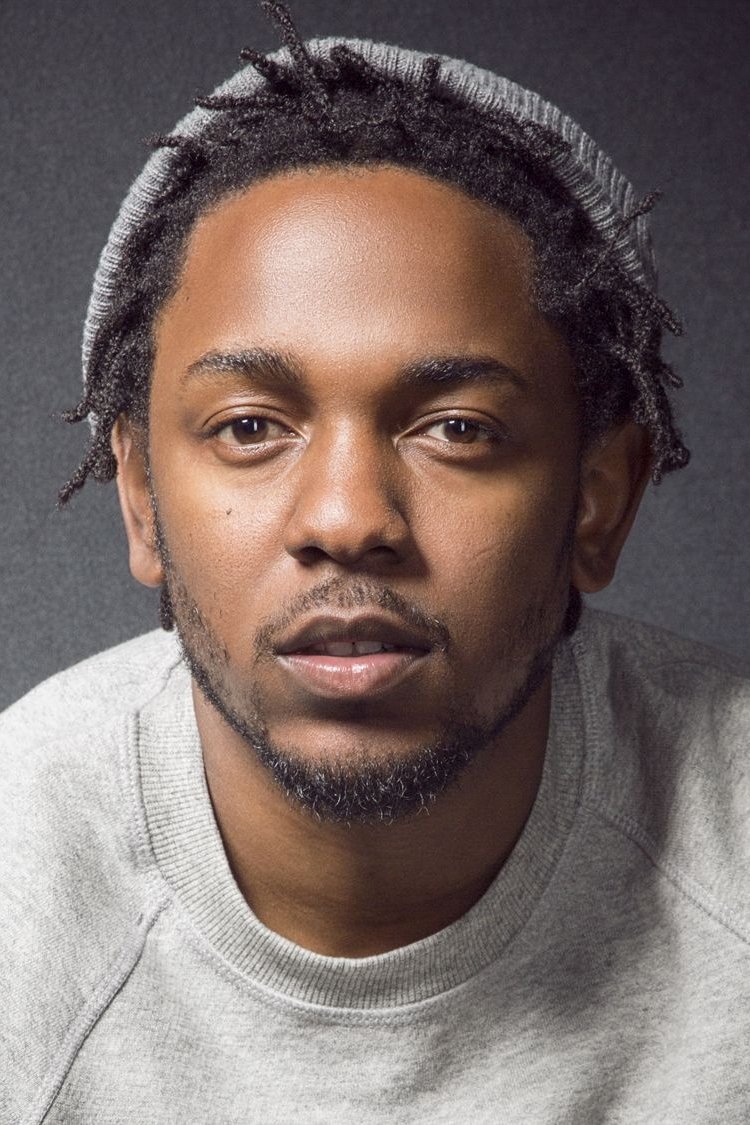
Lamar is recognized for his deep commitment to community and authenticity, which often puts him at odds with generic brand narratives. While he has had specific, targeted partnerships, he has notably avoided campaigns that use “savior” tropes to address racial inequality. He has spoken about the importance of genuine grassroots work over the performative activism often displayed by major corporations. Lamar’s focus remains on the lived experience of his community rather than the sanitized versions presented in advertising.
Chuck D
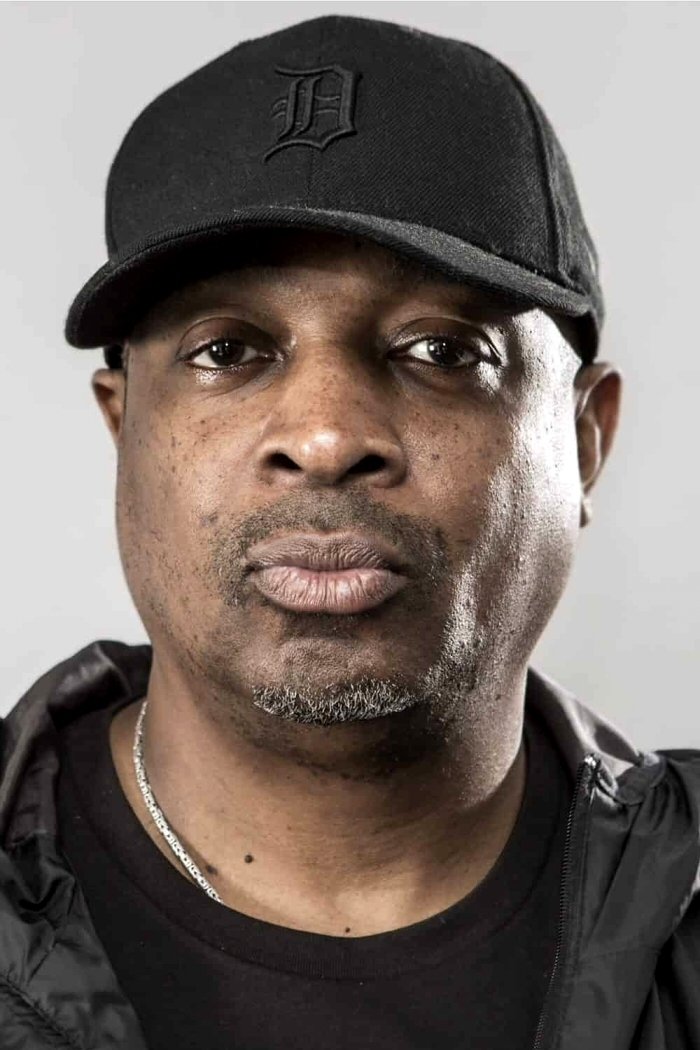
As the leader of Public Enemy, Chuck D has spent decades challenging the role of corporate America in the music industry. He has been a vocal critic of “woke-washing,” where brands use the language of liberation to sell products without making systemic changes. Chuck D has consistently refused to allow Public Enemy’s revolutionary anthems to be used in commercials that promote corporate heroism. He views these types of partnerships as a betrayal of the political and social messages inherent in his work.
Frank Ocean
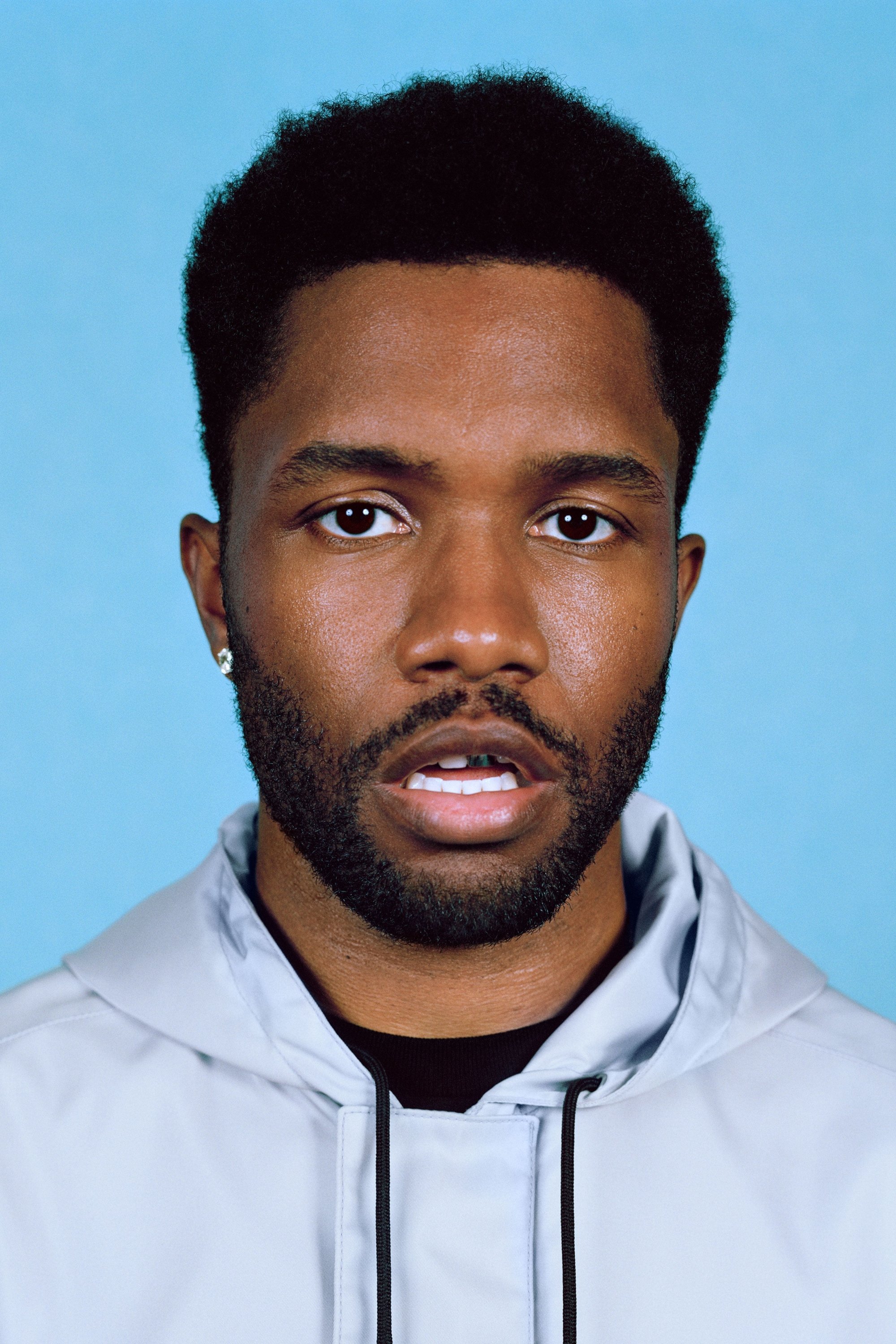
Ocean is known for his extreme selectivity and his move to become an independent artist by buying back his masters. He has largely avoided traditional brand deals, especially those that leverage personal identity or social narratives for commercial gain. When he does collaborate, it is often on his own terms and with a focus on high art rather than mass-market “savior” messaging. This independence allows him to avoid the pitfalls of being the face of a corporate social responsibility campaign.
Billie Eilish
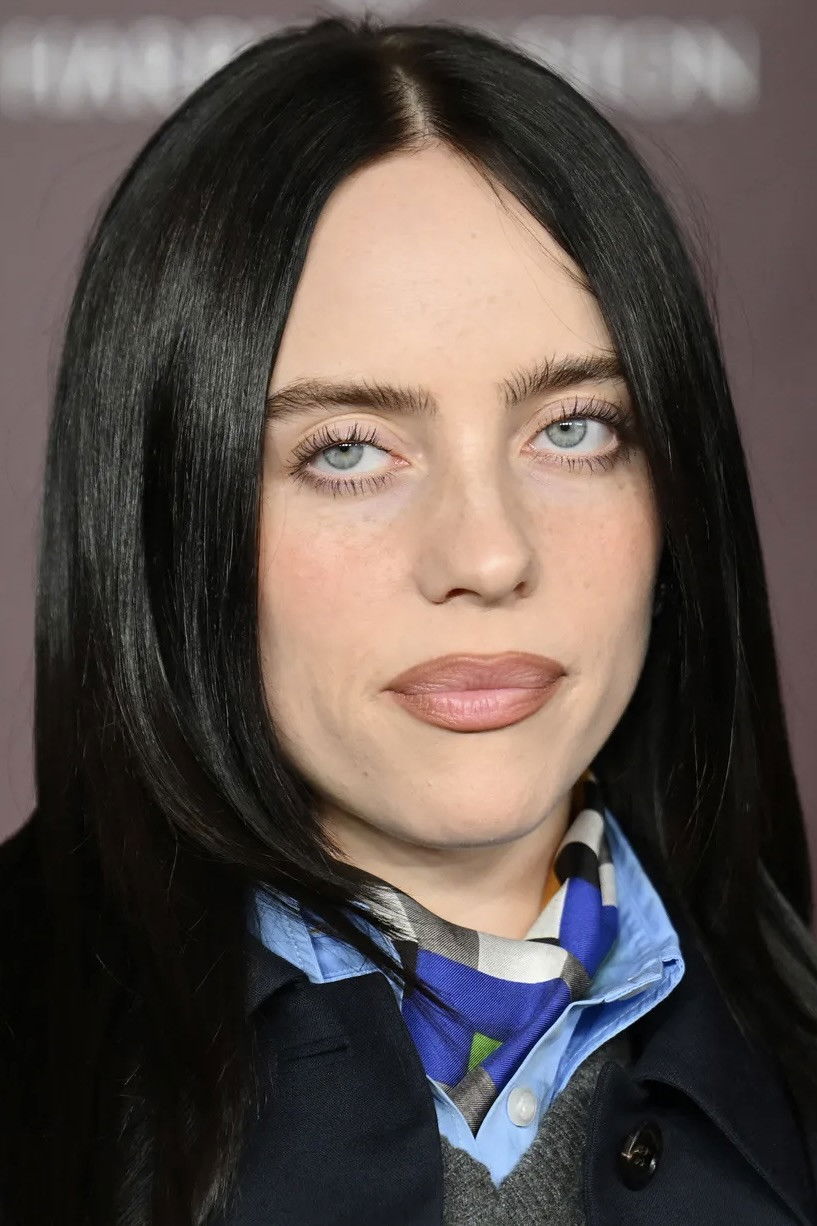
Eilish has been vocal about the phenomenon of “greenwashing” in the fashion and music industries. While she works with brands to create sustainable products, she has criticized the “eco-savior” narrative where companies claim to be saving the planet while continuing destructive practices. She often uses her platform to educate fans on the difference between genuine sustainability and corporate marketing tactics. Eilish has turned down partnerships that do not meet her strict criteria for environmental and social transparency.
Lorde

During the release of her album ‘Solar Power’, Lorde explicitly critiqued the corporate “wellness” culture that positions products as the key to spiritual enlightenment. She has been careful to avoid brand partnerships that utilize these types of “savior” narratives to target young women. In interviews, she has expressed a desire to remain outside the cycle of constant consumption and corporate-sponsored lifestyle branding. Her work often mocks the very marketing strategies that brands use to appear socially and environmentally conscious.
Prince
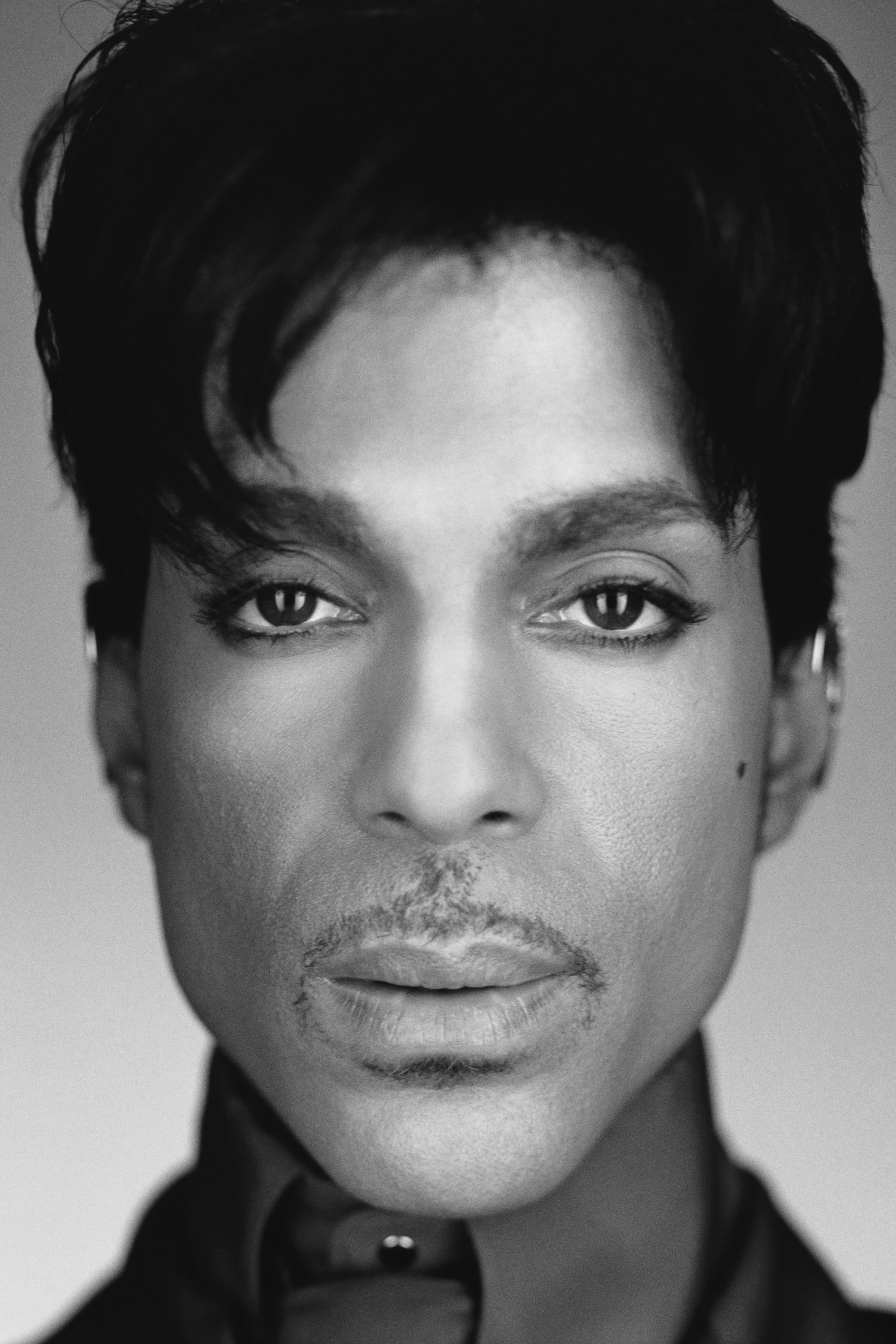
Throughout his legendary career, Prince was a fierce advocate for artist autonomy and a critic of corporate control over creative works. He famously changed his name to a symbol to protest his contract with Warner Bros., labeling himself a “slave” to the corporate system. Prince rarely engaged in traditional brand endorsements, especially those that attempted to align his image with a corporate humanitarian narrative. He believed that an artist’s power should belong to the artist and the community, not a boardroom of executives.
Adele
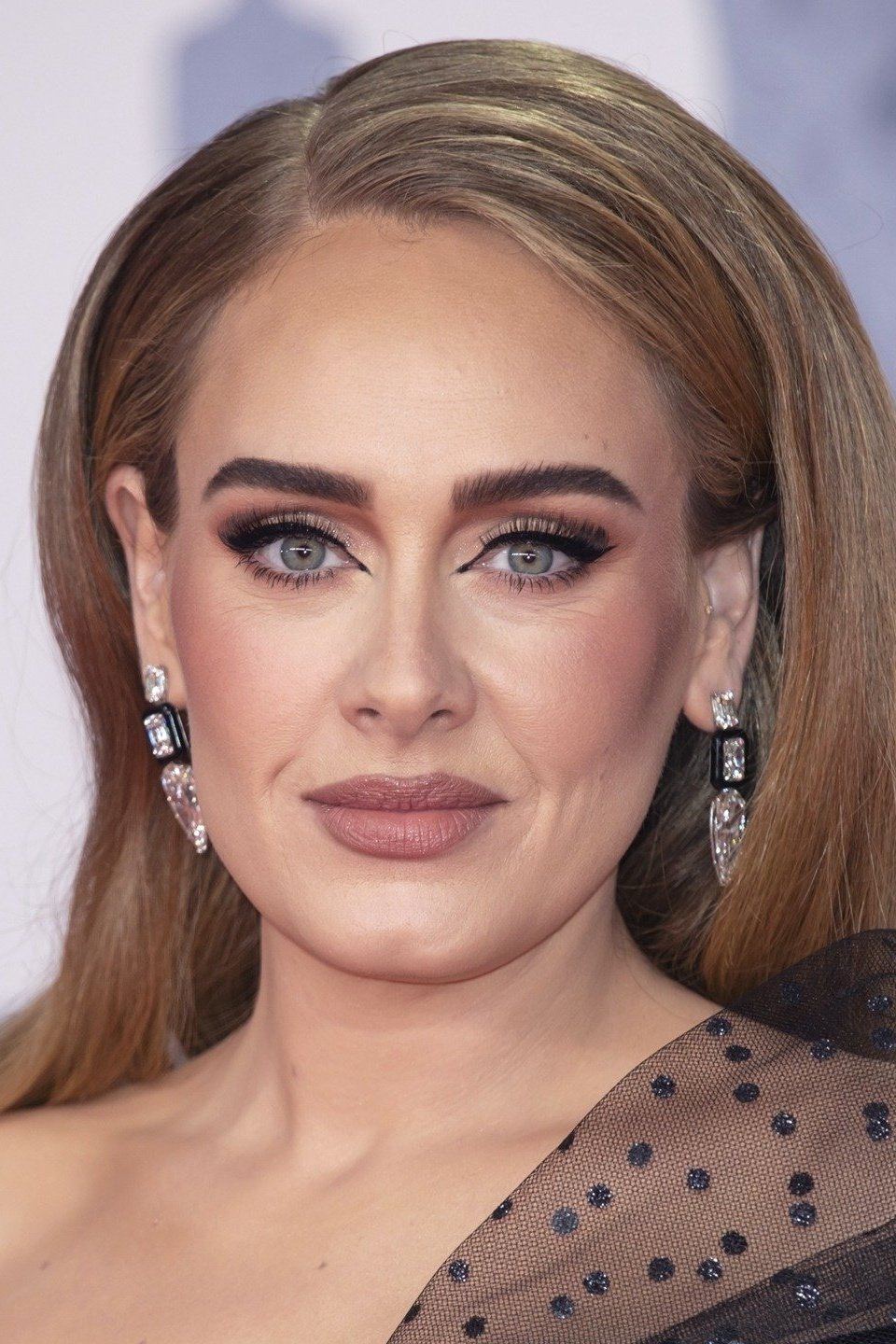
Adele is one of the few global superstars who has consistently refused to participate in major brand endorsement deals. She has stated in multiple interviews that she does not want her name or music associated with products, regardless of the narrative being sold. She has particularly avoided campaigns that try to use her “everyman” appeal to sell a narrative of corporate relatability or social support. Adele prioritizes her role as a singer and songwriter over being a commercial spokesperson for any entity.
Jack White
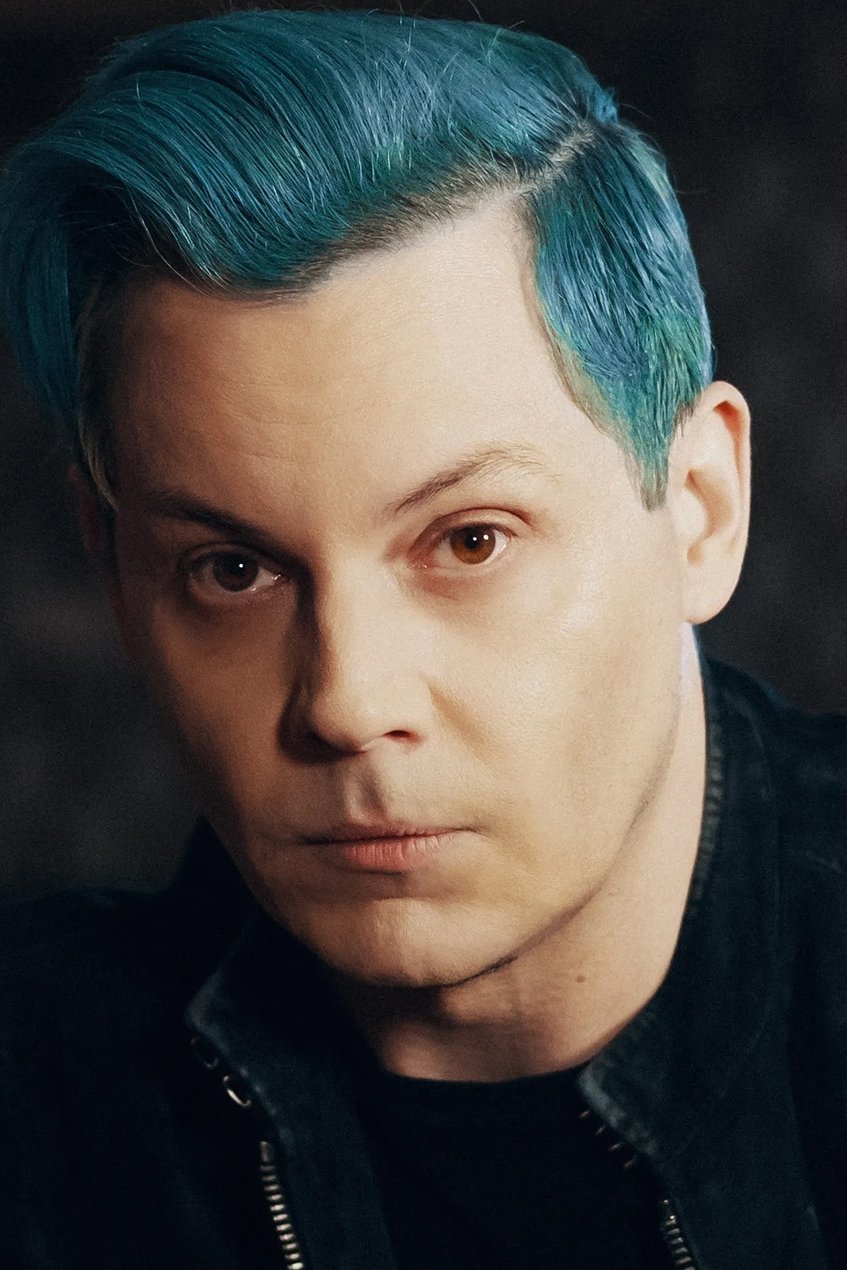
White has often spoken out against the intrusion of modern digital technology and corporate branding into the musical experience. He maintains a “no-phone” policy at his shows to keep the focus on the art rather than the social media brand potential. White has avoided partnerships with brands that use “tech-savior” narratives to claim they are revolutionizing the way we connect. He prefers a traditional, analog approach to both his music and his business dealings, keeping them free from corporate synergy.
Fiona Apple

Apple has been a vocal critic of the commercial music industry since her famous “this world is bullshit” speech at the 1997 MTV Video Music Awards. She has consistently resisted the pressure to become a commercial icon or to let her personal struggles be marketed as a “savior” narrative for brands. Apple has turned down numerous lucrative offers to license her music for commercials, citing a desire to keep her songs grounded in their original emotional context. Her career is marked by a refusal to participate in the “performative” side of celebrity and corporate branding.
PJ Harvey

Harvey is known for her intense focus on artistic evolution and her avoidance of the mainstream celebrity machine. She has never participated in traditional brand endorsements, preferring to let her music stand on its own without corporate alignment. Harvey has frequently explored themes of war, politics, and social decay in her work, which often makes her a poor fit for brands seeking a “safe” savior narrative. By remaining independent of these deals, she ensures that her political messages are never compromised by commercial interests.
Bruce Springsteen
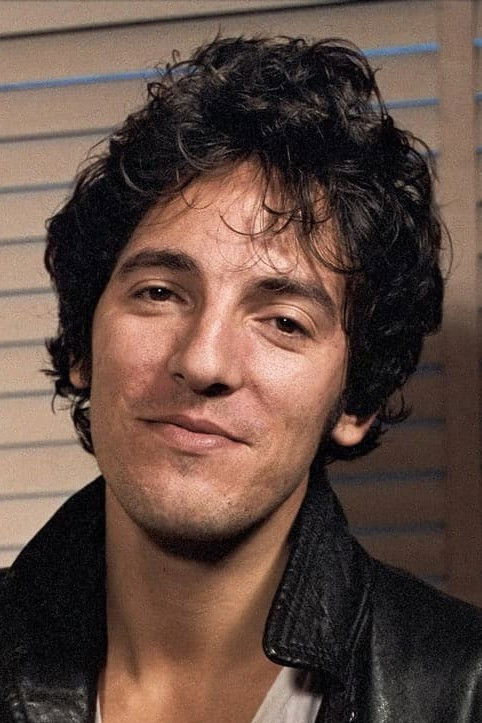
Springsteen famously turned down an offer of $12 million from Chrysler to use his song ‘Born in the U.S.A.’ in a nationalistic advertising campaign. He recognized that the brand wanted to use the song’s popularity to create a “patriotic savior” narrative that ignored the song’s actual critique of the American government. Throughout his career, he has been extremely selective about how his image is used, generally avoiding corporate tie-ins. He has often spoken about the need to protect the “soul” of his music from being used as a sales tool.
Erykah Badu
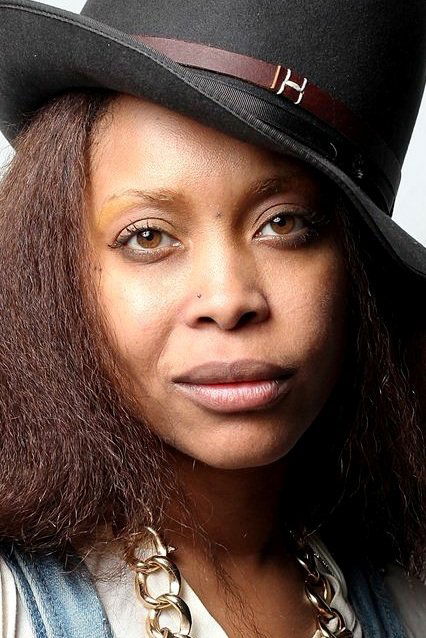
Badu has long prioritized her “analog girl in a digital world” philosophy, which includes a healthy skepticism of corporate branding. She has spoken out against the appropriation of Black culture and “soul” by brands that use these elements to create a false sense of community connection. Badu avoids partnerships that attempt to frame a brand as a “savior” of the culture she represents. Her business decisions are guided by a commitment to authenticity and a refusal to let her image be used for “woke-washing” purposes.
Tyler, the Creator

During a public talk for a footwear brand, Tyler, the Creator criticized the way corporations use Black History Month to create “savior” narratives while ignoring the culture the rest of the year. He has expressed frustration with brands that use social causes as a “check-box” exercise to appear progressive to younger audiences. While he has his own successful brands, he is known for calling out performative activism in the corporate world. He advocates for brands to actually support the people they use in their marketing rather than just adopting their aesthetics.
Killer Mike
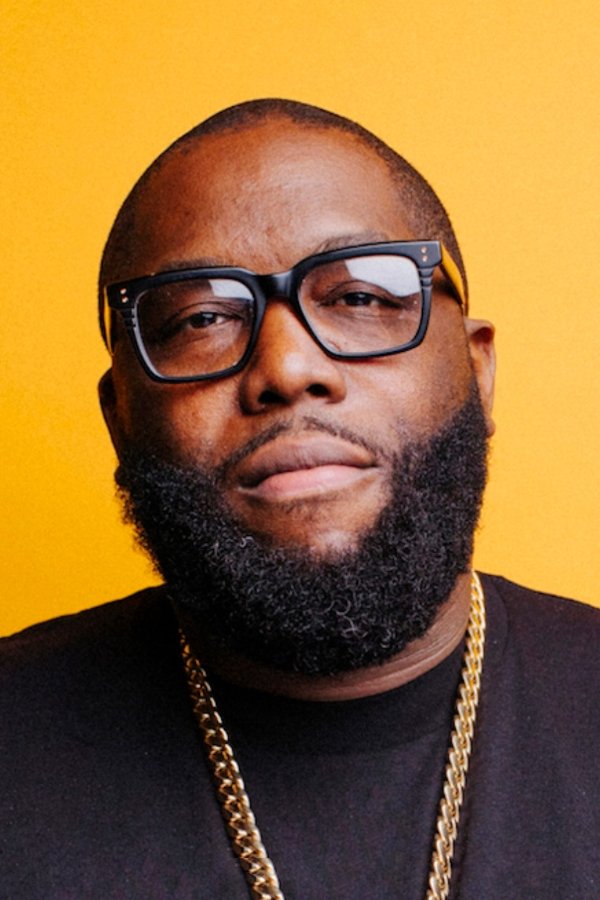
As one half of Run The Jewels and a prominent political activist, Killer Mike has often critiqued corporate “saviorism” in the financial and social sectors. He has encouraged his audience to move their money to Black-owned banks rather than trusting the “diversity” narratives of major corporate institutions. Mike has been careful about his brand associations, avoiding those that use social justice imagery to mask predatory business practices. He believes that true empowerment comes from the community itself, not from a brand’s marketing campaign.
Dave Grohl
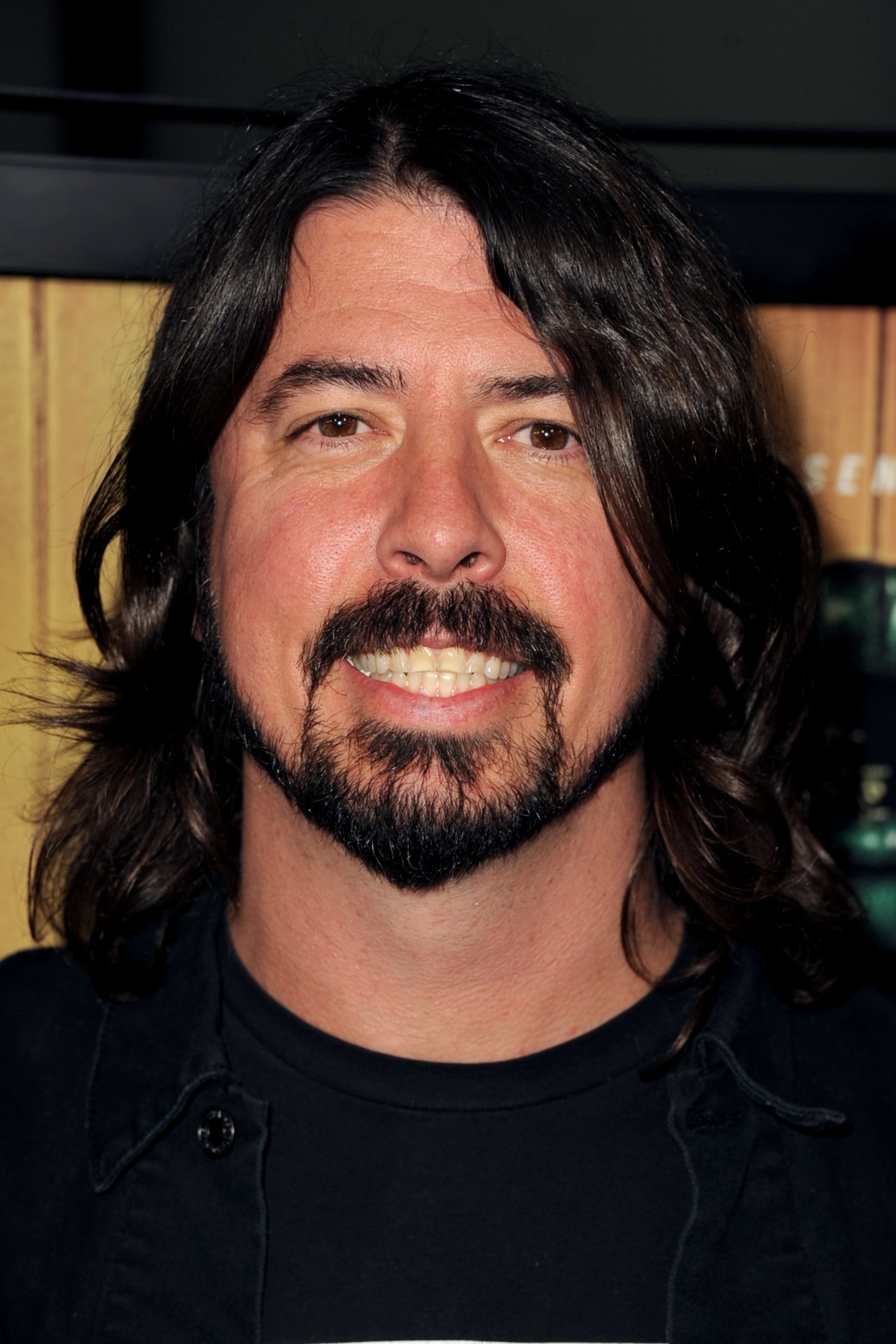
Grohl and the Foo Fighters have generally avoided licensing their music for commercial advertisements throughout their decades-long career. Grohl has stated that he finds the idea of his music being used to sell products to be antithetical to why he started playing music in the first place. He has avoided partnerships that use “rock and roll” or “working class hero” narratives to humanize large corporate entities. This stance has helped the band maintain a reputation for authenticity in an increasingly commercialized industry.
Mitski

Mitski is known for maintaining a high level of privacy and protecting her artistic persona from being used as a marketing tool. She has expressed discomfort with the way the music industry tries to turn an artist’s personal pain into a “savior” narrative for consumption. Mitski has avoided major brand deals, particularly those that seek to capitalize on her identity or the “sad girl” aesthetic popularized online. She views her work as a private exchange between herself and the listener, one that should not be mediated by corporate interests.
Talib Kweli
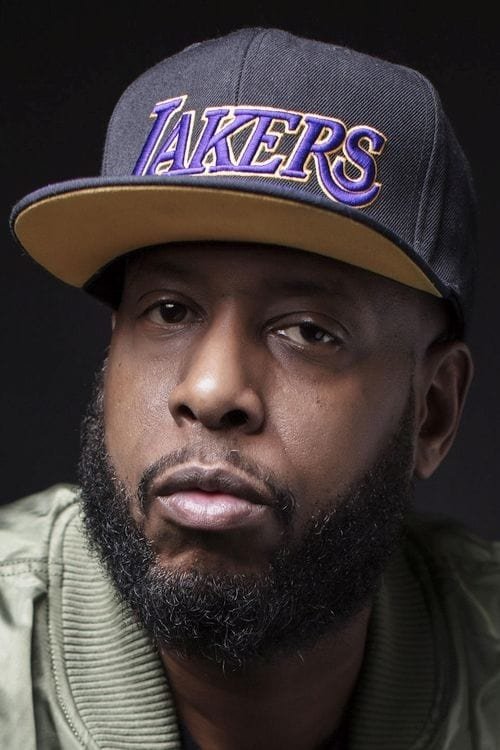
Kweli has built a career on being an independent voice in hip-hop, often critiquing the corporate control of the genre’s narrative. He has consistently spoken out against brands that use the imagery of the “streets” or “revolution” to sell products without giving back to those communities. Kweli prefers to engage in direct activism and independent business ventures rather than becoming a face for a corporate “savior” campaign. He believes that the revolutionary potential of hip-hop is diluted when it is used to serve corporate agendas.
Ani DiFranco
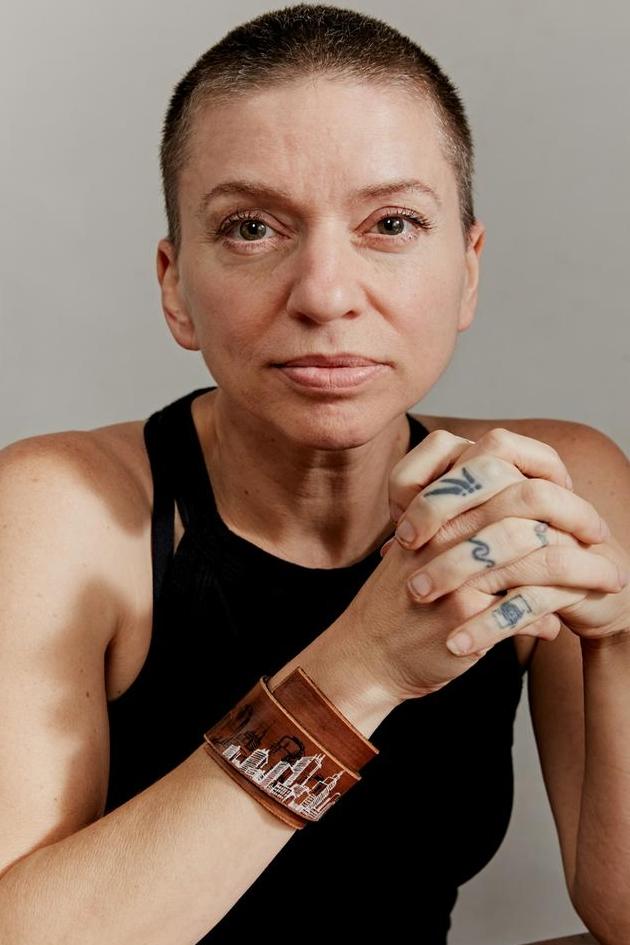
A pioneer of the independent music movement, DiFranco founded her own label, Righteous Babe Records, to avoid the constraints of the corporate music world. She has spent her career refusing to partner with brands that use feminist or social justice “savior” narratives for profit. DiFranco has often highlighted the hypocrisy of corporations that claim to support women’s rights while maintaining exploitative labor practices. Her total independence has allowed her to remain a consistent voice for social change without corporate interference.
Vic Mensa

Mensa is an artist and activist who has frequently criticized the corporate appropriation of social justice movements like Black Lives Matter. He has turned down partnerships with brands that he feels are using these movements as a trend rather than committing to actual change. Mensa has used his platform to highlight the disconnect between a brand’s “savior” marketing and its actual impact on the ground. He prioritizes genuine activism and community-led initiatives over corporate-sponsored “socially conscious” campaigns.
André 3000

The Outkast member is known for his highly selective approach to both his music and his public appearances. He has largely stayed away from the traditional celebrity endorsement circuit, avoiding campaigns that use “eccentricity” or “cool” as a savior narrative for brands. Andre 3000 has expressed a desire to keep his art pure and separate from the demands of corporate marketing. His rare collaborations are usually based on genuine creative interest rather than a desire to be the face of a corporate social initiative.
Tell us which musicians you admire most for standing up against corporate savior narratives in the comments.