


Fantasy Movies That Flopped so Hard They Killed the Franchise

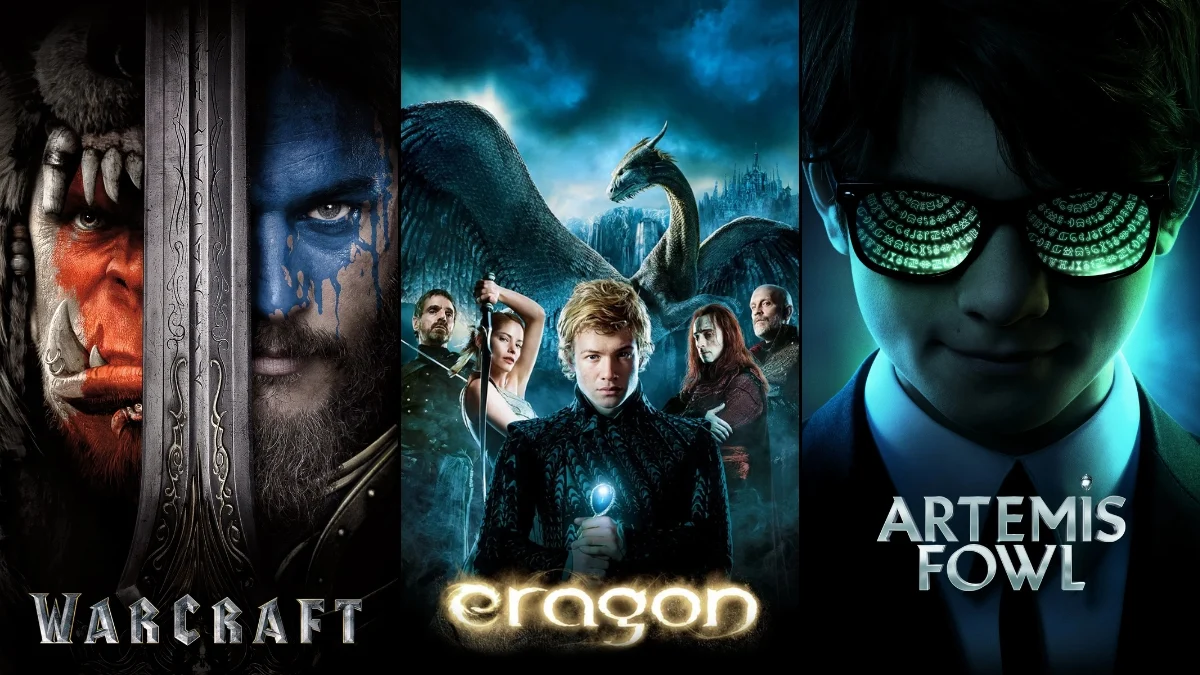


The film industry often attempts to launch expansive cinematic universes based on popular fantasy literature or original concepts. Many of these projects fail to meet commercial or critical expectations during their initial release. A single disappointing opening weekend can lead a studio to abandon years of development on potential sequels. These thirty films represent ambitious attempts at world building that ultimately resulted in the end of their respective franchises.
‘Eragon’ (2006)
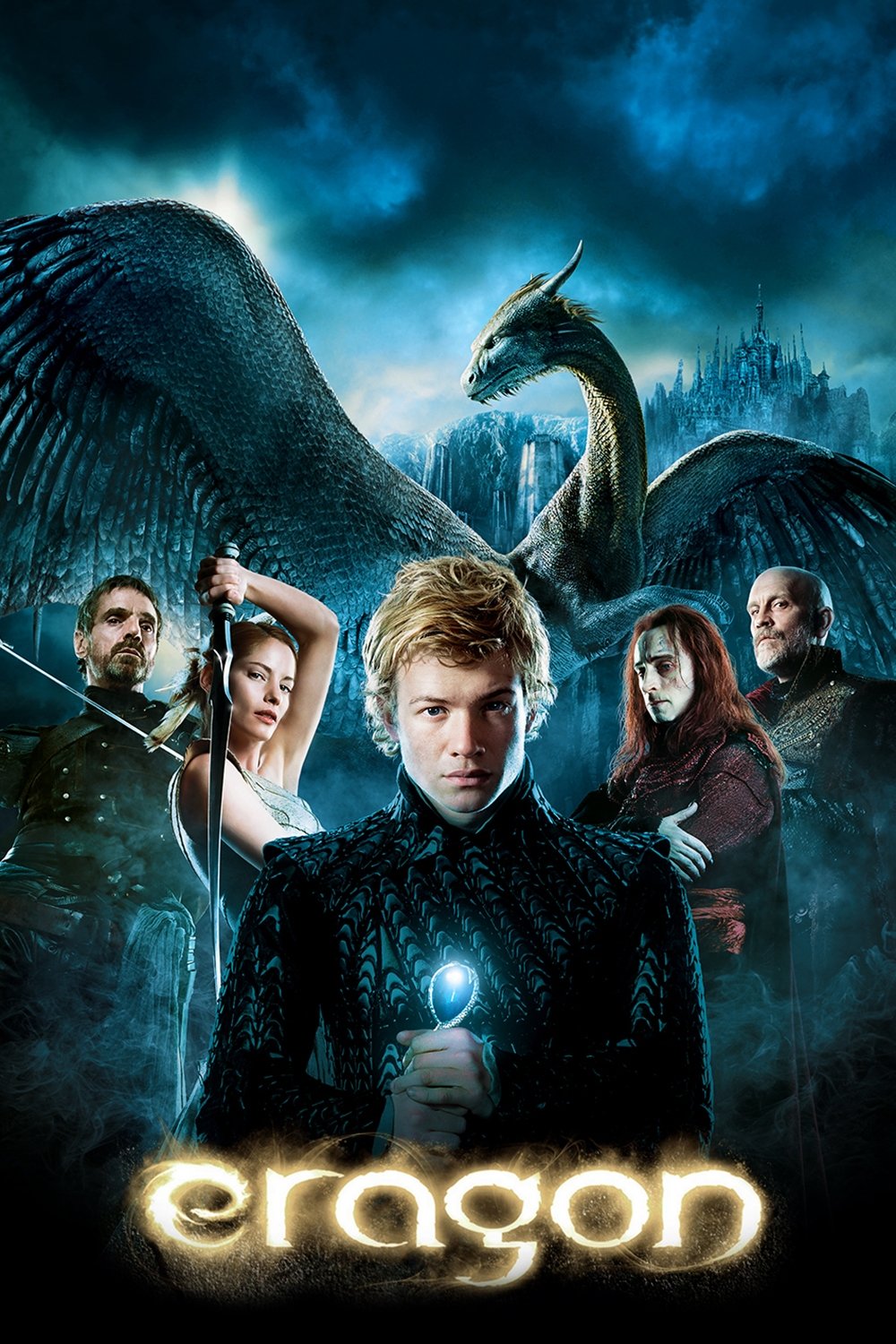
‘Eragon’ follows a farm boy who discovers a dragon egg and must protect it from an evil king. The film was intended to be the start of a series based on Christopher Paolini’s novels. Critical reception was overwhelmingly negative due to significant deviations from the source material and poor writing. Although it performed decently at the international box office the planned sequels were cancelled by the studio.
‘The Golden Compass’ (2007)
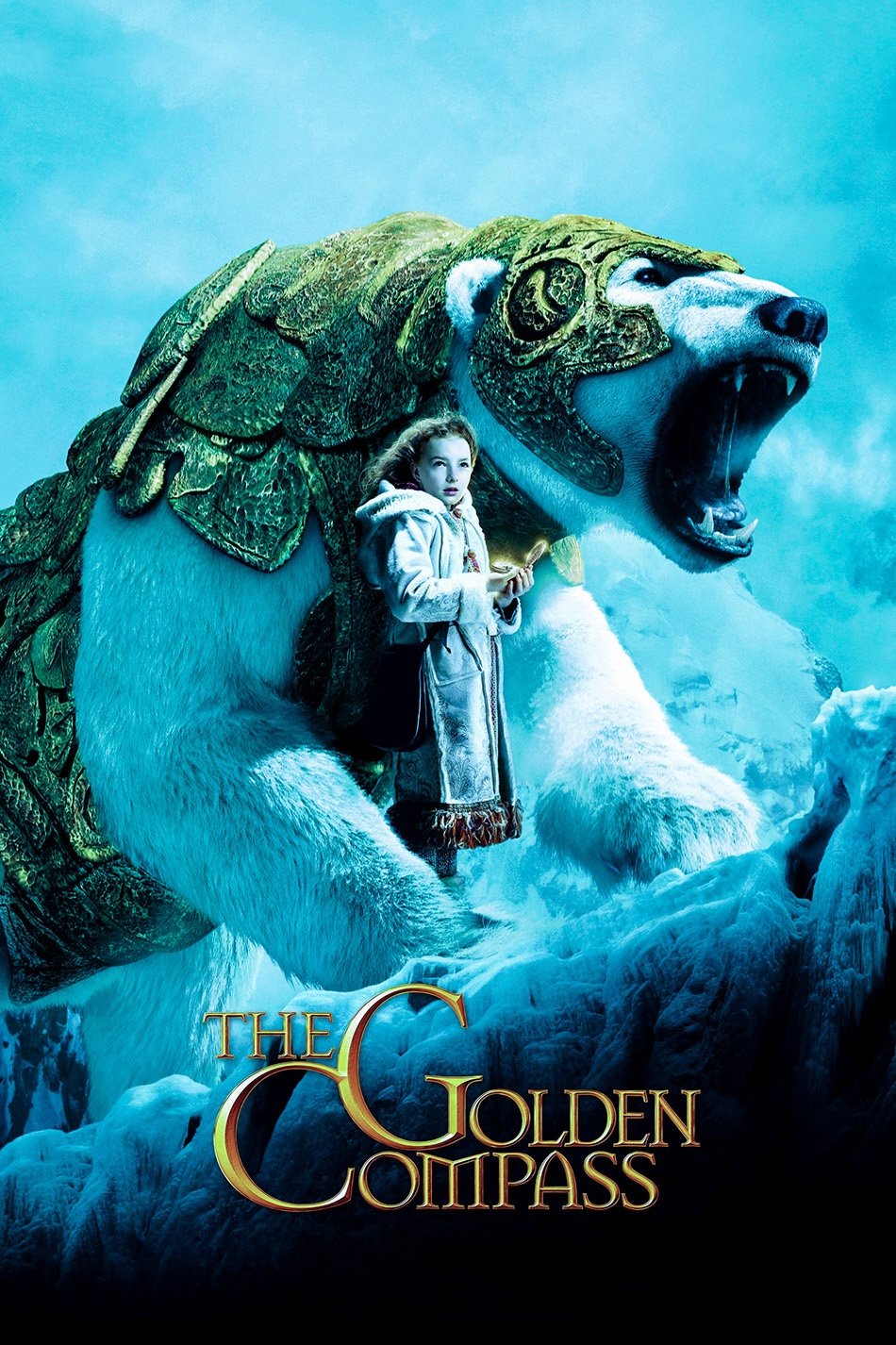
‘The Golden Compass’ was a high budget adaptation of Philip Pullman’s ‘Northern Lights’ book. New Line Cinema hoped it would become the next major fantasy epic following their success with another trilogy. Despite a talented cast and impressive visual effects the film struggled to resonate with American audiences. Financial difficulties and controversy surrounding the source material prevented the production of any sequels.
‘The Last Airbender’ (2010)
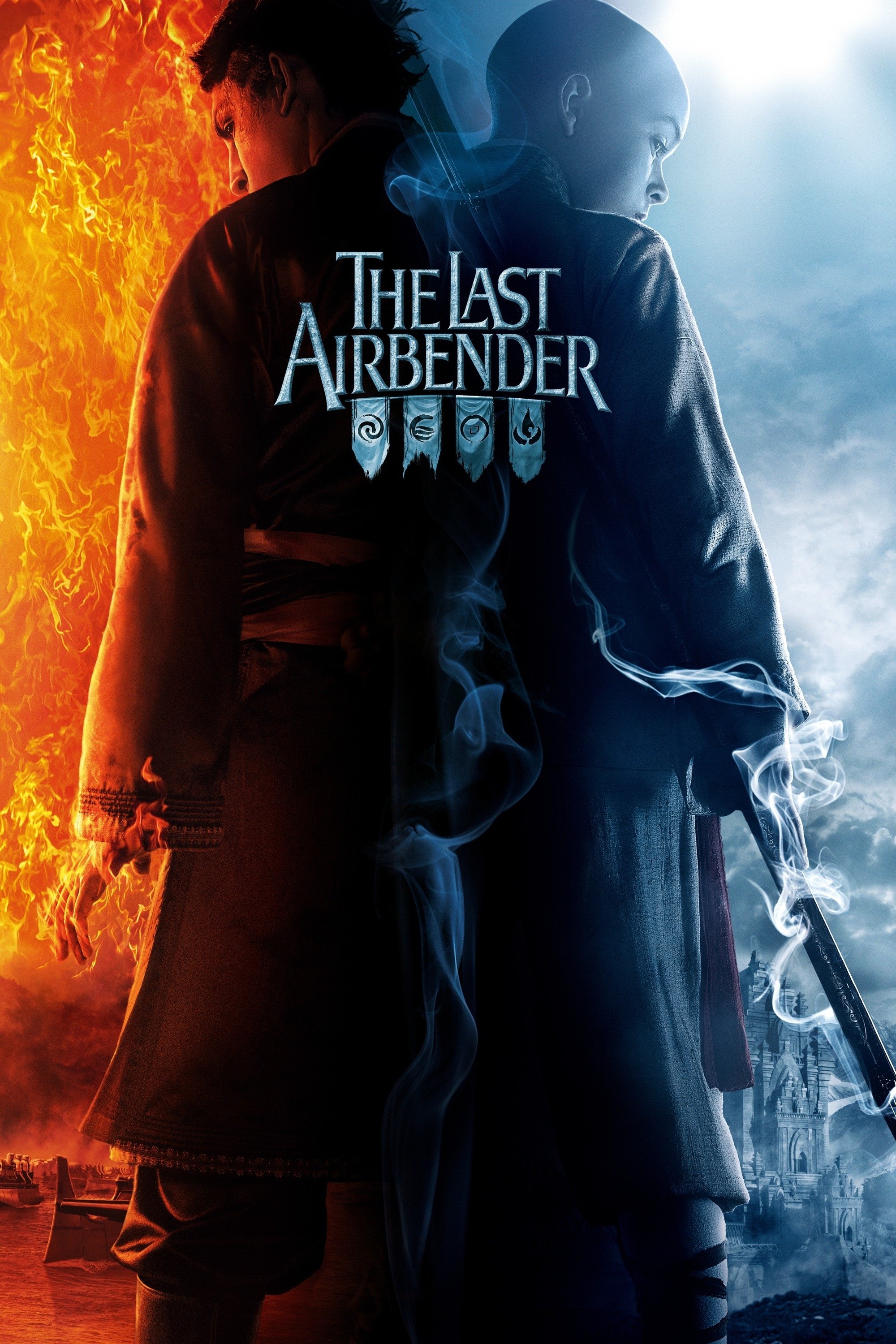
‘The Last Airbender’ attempted to bring the beloved animated series to the big screen in a live action format. Director M. Night Shyamalan planned to cover the entire story across three feature films. Fans and critics heavily panned the movie for its casting choices and condensed storytelling. The backlash was so severe that Paramount Pictures abandoned all plans for the subsequent installments.
‘The Mortal Instruments: City of Bones’ (2013)
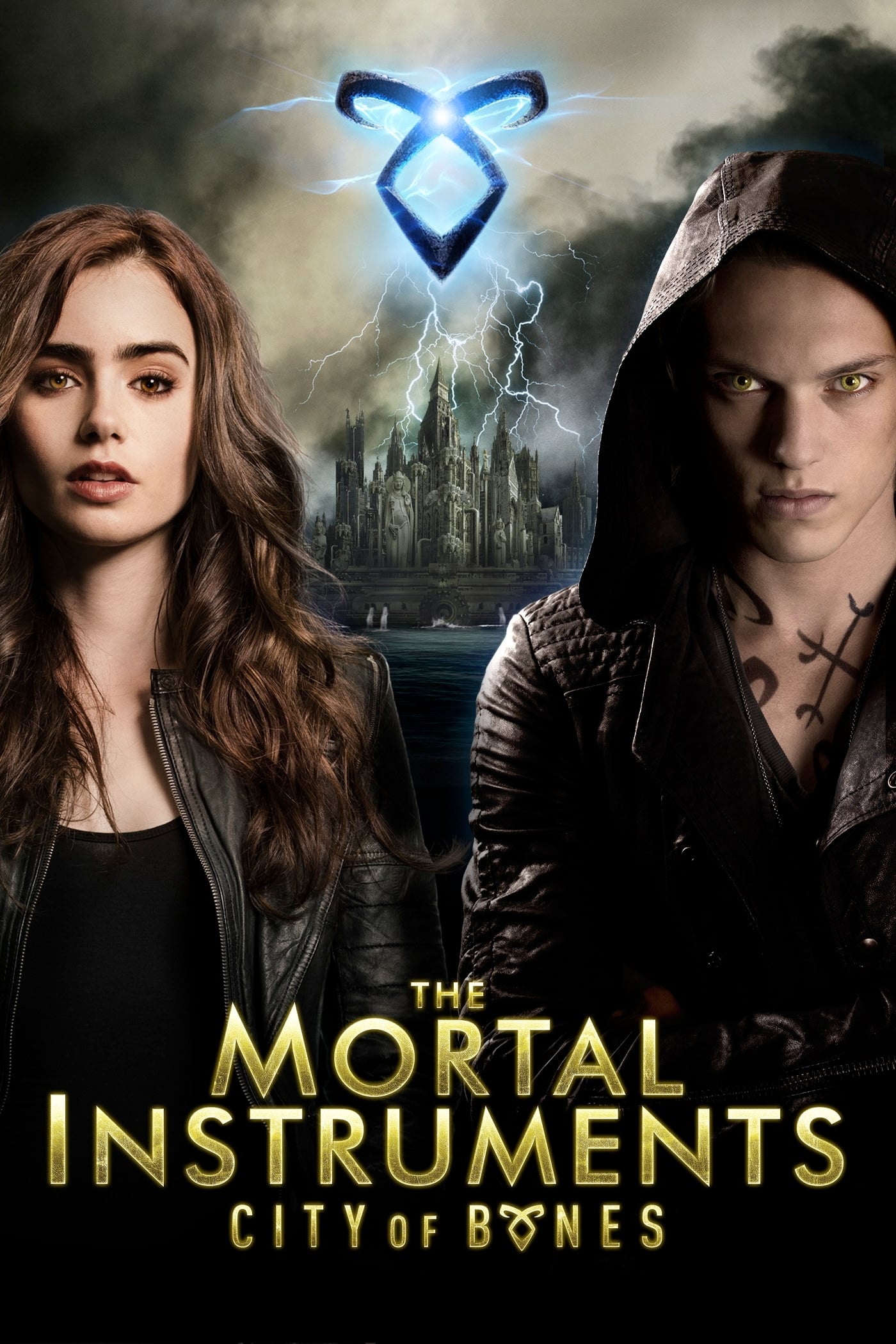
‘The Mortal Instruments: City of Bones’ aimed to capture the young adult audience that had previously supported other supernatural hits. The movie featured Clary Fray as she discovered her heritage as a shadowhunter. It failed to earn enough at the box office to justify the production of the second book in the series. The property was eventually rebooted as a television series titled ‘Shadowhunters’ instead of continuing in film.
‘Vampire Academy’ (2014)
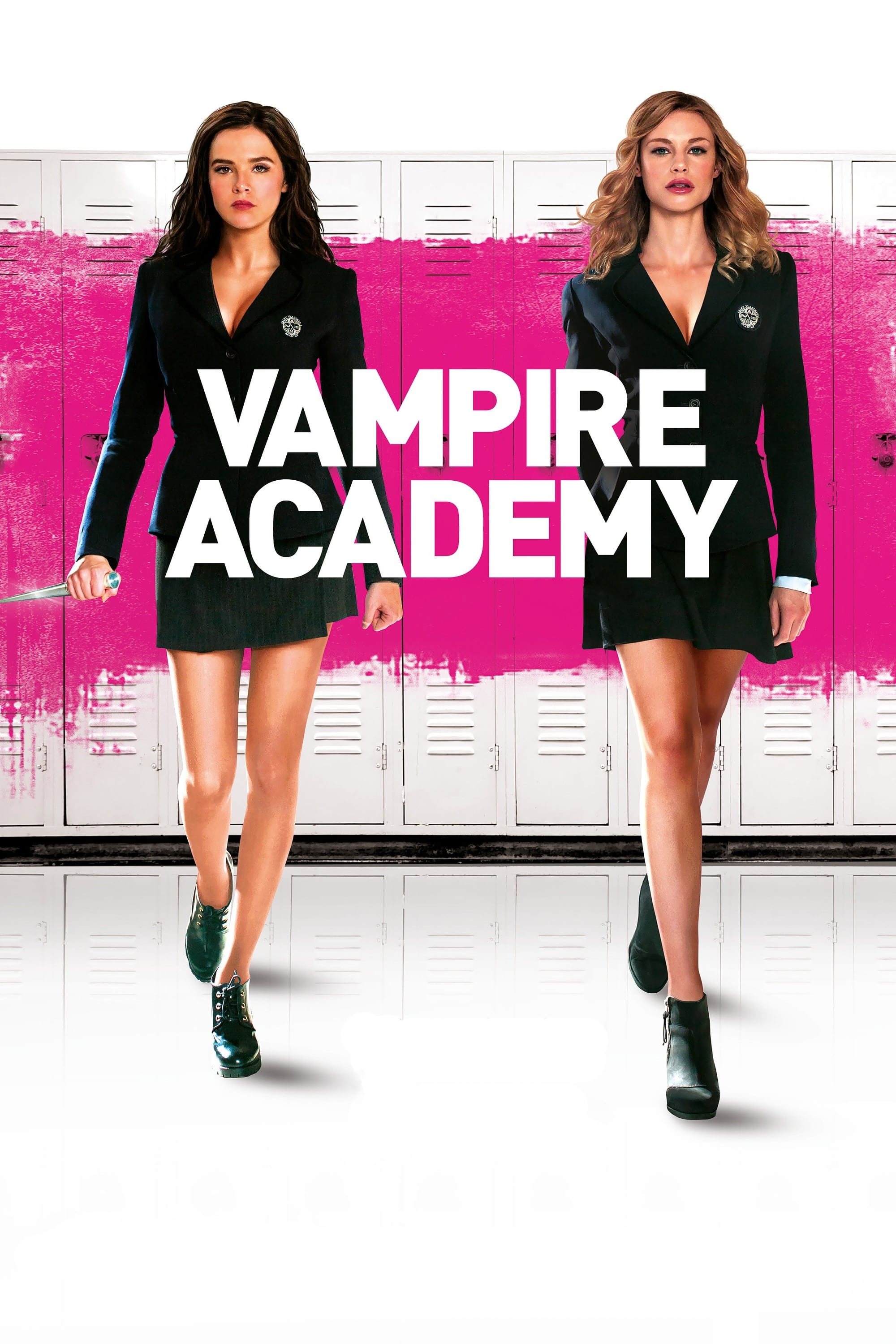
‘Vampire Academy’ combined paranormal romance with high school drama in an attempt to start a new movie series. The story focused on a teenage guardian in training and her royal vampire friend. It received poor reviews and failed to make a profit during its theatrical run. Producers later attempted to crowdfund a sequel but the campaign did not result in a new film.
‘Seventh Son’ (2014)
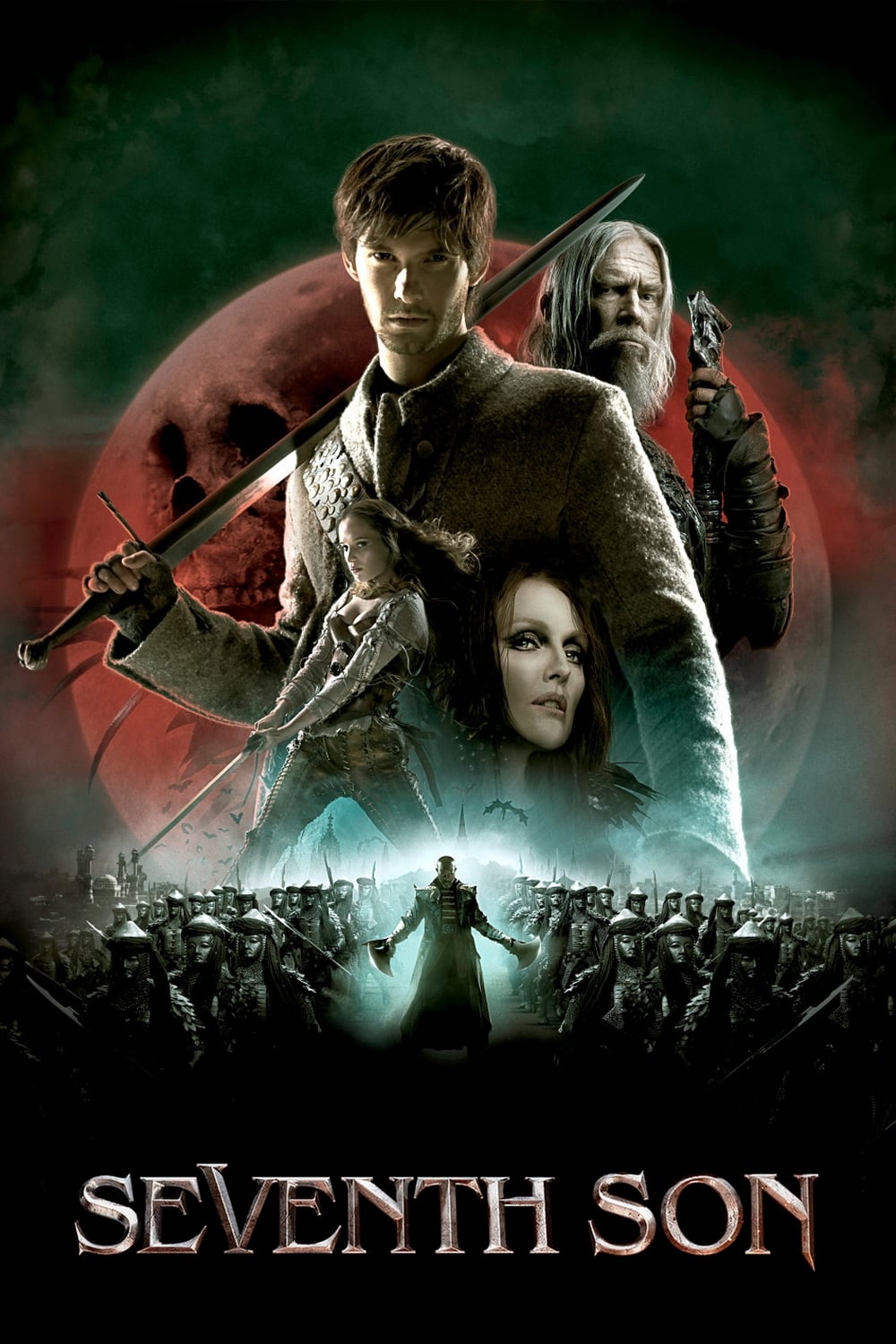
‘Seventh Son’ stars Jeff Bridges as a knight who must train a young apprentice to fight an evil queen. The film faced numerous delays and was moved between different distributors before finally reaching theaters. It received mostly negative reviews for its clichéd plot and reliance on digital effects. The movie’s poor performance ensured that no further adventures in this world would be filmed.
‘Pan’ (2015)

‘Pan’ served as an origin story for Peter Pan and Captain Hook within a reimagined Neverland. Warner Bros. spent a significant budget on the production and marketing with hopes of starting a new family franchise. The film was a major box office disappointment and received criticism for its casting decisions. Plans for a potential sequel were scrapped immediately after the opening weekend results were analyzed.
‘Warcraft’ (2016)
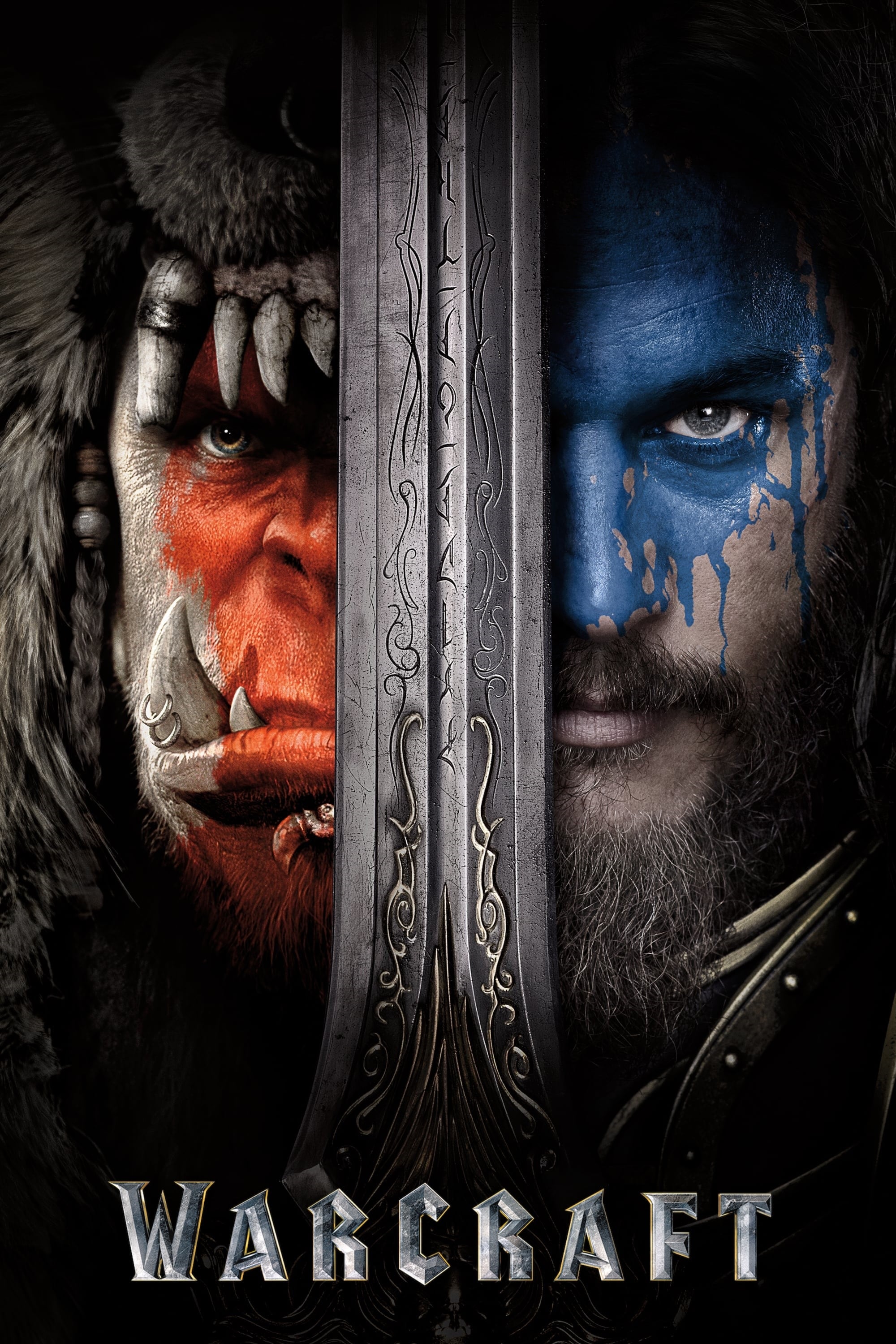
‘Warcraft’ brought the popular video game world of Azeroth to theaters with digital effects. While the film performed exceptionally well in China it failed to find a substantial audience in North America. Critics were divided on the dense lore and the balance between human and orc storylines. The lack of domestic interest led the studio to put all plans for a cinematic universe on hold.
‘The Mummy’ (2017)
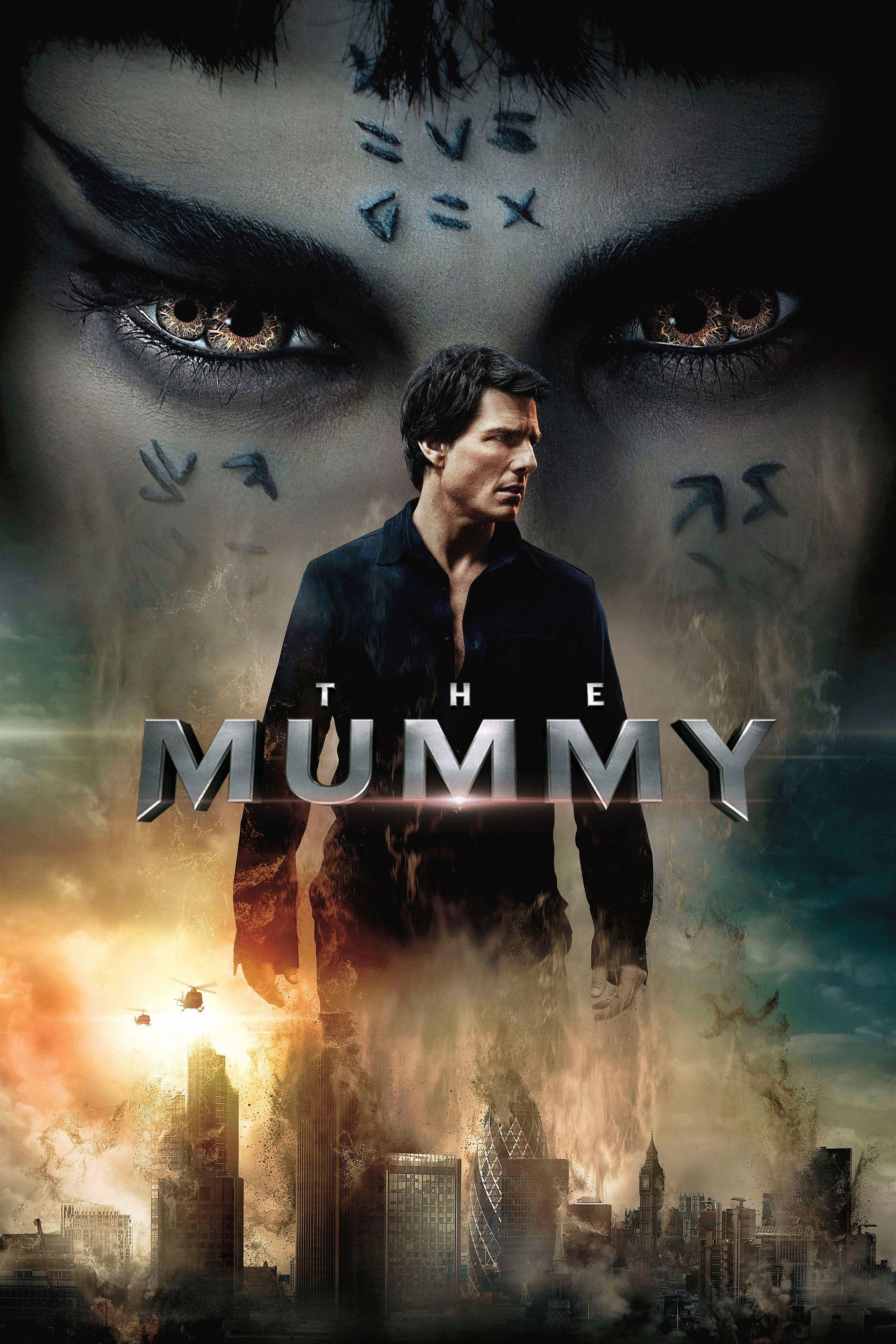
‘The Mummy’ was designed to be the foundational entry for the ambitious Dark Universe franchise. Universal Pictures planned to link several classic monster movies together through a shared narrative. The film was poorly received by critics and failed to generate the necessary revenue to sustain a large scale universe. Most of the announced projects in the Dark Universe were eventually cancelled or reworked into standalone films.
‘The Dark Tower’ (2017)
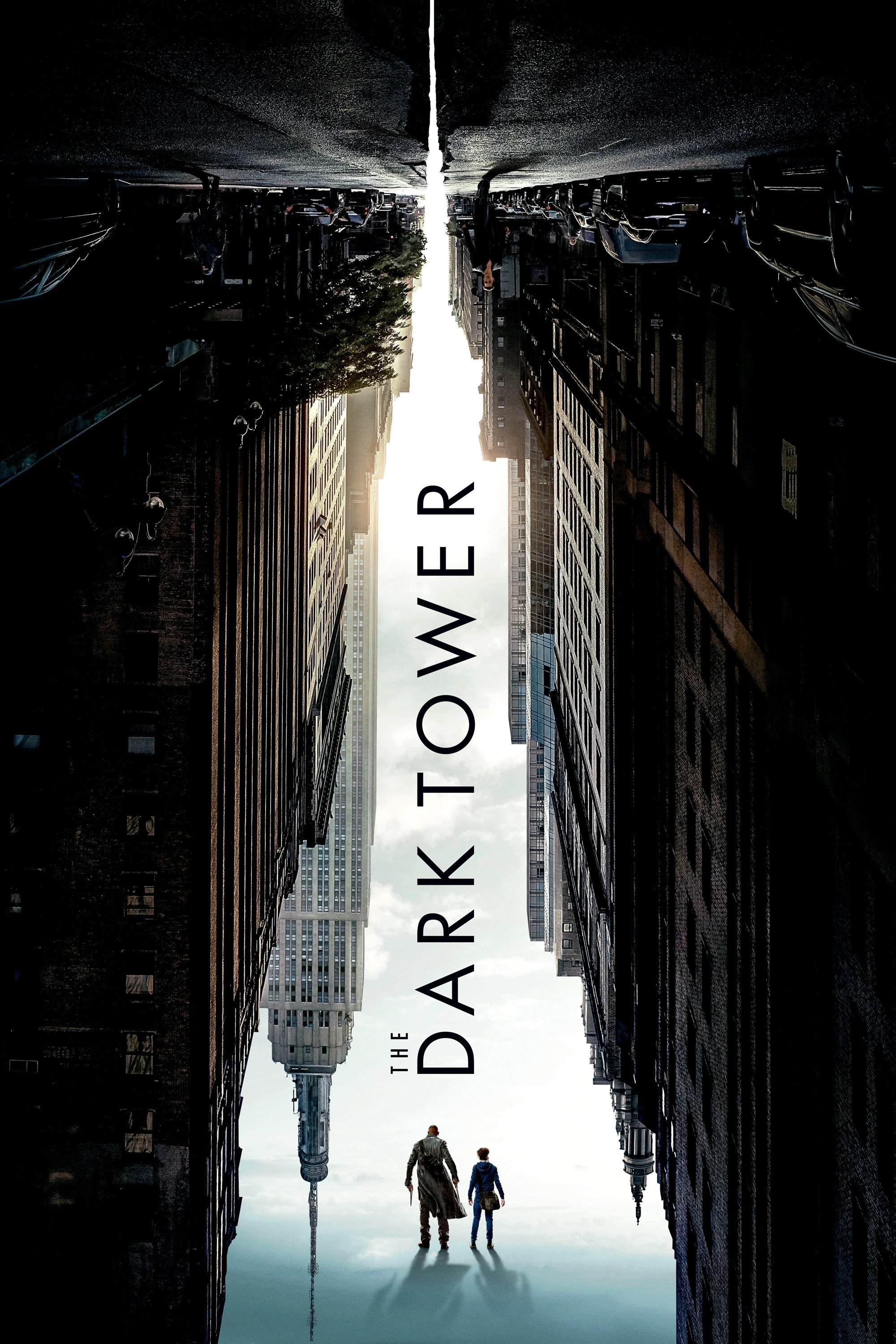
‘The Dark Tower’ attempted to condense Stephen King’s massive book series into a single introductory film. Many fans were disappointed by the short runtime and the significant changes made to the complex narrative. The movie failed to perform at the box office and received low scores from critics. This resulted in the cancellation of a planned television series and future cinematic sequels.
‘A Wrinkle in Time’ (2018)
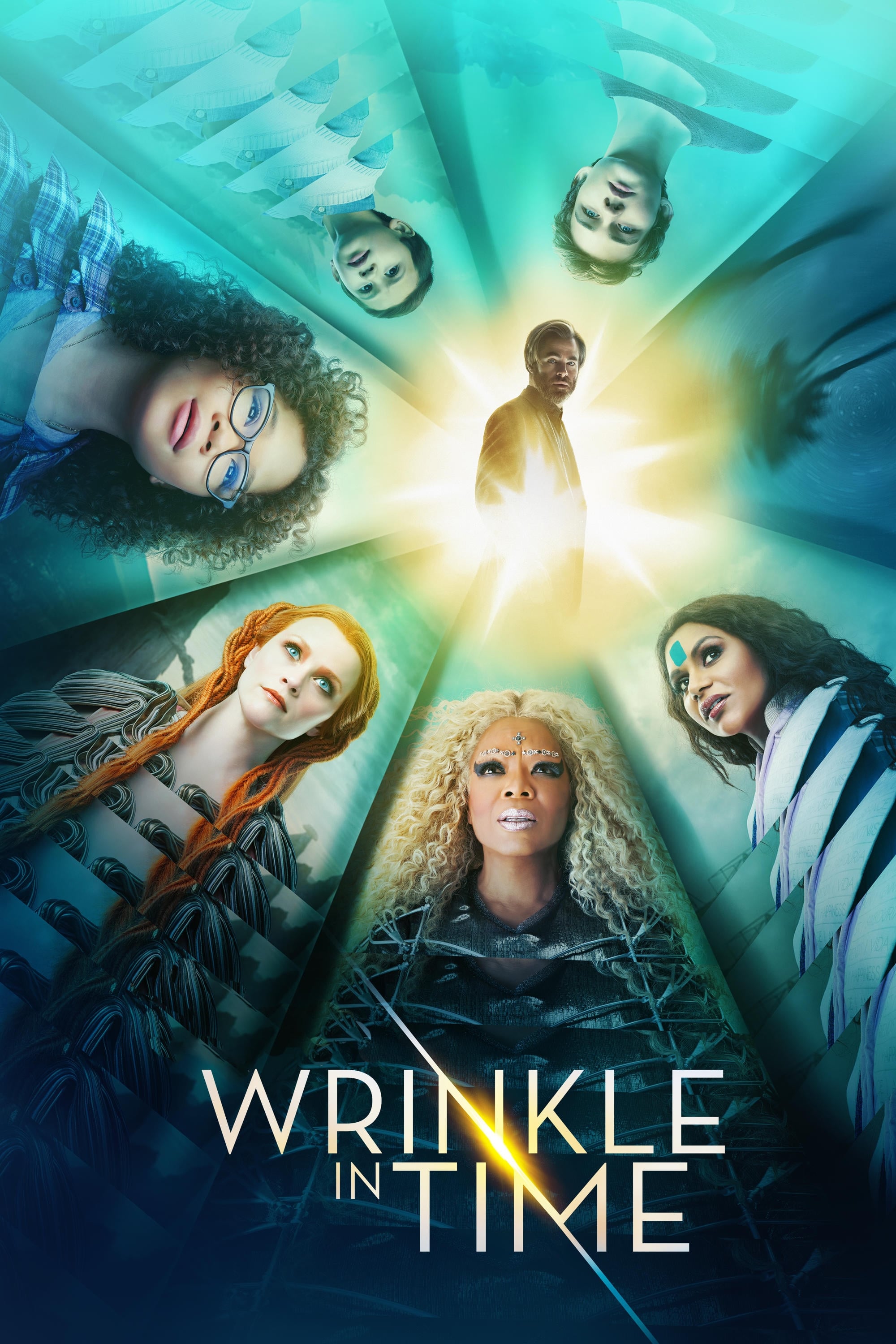
‘A Wrinkle in Time’ adapted the classic science fantasy novel by Madeleine L’Engle. Disney hired a high profile director and a famous cast to bring the magical world to life. Despite the significant investment the film received mixed reviews and struggled to find a large audience. The financial loss resulted in the studio moving away from plans to adapt the rest of the book series.
‘Mortal Engines’ (2018)
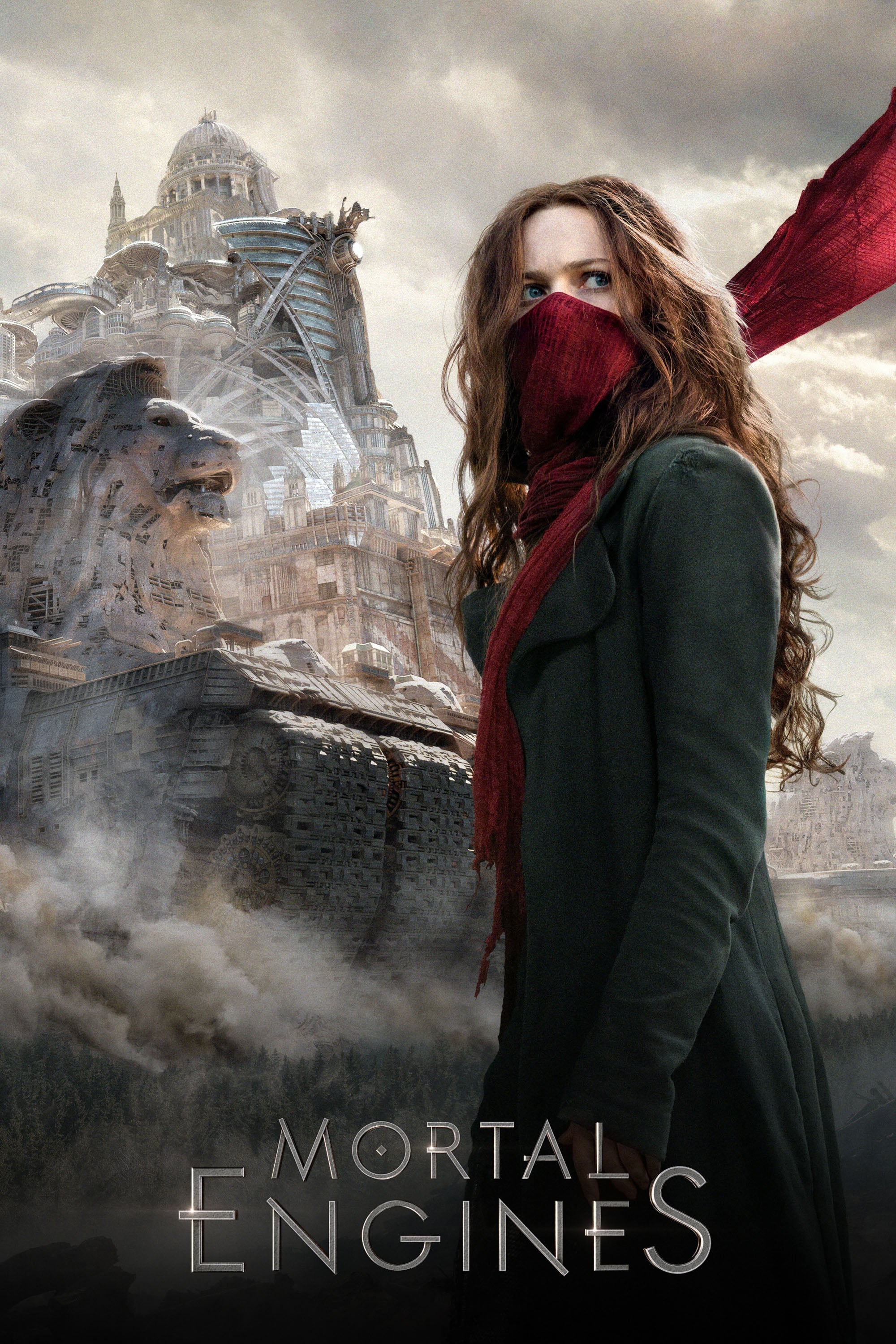
‘Mortal Engines’ presented a ruined world where entire cities move on wheels and consume smaller towns. Peter Jackson served as a producer on the project which was based on the novels by Philip Reeve. Despite the unique visual concept and high production values the film failed to attract a large audience. The massive financial loss made it impossible for the studio to adapt the remaining three books in the series.
‘Artemis Fowl’ (2020)
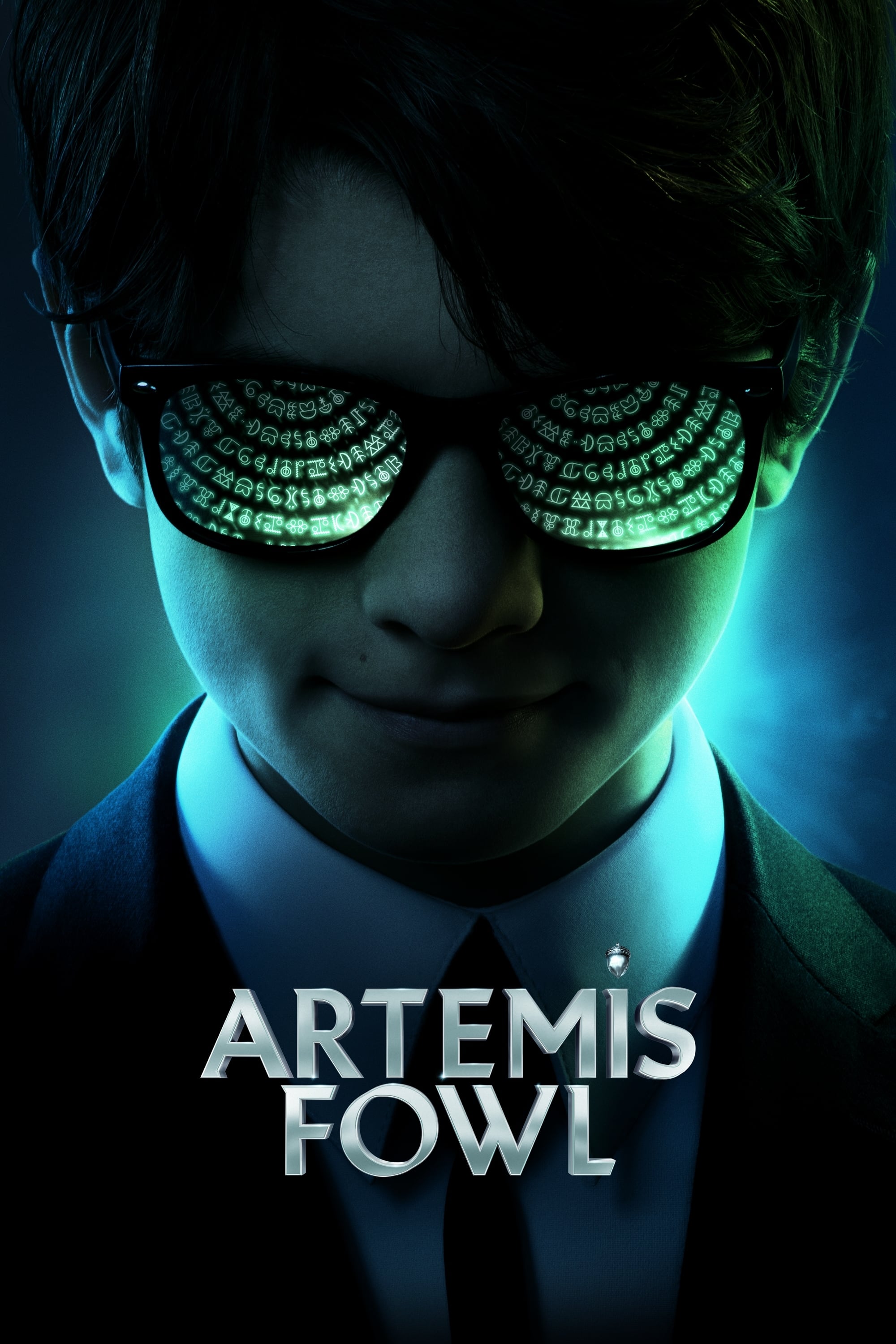
‘Artemis Fowl’ adapted the popular book series about a young criminal mastermind and the secret world of fairies. The film faced a troubled production and was eventually moved from a theatrical release to a streaming platform. Fans of the books were critical of the many changes made to the protagonist’s personality and the overall plot. There have been no announcements regarding a sequel since the movie premiered.
‘The Seeker: The Dark Is Rising’ (2007)
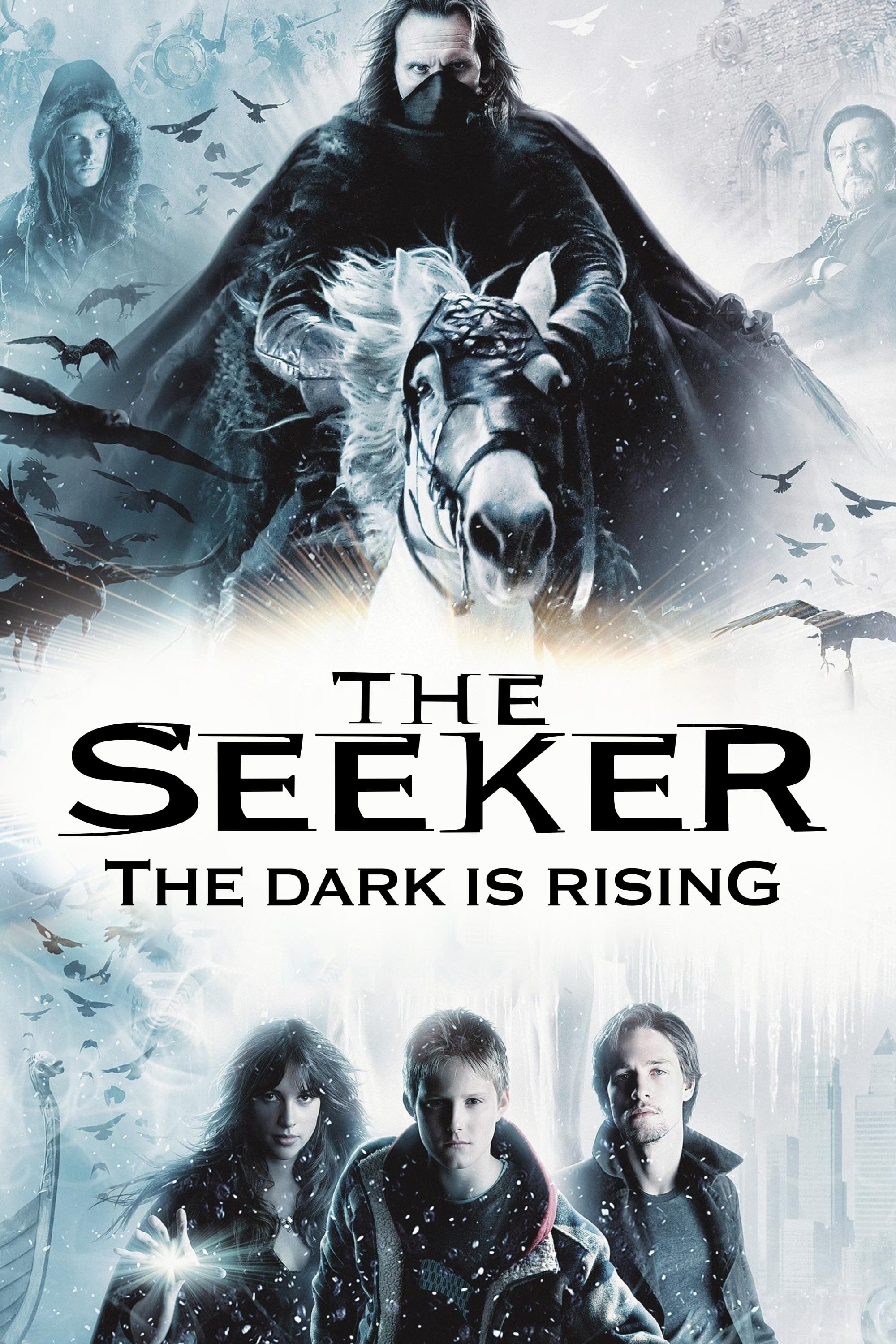
‘The Seeker: The Dark Is Rising’ was an attempt to turn Susan Cooper’s fantasy novels into a movie franchise. The story involved a boy who discovered he was the last of a group of immortal warriors. It was criticized for straying too far from the source material and for its lackluster execution. The film failed to make an impact at the box office and the franchise ended after just one entry.
‘Cirque du Freak: The Vampire’s Assistant’ (2009)
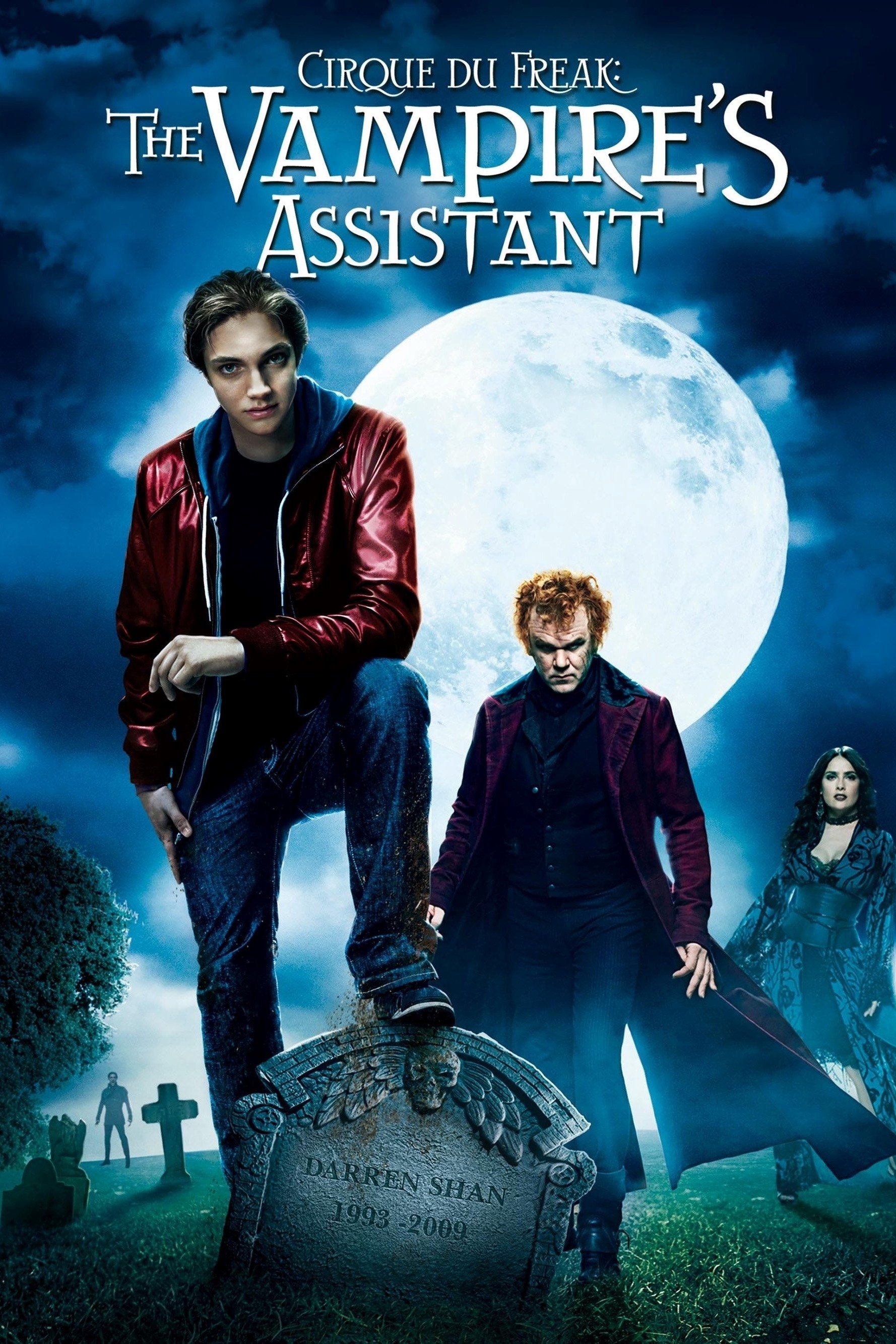
‘Cirque du Freak: The Vampire’s Assistant’ combined the first three books of Darren Shan’s series into one movie. The plot followed a boy who became a vampire’s assistant and joined a traveling freak show. The film did not perform well enough to warrant a continuation of the twelve book series. Universal Pictures decided not to move forward with any further adaptations.
‘I Am Number Four’ (2011)
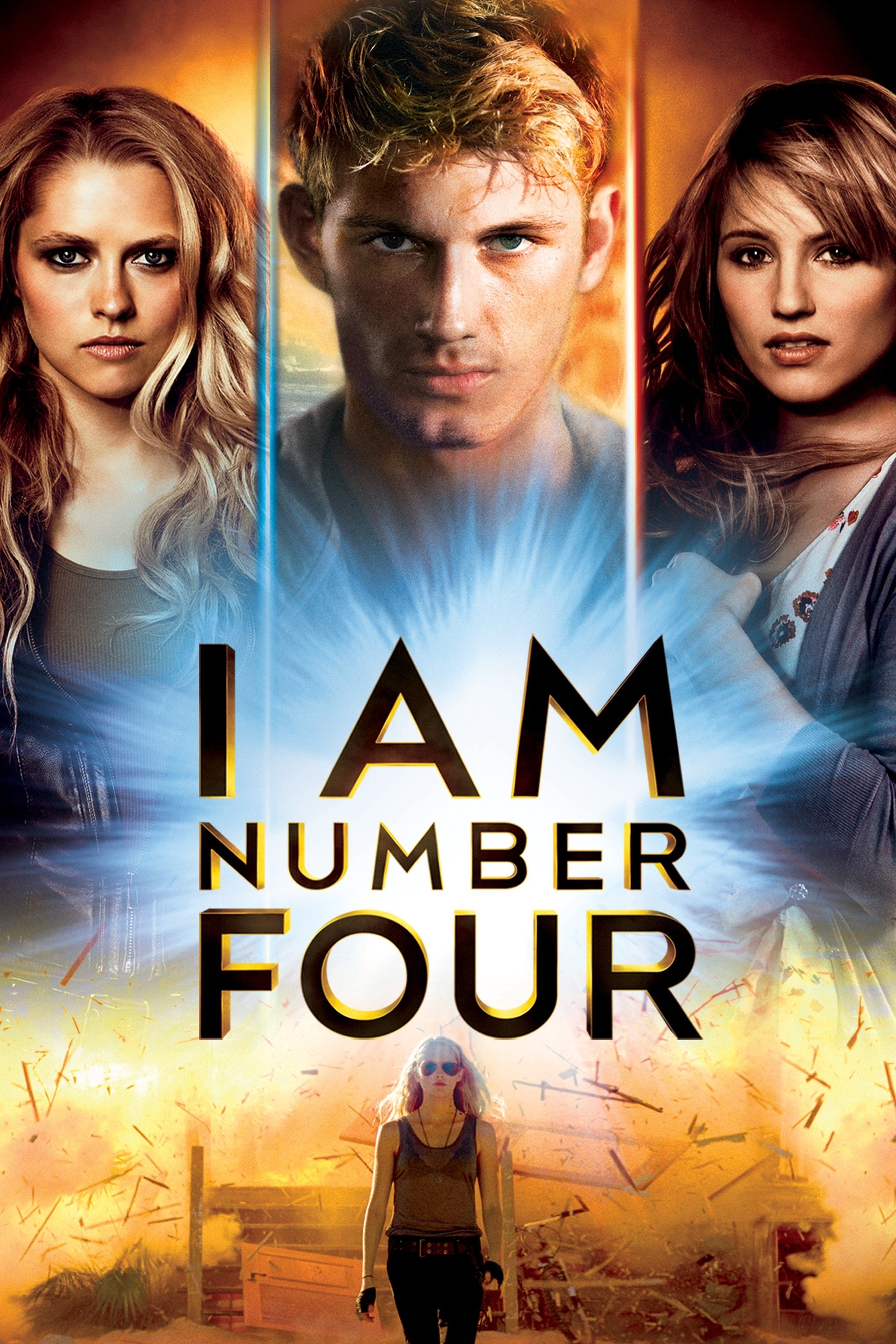
‘I Am Number Four’ followed an alien teenager with superpowers hiding on Earth from deadly enemies. It was produced by Michael Bay and was intended to launch a series of films based on the Lorien Legacies books. While the movie was not a complete financial failure it did not meet the high expectations set by the studio. No sequels were ever produced and the story remained unfinished on the big screen.
‘Beautiful Creatures’ (2013)
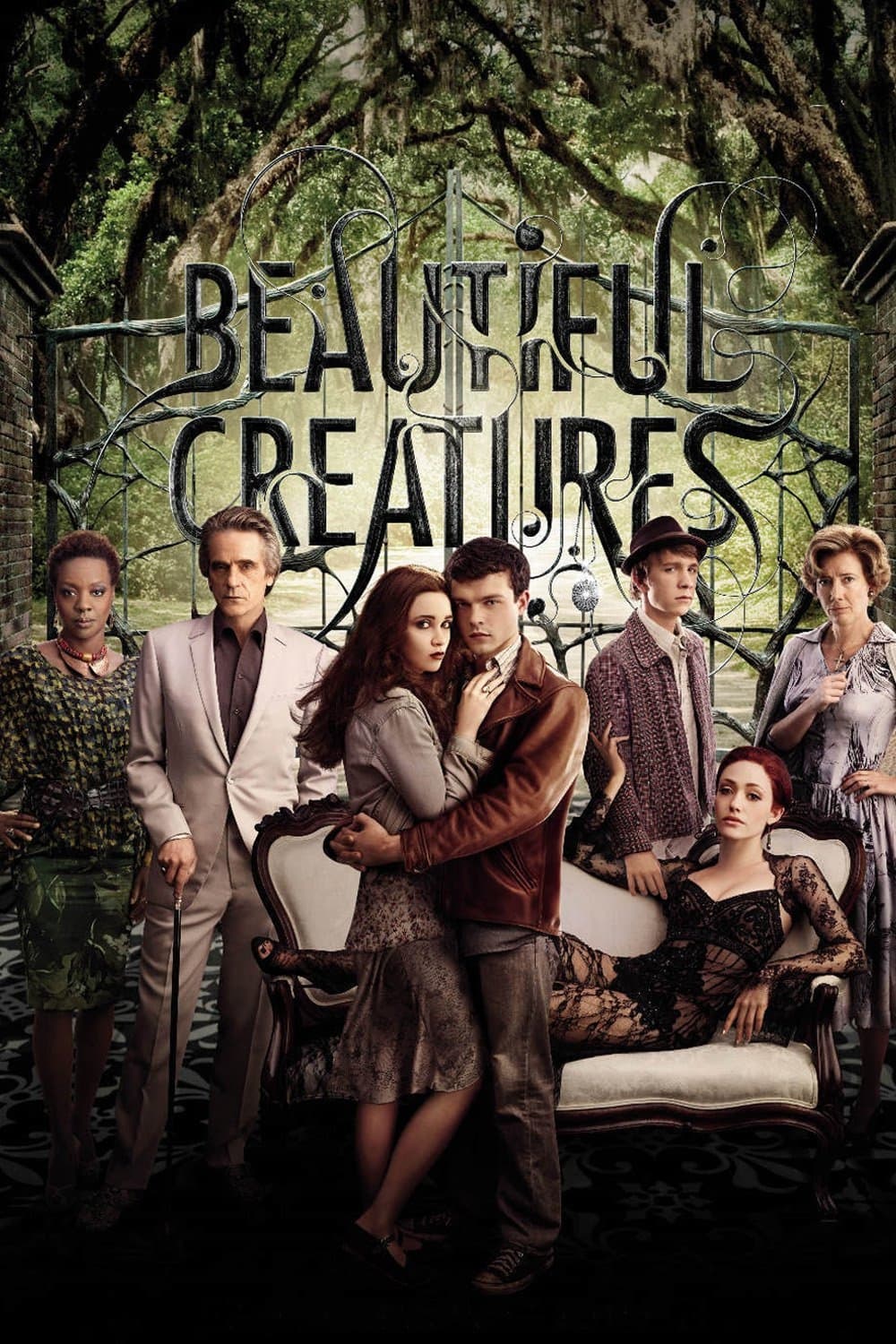
‘Beautiful Creatures’ was another attempt to find a successor to the popular ‘Twilight’ series. It focused on a young man and a girl with magical powers in a small Southern town. The film received mixed reviews and failed to generate enough interest among its target demographic. Consequently the studio opted not to adapt the remaining books in the Caster Chronicles.
‘John Carter’ (2012)
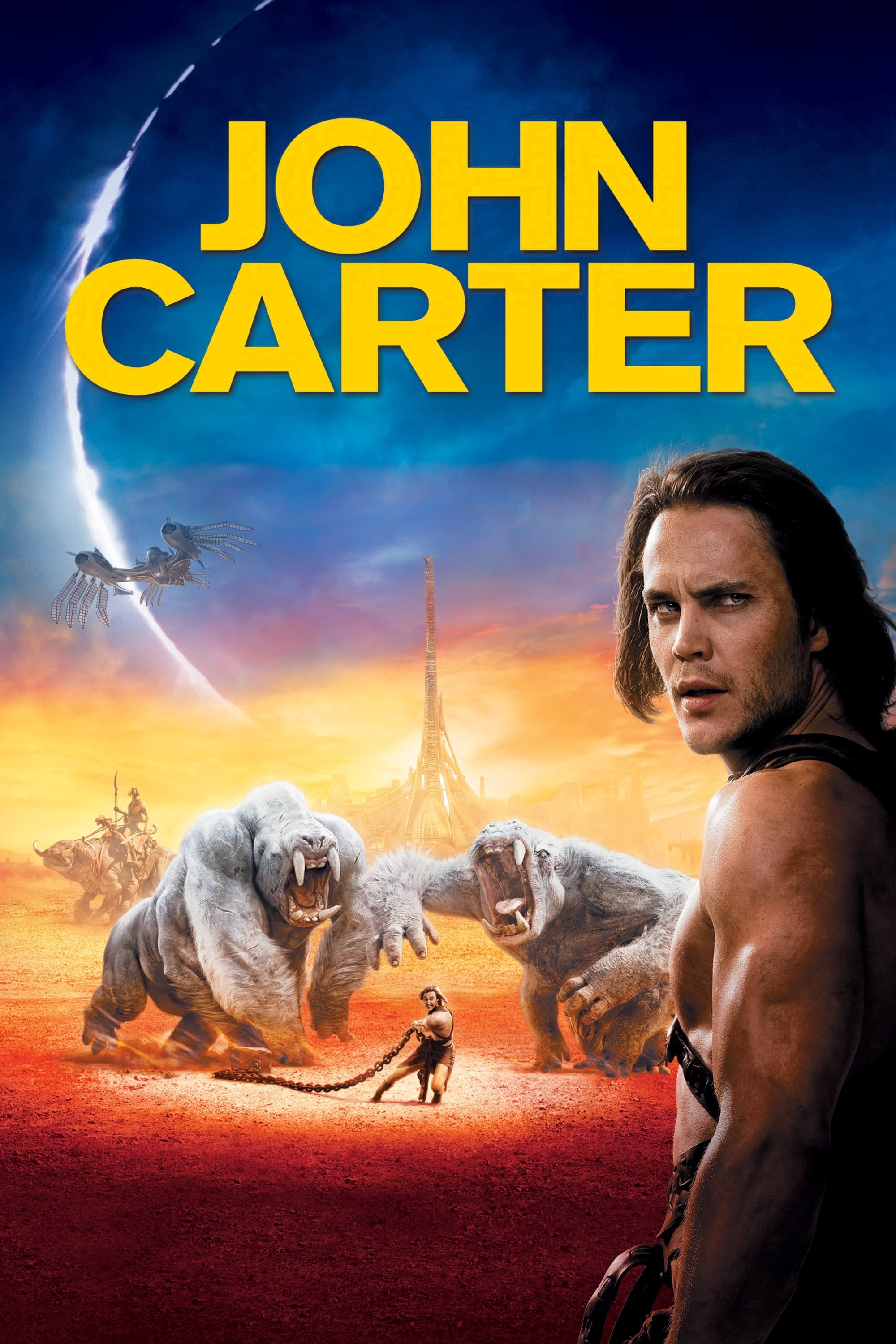
‘John Carter’ was based on the influential ‘Barsoom’ stories by Edgar Rice Burroughs. Disney invested a massive amount of money into the production with the hope of starting a new space fantasy franchise. The movie suffered from marketing issues and a high budget that made it difficult to turn a profit. It is frequently cited as one of the biggest box office disappointments in cinematic history.
‘The Sorcerer’s Apprentice’ (2010)
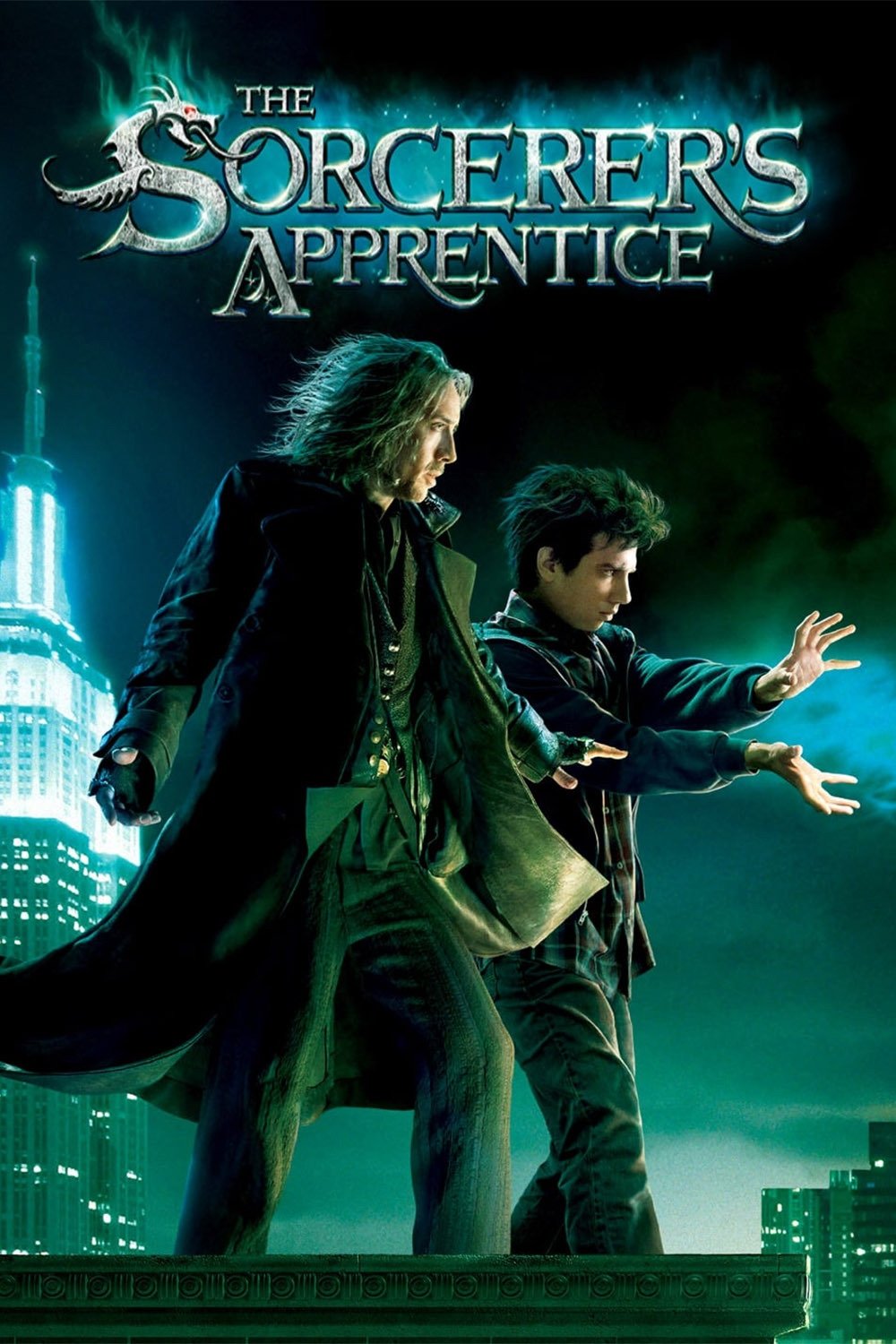
‘The Sorcerer’s Apprentice’ reunited the team behind ‘National Treasure’ for a modern fantasy adventure in New York City. Nicolas Cage starred as a master sorcerer searching for his successor to help defeat an ancient evil. The film performed modestly but was overshadowed by other blockbusters released during the same summer. Plans for a sequel never materialized and the property has remained dormant.
‘Gods of Egypt’ (2016)
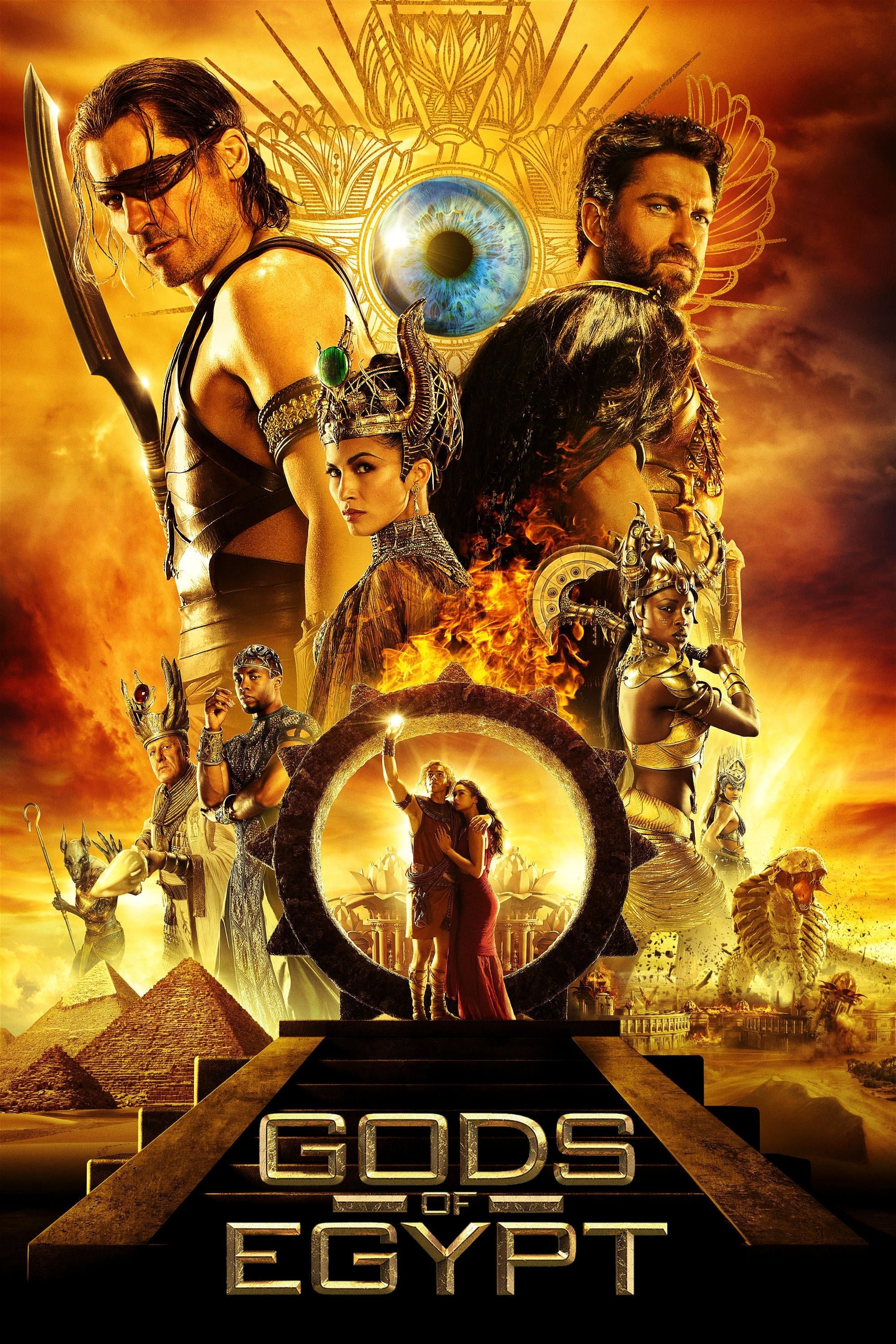
‘Gods of Egypt’ featured a highly stylized version of Egyptian mythology with gods who could transform into armored creatures. The film faced significant controversy regarding its casting choices before it even arrived in theaters. It was a critical failure and a commercial disappointment for Lionsgate. The poor reception ended any possibility of the movie becoming a new fantasy series.
‘Monster Hunter’ (2020)

‘Monster Hunter’ adapted the popular video game franchise about hunters fighting massive creatures in a parallel world. The film was directed by Paul W. S. Anderson and starred Milla Jovovich. It faced a difficult release during the global pandemic and was met with mixed reviews from both critics and fans. No plans for a sequel have been confirmed by the studio since its release.
‘Hellboy’ (2019)
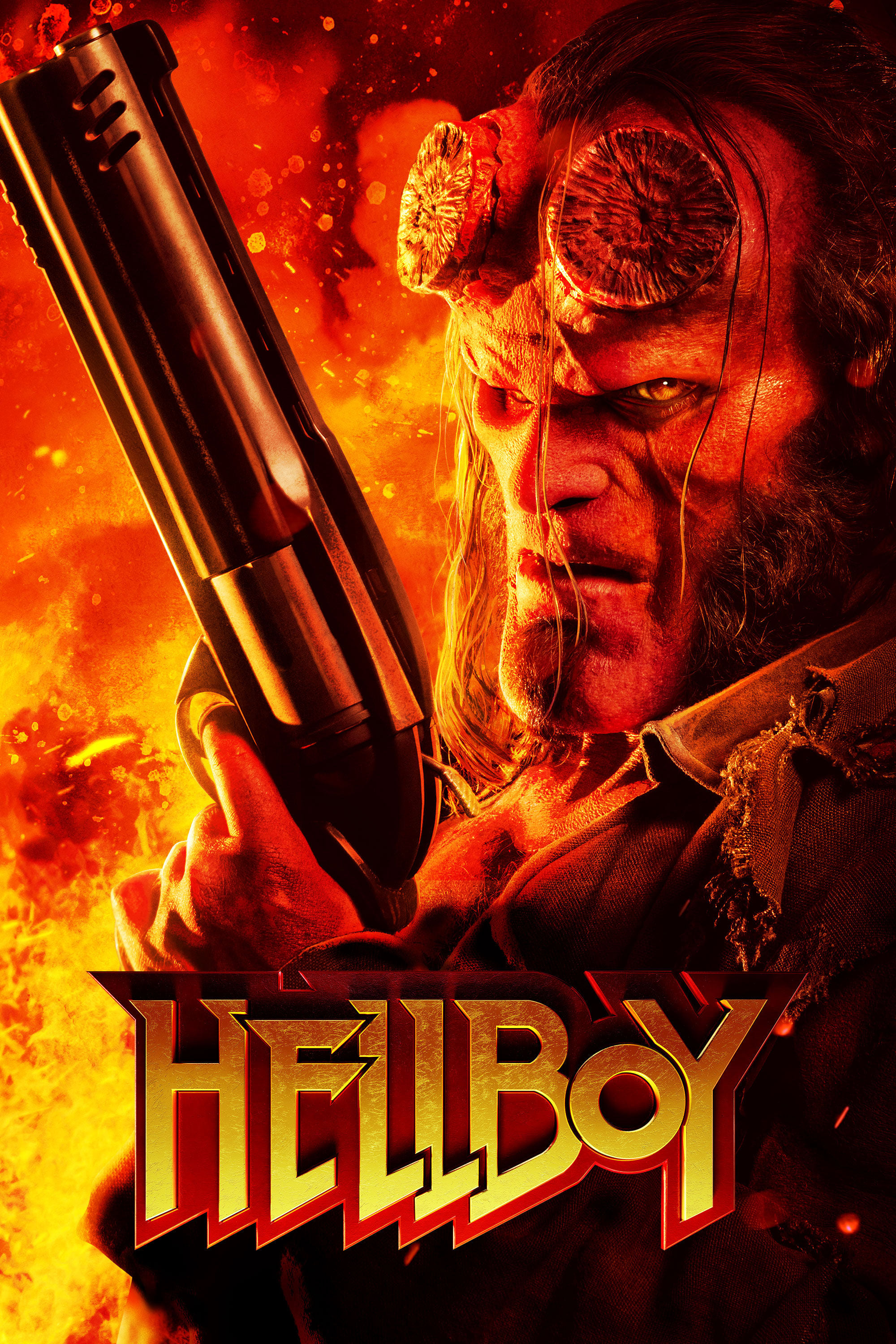
‘Hellboy’ was a reboot intended to restart the franchise with a darker and more R rated tone. David Harbour took over the title role in a story that drew heavily from specific comic book arcs. The film was widely panned by critics and failed to match the box office success of the original movies directed by Guillermo del Toro. The reboot’s failure effectively put the character back on the shelf for several years.
‘Dungeons & Dragons’ (2000)
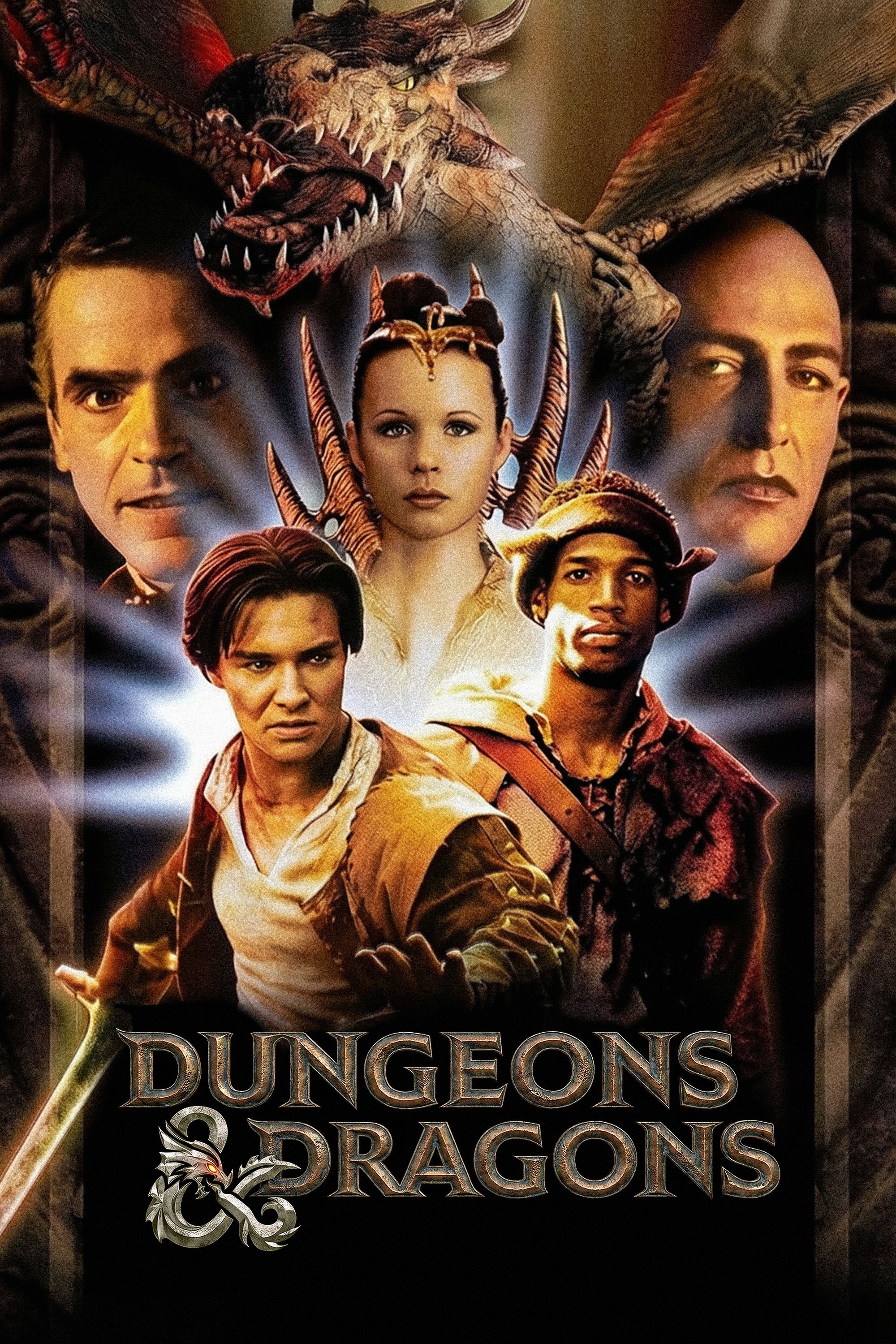
‘Dungeons & Dragons’ attempted to bring the world’s most famous tabletop roleplaying game to the silver screen. The film was criticized for its low quality visual effects and a tone that felt inconsistent with the source material. It failed to launch a successful theatrical franchise despite the massive popularity of the brand. It would take over twenty years for another major studio to attempt a big budget adaptation of the game.
‘Jack the Giant Slayer’ (2013)
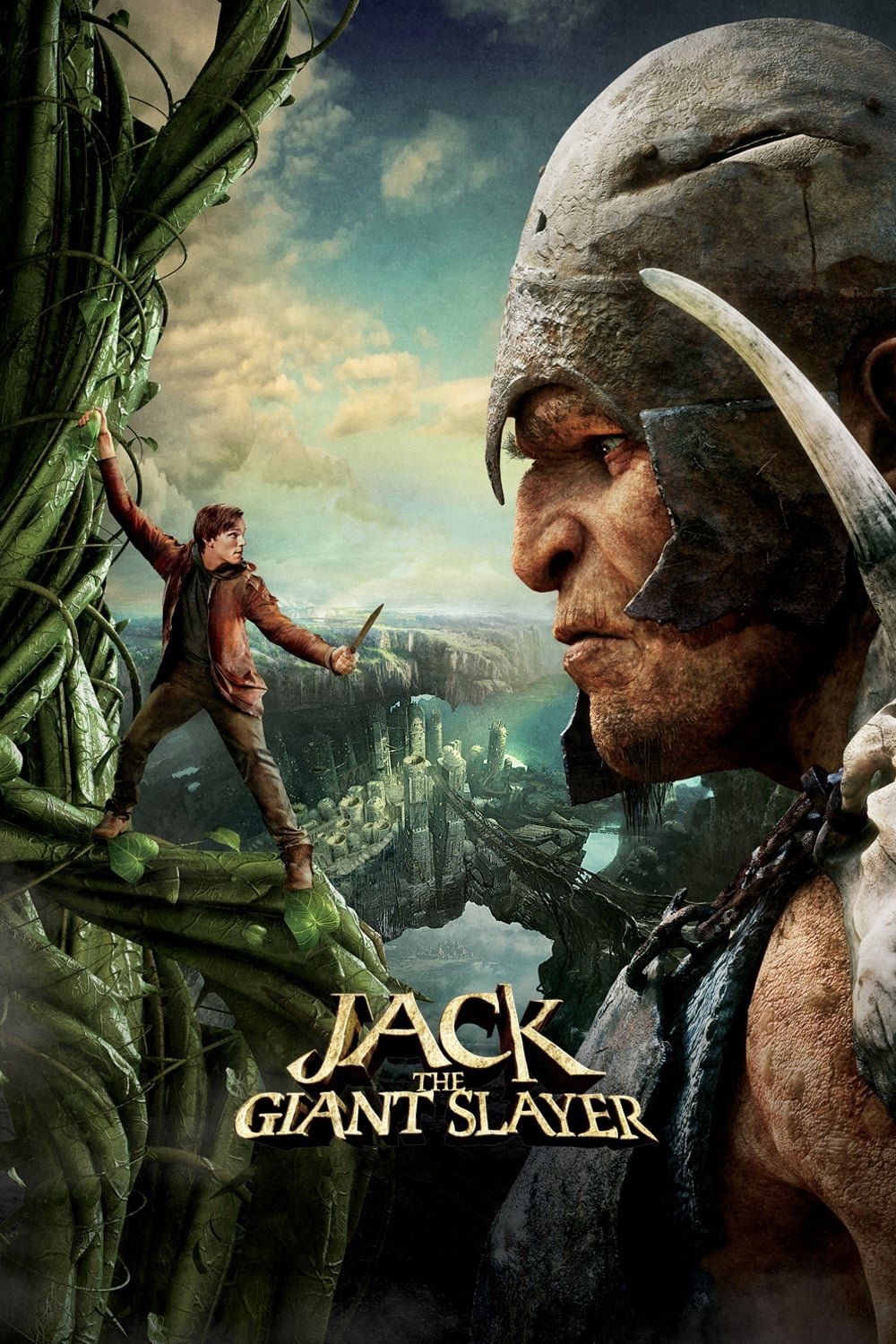
‘Jack the Giant Slayer’ offered a massive reimagining of the classic fairy tale ‘Jack and the Beanstalk’. The film had a high production budget and featured an ensemble cast including Nicholas Hoult and Ewan McGregor. It struggled at the box office and failed to recoup its significant costs for Warner Bros. The movie was intended to lead into a larger world of fairy tale adaptations but those plans were dropped.
‘Inkheart’ (2008)
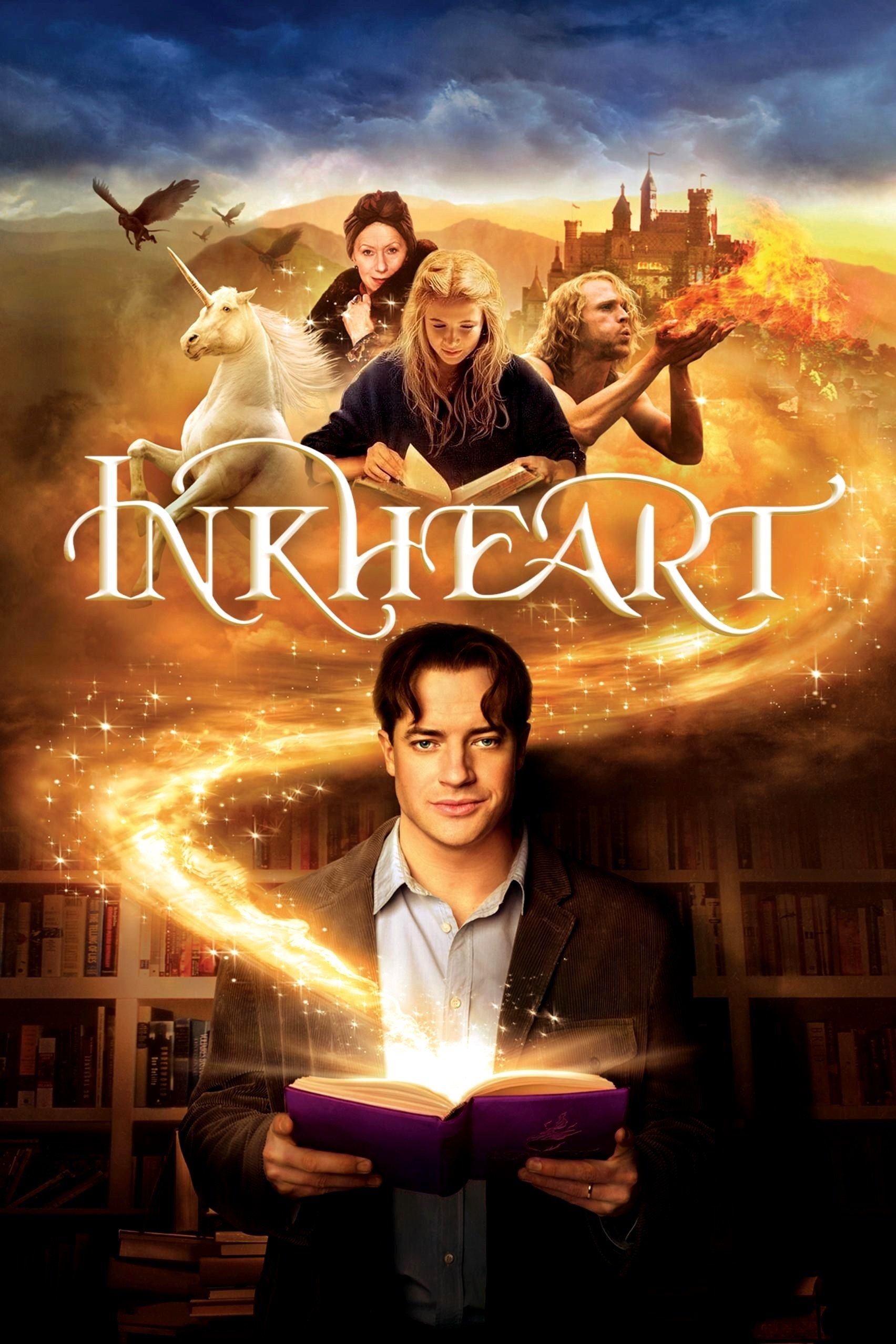
‘Inkheart’ told the story of a girl whose father had the ability to bring characters from books to life by reading aloud. The film was based on the first novel of a trilogy written by Cornelia Funke. It received a lukewarm reception and did not earn enough to justify filming the remaining two books. The production company chose to stop after the first installment.
‘The Legend of Hercules’ (2014)
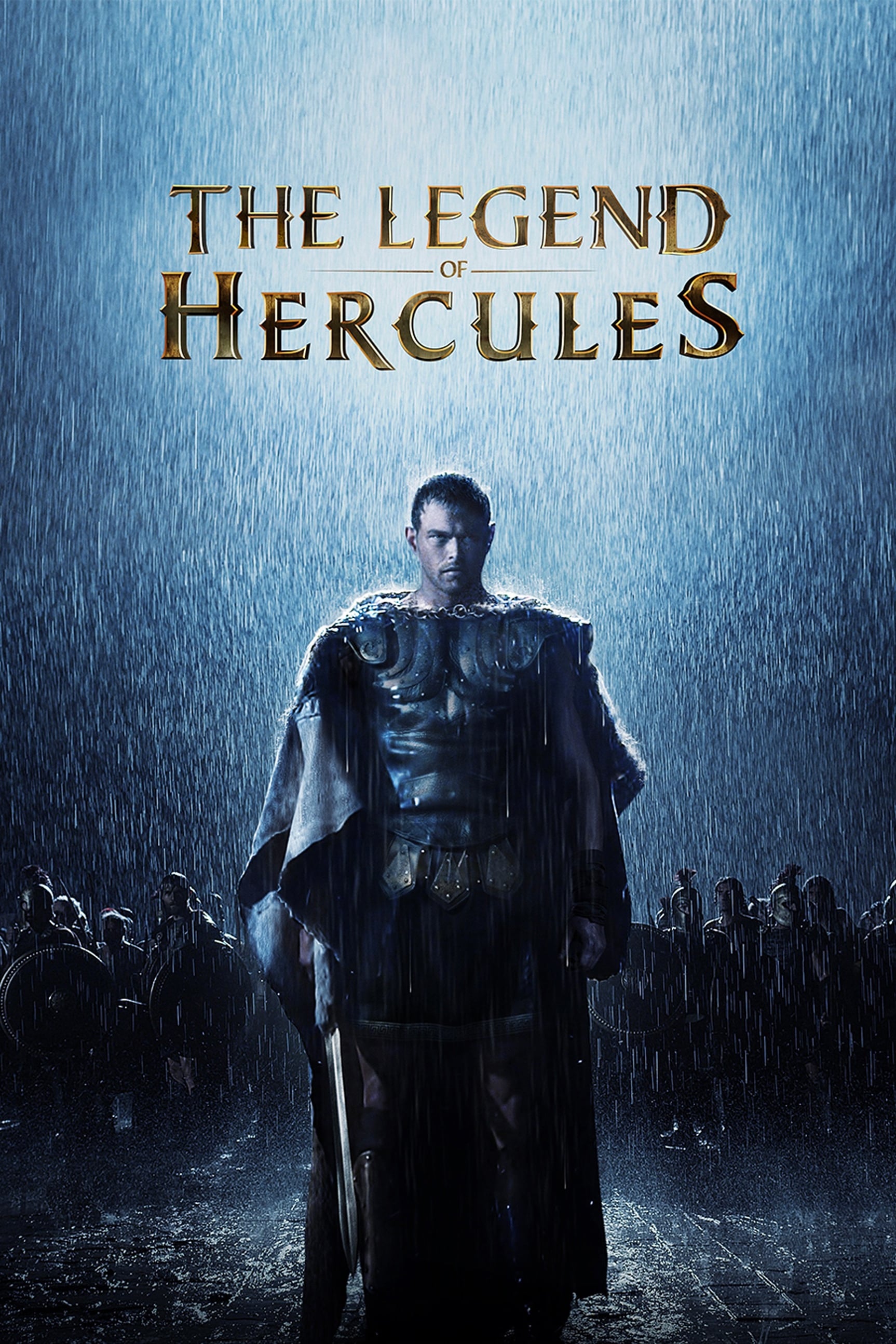
‘The Legend of Hercules’ was one of two films about the mythical hero released in the same year. It was intended to be an action packed origin story that would lead to further installments. The movie was heavily criticized for its poor visual effects and weak script. It failed to perform at the box office and the planned sequels were never made.
‘The Kid Who Would Be King’ (2019)
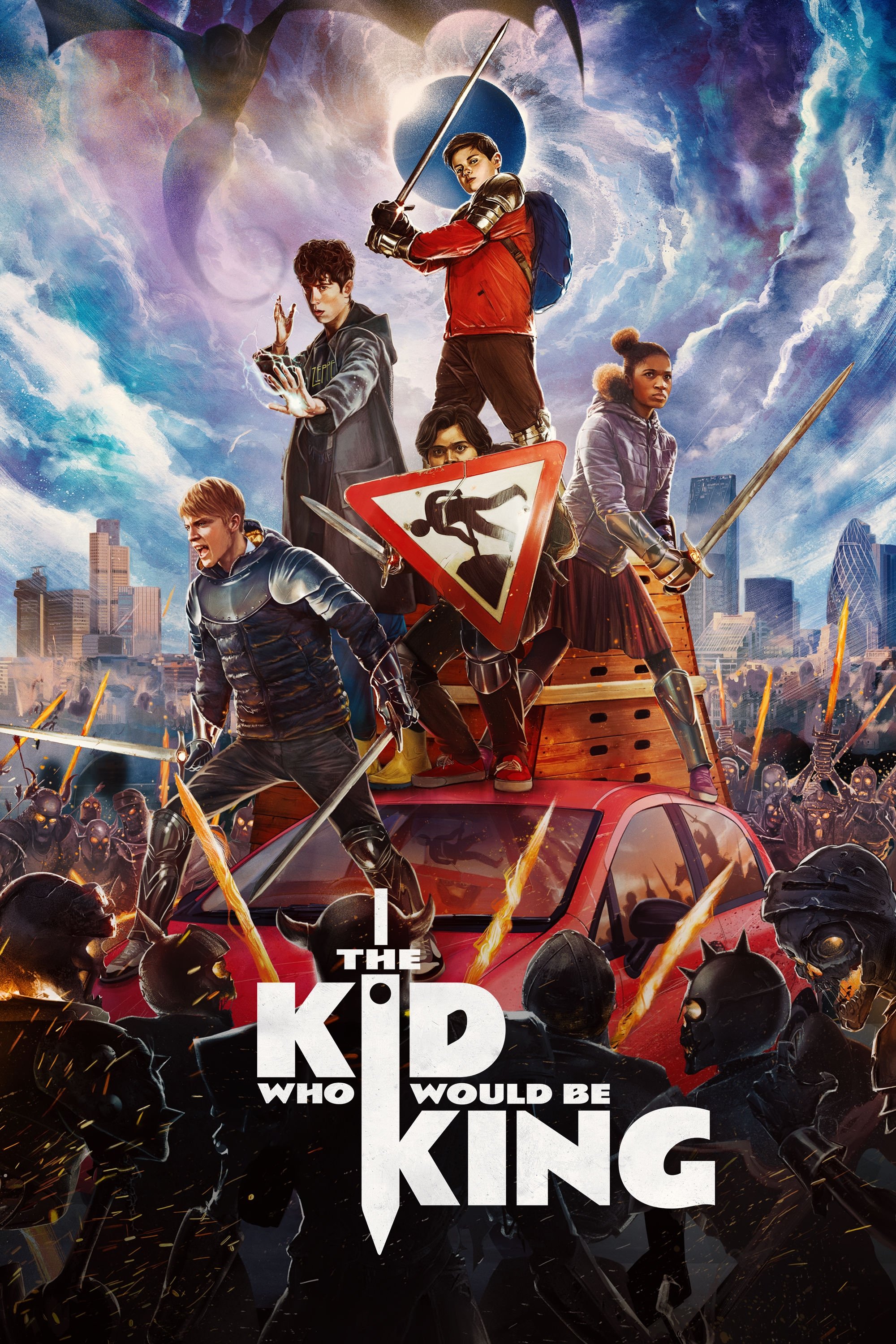
‘The Kid Who Would Be King’ followed a group of modern schoolchildren who discover the sword Excalibur and must stop a medieval enchantress. The film received positive reviews for its charm and creative take on Arthurian legend. Unfortunately it was a significant commercial failure and lost the studio a considerable amount of money. The poor financial outcome prevented any further adventures for the young cast.
‘The Last Witch Hunter’ (2015)

‘The Last Witch Hunter’ starred Vin Diesel as an immortal warrior who has spent centuries hunting witches. The film was an original concept that the studio hoped would turn into a new action fantasy franchise. It received poor reviews and failed to perform well in the United States. While Vin Diesel has occasionally mentioned a potential sequel no official progress has been made in years.
‘R.I.P.D.’ (2013)
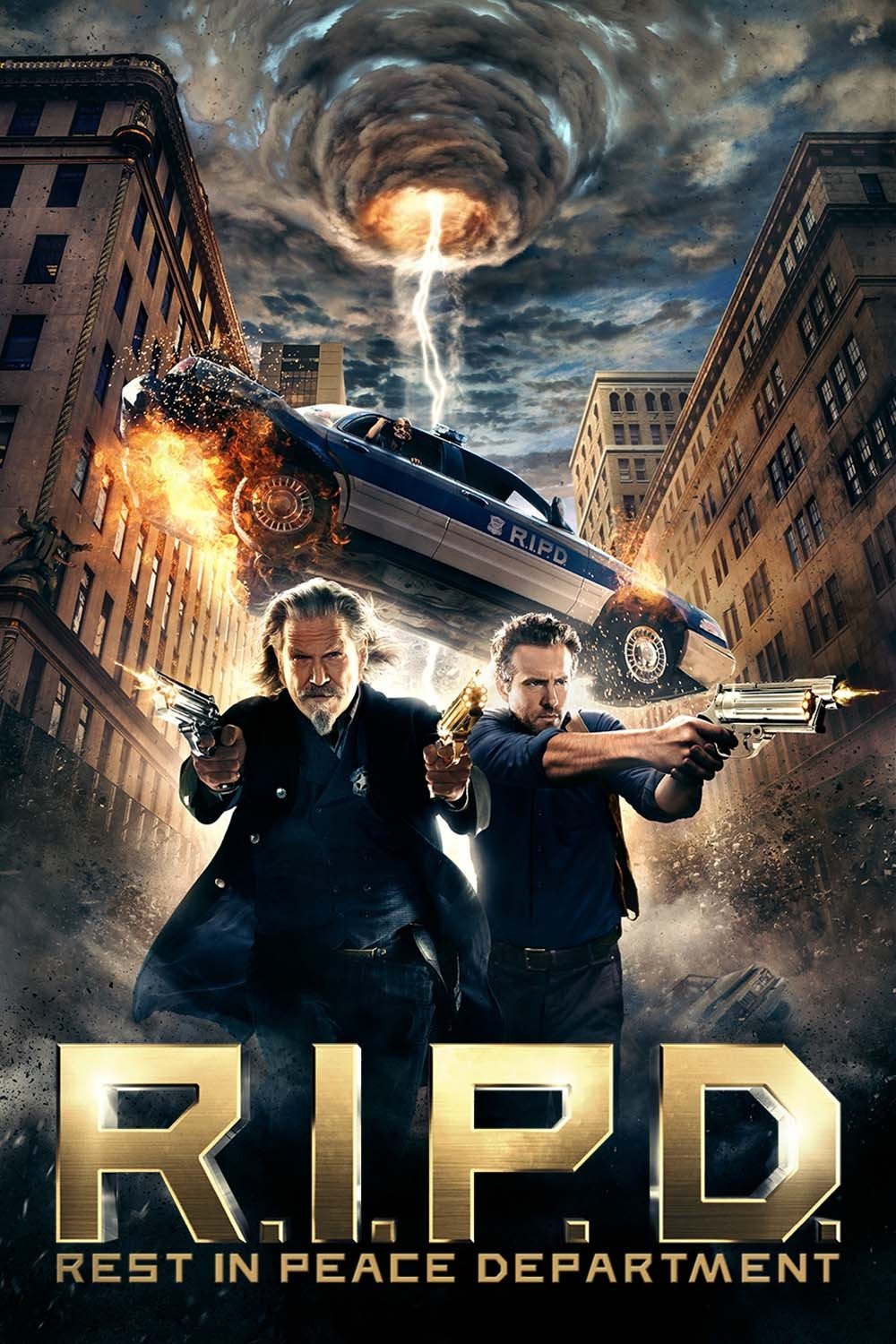
‘R.I.P.D.’ featured two undead police officers who work for the Rest In Peace Department to protect the living world. The film was based on a comic book and was intended to be a major summer blockbuster. It was a massive failure at the box office and received scathing reviews from critics. Universal Pictures abandoned the property until a direct to video prequel was released many years later.
‘Van Helsing’ (2004)
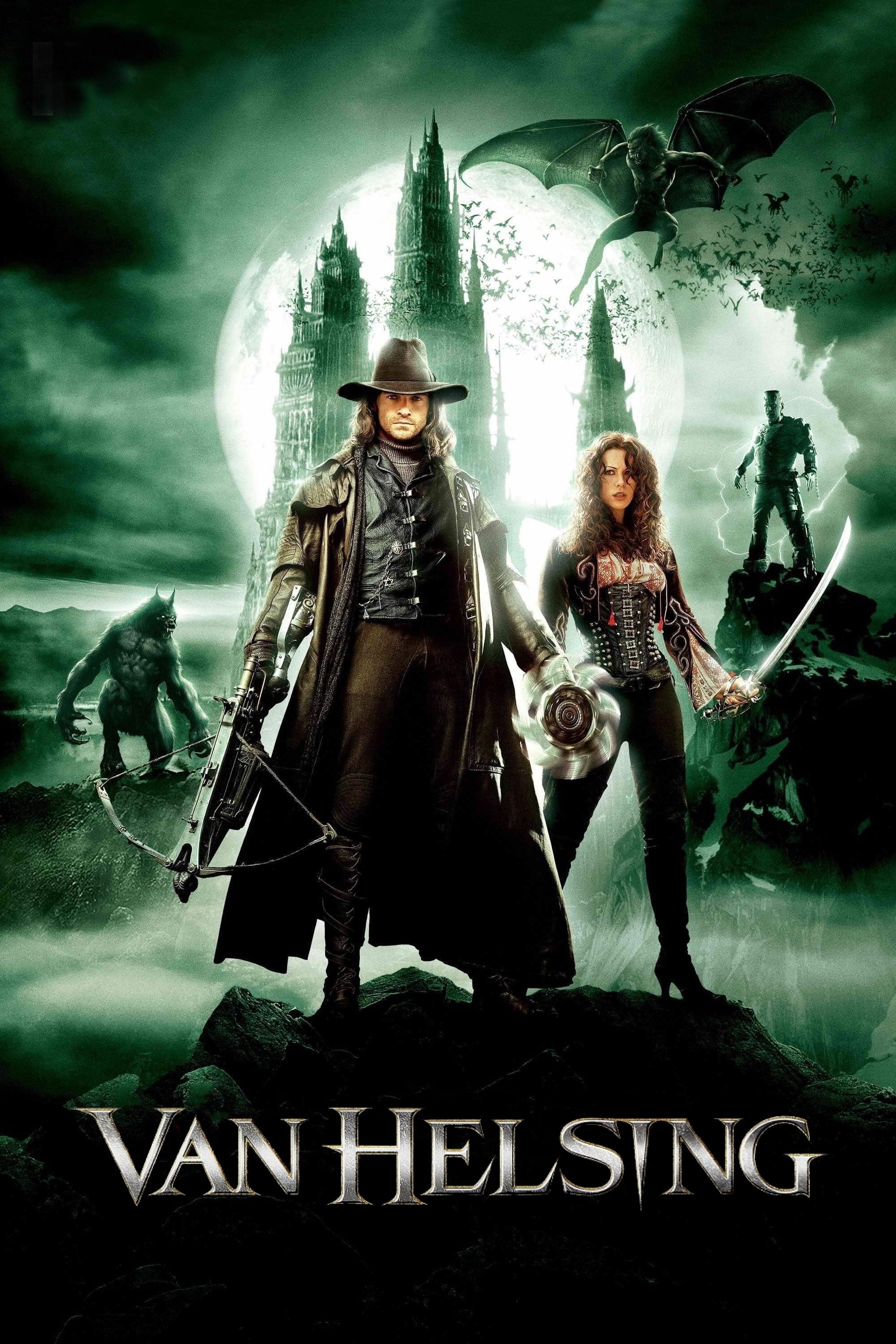
‘Van Helsing’ featured the famous monster hunter battling Dracula and the Wolfman and Frankenstein’s monster. The story followed the legendary hunter as he encountered several iconic cinematic monsters in a single adventure. Universal Pictures envisioned the film as the start of a massive franchise that would include a television spinoff. While the movie was not a total box office failure it was critically panned and did not meet commercial targets.
Share your thoughts on these failed fantasy franchises in the comments.