

Farming Sims You Can Sink 100 Hours Into

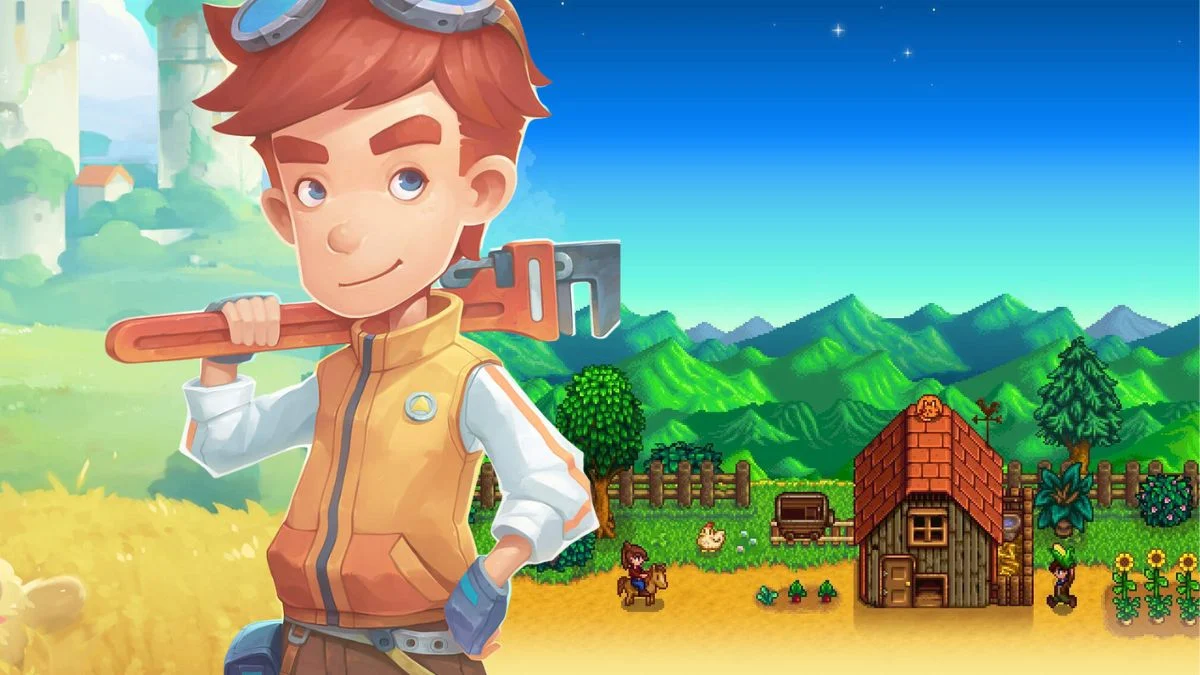


Farming sims are perfect for players who enjoy steady progress, daily routines, and watching a quiet piece of land turn into something impressive over time. Many of these games mix crops, animals, and crafting with town life, exploration, and even combat, so there is always another task waiting when the sun comes up. Some focus on realistic machinery, while others lean into fantasy or cozy life sim elements, but they all reward patience and planning. With long upgrade paths, multiple in game years, and plenty of side activities, these farming sims can easily keep you busy well past the hundred hour mark.
‘Stardew Valley’
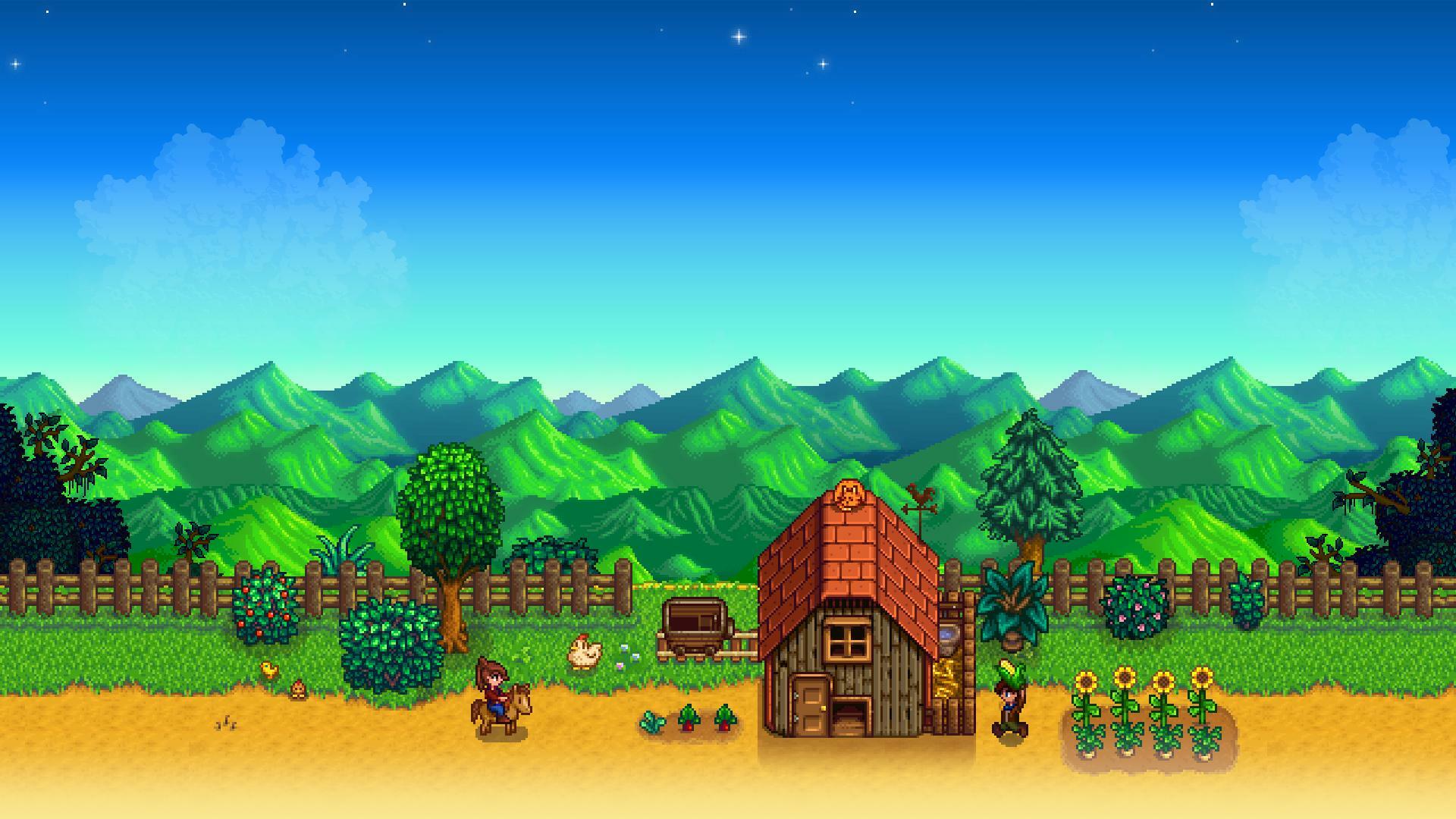
In ‘Stardew Valley’ you inherit a run down farm on the edge of a small town and slowly rebuild it through crops, animals, and artisan goods. You manage seasonal planting, sprinkler layouts, barns, coops, and a greenhouse that allows year round harvests. The nearby mines provide ore and monster drops that feed into tool upgrades and crafting stations. A large cast of villagers with heart events, festivals across the calendar, and optional multiplayer all add long term goals alongside your expanding fields.
‘Story of Seasons: Friends of Mineral Town’
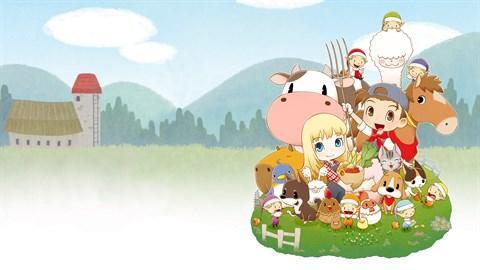
‘Story of Seasons: Friends of Mineral Town’ places you in a compact rural town where every day revolves around watering crops, caring for livestock, and checking the bulletin board for hints about events. Different field layouts and tool upgrades let you push your farm from simple rows of vegetables to high yield production focused on quality. Cows, sheep, chickens, and special animals offer more income streams as you unlock makers and additional buildings. Long running relationships with the townsfolk, including marriage and home expansion, give structure to many years of play.
‘Farming Simulator 22’
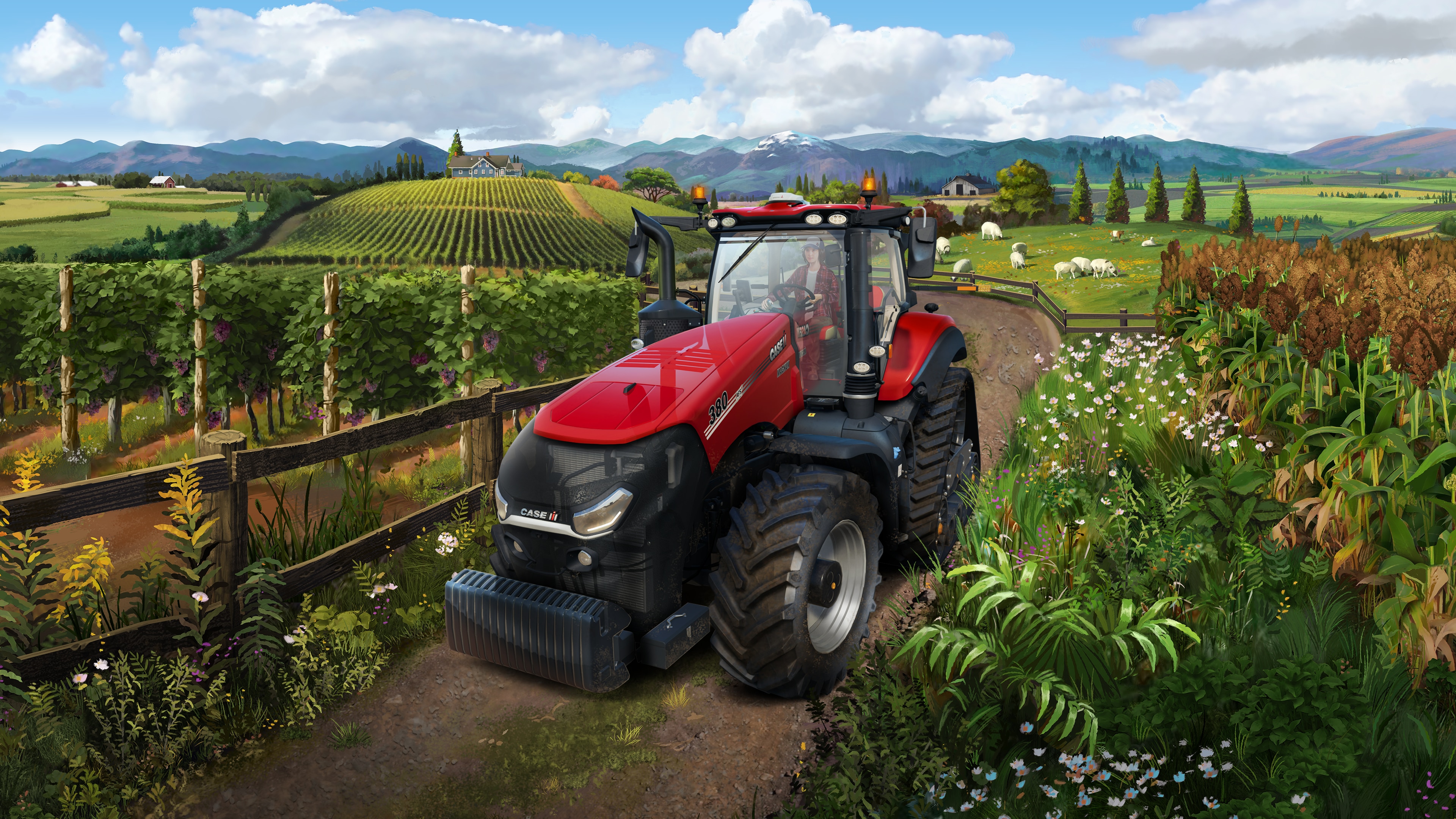
In ‘Farming Simulator 22’ you run a large scale agricultural business with realistic tractors, harvesters, and specialized equipment. You prepare fields, choose crop types, and manage seasonal cycles that affect planting and harvest windows. The game includes production chains so harvests can be processed into goods like flour and cheese, which you then sell for higher profit. Multiple huge maps, vehicle collections, and optional online farming sessions provide enough variety to keep a single save active for a very long time.
‘Rune Factory 4 Special’
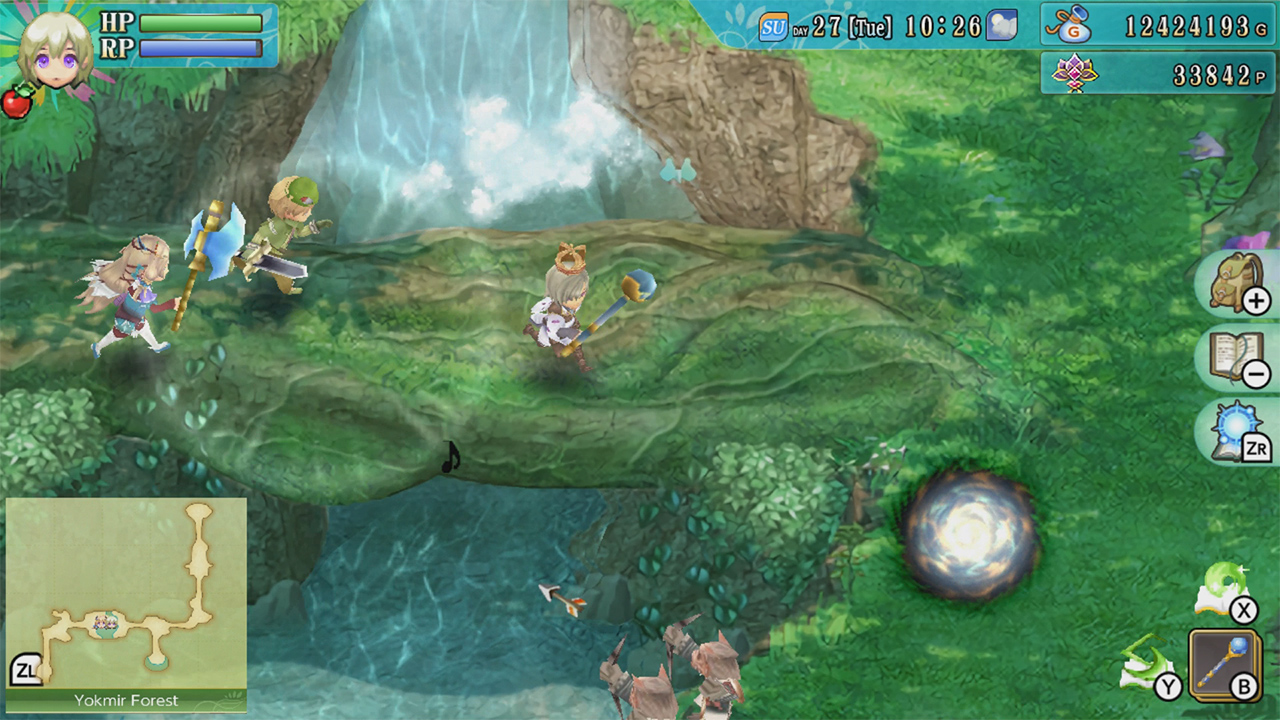
‘Rune Factory 4 Special’ combines a farm outside your fantasy home with nearby dungeons full of materials and monsters. You grow crops in multiple seasonal fields and even on special plots that change how plants develop. Tamed creatures can work your land, produce items like milk and wool, or fight with you in combat zones. A long story, post game content, and many crafting and cooking recipes make it easy to spend countless in game days balancing fieldwork and adventuring.
‘Coral Island’
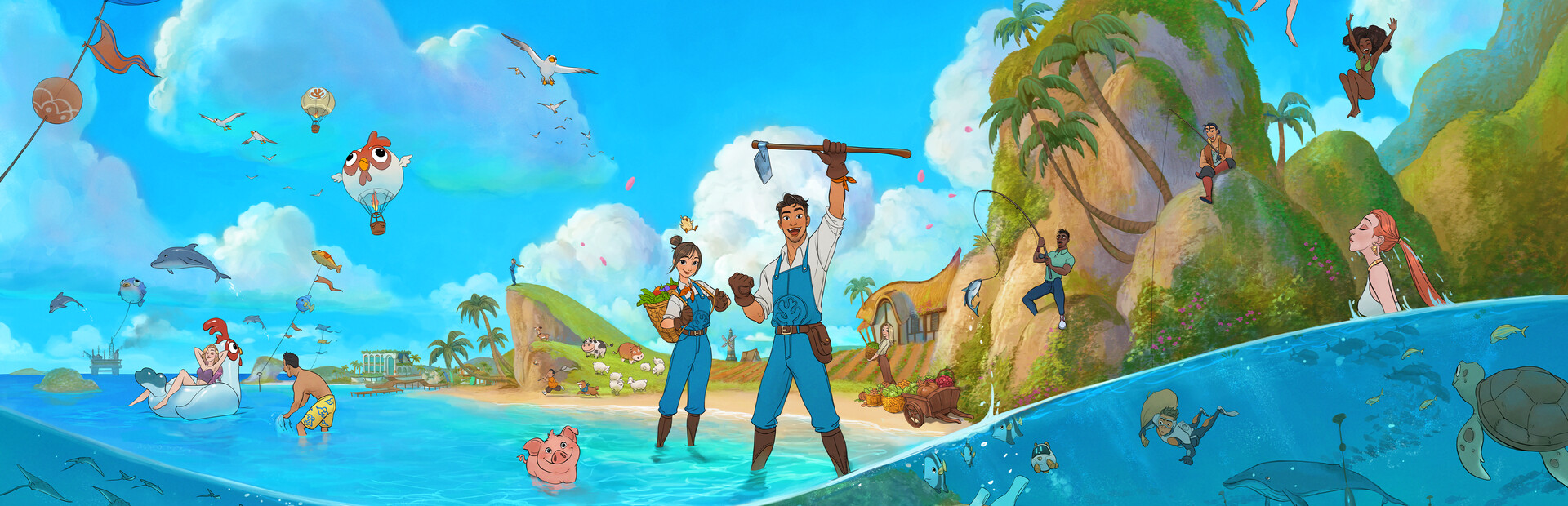
‘Coral Island’ shifts farming to a tropical setting where you manage paddies, orchards, and animal barns near a beach town. You can dive below the surface to clean up the ocean floor, restore coral, and recover resources that help local projects. Town development, museum donations, and community quests all tie back into the produce and materials that leave your farm. With many villagers, romance options, and unlockable farm upgrades, the island supports a long term playstyle with multiple parallel projects.
‘Fae Farm’
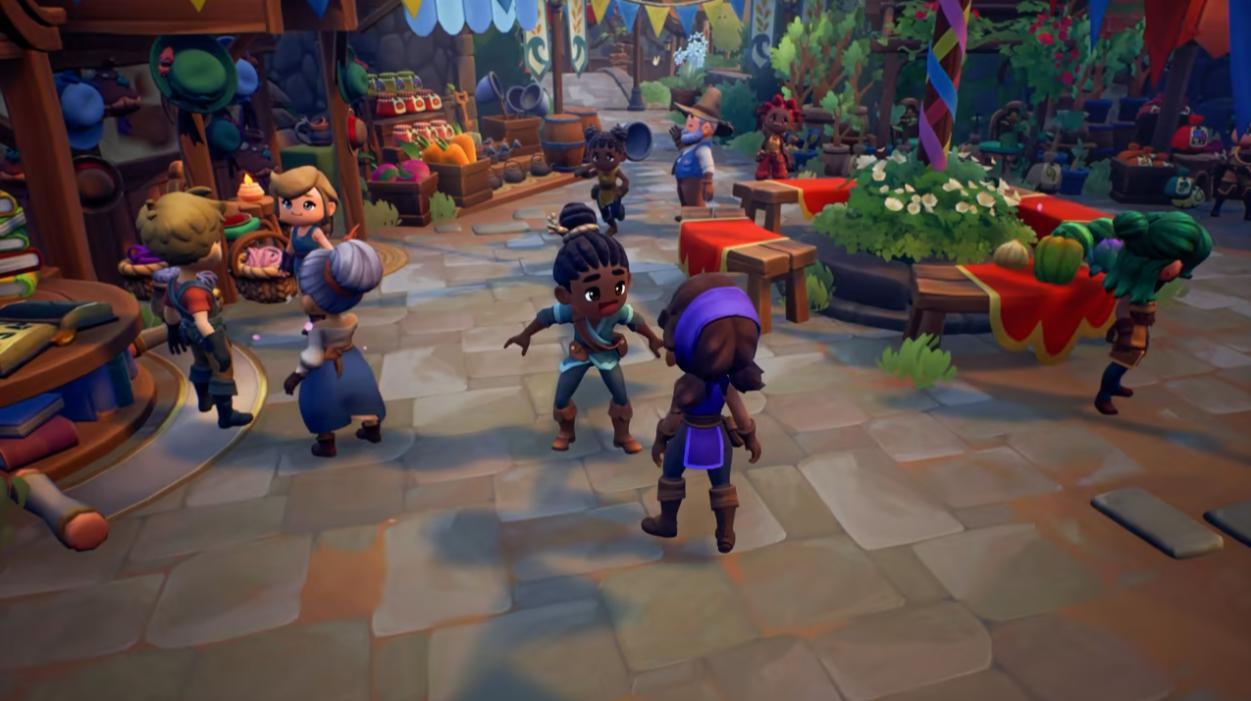
In ‘Fae Farm’ you run a homestead in a magical world filled with creatures, dungeons, and portals. Crops and animals share space with enchanted plants and crafting stations that refine gathered materials into useful items. Your character improves through both farm work and exploration, and many tools use magic powered upgrades. The game supports cooperative play so several players can maintain fields, clear dungeons, and decorate the homestead together over many sessions.
‘Disney Dreamlight Valley’
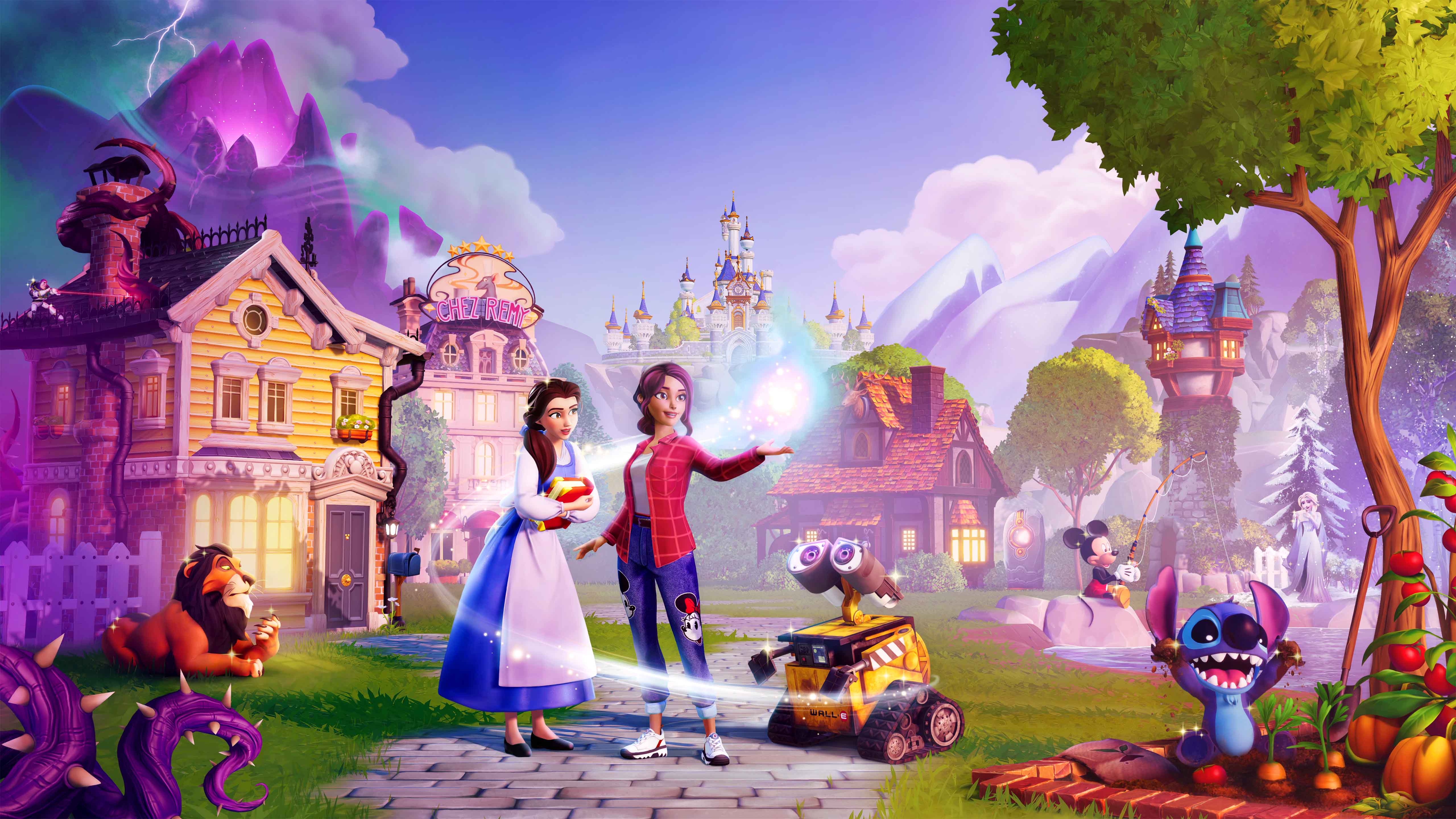
‘Disney Dreamlight Valley’ connects farming directly to a village full of Disney and Pixar characters who request specific crops and cooked meals. You can set up large fields around your house or near biome entrances so travel time stays low while gathering produce. Harvests become ingredients for recipes, quest items, and gifts that increase character friendship levels. As you progress, more areas open up, bringing new seeds, fruit trees, and design options that encourage ongoing adjustments to your layout.
‘Sun Haven’
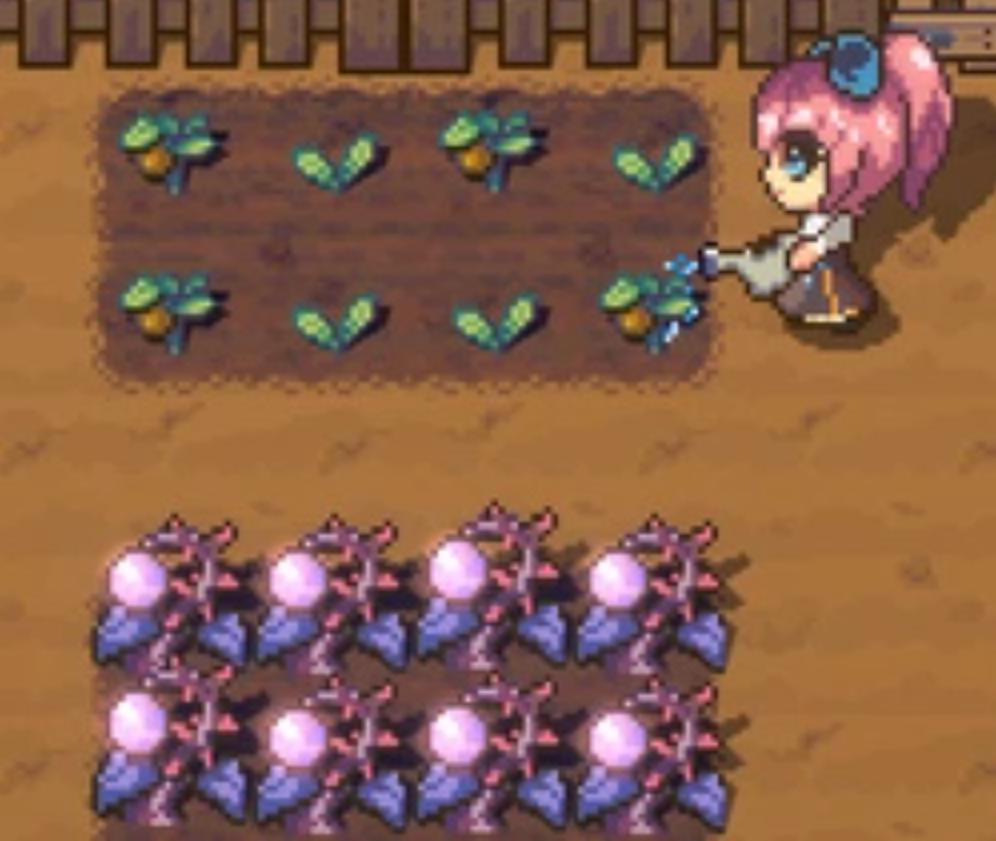
‘Sun Haven’ features a farm on the edge of a fantasy town with additional regions themed around magic and monsters. You grow crops that can influence your character build, raise animals, and place many types of machines to process harvested goods. Skill trees for farming, mining, combat, and fishing create long term specialization paths. Multiple romance options, story quests, and online multiplayer all contribute to a save file that can evolve for dozens of in game years.
‘My Time at Portia’
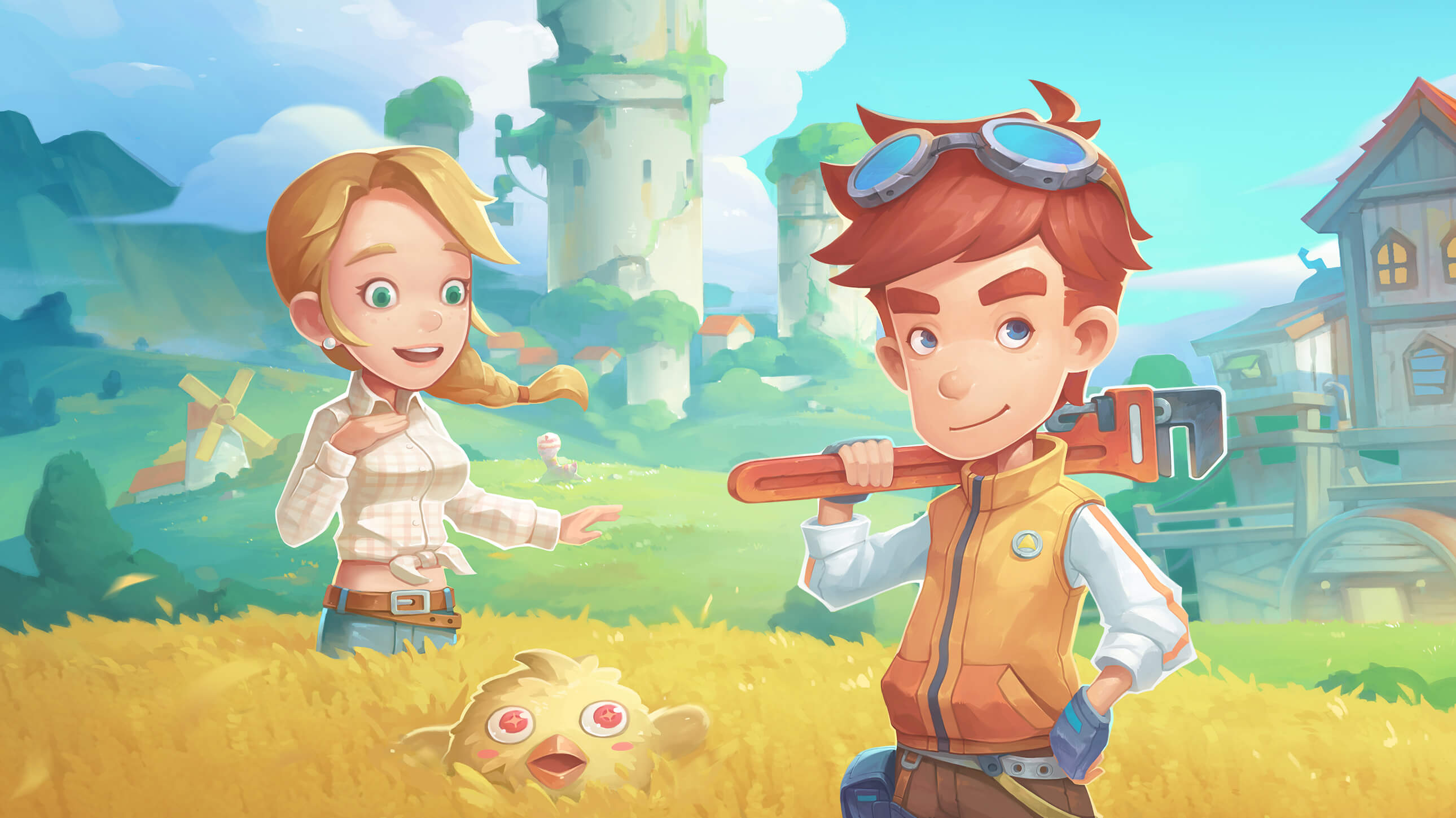
In ‘My Time at Portia’ your main role is running a workshop, but farming plays an important supporting part. You can set up planter boxes and animal pens around your property to supply ingredients and materials for commissions. Large building projects for bridges, transport, and city upgrades consume resources from mining, combat, and agriculture. As you improve machines, unlock new areas, and deepen relationships with townspeople, your homestead turns into a complex mix of factory and small farm.
‘My Time at Sandrock’

‘My Time at Sandrock’ takes the same workshop and farm formula into a desert frontier town where water is a limited resource. You must carefully plan irrigated fields, dew collectors, and planting schedules to keep crops alive. Animal pens, processing stations, and assembly machines all compete for the same limited space on your land. Long story arcs, commissions from local residents, and expanding ruins to explore give ongoing reasons to refine your setup and try new builds.
‘Sakuna: Of Rice and Ruin’
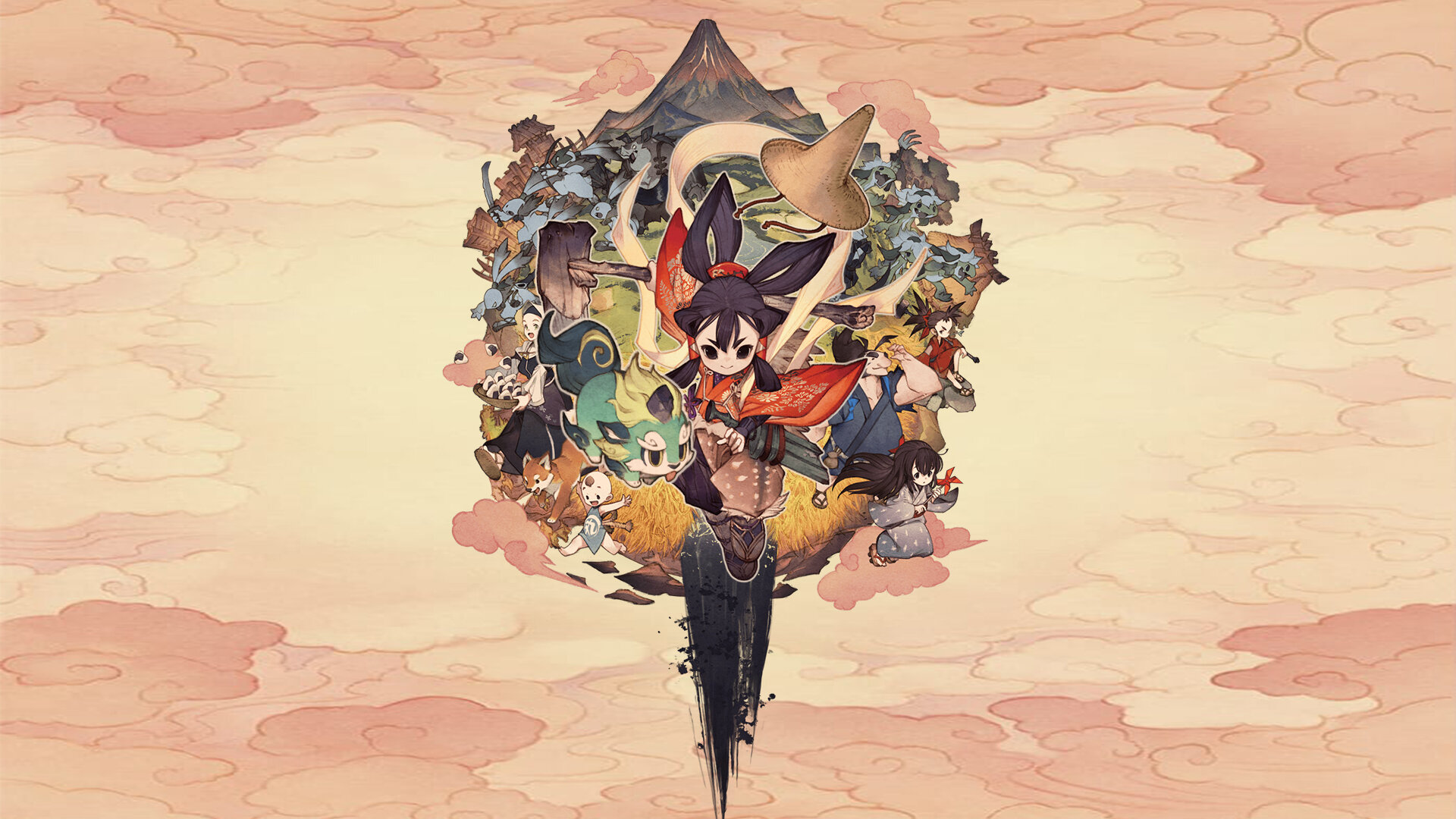
In ‘Sakuna: Of Rice and Ruin’ the entire power of your character comes from the quality of rice you grow each year. You till the paddy, control water level, choose fertilizer mixtures, and manage pests, with every step affecting the eventual harvest. That harvest then raises character stats, which determines how easily you handle new combat stages. The detailed rice cycle encourages experimentation over many seasons as you chase ideal yields and better performance in battle.
‘Doraemon Story of Seasons’
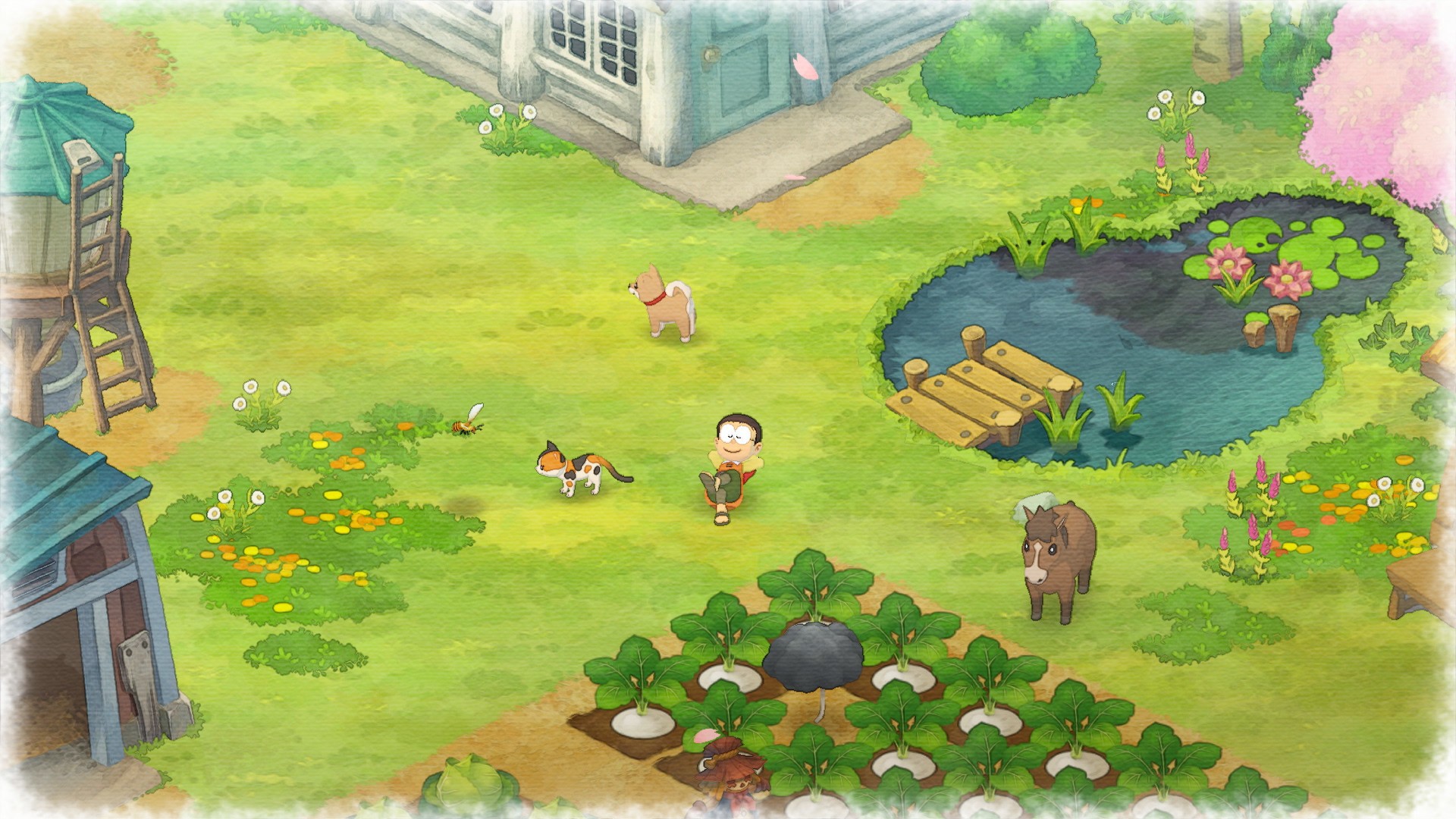
‘Doraemon Story of Seasons’ blends the familiar farming style of the series with characters and gadgets from the ‘Doraemon’ universe. You raise crops, cattle, and chickens around a peaceful town while also using special tools to speed up tasks or reach hidden areas. Seasonal festivals, museum collections, and requests from villagers give you reasons to diversify what you grow. The mix of story chapters and free time makes it simple to stretch the experience across a long string of in game years.
‘Garden Paws’
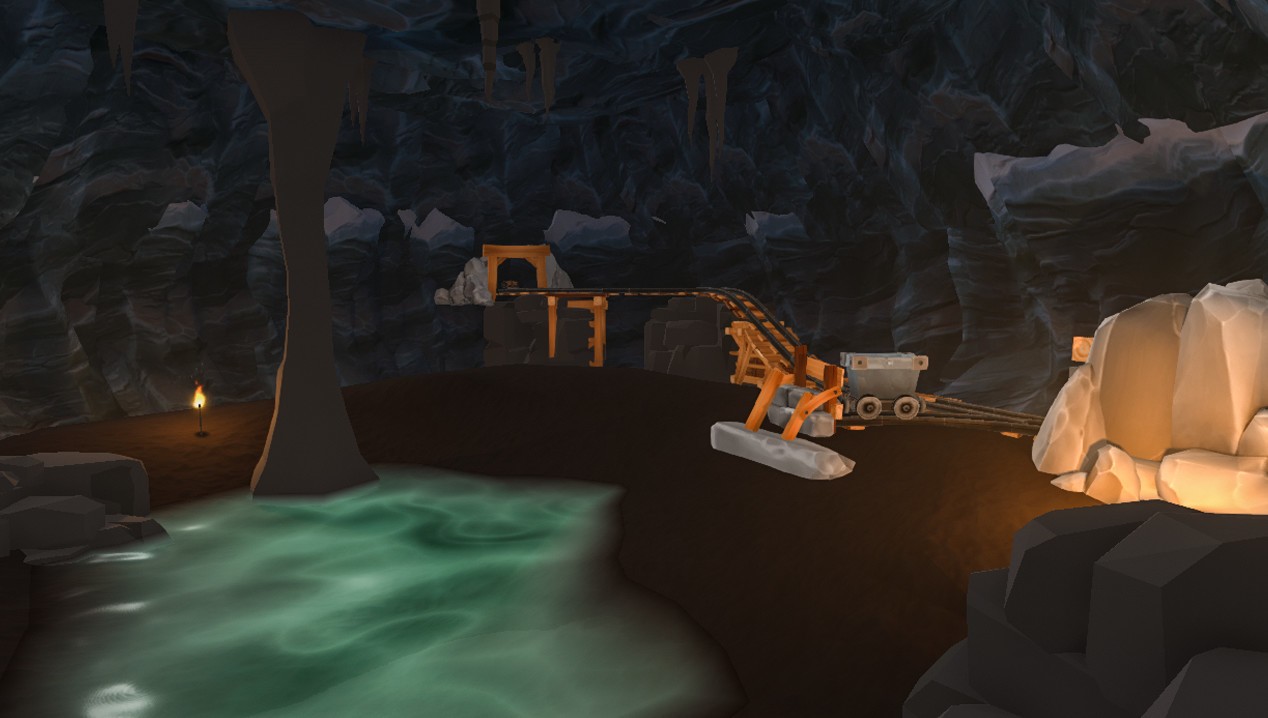
‘Garden Paws’ combines a small farm with a shop that sells whatever you grow and craft. Each day you harvest crops, care for animals, and then arrange items on shelves to sell to visiting customers. Currency from the shop funds expansions for your home, farm buildings, and even new parts of the island. With many animals, seeds, and cosmetic options, the game naturally encourages long save files focused on both efficient farming and creative decoration.
‘No Place Like Home’
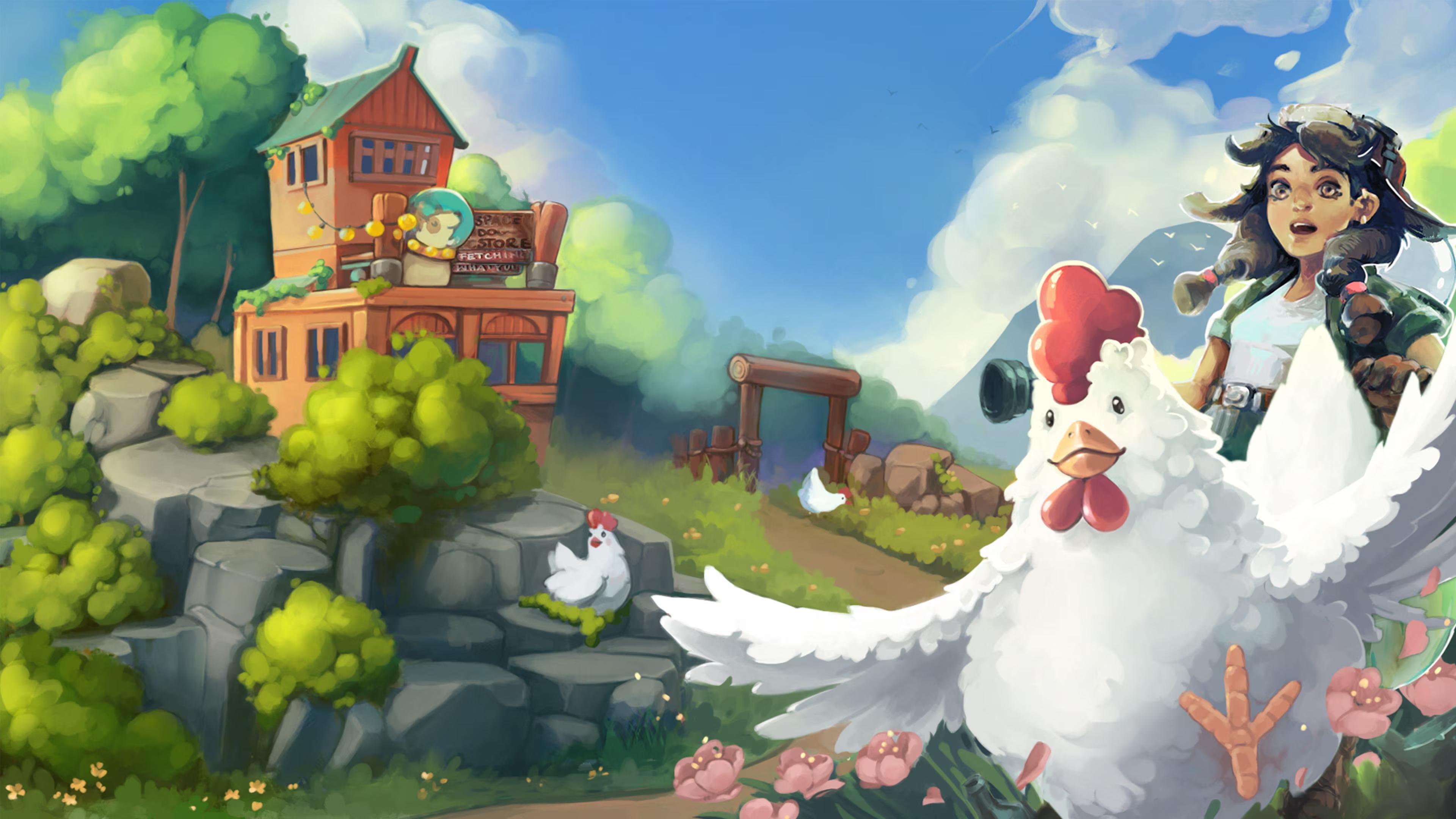
‘No Place Like Home’ starts you on a farm buried in trash and asks you to clean and restore both the homestead and surrounding zones. You vacuum debris, recycle it into building materials, and clear space for crops and animal pens. Machines automate watering, processing, and storage as you unlock more advanced technology. Multiple regions, each with its own puzzles and secrets, link back to your central farm as a source of supplies and crafted goods.
‘Graveyard Keeper’
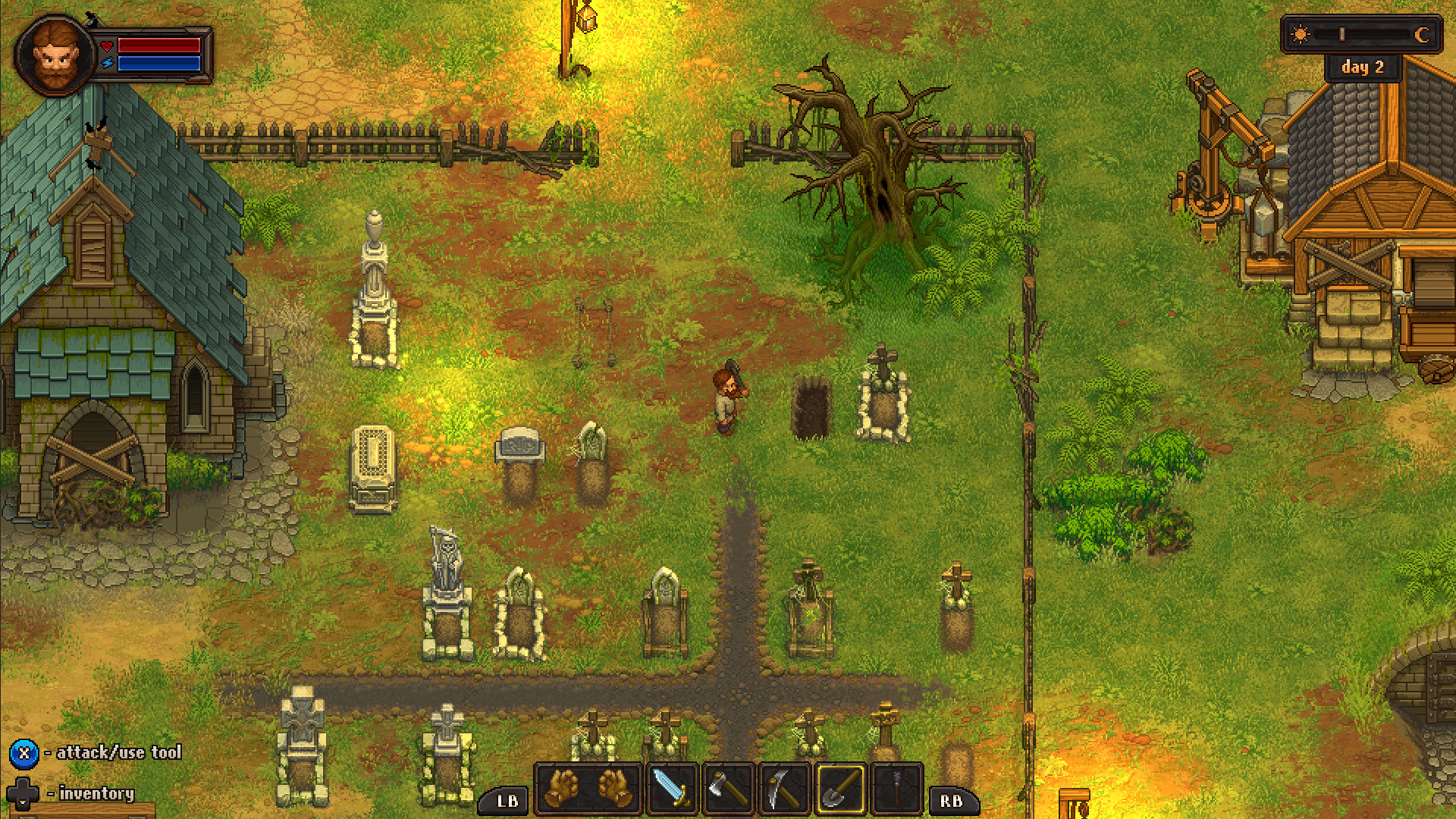
‘Graveyard Keeper’ pairs a graveyard and nearby church with farm plots and production lines that feed a medieval economy. You tend vegetable fields, orchards, and vineyards alongside your main work improving burial plots and crafting items. Multiple technology trees unlock new tools, machines, and recipes that rely on a steady flow of agricultural goods and resources. Additional areas and storylines give you incentives to optimize every part of your land over a very long stretch of play.
‘Slime Rancher’

In ‘Slime Rancher’ your ranch is a network of corrals, gardens, and gadget spots where you manage bouncing slimes and their favorite foods. You plant crops and fruit trees to keep different slime species fed, which in turn produces plorts that act as your main income. Upgrades expand storage, movement, and ranch expansion so you can support more complex combinations. Exploration zones hide new slimes and secrets, which then push you to rearrange your farm layout to handle fresh discoveries.
‘Slime Rancher 2’
‘Slime Rancher 2’ moves the same concept to a new location with fresh biomes and slime types. Your ranch becomes a modular base where you place plots for plants, corrals, and research equipment. As you unlock more gadgets and expansions, you can create efficient loops that route resources from the field back to automated production. Collecting every slime variety and building out every section of the base naturally stretches the game into a very long term project.
‘Farm Together’
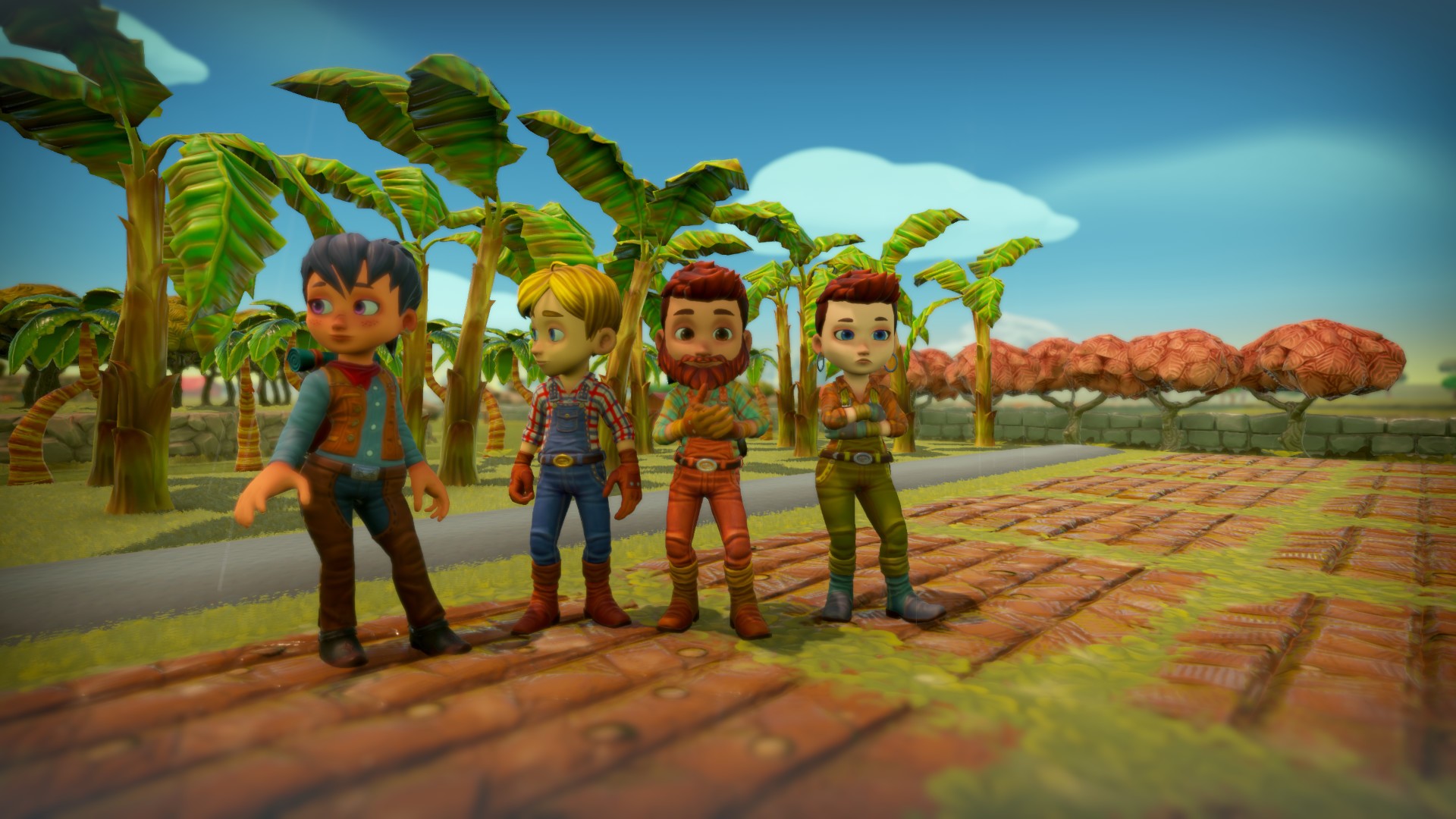
In ‘Farm Together’ you manage a farm that continues to grow even when you are not in the game, thanks to real time timers for crops and animals. You can open your farm to friends or the public so other players can help water, harvest, and plant. Leveling up unlocks new crops, trees, animals, and decorative items, and you can buy additional plots of land to expand in every direction. The ability to run multiple themed farms and keep customizing them makes it easy to invest many hours into planning and upgrading.
If you have a farming sim that has kept you hooked for countless in game days, share your favorites and your most memorable farms in the comments.