‘Fauda’ Season 5 Recap and Ending Explained: How Doron’s Hunt for Saeed Finally Comes to a Close


‘Fauda’ has returned with a fifth season that feels markedly different from the show’s earlier chapters, trading pure action tension for something heavier and more reflective. Netflix released the new season with eleven episodes showing the fighters returning to action two years after October 7, and that time jump colors nearly every decision the characters make.
The season centers on a familiar structure, a hunt for a dangerous target, but the emotional stakes feel rawer than in past runs. Season 5 picks up roughly two years after the events of October 7, and the fallout from that day has completely reshaped who these characters are and how they operate, setting the tone for everything that follows.
‘Fauda’ Season 5 Recap, What Doron and the Team Were Up Against
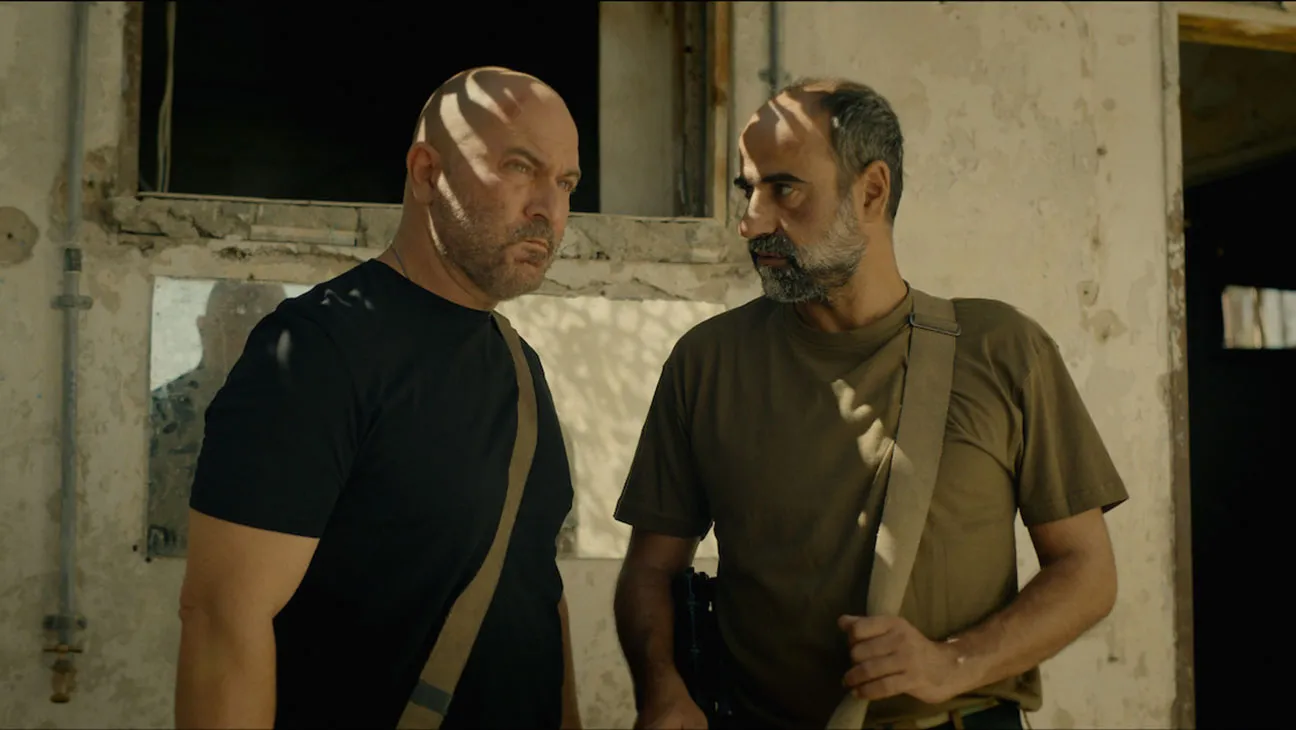
The cast includes Lior Raz as Doron Kavillio, Mélanie Laurent as Anne, Doron Ben-David as Hertzel Steve Pinto, Hakim Djaziri as Saeed, and Yaakov Zada Daniel as Eli. Saeed is the man Doron and his team spend the season trying to stop, and much of the plot unfolds around uncovering exactly what he is planning.
Saeed makes a plan to attack Israel, and at first, everyone believes the Western Wall is his target. The team eventually realizes he is actually planning attacks on military cemeteries during Memorial Day, a twist that reframes the entire back half of the season and forces Doron’s unit to scramble before the attack can happen.
The series follows Eli, a retired counter-intelligence operative who travels to Marseille in search of the man supposedly responsible for killing his wife and stepchildren during the October 7 attacks, giving the season a deeply personal throughline alongside the broader counterterrorism plot. The show includes two episodes depicting scenes from October 7 that are optional to watch and carry a trigger warning, a choice that underscores how directly this season engages with real world tragedy.
Anne’s arc runs parallel to Doron’s mission and adds another layer of moral complexity. Viewers see Anne dealing with the loss of her husband Maher, and she initially decides to pursue revenge, but she ultimately chooses to help Doron after realizing she does not want innocent people caught in the crossfire.
‘Fauda’ Season 5 Ending Explained, What Happens to Saeed
Doron eventually catches up with Saeed and kills him, bringing the season’s main hunt to a close. Doron shoots Saeed dead, avenging the deaths of Eli, his family, and the other victims of the October 7 attacks, an act described in the show’s own framing as “tha’r,” the Arabic and Hebrew term for blood revenge.
What separates this finale from previous seasons is where the story chooses to linger afterward. The final scenes focus less on Saeed’s death than on Eli’s loss and the cycle of revenge that has consumed nearly everyone in the story. Rather than closing on the kill itself, the show pulls back to examine what that violence actually costs the people carrying it out.
The last sequence moves away from the action and gives Eli the ending that Saeed’s death cannot provide, with Doron taking part in prayers for Eli, including the memorial prayer and Kaddish, as the surviving characters finally have space to mourn him. Doron is shown getting emotional at Eli’s memorial after his death, in one of the more quietly devastating moments of the finale.
Doron’s Memory Gaps and the Emotional Toll on the Team
One of the season’s more unsettling threads involves Doron’s fractured recollection of the day that started everything. He has spent much of Season 5 dealing with memory gaps tied to October 7, unable to account for hours of his own experience that day, and that unresolved trauma has made him a far more unstable presence throughout the unit’s operations.
That instability ripples outward to the rest of the team. By the later stretch of the season, the unit is scattered and exhausted, running on grief rather than adrenaline, and Doron, Steve, and Eli are all shown carrying the psychological weight of what they witnessed and failed to prevent. That toll becomes as central to the storytelling as the mission itself.
Critics have noted a clear shift in how this season handles its subject matter compared to earlier installments. One review described the season as centered less on the traditional conflict narrative and more on people trying to rise from the wreckage, with the fighters no longer positioned as swaggering heroes but as men clinging to each other simply to survive.
Saeed’s Fate and What the Finale Was Trying to Say
The choice to close the season on mourning rather than triumph appears to be intentional on the part of the show’s creators. That directly reflects the question creators Lior Raz and Avi Issacharoff said they wanted Season 5 to ask, whether revenge changes anything or simply keeps the cycle moving.
Notably, the season avoids folding in real world political developments that have unfolded since October 7. Fauda Season 5 does not follow the timeline of the war and does not mention Israel’s actions in Gaza, though it still plays as an intense and engaging watch according to critics who have covered the finale.
The season also had to adapt around a real life setback involving one of its longtime cast members. Sagi Tzur has a much smaller role in Fauda Season 5 because actor Idan Amedi was recovering from serious injuries he suffered while serving as an Israeli military reservist in Gaza in January 2024. Amedi initially told the production he could not return as a regular because he needed to continue his rehabilitation while managing his music career, which forced the writers to abandon the larger storyline they had originally planned for Sagi, though he later agreed to return for a limited guest appearance.
Taken together, the finale leaves ‘Fauda’ in a more contemplative place than fans might expect from a series built on tightly wound action. Saeed’s death closes the season’s central chase, but the show seems far more interested in what that ending fails to resolve for the people left standing. For a series that has always used its violence to ask harder questions, this finale leans into grief as the real destination rather than the kill itself, and it is worth hearing what viewers made of Doron’s choice to end the season in prayer rather than victory.