


Female Actresses Who Publicly Criticized the Modern Diversity Mandates

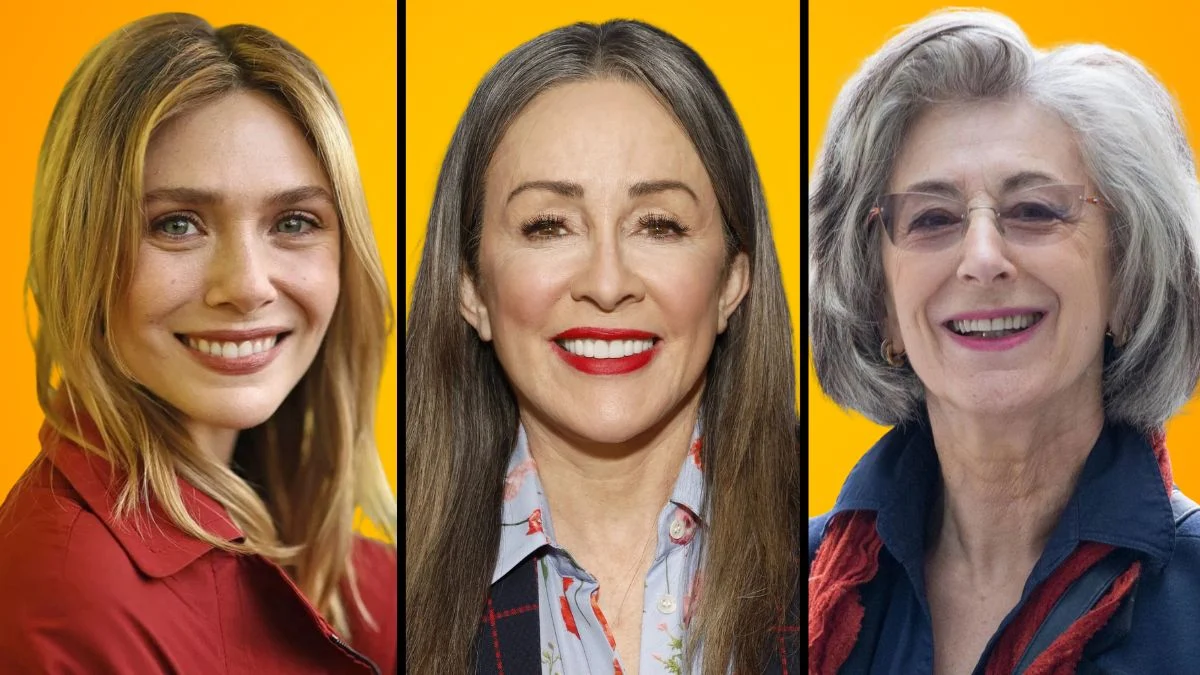


The entertainment industry has undergone a significant transformation with the introduction of modern diversity and inclusion mandates designed to reshape casting and production. While these policies aim to foster greater representation several prominent actresses have publicly voiced concerns about their implementation and impact on the creative arts. These performers often argue that rigid demographic requirements can stifle artistic freedom and transform the craft of acting into a bureaucratic exercise. Their critiques provide a different perspective on the evolving standards of Hollywood and the ongoing debate surrounding identity politics in cinema. This list explores the various actresses who have shared their thoughts on these modern industry mandates.
Cate Blanchett
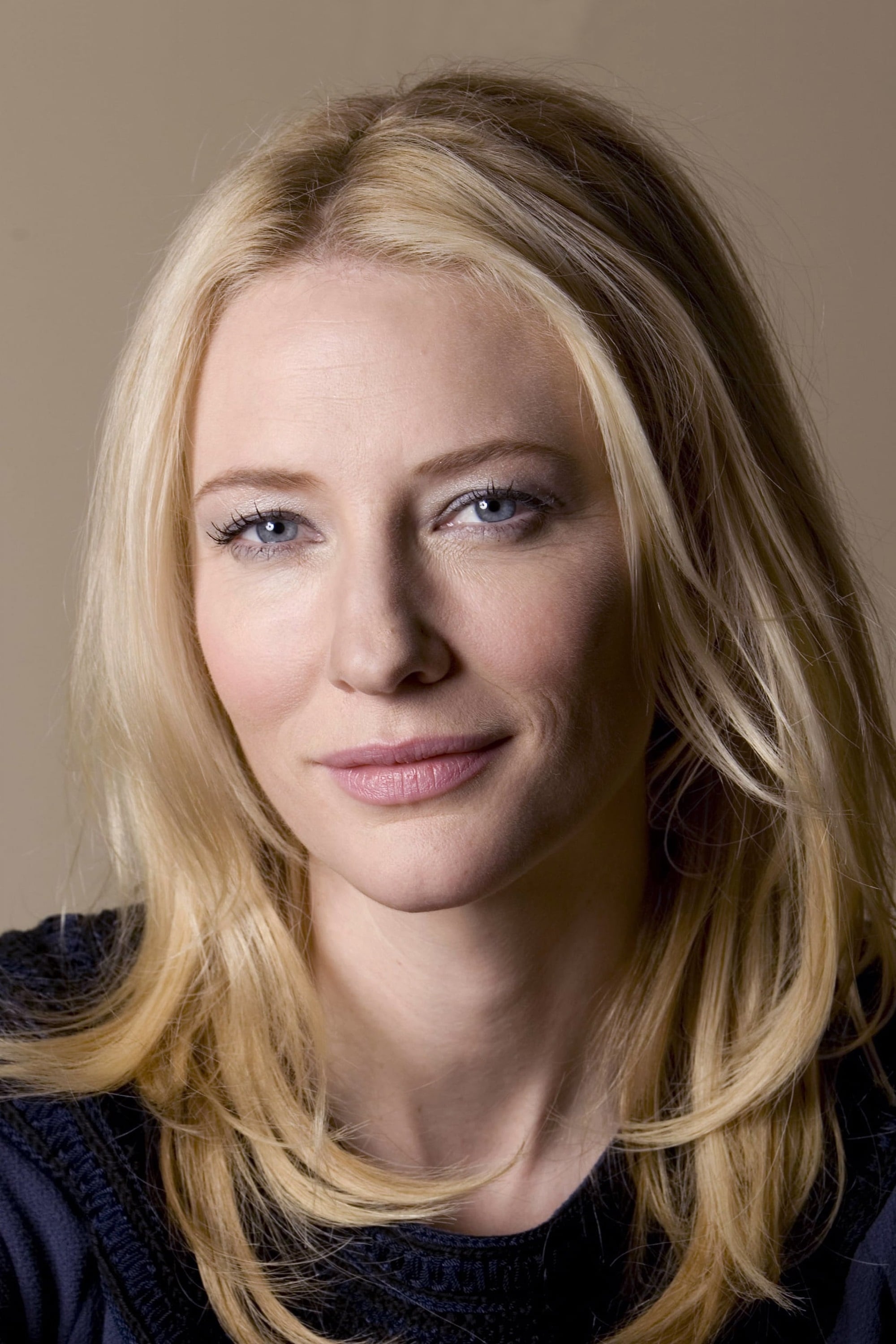
The Australian actress has publicly questioned the current emphasis on identity politics within the film industry. She believes that a performers primary role is to embody characters that are different from themselves. During various press events she argued that restricting roles based on an actors personal background undermines the art of performance. Her comments suggest a preference for creative freedom over the rigid casting mandates that have become common in Hollywood. She remains a vocal advocate for the traditional craft of acting.
Jennifer Lawrence
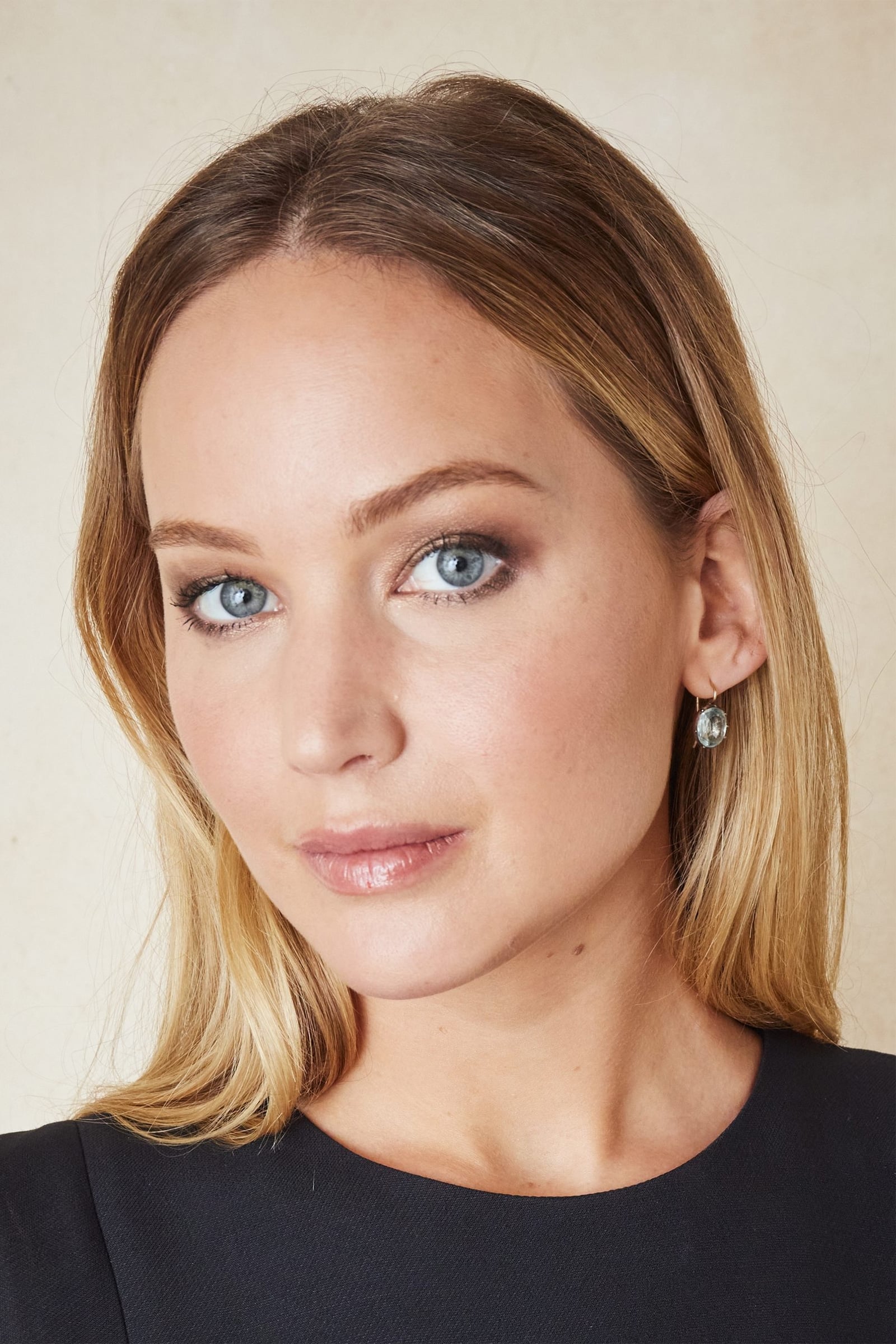
The ‘No Hard Feelings’ star has addressed the complexities of modern filmmaking in relation to social expectations. She noted that the industry often feels like it is operating under a box ticking mentality rather than focusing on quality. Lawrence expressed concern that the pressure to meet specific criteria can stifle the organic development of a story. Her observations reflect a broader conversation about the balance between entertainment and the implementation of diversity initiatives. She continues to navigate these industry shifts while maintaining her career in high profile projects.
Helen Mirren
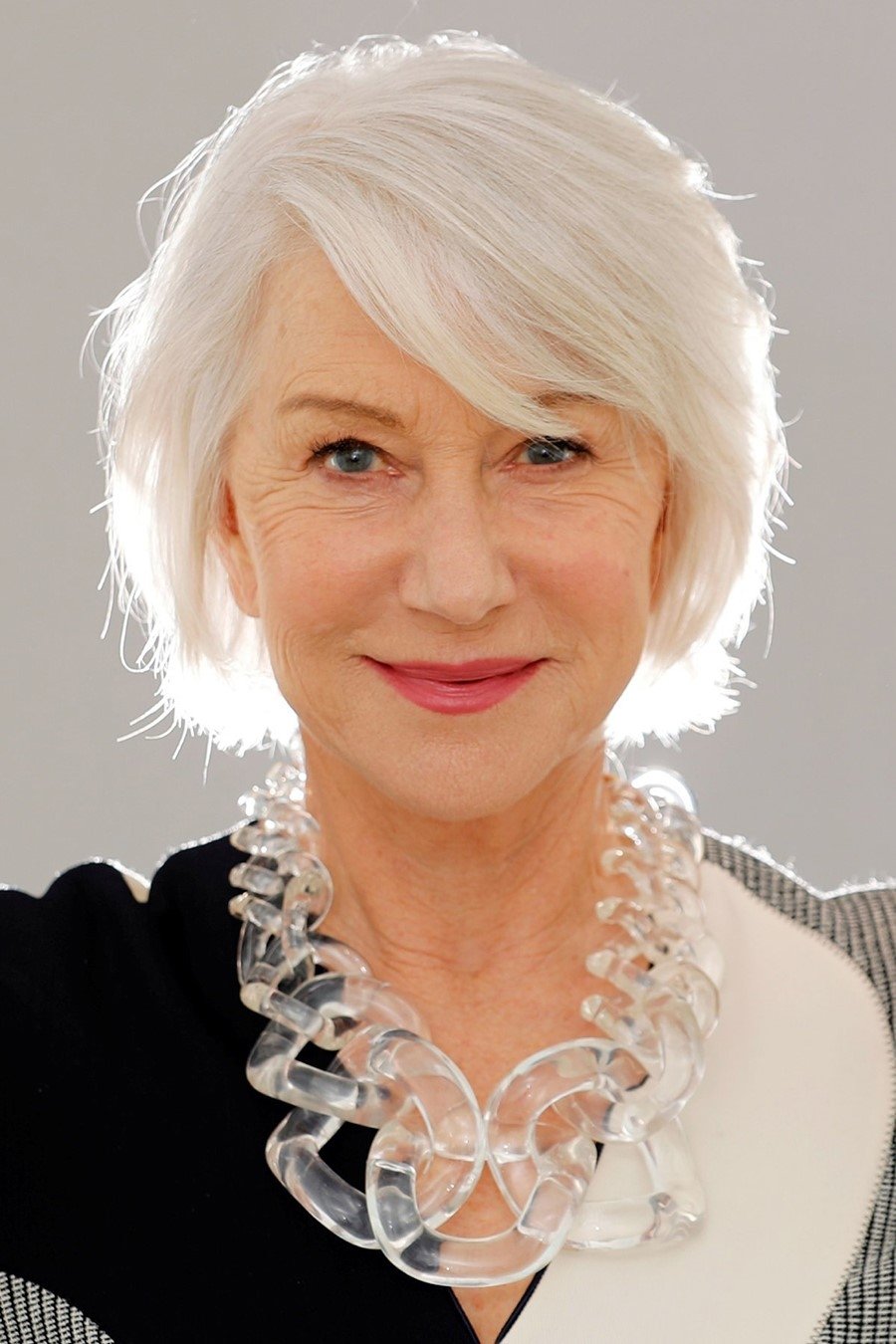
This acclaimed performer has defended her decision to play historical figures regardless of her personal heritage. She argued that the concept of acting is fundamentally about transformation and exploring the lives of others in films like ‘Golda’. Mirren has expressed skepticism regarding mandates that suggest only certain people can tell specific stories. She maintains that talent and the ability to convey human emotion should be the primary factors in casting. Her stance has sparked significant debate about the role of identity in contemporary cinema.
Judi Dench
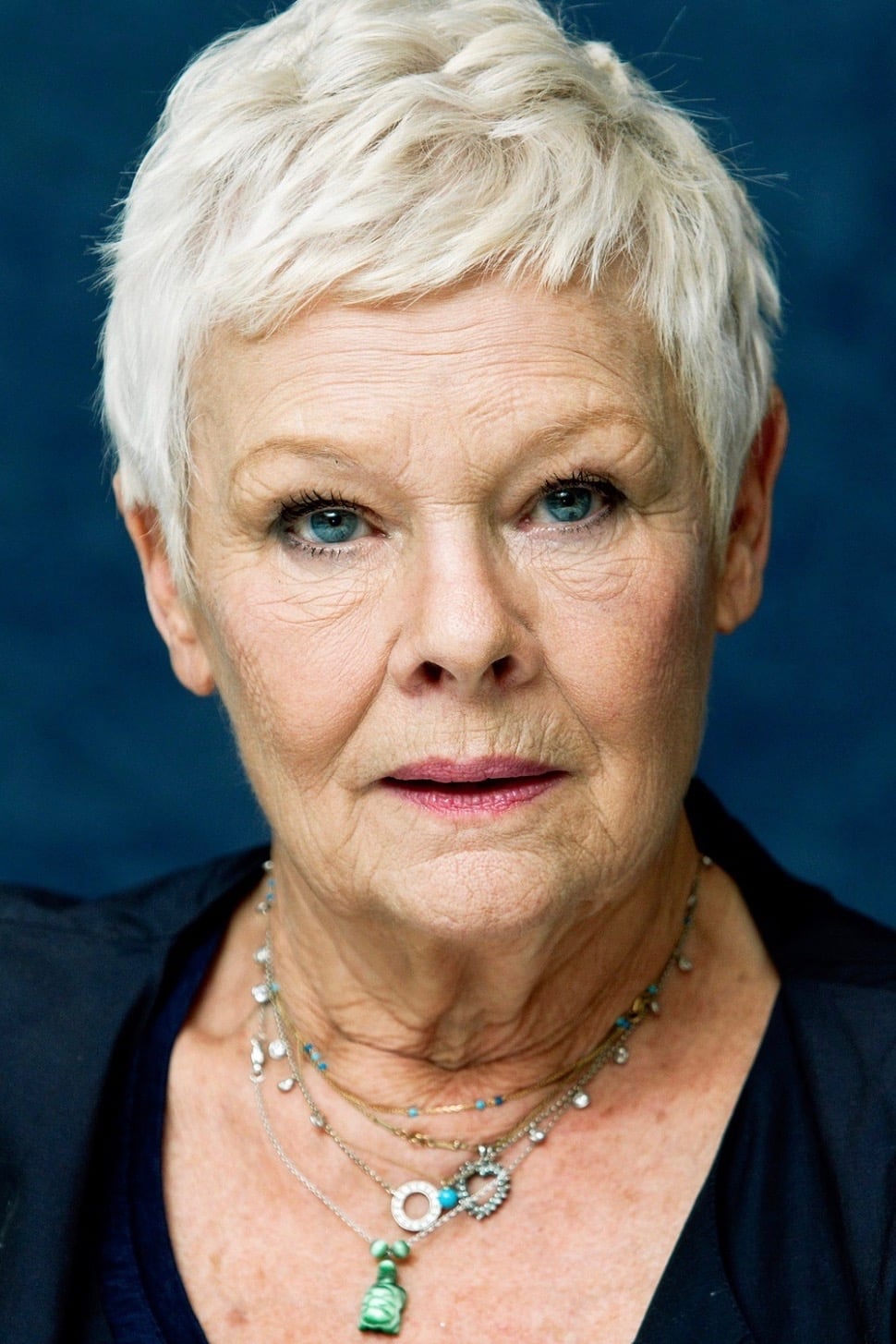
The legendary actress has voiced her concerns regarding the modern trend of reinterpreting historical characters to meet diversity goals. She suggested that altering history for the sake of modern optics can sometimes feel forced or insincere. Dench believes that the integrity of a script should be respected without the imposition of contemporary social mandates. Her comments highlight a generational divide in how performers view the evolution of industry standards. She remains dedicated to the classical traditions of the theater and film.
Scarlett Johansson
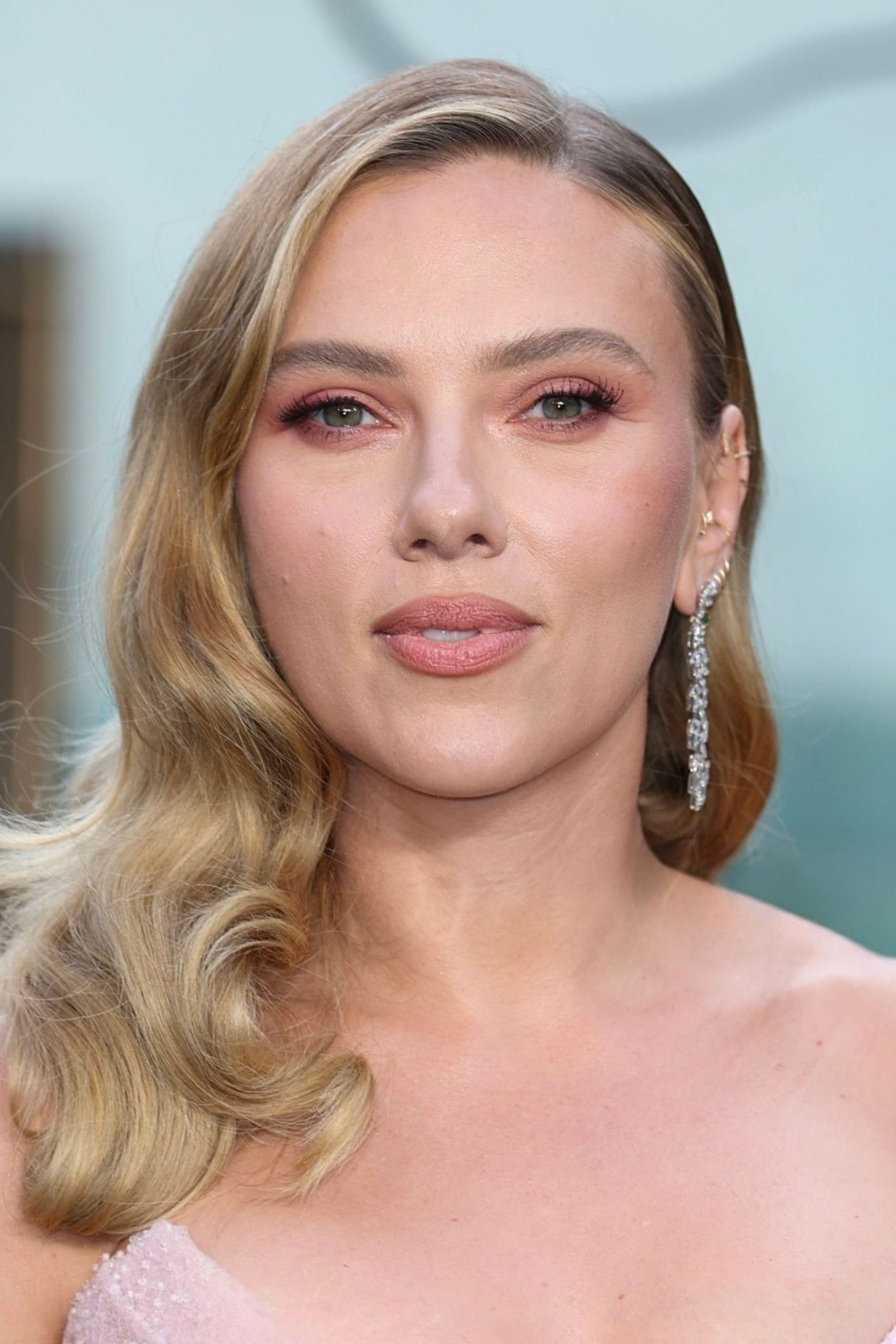
The ‘Black Widow’ actress faced public scrutiny after being cast in roles that some felt should have gone to members of specific communities. In response she asserted that actors should be allowed to play any person or even any animal if they choose. She expressed frustration with the idea that casting must strictly align with an actors personal identity. Her remarks were seen as a defense of artistic expression against the constraints of modern representation rules. Johansson has continued to emphasize the importance of creative versatility in her career.
Salma Hayek Pinault
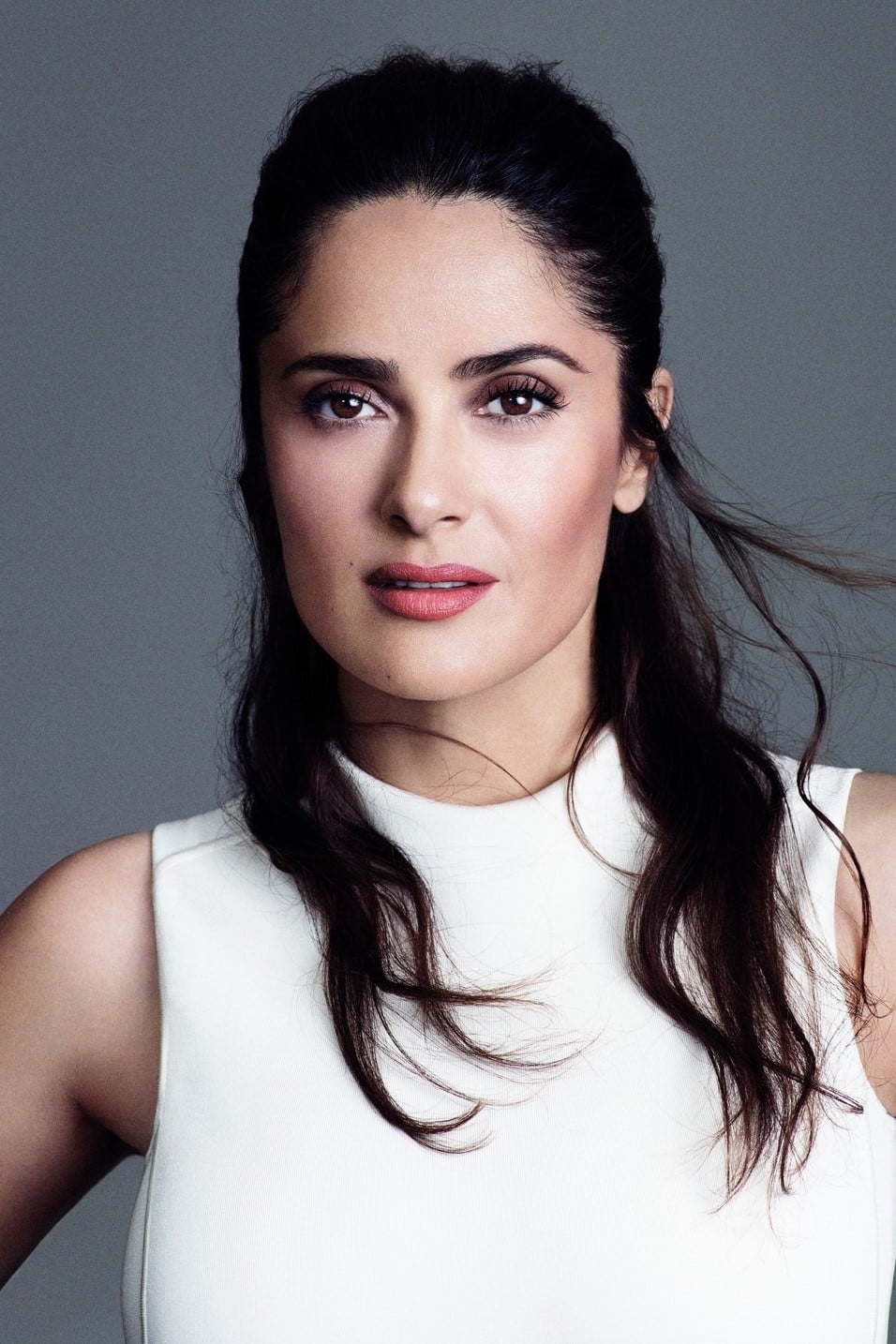
This internationally recognized star has commented on the performative nature of diversity efforts in the film business. She suggested that many studios treat inclusion as a mandatory quota rather than a genuine pursuit of varied storytelling. Salma Hayek Pinault believes that the industry still has work to do in terms of authentic representation beyond superficial gestures. Her insights reflect the experiences of a performer who has navigated Hollywood for decades. She advocates for more meaningful change that goes beyond mere checkboxes.
Justine Bateman
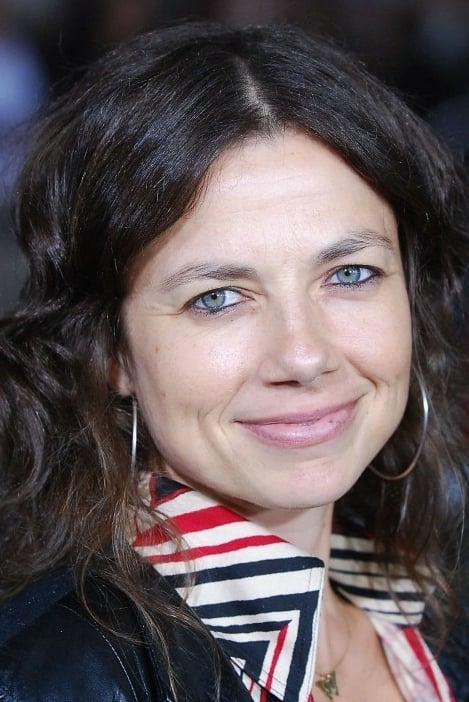
The ‘Family Ties’ actress has become a prominent critic of the intersection between technology and modern industry mandates. She has spoken out against the use of artificial intelligence and the rigid guidelines that govern contemporary production. Bateman argues that these mandates can strip the soul out of the filmmaking process. Her public statements focus on preserving the humanity and unpredictability of the creative arts. She often shares her views on social media to engage with other professionals in the field.
Gina Carano
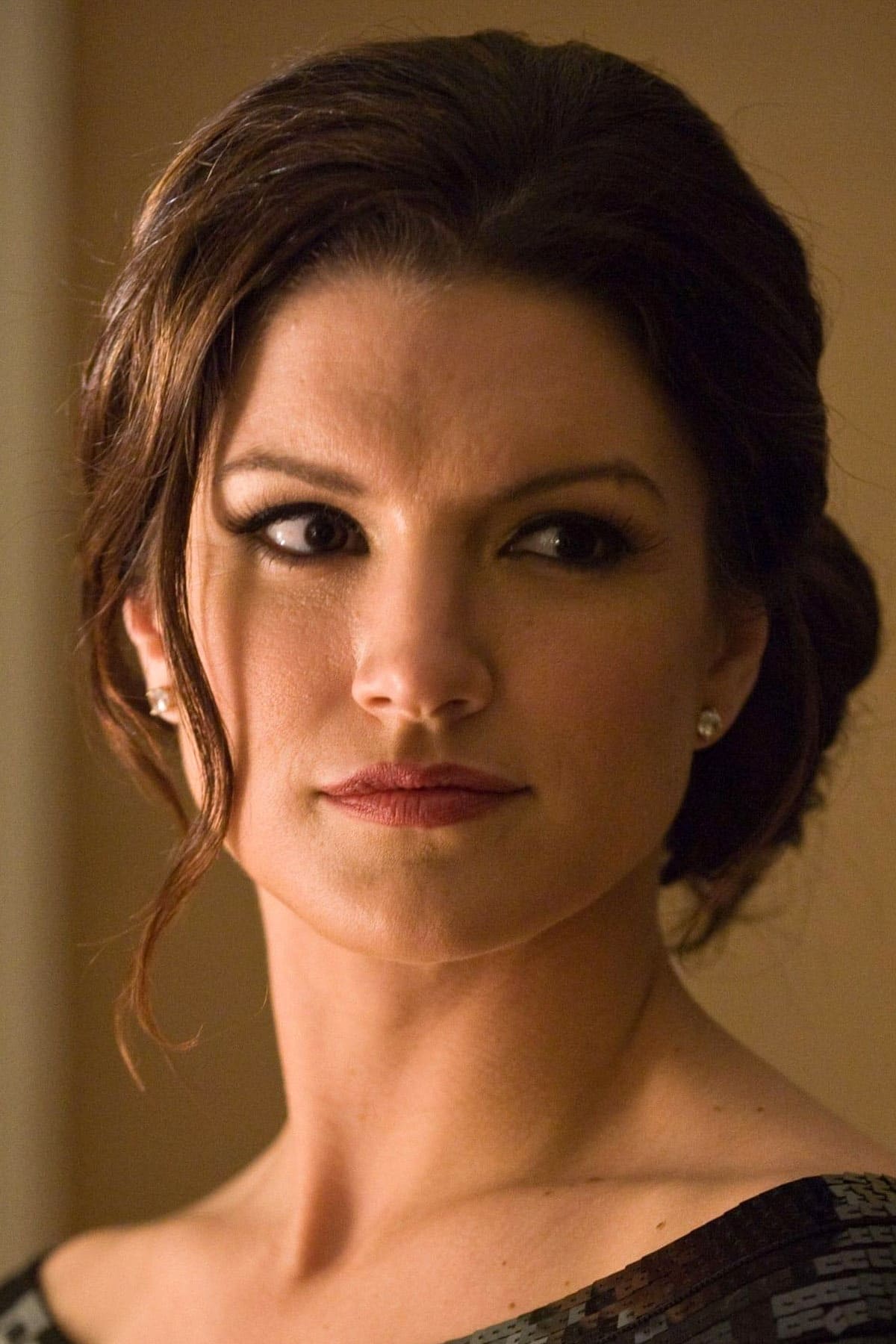
The former ‘The Mandalorian’ actress has been an outspoken critic of the social and political mandates within the entertainment world. She has argued that the industry enforces a specific ideological consensus that limits creative and personal expression. Her public stances led to a high profile departure from major franchises and sparked widespread discussion. Carano continues to advocate for a more open and less regulated creative environment. She remains a notable figure in the debate over the direction of modern Hollywood.
Roseanne Barr
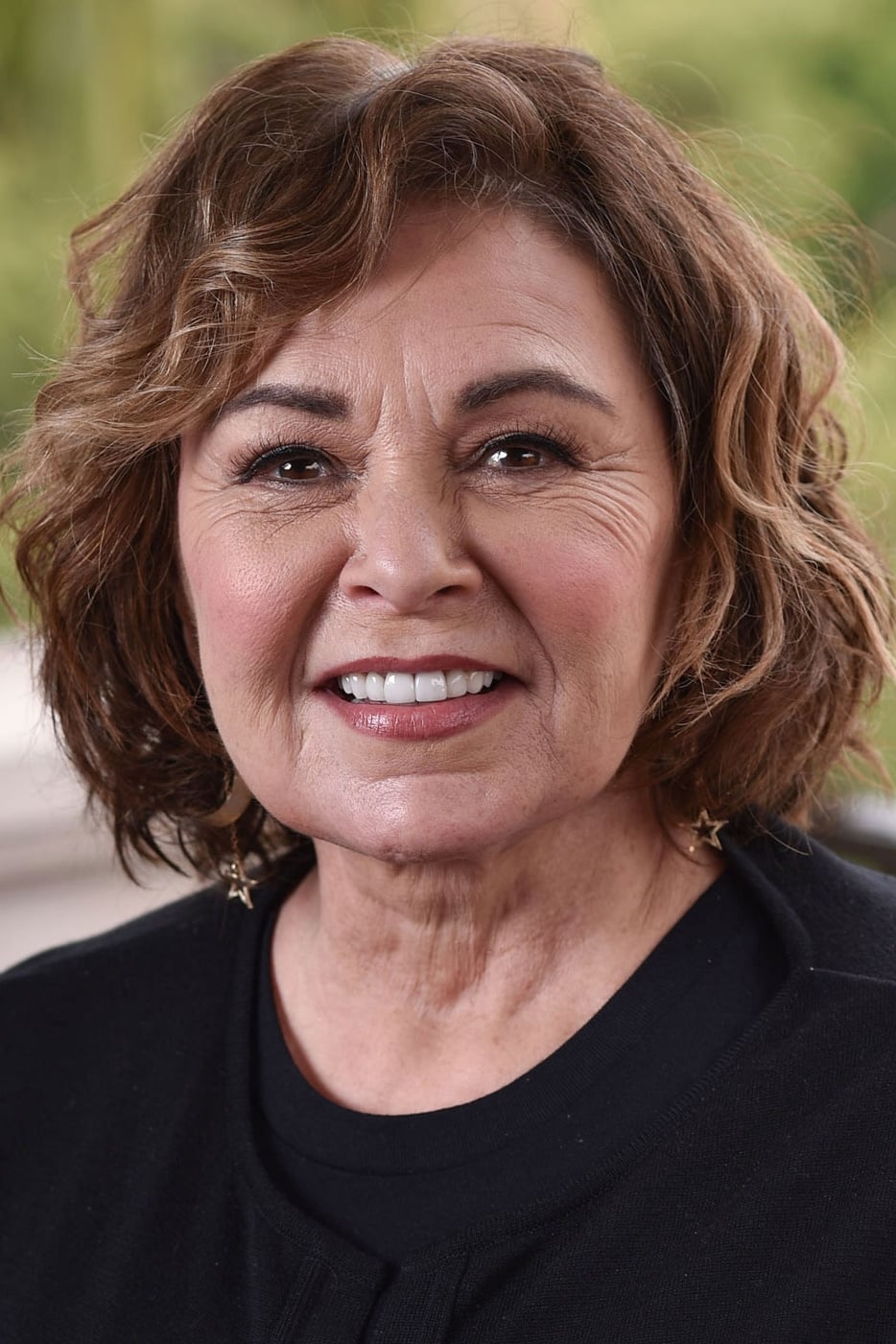
This veteran comedian and actress has frequently criticized the implementation of diversity and inclusion programs in television. She believes that these initiatives often prioritize political agendas over comedic quality and authentic character development. Barr has expressed that the modern landscape of broadcasting is overly restricted by social mandates. Her comments often reflect a broader critique of contemporary cultural norms within the media. She continues to share her perspectives through various independent platforms.
Stacey Dash
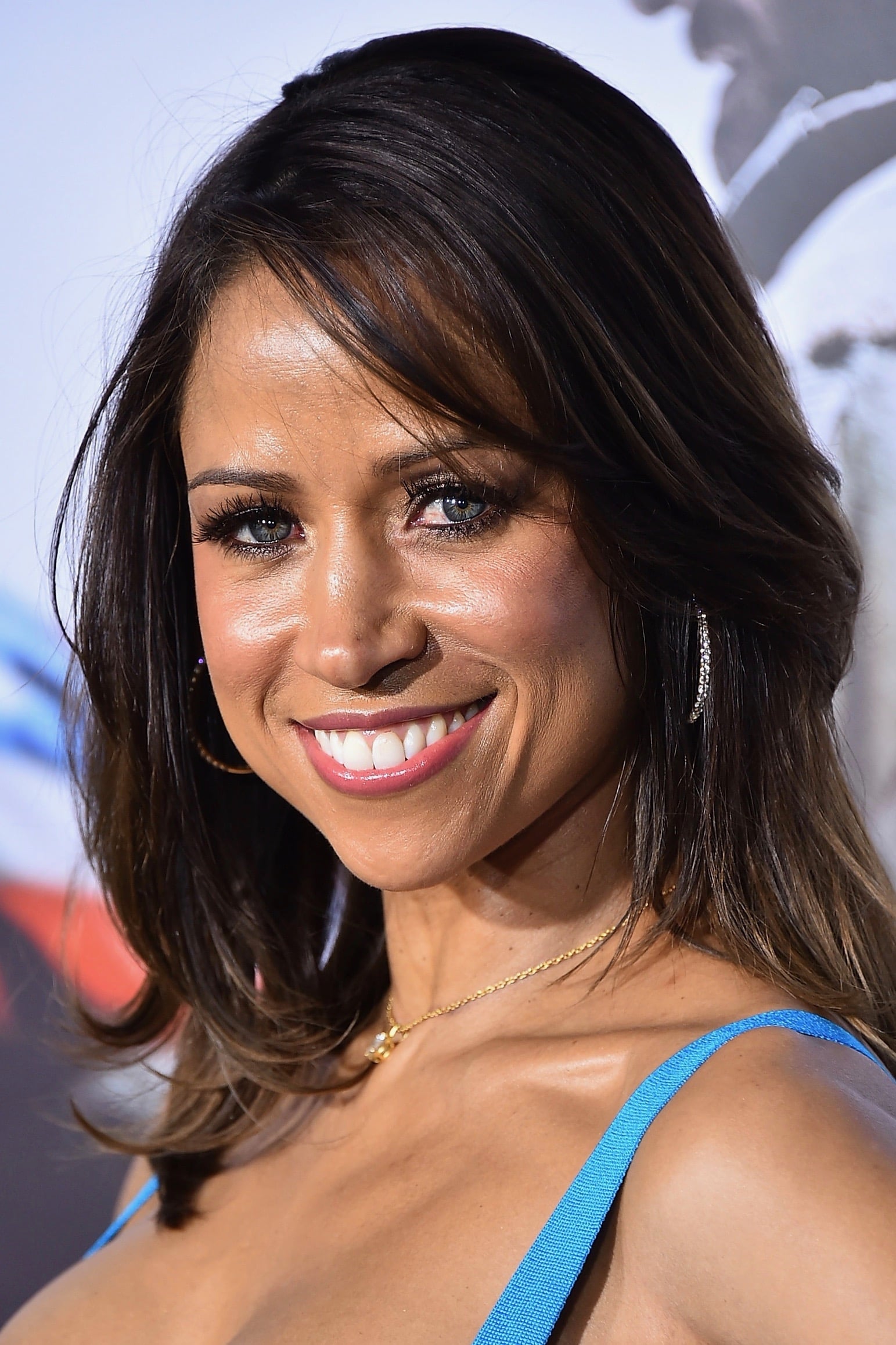
The ‘Clueless’ star has long been a vocal opponent of diversity mandates and specialized media categories. She argued that the existence of separate awards and networks for specific demographics actually promotes segregation. Dash believes that the focus should be on individual merit rather than group identity. Her viewpoints have consistently challenged the prevailing narrative regarding representation in the entertainment industry. She remains a steadfast proponent of a color blind approach to Hollywood success.
Candace Cameron Bure
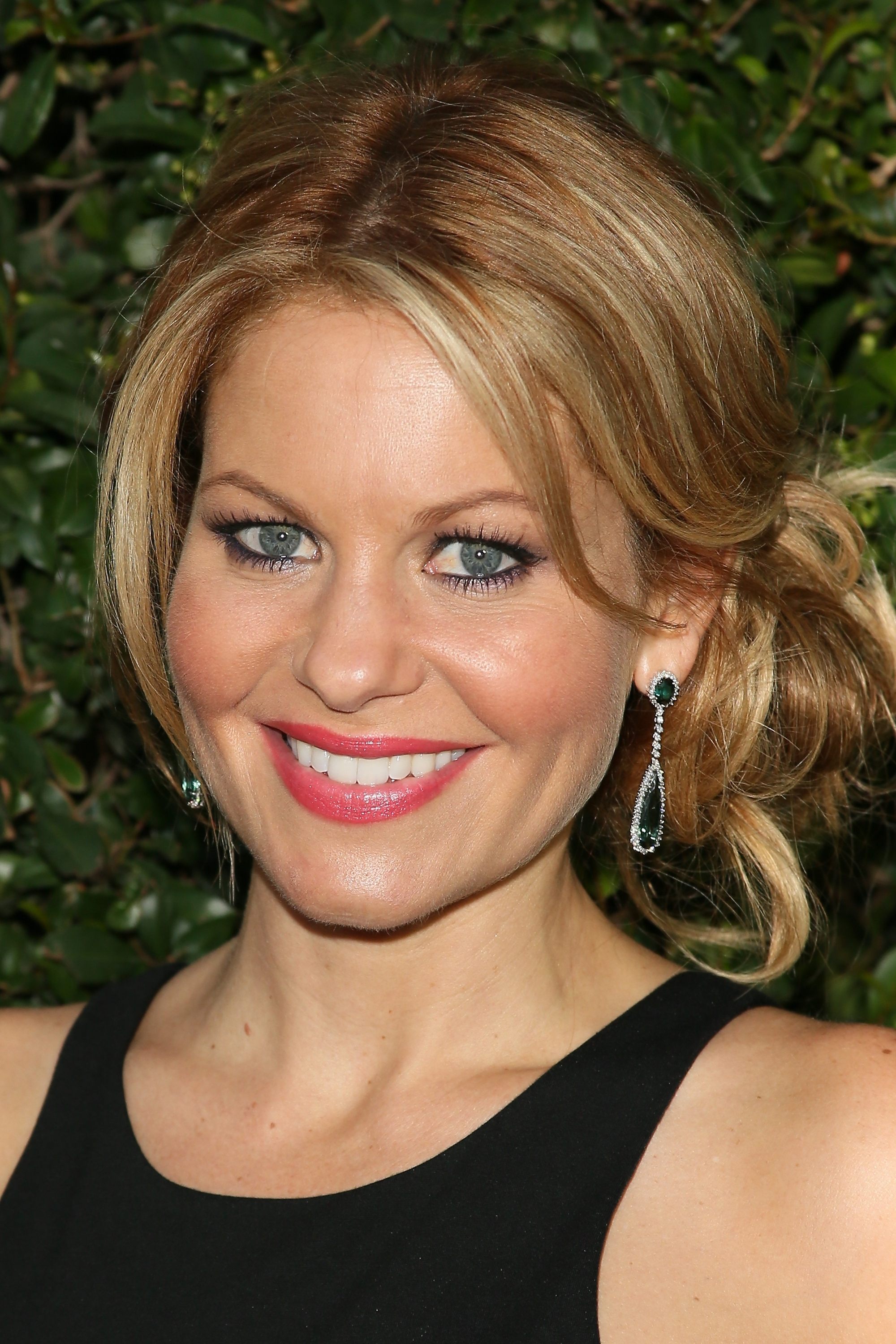
This actress and producer has spoken about her desire to create content that reflects traditional values in an evolving industry. She has noted that modern mandates often conflict with her personal and creative vision for storytelling. Bure shifted her focus toward developing projects that prioritize specific themes over broader industry requirements. Her comments emphasize the importance of having a variety of voices and perspectives in the marketplace. She continues to build her own brand while navigating the complexities of modern media standards.
Helena Bonham Carter
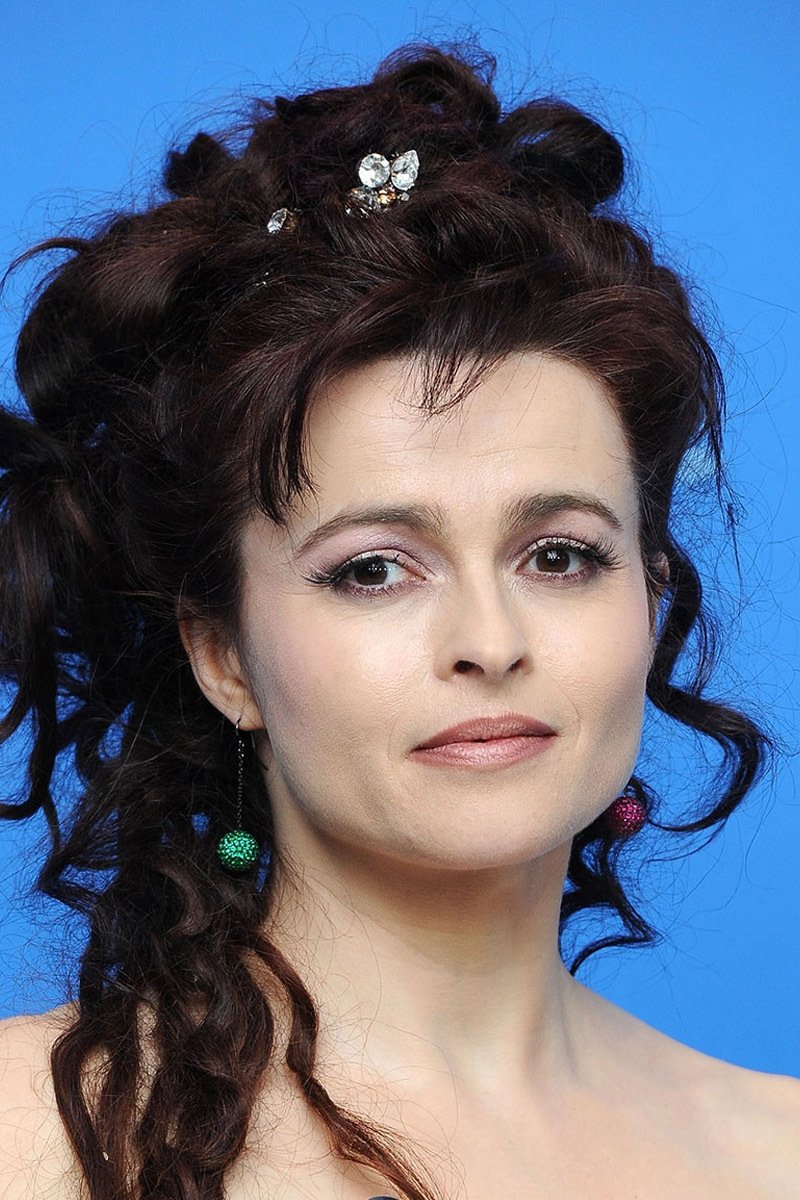
The ‘The Crown’ actress has expressed concern over the rise of cancel culture and the rigid nature of modern social rules in acting. She defended the idea that performers should not be judged or restricted by the current social climate. Bonham Carter believes that the creative process requires a level of freedom that is being challenged by new mandates. Her views suggest a commitment to the eccentric and unpredictable nature of the performing arts. She remains one of the most respected figures in British and American cinema.
Julianna Margulies
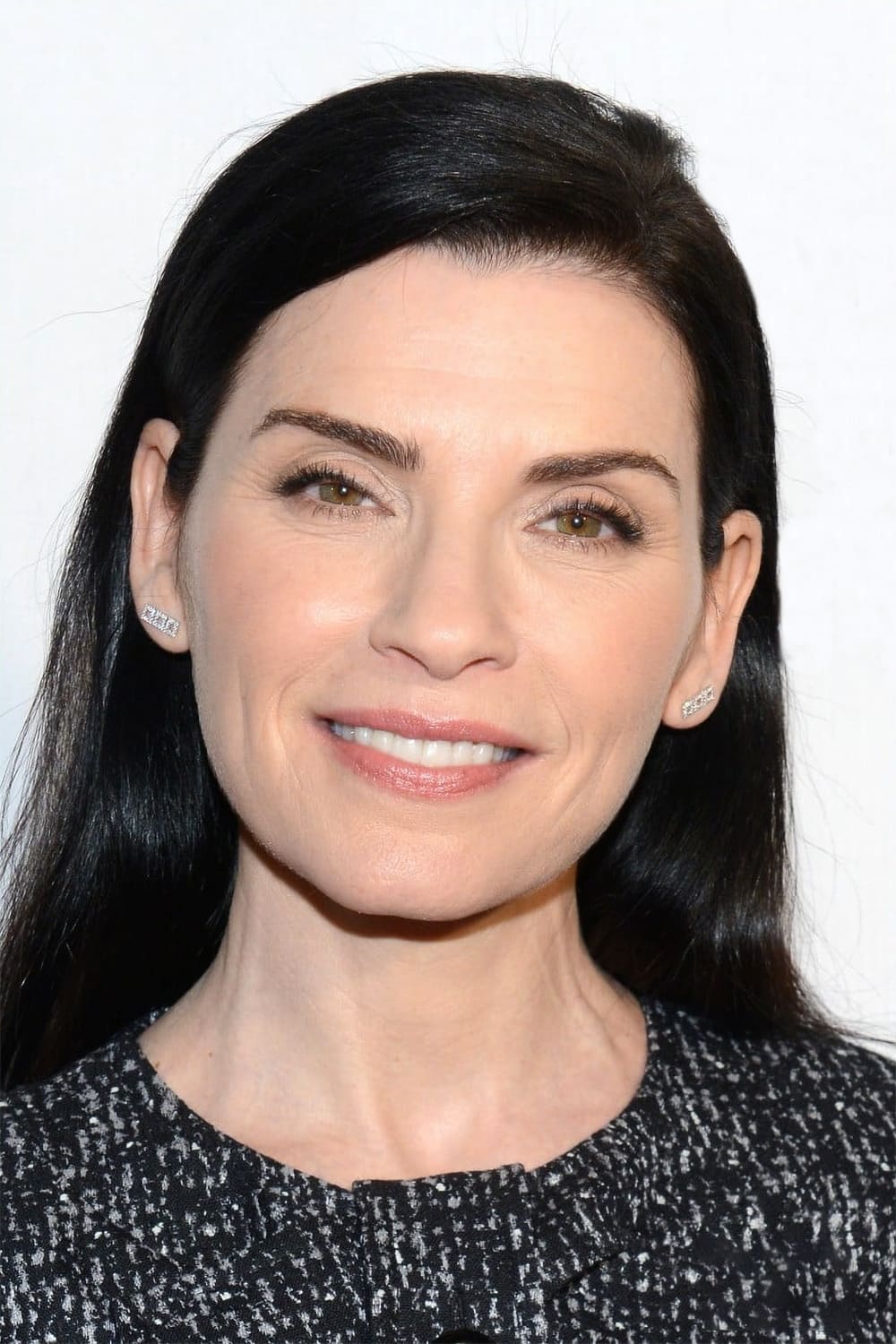
The ‘The Good Wife’ actress has raised questions about the ethics of casting and the modern push for identity specific roles. She commented on the complexity of representing specific heritages and whether those parts must always go to members of that group. Margulies expressed that the current climate creates difficult dilemmas for directors and performers alike. Her remarks highlight the ongoing tension between artistic choice and the demand for authentic representation. She continues to contribute to the discussion on how the industry handles these sensitive topics.
Glenn Close
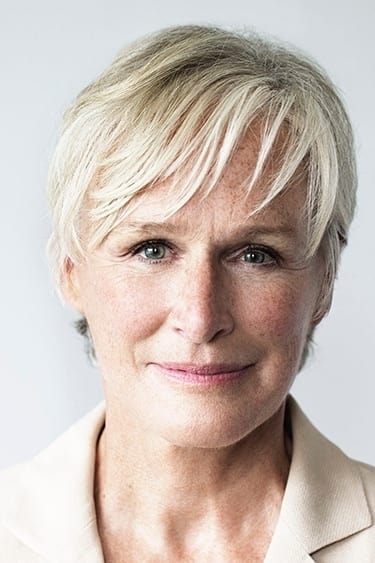
This highly decorated actress has spoken about the necessity of prioritizing the work of the actor above all other considerations. She argued that the focus on identity can sometimes distract from the fundamental goal of telling a compelling story. Close believes that actors are trained to step into the shoes of any character regardless of their own life experience. Her perspectives reflect a deep respect for the transformative power of the craft. She remains a pillar of the acting community known for her versatility and dedication.
Catherine Deneuve
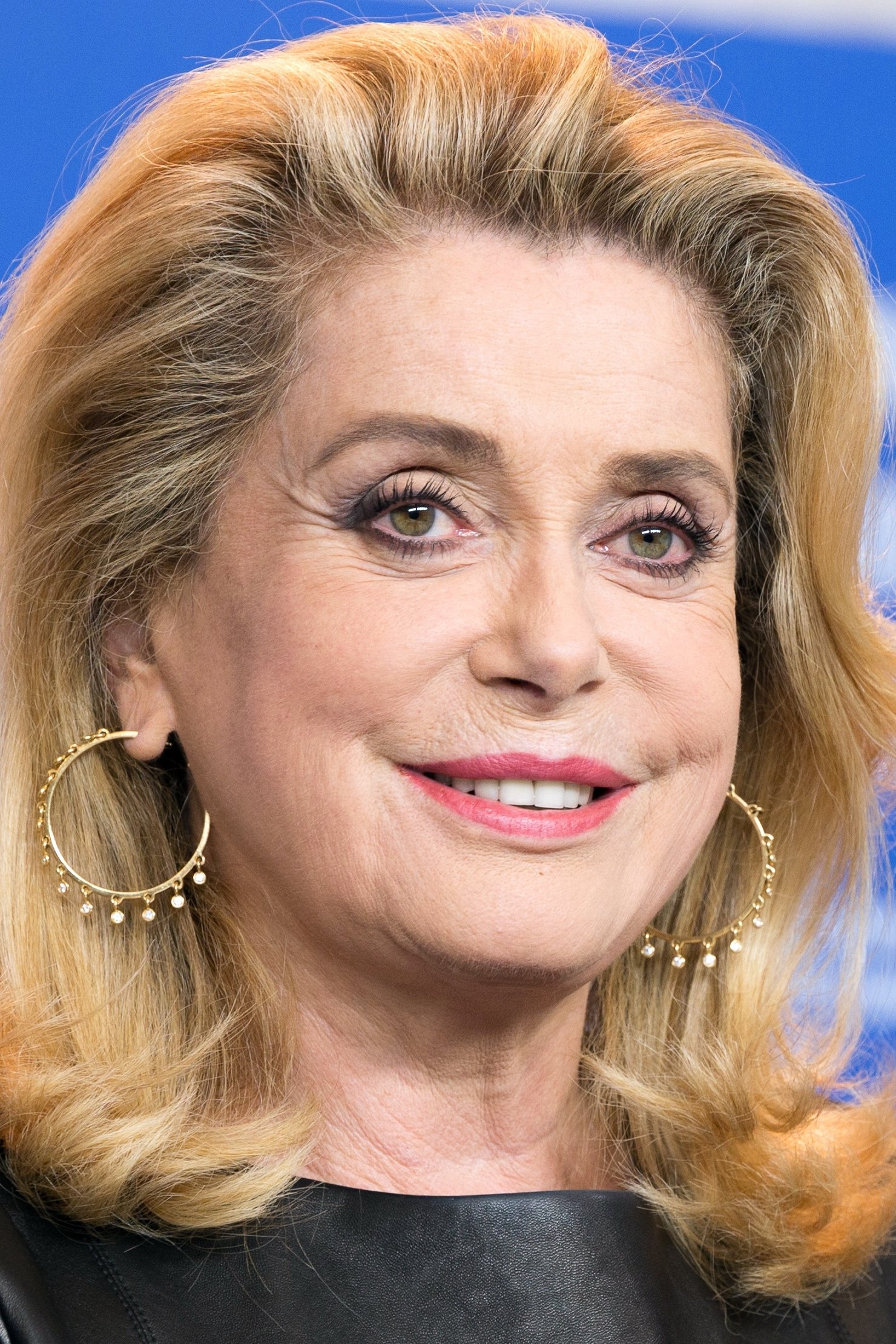
The legendary French actress has been critical of the modern social shifts that have influenced the international film industry. She has signed open letters questioning the impact of modern movements on artistic freedom and traditional romance. Deneuve believes that the current cultural climate has become too restrictive and judgmental. Her comments often reflect a desire to protect the nuances of the creative process from modern mandates. She continues to be a major force in world cinema.
Sharon Stone
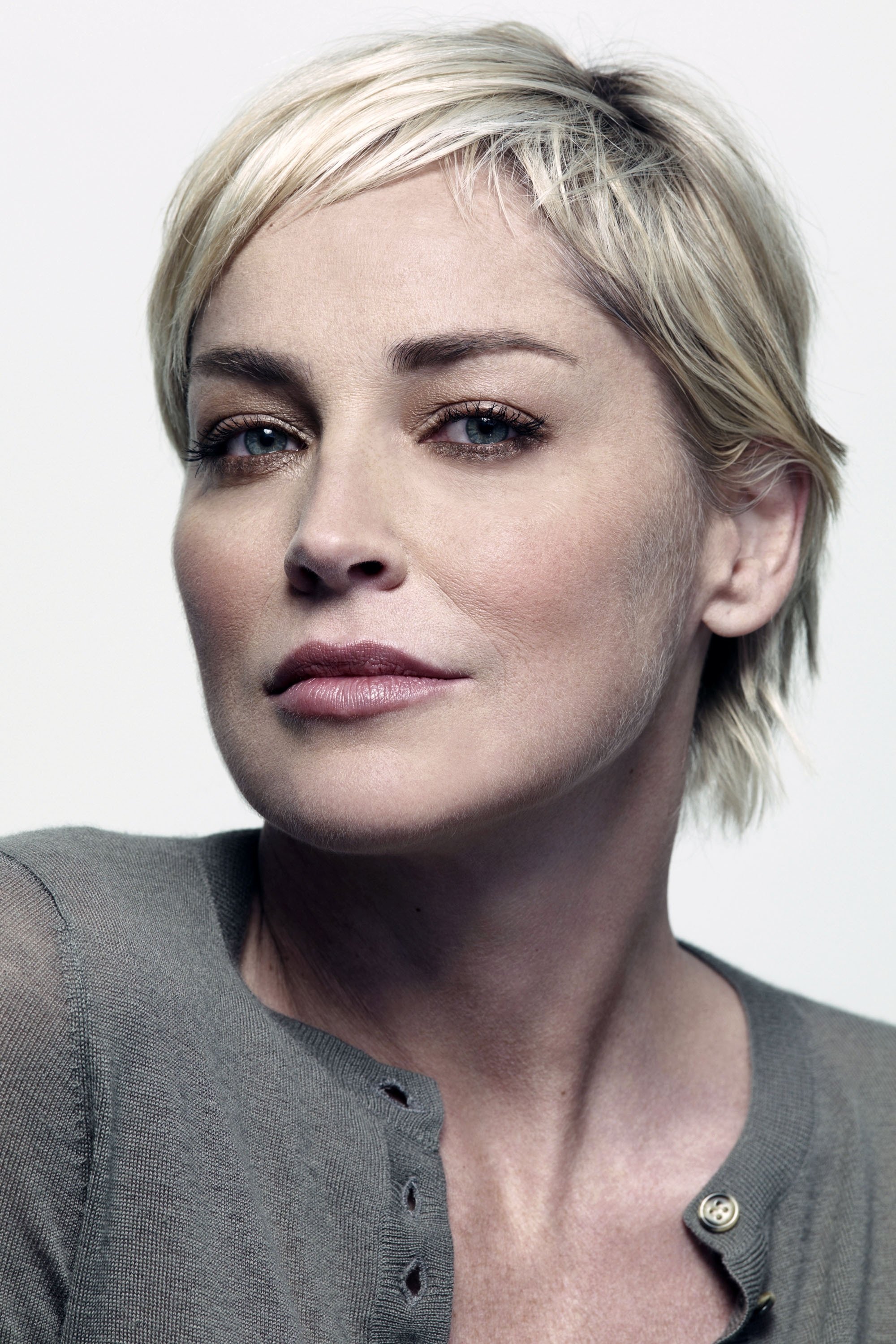
The ‘Basic Instinct’ star has shared her thoughts on how the industry has changed regarding its expectations for performers. She noted that the current focus on diversity and inclusion often feels like a corporate requirement rather than a creative choice. Stone suggested that the pressure to comply with new standards can change the dynamic of a film set. Her observations come from years of experience in both independent and studio productions. She remains a prominent figure who is not afraid to speak her mind about industry trends.
Goldie Hawn

This beloved comedic actress has criticized the way modern Hollywood has become increasingly focused on political and social messaging. She argued that movies should primarily serve as a source of joy and entertainment for the audience. Hawn believes that the heavy emphasis on meeting specific mandates can drain the fun out of the filmmaking process. Her comments advocate for a return to a more lighthearted and less politically charged approach to cinema. She continues to be a vocal supporter of the traditional role of the entertainer.
Maureen Lipman
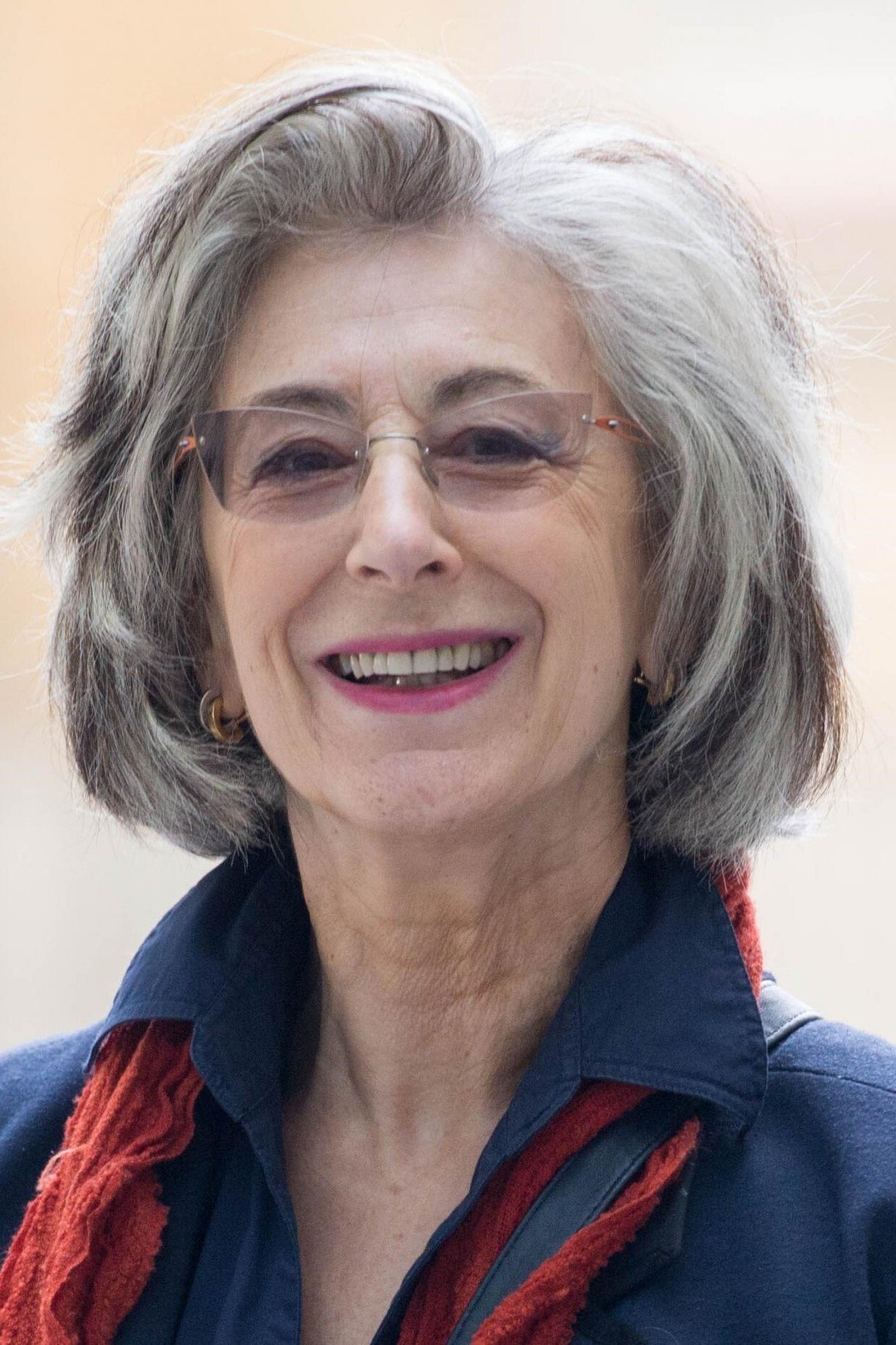
The British actress has been a vocal critic of casting practices that she feels unfairly exclude certain groups from playing their own history. She specifically pointed out the trend of casting non Jewish actors in Jewish roles while other groups are protected by mandates. Lipman argues that if the industry is going to have rules about representation they should be applied consistently. Her stance highlights the perceived inconsistencies in the way diversity mandates are enforced. She remains an active and influential voice in the United Kingdom performing arts scene.
Vicky Krieps
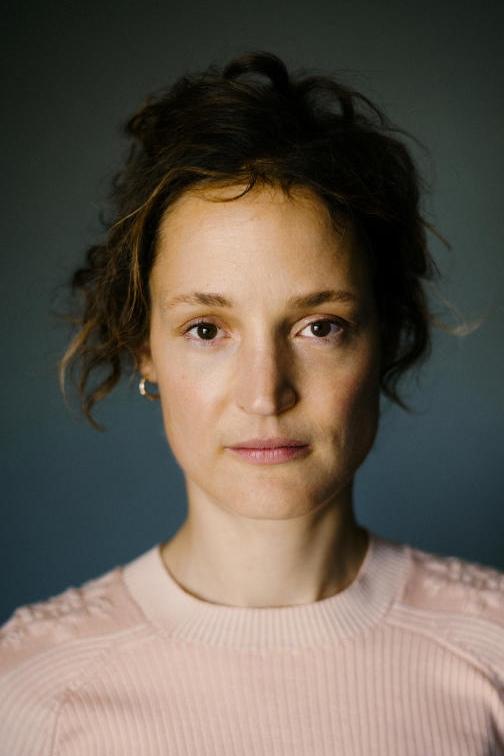
The ‘Phantom Thread’ star has expressed her disapproval of removing gender categories from film awards. She argued that such changes often serve to erase the specific achievements of women rather than promoting true equality. Krieps believes that these modern mandates are often implemented without a full understanding of their long term impact. Her comments reflect a concern that social engineering in the industry may have unintended consequences. She continues to take on challenging roles that defy simple categorization.
Whoopi Goldberg
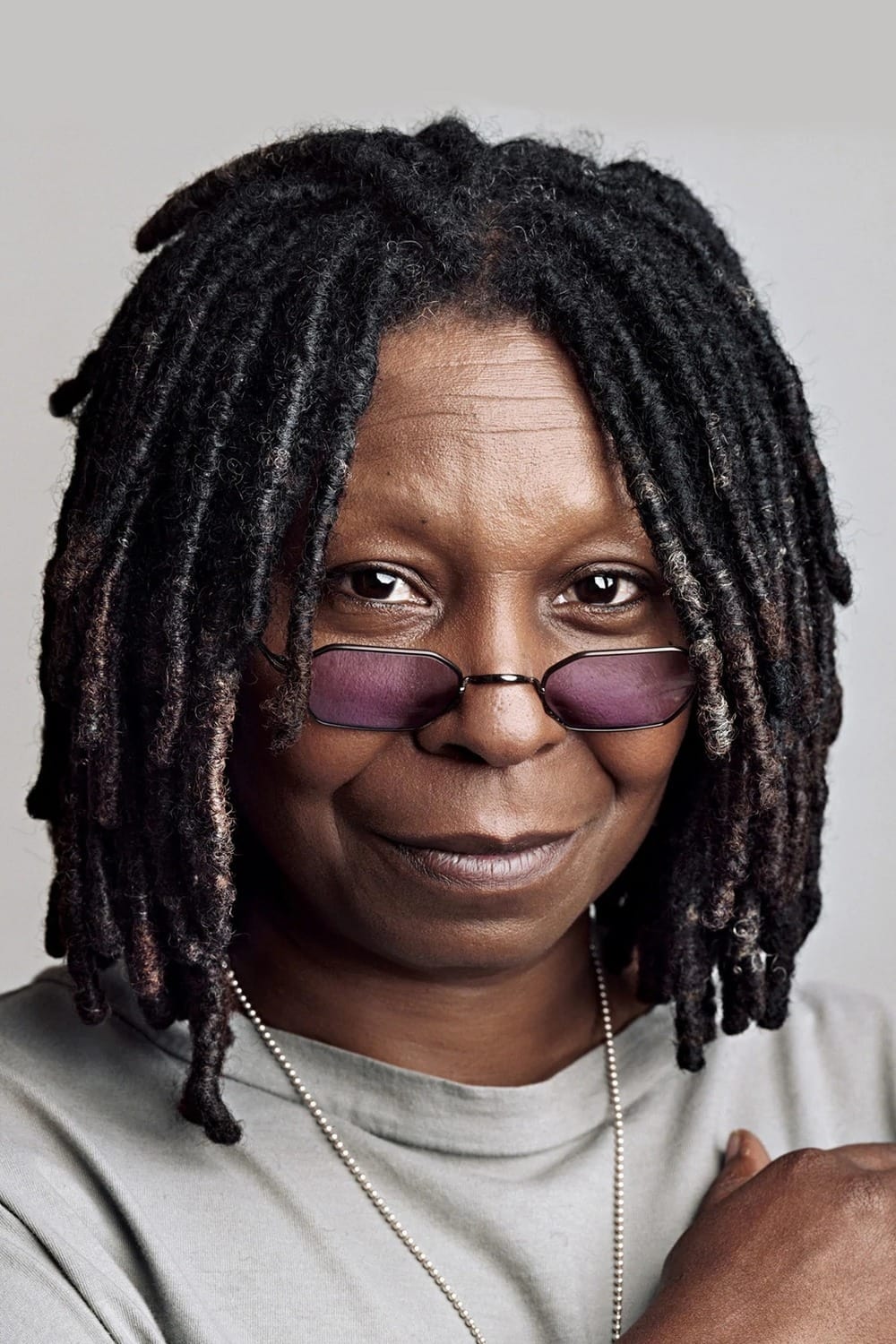
The ‘The Color Purple’ actress and talk show host has occasionally critiqued the way Hollywood handles diversity. She suggested that the industry often engages in performative actions that do not lead to real change. Goldberg has noted that the focus on diversity mandates can sometimes feel like a distraction from deeper issues of talent and opportunity. Her long career gives her a unique perspective on the shifts in representation over the decades. She remains a significant figure in the conversation about the future of the entertainment business.
Patricia Heaton
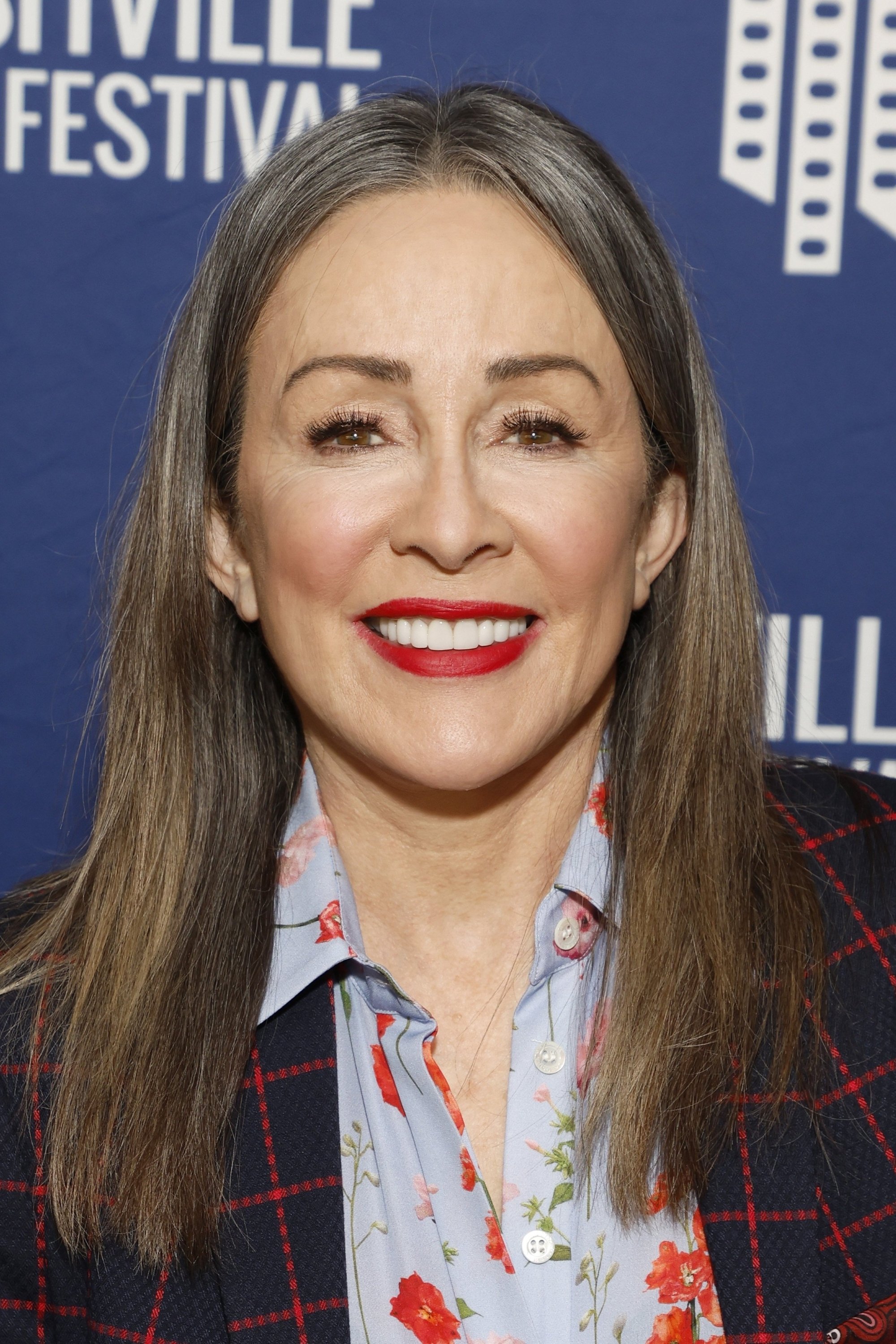
The ‘Everybody Loves Raymond’ star has been vocal about the political and social landscape of the modern entertainment industry. She suggested that there is a lack of diversity in thought and perspective within the Hollywood establishment. Heaton believes that the current mandates do not always account for the variety of beliefs held by audiences. Her public statements advocate for a more inclusive environment for all types of ideas and values. She continues to produce and star in projects that align with her creative vision.
Thandiwe Newton

This talented performer has expressed her frustration with the superficial nature of inclusion in high profile films. She argued that simply placing diverse faces on screen does not constitute true representation if the stories remain the same. Newton has been critical of the way studios use diversity mandates as a form of marketing. Her comments emphasize the need for systemic change that goes beyond casting quotas. She remains a prominent advocate for more complex and authentic portrayals in cinema.
Elizabeth Olsen
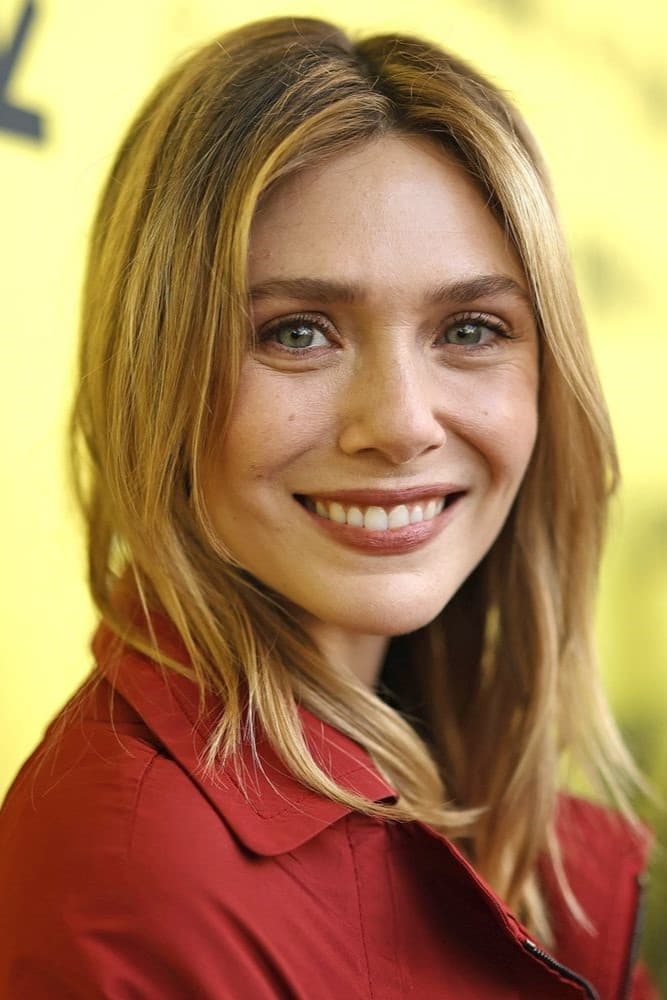
The ‘WandaVision’ actress has spoken about the pressure that comes with the modern industry focus on representation and diversity. She noted that the process of checking boxes during the casting and production phases can be exhausting for everyone involved. Olsen suggested that the focus should remain on the quality of the script and the ability of the actors. Her remarks reflect a growing sentiment among younger stars about the challenges of the current era. She continues to be a major part of the most successful franchises in modern film.
Zoe Saldaña
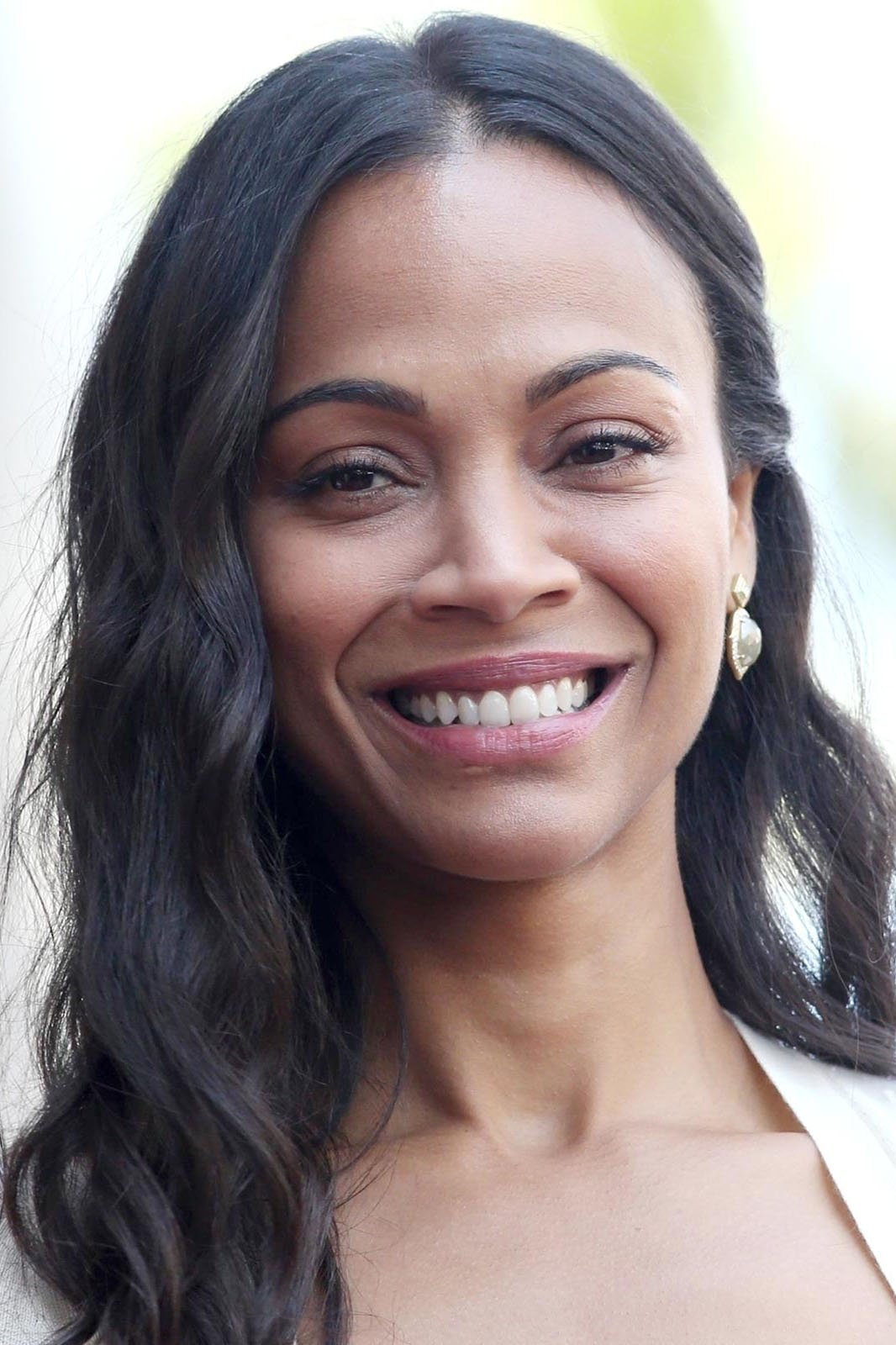
This record breaking actress has discussed the weight of being a representative for various communities in the film world. She noted that the industry often places a heavy burden on diverse actors to uphold certain standards and mandates. Saldaña expressed that this pressure can sometimes overshadow the individual talent of the performer. Her insights provide a glimpse into the complexities of navigating a career during a time of intense social change. She remains one of the most bankable and versatile stars in the world today.
Isabelle Huppert
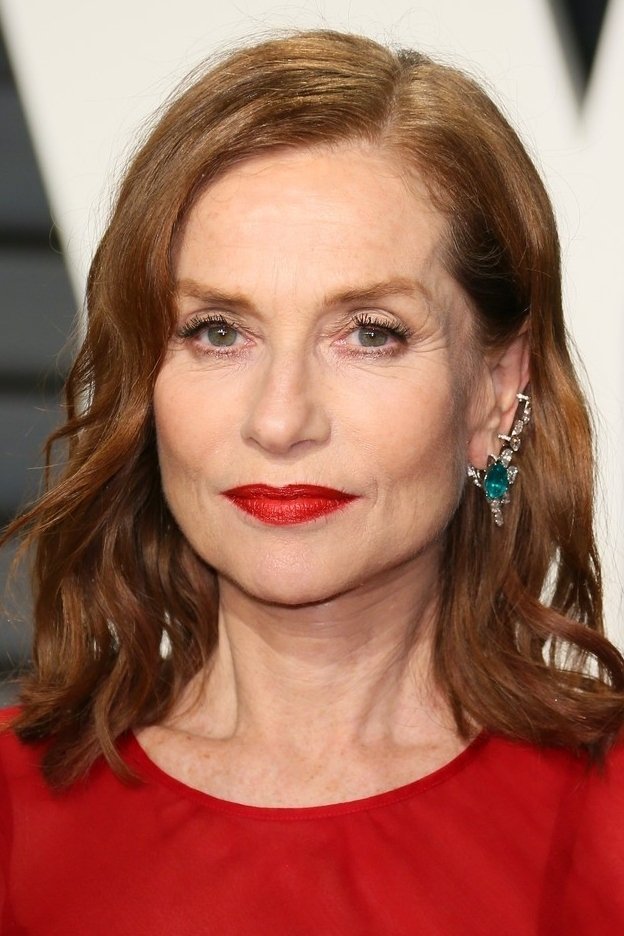
The acclaimed French actress has consistently championed the importance of the individual artist over collective identity. She has argued that her job is to be an actress rather than a representative of a specific demographic or gender. Huppert believes that the focus on identity mandates in the arts can be limiting and reductive. Her commitment to her craft transcends the social and political trends of the moment. She continues to work with the most visionary directors in international cinema.
Fanny Ardant
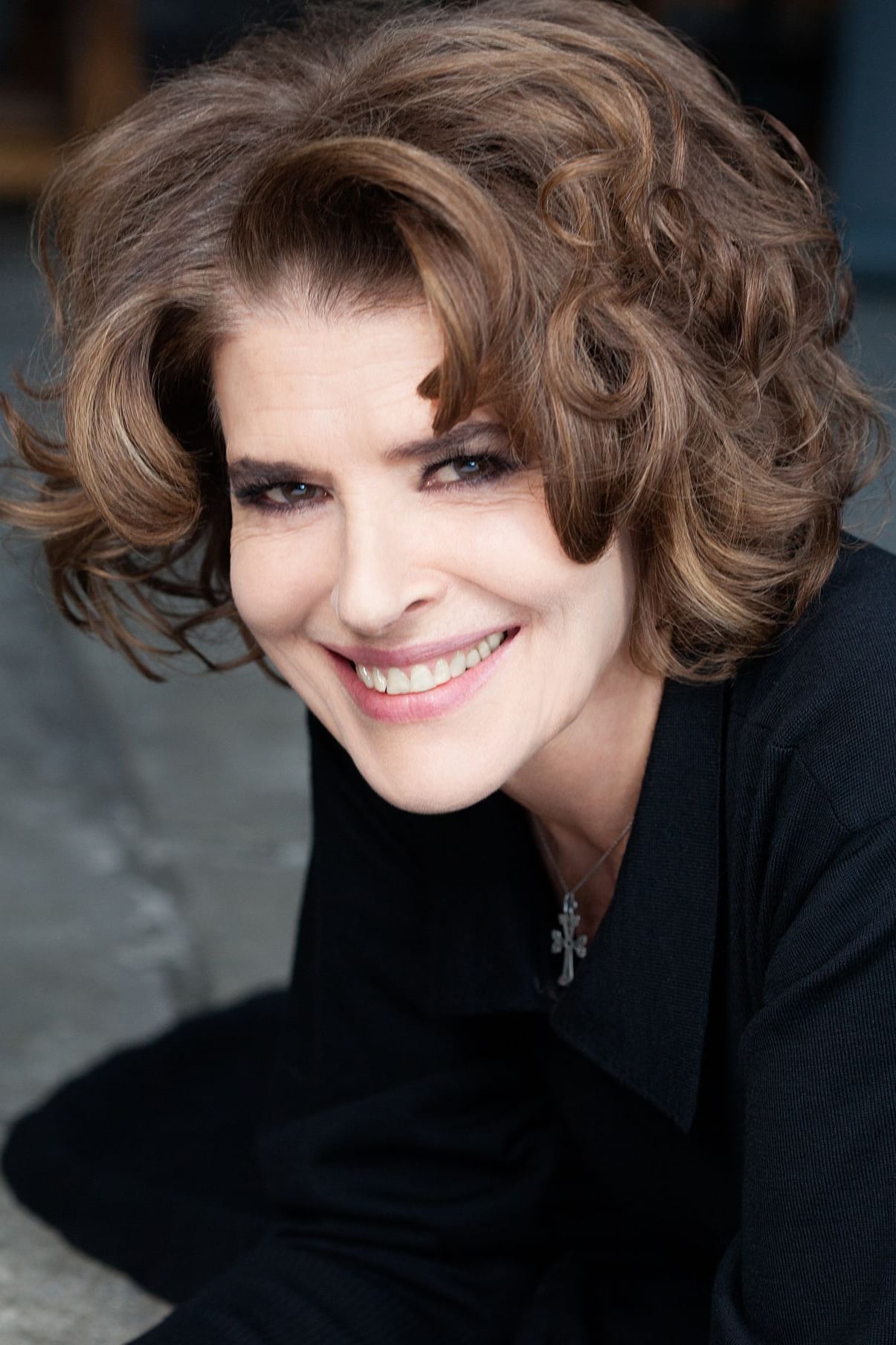
This icon of French cinema has voiced her opposition to the rigid moral and social guidelines that are increasingly influencing the arts. She argued that the world of imagination should be free from the constraints of modern political correctness. Ardant believes that the complexity of human nature cannot be captured through a lens of demographic quotas. Her comments reflect a traditional European view of artistic independence. She remains a respected figure known for her bold and uncompromising performances.
Brigitte Bardot
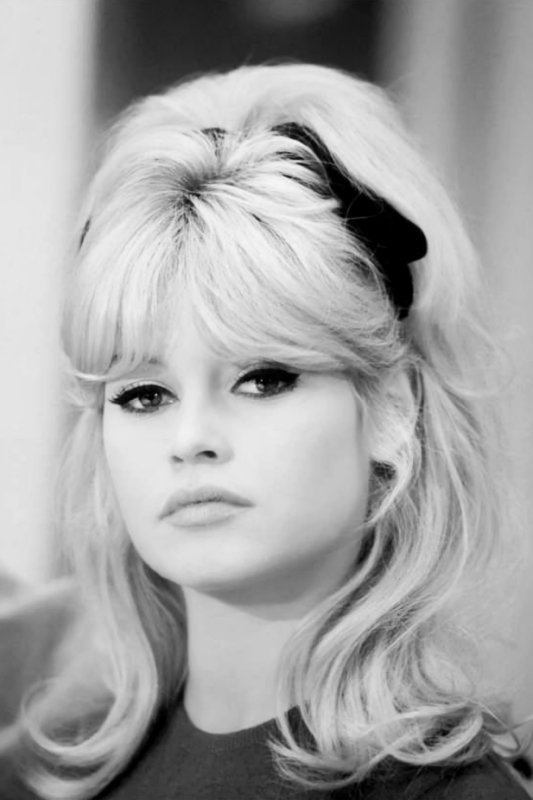
The legendary star has long been critical of the modern cultural and social mandates that have changed the entertainment landscape. She has expressed her views on the loss of traditional values and the rise of a more regulated public discourse. Bardot believes that the current climate has stifled the freedom that once defined the film industry. Her public statements often spark intense debate and reflect her strong personal convictions. She remains a historical figure of immense influence in the world of celebrity.
Mindy Kaling

While she has benefited from and promoted diversity the actress and creator has also criticized the tick the box nature of modern writers rooms. She noted that being the diversity hire can be a demoralizing experience for talented professionals. Kaling has expressed a desire for a future where talent is the primary driver of inclusion rather than institutional mandates. Her observations provide an insider look at the unintended consequences of well intentioned policies. She continues to create and produce successful television shows that feature varied casts.
Toni Collette
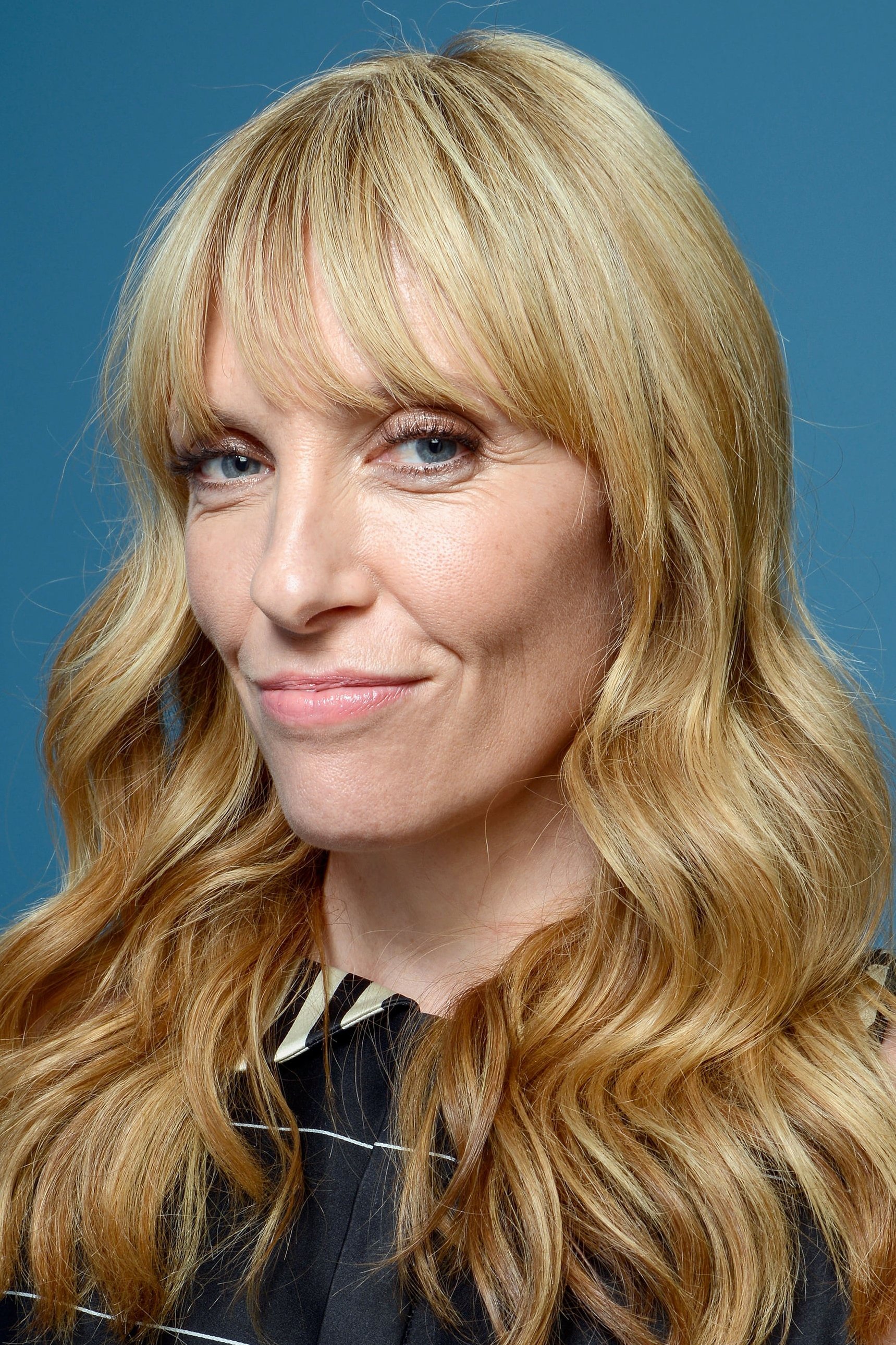
The ‘Hereditary’ actress has commented on the changing nature of the casting process in the era of diversity mandates. She suggested that the focus on specific criteria can make it more difficult for directors to find the right person for a role. Collette believes that the best person for the job should be hired regardless of demographic considerations. Her comments highlight the practical challenges that actors and filmmakers face in the current environment. She remains one of the most versatile and sought after performers in the industry.
Priyanka Chopra Jonas
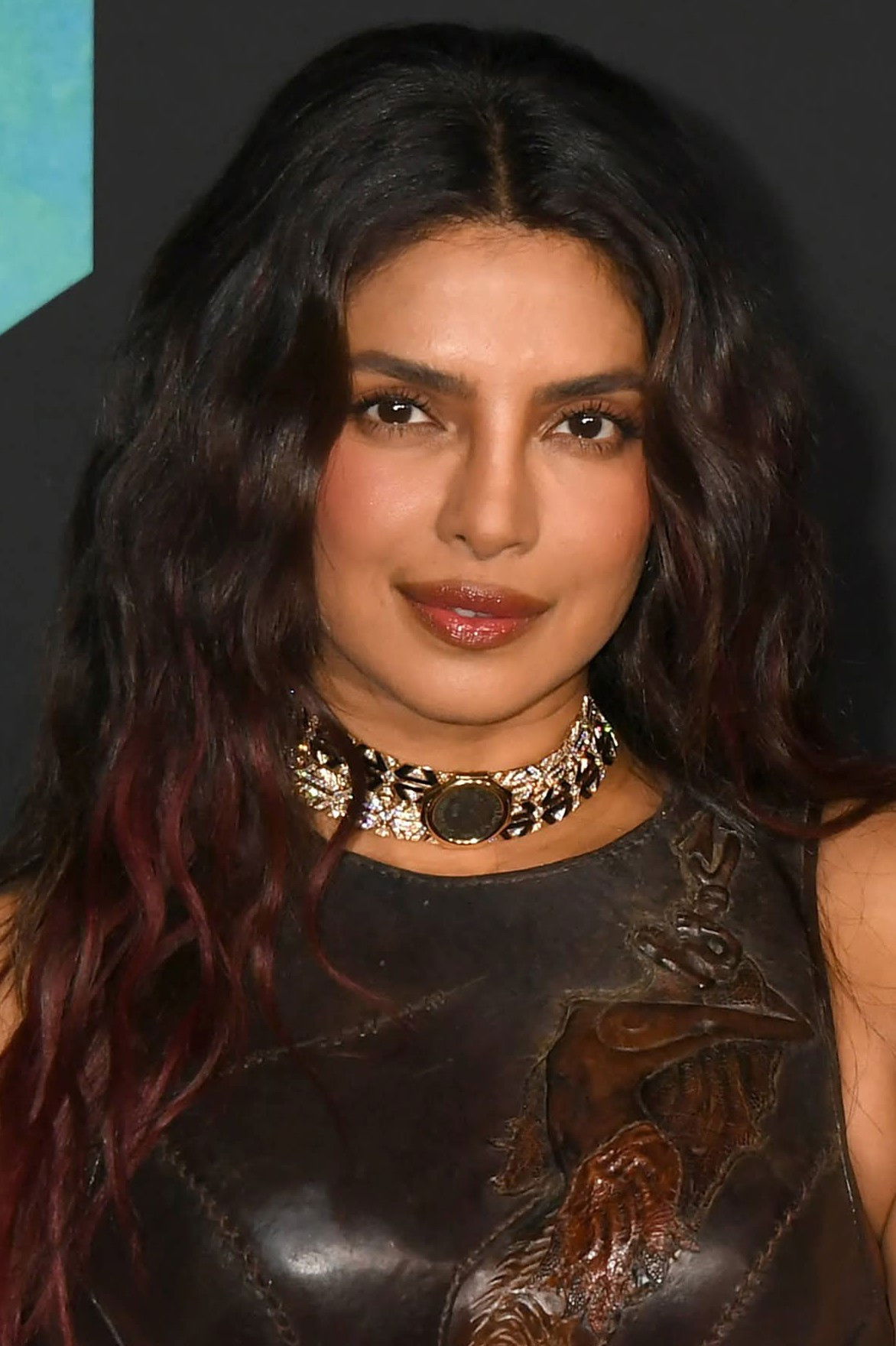
The ‘Citadel’ actress has addressed the issue of tokenism and how diversity mandates can sometimes miss the mark. She argued that the industry needs to move beyond superficial representation to tell truly global stories. Priyanka Chopra Jonas has been critical of how some studios use inclusion as a way to satisfy social requirements without deep engagement. Her perspective is shaped by her transition from Indian cinema to the global stage. She continues to advocate for a more nuanced and substantial approach to diversity in Hollywood.
Please share your thoughts on these industry changes and the perspectives of these performers in the comments.