


Female Actresses Who Publicly Criticized the Modern Feminist Movement

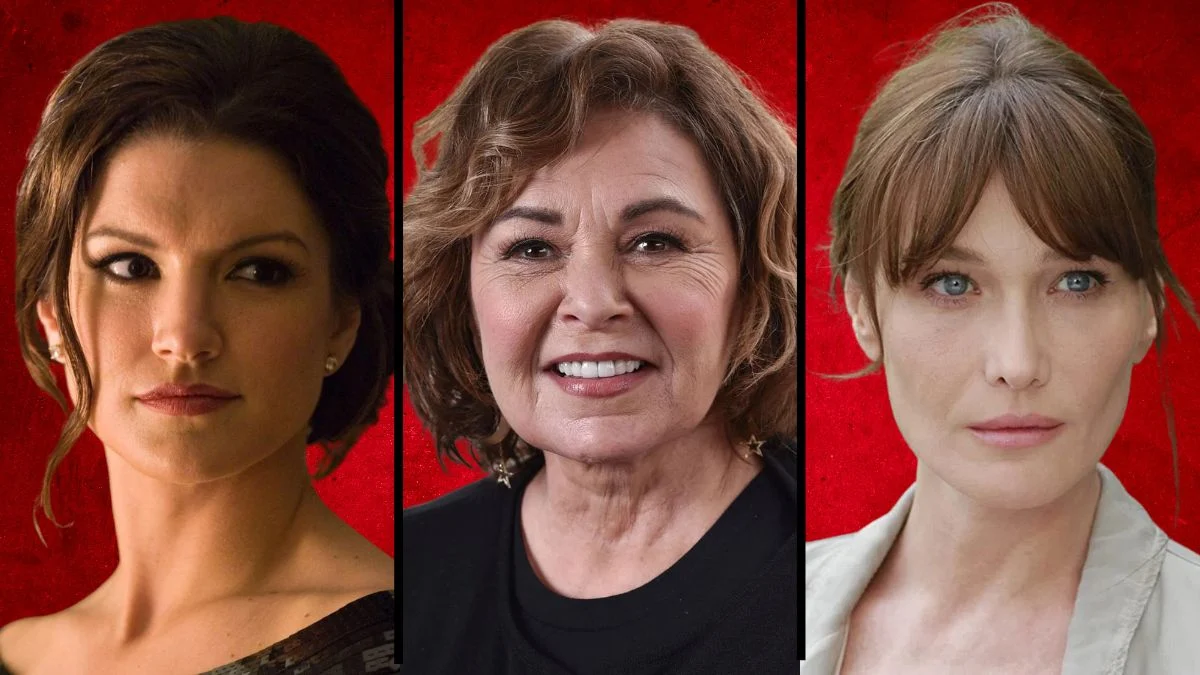


The landscape of modern Hollywood often appears unified in its support for social movements, yet many high profile actresses have voiced significant criticisms of contemporary feminism. These performers often argue that the movement has become exclusionary, radical, or unnecessary in its current form. Some prefer the label of humanist, while others believe that the focus on gender division undermines true equality between men and women. By exploring these public statements, one can see a complex range of opinions that challenge the mainstream narrative of the entertainment industry. This collection highlights women who have used their platforms to question the direction and methods of the modern feminist movement.
Marion Cotillard
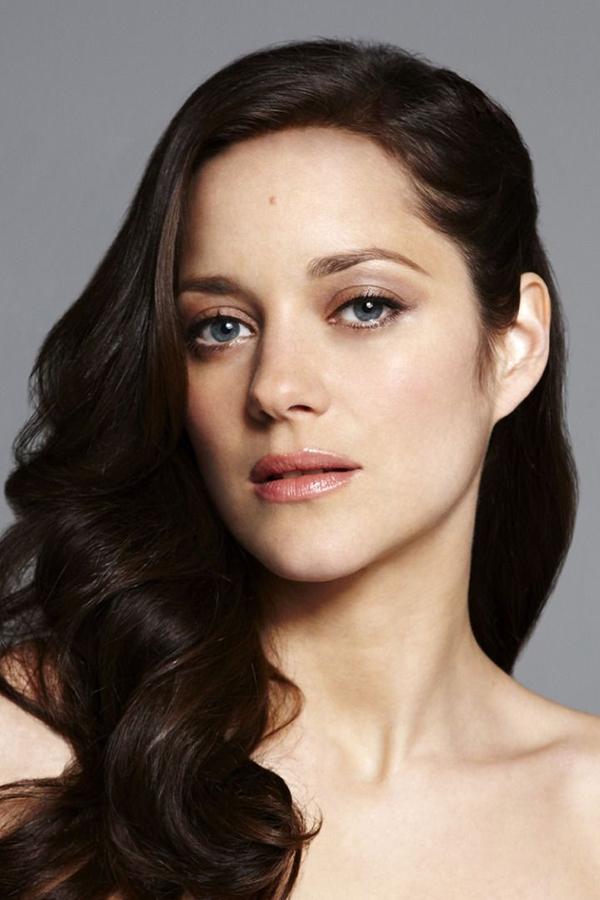
Marion Cotillard has expressed her belief that the film industry should not be divided by the term feminism because it creates a separation between men and women. She noted that she does not consider herself a feminist because she believes the term implies a struggle that is not always applicable to her worldview. The actress emphasized that her focus is on being a person rather than being defined by gendered political labels. She has often stated that film should be about people and the art of storytelling without the constraints of modern ideological categories.
Shailene Woodley
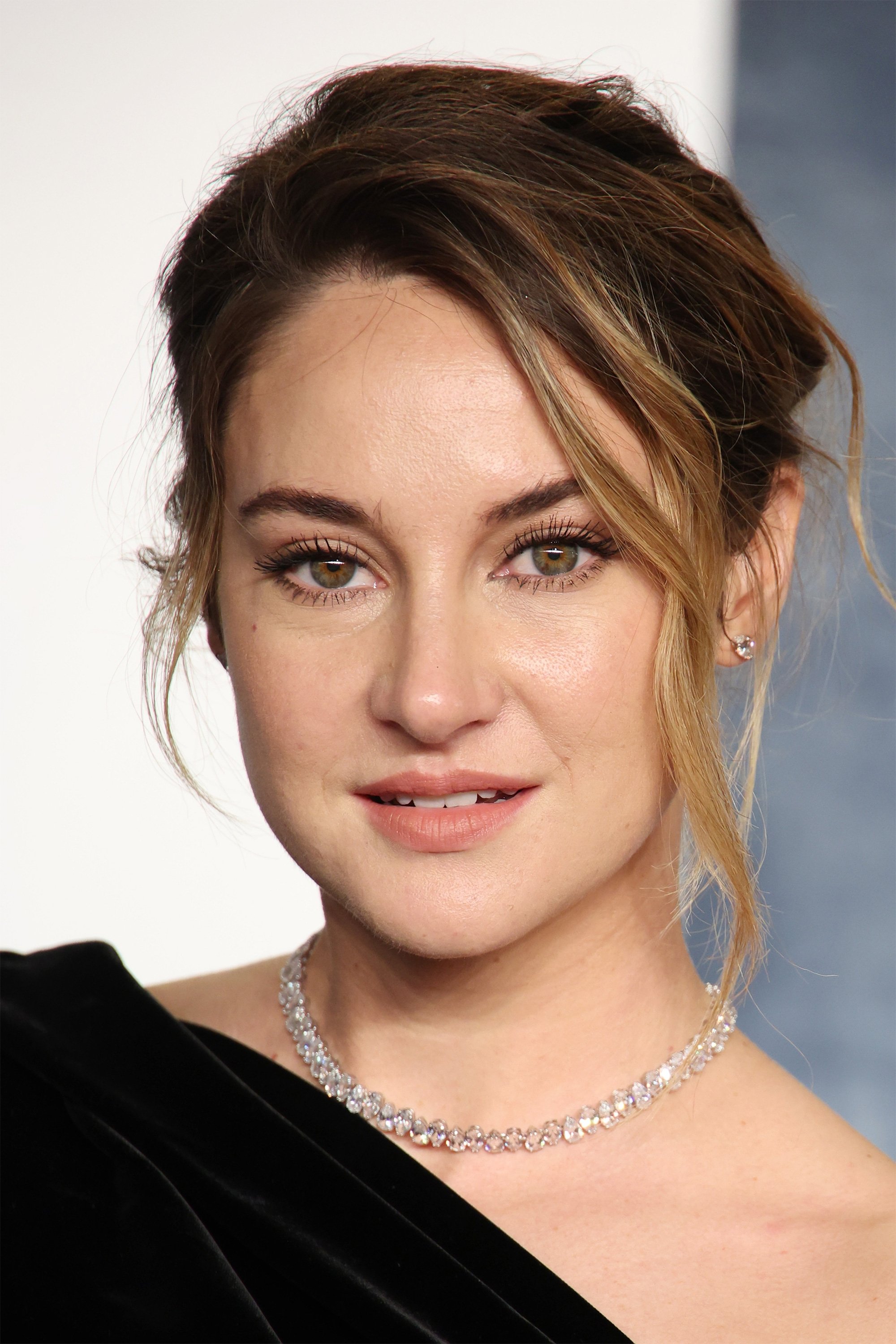
Shailene Woodley famously stated in a media interview that she is not a feminist because she loves men and believes in the balance of the sexes. She argued that the modern movement can sometimes create an atmosphere of hostility toward men which she finds counterproductive to true equality. The actress suggested that the focus should be on mutual respect and partnership between all individuals regardless of their gender. Her comments sparked significant public discussion regarding the definitions of empowerment and the role of men in modern social progress.
Meryl Streep
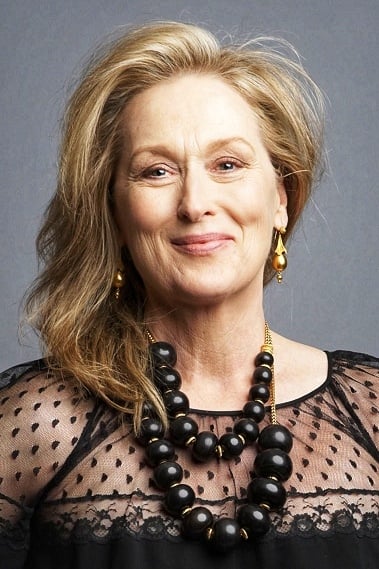
Meryl Streep surprised many fans when she declined to identify as a feminist during the promotion of her film ‘Suffragette’. Instead, she stated that she identifies as a humanist who advocates for a nice and easy balance between all people. While she has spent her career advocating for equal pay and female representation, she feels the specific label of feminism does not fully encompass her perspective. She prefers to focus on broad humanitarian goals that benefit everyone in society through collective action.
Sarah Jessica Parker
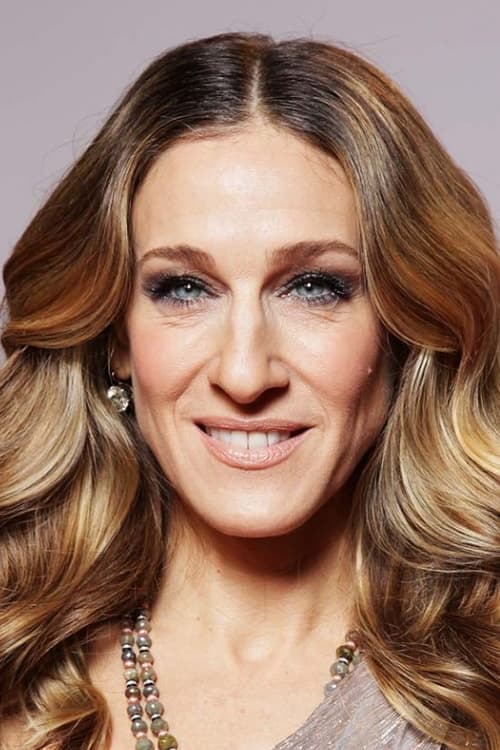
Sarah Jessica Parker has voiced her preference for the term humanist over feminist in several public discussions. She explained that she no longer feels the term feminist accurately represents her beliefs regarding equality and social justice. The actress believes that the focus should remain on the shared human experience rather than the specific divisions of gender politics. Her perspective highlights a desire for a more inclusive approach to rights that covers all individuals across the social spectrum.
Catherine Deneuve
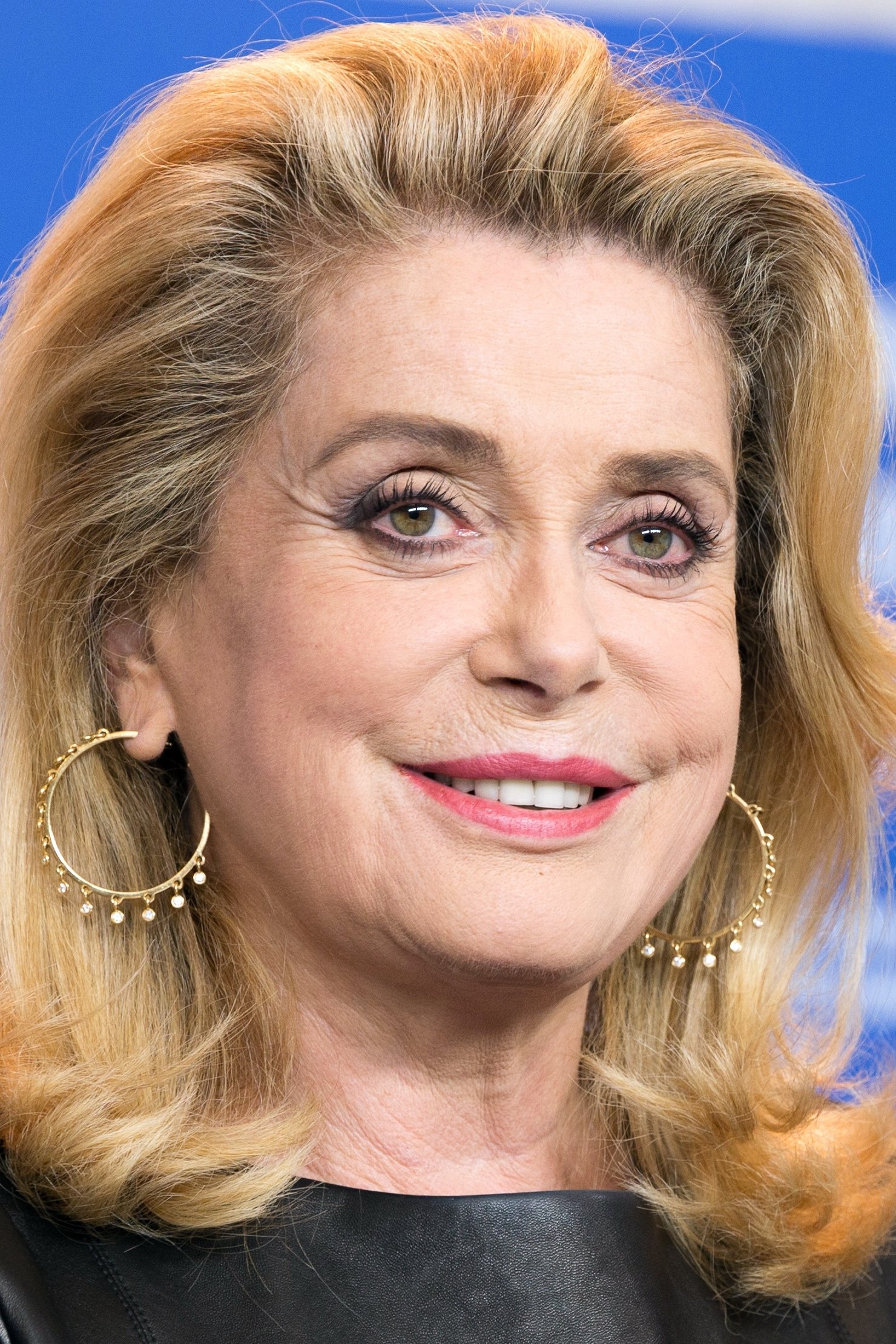
Catherine Deneuve was one of the most prominent signatures on a public letter criticizing the MeToo movement as a form of puritanism. She argued that the movement had gone too far and was beginning to threaten the freedom of artistic expression and social interaction. The actress suggested that modern feminist discourse often creates an environment of victimhood that she finds unnecessary for professional women. Her stance caused a significant international debate regarding the boundaries of acceptable social behavior and the evolution of gender relations in the modern era.
Brigitte Bardot
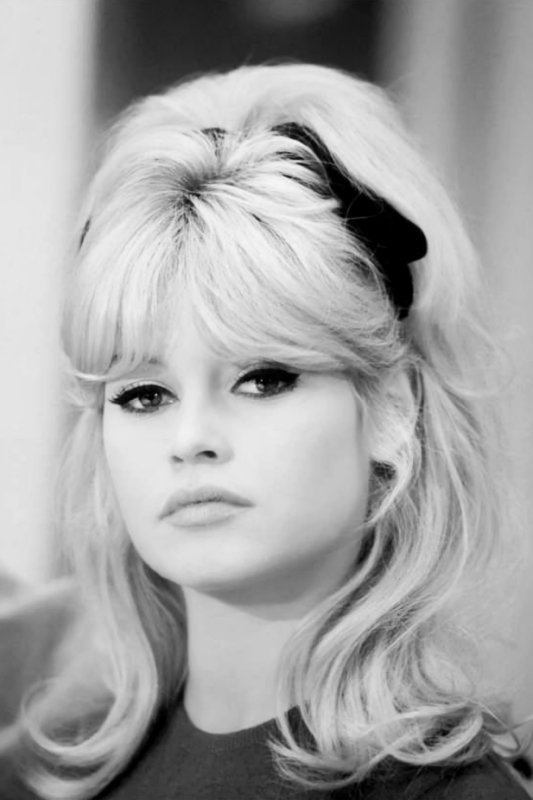
Brigitte Bardot has been highly vocal in her criticism of contemporary feminist movements and the MeToo phenomenon. She described the public complaints of many actresses as hypocritical and sought to distance herself from the current wave of activism. The French icon believes that much of the modern discourse is theatrical and does not reflect the actual realities of the professional world. Her comments reflect a significant generational gap in how gender dynamics and workplace interactions are perceived by established stars.
Stacey Dash
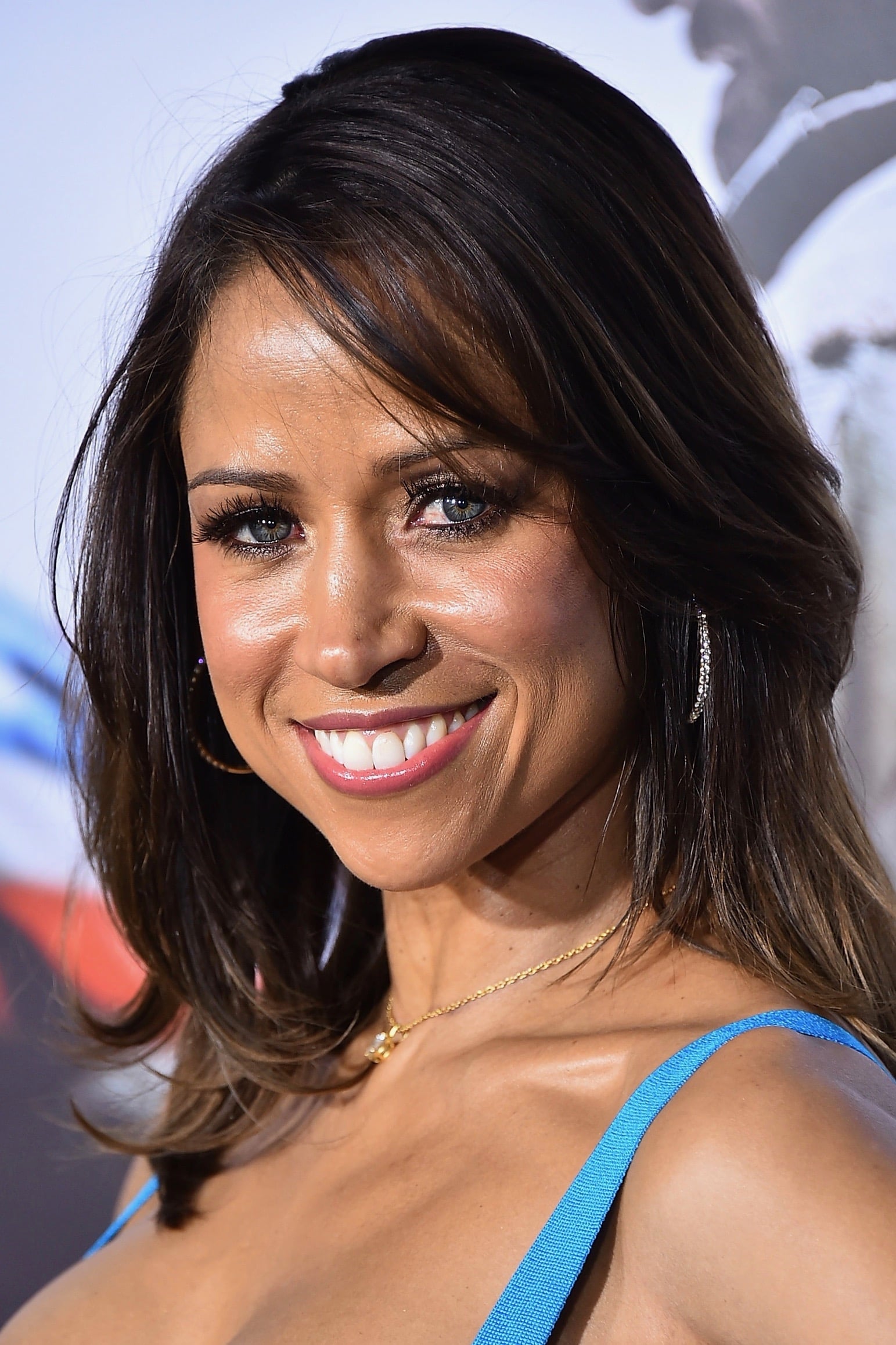
Stacey Dash has frequently criticized modern feminism for what she views as its liberal bias and exclusionary nature. She has argued that the movement often promotes a victim mentality that hinders the actual progress of women in contemporary society. The actress believes that individual responsibility and merit are more important than collective political activism or group identity. Her outspoken views have made her a central figure in the ongoing debate over gender and politics within the entertainment industry.
Roseanne Barr
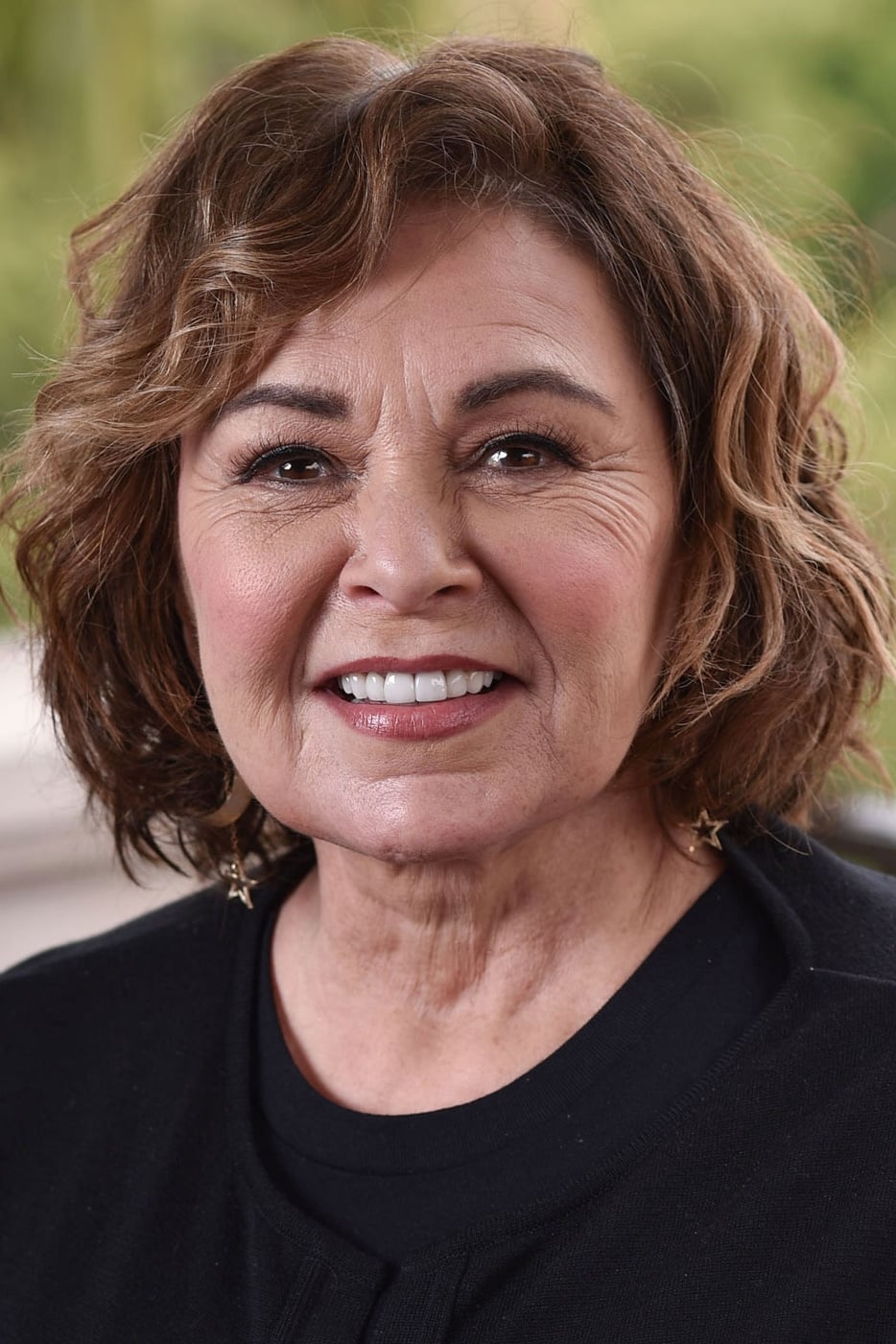
Roseanne Barr has long been a critic of what she calls corporate feminism, which she believes ignores the needs of working class women. She has frequently used her platform to challenge the mainstream feminist narrative as being out of touch with average Americans. The actress argues that the movement has become more about political power than genuine equality for all citizens. Her critiques often focus on the perceived hypocrisy within the Hollywood establishment regarding complex social justice issues.
Gina Carano
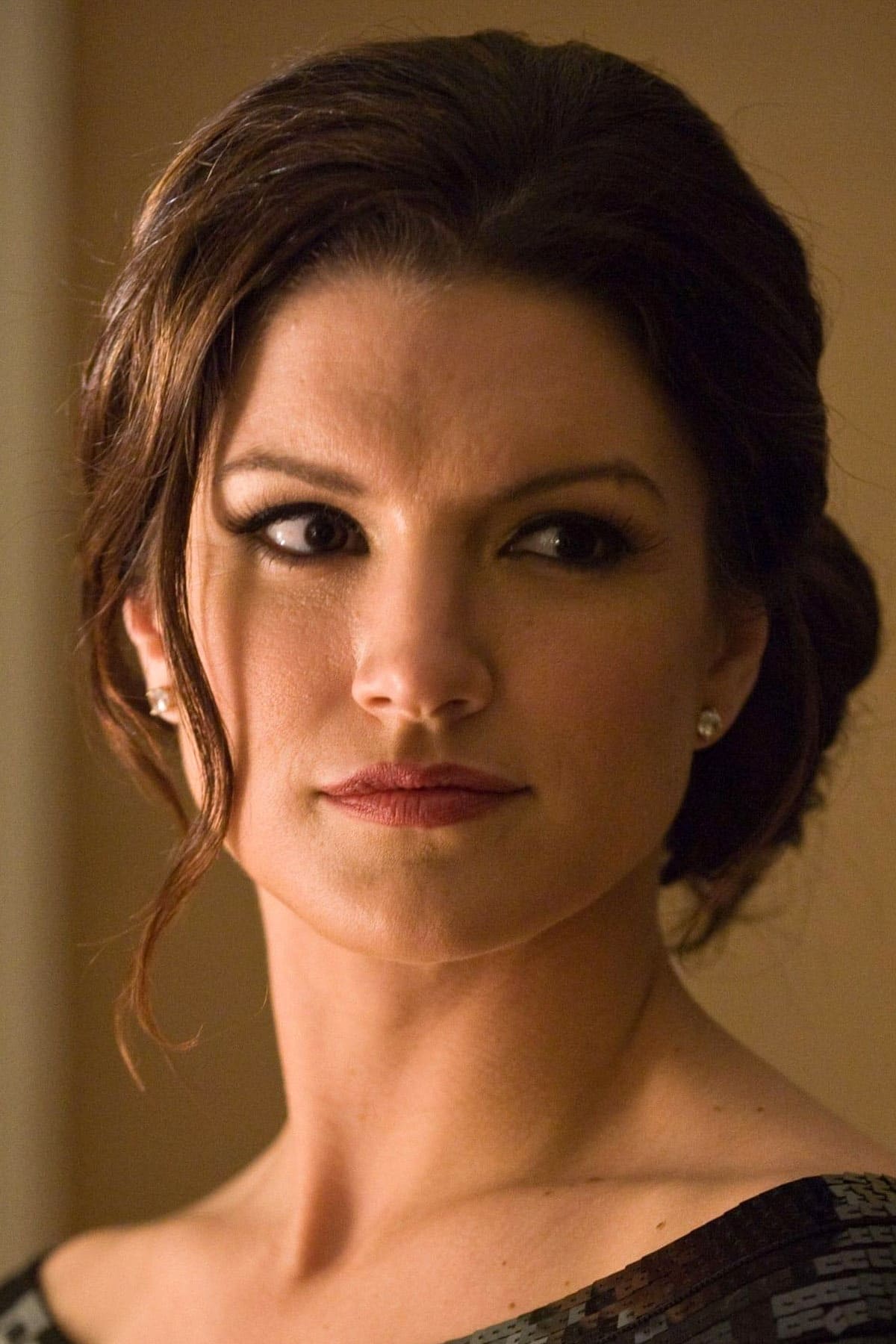
Gina Carano has faced significant public backlash for her views on modern social movements, including various forms of contemporary feminism. She has expressed concerns about the pressure to conform to specific ideological standards within the entertainment industry today. The actress often advocates for freedom of speech and the right to hold personal beliefs that may contradict popular political trends. Her perspective emphasizes the importance of individual thought over group identity and collective social activism.
Candace Cameron Bure
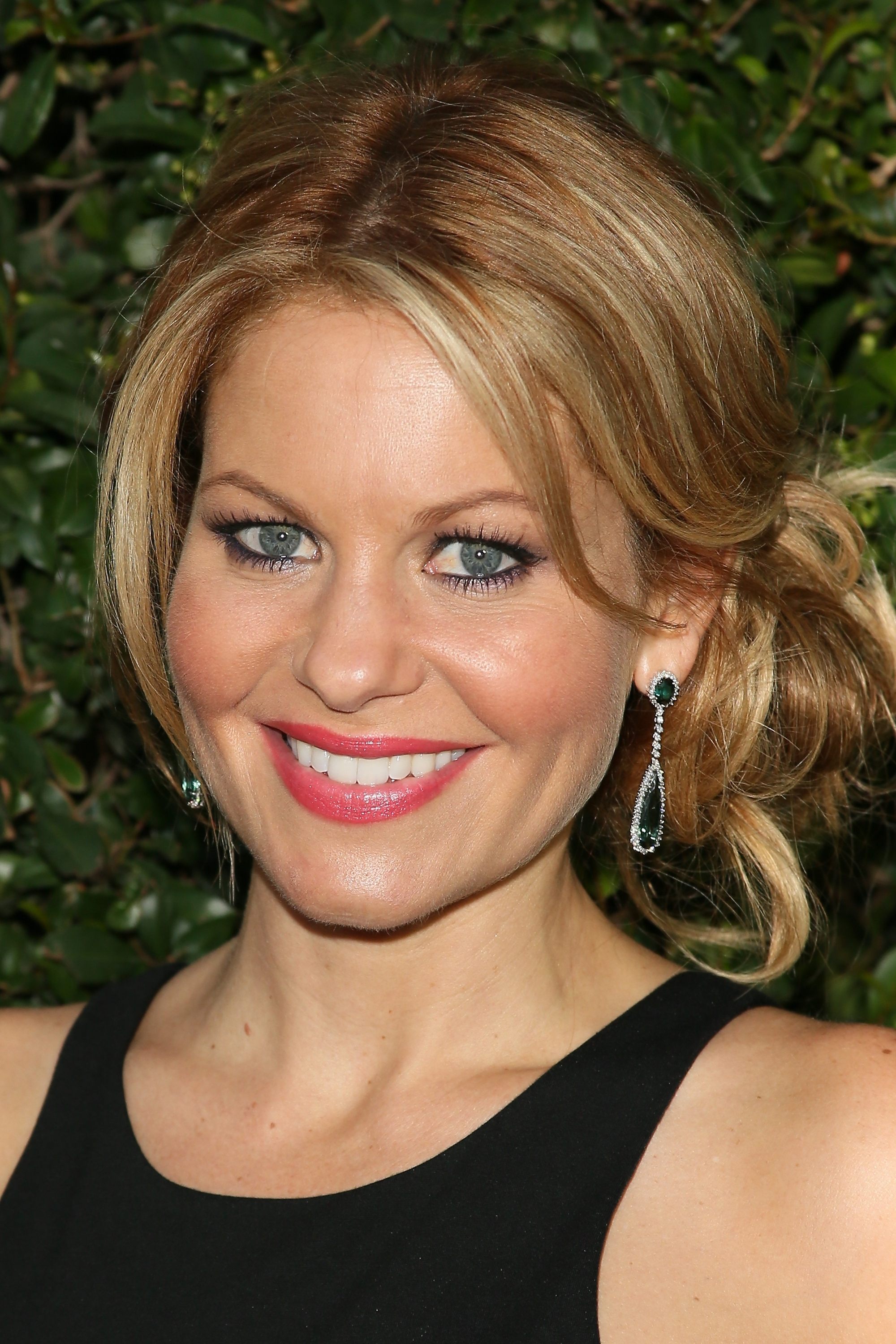
Candace Cameron Bure has criticized certain aspects of modern feminism that she feels conflict with her personal and religious values. She has spoken about the importance of traditional family structures and the roles that men and women play within those systems. The actress believes that modern movements can sometimes devalue the choice to prioritize family over a professional career. Her views reflect a traditionalist approach to gender that challenges the prevailing liberal feminist narrative in the media.
Patricia Heaton
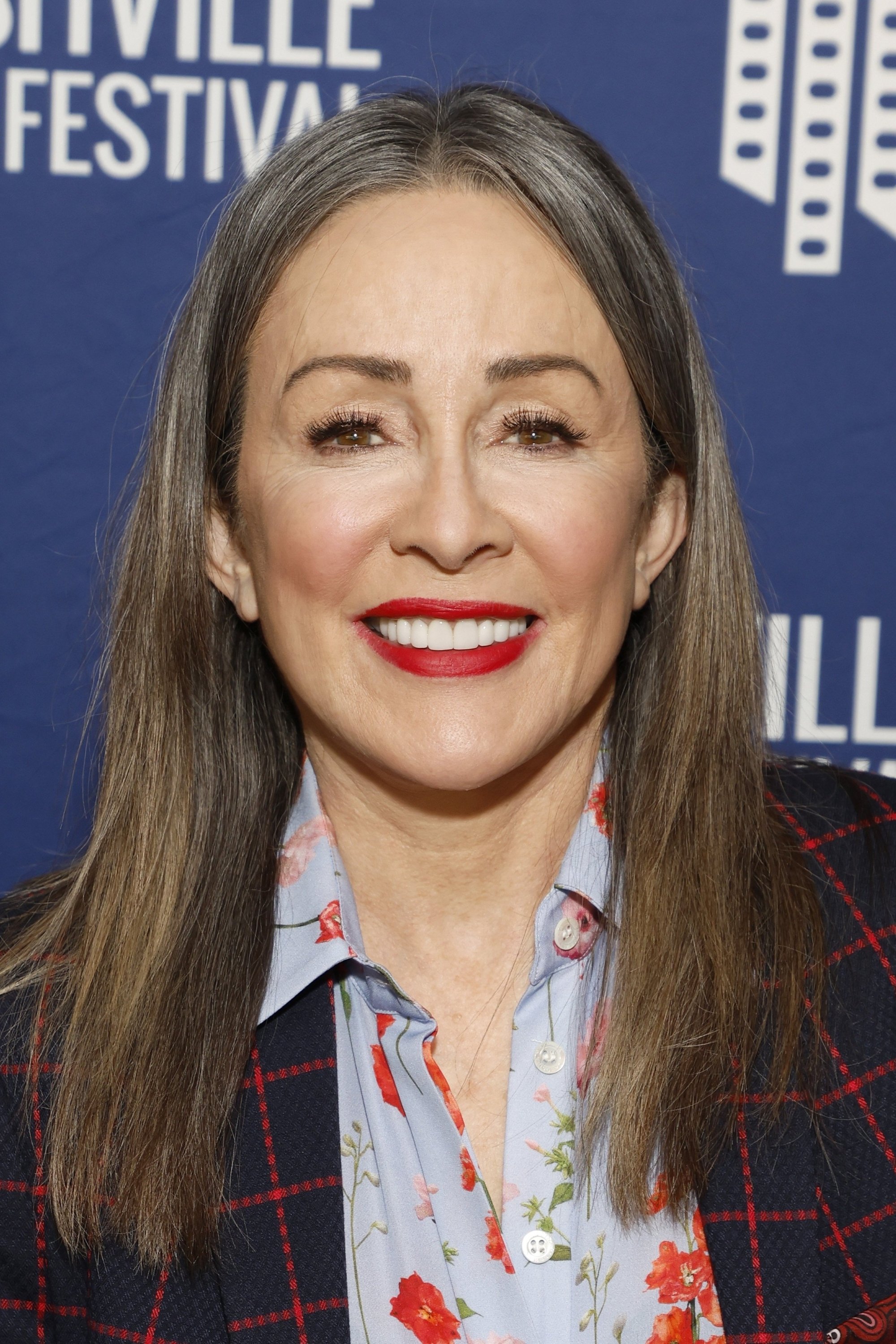
Patricia Heaton is known for her outspoken criticism of modern liberal feminism and its political affiliations. She has frequently challenged the movement for its stance on specific social issues that align with her conservative beliefs. The actress believes that true empowerment comes from individual strength rather than political lobbying or collective labels. She uses her platform to advocate for a worldview that prioritizes family, faith, and personal liberty above political trends.
Salma Hayek Pinault
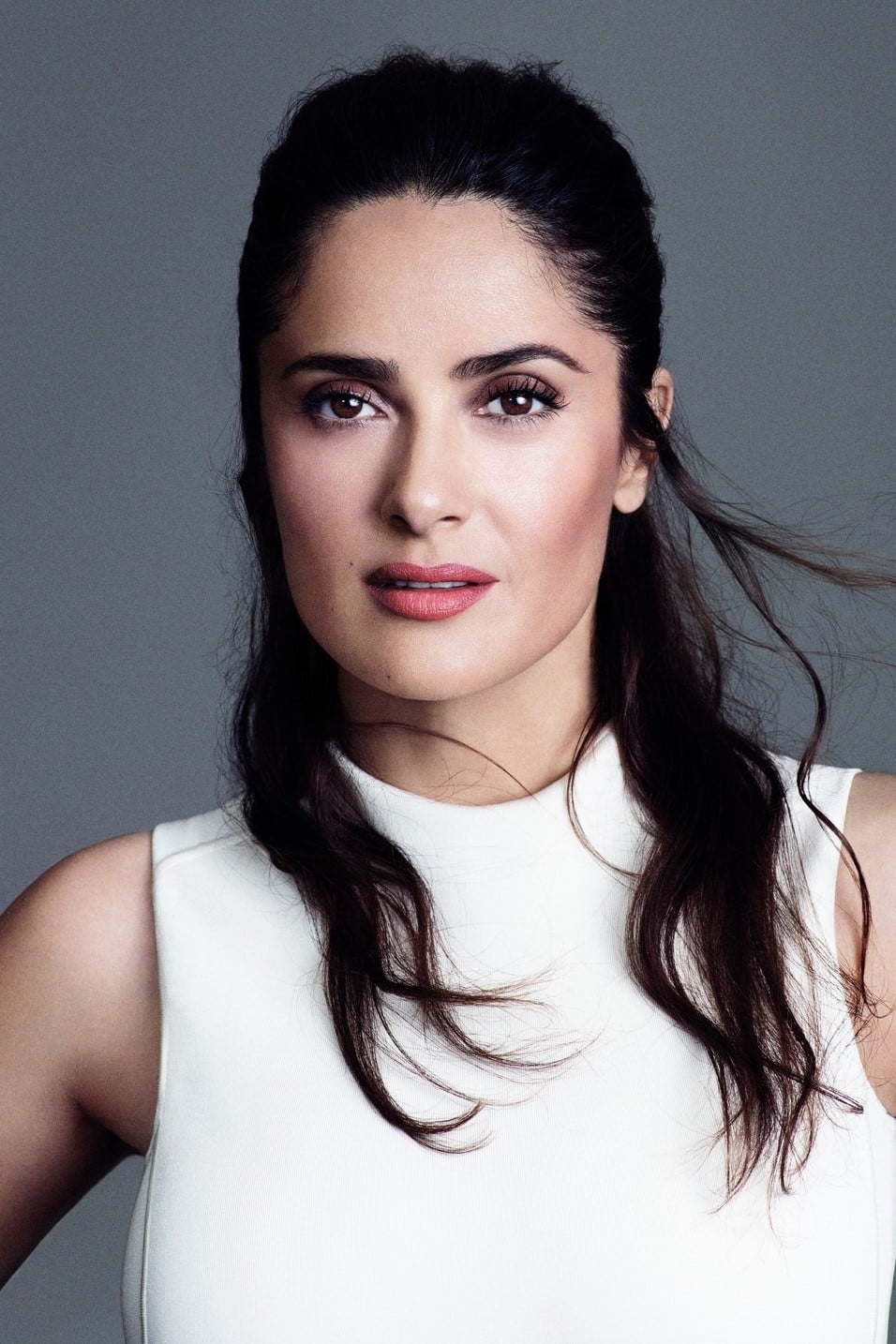
Salma Hayek Pinault has stated that she does not identify as a feminist because she believes in equality for everyone including men. She has argued that if men were facing the same challenges as women, she would fight for them with the same level of passion. The actress feels that the modern movement can sometimes be too narrow in its focus on gender specific struggles. Her comments emphasize a broader commitment to human rights and universal justice for all people regardless of their background.
Carla Bruni
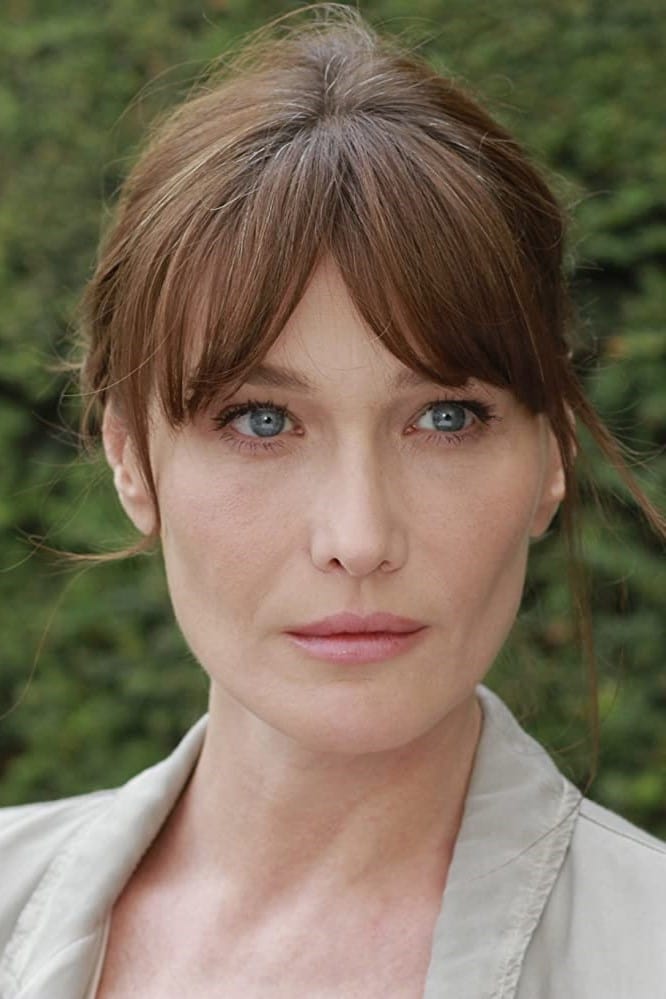
Carla Bruni once remarked that her generation does not have a need for feminism because the struggles of the past have already been won. She expressed that she is not a feminist activist and prefers to focus on her life as a musician and a person. The former model and actress believes that the modern movement can sometimes be redundant in contemporary Western society. Her views represent a perspective that sees traditional feminism as a historical necessity rather than a requirement for today.
Susan Sarandon
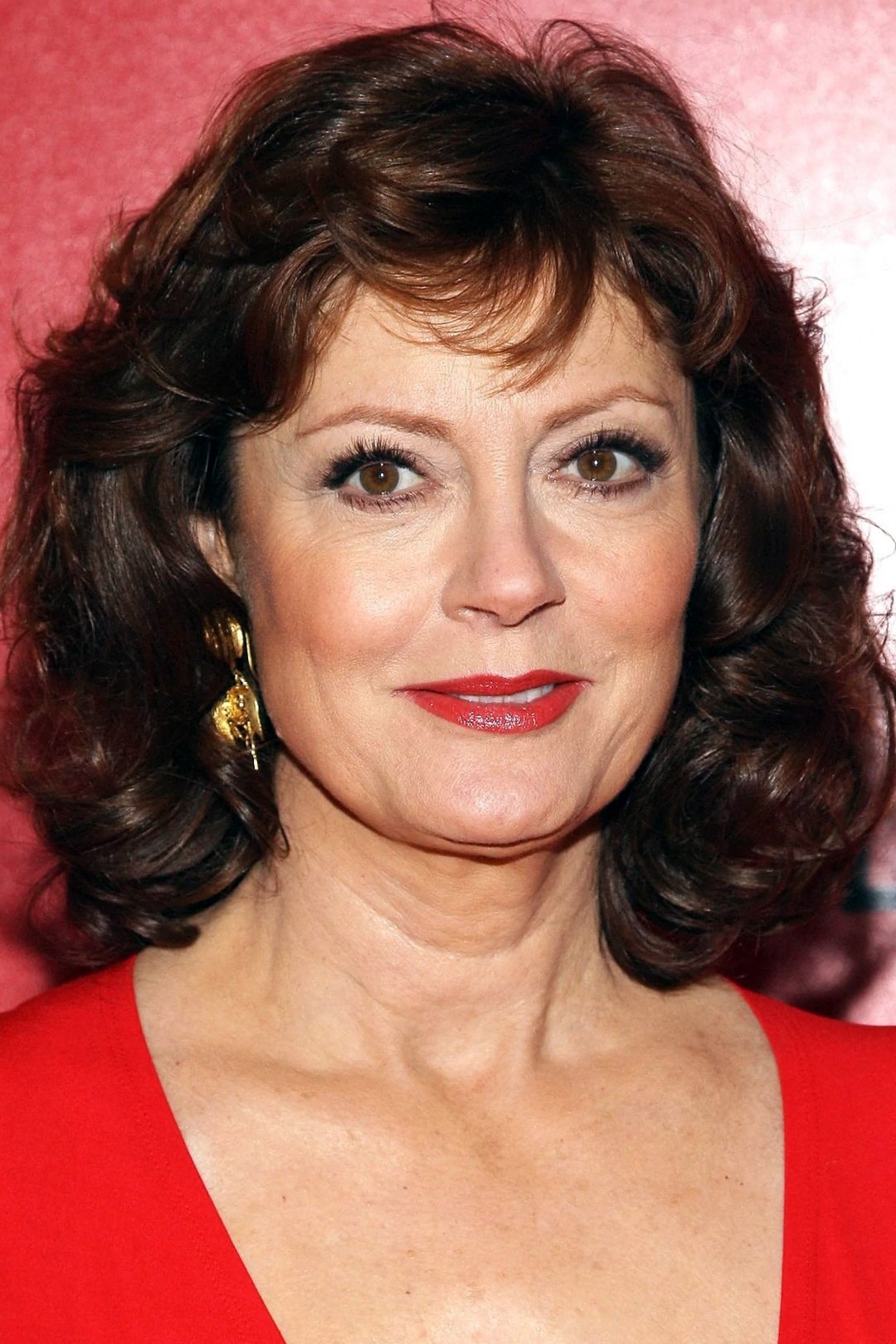
Susan Sarandon has criticized certain brands of modern feminism for being more about partisan politics than actual systemic change. She has famously pushed back against the idea that women must support specific political candidates simply because of their gender. The actress believes that the movement should focus on broad economic and social reforms that help all marginalized groups. Her critiques often target the exclusionary nature of mainstream political activism within the professional industry.
Melissa Leo
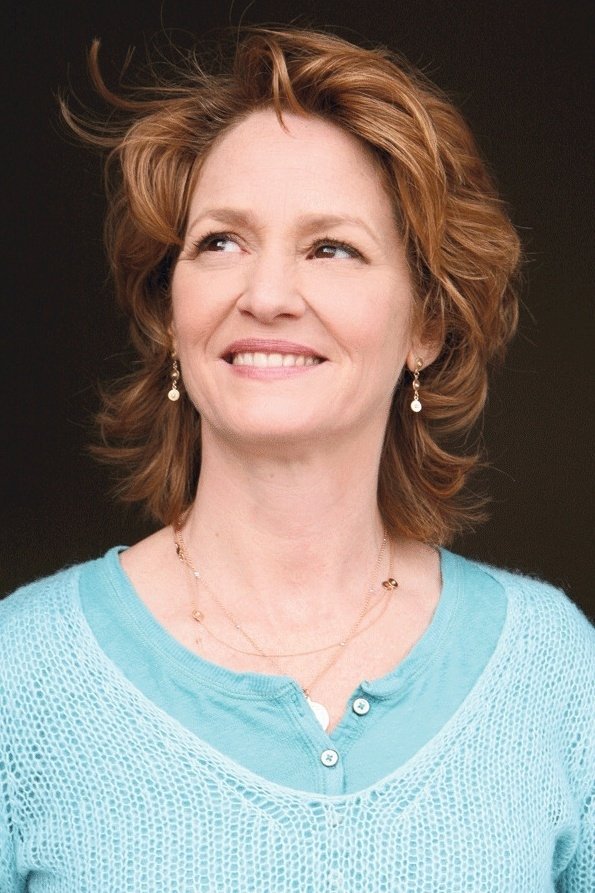
Melissa Leo has expressed her lack of interest in the term feminist and the political labels associated with it. She noted during various interviews that she does not think about her life or her career through the lens of gendered activism. The actress prefers to focus on the work itself and the specific characters she portrays on screen. She believes that the best way to represent women is through authentic performances rather than through political statements.
Kaley Cuoco
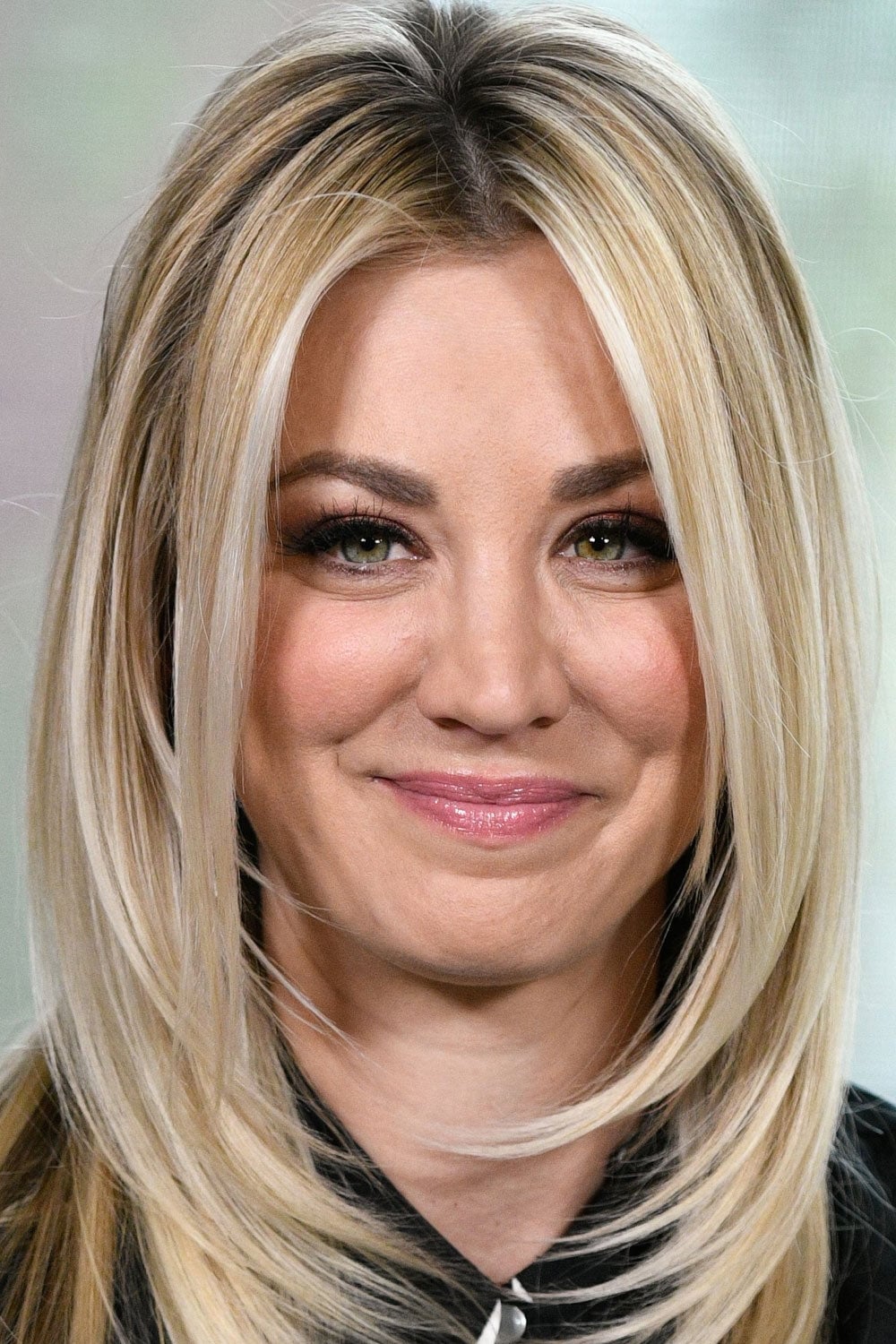
Kaley Cuoco made headlines during her time on ‘The Big Bang Theory’ when she stated that she was not a feminist because she had never faced inequality. She also mentioned that she enjoys the traditional role of taking care of her home and her partner. While she later clarified her comments, they reflected a perspective that values personal satisfaction over political labels. The actress believes that every woman should have the freedom to choose the lifestyle that makes her happy.
Kelly Clarkson
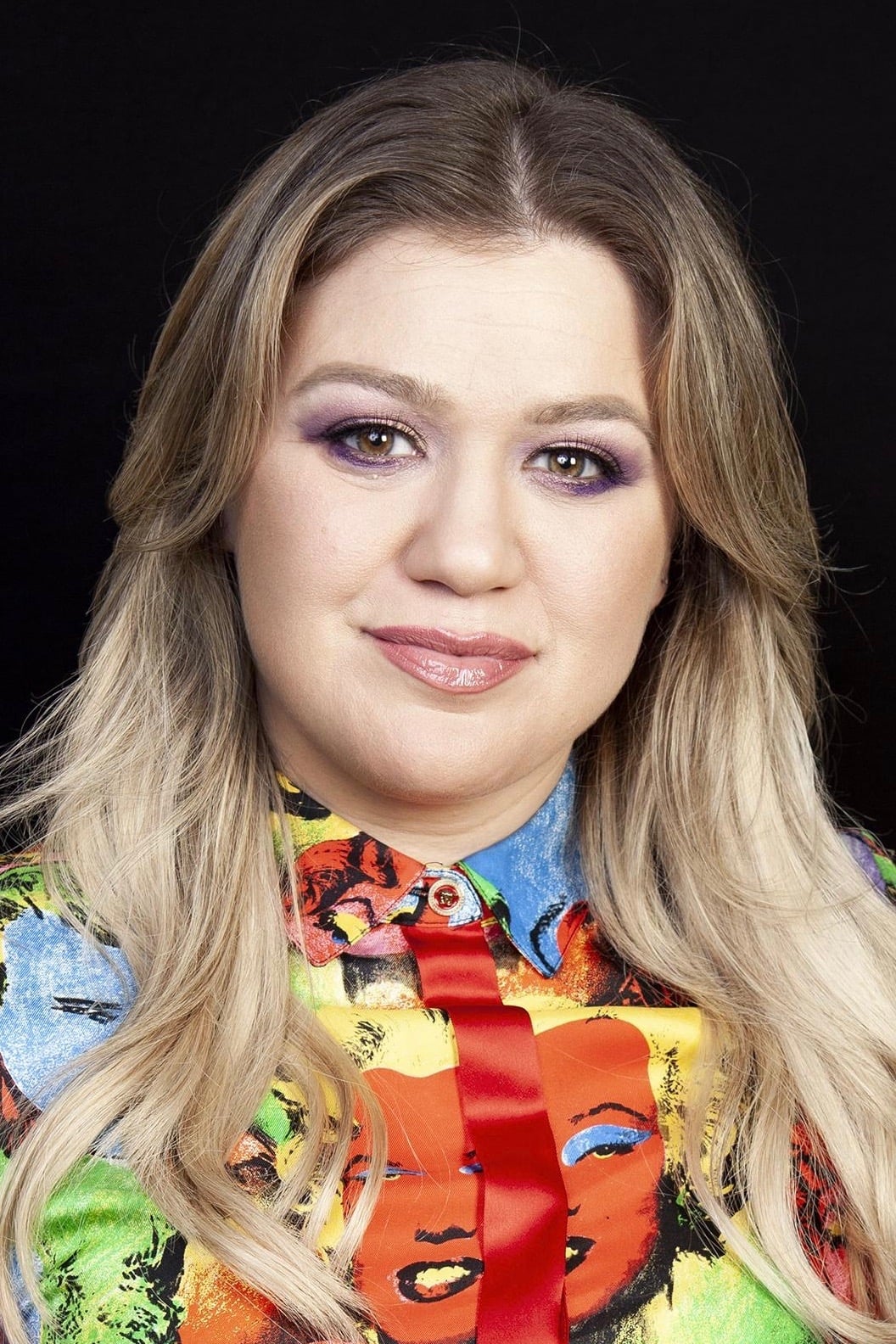
Kelly Clarkson has distanced herself from the feminist label because she finds the term to be too strong and potentially divisive. She has described herself as a person who loves people and believes in equal rights without the need for specific political categories. The singer and actress prefers to focus on a message of kindness and universal respect for all individuals. Her comments reflect a desire to avoid the political baggage that often accompanies modern social movements.
Carrie-Anne Moss
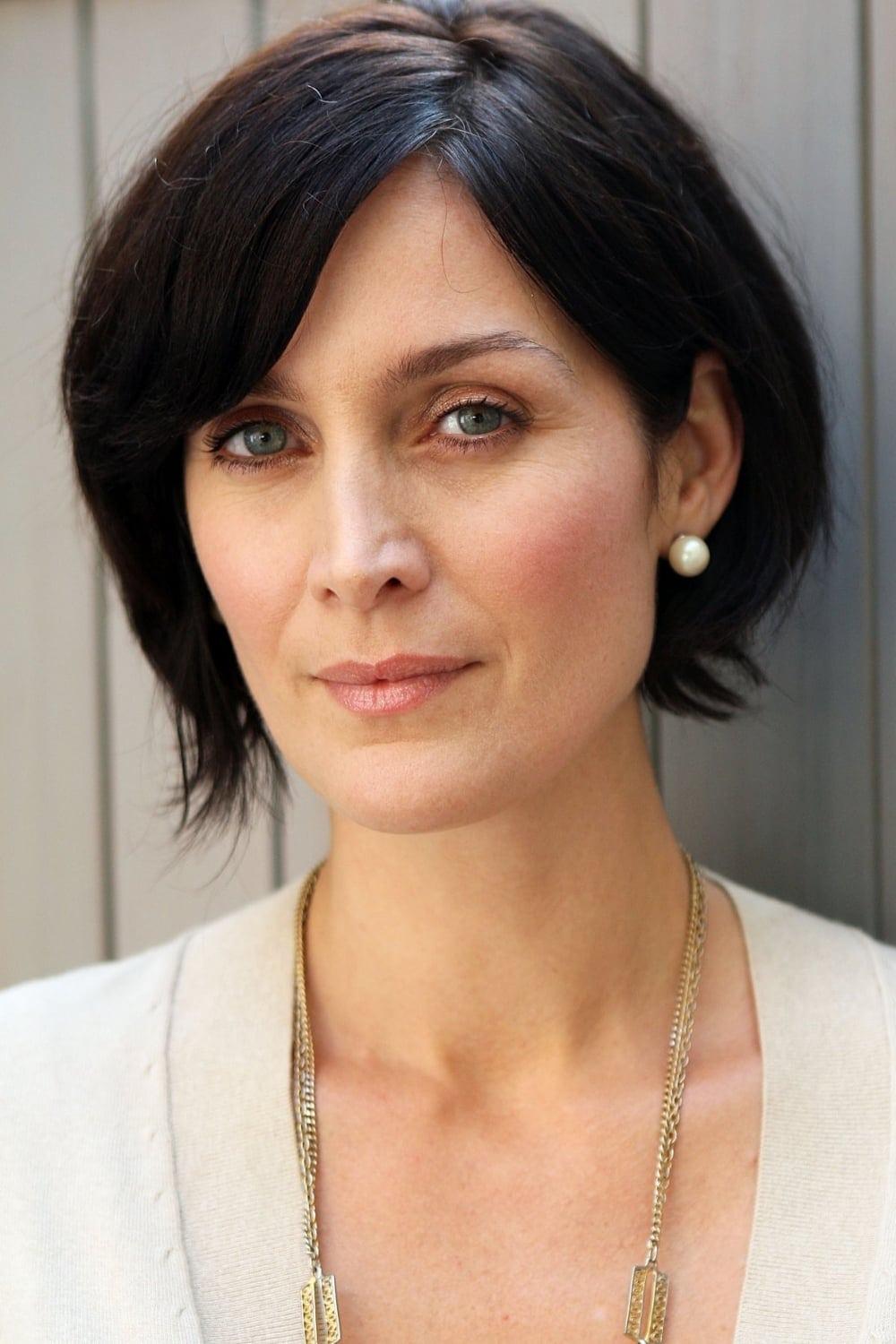
Carrie-Anne Moss has criticized the modern industry pressure on women to maintain a certain image and conform to specific standards. She has expressed concerns that some forms of modern activism can inadvertently create new sets of expectations for women to follow. The actress believes in finding personal balance and rejecting the labels that society often imposes on her. Her perspective focuses on the importance of self care and individual well being outside of political frameworks.
Kim Kardashian
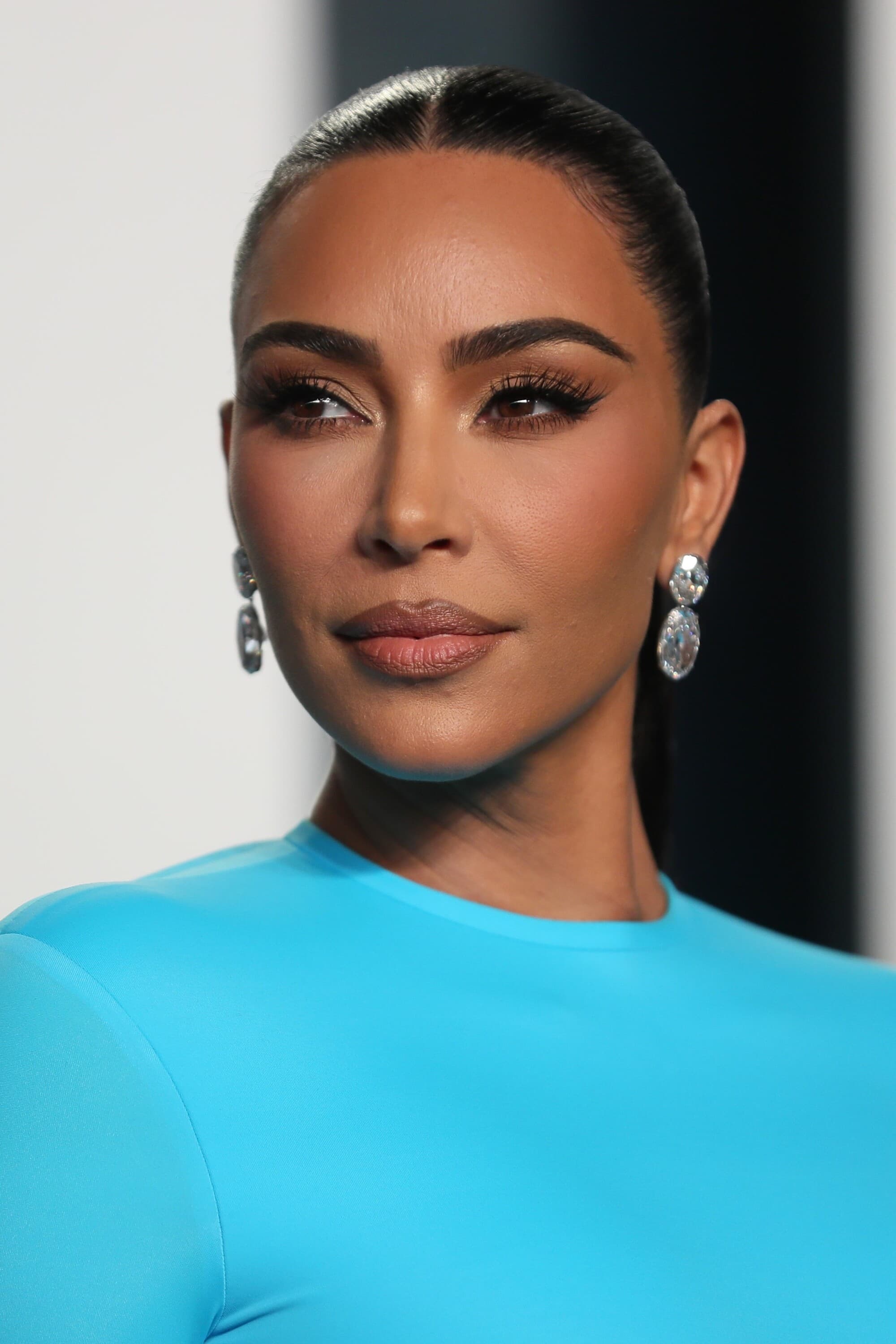
Kim Kardashian has frequently stated that she does not consider herself a feminist despite her massive influence on female entrepreneurship. She prefers to identify as a humanist and believes that the feminist label can sometimes be limiting. The actress and reality star focuses on her work in criminal justice reform and business as her primary forms of advocacy. Her stance highlights a preference for practical action over political identification in the public sphere.
Dolly Parton
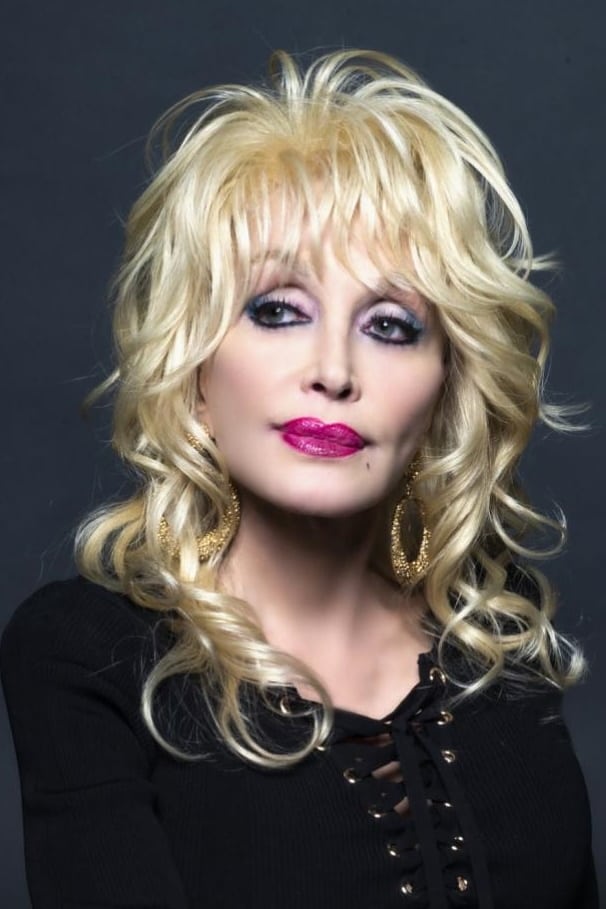
Dolly Parton has famously avoided the feminist label throughout her legendary career in music and film. She has explained that she does not like to be categorized and prefers to focus on her work and her love for people. The actress believes that her actions in the business world speak louder than any political identification could. Her approach to empowerment is rooted in individual hard work and a commitment to helping her community through philanthropy.
Juliette Binoche
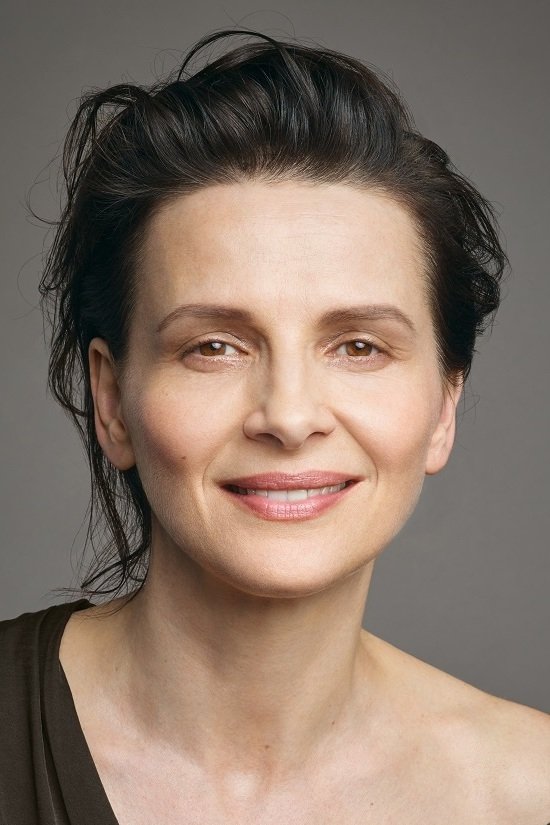
Juliette Binoche has expressed reservations about the way modern feminism is sometimes portrayed in the media and the arts. She has argued that the movement should not become a tool for censorship or the limitation of artistic freedom. The French actress believes in a more nuanced understanding of gender relations that accounts for the complexity of human emotions. Her critiques often focus on the need for dialogue rather than the imposition of strict ideological rules.
Isabelle Huppert
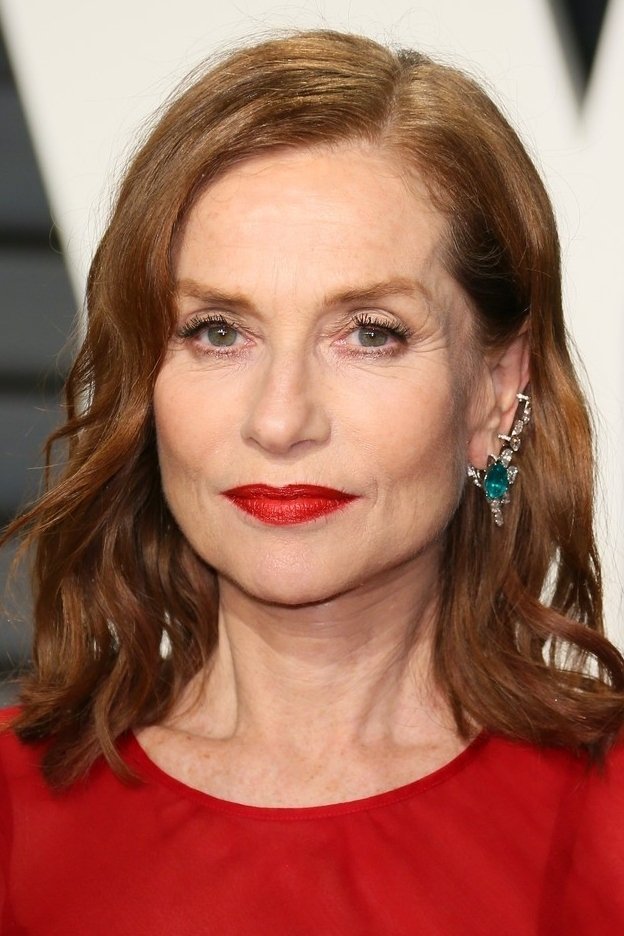
Isabelle Huppert has taken a cautious approach to the modern feminist movement within the French film industry. She has emphasized that her priority is always the art and the specific requirements of the roles she chooses. The actress has suggested that political movements should not dictate the content of films or the way actors interact. Her perspective values the independence of the artist above the collective goals of modern social activism.
Fanny Ardant
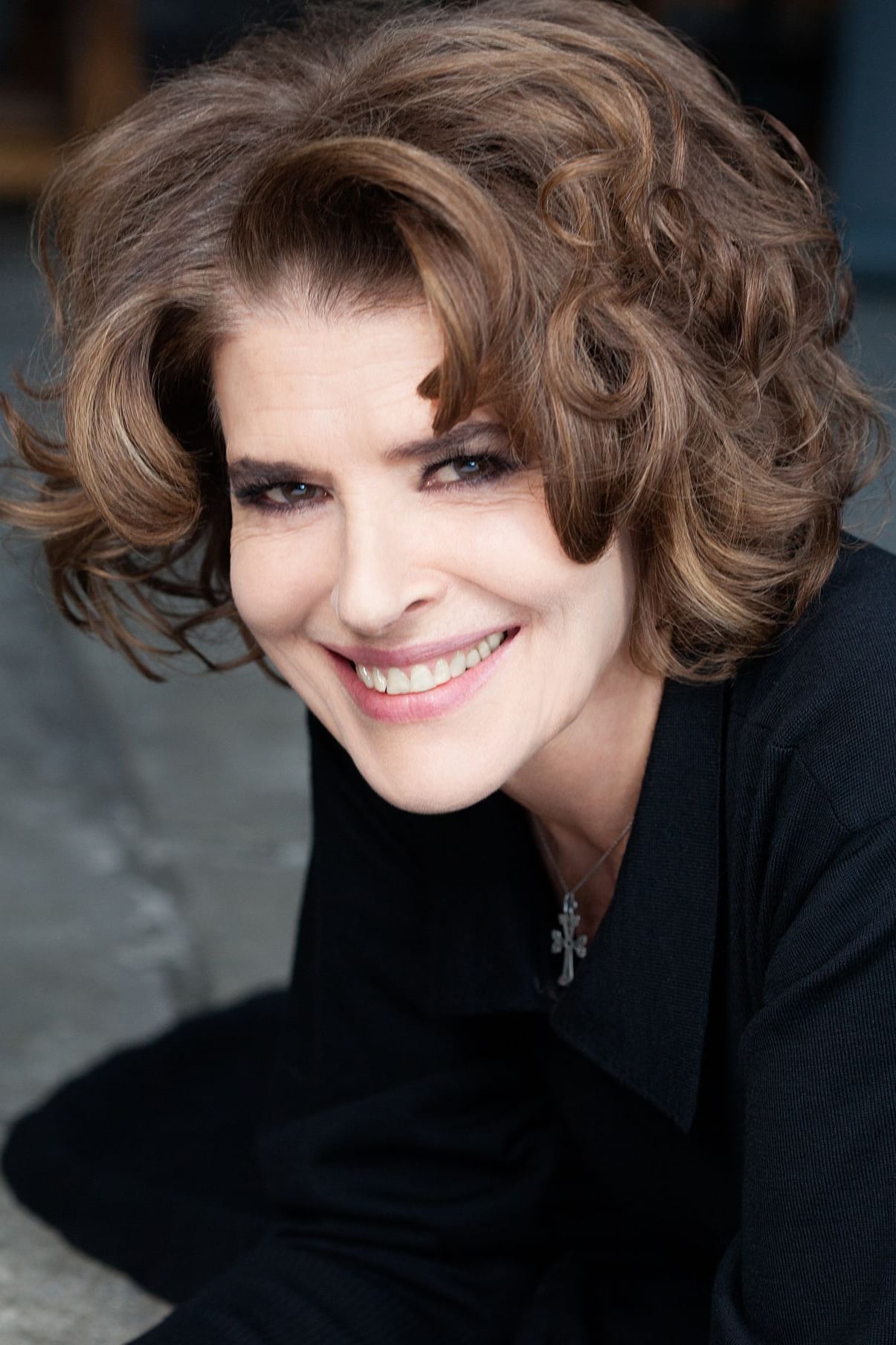
Fanny Ardant has voiced her disapproval of the MeToo movement and the ways in which modern feminism targets specific behaviors. She has spoken out in defense of artistic colleagues who have been criticized by the movement. The actress believes that the current atmosphere can lead to a lack of forgiveness and a simplification of human relationships. Her comments reflect a desire for a more traditional and perhaps less confrontational approach to gender dynamics.
Béatrice Dalle
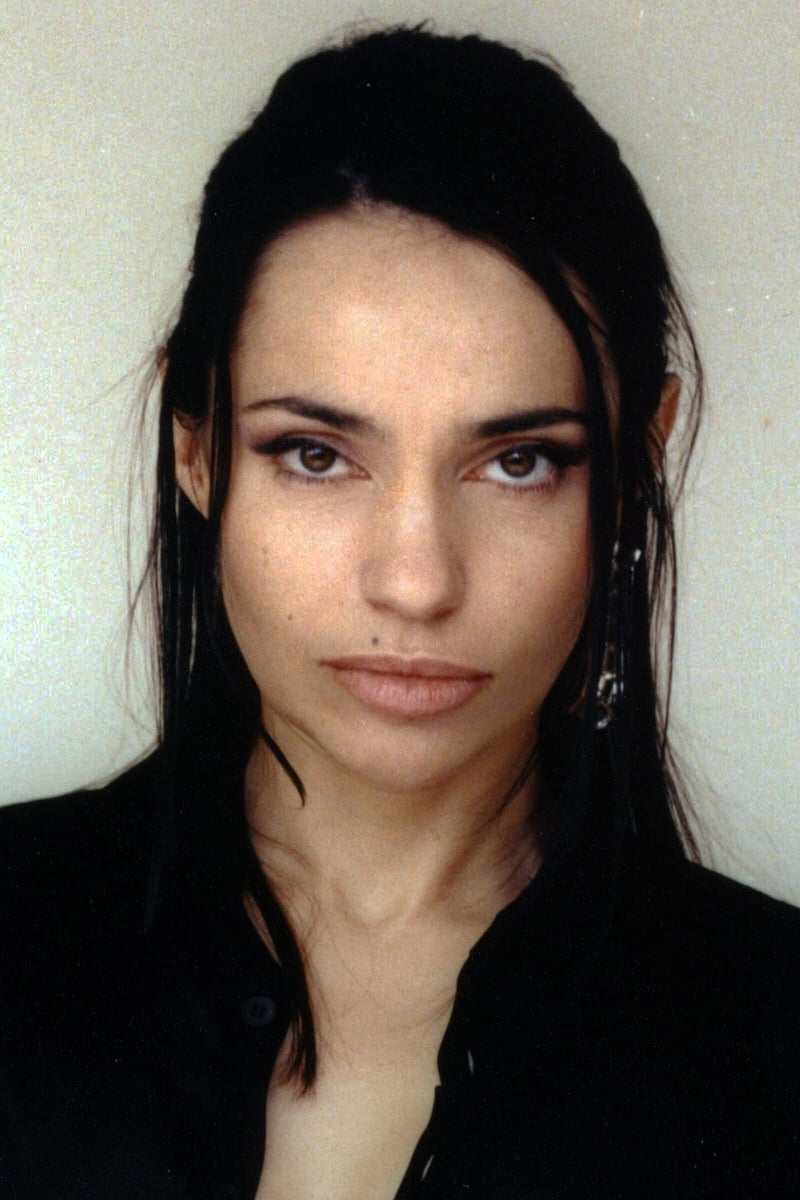
Béatrice Dalle has been very critical of the MeToo movement and what she perceives as the victimhood of modern actresses. She has argued that women in the industry should be strong enough to handle professional challenges without turning to public outcries. The actress finds the current trend of public accusations to be contrary to her personal values of strength and independence. Her views are often characterized by a rebellious and individualistic spirit that rejects mainstream trends.
Kirstie Alley
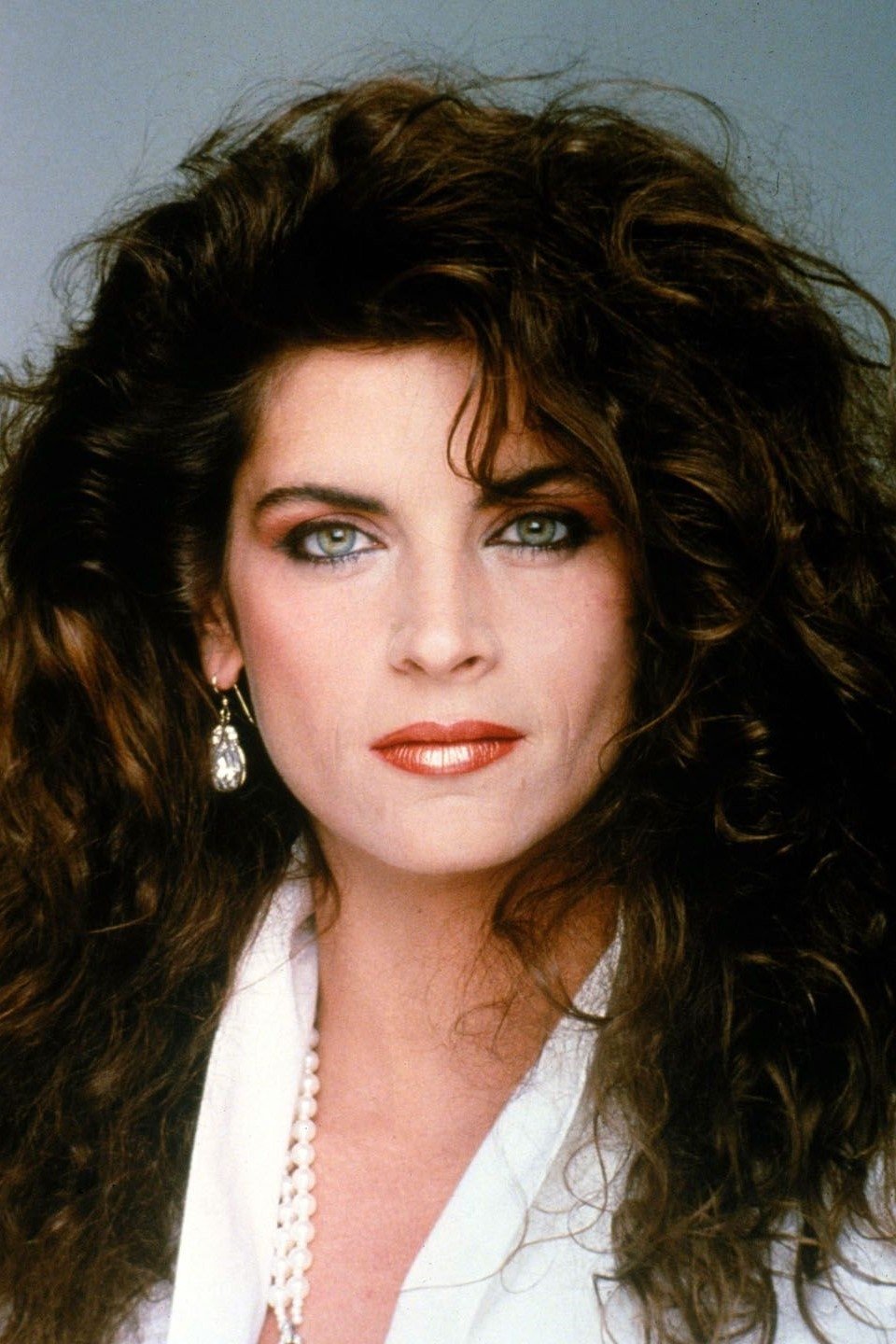
Kirstie Alley was a vocal critic of modern social movements including several aspects of contemporary feminism. She often argued that the movement had become too focused on political correctness and was losing its original goals. The actress used her platforms to challenge the mainstream narrative and advocate for a more balanced perspective on gender. Her views were rooted in a belief in individual freedom and the rejection of collective identity politics.
Kristy Swanson
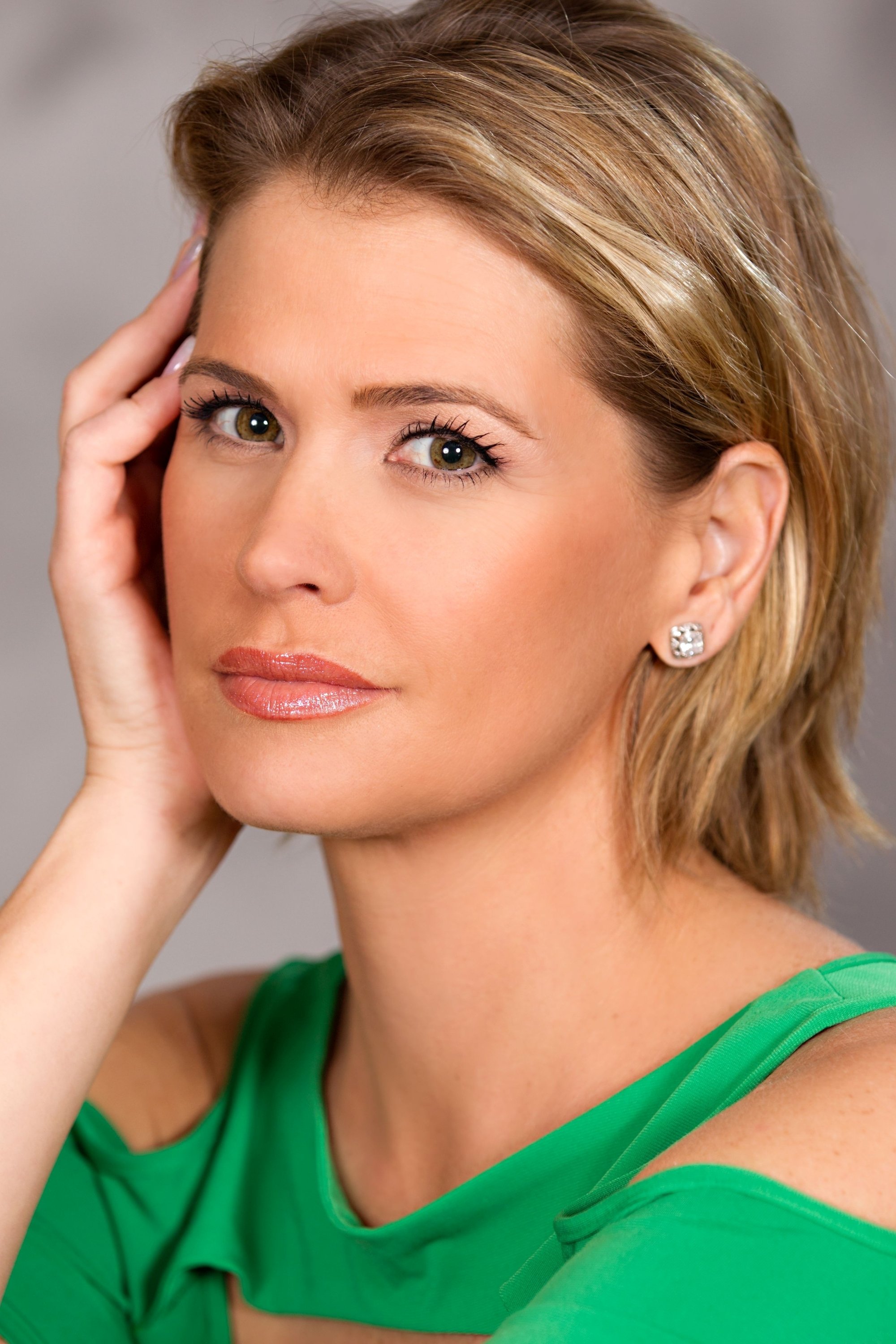
Kristy Swanson has frequently criticized the modern feminist movement for its perceived political bias and exclusion of conservative voices. She believes that true equality should include women from all backgrounds and political leanings. The actress has voiced her concerns about the way the movement often targets individuals who do not conform to its specific standards. Her perspective emphasizes the importance of diverse viewpoints and mutual respect within the professional industry.
Victoria Jackson
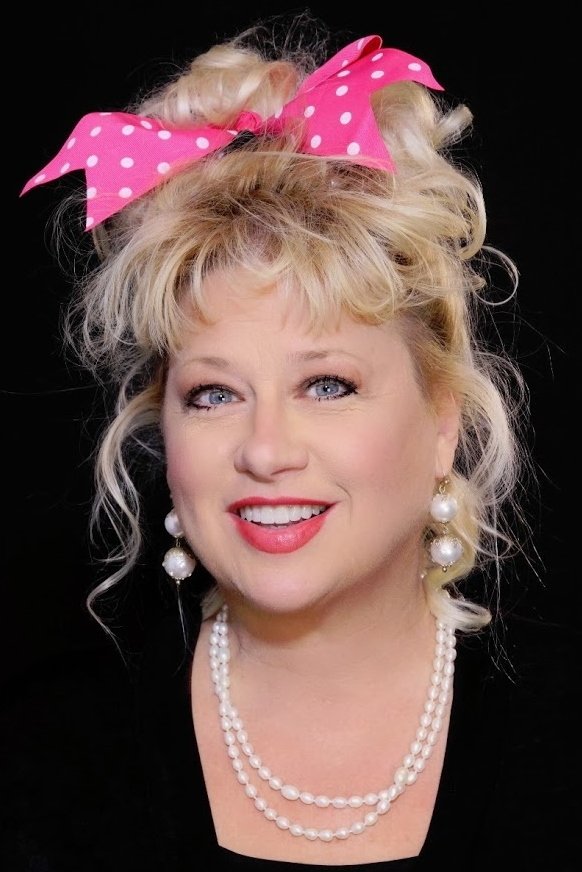
Victoria Jackson has been a long time critic of modern feminism which she believes has harmed the traditional family structure. She argues that the movement has moved away from its roots and now focuses on radical political agendas. The actress and comedian uses her platform to advocate for a return to traditional values and religious principles. Her critiques are often directed at the liberal establishment in Hollywood and its influence on cultural norms.
Erika Eleniak
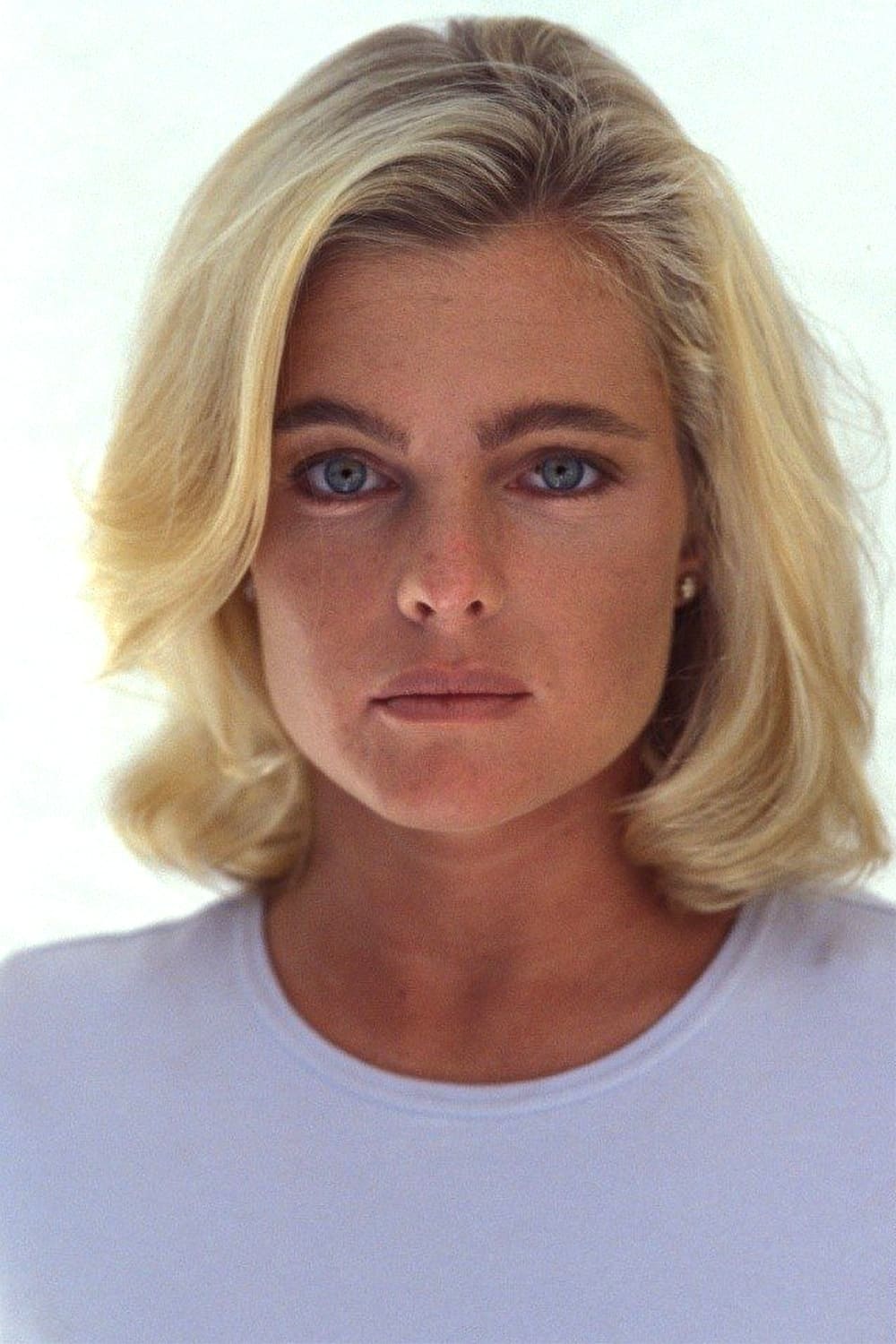
Erika Eleniak has expressed that she does not align herself with the modern feminist movement because she finds it to be too aggressive. She believes in the importance of feminine energy and the roles that women naturally play in society. The actress has spoken about the need for balance between the sexes rather than a constant struggle for power. Her views focus on the personal and spiritual development of women outside of modern political frameworks.
Demi Moore
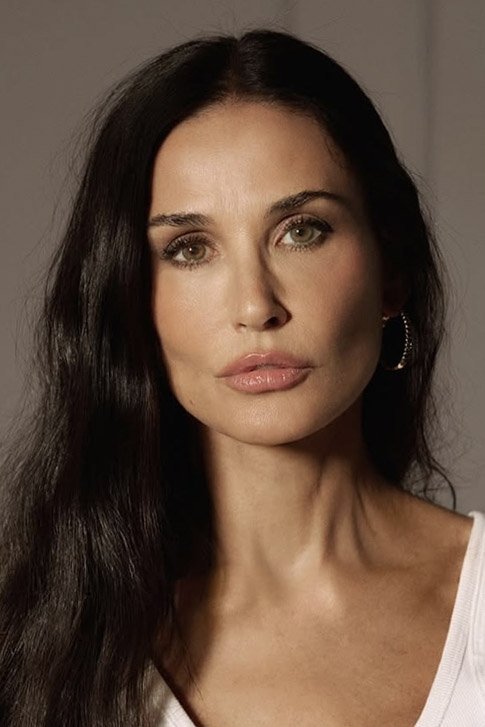
Demi Moore has often identified as a humanist rather than a feminist in various public interviews throughout her career. She believes that the focus should be on the elevation of all human beings rather than just one specific group. The actress has spent her career breaking barriers for women in film but feels the feminist label is not the right fit for her philosophy. Her perspective emphasizes a holistic approach to equality and human rights for everyone.
Madonna
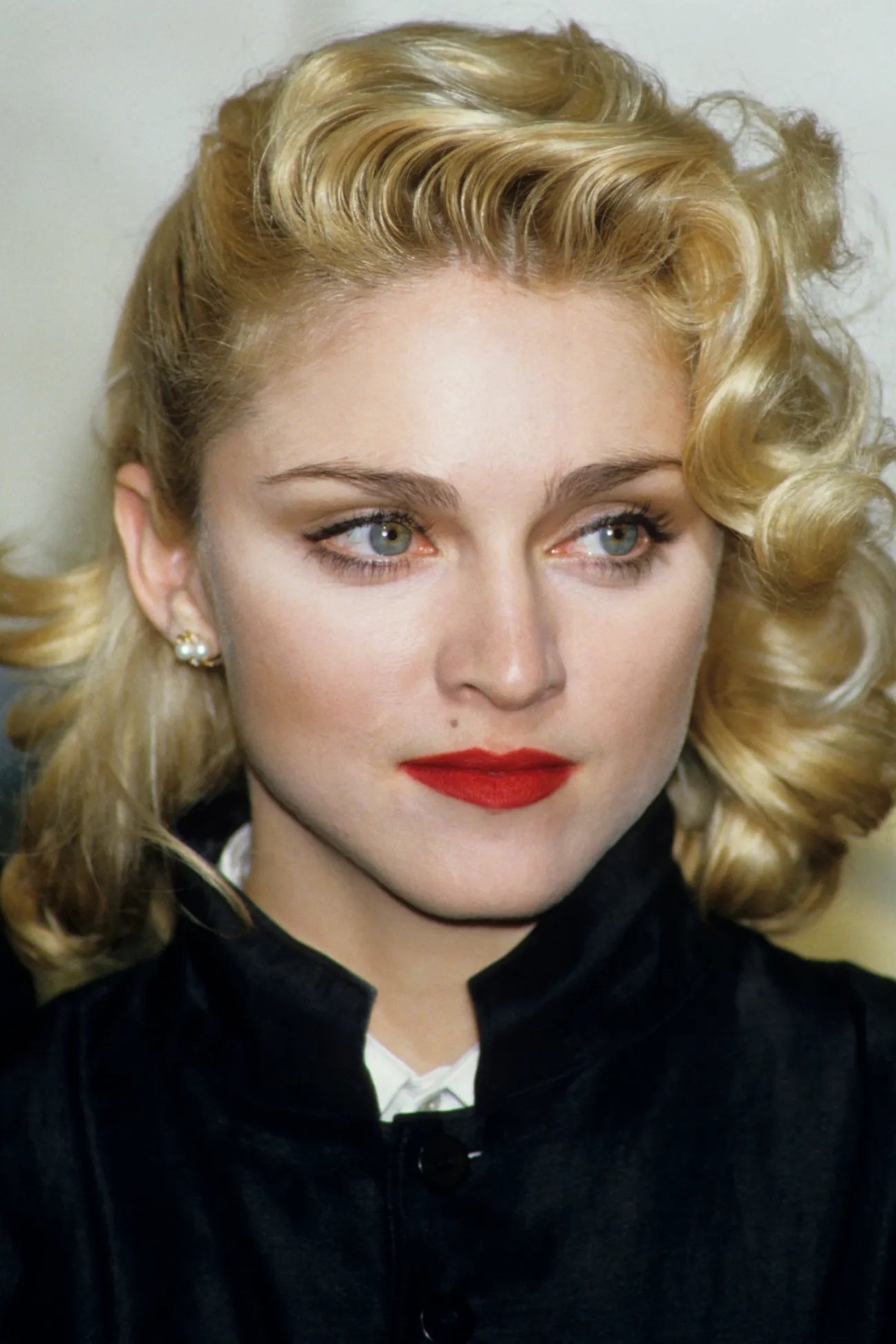
Madonna has criticized modern feminism for being restrictive and for the way it sometimes judges women who express their sexuality. She has argued that the movement should be about the freedom to be whoever you want to be without being policed by others. The actress and singer believes that she has been unfairly targeted by some feminist critics throughout her professional career. Her perspective highlights a desire for a more inclusive and less judgmental form of empowerment.
Courtney Love
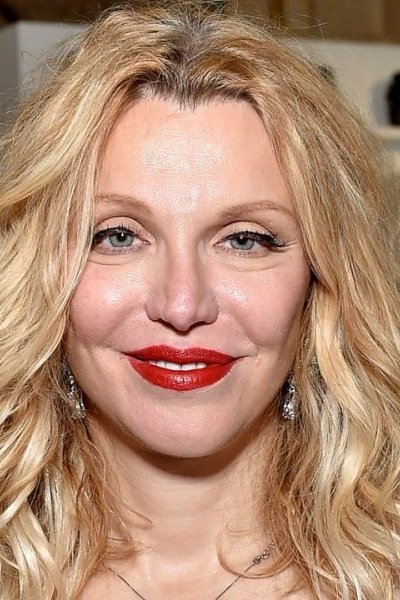
Courtney Love has often had a contentious relationship with modern feminism and its prominent leaders. She has criticized the movement for what she views as its elitism and its failure to support women who do not fit a specific mold. The actress and musician believes in a more raw and honest form of empowerment that acknowledges the complexities of life. Her critiques often focus on the internal politics of the movement and its impact on artistic expression.
Evangeline Lilly
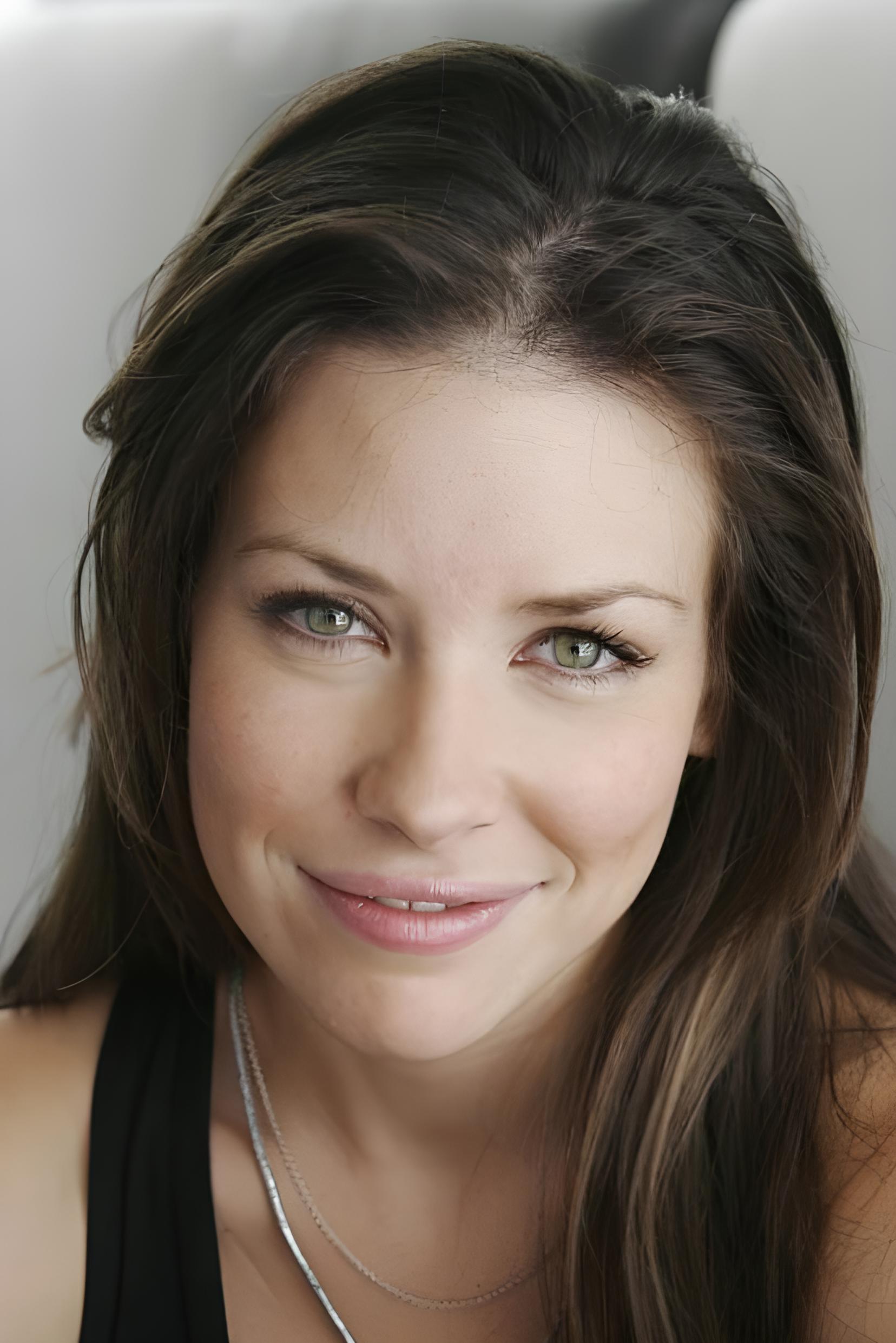
Evangeline Lilly has expressed concerns about the negative sentiments that she perceives in some aspects of modern feminism. She believes that the movement should focus on the grace and strength of women without tearing down men in the process. The actress advocates for a balance where both genders can flourish and support one another in society. Her perspective emphasizes the importance of harmony and mutual appreciation in the ongoing quest for equality.
Bo Derek
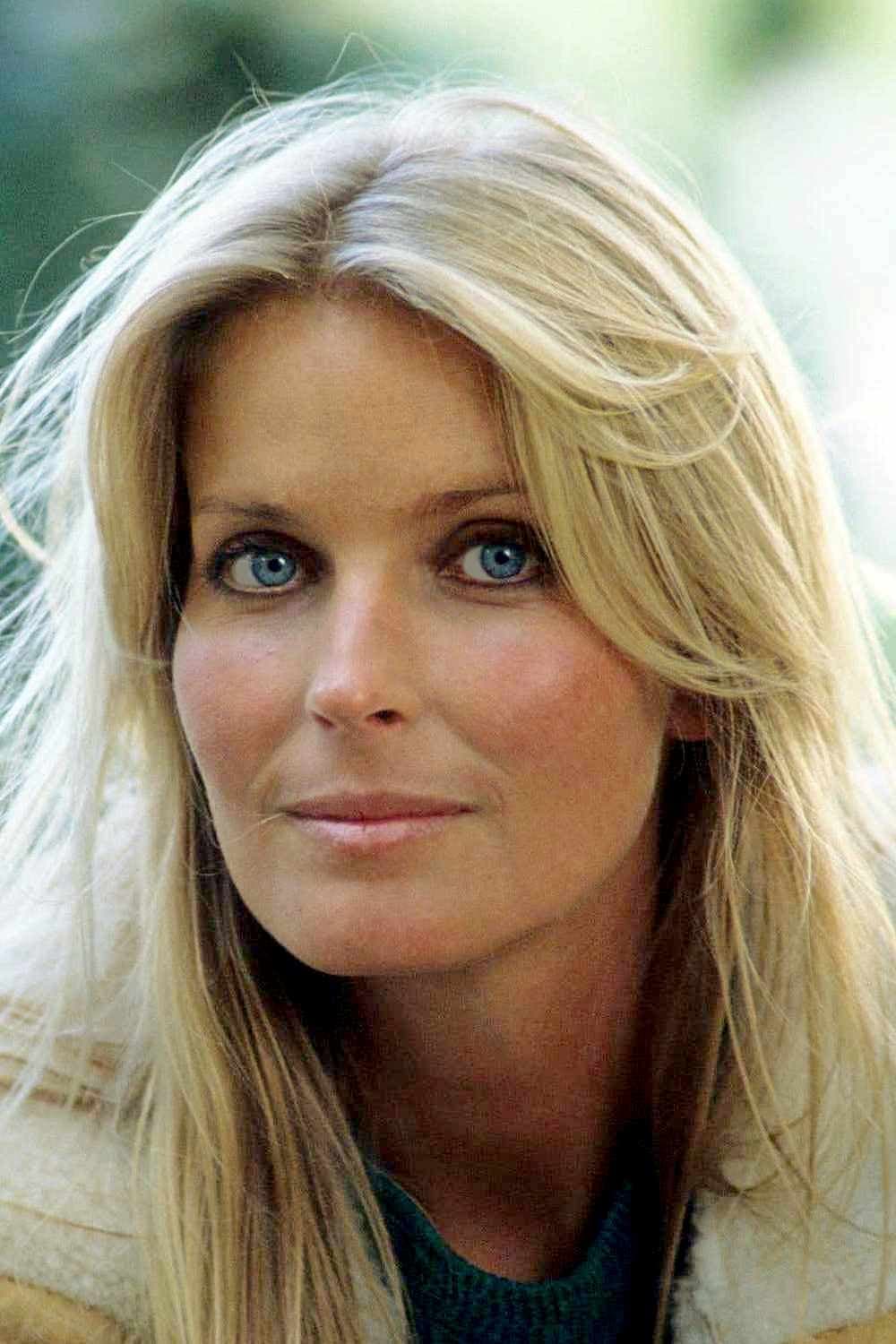
Bo Derek has expressed that she does not consider herself a feminist because she prefers to be seen as an individual. She has argued that labels can be restrictive and often lead to unnecessary divisions between the sexes. The actress believes in the power of personal choice and the importance of self reliance in achieving one’s goals. Her perspective emphasizes a desire for a society where gender is not the primary defining characteristic of a person.
Marlee Matlin
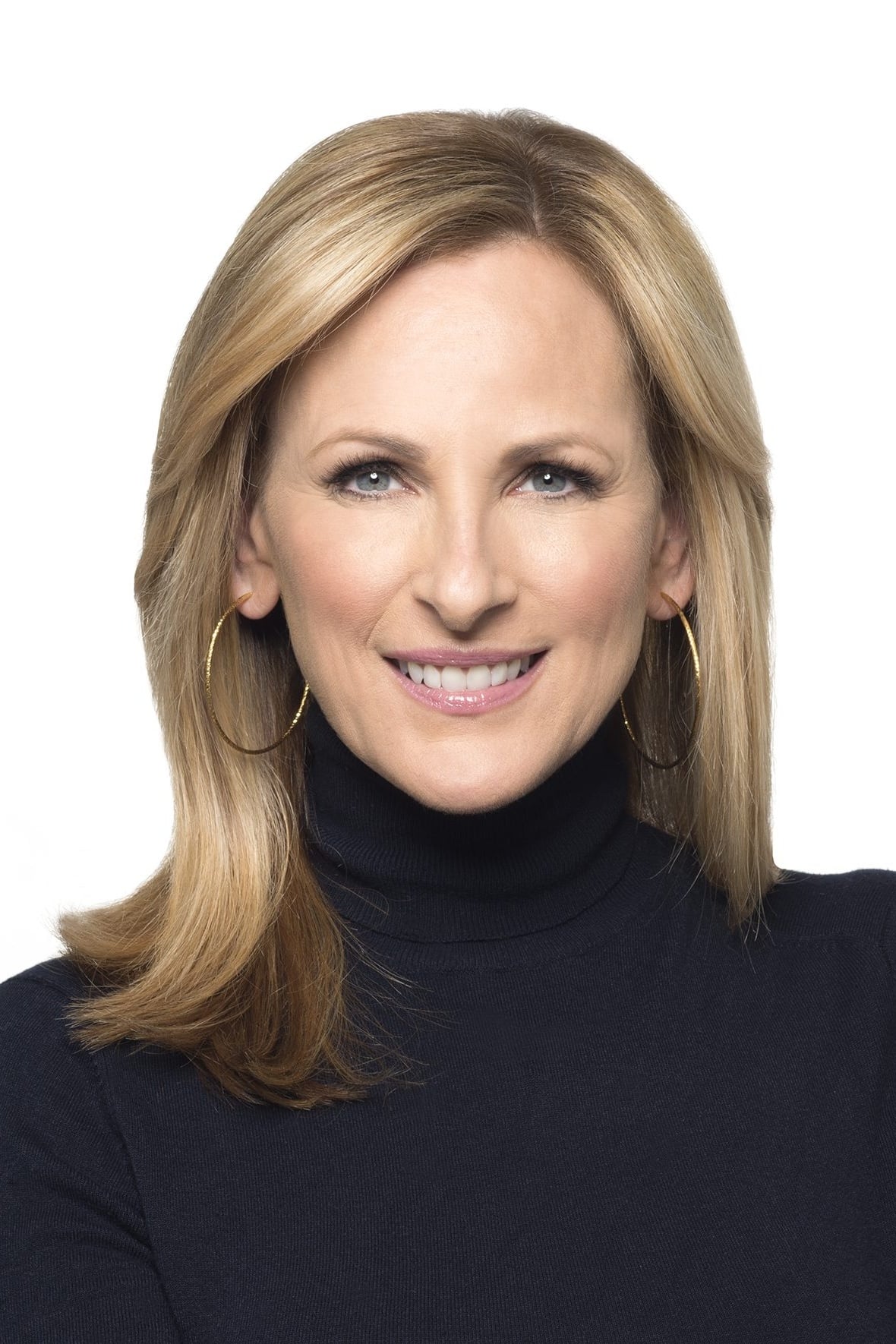
Marlee Matlin has occasionally criticized the exclusionary nature of modern activism and the labels associated with it. She has spoken about the importance of including all women regardless of their physical abilities or political backgrounds. The actress believes that the focus should remain on universal accessibility and equal opportunity for every person. her critiques often highlight the need for a more comprehensive and less fragmented approach to social progress.
Lady Gaga
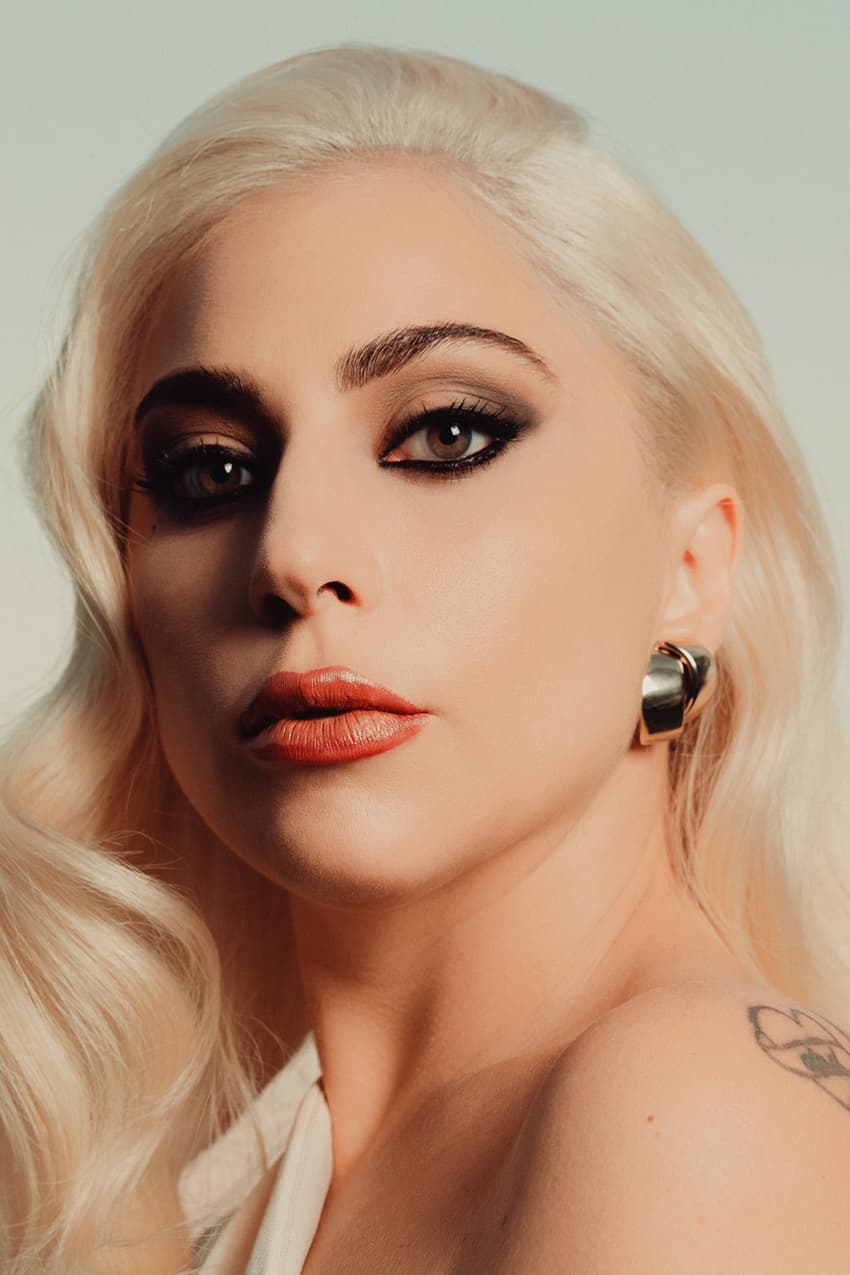
Lady Gaga notably distanced herself from the feminist label in the early years of her career by stating she loved and hailed men. She argued that her artistic expression was meant to be inclusive of all genders without focusing on a specific political movement. While she has since engaged with various social causes, her early critiques reflected a desire for universal empowerment. The actress and singer continues to emphasize a message of love and acceptance that transcends traditional political categories.
Katy Perry
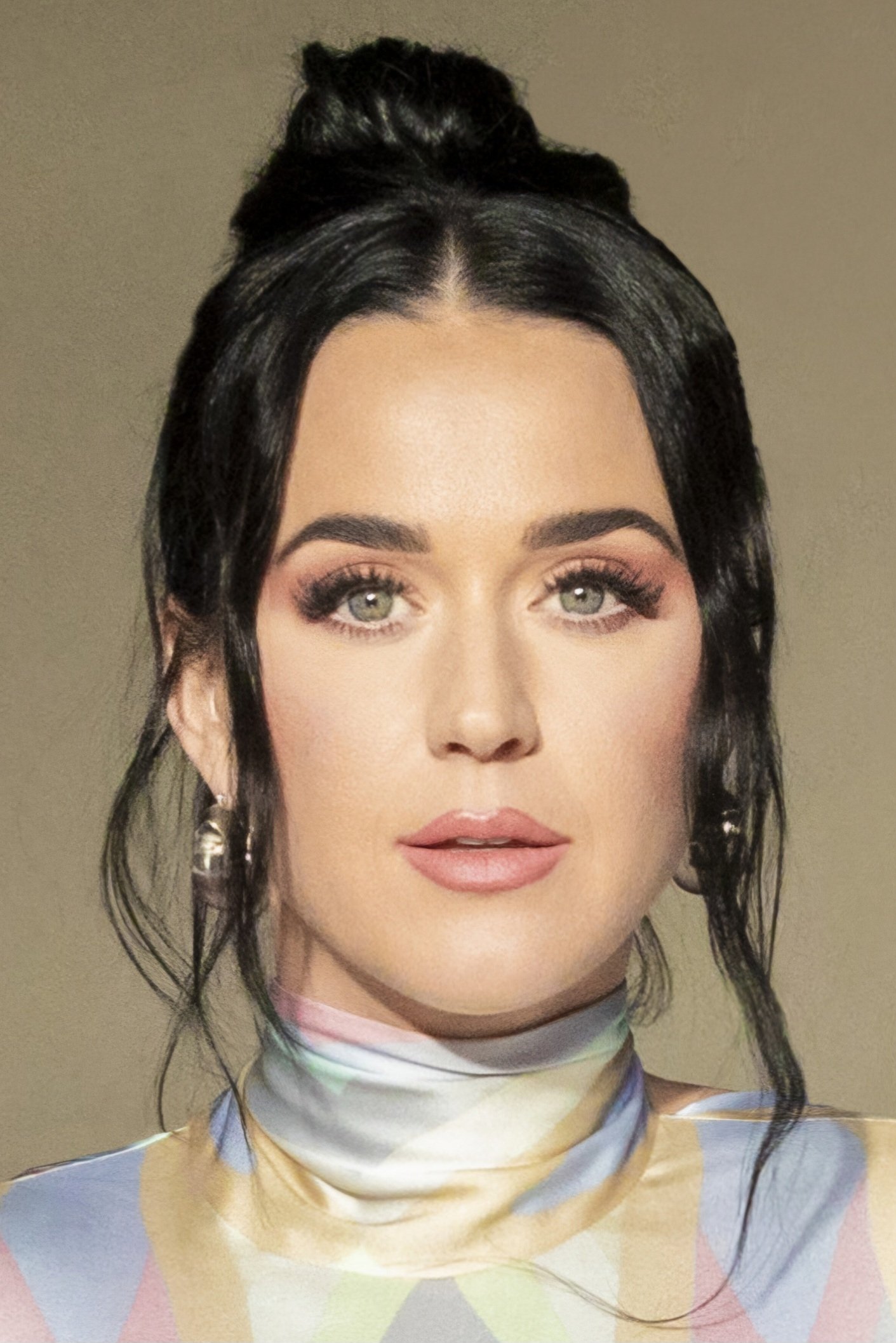
Katy Perry has stated in public interviews that she is not a feminist but she does believe in the power of women. She explained that the label often carries connotations that do not align with her personal philosophy of humanism. The actress and musician prefers to focus on a positive message of self confidence and strength that reaches a broad audience. Her comments reflect a preference for individual empowerment over formal political identification.
Björk
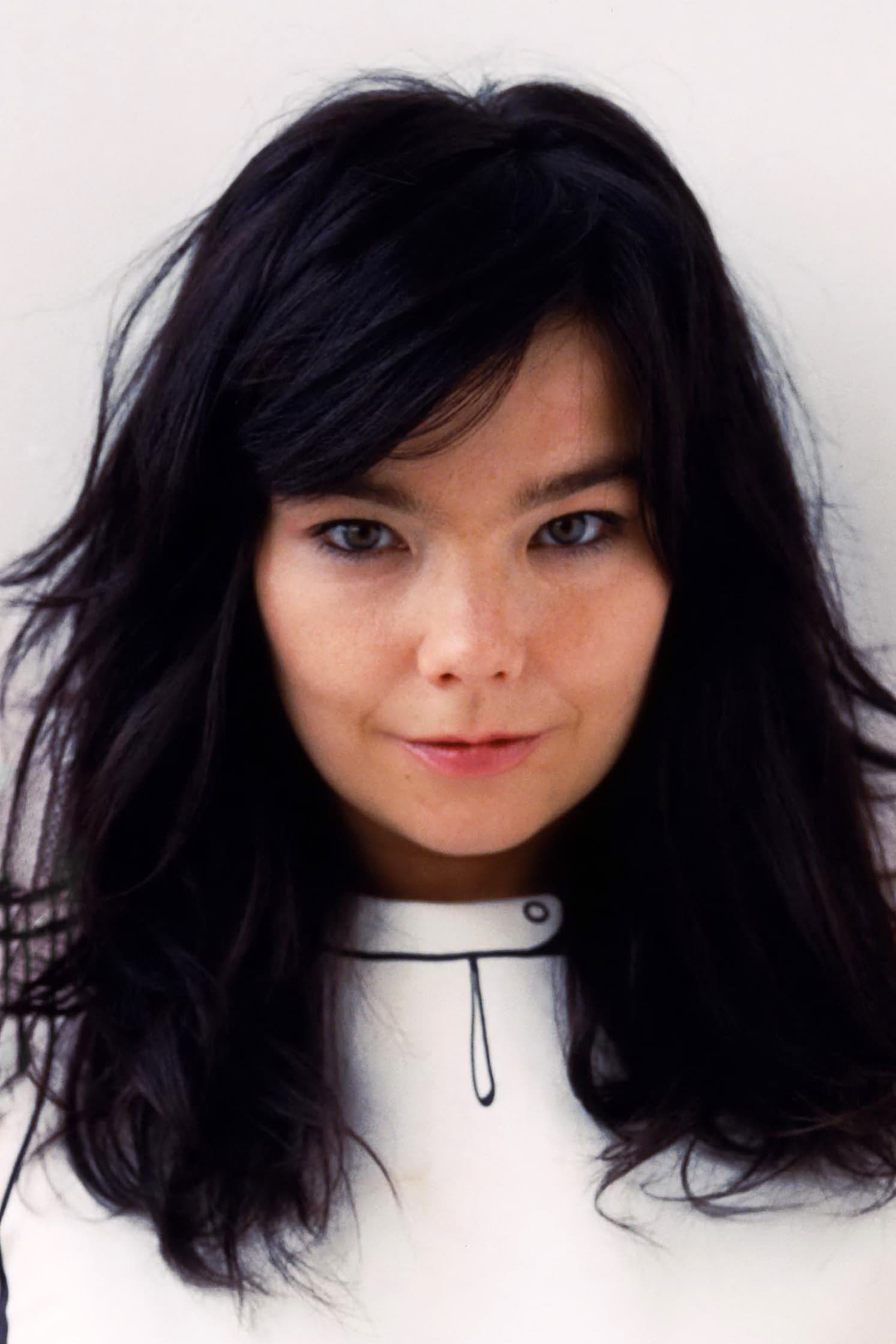
Björk has stated in multiple interviews that she does not identify as a feminist because she finds the movement to be too isolating. She believes that focusing specifically on women can sometimes create a barrier to understanding the broader human condition. The actress and musician prefers to explore themes of nature and technology that apply to all of humanity. Her perspective values the interconnectedness of all living things over the specific divisions of gender politics.
Goldie Hawn

Goldie Hawn has frequently identified as a humanist and has expressed reservations about the specific labels of modern feminism. She believes that the focus should be on the joy and well being of all people regardless of their gender. The actress has spent her career promoting mental health and education for children through her personal foundation. Her views emphasize a commitment to humanitarian goals that seek to elevate the entire human race.
Tell us what you think about these celebrity perspectives in the comments.