


Film Sets Where Everything Went Wrong (But the Movie Succeeded Anyway)

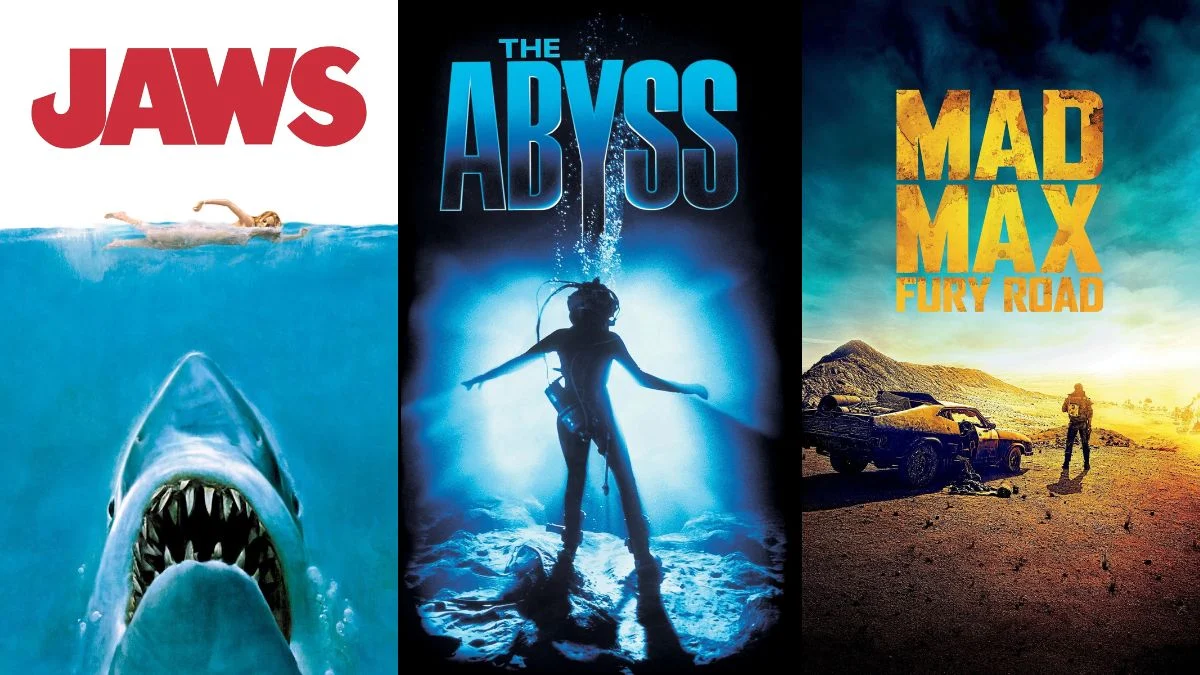


Film sets are high-pressure environments where creativity and logistics collide, often leading to unexpected disasters. From mechanical failures to natural calamities, the road to a great movie can be fraught with challenges that test the resilience of cast and crew.
Despite these setbacks, some films rise above the chaos to become beloved classics or box-office hits. Here are productions where everything went wrong behind the scenes, yet the final product triumphed, proving that grit and talent can overcome even the worst obstacles.
The Wizard of Oz (1939)
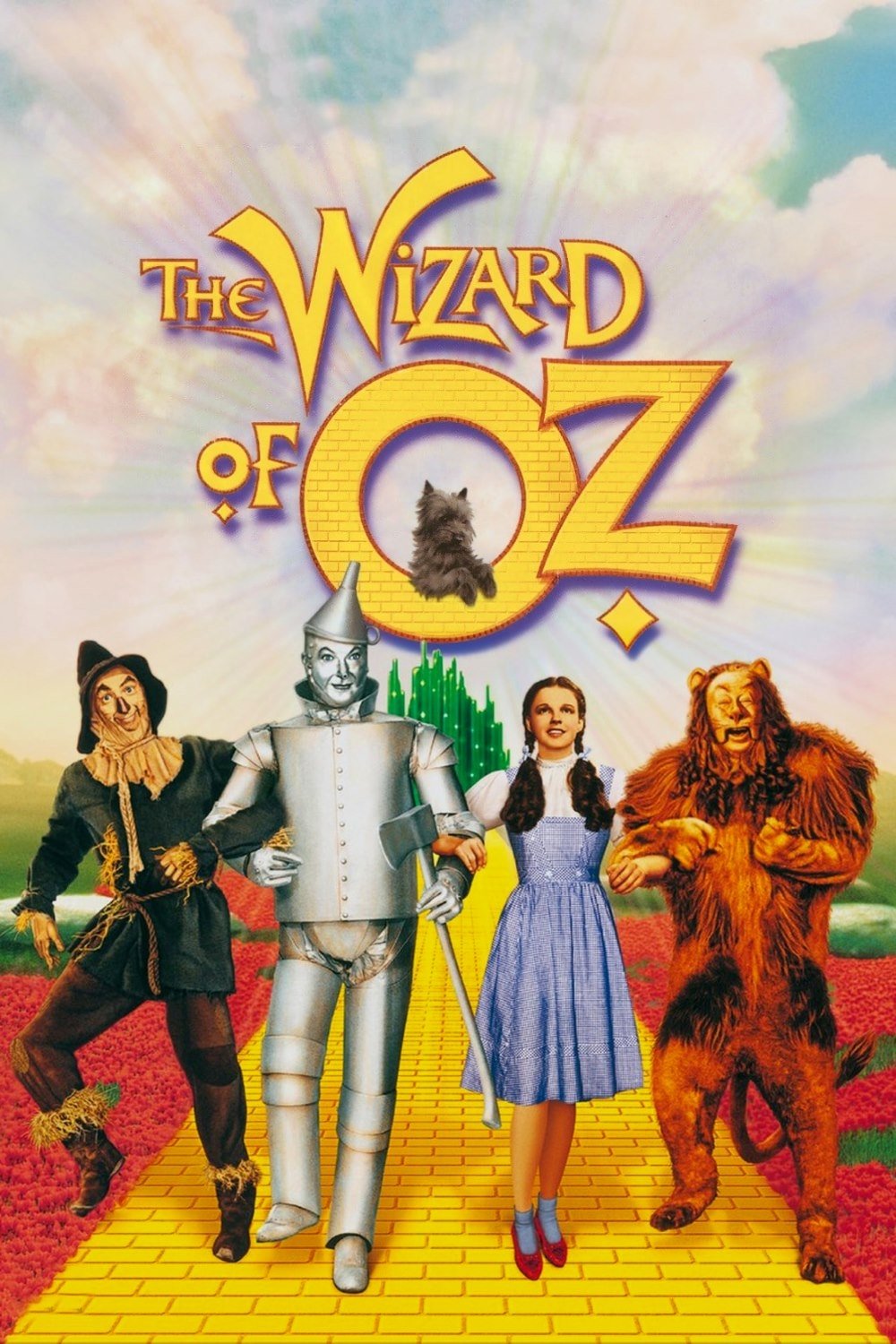
The set of ‘The Wizard of Oz’ was a nightmare of mishaps. Actors faced dangerous conditions, from toxic makeup to malfunctioning props, and the original Tin Man actor, Buddy Ebsen, was hospitalized due to inhaling aluminum dust from his costume.
Despite these issues, the film’s vibrant storytelling and iconic performances made it a timeless classic. Its colorful world and heartfelt narrative continue to enchant audiences, showing that even a cursed production can create magic.
Jaws (1975)
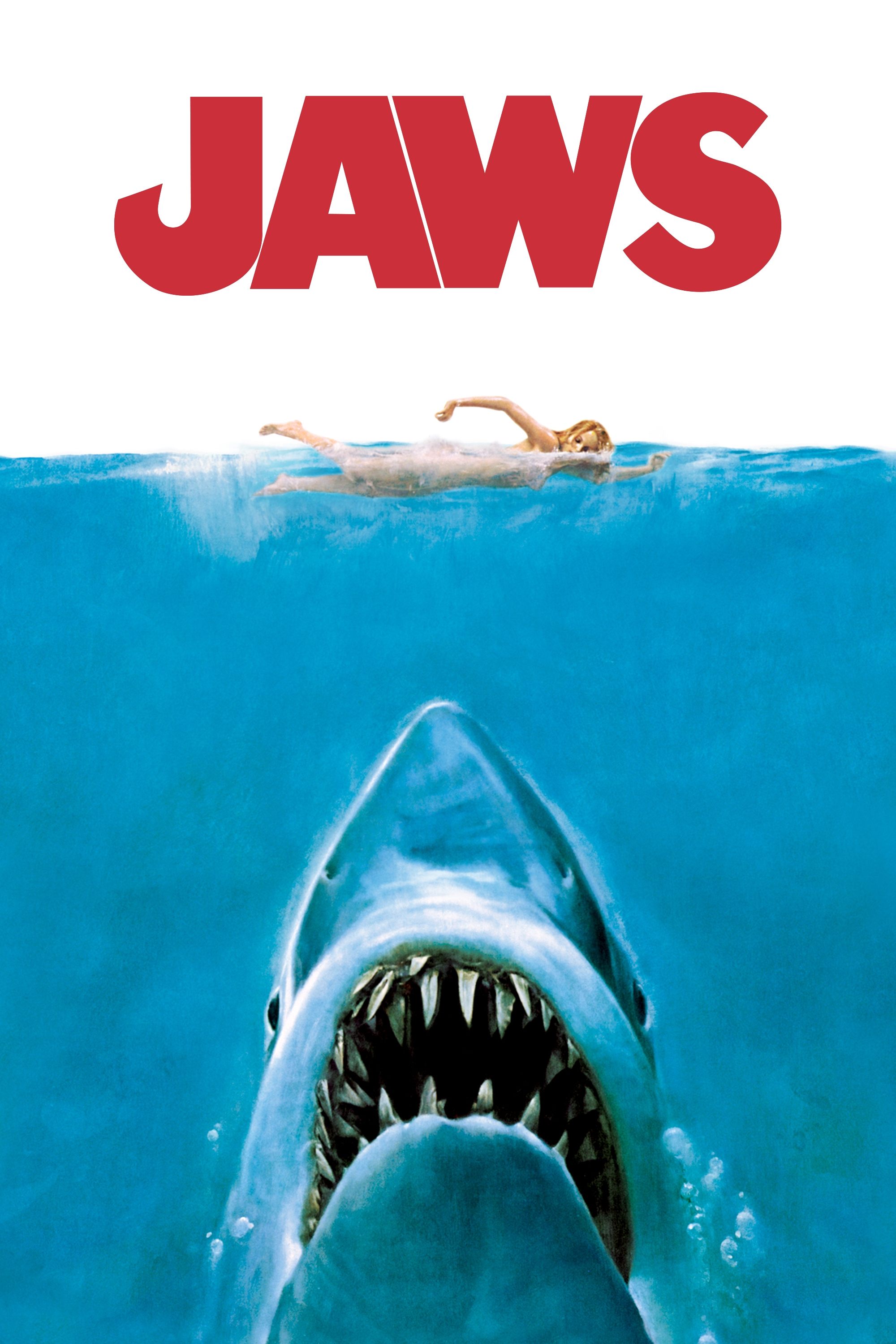
Steven Spielberg’s ‘Jaws’ faced a sea of troubles during filming. The mechanical shark, nicknamed Bruce, constantly broke down, forcing the crew to shoot around its failures, while shooting at sea led to unpredictable weather and sinking boats.
Spielberg’s ingenuity turned these limitations into strengths, using suspenseful camera work to imply the shark’s presence. The result was a groundbreaking thriller that terrified audiences and redefined the summer blockbuster.
Apocalypse Now (1979)
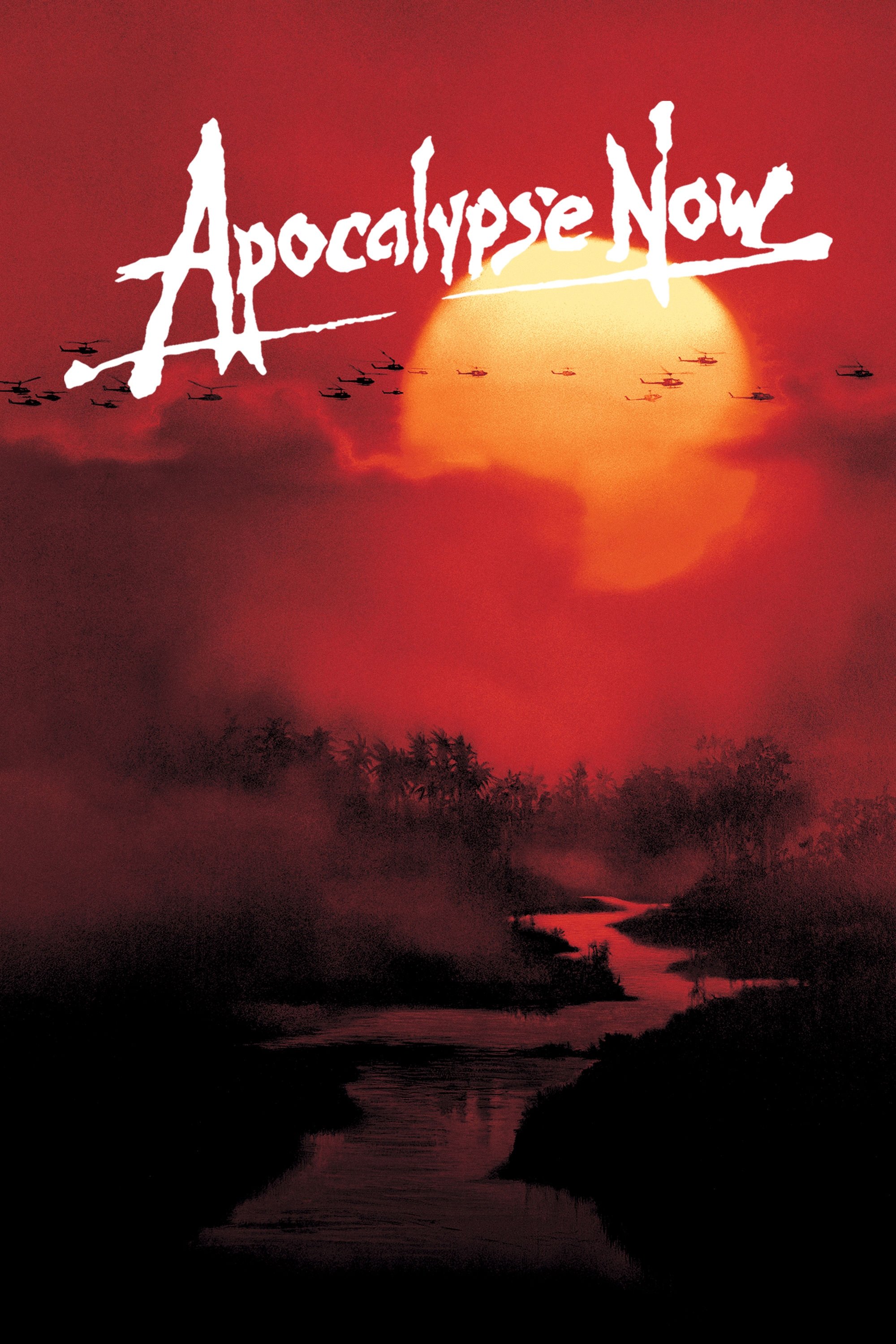
The jungle shoot for ‘Apocalypse Now’ was a grueling ordeal. Typhoons destroyed sets, Martin Sheen suffered a heart attack, and Marlon Brando arrived unprepared and overweight, clashing with director Francis Ford Coppola.
Through sheer determination, Coppola crafted a haunting masterpiece. The film’s raw intensity and philosophical depth captivated audiences, earning critical acclaim and cementing its status as a war epic.
The Shining (1980)
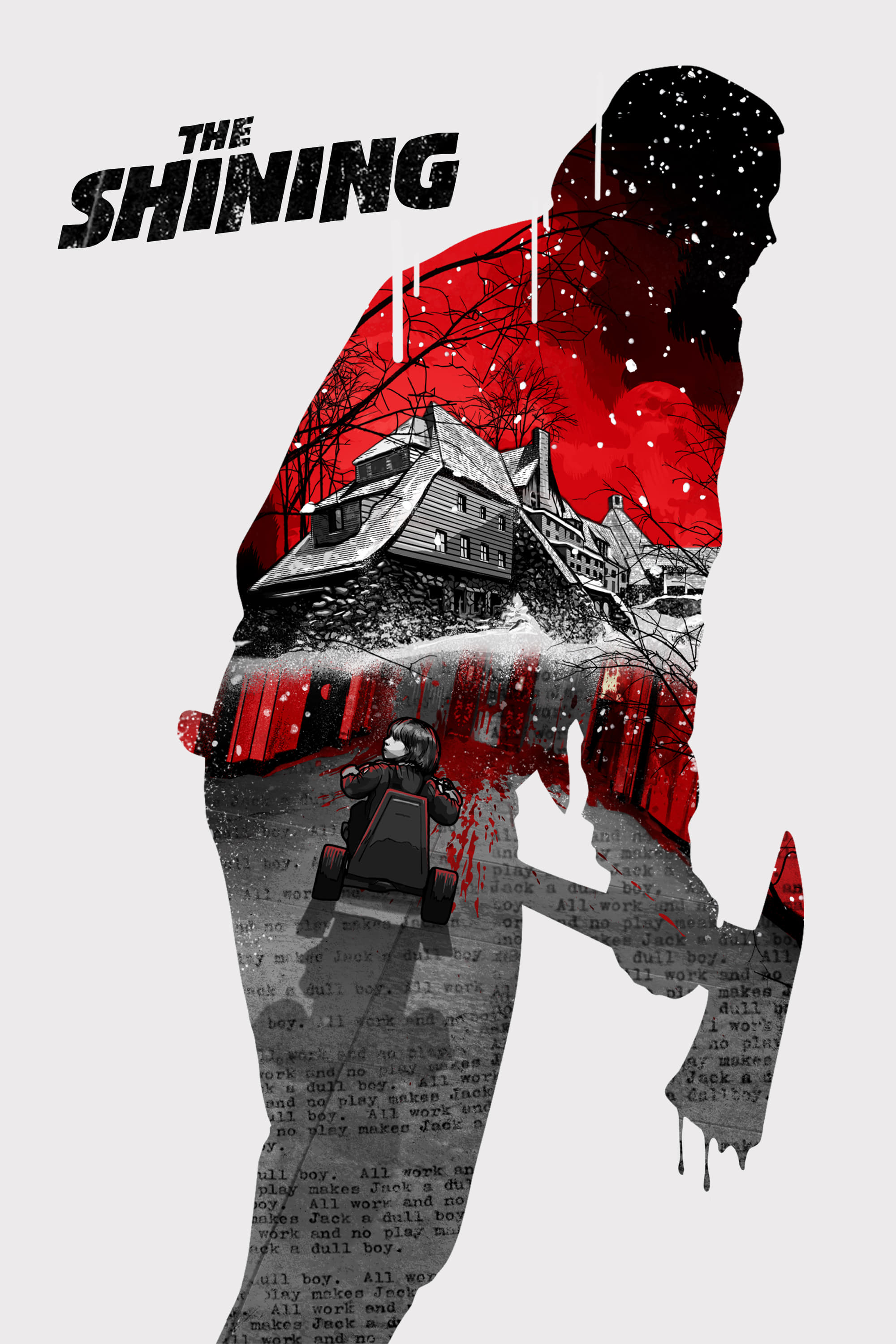
Stanley Kubrick’s perfectionism turned the set of ‘The Shining’ into a pressure cooker. Shelley Duvall endured emotional strain from countless takes, and the crew faced technical issues with the intricate set designs.
The film’s chilling atmosphere and Jack Nicholson’s unforgettable performance overcame the turmoil. Its psychological horror continues to grip viewers, proving Kubrick’s vision was worth the struggle.
Blade Runner (1982)
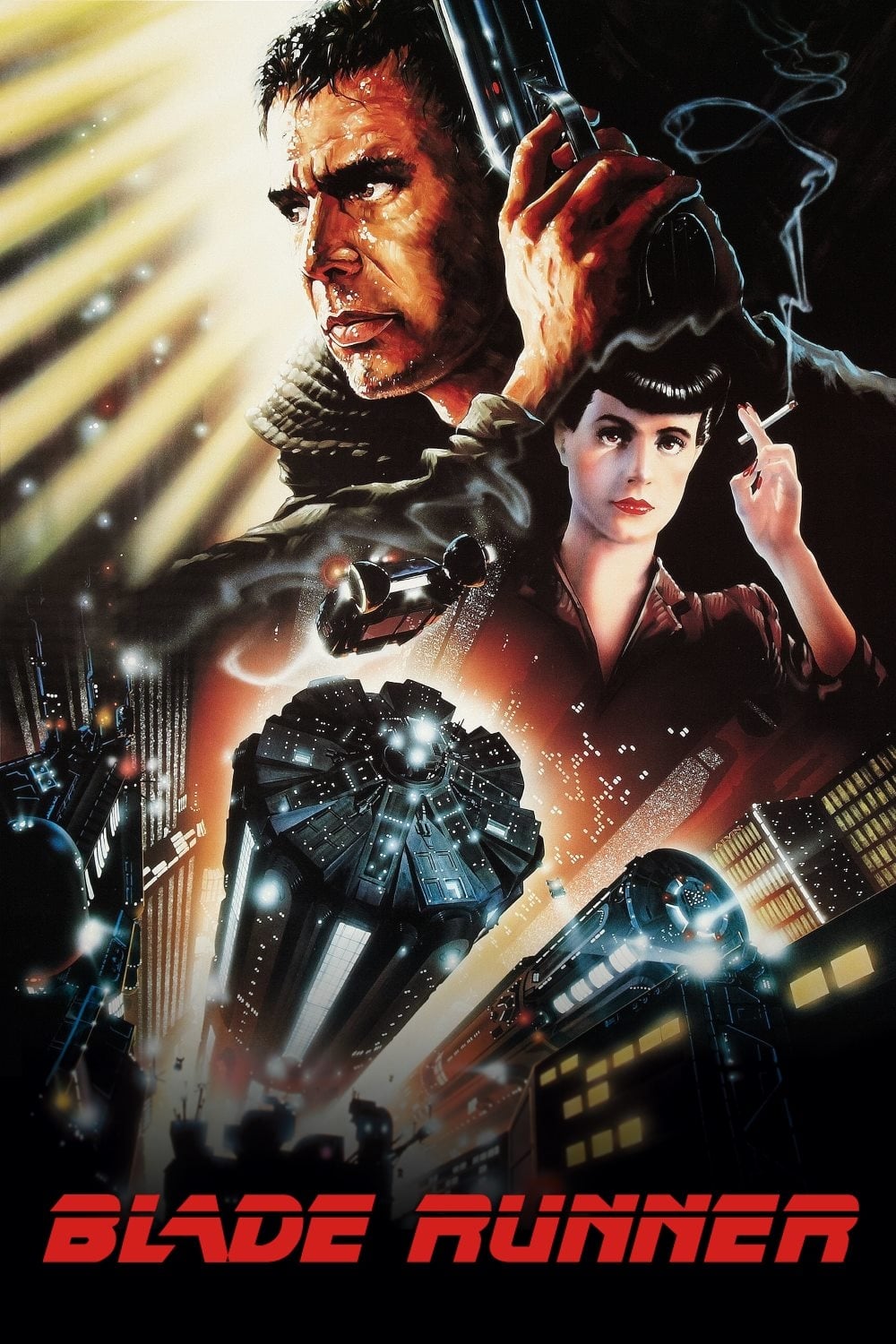
‘Blade Runner’ faced budget overruns and tense relations between director Ridley Scott and the cast. The futuristic set was plagued by technical glitches, and Harrison Ford clashed with Scott over the film’s direction.
Despite the chaos, the film’s visionary aesthetic and thought-provoking story won over audiences over time. Its cult status and influence on sci-fi cinema show how a troubled production can yield a masterpiece.
The Abyss (1989)
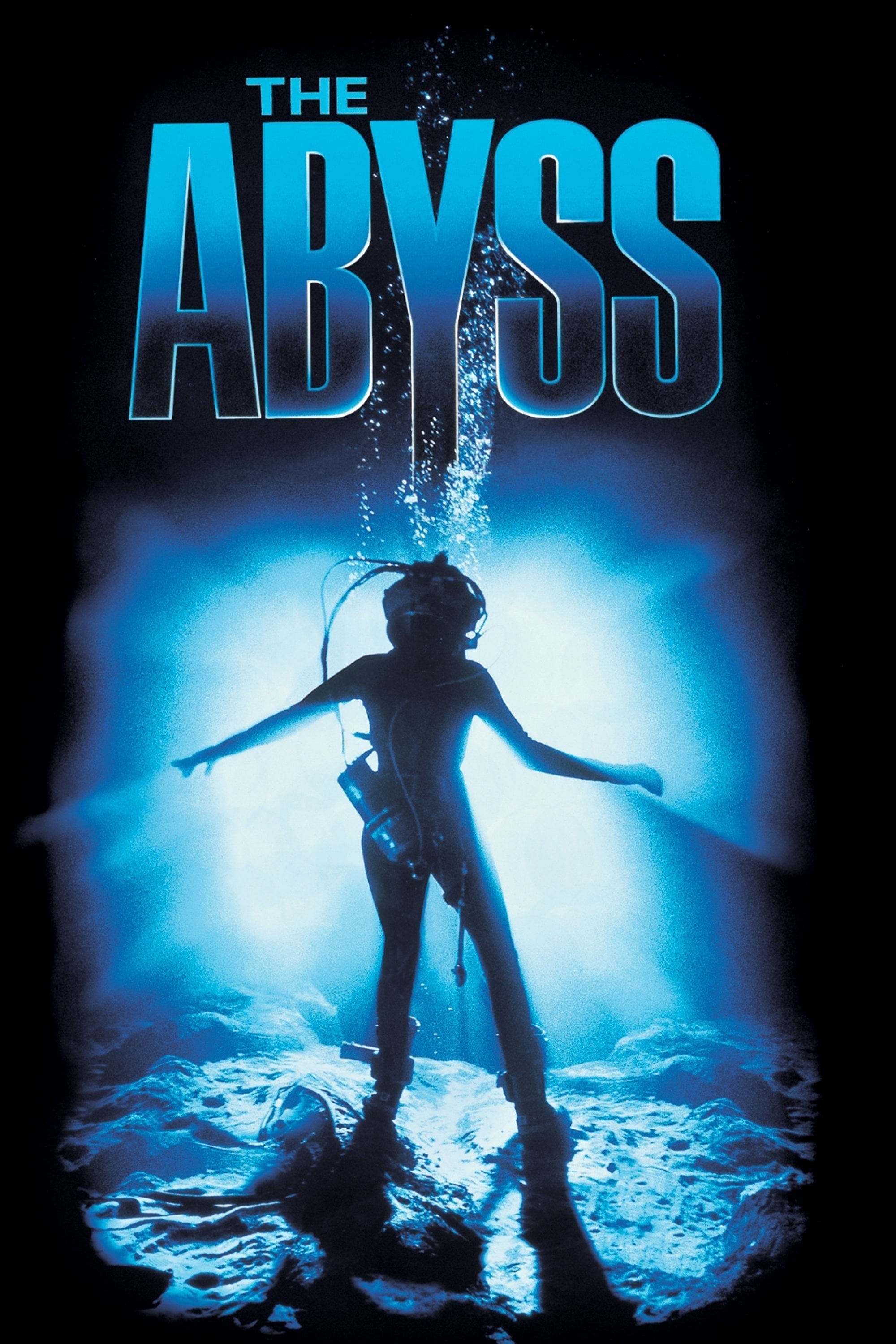
James Cameron’s ‘The Abyss’ pushed the cast and crew to their limits with underwater filming. Actors faced near-drowning incidents, and the high-tech water tanks caused constant delays and equipment failures.
Cameron’s persistence paid off, delivering stunning visuals and a gripping story. The film’s innovative effects and emotional depth earned it critical praise and an Oscar for visual effects.
Titanic (1997)
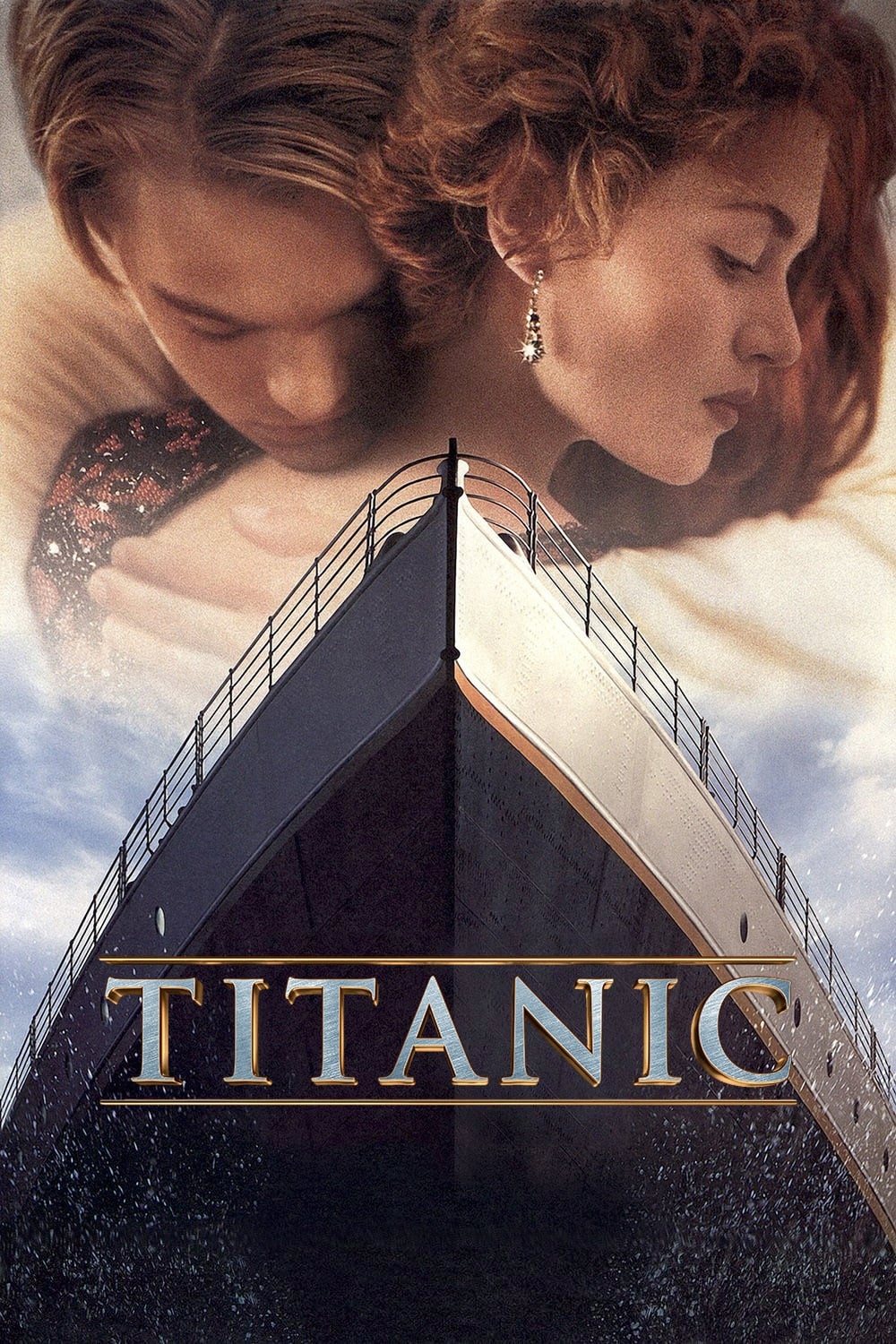
‘Titanic’ was a logistical behemoth that nearly sank under its own ambition. The massive set caused injuries, food poisoning affected the crew, and Kate Winslet battled hypothermia during water scenes.
James Cameron’s relentless drive turned chaos into a global phenomenon. The film’s epic romance and groundbreaking effects won 11 Oscars, proving that even a troubled shoot can create a cultural juggernaut.
The Crow (1994)
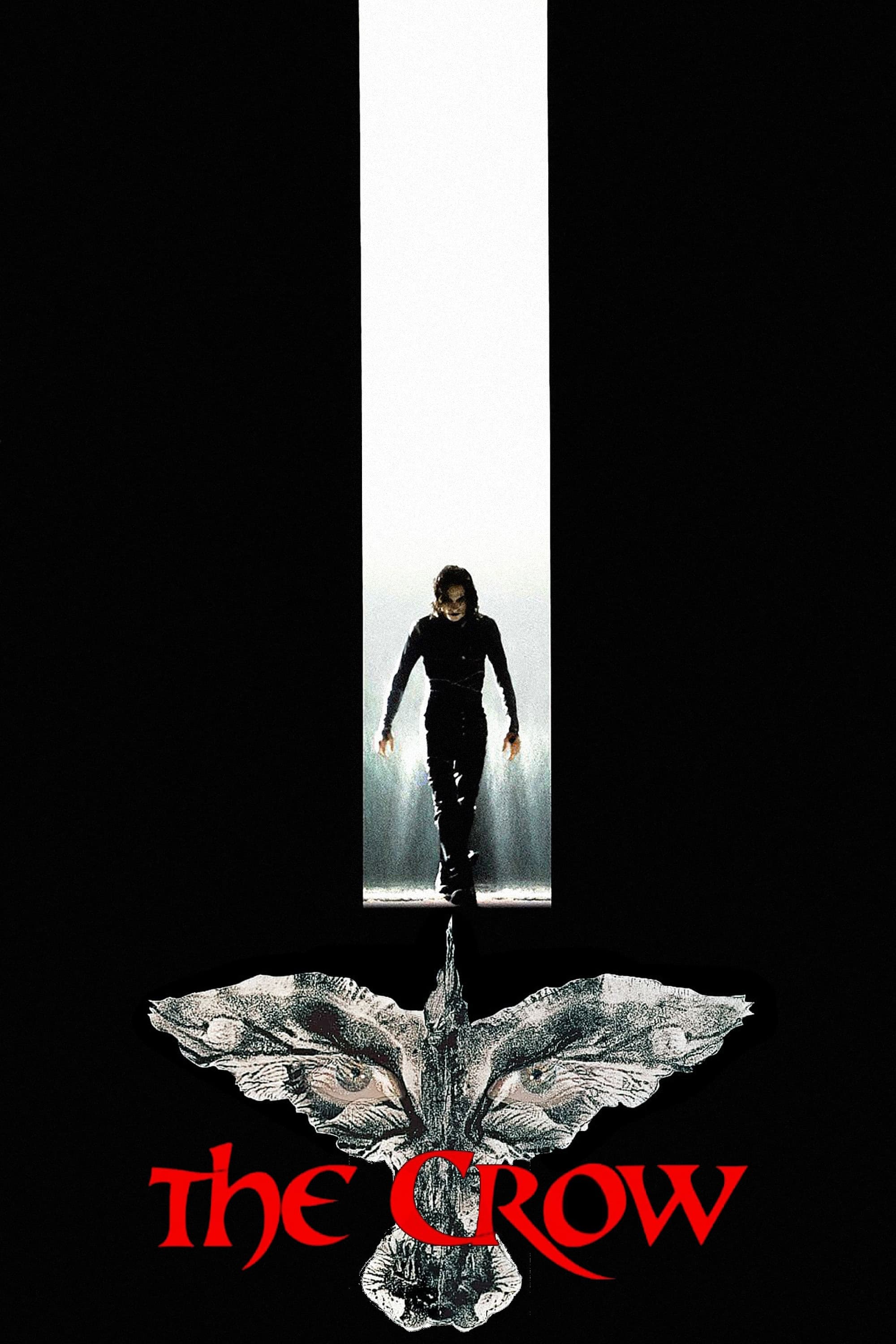
The set of ‘The Crow’ was marred by tragedy when Brandon Lee was fatally shot due to a prop gun mishap. The production also faced budget issues and unsafe working conditions, adding to the turmoil.
Despite the heartbreak, the film was completed with dedication to Lee’s vision. Its dark aesthetic and emotional depth resonated with audiences, making it a cult classic.
Waterworld (1995)
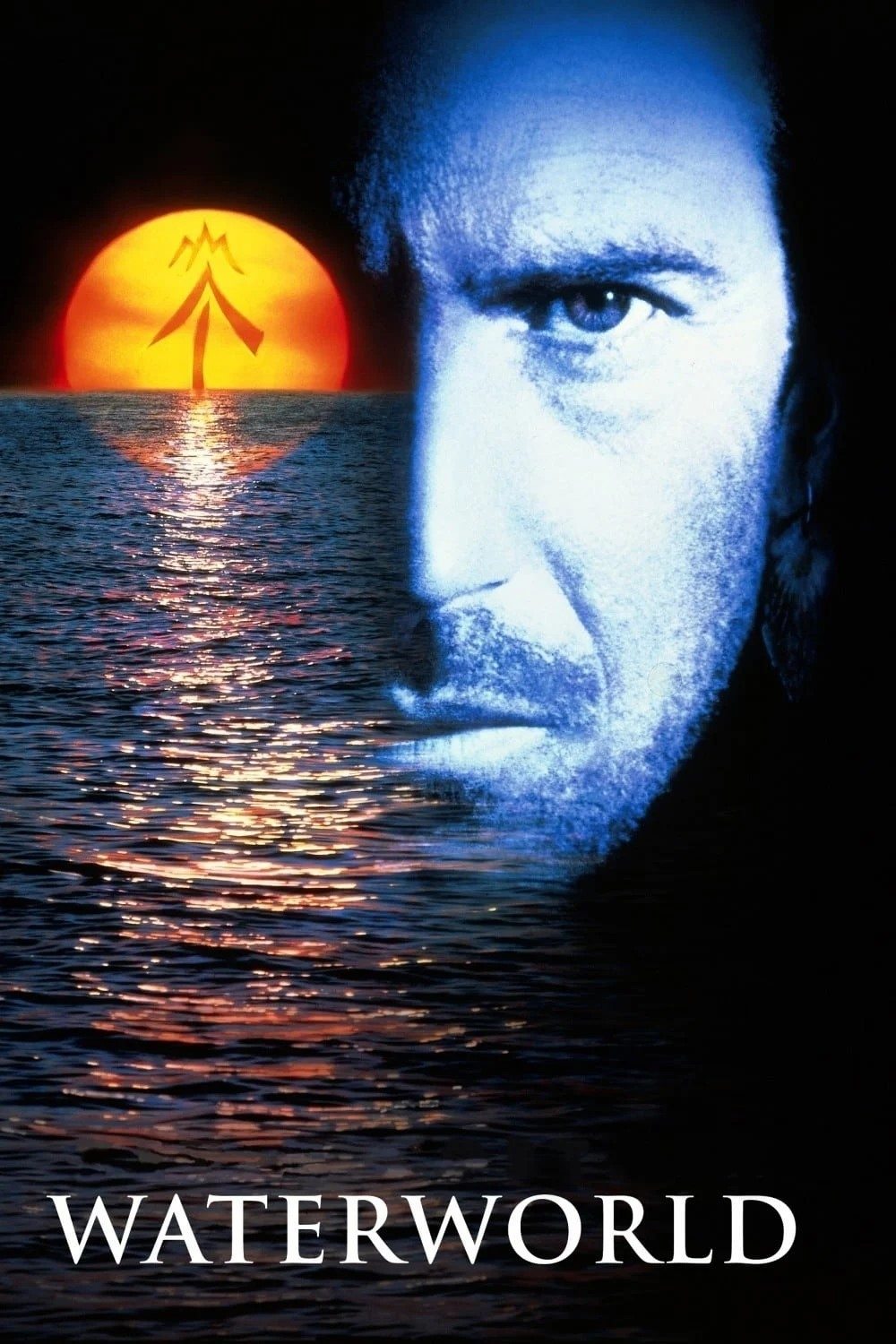
‘Waterworld’ was a notorious money pit, with a floating set that sank and storms disrupting filming. Kevin Costner’s clashes with the crew and budget overruns made it a punchline during production.
The film’s ambitious scope and thrilling action sequences won over some fans. Though not a critical darling, its cult following and box-office recovery showed resilience.
The Island of Dr. Moreau (1996)
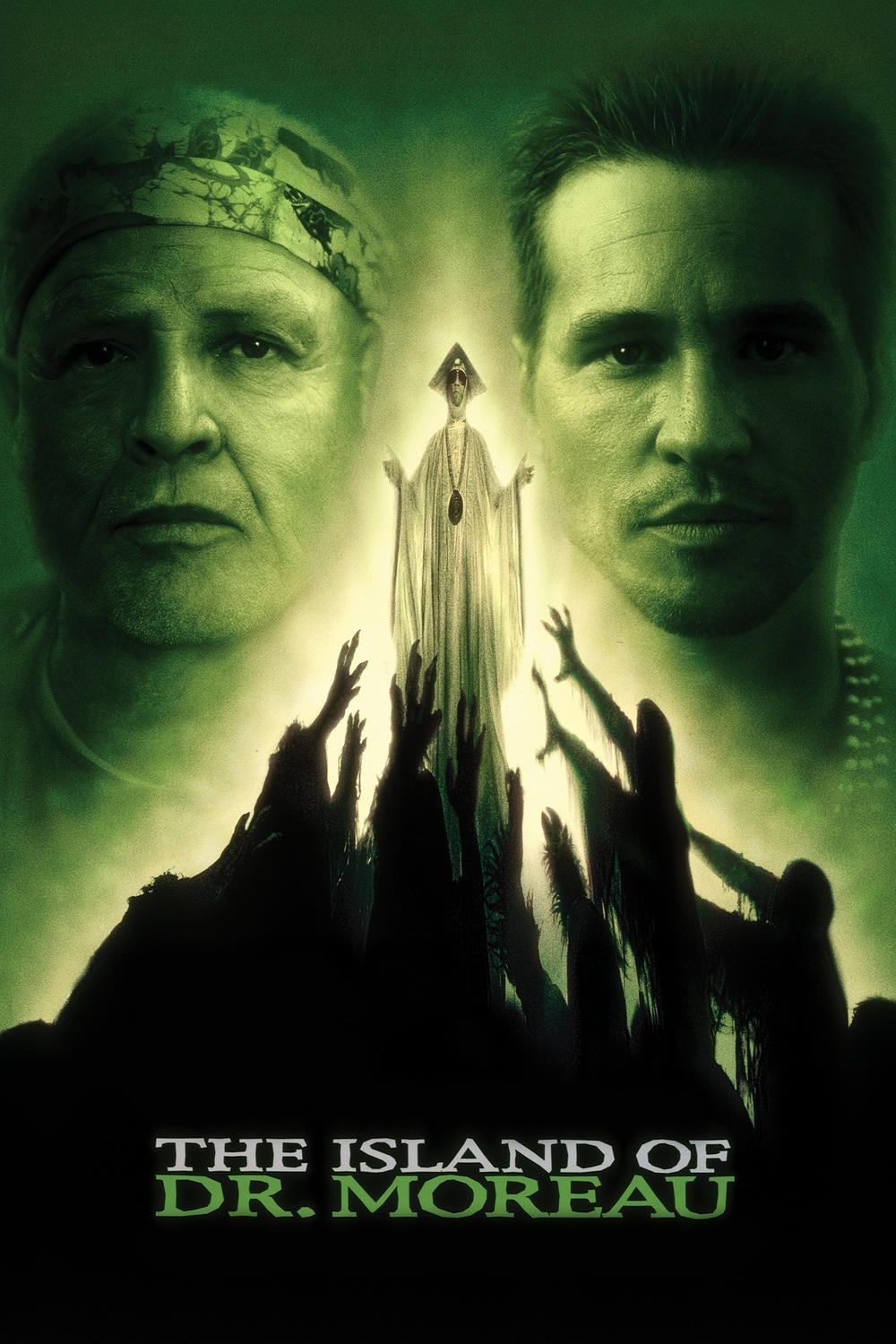
The set of ‘The Island of Dr. Moreau’ was a chaotic mess. Director Richard Stanley was fired early, and Val Kilmer’s behavior frustrated the crew, while tropical storms wrecked the Australian location.
Despite the dysfunction, the film’s bizarre energy and committed performances from Marlon Brando gave it a quirky charm. It’s now a cult favorite for its sheer audacity.
The Blair Witch Project (1999)
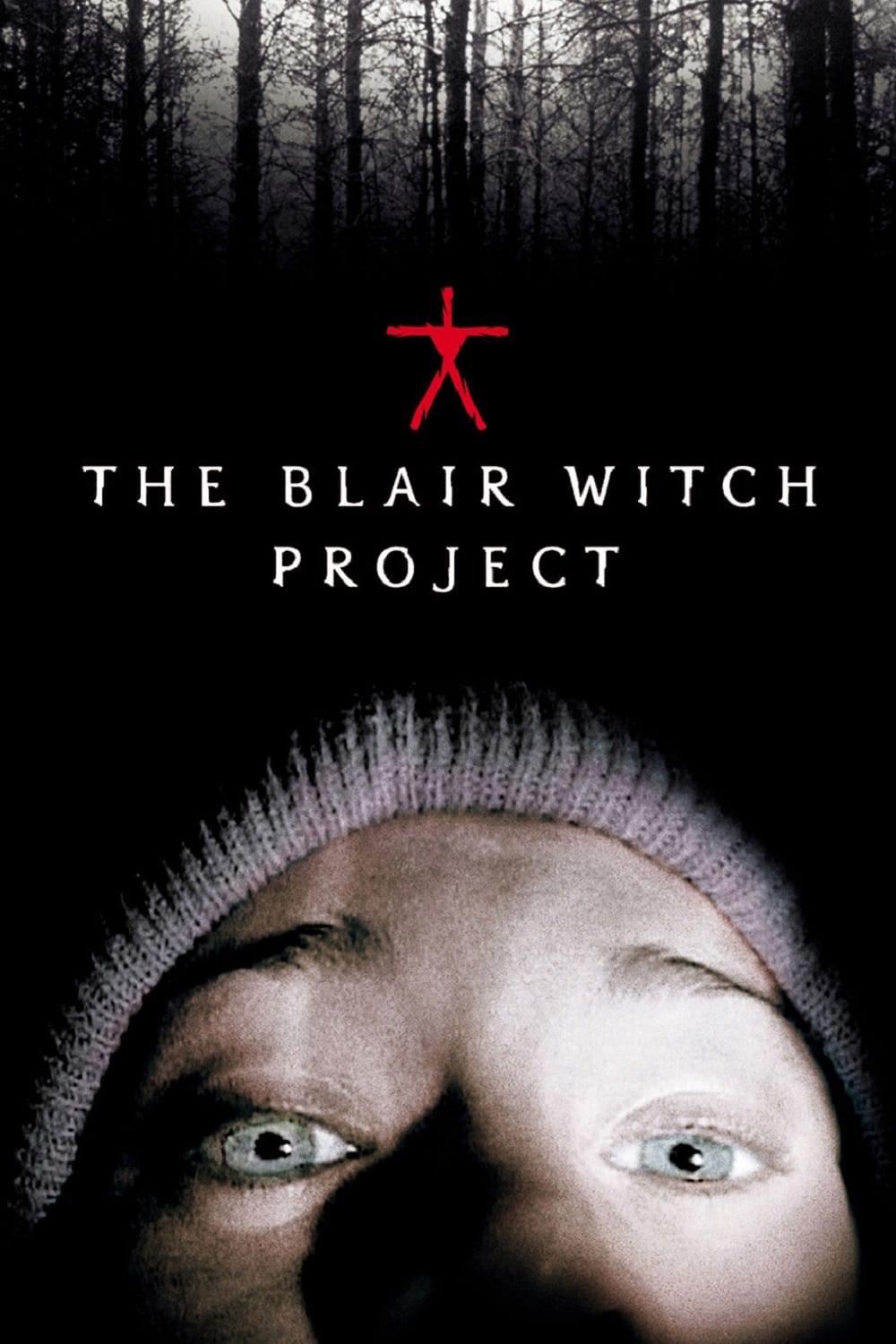
‘The Blair Witch Project’ had a shoestring budget and grueling shoot. Actors were left in the woods with minimal food and sleep to capture authentic fear, and equipment failures were constant.
The raw, improvisational style turned these hardships into a groundbreaking horror film. Its found-footage approach terrified audiences and sparked a genre revolution, proving less can be more.
The Lord of the Rings: The Two Towers (2002)
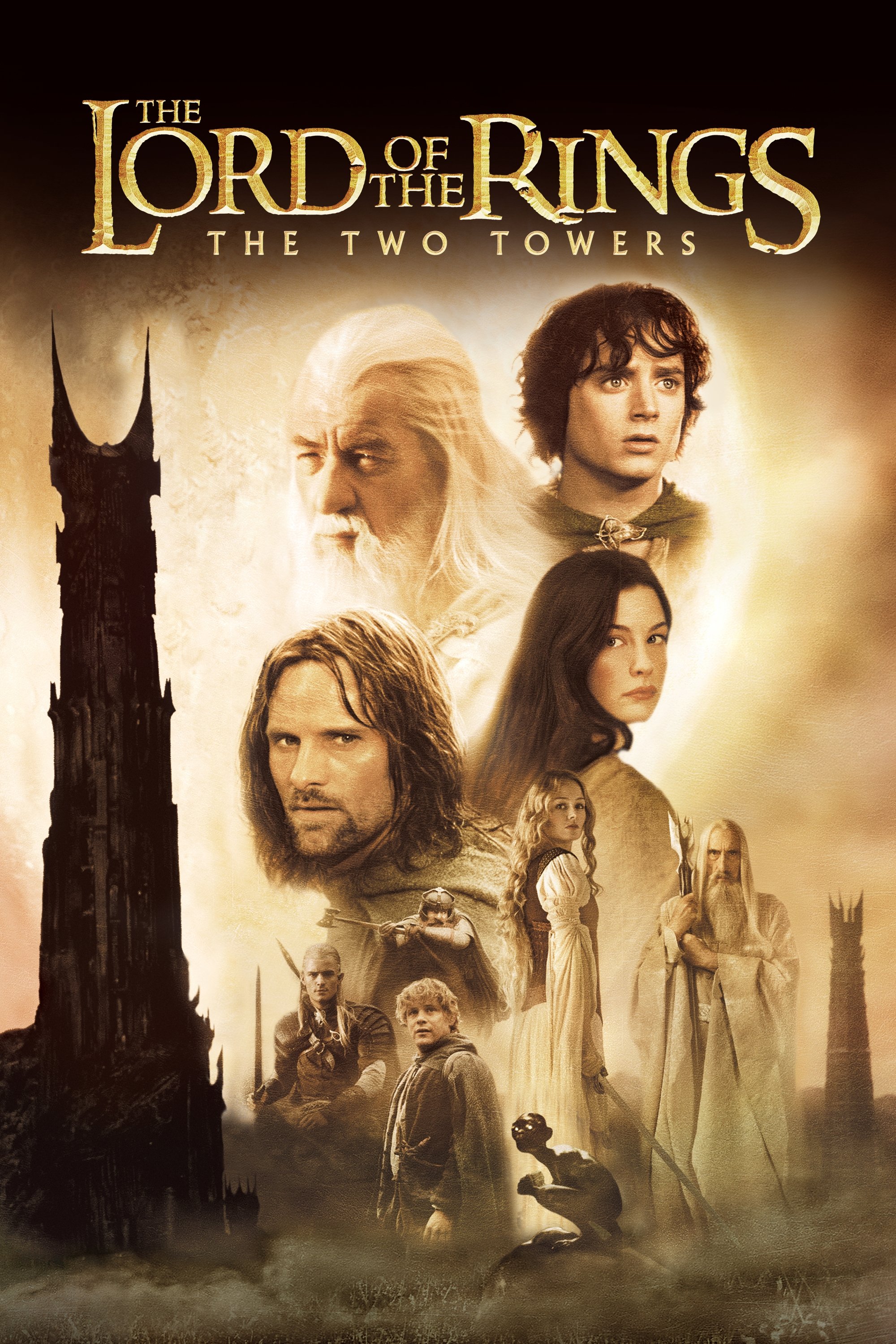
The ‘Two Towers’ shoot faced physical and logistical challenges. Viggo Mortensen broke toes during a scene, and New Zealand’s rugged terrain caused injuries and delays for the crew.
Peter Jackson’s vision and the cast’s dedication shone through. The film’s epic battles and emotional depth made it a critical and commercial hit, cementing the trilogy’s legacy.
Mad Max: Fury Road (2015)
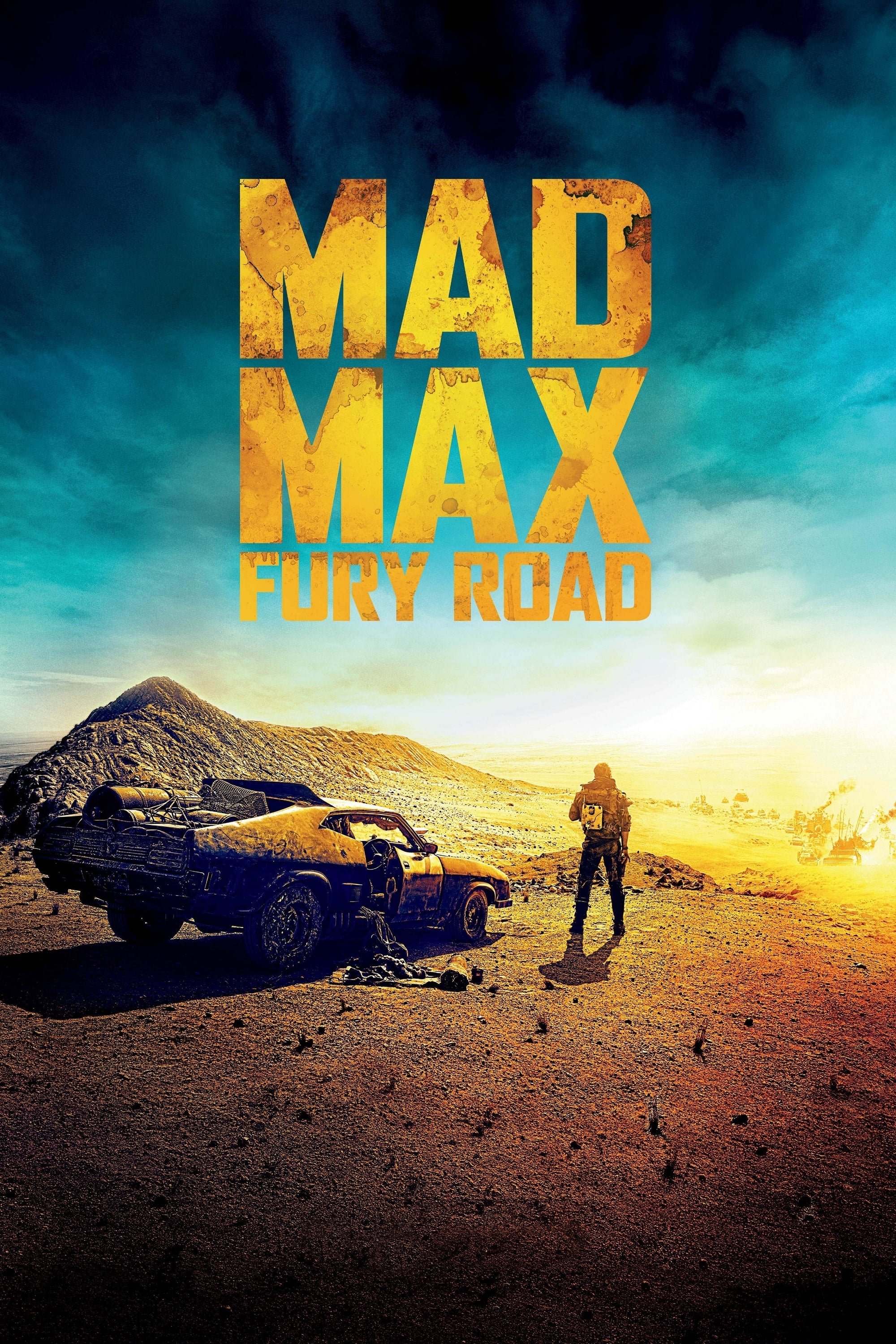
The desert shoot for ‘Mad Max: Fury Road’ was brutal. Extreme heat, logistical nightmares, and tensions between Tom Hardy and Charlize Theron strained the production, while stunts pushed safety limits.
George Miller’s relentless creativity delivered a high-octane masterpiece. The film’s breathtaking action and visual flair earned critical acclaim and six Oscars, proving chaos can fuel brilliance.
The Revenant (2015)
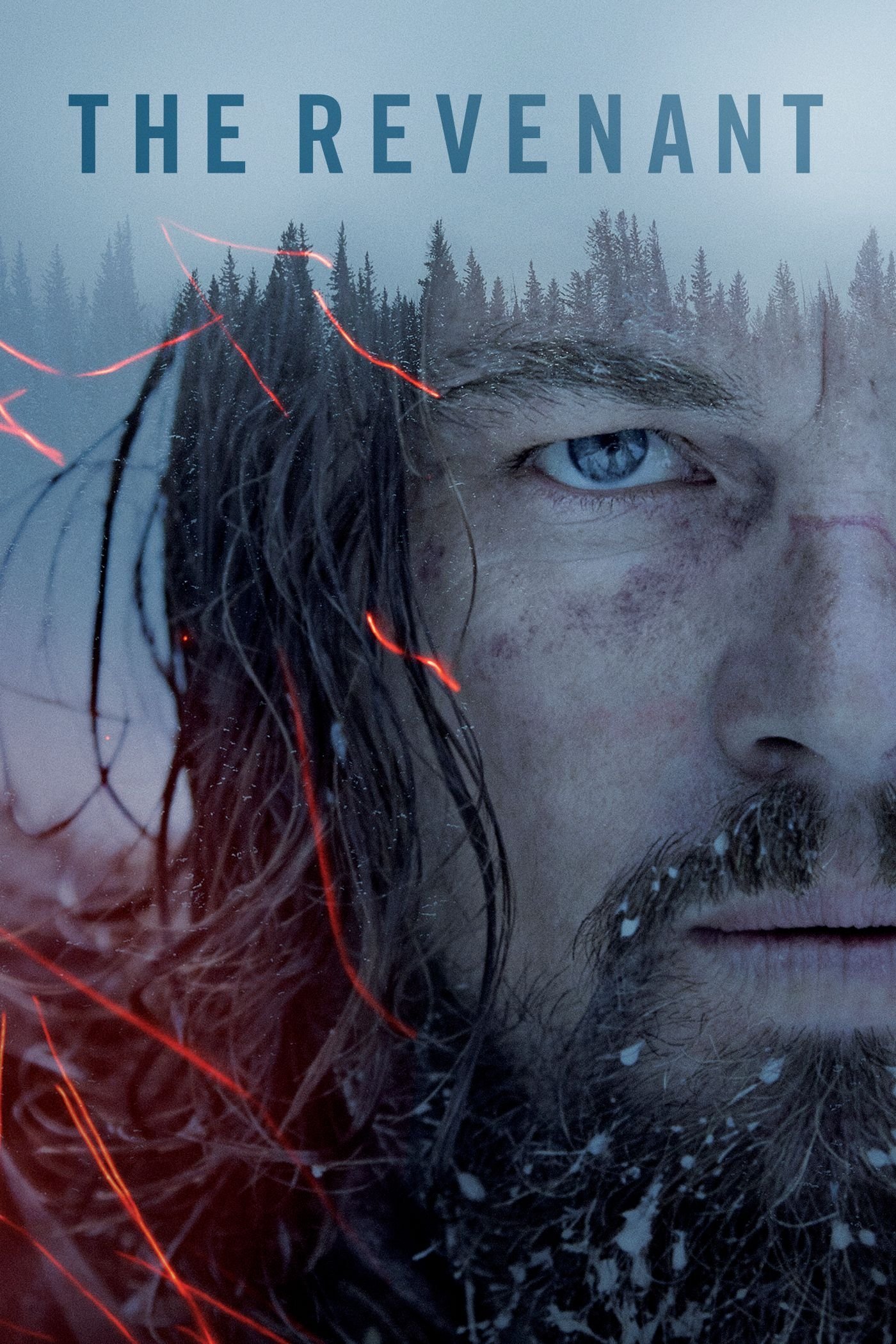
‘The Revenant’ was a punishing shoot in freezing wilderness. Harsh weather, remote locations, and Leonardo DiCaprio’s grueling performance pushed the cast and crew to their breaking points.
Alejandro G. Iñárritu’s vision created a visceral survival tale. The film’s raw beauty and DiCaprio’s Oscar-winning performance made it a critical triumph, overcoming the brutal conditions.
Django Unchained (2012)
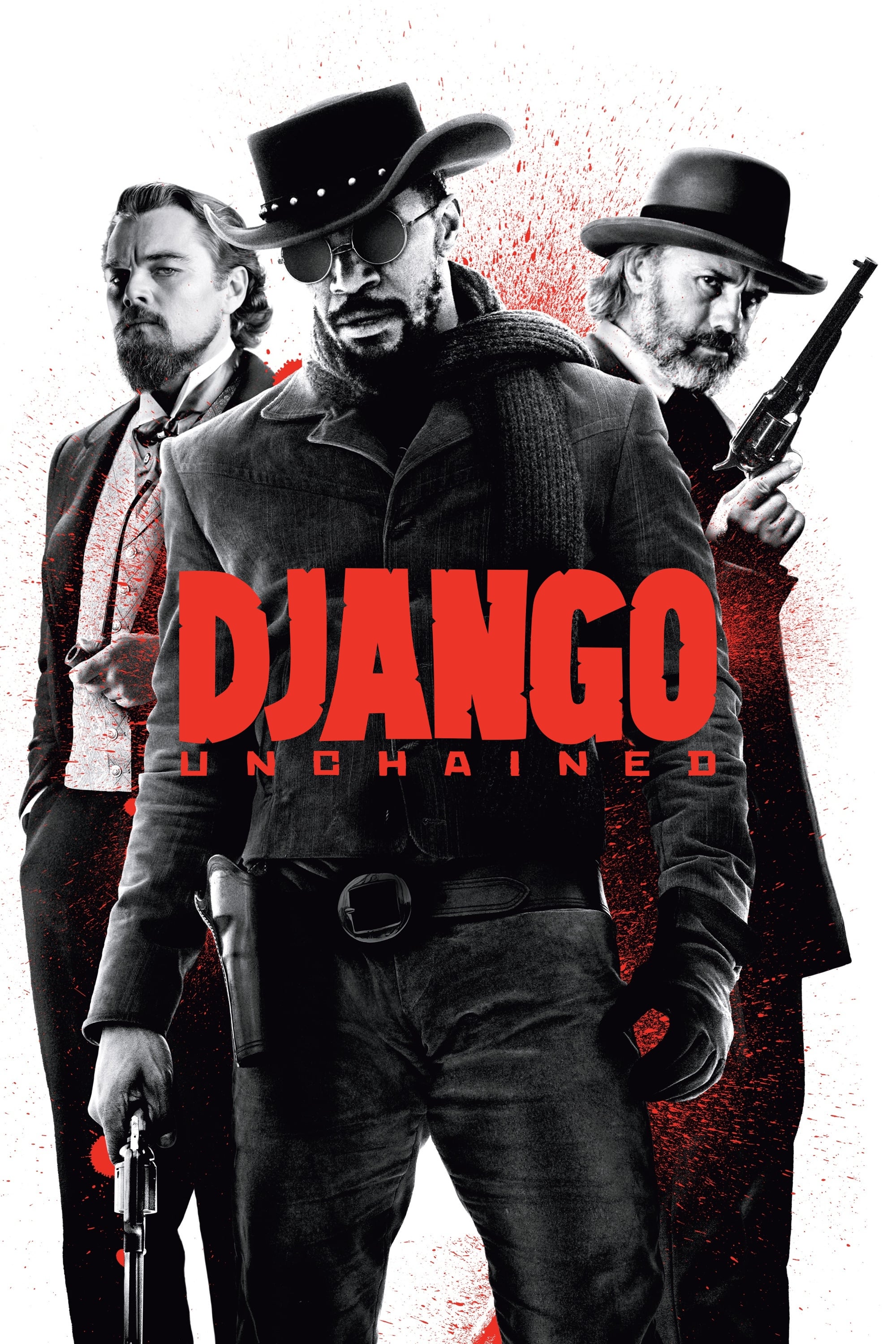
Quentin Tarantino’s ‘Django Unchained’ faced on-set accidents, including Leonardo DiCaprio injuring his hand during a scene. Tensions ran high due to the film’s intense subject matter and demanding schedule.
Tarantino’s bold storytelling and the cast’s powerful performances turned chaos into a gripping Western. The film’s critical and commercial success showed that passion can conquer setbacks.
The Princess Bride (1987)
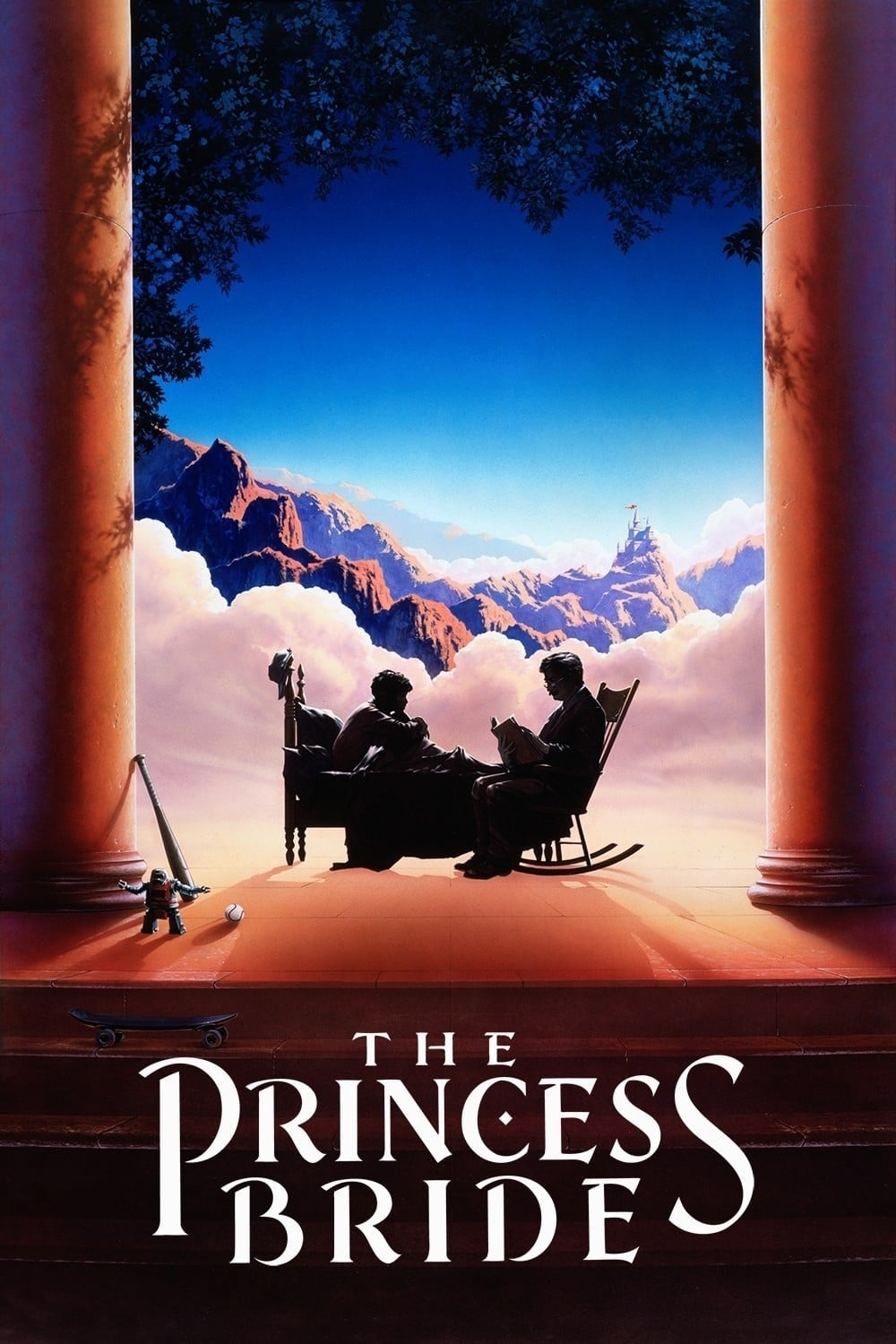
‘The Princess Bride’ faced accidents that could have derailed it. Carey Elwes was knocked out by a real sword blow, and the tight budget caused constant logistical headaches.
Rob Reiner’s charm and the cast’s chemistry transformed the film into a beloved classic. Its witty dialogue and heartfelt story continue to captivate audiences across generations.
Back to the Future Part II (1989)
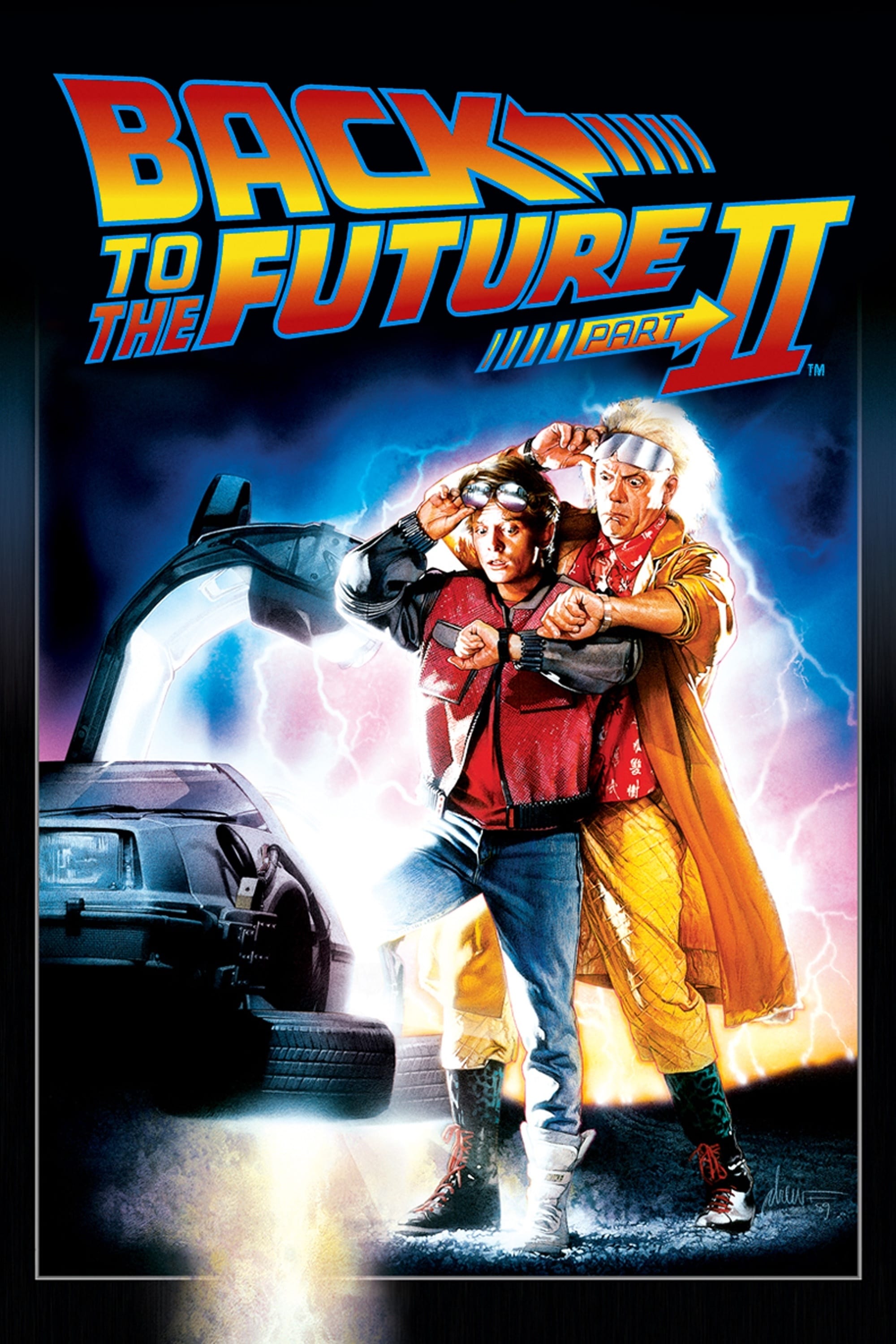
The hoverboard sequence in ‘Back to the Future Part II’ was fraught with danger. A stunt performer crashed and suffered serious injuries, and the complex effects pushed the budget to its limits.
Robert Zemeckis’ innovative direction made the film a sci-fi classic. Its playful energy and time-travel antics delighted audiences, overcoming the production’s rocky moments.
Mission: Impossible – Fallout (2018)
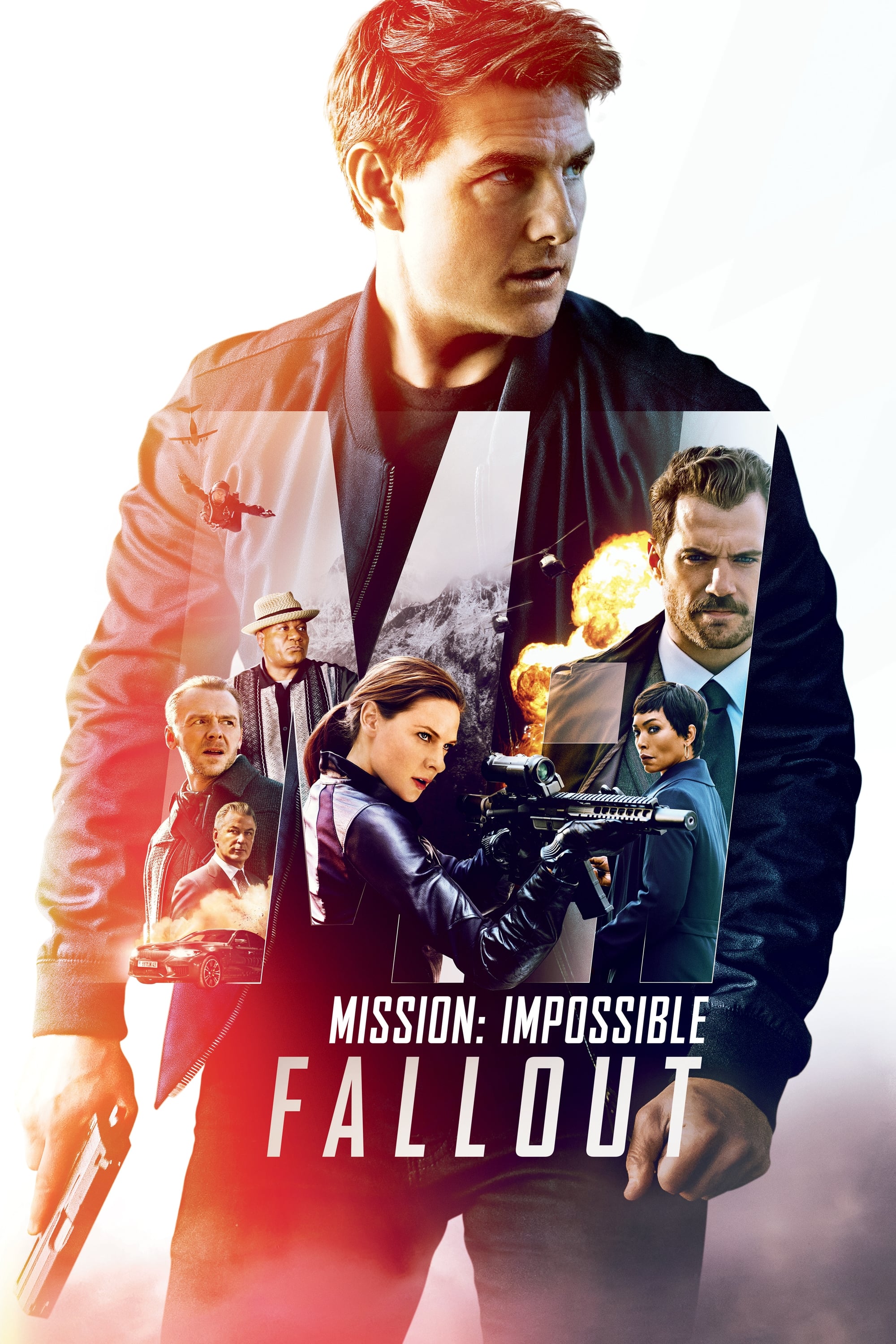
Tom Cruise’s dedication to ‘Mission: Impossible – Fallout’ led to a broken ankle during a stunt gone wrong. The injury halted production, and the high-risk action sequences strained the crew.
Cruise’s commitment and the film’s relentless pace paid off. The thrilling stunts and tight narrative made it a box-office hit, proving perseverance can triumph.
The Man Who Killed Don Quixote (2018)
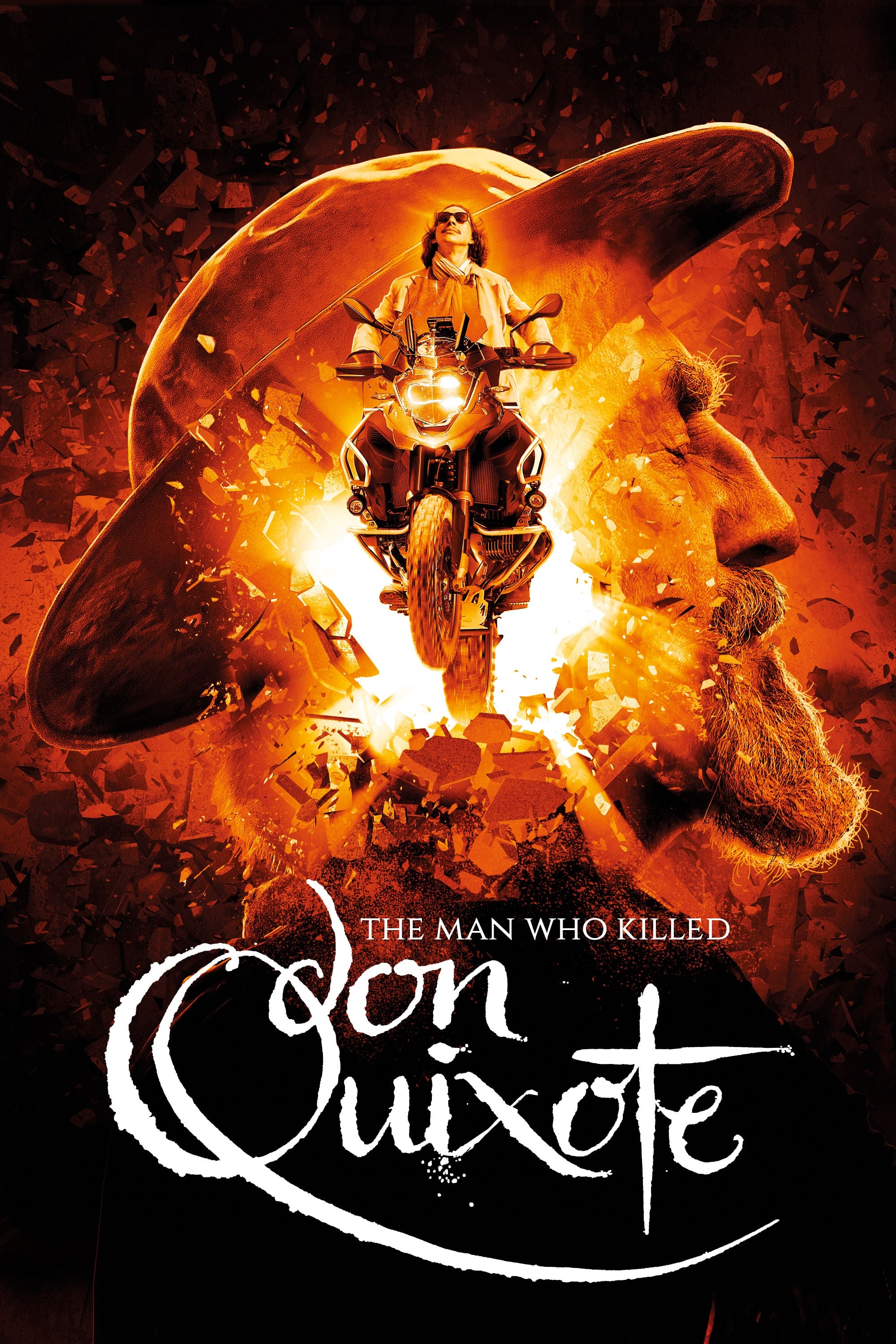
Terry Gilliam’s ‘The Man Who Killed Don Quixote’ faced decades of setbacks. Floods destroyed sets, actors dropped out, and funding collapsed multiple times before filming even began.
Gilliam’s dogged persistence finally brought the film to life. Its quirky charm and imaginative story won over audiences, proving some dreams are worth the fight.
Cleopatra (1963)
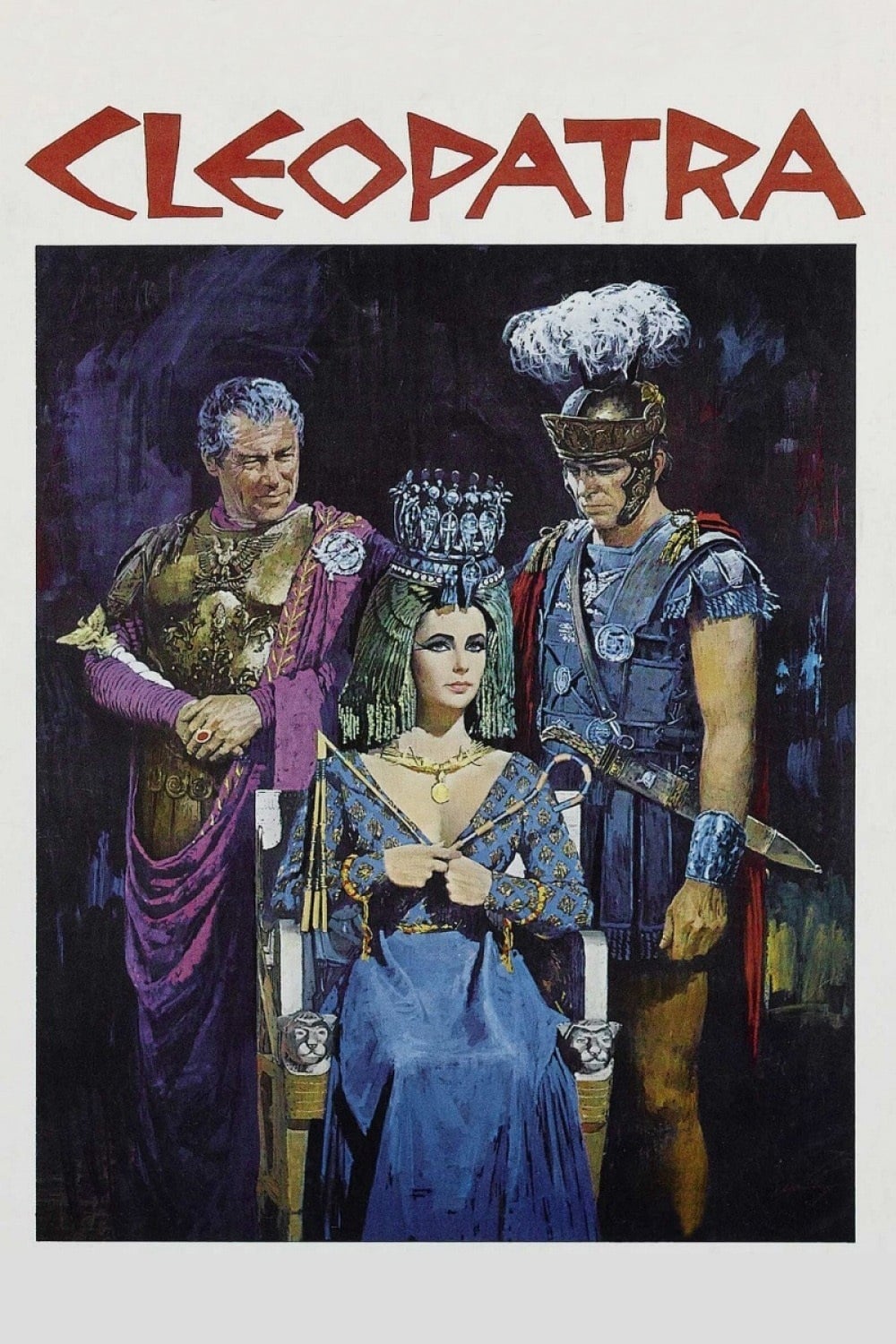
‘Cleopatra’ nearly bankrupted 20th Century Fox with its spiraling costs. Elizabeth Taylor’s illness, extravagant sets, and constant script changes turned the production into a financial disaster.
The film’s grand spectacle and Taylor’s magnetic performance salvaged its reputation. Despite mixed reviews, its epic scope made it a cultural milestone.
Wet Hot American Summer (2001)
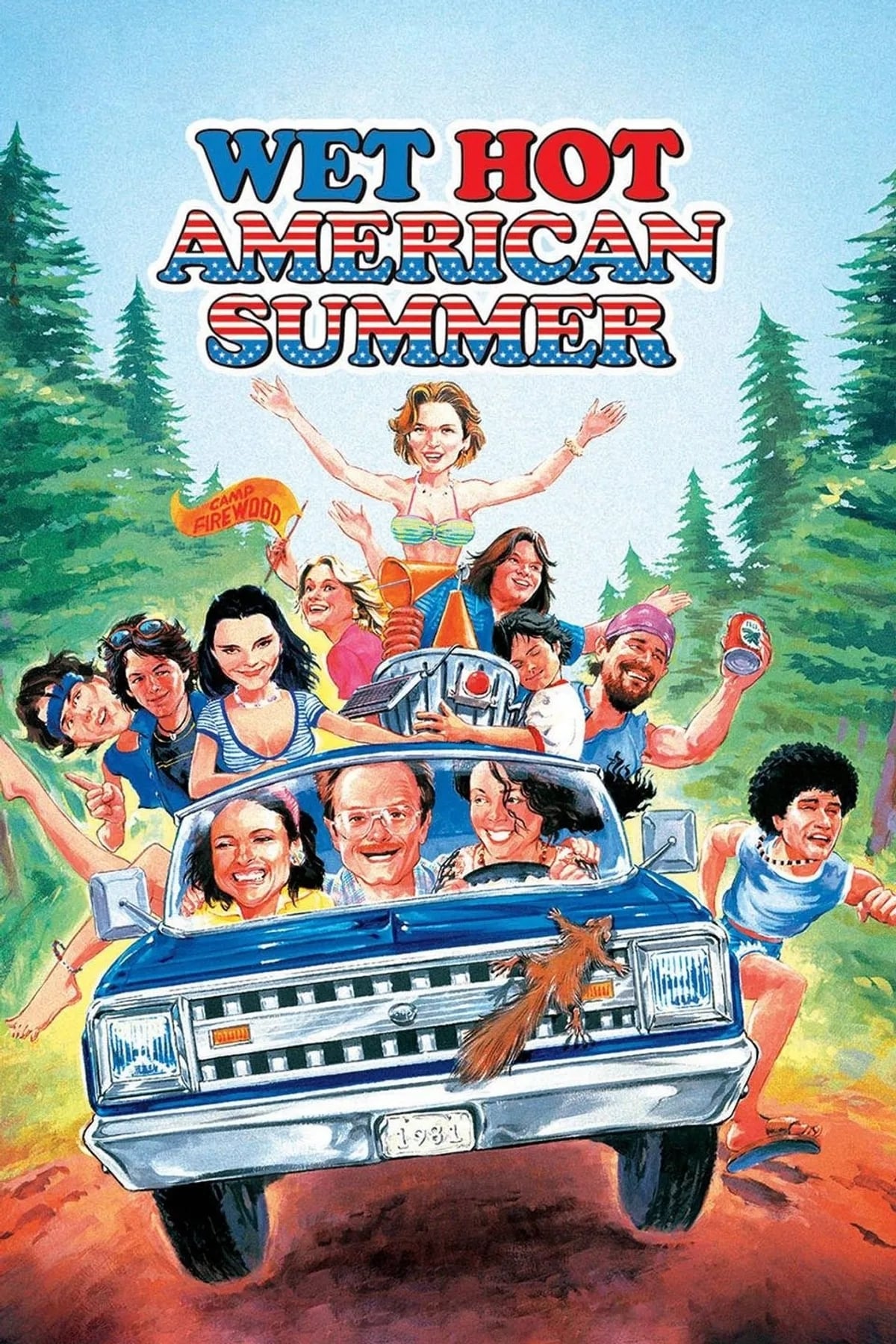
‘Wet Hot American Summer’ was plagued by relentless rain during its short shoot, ruining the sunny summer vibe the film needed. The low budget also strained resources.
The cast’s comedic talent and improvisational energy turned it into a cult comedy classic. Its absurd humor and star-studded ensemble continue to win fans.
Lost in La Mancha (2002)
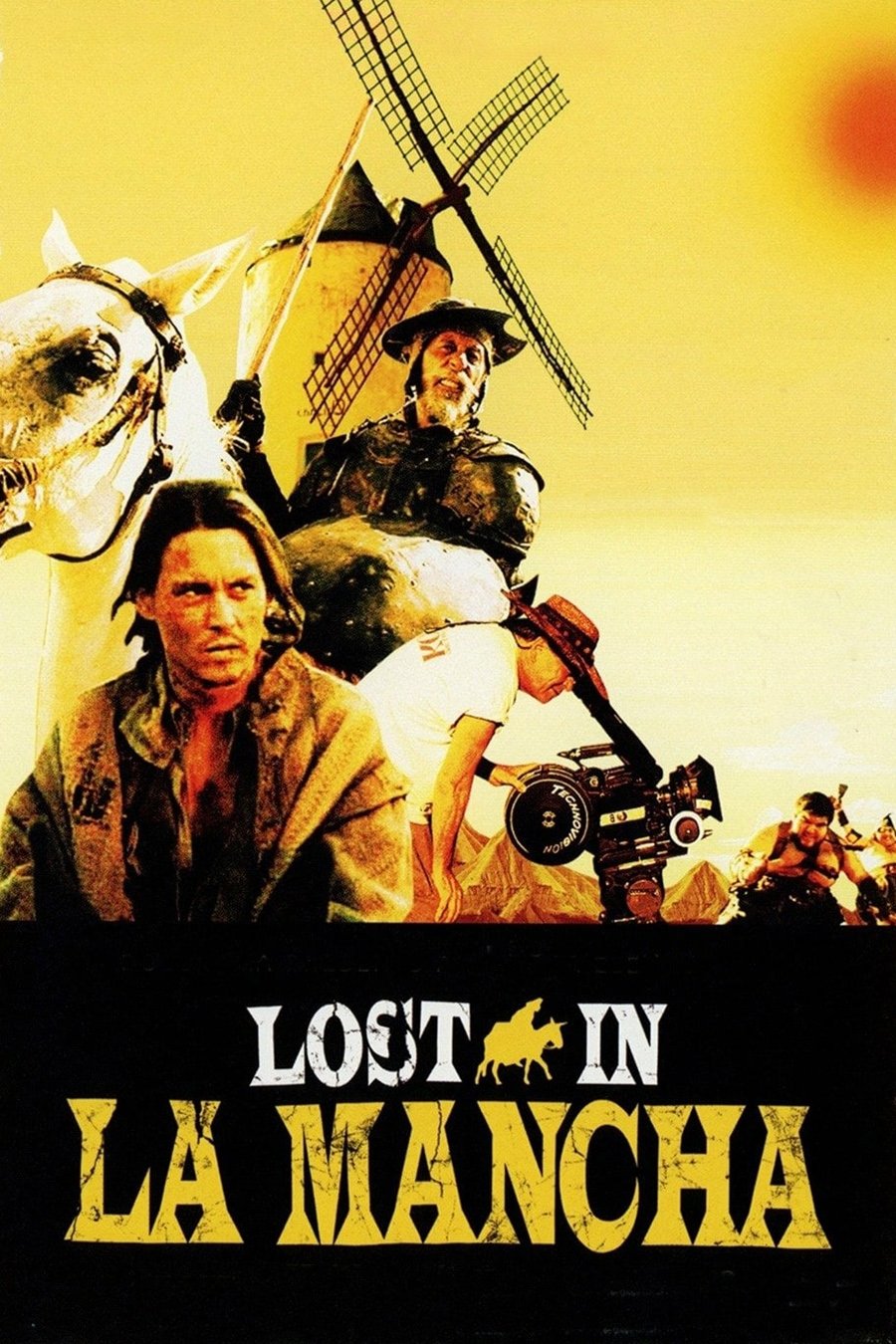
Terry Gilliam’s attempt to make ‘The Man Who Killed Don Quixote’ in the early 2000s collapsed under flash floods, injured actors, and funding woes, documented in ‘Lost in La Mancha’.
Though the original project failed, the documentary became a fascinating look at filmmaking chaos. Its candid insight into Gilliam’s struggles resonated with audiences.
Die Hard (1988)
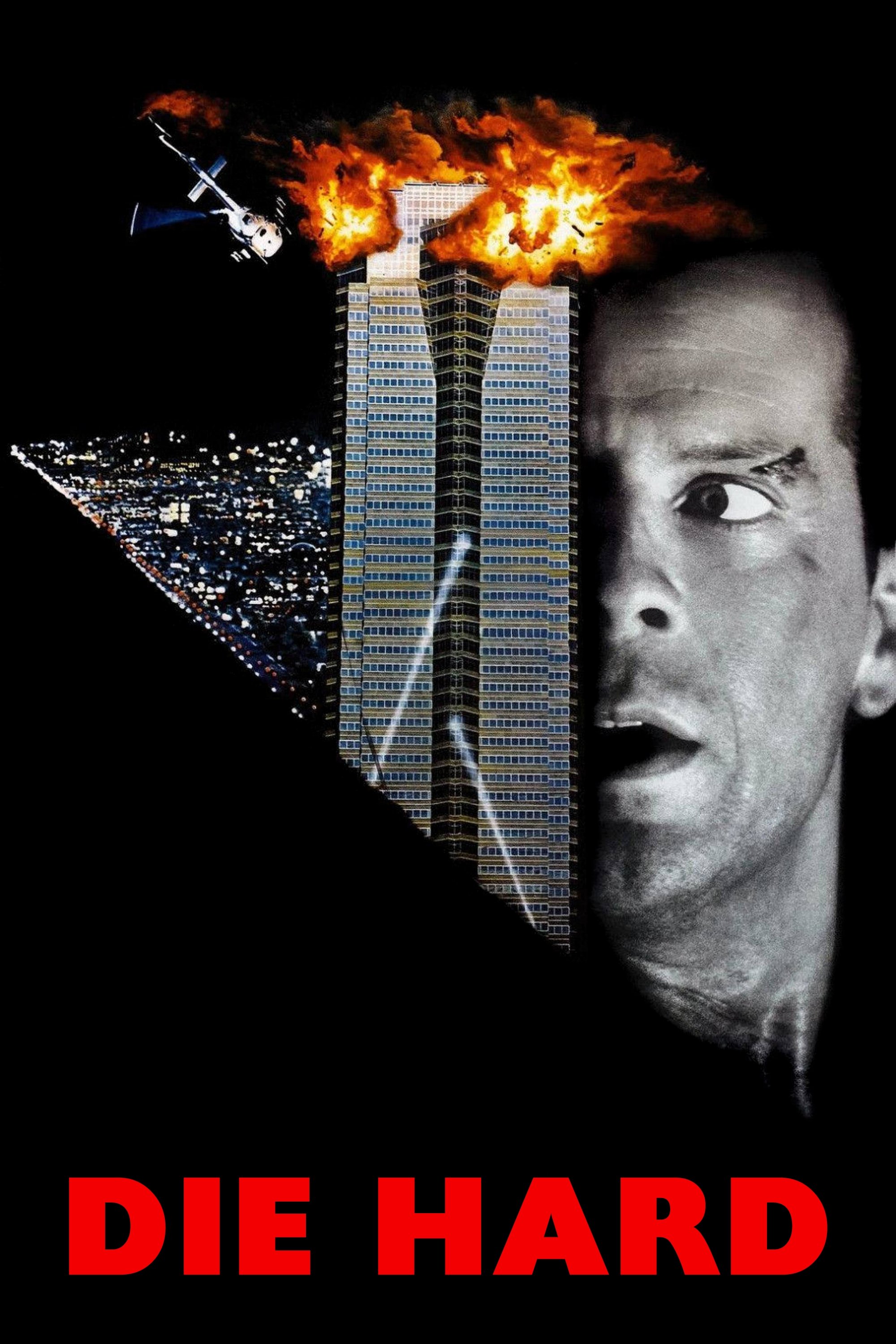
The set of ‘Die Hard’ was a high-stakes gamble. Explosions went awry, and Bruce Willis narrowly escaped injury during intense action scenes, while the tight schedule added pressure.
John McTiernan’s sharp direction and Willis’ charismatic performance made it an action classic. The film’s gripping tension and wit launched a legendary franchise.
Game Night (2018)
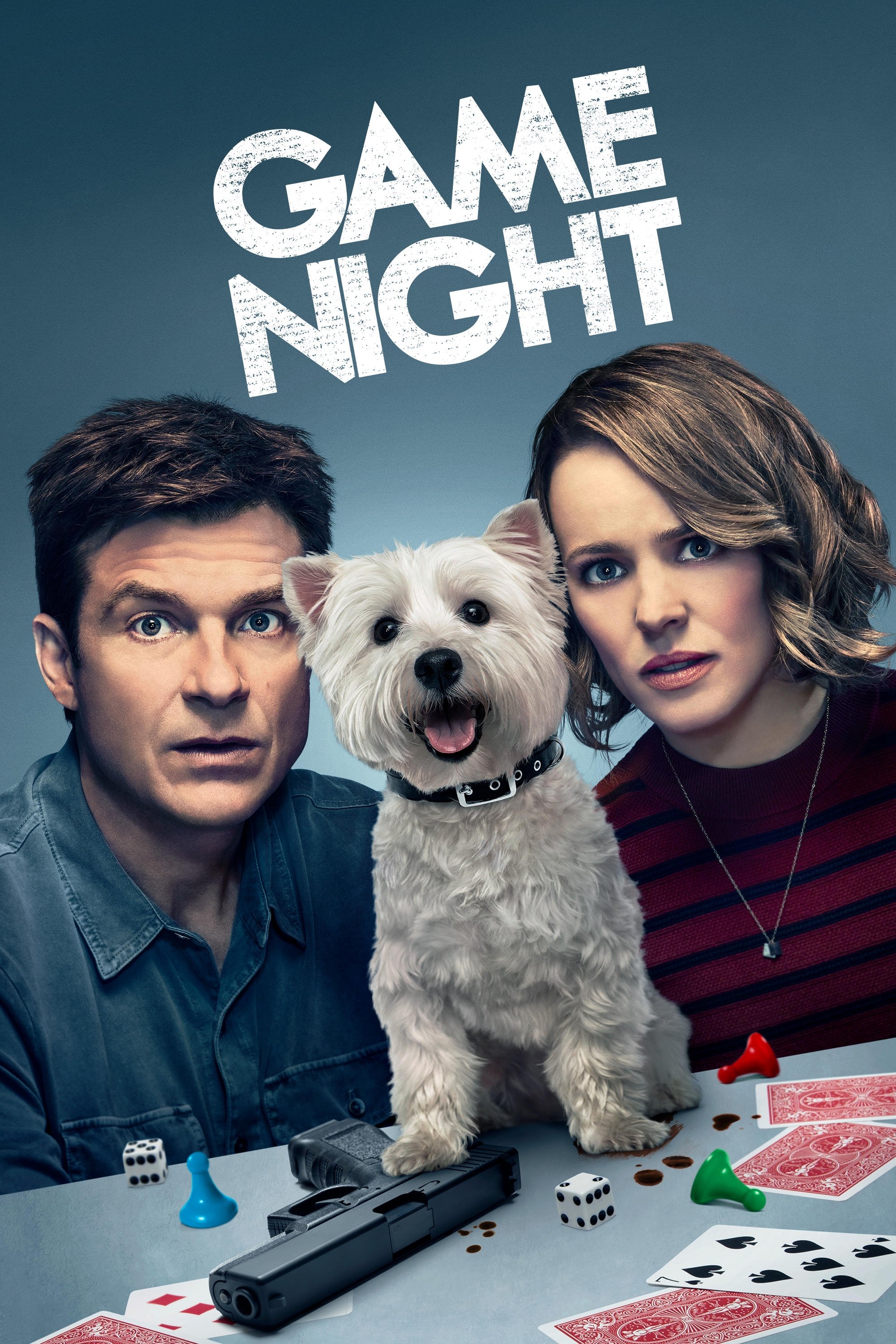
‘Game Night’ faced chaos when a staged kidnapping scene spiraled into real confusion. The fast-paced shoot and complex comedy setups led to constant logistical hiccups.
The ensemble’s chemistry and sharp humor carried the film. Its clever twists and laugh-out-loud moments made it a surprise hit, overcoming the behind-the-scenes mess.
Boiling Point (2021)
‘Boiling Point’ was shot in a single take, amplifying the stress of its restaurant setting. Technical glitches and the pressure of nailing every moment frayed nerves on set.
The raw intensity of the one-take approach and Stephen Graham’s riveting performance made it a critical darling. Its immersive storytelling captivated audiences.
Very Bad Things (1998)
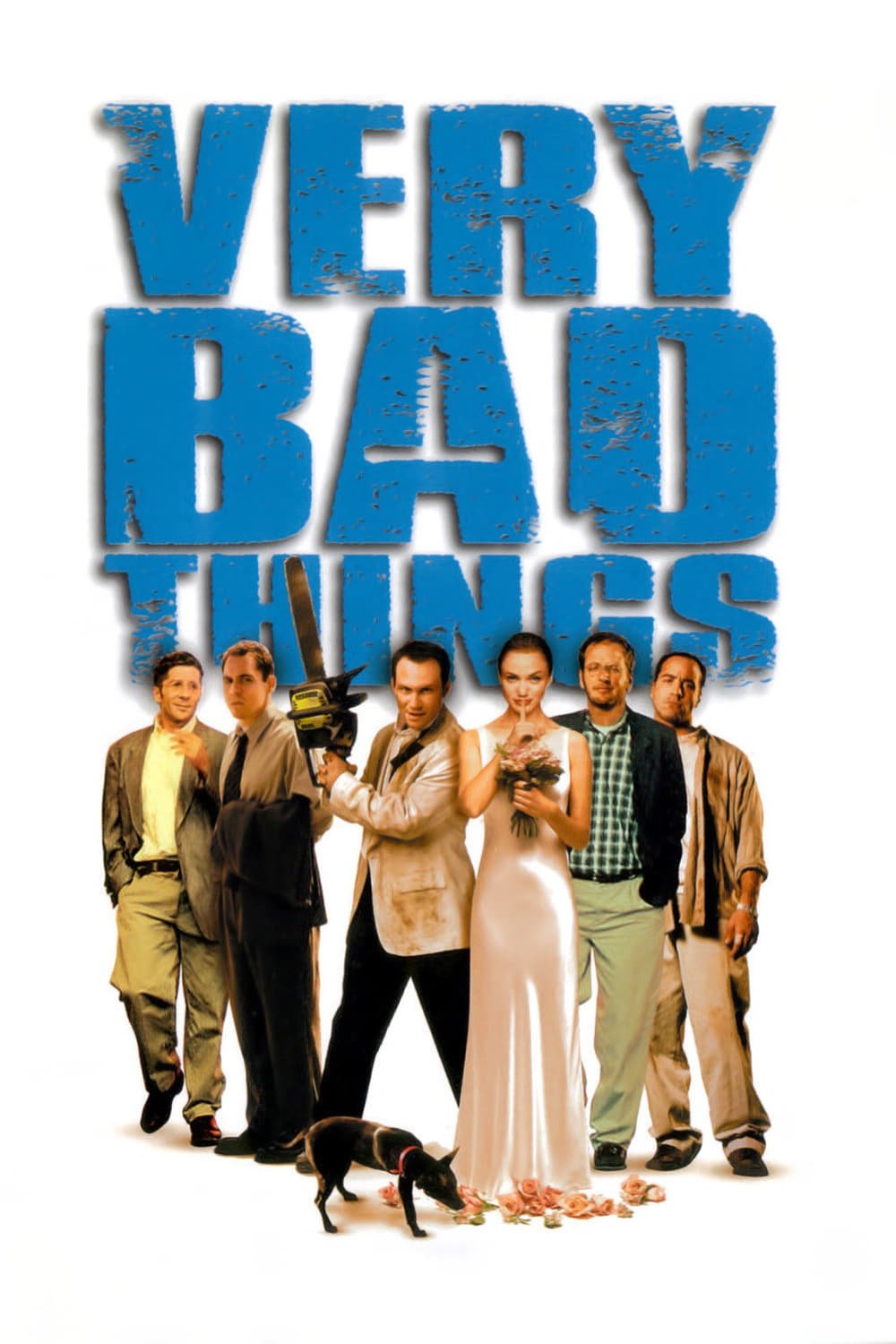
The dark comedy ‘Very Bad Things’ faced a chaotic shoot with clashing egos and a tight budget. The grim subject matter also unsettled the cast during intense scenes.
Peter Berg’s bold direction and the cast’s fearless performances turned it into a cult hit. Its pitch-black humor found a dedicated audience despite the rocky production.
Rat Race (2001)
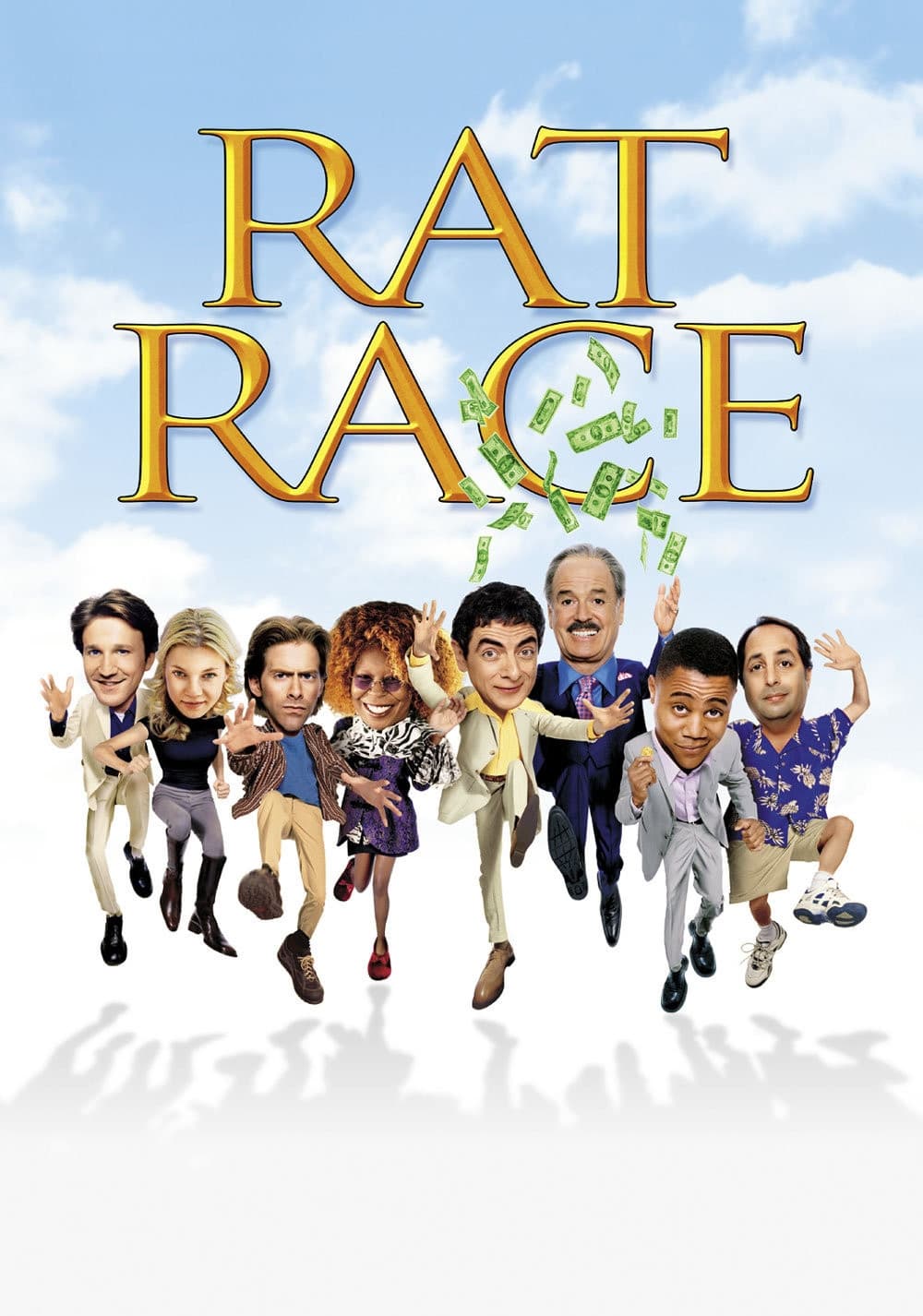
‘Rat Race’ was a logistical nightmare with its sprawling cast and cross-country chase. Stunts went wrong, and coordinating the ensemble’s schedules caused endless delays.
The film’s zany energy and slapstick comedy won over audiences. Its relentless laughs and star power made it a beloved early-2000s comedy.
Pan’s Labyrinth (2006)
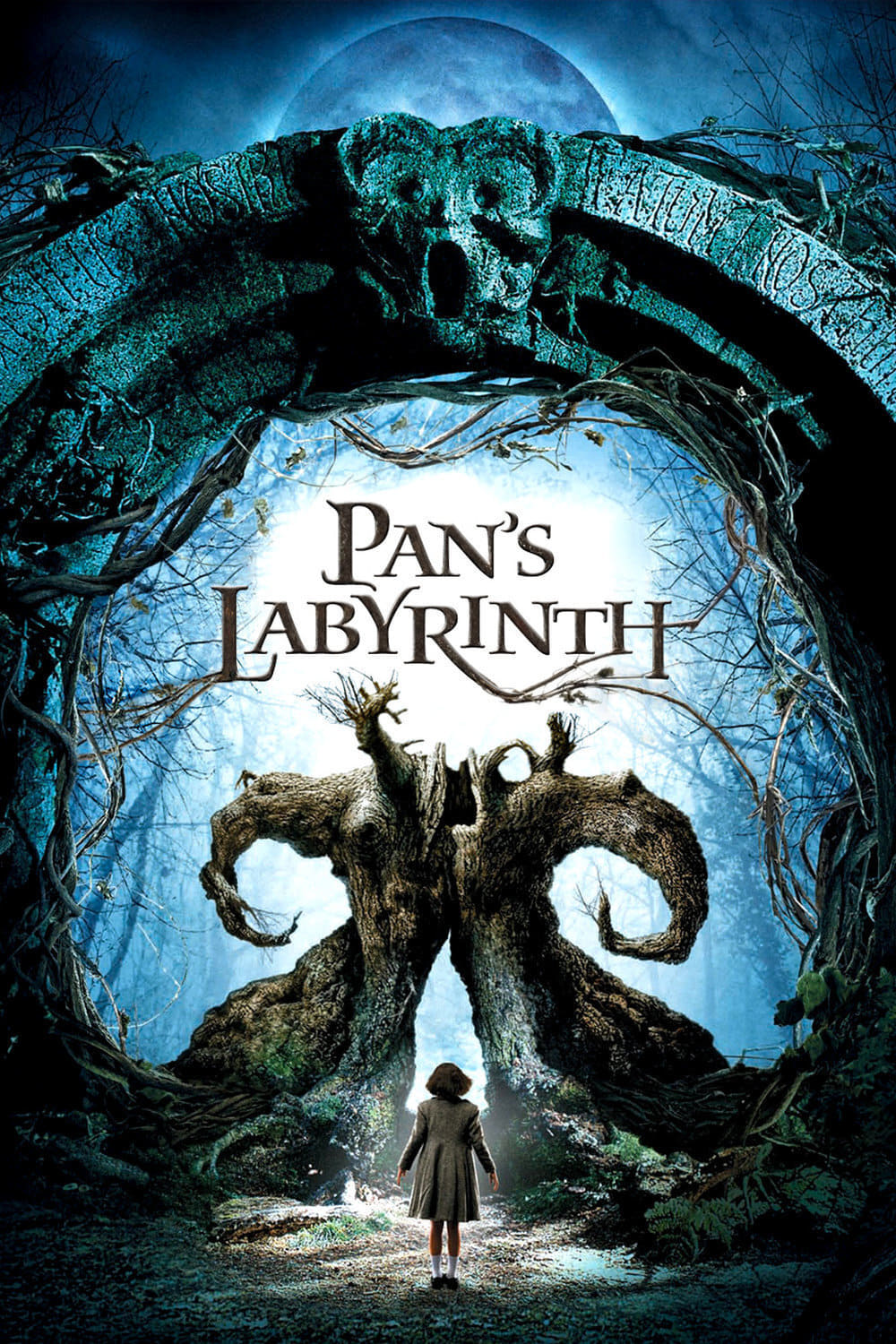
The set of ‘Pan’s Labyrinth’ battled budget constraints and dangerous practical effects. The war-torn setting and Guillermo del Toro’s ambitious vision pushed the crew to their limits.
Del Toro’s haunting fairy tale blended beauty and horror flawlessly. The film’s critical acclaim and three Oscars proved its triumph over adversity.
The Evil Dead (1981)
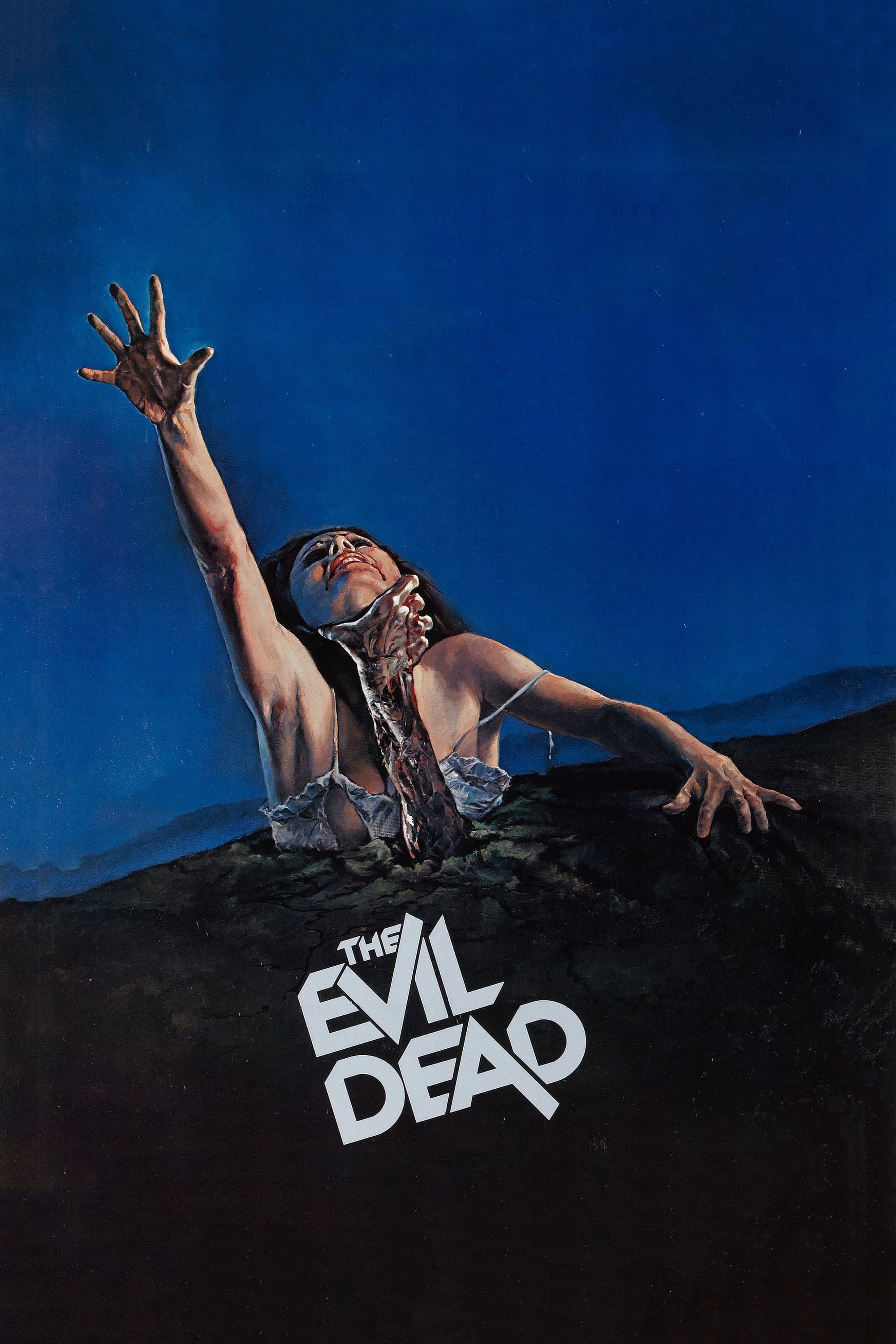
‘The Evil Dead’ was a grueling low-budget shoot in a remote cabin. The cast and crew endured harsh conditions, injuries, and constant equipment failures.
Sam Raimi’s relentless creativity and Bruce Campbell’s manic energy made it a horror classic. Its inventive gore and humor sparked a cult phenomenon.
Burn After Reading (2008)
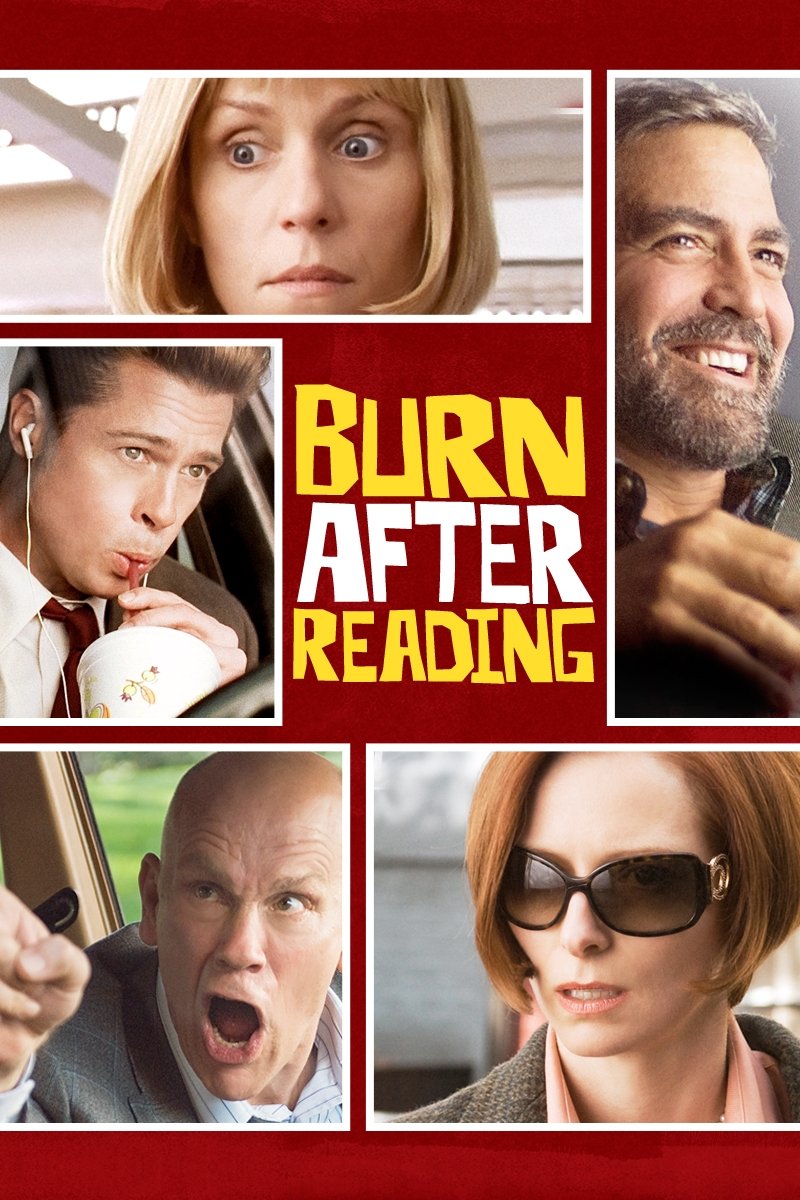
The Coen Brothers’ ‘Burn After Reading’ faced chaotic production with a complex plot and overlapping schedules. On-set miscommunications led to frequent delays.
The stellar cast and sharp script turned chaos into dark comedy gold. Its biting humor and twisty narrative made it a critical and audience favorite.
A Serious Man (2009)
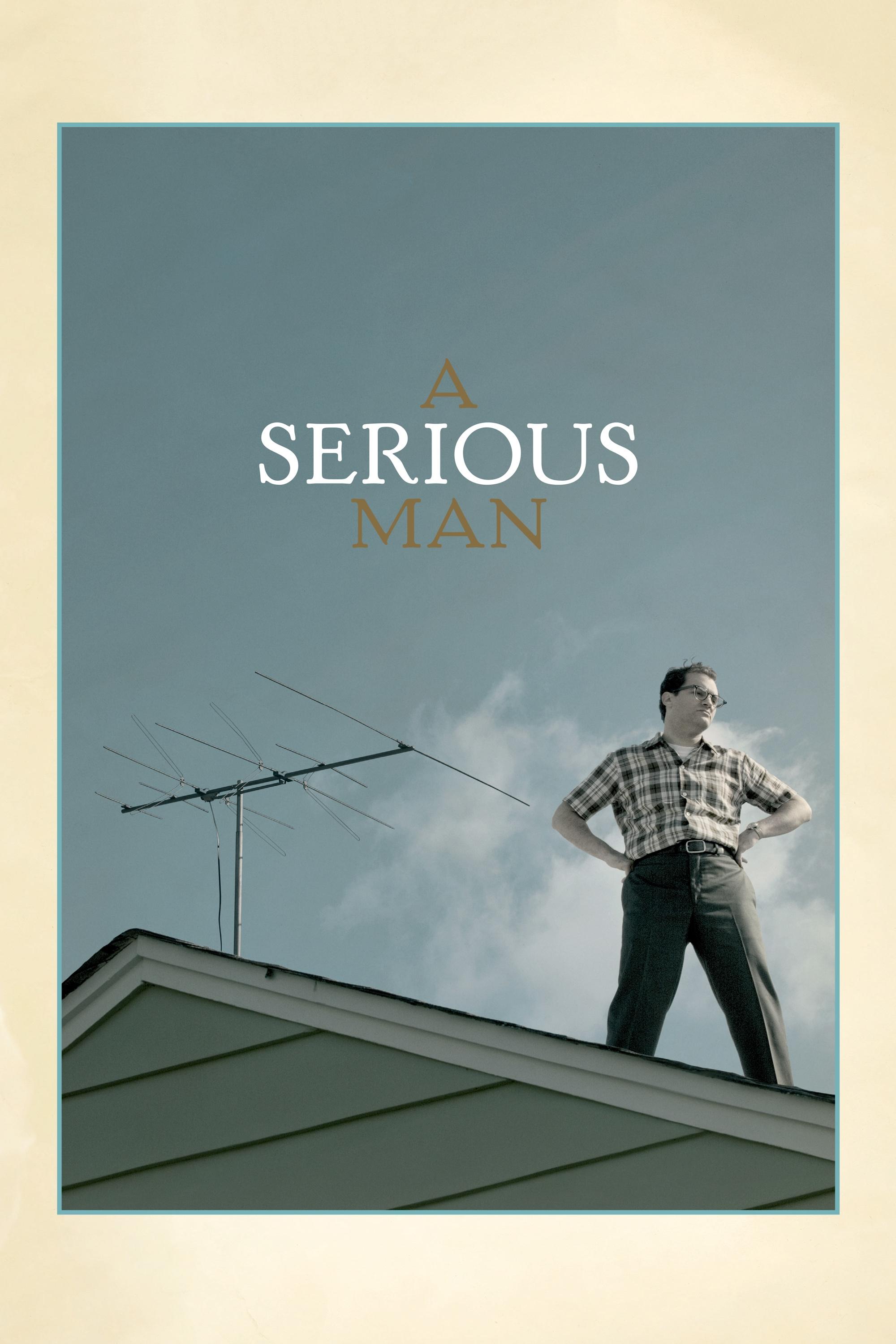
The Coen Brothers’ ‘A Serious Man’ dealt with unpredictable weather and a tight budget. The intricate story and philosophical tone caused tension among the crew.
The film’s sharp writing and Michael Stuhlbarg’s soulful performance resonated deeply. Its exploration of fate and absurdity earned critical praise and a loyal following.
Which film’s chaotic production surprised you the most, or did I miss a disaster-turned-masterpiece? Share your thoughts in the comments!