


14 Films About Books That Make You Want To Read The Source Immediately




Cinema and literature have shared a symbiotic relationship since the earliest days of film production. Directors often look to novels for complex characters and intricate plots that translate well to the visual medium. A truly great adaptation manages to stand on its own while honoring the spirit of the original text. These movies capture the essence of their literary counterparts so effectively that they inspire audiences to seek out the written word.
‘The Lord of the Rings: The Fellowship of the Ring’ (2001)
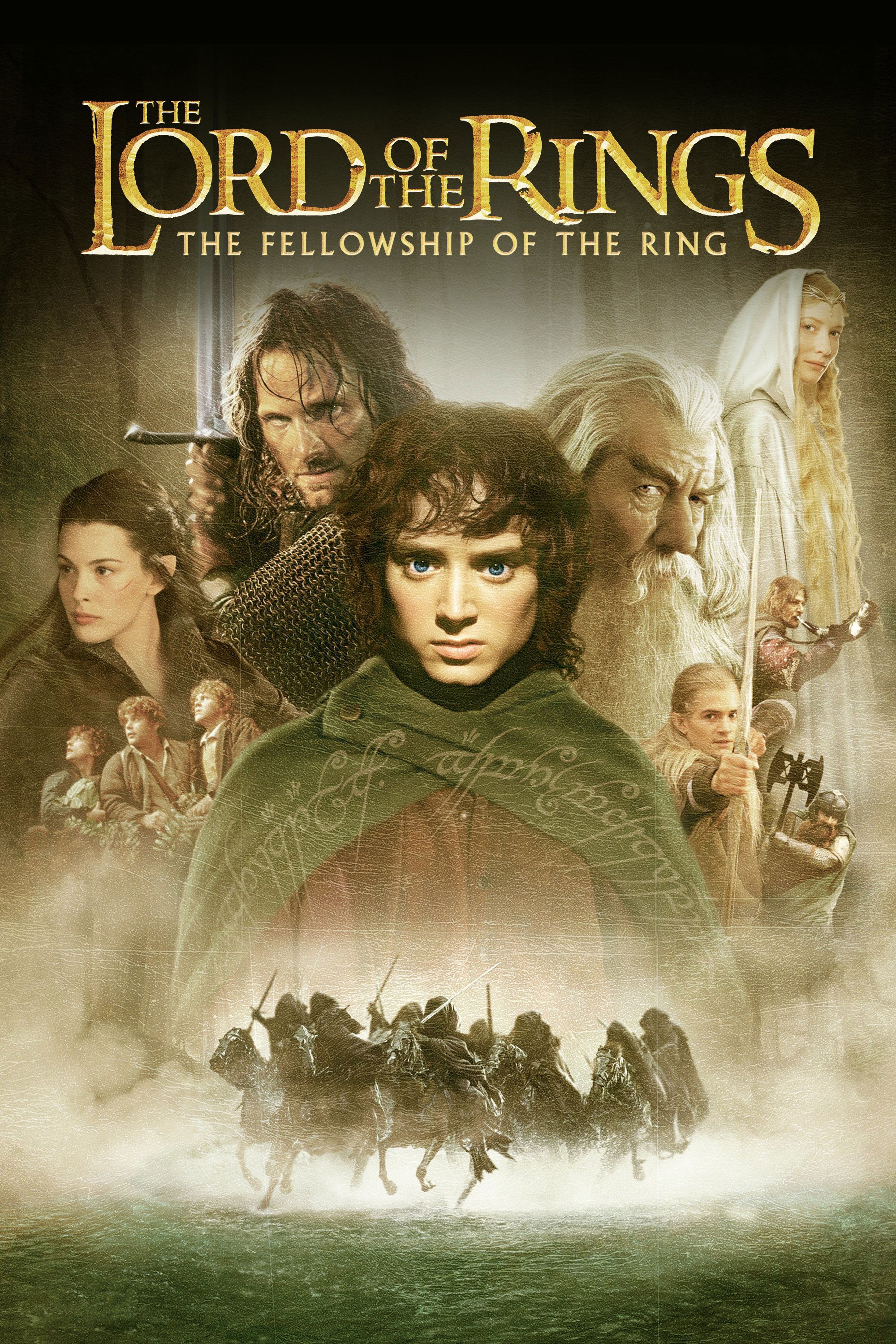
Peter Jackson brings Middle-earth to life in this epic fantasy that follows Frodo Baggins on a perilous journey to destroy the One Ring. The film impresses audiences with its grand scale and detailed world-building that mirrors the depth found in J.R.R. Tolkien’s writing. Fans of the movie frequently turn to the source material to explore the extensive lore and linguistic history created by the author. The screen adaptation successfully balances action with the profound themes of friendship and sacrifice present in the text.
‘Pride & Prejudice’ (2005)
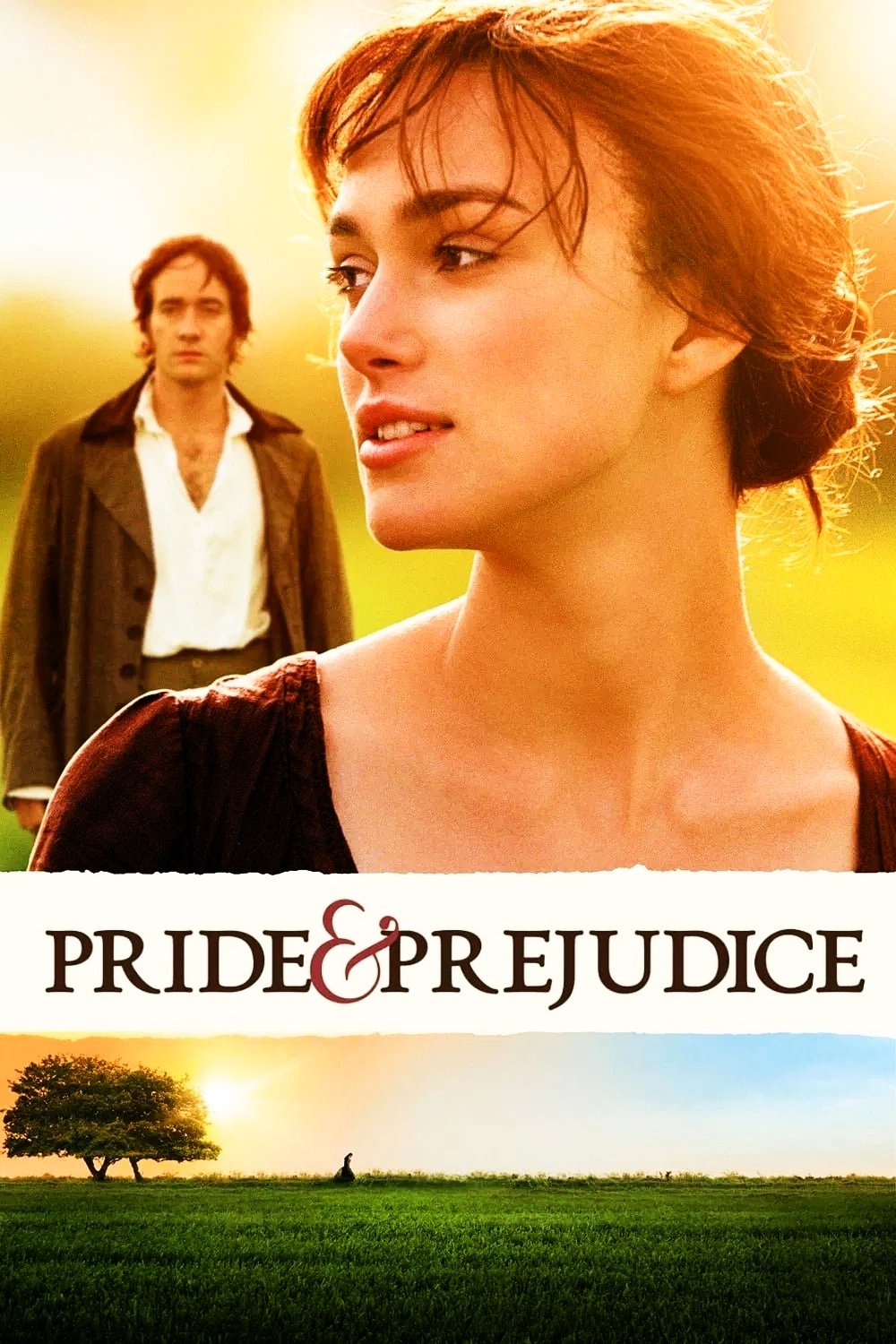
Joe Wright directs this romantic drama featuring Keira Knightley as the sharp-witted Elizabeth Bennet. The film utilizes lush cinematography and energetic pacing to modernize the classic story of manners and marriage. Audiences fall in love with the chemistry between Elizabeth and Mr. Darcy which often drives them to read Jane Austen’s original prose. The movie highlights the social commentary and biting humor that make the novel a timeless masterpiece.
‘The Great Gatsby’ (2013)
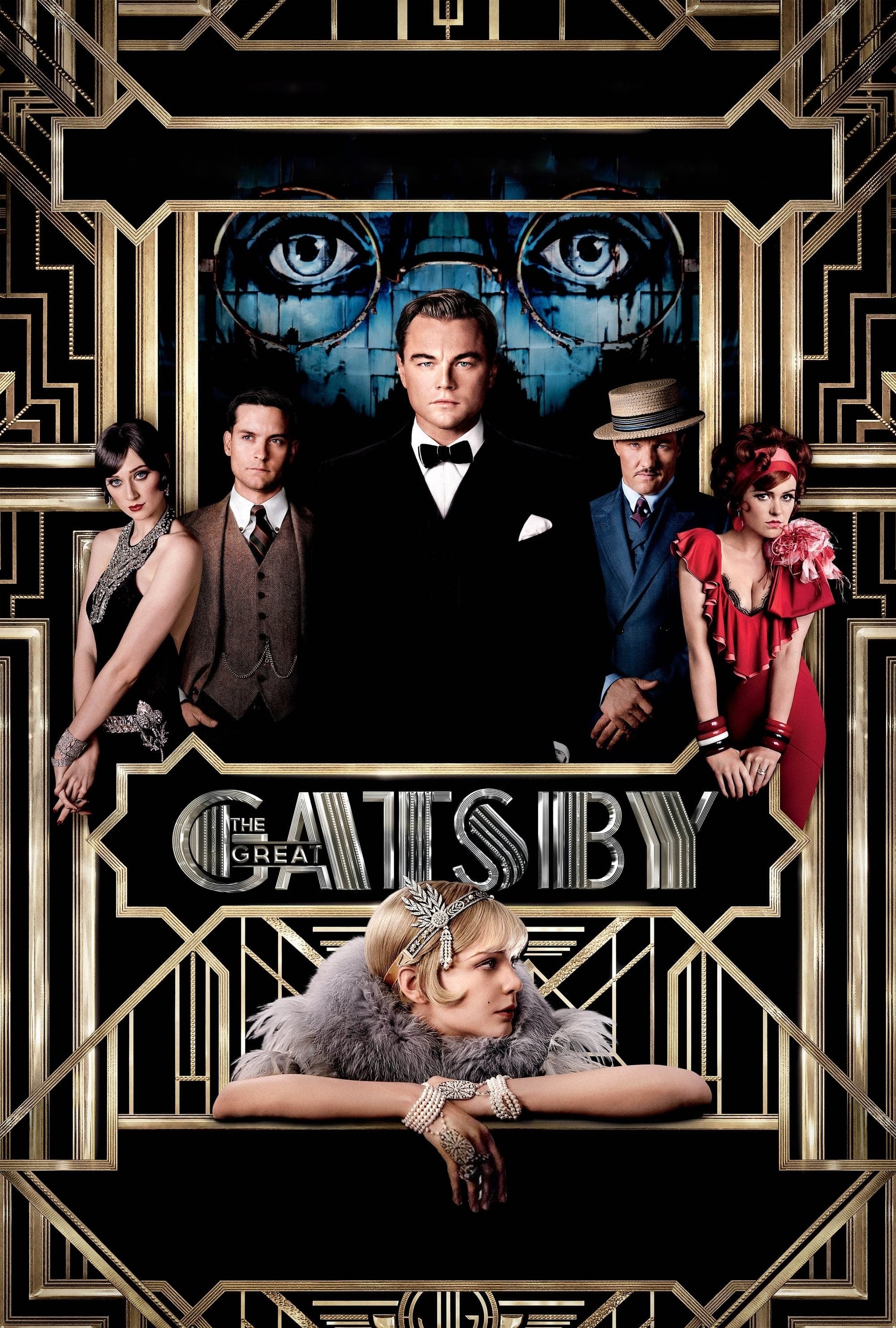
Baz Luhrmann infuses the Jazz Age with modern music and spectacular visuals in this vibrant adaptation. Leonardo DiCaprio portrays the enigmatic Jay Gatsby as he pursues his lost love Daisy Buchanan across the glittering landscape of New York. The stylistic choices emphasize the excess and moral decay that F. Scott Fitzgerald critiqued in his writing. Watching the tragic narrative unfold on screen encourages viewers to appreciate the lyrical beauty of the American classic.
‘Gone Girl’ (2014)
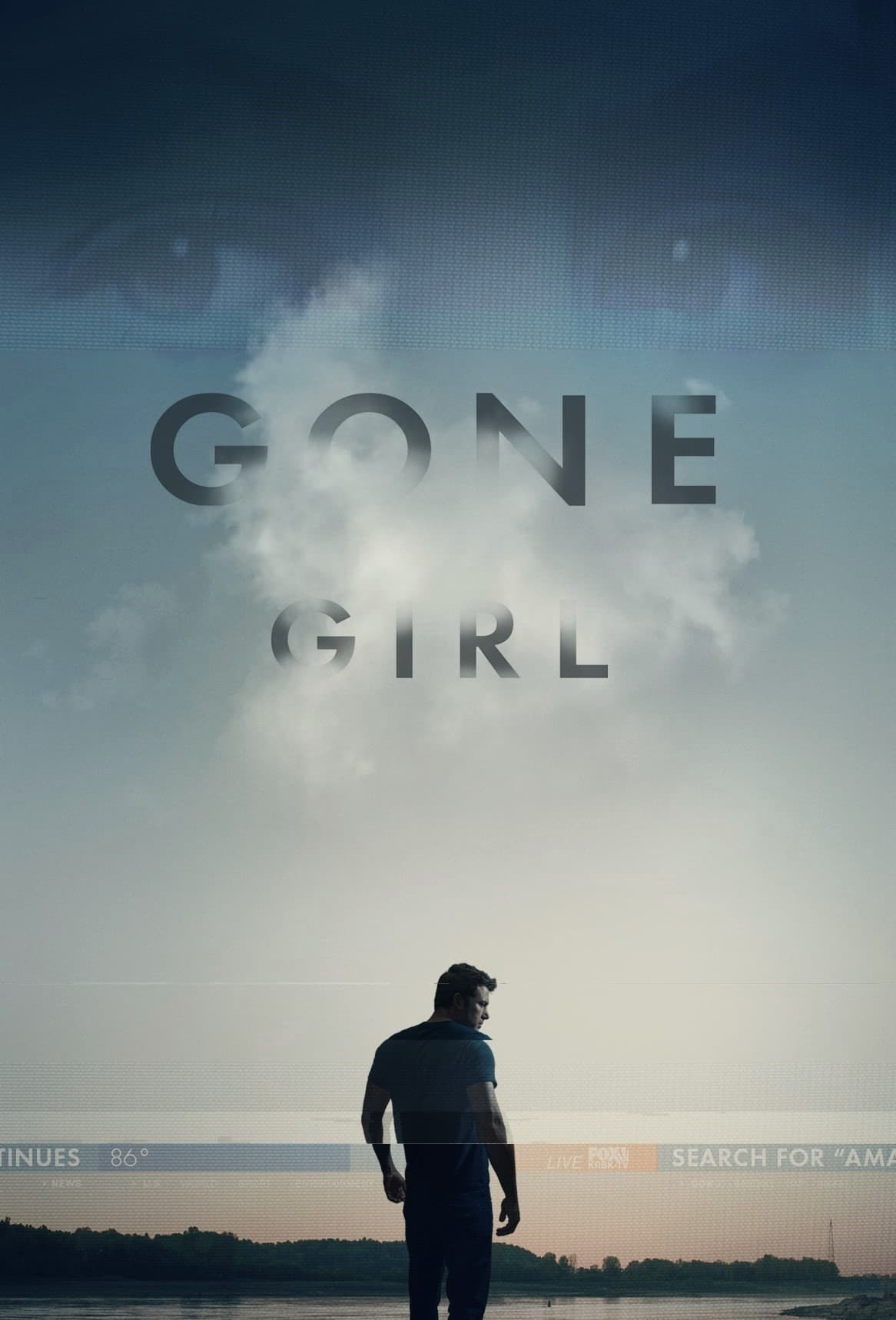
David Fincher directs this psychological thriller about a man who becomes the primary suspect in the sudden disappearance of his wife. The screenplay was written by the book’s author Gillian Flynn to ensure the sharp twists and dark tone remained intact. Rosamund Pike delivers a chilling performance that brings the complex character of Amy Dunne to life. The ambiguous nature of the film often leads audiences to the novel to dissect the unreliable narration in greater detail.
‘To Kill a Mockingbird’ (1962)
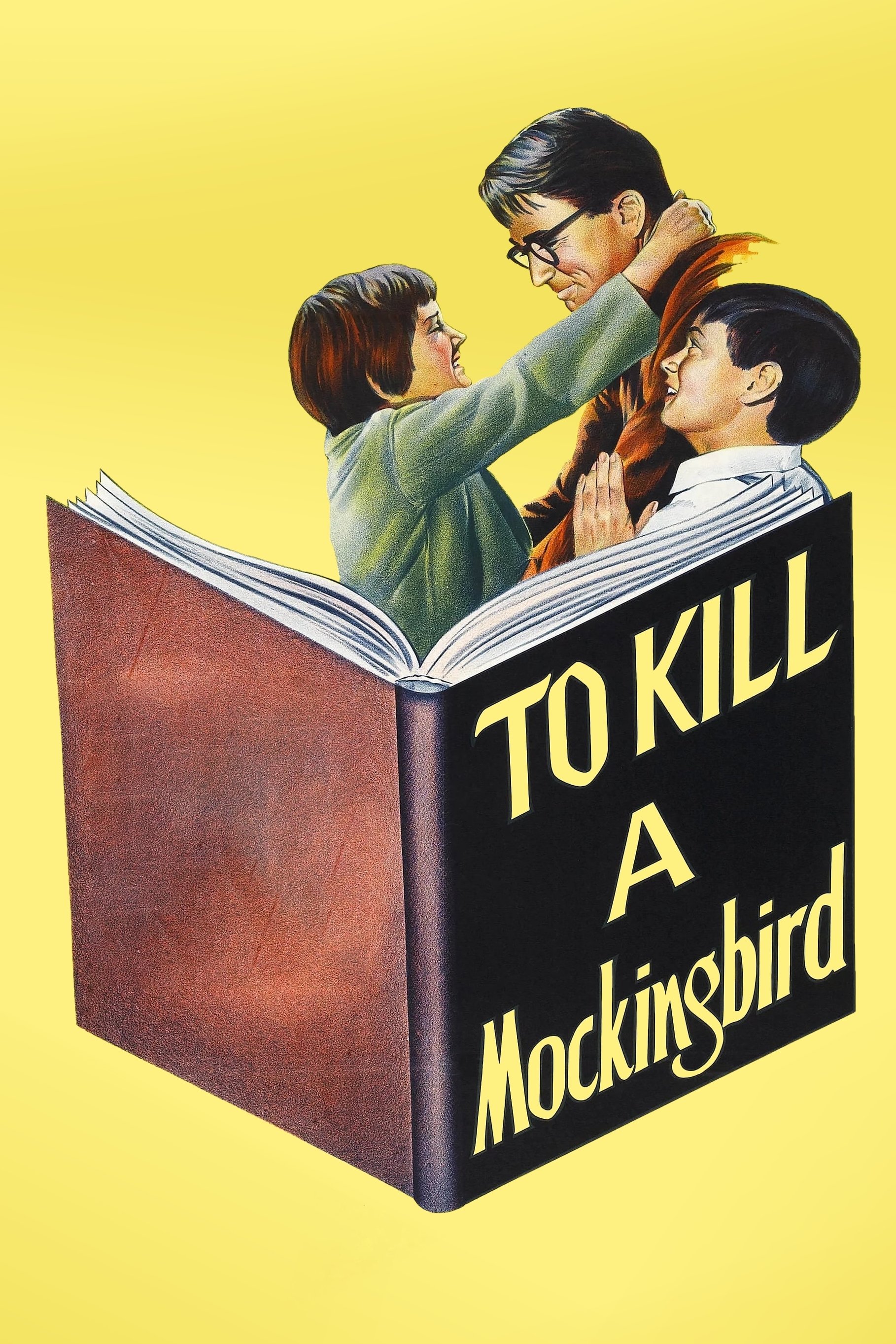
Gregory Peck stars as Atticus Finch in this courtroom drama dealing with racial injustice in the American South. The film captures the innocence of the young narrator Scout as she observes her father defend a black man falsely accused of a crime. It preserves the moral integrity and emotional weight of Harper Lee’s Pulitzer Prize-winning novel. This cinematic classic serves as a powerful companion piece that urges viewers to read the celebrated text.
‘Dune’ (2021)
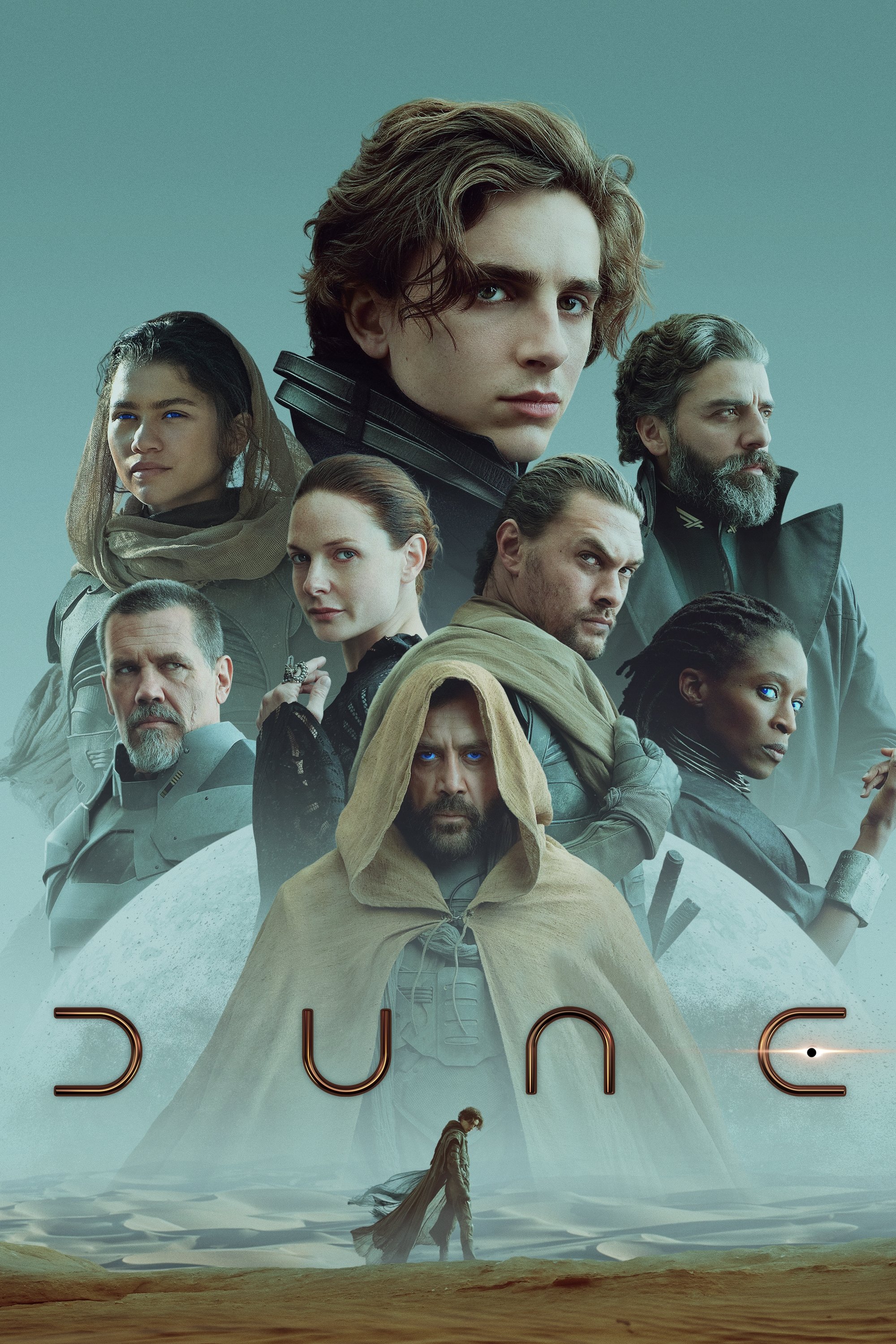
Denis Villeneuve tackles the first half of Frank Herbert’s dense science fiction saga about political intrigue on a desert planet. The film uses immense scale and sound design to represent the grandeur of Arrakis and the prophecy surrounding Paul Atreides. Viewers are often left with questions about the complex factions and history that are meticulously detailed in the book. The visual spectacle serves as a perfect gateway into the sprawling universe of the source material.
‘Little Women’ (2019)
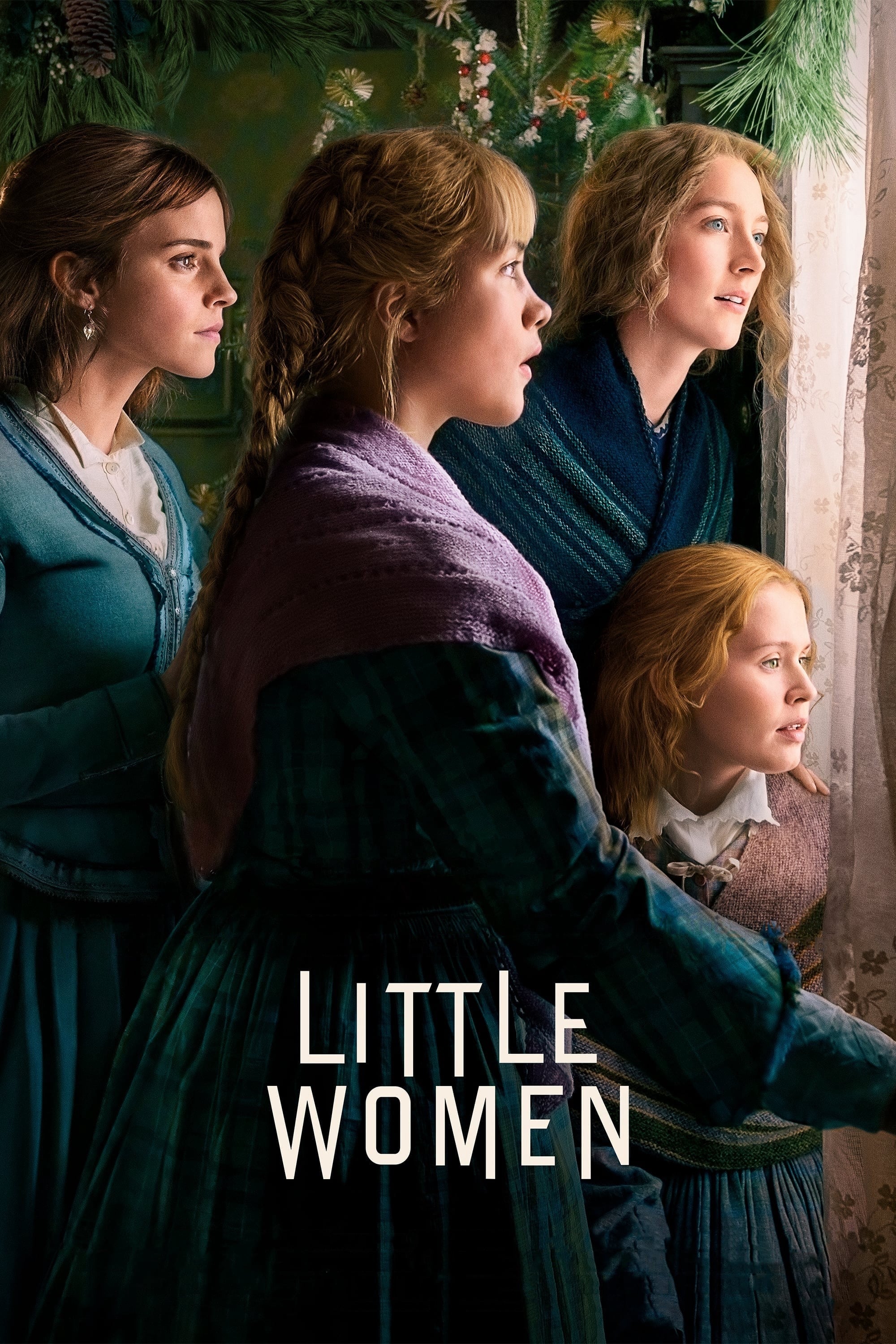
Greta Gerwig restructures the timeline of this coming-of-age story to highlight the themes of artistic ambition and economic independence. The film follows the four March sisters as they navigate love and loss during the American Civil War era. The director focuses heavily on the character of Jo March and her journey as a writer reflecting the life of author Louisa May Alcott. This fresh perspective revitalizes the narrative and inspires a new generation to read the beloved novel.
‘Call Me by Your Name’ (2017)
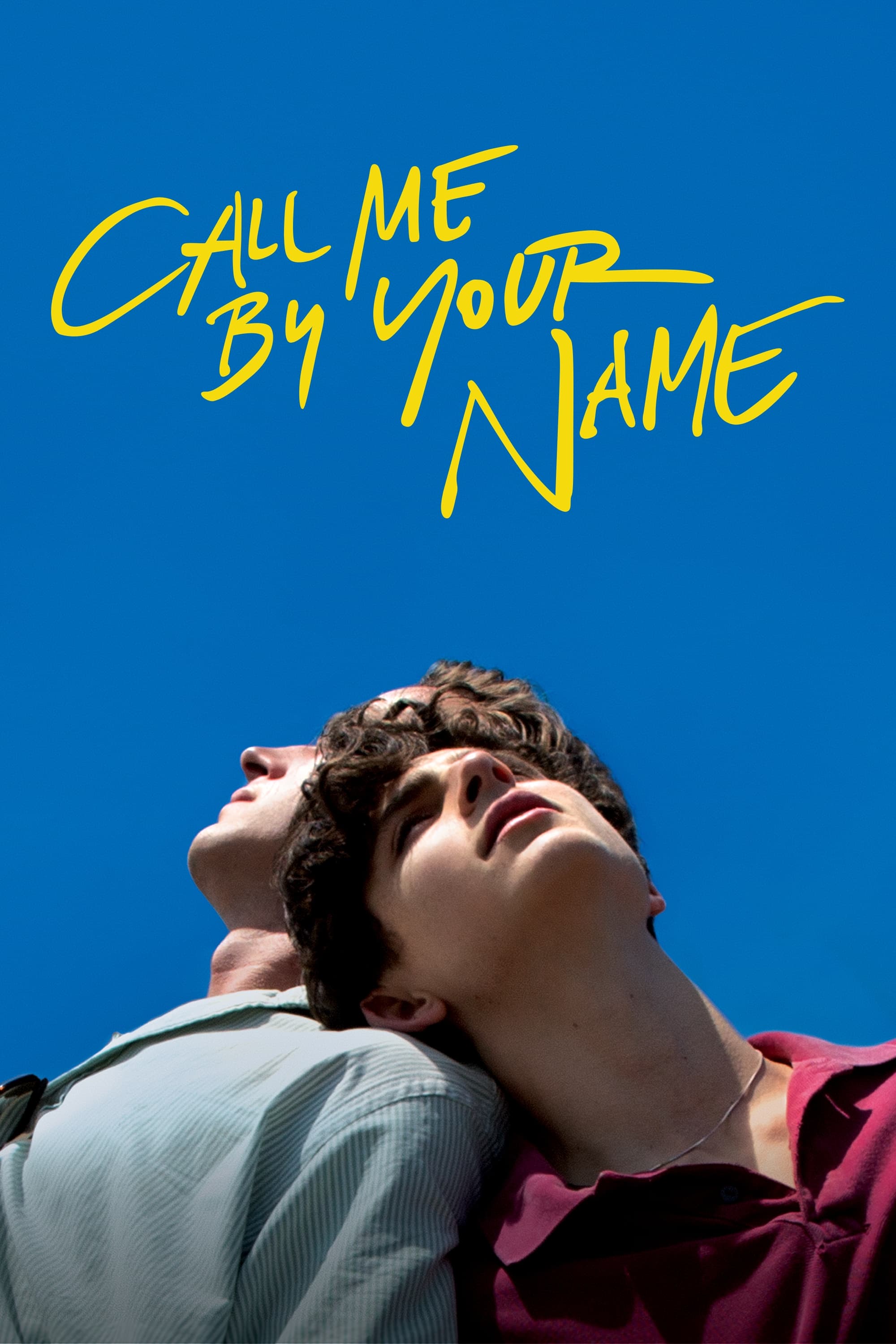
Luca Guadagnino directs this sensual romance set in 1980s Italy involving a seventeen-year-old student and an older academic. The film relies on visual storytelling and atmosphere to convey the intense emotional bond between Elio and Oliver. André Aciman’s novel provides a deeper look into the obsessive internal monologue of the protagonist that the movie suggests through silence and music. The heartbreaking ending of the film motivates audiences to seek the extended closure found in the book.
‘The Silence of the Lambs’ (1991)
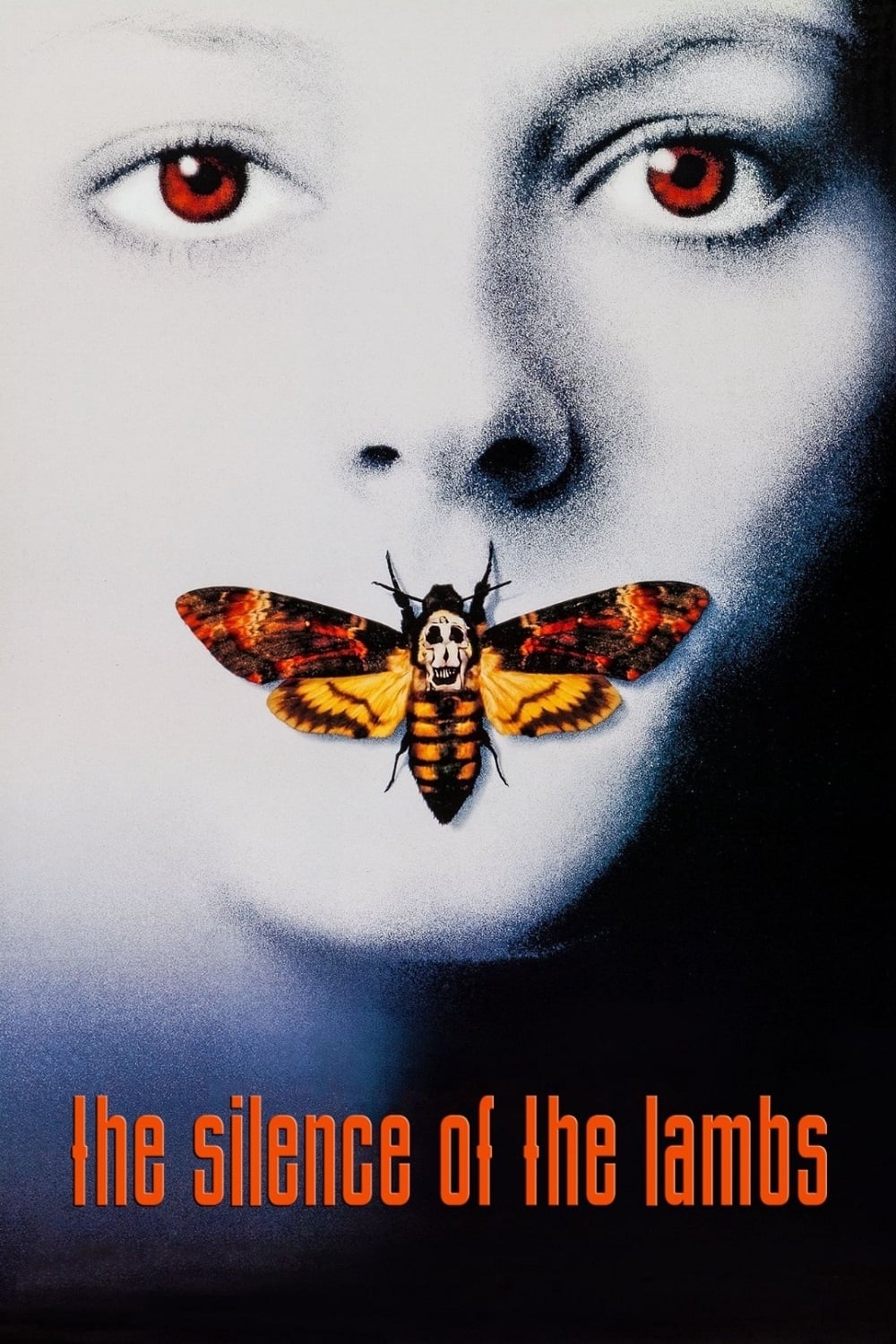
Jodie Foster and Anthony Hopkins star in this tense thriller about an FBI trainee seeking the help of an incarcerated cannibal. The film is famous for its psychological depth and the terrifying intelligence of the antagonist Hannibal Lecter. Thomas Harris’s novel offers even more gruesome details and procedural elements regarding the investigation. The movie remains one of the few horror adaptations to win Best Picture which speaks to the strength of its literary foundation.
‘Atonement’ (2007)
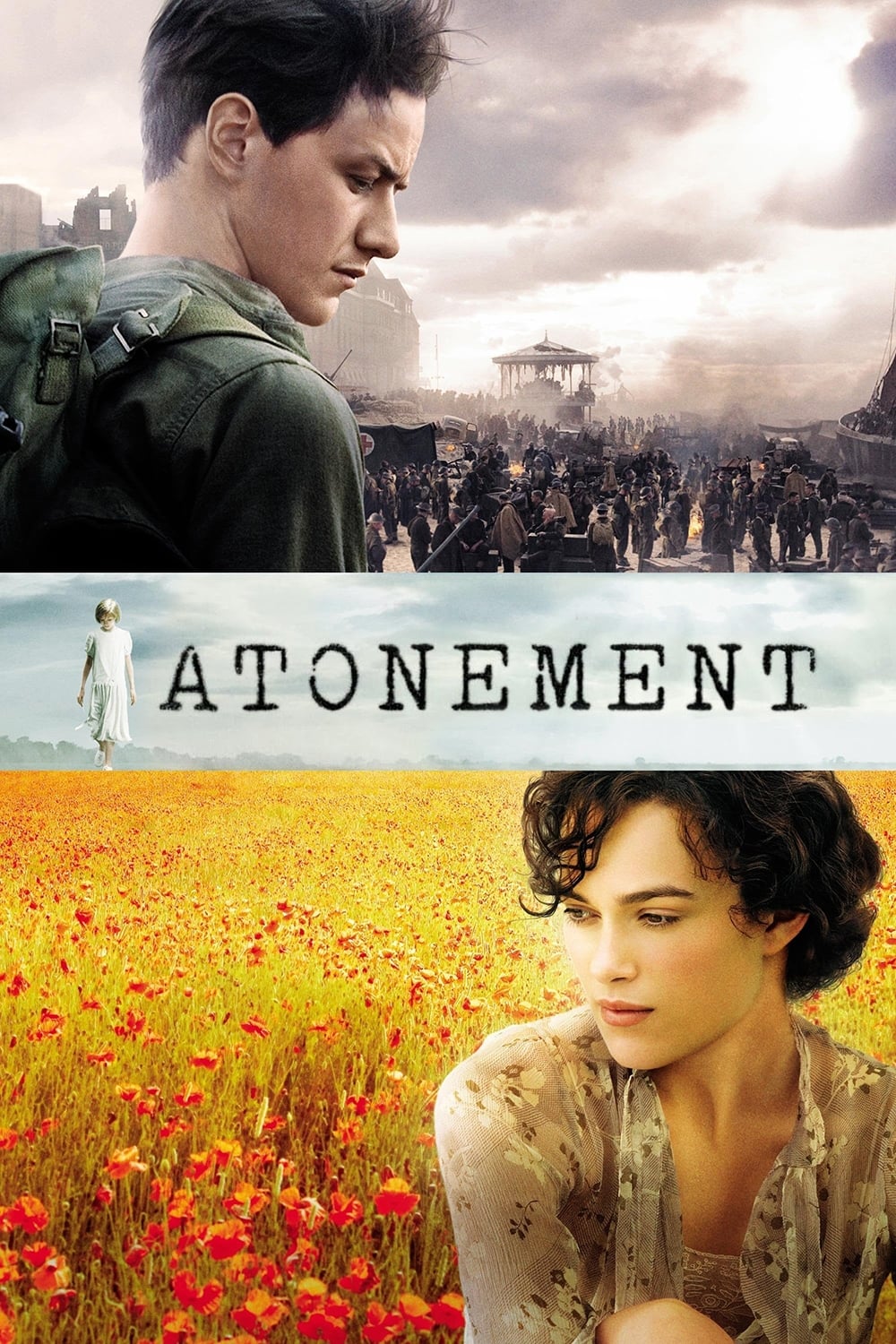
This romantic war drama explores how a single lie told by a jealous younger sister destroys the lives of two lovers. Director Joe Wright uses a non-linear narrative structure to reveal the consequences of the accusation over several decades. Ian McEwan’s novel is known for its complex examination of guilt and the power of storytelling. The film captures the emotional devastation perfectly and compels viewers to read the source for its famous meta-fictional twist.
‘The Godfather’ (1972)
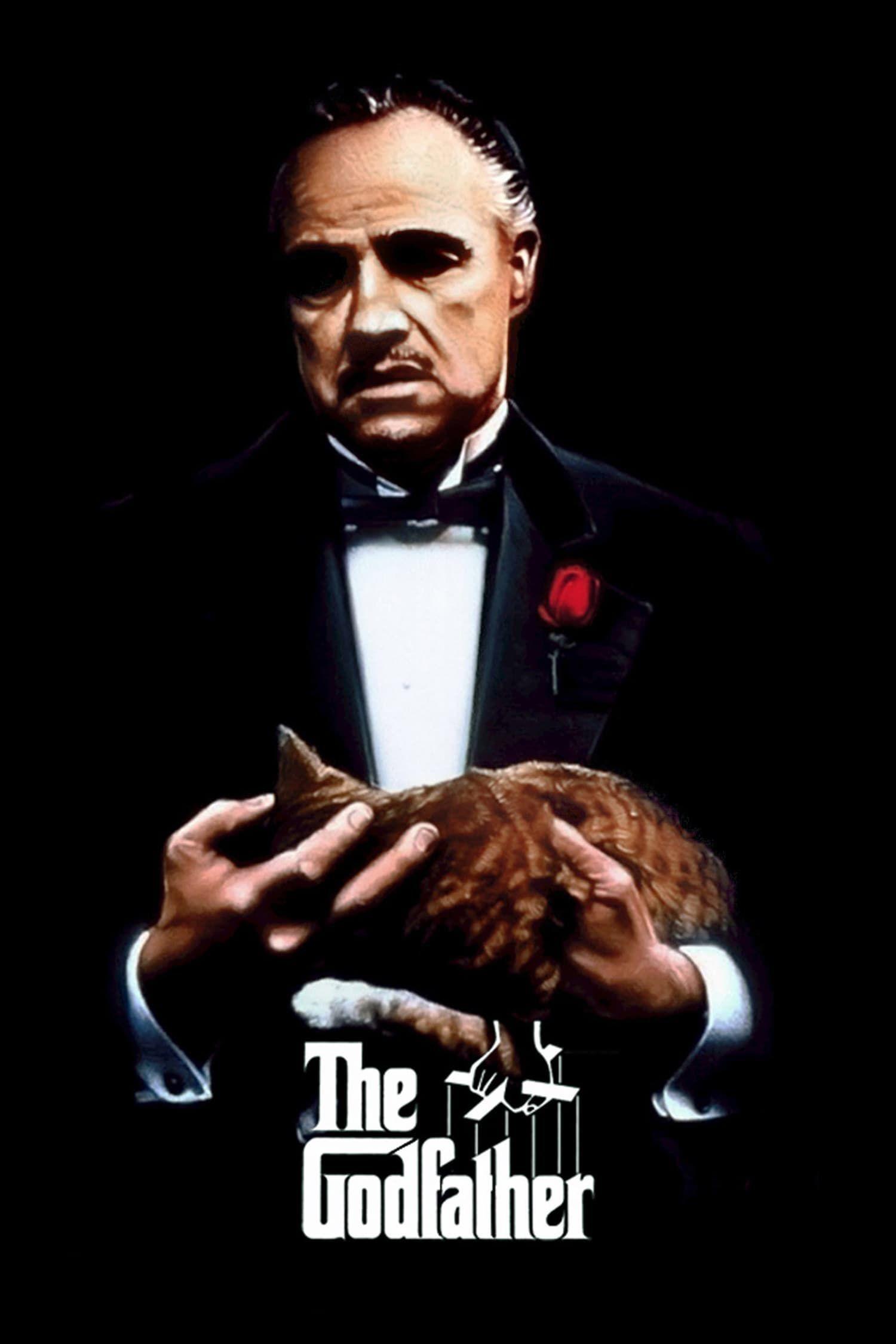
Francis Ford Coppola transformed Mario Puzo’s crime novel into a cinematic landmark about the Corleone crime family. The film focuses on the transformation of Michael Corleone from a reluctant outsider to a ruthless mafia boss. While the movie is a masterpiece of visual storytelling the book contains extensive backstories for many supporting characters. Readers often enjoy discovering the additional context and subplots that were trimmed for the screen.
‘Fight Club’ (1999)

David Fincher directs this satire on consumer culture and masculinity starring Brad Pitt and Edward Norton. The film uses a gritty aesthetic and rapid editing to mirror the chaotic mind of the insomniac narrator. Chuck Palahniuk’s novel offers a more minimalistic and nihilistic writing style that complements the visual chaos. Fans of the movie are frequently surprised by the significant differences in the ending of the original book.
‘No Country for Old Men’ (2007)
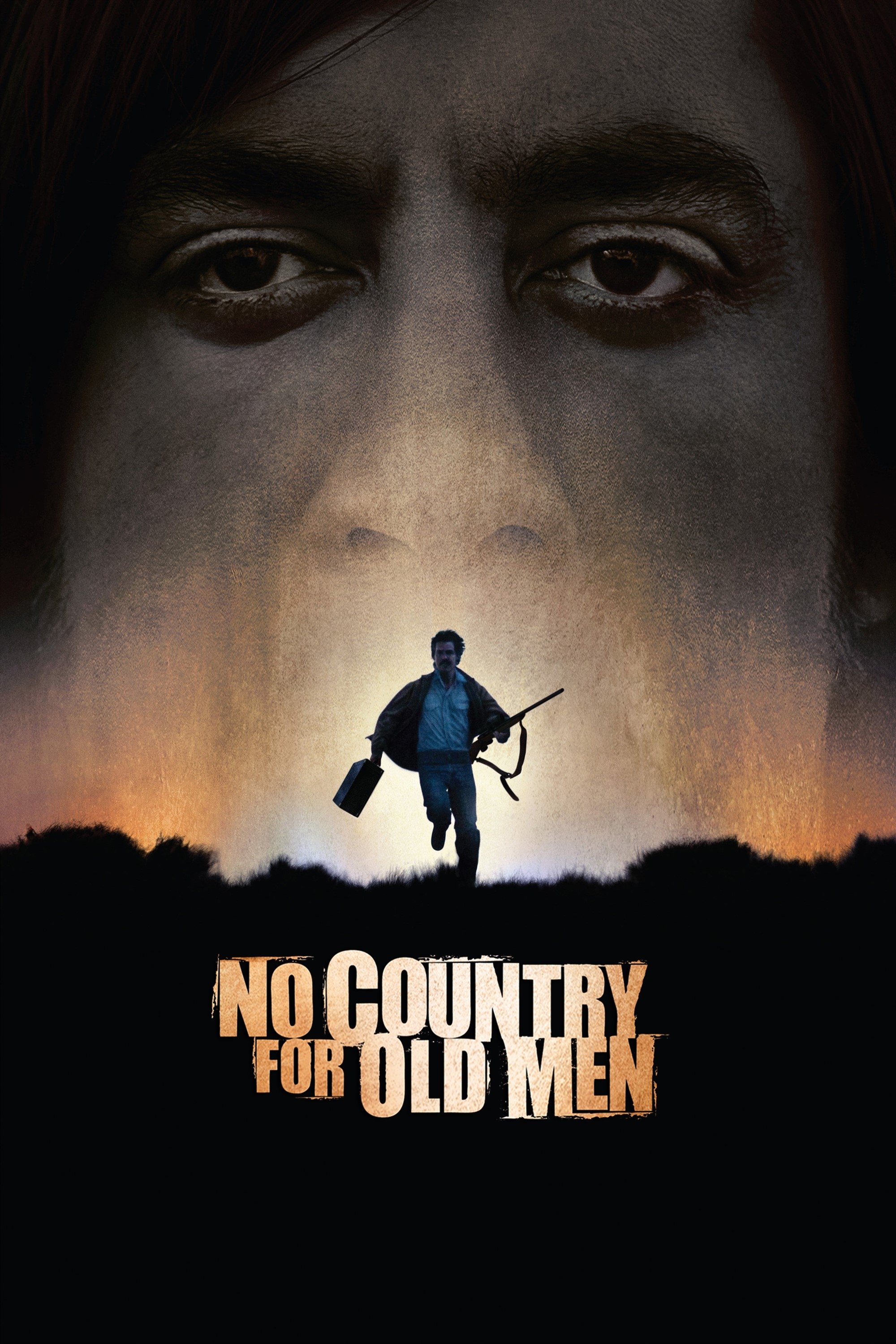
The Coen brothers adapted Cormac McCarthy’s sparse novel about a drug deal gone wrong near the Texas border. The film utilizes silence and vast landscapes to build tension as a hitman relentlessly pursues a hunter who found the money. McCarthy’s distinct prose style lacks quotation marks and standard punctuation which creates a unique reading experience. The faithful adaptation captures the bleak philosophy of the text and encourages viewers to brave the source material.
‘The Perks of Being a Wallflower’ (2012)
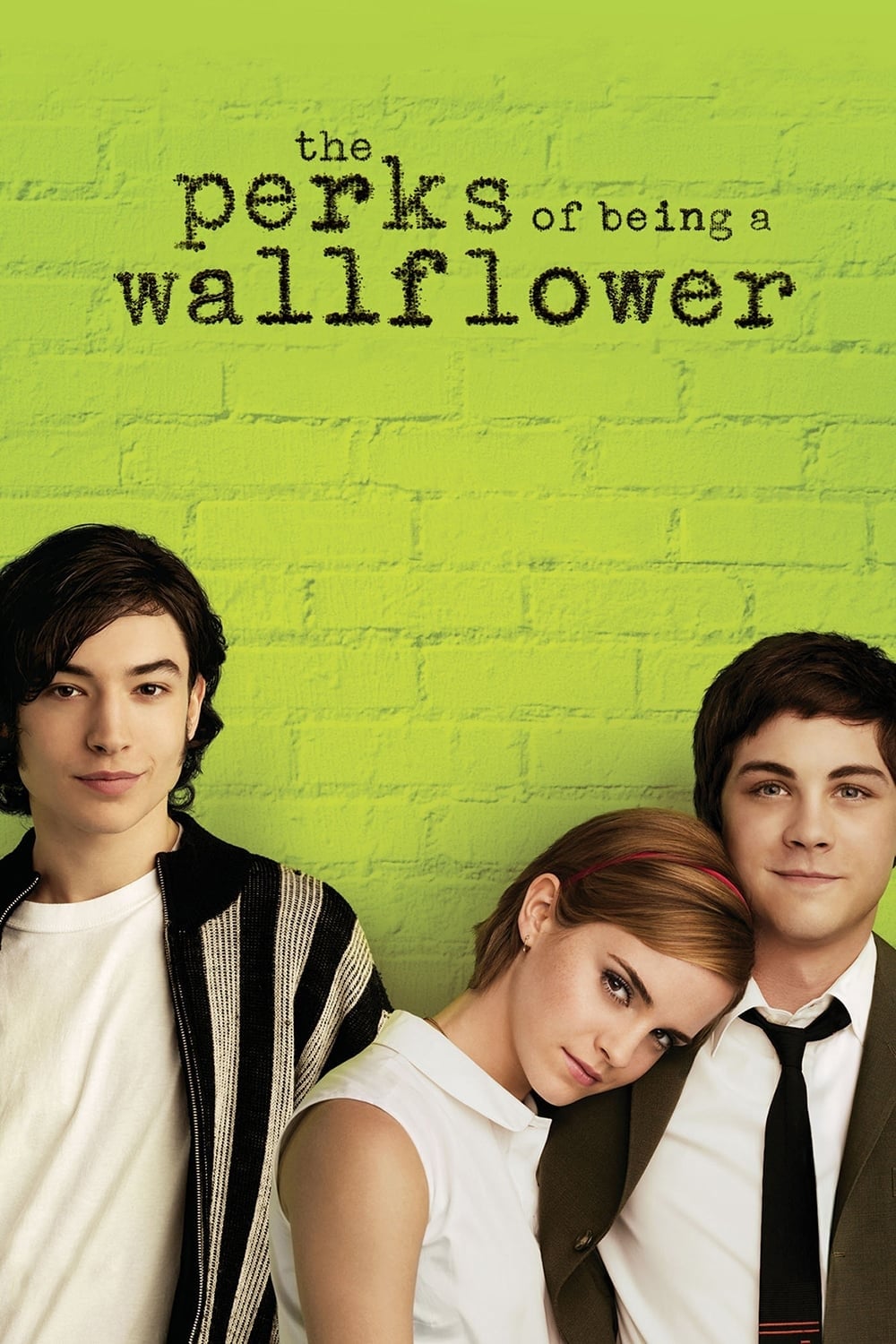
Stephen Chbosky wrote and directed this film adaptation of his own epistolary novel about a high school freshman coping with trauma. The movie features heartfelt performances that capture the awkwardness and sincerity of adolescence. The book is written entirely in the form of letters which provides an intimate look into the protagonist’s mental state. Watching the film often creates a strong emotional connection that drives audiences to read the letters firsthand.
Tell us which film adaptation you think surpassed the book in the comments.