


19 Films Accused of Tokenizing Gay Characters for Awards Bait




Hollywood has a long history of seeking prestige through films that tackle social issues and historical biographies. Critics and audiences often scrutinize these productions for how they handle LGBTQ+ representation during awards season. Accusations of tokenism arise when characters feel like checkboxes for voters rather than fully realized human beings. The following films faced backlash for their depiction of gay characters or themes in the pursuit of cinematic accolades.
‘Bohemian Rhapsody’ (2018)
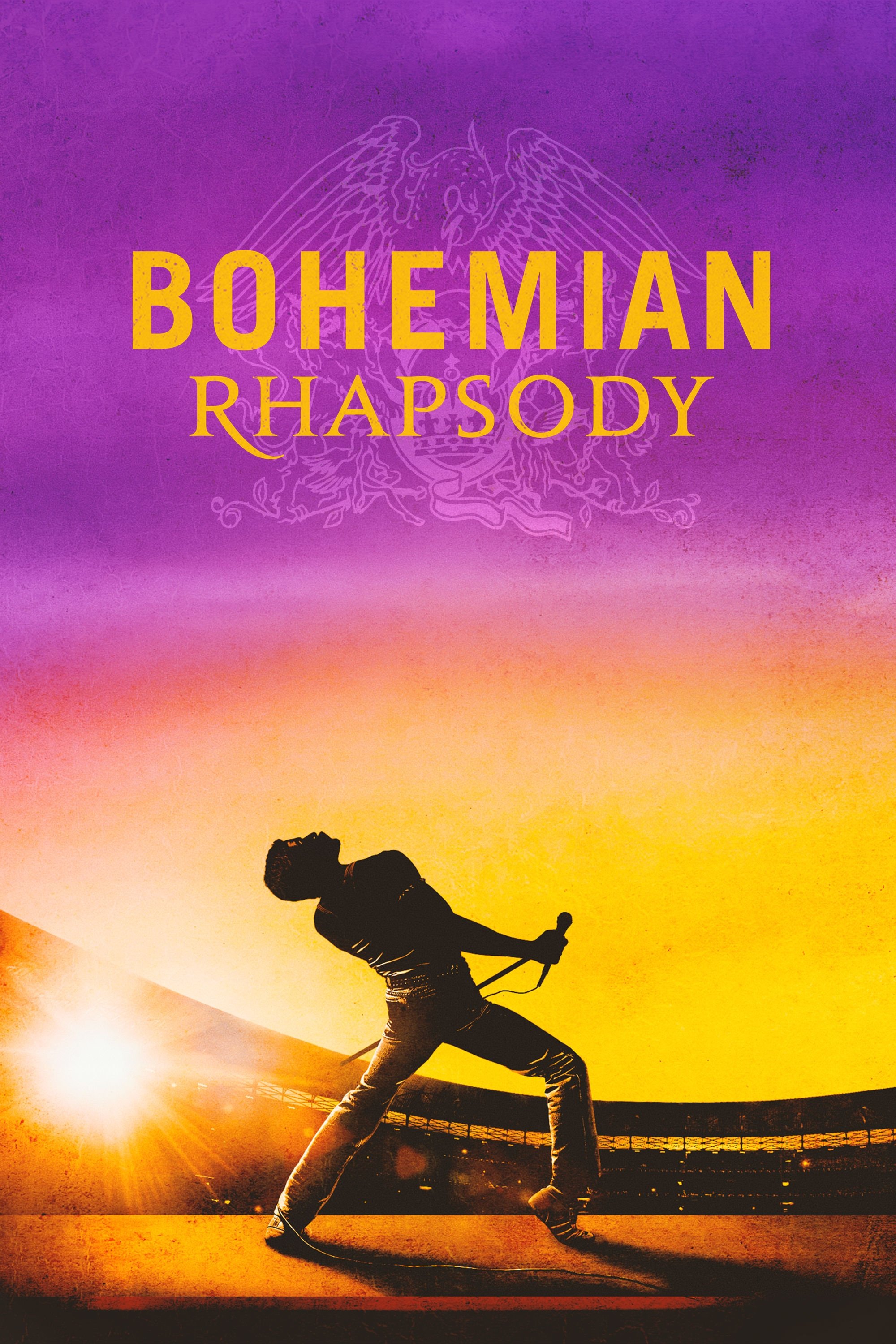
This biographical drama about Freddie Mercury faced significant criticism regarding its handling of the singer’s sexuality. Critics argued the script sanitized his relationships to make the film more palatable for conservative audiences. The narrative frames his queer identity as a source of corruption or tragedy rather than a natural part of his life. Scenes depicting his personal life often feel rushed compared to the musical sequences designed for mass appeal.
‘Green Book’ (2018)
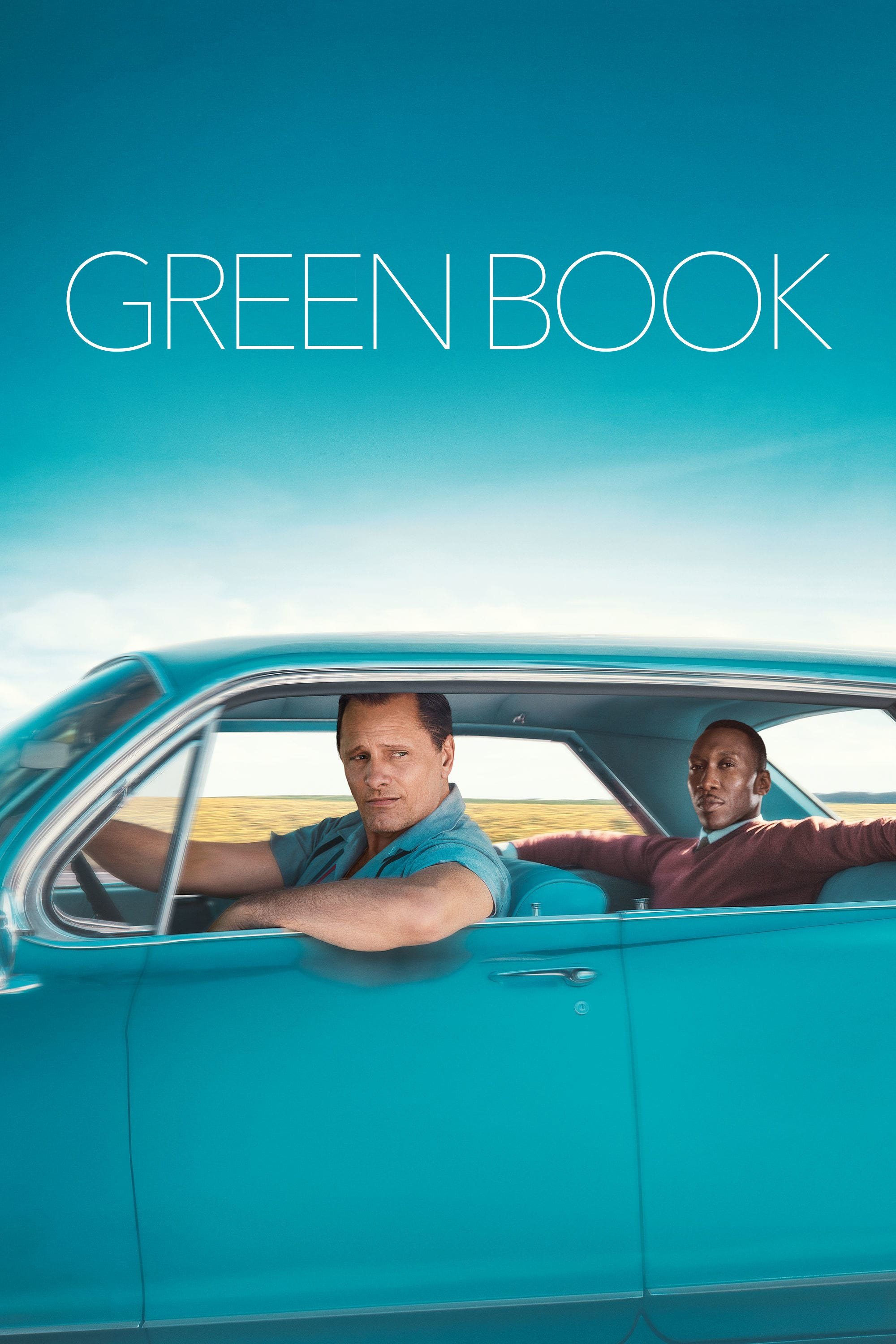
The film won Best Picture but drew sharp detractors for its portrayal of Dr. Don Shirley. Critics pointed out that the script centers on the white driver while marginalizing the internal life of the Black queer pianist. The Shirley family expressed disapproval regarding the accuracy of the friendship depicted on screen. Many viewers felt the movie used Shirley’s identity merely as a tool to redeem the white protagonist.
‘The Danish Girl’ (2015)

Eddie Redmayne received an Oscar nomination for playing Lili Elbe in a casting choice that sparked widespread debate. Transgender critics argued that casting a cisgender man reinforced the idea that trans women are men in costume. The film focuses heavily on the suffering and tragedy of the transition process rather than the joy of self-discovery. This approach is often labeled as trauma porn designed specifically to court academy voters.
‘Dallas Buyers Club’ (2013)

Jared Leto won an Academy Award for his performance as Rayon but the role faced retrospective criticism. The character is a trans woman played by a cisgender man and serves primarily to support the emotional journey of the straight protagonist. Critics noted that Rayon lacks significant depth beyond her addiction and eventual tragic death. The film is frequently cited in discussions about the industry rewarding actors for “brave” transformations rather than authentic casting.
‘The Imitation Game’ (2014)

This biopic of Alan Turing downplays the specific details of his prosecution for homosexuality. The film implies that a Soviet spy could blackmail Turing because he was closeted which historically did not happen. Critics felt the movie softened the government’s role in his chemical castration to maintain a heroic war narrative. The script avoids showing his romantic life and renders his identity an abstract concept rather than a lived reality.
‘Stonewall’ (2015)

Roland Emmerich directed this fictionalized account of the 1969 riots that birthed the modern gay rights movement. The film centers on a fictional white protagonist from the Midwest instead of the real activists of color who led the uprising. Critics accused the production of whitewashing history to make the story more marketable to mainstream audiences. The actual trans women and drag queens pivotal to the event are relegated to background roles or stereotypes.
‘J. Edgar’ (2011)

Clint Eastwood directed this biopic that explores the life of the infamous FBI director. The film hints at his relationship with Clyde Tolson but refuses to commit to a definitive romantic portrayal. Critics found the ambiguity frustrating and felt it catered to a conservative view of history. The repression of the main character becomes a plot device rather than an exploration of the era’s social climate.
‘The Prom’ (2020)
James Corden received heavy backlash for his performance as a gay Broadway star in this musical adaptation. His portrayal relies on flamboyant mannerisms and regressive stereotypes that many found offensive. Critics accused the film of turning a gay character into a caricature for comedic effect and emotional manipulation. The performance was widely cited as an example of straight actors mimicking gay culture for praise.
‘A Beautiful Mind’ (2001)
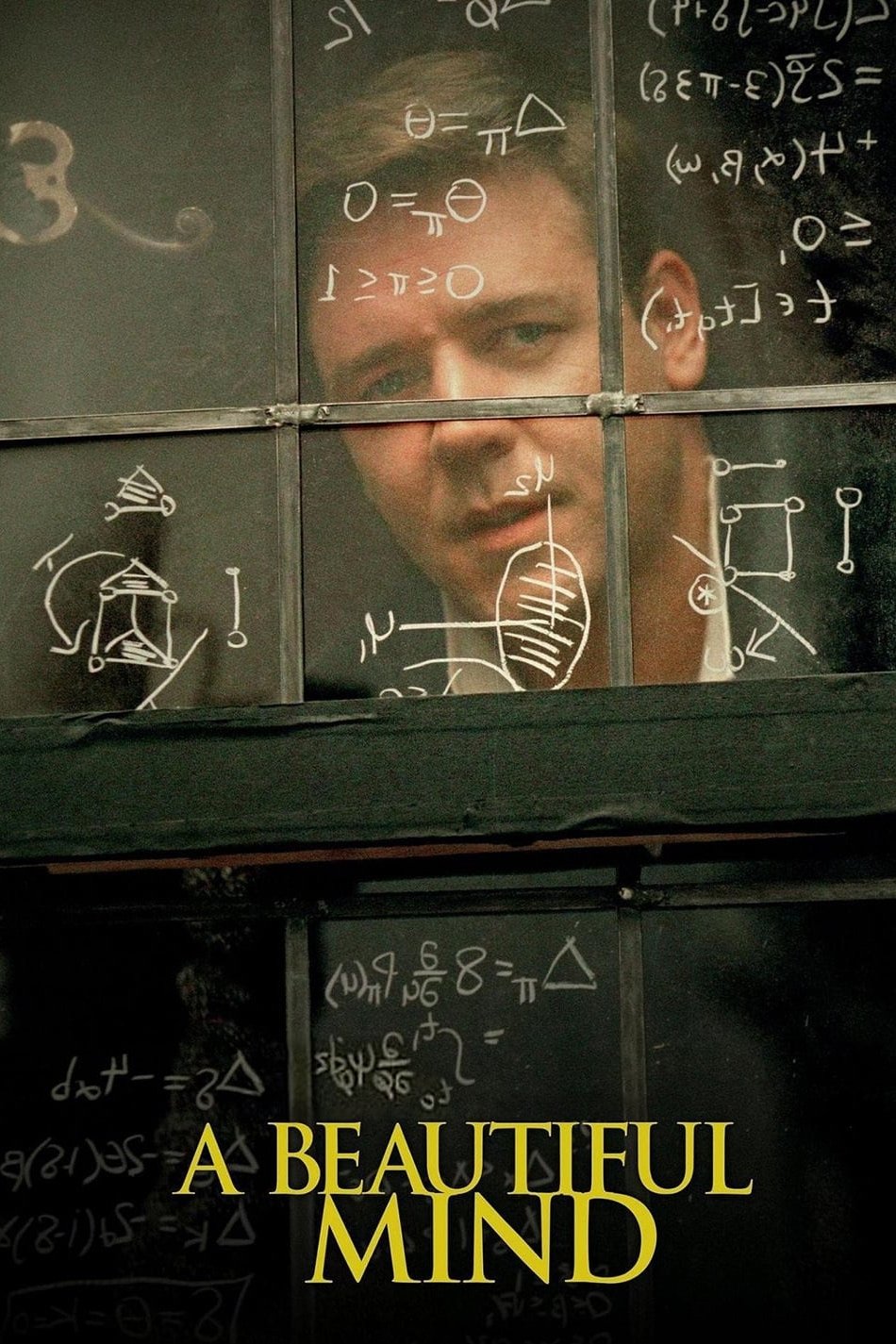
This Best Picture winner completely omits the bisexual history of mathematician John Nash. The filmmakers streamlined the narrative to focus solely on his relationship with his wife and his struggles with schizophrenia. Biographers noted that erasing his relationships with men removed a significant aspect of his complex life. This omission is often highlighted as a prime example of Hollywood straightwashing biographies for awards consideration.
‘My Policeman’ (2022)

Harry Styles stars in this period drama that focuses on a love triangle in 1950s Britain. Reviews criticized the film for relying on the trope of tragic queer misery without adding new perspectives to the genre. The casting of a major pop star drew accusations of stunt casting to generate buzz. The film creates an emotional distance that prevents the audience from connecting deeply with the forbidden romance.
‘Philadelphia’ (1993)
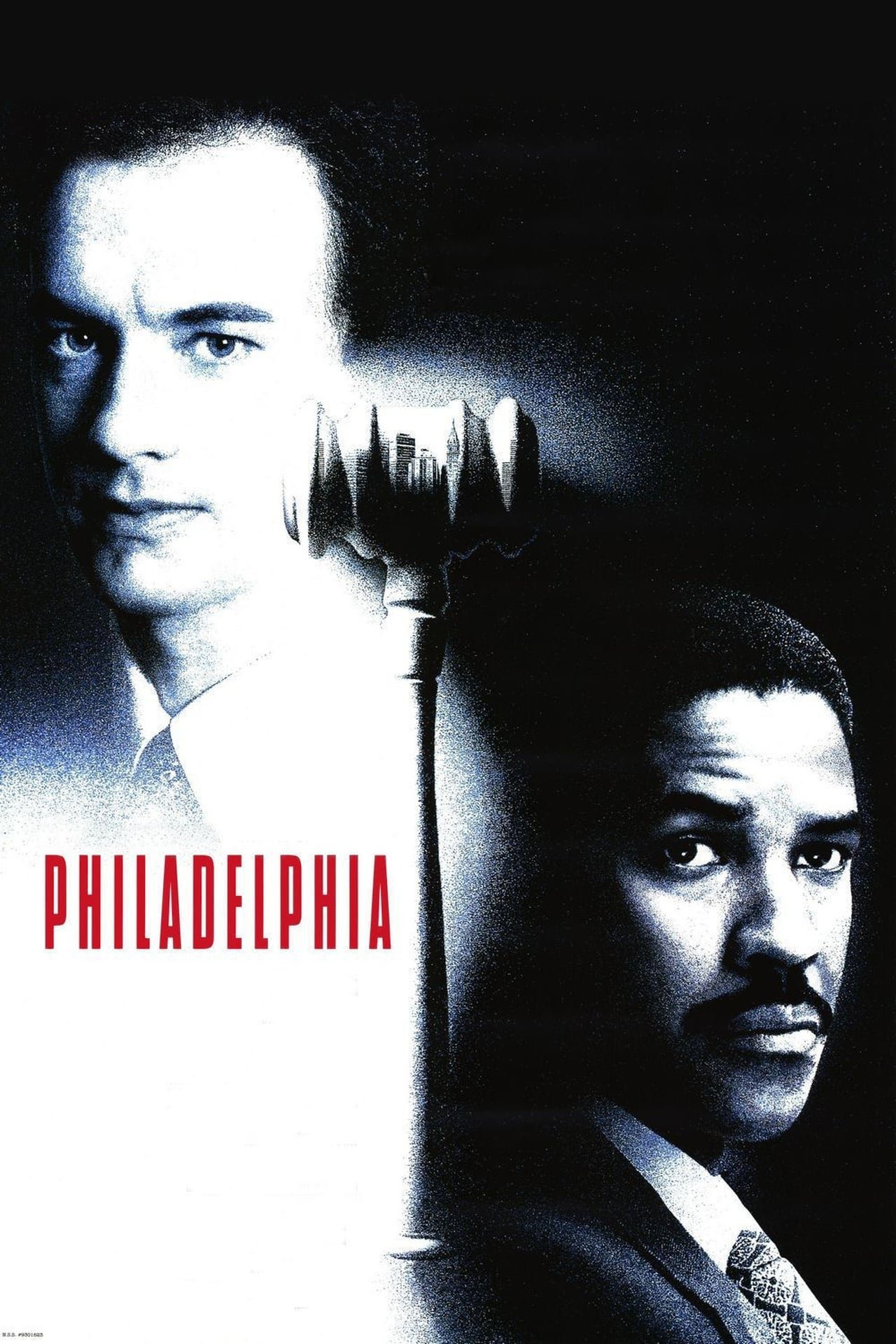
Tom Hanks won his first Oscar for this landmark legal drama about the AIDS crisis. Contemporary critics have noted the film purposefully desexualizes the main couple to avoid alienating straight viewers. The lack of intimacy between the partners stands in stark contrast to the way heterosexual couples are filmed. It established a template where gay characters must be saintly victims to receive mainstream empathy.
‘The Whale’ (2022)
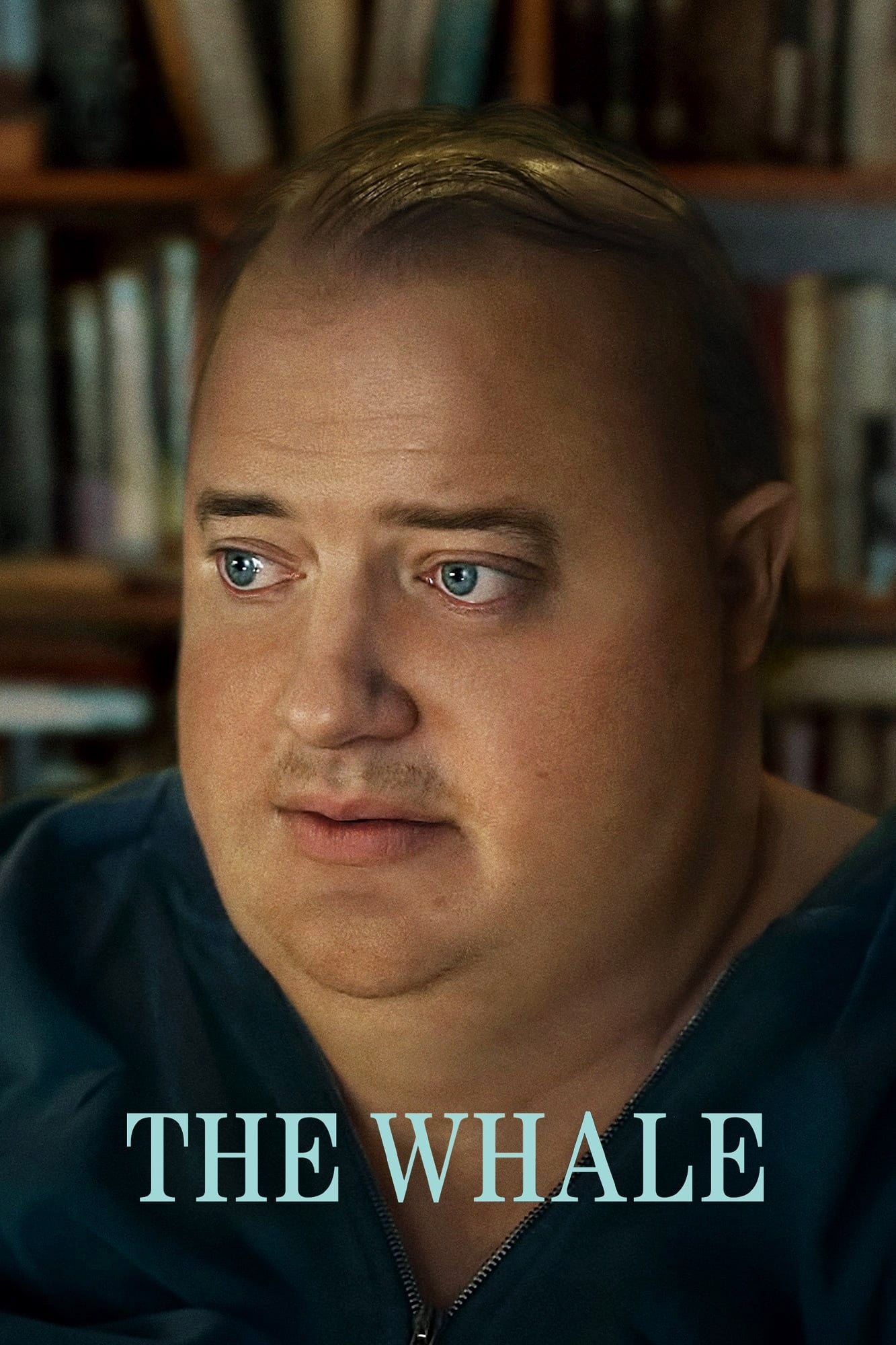
Brendan Fraser delivered a comeback performance that won him an Academy Award. Criticism centered on the film’s reliance on prosthetics and its depiction of the protagonist’s self-destruction. Many viewers felt the story indulged in misery and disgust rather than offering a nuanced look at grief or eating disorders. The framing of the character often leans into shock value intended to provoke a visceral reaction from voters.
‘Alexander’ (2004)

Oliver Stone directed this epic that attempted to portray the life of the Macedonian conqueror. The film implies a romantic connection between Alexander and Hephaestion but muddles the nature of their bond. Audiences found the representation confusing and lacking in genuine emotional resonance. The inconsistent tone regarding his sexuality felt like a compromise to secure international box office returns.
‘Albert Nobbs’ (2011)
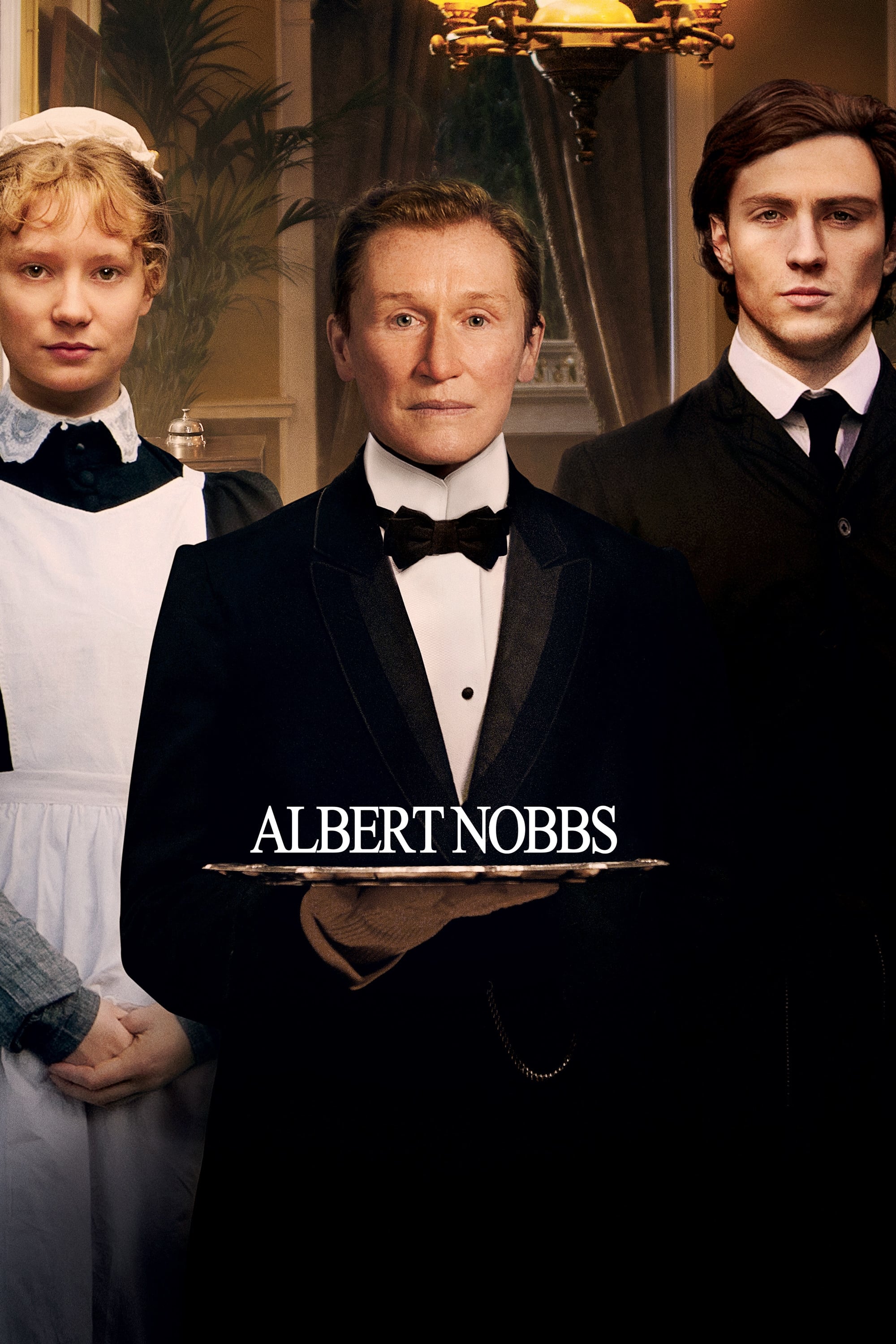
Glenn Close produced and starred in this passion project about a woman living as a man in 19th-century Ireland. The film received criticism for conflating the experiences of trans men with women hiding their gender for economic survival. The narrative focuses relentlessly on the fear and isolation of the title character. It fits the pattern of depressing period pieces that prioritize suffering over complex identity.
‘Transamerica’ (2005)

Felicity Huffman earned an Oscar nomination for playing a trans woman discovering she has a son. The casting choice is viewed differently today as it excluded trans actresses from telling their own stories. The script relies on the protagonist’s discomfort and the shock of those around her for dramatic tension. Critics argue the performance focuses on the mechanics of gender rather than the humanity of the character.
‘Capote’ (2005)
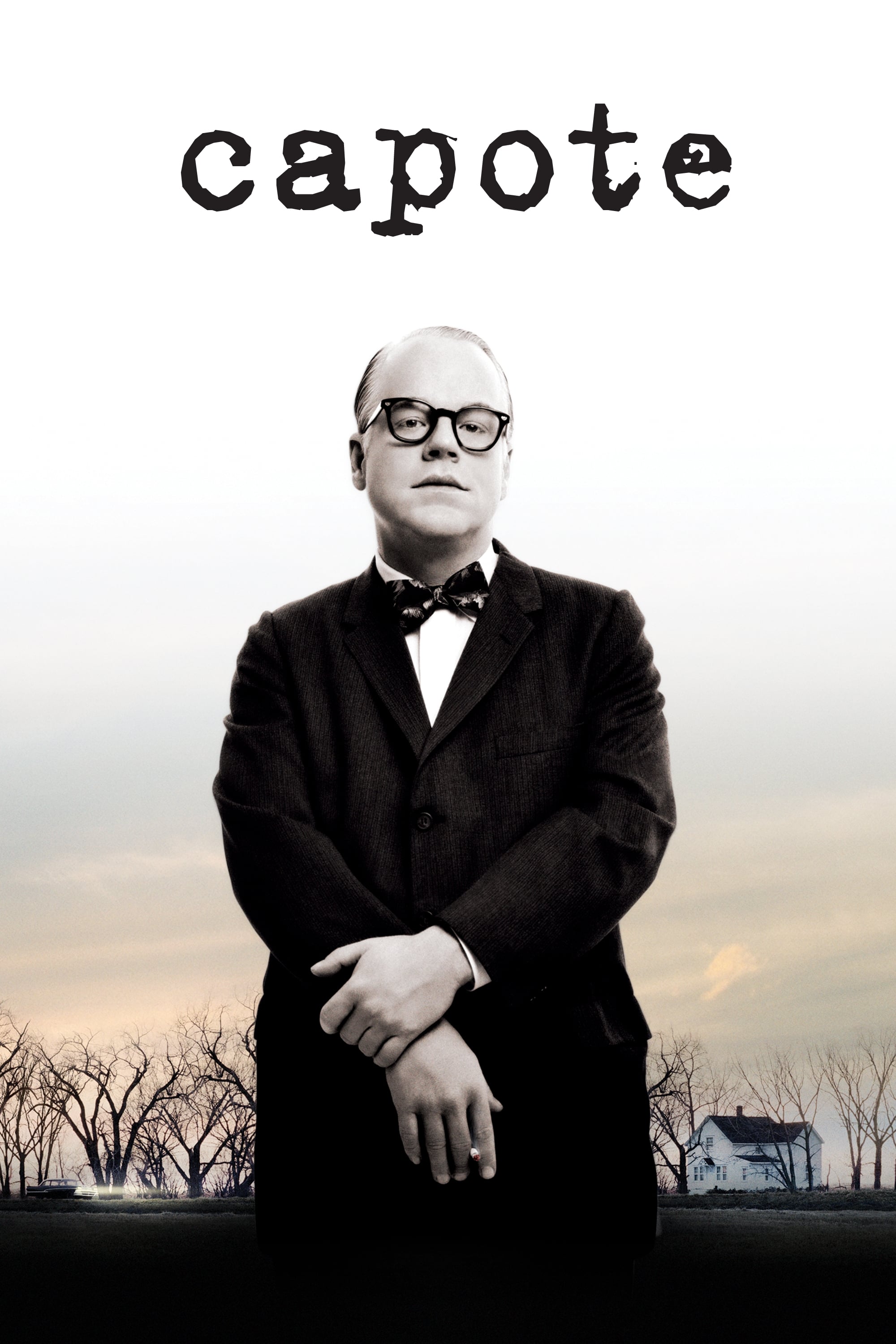
Philip Seymour Hoffman won Best Actor for his transformation into the celebrated author Truman Capote. The film focuses intently on the author’s manipulative nature during the writing of ‘In Cold Blood’. Some critics felt the movie isolated Capote from the broader gay community and culture of the time. The performance is brilliant but falls into the category of actors adopting a distinct voice and mannerism for gold.
‘Ammonite’ (2020)

Kate Winslet and Saoirse Ronan star in this fictionalized romance about paleontologist Mary Anning. The film was criticized for being cold and dreary in its attempt to appear artistic and prestigious. It follows a trend of period lesbian dramas where silence and longing replace dialogue and chemistry. Viewers felt the movie prioritized atmospheric shots over a compelling or joyful romantic narrative.
‘Frida’ (2002)

Salma Hayek produced this vibrant biopic that captured the artistic spirit of Frida Kahlo. The film was noted for glossing over the extent of Kahlo’s affairs with women compared to her relationship with Diego Rivera. Her bisexuality is acknowledged but treated as a minor footnote rather than a central part of her identity. This decision streamlined the romance for general audiences but reduced the complexity of her real life.
‘Monster’ (2003)

Charlize Theron underwent a drastic physical transformation to play serial killer Aileen Wuornos. The film is often cited as the ultimate example of a beautiful actress “uglying up” to win an award. While the performance is acclaimed the script frames Wuornos’s lesbian relationship through a lens of toxicity and desperation. The focus remains on the shocking violence and physical alteration rather than the societal failures Wuornos faced.
Please share your thoughts on which films handled these topics well or poorly in the comments.