


21 Films Shot on 35mm That You Can Actually Feel in Every Frame



Film enthusiasts often argue that the texture of celluloid provides an emotional weight that digital cameras simply cannot replicate. The grain and chemical response to light create a living image that feels organic rather than clinically precise. Many directors continue to fight for the medium because they believe it offers a superior connection to the story. The following films utilize the unique properties of 35mm stock to enhance their visual storytelling and atmospheric depth.
‘Uncut Gems’ (2019)

The frenetic energy of this thriller is amplified by the gritty texture of 35mm film. The Safdie brothers utilize the medium to create a chaotic and claustrophobic visual style. Every close-up feels raw and immediate as the protagonist navigates the diamond district. The grain adds a layer of dirty realism that matches the high stakes of the narrative.
‘Call Me by Your Name’ (2017)
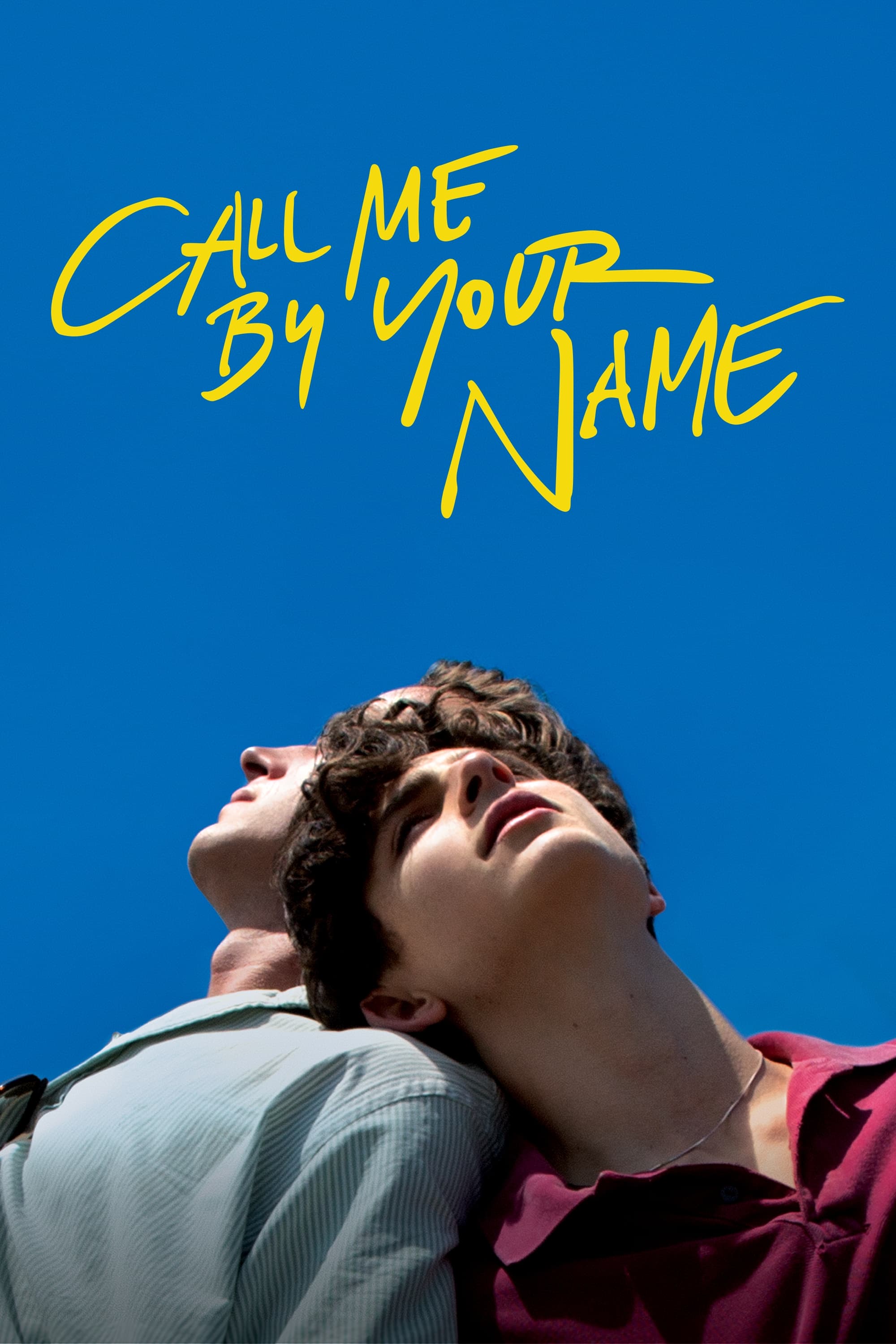
Director Luca Guadagnino chose 35mm film to capture the languid heat of an Italian summer. The soft focus and natural grain give the movie a tactile and romantic quality. This visual approach mirrors the fleeting nature of the central relationship. The visuals feel intimate and grounded rather than glossy or overly processed.
‘La La Land’ (2016)
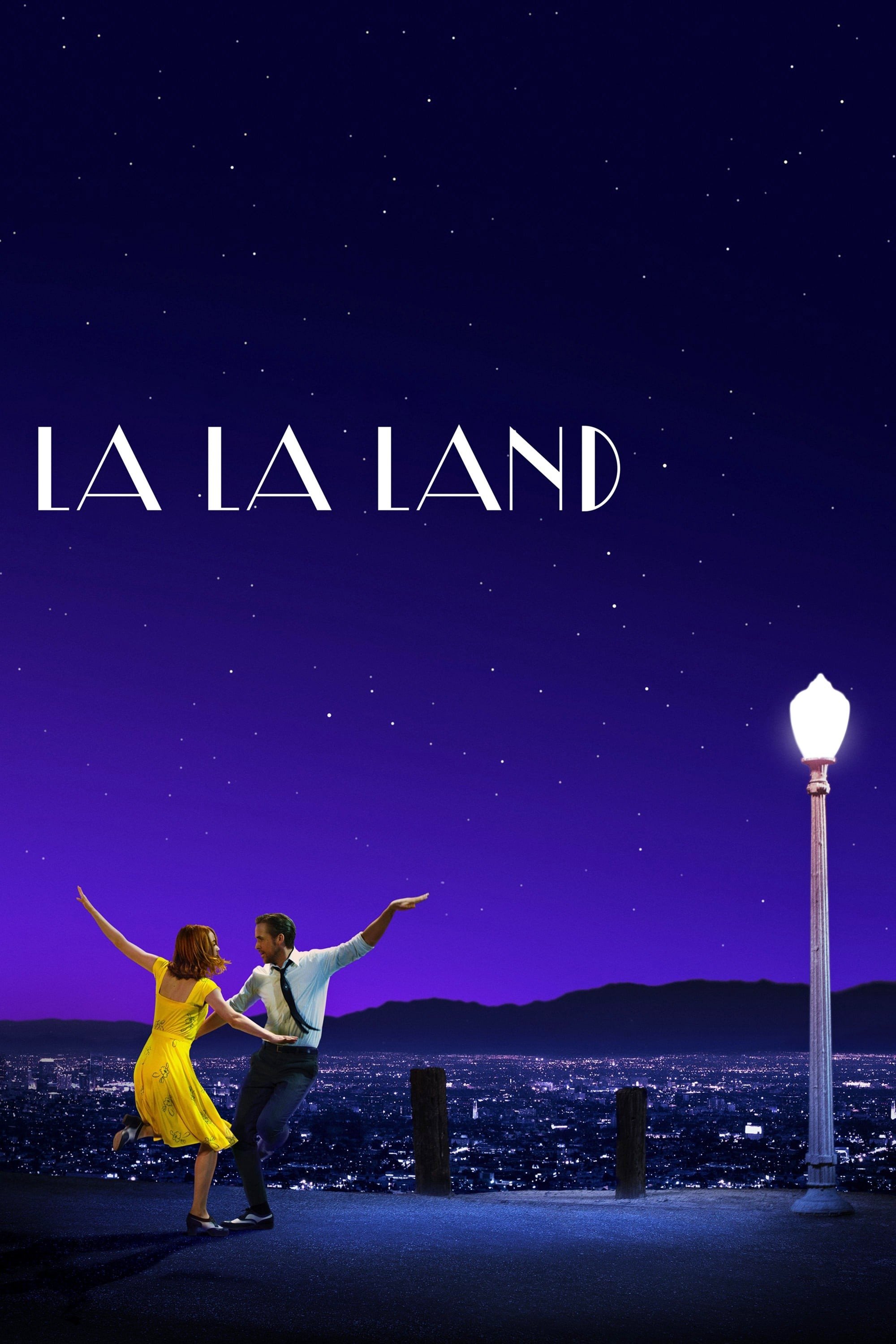
Damien Chazelle revived the look of classic musicals by shooting on CinemaScope 35mm film. The colors appear deeply saturated and vibrant against the Los Angeles backdrop. This choice bridges the gap between old Hollywood nostalgia and a modern setting. The texture of the film makes the dreamlike dance sequences feel surprisingly tangible.
‘The Grand Budapest Hotel’ (2014)
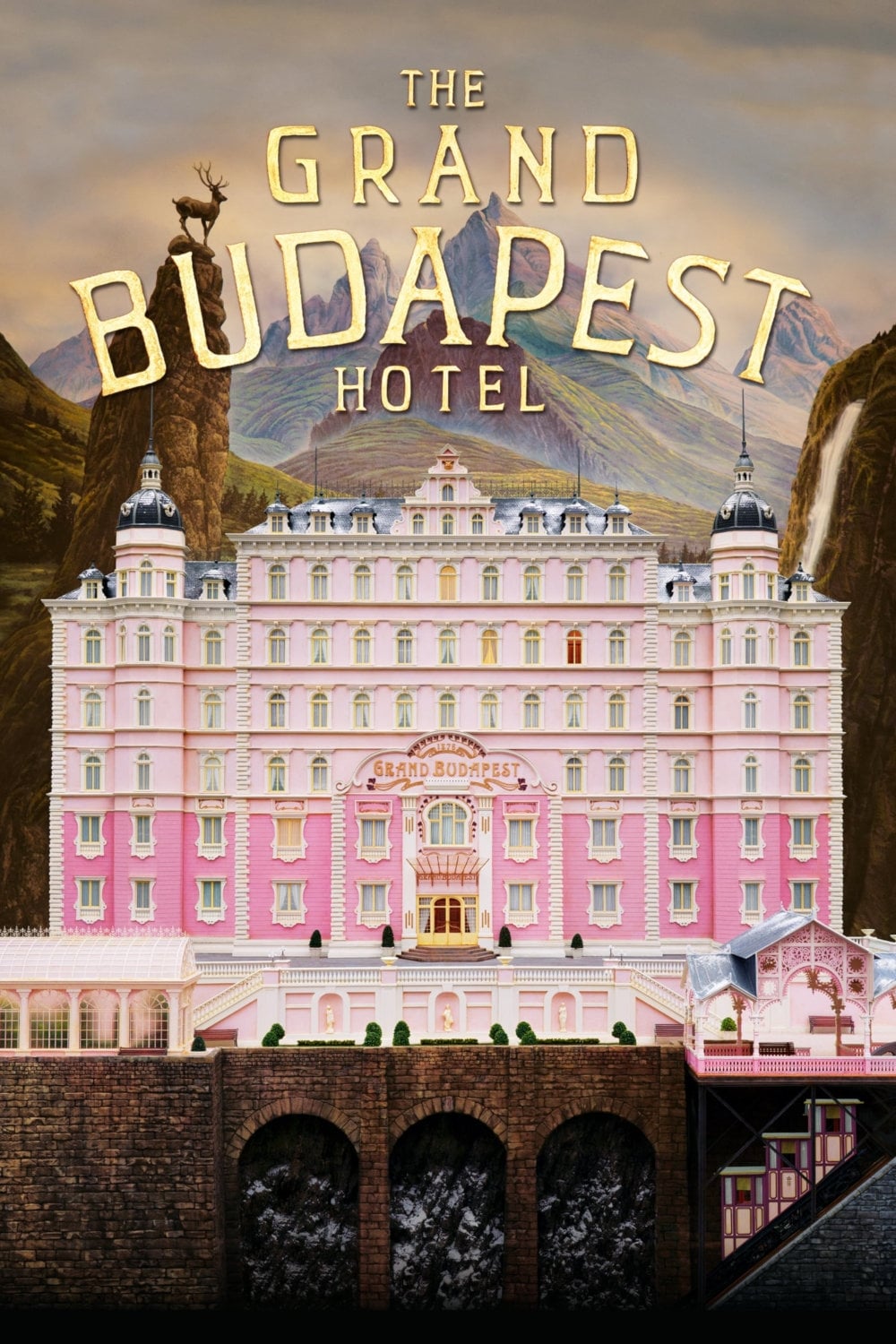
Wes Anderson utilizes the 35mm format to enhance his signature symmetrical aesthetic. The pastel color palette gains a richness and depth that digital cameras often struggle to replicate. Every frame looks like a meticulously crafted painting come to life. The film stock adds a layer of storybook charm to the whimsical narrative.
‘Inglourious Basterds’ (2009)

Tarantino employs 35mm to give this war film a classic cinematic texture. The tense dialogue scenes benefit from the organic look of the film stock. It creates a visual continuity with the cinema of the 1940s while maintaining high resolution. The richness of the blacks and shadows intensifies the suspense during the dramatic confrontations.
‘There Will Be Blood’ (2007)
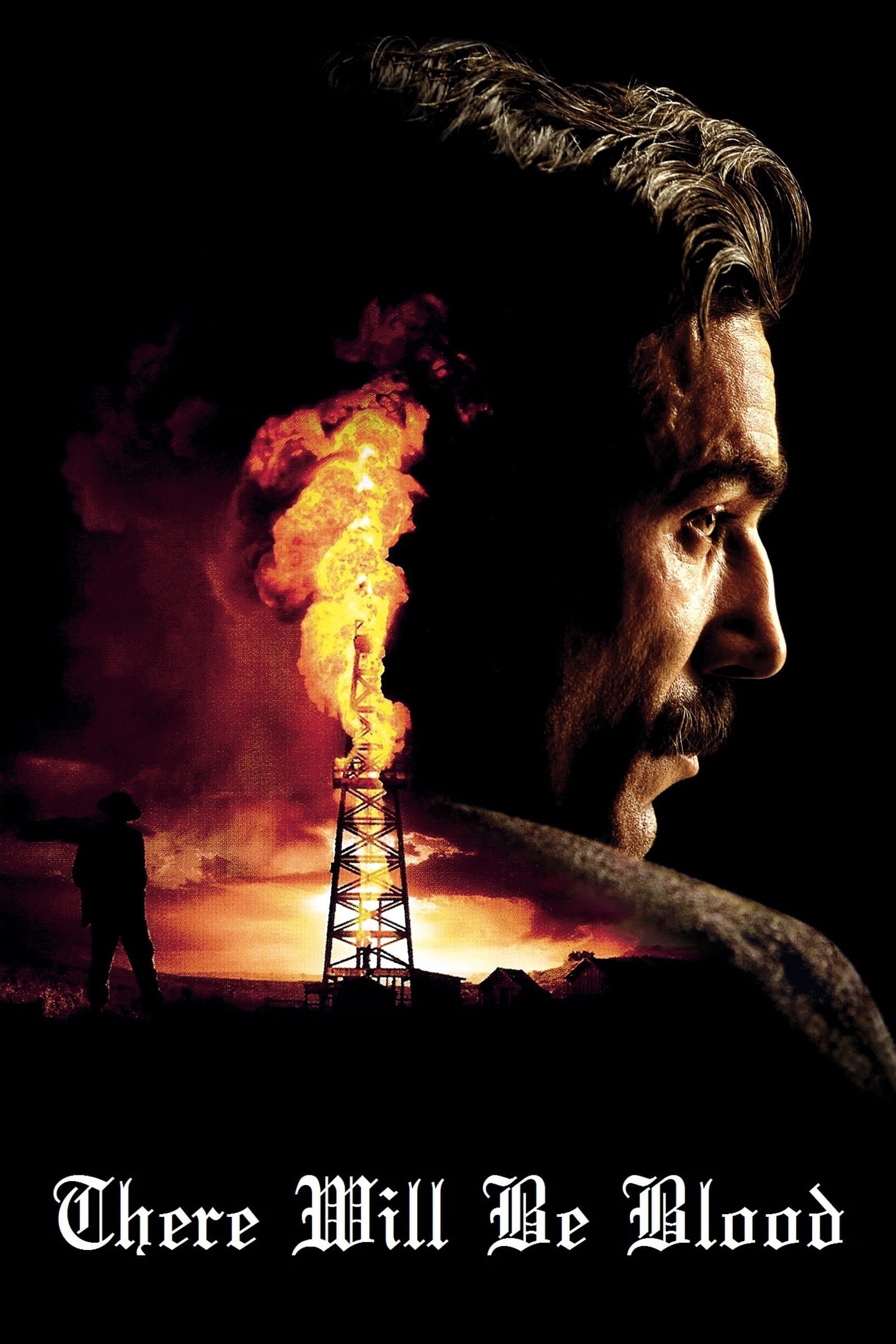
Paul Thomas Anderson captures the harsh landscapes of early 20th century California with stark clarity. The 35mm photography emphasizes the oil and dirt that define the protagonist’s journey. Natural lighting combines with the film grain to create a brooding and intense atmosphere. The medium perfectly suits the epic scale and rugged subject matter of the story.
‘Lost in Translation’ (2003)

Sofia Coppola captures the neon glow of Tokyo nights with a soft and dreamy 35mm aesthetic. The film stock handles the mixed lighting conditions in a way that feels lonely yet beautiful. High-speed film was used to shoot without excessive artificial lighting. This approach allows the isolation of the characters to translate visually onto the screen.
‘Kill Bill: Vol. 1’ (2003)
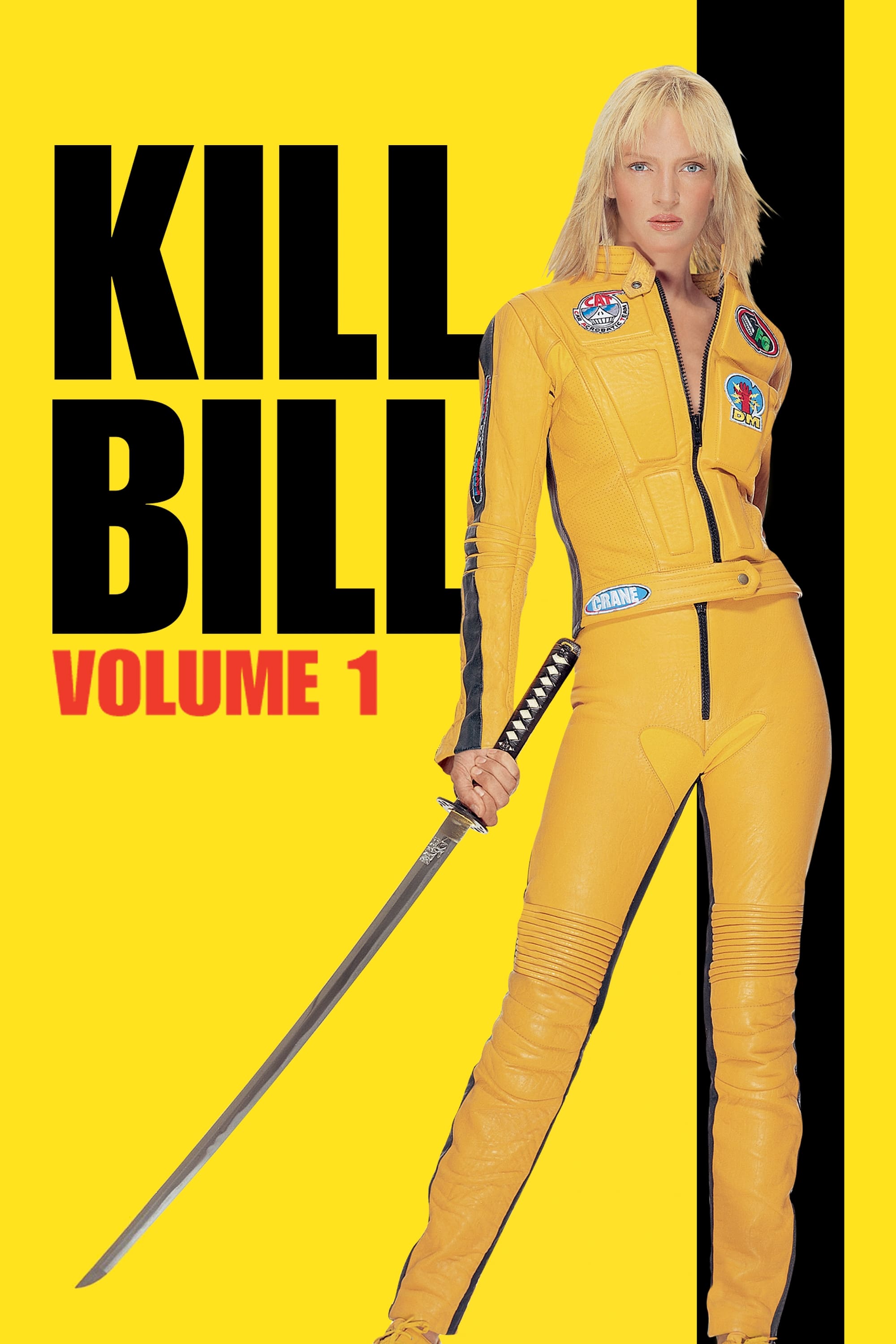
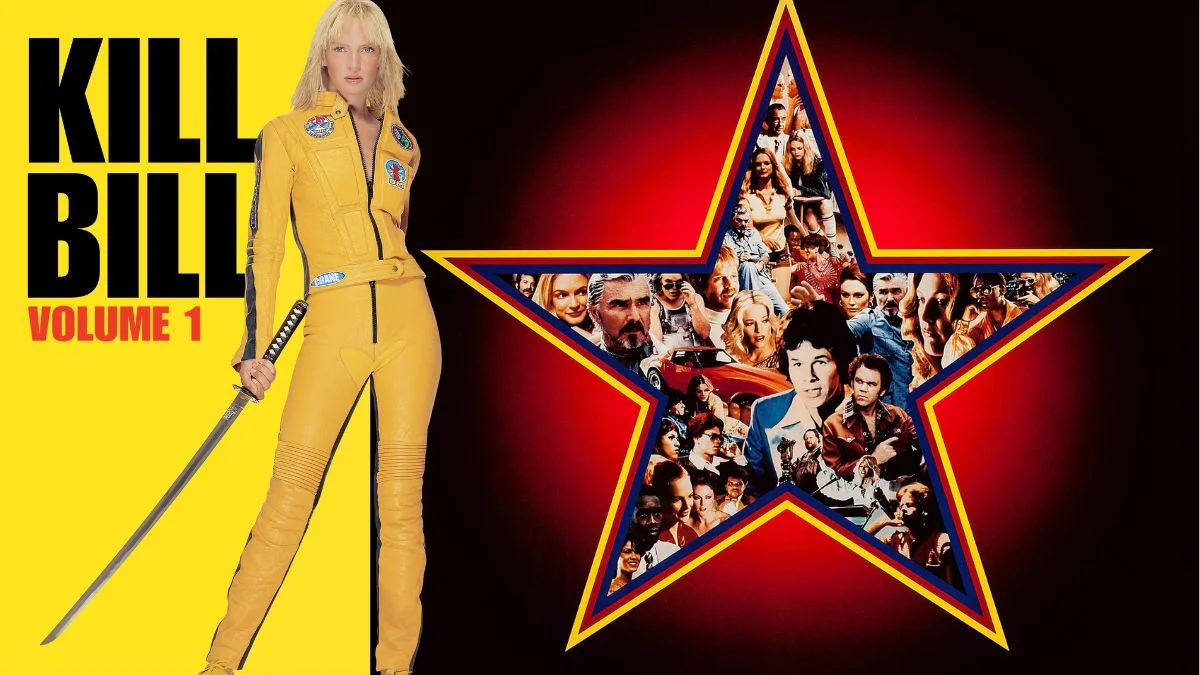
The homage to martial arts cinema utilizes 35mm to replicate the look of 1970s grindhouse movies. Vibrant reds and yellows dominate the screen with a distinct analog saturation. The grain structure adds a rough edge to the stylized violence. It feels like a genuine artifact from the era it lovingly references.
‘Mulholland Drive’ (2001)
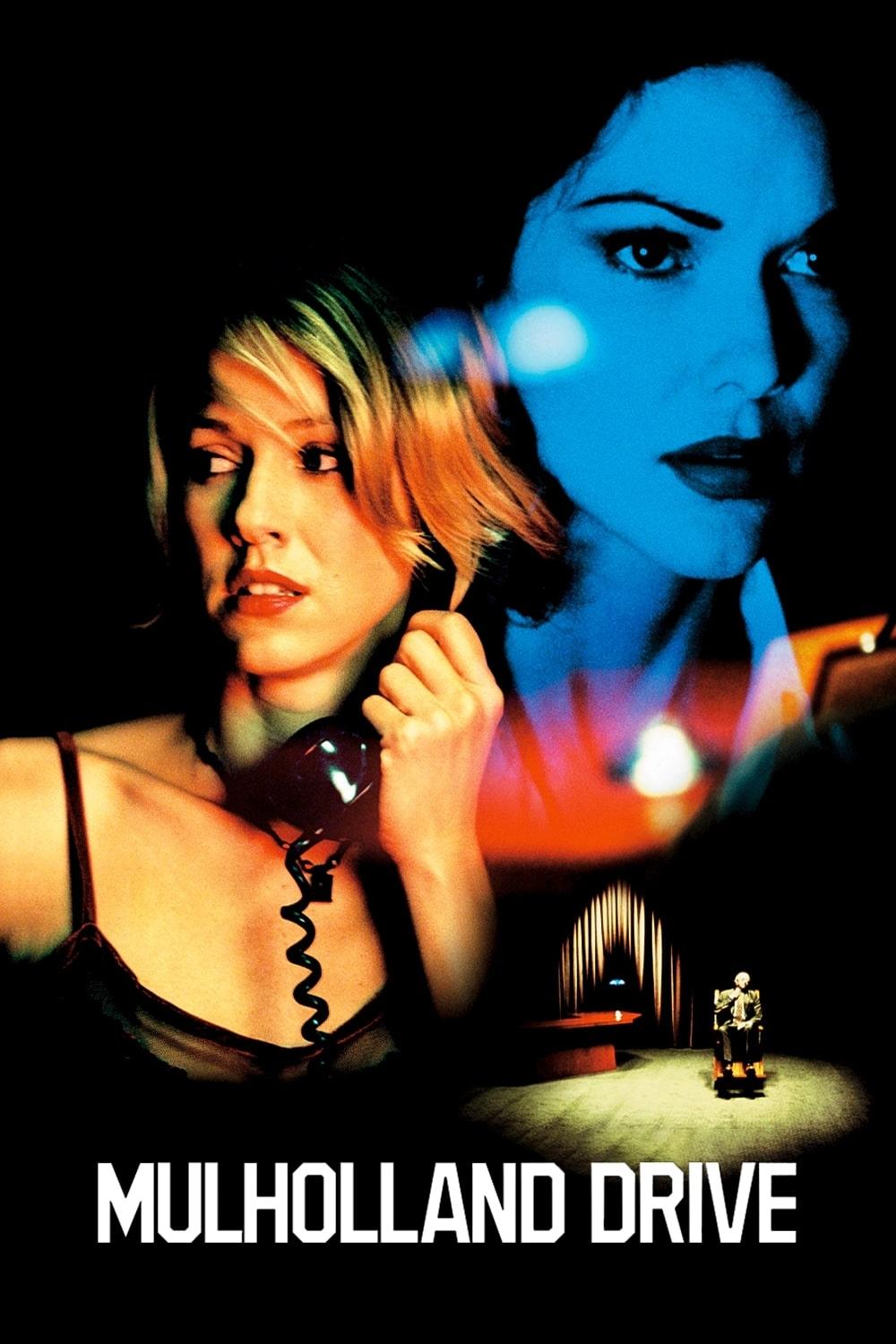
David Lynch uses the texture of film to blur the lines between reality and dreams in Los Angeles. The shadows are deep and mysterious in a way digital sensors often cannot achieve. This visual depth contributes significantly to the noir atmosphere of the mystery. The softness of the image enhances the surreal and unsettling mood of the narrative.
‘In the Mood for Love’ (2000)
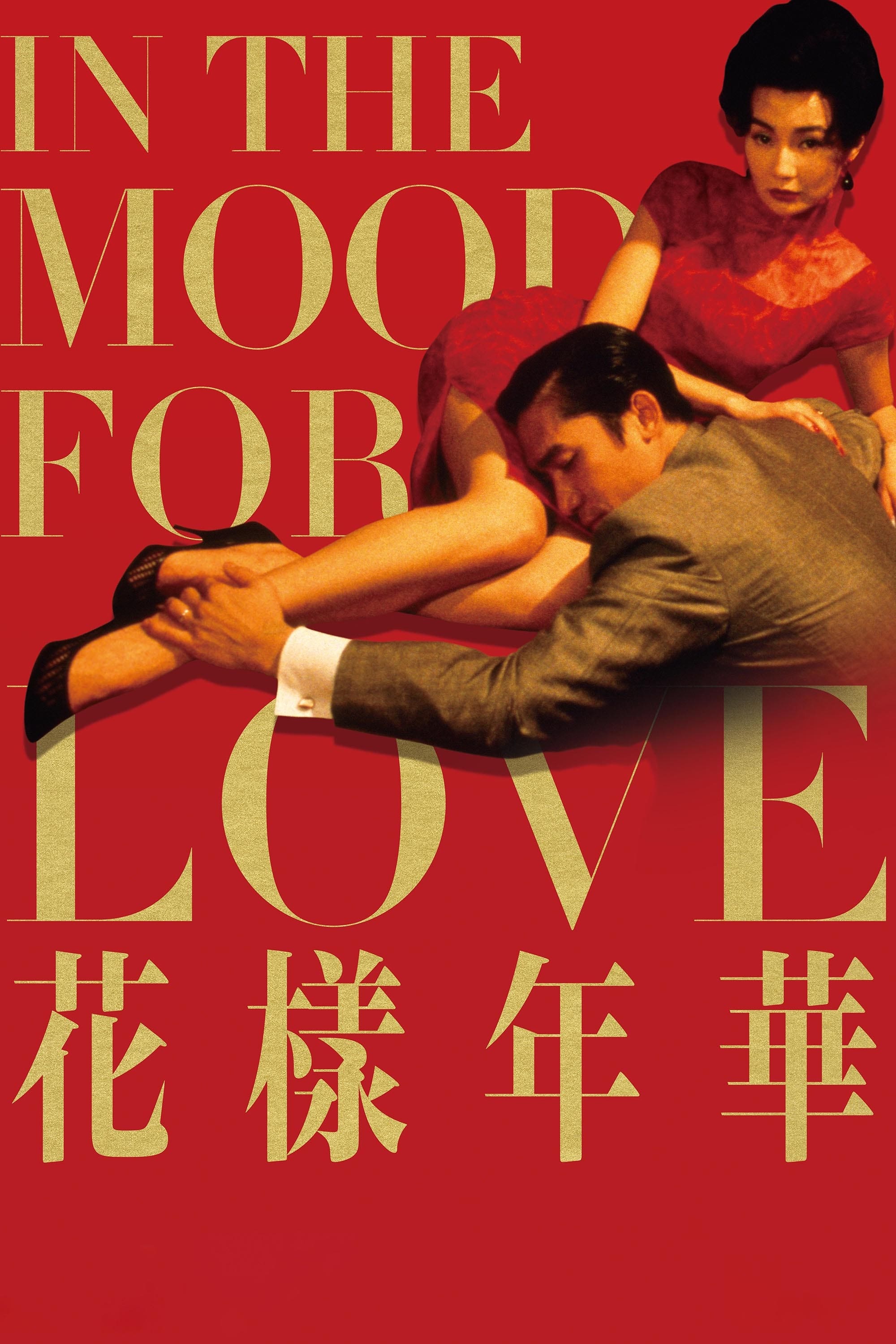
Wong Kar-wai creates a suffocating yet beautiful atmosphere using rich 35mm stock. The colors are lush and the shadows are incredibly dense. The grain adds to the feeling of secrecy and repressed emotion between the characters. Every frame conveys the passage of time and the weight of memory.
‘American Beauty’ (1999)

Conrad Hall utilized 35mm film to create a look that is both suburban and slightly surreal. The cinematography uses composition and lighting to expose the cracks in a perfect facade. The film texture softens the image just enough to give it a dreamlike quality during key moments. It remains a benchmark for visual storytelling in modern drama.
‘Eyes Wide Shut’ (1999)

Stanley Kubrick pushed 35mm film to its limits by pushing the stock to shoot in extreme low light. The grain structure is visible and adds a vibrating tension to the night scenes. Practical lights and Christmas bulbs flare naturally on the celluloid. The visual style enhances the dreamlike and paranoid journey of the protagonist.
‘Fight Club’ (1999)

The grimy aesthetic of this film relies heavily on the texture of the 35mm Super 35 format. Fincher processed the film to increase contrast and desaturate the colors. This results in a dirty and bruised look that mirrors the underground fighting ring. The visual decay on screen parallels the psychological unraveling of the narrator.
‘Magnolia’ (1999)

The camera moves constantly through the lives of various characters with the fluidity of 35mm cinematography. The colors are bold and the image retains a cinematic gloss despite the heavy emotional content. Film grain helps integrate the various storylines into a cohesive visual whole. The medium handles the complex lighting of the rainy climax with exceptional dynamic range.
‘Boogie Nights’ (1997)
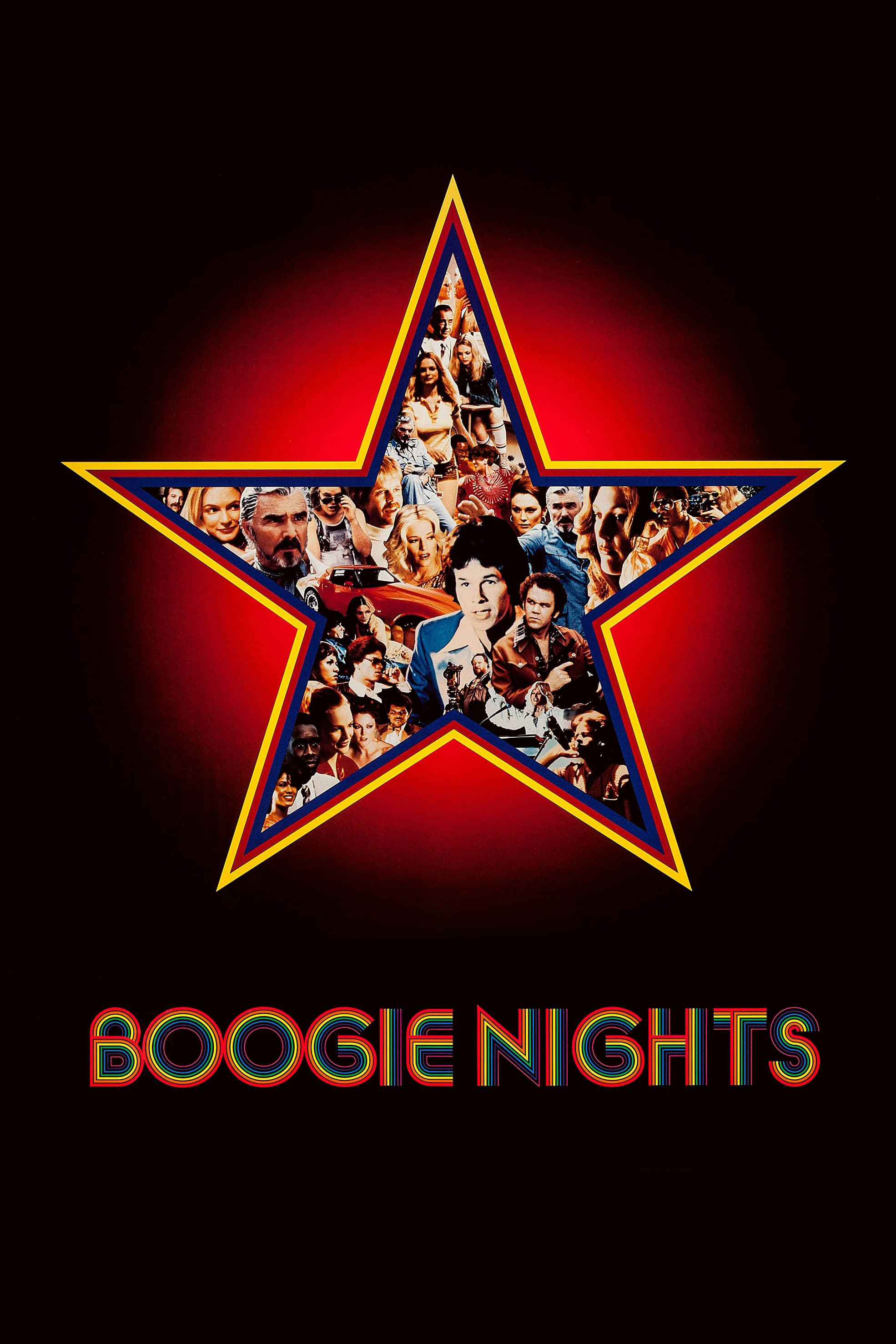
This film replicates the look of the 1970s and 1980s by emulating the lighting and film stocks of those eras. The 35mm format provides the necessary warmth and eventual coolness as the decades change. It captures the glamour and the seediness of the adult film industry equally well. The visual evolution tracks the rise and fall of the main character.
‘Titanic’ (1997)
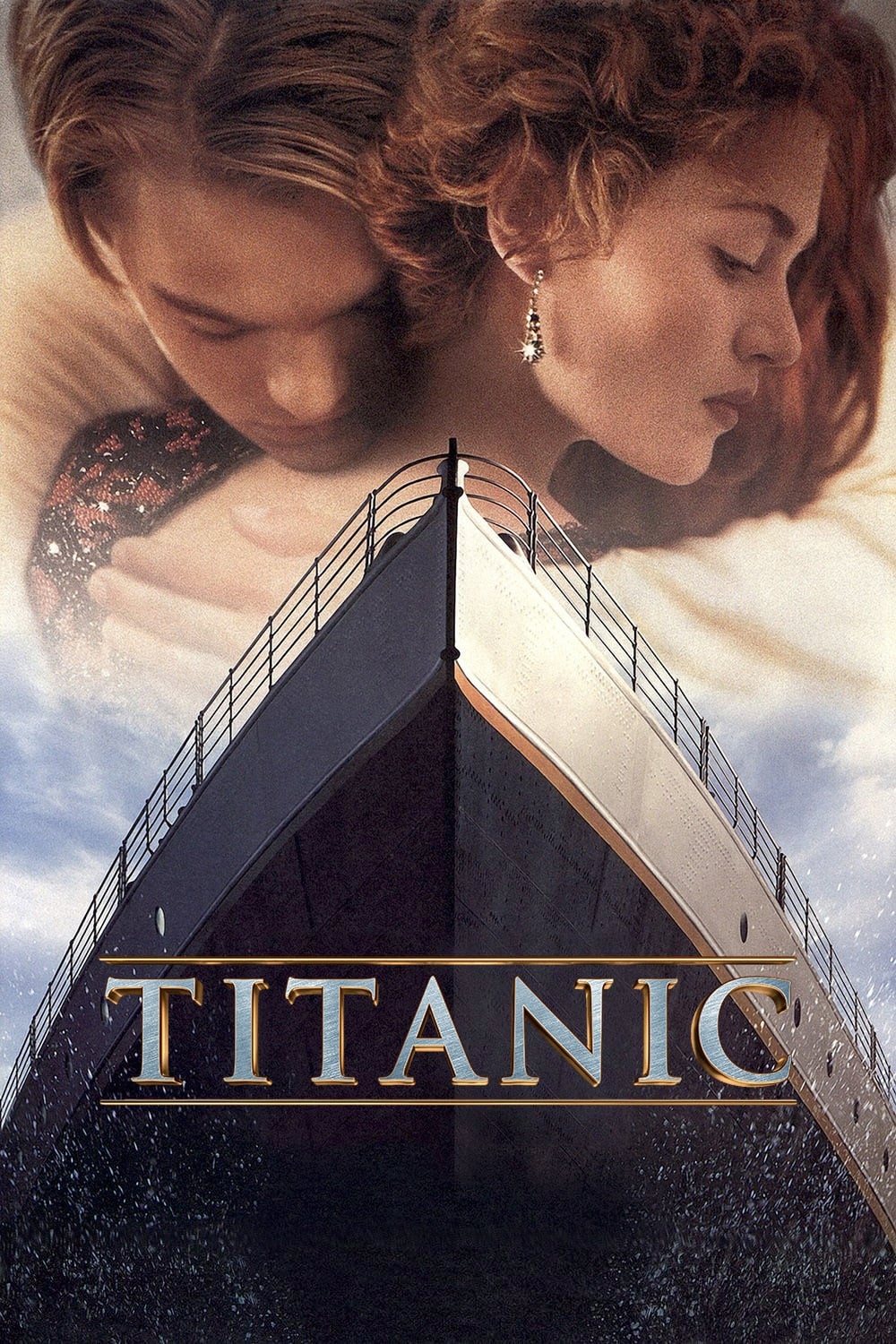
James Cameron used 35mm film to give the historical epic a timeless and grand appearance. The resolution and dynamic range were essential for the massive visual effects integration. The film stock renders the ocean and the opulent interiors with incredible detail. It balances the intimate romantic moments with the large-scale destruction seamlessly.
‘Fargo’ (1996)

The stark white landscapes of Minnesota are captured with a chilling beauty on 35mm film. Roger Deakins uses the medium to handle the difficult exposure of snow against dark figures. The grain gives the image a texture that feels cold and tangible. This visual starkness complements the dark humor and violence of the plot.
‘Heat’ (1995)
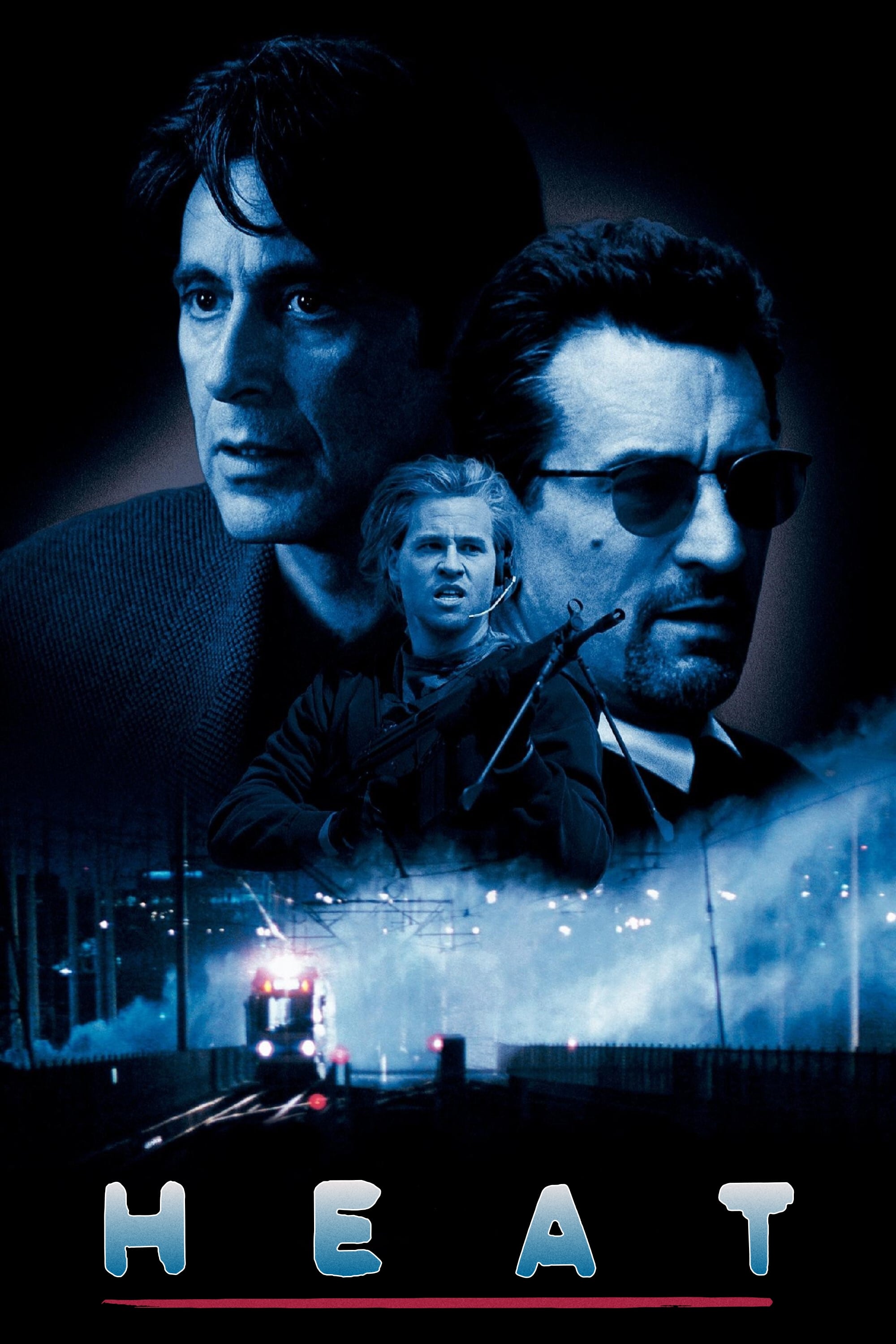
Michael Mann captures the sprawling urban landscape of Los Angeles with cool blues and metallic tones. The 35mm film allows for deep blacks during the many nighttime sequences. The shootouts feel visceral and grounded due to the optical characteristics of the lenses and film. It redefined how the city looks on screen in the crime genre.
‘Se7en’ (1995)

The bleach bypass process applied to the 35mm film creates a high-contrast and silver-tinted image. This technique makes the rain-soaked city feel oppressive and decaying. The shadows are crushed to hide details and increase the sense of dread. The physical manipulation of the film stock is integral to the horror noir aesthetic.
‘Pulp Fiction’ (1994)
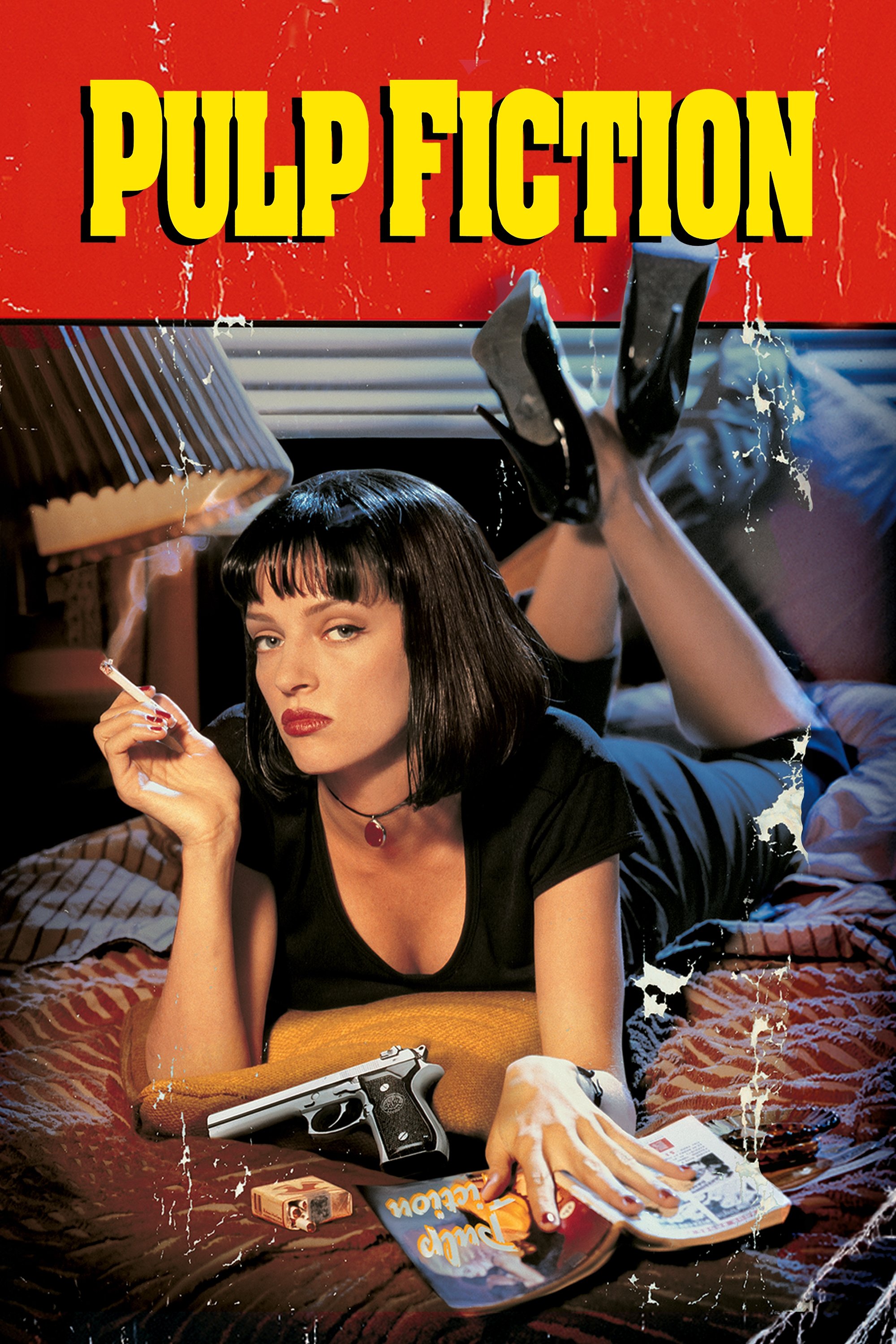
Andrzej Sekula shot this independent hit on 50 ASA film stock to get the sharpest possible image. The result is a glossy and vibrant look that elevates the crime genre. The rich colors of the costumes and sets pop against the deep blacks. It proved that low-budget films could look distinctively cinematic and polished.
‘Good Time’ (2017)
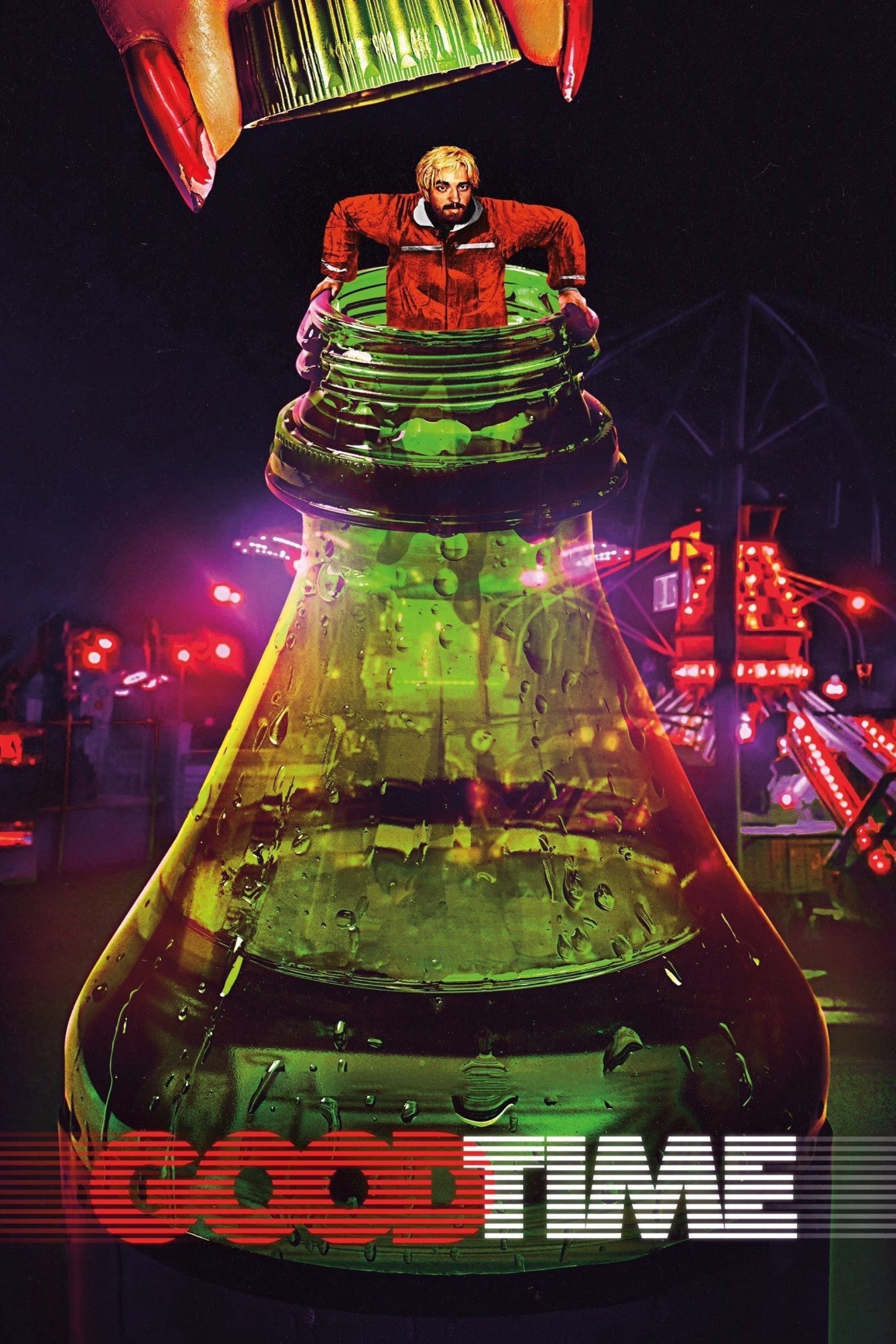
The gritty and neon-soaked visuals mirror the desperate race against time. Shooting on 35mm gave the directors the raw and textured aesthetic they desired. Close-ups feel intrusive and the grain vibrates with the character’s anxiety. The film look grounds the absurd situations in a harsh reality.
Tell us which of these movies has your favorite visual aesthetic in the comments.