


14 Films That Buried Their Gay Romance So Deep It Took Fans 20 Years to Find It



Queer coding has been a staple of cinema since the very beginning of the medium. Filmmakers often hid same-sex romance beneath layers of metaphor or intense platonic friendship to bypass strict censorship laws like the Hays Code. Audiences largely accepted these narratives at face value during their initial theatrical runs. Modern viewers revisiting these classics often discover undeniable romantic tension that was previously overlooked or ignored.
‘Ben-Hur’ (1959)
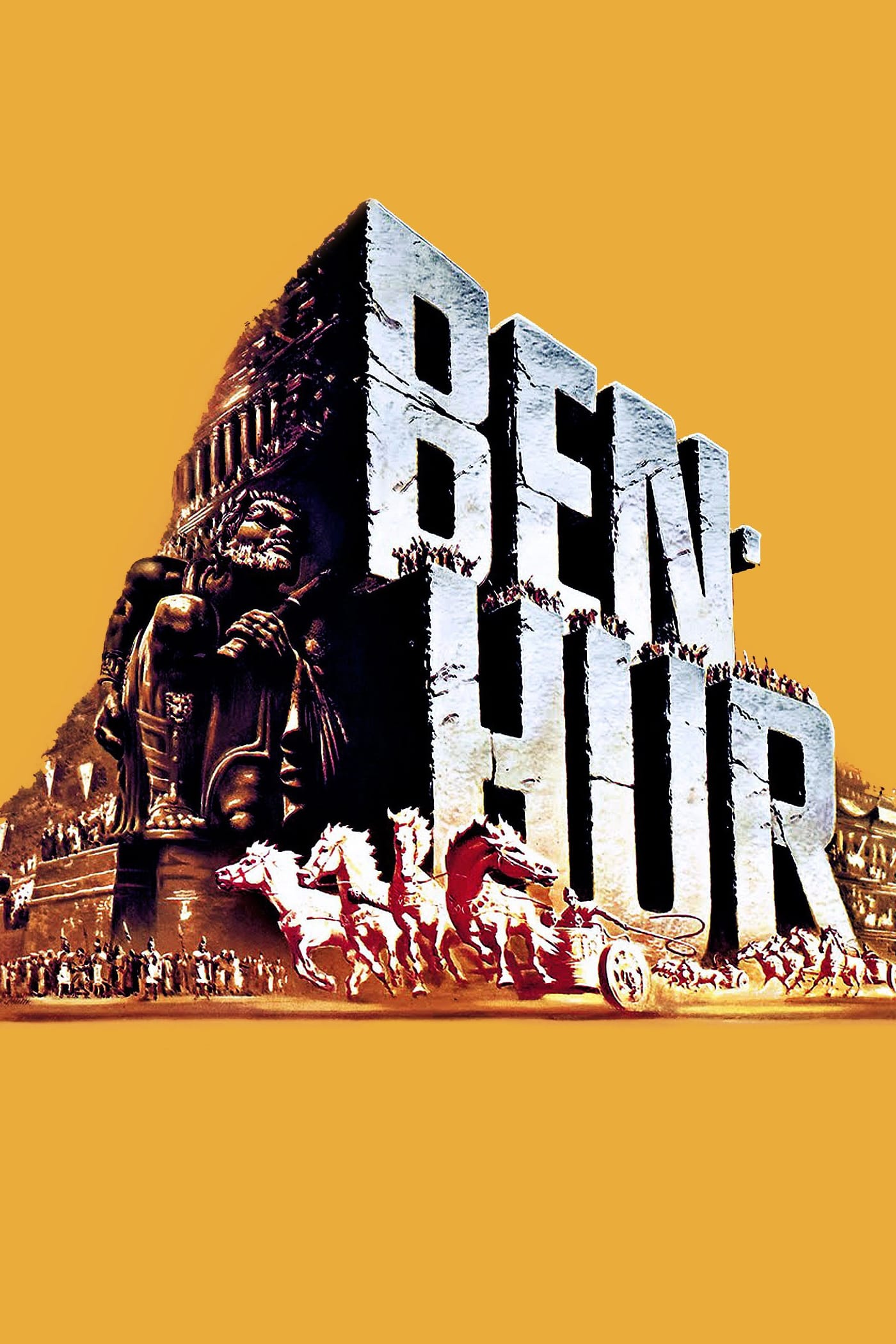
Screenwriter Gore Vidal famously claimed he wrote a romantic past between Judah Ben-Hur and Messala to explain the intensity of their betrayal. Charlton Heston played the role earnestly while Stephen Boyd was instructed to look at Heston with romantic longing during their reunion. The studio kept this context secret from the conservative star to ensure he would not walk off the set. This hidden dynamic transforms the epic revenge tale into a tragedy about a spurned lover destroying the man he cannot have.
‘Top Gun’ (1986)
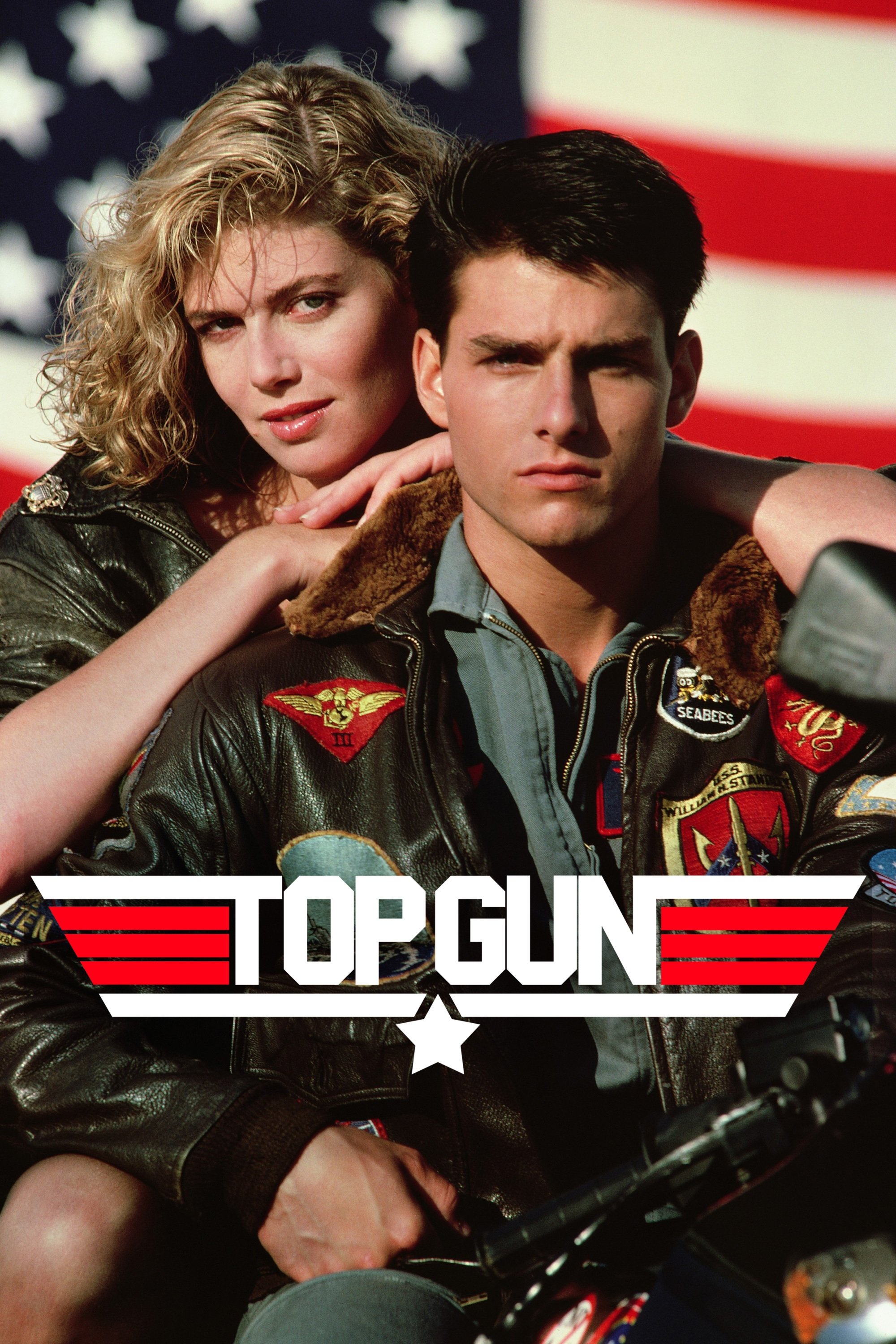
Action fans initially viewed the rivalry between Maverick and Iceman as a standard display of masculine competition. Critics later pointed out that the locker room scenes and intense close-ups suggest a deeper tension between the pilots. Quentin Tarantino famously delivered a monologue in a later film analyzing the screenplay as a story about a man struggling with his own sexuality. The relationship between the two leads evolves from aggression to a bond that far surpasses the actual romantic subplot.
‘Fried Green Tomatoes’ (1991)
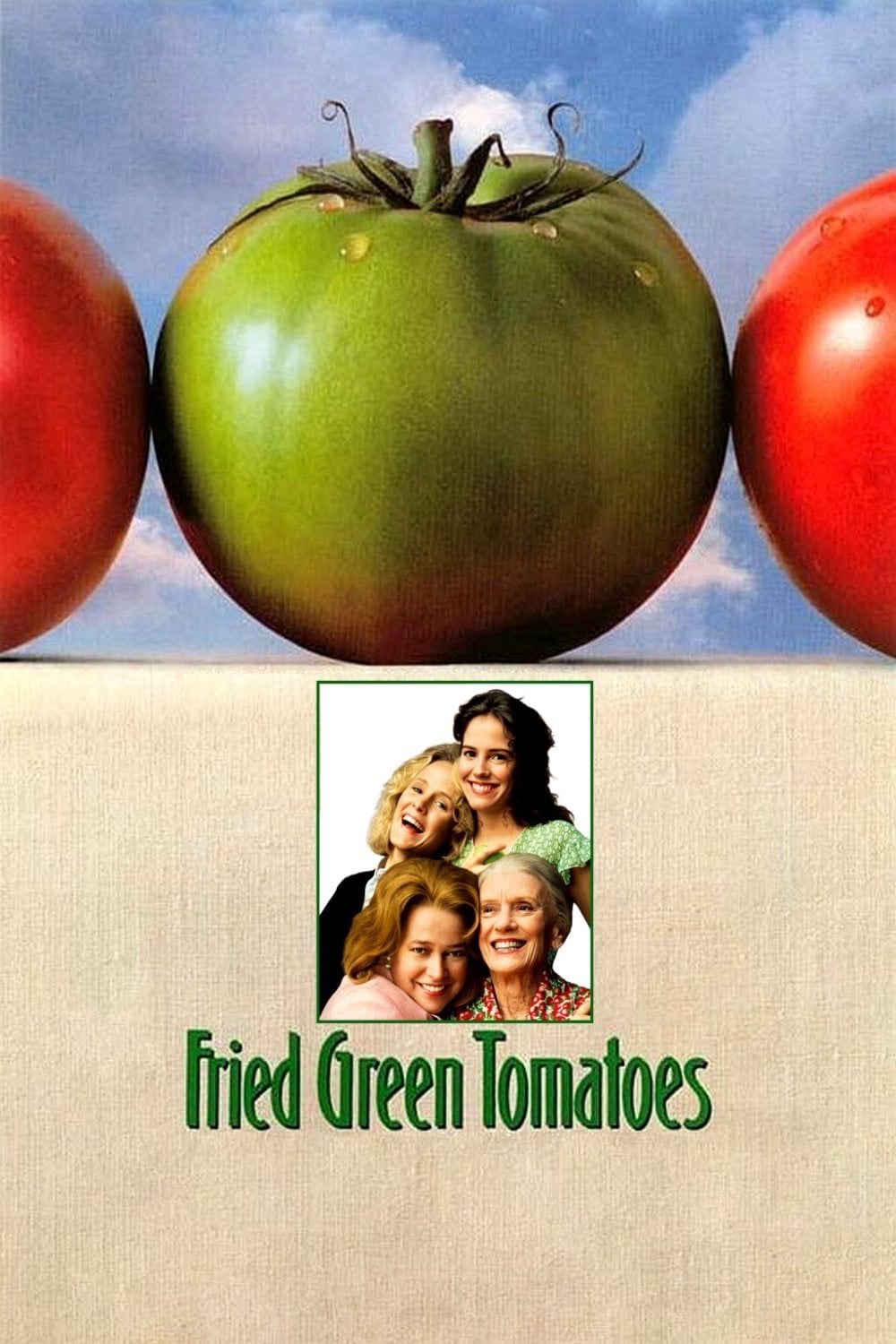
The film adaptation of the celebrated novel depicts Idgie and Ruth as devoted best friends rather than the romantic partners they are in the source material. Viewers often interpret their food fight scene and unwavering commitment to raising a child together as evidence of a marriage in all but name. The removal of explicit romantic labels forced the relationship into the realm of intense platonic love for mainstream audiences. Fans have since reclaimed the movie as a seminal lesbian romance that managed to exist within a major Hollywood production.
‘Rope’ (1948)
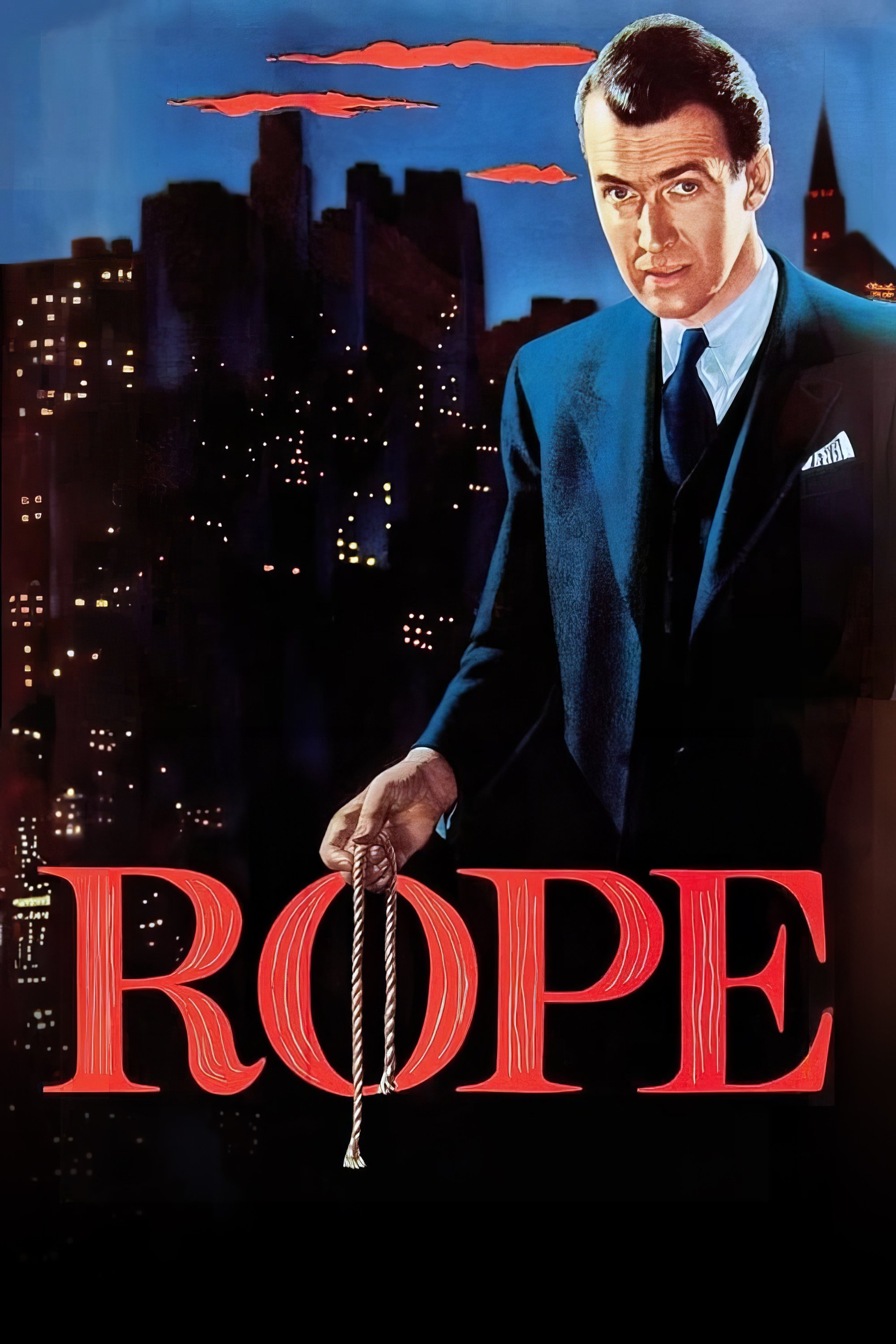
Alfred Hitchcock based this tense thriller on the real-life case of Leopold and Loeb. The two protagonists display a codependent relationship and share an apartment while planning the perfect murder to prove their intellectual superiority. Censorship boards prevented any direct mention of their romantic involvement during the production. The result is a film where every glance and shared secret carries the weight of a forbidden connection that drives their criminal actions.
‘Rebel Without a Cause’ (1955)
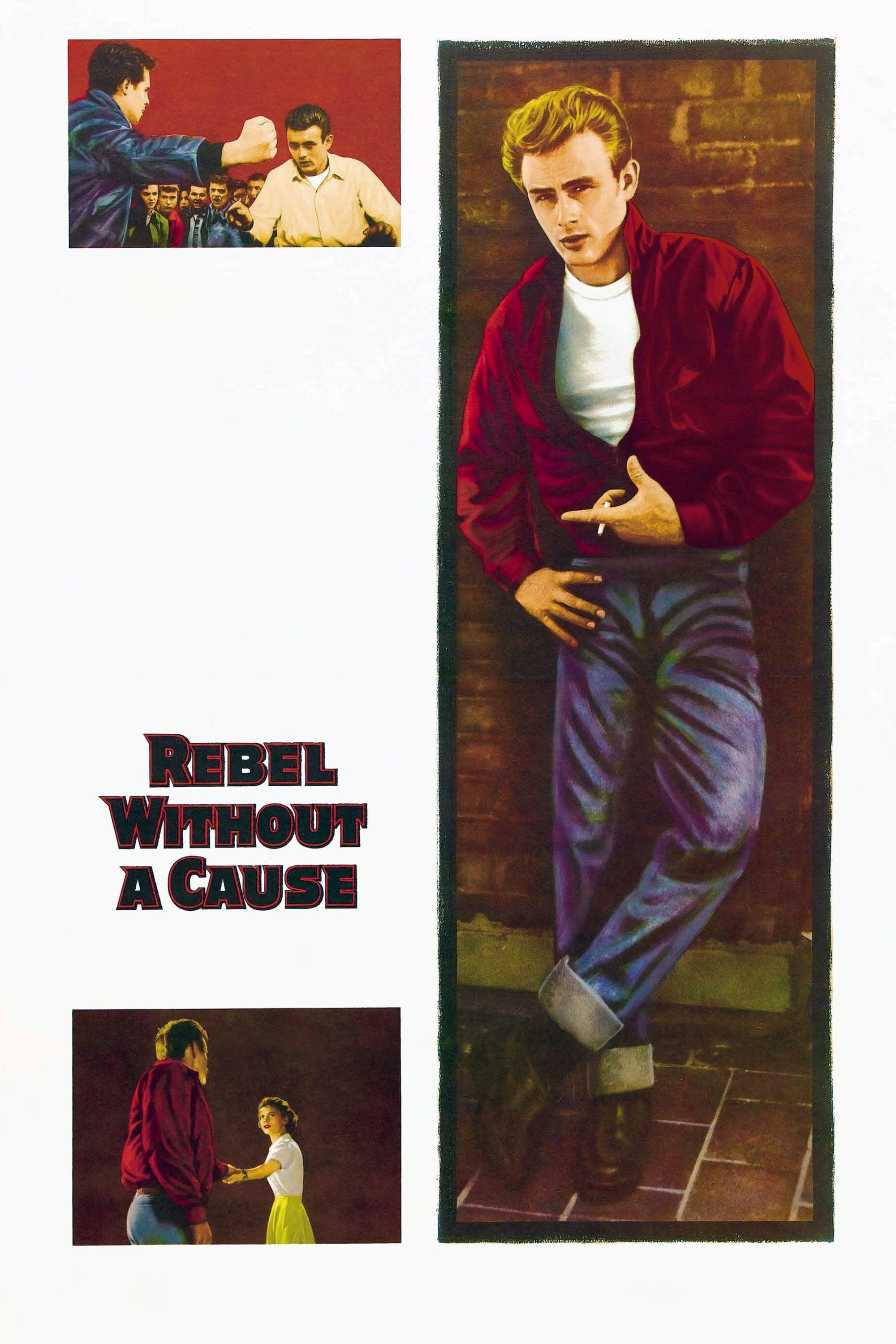
James Dean stars as a troubled teen who forms an immediate and intense bond with the outcast Plato. Plato keeps a photo of Dean in his locker and looks at him with visible adoration throughout the film. Director Nicholas Ray acknowledged the character was gay but the script could not explicitly state it at the time. The tragedy of the film is largely fueled by Plato searching for a father figure and a partner in a world that refuses to understand him.
‘The Lost Boys’ (1987)
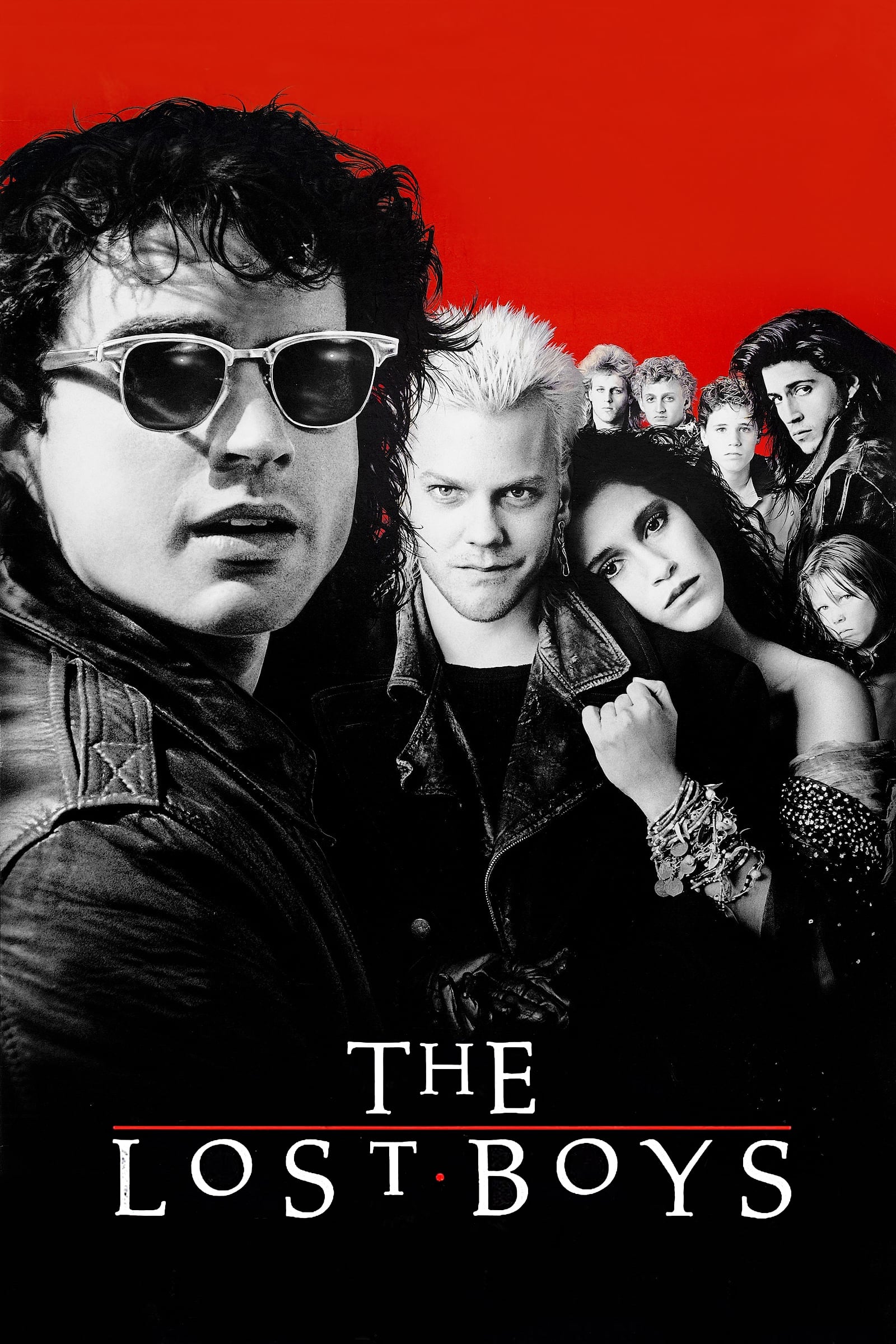
This vampire classic uses the transformation into a creature of the night as a metaphor for coming out and joining a new community. The leather-clad antagonists entice the protagonist into a lifestyle that terrifies his mother and separates him from societal norms. Interpretations suggest the blood initiation ritual mirrors the anxiety surrounding the AIDS crisis during the era. The bond between the lost boys themselves is portrayed as an alternative family structure built on eternal devotion.
‘Point Break’ (1991)
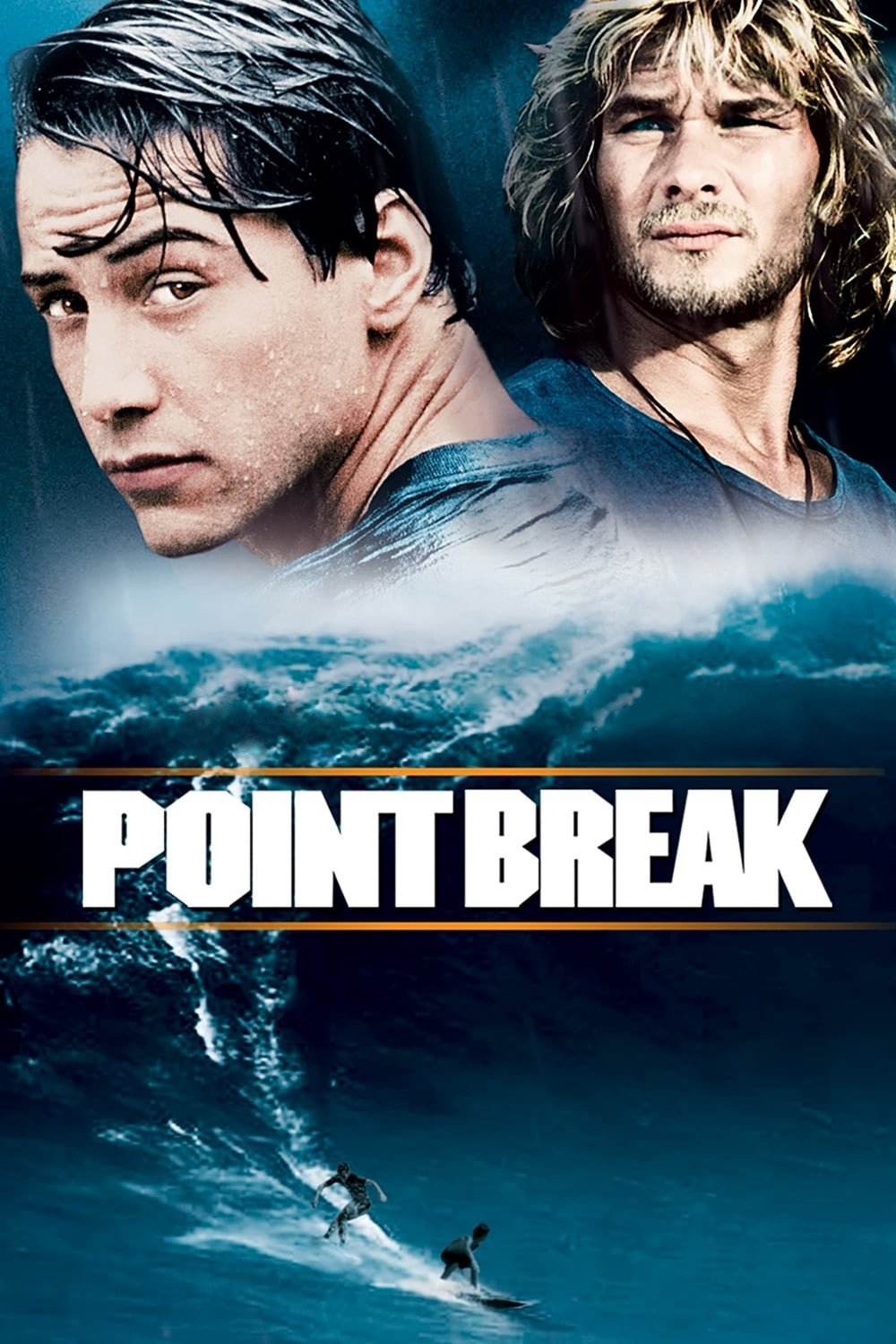
Johnny Utah infiltrates a gang of surfers and finds himself dangerously captivated by their charismatic leader Bodhi. The chemistry between Keanu Reeves and Patrick Swayze often overshadows the female romantic interest designed to ground the story. Their final confrontation on the beach plays out more like a tragic breakup than an arrest. Kathryn Bigelow directs the action with a focus on the male form and the intense emotional tether connecting the lawman to the criminal.
‘Interview with the Vampire’ (1994)

Lestat and Louis share a centuries-long partnership that involves raising a child together in a nontraditional home. The film frames their vampiric bond as a marriage that suffers from infidelity and domestic disputes. Homoeroticism permeates nearly every interaction as the characters grapple with eternal life and their reliance on one another. While the text is ostensibly about monsters the subtext clearly mirrors a destructive and passionate same-sex relationship.
‘Red River’ (1948)
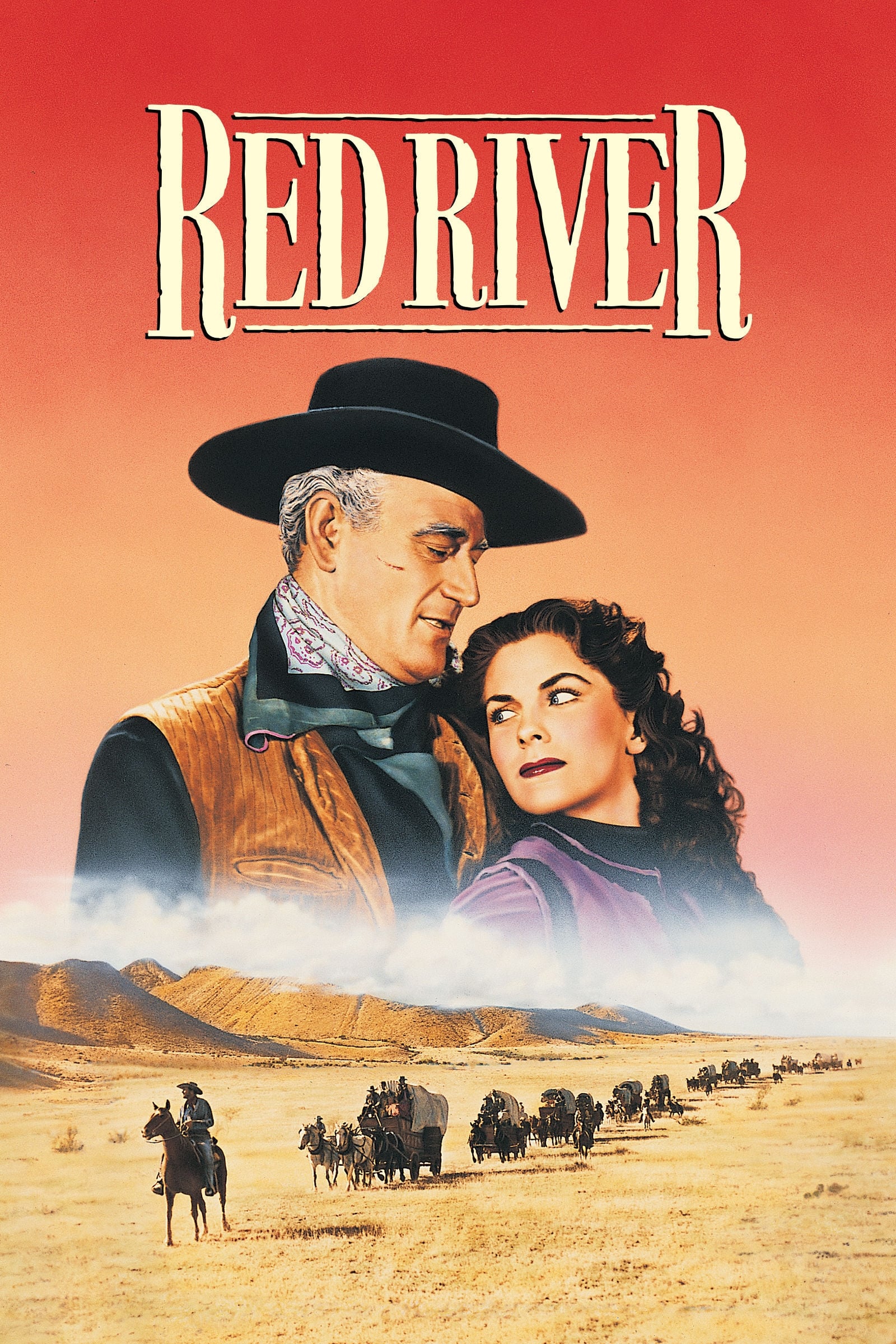
This western features a famous scene where two gunmen compare their weapons in a display filled with double entendres. Matt Garth and Cherry Valance engage in a contest of skill that serves as a playful courtship ritual between the two rivals. The intense focus on their physical attributes and shooting prowess creates a charged atmosphere rarely seen in the genre. Scholars cite this moment as a prime example of how westerns allowed for male intimacy under the guise of professional competition.
‘Strangers on a Train’ (1951)
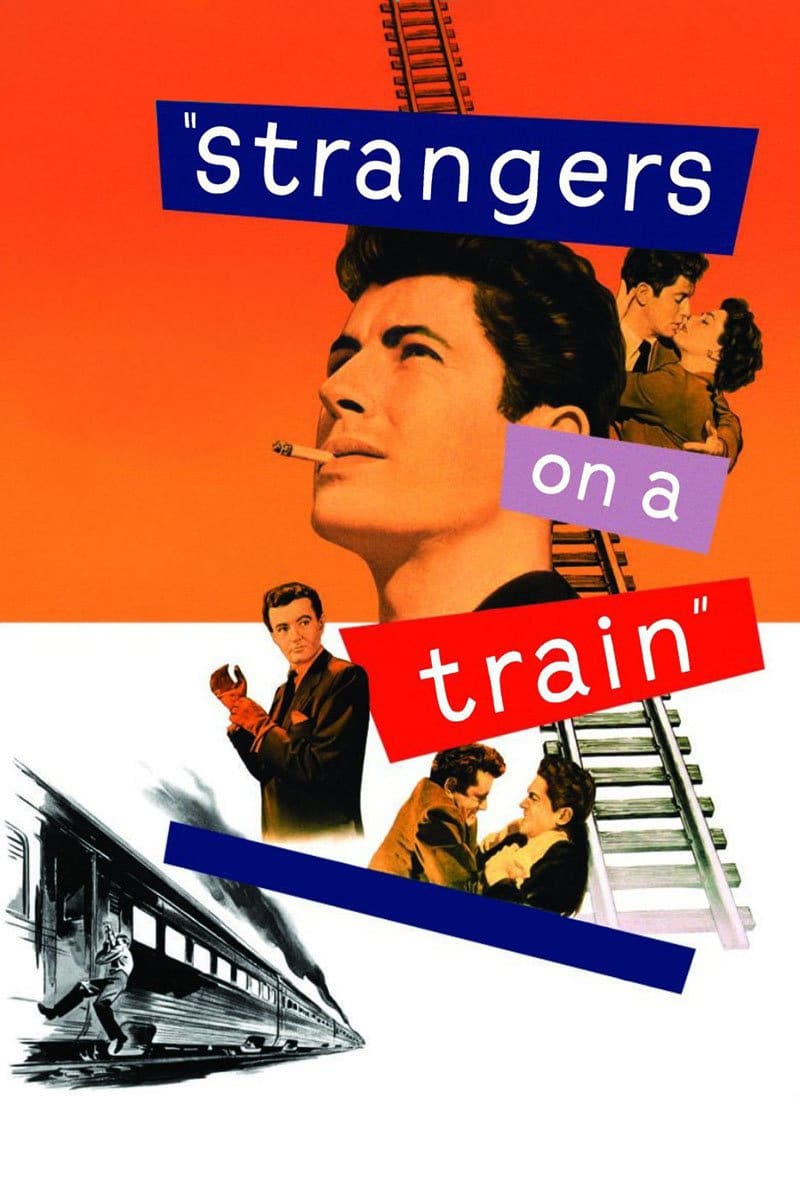
Bruno Antony proposes a murder swap to a famous tennis player he meets during a journey. The flamboyant Bruno is coded as gay through his dress and mannerisms while his fixation on Guy goes beyond simple criminal conspiracy. He inserts himself into Guy’s life with the obsessiveness of a stalker trying to force a connection. The film juxtaposes Bruno’s chaotic energy against the rigid social norms Guy desperately tries to maintain.
‘Spartacus’ (1960)
A scene involving Laurence Olivier and Tony Curtis was originally cut for being too suggestive about sexual morality. The dialogue features Olivier asking his servant whether he prefers snails or oysters to illustrate that taste is a matter of preference. This restored sequence reveals the predatory nature of the antagonist and adds context to the servant’s desire to escape. It serves as a rare instance where the subtext was literal enough to warrant removal by censors.
‘Calamity Jane’ (1953)

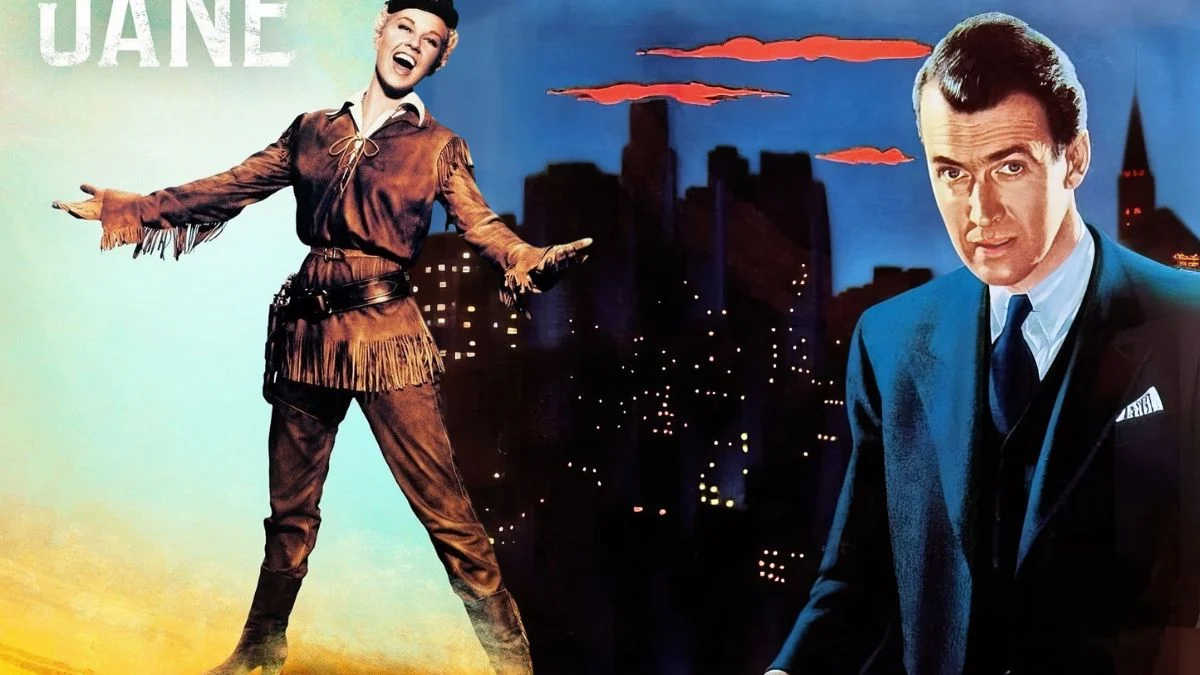
Doris Day plays the titular character who spends much of the film competing with men before moving in with another woman. Calamity and Katie transform a cabin into a domestic paradise while singing about their shared secret love. Many modern viewers read the eventual hetero marriages as a hasty conclusion to a story that is primarily about the bond between the two women. The film has become a camp classic due to the gender performance and the palpable chemistry between the female leads.
‘Dead Poets Society’ (1989)
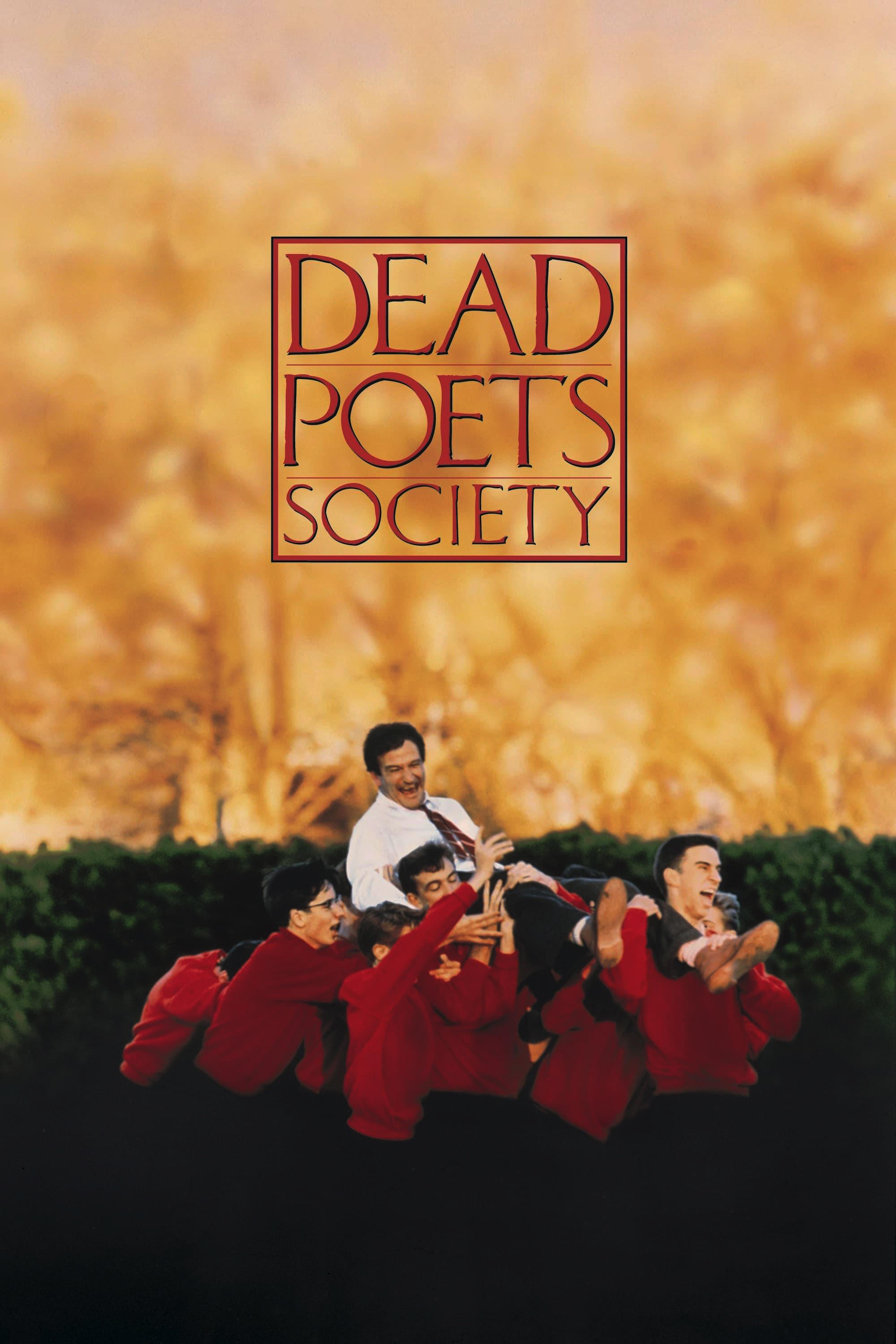
Todd Anderson and Neil Perry share a profound connection that many fans interpret as a suppressed romance. The emotional devastation Todd experiences following the tragedy is framed with the intensity of losing a soulmate rather than a classmate. Neil suffers under a controlling father who refuses to let him express his true self through art. The film captures the suffocating pressure of conformity and the desperate need for connection in an environment that forbids vulnerability.
‘Midnight Cowboy’ (1969)
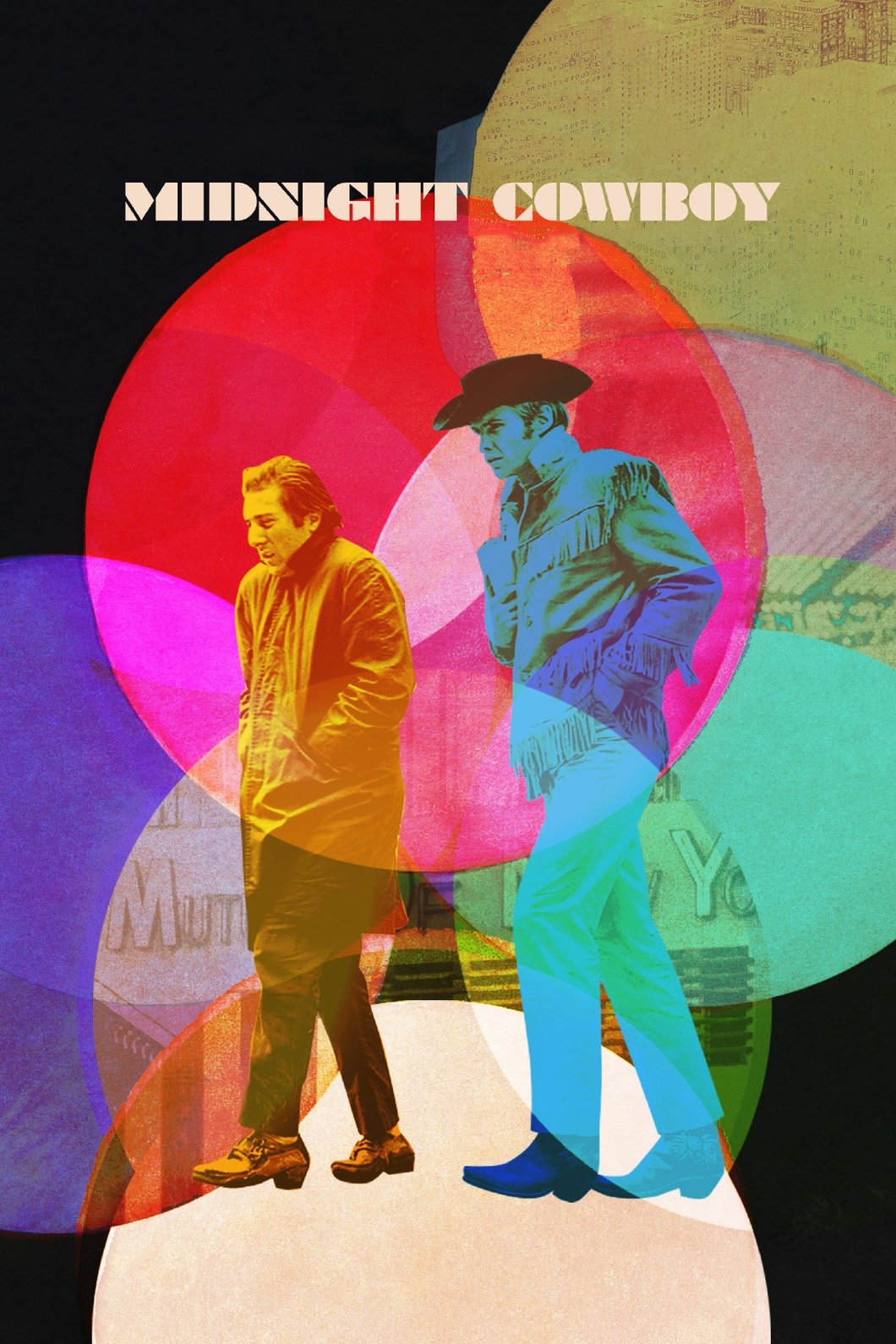
Joe Buck and Ratso Rizzo form a codependent partnership while struggling to survive in a harsh New York City. The film explores the tender care Joe provides for the ailing Ratso in a way that defies traditional masculine friendships of the time. While Joe works as a gigolo for women his most significant emotional connection is clearly with the man he dreams of escaping with to Florida. The tragic ending emphasizes the loss of a life partner rather than just a business associate.
Tell us which of these films you think has the most compelling subtext in the comments.