


15 Films That Cast Light-Skinned Actors as Dark-Skinned Icons and Never Addressed It



Casting decisions in Hollywood frequently spark intense debates regarding representation and historical accuracy. The industry often selects light-skinned or white actors to portray characters who were historically dark-skinned or originated from specific ethnic backgrounds. These choices can alter the perception of iconic figures and erase the visual identity of the communities they represent. The following films feature prominent examples where casting directors prioritized star power or specific aesthetics over authentic skin tone and ethnicity.
‘Nina’ (2016)

Zoe Saldana portrayed the legendary jazz singer and civil rights activist Nina Simone in this biographical drama. The production faced significant scrutiny for casting a lighter-skinned actress to play a figure whose dark complexion was integral to her identity and politics. Makeup artists used prosthetics and skin-darkening effects to alter the appearance of Saldana for the role. Critics argued that this choice erased the specific struggles Simone faced regarding colorism during her lifetime. The film struggled to find an audience and reignited conversations about casting practices in Hollywood.
‘The Harder They Fall’ (2021)
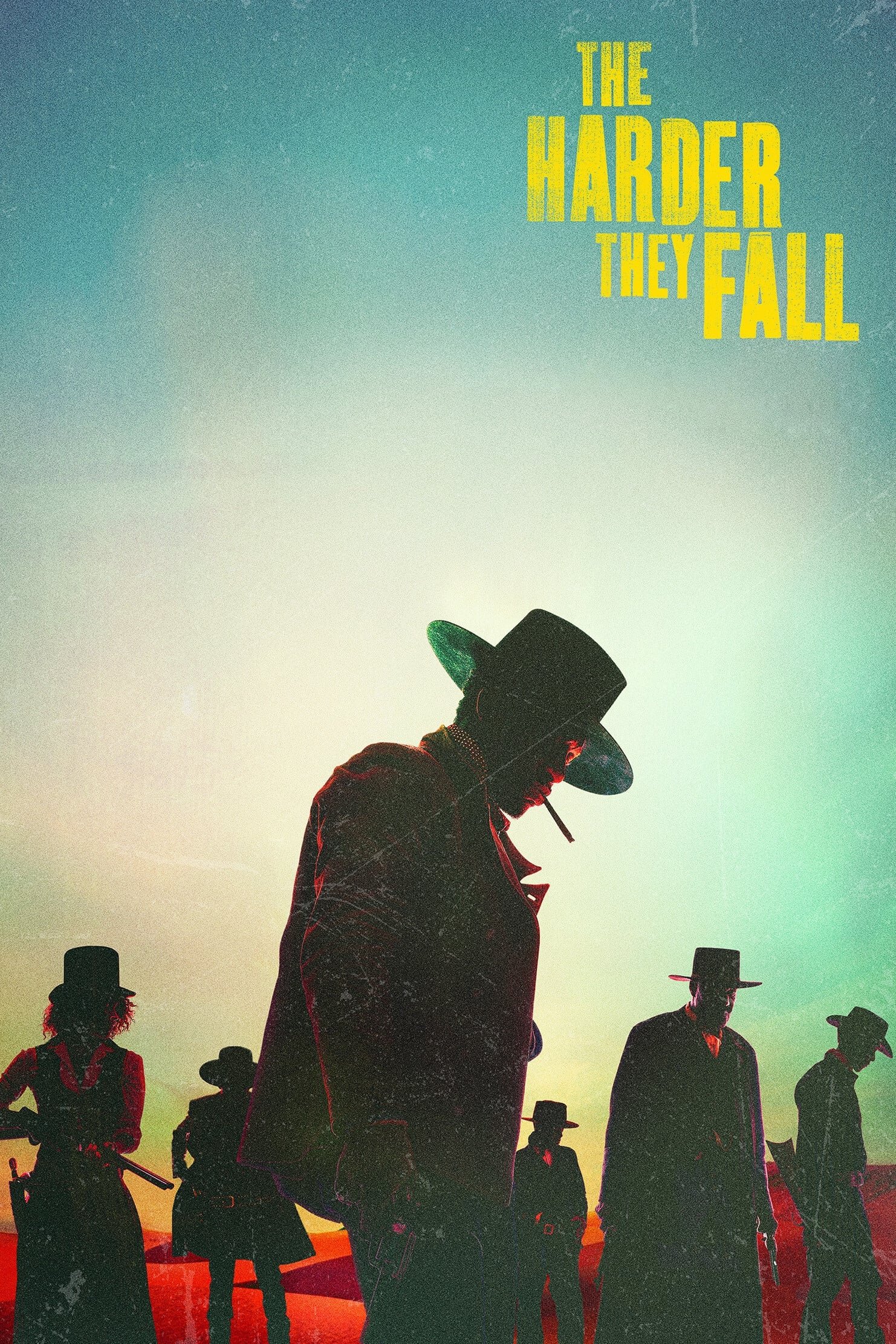
Director Jeymes Samuel cast Zazie Beetz as the historical figure Stagecoach Mary Fields in this stylized Western. The real Mary Fields was a dark-skinned and plus-sized woman who became a legend for her mail route delivery in Montana. Beetz delivered a charismatic performance that deviated significantly from the physical reality of the person she portrayed. Discussions arose regarding the tendency of modern period pieces to favor lighter-skinned actresses for leading romantic roles. The casting choice highlighted the ongoing debate about colorism within black-cast cinematic productions.
‘Aloha’ (2015)

Cameron Crowe cast Emma Stone as Captain Allison Ng who was written as a character of quarter-Chinese and quarter-Hawaiian descent. Stone appeared with her natural fair skin and hair while portraying a woman meant to represent the multi-ethnic population of Hawaii. The director later explained that the character was intended to look like she did not belong but the explanation failed to quell backlash. Advocacy groups pointed out the lack of representation for Asian-American Pacific Islanders in roles explicitly written for them. This casting decision remains one of the most cited examples of whitewashing in recent cinema history.
‘Prince of Persia: The Sands of Time’ (2010)
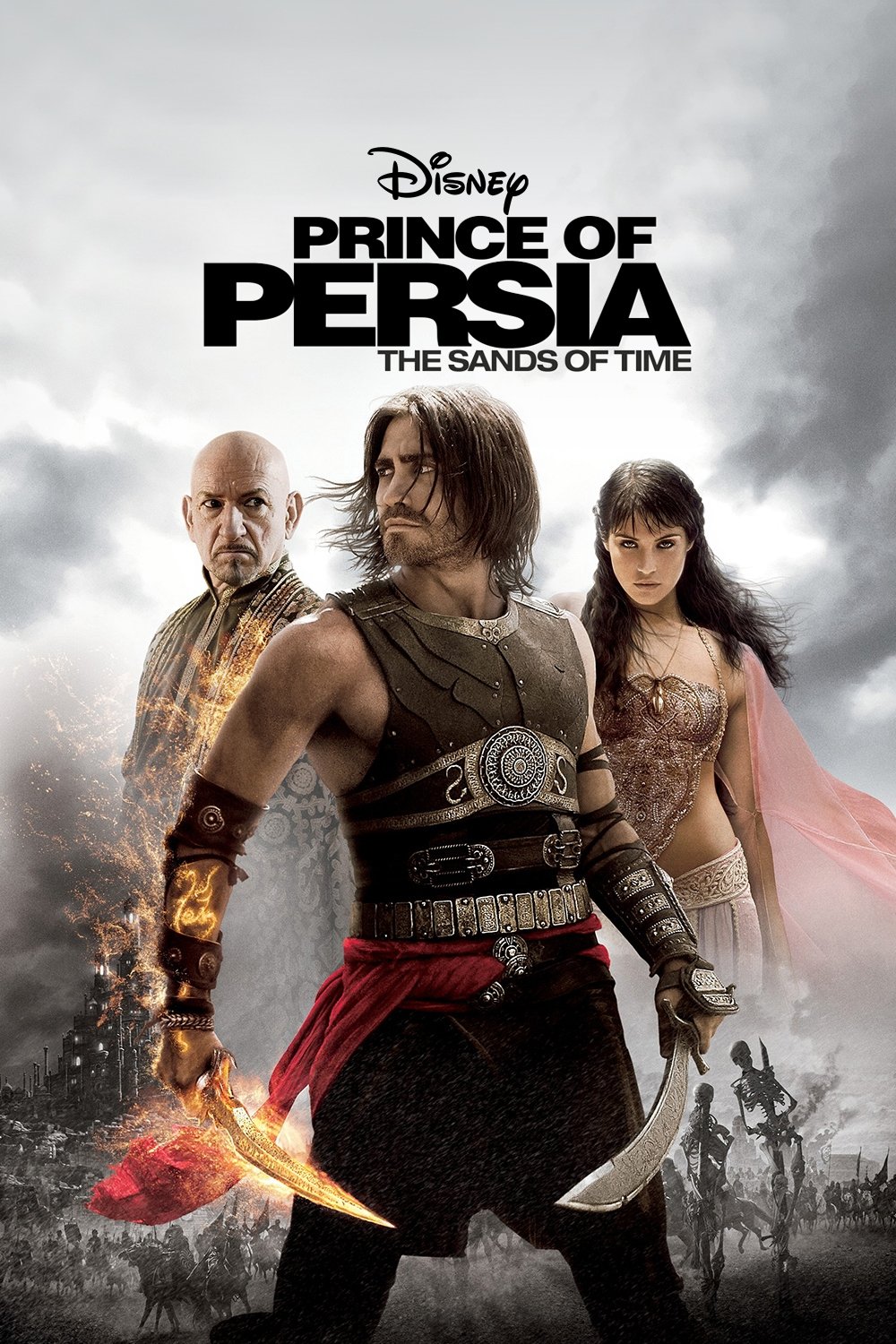
Jake Gyllenhaal starred as Dastan in this adaptation of the popular video game series set in ancient Persia. Disney selected a white actor to lead the blockbuster film rather than finding a performer of Iranian or Middle Eastern descent. The studio aimed to create a mainstream action franchise but faced criticism for erasing the ethnic identity of the source material. Gyllenhaal later expressed regret over accepting the role and acknowledged the validity of the casting controversy. The film stands as a prominent example of Hollywood favoring established white stars for globally diverse stories.
‘A Mighty Heart’ (2007)
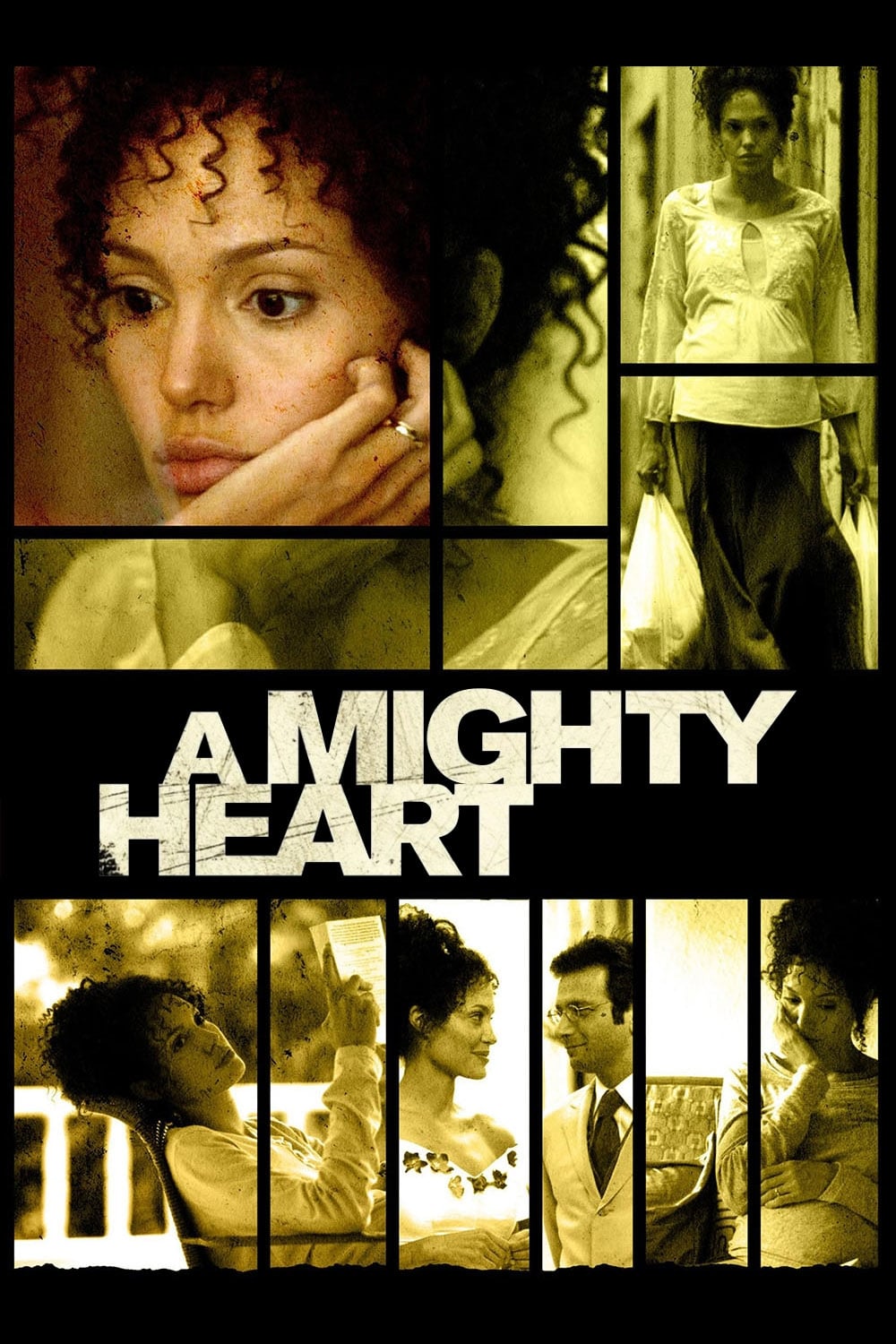
Angelina Jolie took on the role of Mariane Pearl who is a journalist of Afro-Chinese-Cuban descent. The actress wore a wig and darkened her skin to portray the multi-ethnic widow of Daniel Pearl. Mariane Pearl personally supported the casting choice and felt a connection with Jolie despite their physical differences. Detractors felt that the role provided a missed opportunity for a mixed-race actress to headline a major studio drama. The conversation surrounding the film focused heavily on the visual transformation required for Jolie to inhabit the character.
‘Exodus: Gods and Kings’ (2014)
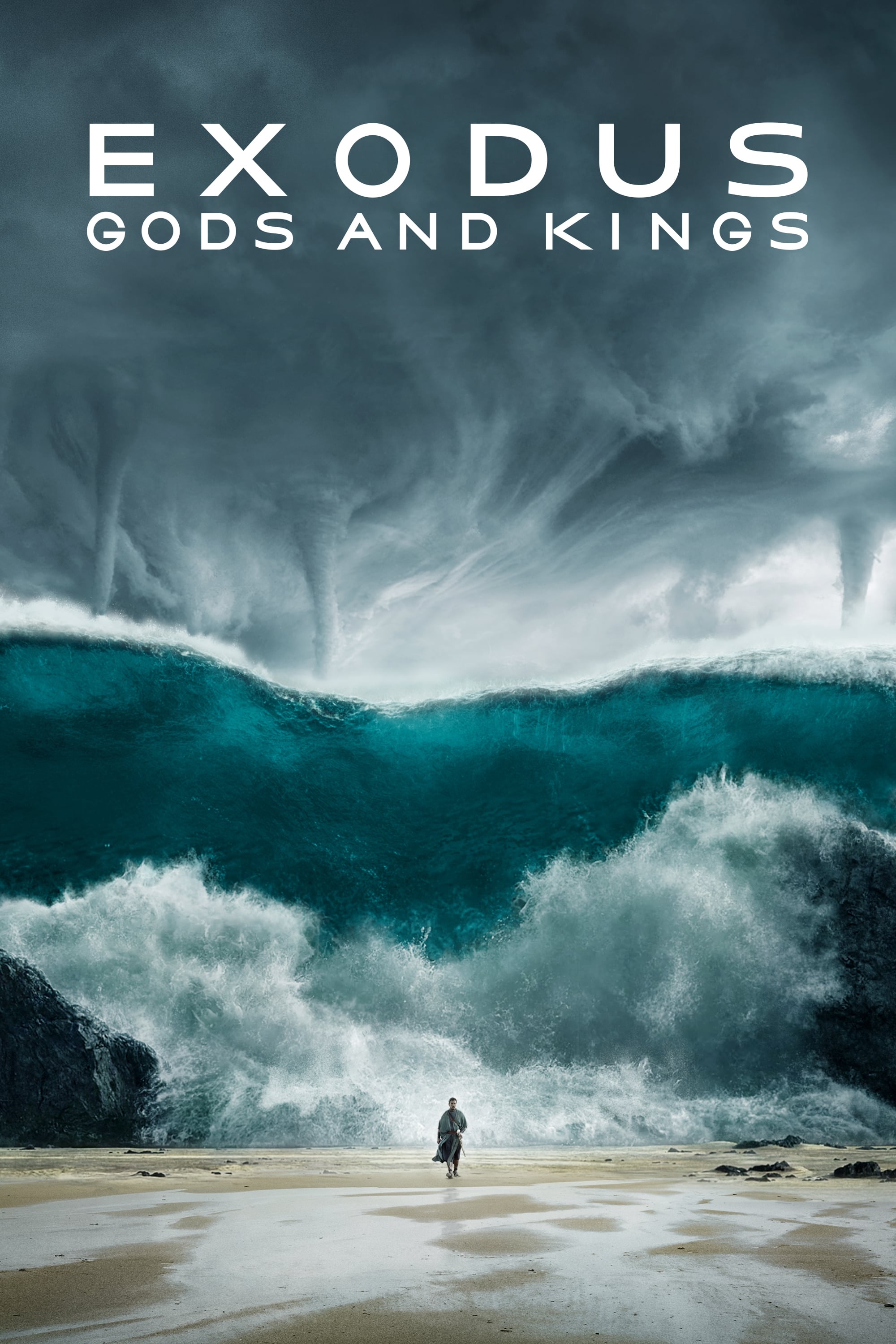
Ridley Scott directed this biblical epic featuring Christian Bale as Moses and Joel Edgerton as Ramesses II. The casting of white actors in the roles of ancient Egyptians sparked immediate condemnation from audiences and historians. Scott defended the decision by citing the financial necessity of having bankable names to secure the large budget. Supporting roles for non-white actors were largely relegated to servants or villains within the narrative. The controversy overshadowed the release of the film and impacted its domestic box office performance.
‘Pan’ (2015)

Rooney Mara played the role of Tiger Lily who is traditionally depicted as a Native American princess in the Peter Pan mythos. Director Joe Wright envisioned a multi-cultural Neverland but the decision to cast a white actress drew accusations of erasure. Thousands of people signed a petition urging the studio to stop casting white actors in roles meant for people of color. The production team claimed they wanted to challenge traditional expectations but the move resulted in a box office failure. This adaptation serves as a case study in how altering the race of iconic characters can alienate potential audiences.
‘Ghost in the Shell’ (2017)
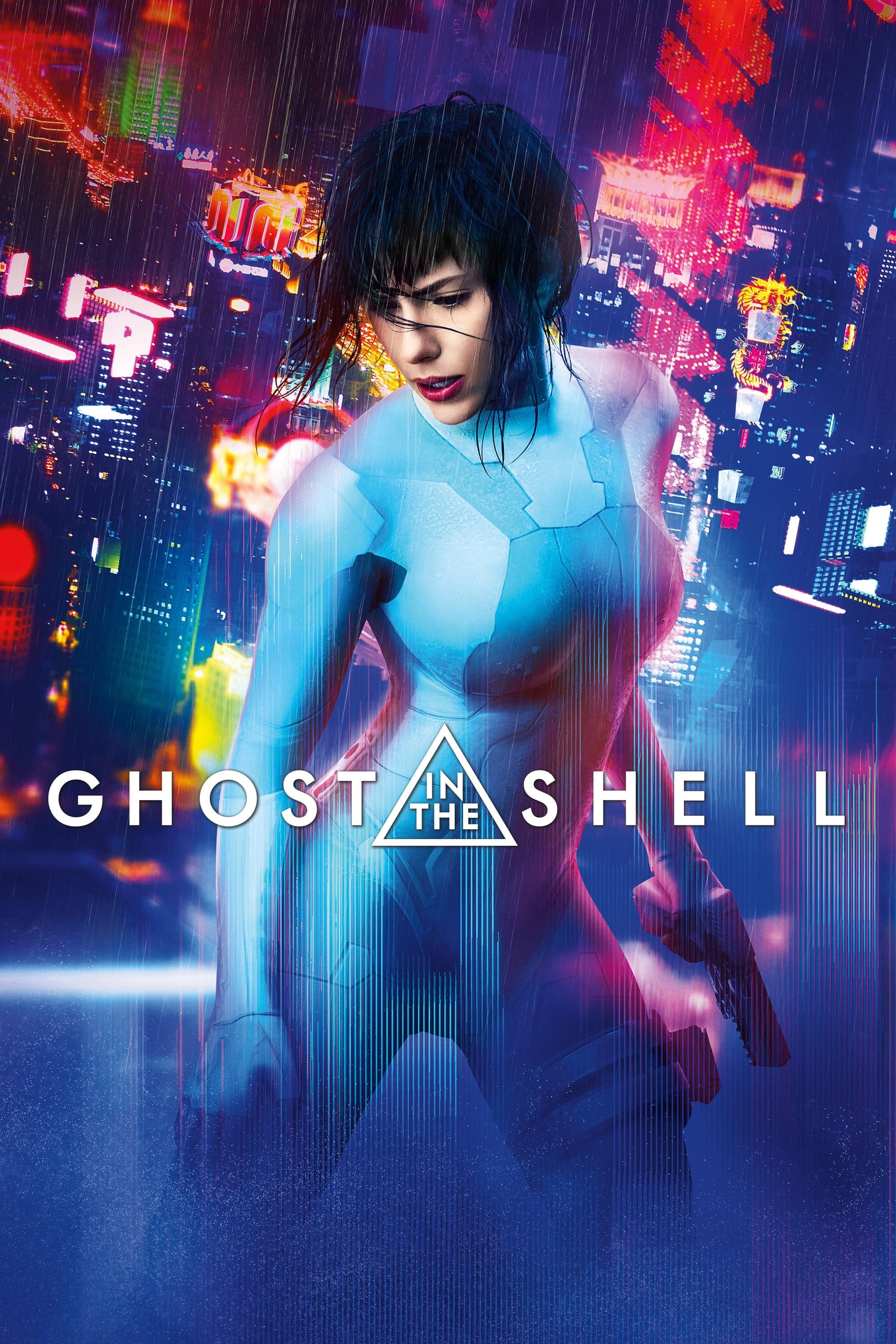
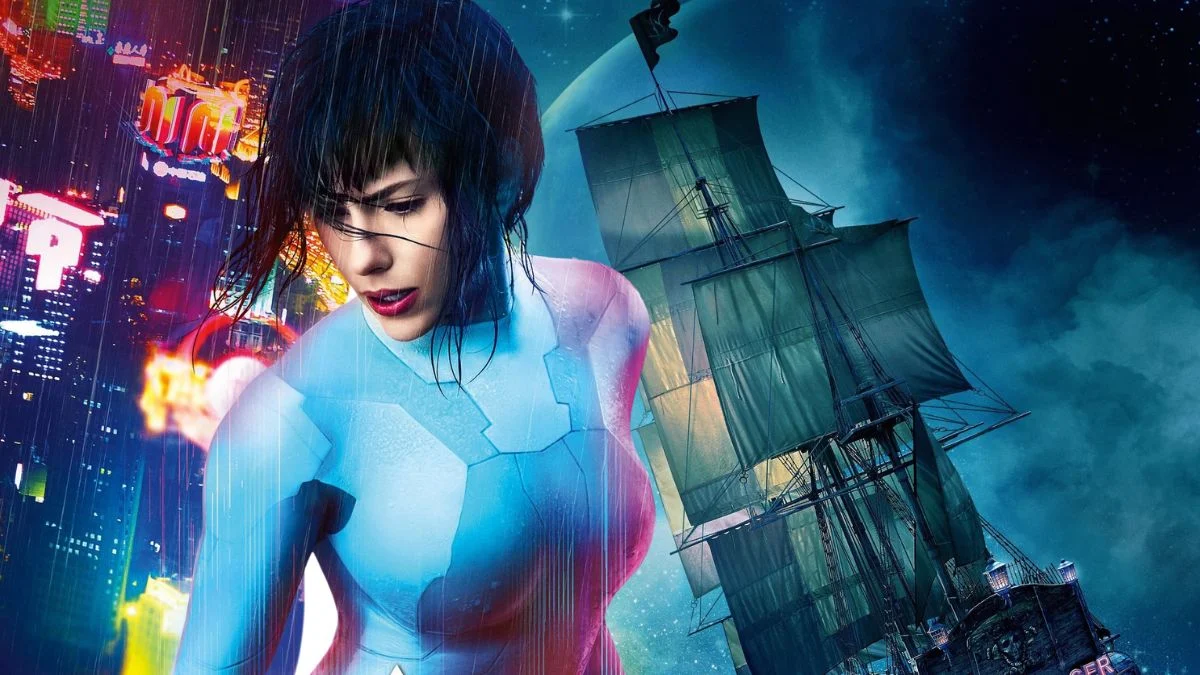
Scarlett Johansson starred as Major Mira Killian in the live-action adaptation of the seminal Japanese manga and anime. The original character Motoko Kusanagi is a Japanese cyborg icon whose identity is tied to the setting of a futuristic Asian metropolis. The filmmakers attempted to explain the appearance of the lead character through a plot twist involving a stolen brain. Fans of the source material criticized the production for prioritizing star power over authentic Asian representation in a story deeply rooted in Japanese culture. The film struggled commercially and reignited the discussion about whitewashing in cyberpunk adaptations.
‘Star Trek Into Darkness’ (2013)
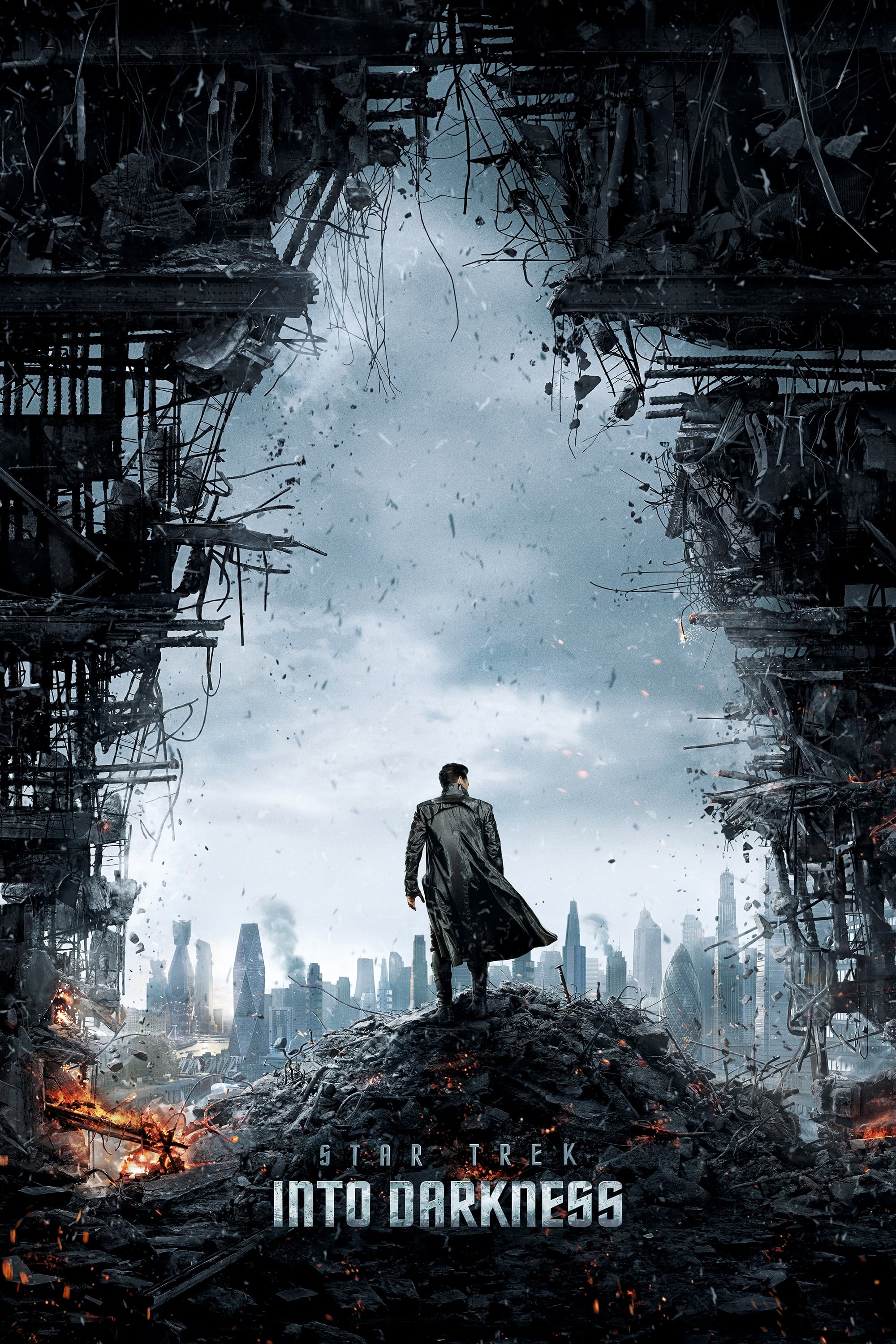
Benedict Cumberbatch assumed the role of Khan Noonien Singh who was originally established as a genetically engineered Sikh tyrant from northern India. The character was famously portrayed by Ricardo Montalbán in the original series and the second film of the franchise. Director J.J. Abrams kept the identity of the villain a secret until the release which delayed the full extent of the casting backlash. The choice to cast a white British actor as a character with explicit Indian origins confused both longtime fans and casual viewers. This decision is often cited as a misstep in the modern reboot of the beloved science fiction universe.
‘The Lone Ranger’ (2013)

Johnny Depp played the Native American character Tonto opposite Armie Hammer in this high-budget Disney western. Depp claimed some Native American ancestry and worked with the Comanche Nation to prepare for the role. Many critics found the performance to be a caricature that relied on stereotypes rather than authentic cultural representation. The elaborate makeup and bird headpiece worn by Depp became a focal point of the discussion regarding redface in Hollywood. The film failed to launch a franchise and lost a significant amount of money for the studio.
‘Gods of Egypt’ (2016)
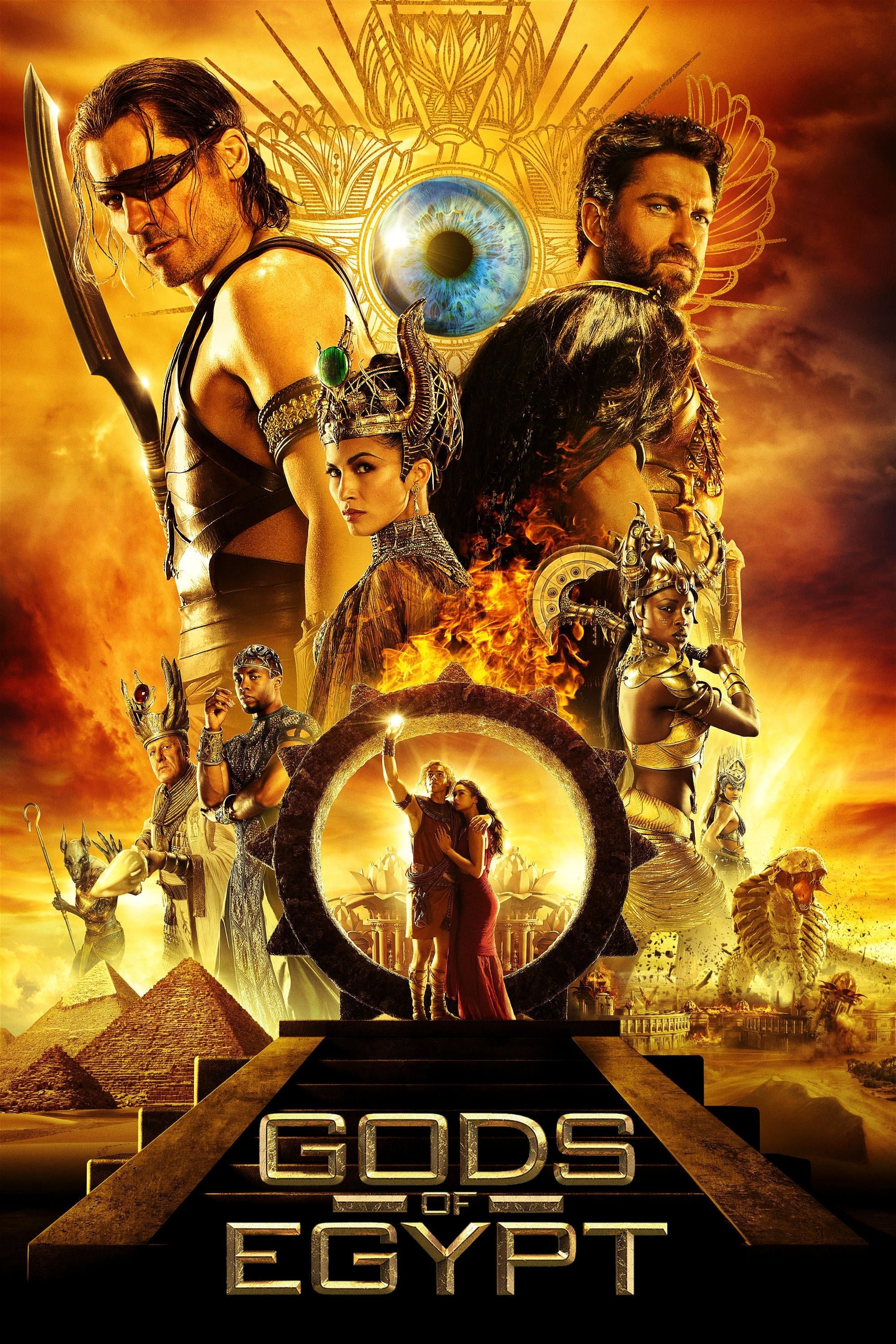
Gerard Butler and Nikolaj Coster-Waldau starred as Egyptian deities in this fantasy action film. The movie featured a predominantly white cast portraying gods and heroes from African mythology. Director Alex Proyas and the studio issued an apology for the lack of diversity before the film even arrived in theaters. The narrative ignored the geographical and historical reality of ancient Egypt in favor of a stylized aesthetic. This preemptive apology marked a rare instance where a studio acknowledged casting insensitivity prior to a release.
‘X-Men: Apocalypse’ (2016)
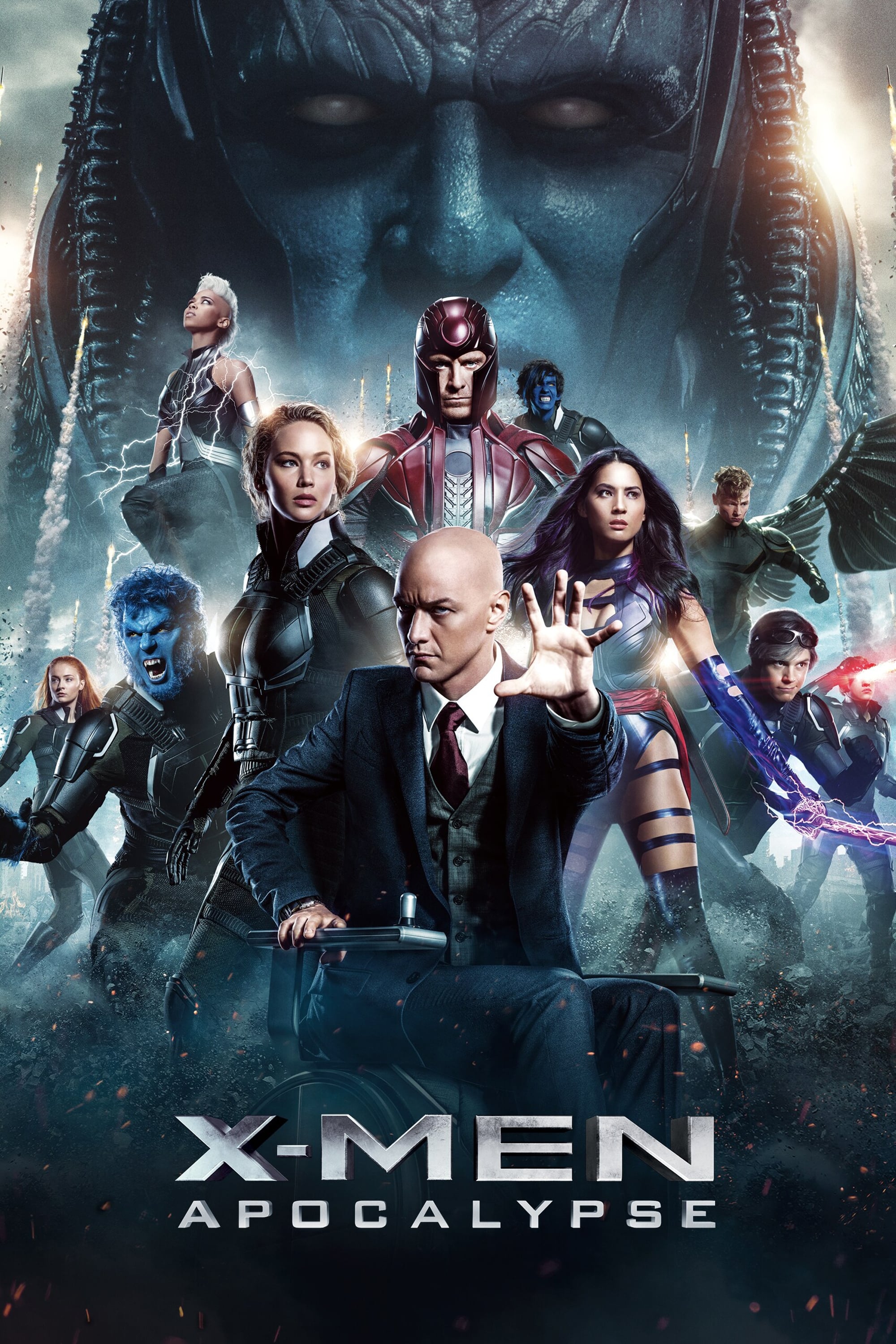
Alexandra Shipp took over the role of Ororo Munroe who is known as the mutant Storm. The comic book character is the daughter of a Kenyan tribal princess and an American photojournalist and is typically depicted with deep dark skin. Shipp is a light-skinned biracial actress who followed in the footsteps of Halle Berry who also played the character. Fans expressed disappointment that the franchise continued to avoid casting a dark-skinned actress for one of the most prominent black superheroines in history. The casting choice highlighted issues of colorism within the superhero genre that persist despite increased diversity.
‘The Conqueror’ (1956)

John Wayne portrayed the Mongol emperor Genghis Khan in a film that is often regarded as one of the worst casting decisions of all time. The American western icon wore heavy makeup and taped his eyes in an attempt to look Asian. The dialogue and performance remained distinctly American despite the historical setting of the Mongol Empire. Critics at the time and modern viewers alike found the portrayal to be both offensive and unintentionally comical. The film remains a notorious example of the studio era practice of yellowface.
‘Cleopatra’ (1963)
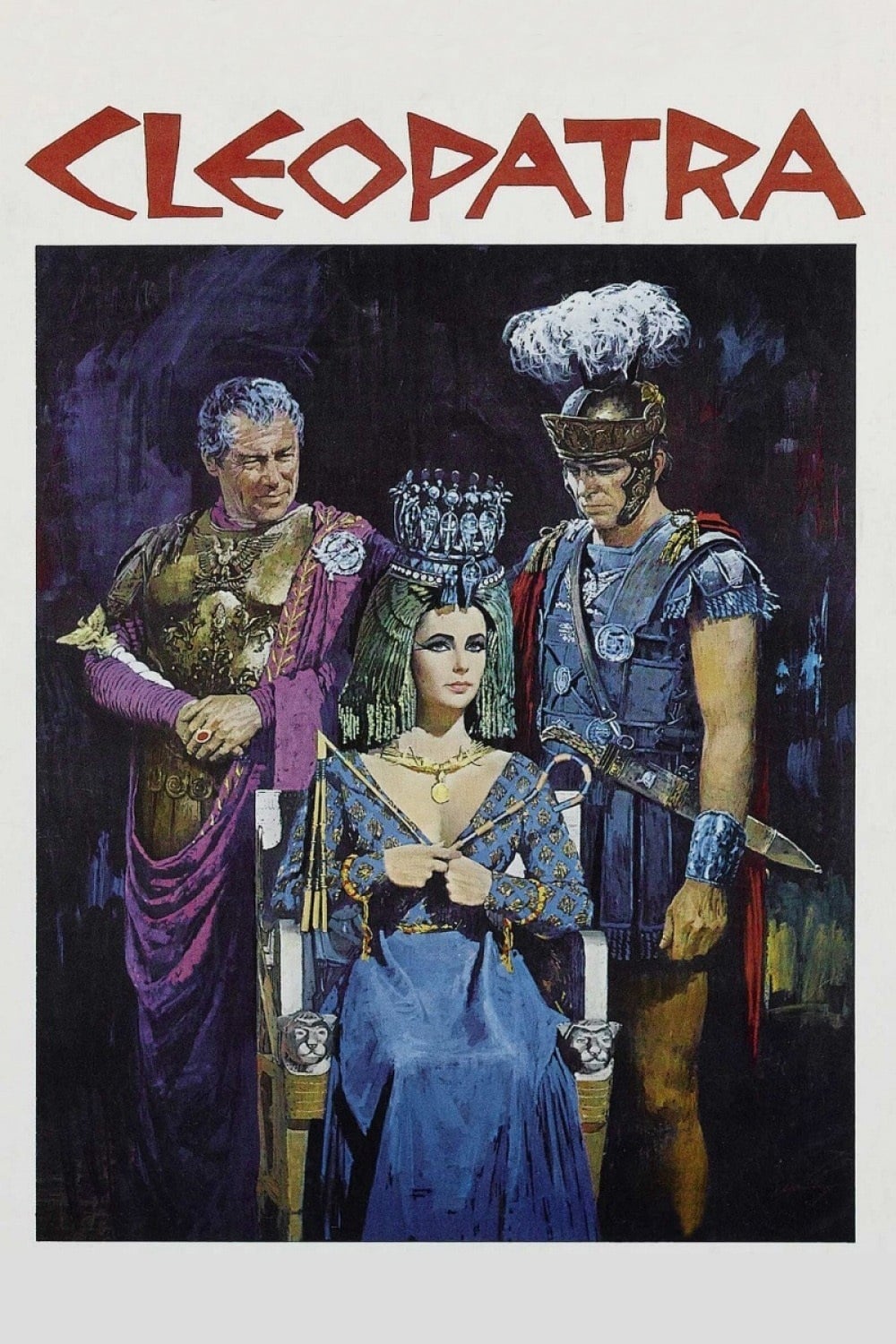
Elizabeth Taylor starred as the famous Egyptian queen in one of the most expensive films ever made. While the historical lineage of Cleopatra is Greek Macedonian she ruled an African nation and is often claimed as a figure of black history. Taylor played the role with her natural complexion and iconic Hollywood glamour rather than attempting historical accuracy regarding the region. The film cemented a specific image of the queen in pop culture that prioritized European beauty standards. This portrayal continues to influence debates about how ancient Egyptian figures should be represented on screen.
‘Dragonball Evolution’ (2009)
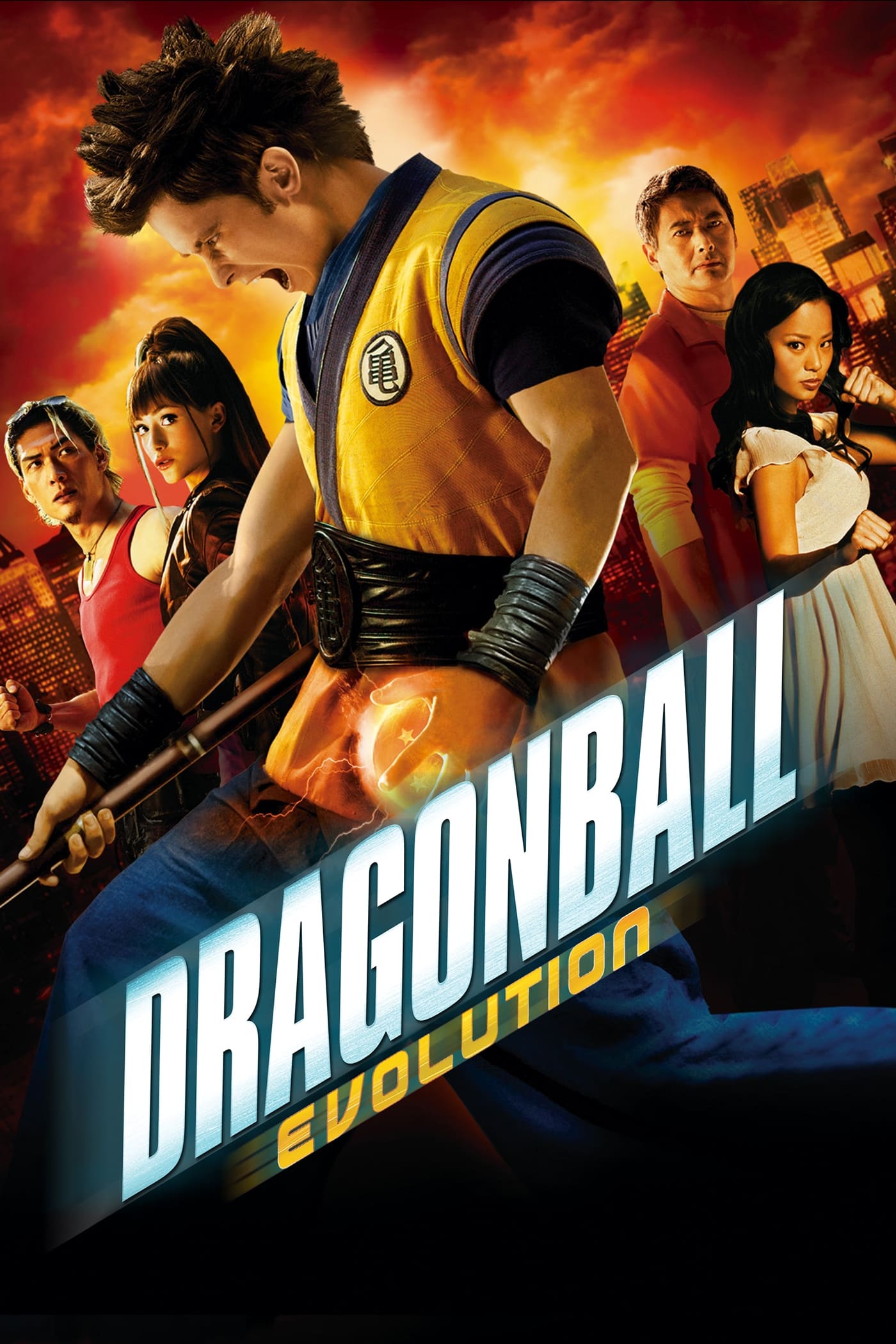
Justin Chatwin was cast as Goku in the live-action adaptation of the globally beloved Japanese manga. The source material features a lead character who is an alien but is culturally coded as Asian within a martial arts setting. Chatwin played the role without any attempt to honor the visual style or ethnic origins of the character. Fans of the franchise rejected the film immediately due to the drastic changes to the lore and the whitewashing of the cast. The screenwriter later apologized to the fanbase for the poor quality of the adaptation and the disrespect shown to the source material.
Share your thoughts on these casting choices and other examples you have noticed in the comments.