


Films That Filmed Entire Scenes in One Continuous Take

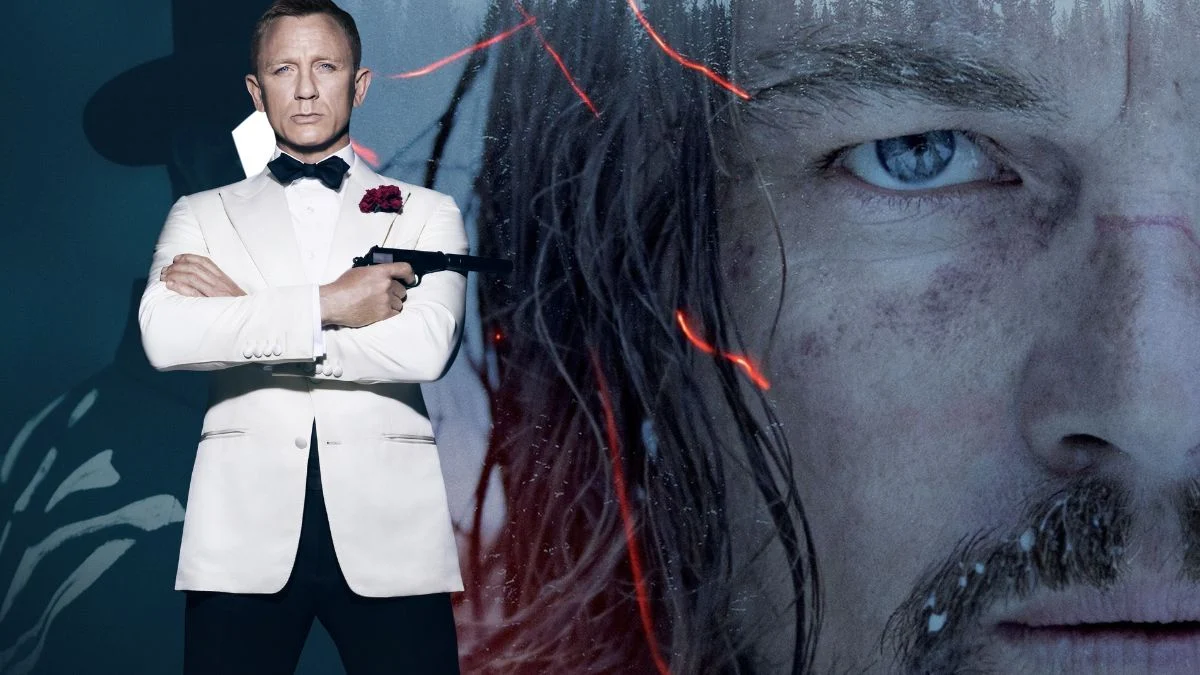


Cinematic history is filled with moments where directors chose to abandon the safety of the editing room for the thrill of the long take. These extended shots require meticulous choreography between actors and camera operators to maintain the illusion of uninterrupted time. Filmmakers utilize this technique to build tension or immerse the audience deeply within the environment of the story. From elaborate action sequences to intimate dramatic conversations, the continuous take remains a powerful tool in visual storytelling.
‘1917’ (2019)
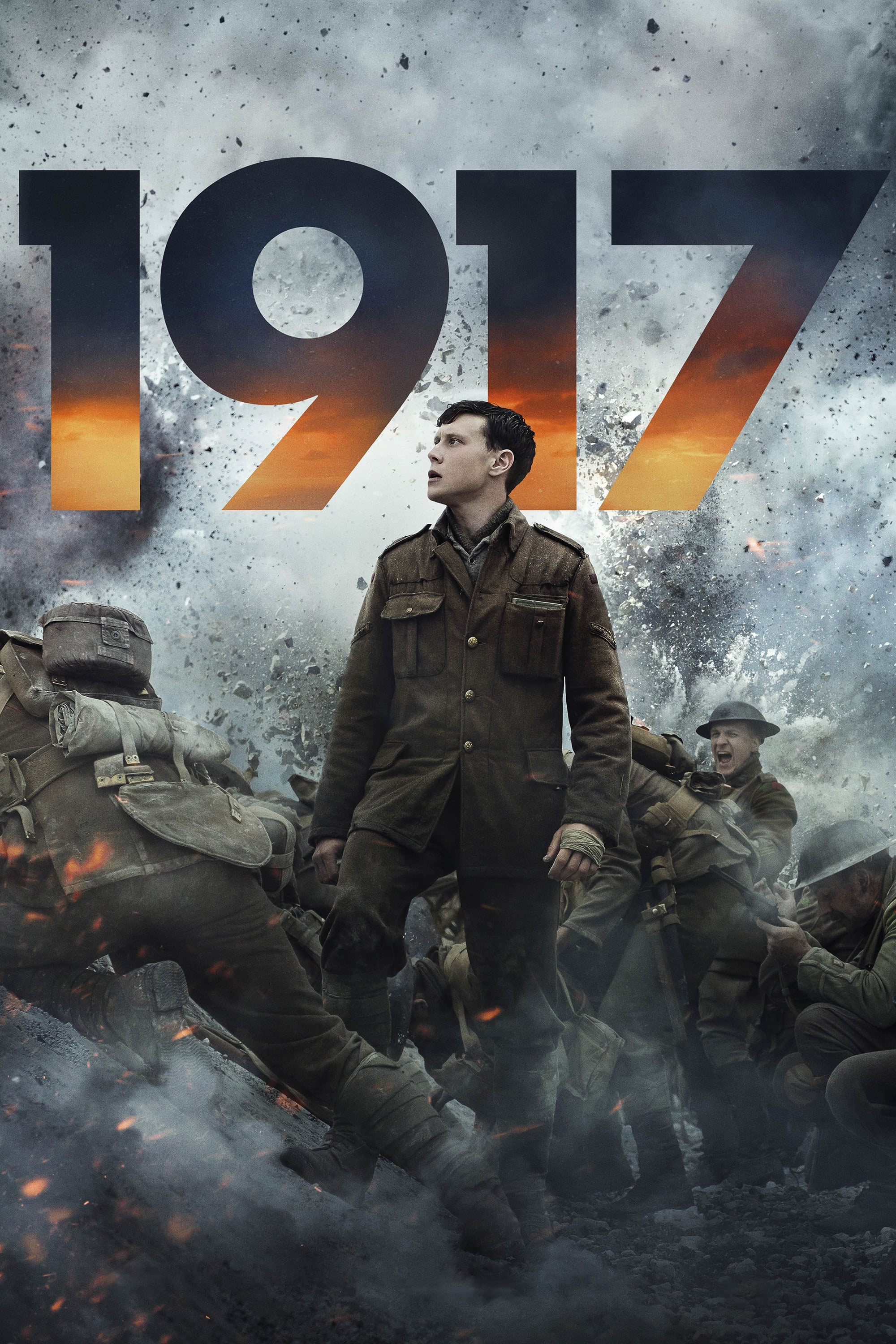
Director Sam Mendes designed this World War I epic to appear as two continuous shots that span the entire runtime. The camera follows two young lance corporals tasked with delivering a message to stop an ill-fated attack deep in enemy territory. Cinematographer Roger Deakins utilized elaborate lighting rigs and hidden cuts to maintain the illusion of real time. This immersive technique forces the audience to experience every harrowing moment alongside the protagonists as they cross the trenches. The result is a breathless journey across the ruins of war-torn France that never blinks.
‘Children of Men’ (2006)
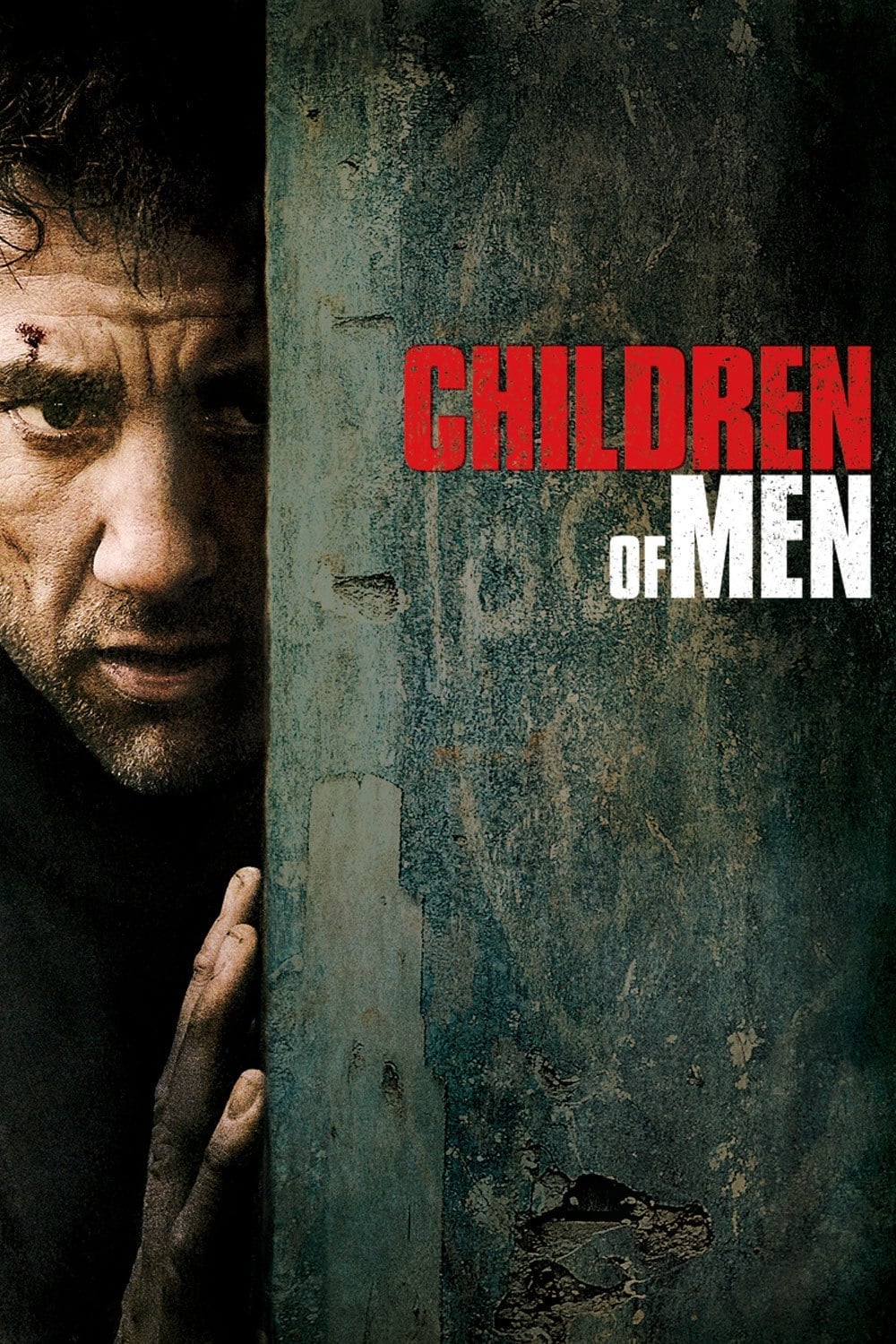
Alfonso Cuarón orchestrated several long takes in this dystopian thriller but the car ambush sequence stands out for its technical complexity. A modified camera rig was built inside the vehicle to rotate fully while actors performed around it during the chaotic attack. The scene transitions from casual conversation to sudden violence without a single cut to relieve the tension. Viewers feel trapped inside the car with the characters as motorcycles and gunfire surround them. This sequence highlights the fragility of life in a world plunging into anarchy.
‘Goodfellas’ (1990)
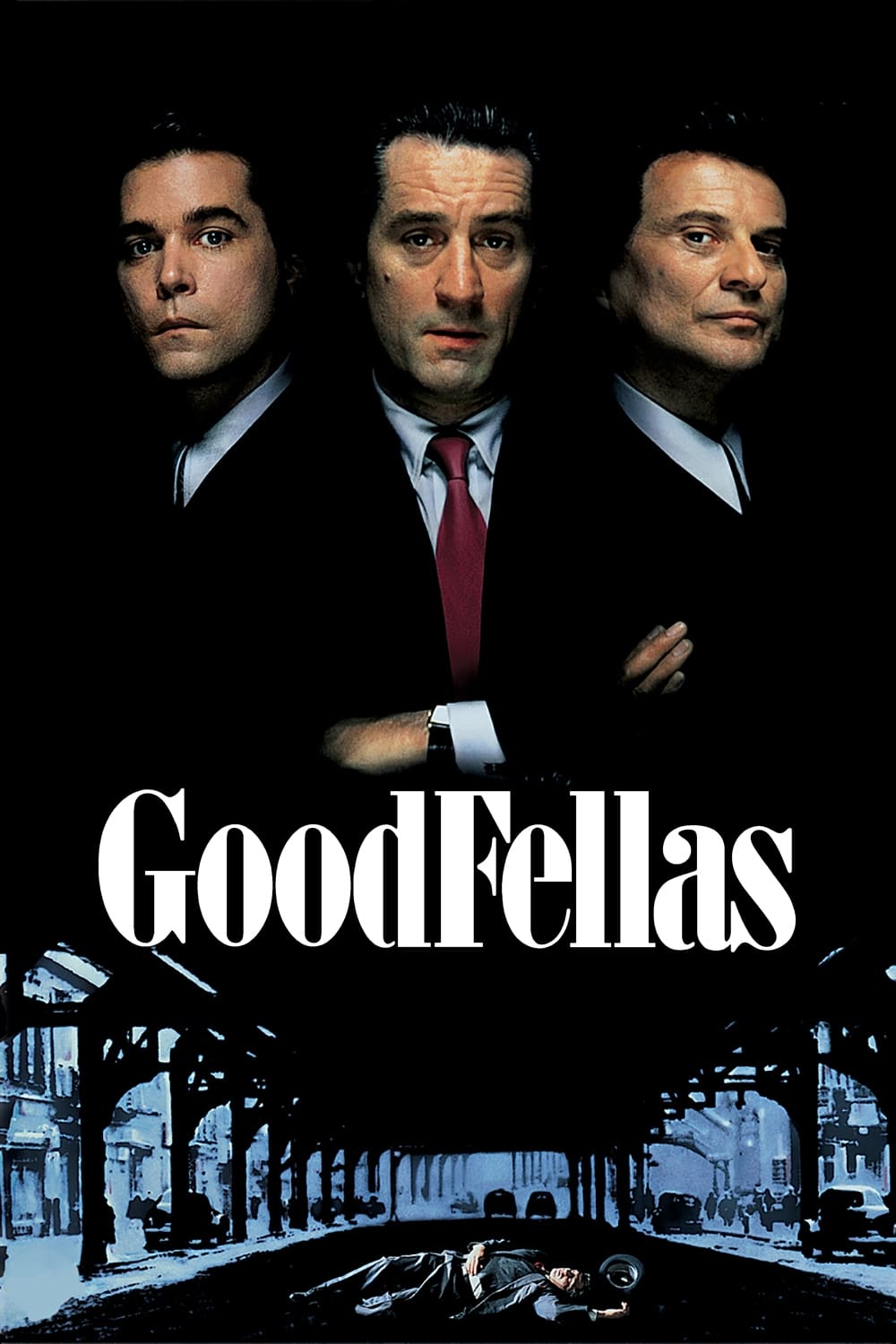
Martin Scorsese showcased the seductive power of the mafia lifestyle with his famous tracking shot through the Copacabana nightclub. The camera follows Henry Hill and Karen as they bypass the line and enter through the kitchen entrance. They move through bustling hallways and prep stations before finally being seated at a prime table near the stage. The smooth movement emphasizes the influence and access that Henry wields in his world. It remains one of the most imitated steadicam shots in cinema history.
‘Touch of Evil’ (1958)
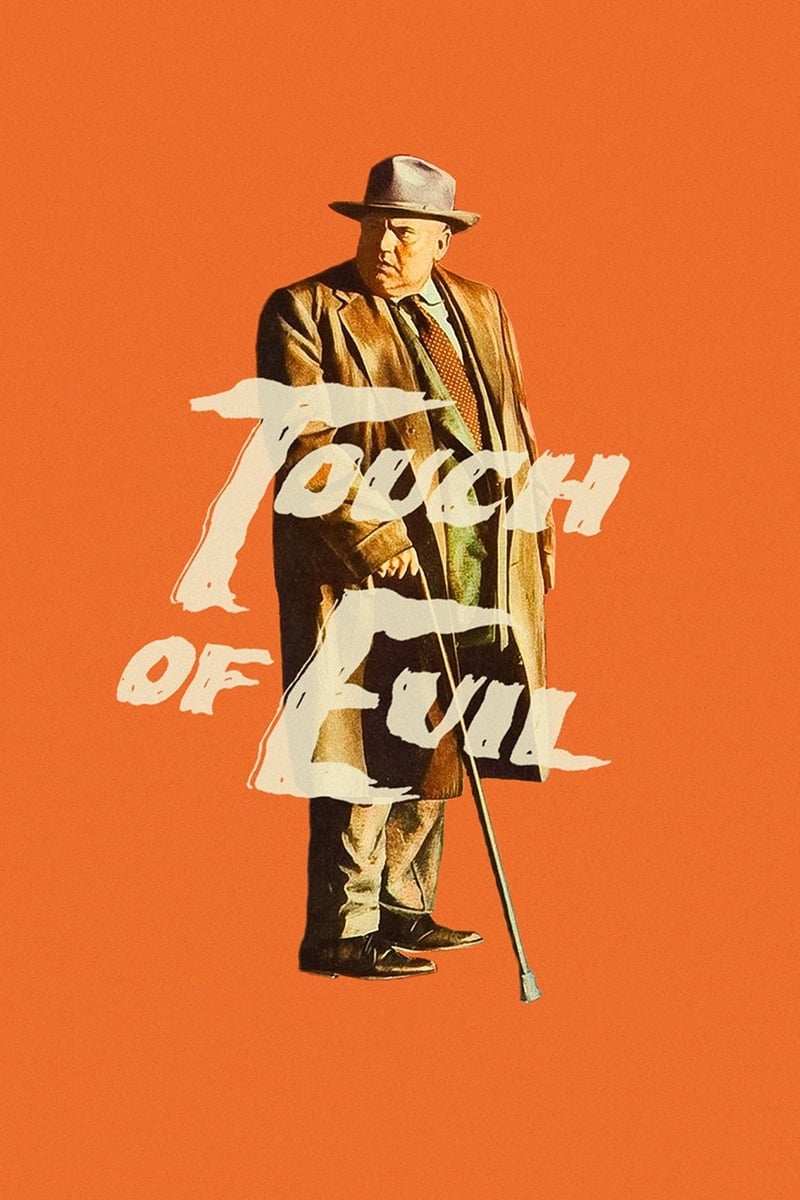
Orson Welles opens this film noir with a suspenseful tracking shot that establishes the geography of a border town. A bomb is placed in the trunk of a car that slowly drives through customs while the camera cranes up and down to follow its progress. The audience waits in agony knowing the explosion is imminent while the couple inside the car remains oblivious. This sequence masterfully sets the ticking clock mechanism that drives the plot forward. It is frequently cited as one of the greatest opening shots ever filmed.
‘Oldboy’ (2003)
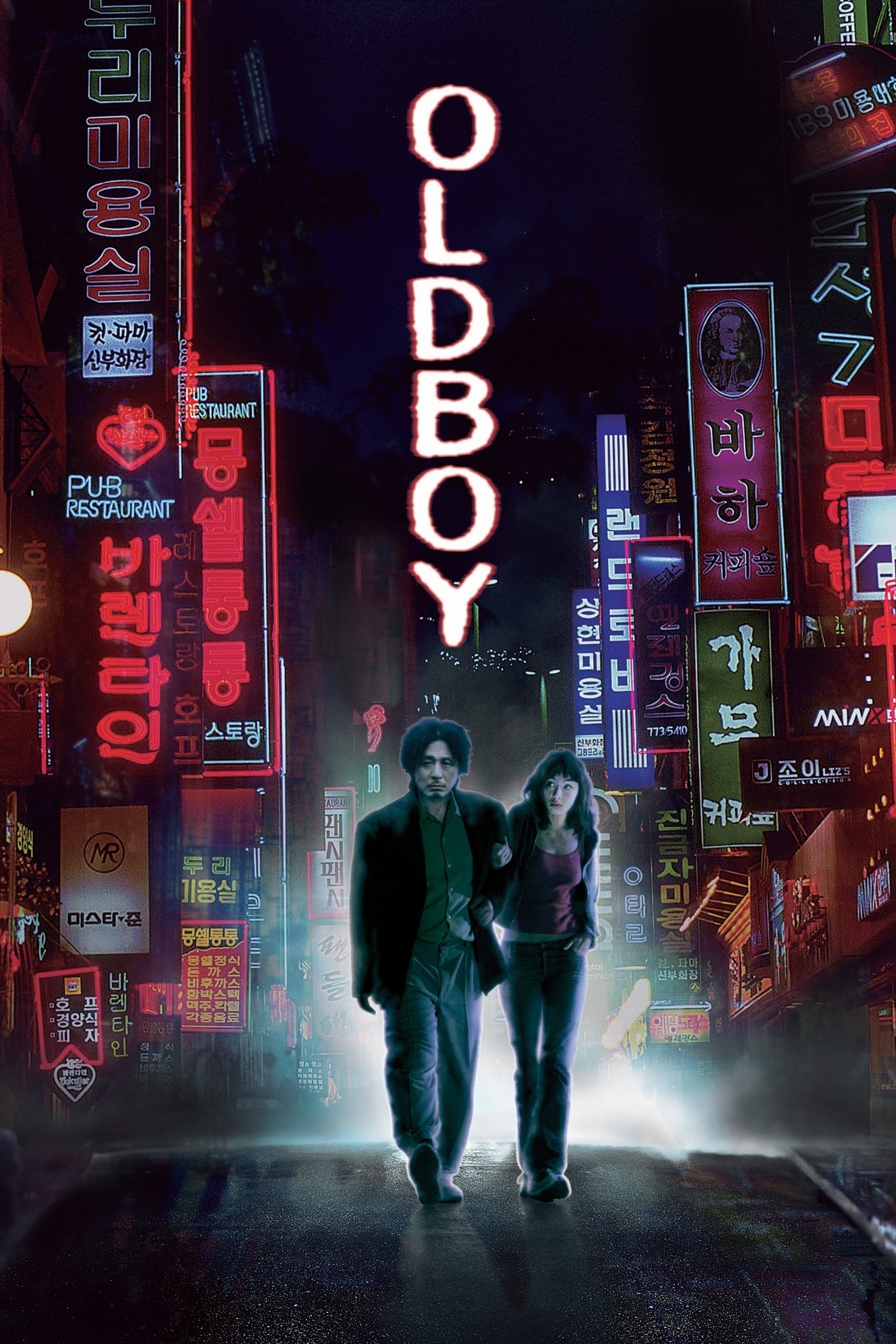
Park Chan-wook redefined action cinema with a brutal fight scene filmed entirely in a single horizontal tracking shot. The protagonist Oh Dae-su fights his way through a narrow corridor armed only with a hammer against a crowd of thugs. The camera slides sideways to observe the exhaustion and physical toll of the brawl on all the combatants. Unlike typical action movies with quick cuts, this scene emphasizes the messy and painful reality of violence. The result is a visceral sequence that feels more like a side-scrolling video game than a traditional movie fight.
‘La La Land’ (2016)
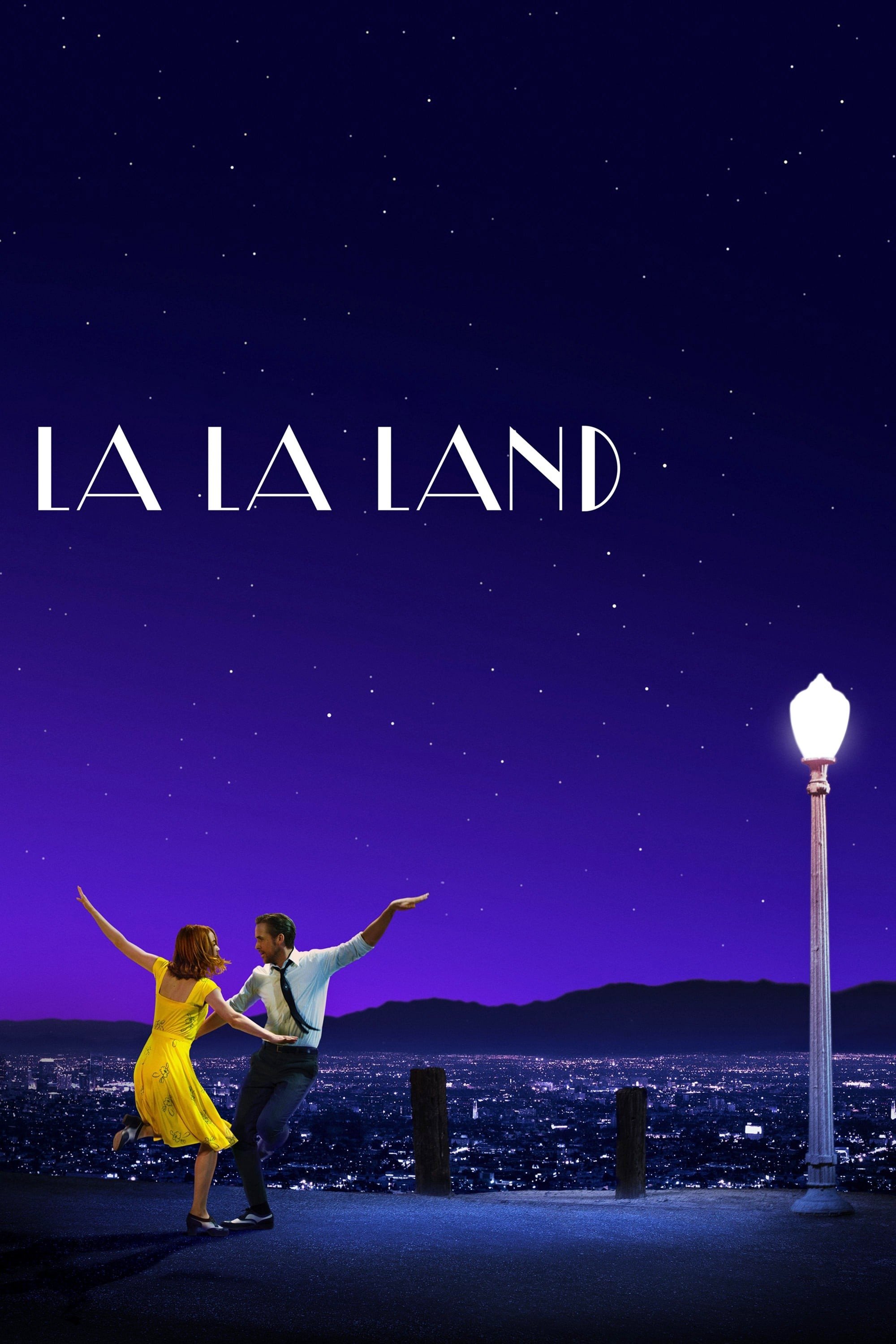
Damien Chazelle opened his modern musical with a massive dance number set on a gridlocked Los Angeles freeway. Performers jump out of their cars to sing and dance on the roofs in a complex display of choreography and color. The camera weaves between vehicles and dancers to capture the scale of the production under the harsh sunlight. This joyous introduction immediately establishes the dreamlike tone of the film. It required shutting down a major highway ramp to execute the ambitious vision.
‘Rope’ (1948)
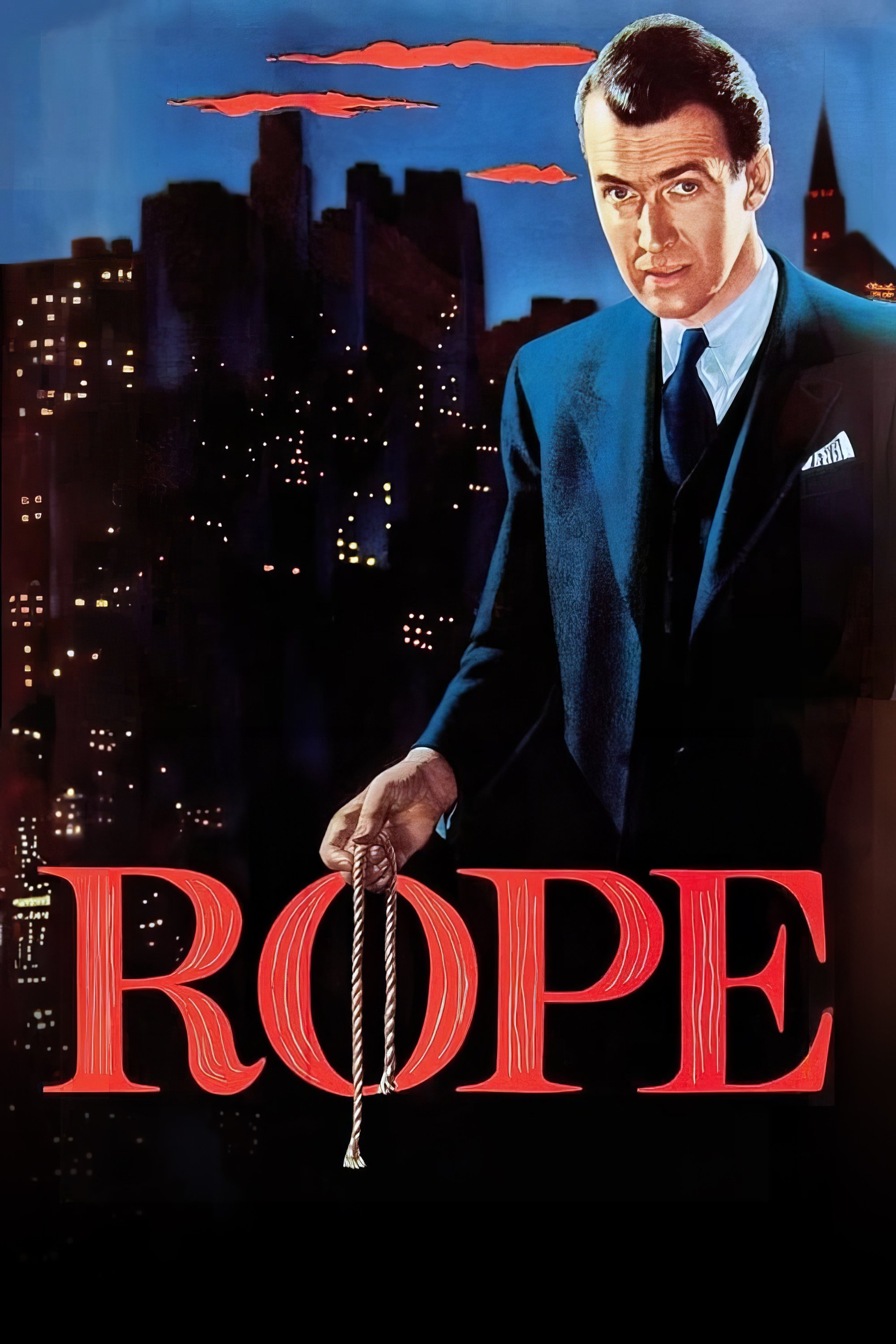
Alfred Hitchcock experimented with the long take long before digital technology made it easier to hide edits. The entire film takes place in an apartment during a dinner party where a body is hidden in a chest. Hitchcock masked his cuts by zooming into dark suit jackets or furniture to change film reels. The lack of visible edits creates a suffocating atmosphere that mimics a stage play. This experiment pushed the technical boundaries of cameras available at the time.
‘The Revenant’ (2015)
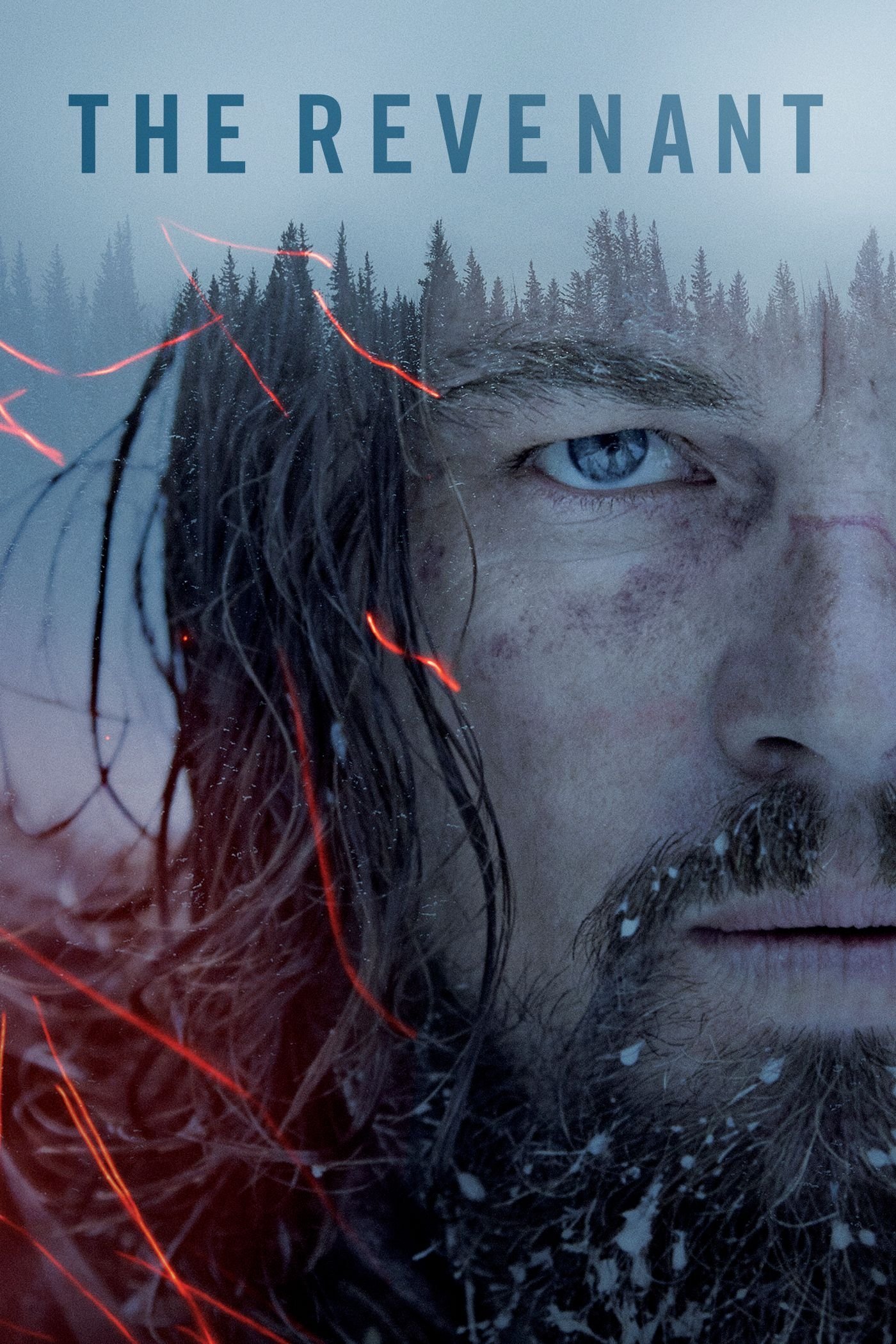
The opening battle sequence plunges the viewer directly into a chaotic skirmish between fur trappers and Native Americans. Camera operator Emmanuel Lubezki used natural light and a wide lens to stay close to the actors during the carnage. The perspective shifts fluidly from one character to another to show the violence from multiple angles without cutting. Arrows fly past the lens and horses trample through the water in a terrifying display of realism. The scene sets a grim tone for the survival story that follows.
‘Russian Ark’ (2002)
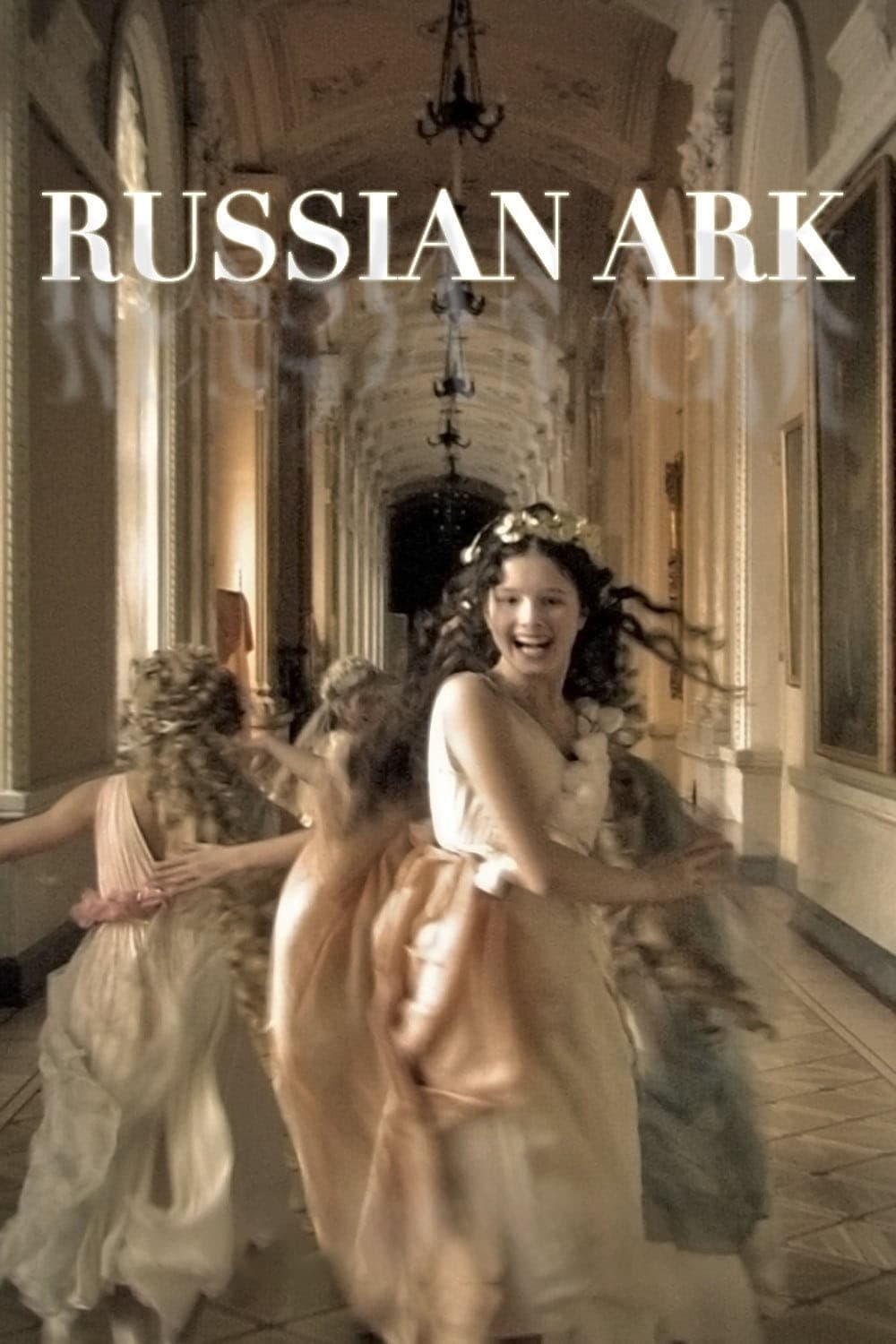
Alexander Sokurov achieved a monumental feat by filming this entire historical drama in one true continuous shot without hidden cuts. The camera travels through the Winter Palace of the Russian State Hermitage Museum for over ninety minutes. Thousands of actors in period costumes populate the rooms to represent different eras of Russian history. The coordination required for the lighting and acting cues was unprecedented for a feature film. It serves as a dreamlike tour through time and artistic heritage.
‘Atonement’ (2007)
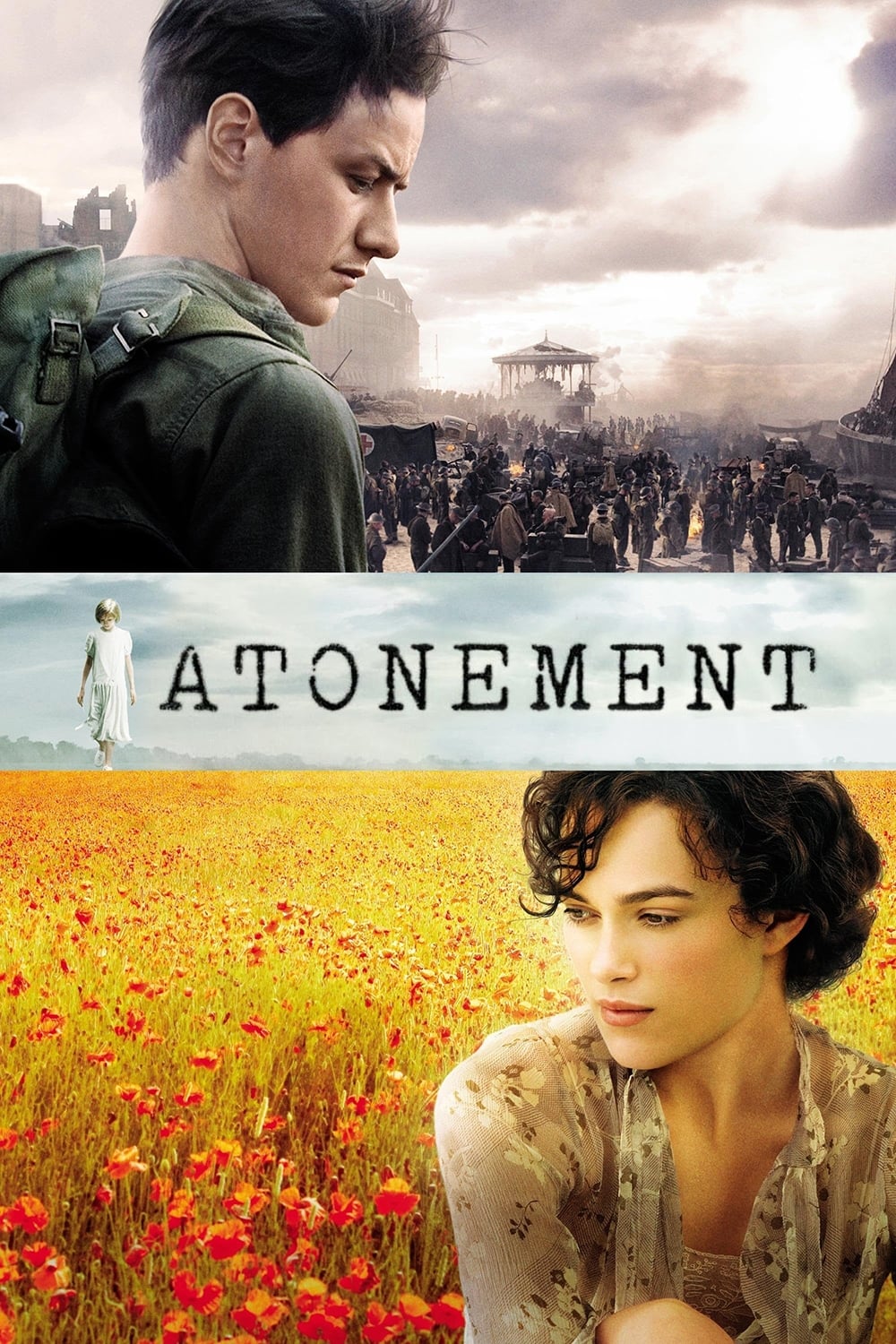
Joe Wright depicted the despair of the Dunkirk evacuation with a five-minute steadicam shot on the beach. The camera explores the tableau of defeated soldiers engaging in various activities while waiting for rescue. We see horses being shot and a choir singing while mechanical Ferris wheels turn in the background. The sheer scale of the set and the number of extras create a haunting image of war. This sequence visualizes the chaos and hopelessness of the retreat.
‘Boogie Nights’ (1997)
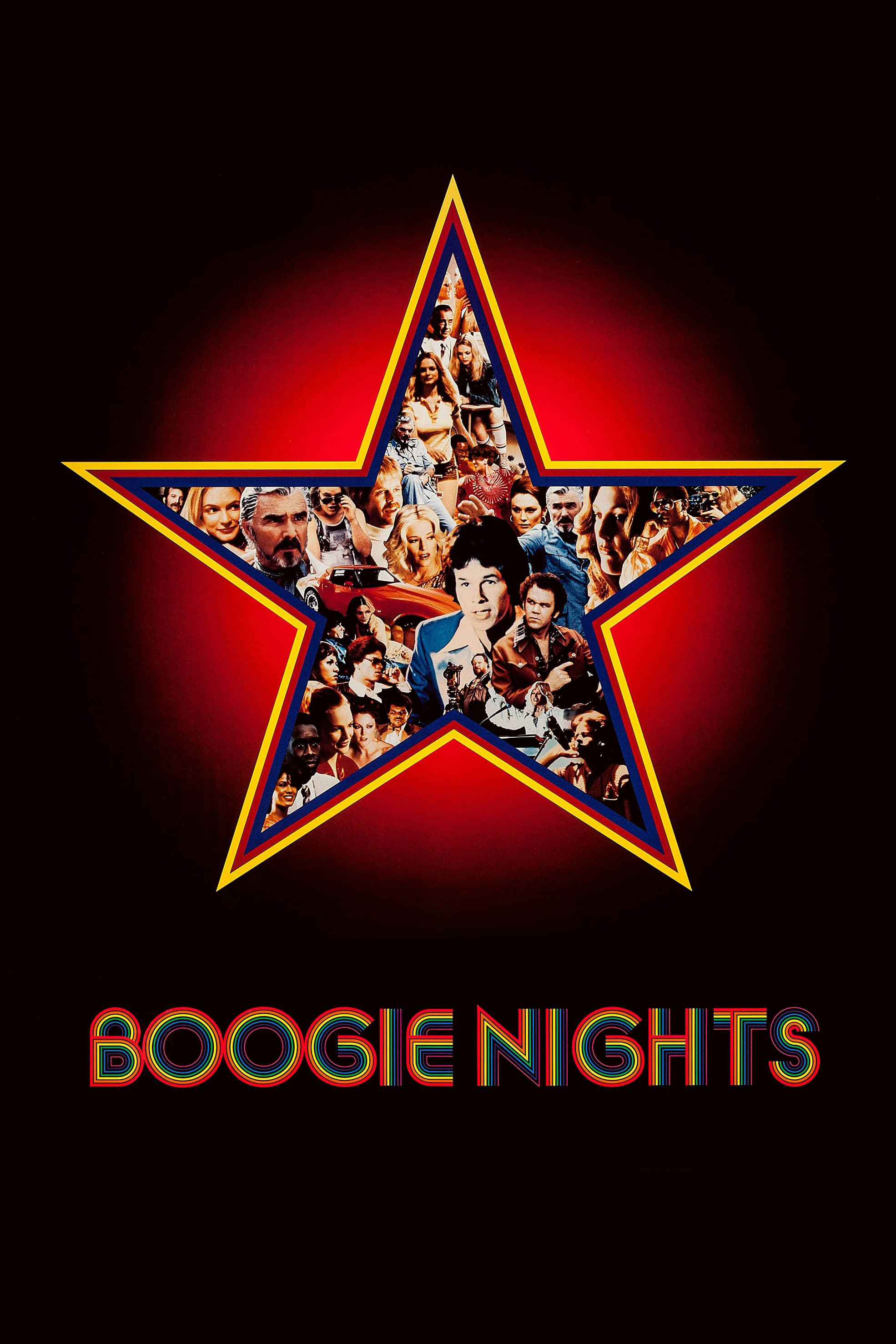
Paul Thomas Anderson introduces the major players of the 1970s porn industry with a sweeping shot entering a disco. The camera starts on the street and follows characters into the club to seamlessly introduce the ensemble cast. The shot moves from table to table to establish the relationships and hierarchy within the group. The pulsating music and vibrant lighting immerse the viewer in the era immediately. It pays homage to the famous club entry in earlier gangster films.
‘Gravity’ (2013)
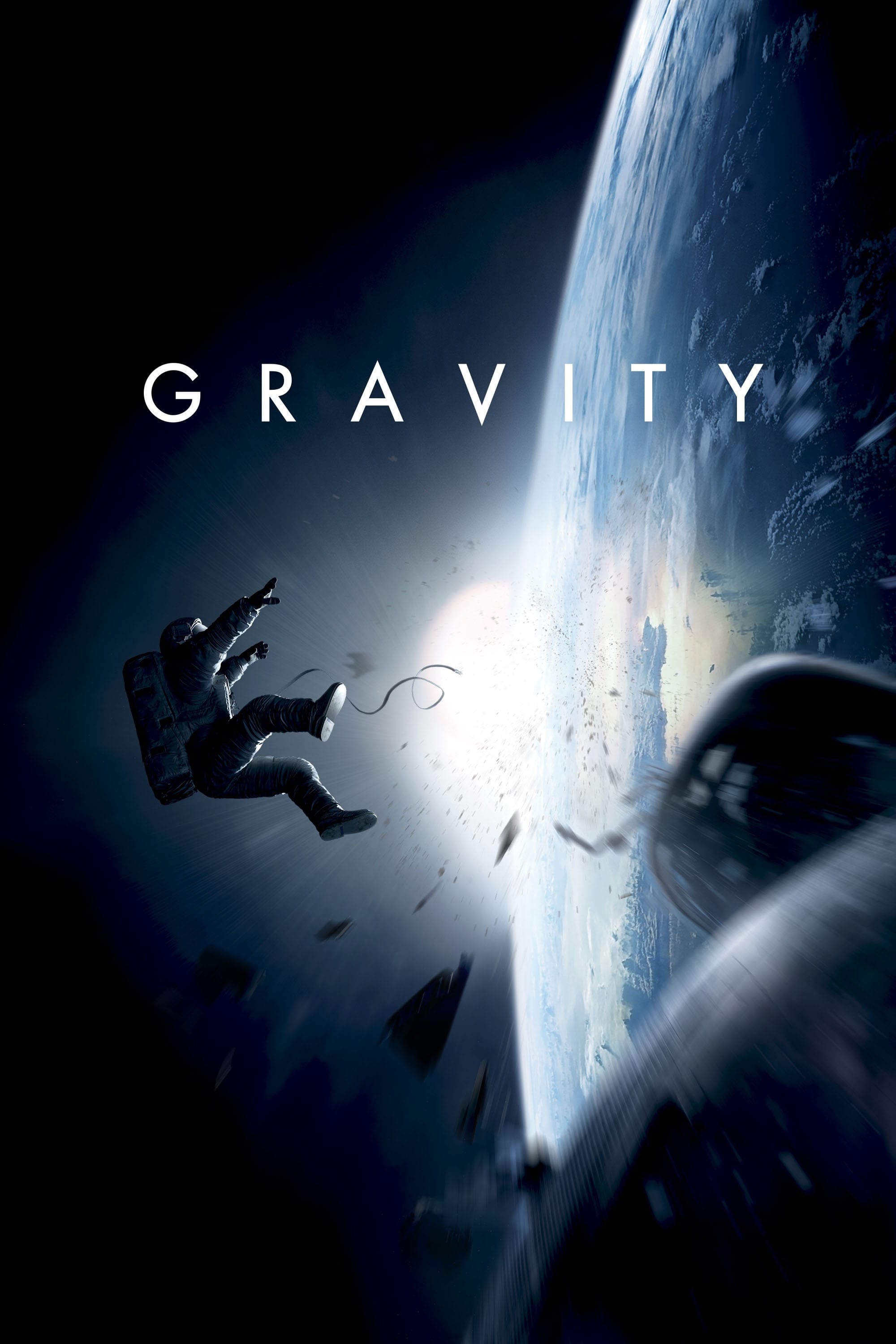
The opening sequence of this sci-fi thriller creates a sense of weightlessness and isolation in deep space. Sandra Bullock and George Clooney work on the Hubble Space Telescope while the camera floats around them without interruption. The tranquility is shattered when debris strikes the shuttle and sends the protagonist spinning into the void. The continuous shot prevents the audience from looking away as the situation spirals into disaster. It is a technical marvel of visual effects and cinematography.
‘Spectre’ (2015)
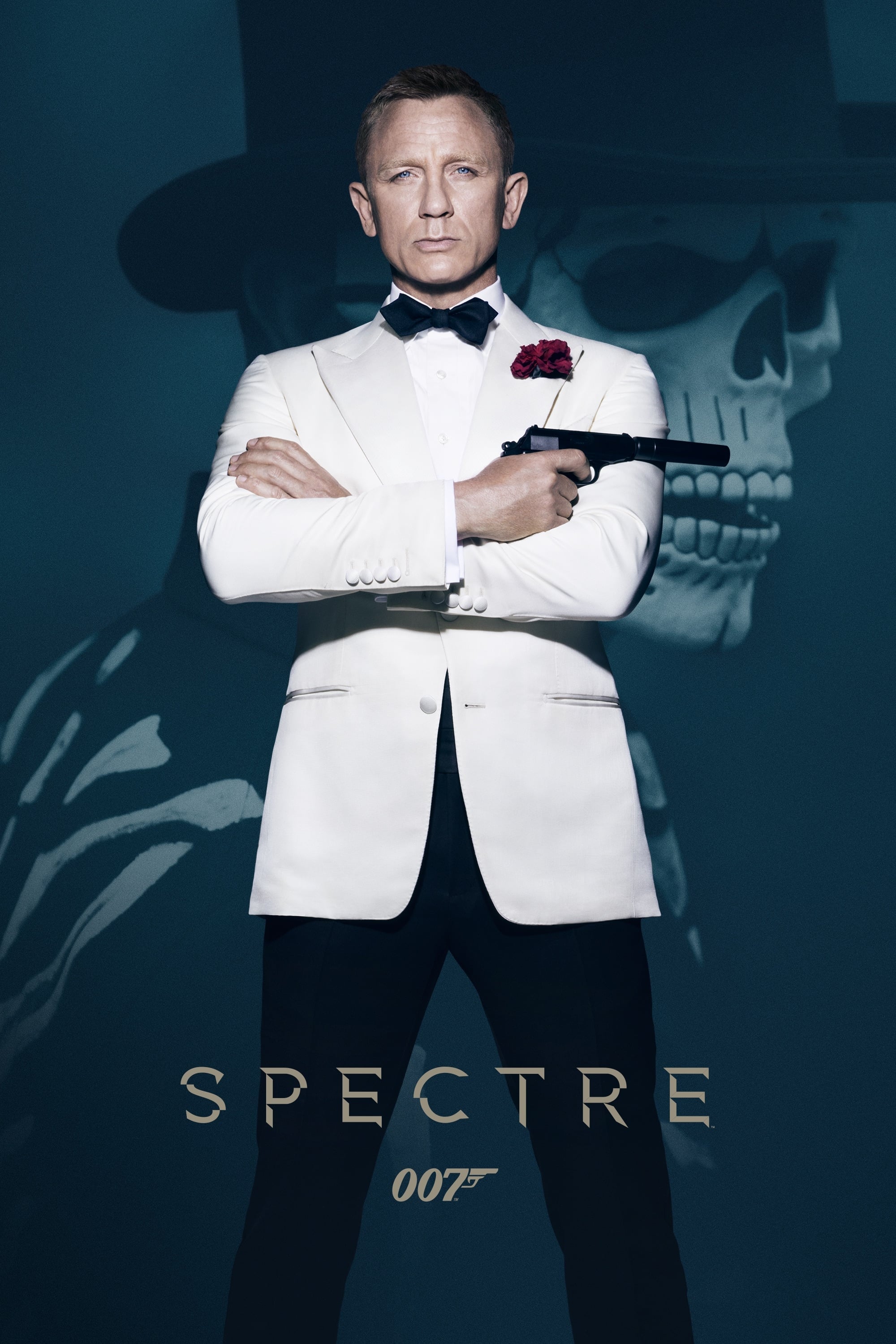
James Bond navigates a crowded Day of the Dead parade in Mexico City in this elaborate opening sequence. The camera follows him through the festivities and into a hotel before he steps out onto a ledge. The seamless movement transitions from the massive crowd to an intimate room and finally to a rooftop action set piece. This shot required thousands of extras in full costume and makeup to fill the streets. It reestablished the classic scale associated with the spy franchise.
‘Creed’ (2015)
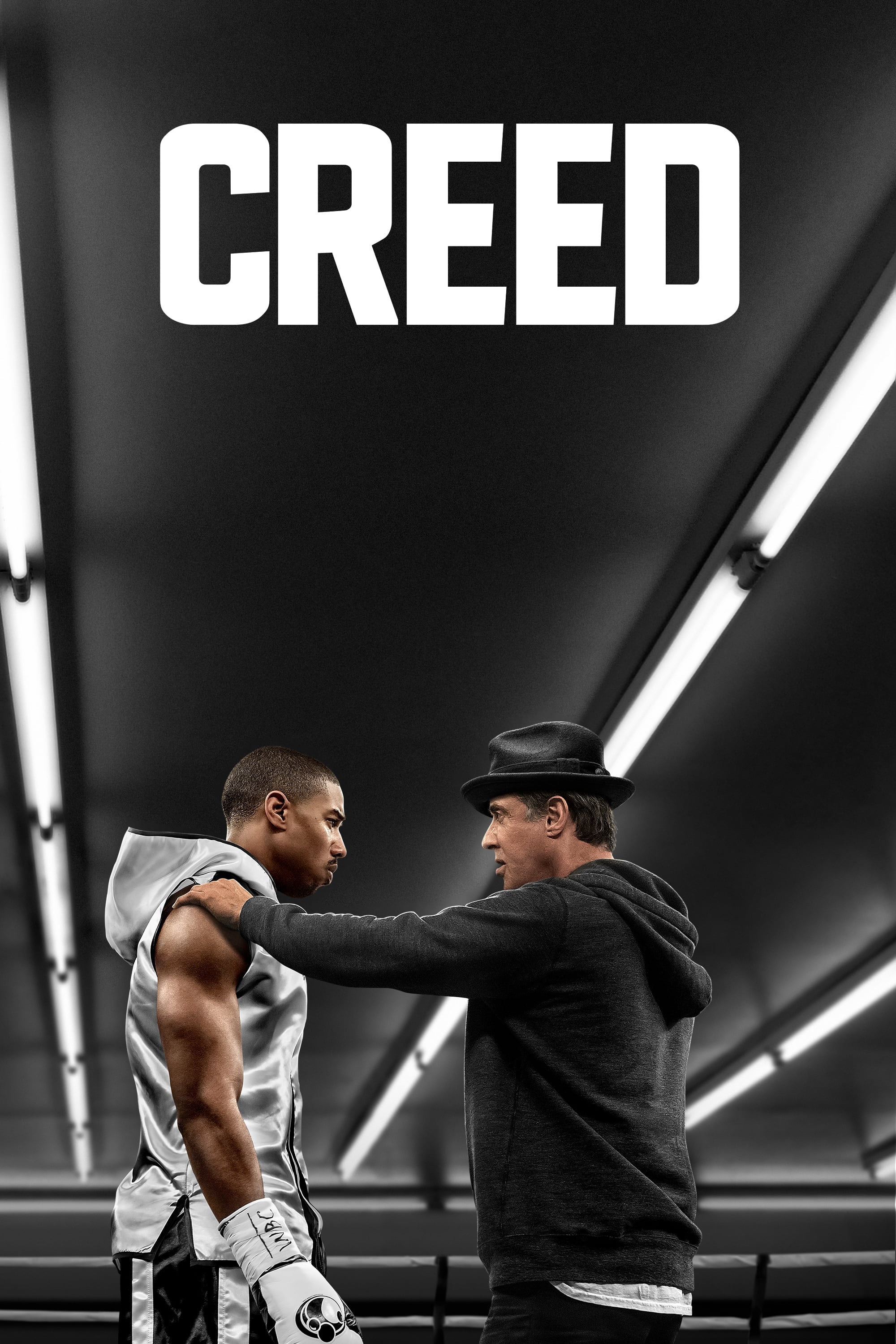
Director Ryan Coogler filmed Adonis Creed’s first professional boxing match in one uninterrupted take to capture the intensity of the sport. The camera circles the fighters inside the ring to mimic the movement of a referee or a participant. Viewers see the blood and sweat up close as the rounds progress without a break. This technique emphasizes the physical exhaustion and strategy involved in the bout. It brings a fresh visual language to the legendary boxing franchise.
‘The Player’ (1992)
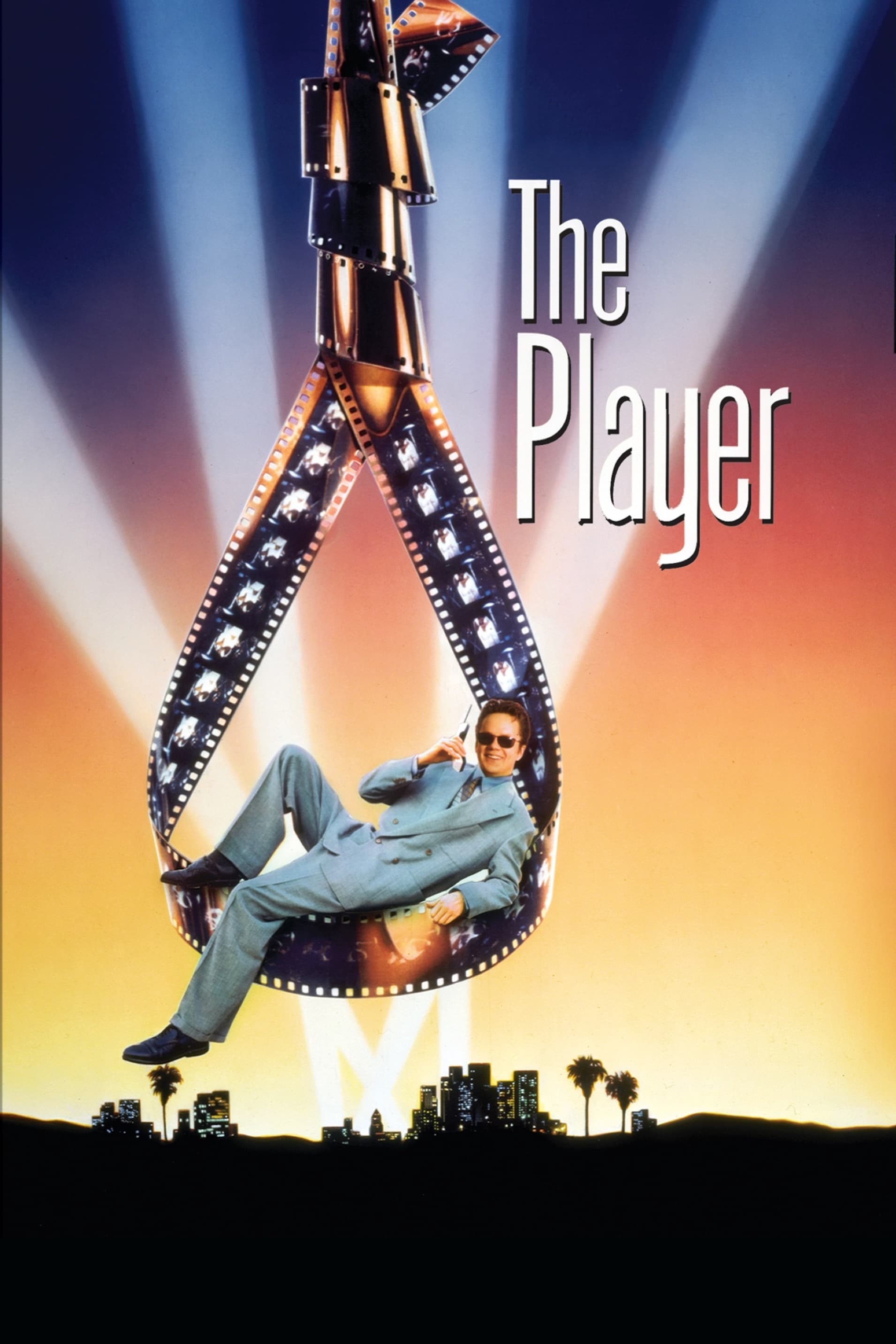
Robert Altman opens his Hollywood satire with an eight-minute shot that roams around a movie studio lot. Characters discuss famous long takes in cinema history while the camera executes one in real time. The shot catches bits of pitch meetings and industry gossip to establish the cynical tone of the business. It functions as both a technical flex and a meta-commentary on the film industry. The fluid movement connects various storylines before the plot officially begins.
‘Hard Boiled’ (1992)
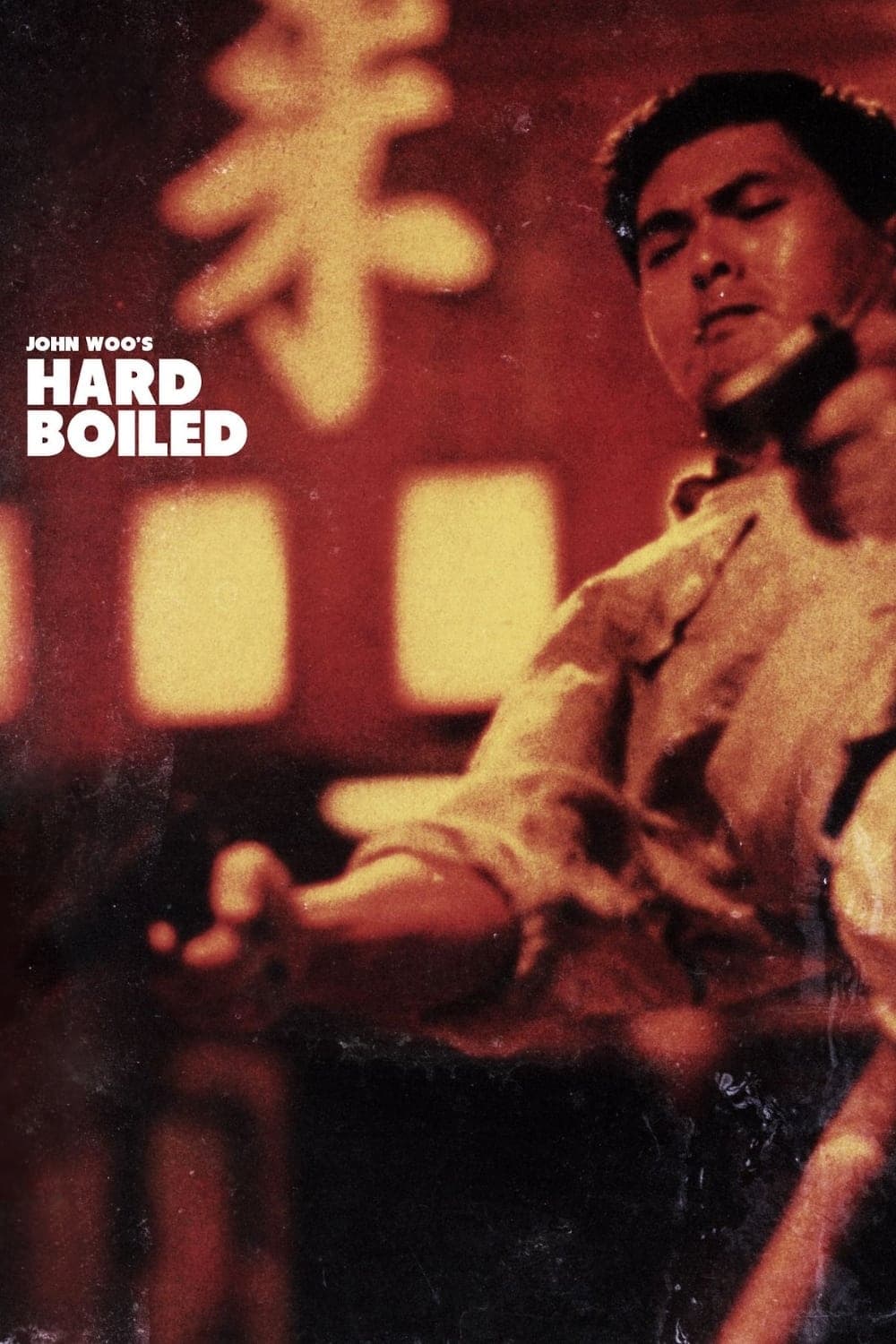
John Woo crafted one of the most famous shootouts in action history inside a hospital corridor. The protagonists fight their way through waves of enemies while the camera follows them into an elevator and back out again. The elevator ride was used to allow the crew to quickly reset the squibs and debris on the other floor. This sequence showcases the balletic violence and gunplay that defined Hong Kong action cinema. It remains a benchmark for practical effects and stunt coordination.
‘Atomic Blonde’ (2017)
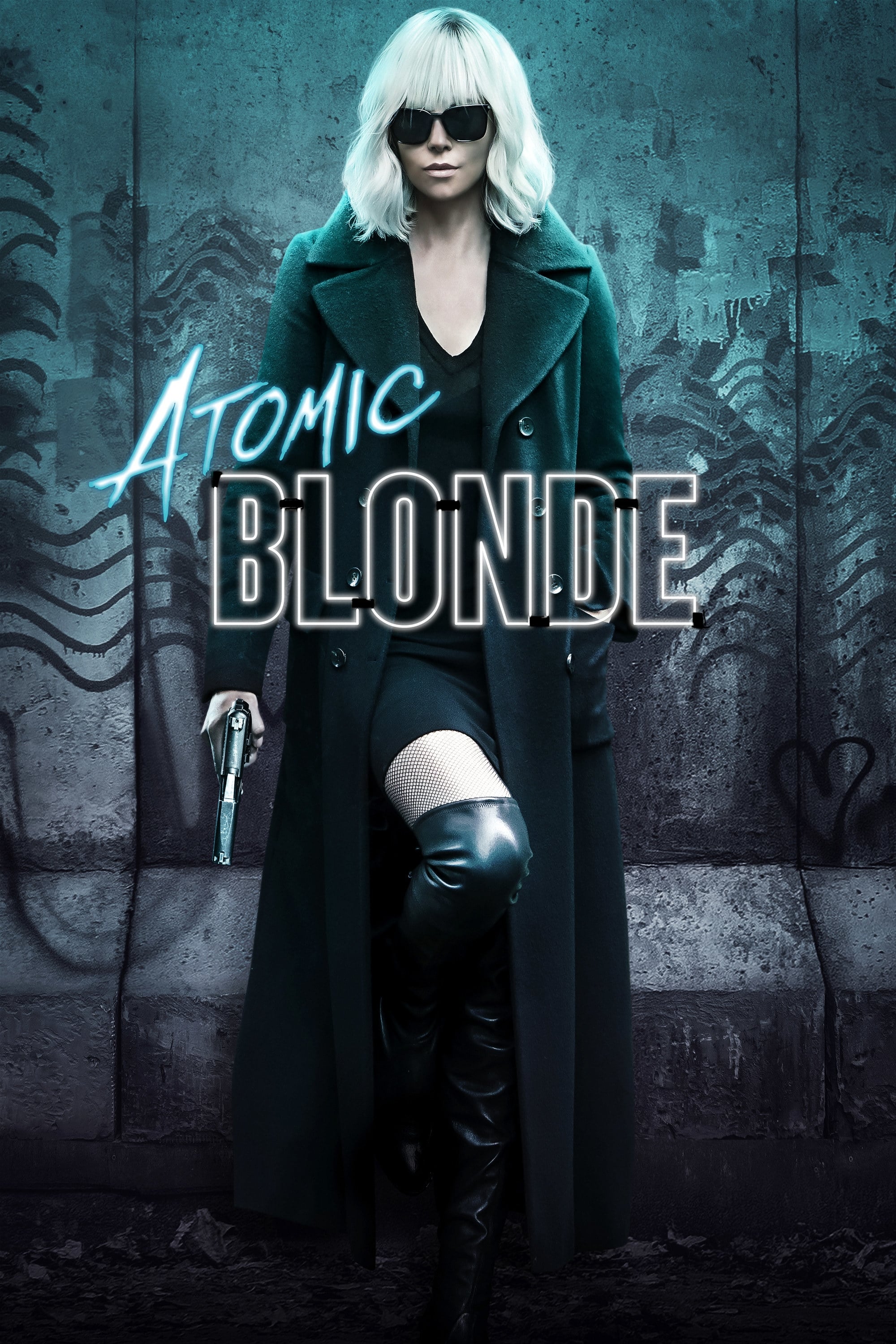
Charlize Theron engages in a brutal stairwell fight that leaves both her and her opponents battered and exhausted. The camera stitches together several long takes to create the appearance of one continuous brawl. The characters stumble and struggle to catch their breath to show the reality of mortal combat. This sequence stands out for its lack of grace and emphasis on survival at all costs. The editing trickery is nearly invisible and maintains the momentum perfectly.
‘Shaun of the Dead’ (2004)
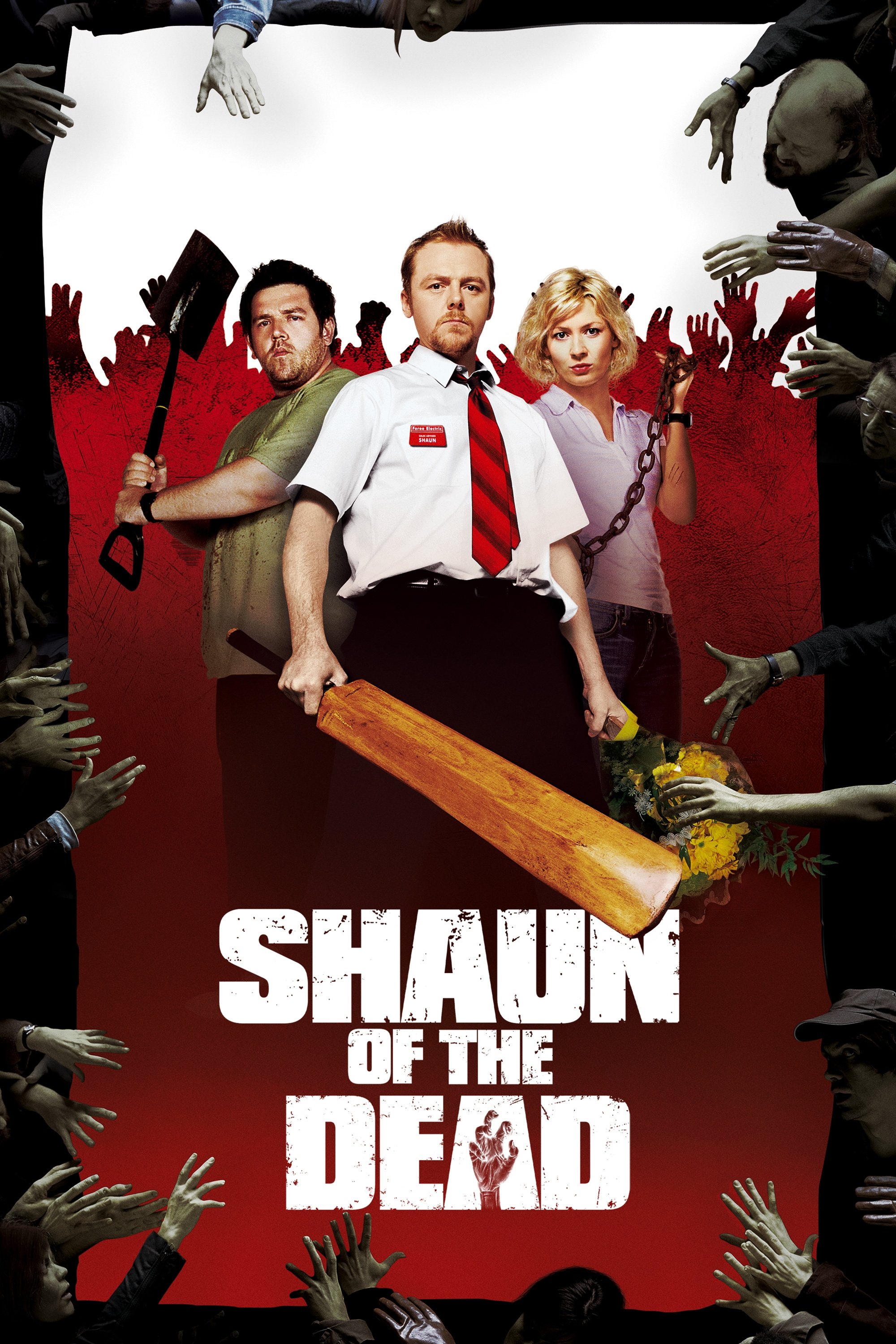
Edgar Wright uses a long take to show the protagonist walking to the shop while completely oblivious to the zombie apocalypse occurring around him. This shot mirrors an earlier scene where he makes the same walk on a normal day. Subtle background details change to reveal the chaos while Shaun remains focused on his mundane errand. The comedic timing relies on the contrast between his routine and the horror in the background. It is a masterclass in visual comedy and foreshadowing.
‘Baby Driver’ (2017)

The opening credits feature the main character dancing down the street to fetch coffee in a single synchronized shot. Every movement and background action is timed perfectly to the lyrics of the song playing in his headphones. The camera tracks his journey to the coffee shop and back while graffiti and posters align with the music. This sequence establishes the rhythmic editing and musicality that defines the rest of the film. It transforms a simple errand into a lively musical number.
‘Victoria’ (2015)
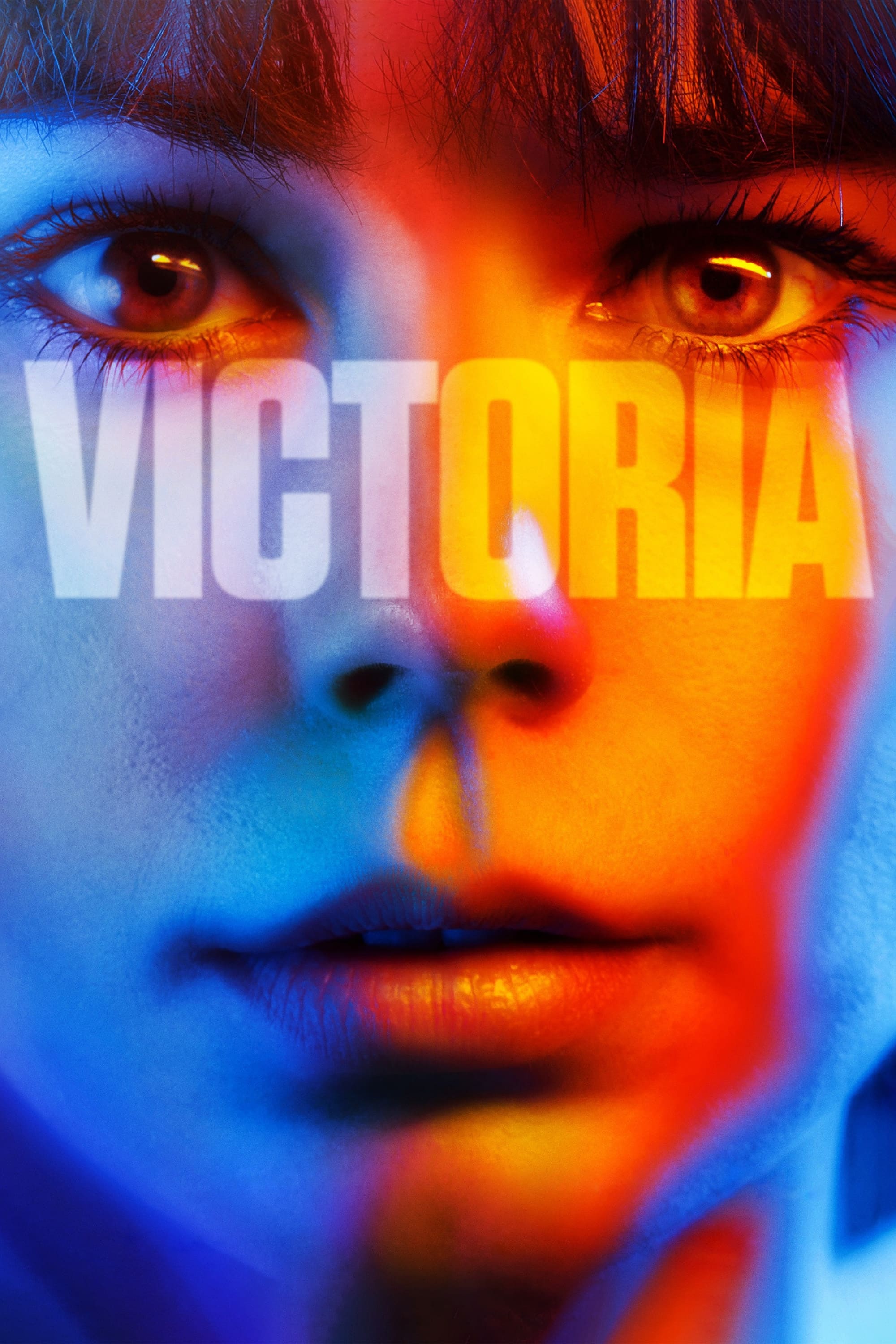
This German thriller was shot in a single continuous take that lasts over two hours without any hidden cuts. The camera follows a Spanish woman who meets four locals and gets swept up in a dangerous bank heist. The production team rehearsed for months to coordinate the movement across twenty-two different locations. The real-time format creates an unparalleled sense of urgency and immersion. It is a rare example of a feature film truly executed in one shot.
‘Snake Eyes’ (1998)
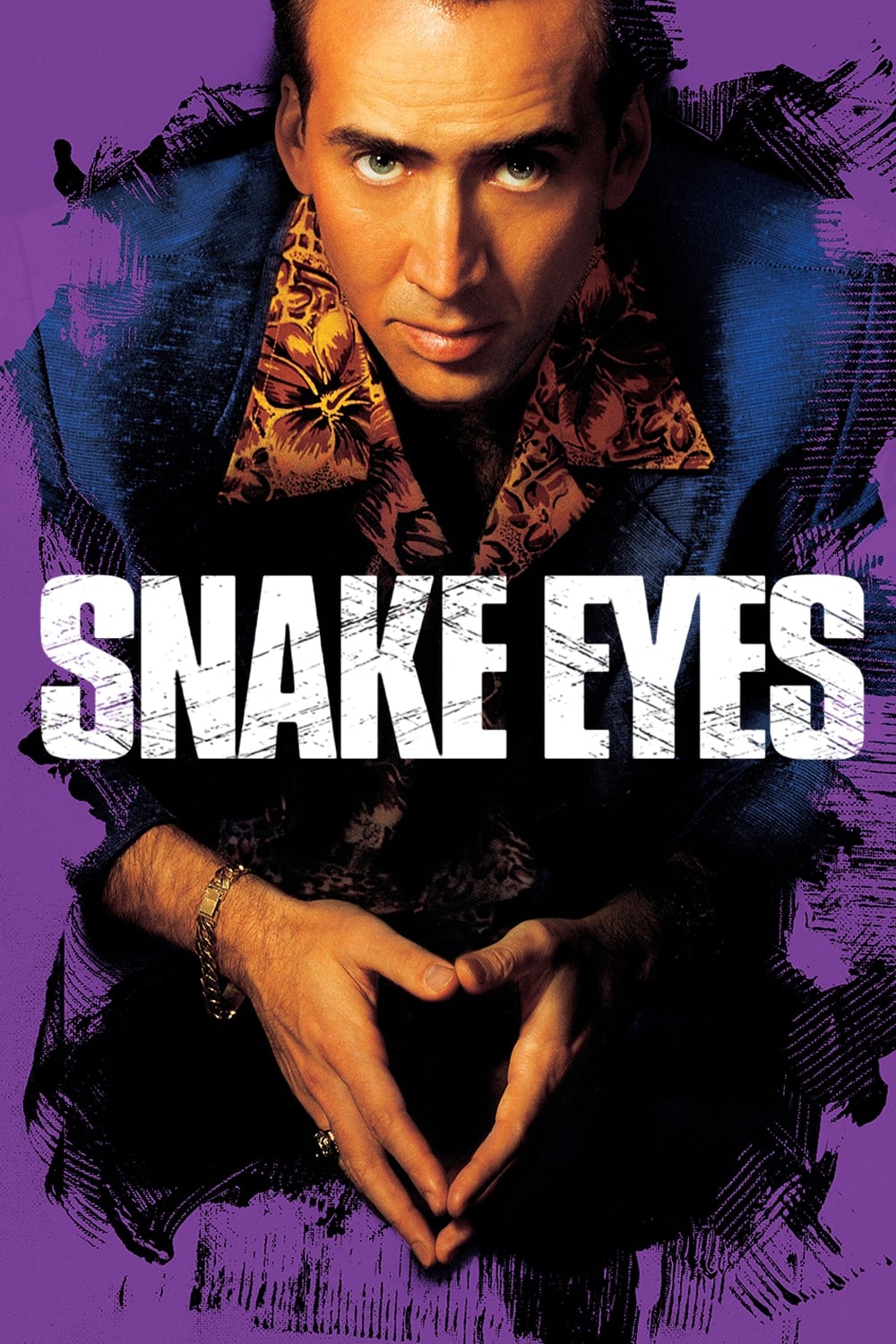
Brian De Palma opens this mystery thriller with a complex tracking shot inside an Atlantic City boxing arena. The camera follows Nicolas Cage as he navigates the backstage area and interacts with various suspects before the fight begins. The shot establishes the geography of the stadium and the timeline of events leading up to an assassination. This visual flair draws the viewer into the chaotic energy of the sporting event. It sets up the puzzle pieces that the protagonist must later reassemble.
‘The Secret in Their Eyes’ (2009)
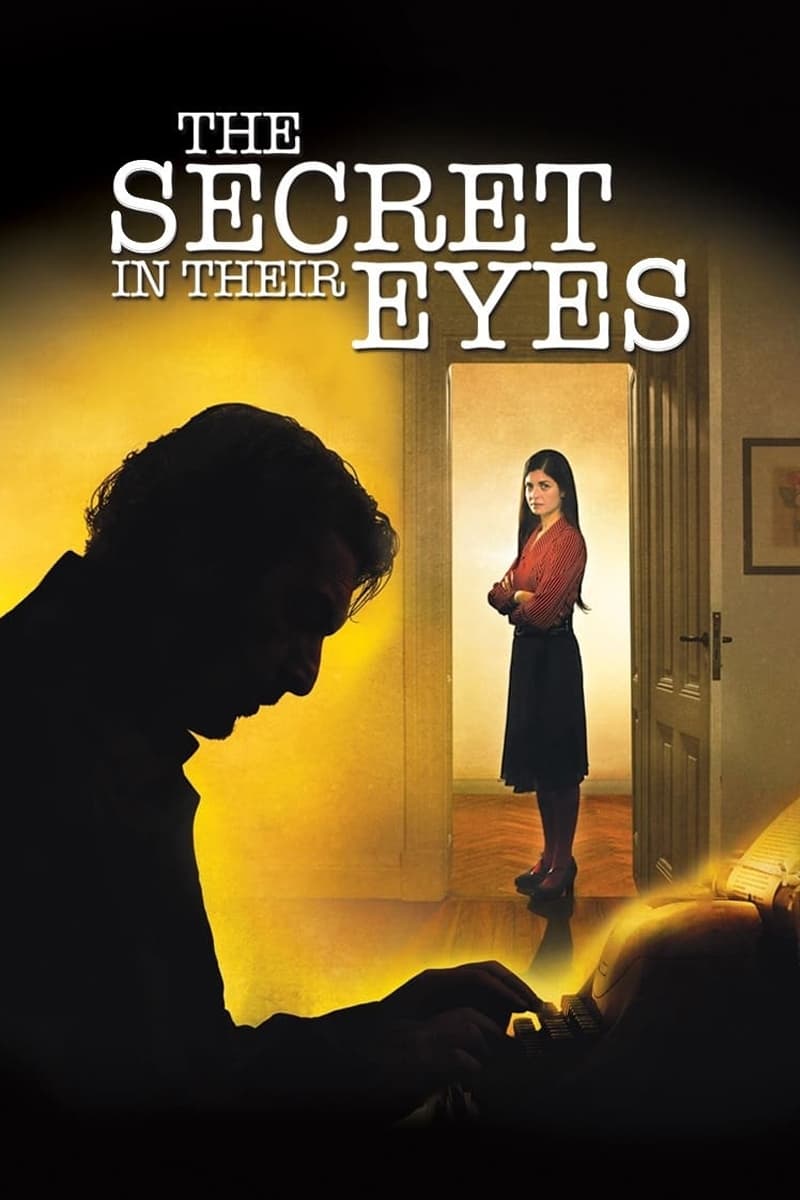
A stunning aerial shot descends into a packed soccer stadium and seamlessly transitions into a chase through the stands. The camera swoops down from the sky to find the protagonist in the crowd before following him through the concourses. This sequence combines digital effects with live-action stunts to achieve the impossible transition. The energy of the match provides a chaotic backdrop for the pursuit of the suspect. It is a technical highlight in this Oscar-winning Argentine thriller.
‘Kill Bill: Vol. 1’ (2003)
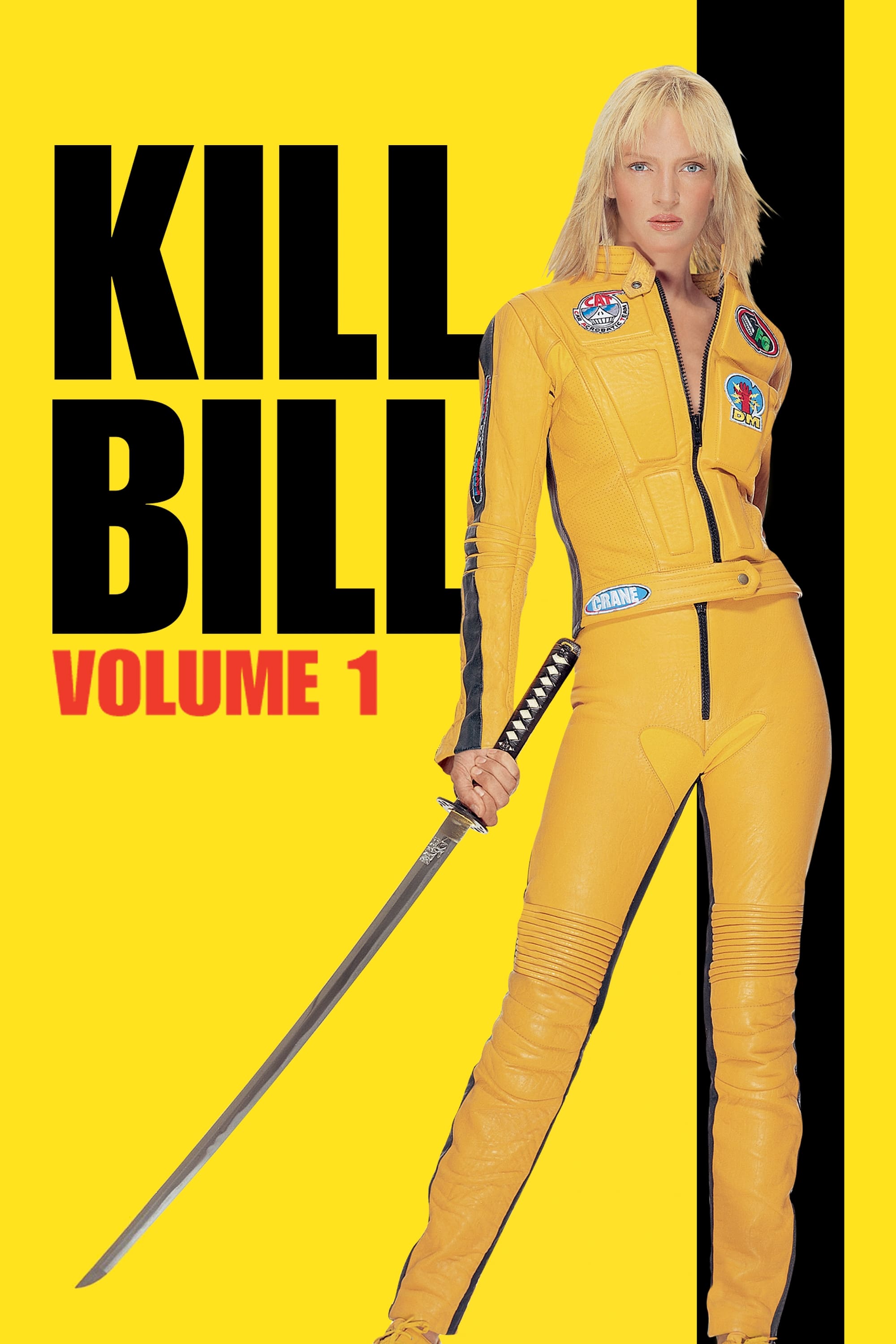
Quentin Tarantino follows The Bride as she navigates the House of Blue Leaves before the final showdown. The camera drifts over the walls and through the changing rooms to reveal the location of the enemies. A band plays catchy rock music while the tension builds towards the inevitable violence. This shot establishes the spatial layout of the club which becomes crucial during the ensuing battle. It captures the cool and stylish aesthetic of the film perfectly.
‘Extraction’ (2020)
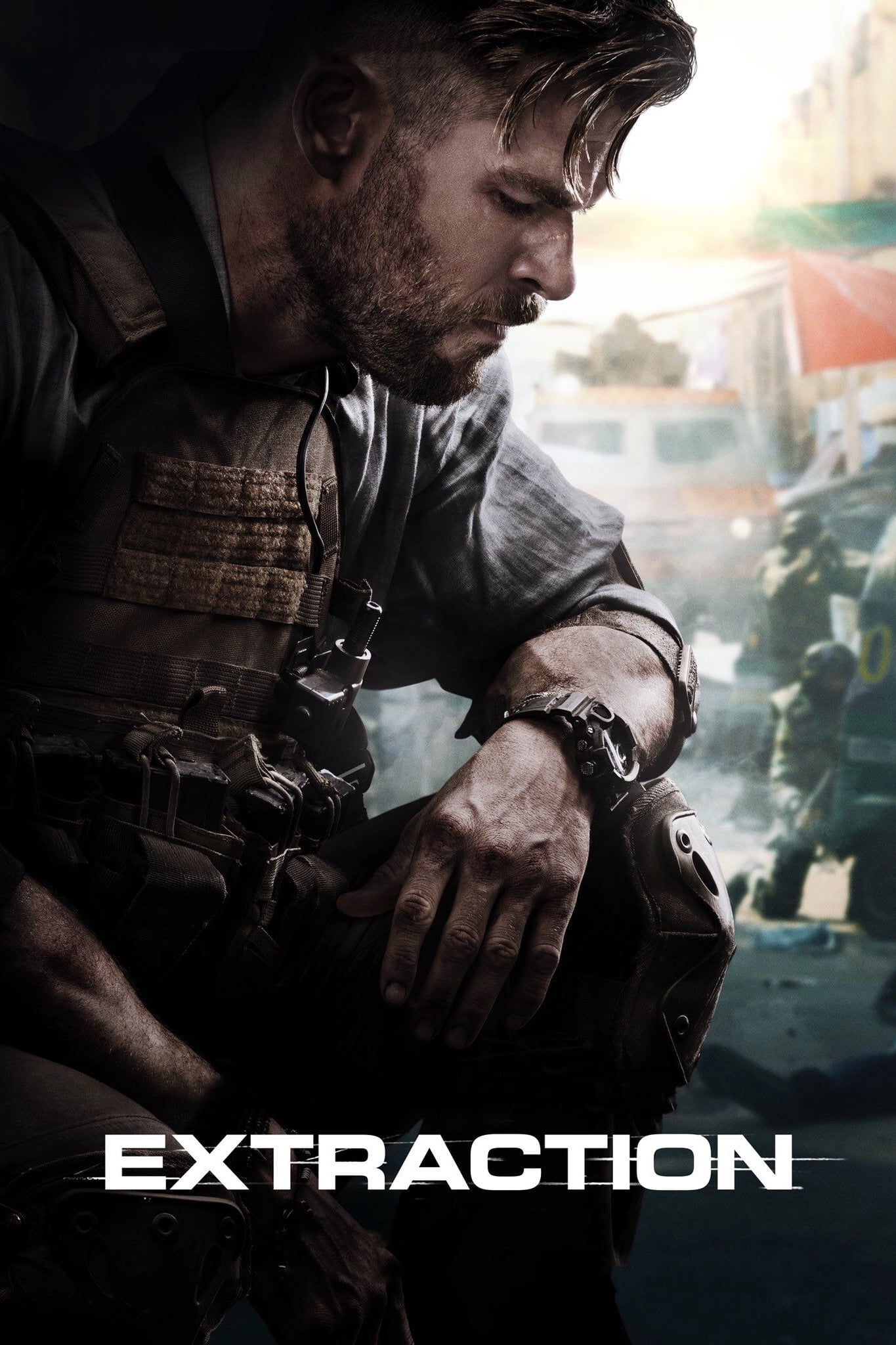
Chris Hemsworth stars in an action sequence that blends a car chase, a foot pursuit, and close-quarters combat into one apparent shot. The camera moves in and out of vehicles and jumps between buildings to stay with the action. Digital stitching connects the various stunts to create a seamless flow of adrenaline. The viewer feels the impact of every crash and explosion in this high-octane set piece. It raised the bar for action choreography in streaming movies.
‘Hunger’ (2008)
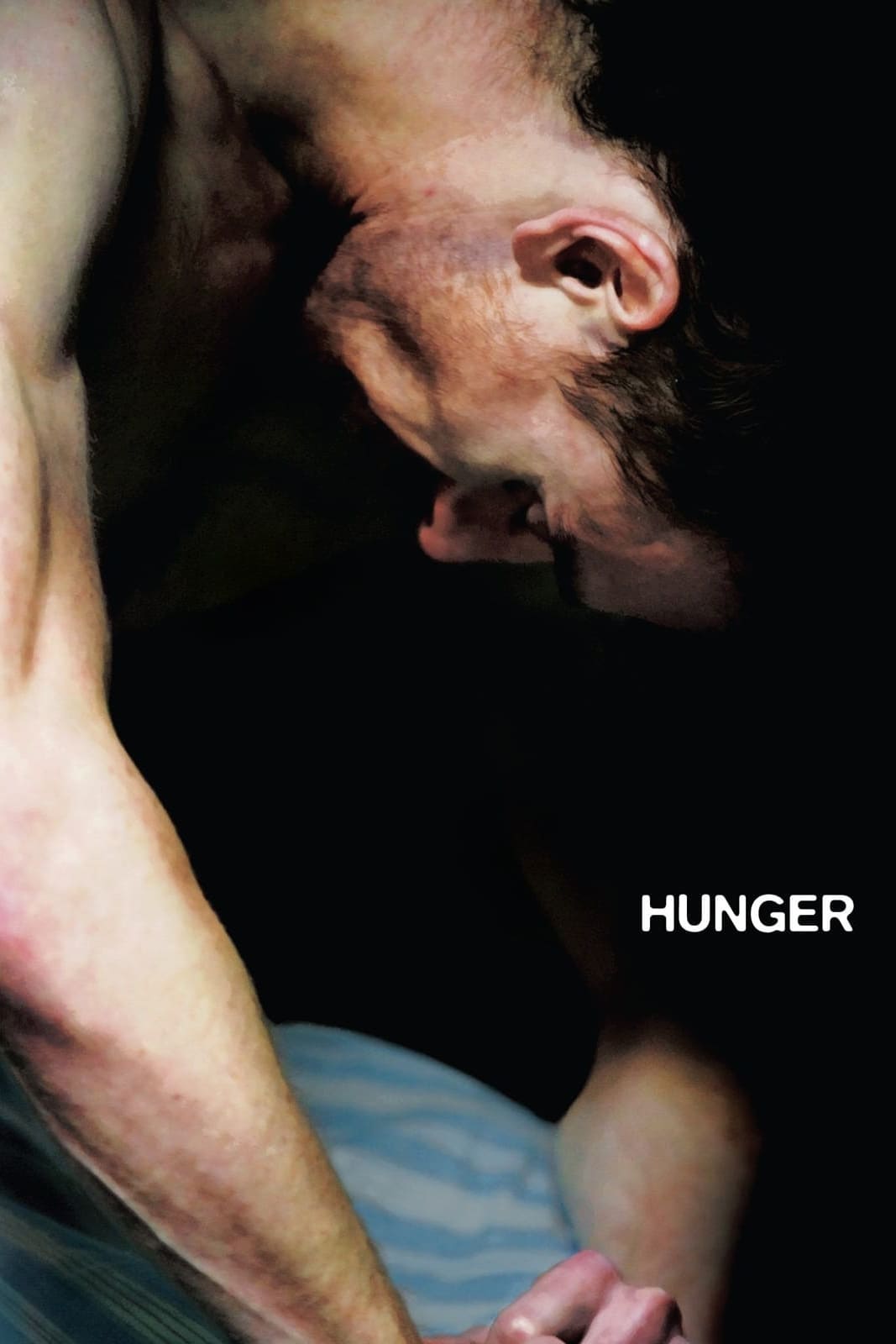
Steve McQueen centers his film on a seventeen-minute static shot of a conversation between a priest and an IRA hunger striker. The camera remains fixed on the two men as they debate the morality and political implications of the protest. The lack of camera movement forces the audience to focus entirely on the dialogue and the performances. This scene provides the philosophical core of the movie amidst the physical suffering. It is a bold artistic choice that prioritizes acting over visual spectacle.
‘Climax’ (2018)
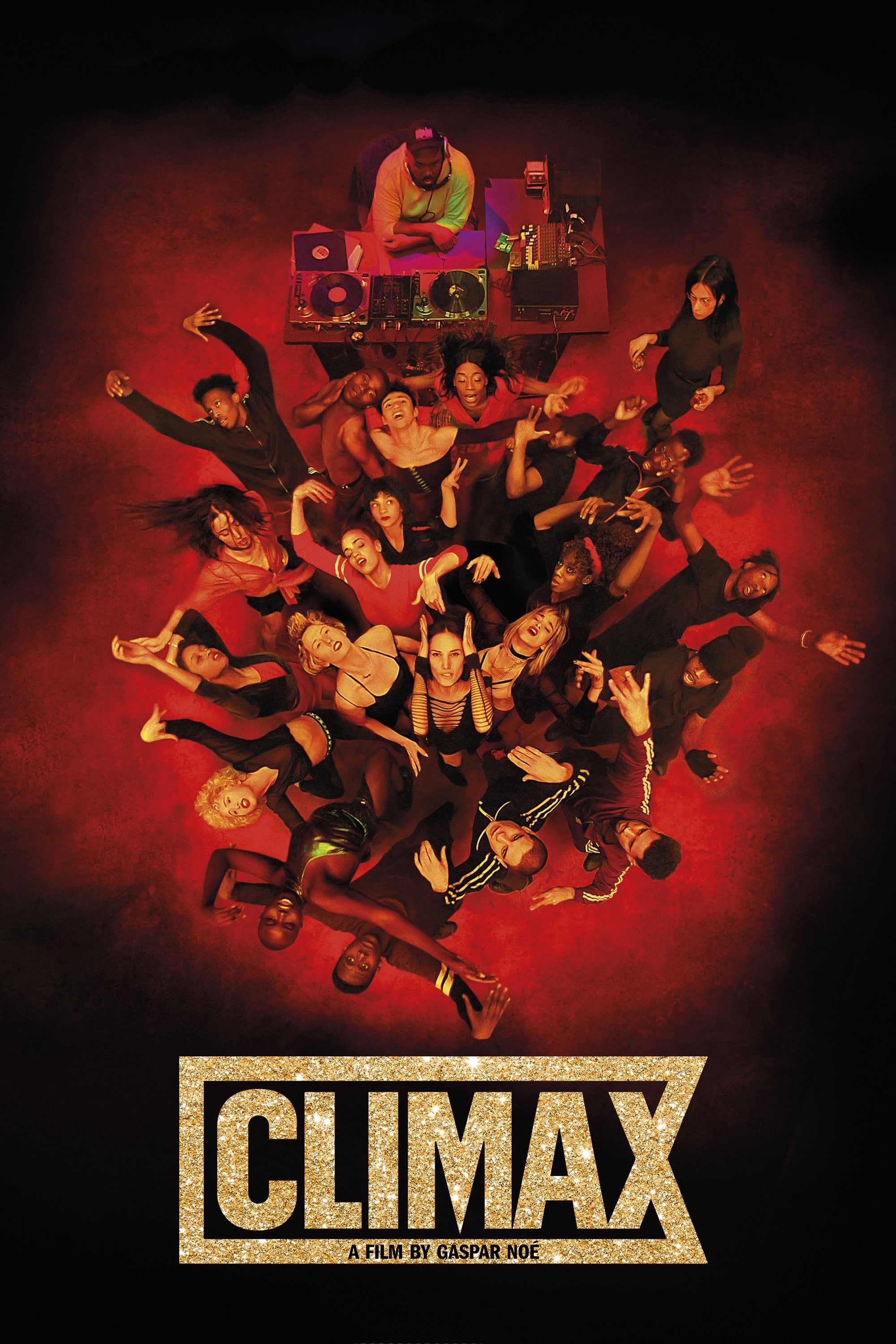
Gaspar Noé opens the main narrative with a mesmerizing dance rehearsal filmed in a long, fluid take. The camera swirls around the troupe of dancers as they perform an intricate and high-energy routine. The continuous motion captures the physical prowess and collective energy of the group. This scene establishes the harmony that will eventually disintegrate into chaos later in the film. The choreography is hypnotic and draws the viewer into the isolated setting.
‘Before Midnight’ (2013)
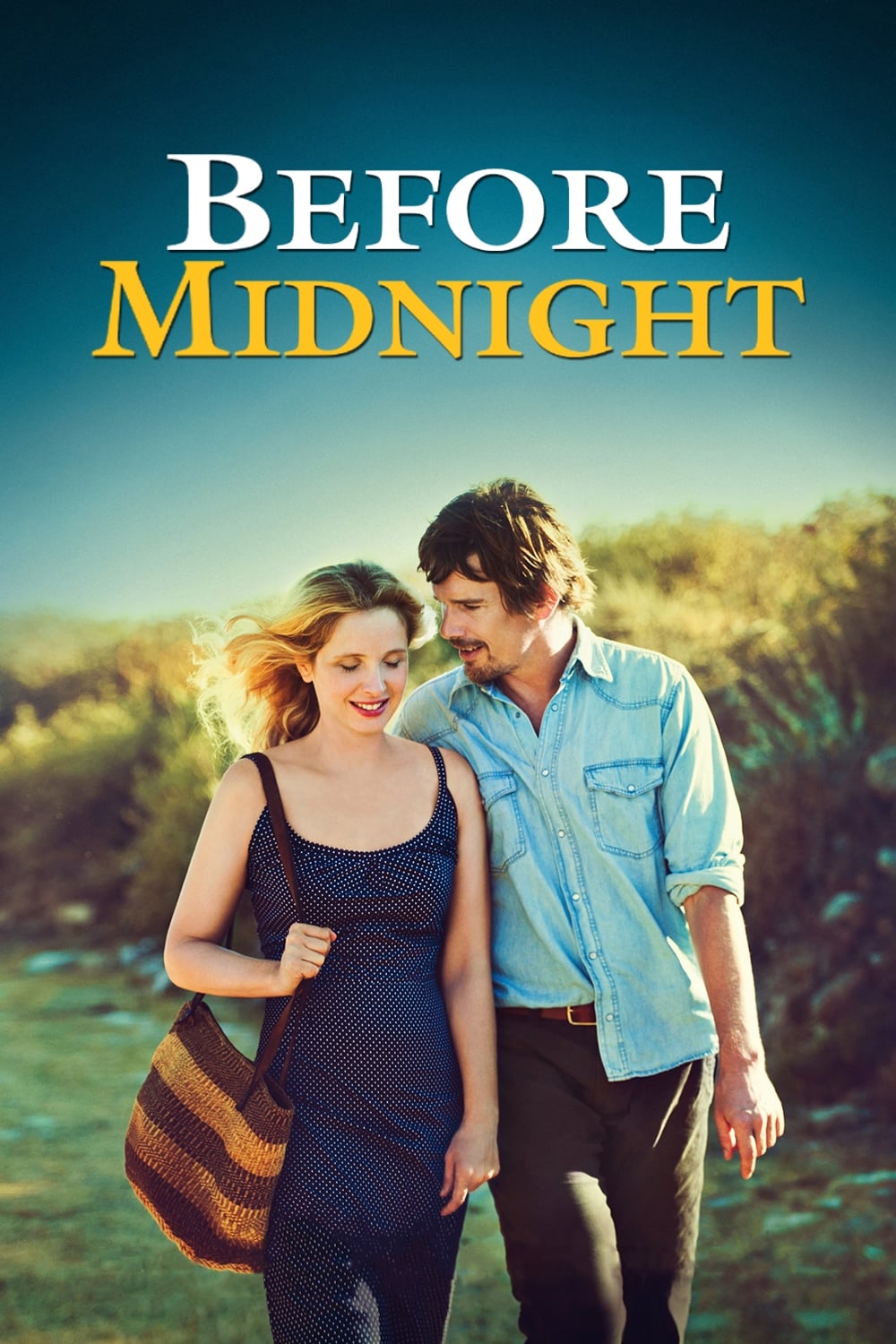
Richard Linklater is known for long takes that capture naturalistic dialogue and this film features a thirteen-minute car ride conversation. Ethan Hawke and Julie Delpy discuss their relationship and children while driving through the Greek landscape. The fixed camera angle allows the actors to perform the scene like a stage play without interruption. The intimacy of the setting highlights the complex history between the two characters. It feels like eavesdropping on a real couple’s private discussion.
‘Slacker’ (1991)
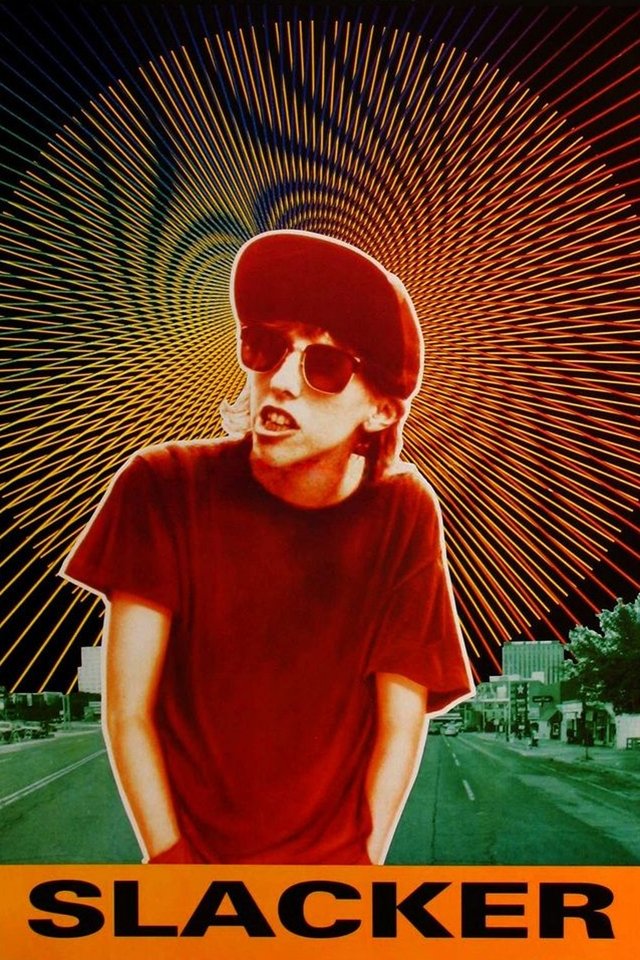
Richard Linklater constructed this film entirely out of long takes that hand off from one character to another. The camera follows a person for a few minutes before they cross paths with someone else and the focus shifts to the new subject. This structure creates a daisy chain of narratives that explores the eccentric subculture of Austin. There is no central plot or protagonist to anchor the story. The film is a unique experiment in narrative flow and observation.
‘Gun Crazy’ (1950)
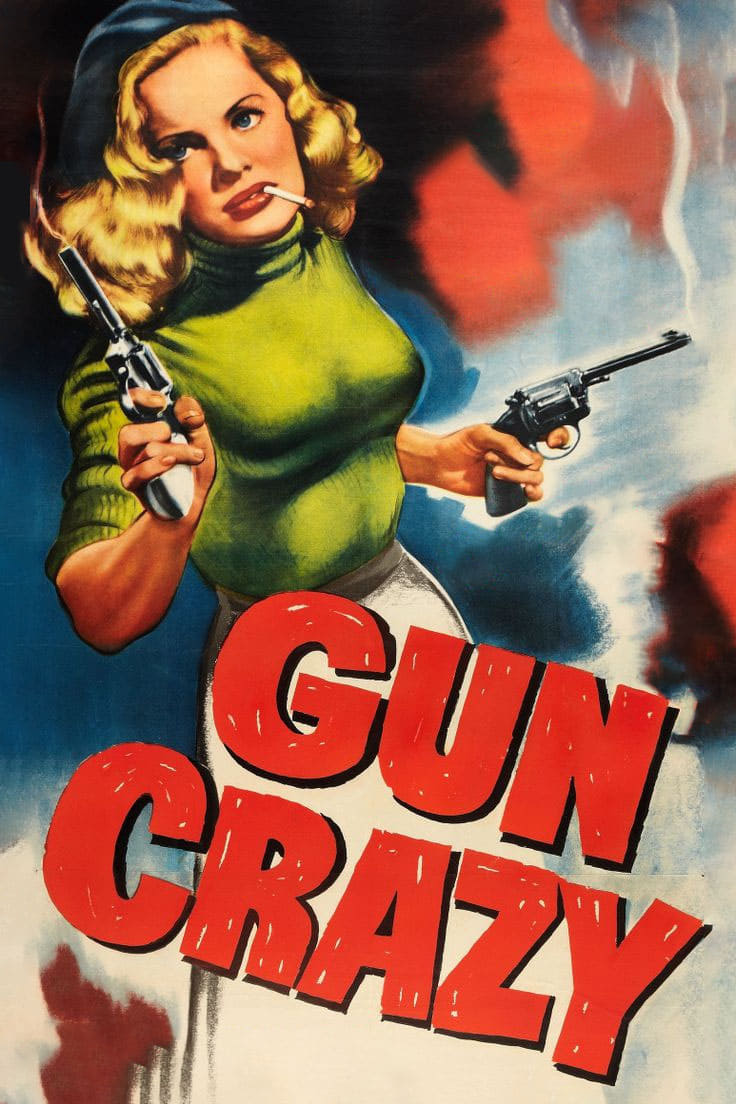
This classic film noir features a bank heist filmed entirely from the backseat of the getaway car. The camera watches the couple drive to the bank and waits with the driver while the robbery occurs off-screen inside. We see the anxious reaction of the driver and hear the commotion before the partner jumps back in. The limited perspective adds suspense by denying the audience a view of the action inside. It was a revolutionary use of location shooting for its time.
‘Hanna’ (2011)
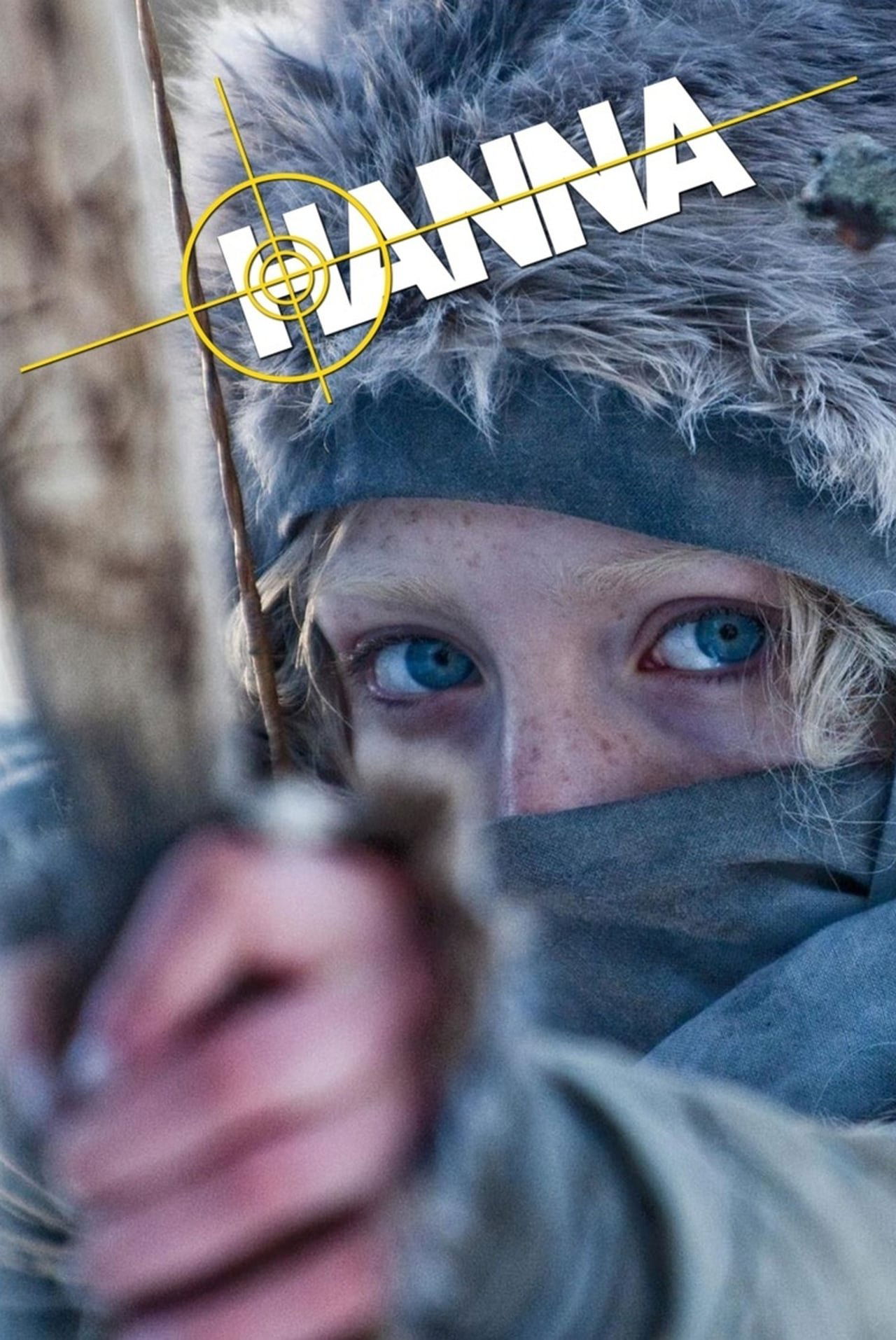
Saoirse Ronan displays her combat skills in a subway station fight scene filmed in a single take. The camera tracks her as she is cornered by agents and ruthlessly dispatches them with a knife and hand-to-hand techniques. The gritty lighting and handheld camera work enhance the realism of the struggle. The lack of cuts emphasizes the precision and lethality of the young assassin. It serves as a pivotal moment in her character’s development.
‘Son of Saul’ (2015)
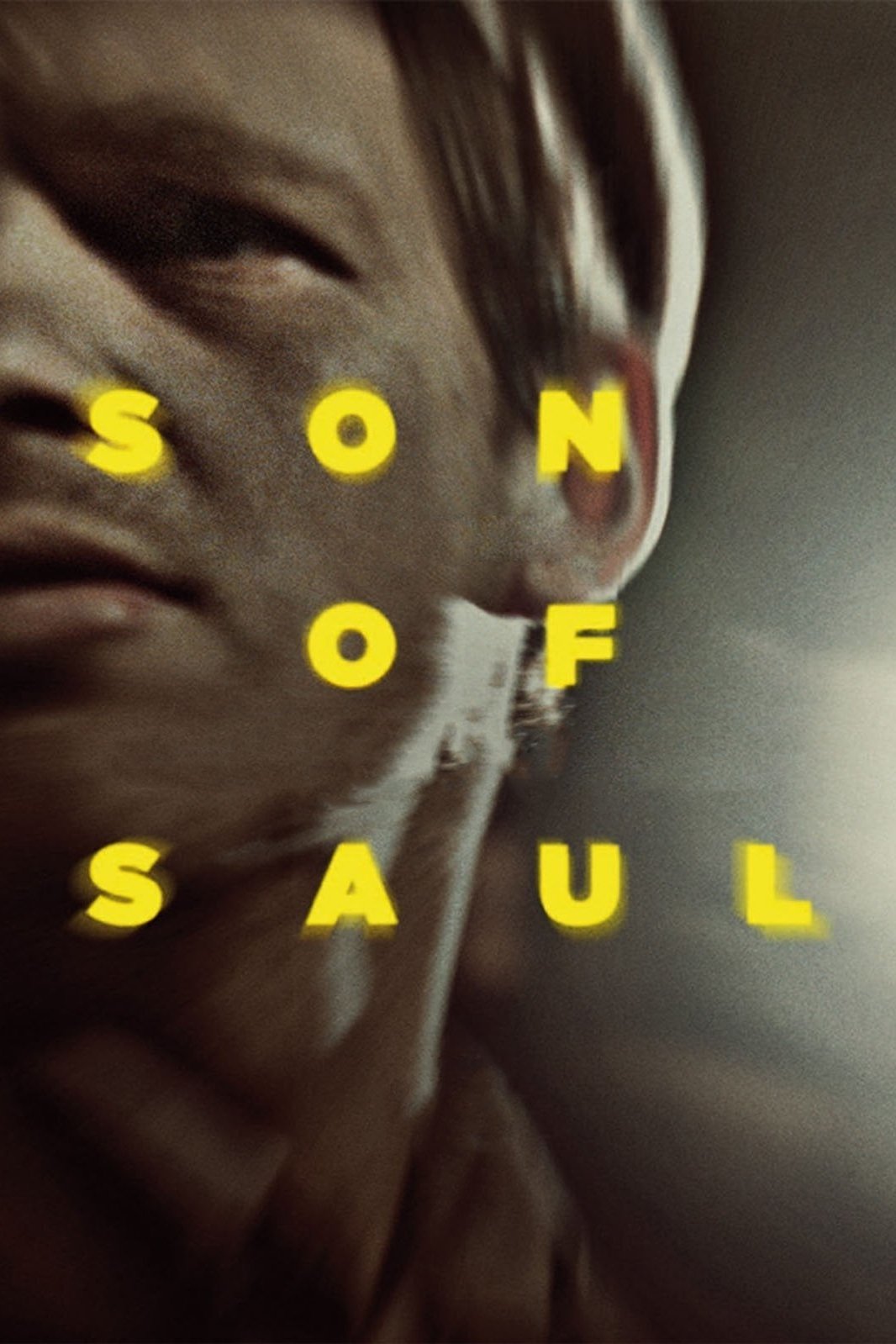
The camera stays locked in a shallow focus close-up on the protagonist’s face or back for almost the entire film. Long takes follow him through the horrors of a concentration camp while the atrocities are kept largely out of focus in the background. This technique creates a terrifyingly subjective experience that limits the viewer’s perspective. The audience is forced to navigate the chaos solely through Saul’s immediate sensory experience. It is a harrowing and claustrophobic approach to historical drama.
‘Boiling Point’ (2021)
Stephen Graham stars in this drama set in a high-end restaurant that was filmed in one true continuous take. The camera weaves between the kitchen staff and the dining room to capture the escalating stress of a busy service. Every mistake and conflict plays out in real time without any relief for the characters or the audience. The format perfectly mirrors the relentless pressure of the hospitality industry. It is a technical achievement that amplifies the emotional stakes.
‘The Avengers’ (2012)
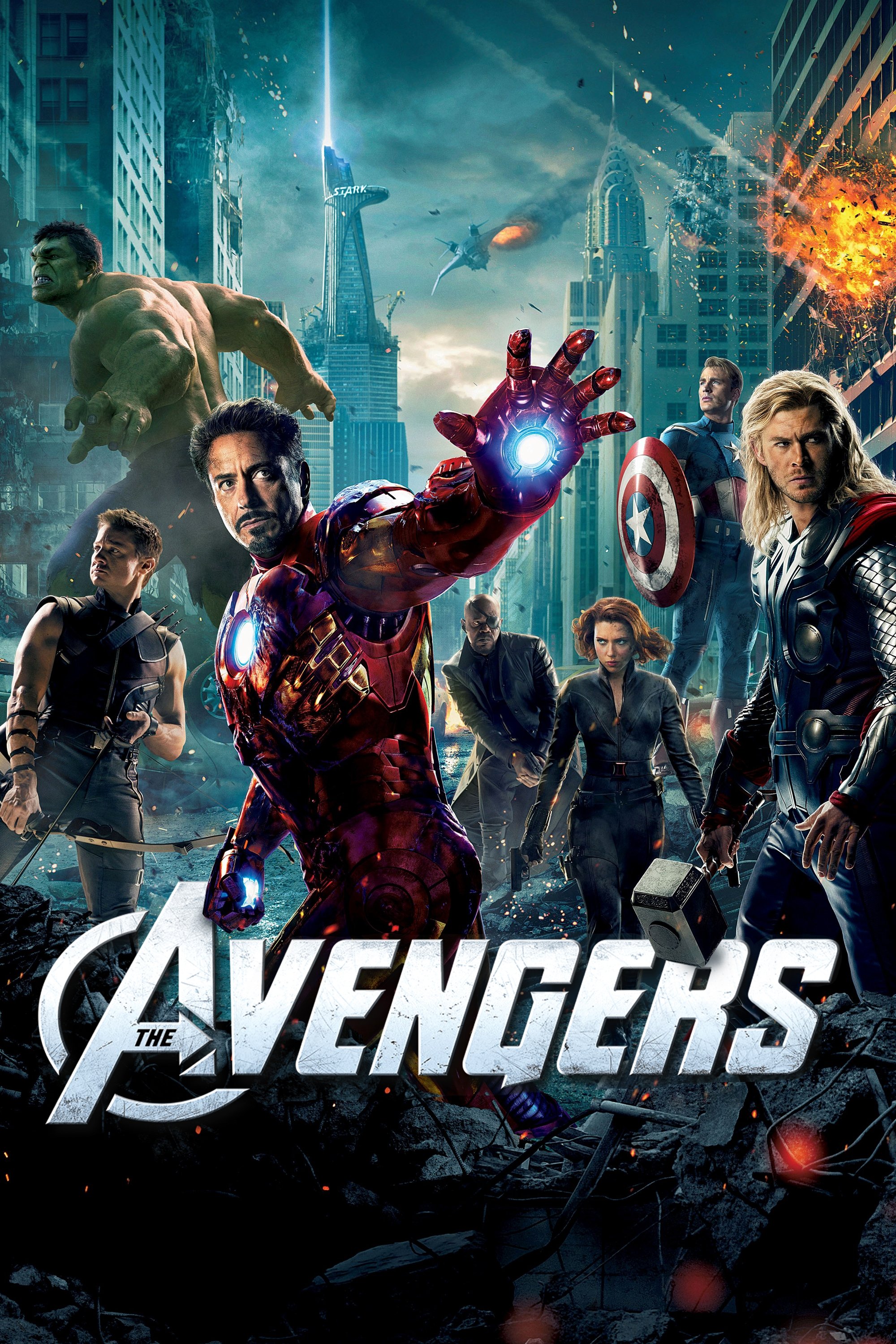
Joss Whedon united the superhero team with a continuous shot that flies through the battle of New York. The camera zips between Iron Man flying, Captain America fighting on the ground, and Hulk smashing aliens on skyscrapers. This digital long take showcases the different powers of the heroes working in concert. It was the moment comic book fans had waited years to see on the big screen. The sequence captures the scale of the invasion and the team dynamic.
‘Serenity’ (2005)
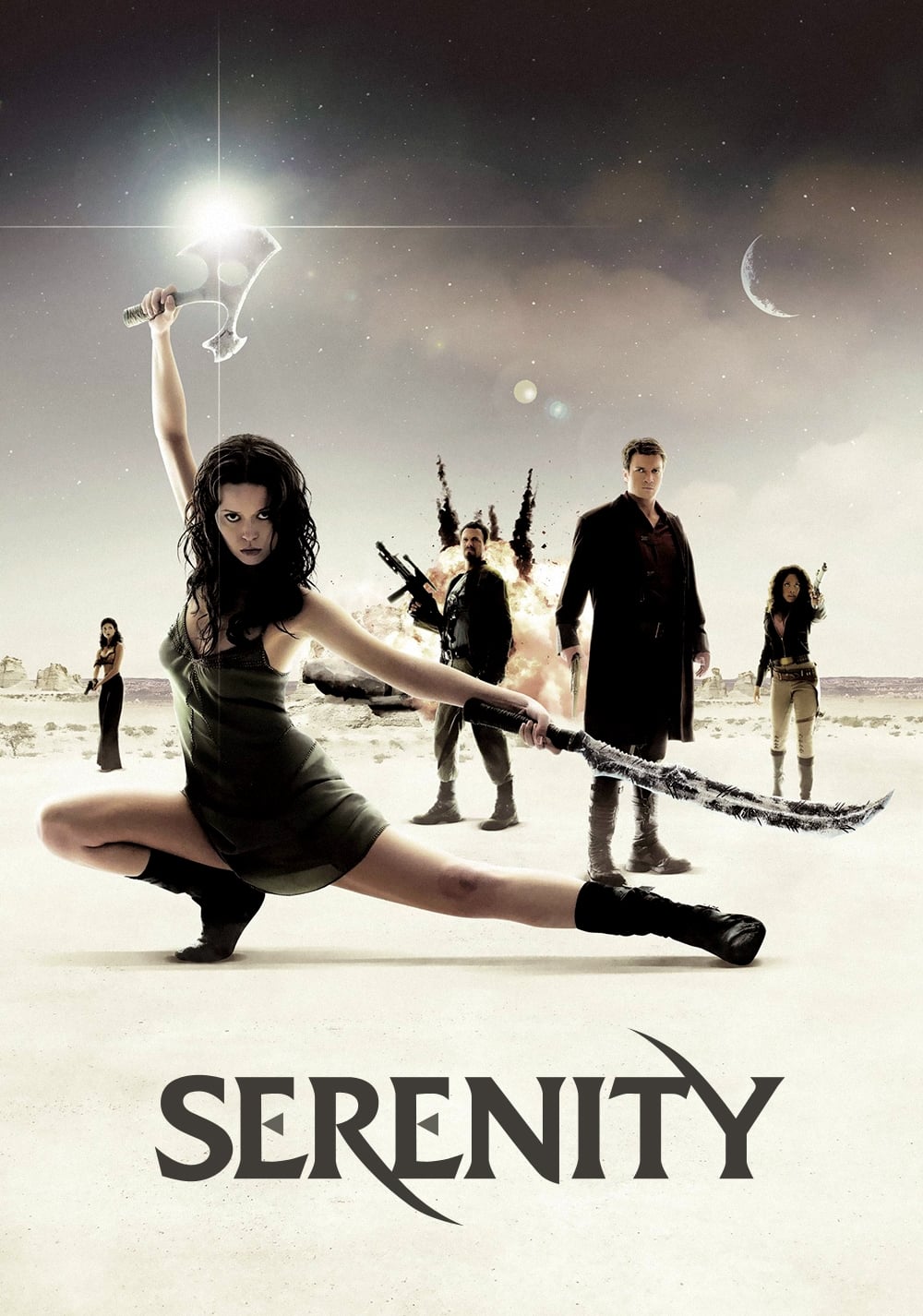
The film opens with a complex tracking shot introducing the crew of the spaceship Serenity. The camera follows Captain Mal Reynolds as he walks through the ship and interacts with each member of his team. This efficiently establishes the geography of the vessel and the relationships between the characters. The dialogue overlaps naturally as the camera moves from the bridge to the cargo bay. It serves as a perfect reintroduction for fans of the original television series.
‘Panic Room’ (2002)
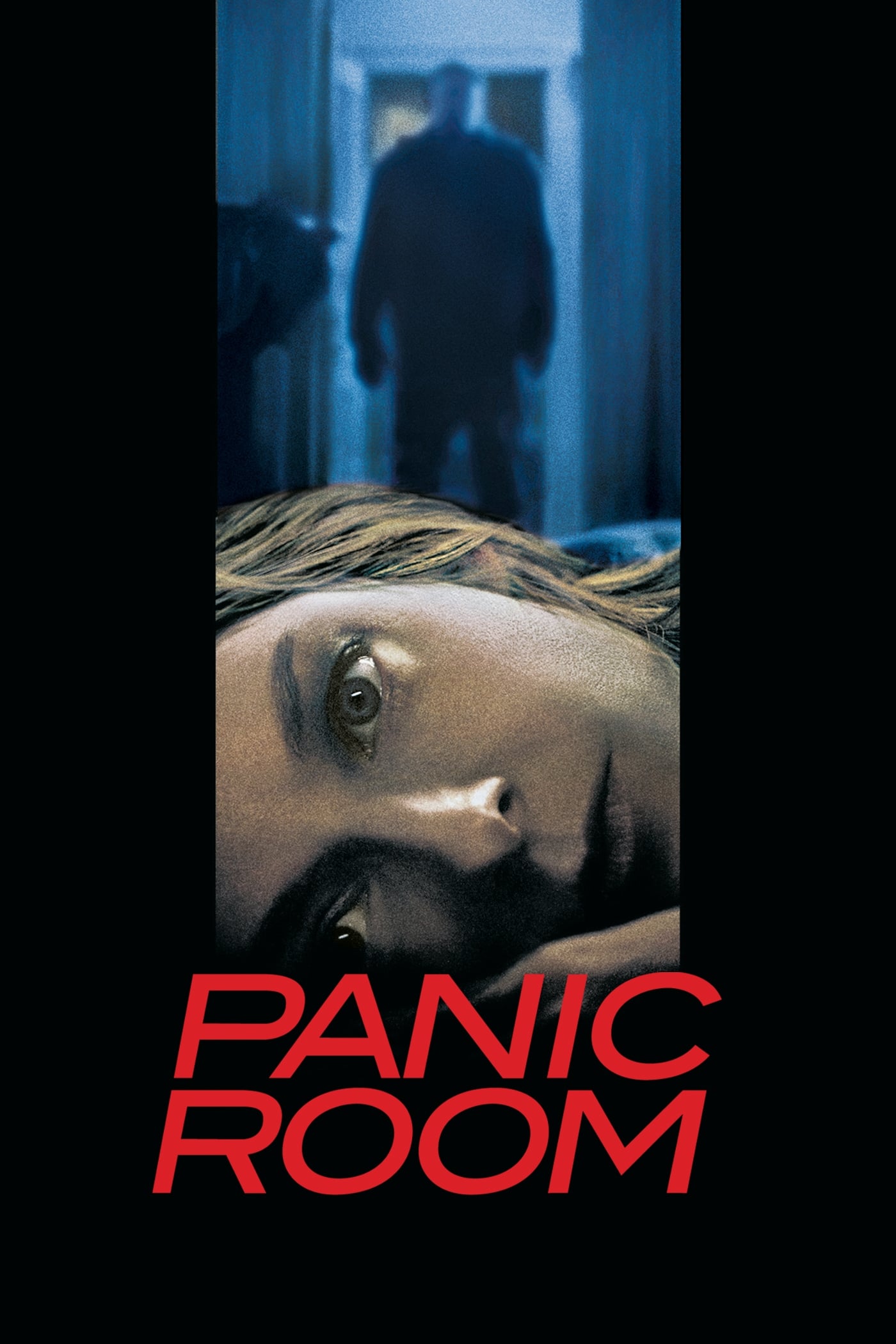
David Fincher utilized computer-generated imagery to move the camera through the walls of a brownstone house during a home invasion. The camera glides from the bedroom down through the floorboards to the kitchen where the burglars are breaking in. This impossible camera movement reveals the spatial relationship between the victims and the intruders. It builds tension by showing the threat closing in from all sides. The fluid motion contrasts with the trapped situation of the characters.
‘Paths of Glory’ (1957)
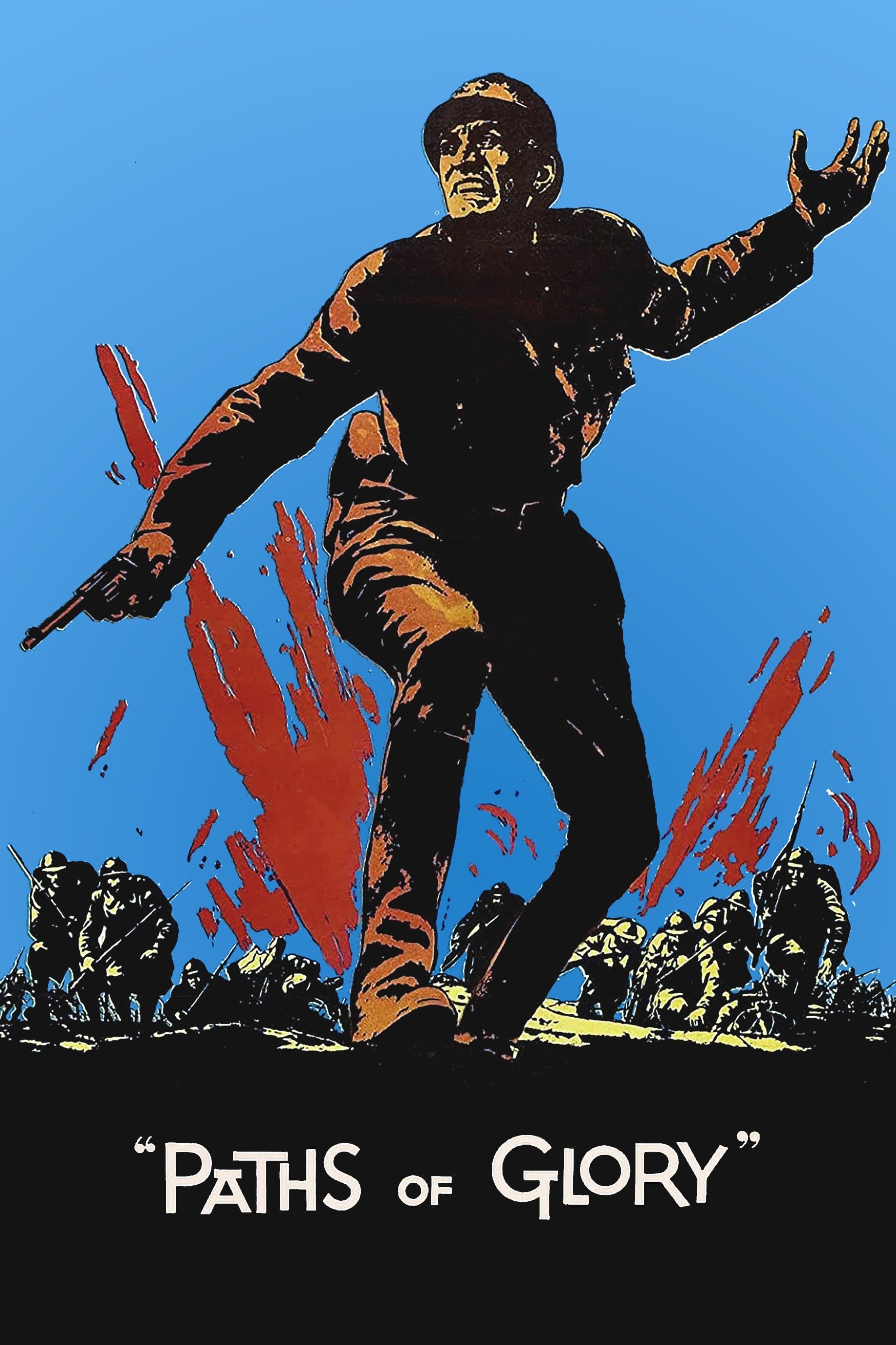
Stanley Kubrick captures the grim reality of trench warfare with a tracking shot of Colonel Dax walking through the fortifications. The camera retreats as he inspects his men while explosions and dirt shower down around them. The soldiers stare back with hollow eyes to emphasize the psychological toll of the impending attack. This scene visually represents the futility and confinement of the soldiers’ existence. It is a haunting prelude to the disastrous battle that follows.
‘Halloween’ (1978)

John Carpenter revolutionized the slasher genre with an opening sequence filmed from the killer’s point of view. The camera puts the audience behind the mask of a young Michael Myers as he enters his home and commits his first murder. The lack of cuts forces the viewer to be complicit in the violence. We only realize who the killer is when the mask is removed at the end of the shot. This technique creates an immediate and unsettling connection to the antagonist.
‘I Am Cuba’ (1964)
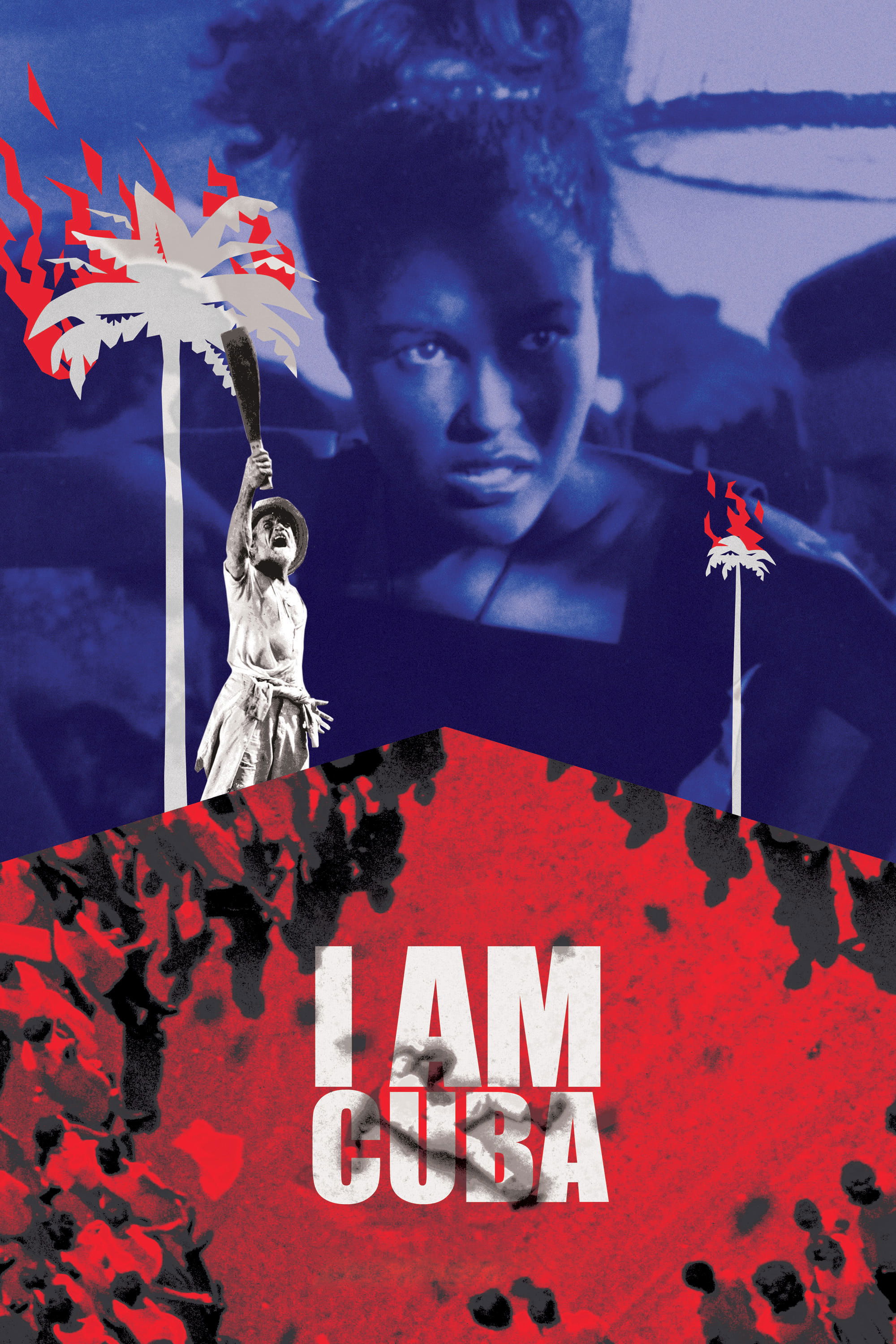
Mikhail Kalatozov directed a technically astonishing shot that begins at a rooftop funeral and descends to the street below. The camera travels down the side of a building and floats over a cigar workers’ procession. It required a system of cables and pulleys that was far ahead of its time. The shot connects the grief of the individual to the collective struggle of the people. It remains a marvel of black-and-white cinematography.
‘The Bonfire of the Vanities’ (1990)
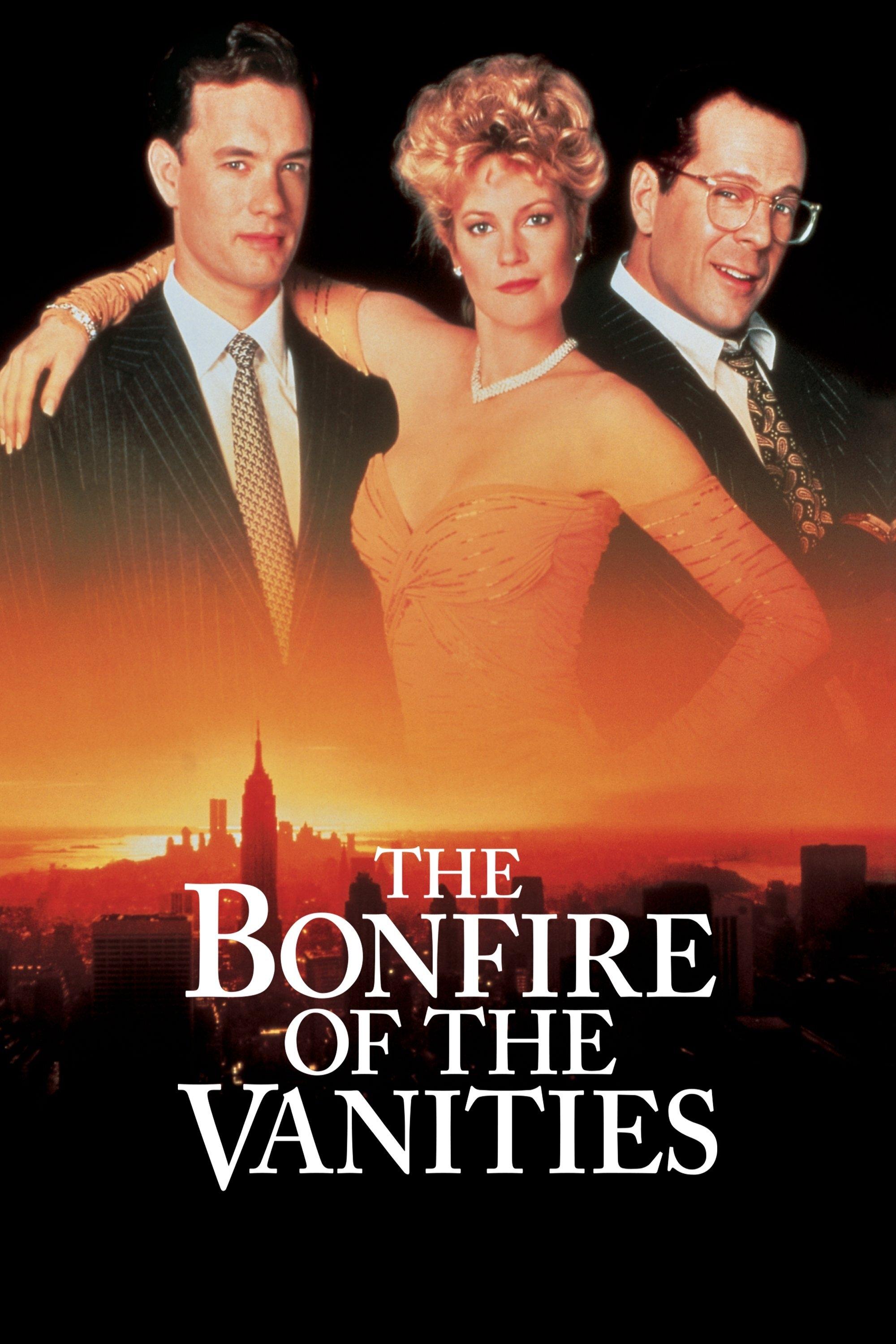
Brian De Palma opens this satirical drama with an elaborate steadicam shot following a drunk Bruce Willis through a basement. The camera tracks him from his car through a labyrinth of tunnels and elevators to a press event. The technical precision required to time the dialogue and movement is impressive. It establishes the chaotic and excessive world of the characters. The shot creates a dizzying effect that matches the protagonist’s intoxication.
‘Mission: Impossible – Rogue Nation’ (2015)
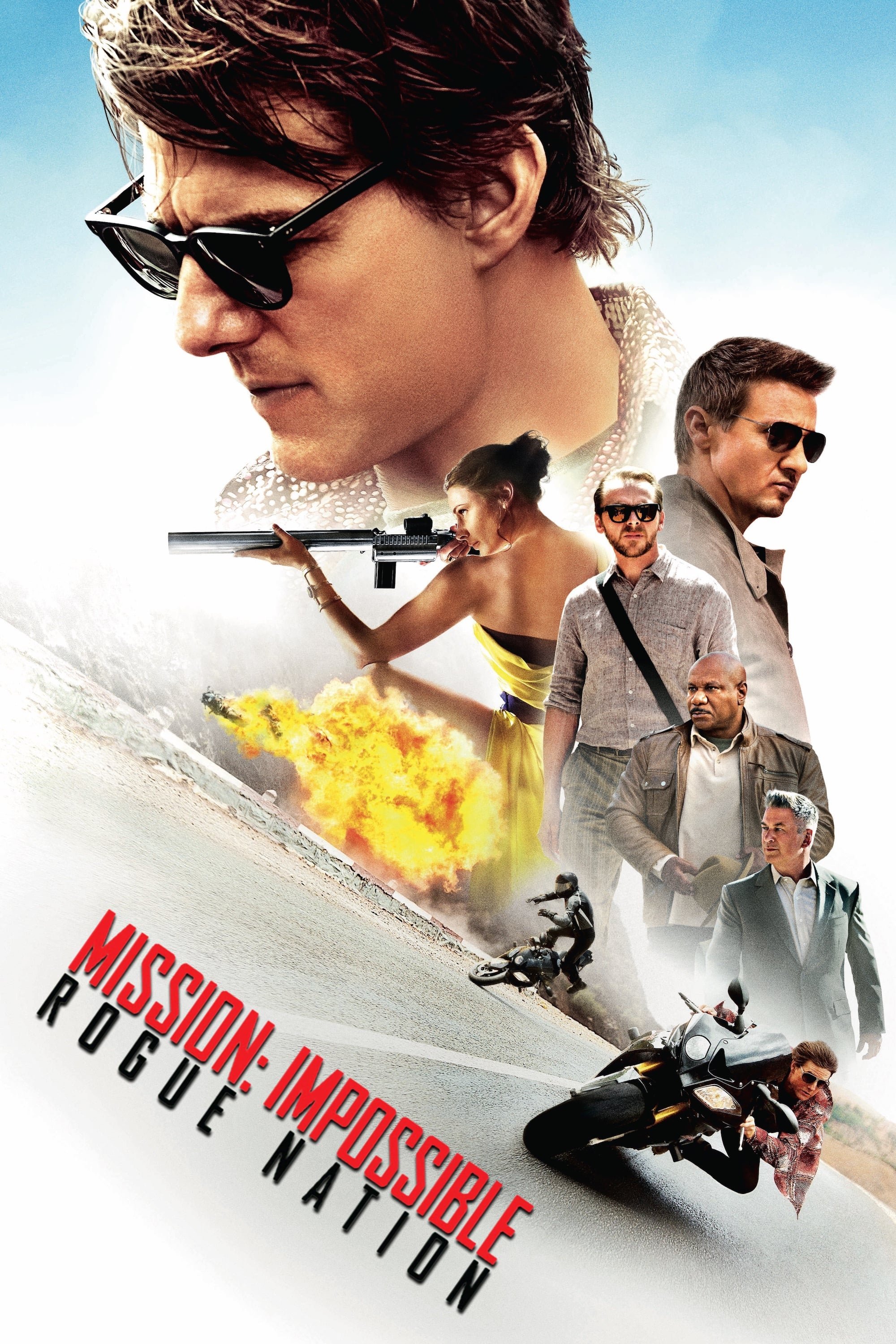
Tom Cruise performs an underwater stunt in a continuous take where his character must swap a data card while holding his breath. The camera stays on him as he maneuvers through the spinning mechanism without any cuts to fake the duration. The audience can see the actor actually holding his breath which heightens the suspense. This sequence pushed the boundaries of practical stunts in blockbuster filmmaking. It creates a visceral sense of drowning and panic.
‘Irreversible’ (2002)
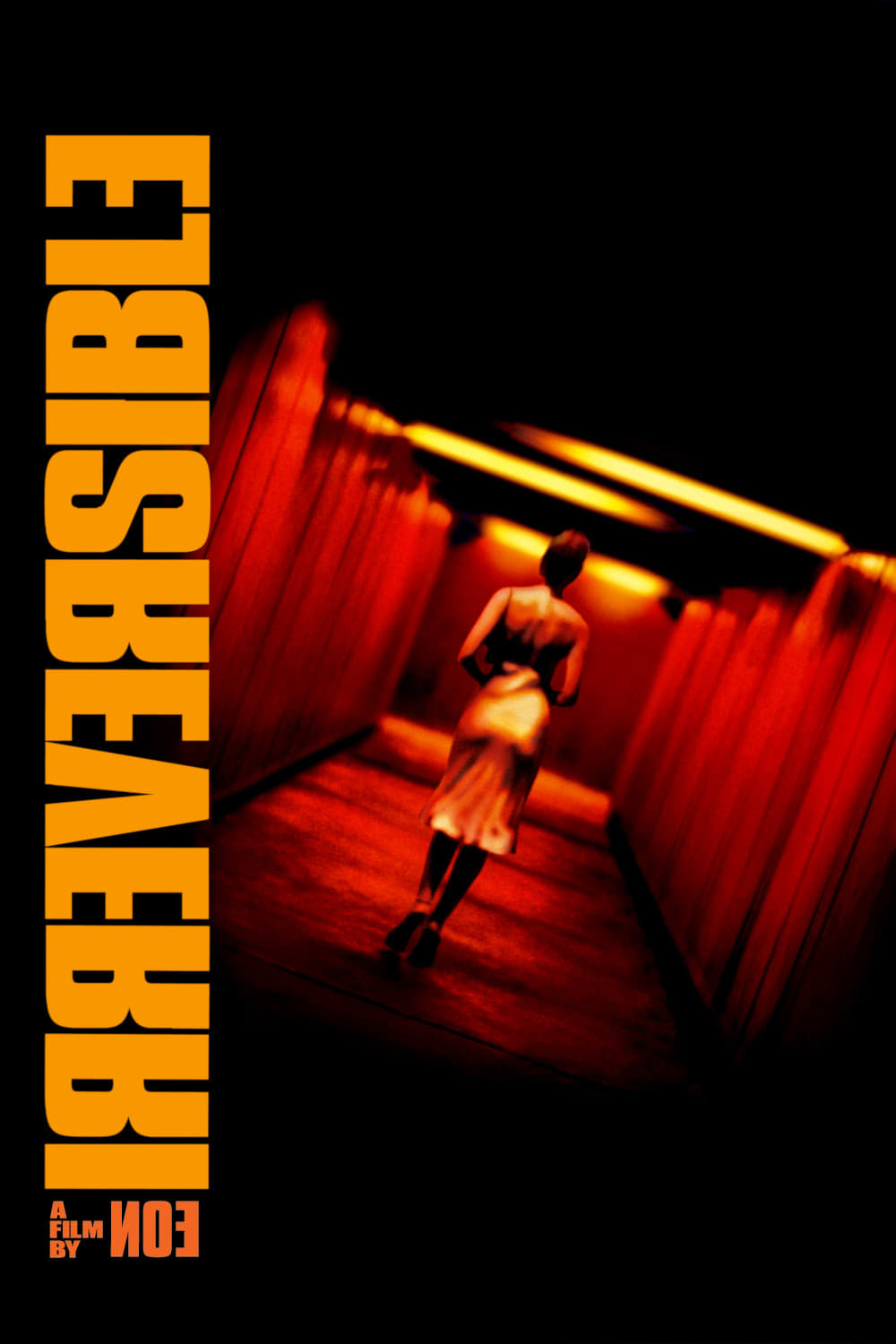
Gaspar Noé constructed this film with a series of long takes that play in reverse chronological order. The camera spins and floats disorientingly through parties and streets to create a nauseating effect. The technique mirrors the chaotic and traumatic nature of the events depicted. It is an aggressive visual style that challenges the viewer to look away. The form is inseparable from the disturbing content of the story.
‘Silent House’ (2011)
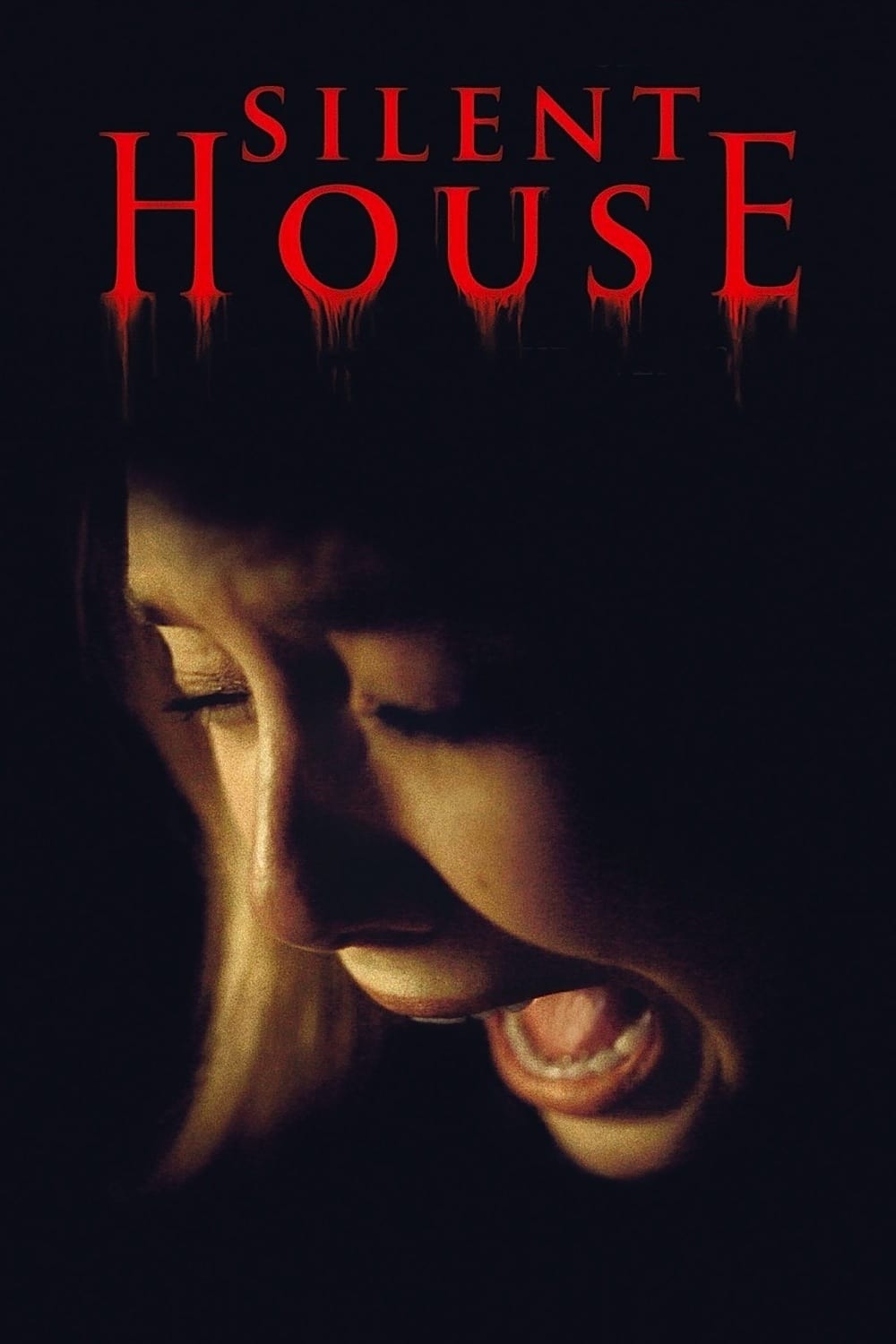
This horror film is presented as one continuous shot documenting a young woman’s terror inside a dark house. The camera stays tight on Elizabeth Olsen to capture her rising panic as strange noises surround her. The limited lighting and continuous perspective make the viewer feel just as trapped as the character. Hidden edits blend the scenes to maintain the real-time illusion. It relies heavily on the lead performance to sustain the tension.
‘Carter’ (2022)
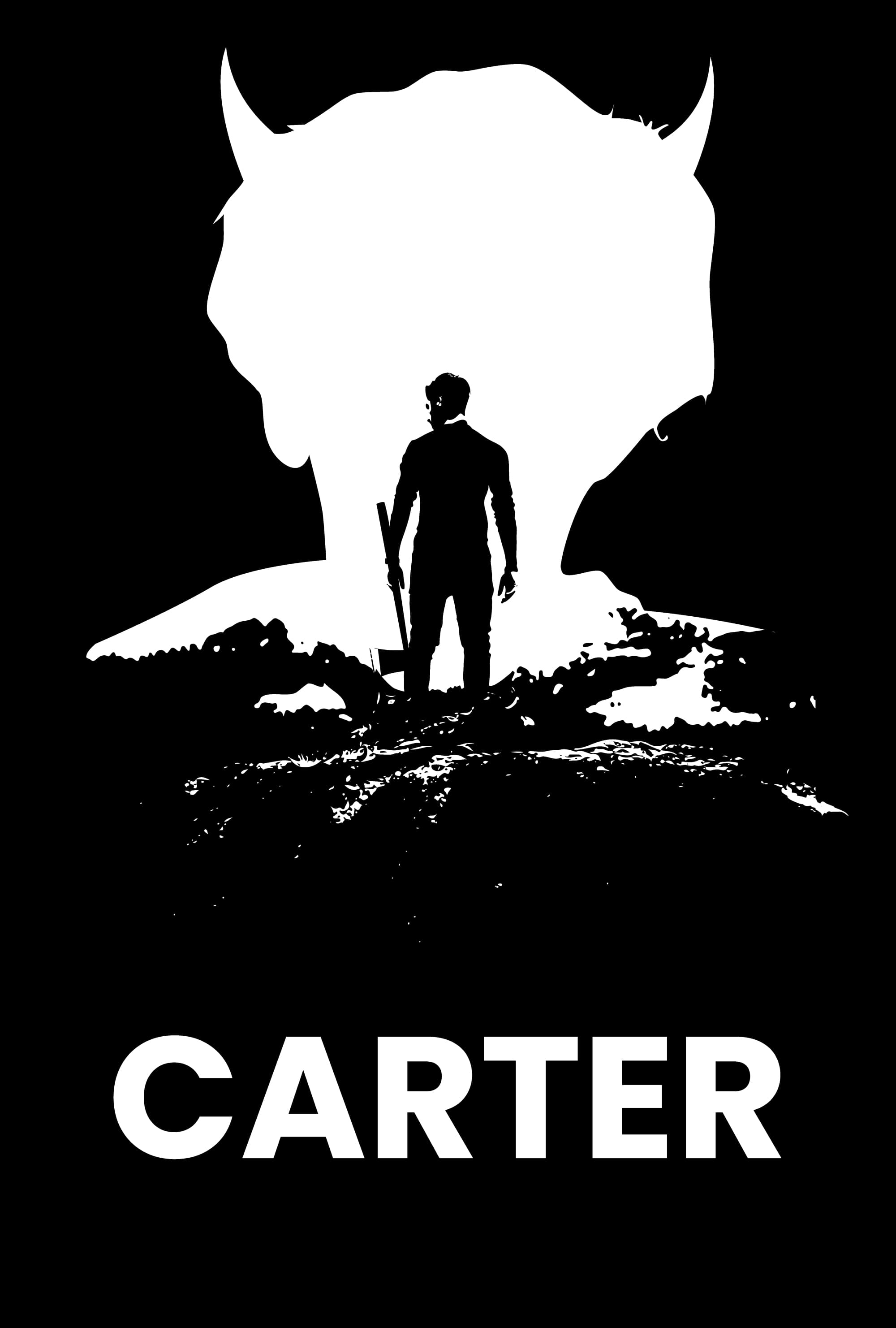
This South Korean action movie utilizes drone photography and digital stitching to create a video game-like experience. The camera flies around buildings and through vehicles during massive fight scenes. The perspective shifts from third-person to first-person seamlessly to keep the energy high. While the physics are often exaggerated the visual flow is relentless. It represents a modern, digital approach to the concept of the long take.
‘Blind Spot’ (2018)
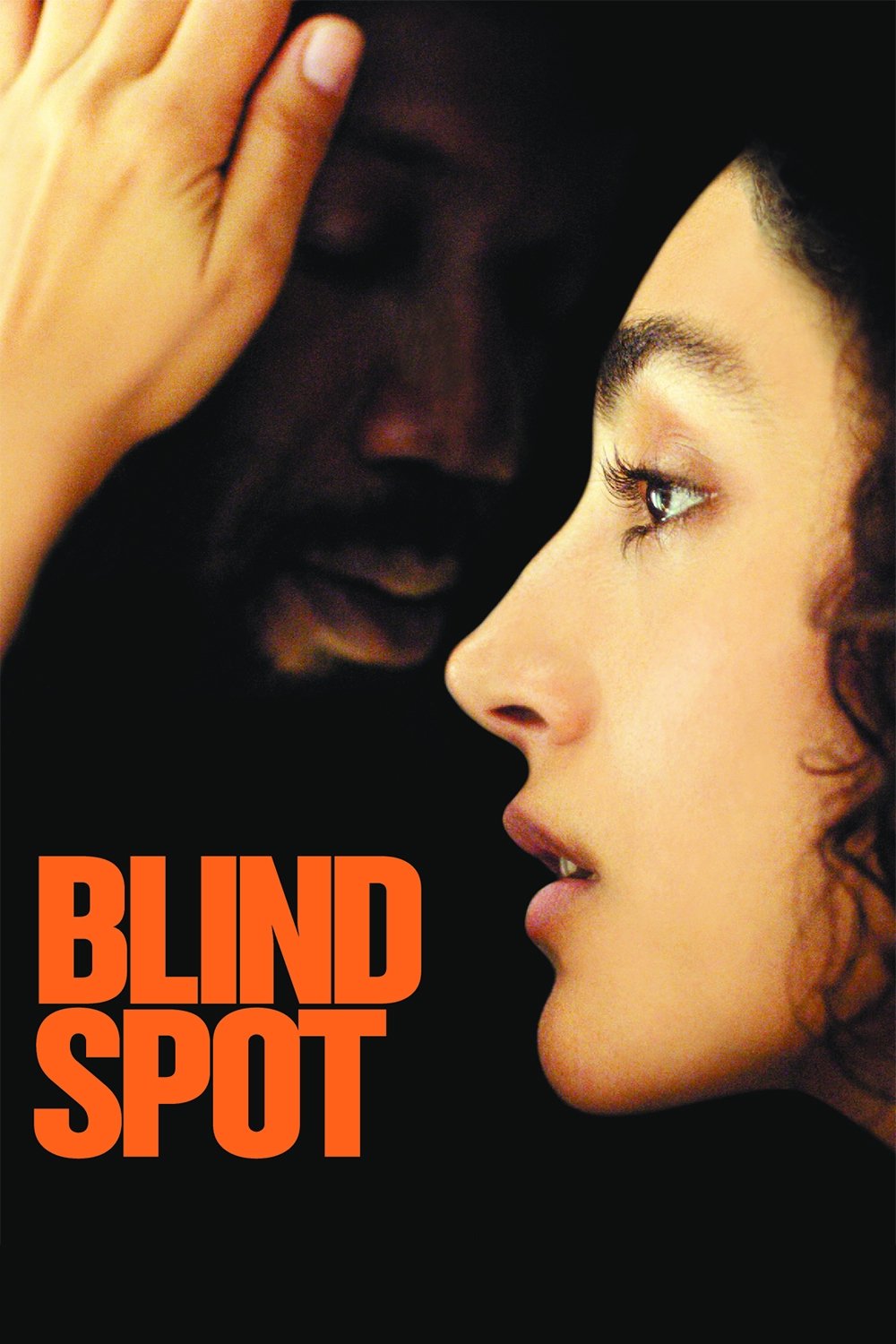
Tuva Novotny directed this Norwegian drama in one real take to follow a mother struggling with a family tragedy. The unblinking camera captures the raw emotion and confusion of the events as they unfold in real time. There are no breaks for the actors or the audience to process the trauma. The technique removes the artificiality of cinema to bring the viewer closer to reality. It is an emotionally draining but powerful viewing experience.
‘Utøya: July 22’ (2018)

This film reconstructs the tragic terror attack on a Norwegian summer camp in a single seventy-two-minute take. The camera follows a teenager trying to survive and find her sister while shots ring out in the distance. The real-time format respects the actual duration of the event without sensationalizing the violence. It focuses on the fear and confusion of the victims rather than the perpetrator. The result is a harrowing testament to survival and loss.
‘Lost in London’ (2017)
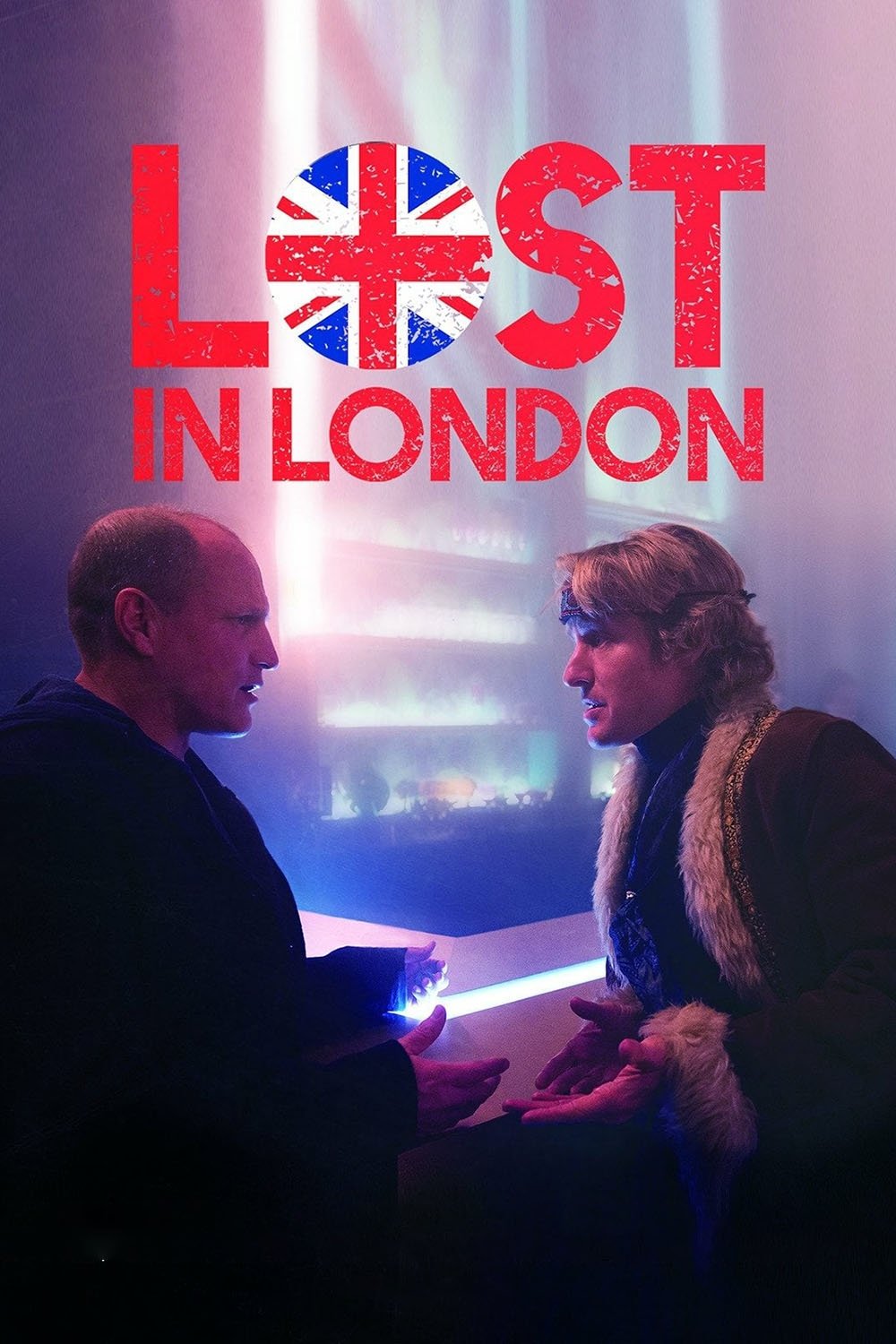
Woody Harrelson wrote, directed, and starred in this comedy which was broadcast live to theaters as it was being filmed in one shot. The camera followed the actors across multiple locations in London including a restaurant and a jail cell. The logistical challenges of moving the crew and broadcasting the signal live were immense. It combines the energy of live theater with the scope of cinema. The project was a daring experiment in the potential of live filmmaking.
Share your favorite continuous shot from this list or mention one we missed in the comments.