


Films That Tanked Because of Last-Minute Studio Interference

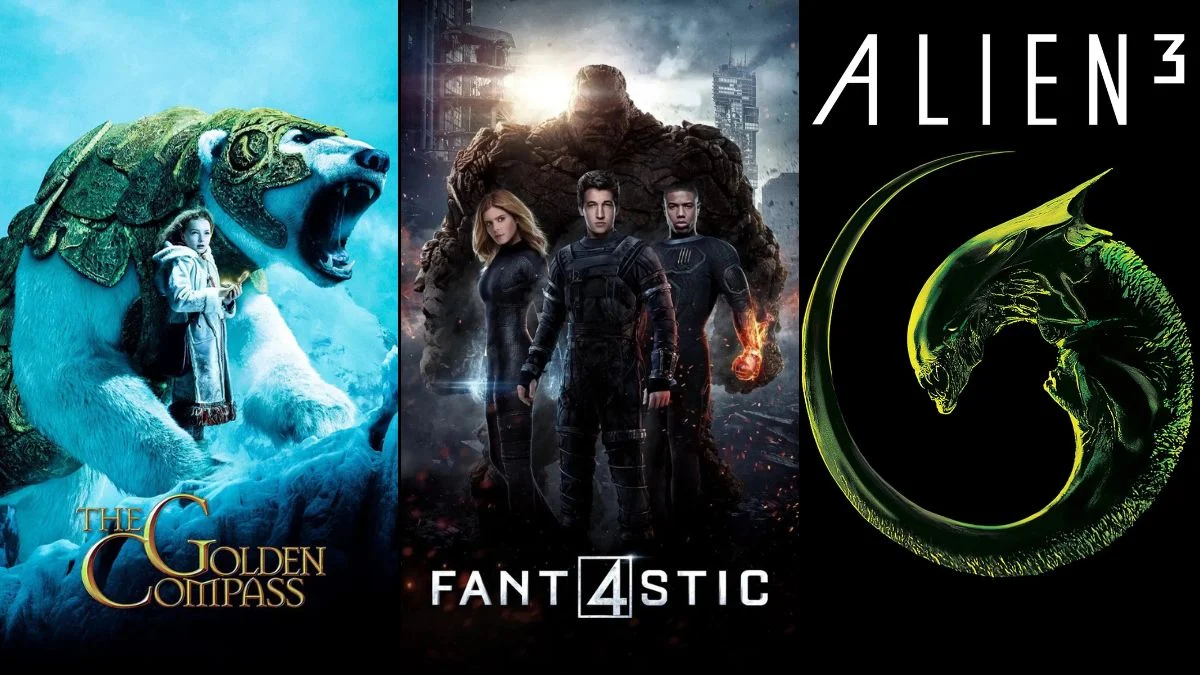


The tension between artistic vision and commercial viability often leads to conflicts that can derail even the most promising productions. Studio executives frequently intervene during post-production to mandate edits or reshoots they believe will appeal to wider audiences. These last-minute changes can result in disjointed narratives and tonal inconsistencies that confuse viewers. History is filled with examples of movies that suffered critically and financially due to excessive corporate meddling.
‘Justice League’ (2017)
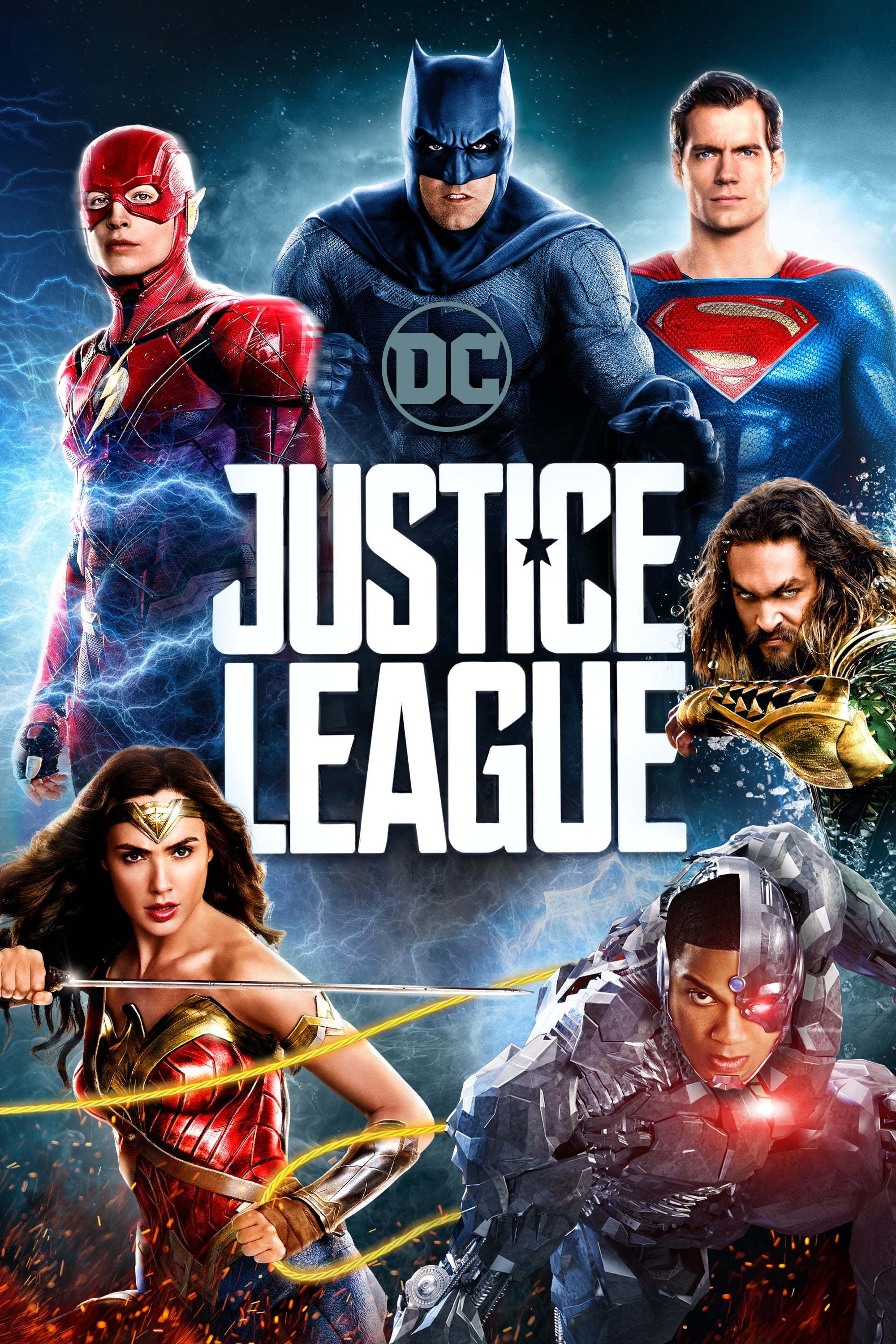
Warner Bros executives sought to change the tone of the film after the polarizing reception of previous franchise installments. Director Zack Snyder stepped down during post-production due to a personal tragedy and the studio hired Joss Whedon to oversee extensive reshoots. The mandate to keep the runtime under two hours forced the removal of crucial character backstories and plot points. The final theatrical release felt like a patchwork of two conflicting visions that failed to resonate with audiences or critics.
‘Suicide Squad’ (2016)
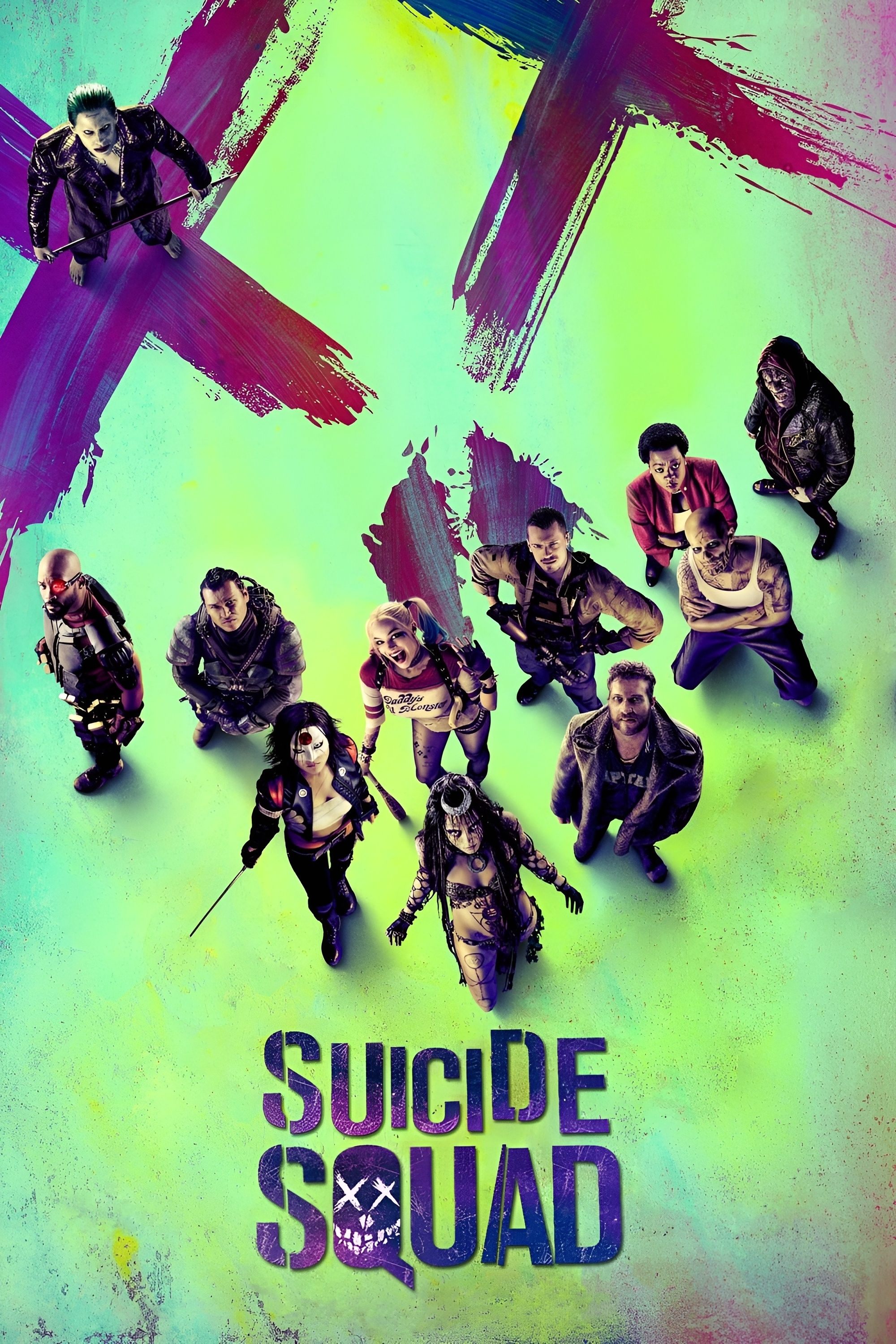
The studio panicked after the dark reception of other superhero films and ordered multiple edits of the movie to inject more humor. Warner Bros reportedly hired a trailer editing company to cut a version of the film that competed with the director’s original vision. This resulted in a chaotic narrative with jarring musical cues and underdeveloped character arcs. Much of the footage involving the Joker was left on the cutting room floor to accommodate the lighter tone.
‘Fantastic Four’ (2015)
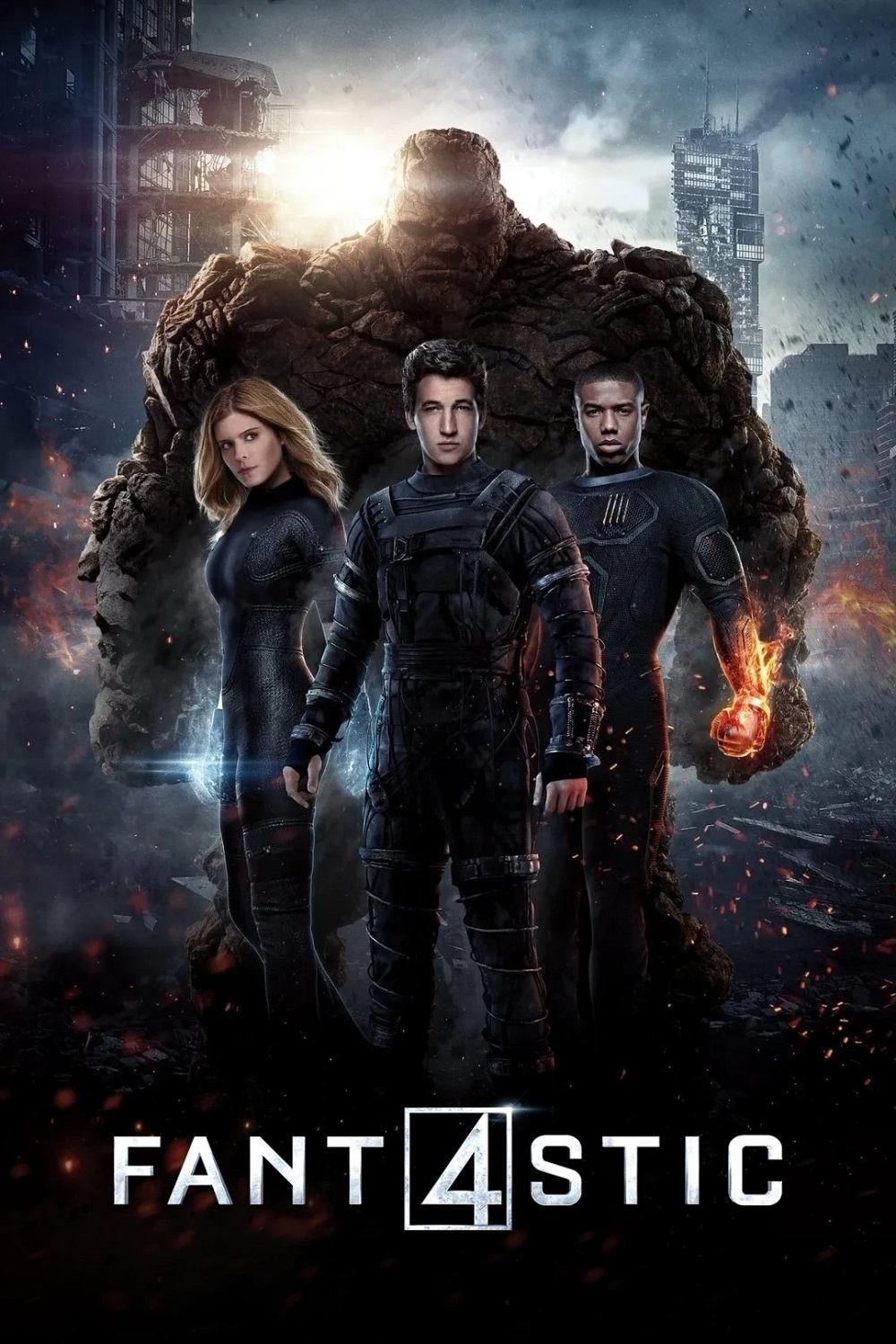
Director Josh Trank clashed heavily with 20th Century Fox throughout the production of this superhero reboot. The studio was unhappy with the dark body horror approach and ordered significant reshoots without the director’s full cooperation. The final act of the film shifts abruptly in tone and visual style due to these late-game alterations. The movie was a critical and commercial failure that led to the rights eventually reverting to Marvel Studios.
‘Spider-Man 3’ (2007)
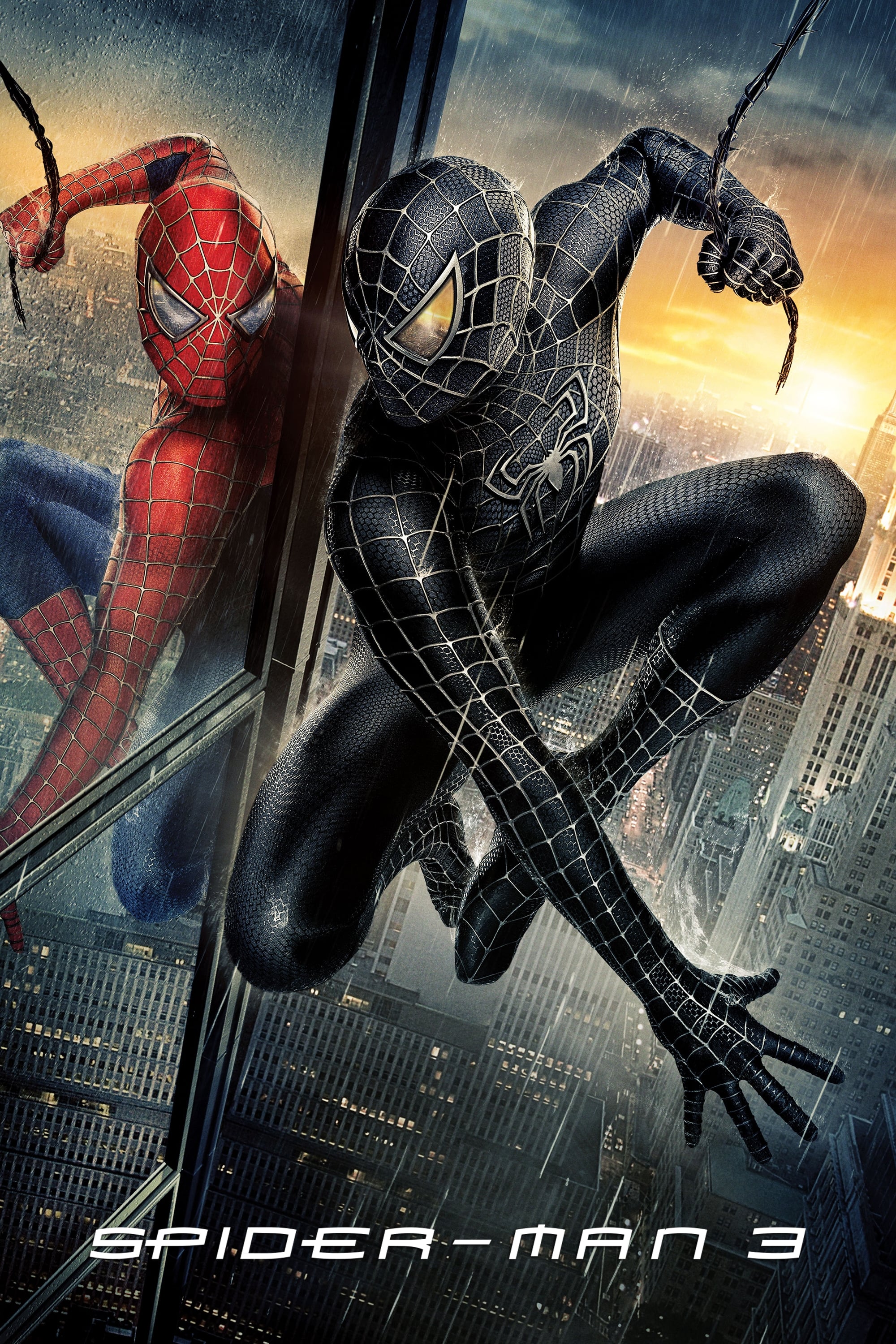
Sony Pictures producer Avi Arad pressured director Sam Raimi to include Venom in the film despite Raimi wishing to focus on other villains. The inclusion of the popular symbiote character forced the script to juggle too many antagonists and subplots. This overstuffed narrative resulted in a muddled storyline that failed to balance the emotional stakes established in the previous entries. The negative reception to the film caused the cancellation of a planned fourth installment and led to a franchise reboot.
‘The Golden Compass’ (2007)
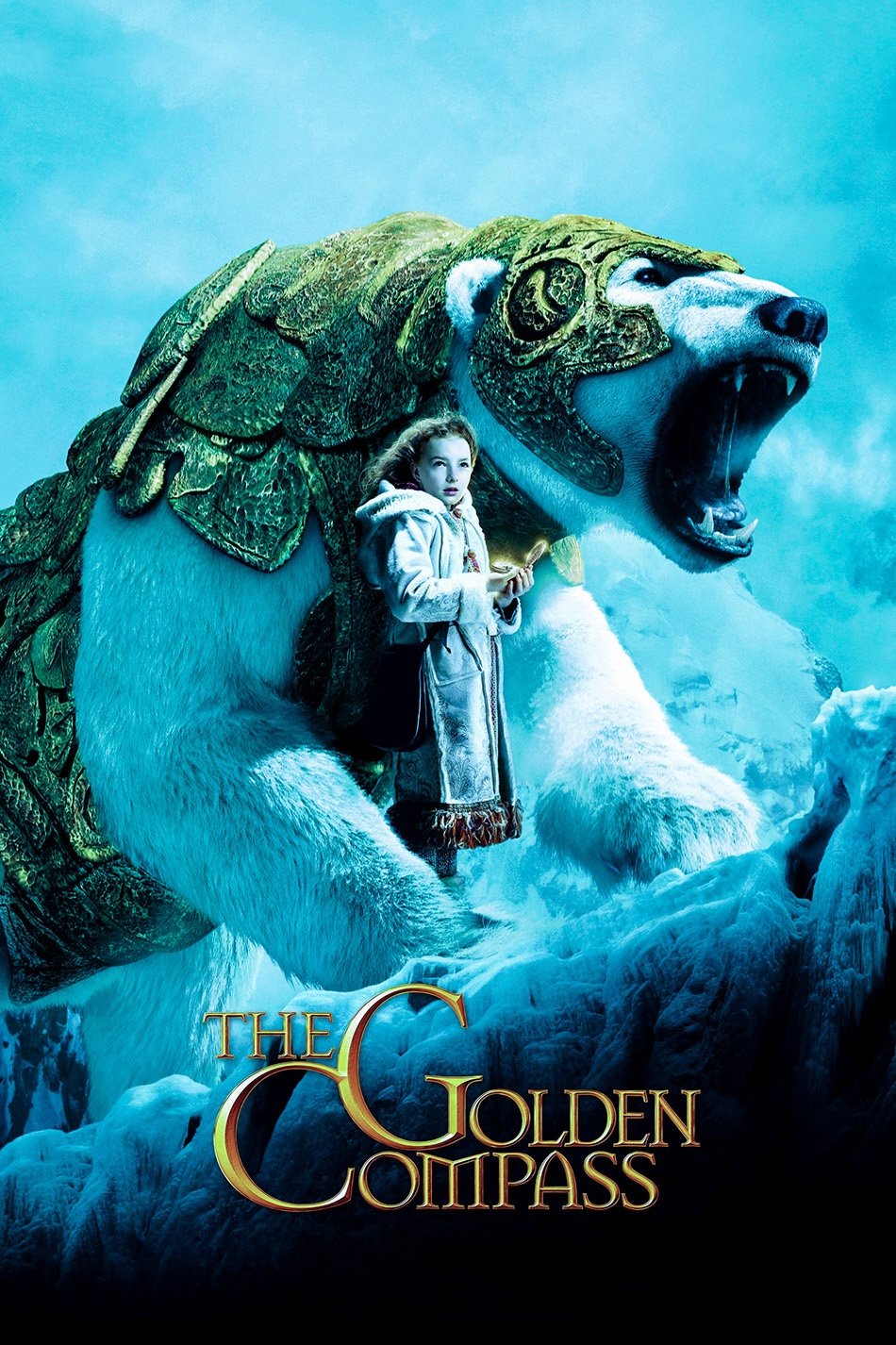
New Line Cinema attempted to sanitize the anti-religious themes of the source material to avoid controversy in the American market. The studio also removed the original downbeat ending and reshuffled the narrative order to provide a happier conclusion. These changes diluted the impact of the story and alienated fans of the Philip Pullman novels. The domestic box office returns were disappointing enough to cancel the production of the two planned sequels.
‘Alien³’ (1992)
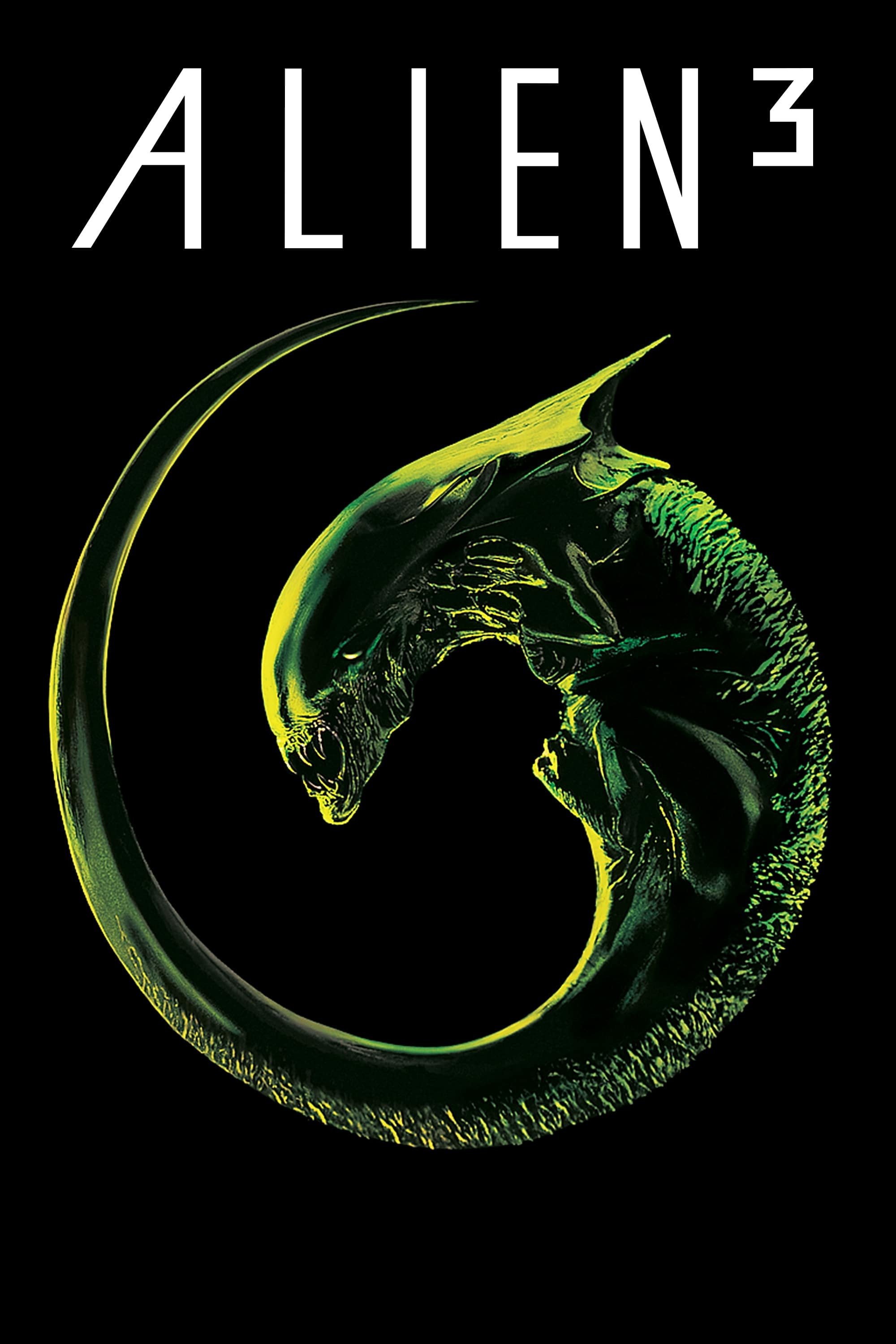
First-time director David Fincher faced constant interference from 20th Century Fox throughout the filming and editing process. The script was being rewritten while sets were being built and the studio micromanaged daily production decisions. Fincher was eventually locked out of the editing room as executives attempted to assemble a coherent cut from the troubled shoot. The resulting film was disowned by its director and received a mixed response from fans of the franchise.
‘X-Men Origins: Wolverine’ (2009)
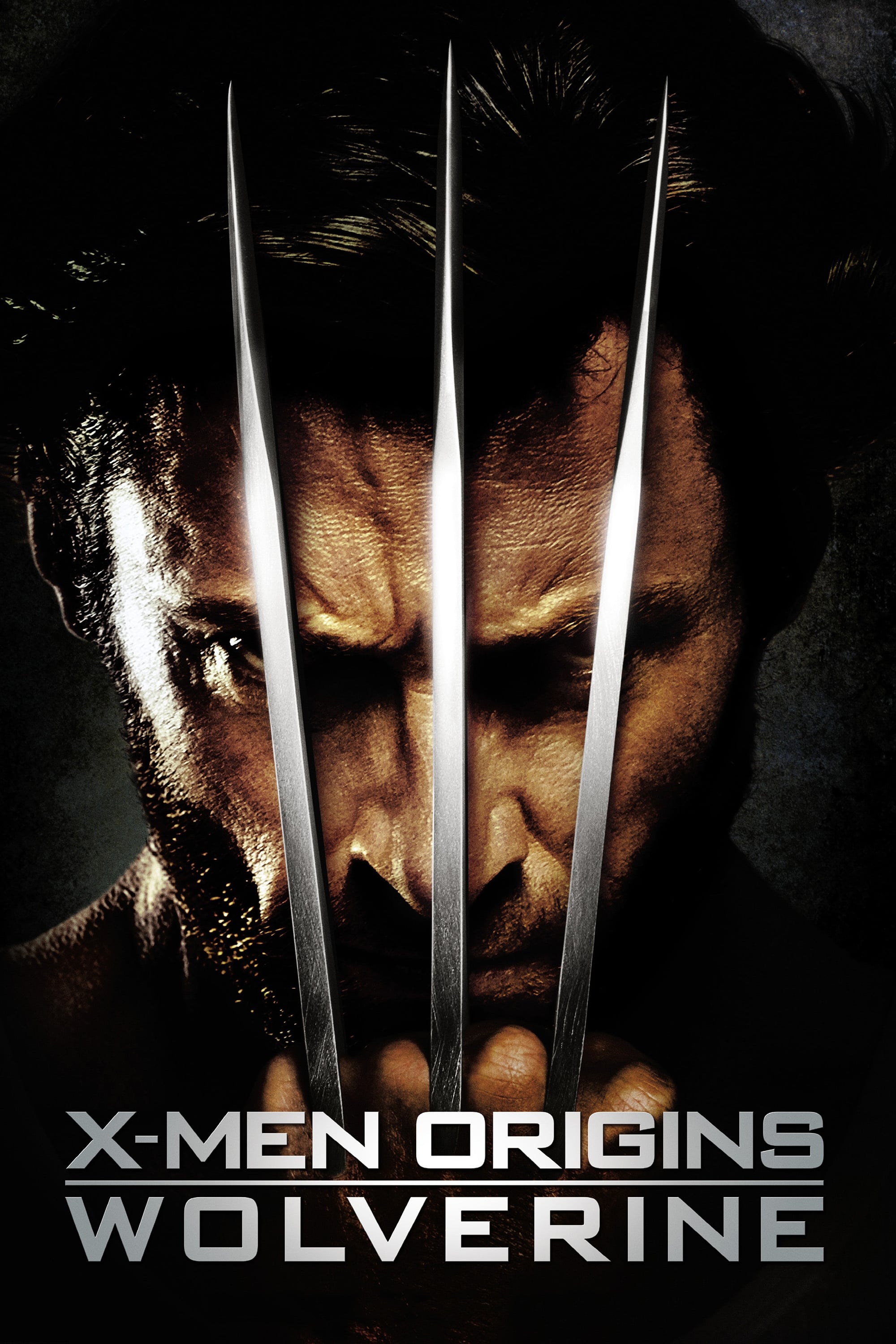
Fox executives exerted tight control over director Gavin Hood and dictated many creative choices regarding character depictions. The most infamous decision involved sewing the mouth of Deadpool shut for the climax which completely removed the character’s signature trait. A workprint of the film leaked online before the release and further damaged its box office potential. The movie is often cited as the low point of the franchise due to its deviation from comic book lore.
‘Blade: Trinity’ (2004)
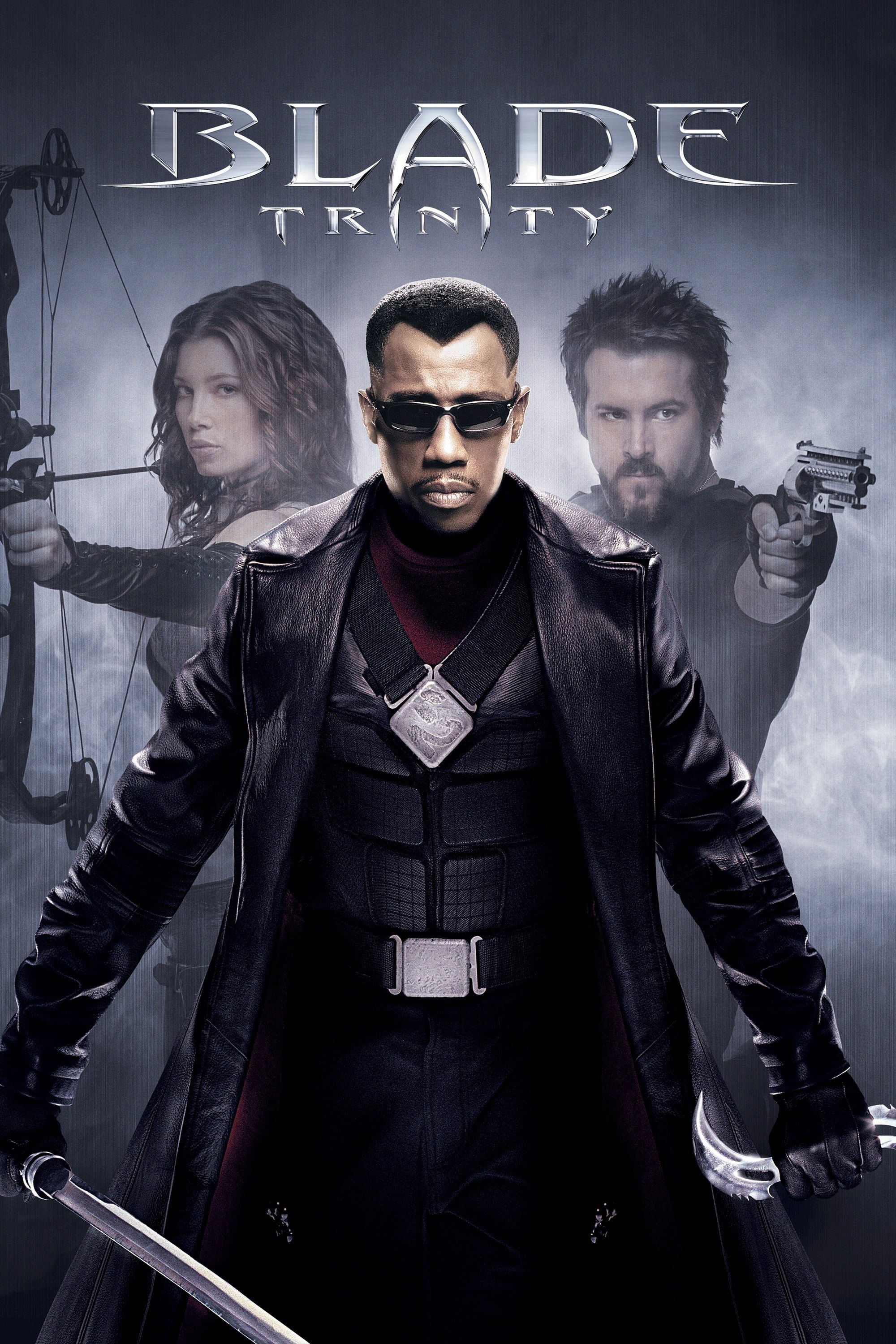
Production was plagued by conflicts between star Wesley Snipes and writer-director David S. Goyer. New Line Cinema executives pushed for the inclusion of younger co-stars to potentially spin off the franchise. This focus on the supporting cast detracted from the main character and altered the tone of the series. The film failed to capture the success of its predecessors and effectively ended the original trilogy.
‘The Amazing Spider-Man 2’ (2014)

Sony Pictures used this sequel primarily as a launchpad for a planned cinematic universe involving the Sinister Six. The studio mandated the inclusion of multiple villains and numerous subplots that set up future spinoffs. This world-building came at the expense of the central narrative and the emotional arc of the protagonist. The lukewarm reception and disappointing financial performance led to another reboot of the character.
‘Green Lantern’ (2011)
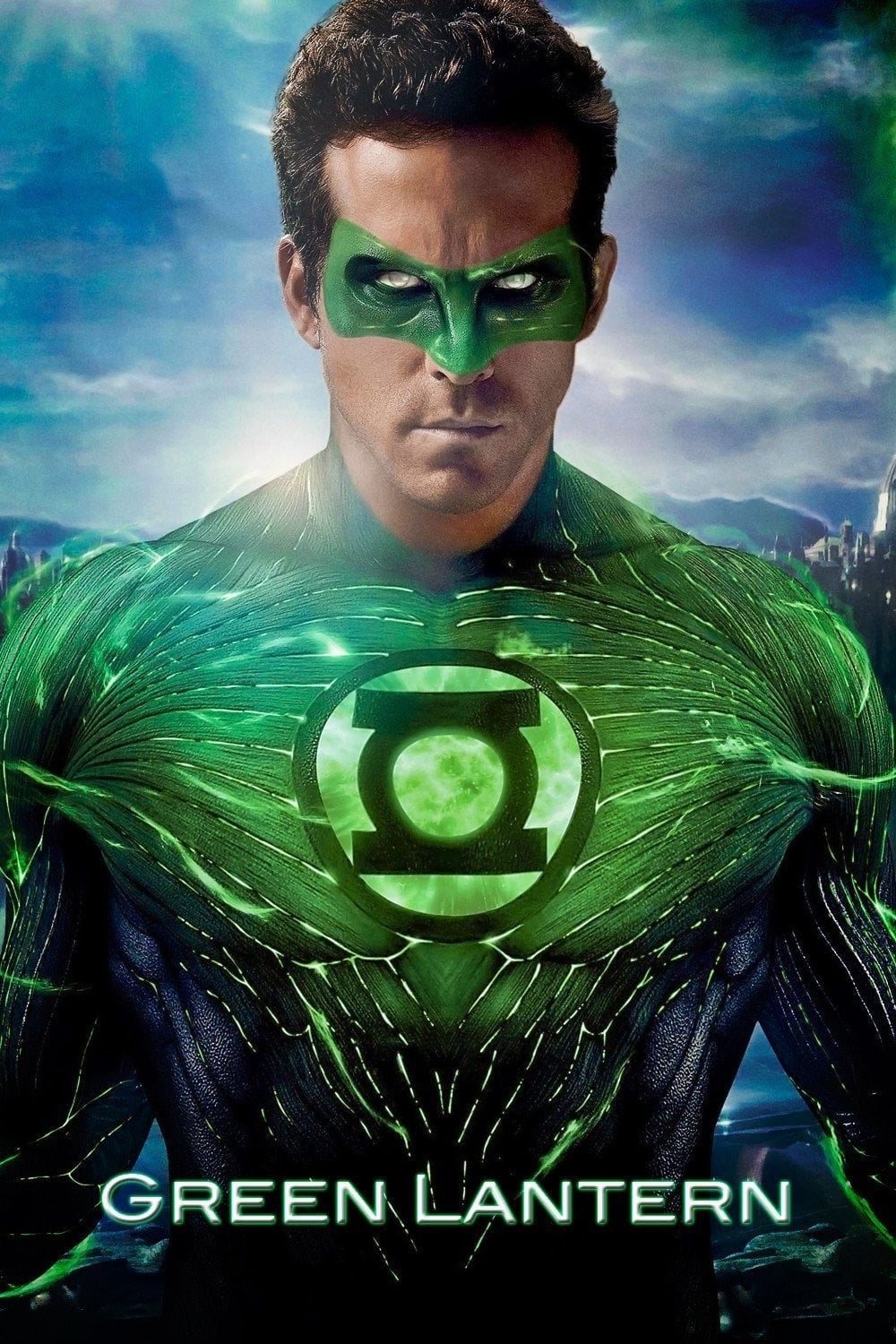
Warner Bros attempted to replicate the success of other superhero franchises by intervening heavily in the script and visual effects. The production suffered from a script written by committee and a reliance on a fully computer-generated suit that looked unfinished. Frequent studio notes resulted in a film that struggled to find a consistent tone between space opera and earthly comedy. The movie became a box office bomb that stalled the character’s cinematic presence for years.
‘Batman & Robin’ (1997)
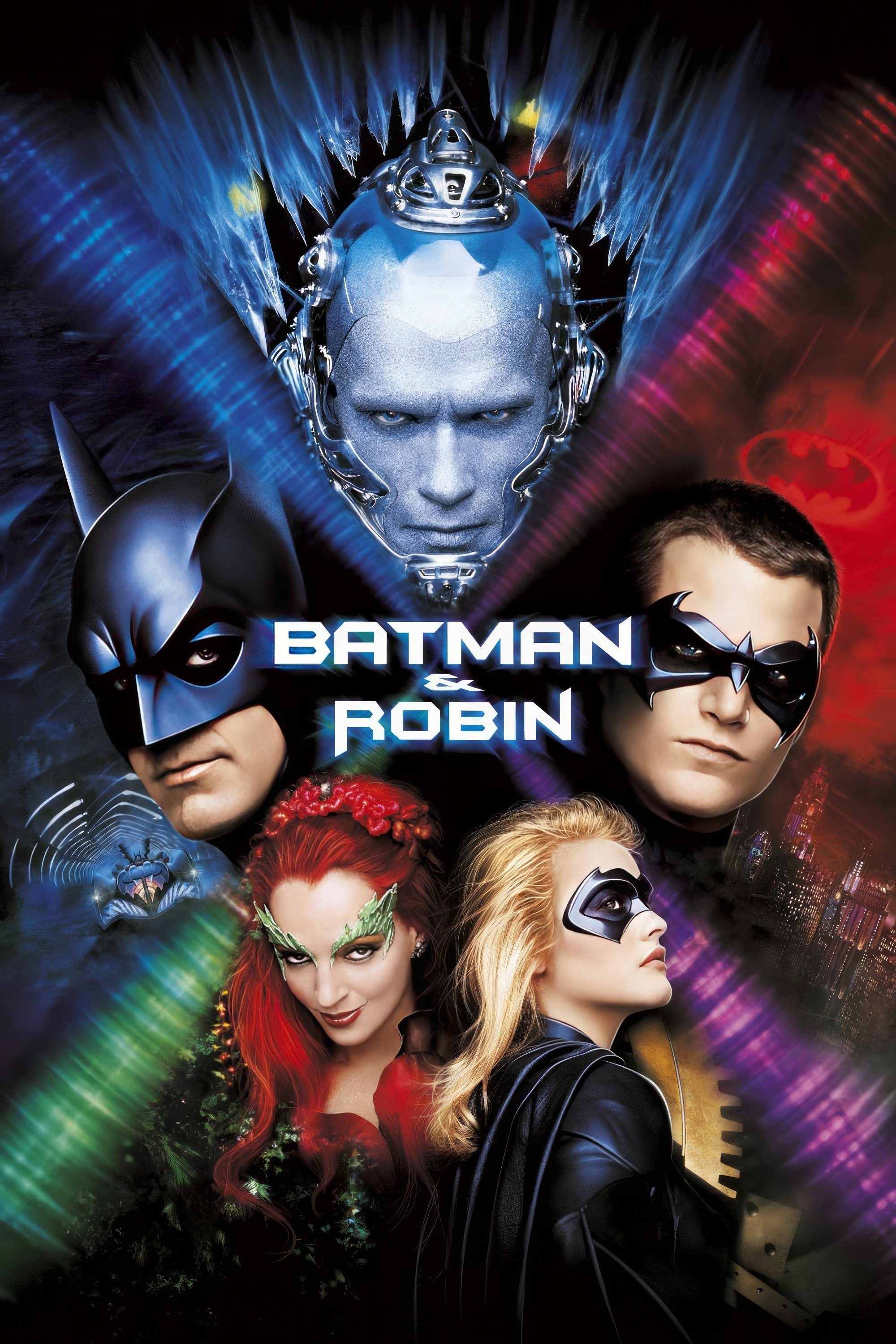
Warner Bros executives demanded a more family-friendly approach to facilitate merchandise and toy sales. Director Joel Schumacher was instructed to create a living cartoon that prioritized gadgets and vehicles over character depth. The result was a campy production filled with neon lights and pun-heavy dialogue that angered fans. The critical backlash was so severe that the Batman franchise remained dormant for eight years.
‘The 13th Warrior’ (1999)
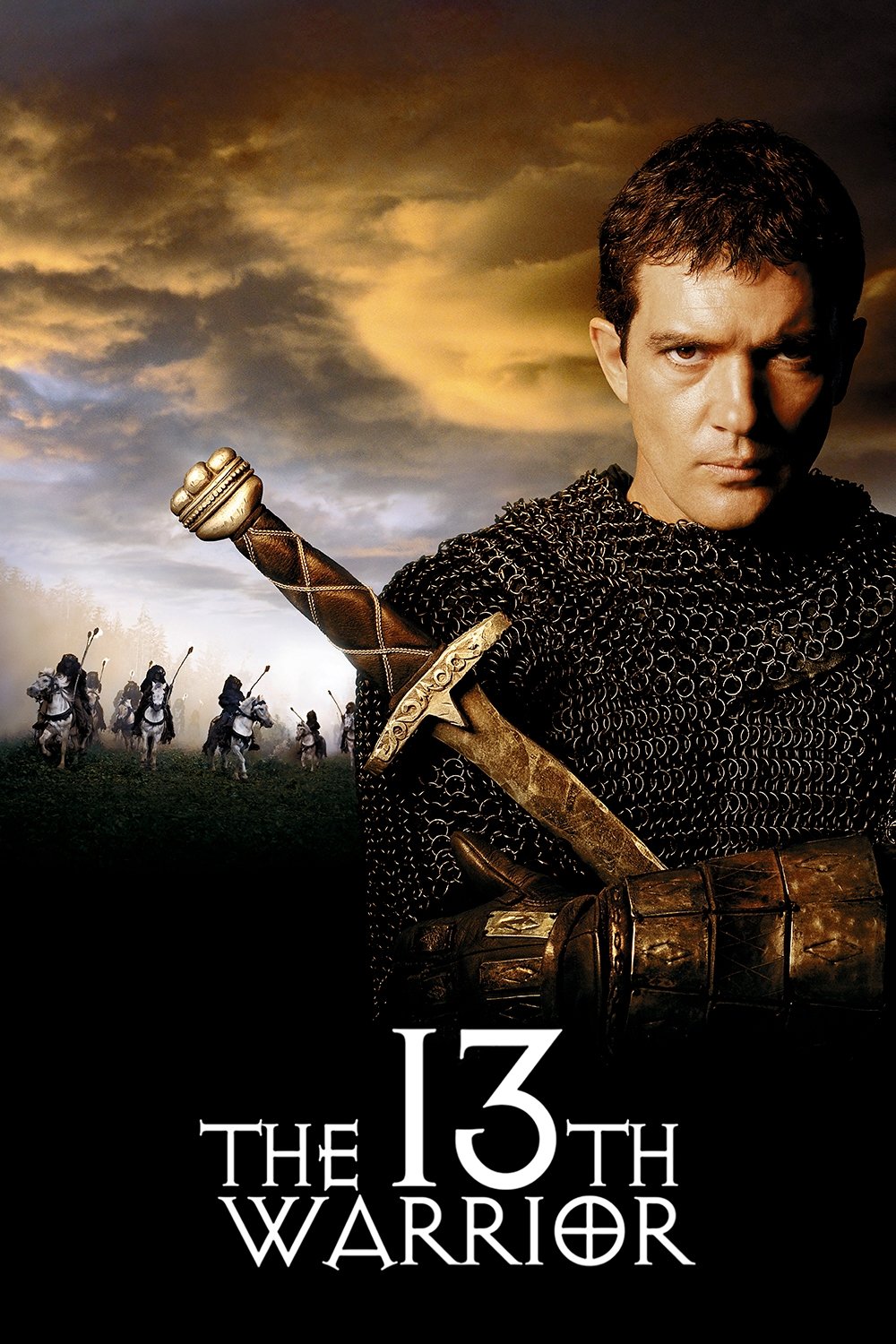
The original cut by director John McTiernan was deemed unreleasable by the studio following poor test screenings. Author Michael Crichton was brought in to oversee extensive reshoots and a complete re-editing of the film. The original musical score was replaced and the narrative was significantly streamlined to increase the pacing. These costly changes ballooned the budget and contributed to one of the biggest box office losses in history.
’47 Ronin’ (2013)
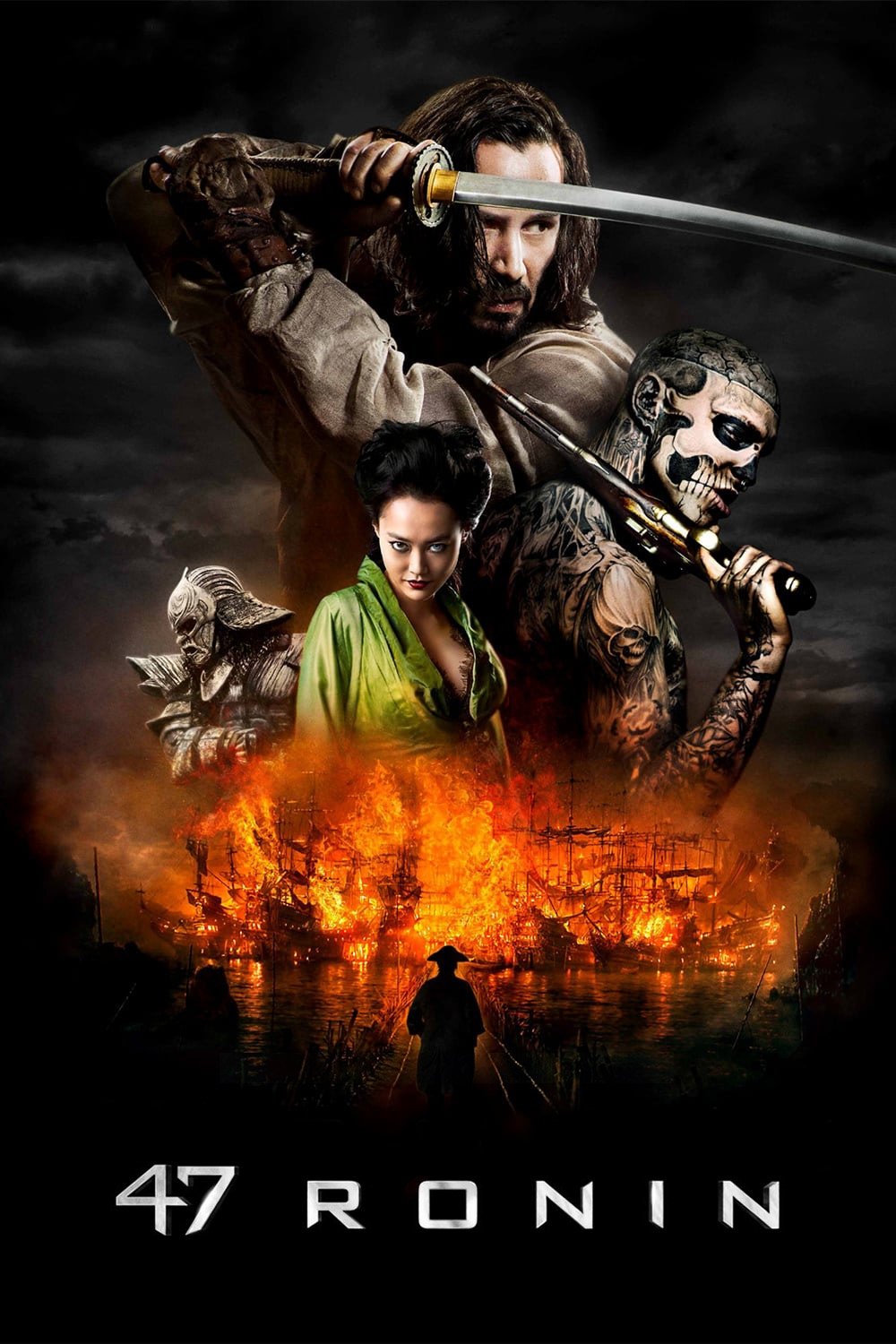
Universal Pictures removed director Carl Rinsch during the editing process after the budget spiraled out of control. The studio insisted on emphasizing the fantasy elements and the role of Keanu Reeves over the Japanese ensemble cast. This westernized focus clashed with the traditional samurai story and created a confused final product. The film failed to recoup its massive production budget and received negative reviews for its dull storytelling.
‘The Island of Dr. Moreau’ (1996)
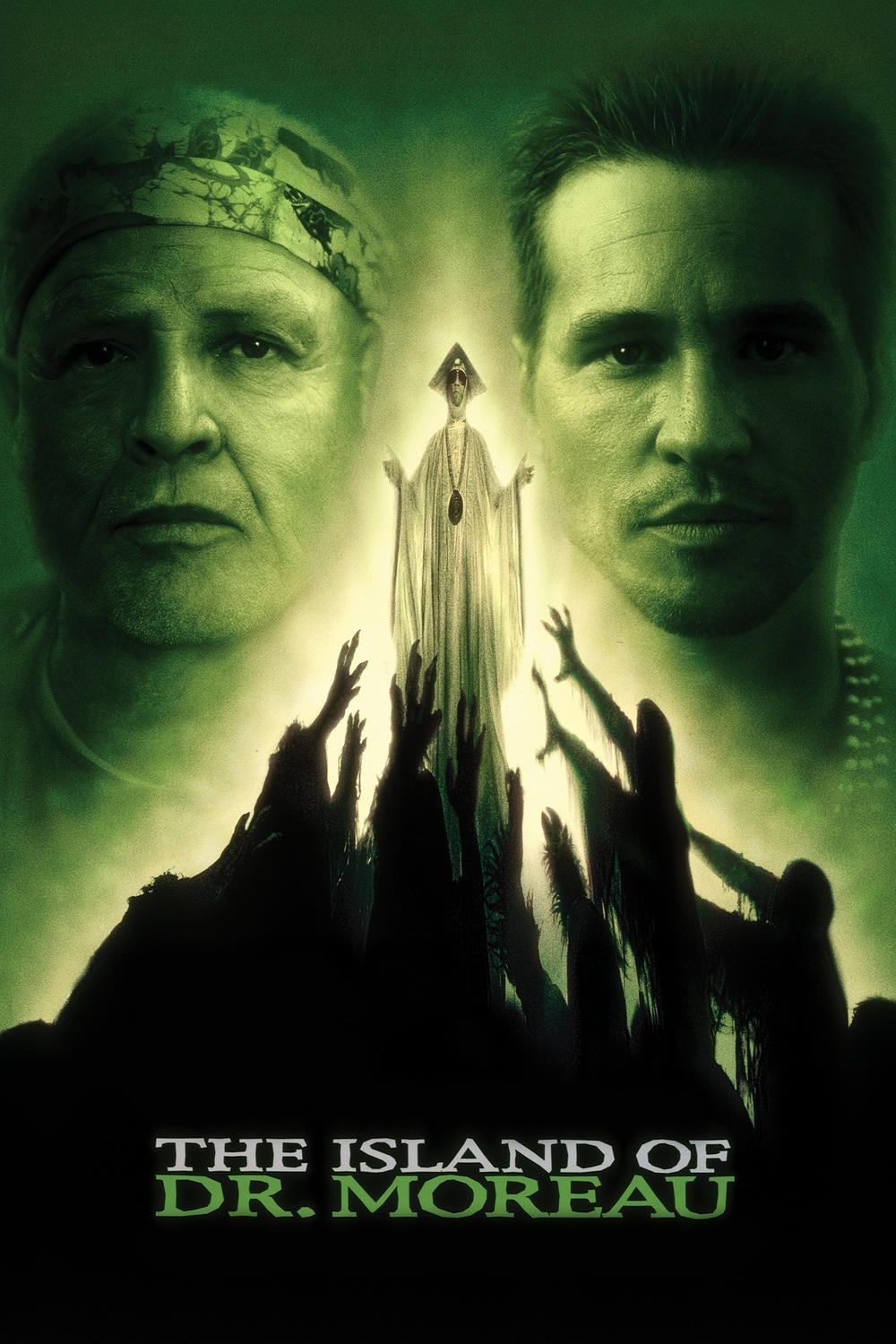
New Line Cinema fired the original director Richard Stanley shortly after filming began and replaced him with John Frankenheimer. The production descended into chaos as the studio attempted to manage the egos of stars Val Kilmer and Marlon Brando. The script was rewritten constantly on set to accommodate the demands of the cast and the studio. The finished film is widely regarded as a disaster due to its incoherent plot and bizarre performances.
‘Super Mario Bros.’ (1993)
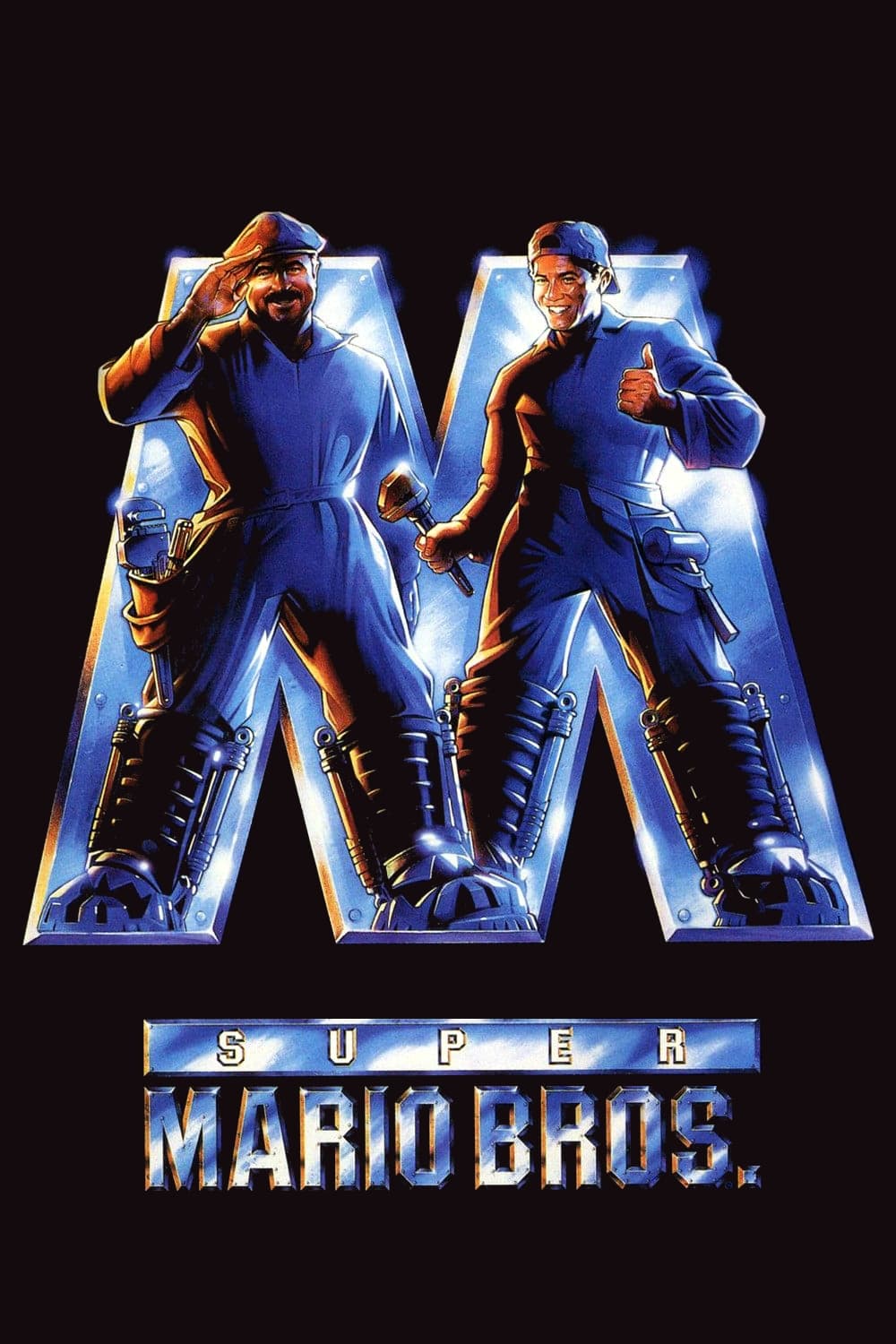
The directors wanted to create a dark and cyberpunk interpretation of the video game while the studio wanted a family adventure. Producers locked the directors out of the editing room and constantly demanded script changes during production. The final movie vacillated wildly between adult themes and childish humor. It failed to please fans of the game or general moviegoers and flopped at the box office.
‘The League of Extraordinary Gentlemen’ (2003)
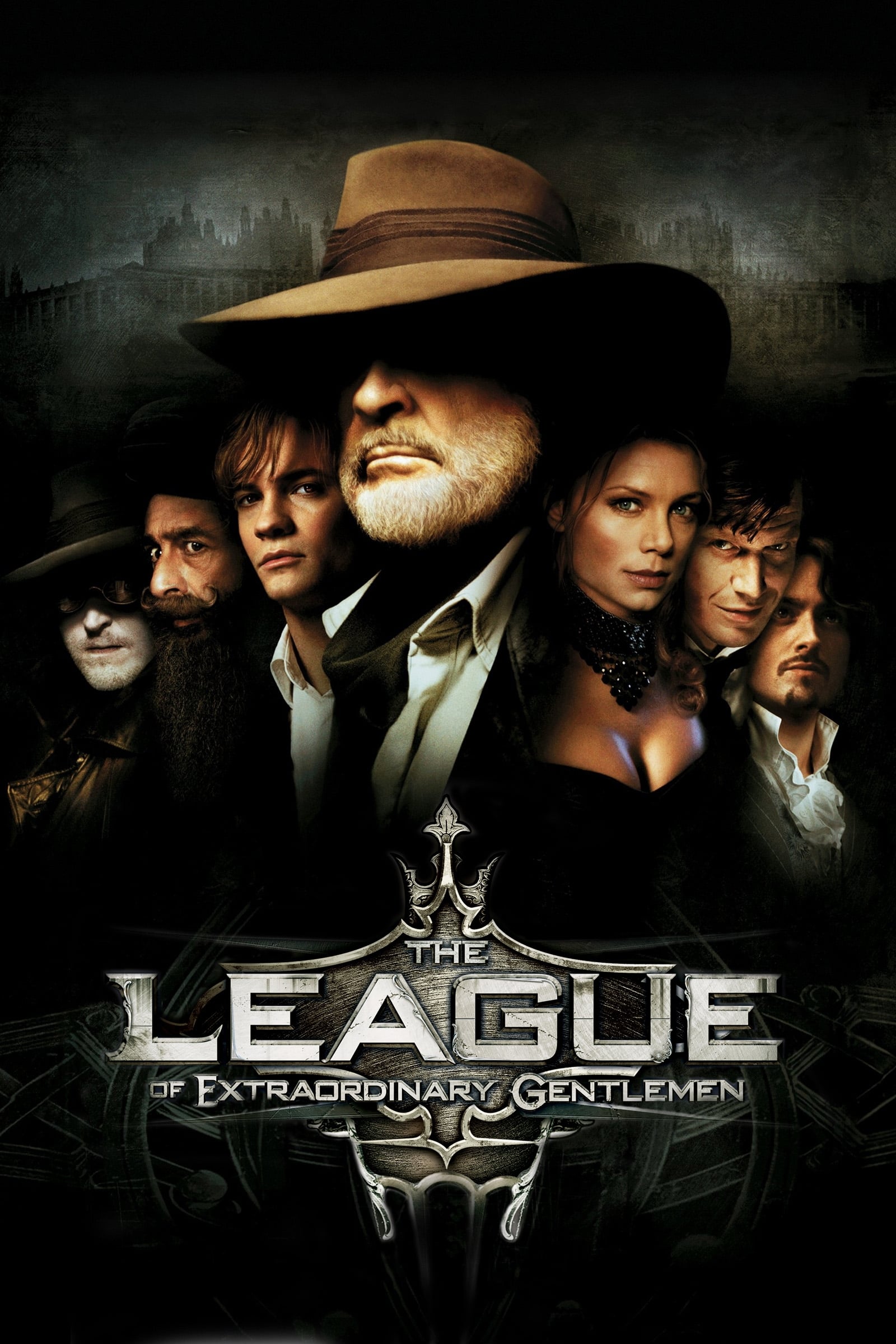
20th Century Fox put immense pressure on director Stephen Norrington to deliver a summer blockbuster despite production delays. The studio interference caused significant friction between the director and star Sean Connery. Fox demanded a faster pace and more action sequences that sacrificed character development. The negative experience on this production contributed to Sean Connery’s decision to retire from acting.
‘Jonah Hex’ (2010)
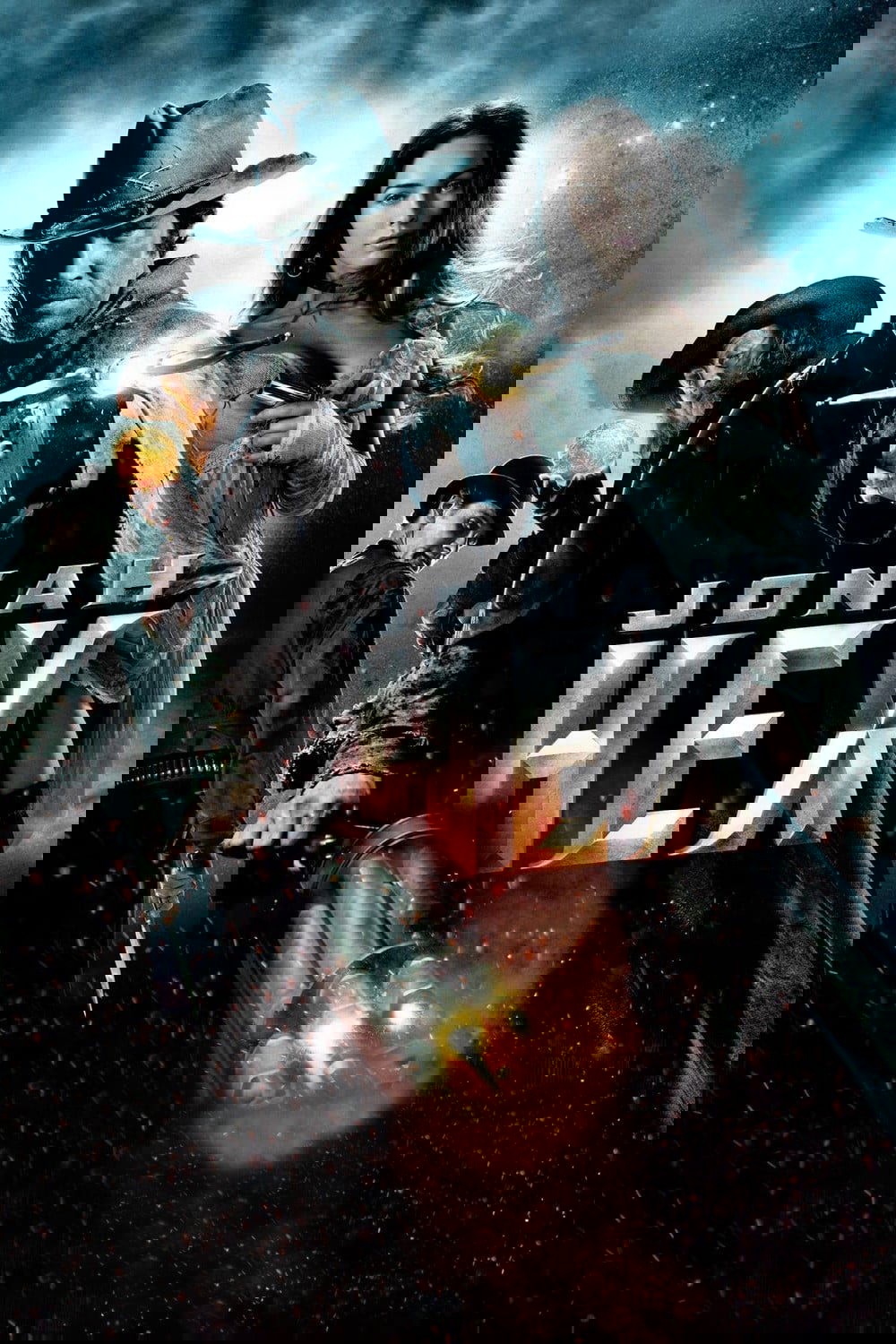
Warner Bros was unsatisfied with the initial cut of the film and ordered Francis Lawrence to direct reshoots. The studio aggressively edited the movie down to a runtime of just over eighty minutes to maximize daily screenings. This chop-shop editing style left the story unintelligible and removed much of the supernatural context. The film opened to abysmal reviews and is considered one of the worst comic book adaptations.
‘Babylon A.D.’ (2008)
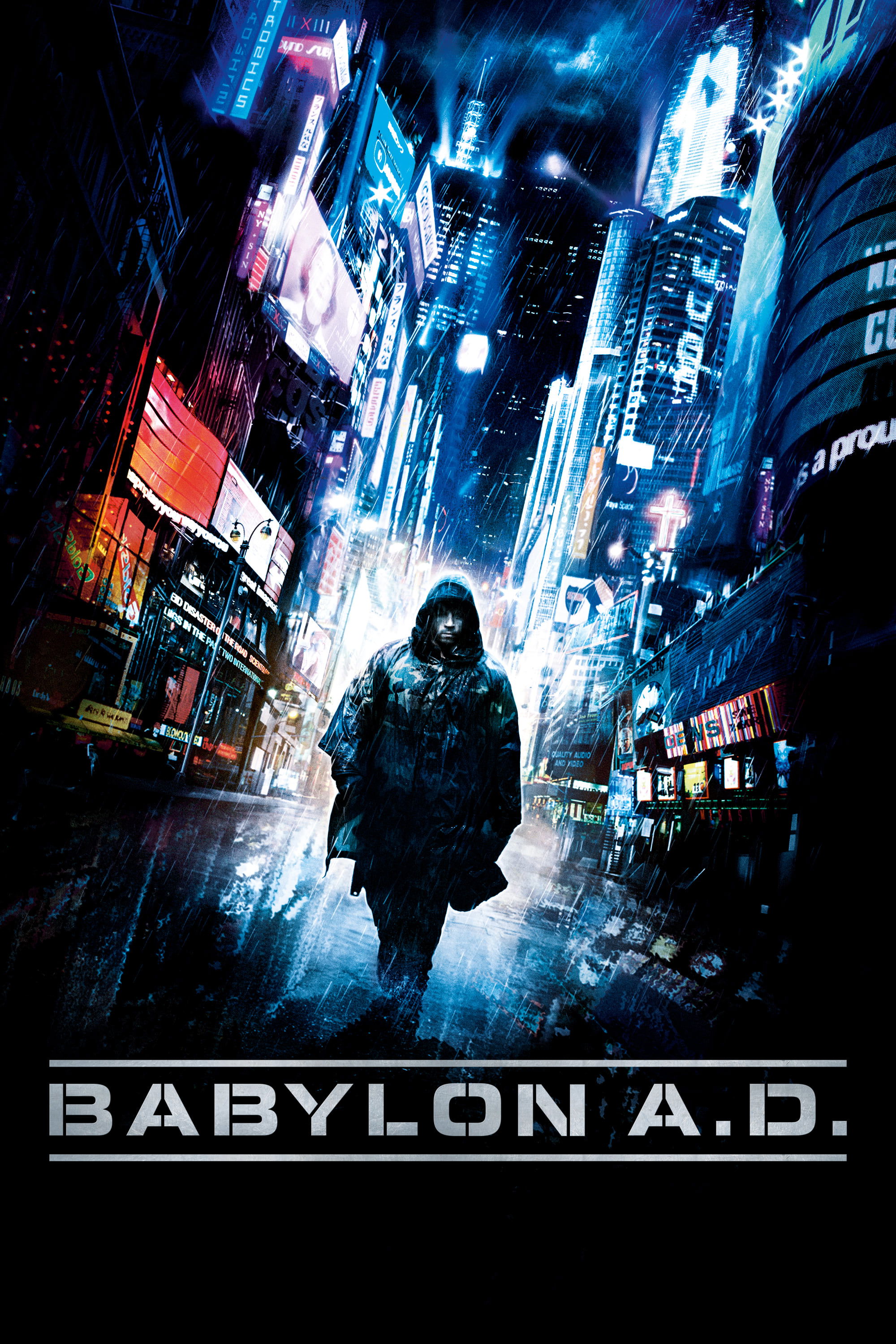
Director Mathieu Kassovitz publicly criticized 20th Century Fox for interfering with every stage of the production. The studio forced the director to cut the film down to obtain a PG-13 rating in the United States. These cuts removed crucial scenes explaining the motivations of the characters and the logic of the world. Kassovitz disowned the final version which was panned by critics for its confusing plot.
‘Catwoman’ (2004)
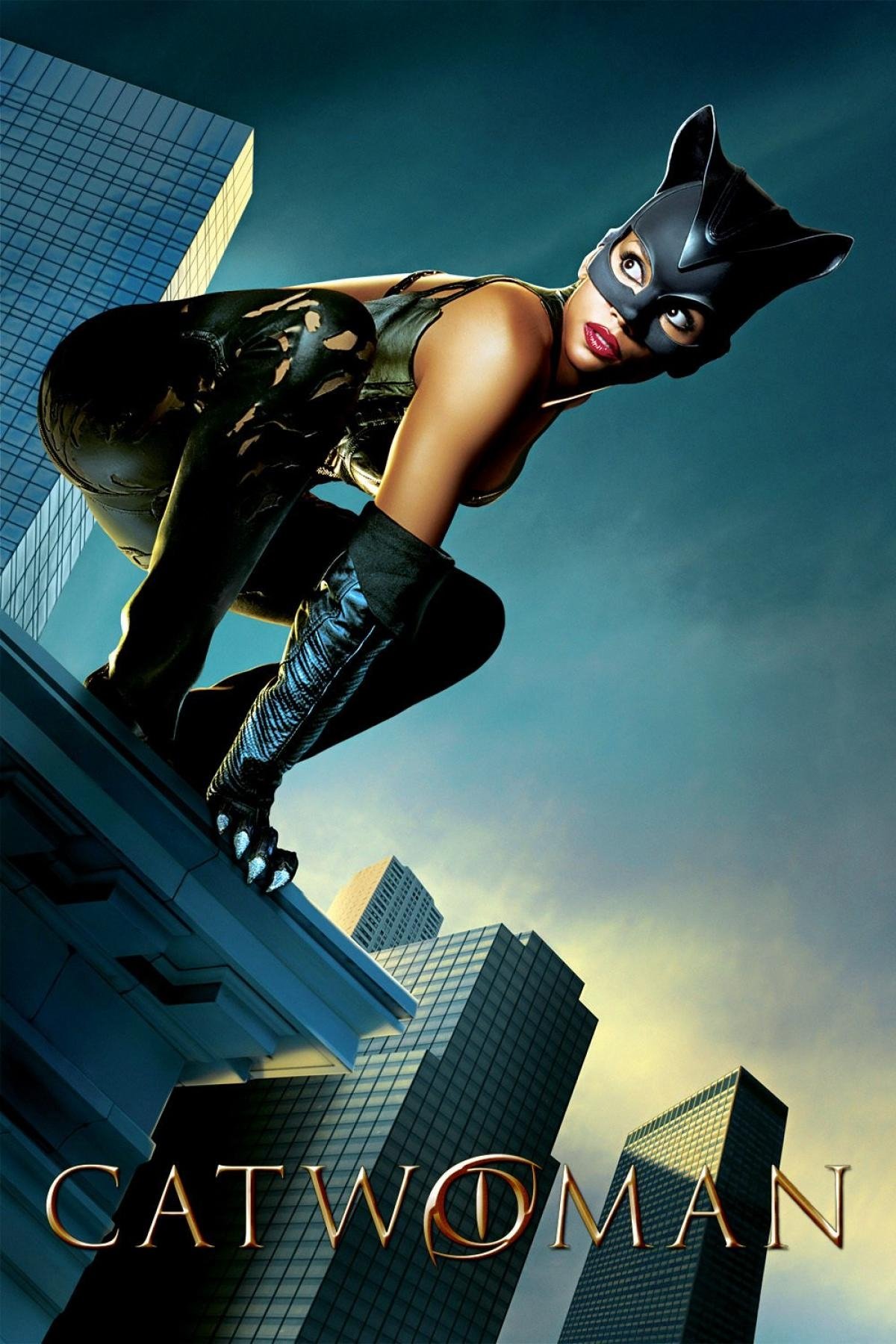
Warner Bros decided to separate the character completely from the Batman mythos and the comic book source material. The studio hired a visual effects supervisor known as Pitof to direct and emphasized a music video aesthetic. The editing was frantic and the script focused on a cosmetic company conspiracy rather than superhero heroics. The film was universally derided and won multiple Golden Raspberry Awards.
‘The Invasion’ (2007)
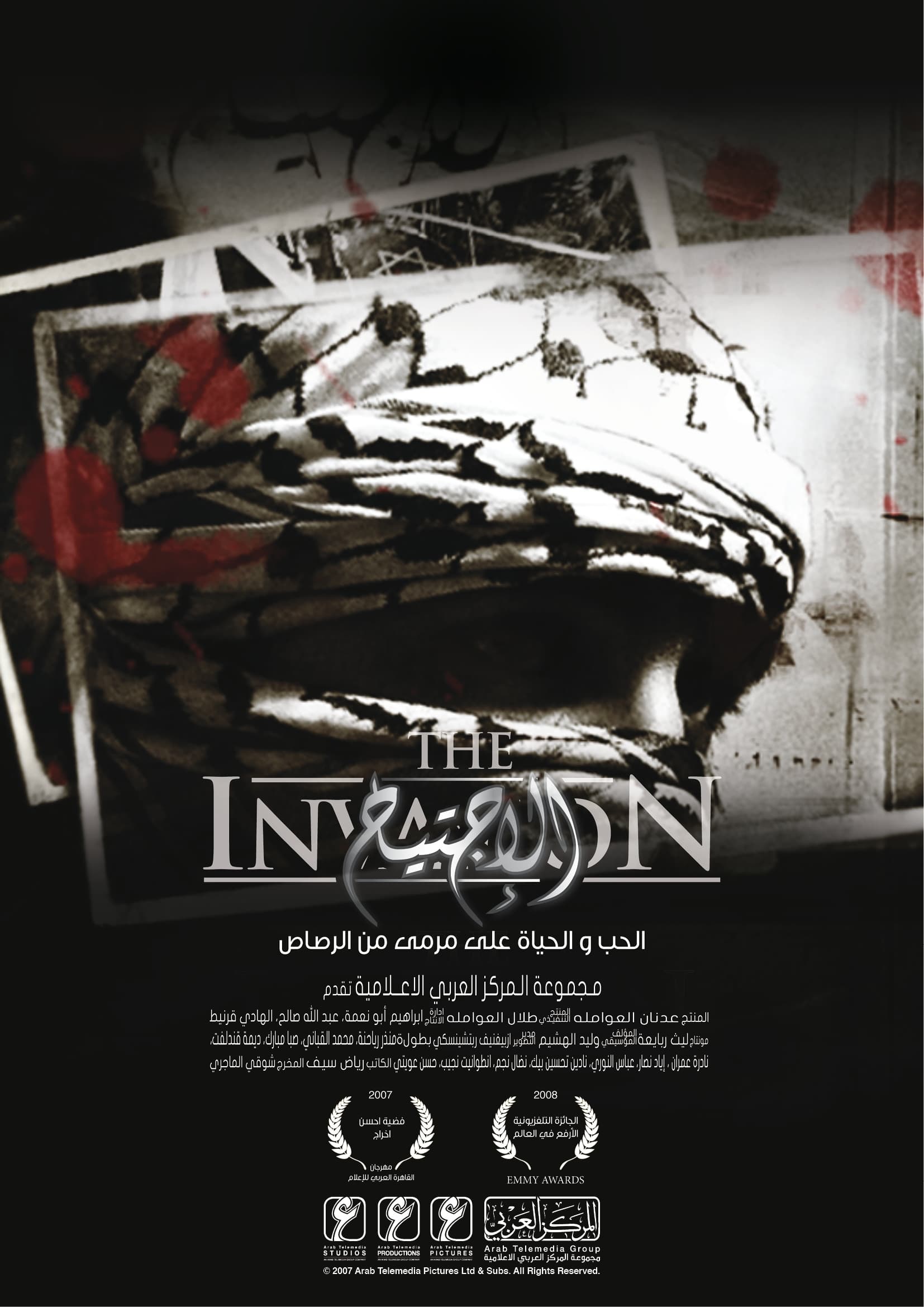
Warner Bros was unhappy with the original cut delivered by director Oliver Hirschbiegel because it lacked action. The Wachowskis were hired to rewrite the script and James McTeigue was brought in to direct new action sequences. The resulting film was a jarring mix of a slow psychological thriller and a generic zombie action movie. It failed to recoup its budget and received poor reviews for its lack of suspense.
‘All the Pretty Horses’ (2000)
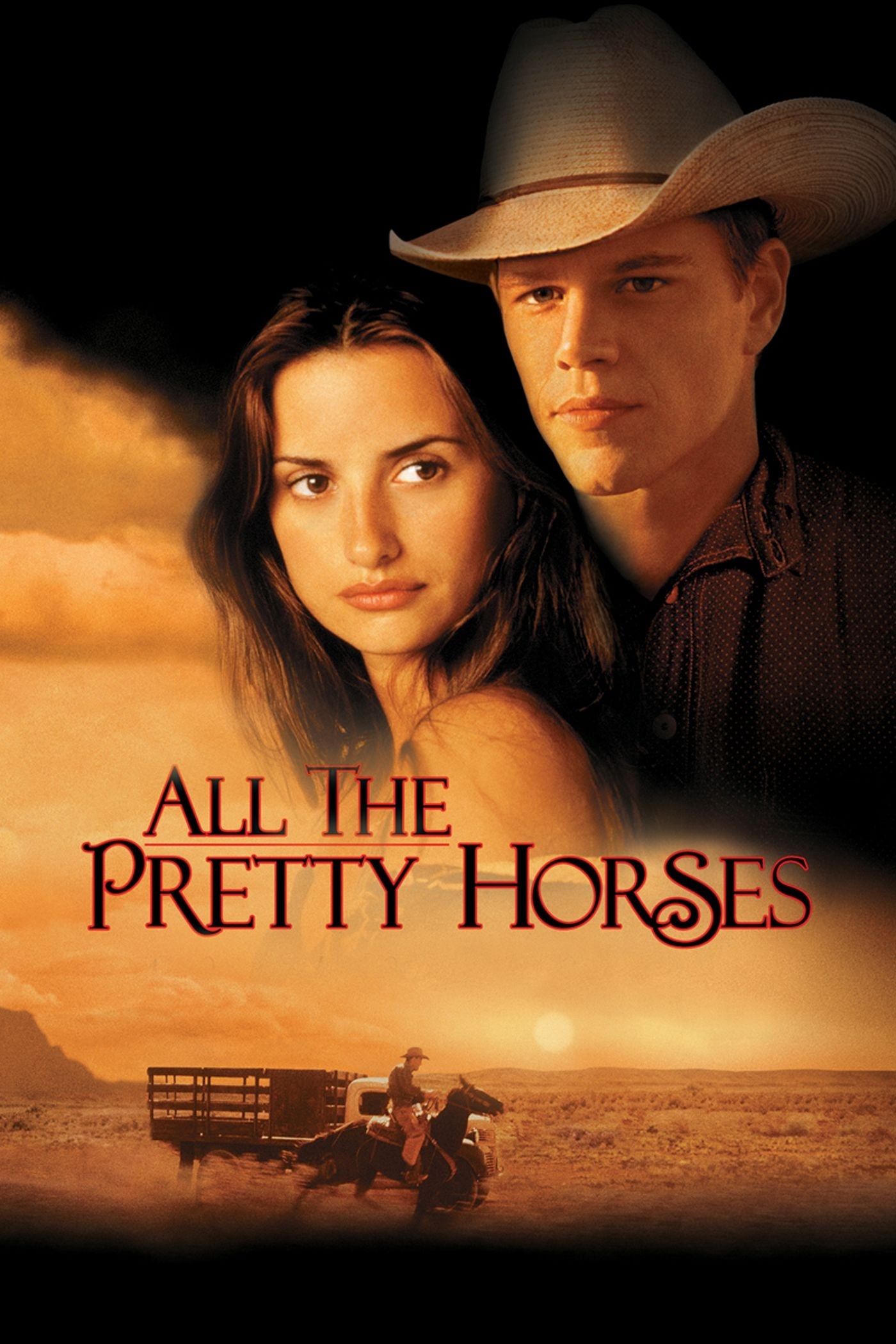
Director Billy Bob Thornton delivered a nearly four-hour cut that stayed true to the rhythm of the Cormac McCarthy novel. Miramax executive Harvey Weinstein insisted the film be cut down to under two hours. The original score by Daniel Lanois was also rejected and replaced with a more traditional Hollywood soundtrack. The truncated version lost the nuance of the story and failed to impress critics or audiences.
‘The Wolfman’ (2010)
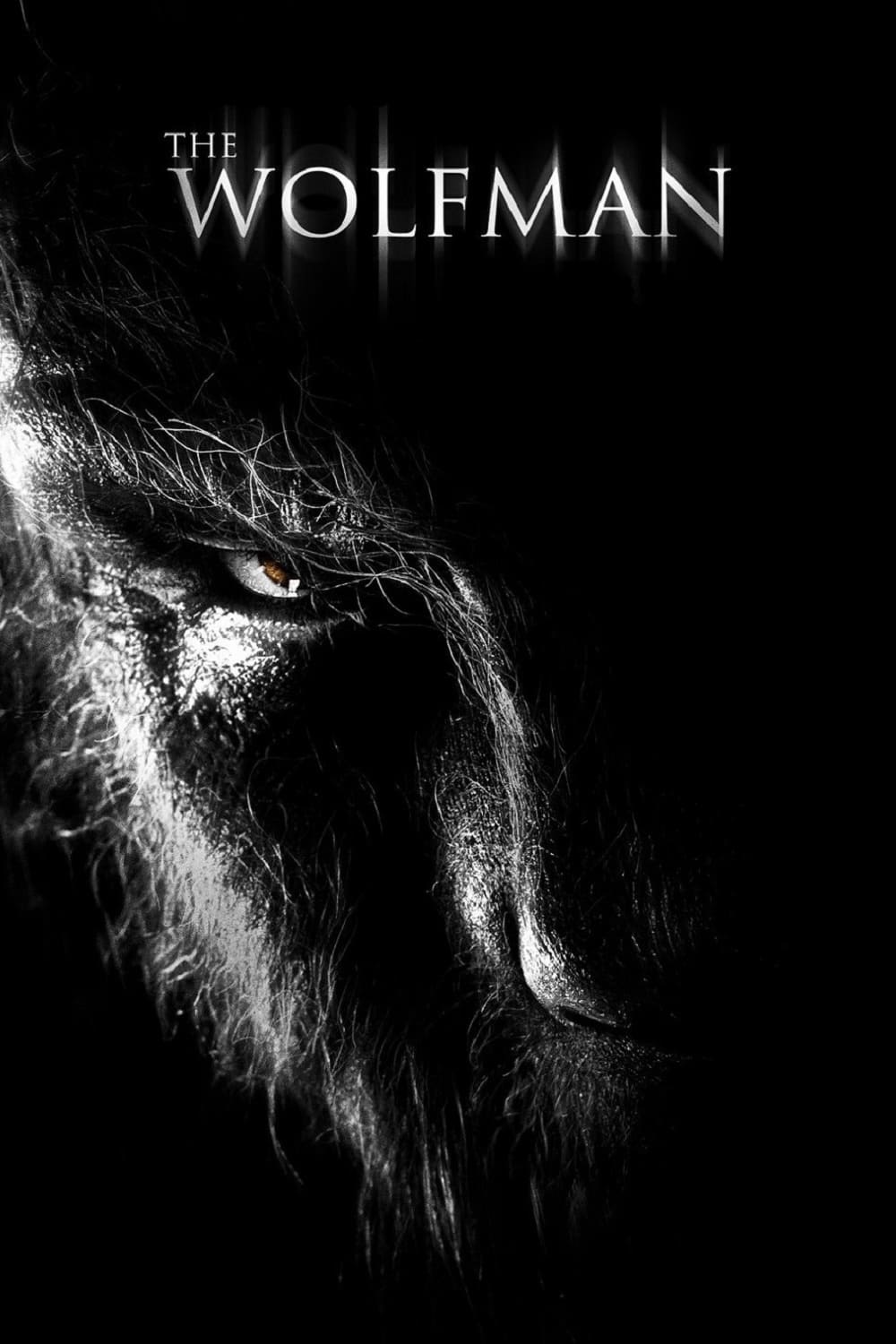
Universal Pictures went through multiple directors before settling on Joe Johnston just weeks before shooting began. The studio demanded heavy use of computer-generated effects for the transformation sequences instead of the planned practical makeup. Extensive reshoots were ordered to change the ending and add more jump scares. The inflated budget and critical panning resulted in a significant financial loss for the studio.
‘Hellboy’ (2019)
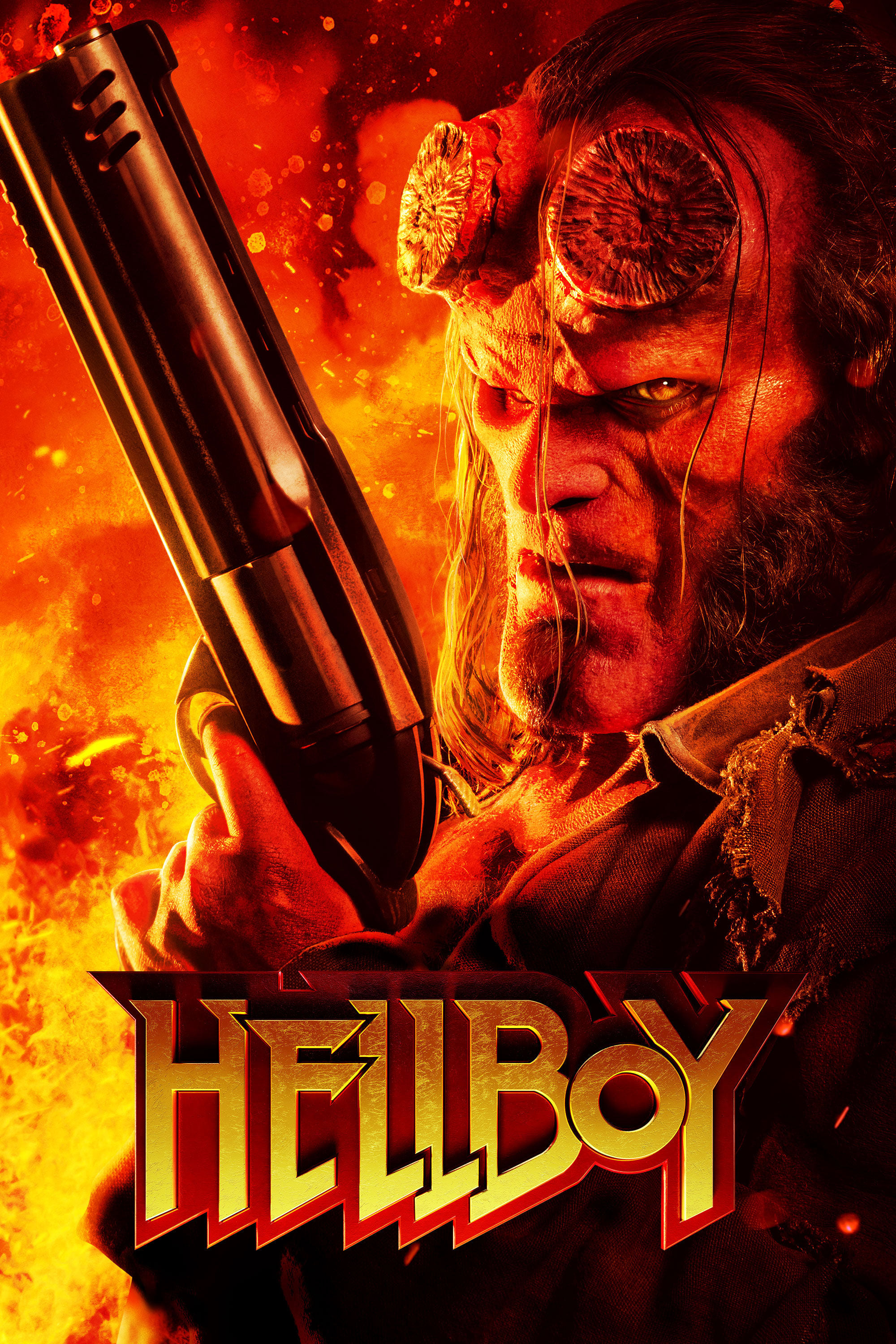
Producers clashed frequently with director Neil Marshall regarding the design of the creatures and the tone of the script. Reports surfaced that the script was being rewritten while the cameras were rolling to fit producer mandates. Conflicting ideas about the level of violence and humor led to a disjointed final product. The reboot failed to capture the charm of the Guillermo del Toro films and bombed at the box office.
‘Dark Phoenix’ (2019)
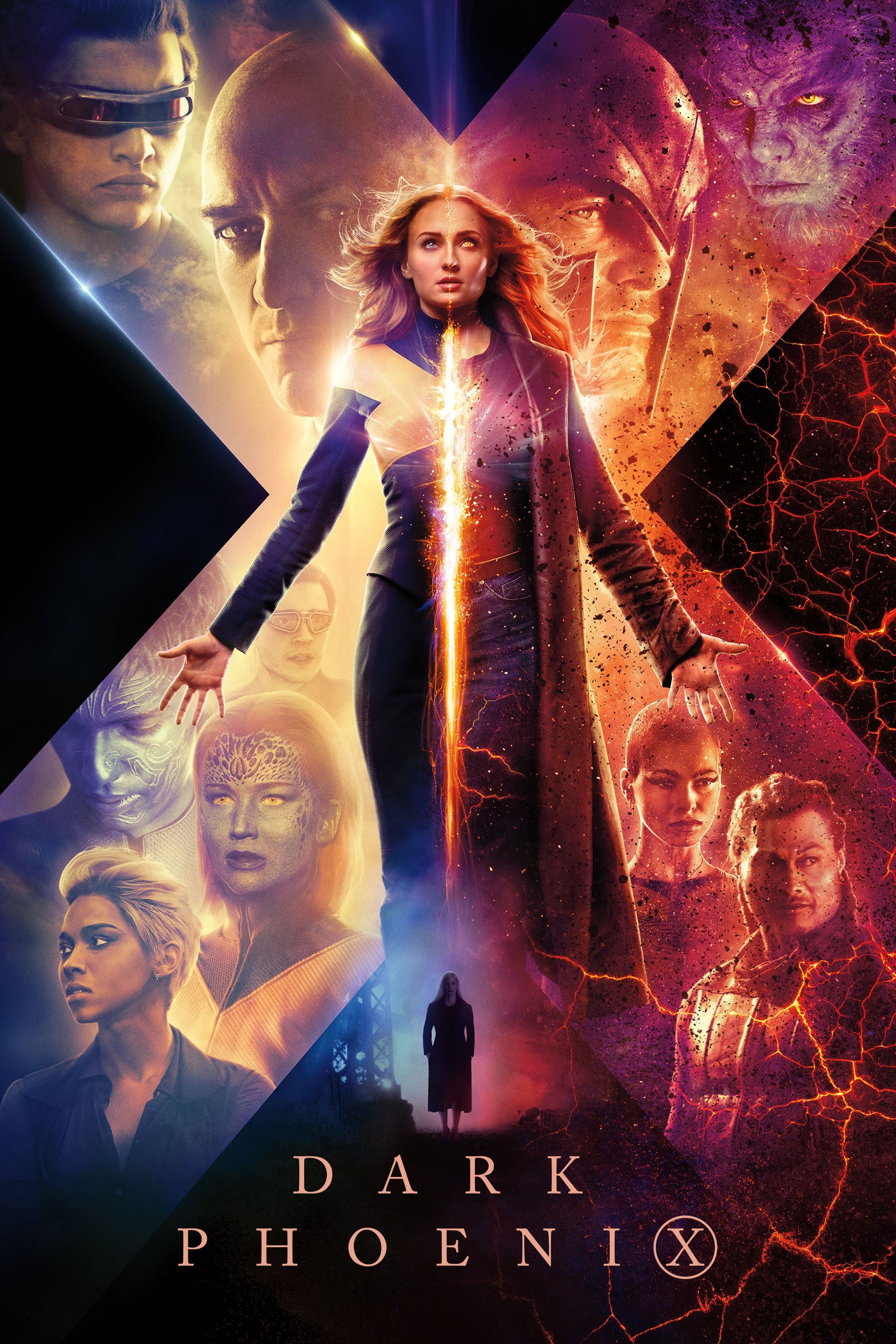
The originally planned ending of the film was completely reshot because it reportedly resembled another superhero movie too closely. Disney acquired 20th Century Fox during post-production which left the film in a state of limbo with reduced marketing support. The filmmakers were forced to scale back the cosmic scope of the story for a more grounded finale. The movie became the lowest-grossing film in the main X-Men series.
‘Chaos Walking’ (2021)
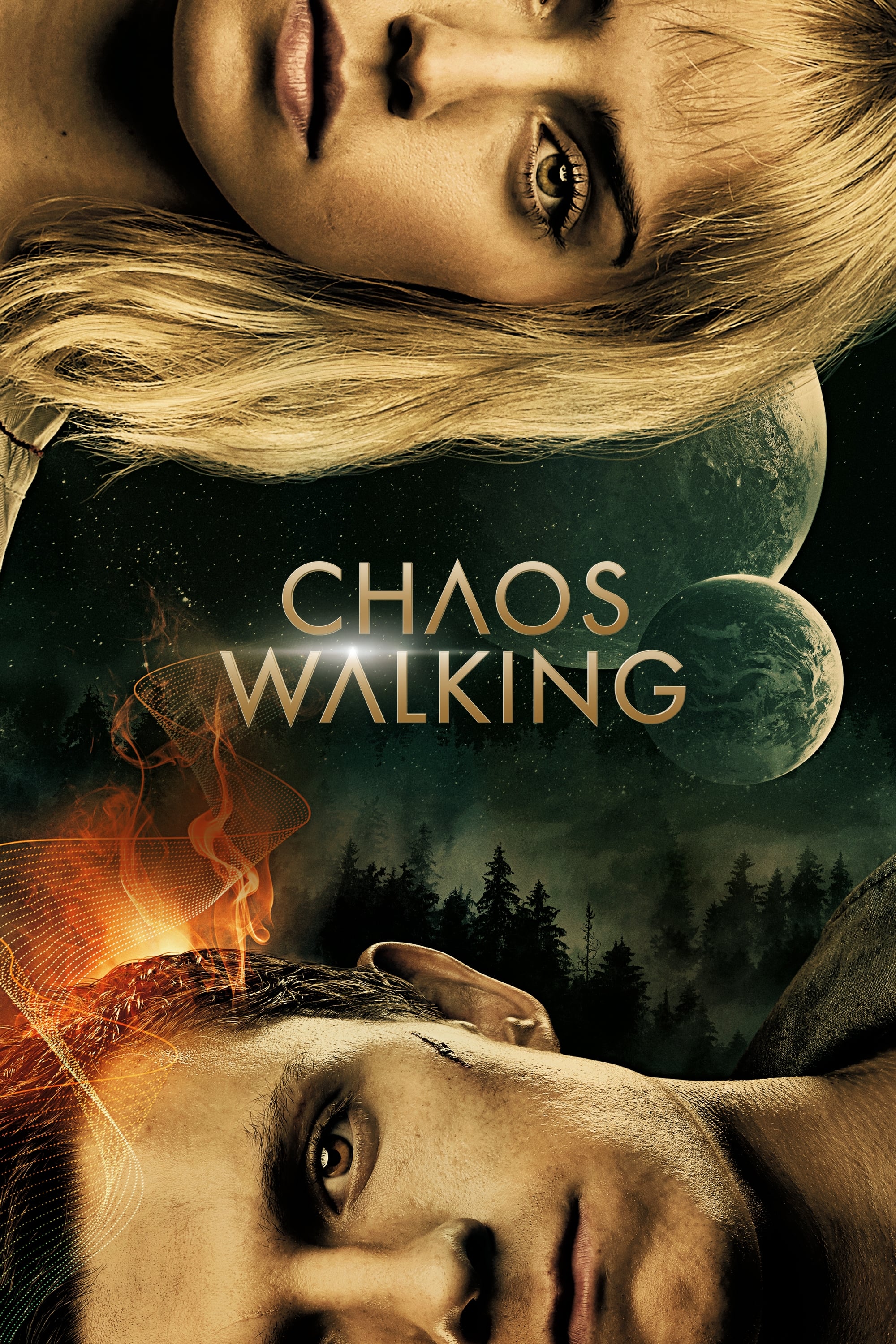
Lionsgate executives deemed the initial cut of the film unreleasable after poor test screenings in 2018. The movie sat on the shelf for years while the studio waited for the stars to become available for expensive reshoots. Fede Álvarez was brought in to assist with the new footage which attempted to clarify the complex premise. The long delay and ballooning budget resulted in a massive financial write-down for the studio.
Share your thoughts on which studio-meddled disaster disappointed you the most in the comments.