


20 Films That Tried to Cancel Their Own Fanbases




Filmmakers often take creative risks to modernize franchises or subvert audience expectations in ways that can alienate long-time supporters. These movies made bold narrative or stylistic choices that directly contradicted the lore or tone that originally built their followings. Studios sometimes underestimate the attachment audiences have to specific character traits and historical continuity. The resulting backlash often dominates the discourse surrounding the release and shapes the future of the intellectual property. The following films are notable examples of productions that seemed at odds with the desires of their core demographics.
‘Star Wars: The Last Jedi’ (2017)
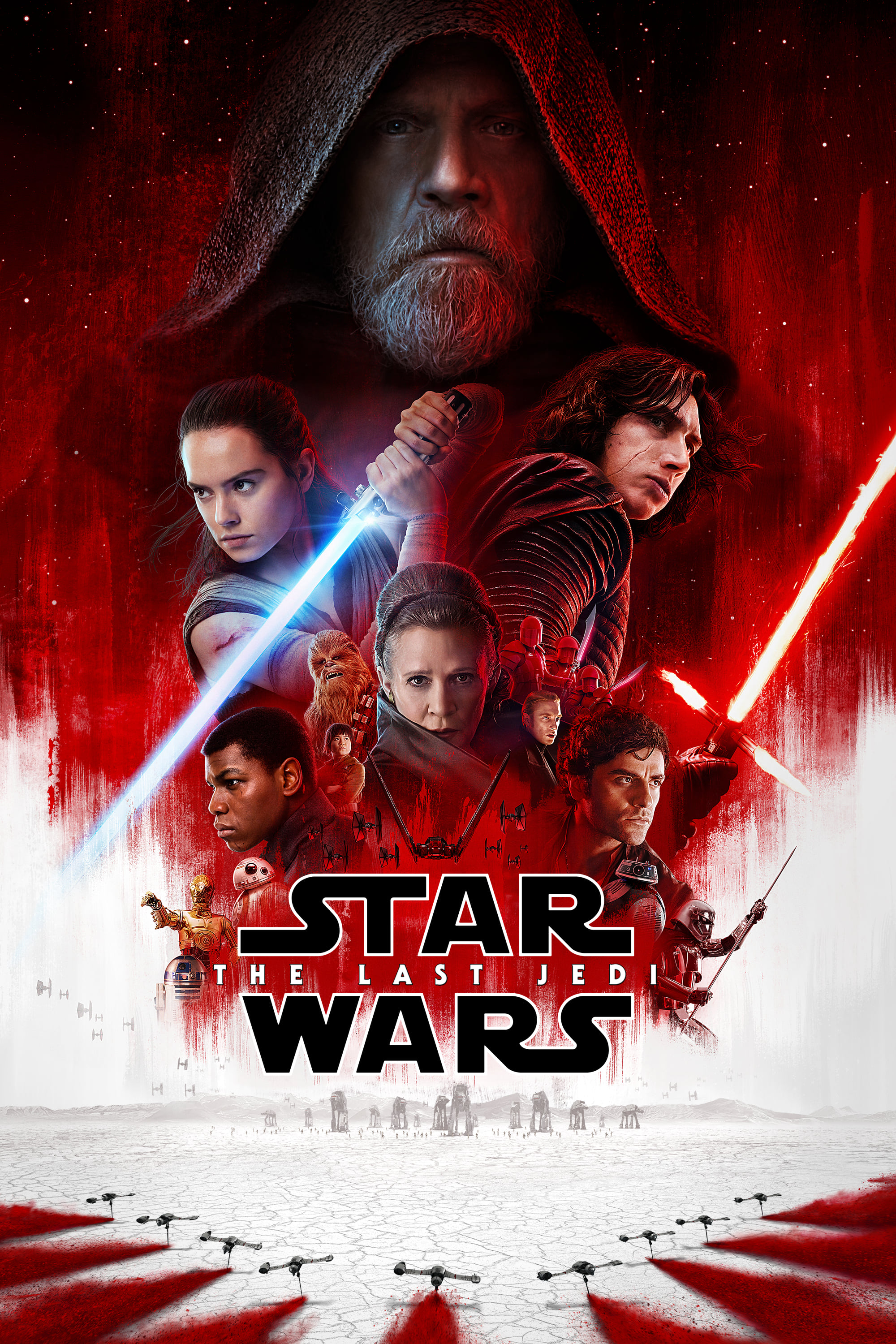
Rian Johnson took the Skywalker saga in a direction that actively deconstructed the mythology established by George Lucas. Luke Skywalker appears not as a heroic master but as a disillusioned hermit who has cut himself off from the Force. The narrative subverts prominent fan theories regarding the parentage of Rey and creates an unexpected fate for Supreme Leader Snoke. Audiences were sharply divided over the treatment of legacy characters and the introduction of new mechanics within the universe.
‘Ghostbusters’ (2016)
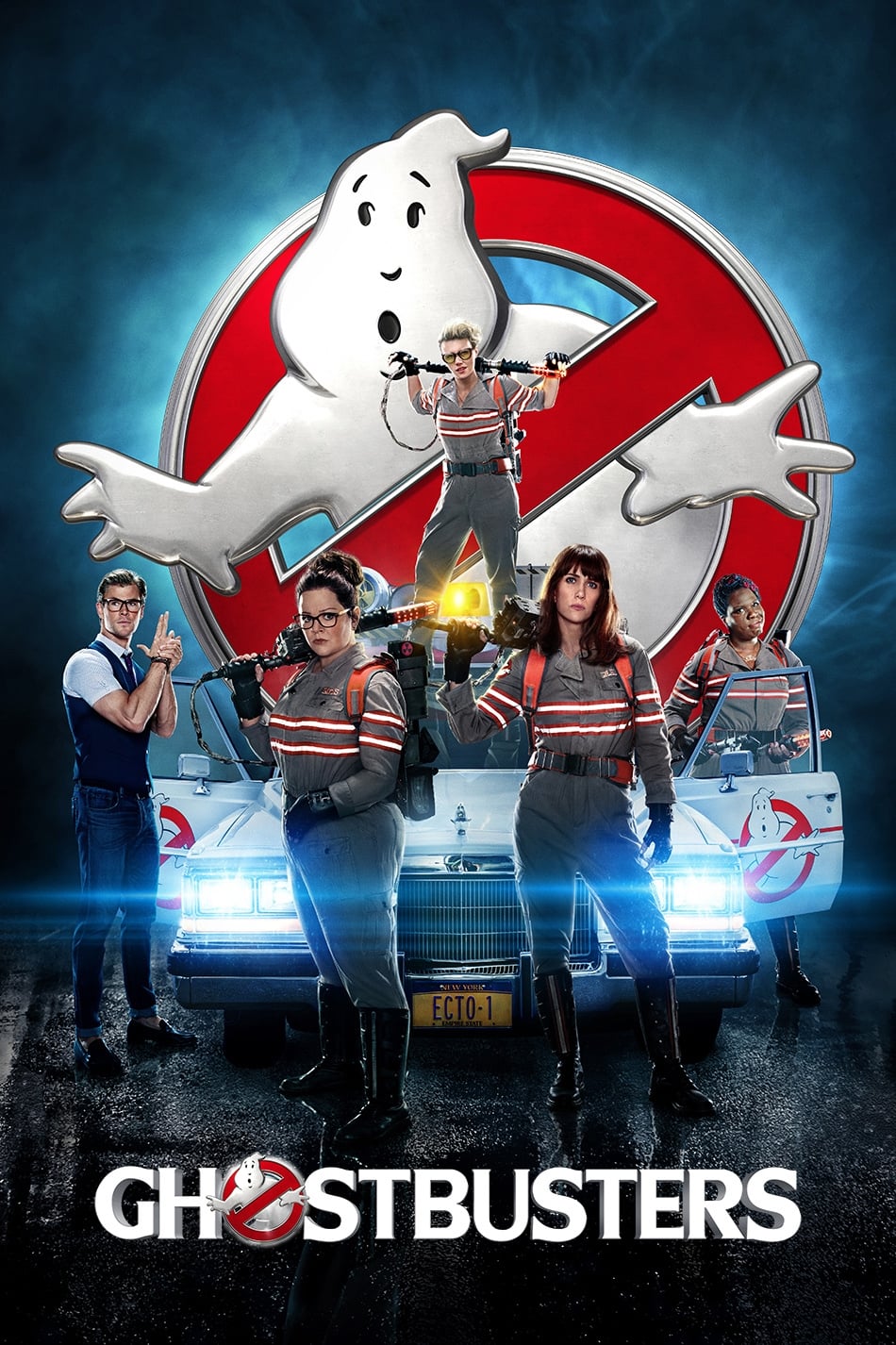
Paul Feig rebooted the beloved 1984 comedy with an all-female main cast and a distinct shift in comedic tone. The marketing campaign and subsequent interviews created a contentious atmosphere between the production team and skeptics of the new direction. The film ignored the continuity of the original two movies to establish a completely new timeline for the franchise. This approach failed to resonate with audiences who had waited decades for a direct continuation of the story involving the original actors.
‘The Matrix Resurrections’ (2021)
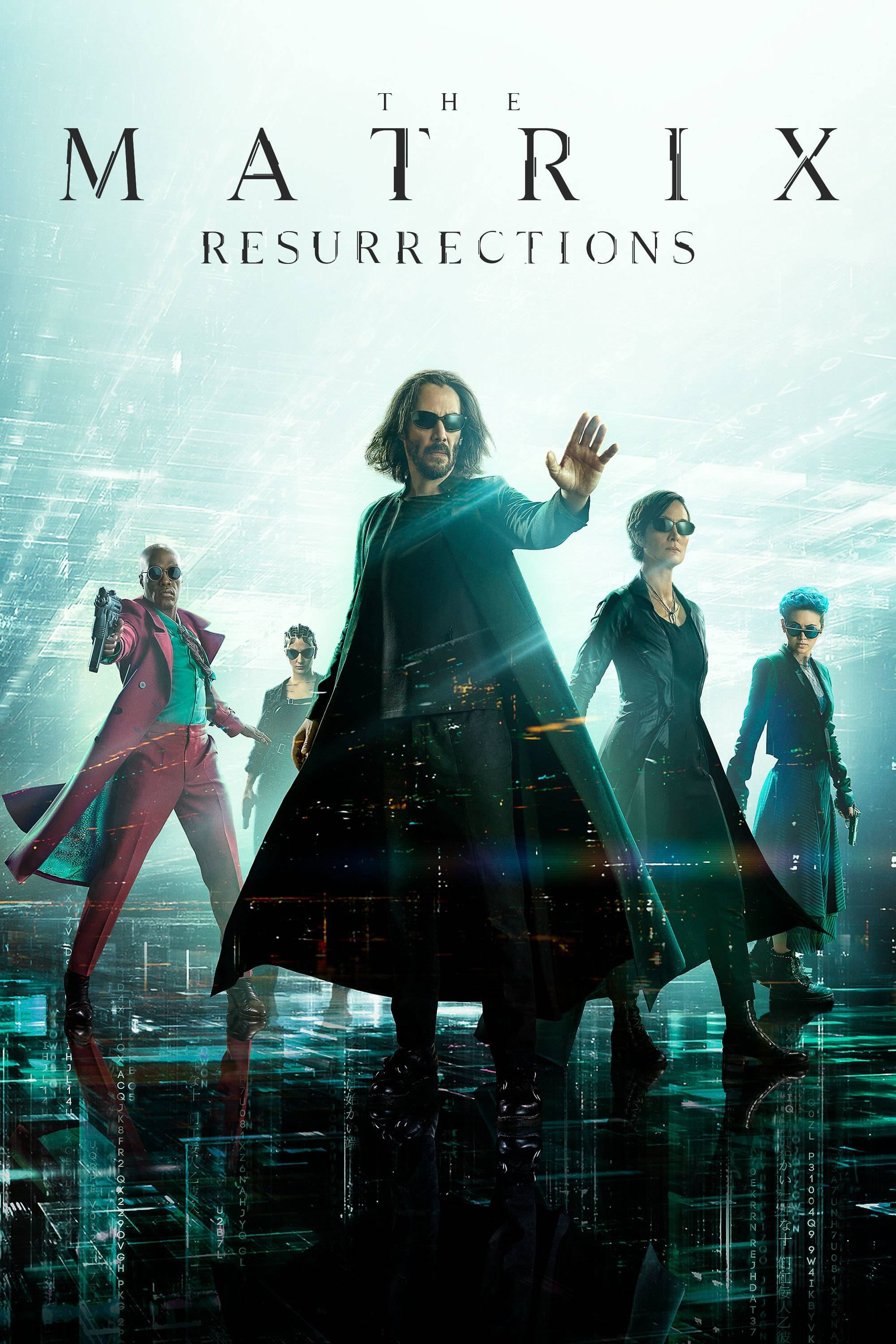
Lana Wachowski returned to the franchise with a meta-narrative that openly criticized the studio mandate to produce a fourth installment. The storyline replaces the sleek action and philosophical stoicism of the original trilogy with self-referential humor and a deconstructed plot. Neo and Trinity return in a simulation that focuses heavily on their romance rather than the war between humans and machines. Many viewers felt the film served as a deliberate rejection of the expectations associated with a blockbuster action sequel.
‘Joker: Folie à Deux’ (2024)
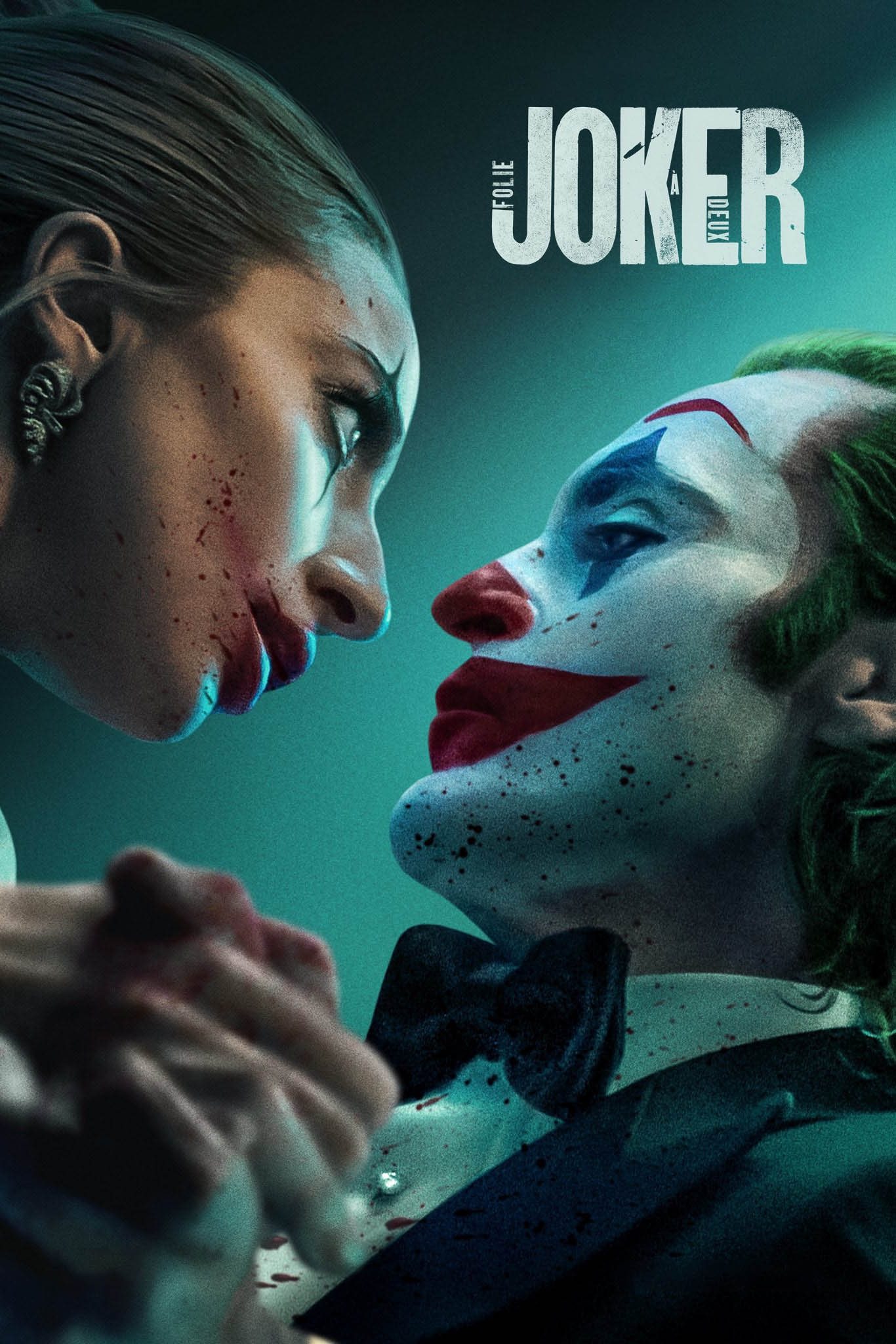
Todd Phillips followed up his gritty psychological drama with a sequel that incorporates significant musical elements and courtroom procedural scenes. The narrative focuses intensely on the romance between Arthur Fleck and Lee Quinzel while stripping away the chaotic agency the protagonist held in the first film. The ending explicitly dismantles the persona of the Joker that the fanbase had embraced after the 2019 original. This radical genre shift and character regression resulted in a polarized response from audiences expecting a traditional continuation.
‘Halloween Ends’ (2022)
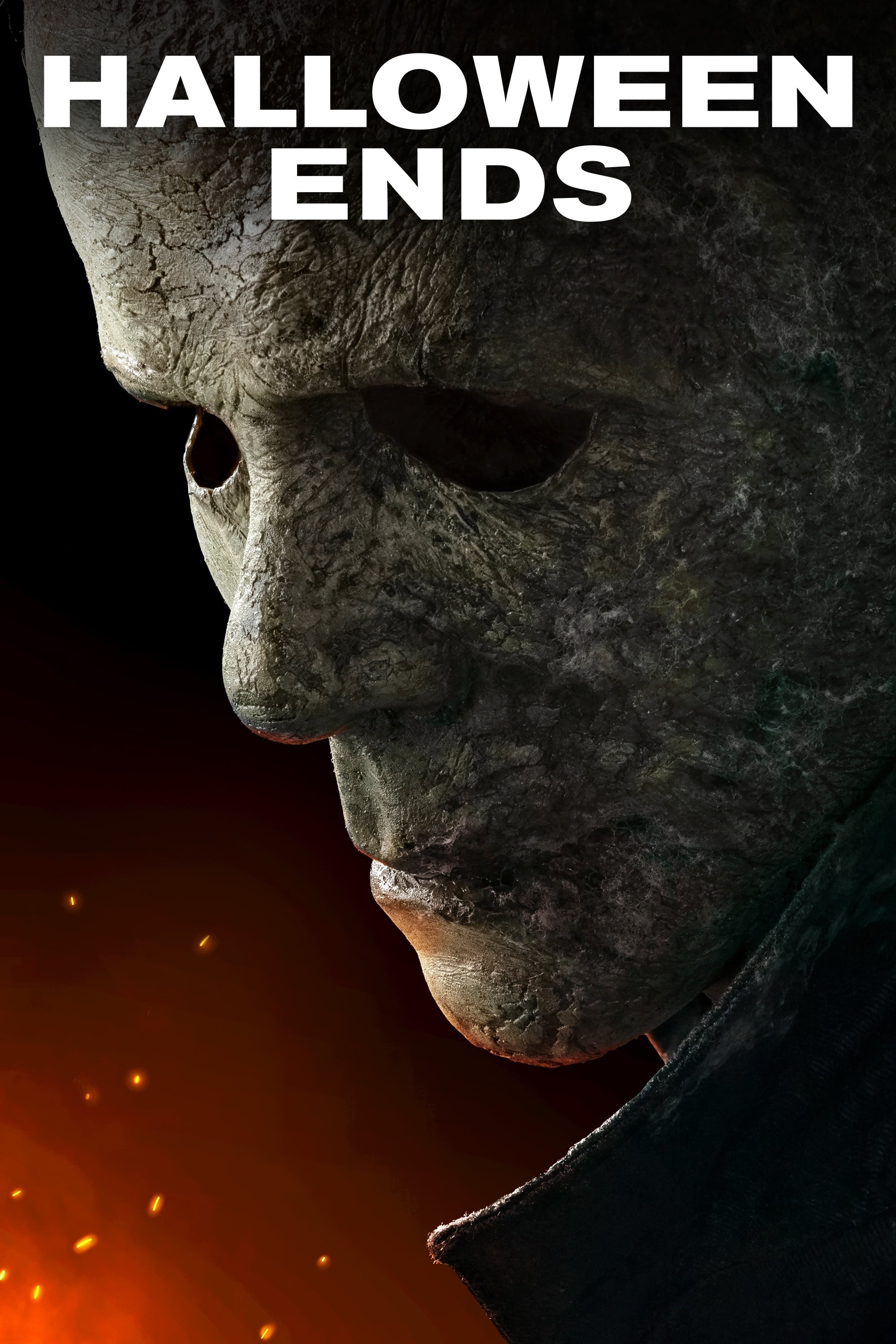
David Gordon Green concluded his reboot trilogy by significantly sidelining the antagonist Michael Myers for the majority of the runtime. The plot introduces a new character named Corey Cunningham who essentially inherits the role of the boogeyman while Myers remains in hiding. This narrative choice shifted the focus away from the final confrontation between Laurie Strode and the Shape until the very last act. Fans of the slasher franchise expressed frustration at the lack of screen time for the iconic villain in his supposed swan song.
‘Terminator: Dark Fate’ (2019)
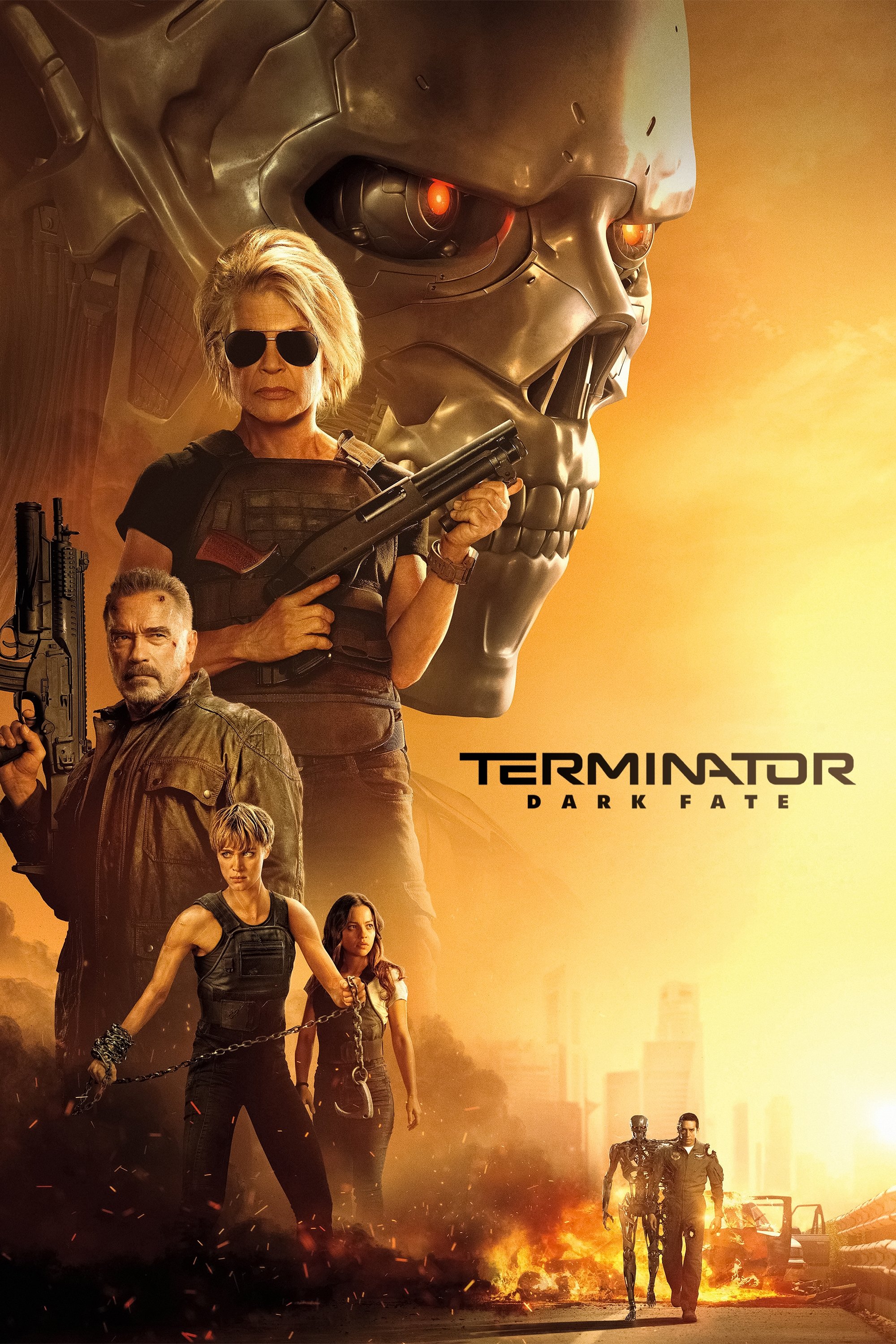
The production team decided to kill off John Connor in the opening scene to pave the way for a new savior figure named Dani Ramos. This creative decision rendered the struggle and events of the first two celebrated films largely irrelevant in the eyes of many viewers. Arnold Schwarzenegger and Linda Hamilton returned to their roles but served to support the new cast rather than lead the story. The film struggled to win over audiences who felt the core emotional anchor of the series had been discarded.
‘Alien³’ (1992)
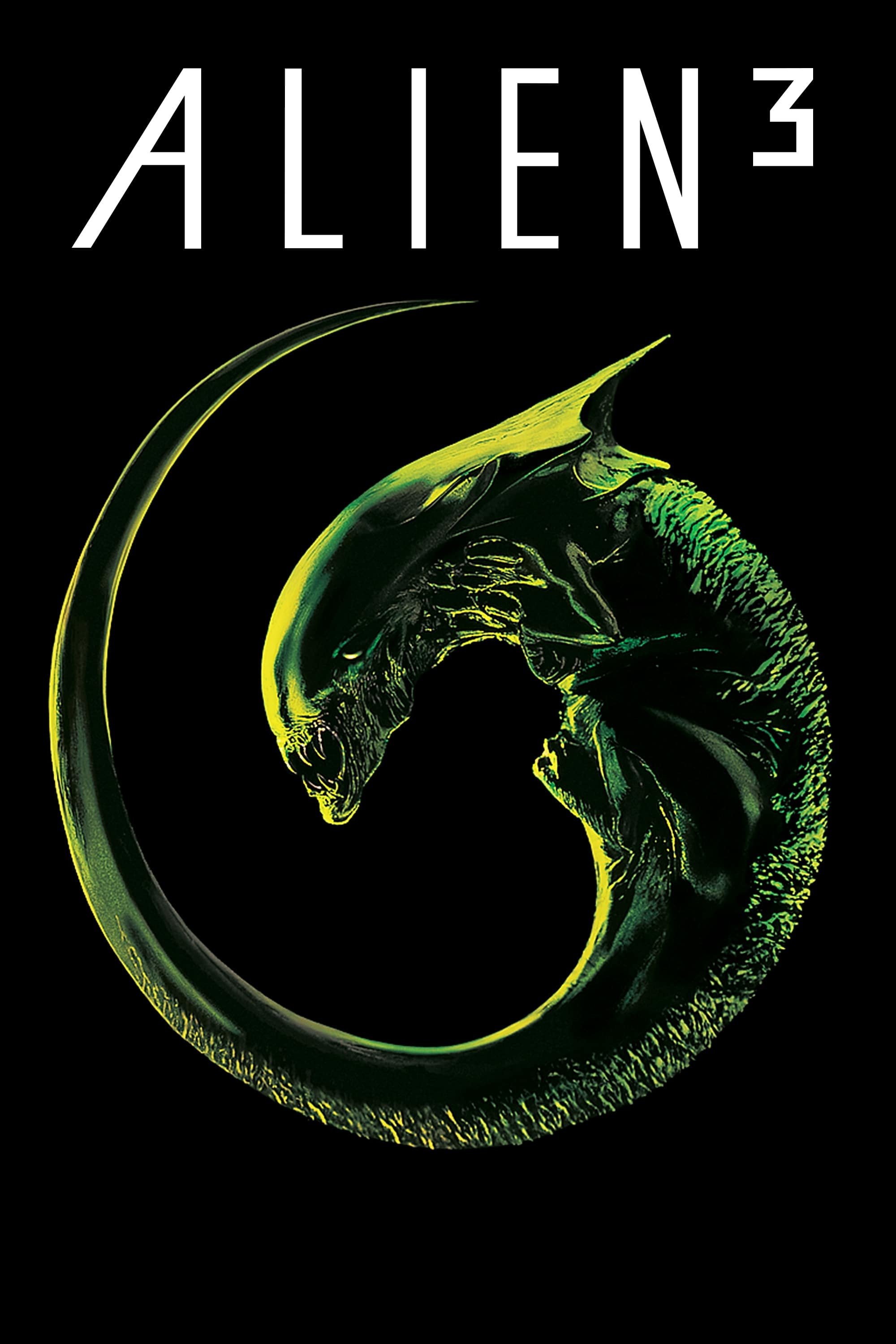
David Fincher directed this dark sequel that immediately kills off Newt and Hicks from the previous installment during the opening credits. The film traps Ellen Ripley on a prison planet without weapons and strips away the action-adventure tone of its predecessor. The bleak atmosphere and the unceremonious disposal of beloved characters alienated fans who had invested in the survivors of the second film. This entry is often cited as a controversial turning point that disrupted the trajectory of the Xenomorph saga.
‘Indiana Jones and the Kingdom of the Crystal Skull’ (2008)
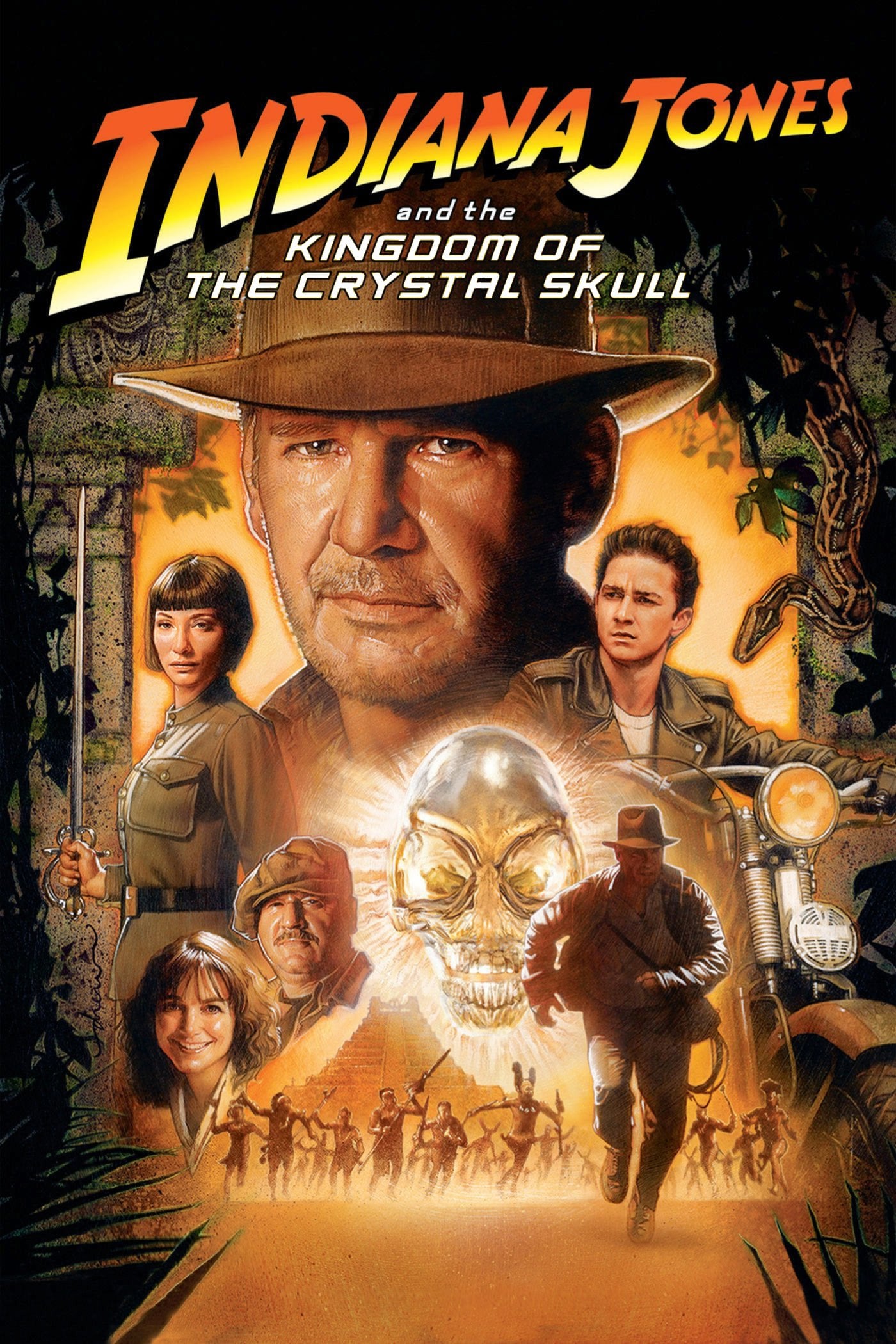
George Lucas and Steven Spielberg reintroduced the archaeologist to a Cold War setting involving interdimensional beings. The inclusion of aliens and heavy reliance on computer-generated imagery marked a stark departure from the gritty mystical roots of the original trilogy. Scenes involving Indiana Jones surviving a nuclear blast inside a refrigerator became a focal point for criticism regarding the suspension of disbelief. The film attempted to pass the torch to a new character played by Shia LaBeouf but failed to secure the necessary fan support.
‘Dragonball Evolution’ (2009)
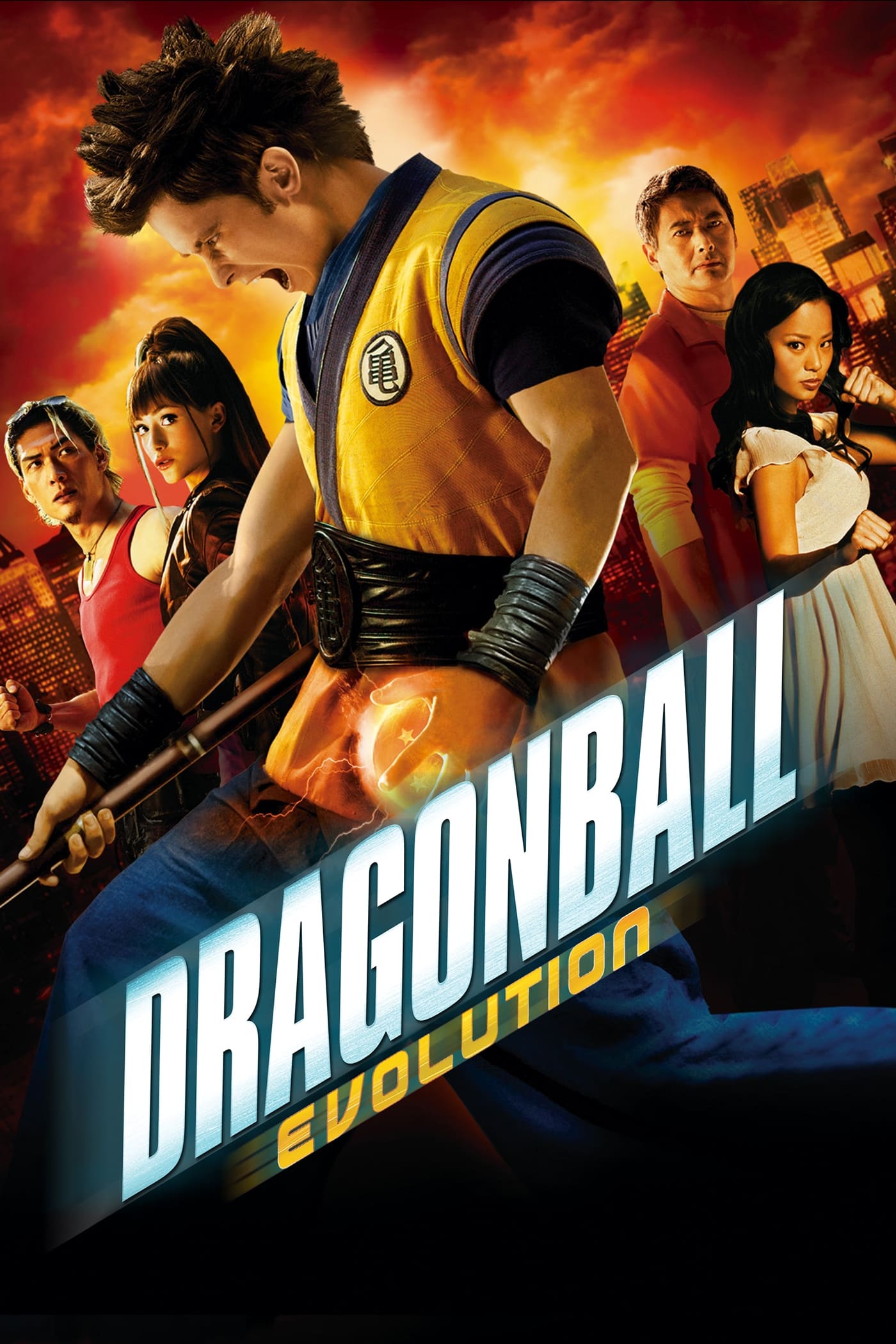
This live-action adaptation made drastic changes to the source material including the setting and the characterization of Goku. The movie reimagined the martial arts epic as a high school drama with little resemblance to the beloved manga or anime series. Key elements such as the visual style of the fights and the lore of the Dragon Balls were altered to fit a westernized template. The creator of the original franchise eventually released a statement distancing himself from the Hollywood production.
‘The Last Airbender’ (2010)
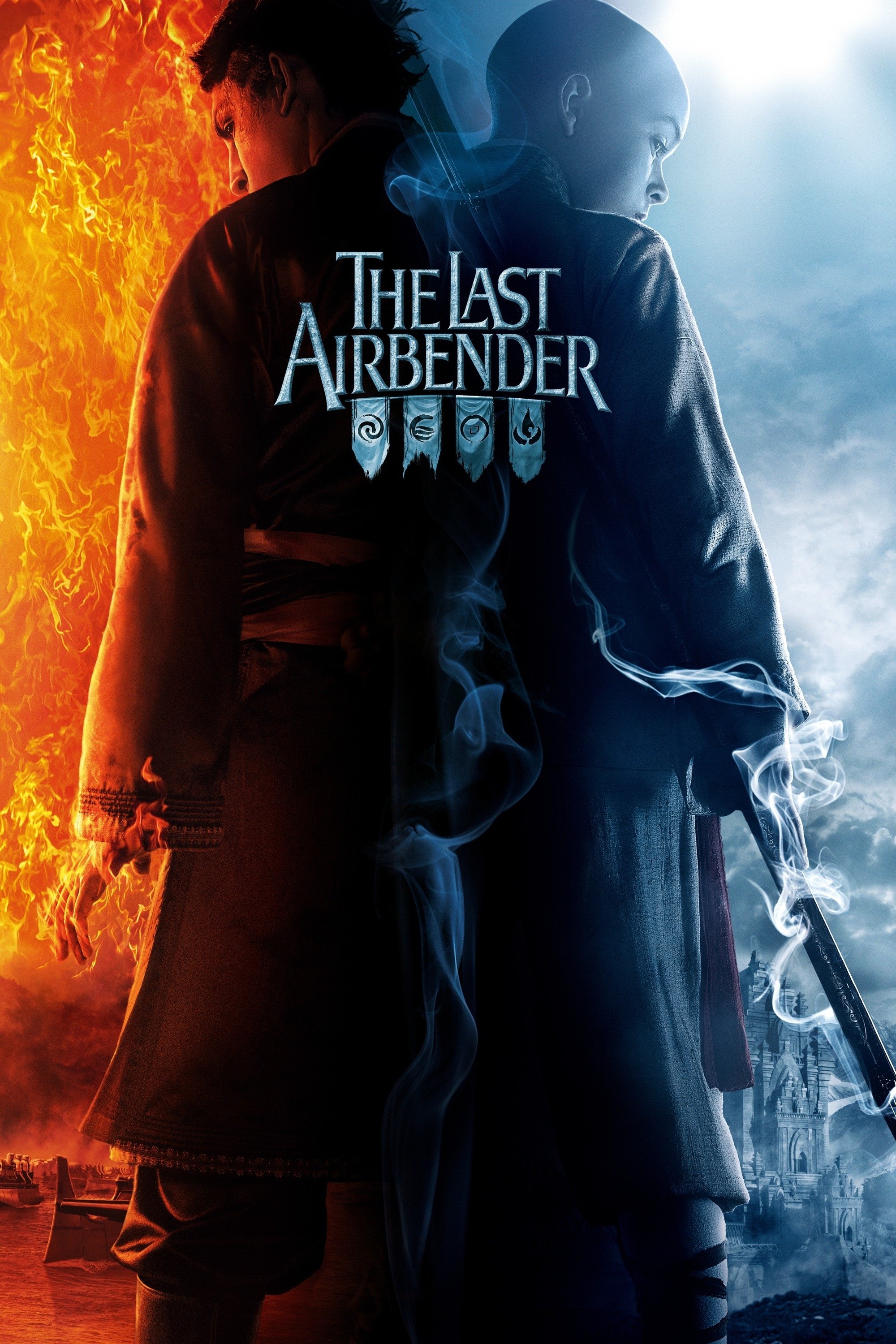
M. Night Shyamalan condensed a sprawling animated season into a single feature film with a significantly darker and more serious tone. The casting choices for the main characters drew immediate criticism for not reflecting the cultural influences of the animated series. Changes to the pronunciation of names and the mechanics of elemental bending further distanced the movie from its source material. The film is frequently cited by enthusiasts of the original show as a fundamental misunderstanding of what made the property successful.
‘Iron Man 3’ (2013)
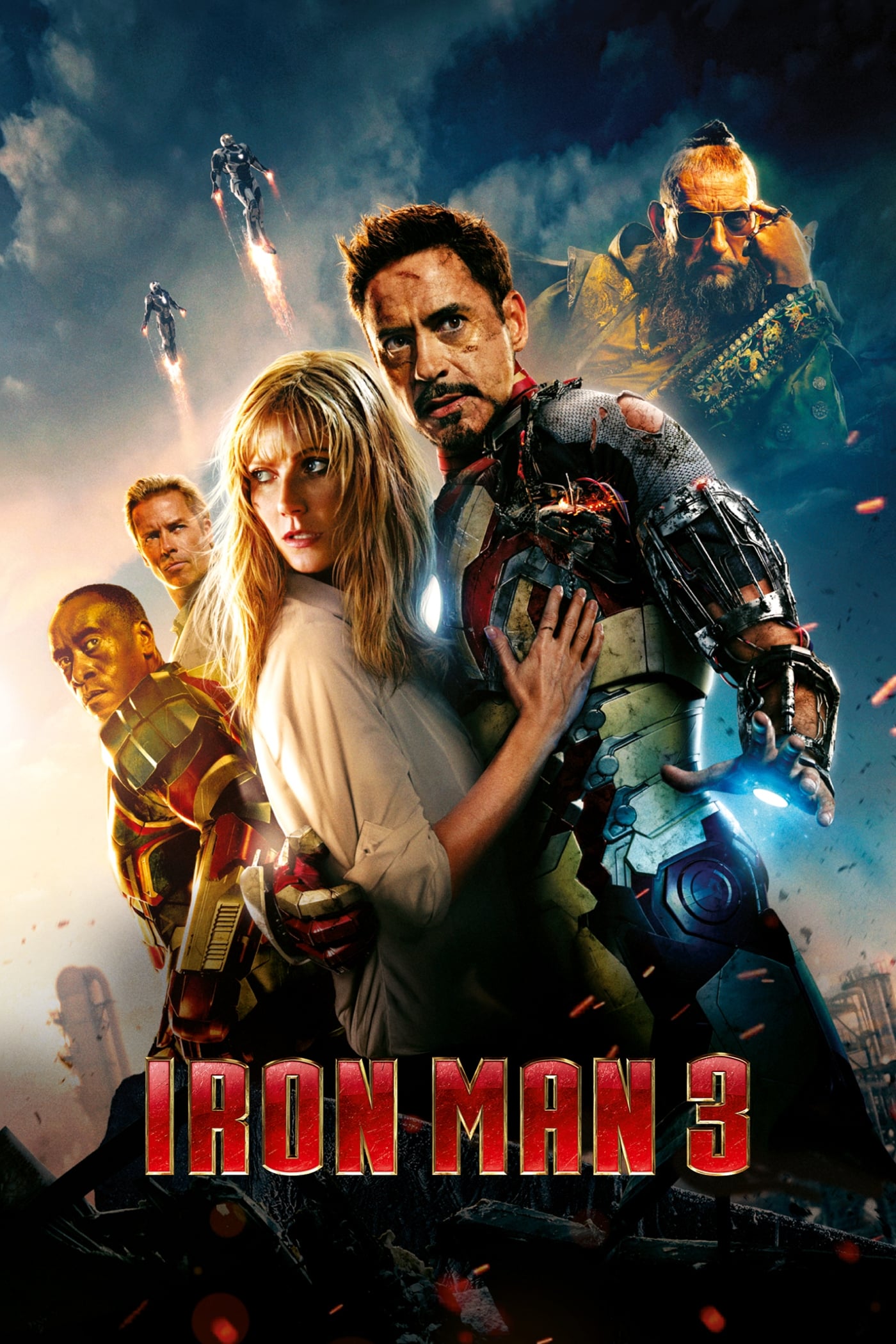
Shane Black directed a sequel that promised a showdown between Tony Stark and his arch-nemesis the Mandarin. The film reveals that the menacing terrorist figure is actually a bumbling actor hired to provide a face for a corporate conspiracy. This twist subverted decades of comic book history and turned a feared villain into a source of comic relief. While some critics praised the subversion others felt it was a disrespectful handling of the most iconic antagonist in the Iron Man lore.
‘Godzilla’ (1998)

Roland Emmerich redesigned the legendary kaiju to look more like a massive iguana rather than the traditional prehistoric monster. The creature lacks the signature atomic breath and durability that defined the character in Japanese cinema. The narrative focuses heavily on the human characters while the monster runs from the military rather than fighting them head-on. Toho Studios eventually rebranded this version of the creature as Zilla to distinguish it from the authentic King of the Monsters.
‘Fantastic Four’ (2015)
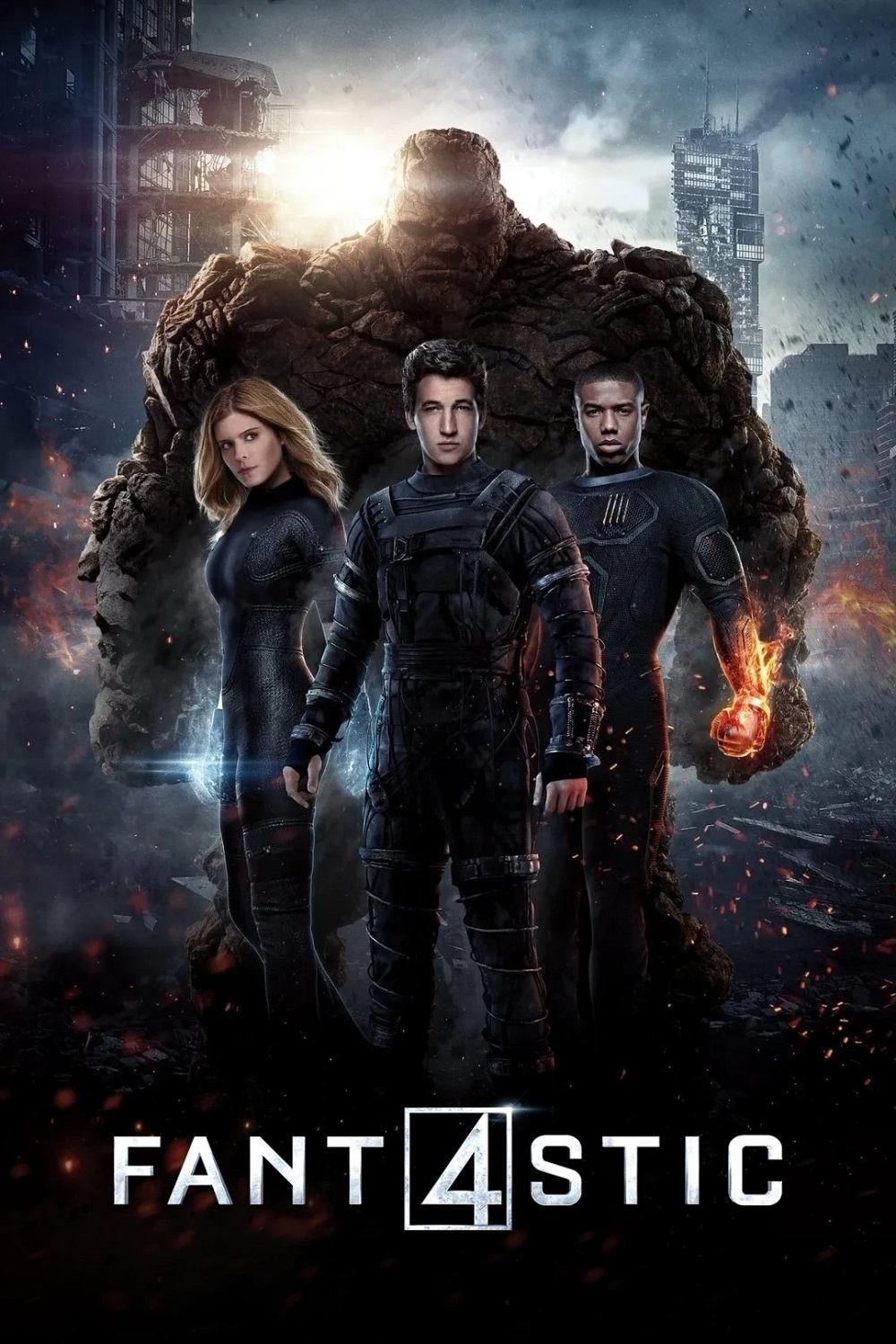
Josh Trank attempted to ground the superhero family in a grim and gritty sci-fi horror aesthetic. The film devotes most of its runtime to the origin story and confinement of the characters in a government facility. The joyous exploration and family dynamic central to the comic books are replaced by body horror and dark visuals. Reports of studio interference and a troubled production cycle resulted in a final product that pleased neither general audiences nor comic readers.
‘Death Note’ (2017)
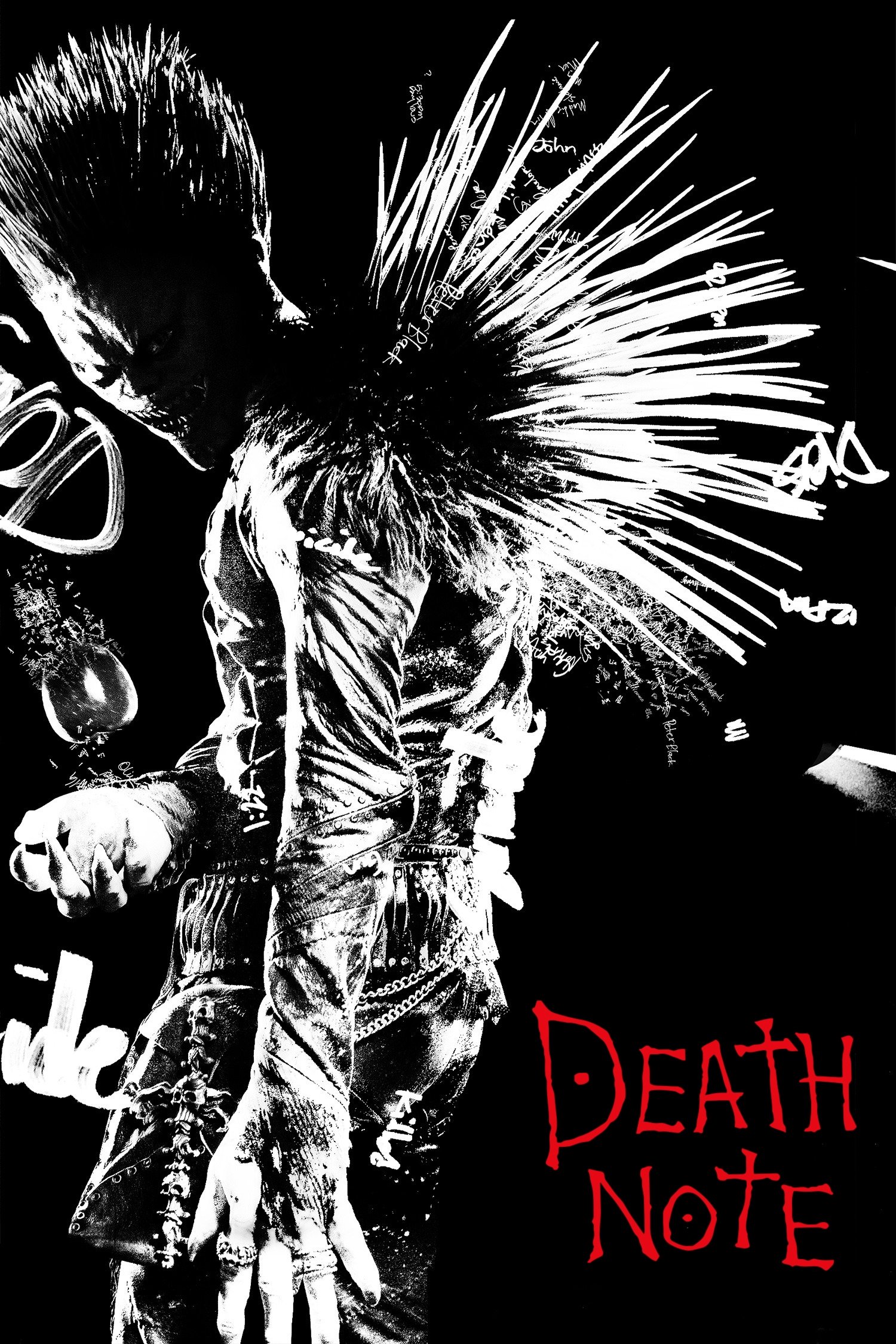
Adam Wingard moved the setting of the popular psychological thriller from Tokyo to Seattle and altered the rules of the titular notebook. The complex intellectual cat-and-mouse game between Light and L is replaced by a more conventional teen thriller dynamic and an action-heavy finale. The protagonist is portrayed as more emotional and less calculating than his anime counterpart. These fundamental changes to the character motivations and plot structure drew sharp criticism from the global fanbase.
‘Star Trek Into Darkness’ (2013)
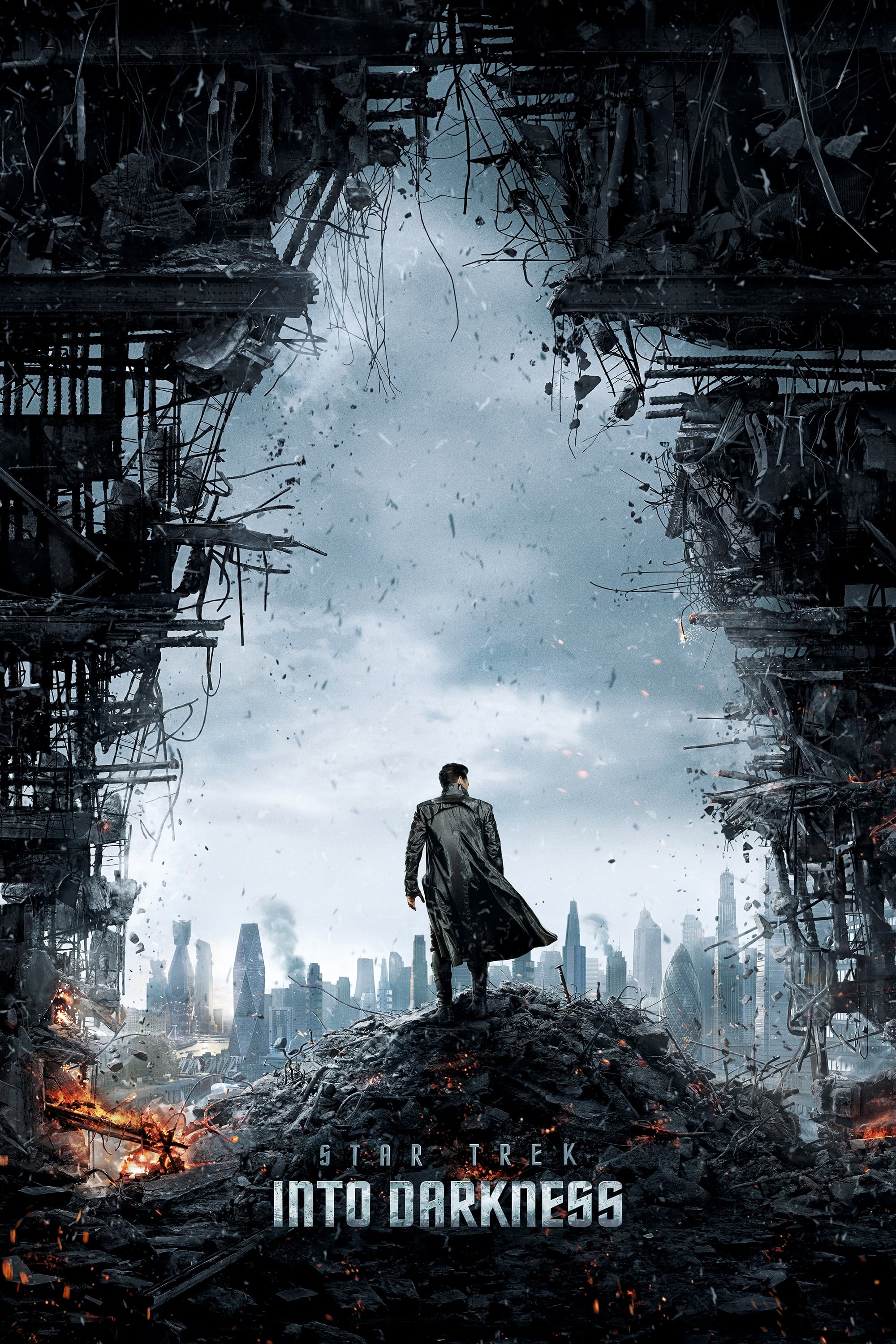
J.J. Abrams crafted a story that initially concealed the identity of the villain who is eventually revealed to be Khan Noonien Singh. The film remixes key scenes from previous franchise entries including a role reversal of a famous death scene. Long-time trekkies criticized the movie for prioritizing action spectacle over the philosophical exploration and diplomacy central to the series. The casting of Benedict Cumberbatch as a character originally of Indian descent also sparked significant controversy.
‘Batman & Robin’ (1997)
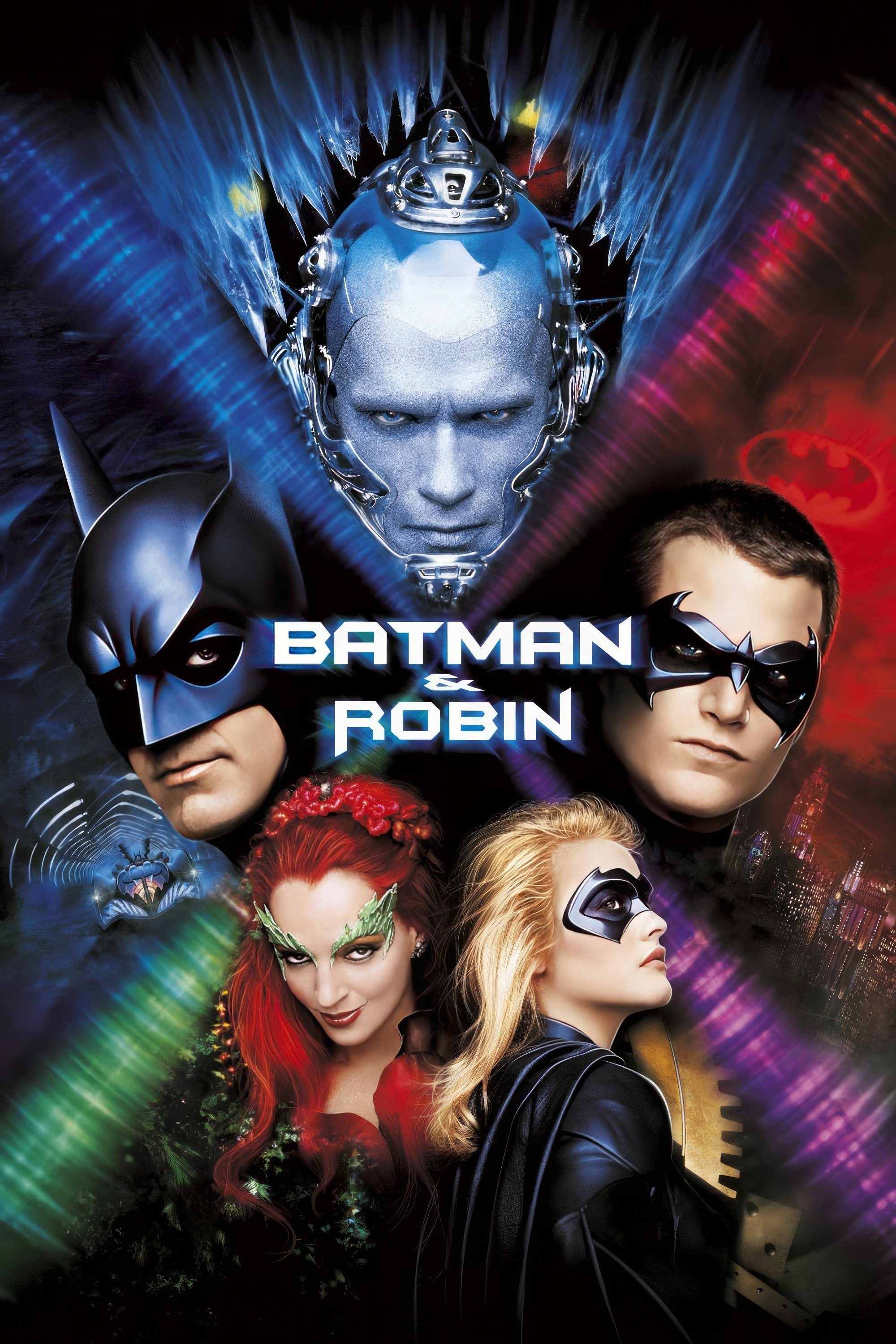
Joel Schumacher leaned heavily into the campy aesthetic of the 1960s television series for this fourth installment. The film introduces Batgirl and features villains Mr. Freeze and Poison Ivy in a plot filled with puns and neon lighting. The darker and more gothic tone established by Tim Burton was completely abandoned in favor of toy-friendly designs. This drastic tonal shift resulted in a critical and commercial failure that put the Batman film franchise on hold for several years.
‘Charlie’s Angels’ (2019)
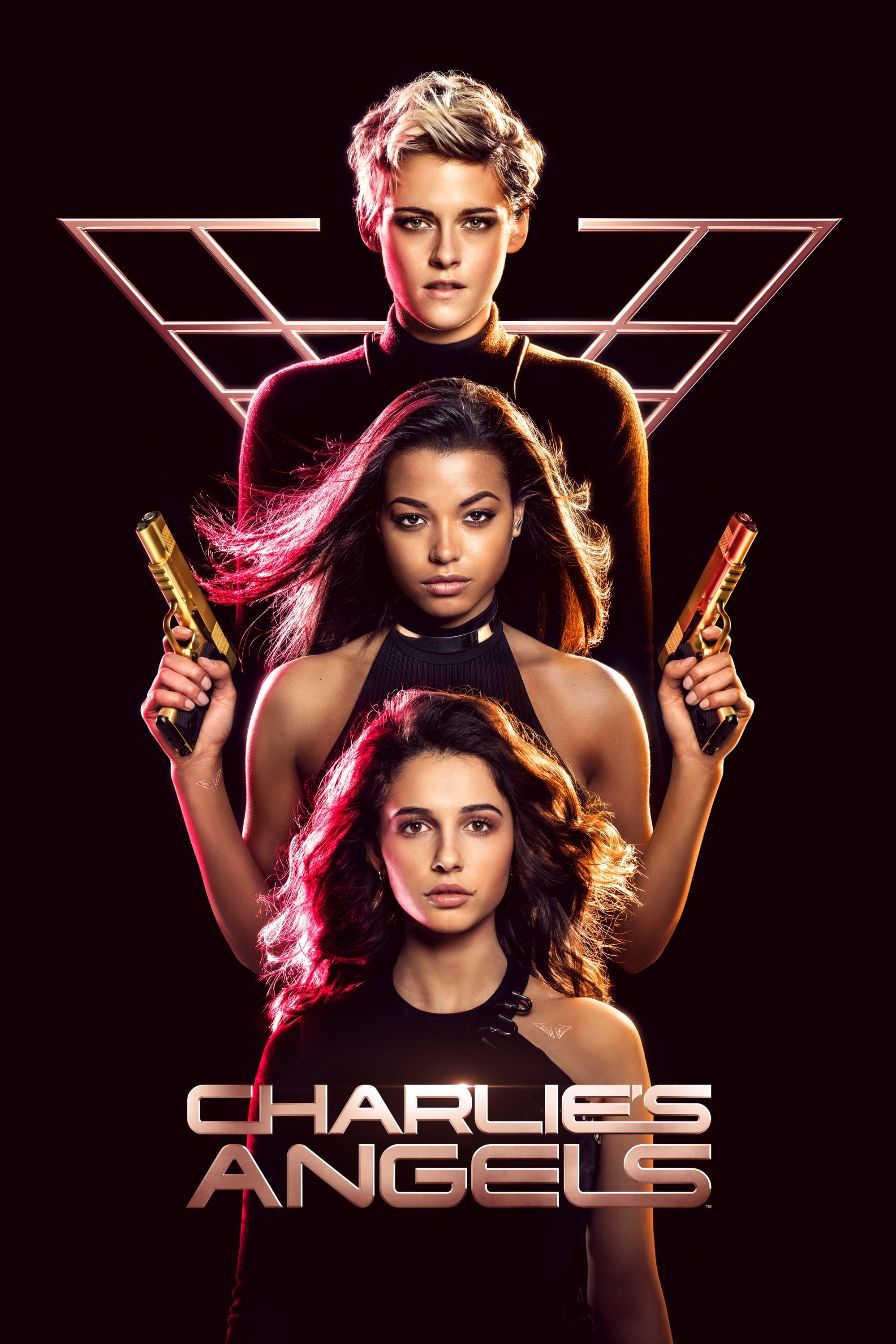
Elizabeth Banks wrote and directed a continuation of the franchise that sought to update the agency for a modern era. The marketing emphasized a message of female empowerment that some perceived as being combative toward the existing male demographic. The film ignores the playful and campy tone of the early 2000s films in favor of a more grounded action approach. The box office returns suggested that the target audience did not connect with this new interpretation of the spy trio.
‘Suicide Squad’ (2016)
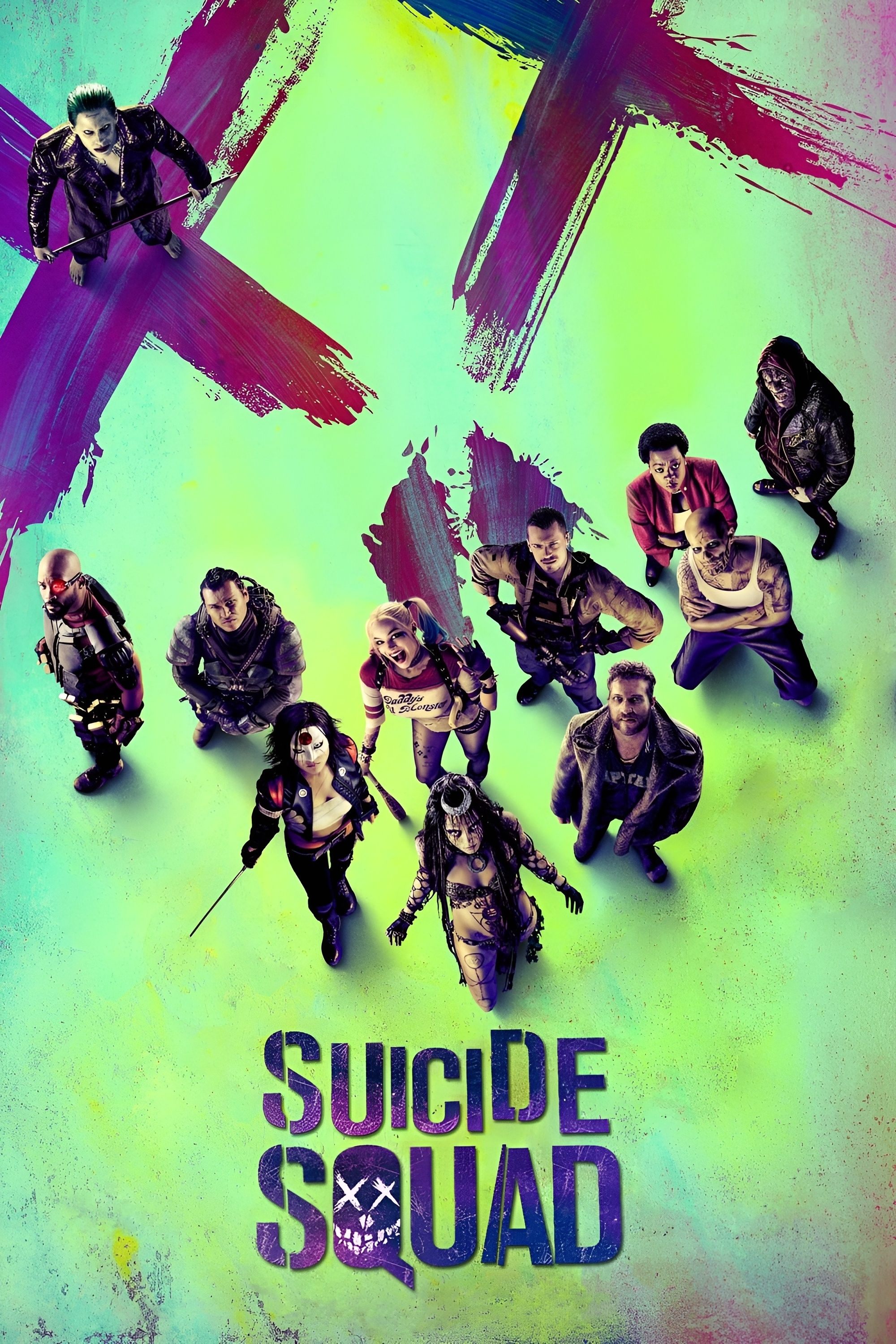
David Ayer introduced a new version of the Joker played by Jared Leto who featured tattoos and a gangster aesthetic. The film suffered from conflicting editing styles that attempted to merge a dark tone with a pop-music-infused energy. Fans expressed disappointment over the limited screen time given to the Joker despite his prominence in the marketing materials. The portrayal of the relationship between Joker and Harley Quinn was also criticized for romanticizing their abusive dynamic.
‘Men in Black: International’ (2019)
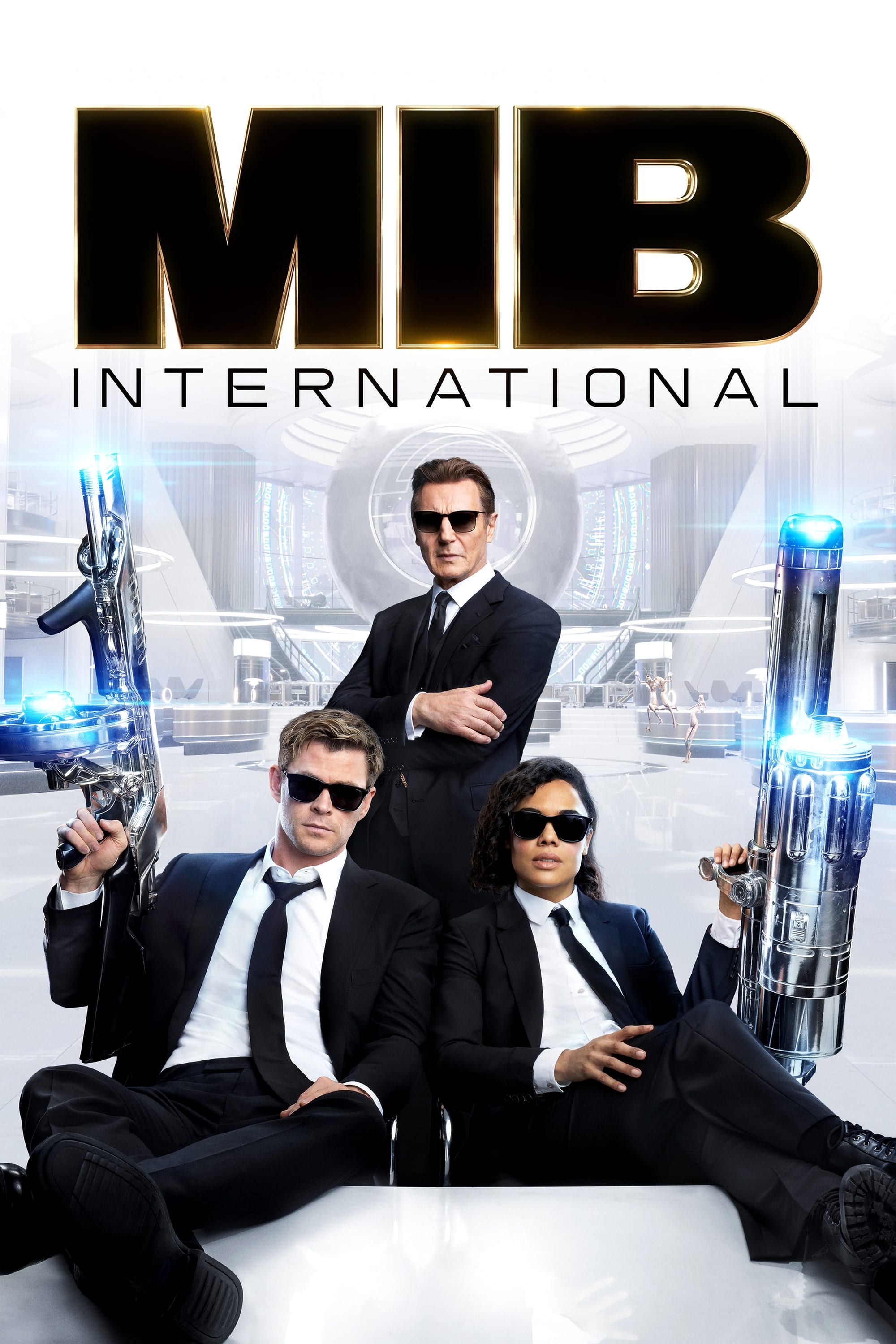
The studio attempted to revitalize the sci-fi comedy series without the involvement of Will Smith or Tommy Lee Jones. Chris Hemsworth and Tessa Thompson took over as the leads in a story that expanded the scope to a global level. The chemistry that defined the original trilogy was absent and the plot relied heavily on callbacks rather than new ideas. Audiences showed little interest in a version of the franchise that lacked the original stars who defined its identity.
‘RoboCop’ (2014)
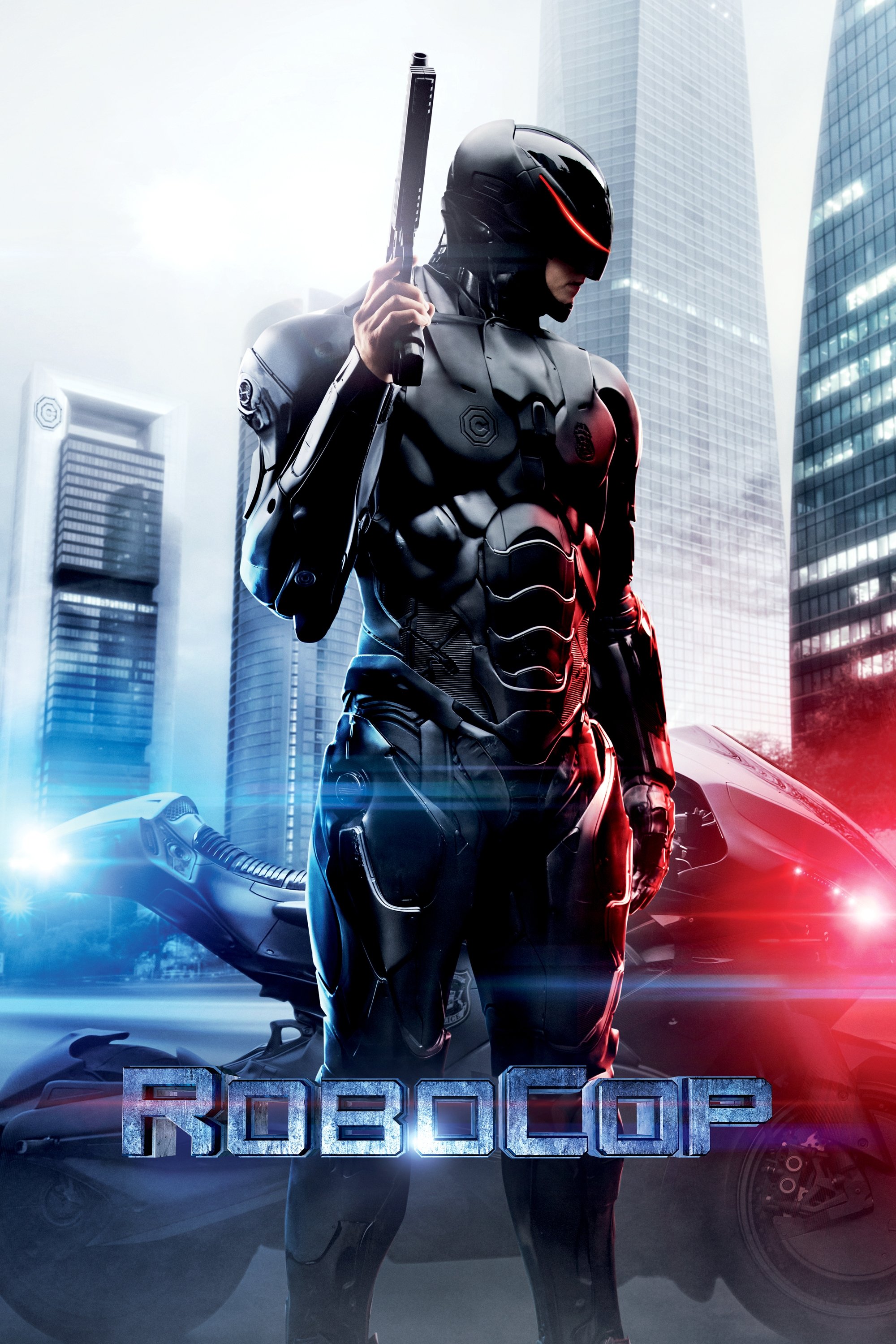
José Padilha remade the violent satirical classic with a polished visual style and a PG-13 rating. The film replaces the clunky silver suit with a sleek black tactical design and removes much of the biting social commentary. The body horror elements of Alex Murphy losing his humanity are sanitized for a broader audience. Fans of the Paul Verhoeven original felt the remake stripped away the grit and edge that made the property unique.
Share your thoughts on which of these films disappointed you the most in the comments.