


Films That Used Drone Footage for Impossible Angles

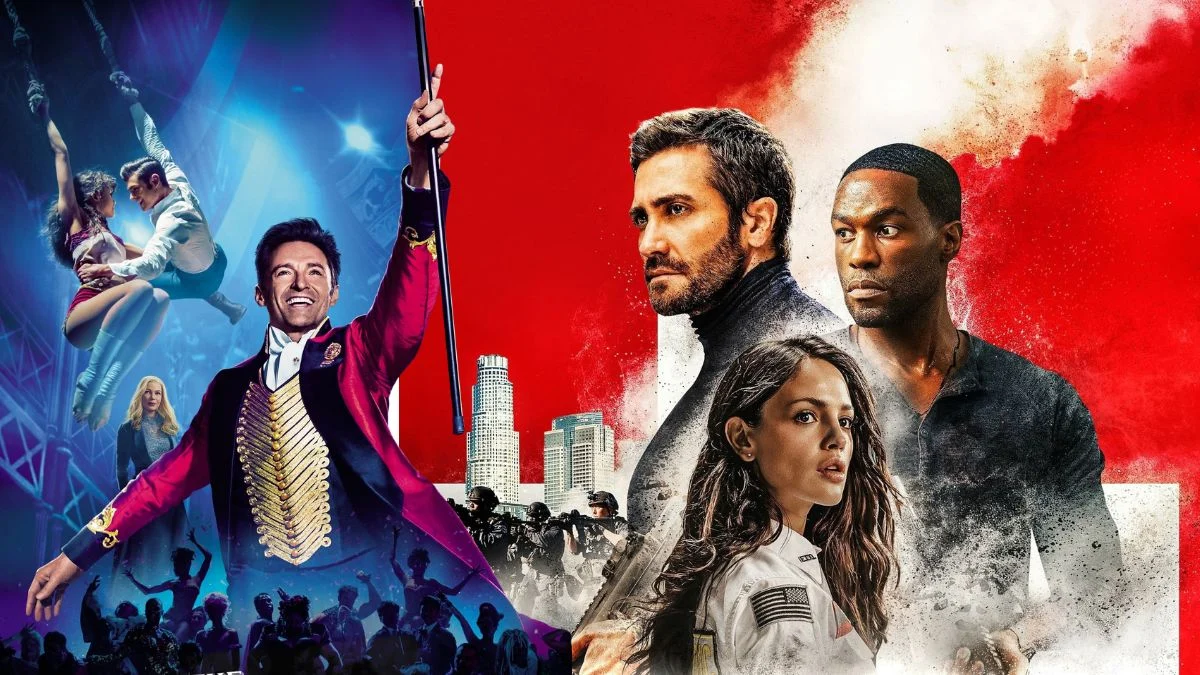


Filmmakers constantly seek new ways to immerse audiences in the action, and the advent of drone technology has revolutionized cinematography. Unmanned aerial vehicles allow directors to capture shots that were previously too dangerous, expensive, or physically impossible with helicopters or cranes. From high-speed chases through narrow alleys to sweeping vistas that establish scale, drones have become an essential tool in the modern visual language of cinema. This list explores fifty films that utilized this technology to push the boundaries of what is possible on screen.
‘Skyfall’ (2012)
This James Bond installment is widely credited with pioneering the use of drones in major motion pictures. The production team utilized the Flying-Cam system to capture the high-speed motorcycle chase across the rooftops of the Grand Bazaar in Istanbul. While a helicopter would have been too large and dangerous for the narrow, crowded location, the drone maneuvered effortlessly between the structures. The result was a dynamic, close-range aerial sequence that brought the audience directly into the chaos of the pursuit.
‘The Wolf of Wall Street’ (2013)
Martin Scorsese utilized drone technology to capture the extravagant lifestyle of Jordan Belfort in this biographical black comedy. The production famously used a drone to film the chaotic pool party scene at a Hamptons beach house. By starting high above the coastline and swooping down into the intimate details of the party, the camera established both the location and the excess of the characters in a single fluid motion. This shot demonstrated how drones could bridge the gap between establishing wide shots and intimate coverage.
‘The Expendables 3’ (2014)
Action ensembles require dynamic camera work to keep up with the explosive pacing, and this film leaned heavily on drone cinematography. The opening sequence features a daring train rescue that combined practical stunts with aerial footage captured by drones flying dangerously close to the locomotive. These unmanned cameras wove through smoke and explosions where a human operator could not survive. The footage provided a visceral perspective on the battlefield that elevated the intensity of the action.
‘Transformers: Age of Extinction’ (2014)

Michael Bay is known for his maximize-the-mayhem approach, and he adopted drone technology early to enhance his visual style. For the Hong Kong sequence, the production used drones to fly between densely packed skyscrapers and capture angles that helicopters could never reach. These shots allowed for a seamless integration of practical sets and the massive CGI robots that populate the frame. The camera movement emphasized the verticality of the city, adding a dizzying sense of scale to the robotic battles.
‘Chappie’ (2015)
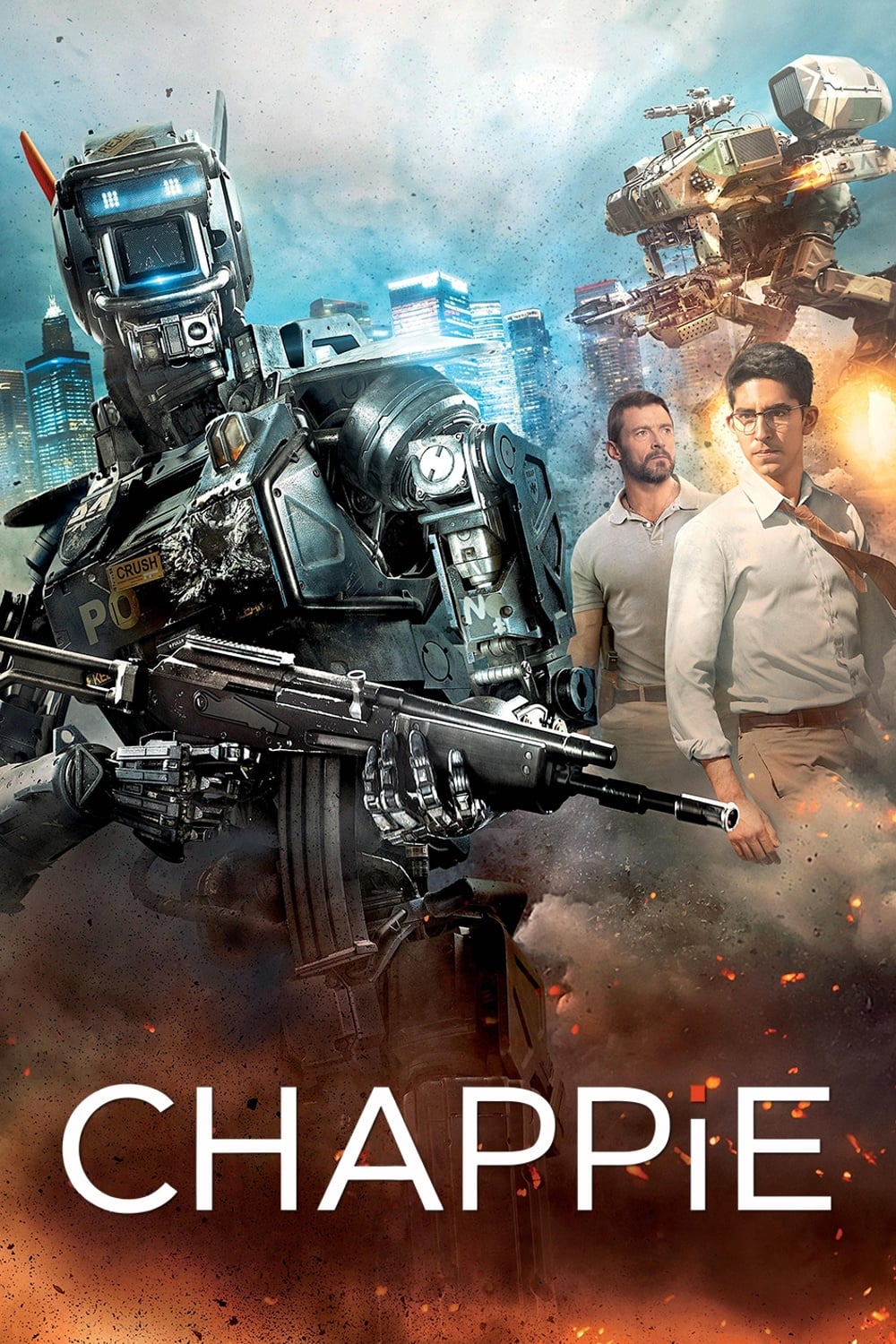
Director Neill Blomkamp utilized drones extensively to capture the gritty, urban landscape of Johannesburg from unique perspectives. The technology was used to simulate the robotic protagonist’s point of view as he navigated the city’s vertical slums. By flying drones through tight corridors and windows, the filmmakers created a sense of artificial agility that matched the character’s movement. This approach grounded the sci-fi elements in a tangible reality, making the robot’s interactions with the environment feel more authentic.
‘Jurassic World’ (2015)
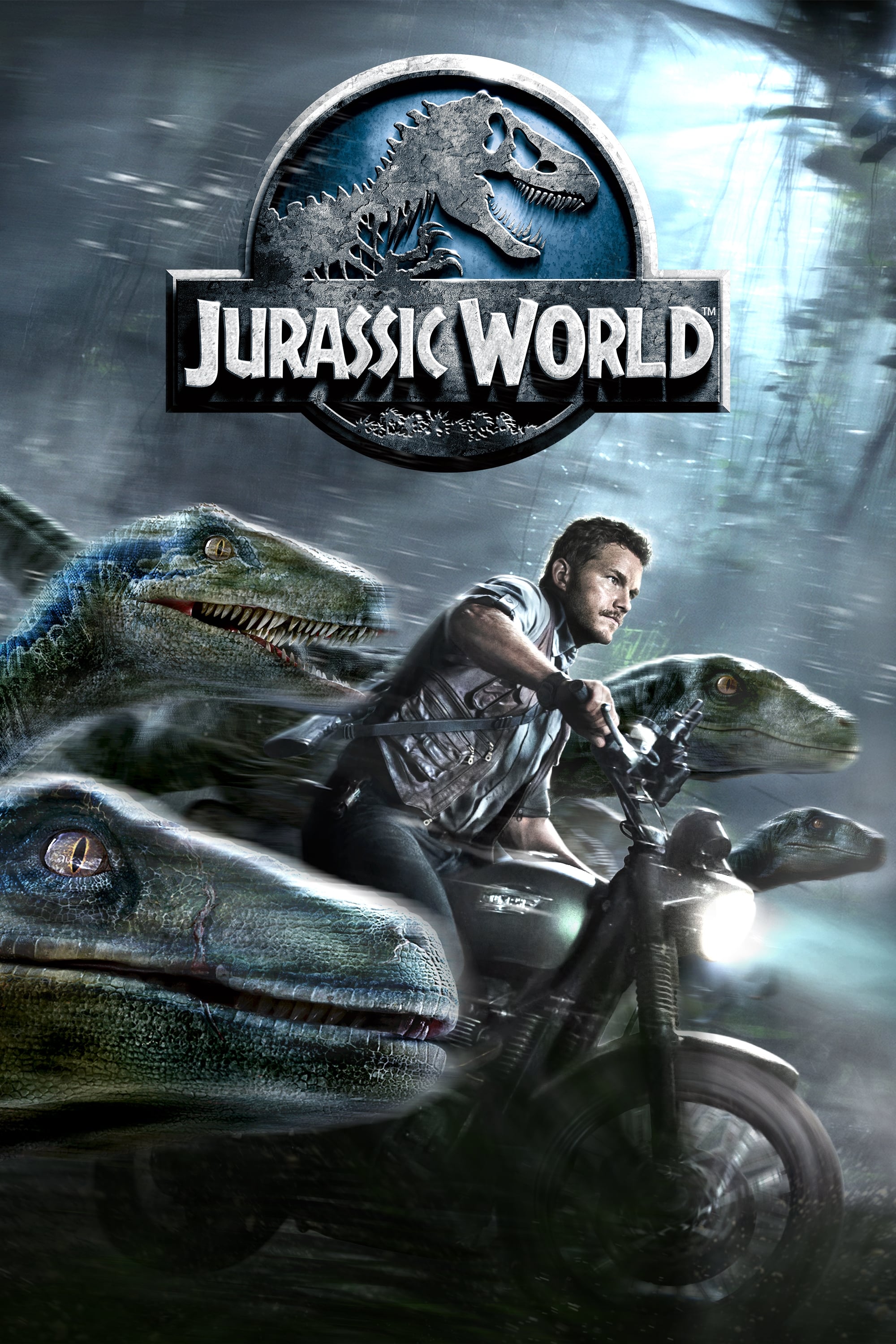
Revitalizing the dinosaur franchise required a modern visual language, and drones played a key role in showcasing the fully functioning park. The production used aerial platforms to film the main thoroughfare filled with thousands of tourists, swooping over the crowds to show the scale of the attraction. Drones were also essential during the Pteranodon attack sequence, where the camera mimics the erratic flight patterns of the escaping creatures. This chaotic aerial movement added a layer of terror and realism that static cameras could not achieve.
‘Spectre’ (2015)
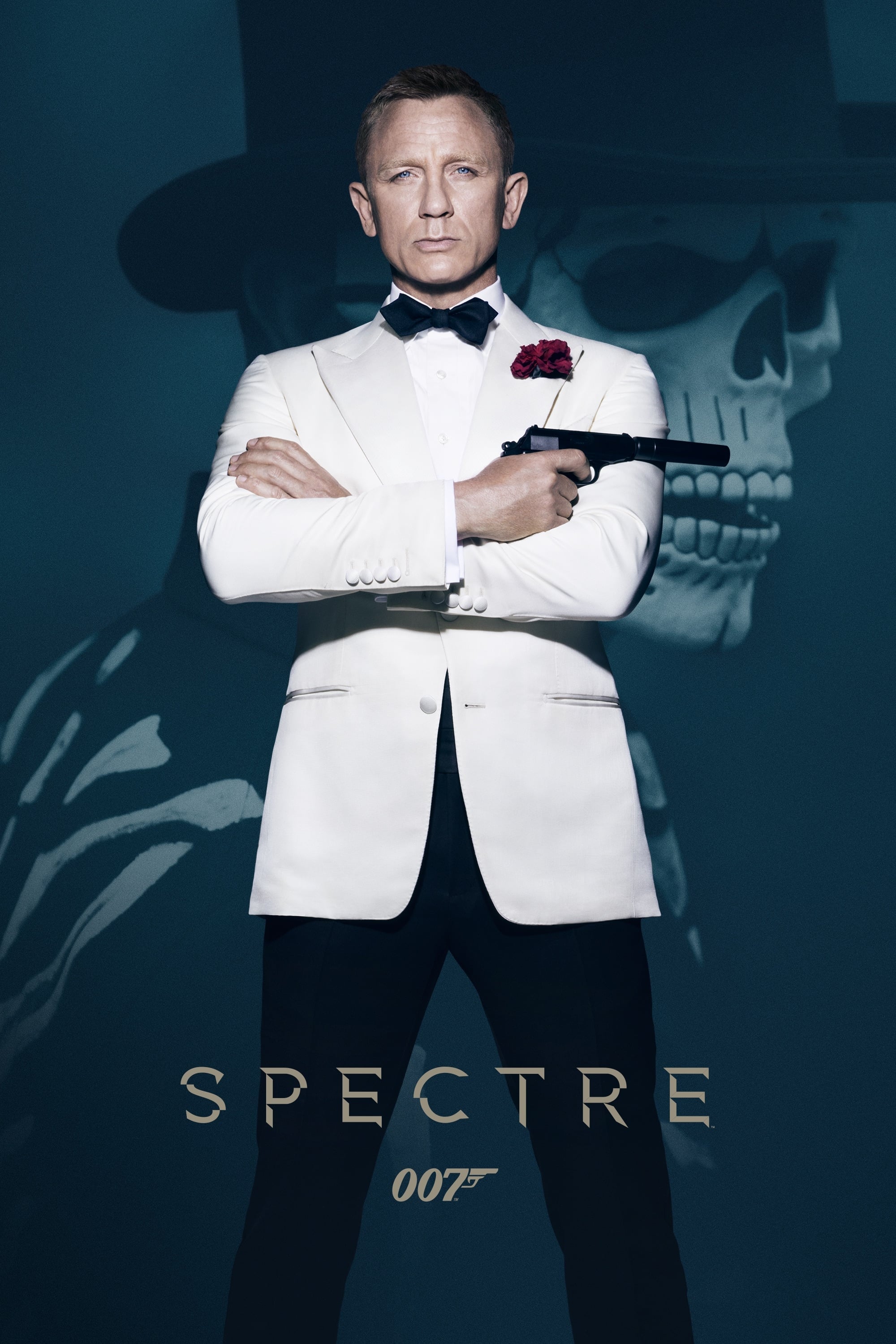
Following the success of aerial work in the previous Bond film, this production escalated the use of drones for its spectacular opening sequence in Mexico City. The camera floats above the massive Day of the Dead parade, capturing the thousands of extras before descending into the crowd to follow Bond. This seamless transition from a god-like view to street level was made possible by the agility of modern UAVs. The sequence set a high bar for tracking shots in action cinema, blending scale with intimacy.
‘Sicario’ (2015)
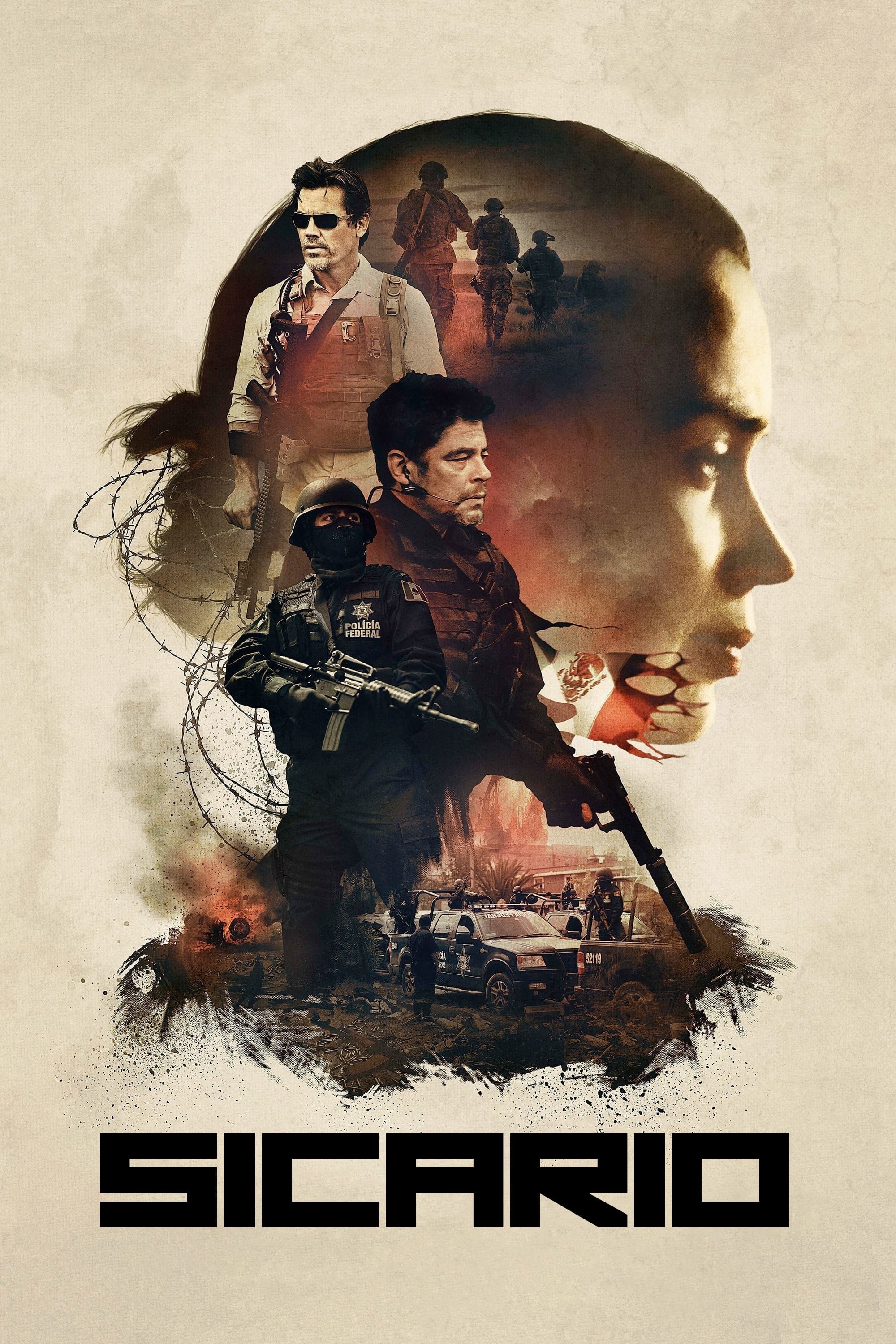
Roger Deakins is a master of cinematography, and his use of aerial photography in this film created a suffocating sense of tension. Drones were employed to capture the barren landscapes of the US-Mexico border, emphasizing the isolation and danger of the terrain. The camera glides over the convoys and border crossings with a detached, predatory gaze that mirrors the film’s themes of surveillance and violence. These shots established the geography of the conflict while maintaining an ominous atmosphere.
‘Eye in the Sky’ (2015)
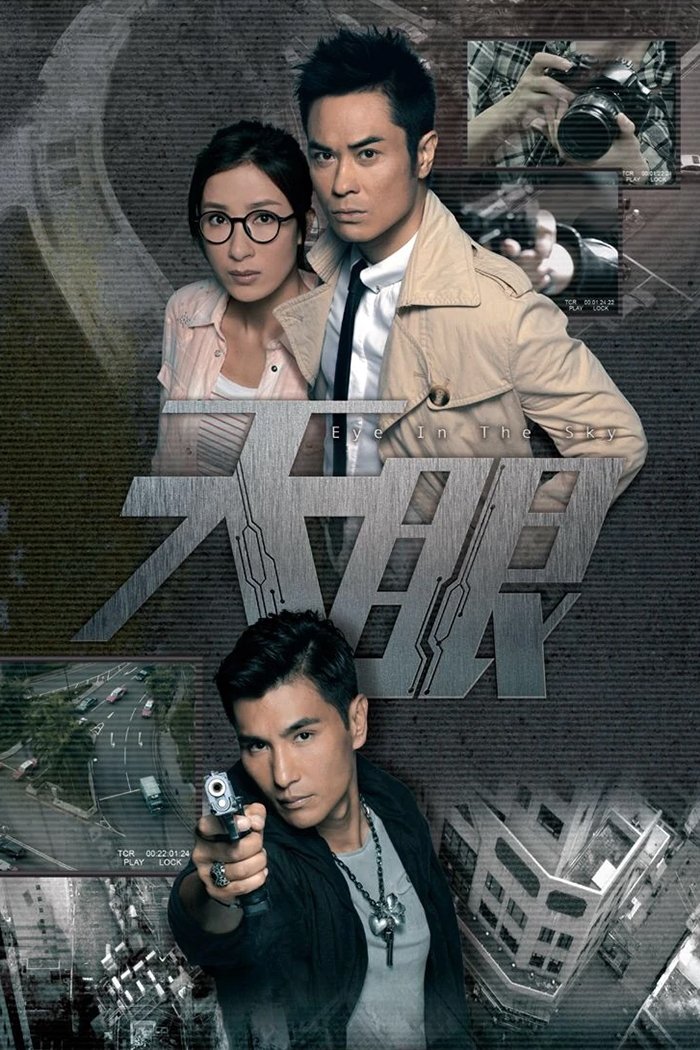
In this thriller, drone technology is not just a filmmaking tool but the central subject of the narrative. The film uses aerial footage to replicate the perspective of military surveillance drones, blurring the line between cinema and reality. The camera lingers high above the target area, creating a sense of detachment that contrasts with the moral dilemma on the ground. This visual style forces the audience to view the events through the cold, clinical lens of modern warfare.
‘Avengers: Age of Ultron’ (2015)
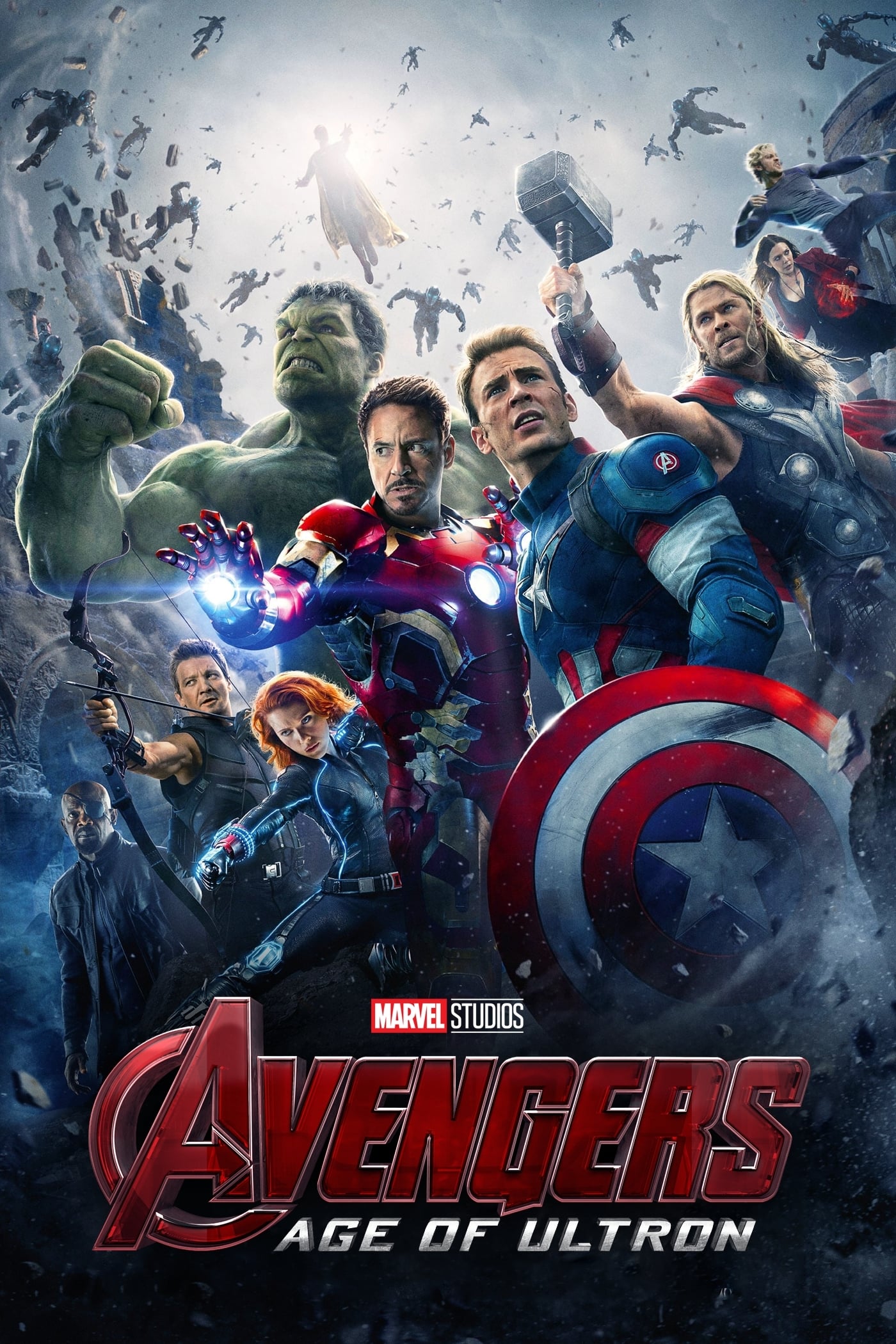
Marvel Studios utilized drones to capture the destruction of the fictional city of Sokovia from impossible vantage points. The aerial units flew through the crumbling streets and around the floating city, providing a sense of spatial geography during the chaotic finale. These shots connected the various character battles occurring simultaneously in different parts of the city. The fluid camera movement helped the audience track the complex action without losing a sense of the overwhelming scale.
‘Creed’ (2015)
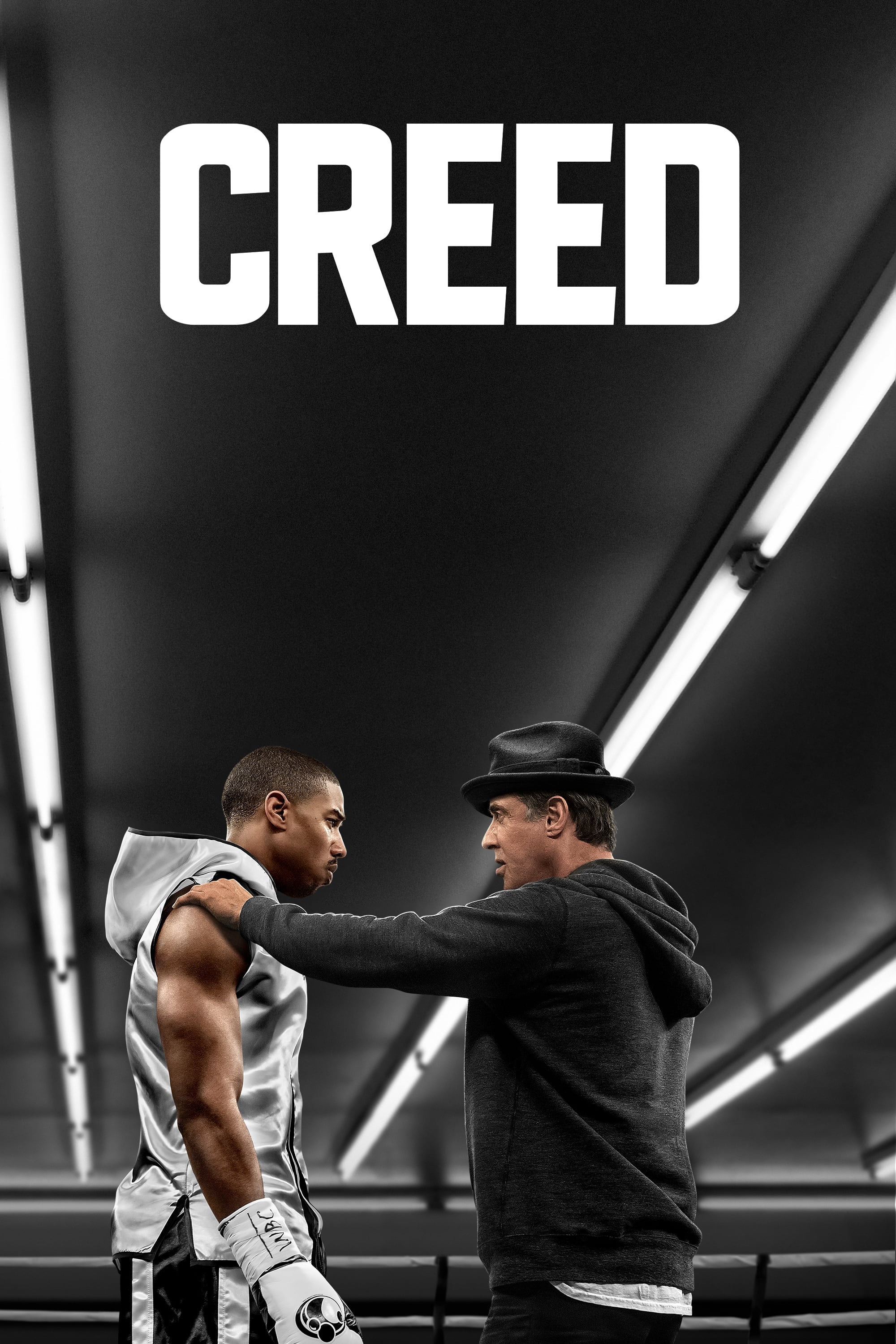
Ryan Coogler breathed new life into the Rocky franchise with a gritty, grounded visual style that utilized drones for energy and pace. The iconic training montage features a sequence where Adonis runs through the streets of Philadelphia surrounded by dirt bikes and ATVs. A drone tracked the runner from above and behind, matching the speed of the vehicles while weaving through urban obstacles. This dynamic following shot captured the communal energy of the moment in a way a camera car never could.
‘Straight Outta Compton’ (2015)
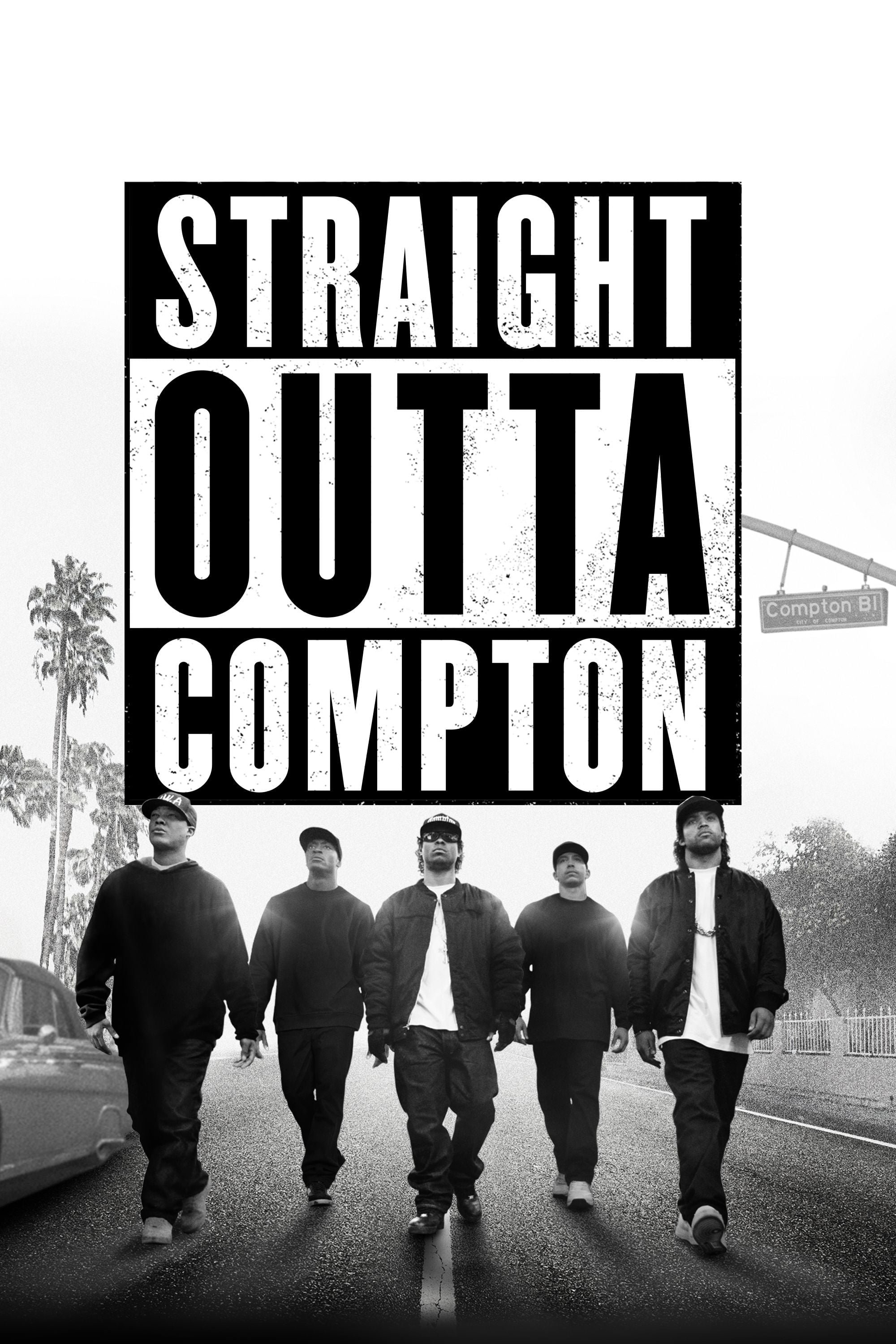
To capture the energy of 1980s Los Angeles and the rise of N.W.A., the filmmakers used drones for both establishing shots and dynamic party scenes. A notable sequence involves a pool party where the camera starts high above the mansion before diving down into the revelry. This transition effectively immersed the viewer in the lifestyle the group was experiencing at the height of their fame. The fluidity of the movement emphasized the chaotic, non-stop nature of their rise to stardom.
‘Captain America: Civil War’ (2016)
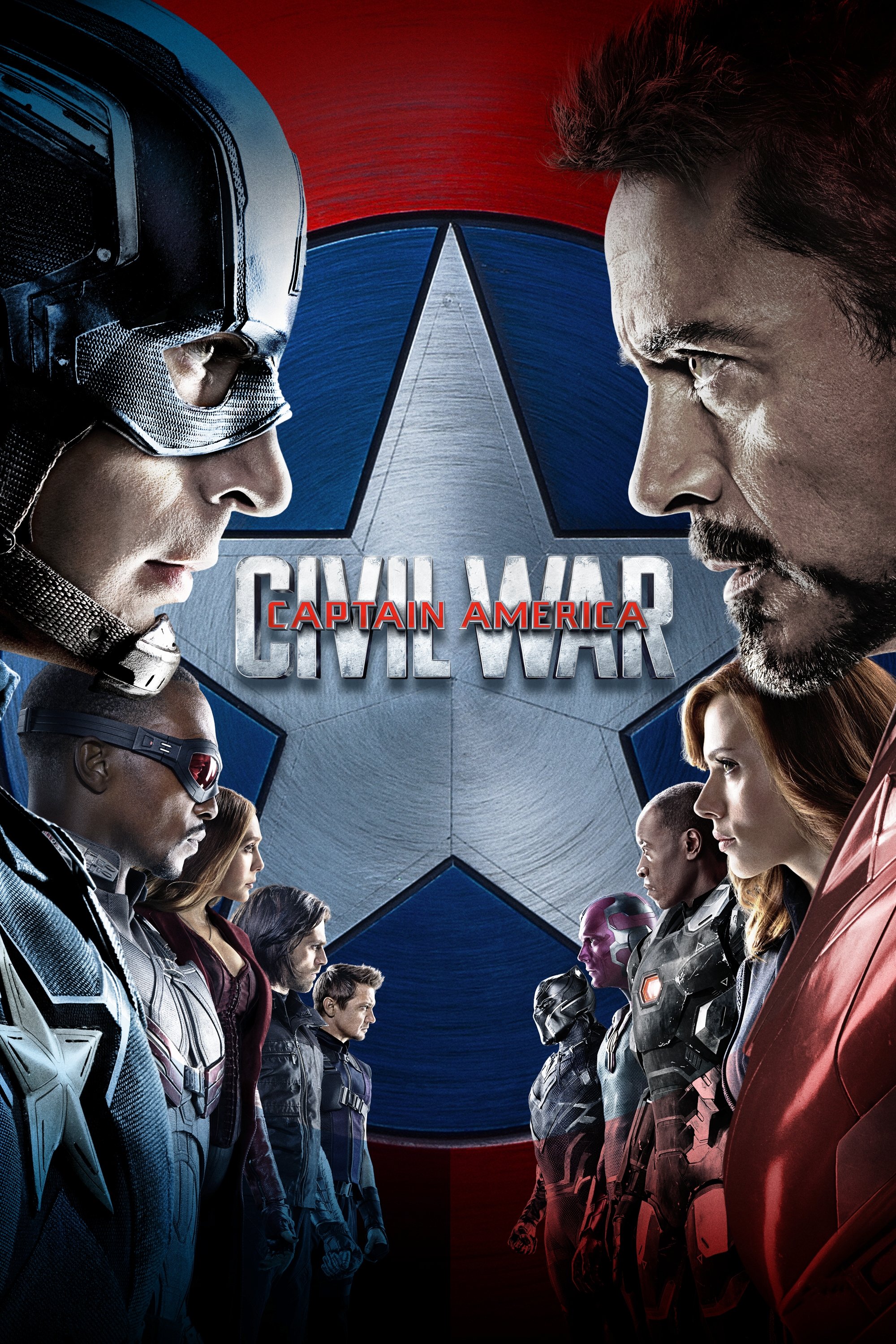
The Russo brothers employed drone technology to manage the complex geography of the film’s sprawling action set pieces. During the opening mission in Lagos, aerial cameras tracked the heroes as they moved through the crowded market and into the air. These shots provided a clear spatial relationship between the characters and the threats they faced in a dense urban environment. The ability to switch from ground-level combat to aerial oversight kept the frenetic editing coherent.
‘The Shallows’ (2016)
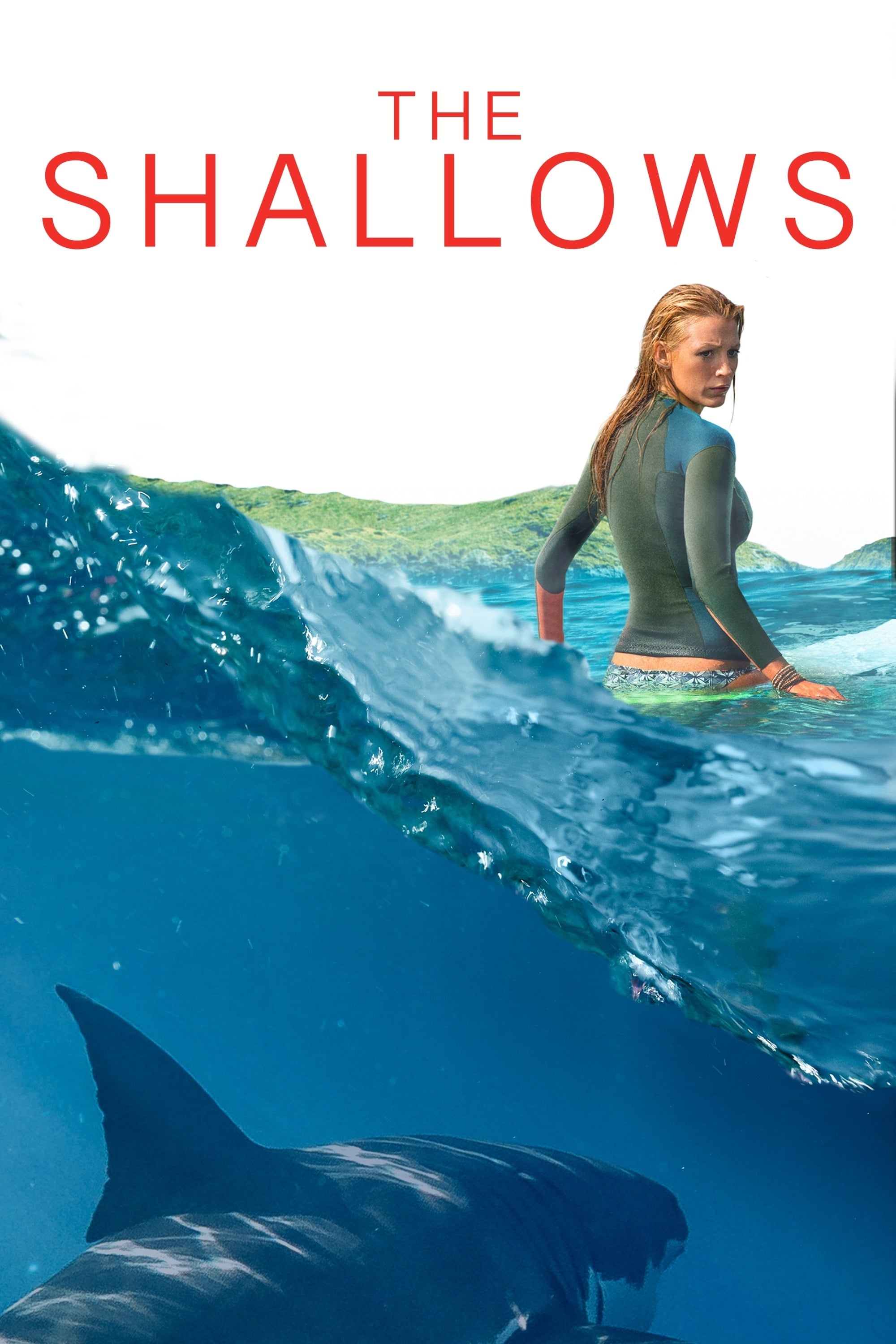
This survival thriller used drones to emphasize the isolation of the protagonist stranded on a rock near the shore. Aerial shots pulled far back to show the vast, empty ocean surrounding the character, highlighting her vulnerability against nature. The drones also captured the surfing sequences from directly above, providing a unique perspective on the speed and power of the waves. These angles turned the beautiful setting into a terrifying prison of water and rock.
‘Deepwater Horizon’ (2016)
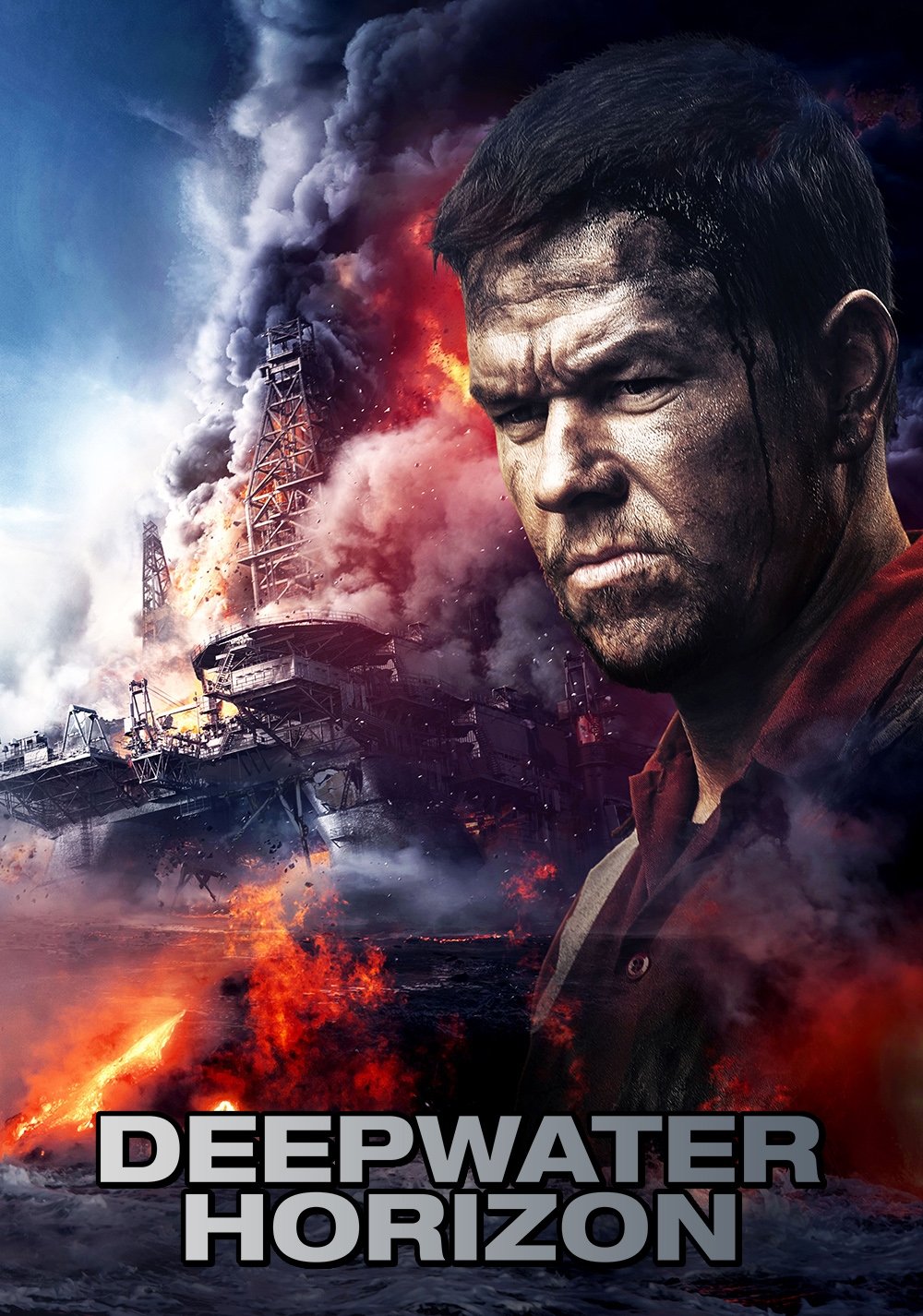
Capturing the scale of an offshore oil rig disaster required cameras that could maneuver around the massive structures and towering flames. Drones flew dangerously close to the practical fire effects and explosions to show the devastation from the perspective of the rig workers. The aerial footage established the isolation of the rig in the middle of the ocean while detailing the intricate industrial layout. This combination of vastness and claustrophobia heightened the tension of the catastrophic event.
‘Hacksaw Ridge’ (2016)
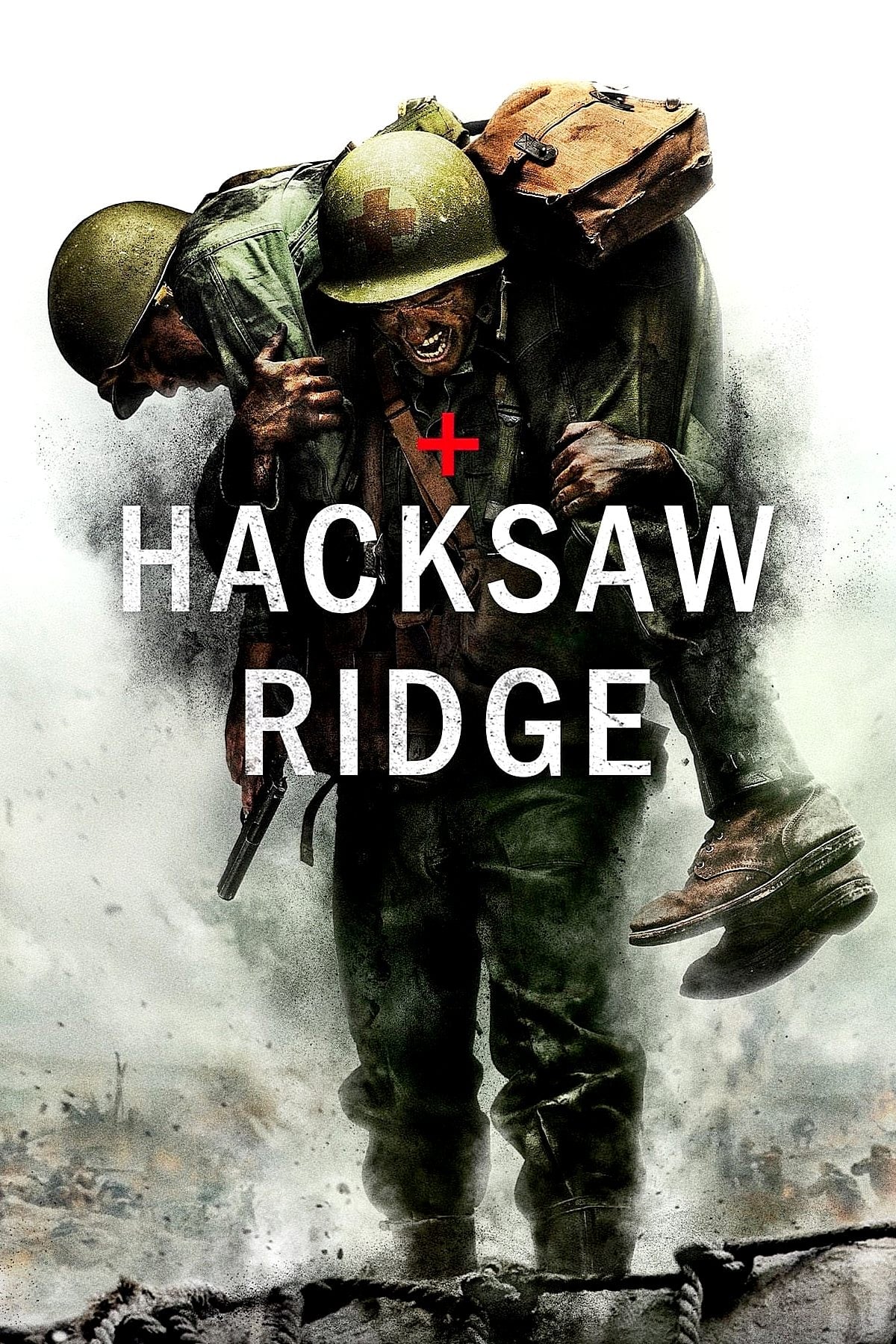
Mel Gibson used drone photography to depict the brutal topography of the titular cliff and the battlefield atop it. The camera soars over the ridge, revealing the sheer drop that the soldiers had to climb before entering the combat zone. Drones also tracked the movement of troops across the smoke-filled plateau, providing a clear view of the tactical nightmare they faced. These shots emphasized the hopelessness of the terrain and the bravery required to assault it.
‘Lion’ (2016)

In a film about a man searching for his lost home using Google Earth, aerial cinematography was thematically essential. The production used drones to capture the landscapes of India and Australia, mimicking the satellite imagery the protagonist obsesses over. These sweeping shots connect the two disparate worlds of the character’s life through visual symmetry. The camera floats over train tracks and mountains, serving as a visual metaphor for memory and distance.
‘Kong: Skull Island’ (2017)
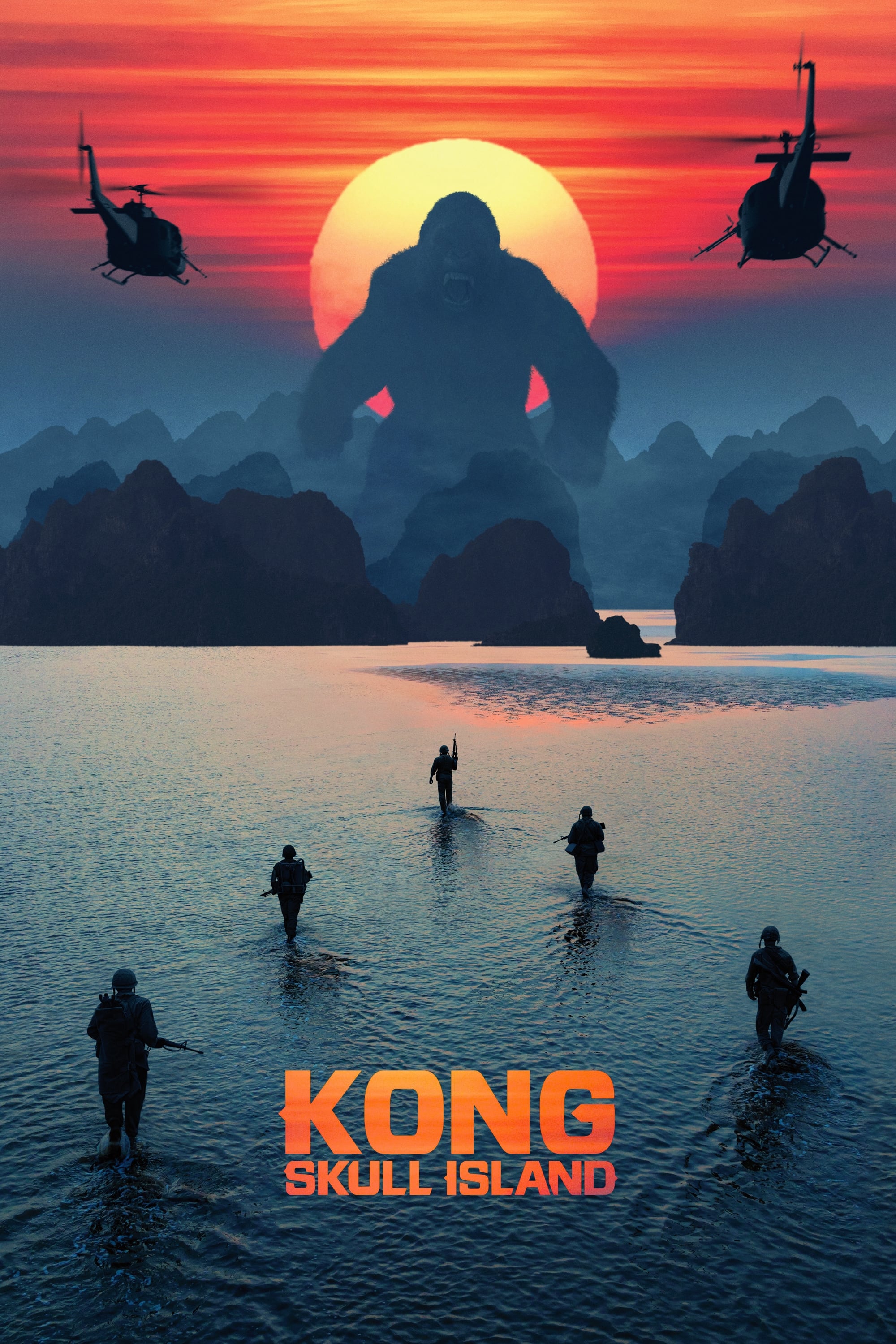
To depict the majesty and danger of the unexplored island, the filmmakers relied on drones to navigate the treacherous jungle terrain. The camera follows the military helicopters through storm clouds and around jagged peaks, placing the viewer inside the formation. Drones also captured the scale of Kong by flying up his body and around his massive frame during battles. This perspective emphasized the insignificance of the human characters in the face of such ancient power.
‘The Fate of the Furious’ (2017)
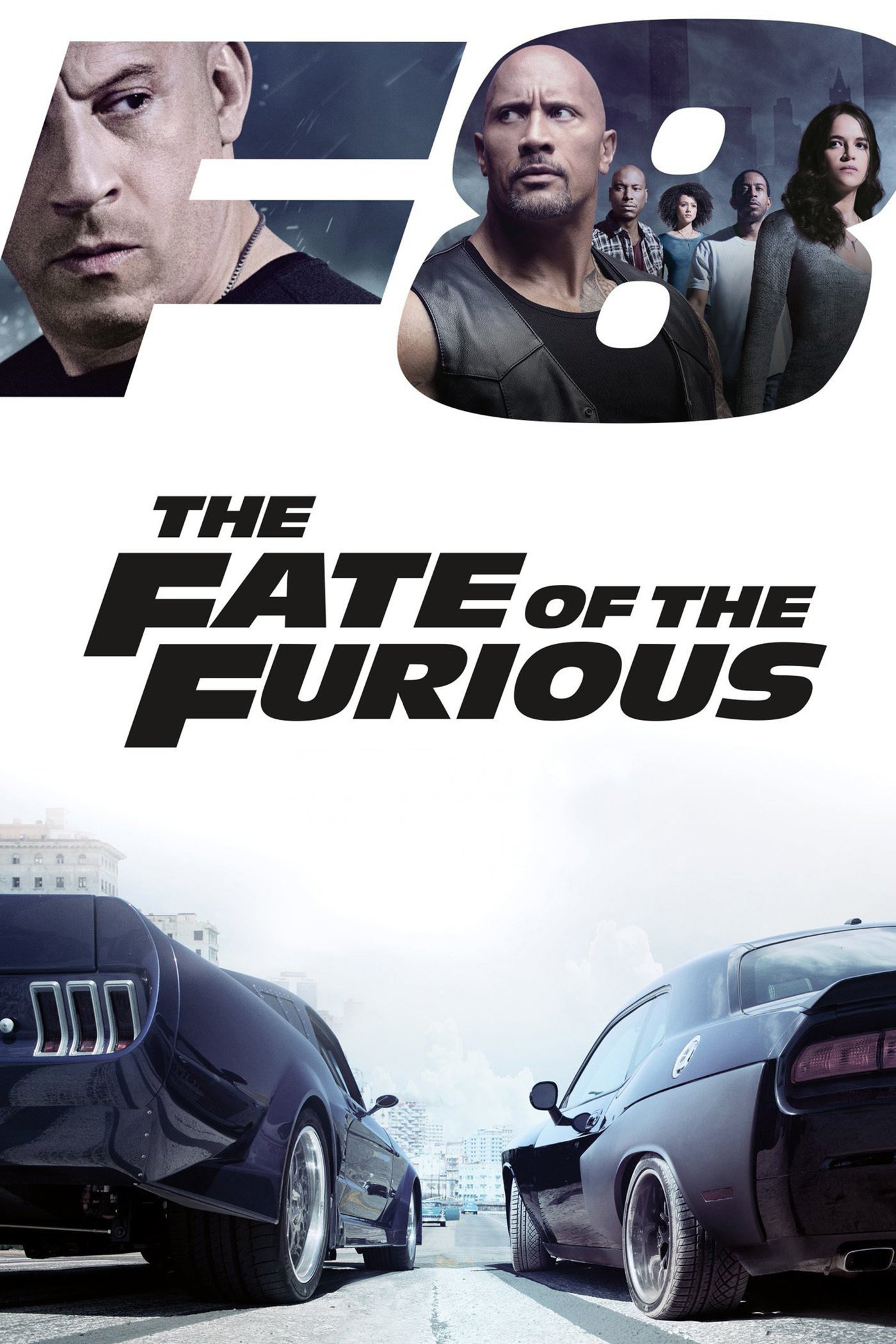
The Fast and the Furious franchise is known for escalating spectacle, and the eighth installment used drones to capture the massive car chase on the ice in Russia. Aerial units tracked the vehicles as they sped across the frozen surface, dodging explosions and a submarine breaching the ice. The drones allowed for high-speed, low-altitude tracking that kept pace with the cars while avoiding the pyrotechnics. This footage provided a comprehensive view of the vehicular warfare that defined the film’s climax.
‘Baywatch’ (2017)

While a comedy, this film utilized high-end drone work to modernize the iconic beach running scenes associated with the original show. The camera sweeps over the ocean and the crowded sands, capturing the vibrant colors and energy of the setting. Drones allowed for dynamic movement over the water during boat chases, keeping the camera stable despite the choppy waves. These shots gave the film a polished, blockbuster aesthetic that elevated the action sequences.
‘War for the Planet of the Apes’ (2017)
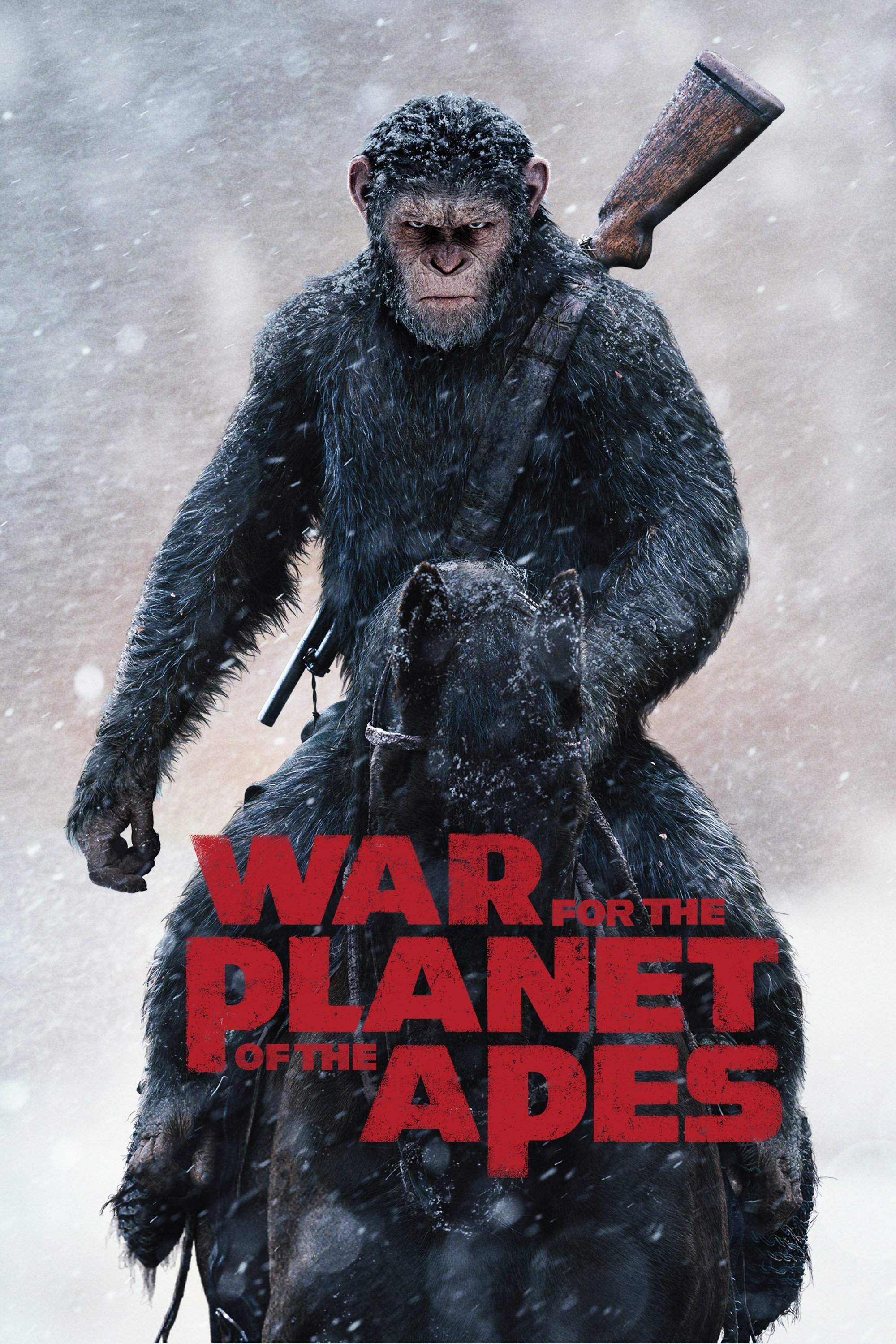
Matt Reeves used drones to capture the bleak, wintry landscapes that the apes traverse in this somber conclusion to the trilogy. The aerial shots emphasize the solitude of Caesar’s group as they march through snow-covered forests and mountains. By keeping the camera distant and high, the film underscores the epic scale of their biblical journey. These impossible angles highlight the beauty of a world slowly being reclaimed by nature without human interference.
‘Jumanji: Welcome to the Jungle’ (2017)

Transporting the characters into a video game world required visuals that felt larger than life, and drones helped achieve this aesthetic. The production used aerial cameras to film the vast Hawaiian jungles, swooping through valleys and over waterfalls. The standout sequence involves a helicopter chase where drones flew through a narrow canyon to mimic the perilous flight path. This camera work successfully replicated the feeling of a third-person action game.
‘The Greatest Showman’ (2017)
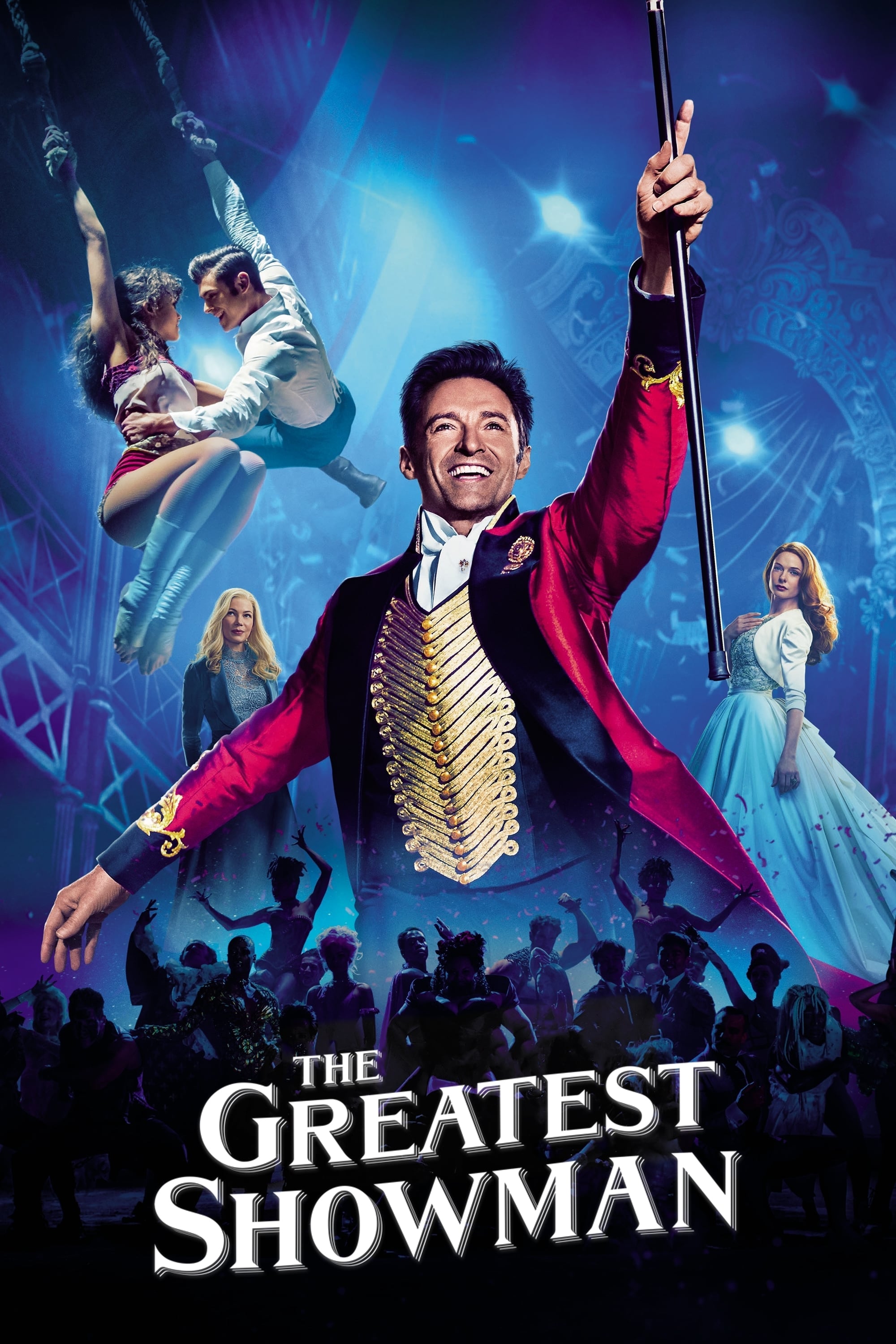
Musical numbers require fluid camera movement to match the choreography, and drones provided a unique solution for the circus tent sequences. The camera starts high in the rafters, looking down on the acrobats, before swirling down to join the dancers on the floor. This continuous motion connected the aerial artistry with the ground-level performance in a single beat. The result was a dizzying, magical perspective that captured the wonder of the circus.
‘Maze Runner: The Death Cure’ (2018)

The final installment of this dystopian trilogy featured a high-octane opening train heist that relied on drone cinematography. The camera flies alongside a speeding train as characters jump onto it from a hovercraft, capturing the stunt from dynamic angles. Drones maneuvered between the carriages and the flying vehicle, maintaining the pace of the action without cutting away. This sequence established the desperate stakes and kinetic energy of the film immediately.
‘Black Panther’ (2018)
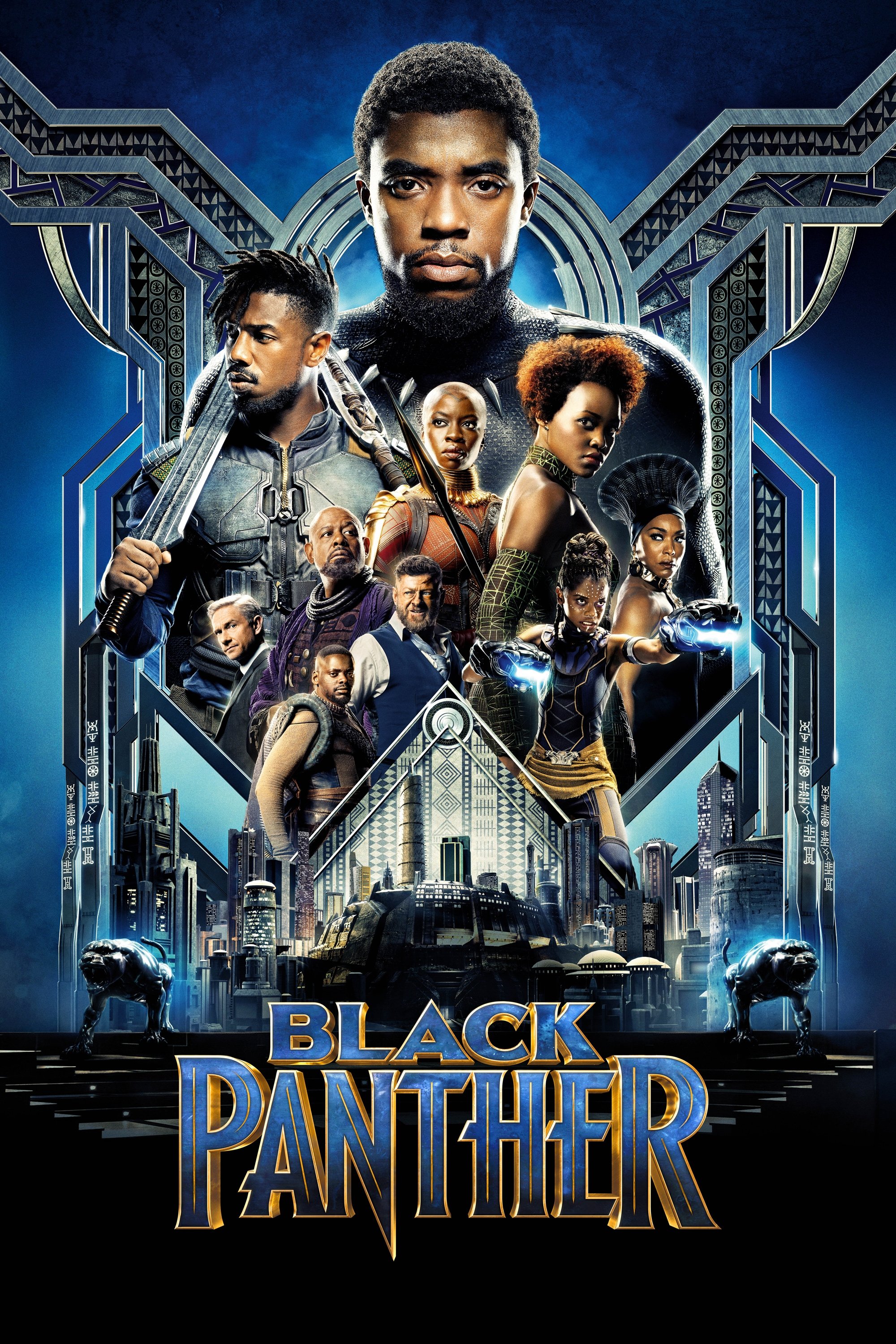
Establishing the hidden nation of Wakanda required aerial plates that looked futuristic yet grounded in African geography. Drones were used to capture real-world landscapes in South Africa, Zambia, and Uganda, which were then enhanced with CGI to create the Golden City. The camera glides over waterfalls and savannas, providing a majestic introduction to the setting. These sweeping shots were crucial in building a world that felt ancient and technologically advanced simultaneously.
‘Rampage’ (2018)
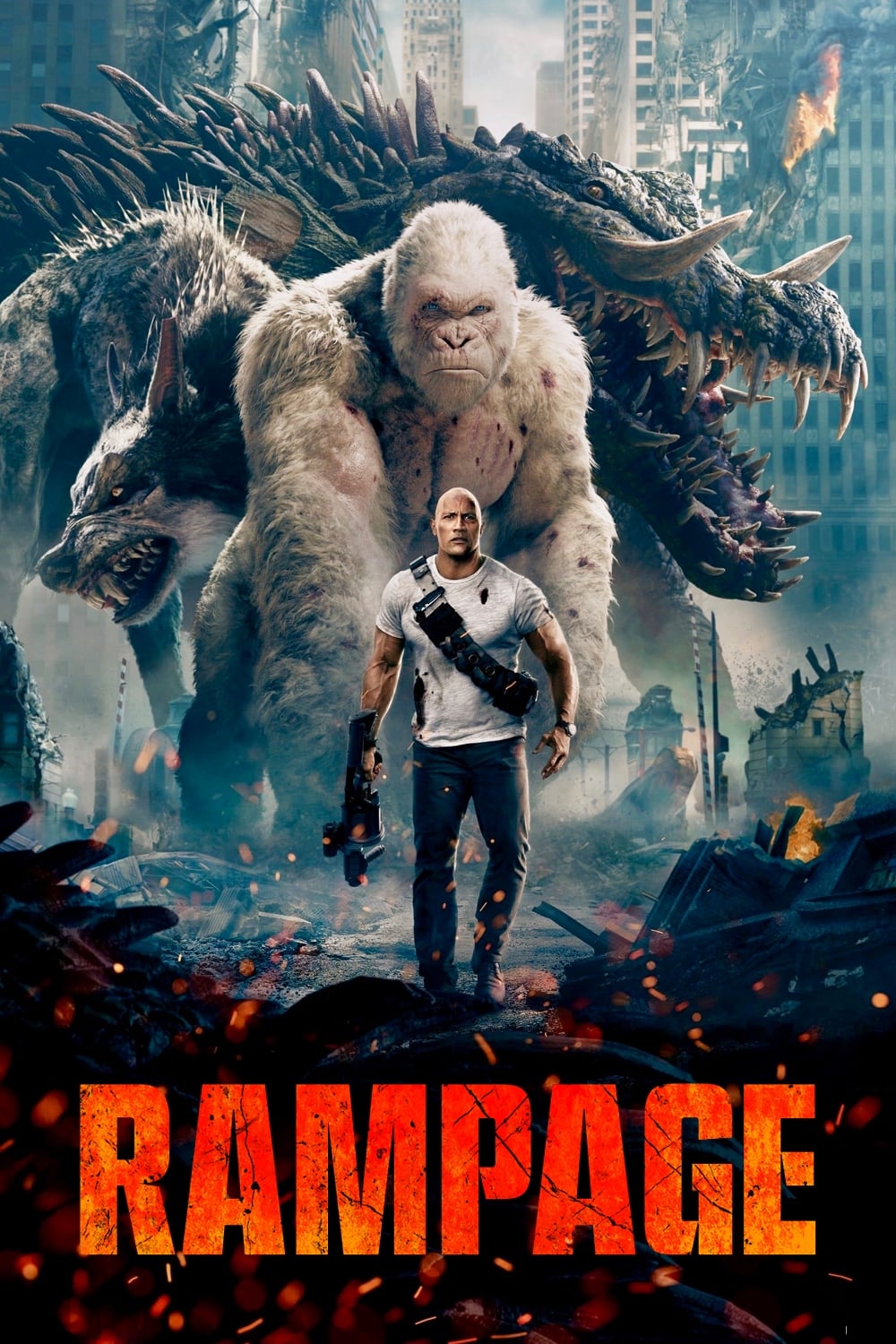
When giant mutated animals destroy Chicago, drones were the only way to capture the scale of the destruction from a safe distance. The aerial units flew between collapsing buildings to show the monsters climbing and fighting in the city center. These shots provided a clear view of the geography of the battle, helping the audience track the creatures’ locations. The drone footage added a news-chopper style realism to the fantastical premise of the film.
‘Crazy Rich Asians’ (2018)

To showcase the opulence of Singapore, the filmmakers used drones to capture stunning aerials of the Marina Bay Sands and the Gardens by the Bay. The camera floats over the futuristic architecture and the massive ships in the harbor, establishing the extreme wealth of the setting. These shots served as more than just transitions; they were integral to the visual storytelling of the world the protagonist was entering. The smooth, gliding motion of the drones mirrored the elegance and polish of the film’s elite society.
‘Triple Frontier’ (2019)
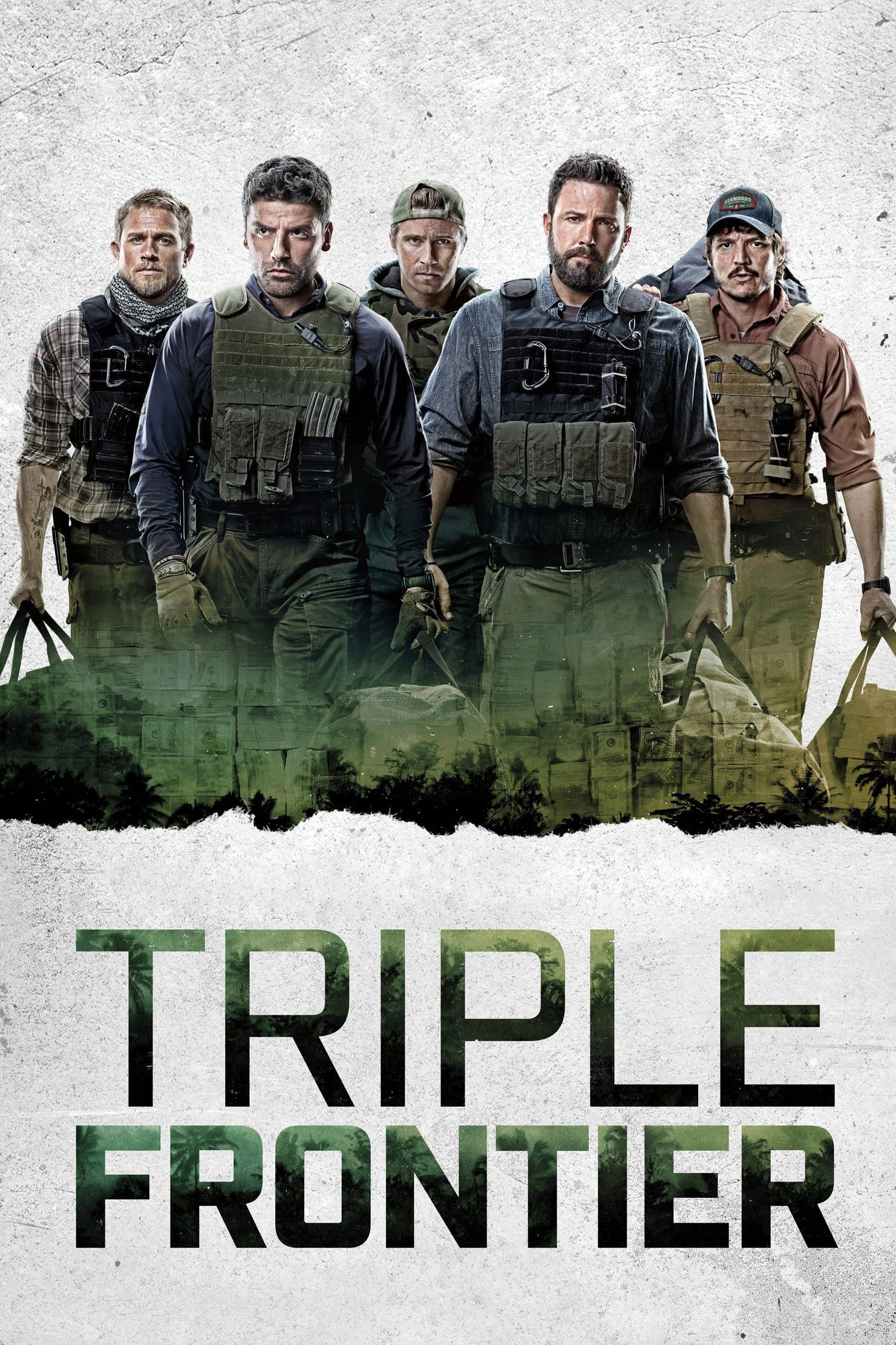
Set in the rugged Andes mountains, this heist film utilized drones to capture the treacherous journey of the special forces team. The camera soars over jagged peaks and deep valleys, emphasizing the physical difficulty of moving millions of dollars in cash through the jungle. Drones also tracked the helicopter crash sequence, following the aircraft as it spiraled down into the coca fields. These angles highlighted the hostility of the environment and the isolation of the characters.
‘Shazam!’ (2019)
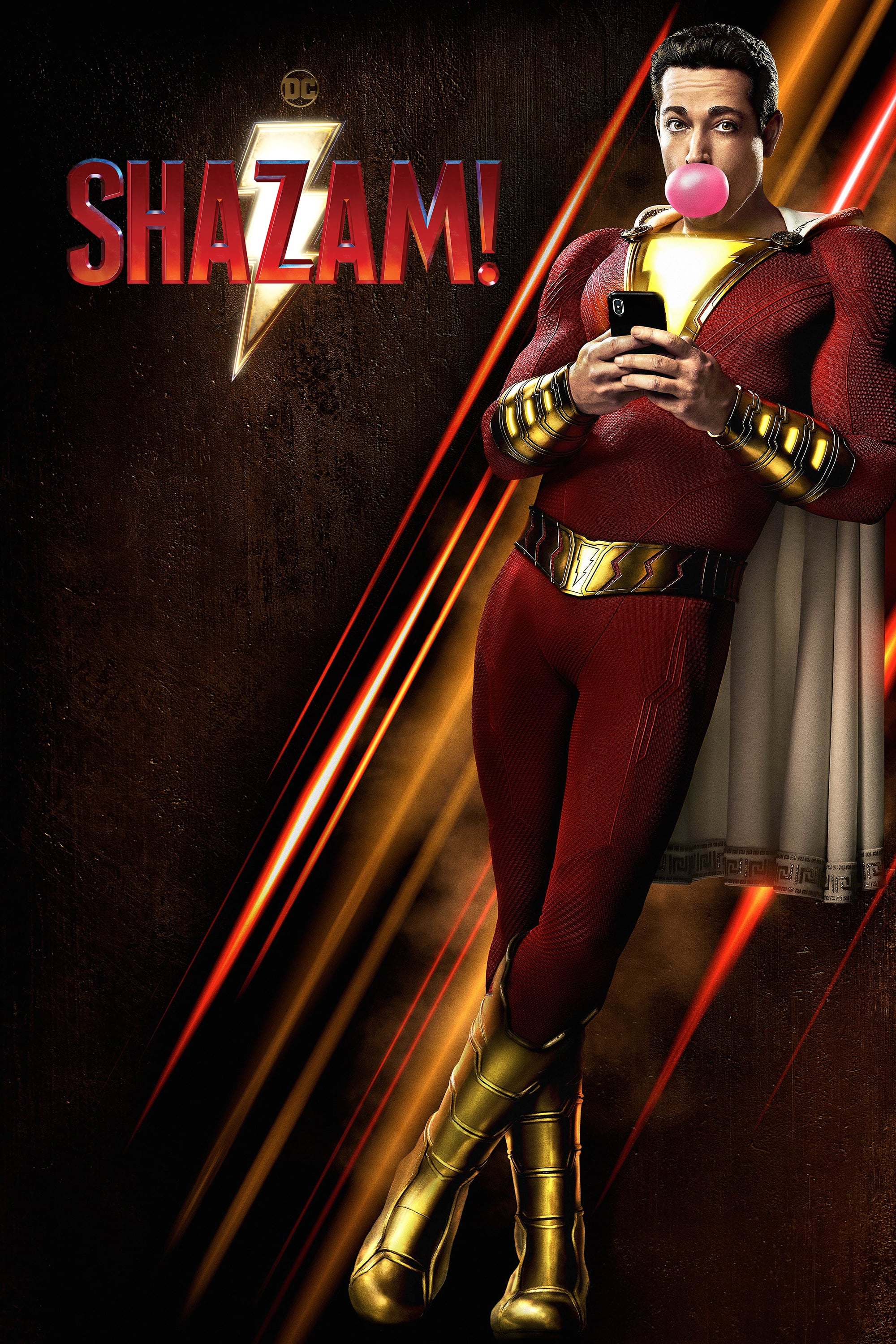
Superhero films often struggle to show the speed of flight realistically, but drones helped this production solve that problem. During the training montages and aerial battles, drones tracked the actors (or their stunt doubles) as they launched into the sky. The camera movement matched the erratic, joyful flight patterns of the young hero discovering his powers. This practical camera work added a sense of weight and velocity to the visual effects.
‘John Wick: Chapter 3 – Parabellum’ (2019)
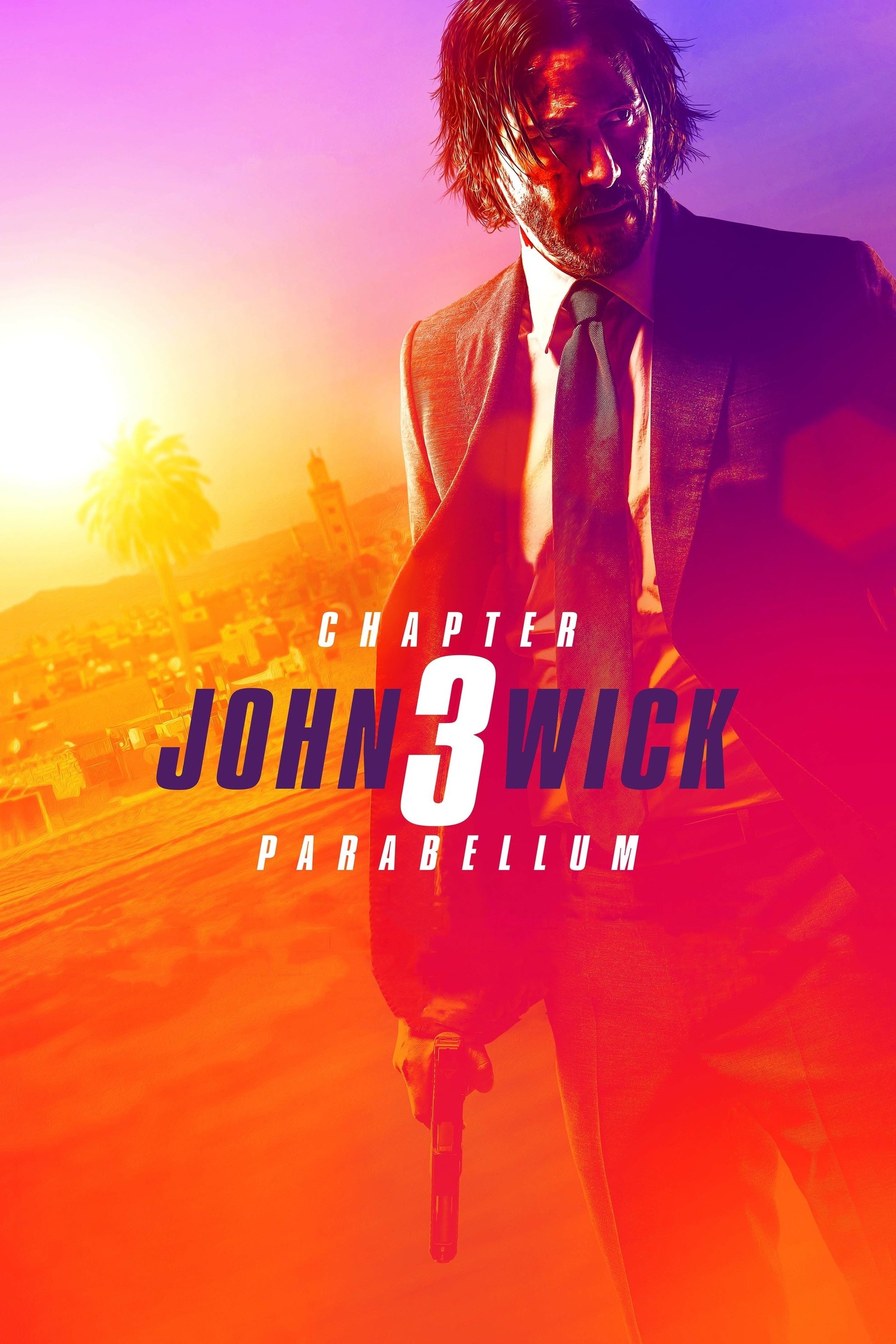
The John Wick franchise is renowned for its steady camera work, but the third film introduced drones for the bridge motorcycle chase. The camera races alongside the fighters, weaving through the traffic and the structural pillars of the Verrazzano-Narrows Bridge. This allowed the audience to see the swordplay on the bikes clearly while maintaining the high speed of the chase. The drone’s ability to fly low and fast was essential for capturing the kinetic energy of the scene.
‘6 Underground’ (2019)
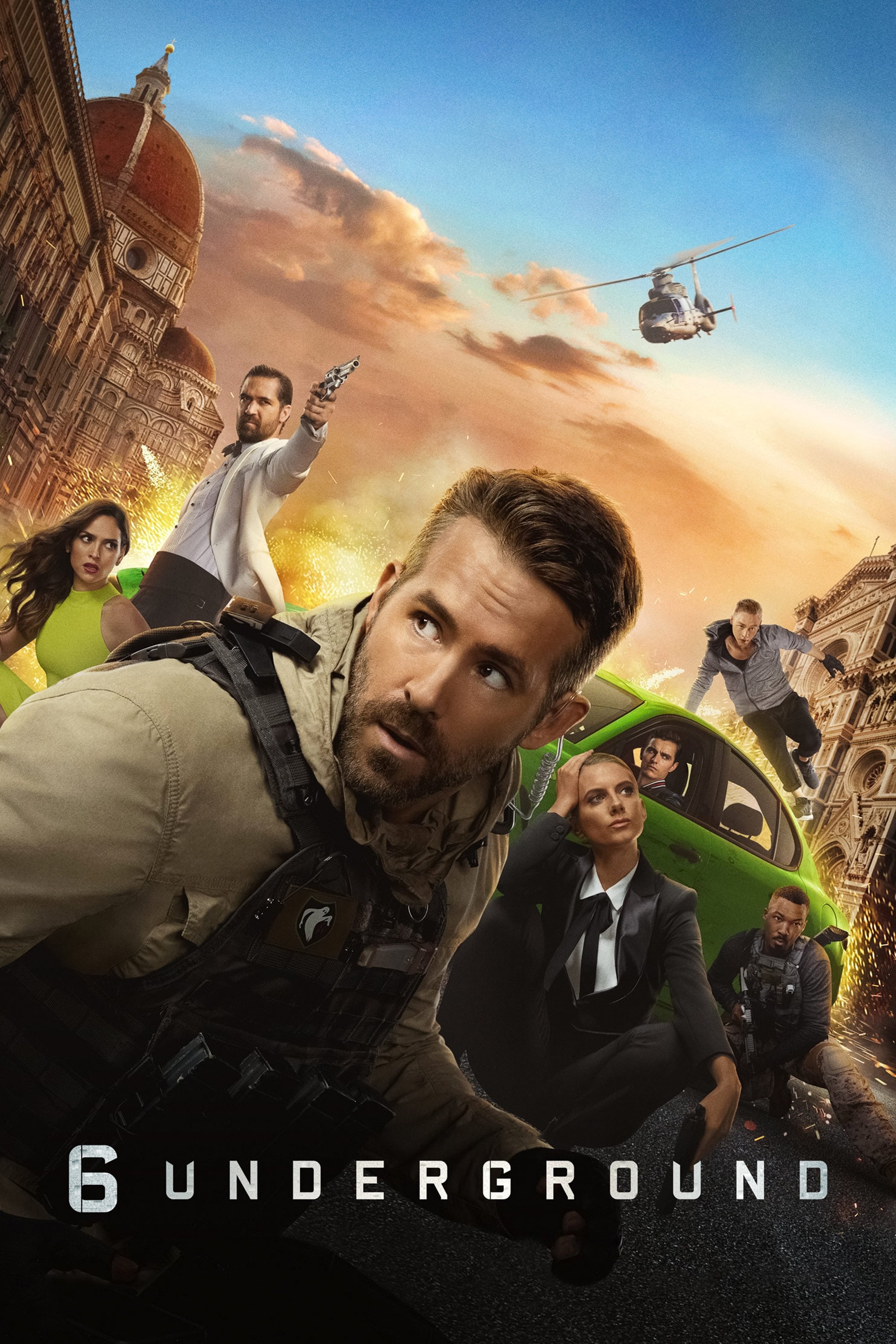
Michael Bay returned to his chaotic roots with heavy use of FPV (First Person View) style drone shots during the opening car chase in Florence. The camera dives through the windows of the Alfa Romeo, flies out the other side, and zips over the historic statues of the city. These impossible maneuvers created a disorienting, adrenaline-fueled experience that placed the viewer inside the car. This film marked a significant shift toward the acrobatic drone style that would dominate action films in the 2020s.
‘Spider-Man: Far From Home’ (2019)
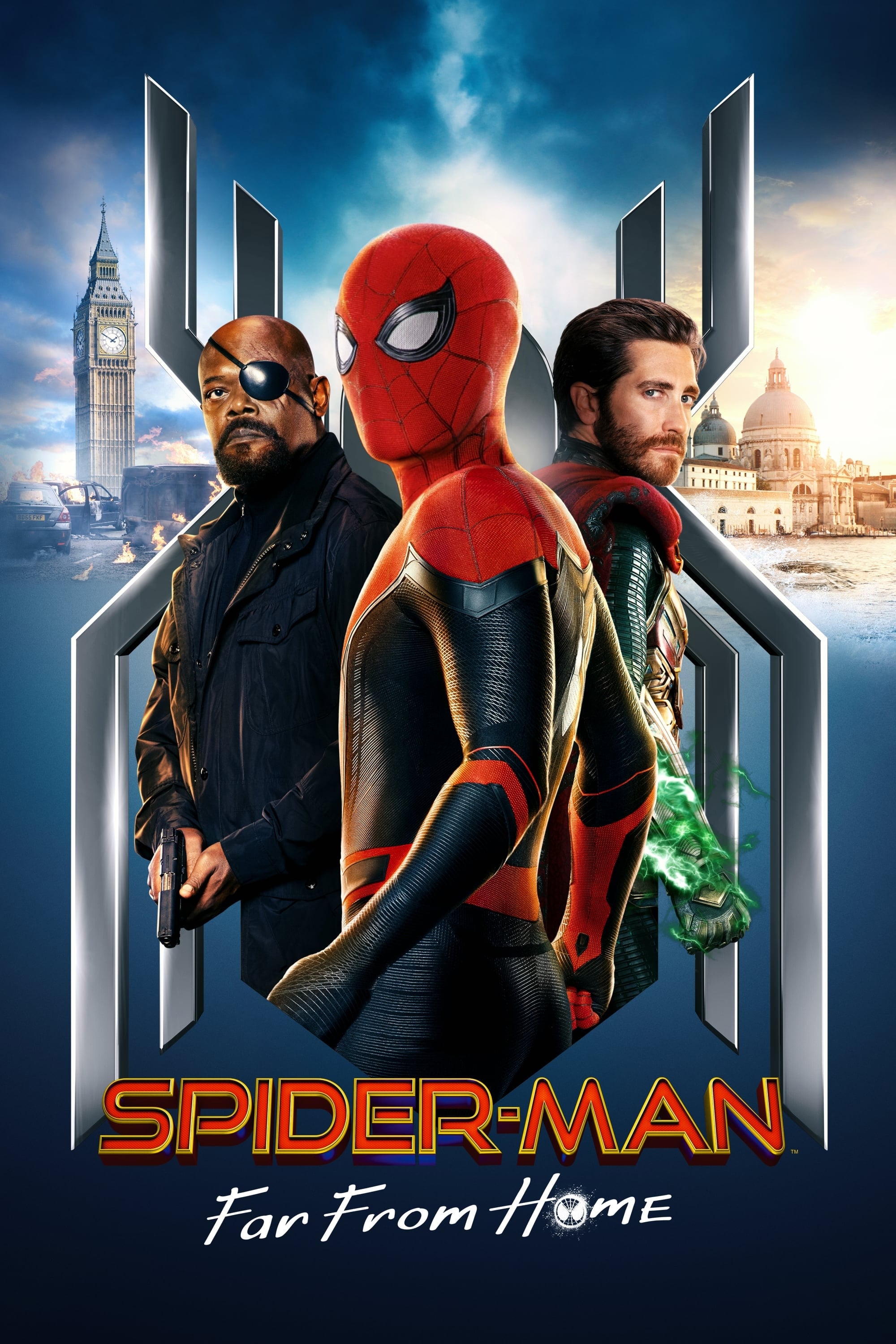
Filming in Venice presents logistical challenges due to the canals and historic preservation rules, making drones a perfect solution for aerial coverage. The production used drones to capture the Hydro-Man attack sequence, flying over the water and around the crumbling buildings. These shots provided a clear view of Spider-Man swinging through the narrow canals to save civilians. The agility of the drones allowed for dynamic superhero action in a location where cranes and helicopters were prohibited.
‘Fast & Furious Presents: Hobbs & Shaw’ (2019)
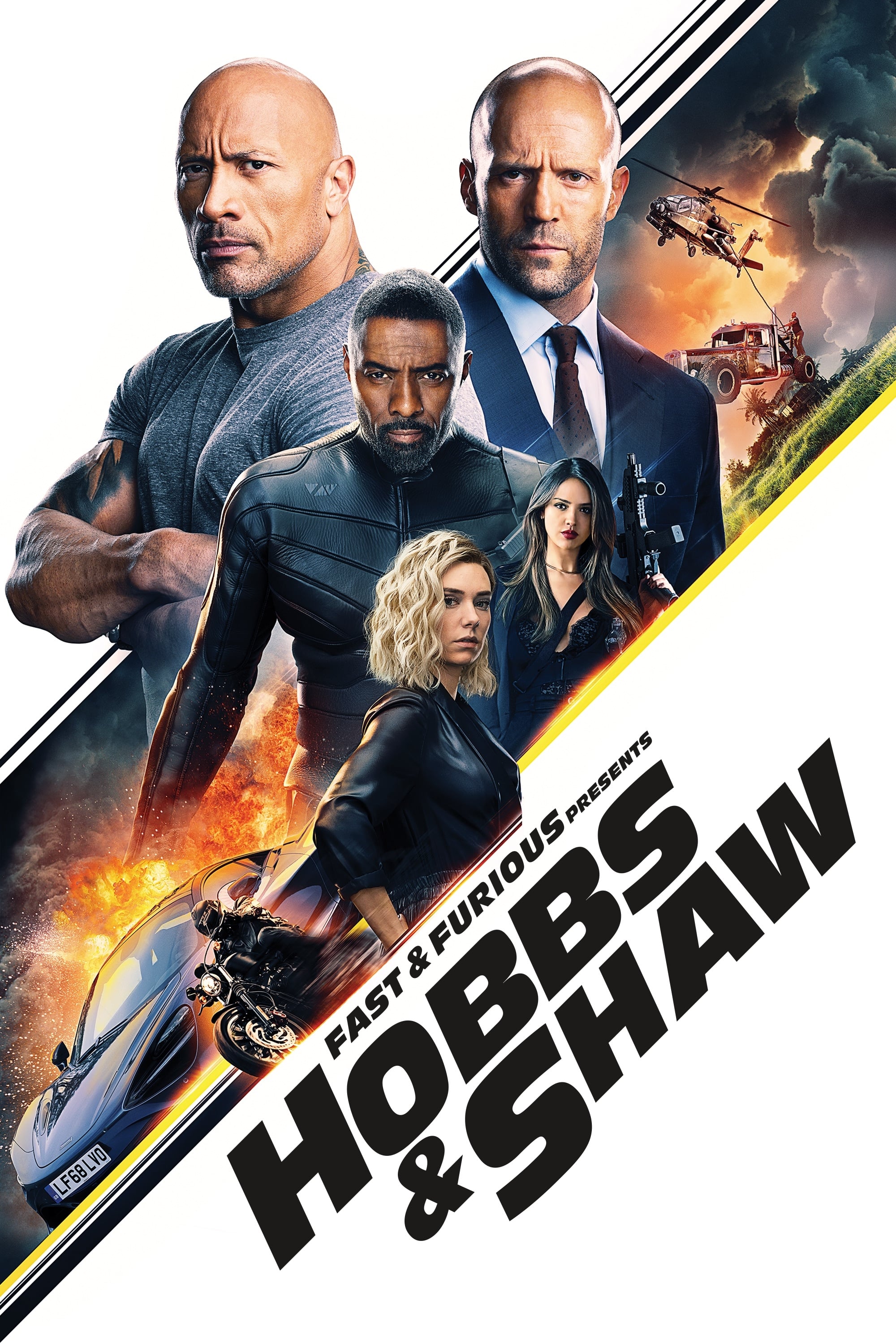
This spinoff took the action to Samoa (filmed in Hawaii), using drones to capture the lush island landscapes and the climactic cliffside battle. The camera swoops down the waterfalls and along the coast, establishing the beauty of the location before the destruction begins. During the helicopter-versus-tow-truck sequence, drones tracked the chain of vehicles teetering on the edge of the cliff. These angles emphasized the vertical danger of the scene and the sheer absurdity of the stunts.
‘1917’ (2019)

While famous for its “one continuous shot” illusion, Roger Deakins employed a drone for the iconic river sequence. As the protagonist scrambles out of the water and over the embankment, the camera lifts from ground level to reveal a singing battalion in the forest. The drone carried a specialized camera rig that allowed for a stable, cinematic image despite the wind and movement. This reveal is one of the most emotional moments in the film, made possible by the seamless transition in height.
‘Extraction’ (2020)
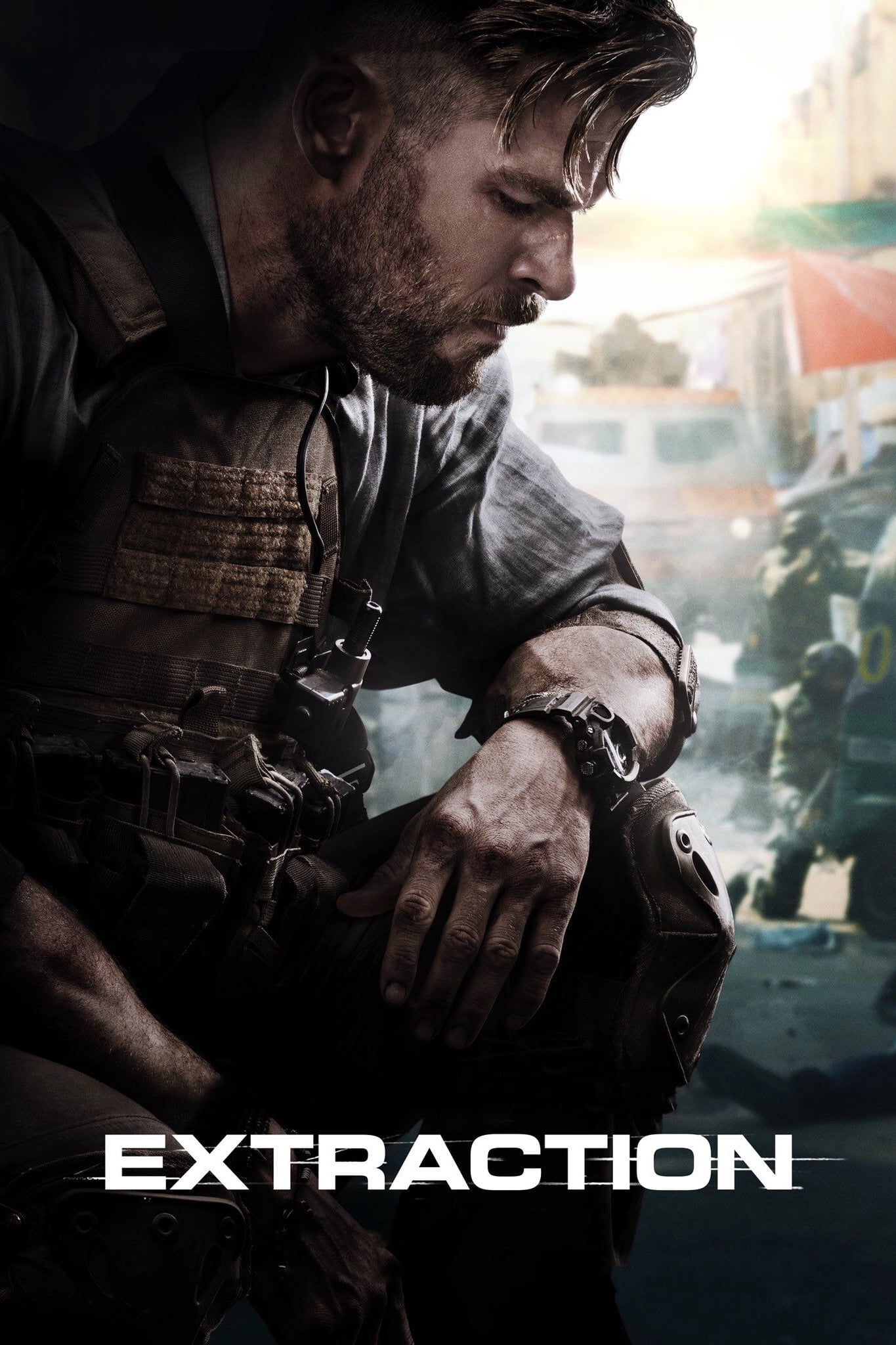
Director Sam Hargrave, a former stuntman, pushed the boundaries of camera movement by using drones to stitch together the “oner” car chase sequence. The camera passes from inside a moving vehicle to a drone operator, who flies it out the window to chase another car, then back into a vehicle. This technique created an unbroken flow of action that moved effortlessly between intimate interiors and wide exterior destruction. It revolutionized how car chases could be filmed, blending practical stunts with digital stitching.
‘Spenser Confidential’ (2020)
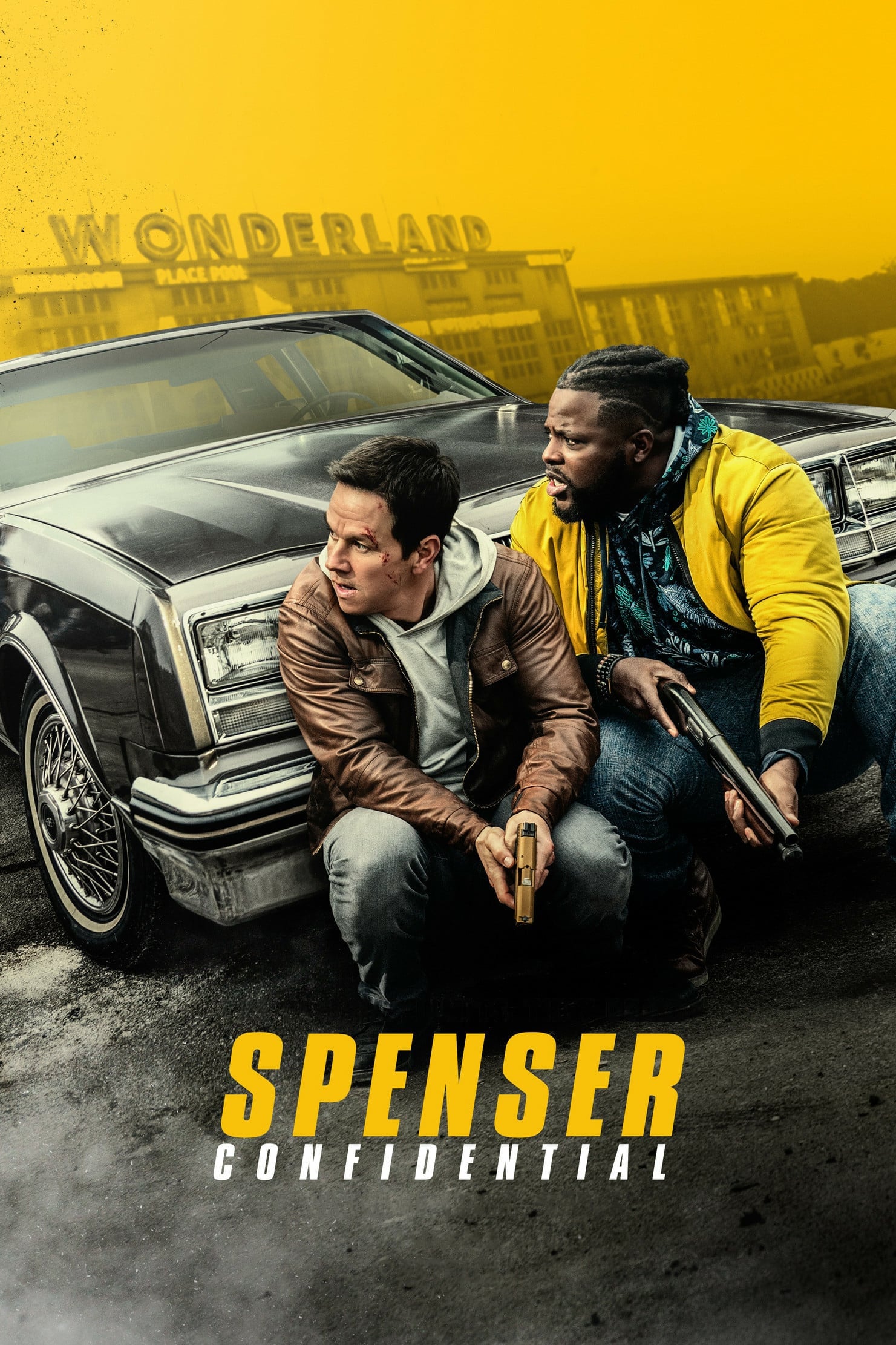
Peter Berg is another director who embraced the agility of drones to capture gritty, street-level action in Boston. The film features drone shots that fly under trucks and through tight alleyways during pursuit sequences. These angles give the audience a sense of the speed and danger of the chases without relying on shaky handheld footage. The drone work added a modern, kinetic polish to an otherwise traditional buddy-cop dynamic.
‘Mulan’ (2020)

The live-action adaptation utilized drones to capture the massive scale of the imperial armies and the battle sequences in New Zealand. Aerial cameras flew over the charging horses, providing a bird’s-eye view of the tactical formations and the collision of forces. Drones were also used for the avalanche sequence, tracking the snow as it buried the opposing army. These shots emphasized the epic scope of the war and the beauty of the natural landscapes.
‘Red Notice’ (2021)

This heist comedy relied heavily on FPV drones to navigate the complex sets, particularly during the mine shaft chase sequence. The camera zooms through narrow tunnels, dodging obstacles and flying through the open doors of speeding vehicles. This video-game-style cinematography matched the lighthearted, adventurous tone of the movie. It allowed the filmmakers to create a continuous, rollercoaster-like experience that kept the energy high.
‘Army of the Dead’ (2021)

Zack Snyder acted as his own cinematographer for this zombie heist film, using drones to capture the ruined landscape of Las Vegas. The aerial shots drift over the walls of shipping containers and the devastated strip, establishing the isolation of the quarantine zone. Drones were also used to film the zombie tiger sequence, tracking the creature’s movement through the labyrinth of casinos. These unique angles helped build the atmosphere of a kingdom lost to the undead.
‘No Time To Die’ (2021)

Cary Joji Fukunaga utilized drones to capture the breathtaking car chase in Matera, Italy, early in the film. The ancient city’s narrow, winding streets were perfect for small aerial units that could chase the Aston Martin DB5 around tight corners. The camera flies over the cliff edge as Bond dumps the pursuit vehicles, revealing the stunning vertical drop. These shots combined the classic beauty of a Bond location with modern, aggressive camera work.
‘F9’ (2021)

The Fast Saga continued its love affair with impossible physics, using drones to film the “magnet plane” sequence. Aerial cameras tracked the cars as they were pulled into the air and caught by the aircraft, maneuvering around the mid-air collisions. Drones also captured the chase through the minefield, flying low to the ground to emphasize the speed of the vehicles. The footage reinforced the franchise’s commitment to spectacle that defies gravity and logic.
‘Dune’ (2021)

Greig Fraser won an Academy Award for his cinematography, which included judicious use of drones to capture the vast deserts of Arrakis. The aerials were often shot at specific times of day to capture the texture of the sand dunes under the “spice” laden atmosphere. Drones allowed the camera to float silently over the ornithopters, emphasizing the scale of the desert versus the technology. These shots were essential in making the planet feel like a living, breathing character in the story.
‘Ambulance’ (2022)
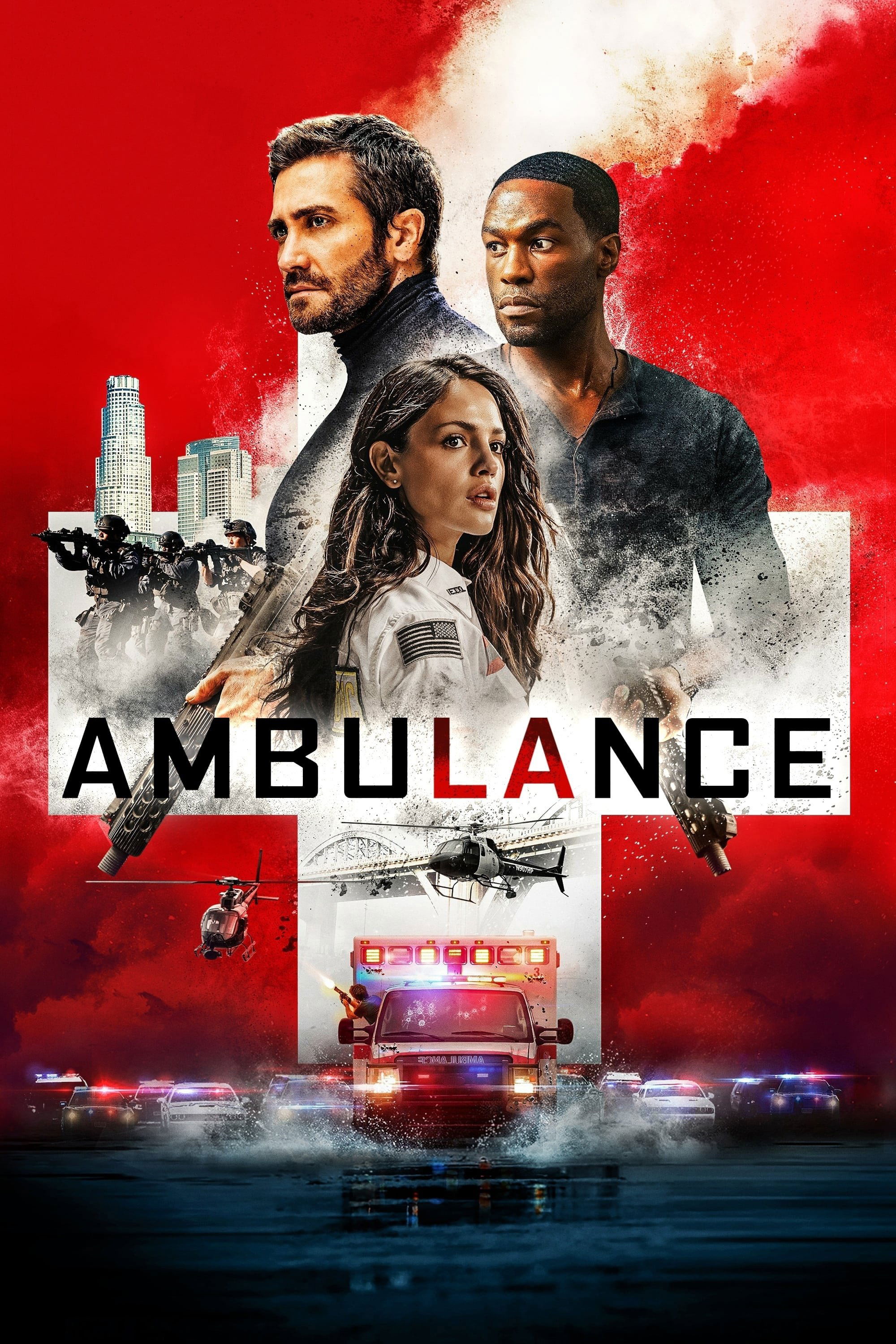
Michael Bay fully unleashed the potential of FPV (First Person View) racing drones in this high-speed thriller. The drones dive vertically down the sides of Los Angeles skyscrapers, fly under jumping lowriders, and zip through the scaffolding of the LA River. The pilots performed acrobatic maneuvers that traditional cinema drones could never attempt, creating a frenetic, nauseatingly fast visual style. This film is currently considered the benchmark for aggressive, experimental drone cinematography in Hollywood.
‘Top Gun: Maverick’ (2022)
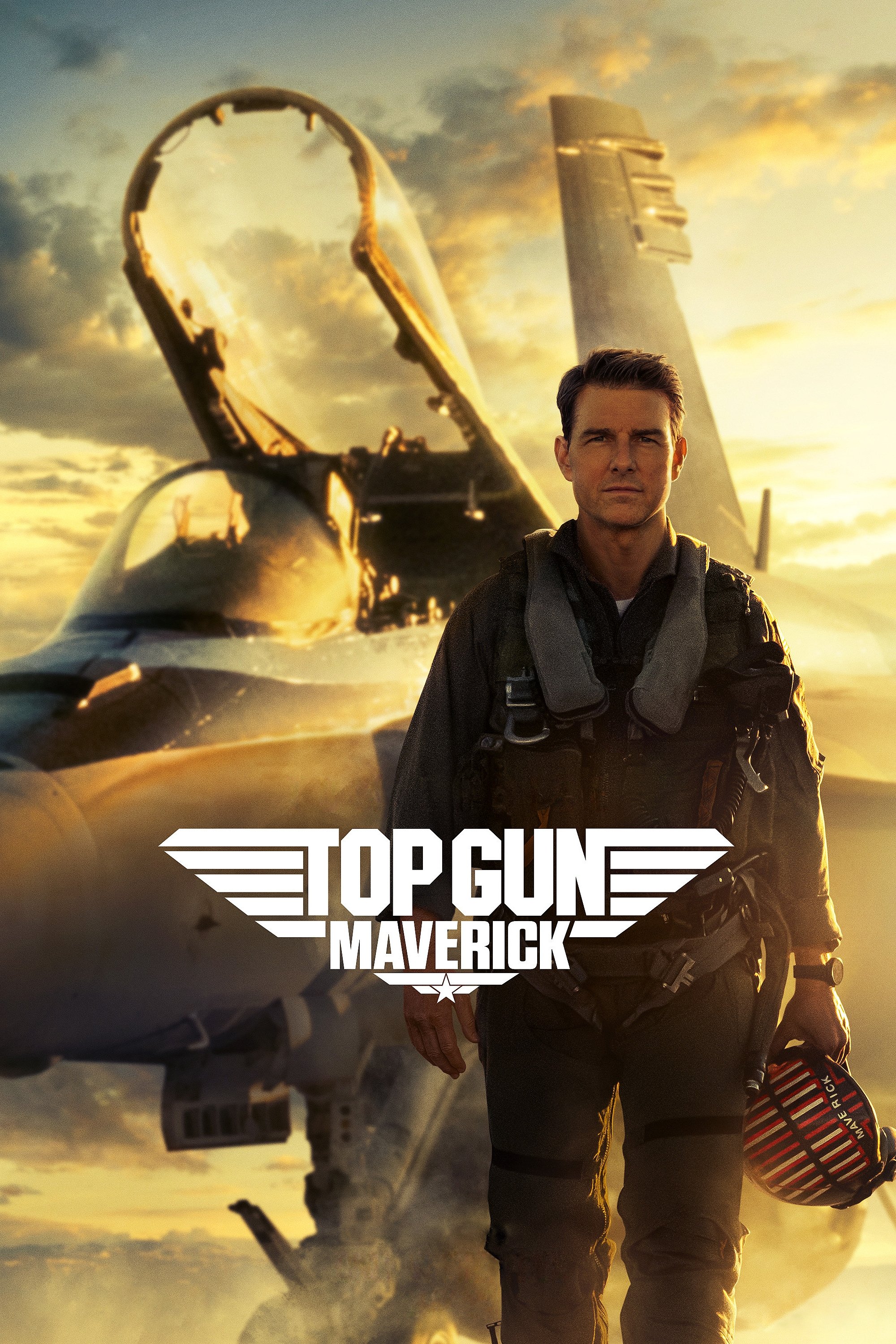
While the production famously put IMAX cameras inside the cockpits of real fighter jets, drones were used for specific exterior maneuvers. Aerial units captured the jets flying low through the canyons during the training runs, getting closer to the canyon walls than a helicopter safely could. These shots enhanced the sensation of speed and danger as the pilots navigated the twisting terrain. The seamless blend of jet-mounted cameras and drone exteriors created the most realistic aerial combat ever filmed.
‘The Gray Man’ (2022)
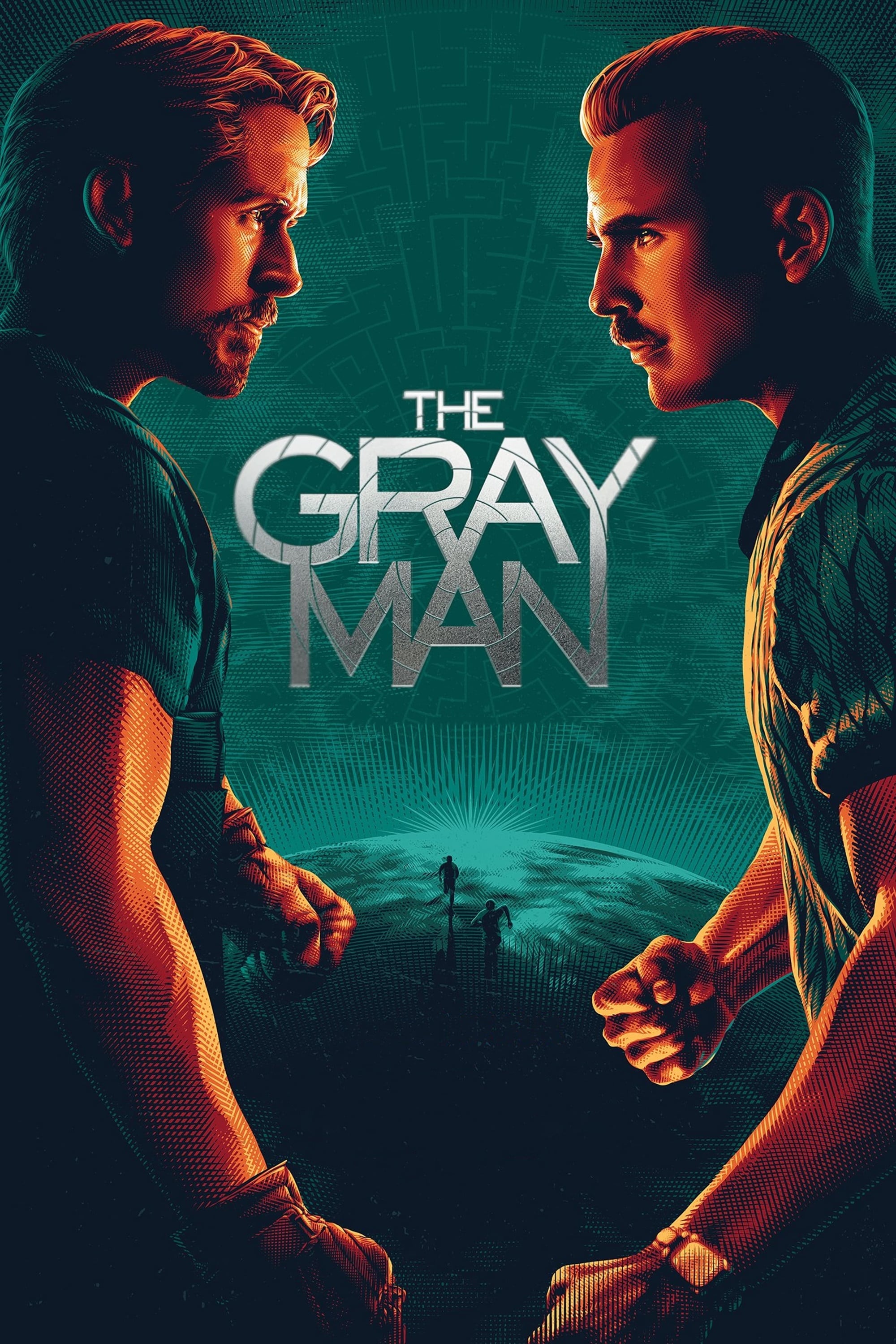
The Russo brothers utilized high-speed drones for the Prague tram chase and the opening fireworks sequence. In the fireworks scene, the camera flies through the exploding shells, putting the audience directly inside the pyrotechnics. During the city chase, drones weaved between the tram and the pursuing vehicles, capturing the destruction from inches away. This approach gave the action a chaotic, immersive quality that fit the relentless pacing of the film.
‘Athena’ (2022)

This French action-tragedy is famous for its opening sequence, an eleven-minute continuous take that involves a seamless handoff to a drone. The camera moves from a riot on the ground into a van, and as the van drives away, a drone flies out the window to capture the highway chase from above. This technical marvel blurred the lines between handheld, vehicle-mounted, and aerial cinematography in a single shot. It remains one of the most complex uses of drone choreography in cinema history.
‘Carter’ (2022)
This South Korean action film is designed to look like one continuous shot, relying heavily on impossible drone movements to maintain the illusion. The camera flies around a van while characters fight inside it, passes through the windshield, and circles the vehicle on a busy highway. The drone acts as a disembodied observer that defies physics, rotating around the action in ways no human operator could. The result is a dizzying, video-game-like experience that pushes the medium to its absolute limit.
‘Extraction 2’ (2023)
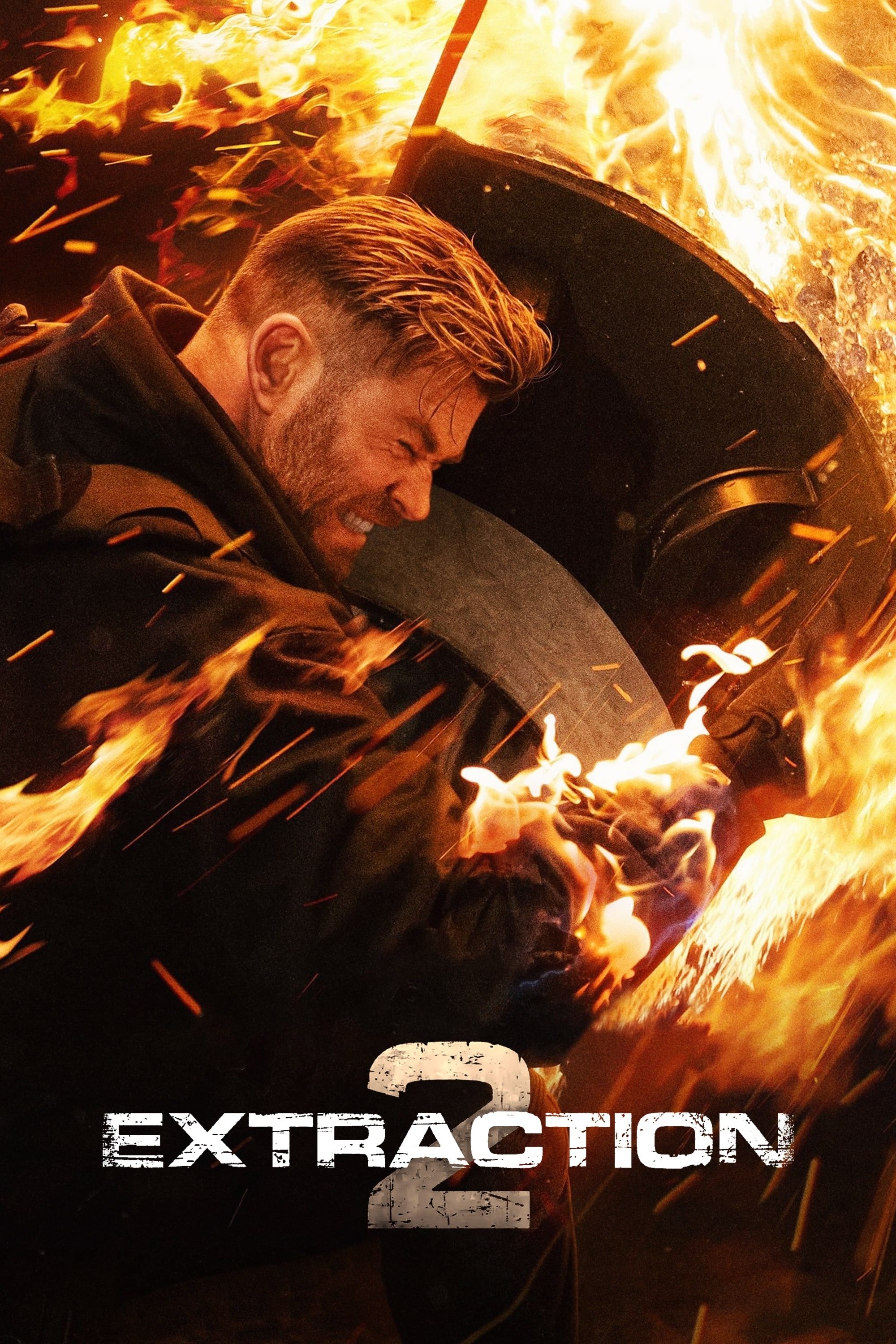
Building on the success of the first film, the sequel features a 21-minute “one-shot” prison break that utilized drones to bridge massive environments. The camera follows the hero from a prison riot, into a car chase, and onto a moving train, with drones handling the transitions between these vehicles. The aerial units flew through the chaotic prison yard and hovered over the train as helicopters attacked it. This seamless integration allowed for an uninterrupted flow of action across miles of terrain.
‘John Wick: Chapter 4’ (2023)
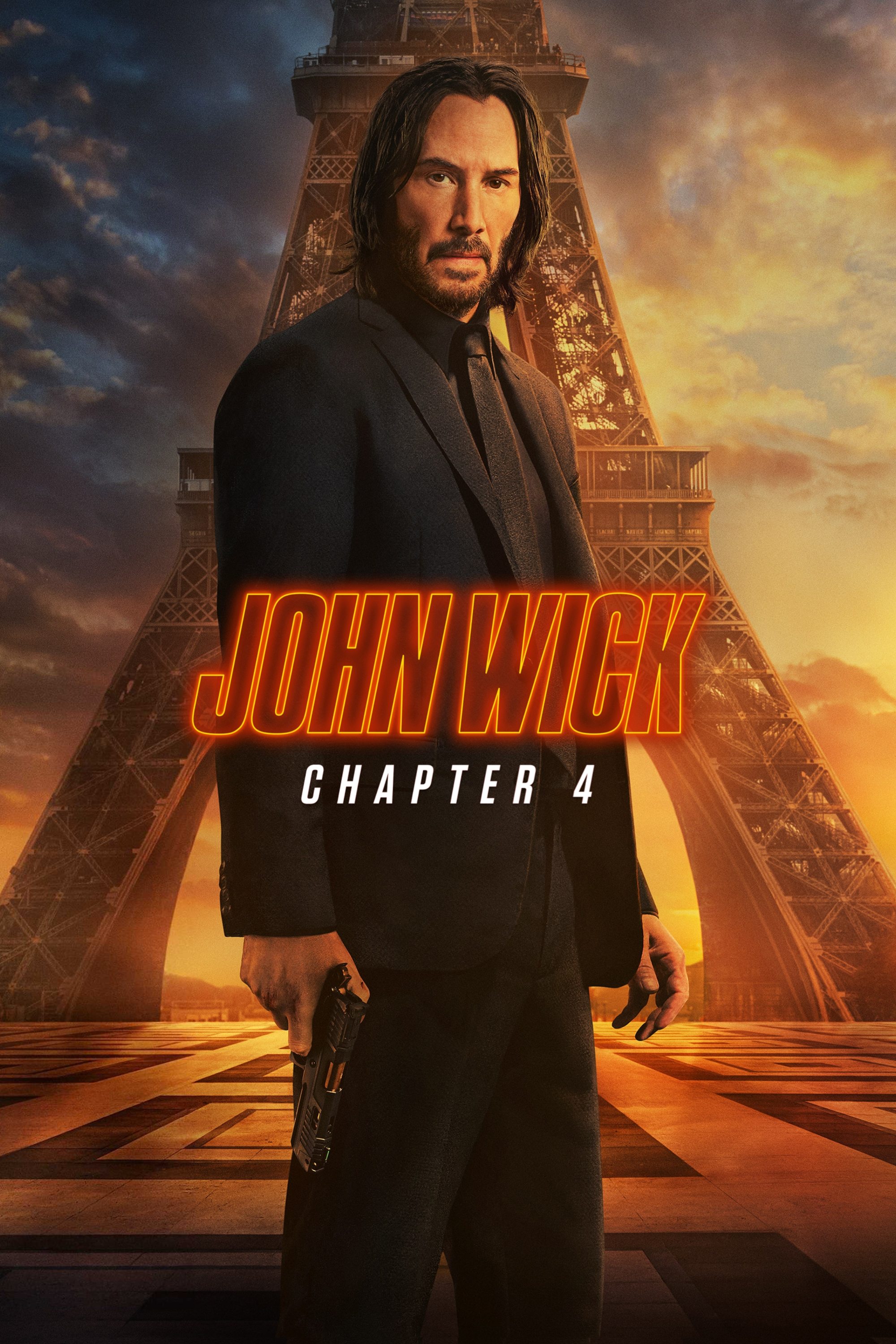
The climax of this action epic features a top-down “God’s Eye” view of a shootout inside a derelict building, utilizing a specific “Dragon’s Breath” shotgun ammunition. While achieved with a sophisticated cable-cam system that mimics a drone’s perspective, the film also used actual drones for the Parisian traffic circle sequence. The aerials captured the chaotic ballet of cars and violence around the Arc de Triomphe from above. These shots emphasized the circular, never-ending nature of Wick’s fight for survival.
If you know of any other films that revolutionized the use of drone cinematography, let us know in the comments.