


Films Where the Grip Crew Doubled as Stunt Doubles




On action-heavy shoots, the grip team often ends up working right on the edge of the stunt world, because they’re the ones building and operating the physical rigs that make dangerous sequences possible—think wire systems, crash-safe camera mounts, moving platforms, and all the hardware that keeps shots stable while the action goes wild. Grips and riggers are trained to make set-ups safe under load, and that overlaps constantly with stunt planning when a scene involves speed, height, impact, or complex movement.
‘Mad Max: Fury Road’ (2015)
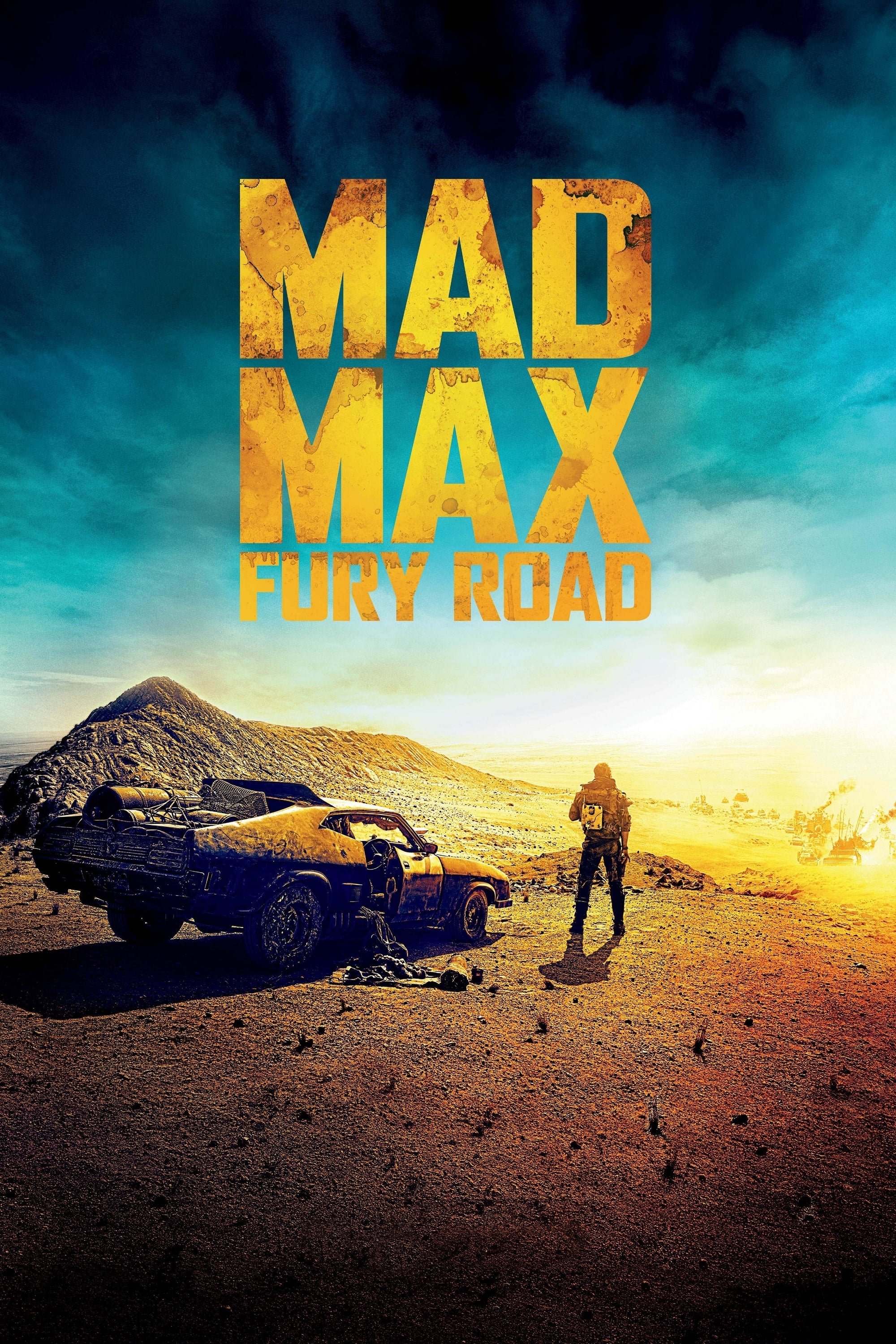
This production leaned heavily on real vehicles, real high-speed choreography, and practical stunt execution across massive desert set-pieces. That kind of work depends on grips and riggers creating secure mounts for cameras, operating platforms, and maintaining safety systems so the stunt unit can repeat action precisely. The film’s approach to staging danger in-camera is frequently discussed in interviews with the cast and director, including how performers were harnessed and positioned around moving vehicles for specific shots.
‘Casino Royale’ (2006)
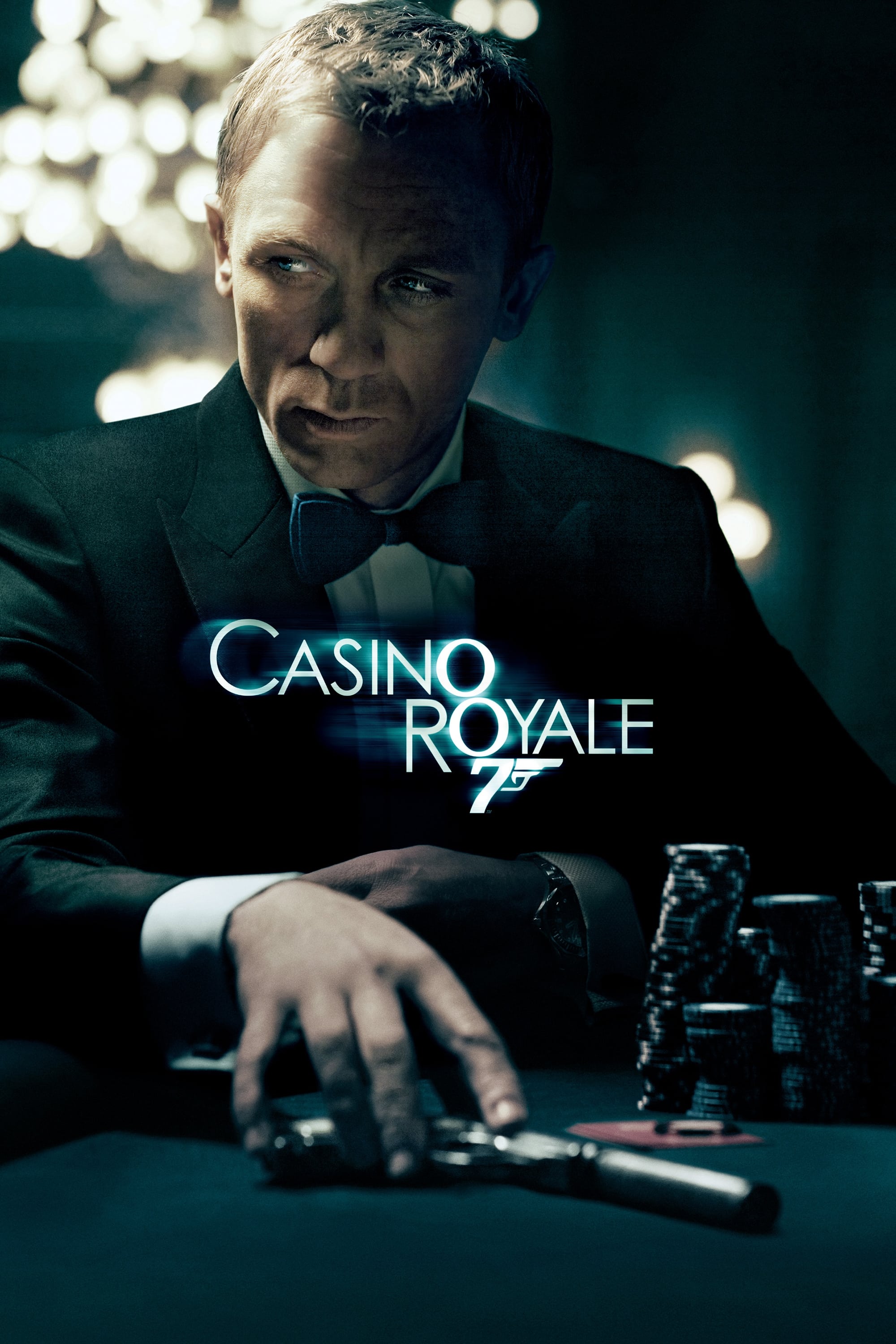
The Madagascar construction-site chase is built around climbs, drops, and movement through unfinished structures, which makes secure rigging and protected camera positions a constant requirement. Coverage of the sequence highlights how it was designed to feel grounded while still delivering big physical beats, including the crane-and-scaffolding moments that needed careful planning. When a chase is staged inside a live set like this, grips are typically the department solving how the camera travels safely alongside performers without compromising the stunt path.
‘Mission: Impossible – Fallout’ (2018)
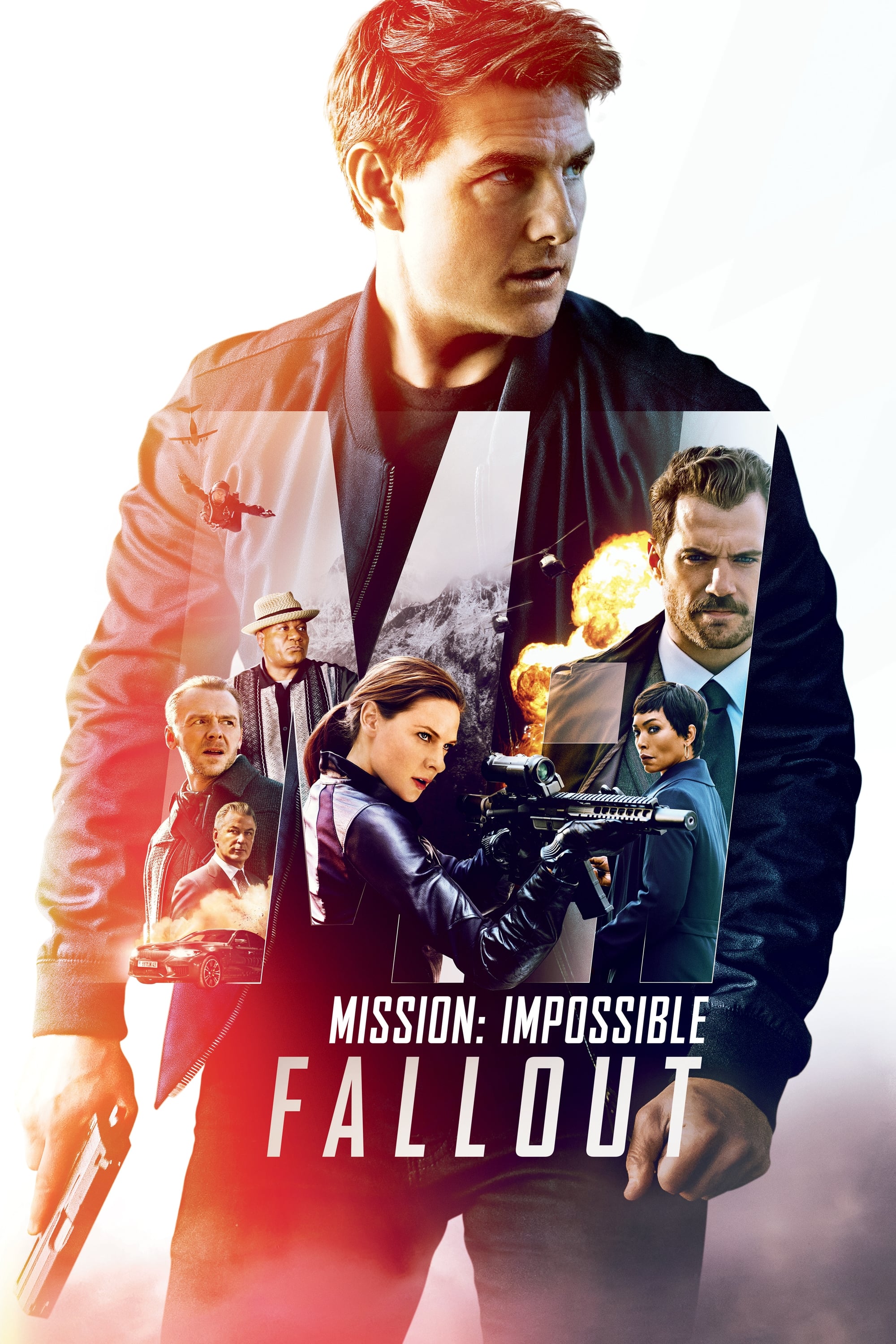
The HALO sequence is a good example of stunt performance and camera engineering being inseparable, because the shot only works when the performer’s movement and the camera’s stability match perfectly. Behind-the-scenes coverage emphasizes the technical planning required to capture the action cleanly in the air, where even small changes in position and timing matter. For stunts that happen at altitude and speed, rigging and camera-mount decisions become part of the safety plan, not just the cinematography plan.
‘The Dark Knight’ (2008)
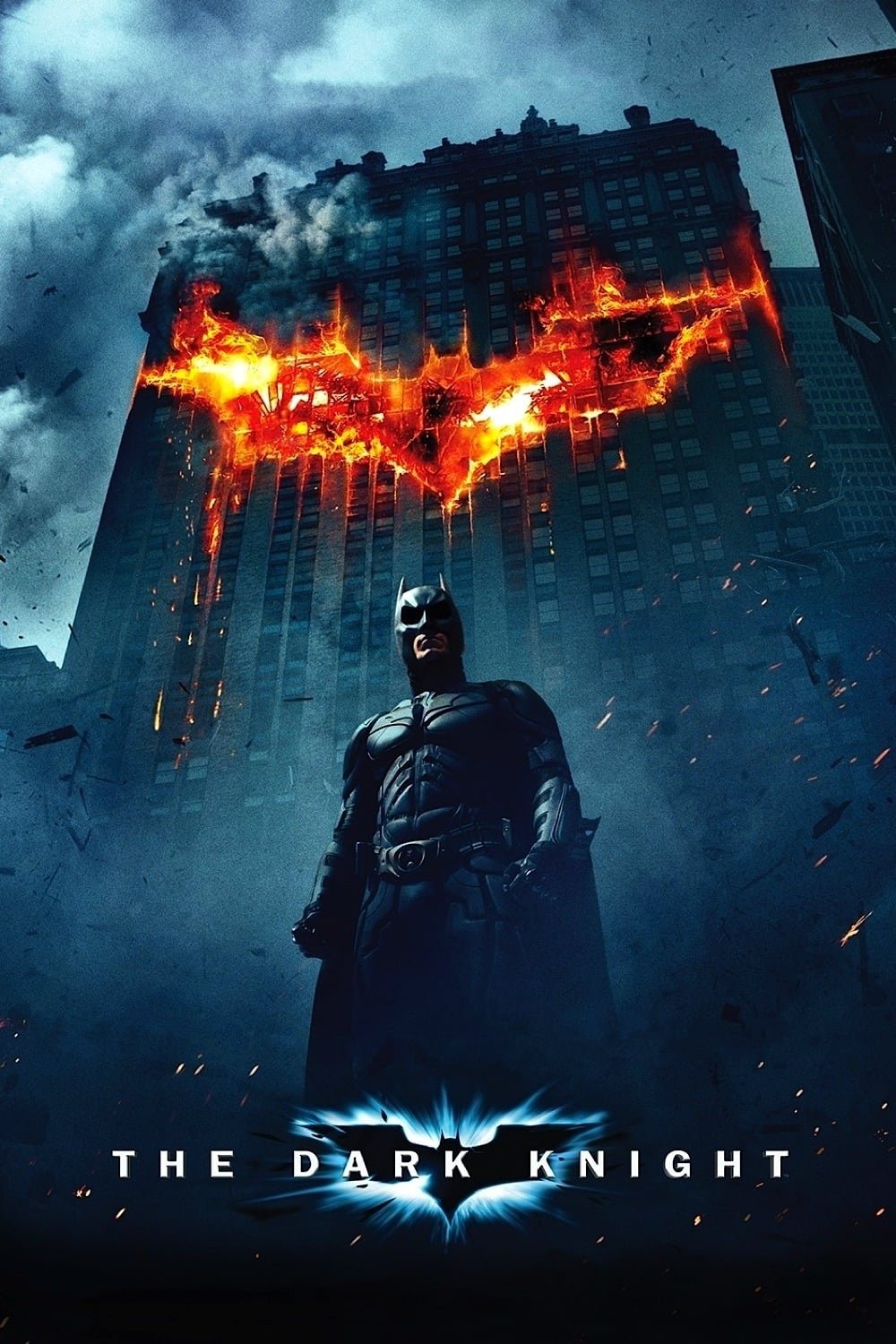
The semi-truck flip was executed as a practical effect using a mechanical setup that launched the vehicle into a full rotation, which meant engineering, timing, and camera placement had to be locked down before the take. Reporting on the scene explains how the flip was achieved without relying on CGI, and why the mechanism worked for a controlled, repeatable stunt. On sequences like this, grips are the department making sure cameras, cranes, and protective barriers hold steady while a heavy vehicle does something violent and unpredictable-looking on cue.
‘The Matrix’ (1999)
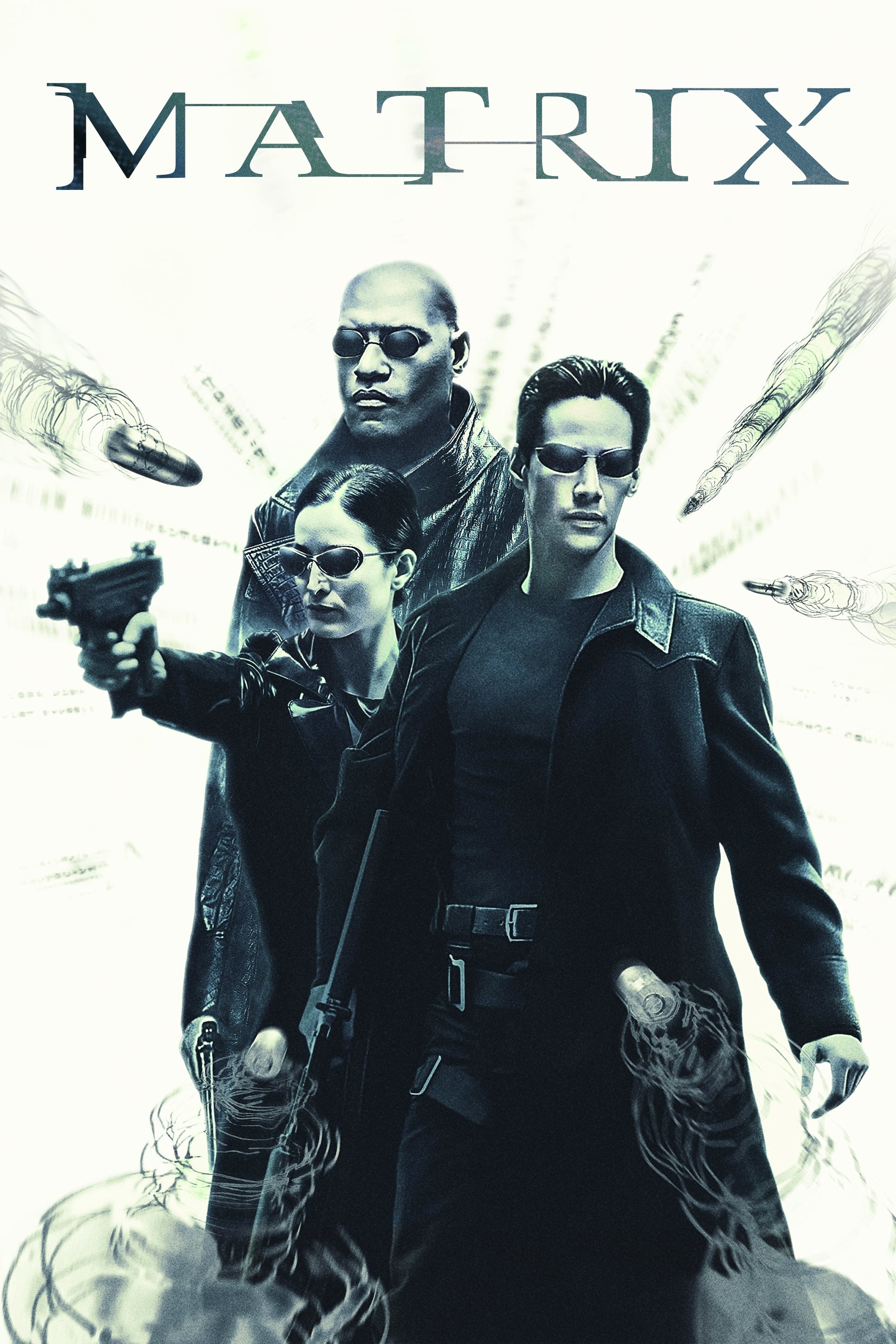
The fight language here is tied to Hong Kong-style choreography and wire-assisted movement, which requires a blend of stunt rehearsal and precise rigging setups. Features on the production describe how the stunt coordinators and choreographers developed the look and how performers trained to execute it consistently. When wire work is part of the movement vocabulary, the physical rig is as important as the punch or kick, and that’s where the grip/rigging overlap becomes unavoidable.
‘John Wick’ (2014)
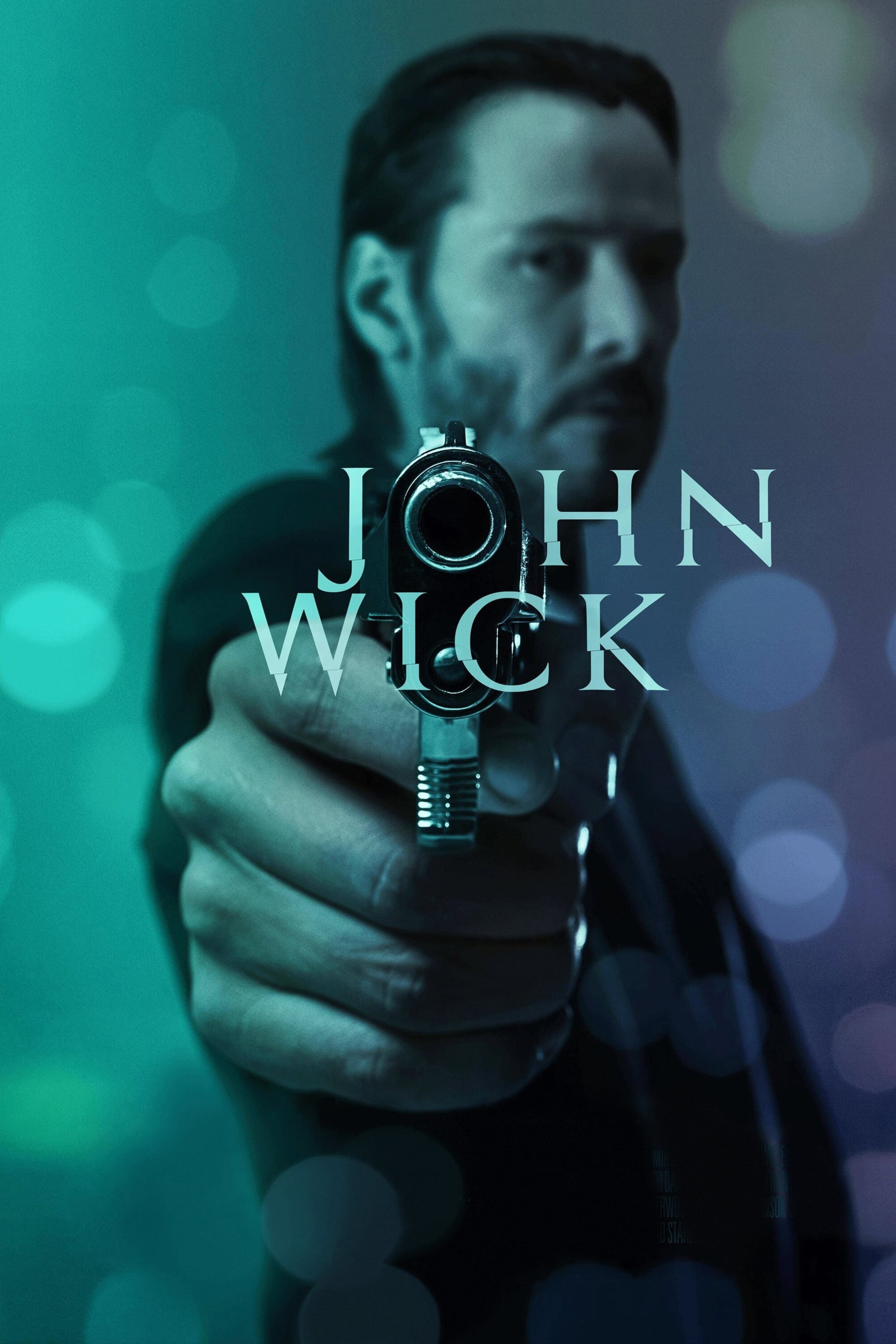
This film’s action is built around tightly timed gun-fu and close-quarters choreography, and coverage of the stunt team highlights how rehearsals and camera choices are designed to keep the movement readable. A lot of the “clean” feeling comes from controlled camera motion, repeatable takes, and consistent spacing—areas where grip work supports the stunt plan directly. When you’re running long, continuous-feeling action beats, dolly track, handheld support, and stabilizer transitions have to be built to survive the pace of the performers.
‘Top Gun: Maverick’ (2022)
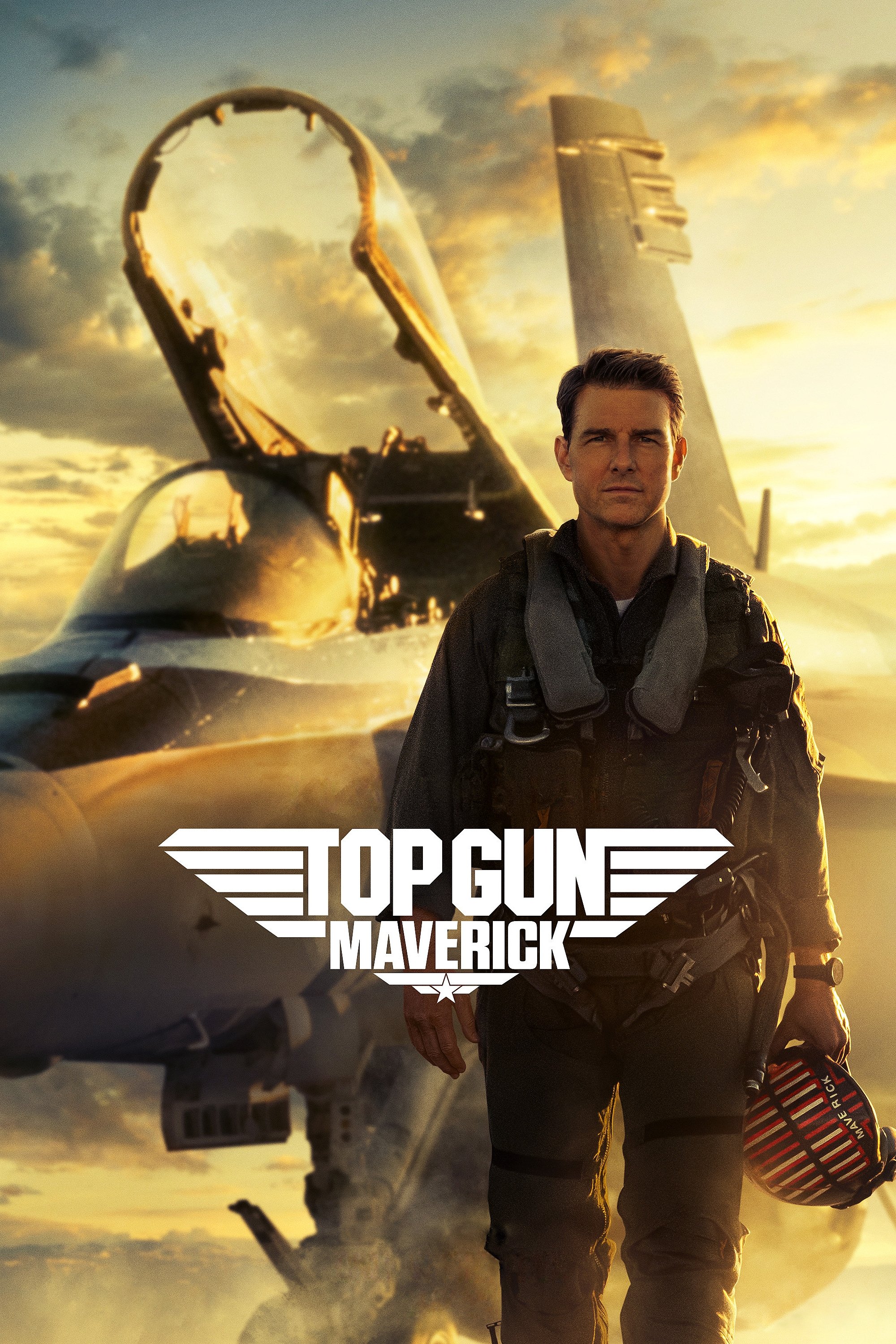
The cockpit footage was captured with performers actually strapped into real jets, and reporting explains that the cast flew in F/A-18s as passengers to get authentic motion and lighting. That approach shifts the “stunt” challenge into planning camera rigs, mounting systems, and safety workflows that function under extreme G-forces. When the camera package is part of the aircraft environment, the grip-and-rigging problem is basically the stunt problem, because you’re securing equipment and shots in conditions you can’t fake on a stage.
‘The Fall Guy’ (2024)

Trade coverage breaks down how the production built major practical feats, including large vehicle impacts and record-scale rolls, with stunts, special effects, and planning working as a single machine. This kind of show depends on grips and riggers to create repeatable camera motion and protected angles that can survive real impacts while still selling scale. When the sequence design includes big jumps, falls, and moving vehicles, camera mounts and safety barriers are part of the stunt choreography from day one.
‘Police Story’ (1985)
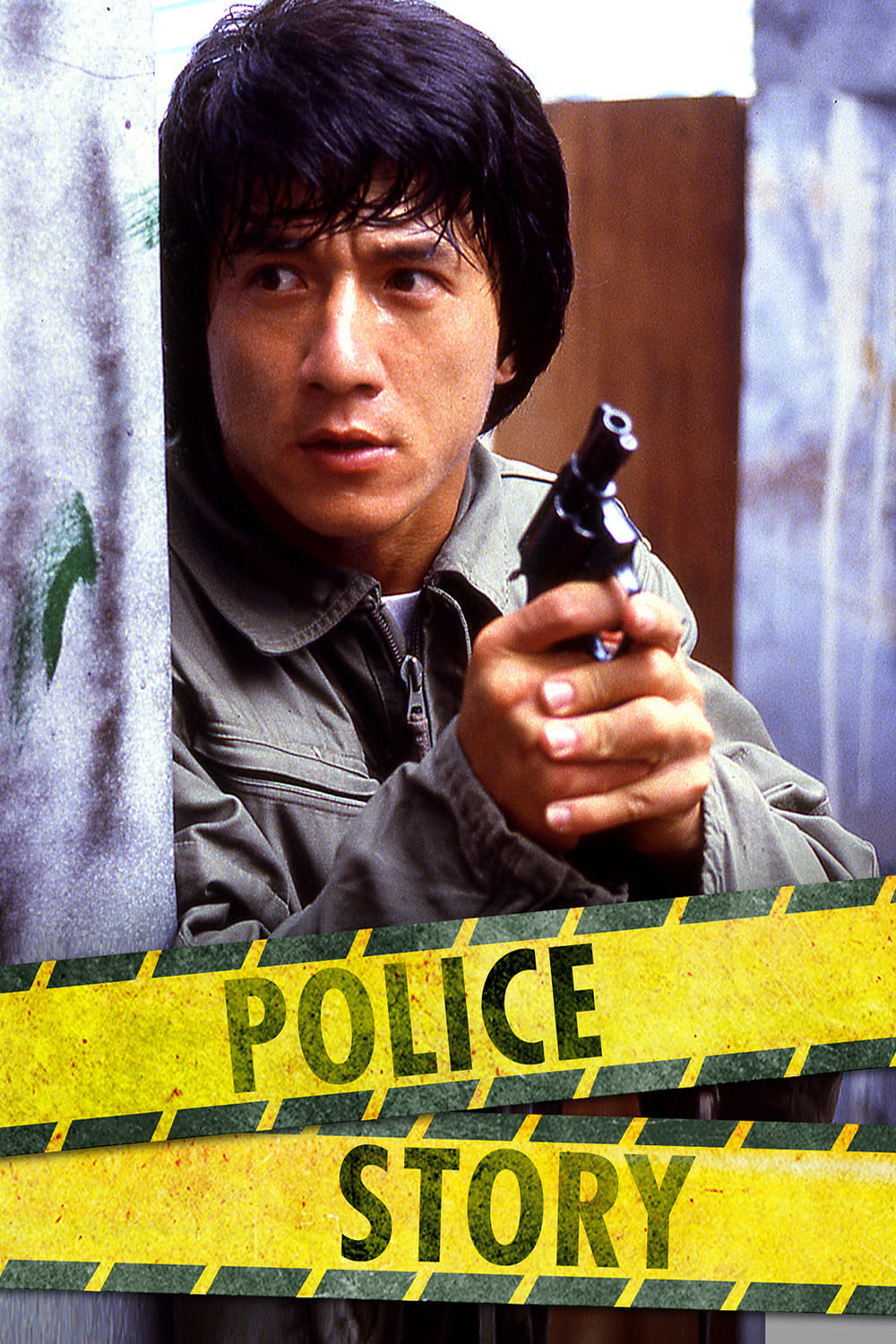
The shopping-mall climax is famous for the way its action was executed practically, and coverage of the film’s stunts points to just how physically punishing the big beats were. When a set-piece involves height, glass breaks, sliding descents, and timed impacts, the line between “crew support” and “stunt execution” gets thin because the shot needs physical systems that behave predictably. Even when the performer is doing the dangerous move, the rigging, landing zones, and camera positioning are what make it repeatable and filmable.
‘Crouching Tiger, Hidden Dragon’ (2000)

This film’s signature movement includes wire work that had to look weightless while still being performed safely and consistently across many takes. American Cinematographer coverage discusses the complexity of staging wire-assisted action and how performance refinements were captured repeatedly to match the director’s timing needs. With wire action, the stunt is inseparable from the rig, so the crew handling those systems is effectively part of how the “stunt” happens on screen.
‘Raiders of the Lost Ark’ (1981)
The truck chase is a classic example of practical stunt staging where vehicles, bodies, and camera positions all have to align cleanly to avoid disaster. Behind-the-scenes material and coverage of the sequence highlights how the chase was physically executed and why specific choices were made to capture it safely. For a moving-vehicle sequence like this, the grips’ job of building stable mounts and smooth motion paths becomes a direct contributor to whether the stunt reads clearly and can be repeated.
‘Terminator 2: Judgment Day’ (1991)
Breakdowns of the canal chase highlight how the sequence relied on practical construction and controlled impacts, including set elements built specifically to support the stunt beats. When a heavy vehicle crashes through a prepared obstacle and the camera stays close, the production needs engineered setups that keep the shot stable while protecting performers and crew. That’s exactly the zone where grip builds, safety rigging, and stunt timing intersect in a very hands-on way.
‘Ben-Hur’ (1959)
The chariot race depended on large-scale coordination, specialized action direction, and stunt planning that included safety measures and doubles for the most dangerous moments. Reporting on the sequence highlights stunt design and how the production approached controlling speed, horses, and collision risk on a massive set. Sequences like this also demand extensive camera platforms and stable tracking solutions that can operate around fast-moving animals, which puts grip engineering right in the middle of the action plan.
‘Saving Private Ryan’ (1998)
American Cinematographer coverage notes how the beach environment was rigged with squibs and mortars and how the “war” action was meticulously planned and rehearsed under stunt coordination. That kind of staging isn’t just about performers taking falls—it’s about controlling timing, impact effects, and camera-safe zones across a wide area. Grips and riggers are the department that keeps camera movement and protective builds consistent when the set itself is designed to erupt and shift around the cast.
‘Heat’ (1995)
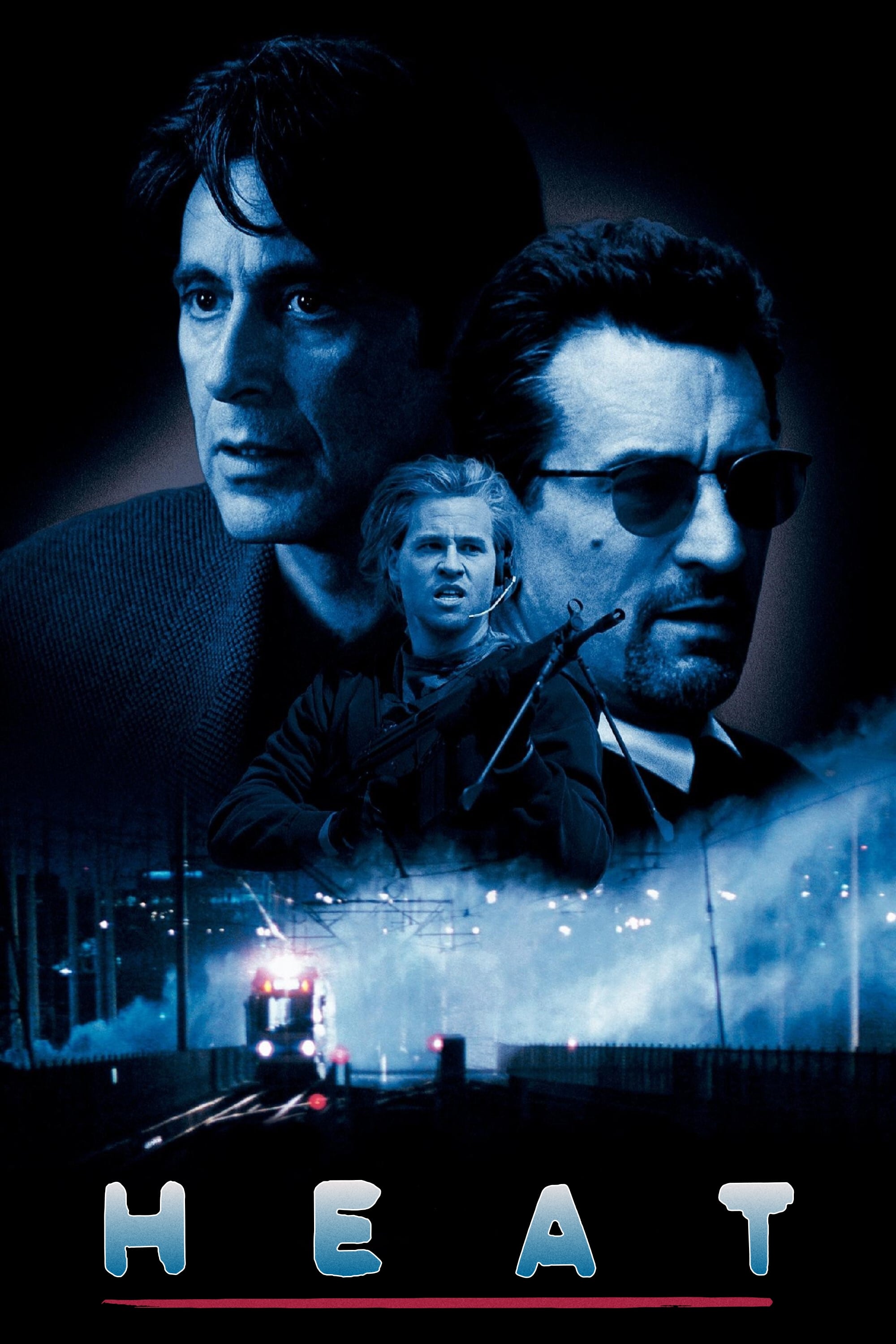
Coverage of the downtown shootout explains how carefully the sequence was choreographed, even though it plays as spontaneous and chaotic on screen. For action that involves movement across real streets with tactical blocking, the crew needs reliable camera positions, controlled angles, and repeatable paths for both performers and camera teams. That’s where grip work—track, mounts, barriers, and stable operating setups—supports the stunt and weapons choreography at the same time.
‘Bullitt’ (1968)
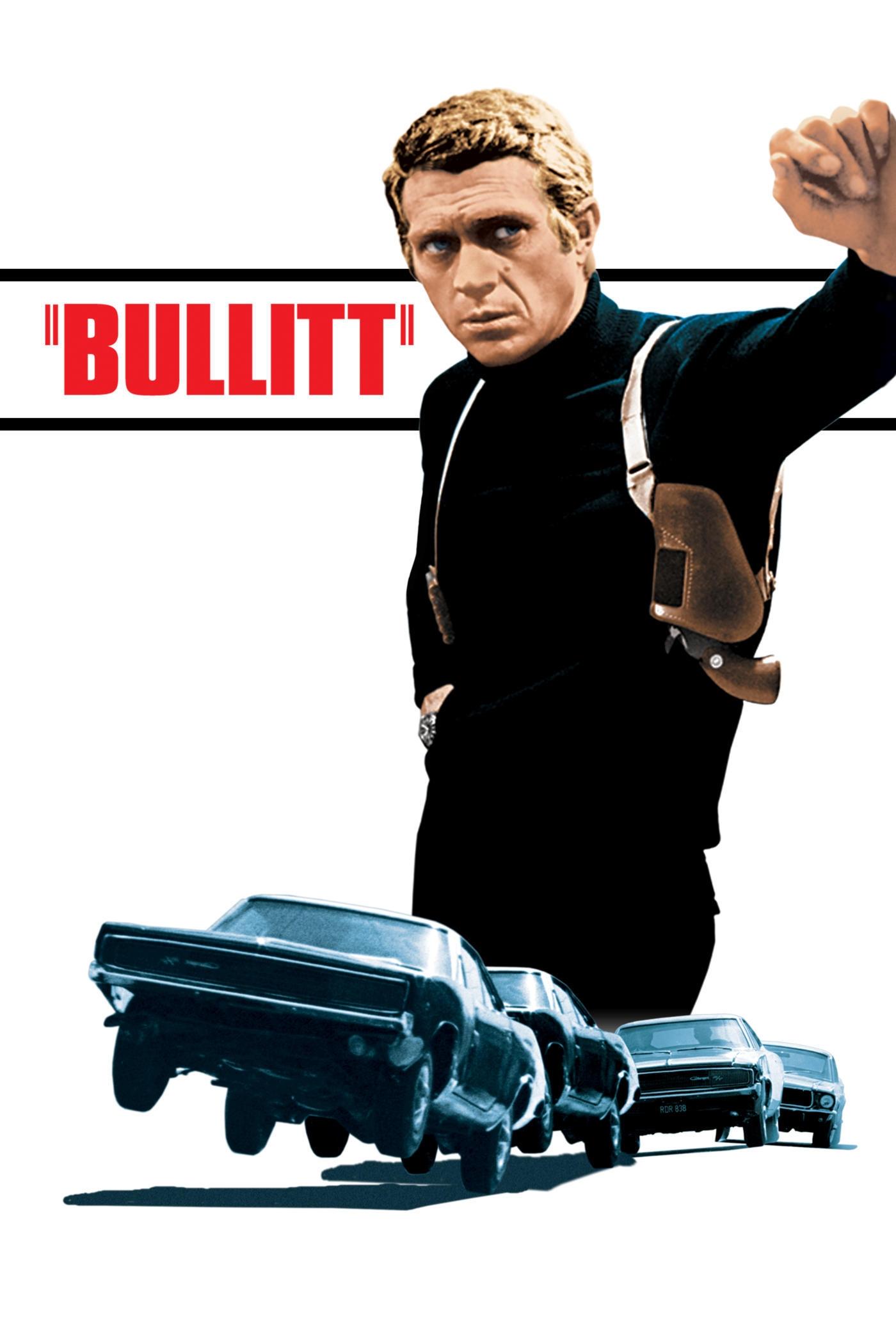
Wikipedia’s production notes detail how the chase used specially prepared cars, including Mustangs modified for performance and durability during repeated high-stress driving. Other reporting highlights how stunt driving and on-location shooting shaped the realism of the sequence. In car-chase filmmaking, grips often become the problem-solvers for how cameras are mounted, protected, and moved at speed, because the shot has to survive vibration, braking, and hard cornering without failing.
‘The French Connection’ (1971)
Road & Track reporting describes how the chase was shot on public streets with extreme stunt driving handled by Bill Hickman, with the director filming from the backseat for certain material. Coverage like this is a reminder that “stunt” isn’t only the driver’s job—it’s also the camera and rigging job, because the shot has to be captured from a moving vehicle in real traffic conditions. When the camera becomes a passenger in a dangerous sequence, the hardware keeping it steady and secure is part of what makes the stunt achievable at all.
‘Ong-Bak’ (2003)
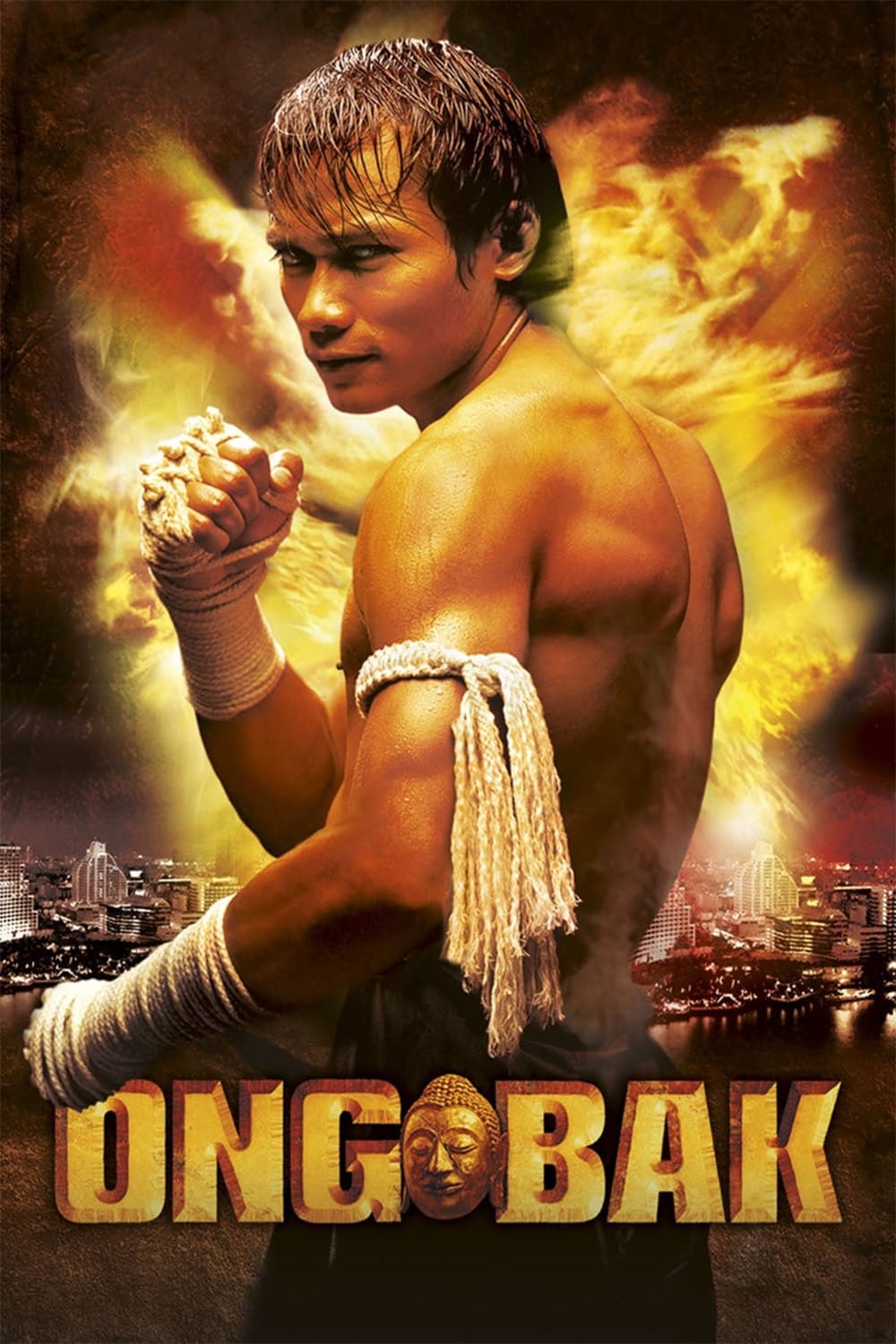
Profiles and behind-the-scenes material around the film frequently point to the reliance on highly physical, practically executed action without leaning on wire assistance for key moments. That approach raises the importance of safe landings, clear camera angles, and controlled environments, because the body is doing the full job on camera. When action is designed to be captured cleanly and practically, grips and riggers support the stunt team by building stable camera movement and keeping the set playable for repeated impacts.
‘Titanic’ (1997)
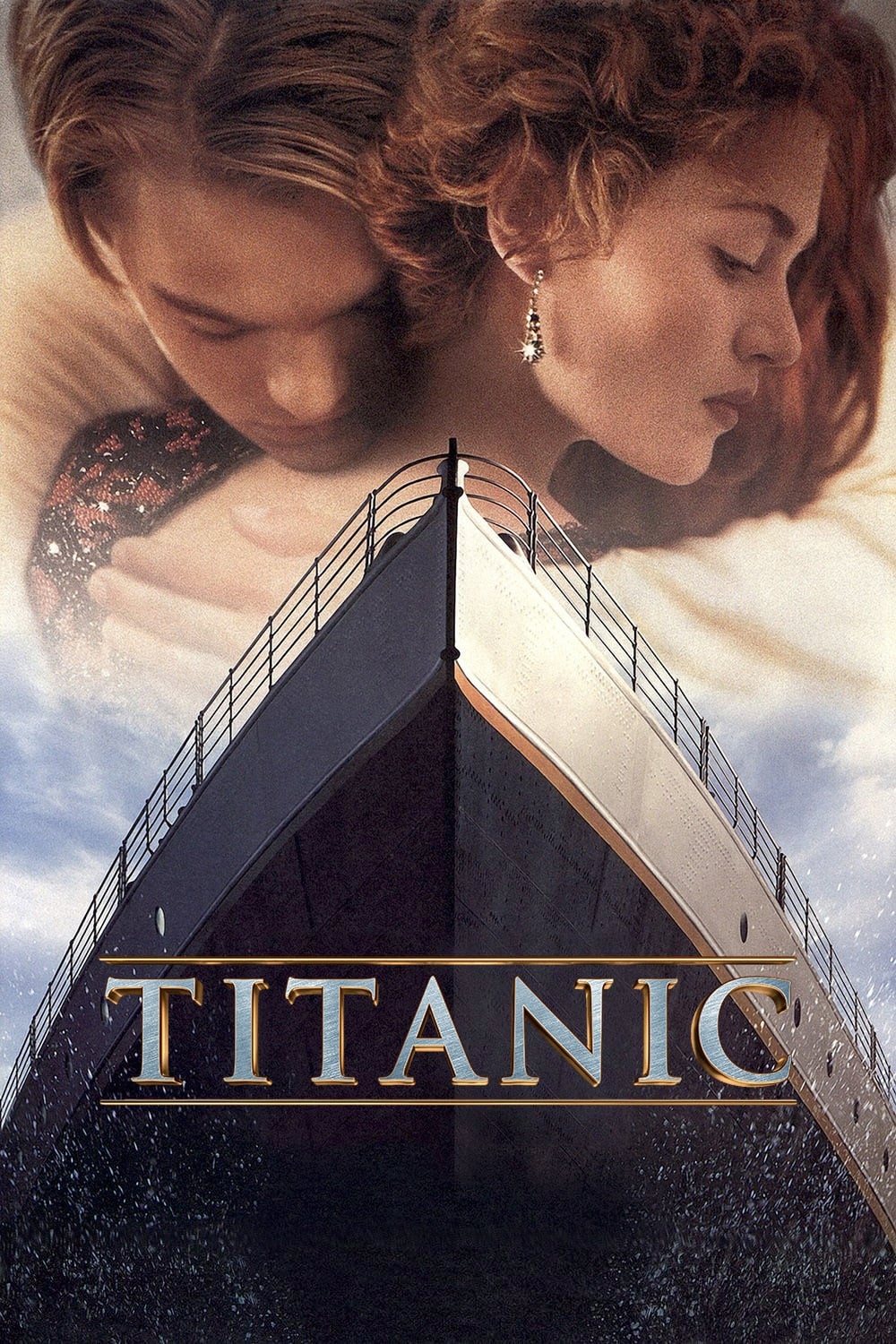
Large-scale water work and physical set conditions meant the production used doubles for a range of practical purposes, including wide shots and physically demanding setups. A Vanity Fair feature on the film’s doubling work explains how photo doubles can stand in for actors in shots where faces aren’t visible, especially when logistics get intense. In scenes with complex motion, wet environments, and heavy set interaction, the safety and rigging side of production becomes just as central as performance, because the shot depends on controlled conditions.
‘Ronin’ (1998)
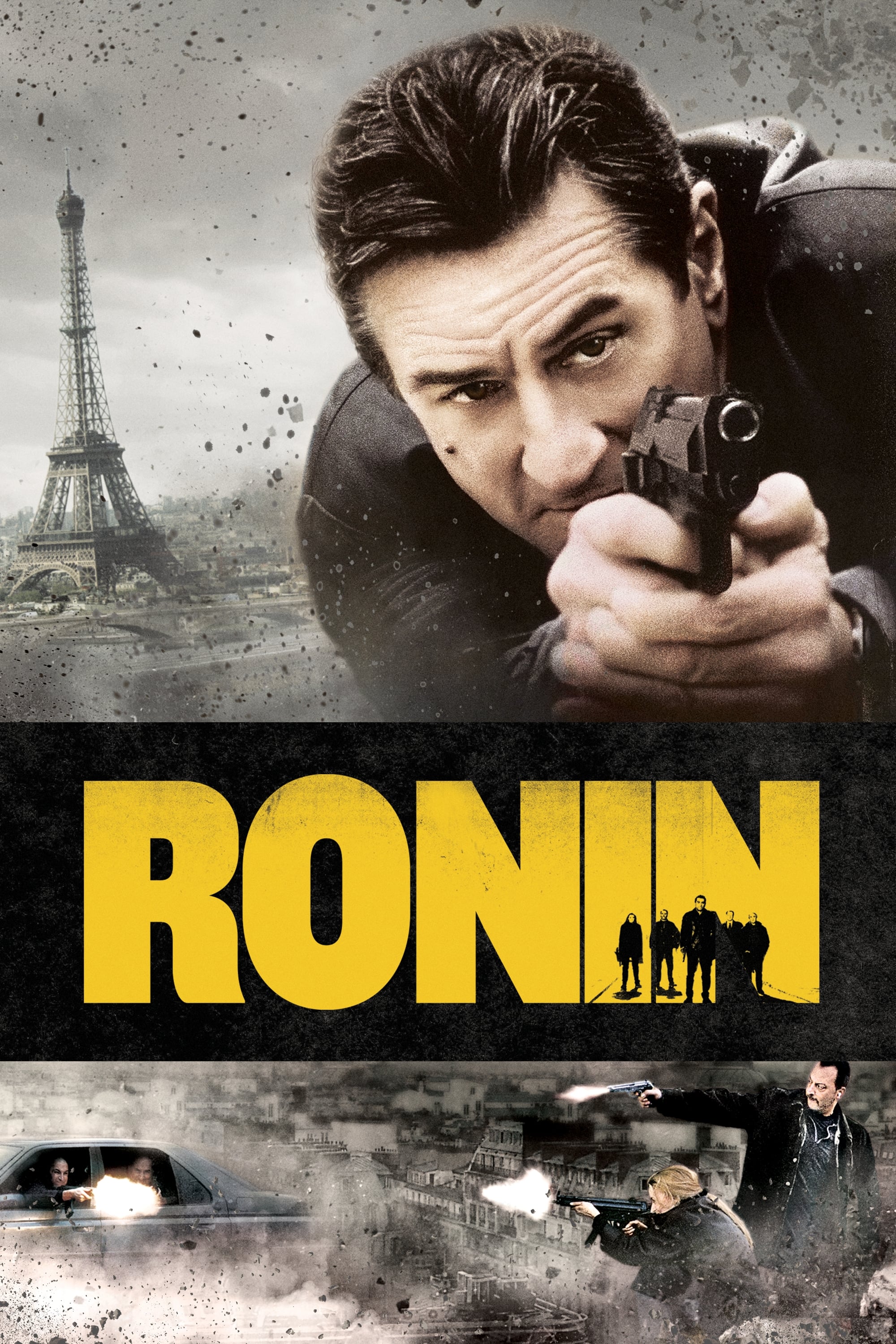
Car-chase coverage highlights how the film’s driving scenes were built around realism and practical execution rather than heavy digital manipulation. Reporting also notes the scale of stunt driving involved and how camera cars were used to capture tight, fast-moving angles in traffic. When a chase is shot this close to the ground and at speed, grip solutions for mounting and protecting the camera package are effectively part of the stunt design, because the shot only works if the camera can survive the run.
Drop your own picks in the comments and tell everyone which films you think show the clearest “grip-meets-stunt” teamwork on screen.