


Films Where the Props Were Actual Antiques from History



Filmmakers often go to great lengths to ensure authenticity in their productions by sourcing genuine historical artifacts rather than relying on modern replicas. This dedication involves borrowing items from museums, purchasing rare antiques, or utilizing actual machinery that has survived for decades. The use of real props adds a tangible layer of realism that digital effects and foam constructions simply cannot match. From priceless musical instruments to heavy military hardware, these films featured legitimate pieces of history on screen.
‘The Hateful Eight’ (2015)
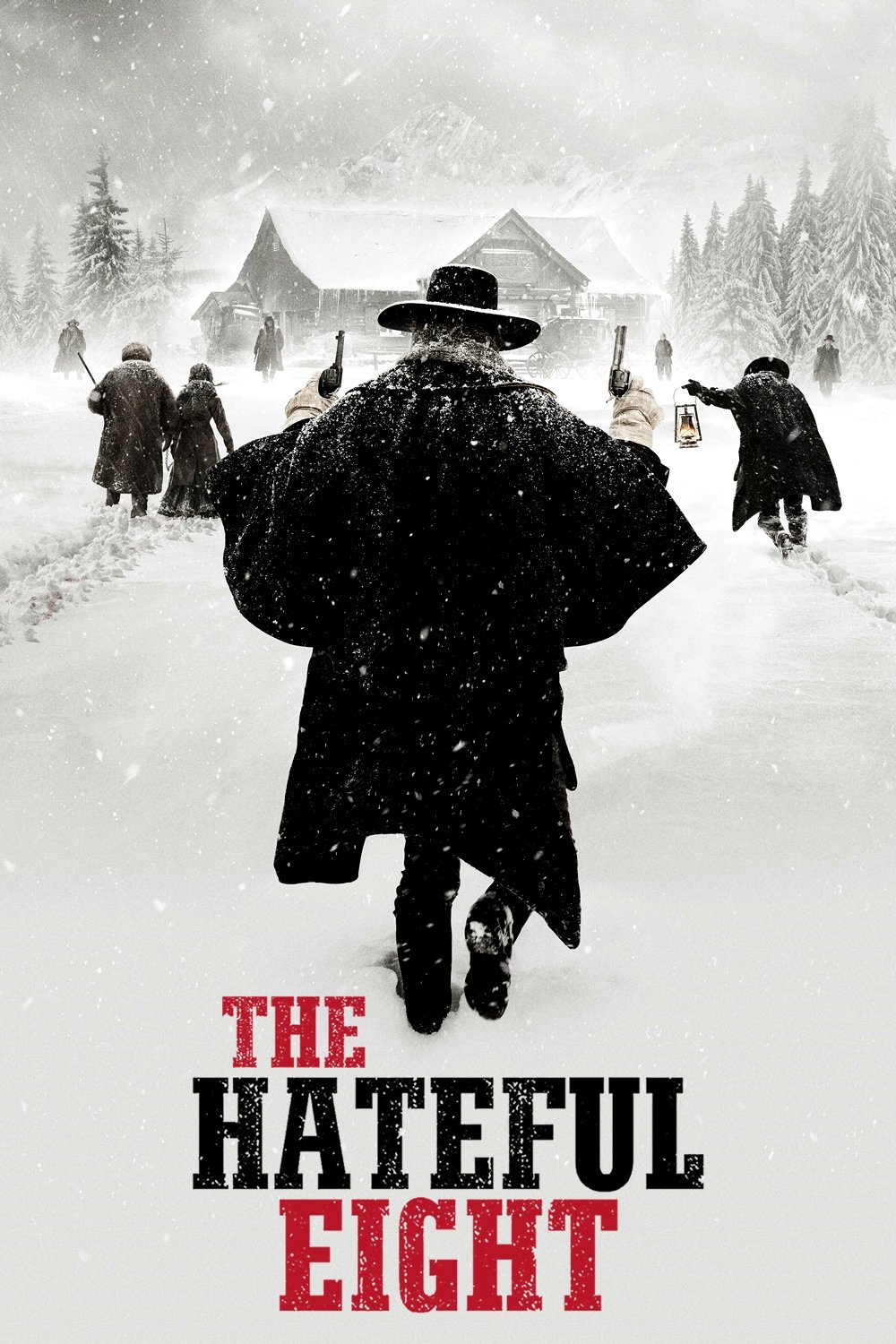
Quentin Tarantino is known for his attention to detail and this western was no exception. The production borrowed a one-of-a-kind Martin guitar from the 1870s for a scene involving Jennifer Jason Leigh. Kurt Russell was not informed that the instrument was a priceless museum artifact before he smashed it against a pillar. The museum was reportedly horrified by the destruction of the irreplaceable antique and vowed never to loan instruments to film sets again.
‘Fury’ (2014)
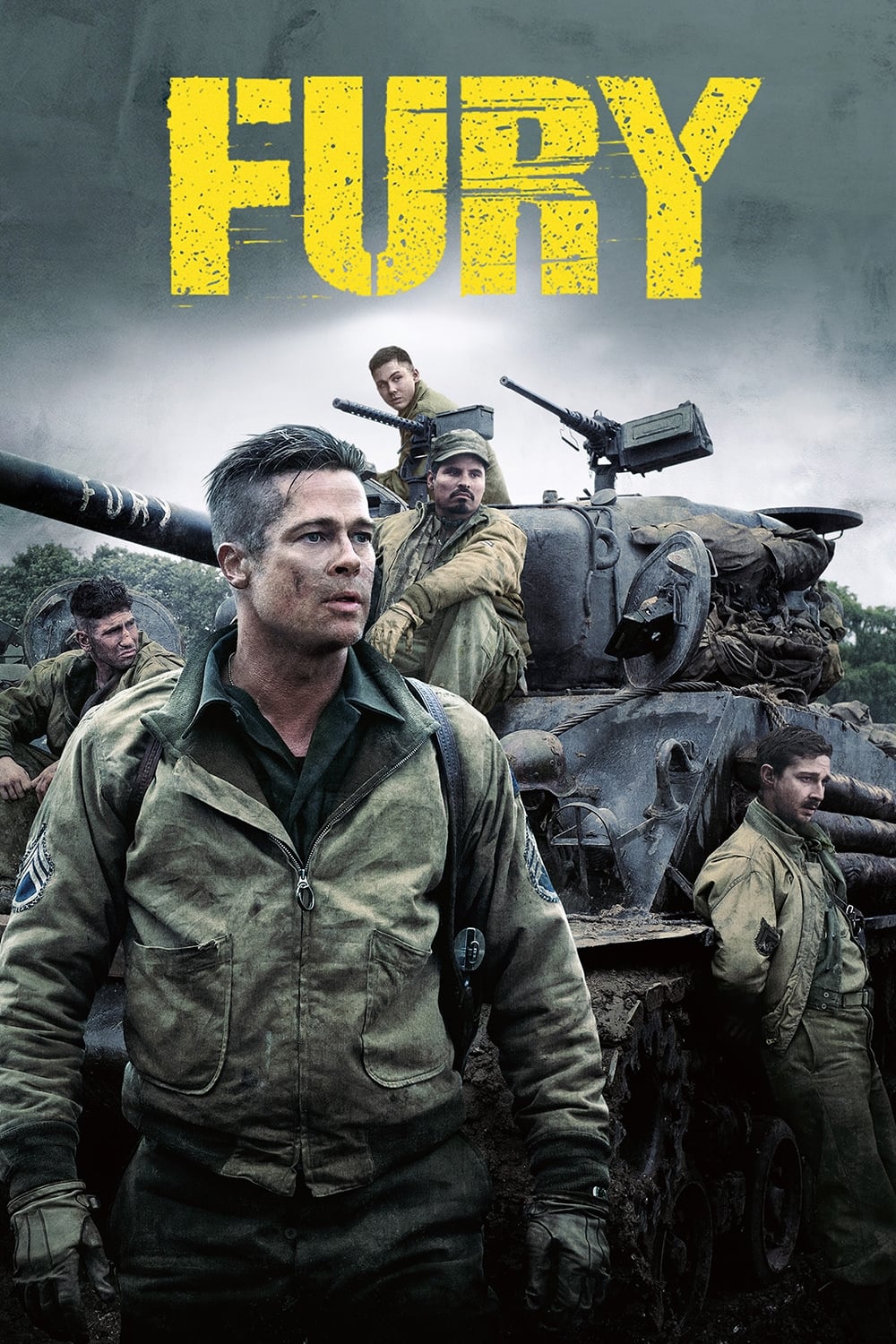
War movies often rely on modified modern tanks to depict World War II armor. This film went a step further by securing the loan of the Tiger 131 from the Tank Museum in Bovington. This specific vehicle is the only fully operational Tiger I tank left in the world. The crew had to be extremely careful during filming to ensure the historic machine was not damaged during the action sequences.
‘Lord of War’ (2005)
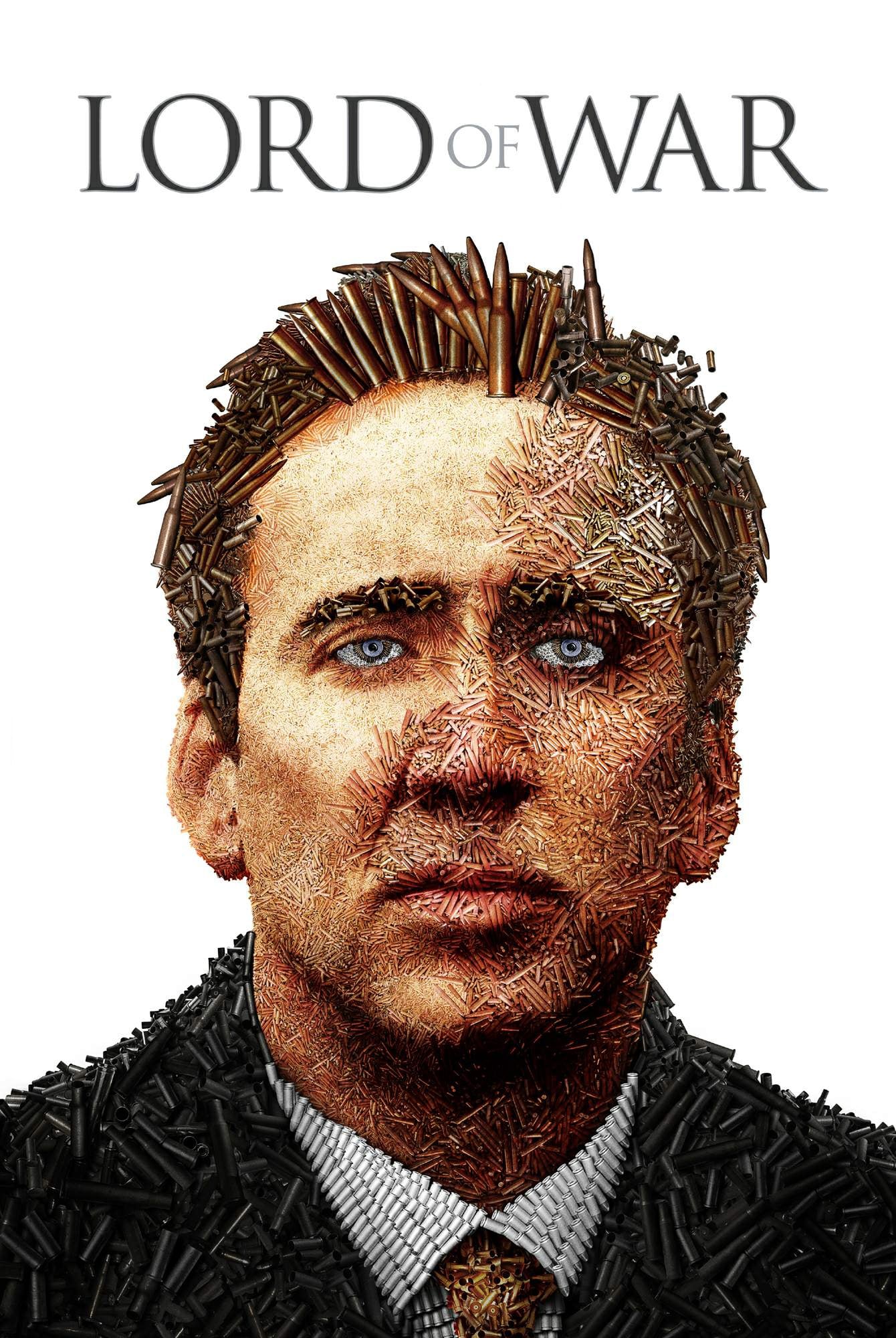
This crime drama starring Nicolas Cage required a massive arsenal of weaponry to depict the life of an arms dealer. The director discovered that purchasing 3,000 real AK-47 rifles was actually cheaper than manufacturing fake prop guns. These weapons were genuine antiques from the Cold War era that had been stockpiled in Eastern Europe. After filming concluded the production team had to destroy many of the rifles to prevent them from entering the black market.
‘The Wizard of Oz’ (1939)
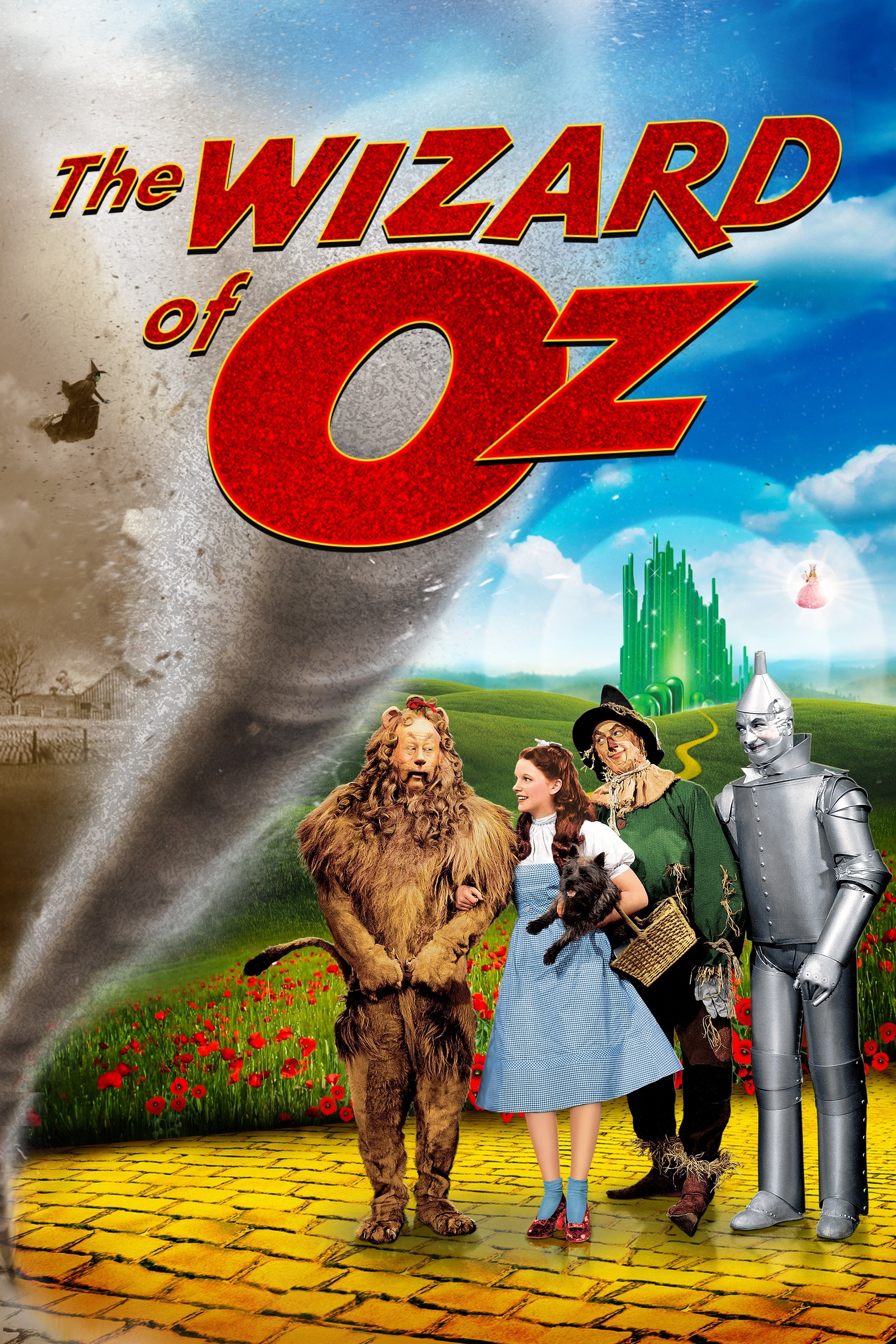
The costume department searched second-hand stores for a coat that would suit the character of Professor Marvel. They found a tattered Victorian frock coat that fit actor Frank Morgan perfectly. During filming the actor turned out the pocket and discovered a label with the name L. Frank Baum sewn into it. The coat had actually belonged to the author of the original book and was a genuine artifact from his life.
‘Star Wars: Episode IV – A New Hope’ (1977)
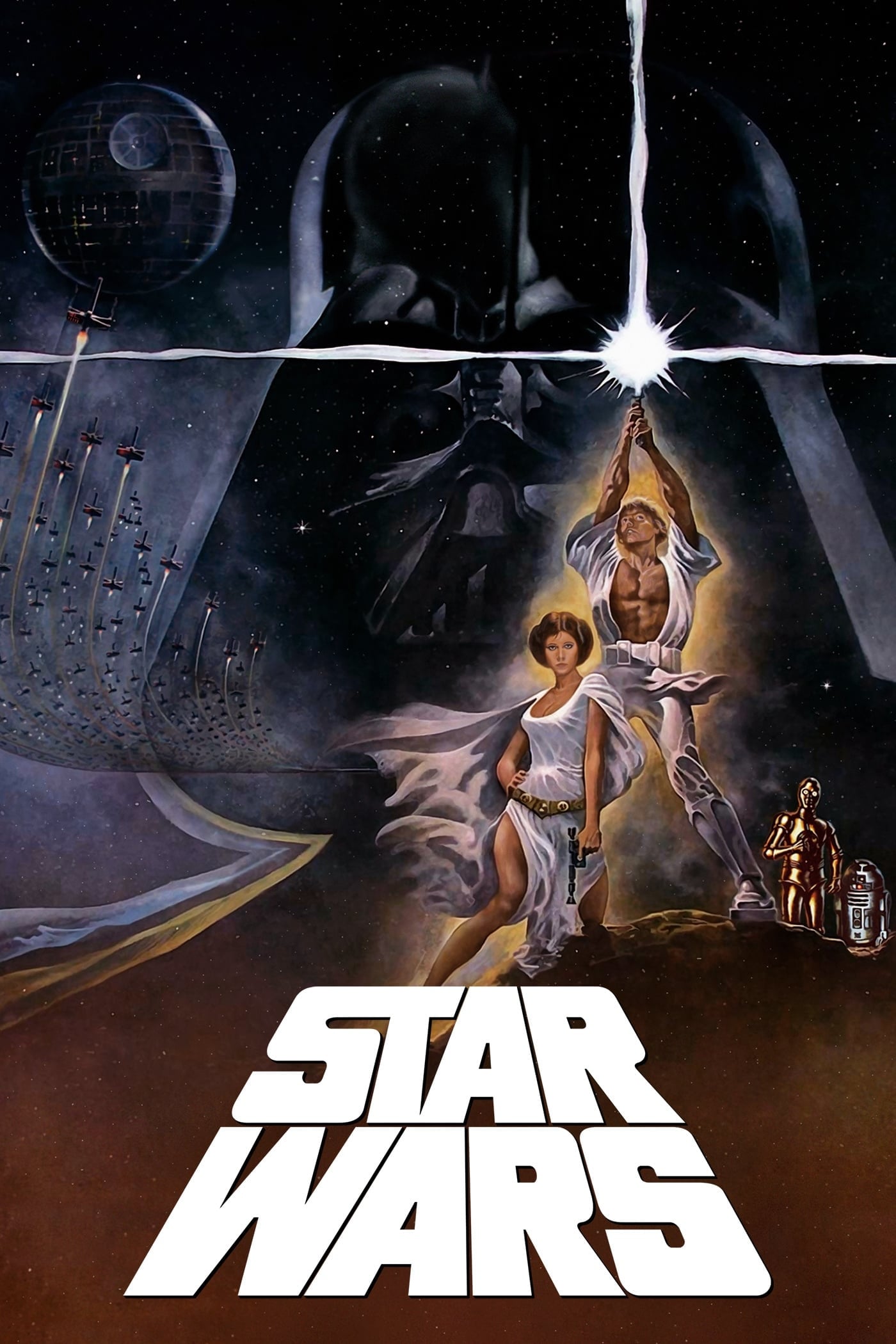
George Lucas and his team built the aesthetic of a lived-in galaxy by repurposing real antique hardware. The lightsaber wielded by Luke Skywalker was constructed from the flash handle of a vintage 1940s Graflex camera. Han Solo’s blaster was built around a real Mauser C96 pistol that dated back to the late 19th century. These modified antiques grounded the sci-fi fantasy in a gritty and recognizable reality.
‘Citizen Kane’ (1941)
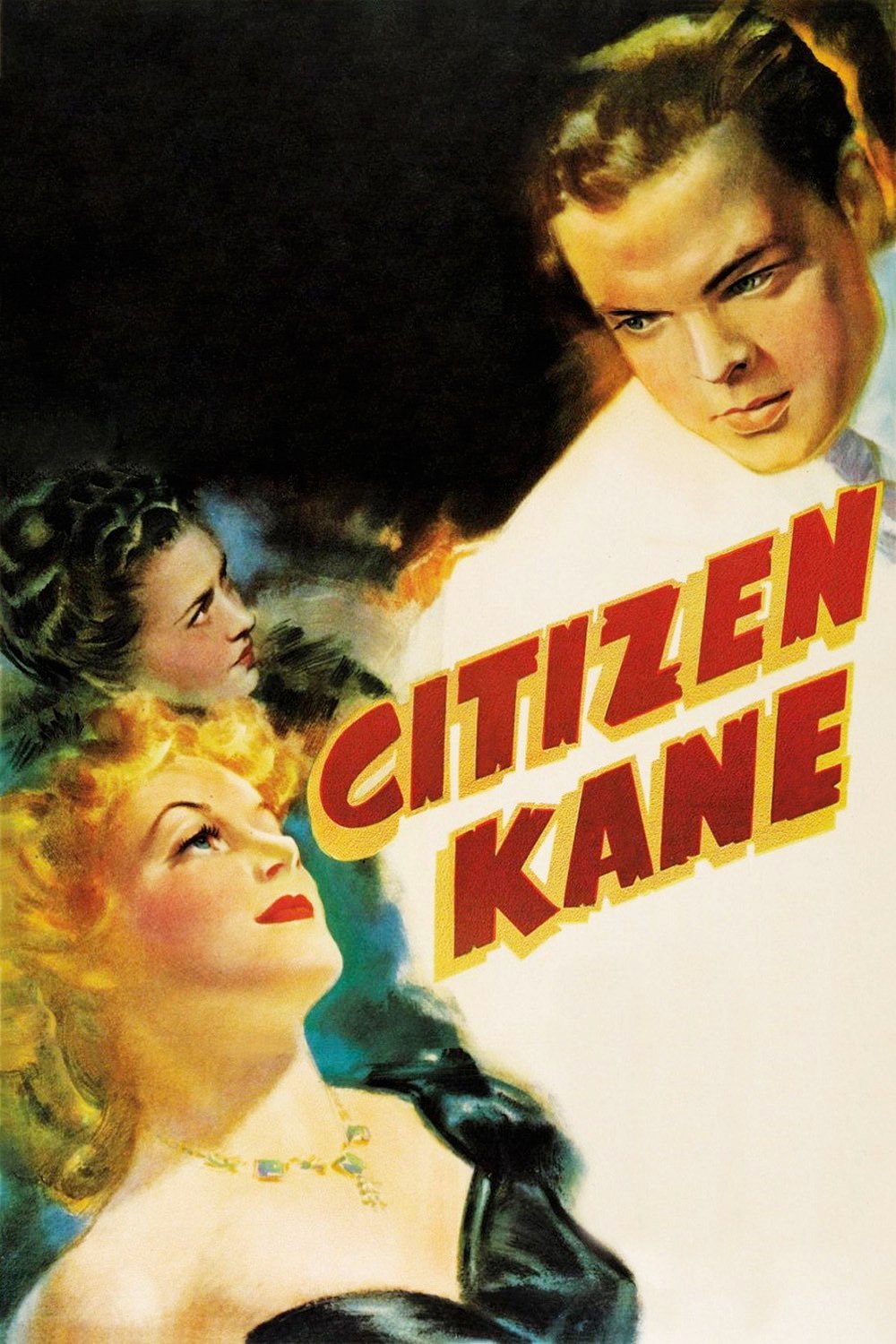
Orson Welles wanted the home of Charles Foster Kane to feel genuinely oppressive and grand. Many of the statues and furniture pieces seen in the Xanadu set were real antiques borrowed from the vast collection of William Randolph Hearst. Welles also purchased authentic European art to fill the cavernous sets. The sheer volume of genuine historical items helped convey the immense wealth and isolation of the main character.
‘Barry Lyndon’ (1975)
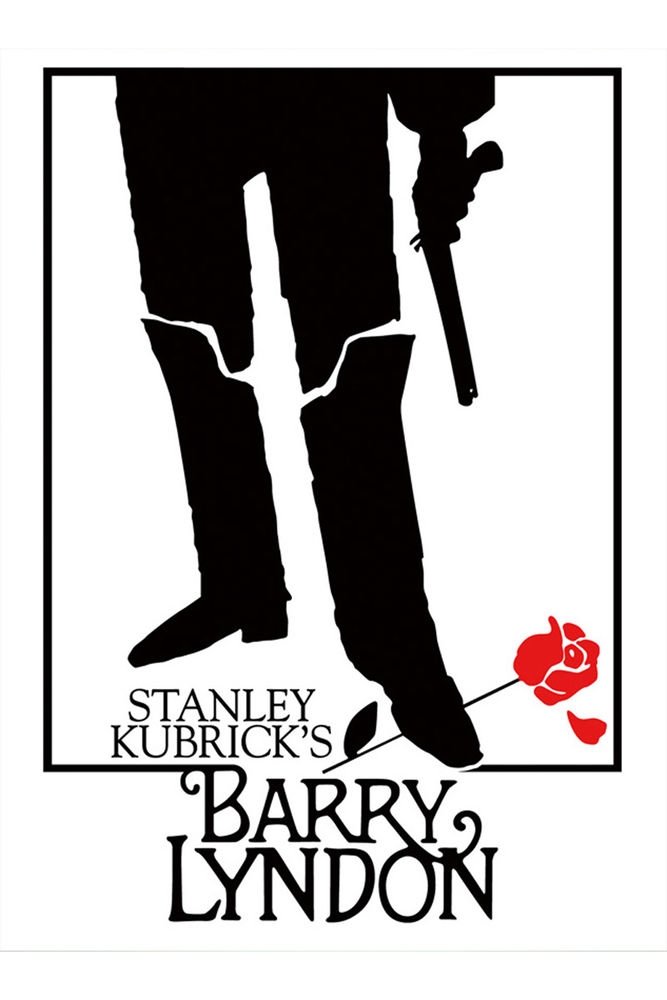
Stanley Kubrick was obsessive about historical accuracy for his 18th-century period piece. He utilized real period clothing purchased from auctions rather than having new costumes sewn. The film also featured genuine antique furniture and decor borrowed from English manor houses. Kubrick even used special lenses developed for NASA to film by the light of actual antique candles.
‘Downton Abbey’ (2019)
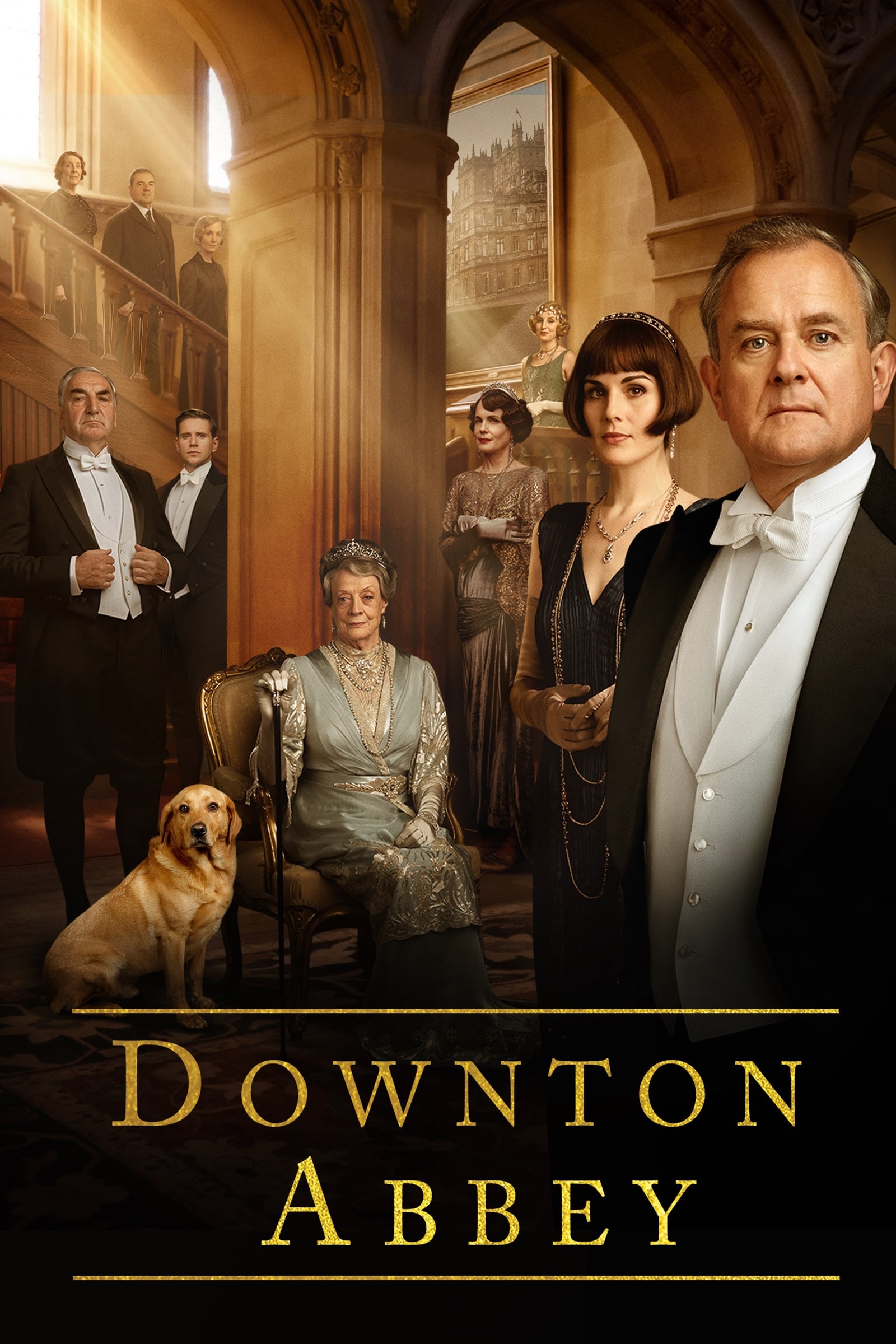
The film continuation of the popular series returned to Highclere Castle and utilized its existing contents. The actors performed scenes using the actual furniture and writing desks that have been in the Carnarvon family for generations. One specific mahogany desk used by the character Lord Grantham is a valuable antique that required constant supervision. The production had to be incredibly careful not to scratch or damage the centuries-old items.
‘Russian Ark’ (2002)
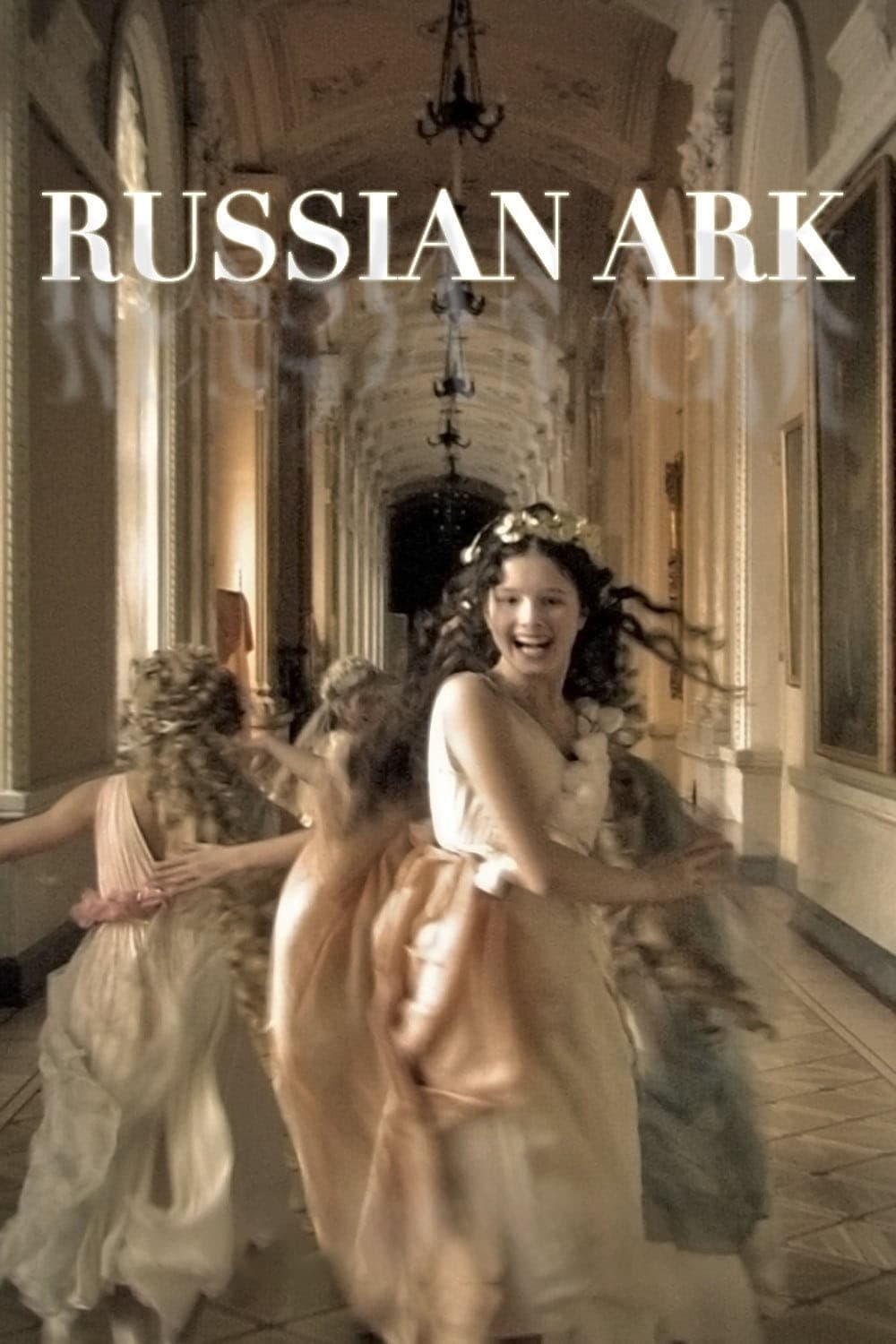
This experimental film was shot in a single continuous take entirely within the State Hermitage Museum in St. Petersburg. Every painting, sculpture, and piece of furniture seen on screen is a priceless artifact held in the museum’s collection. The actors moved through 33 rooms filled with genuine art from the time of the tsars. It stands as one of the most artifact-dense films ever made.
‘The Last Emperor’ (1987)
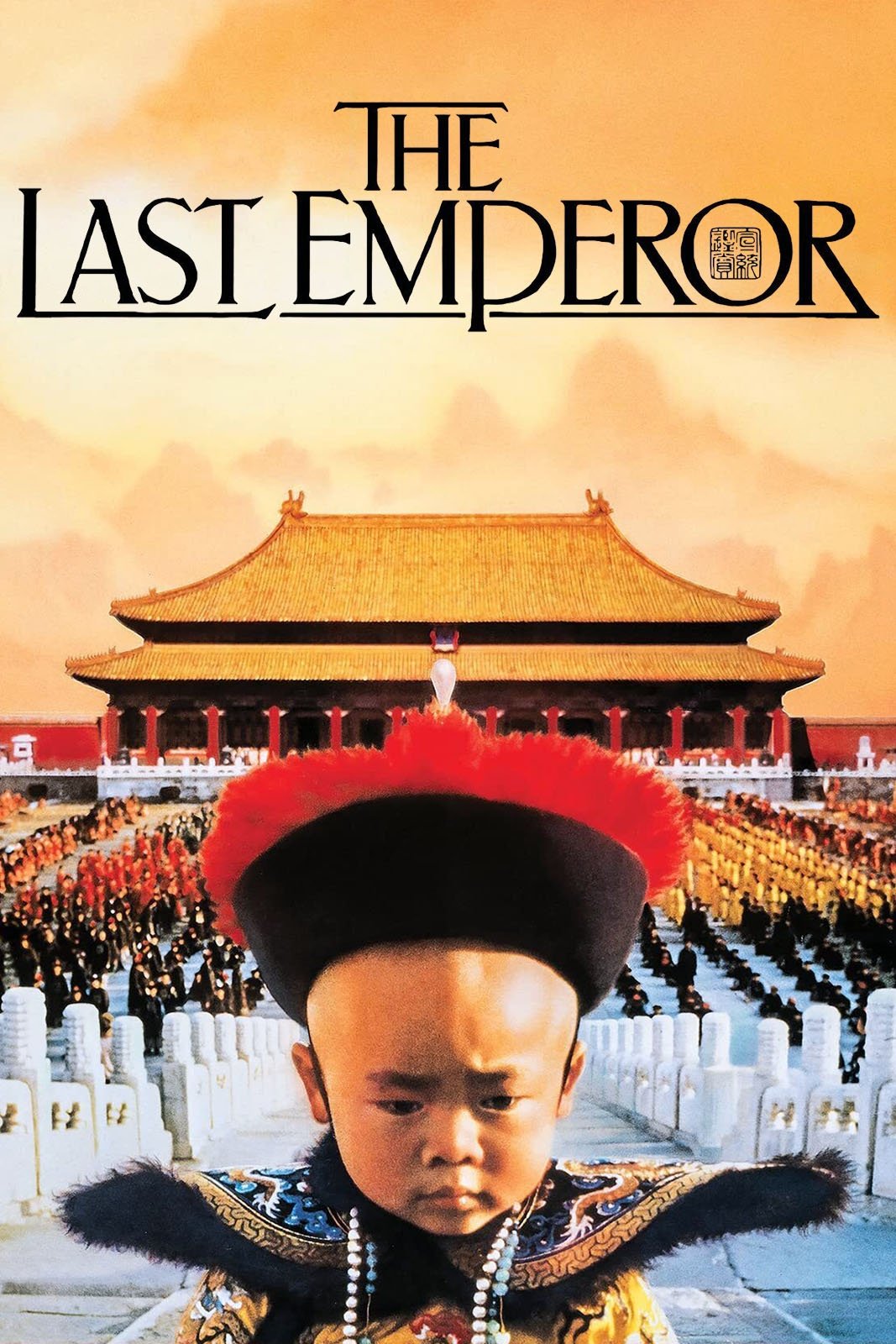
Bernardo Bertolucci was the first Western filmmaker allowed to shoot inside the Forbidden City in Beijing. The production was granted access to the actual throne rooms and courtyards used by the emperors of China. While many handheld props were replicas the surroundings and architectural details were the real historical structures. The film captures the genuine scale and detail of the imperial palace in a way no set could.
‘Skyfall’ (2012)
The opening motorcycle chase sequence features James Bond speeding through the Grand Bazaar in Istanbul. During the stunt the production team accidentally crashed through a real shop window. The window was a 330-year-old antique that was part of the historic structure. The production had to pay for the restoration of the damaged historical site.
‘Dunkirk’ (2017)
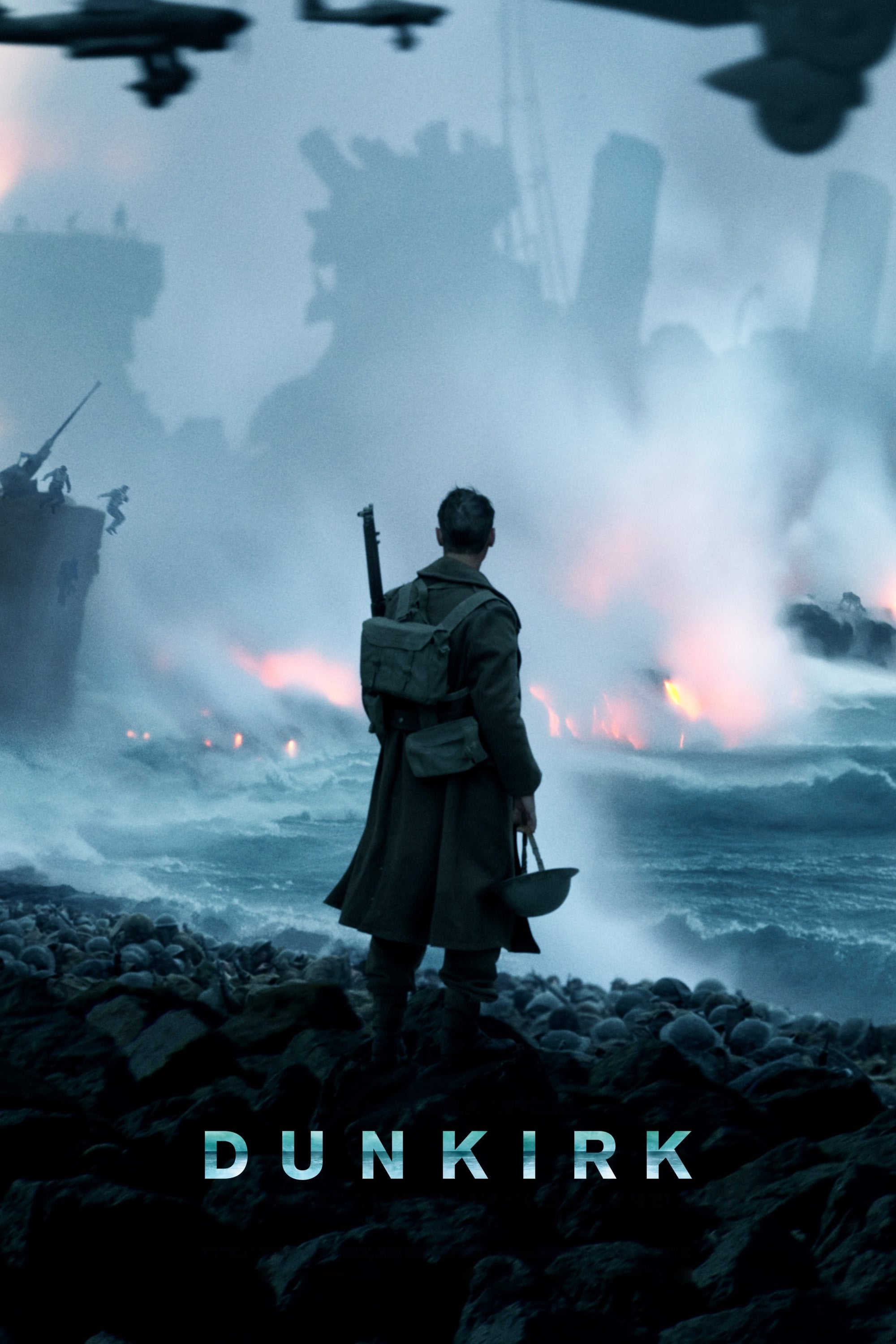
Christopher Nolan assembled a fleet of real historical vessels to depict the evacuation of Dunkirk. The production utilized over 50 genuine “Little Ships” that had actually participated in the 1940 evacuation. These civilian boats were piloted by their owners during the filming of the movie. The presence of the actual vessels added a profound layer of historical weight to the scenes.
‘Top Gun: Maverick’ (2022)
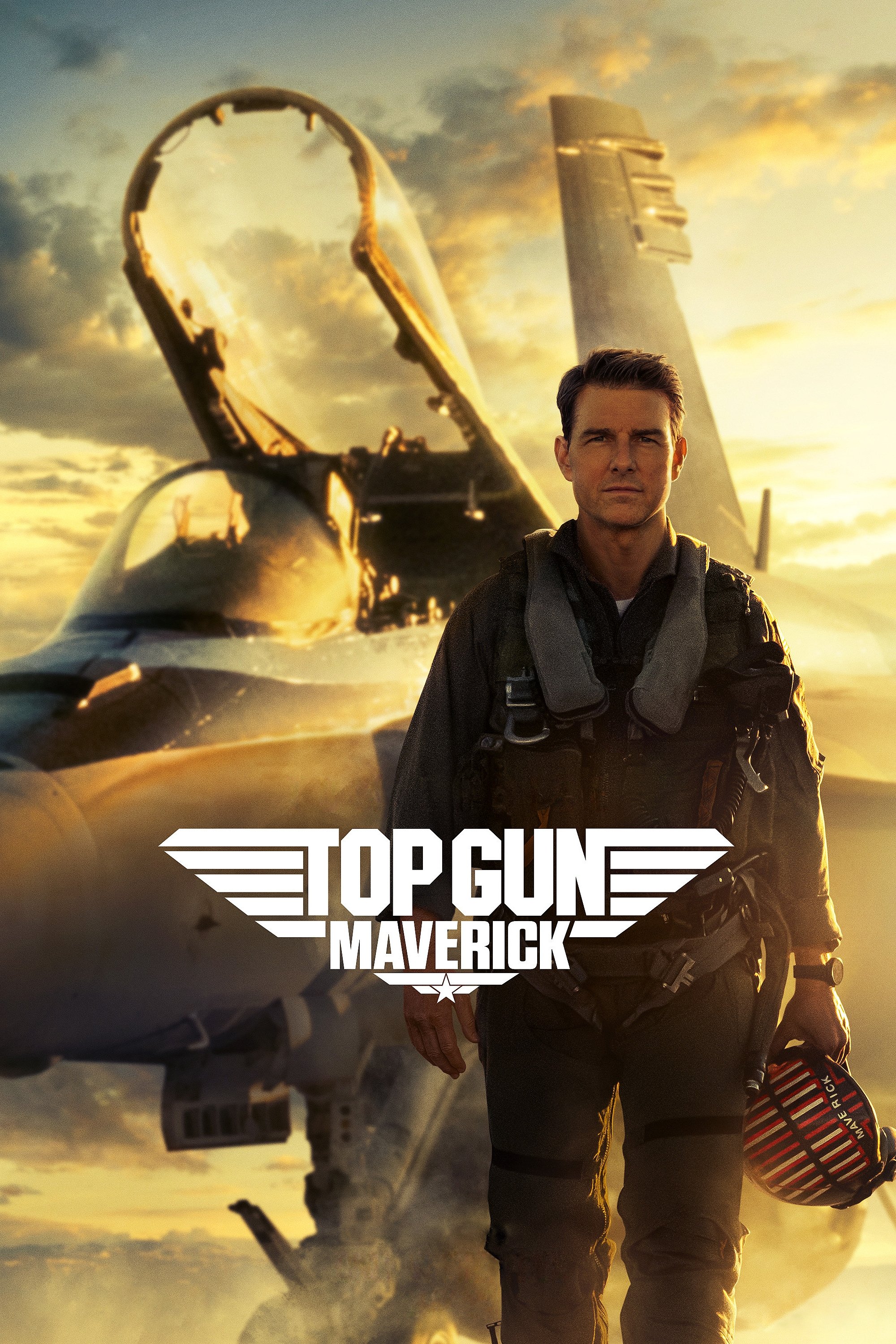
Tom Cruise is known for performing his own stunts and flying his own aircraft. The P-51 Mustang seen in the film is a genuine World War II fighter plane owned by the actor. It is an antique aircraft that saw service in the 1940s and has been meticulously restored. Cruise piloted the vintage plane himself for the sequences featuring the character Maverick.
‘Young Frankenstein’ (1974)

Mel Brooks wanted his parody to look exactly like the original Universal horror films. He tracked down the original laboratory equipment used in the 1931 film and discovered it was still owned by its creator Kenneth Strickfaden. The electrical props were the actual antiques used by Colin Clive and Boris Karloff. This equipment gave the comedy an authentic black-and-white horror atmosphere.
‘Poltergeist’ (1982)
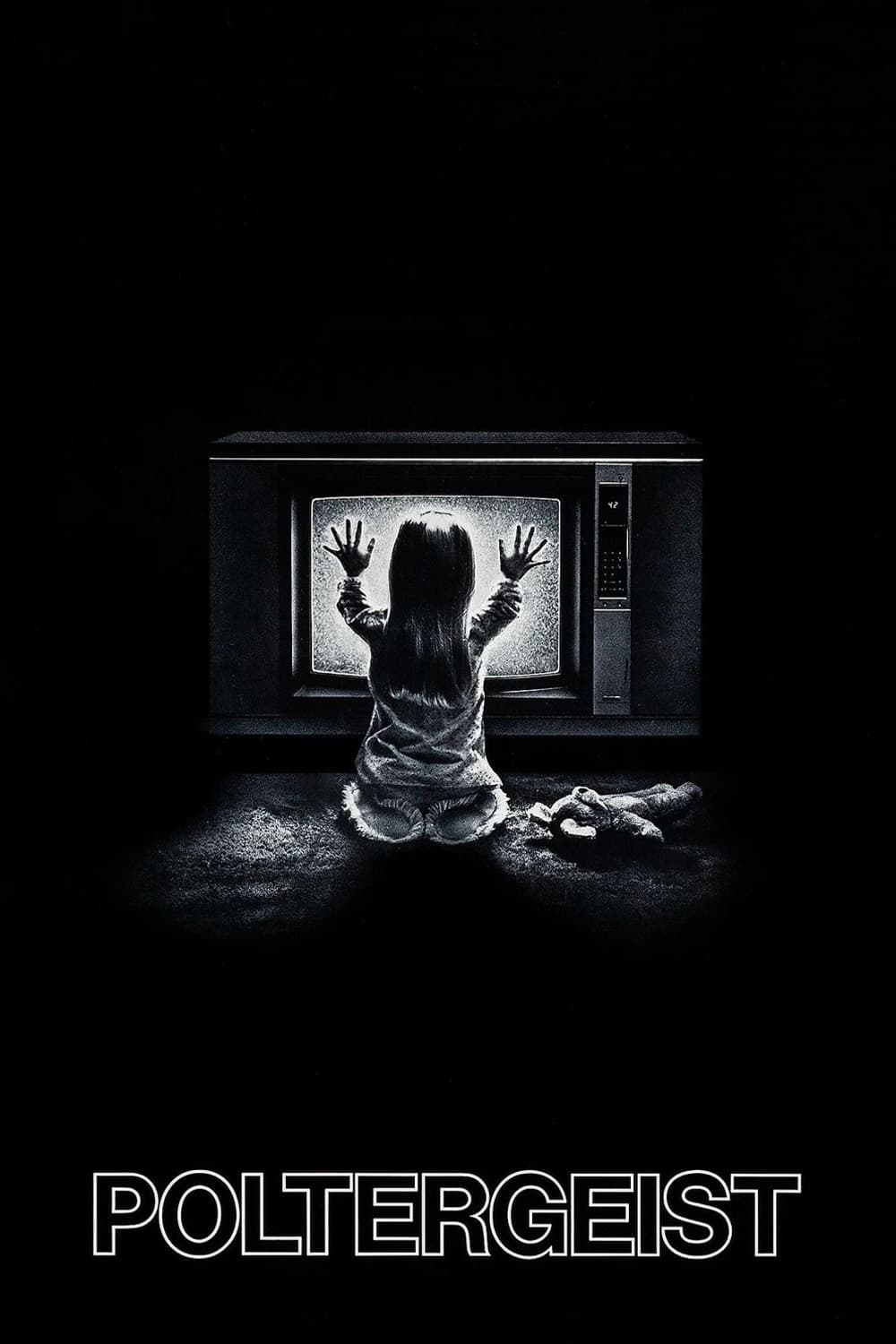
The scene where the mother falls into a muddy pool filled with skeletons is one of the most terrifying in the film. The production crew utilized real human skeletons rather than plastic replicas because they were cheaper to purchase. These were actual biological specimens that had been sourced from a medical supply company. The cast was reportedly unaware they were swimming with real human remains until after the scene was shot.
‘The Texas Chain Saw Massacre’ (1974)

The low budget of this horror classic forced the art director to be creative with set dressing. The animal bones and skeletons scattered throughout the house were largely real remains obtained from a veterinarian and other sources. At the end of filming the stench of the rotting organic matter was reportedly unbearable. The use of real decay contributed to the visceral and gritty texture of the movie.
‘House on Haunted Hill’ (1959)
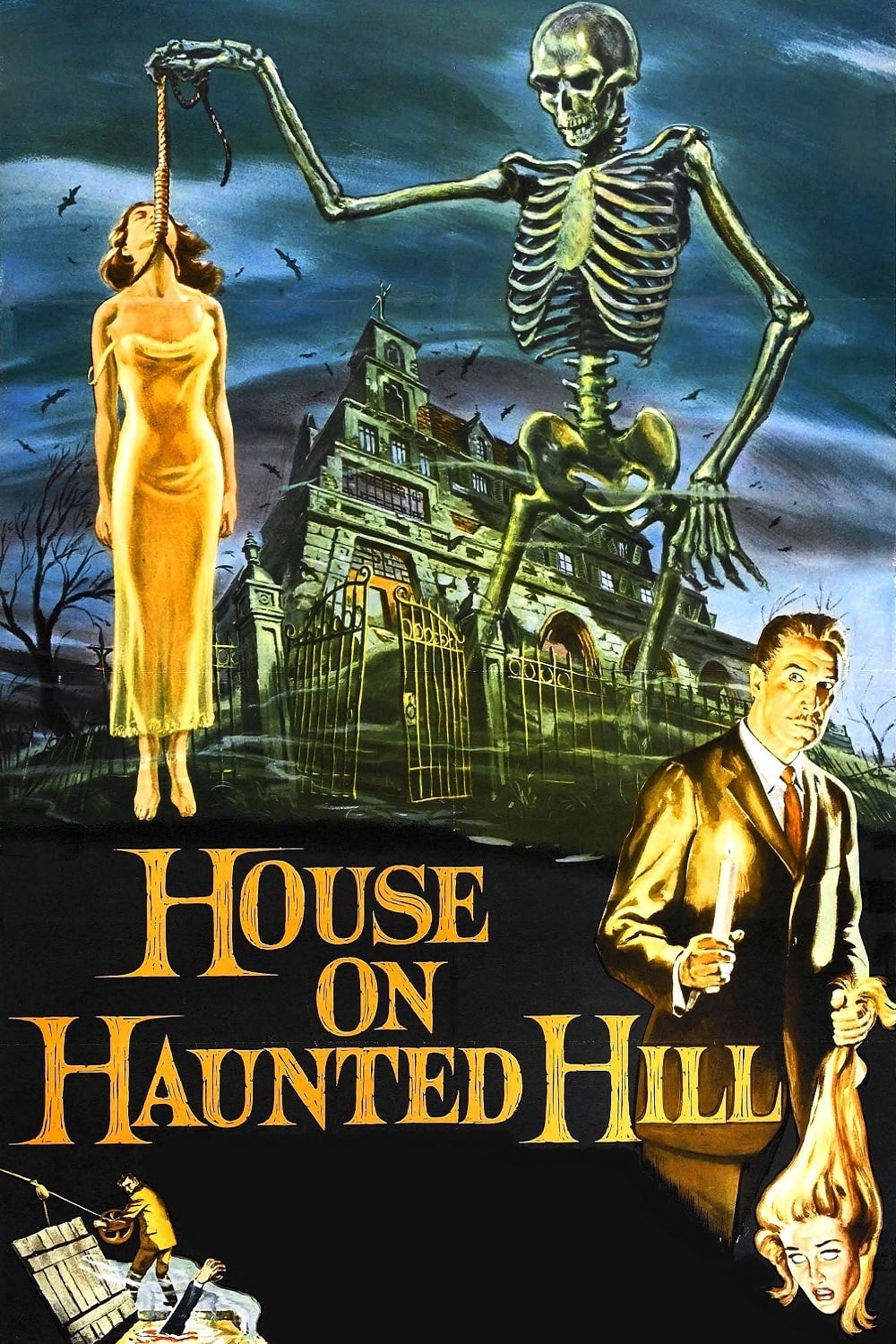
Director William Castle was known for his gimmicks and budget-conscious filmmaking. The skeleton that emerges from the acid vat to frighten the characters was a real human skeleton with hinged joints. Sourcing a real skeleton was standard practice for B-movies of that era due to the high cost of sculpting realistic props. The artifact remains a creepy footnote in horror history.
‘Dawn of the Dead’ (1978)
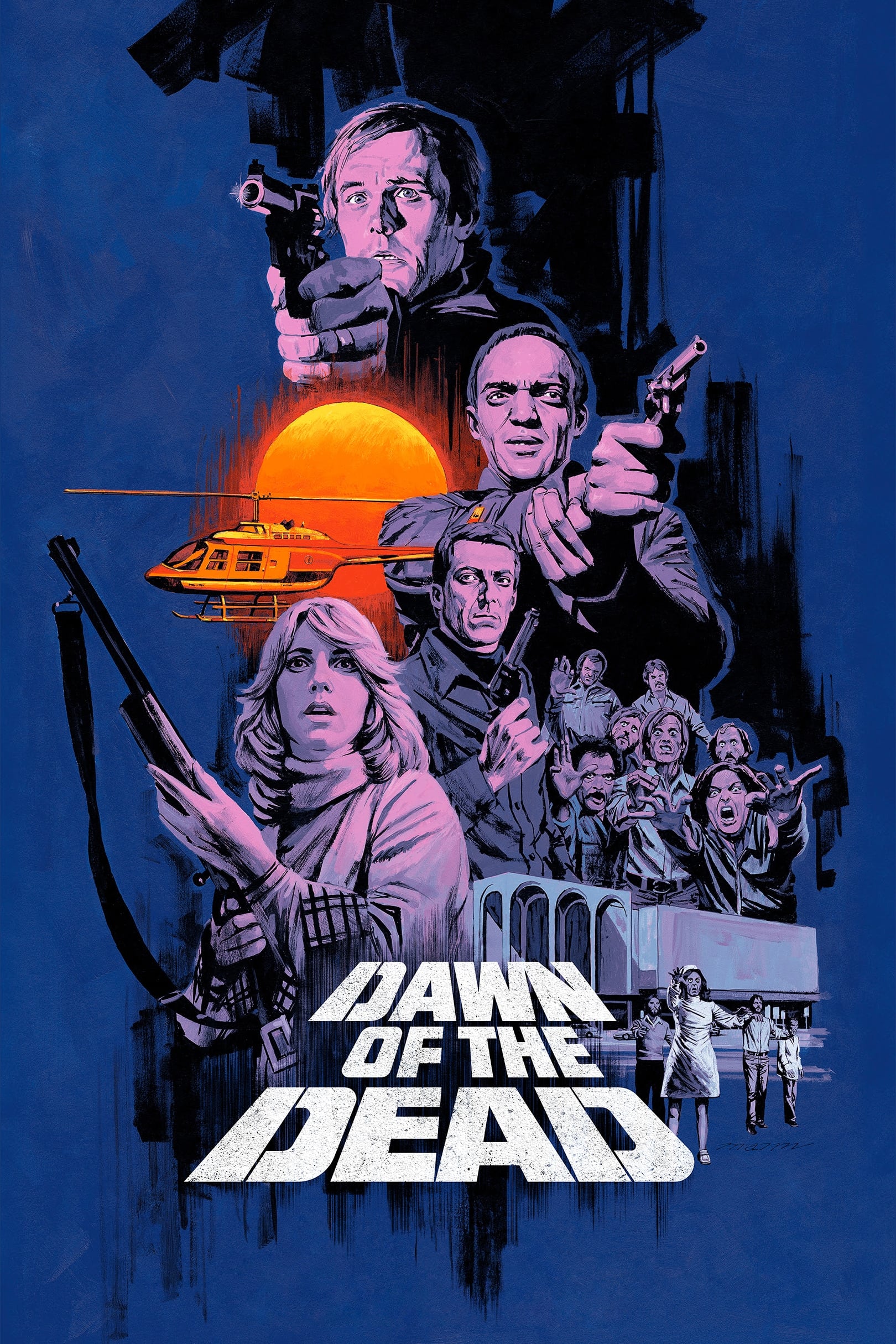
George A. Romero’s zombie masterpiece featured a scene in a tenement building where a SWAT team finds a room of bodies. One of the skeletons in the background was a real human specimen that the production had borrowed. It was later discovered to be the remains of a woman who had died over a century prior. The prop was eventually confiscated by police for proper burial after its origins were revealed.
‘Midnight in Paris’ (2011)
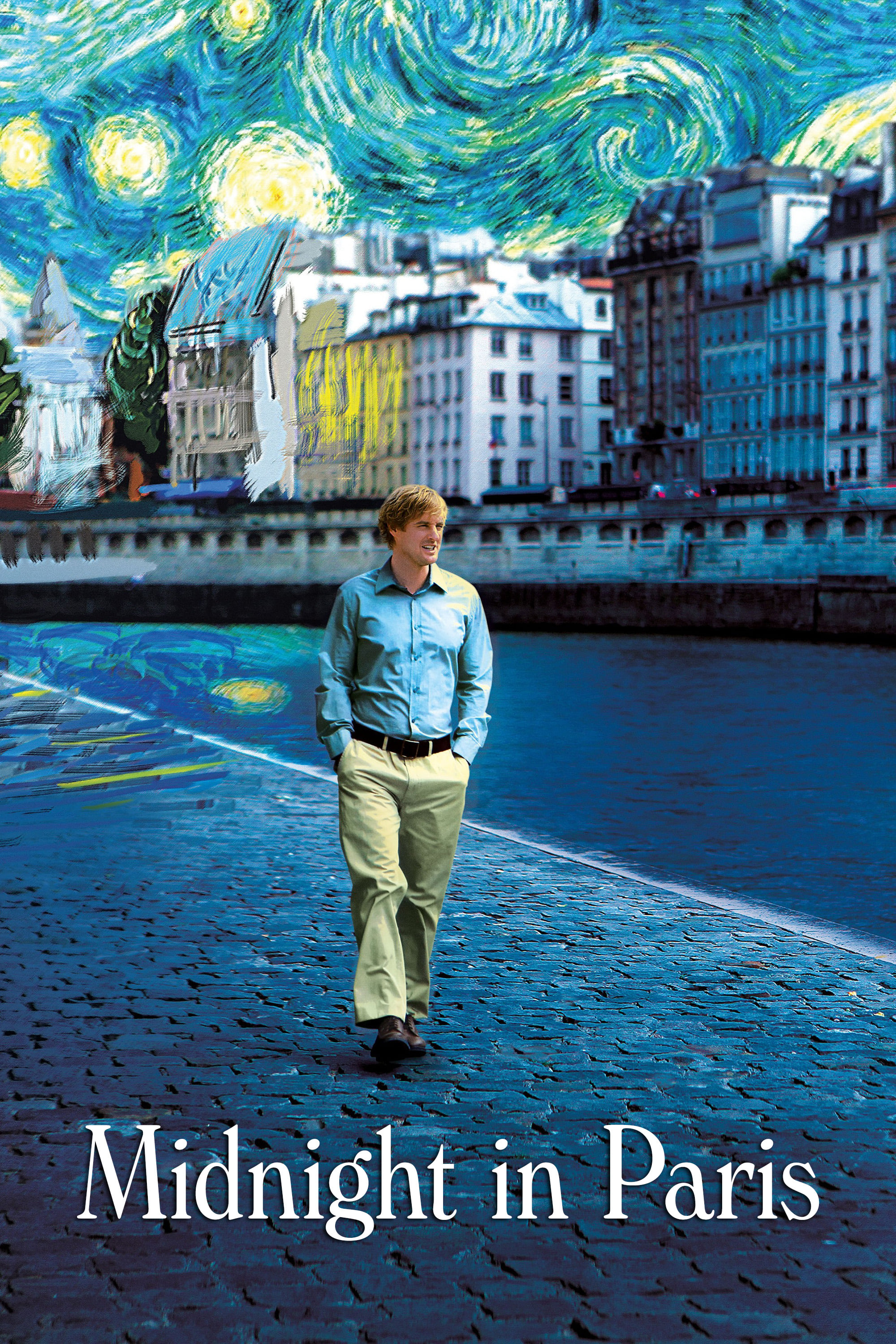
The vintage car that transports the main character back to the 1920s is a crucial plot device. The vehicle is a genuine 1928 Peugeot Type 184 Landaulet that was loaned from the Peugeot Museum. It is an exceedingly rare automobile that required careful handling during the night shoots in Paris. The car itself is a museum piece that represents the pinnacle of French luxury from that era.
‘Back to the Future Part III’ (1990)
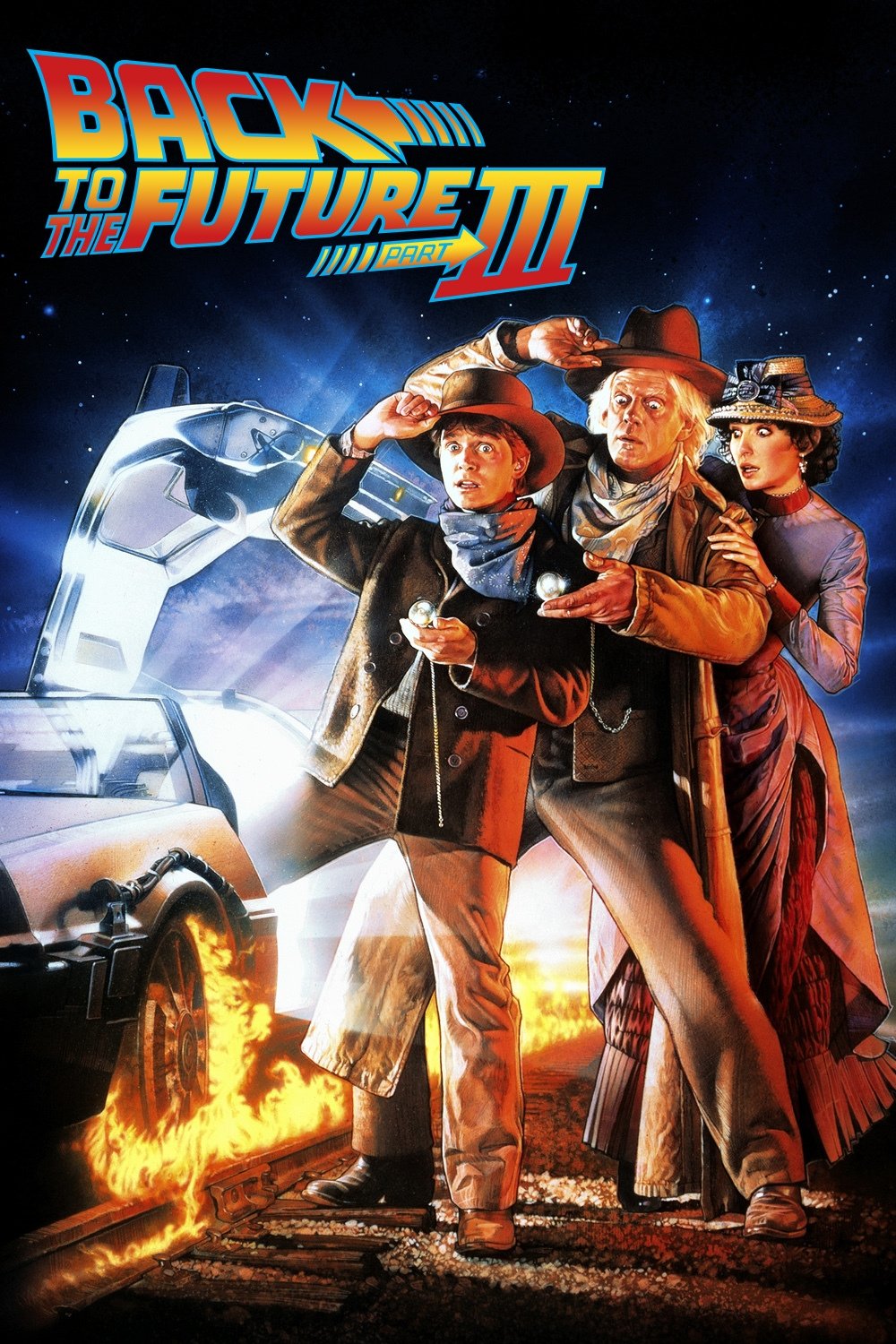
The steam locomotive that pushes the DeLorean is known as the Sierra No. 3. It is a genuine 19th-century locomotive that has been used in hundreds of films and TV shows. The train is often called the most photographed locomotive in Hollywood history. Its appearance provided an authentic Wild West silhouette that a mockup could not replicate.
‘High Noon’ (1952)
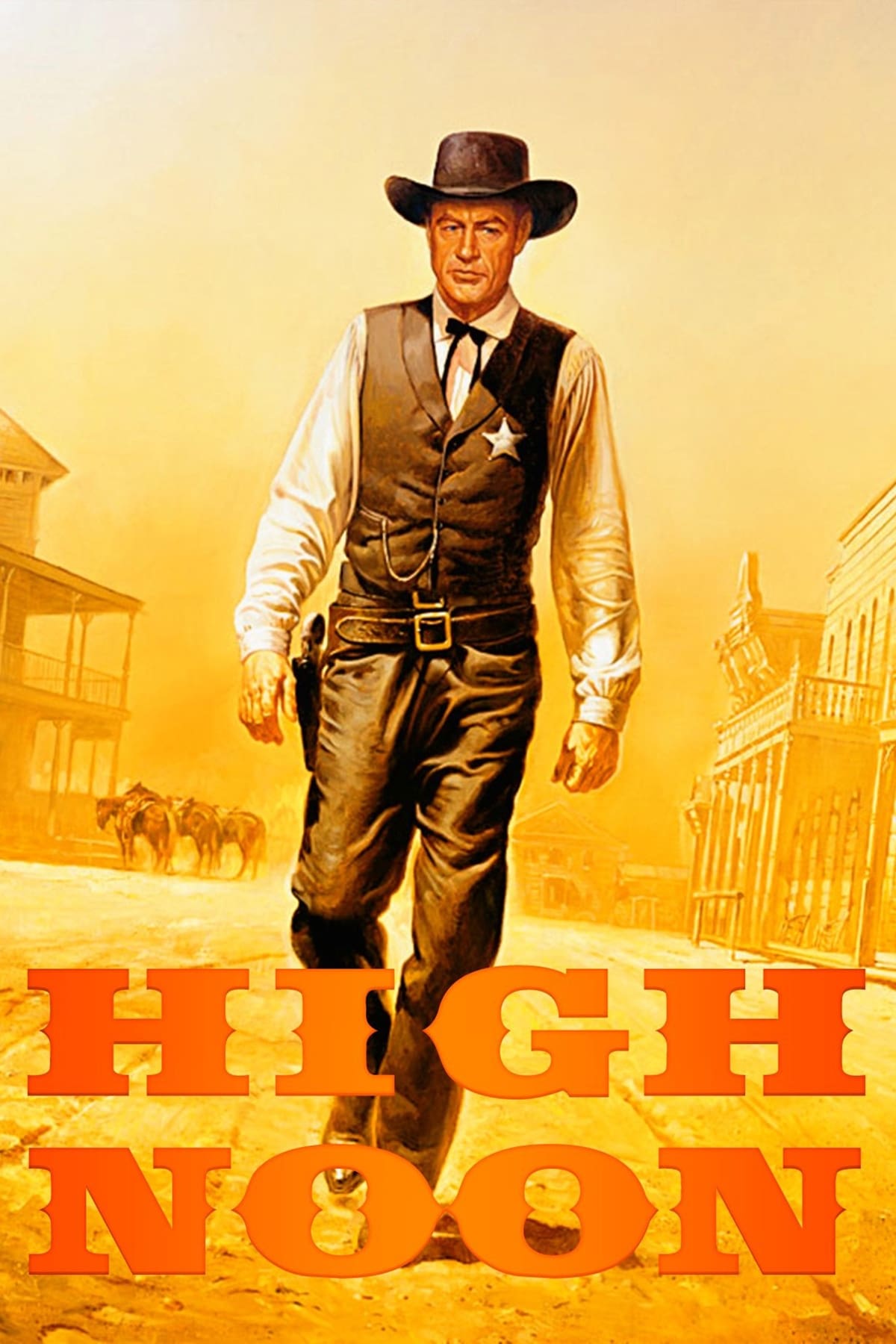
This classic western also utilized the famous Sierra No. 3 locomotive. The train plays a central role in the plot as the clock ticks down to its arrival. Using the real antique engine grounded the film in the technology of the late 19th century. The locomotive is now preserved as a historical artifact in a California state park.
‘The General’ (1926)
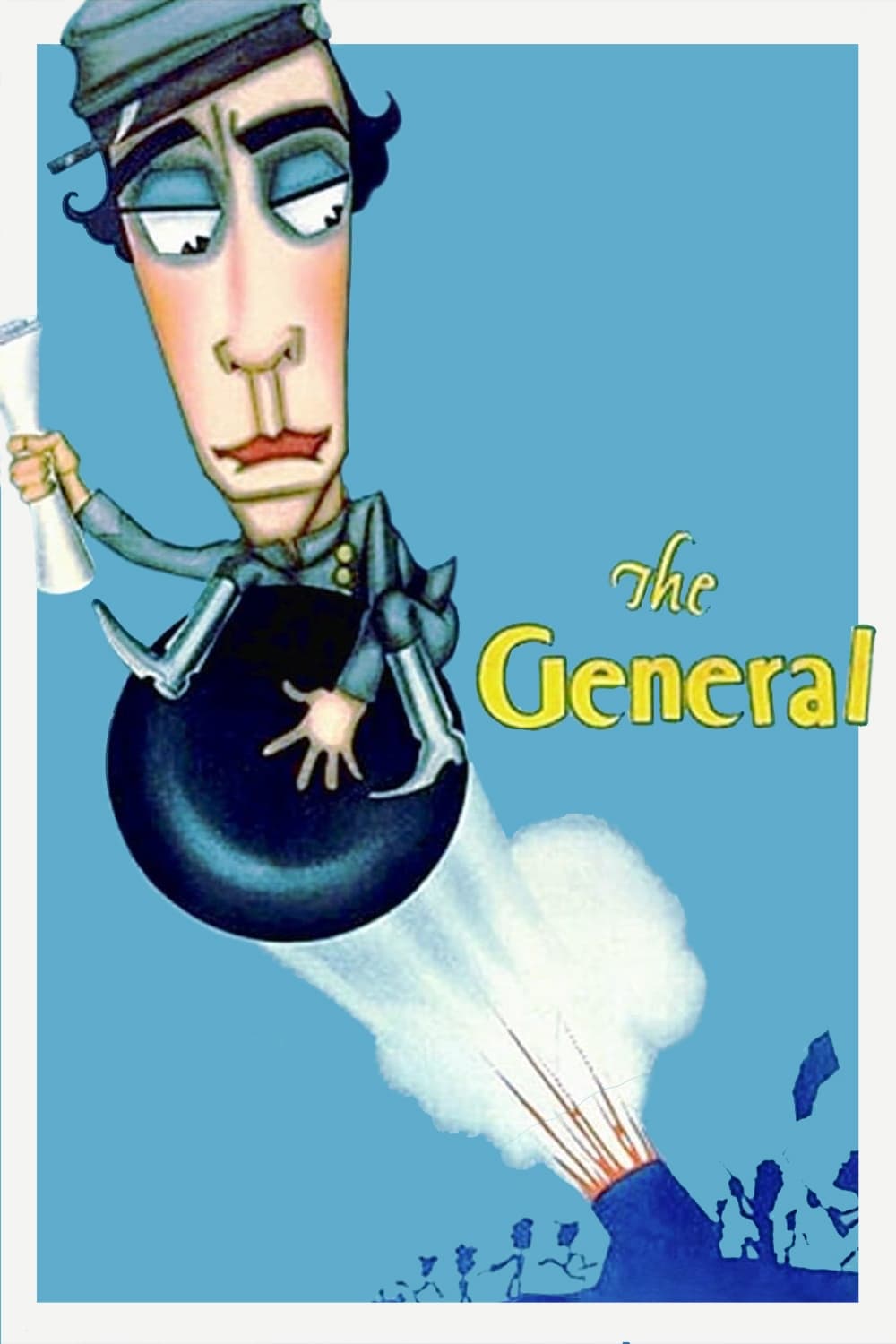
Buster Keaton was adamant about using real trains for his Civil War epic. He utilized genuine locomotives from the era to perform his dangerous stunts. The most famous sequence involved crashing a real steam train through a burning bridge into a river. The wreckage of the antique train remained in the riverbed as a tourist attraction for decades.
‘The Train’ (1964)
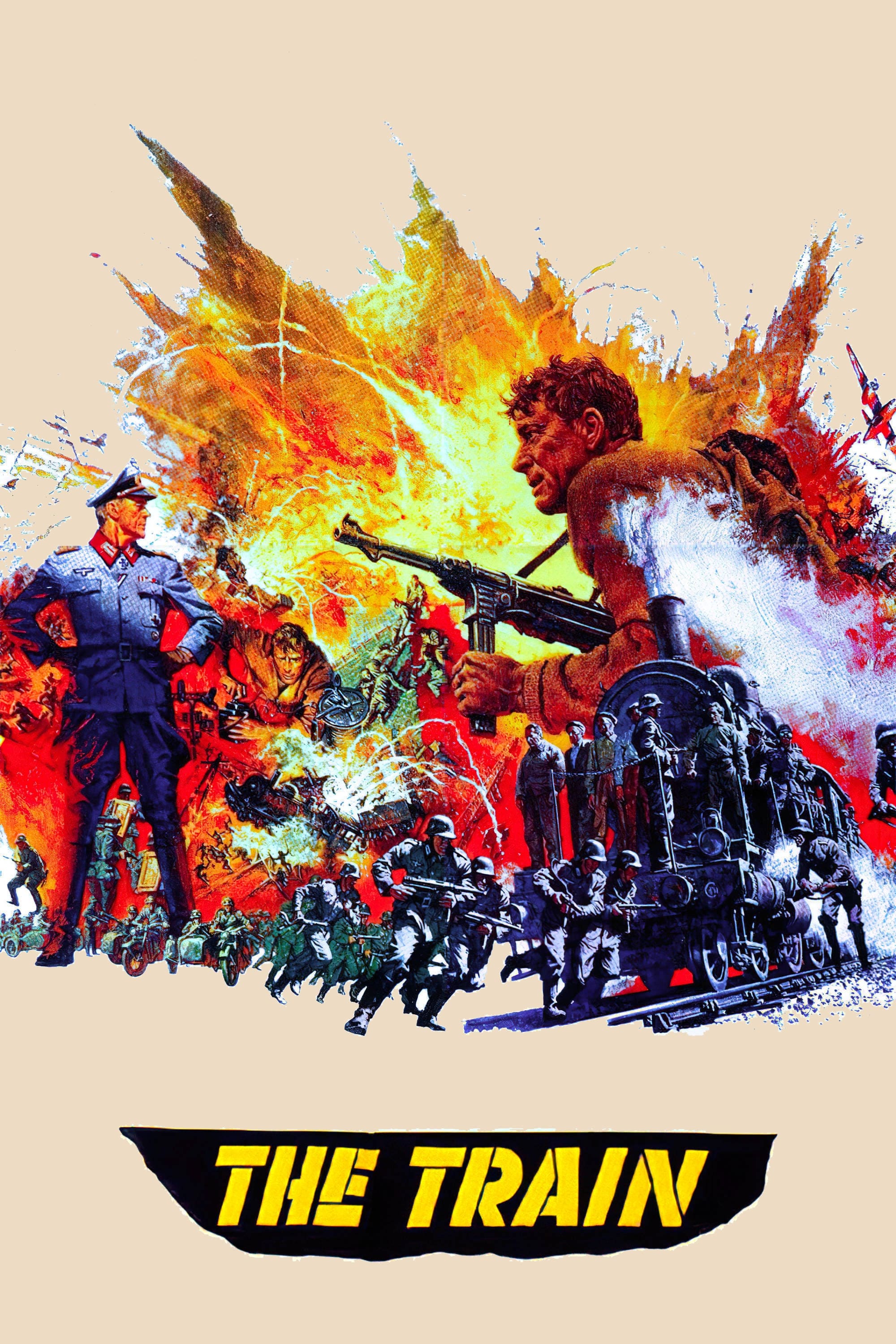
Burt Lancaster starred in this war film about the French Resistance trying to stop a Nazi train. The production used real steam locomotives that were slated for retirement by the French railway system. They famously crashed and destroyed several of these antique engines on camera. The destruction of such massive vintage machines provided a spectacle that CGI still struggles to emulate.
‘Emperor of the North’ (1973)
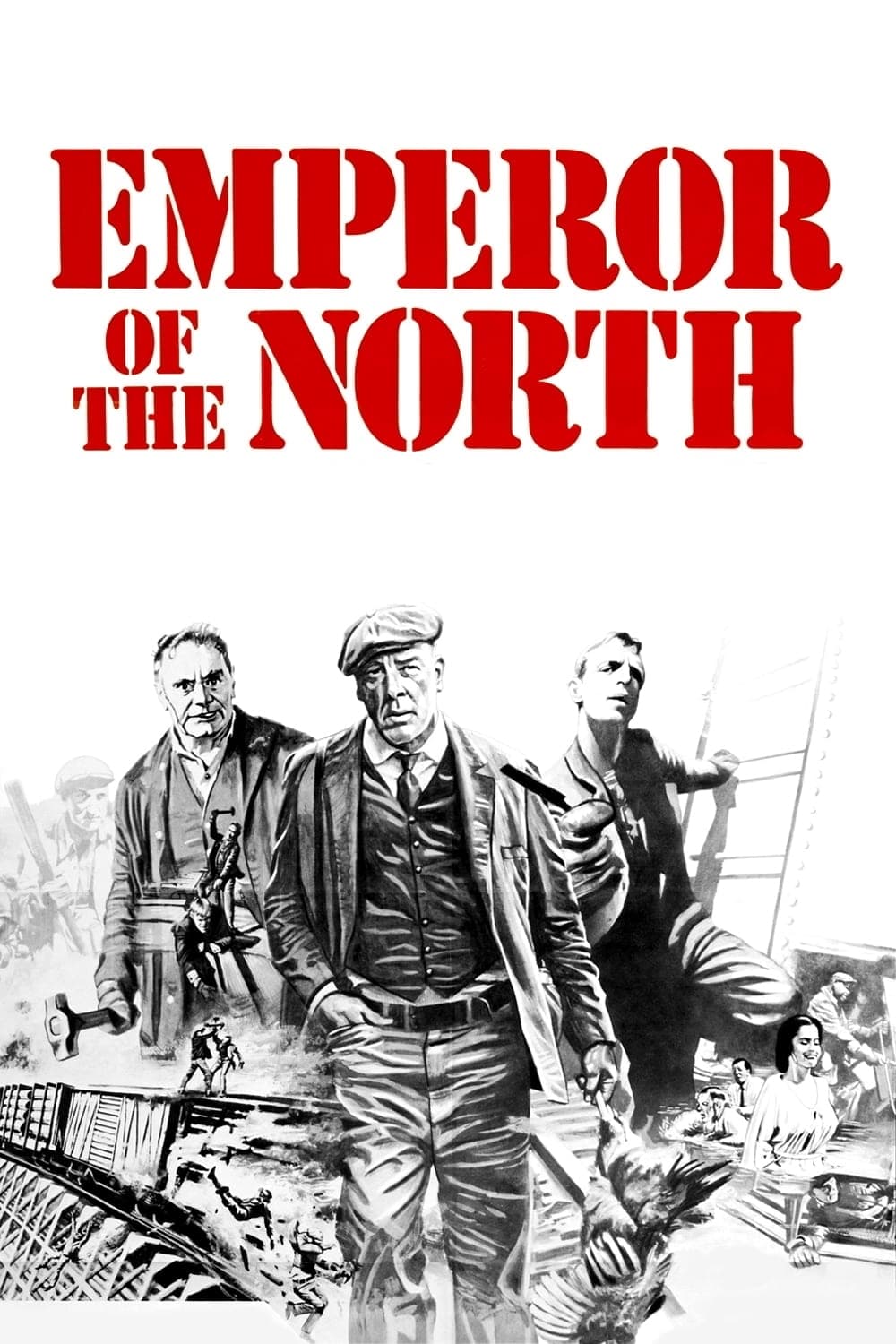
This film about hoboes riding the rails during the Great Depression featured intense action sequences on moving trains. The production used the Oregon, Pacific and Eastern Railway and its vintage steam engines. The trains were real antiques that required a full crew of engineers to operate. The authentic steam and noise added a dangerous reality to the fight scenes.
‘The King’s Speech’ (2010)
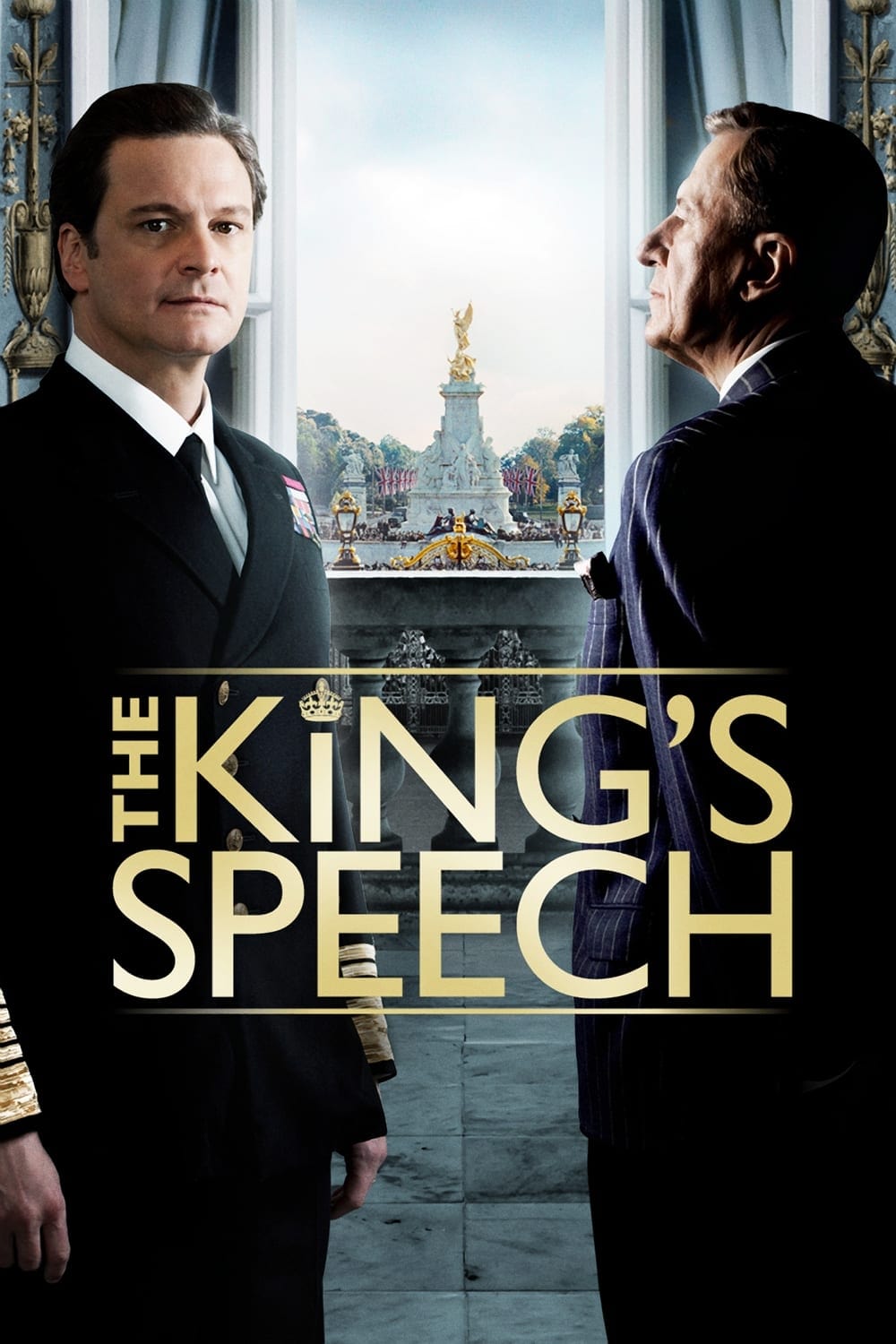
The production team strived for absolute accuracy in the scenes depicting the royal broadcasts. They sourced the actual microphones used by King George VI for his speeches. These heavy, complex pieces of recording equipment were genuine antiques from the BBC archives. Using the real microphones helped the actor visualize the intimidating nature of public speaking in that era.
‘Saving Private Ryan’ (1998)
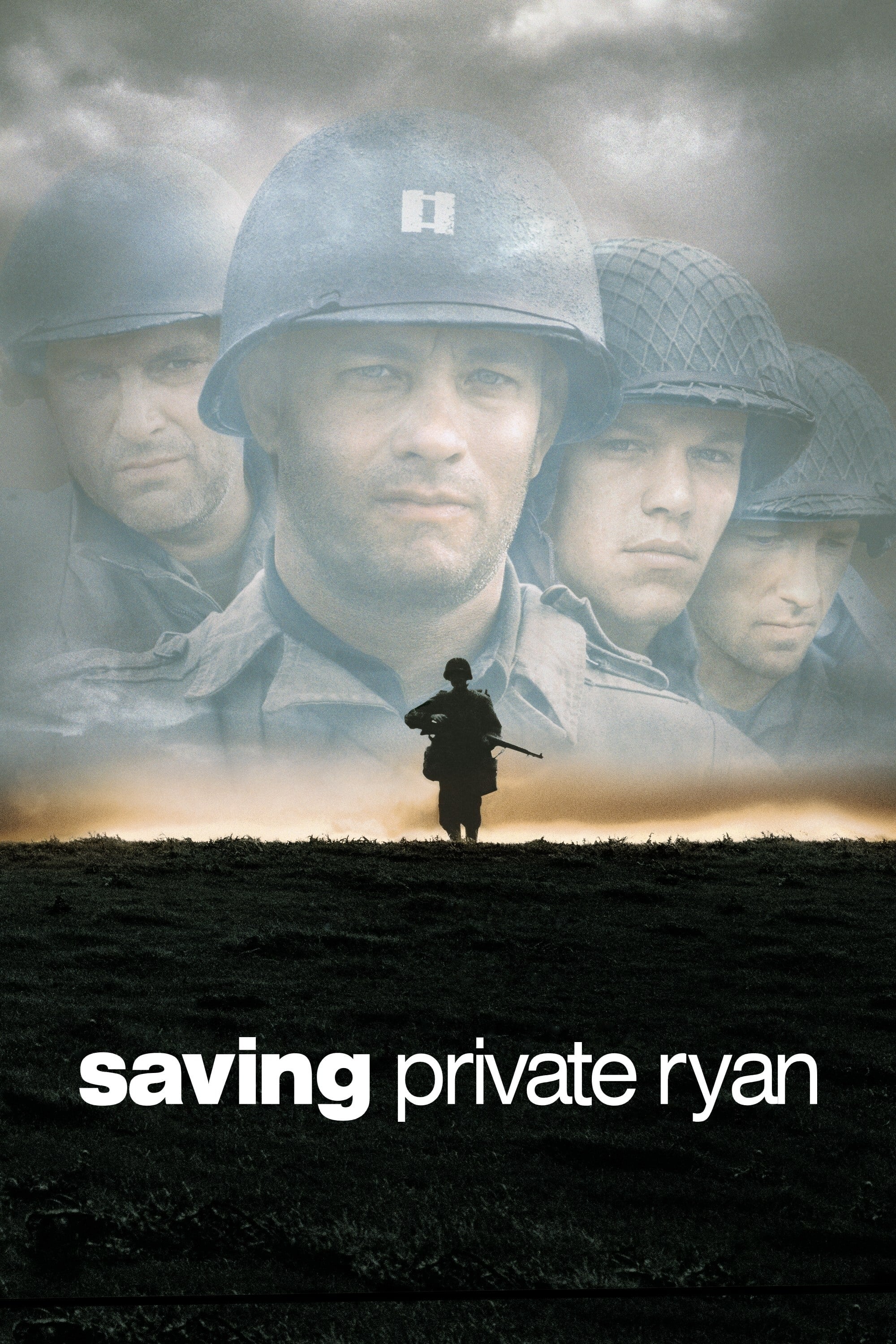
Steven Spielberg wanted the D-Day landing sequence to be as harrowing as possible. The production located and restored actual Higgins Boat landing craft from World War II. These flat-bottomed boats were the same type used during the actual invasion. The use of real surplus military equipment grounded the opening battle in historical fact.
‘Battle of Britain’ (1969)
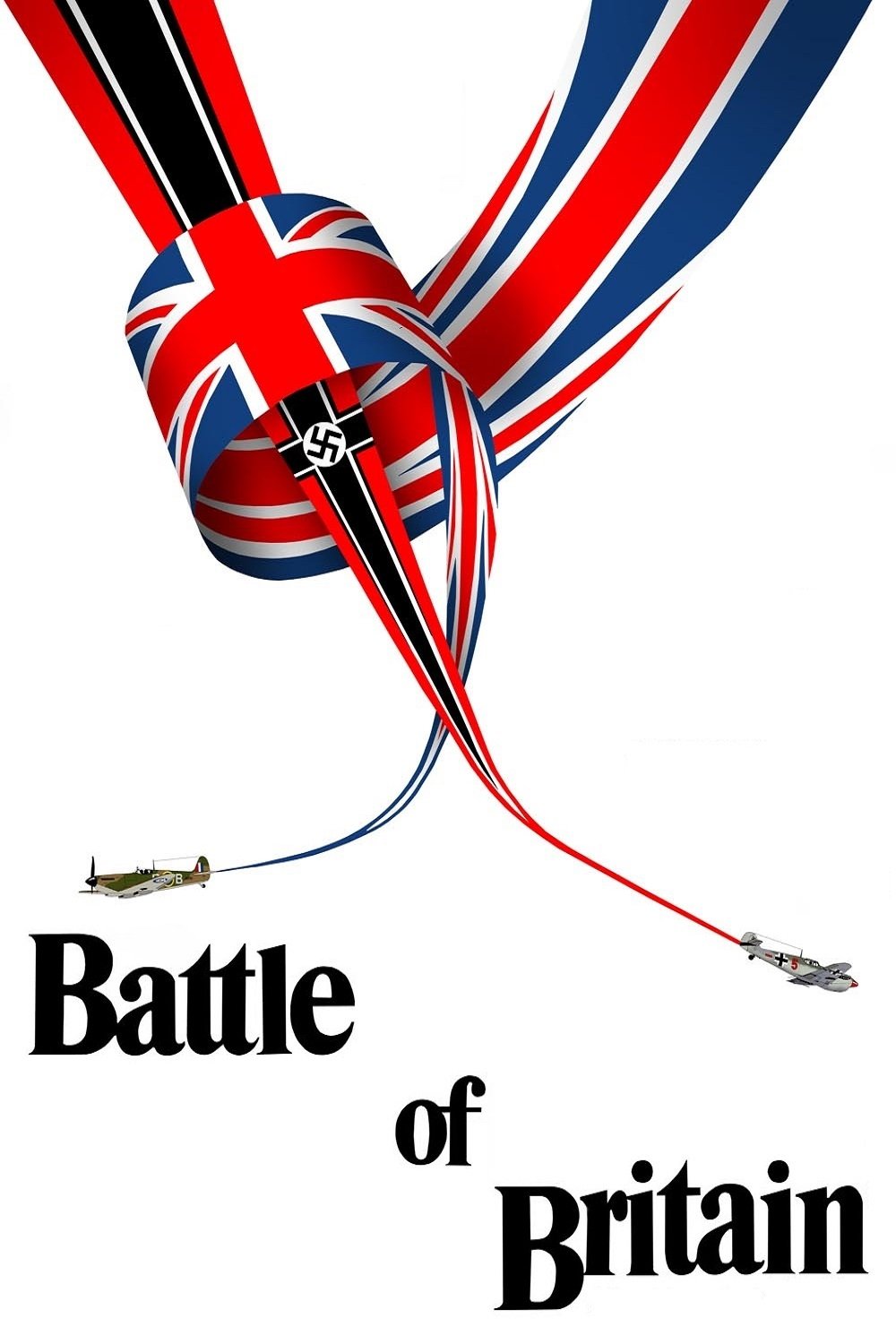
The filmmakers assembled a massive air force of genuine period aircraft for this war epic. They located over 100 real Spitfires and Hurricanes from around the world to fly in the combat sequences. It was one of the largest gatherings of antique fighter planes ever assembled. The sound and movement of the real engines provided an authenticity that models could not match.
‘Tora! Tora! Tora!’ (1970)
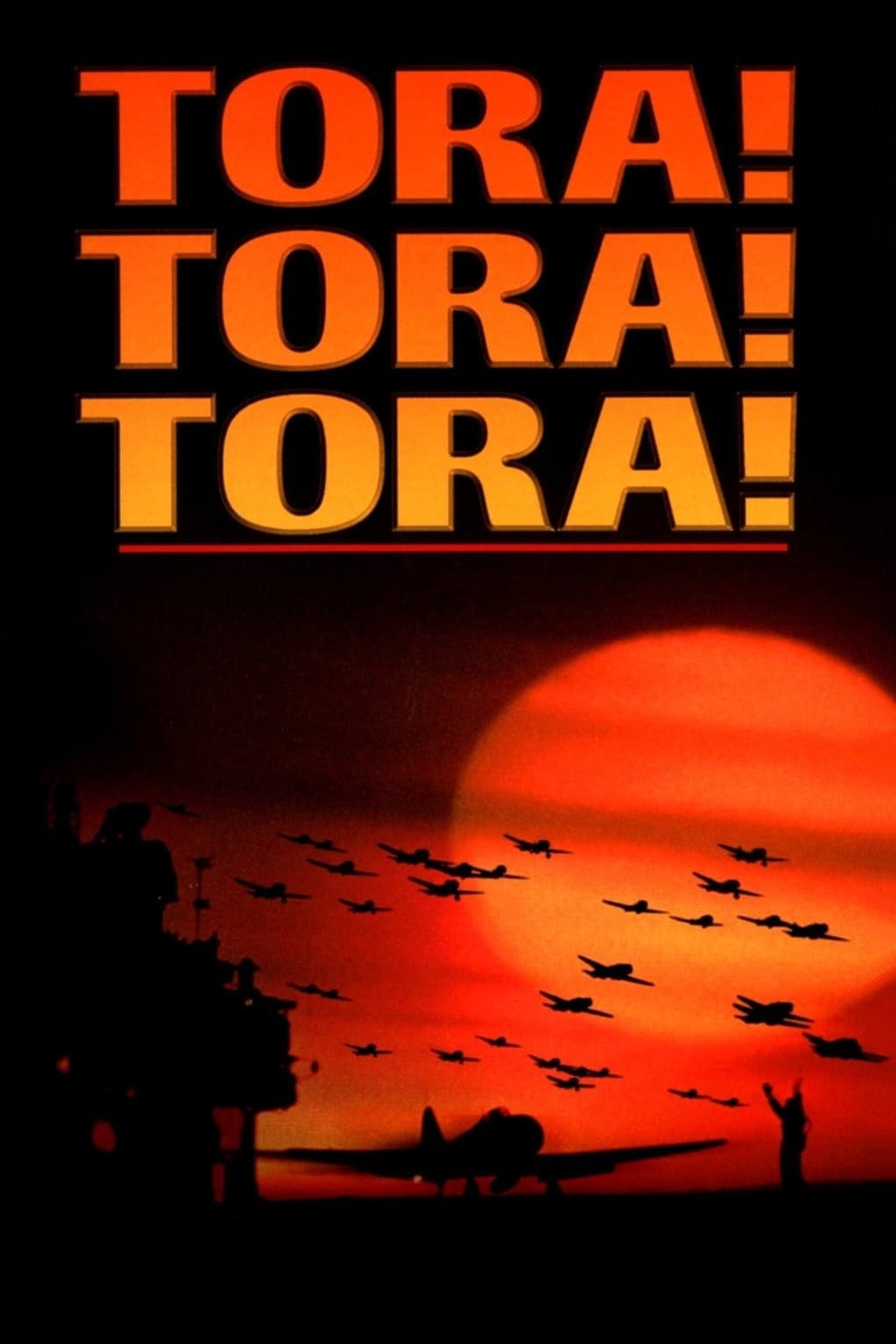
This film depicting the attack on Pearl Harbor required a fleet of Japanese Zero fighters. Since few real Zeros survived the war, the production modified genuine antique American training planes to look like them. However, they also utilized several real B-17 bombers and P-40 Warhawks that were genuine antiques. The chaotic runway scenes involved the movement of actual vintage aircraft.
‘Pearl Harbor’ (2001)
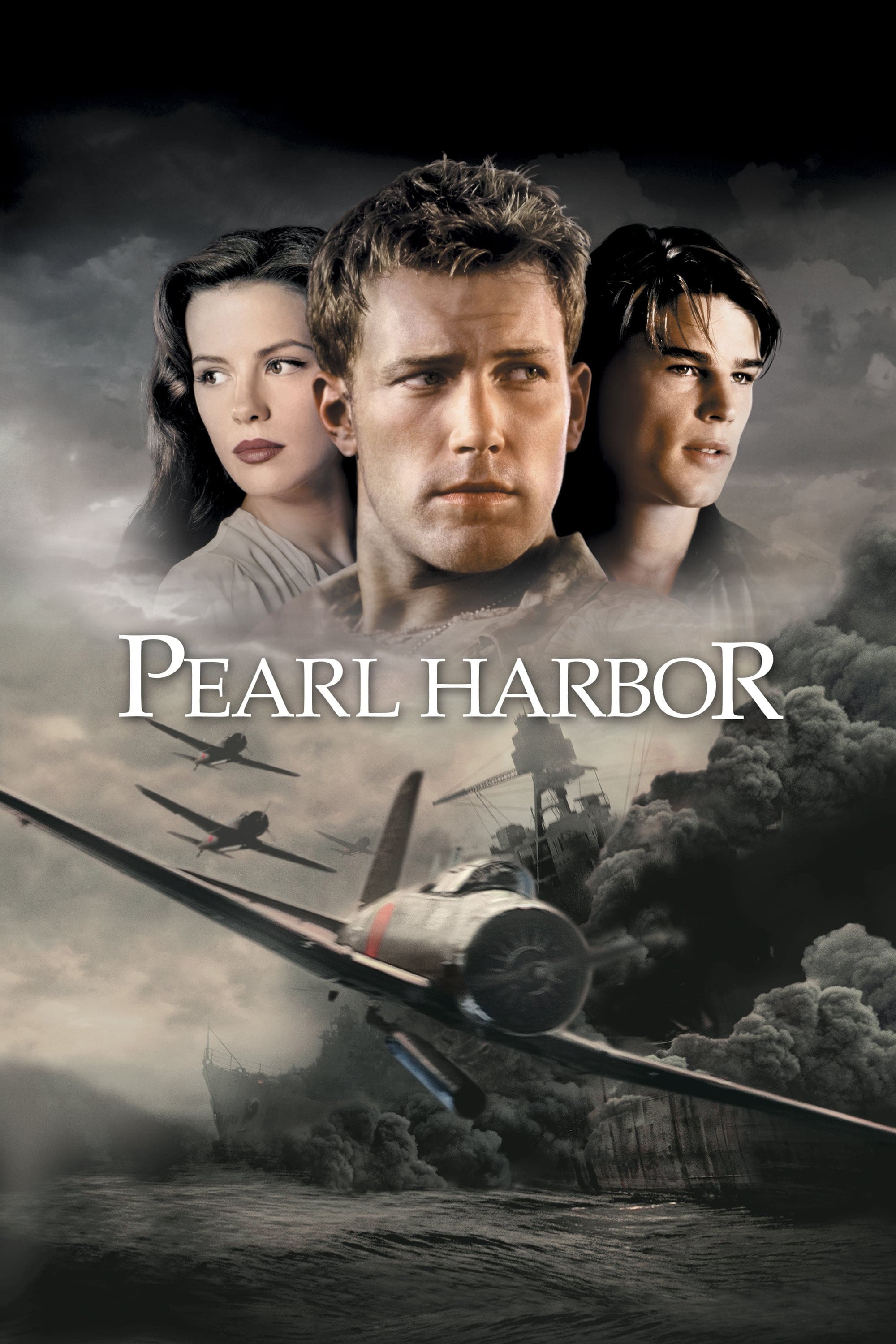
Michael Bay followed in the footsteps of previous war films by using real planes whenever possible. The production utilized genuine P-40 Warhawks and a real B-25 Mitchell bomber for the Doolittle Raid sequence. These planes were valuable antiques flown by expert pilots for the camera. The physical presence of the real aluminum birds gave weight to the CGI-enhanced sequences.
‘Red Tails’ (2012)
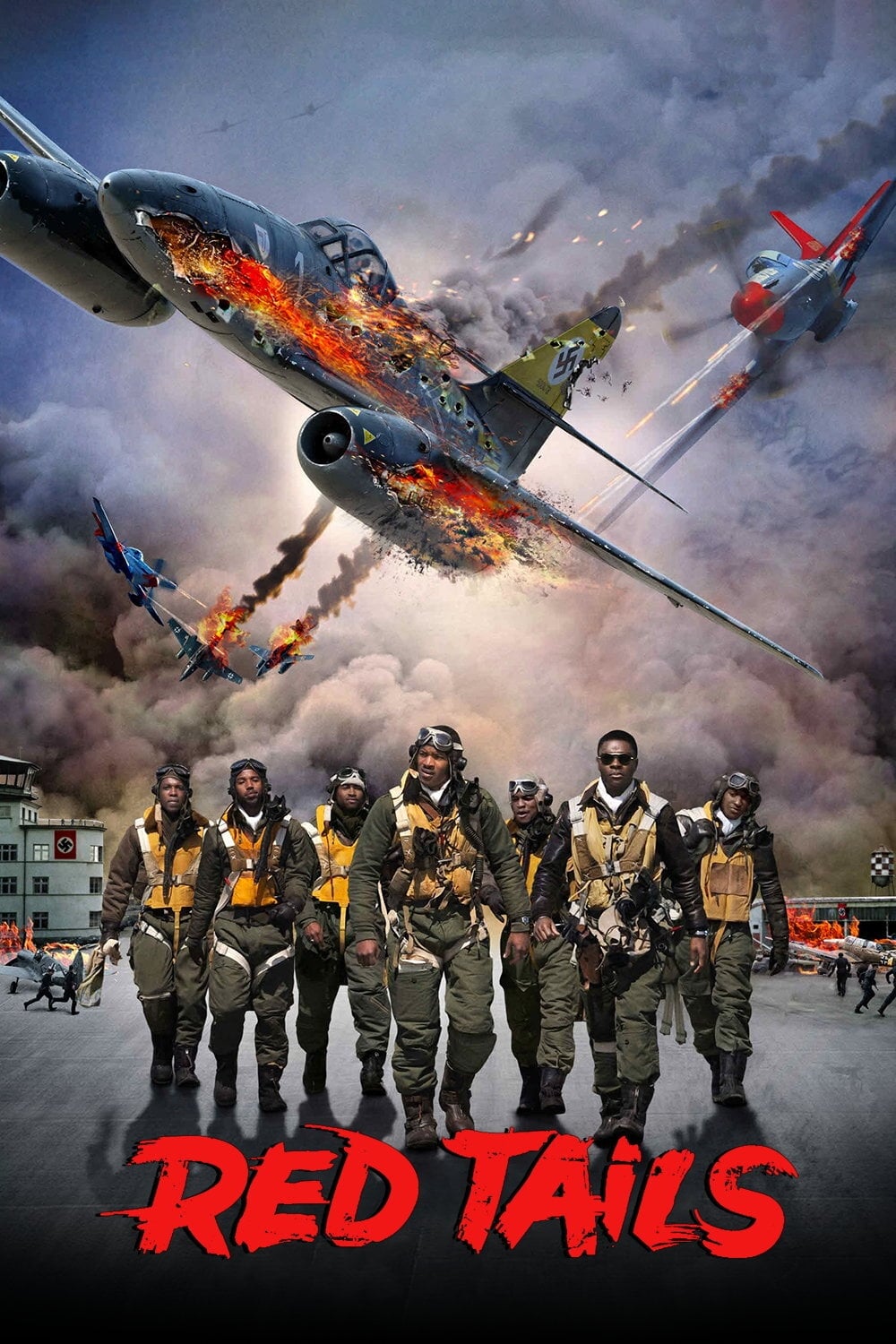
This film about the Tuskegee Airmen utilized the resources of the Commemorative Air Force. Genuine P-51 Mustangs were flown for the production to capture the specific flight characteristics of the planes. While CGI was used for combat, the takeoffs and landings often featured the real antique aircraft. The sound of the Merlin engines was recorded directly from these historic machines.
‘Dark Blue World’ (2001)

This Czech film about pilots in the RAF is renowned for its stunning aerial photography. The production used real Supermarine Spitfires for many of the flying sequences. They also repurposed some outtakes of real aerial footage from the 1969 film ‘Battle of Britain’. The combination of real antique planes and practical effects created a seamless historical look.
‘Memoirs of a Geisha’ (2005)

The costume design for this film involved sourcing incredible vintage fabrics. The production team acquired genuine antique kimonos from Japan to use in the film. Some of these garments were fragile historical artifacts that required delicate handling. The intricate embroidery and aged silk of the real items stood out against the modern reproductions.
‘The Favourite’ (2018)
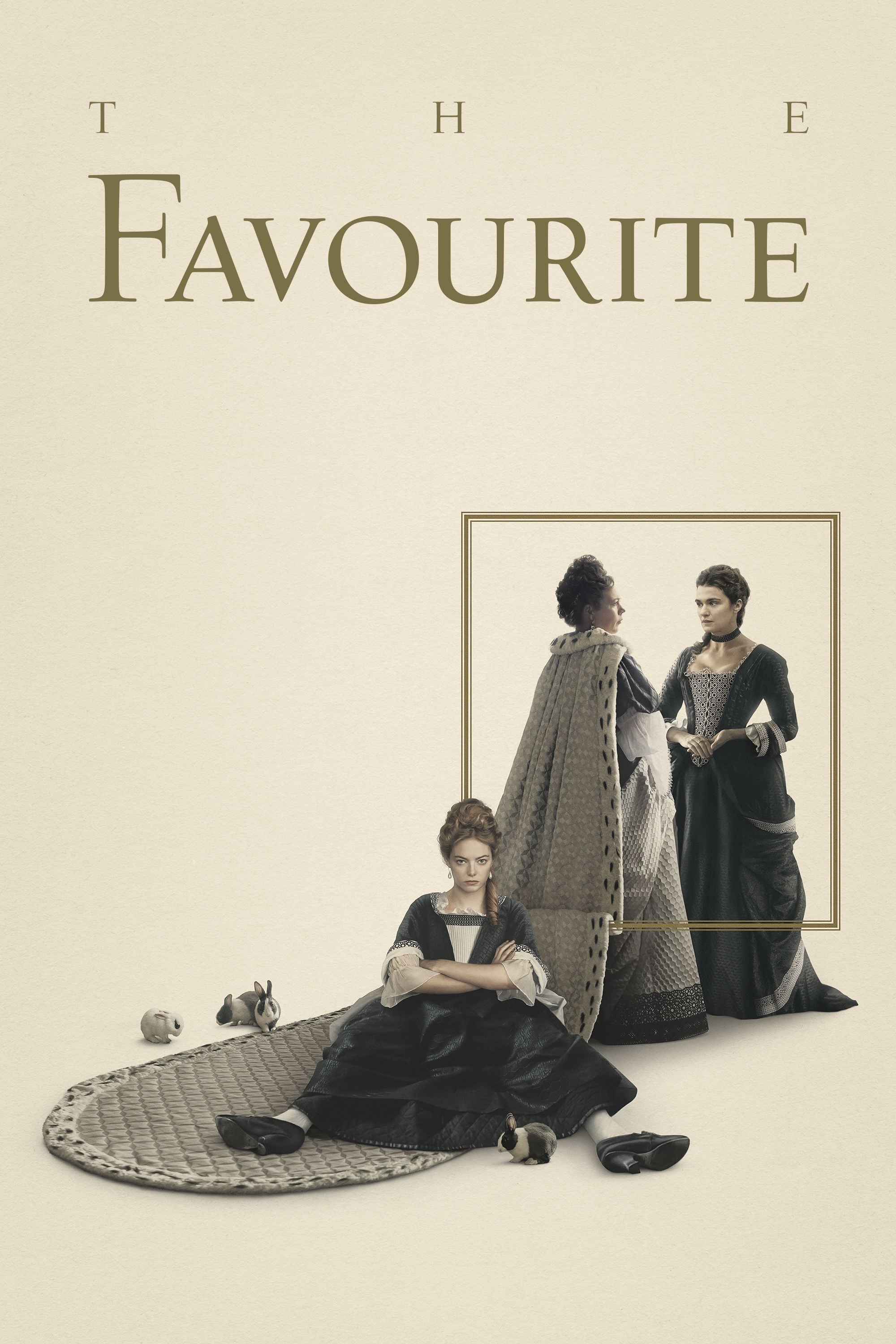
Filmed largely at Hatfield House, the production utilized the location’s real historical assets. The tapestries hanging on the walls were genuine 17th-century artifacts original to the house. The actors walked through halls lined with furniture that had been in place for centuries. The production used the natural gloom of the antique surroundings to light the scenes.
‘Marie Antoinette’ (2006)
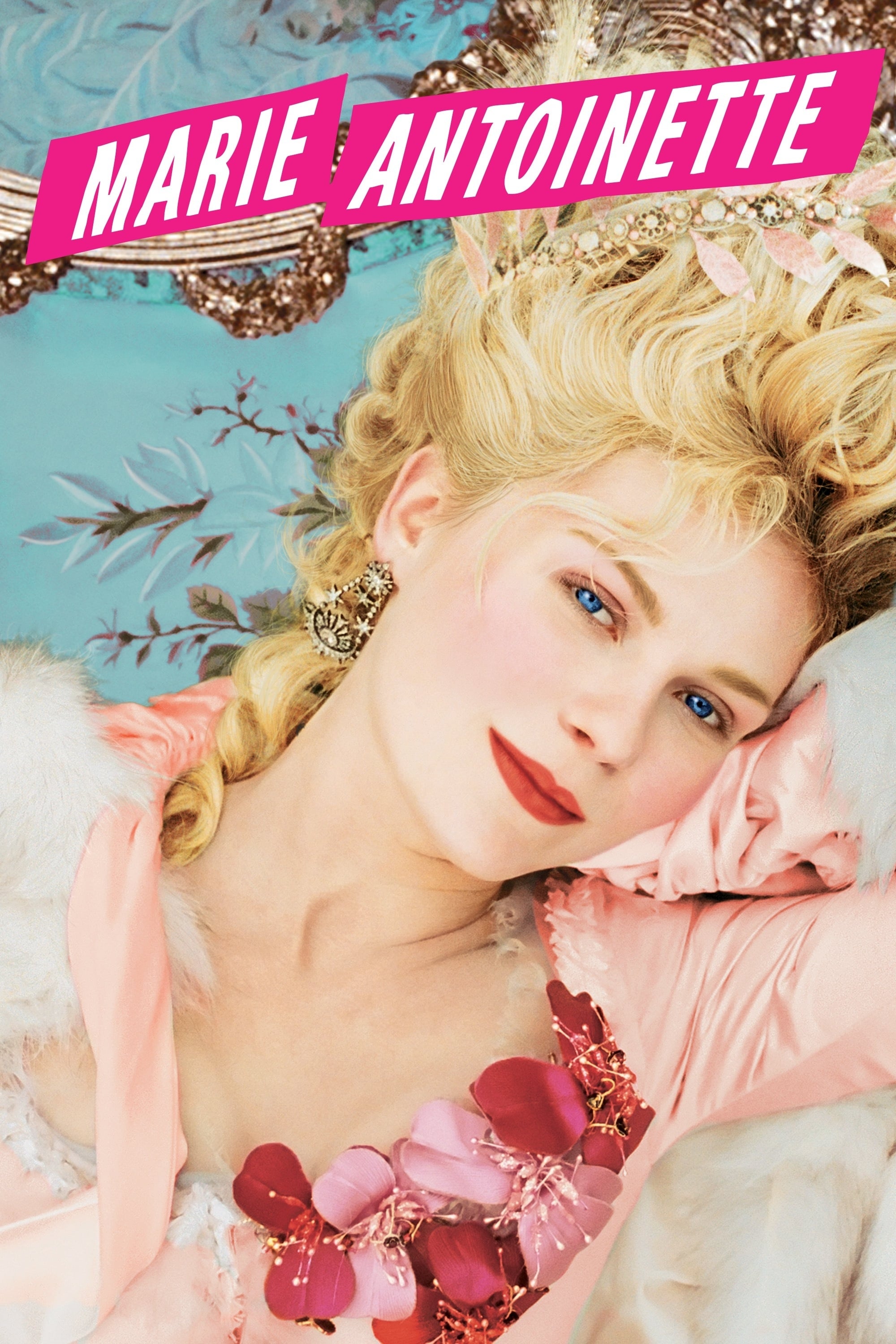
Sofia Coppola was granted unprecedented access to the Palace of Versailles. The furniture and wall coverings seen in the background were often the real items belonging to the French monarchy. While the costumes were new creations, the physical world the actors inhabited was the actual historical location. The gilded mirrors and chandeliers were the same ones that hung there before the French Revolution.
‘The Great Gatsby’ (2013)
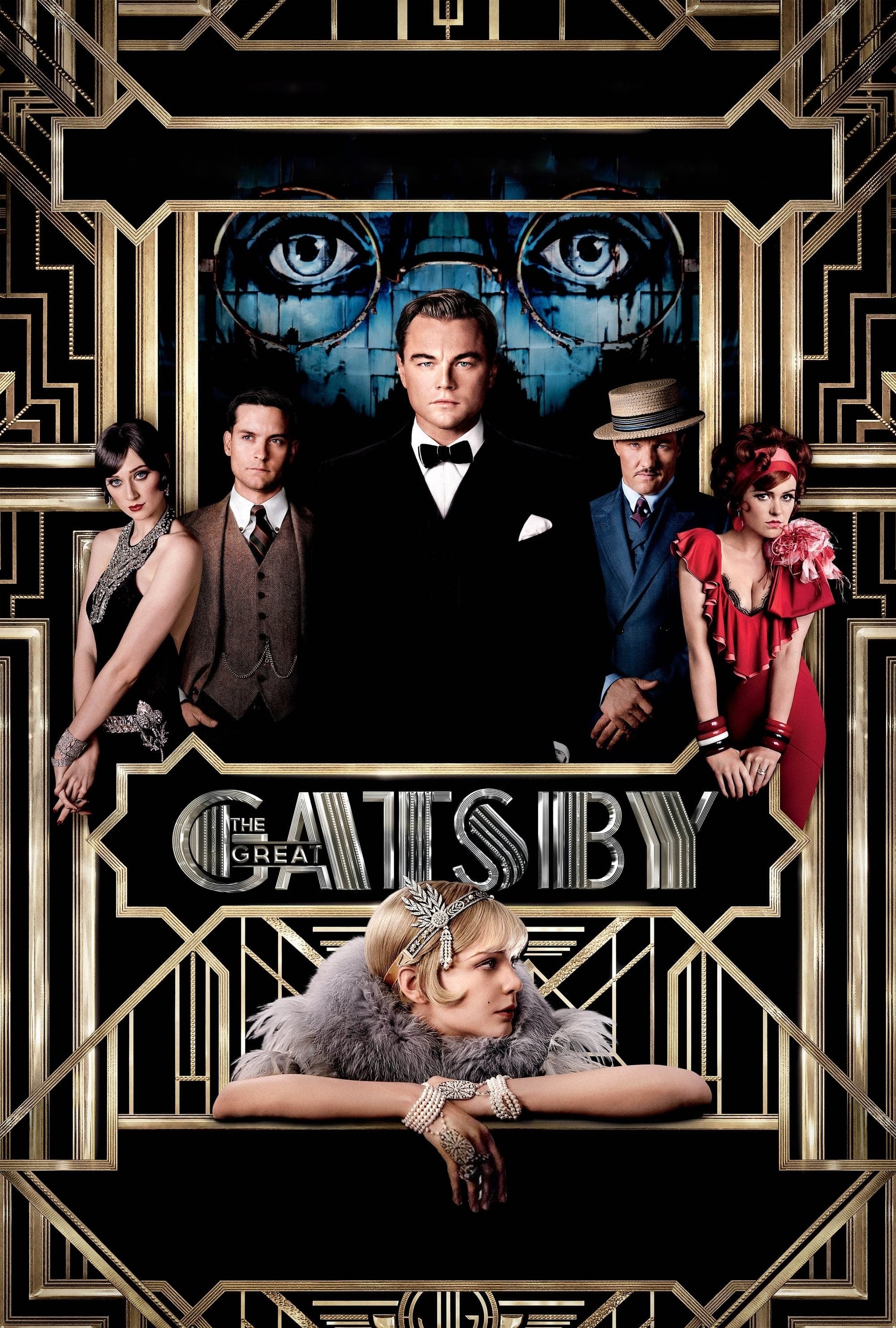
Baz Luhrmann collaborated with Tiffany & Co. to create the jewelry for the film. The designers opened their archives and allowed the production to use genuine Art Deco pieces from the 1920s. The headpieces and pearls worn by the cast were often real antiques worth millions of dollars. This added a layer of genuine Jazz Age opulence to the visual style.
‘Alien’ (1979)
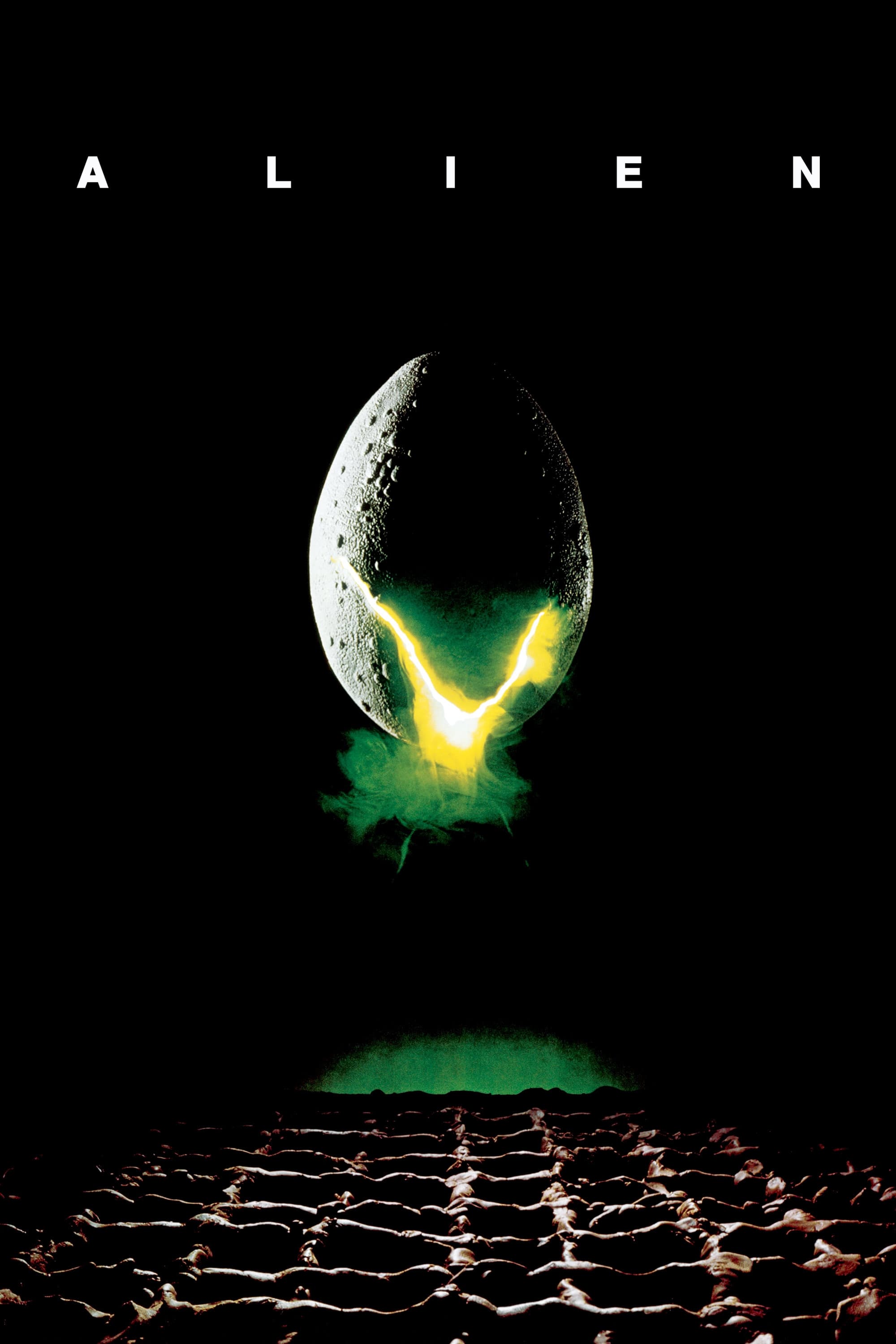
The interior of the Nostromo spaceship was designed to look like a heavy industrial environment. The set decorators purchased junked parts from old aircraft graveyards to build the ship. The self-destruct mechanism was built using real antique parts from a bomber aircraft. The landing legs of the ship were constructed from the landing gear of a scrapped bomber.
‘Aliens’ (1986)
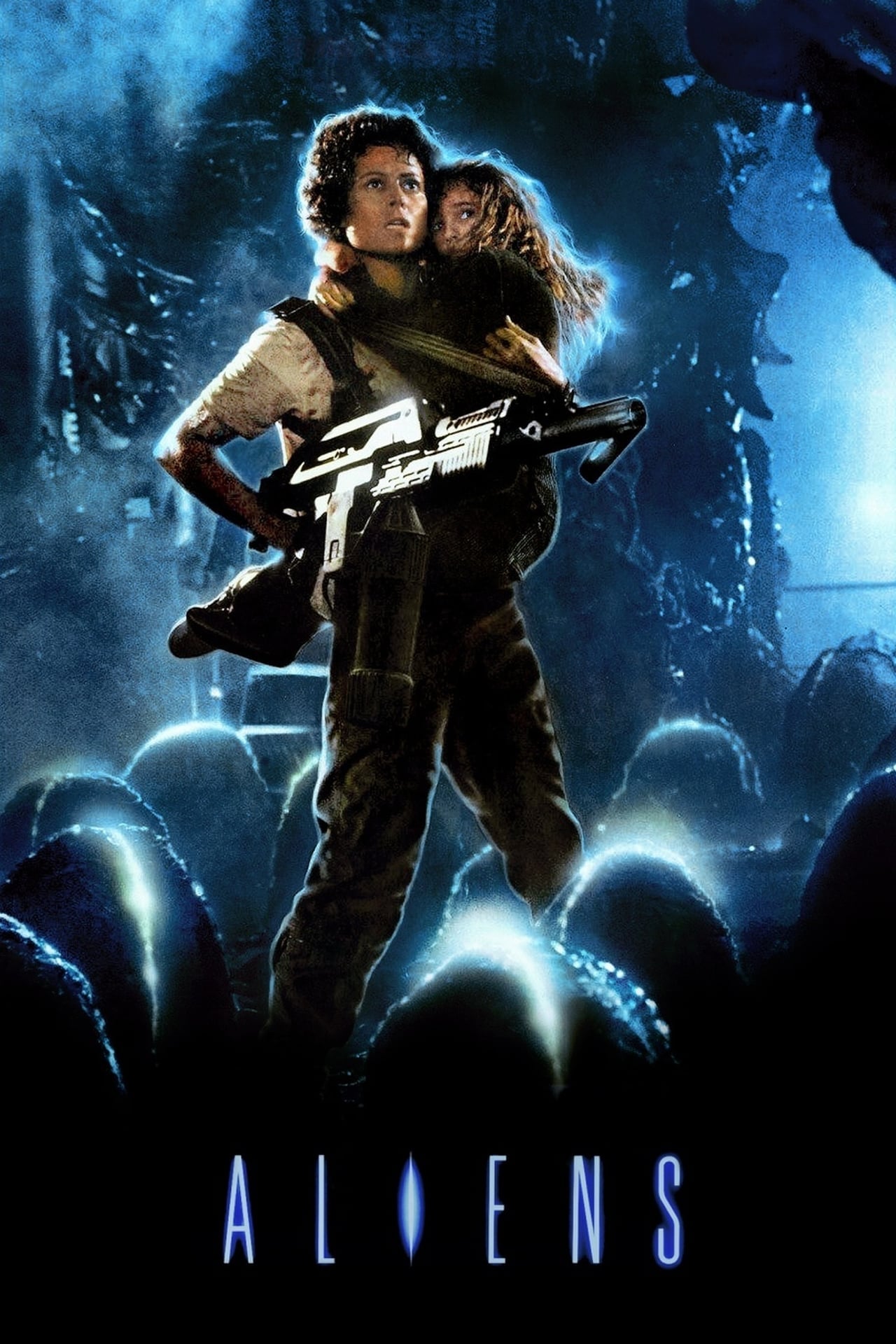
James Cameron needed futuristic weapons that looked functional and grounded. The Smart Guns used by the marines were built around genuine MG42 machine guns from World War II. The pulse rifles were constructed using parts from Thompson submachine guns and Remington shotguns. These antique firearms provided the realistic muzzle flash and mechanical action needed for the sci-fi shoot.
‘Blade Runner’ (1982)
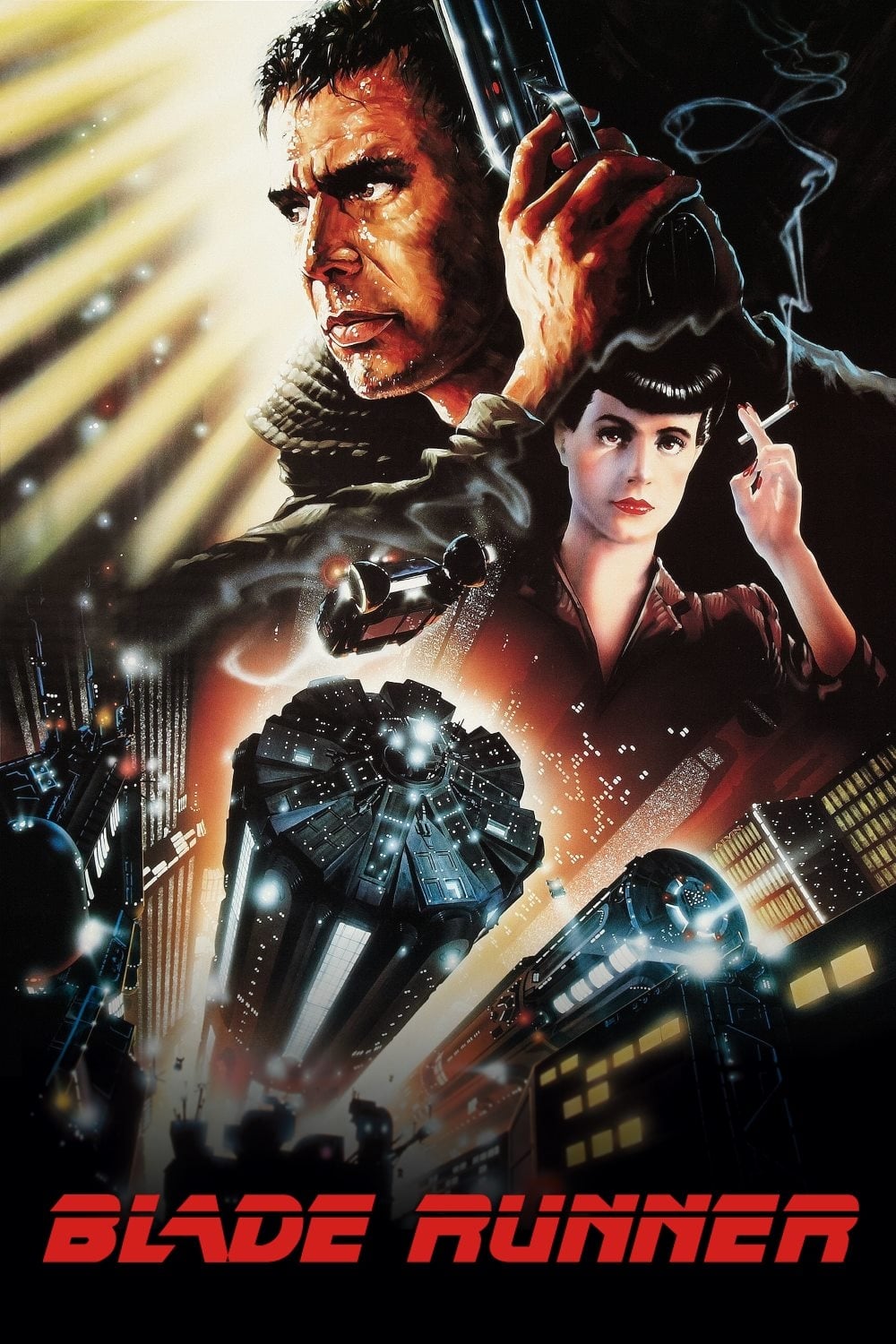
The futuristic prop guns in this noir sci-fi were built from real antique firearms. Harrison Ford’s blaster was constructed using the receiver of a Steyr Mannlicher .222 Model SL and parts from a Charter Arms Bulldog revolver. Using real steel gun parts gave the prop a weight and balance that plastic replicas lack. The result is one of the most iconic and realistic movie props in history.
‘The Imitation Game’ (2014)

Benedict Cumberbatch starred as Alan Turing in this drama about breaking the Nazi codes. The production managed to secure a real Enigma machine for use in the film. These devices are rare historical artifacts that are highly protected. Seeing the actor interact with the actual mechanical cipher machine added a level of documentary realism to the scenes.
‘Apollo 13’ (1995)
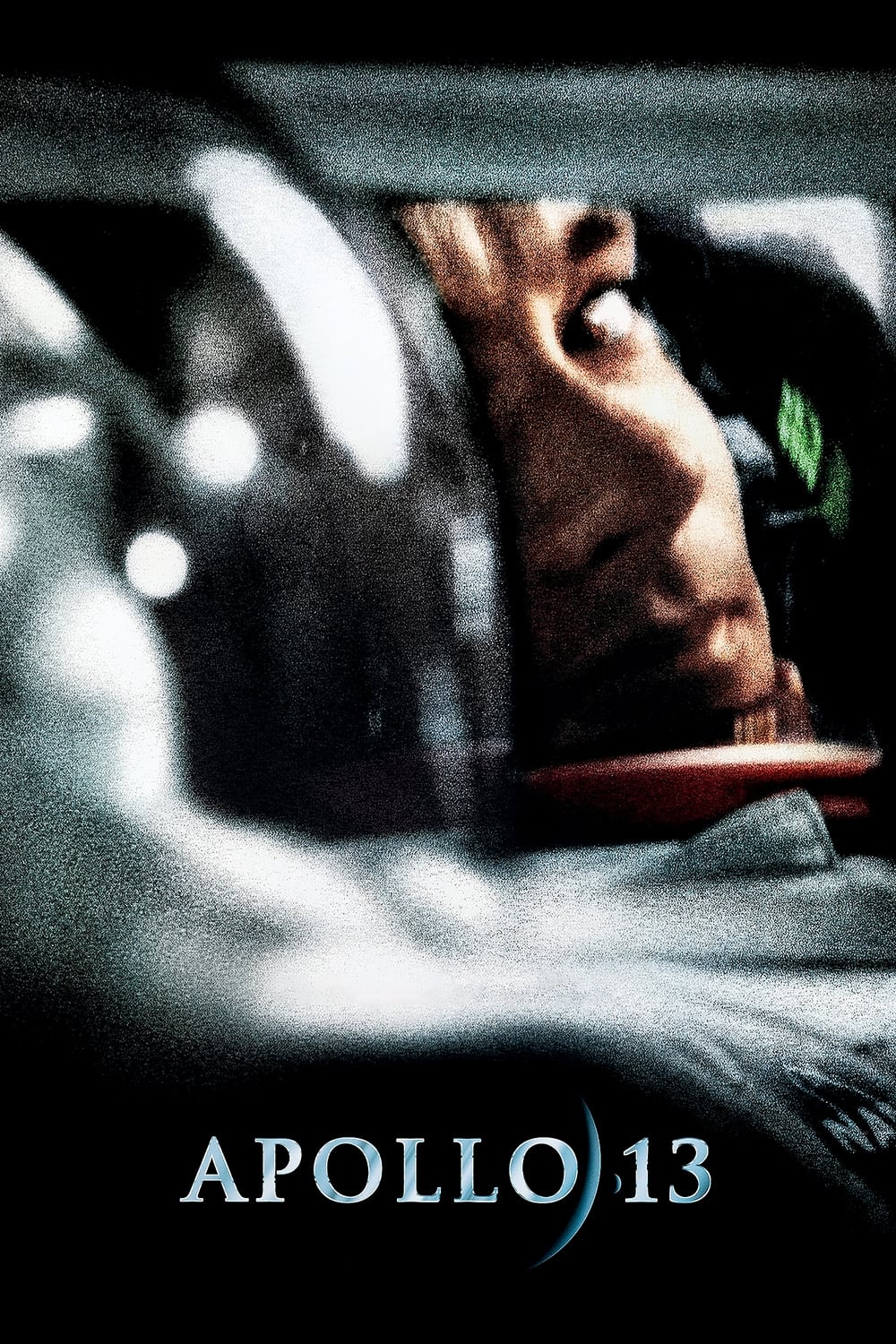
Ron Howard wanted to simulate weightlessness without using wires or green screens. He filmed the zero-gravity sequences aboard the real KC-135 aircraft used by NASA for training. This plane, known as the “Vomit Comet,” is a genuine piece of aerospace history. The actors floated in a real aircraft set just as the astronauts did in real life.
‘First Man’ (2018)
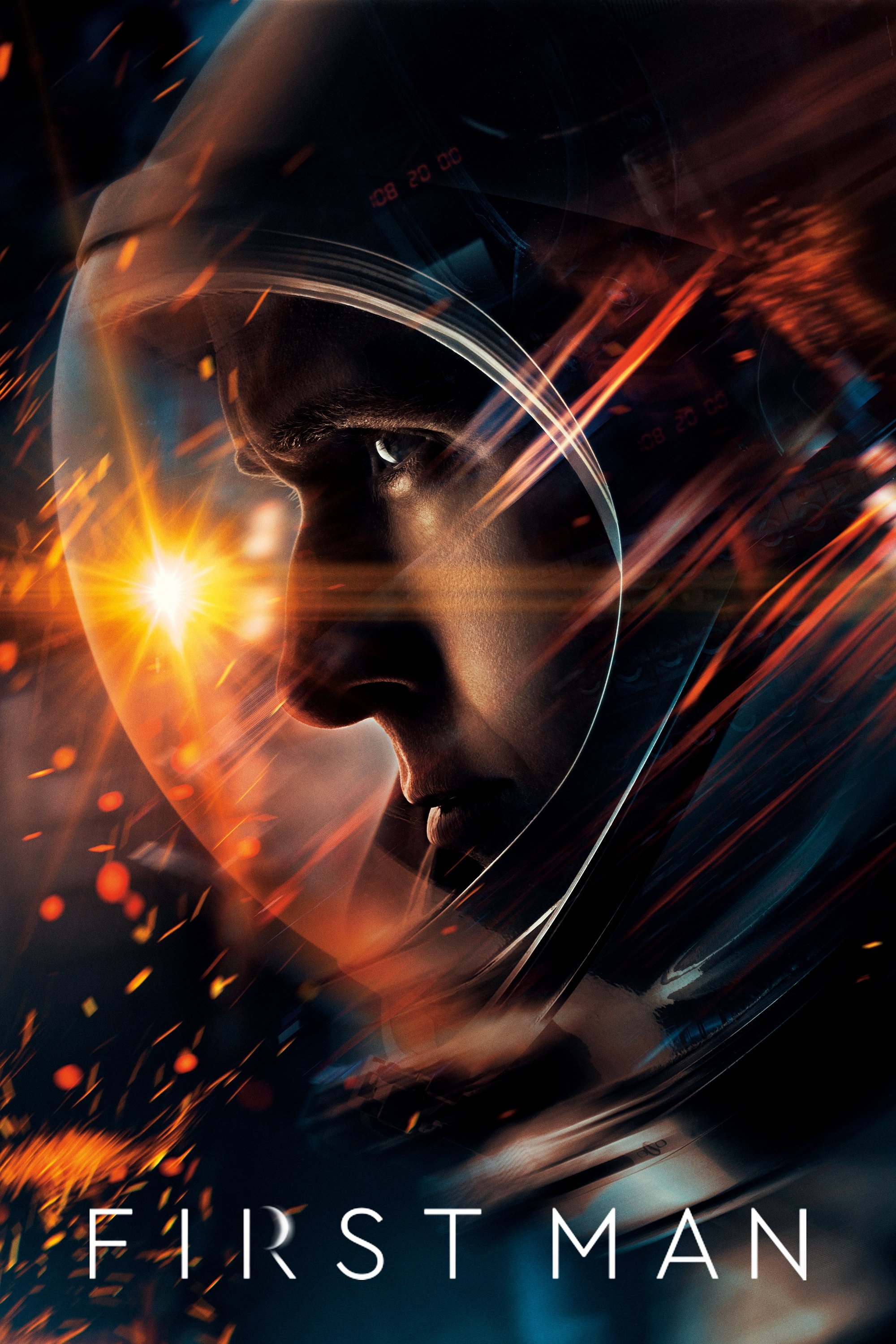
Damien Chazelle used a similar approach to authenticity for his Neil Armstrong biopic. The production team sourced real archival NASA equipment for the mission control sets. The dials, switches, and monitors were genuine antiques from the 1960s space program. This attention to tactile detail helped convey the analog nature of the early space race.
‘Lincoln’ (2012)
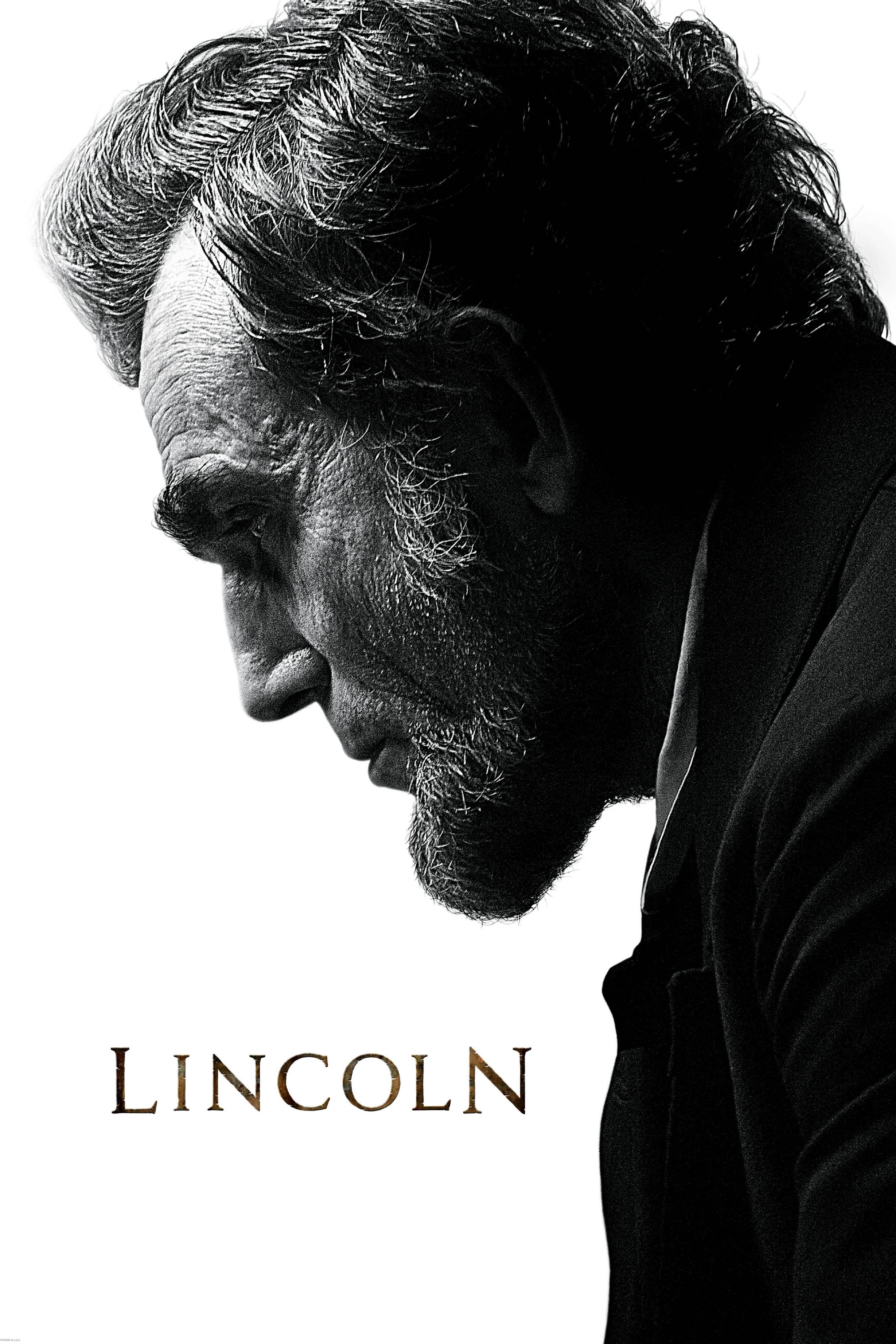
Steven Spielberg obsessed over the sound design for this historical biopic. He gained access to the actual pocket watch carried by Abraham Lincoln. The production recorded the sound of the real watch ticking and used it in the film. It is a subtle detail that brings a genuine piece of the president’s life into the movie.
‘Titanic’ (1997)
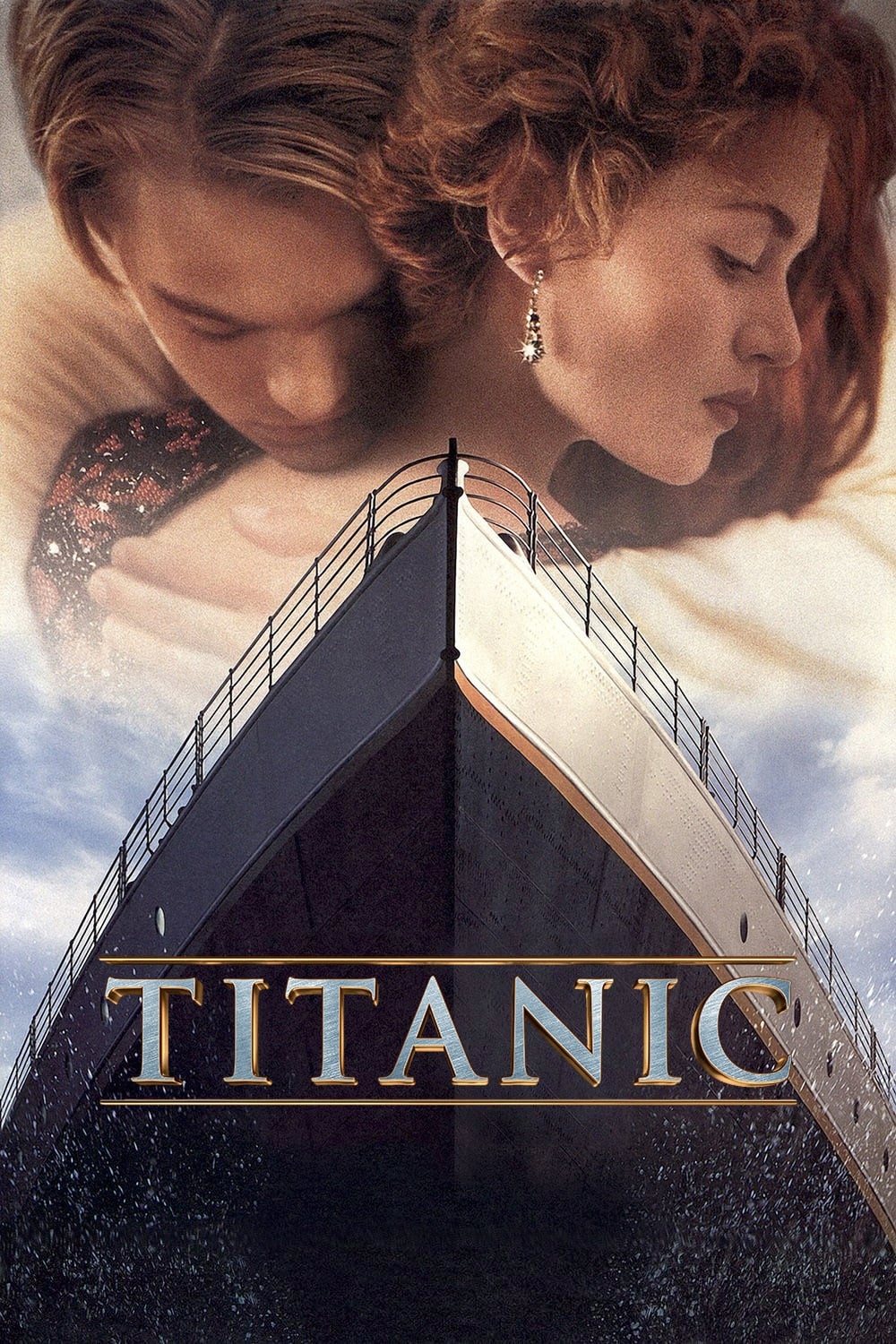
James Cameron demanded perfection for the dining room scenes on the ill-fated ship. The production commissioned the original manufacturers to reproduce the china and silverware. However, they also utilized genuine White Star Line artifacts for specific close-ups and set dressing. The production was a mix of high-end reproduction and actual historical items.
‘Casino Royale’ (2006)
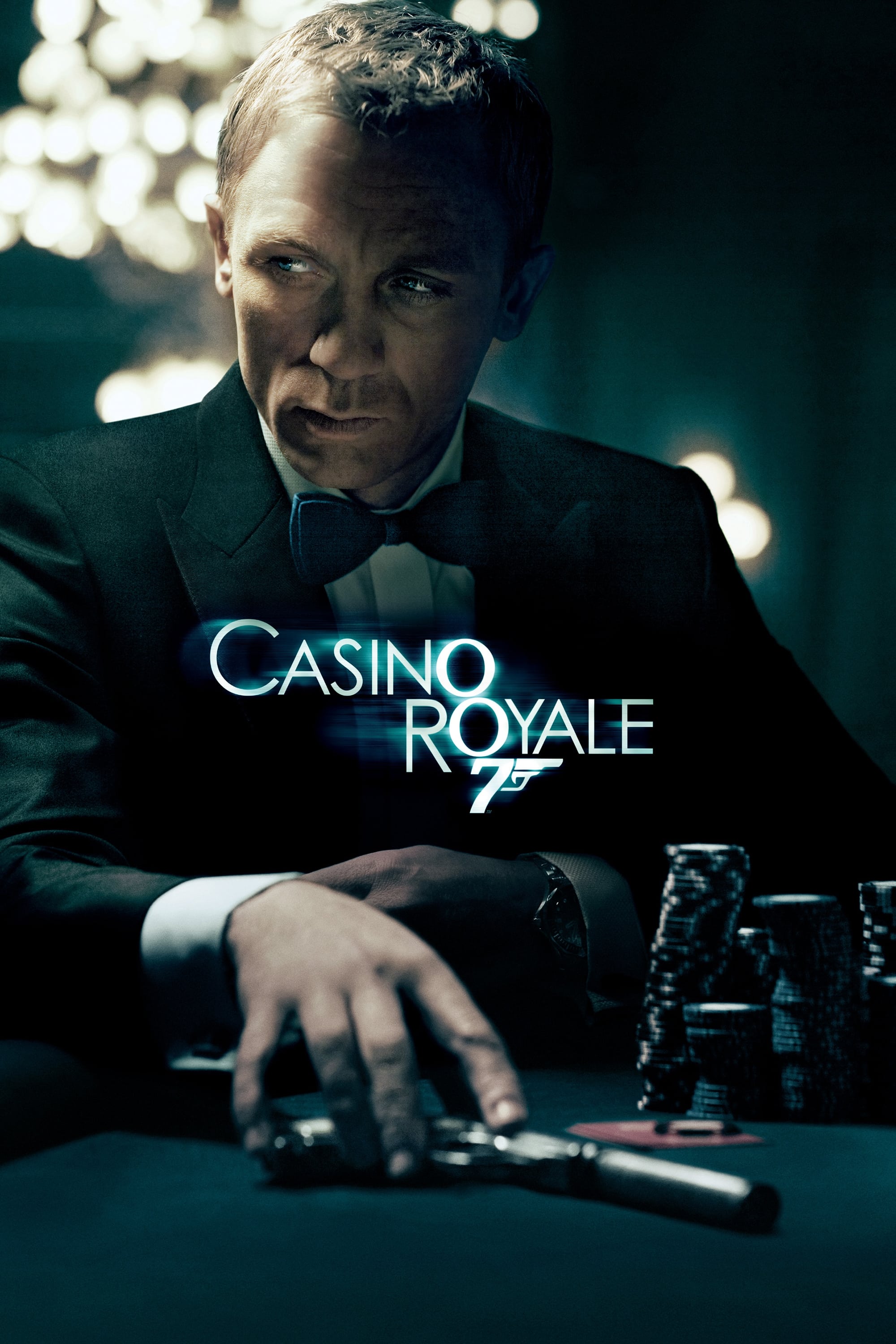
James Bond wins a classic Aston Martin DB5 in a poker game in the Bahamas. The car used was a genuine 1964 model, making it a true antique prop by the time of filming. The vehicle represents the history of the franchise and is a tangible link to the 1960s films. It stands as one of the most valuable vintage car props in cinema.
‘Sunset Boulevard’ (1950)
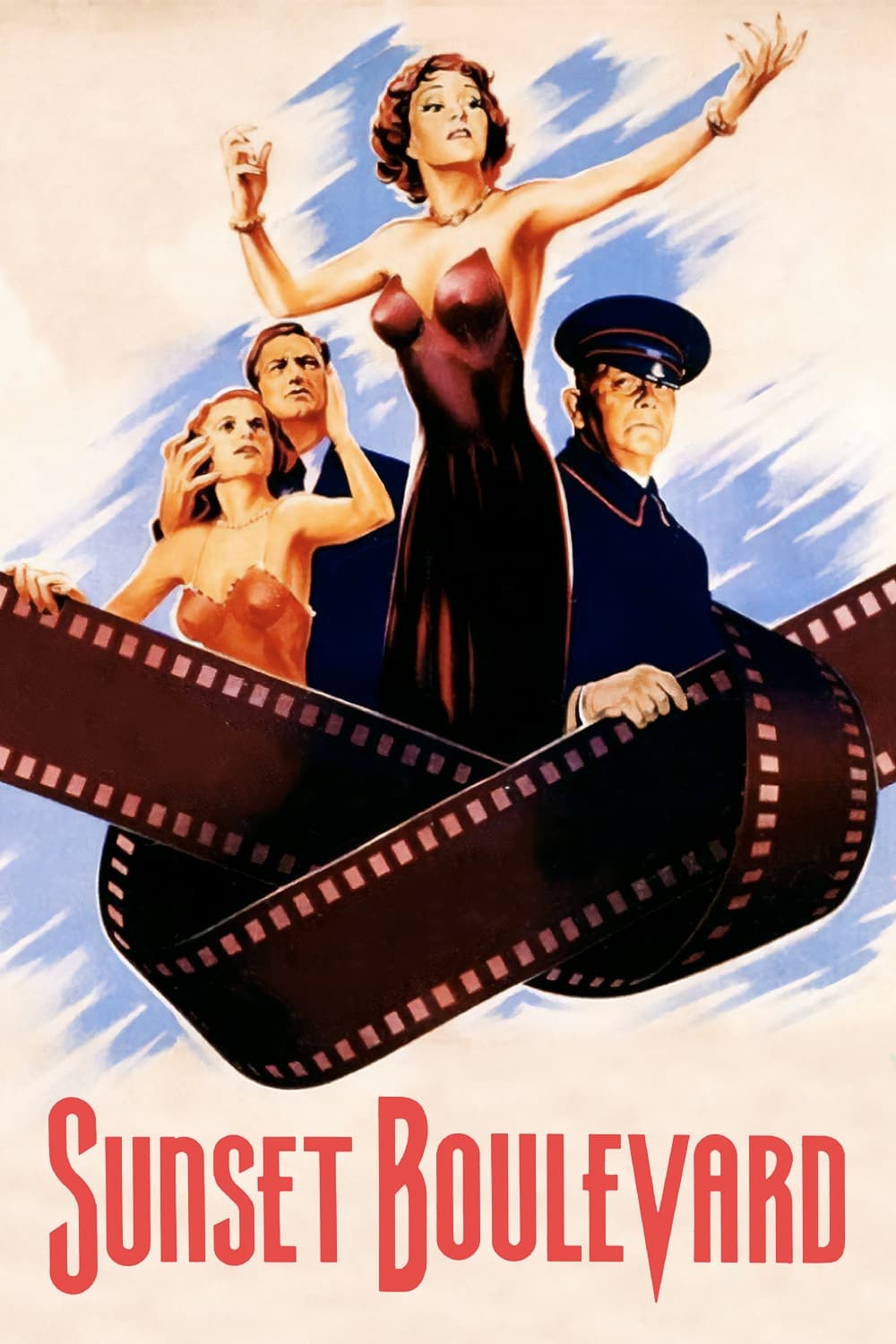
The faded silent film star Norma Desmond is driven around in a luxurious Isotta Fraschini. The car used in the film actually belonged to the actress Gloria Swanson herself. It was a genuine luxury vehicle from the 1920s that she had kept for decades. The car was a true relic of the silent era, perfectly mirroring the character’s obsession with the past.
‘Gone with the Wind’ (1939)
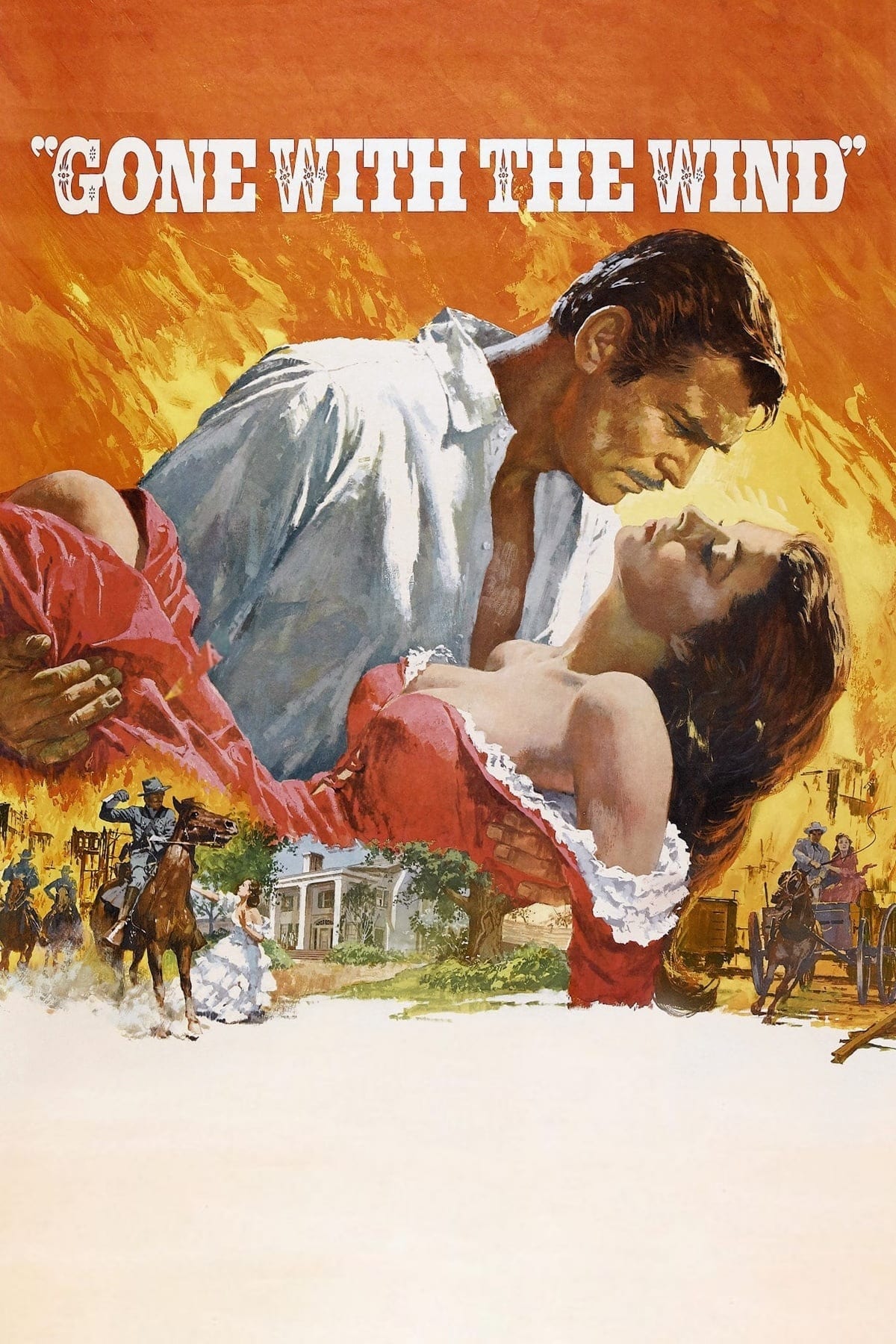
The burning of the Atlanta Depot was one of the first scenes filmed for the production. To create the massive inferno, the studio burned down old sets that were cluttering the backlot. These included the Great Wall from the 1933 film ‘King Kong’ and sets from ‘The Garden of Allah’. The “props” destroyed were actual pieces of Hollywood history.
‘Gettysburg’ (1993)
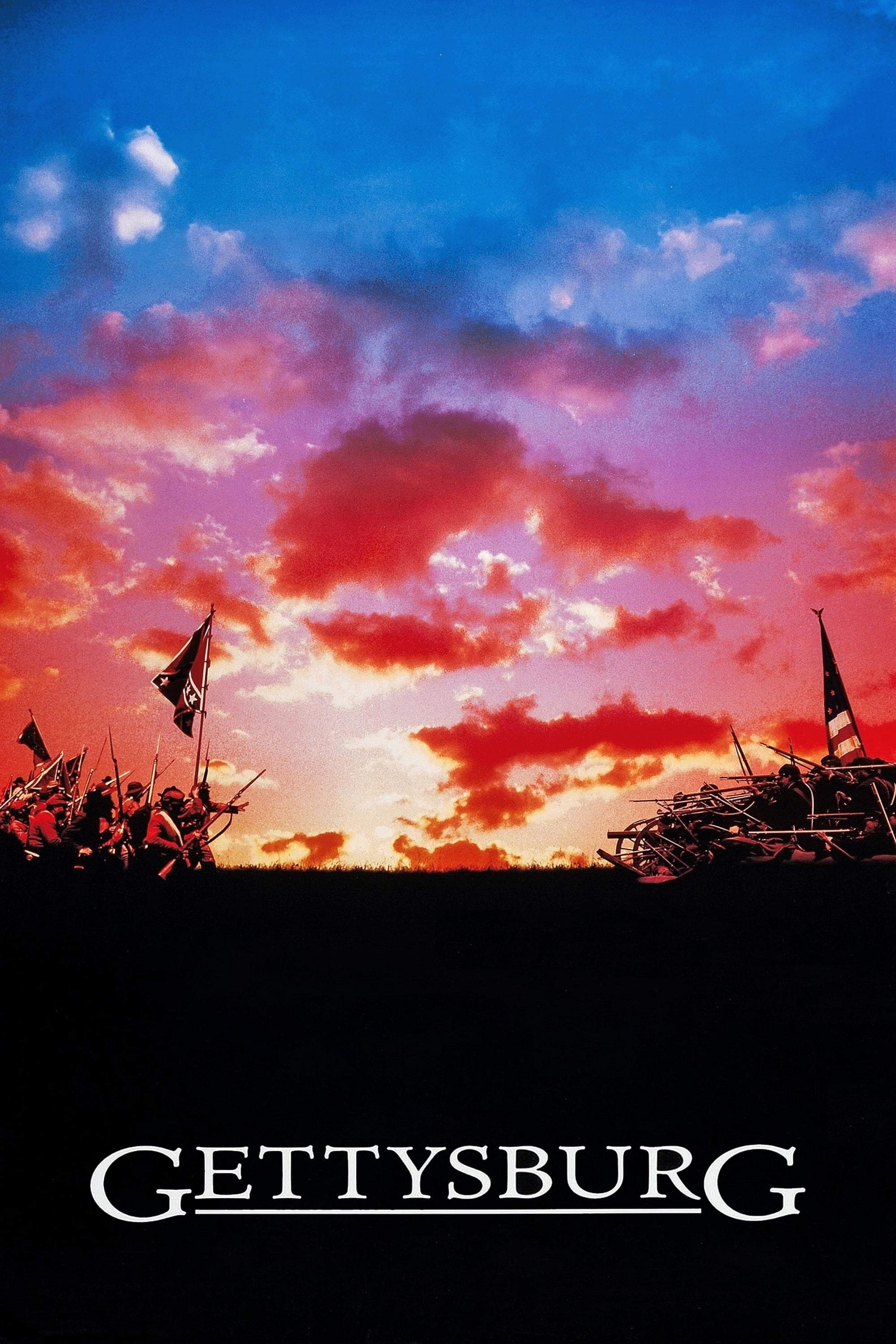
This massive Civil War epic relied heavily on the participation of historical reenactors. Thousands of extras brought their own uniforms and muskets to the set. Many of these weapons were genuine antique firearms from the 1860s that had been passed down or collected. The sound of thousands of real black powder rifles firing created a deafeningly realistic soundscape.
‘Gods and Generals’ (2003)

Like its predecessor, this film utilized the passion and resources of the reenactment community. Many of the cannons and sidearms seen on screen were real antiques provided by collectors. The production allowed these historians to use their authentic gear to ensure the battle scenes looked correct. It created a visual fidelity that costume departments alone could not achieve.
Which of these historical props would you most like to own? Let us know in the comments.