


15 Films with Controversial Blackface-to-POC Recasts in Sequels

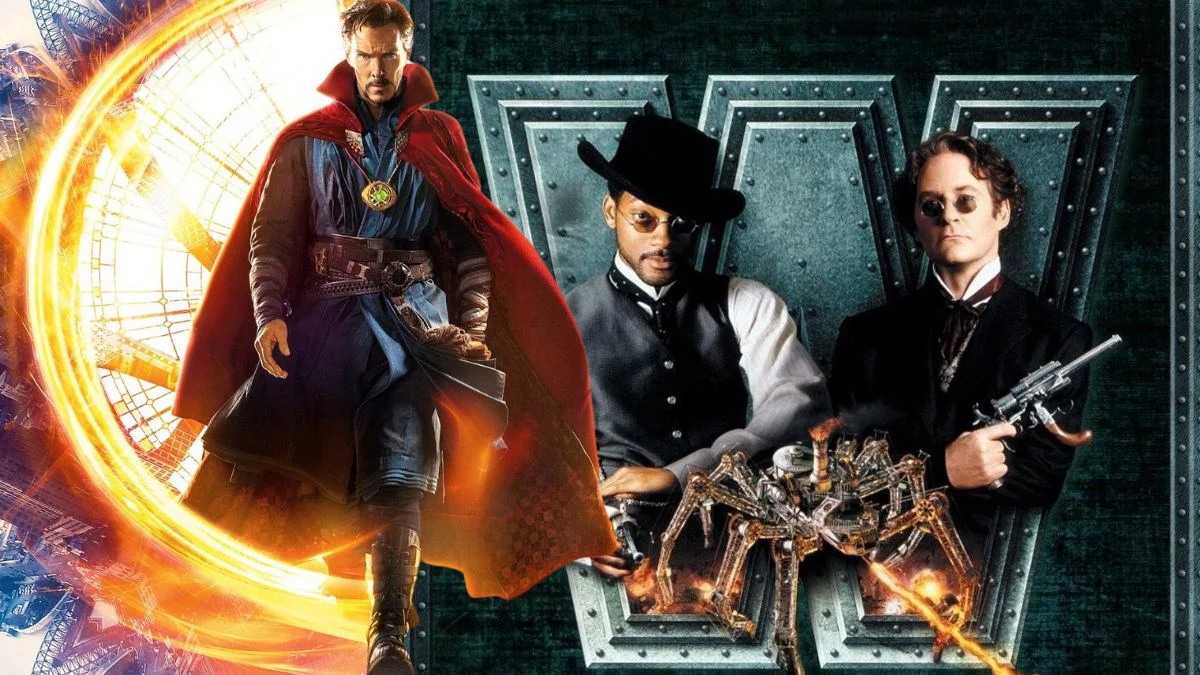


Hollywood has a complex history regarding racial representation, often relying on white actors to portray characters of color in early cinema. As the industry evolves, many franchises have sought to correct these past decisions by casting actors of color in roles previously occupied by white performers. These changes often spark intense debate among purists who favor the original source material and modern audiences advocating for diversity. The following list explores fifteen instances where iconic characters underwent significant racial shifts in sequels, reboots, and franchise continuations.
‘Never Say Never Again’ (1983)
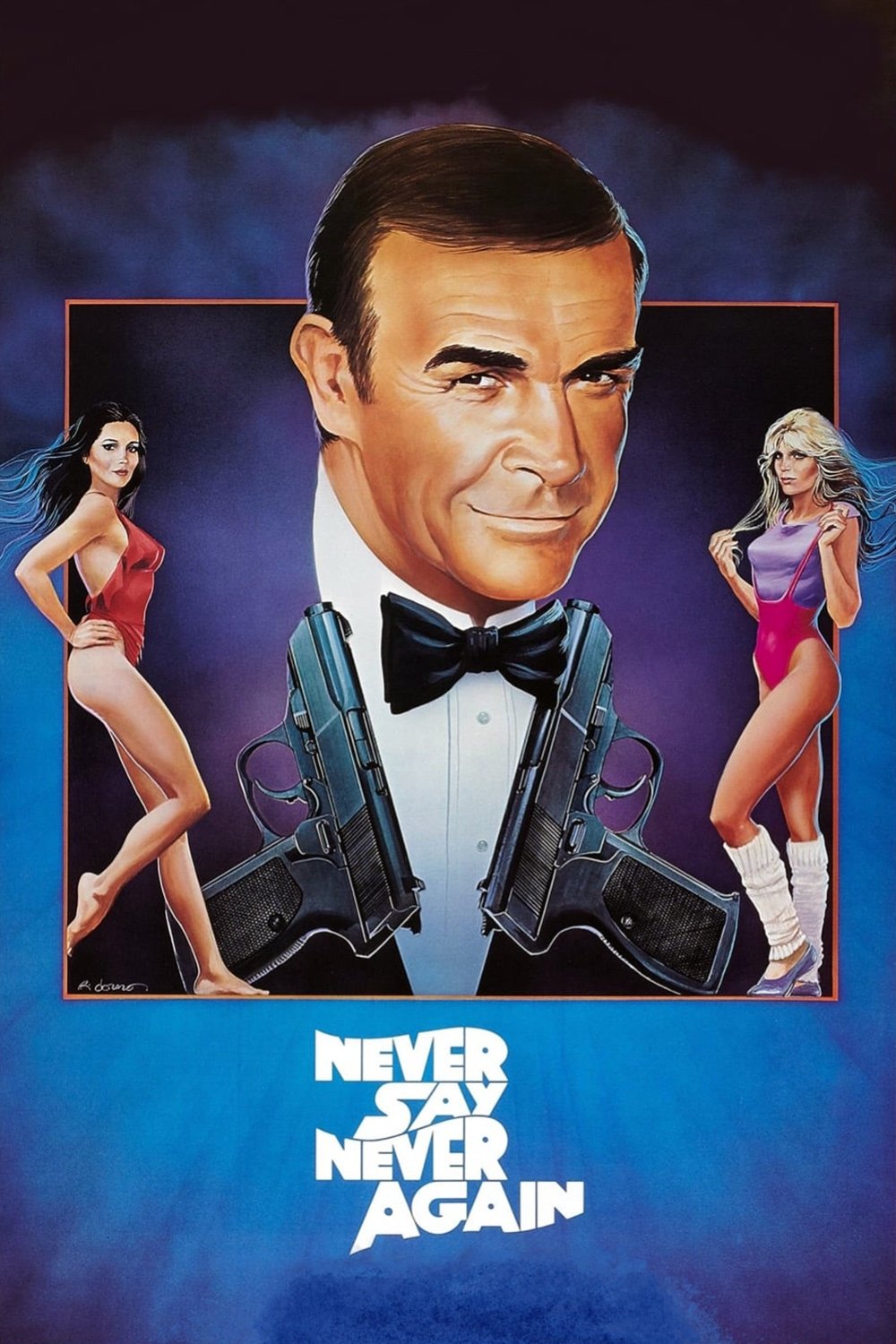
The character of Felix Leiter serves as James Bond’s reliable liaison within the CIA and was traditionally played by white actors in the official Eon Productions films. For this non-canonical entry in the Bond franchise, the role was reimagined with Bernie Casey, marking the first time a Black actor portrayed the character. This casting choice added a distinct camaraderie and cool demeanor that set it apart from previous iterations. The decision paved the way for future diverse castings within the spy genre.
‘Wild Wild West’ (1999)
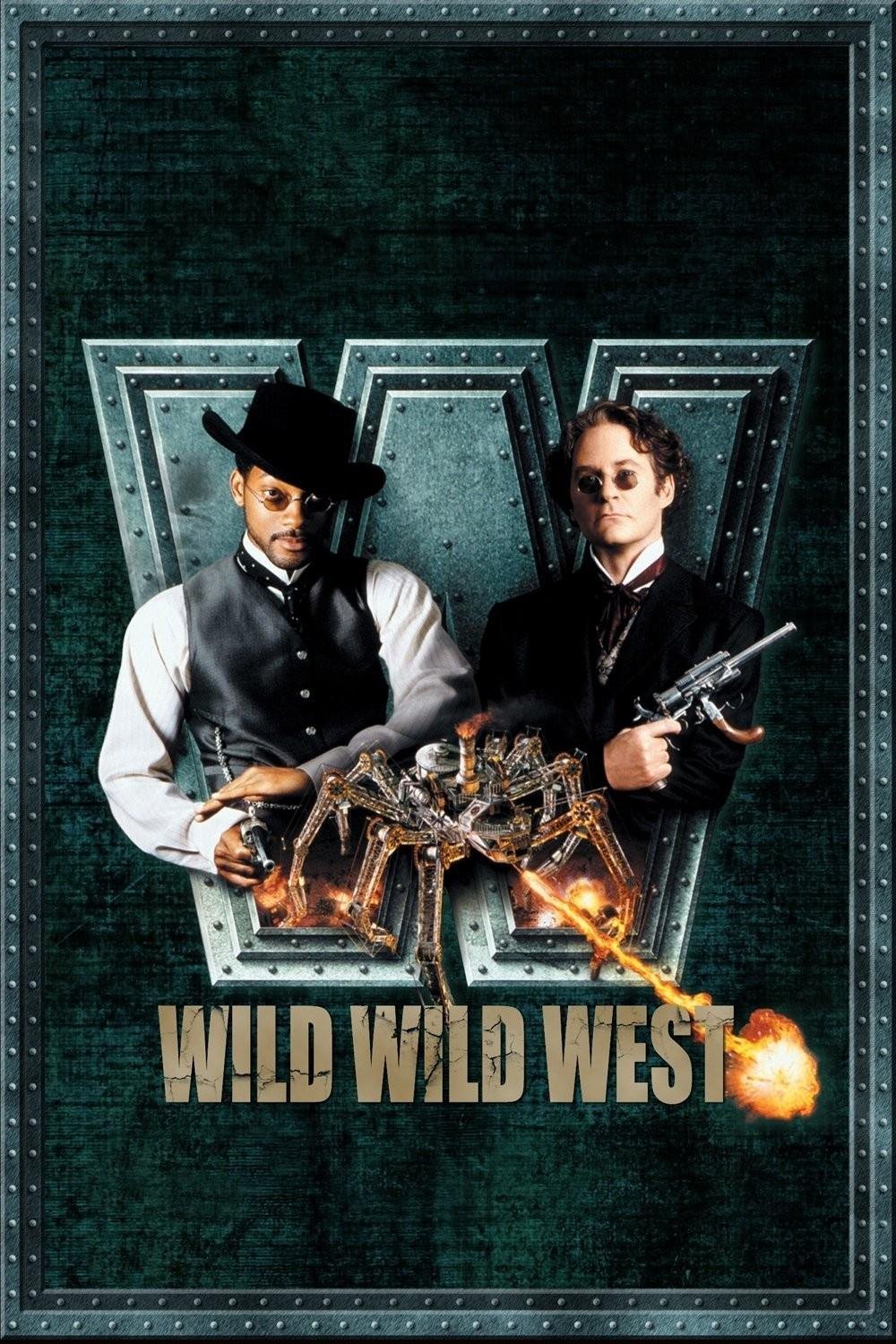
The original television series from the 1960s starred Robert Conrad as the charm-heavy government agent James West. In this big-budget cinematic adaptation, Will Smith took over the mantle, transforming the character into a smooth-talking hero with a completely different background. The film reimagined the dynamics of the partnership between West and Artemis Gordon to fit Smith’s star power. While the movie itself received mixed reviews, the recasting demonstrated a major shift in who could lead a western blockbuster.
‘Catwoman’ (2004)
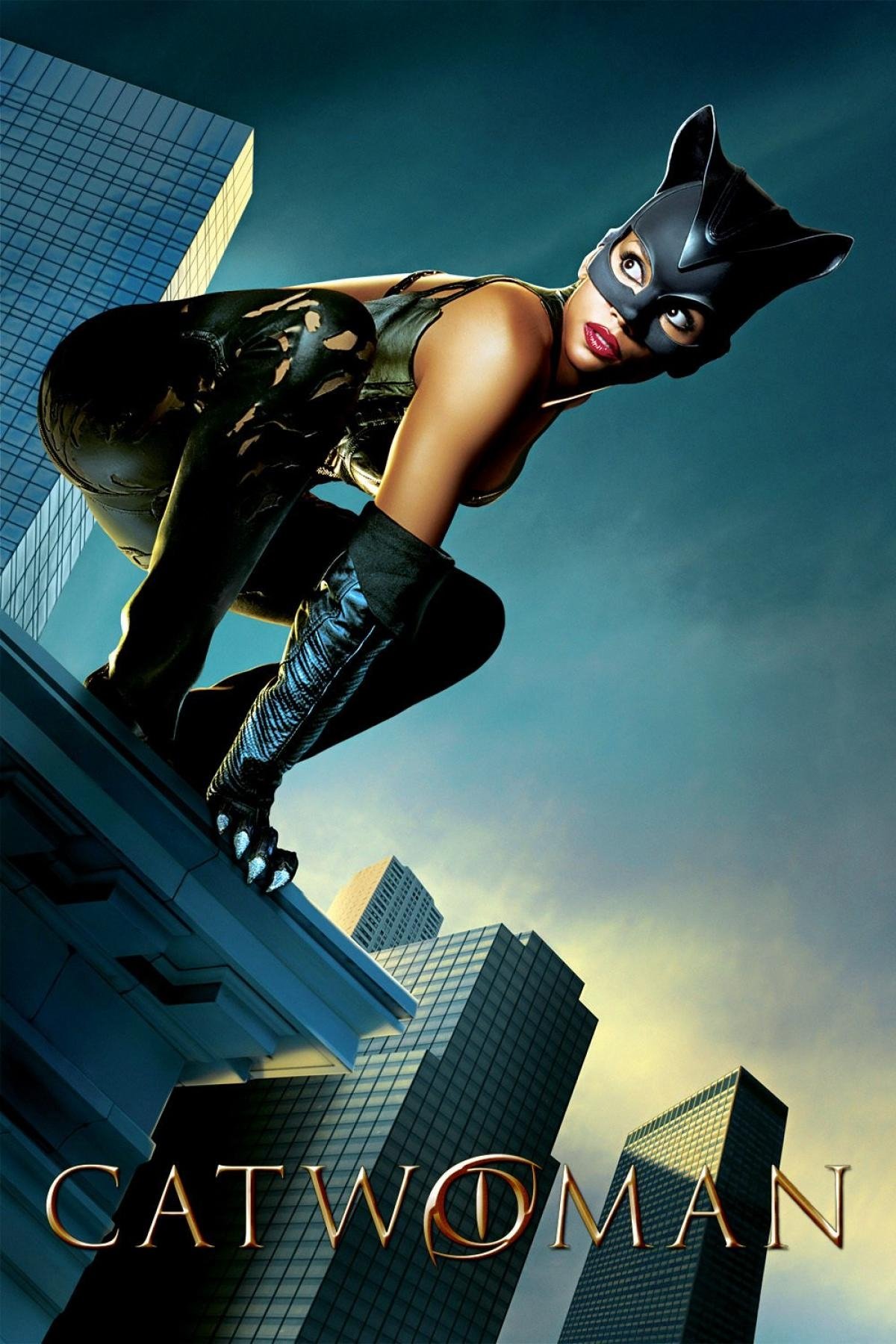
Selina Kyle and the Catwoman persona were famously portrayed by white actresses like Julie Newmar and Michelle Pfeiffer in previous Batman installments. This standalone film introduced Patience Phillips, played by Halle Berry, as a new character inheriting the Catwoman mantle. The film attempted to detach the anti-heroine from the Gotham City mythology established in earlier movies. Critics largely panned the film, but Berry’s casting remained a high-profile example of reimagining a traditionally white comic book icon.
‘Casino Royale’ (2006)
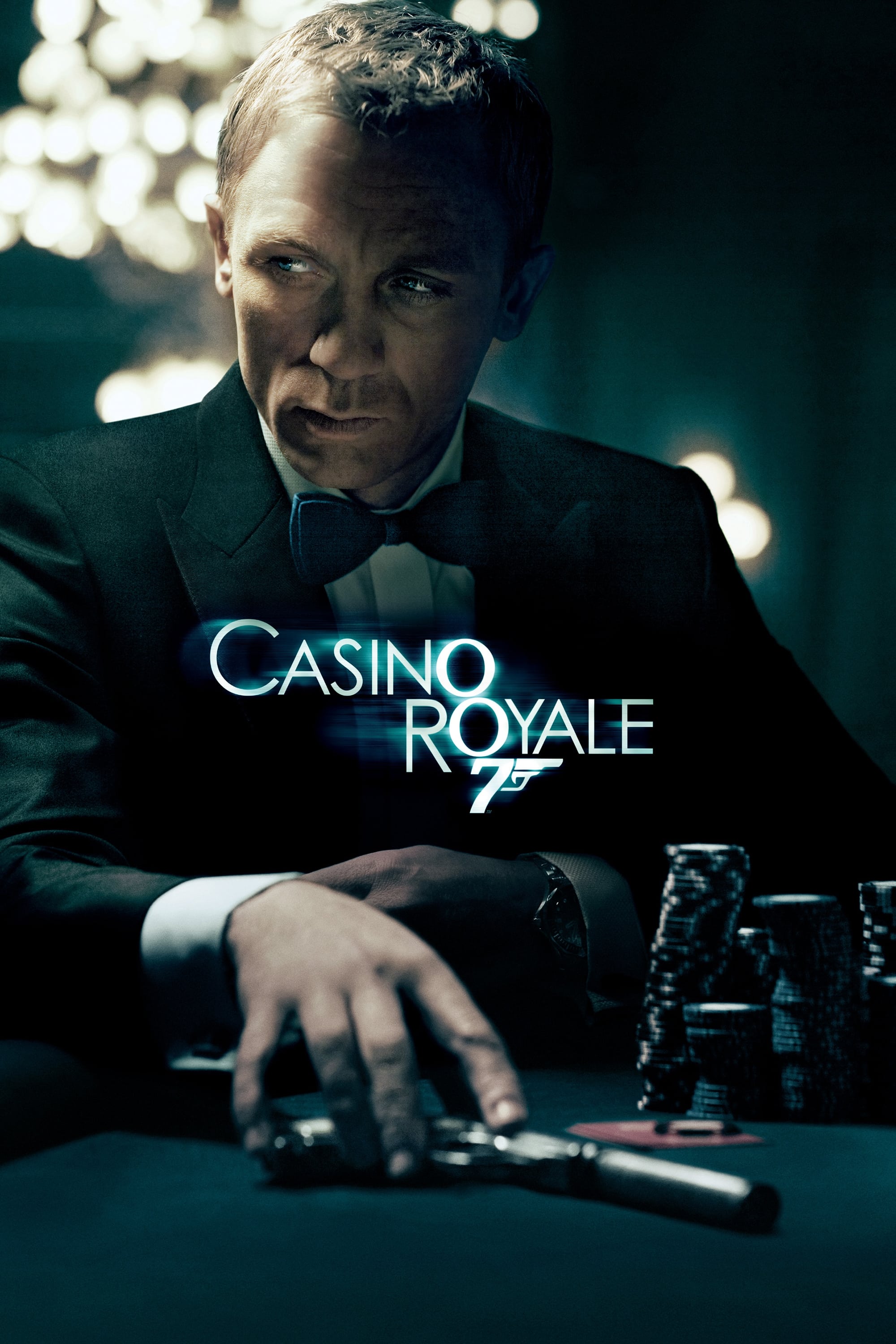
After decades of white actors playing Felix Leiter in the official Bond canon, the franchise rebooted with Jeffrey Wright in the role. Wright brought a grounded and cynical edge to the character that matched the grittier tone of Daniel Craig’s 007. This version of Leiter was more of an active field operative rather than just a bureaucratic ally. Wright became the first actor to play Leiter in three separate Bond films, solidifying his interpretation as the definitive modern version.
‘The Karate Kid’ (2010)
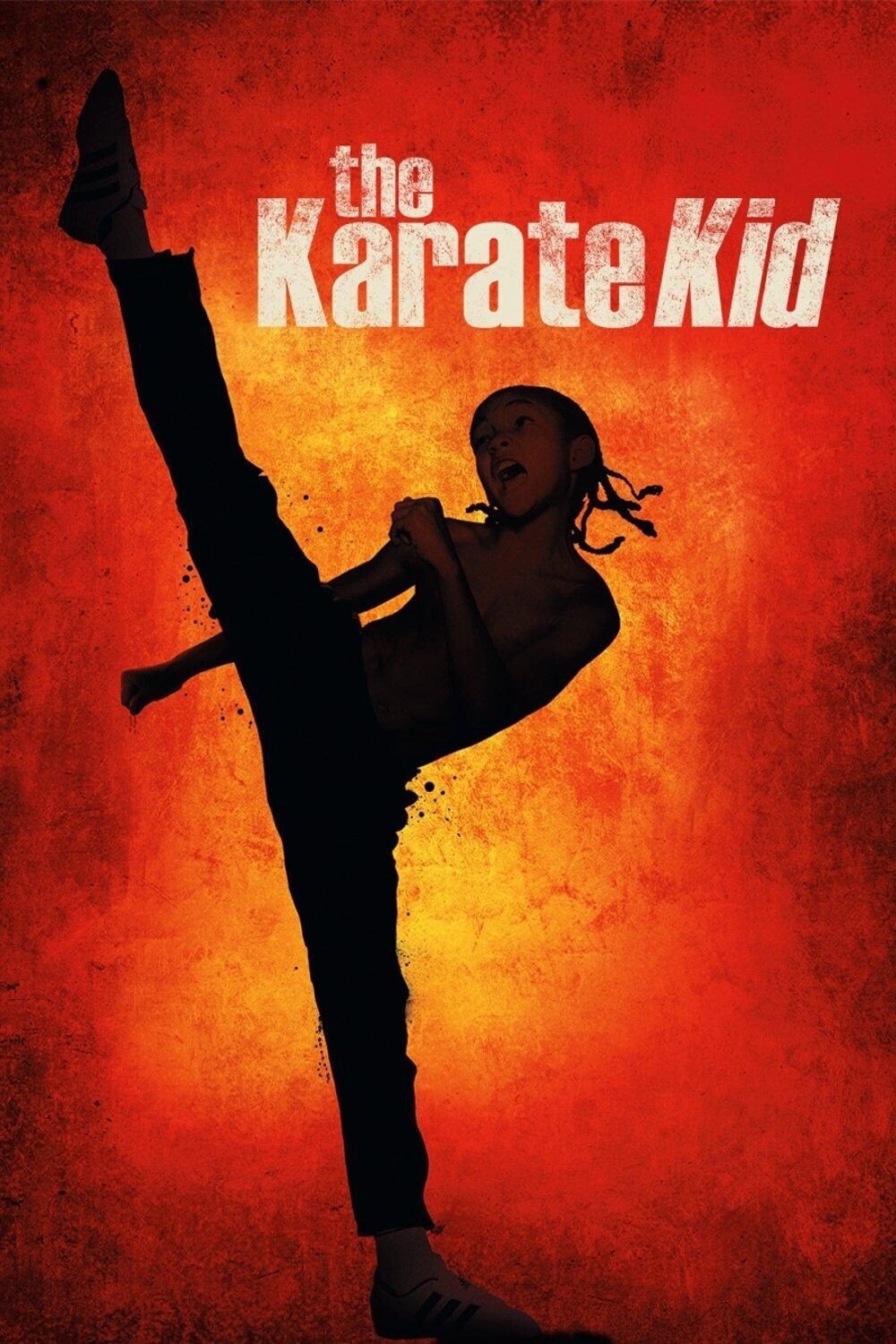
The original 1984 film starred Ralph Macchio as Daniel LaRusso, an Italian-American teenager learning martial arts. In this modern update, Jaden Smith starred as Dre Parker, a young boy who moves from Detroit to Beijing. The setting shifted from karate to kung fu, though the title remained the same for brand recognition. The film successfully translated the underdog story to a new cultural context, proving the themes were universal regardless of the protagonist’s race.
‘Thor’ (2011)
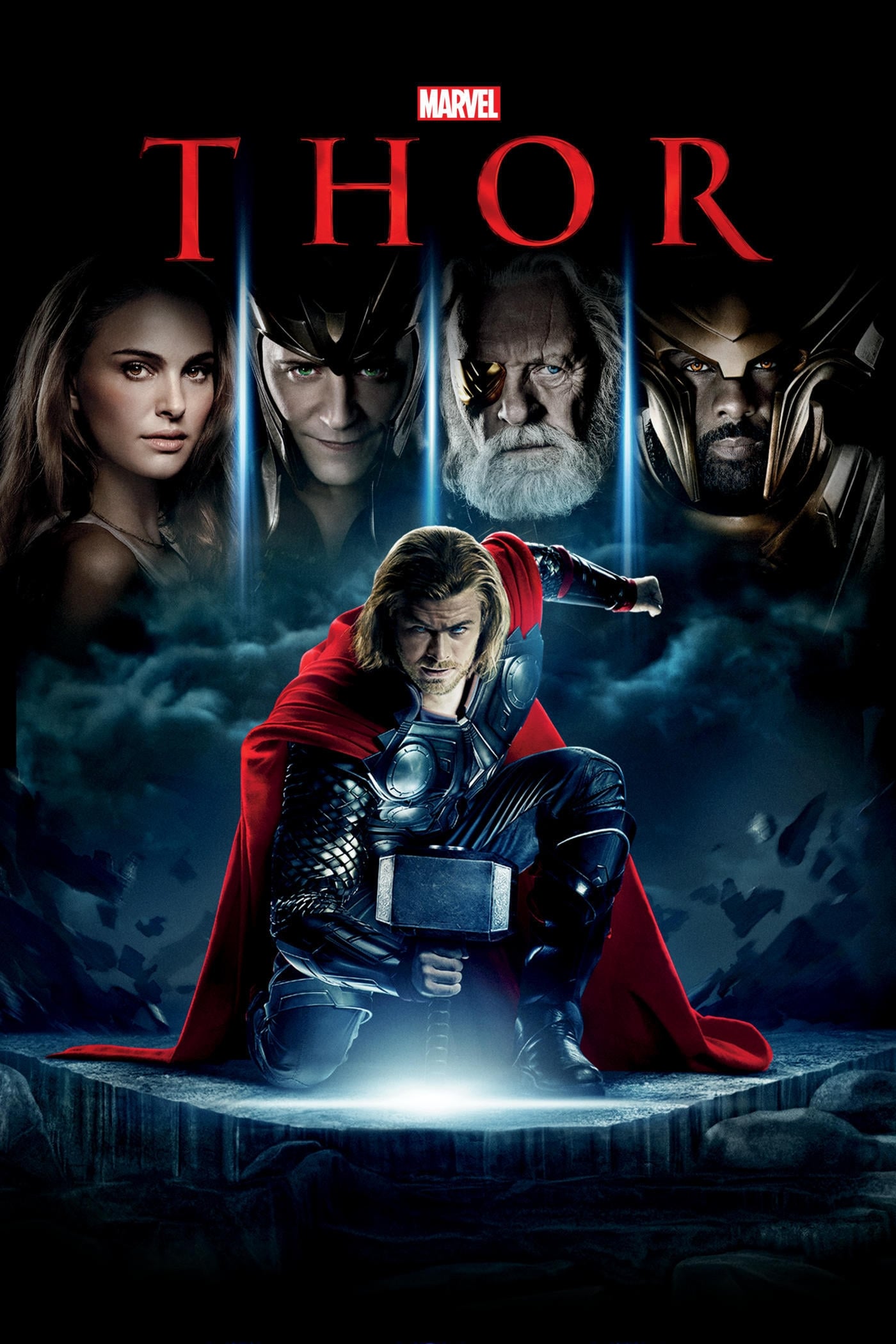
Heimdall is the all-seeing guardian of the bifrost bridge in Norse mythology and was depicted as white in early comic books. Director Kenneth Branagh cast Idris Elba in the role for the Marvel Cinematic Universe, sparking immediate controversy among some vocal groups. Elba silenced critics with a commanding performance that brought gravitas and nobility to the Asgardian sentry. His portrayal became a fan favorite and expanded the visual diversity of the mythical realm across several sequels.
‘Man of Steel’ (2013)
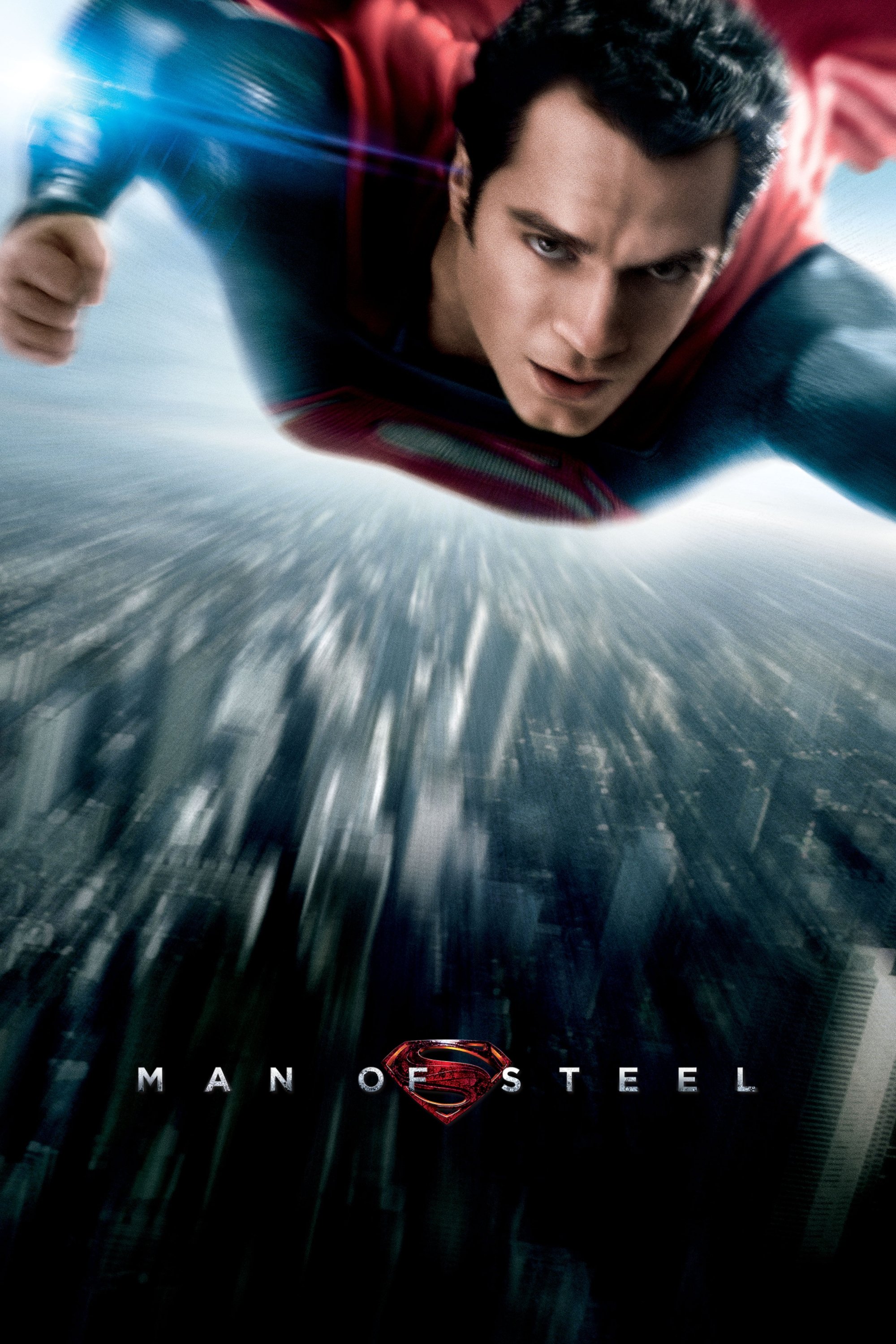
Perry White, the gruff editor-in-chief of the Daily Planet, was a white character in decades of Superman comics and films. Laurence Fishburne stepped into the role for Zack Snyder’s reboot, bringing a serious and authoritative presence to the newsroom. This casting normalized the idea that iconic supporting characters could reflect the diversity of a modern American metropolis. Fishburne retained the character’s signature toughness while adding a layer of paternal concern for his staff.
‘The Equalizer’ (2014)
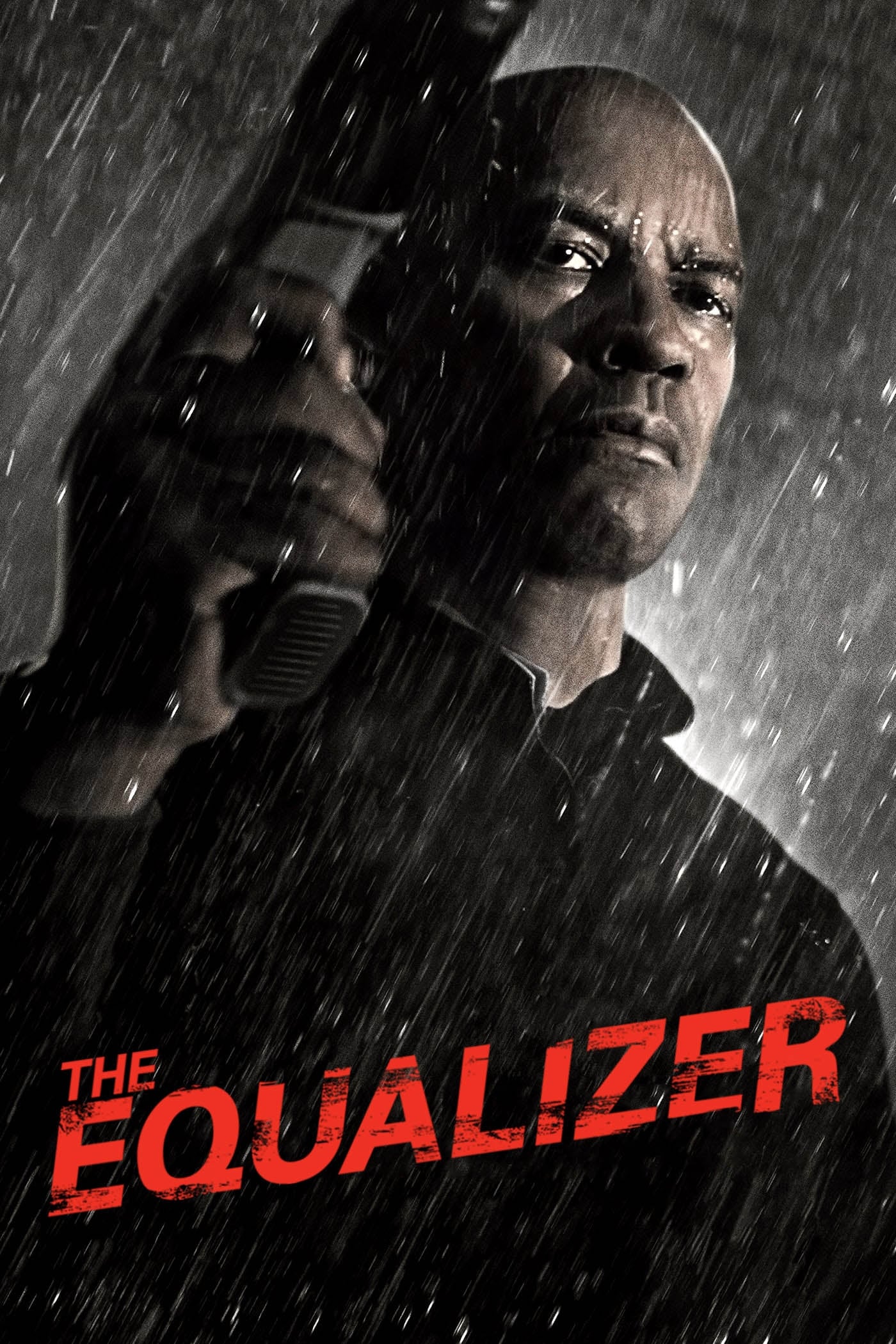
The original 1980s television series featured Edward Woodward as Robert McCall, a white British intelligence officer turned vigilante. Denzel Washington reimagined the character for the feature film franchise, shifting the background to a quiet, obsessive-compulsive American operative. Washington’s intense and physical performance launched a successful trilogy that focused on brutal efficiency rather than the show’s original espionage elements. The race swap allowed the film to explore different cultural nuances within the urban setting of Boston.
‘Annie’ (2014)
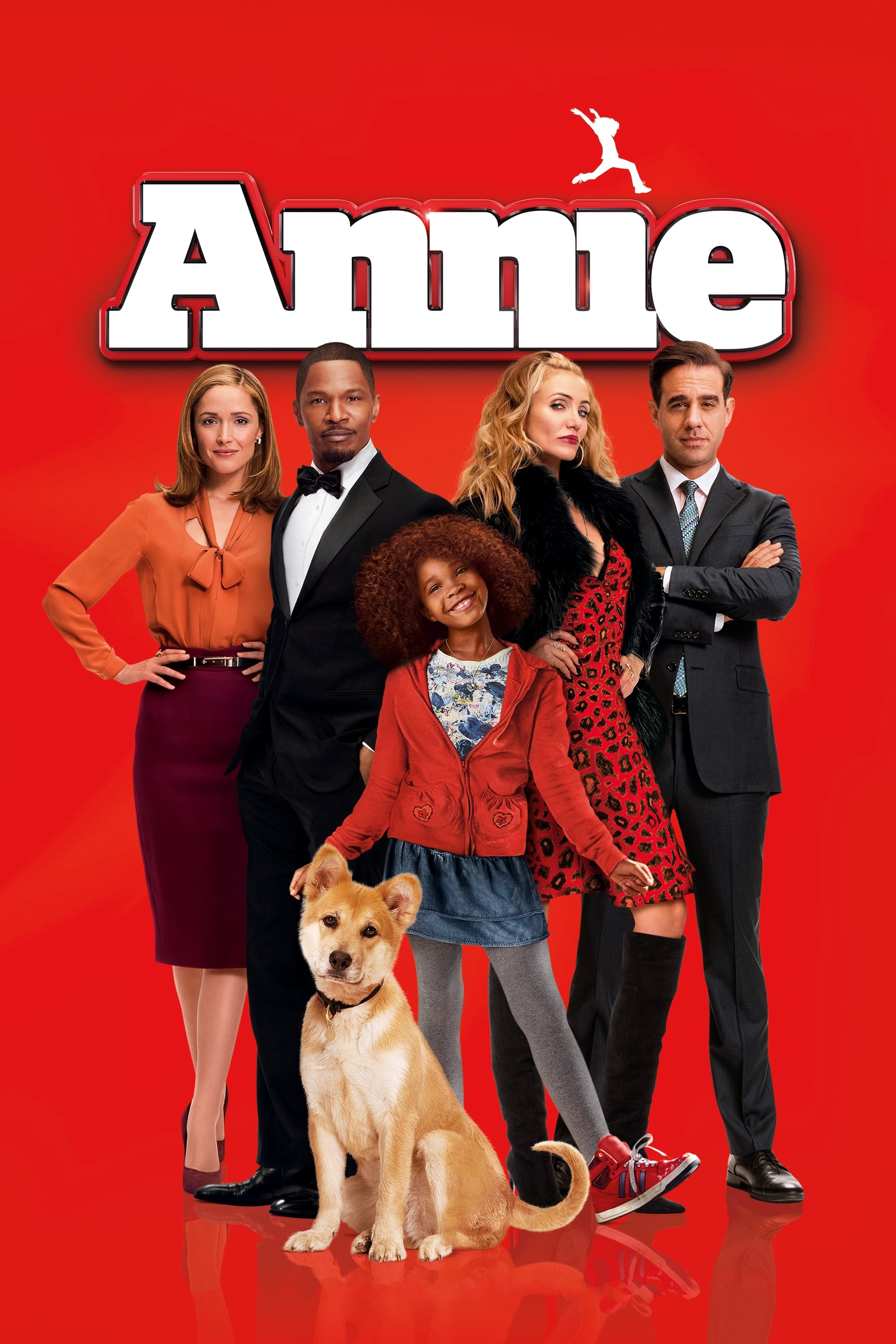
The beloved comic strip and 1982 musical featured a curly-haired redheaded white orphan as the titular character. Quvenzhané Wallis took on the role in this modern adaptation, which updated the setting to contemporary New York City. The film replaced the character of Daddy Warbucks with Will Stacks, played by Jamie Foxx, further diversifying the lead cast. This version aimed to make the classic story more relatable to a modern generation of children.
‘Fantastic Four’ (2015)
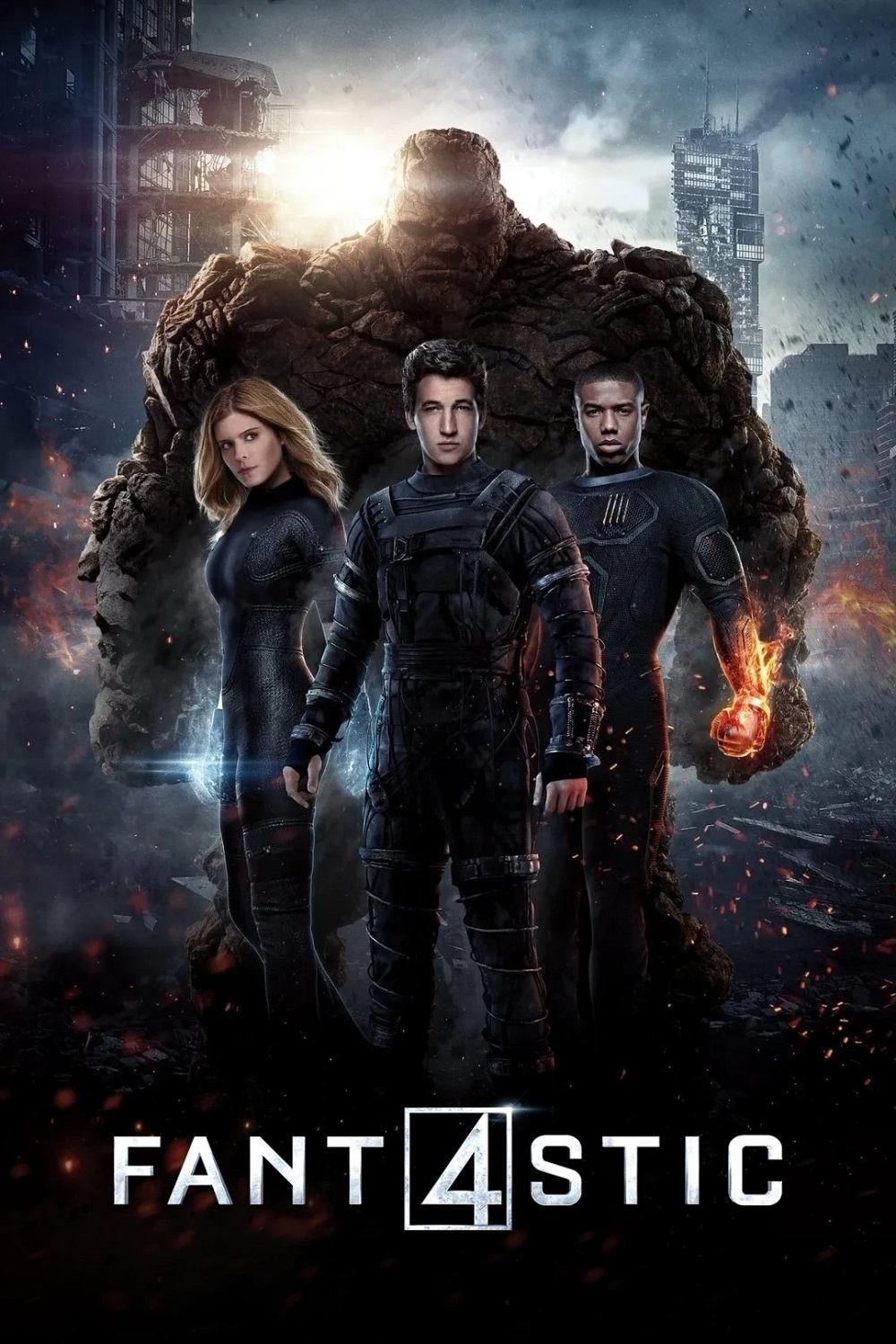
Johnny Storm, also known as the Human Torch, was historically depicted as a white blonde man and the biological brother of Sue Storm. Director Josh Trank cast Michael B. Jordan in the role, altering the family dynamic to include adoption. The decision faced significant backlash from comic book purists who argued it disrupted the team’s traditional origin story. Despite the film’s critical failure, Jordan’s casting challenged the rigid adherence to 1960s character designs in superhero media.
‘Teenage Mutant Ninja Turtles: Out of the Shadows’ (2016)
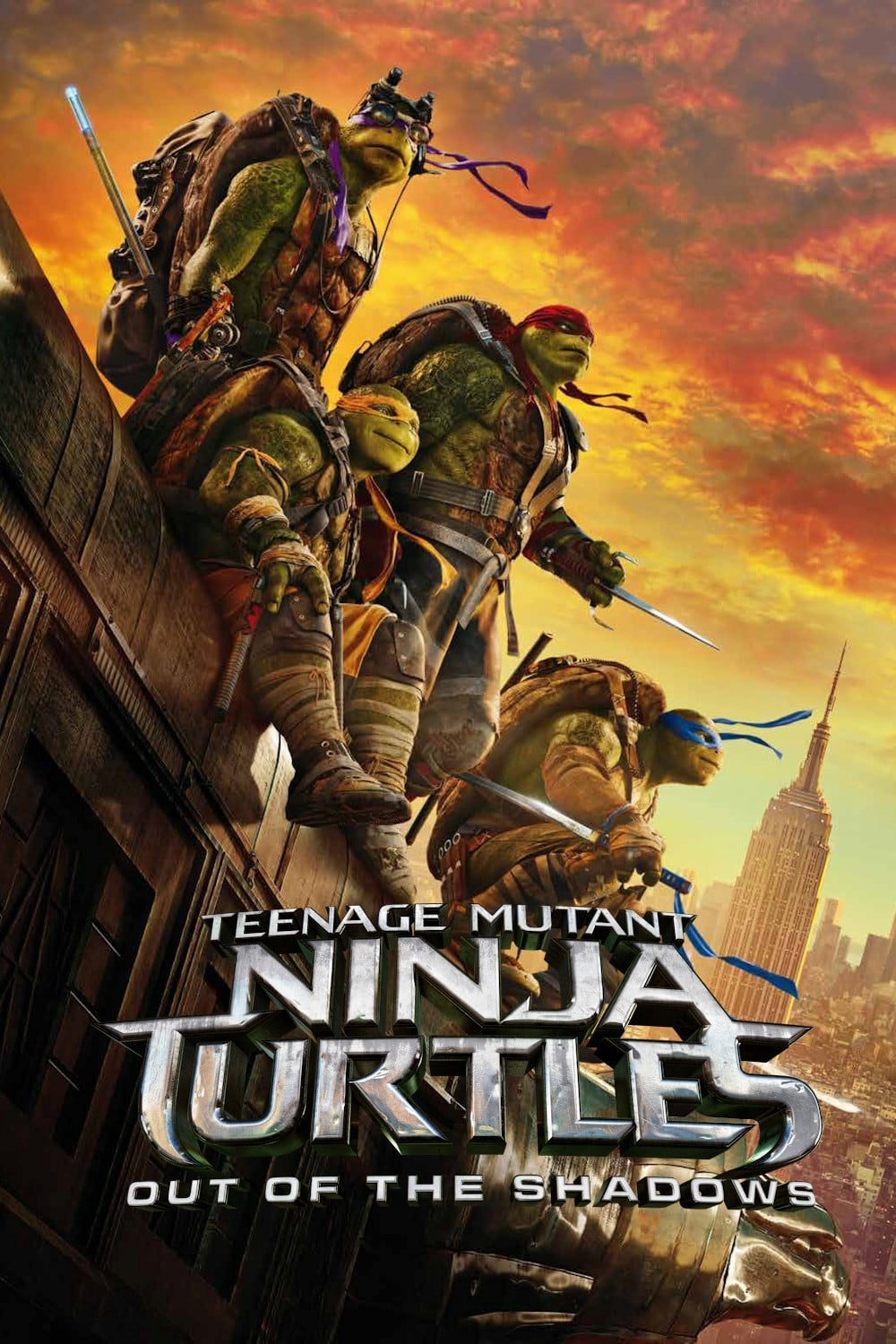
Baxter Stockman was originally a Black scientist in the Mirage comics but was whitewashed in the influential 1987 cartoon series. This film sequel corrected that long-standing discrepancy by casting Tyler Perry as the eccentric villain. Perry leaned into the campy nature of the character, bringing the scientist closer to his original comic book roots. This recasting served as a nod to the source material while rectifying the erasure seen in previous animated adaptations.
‘Doctor Strange’ (2016)
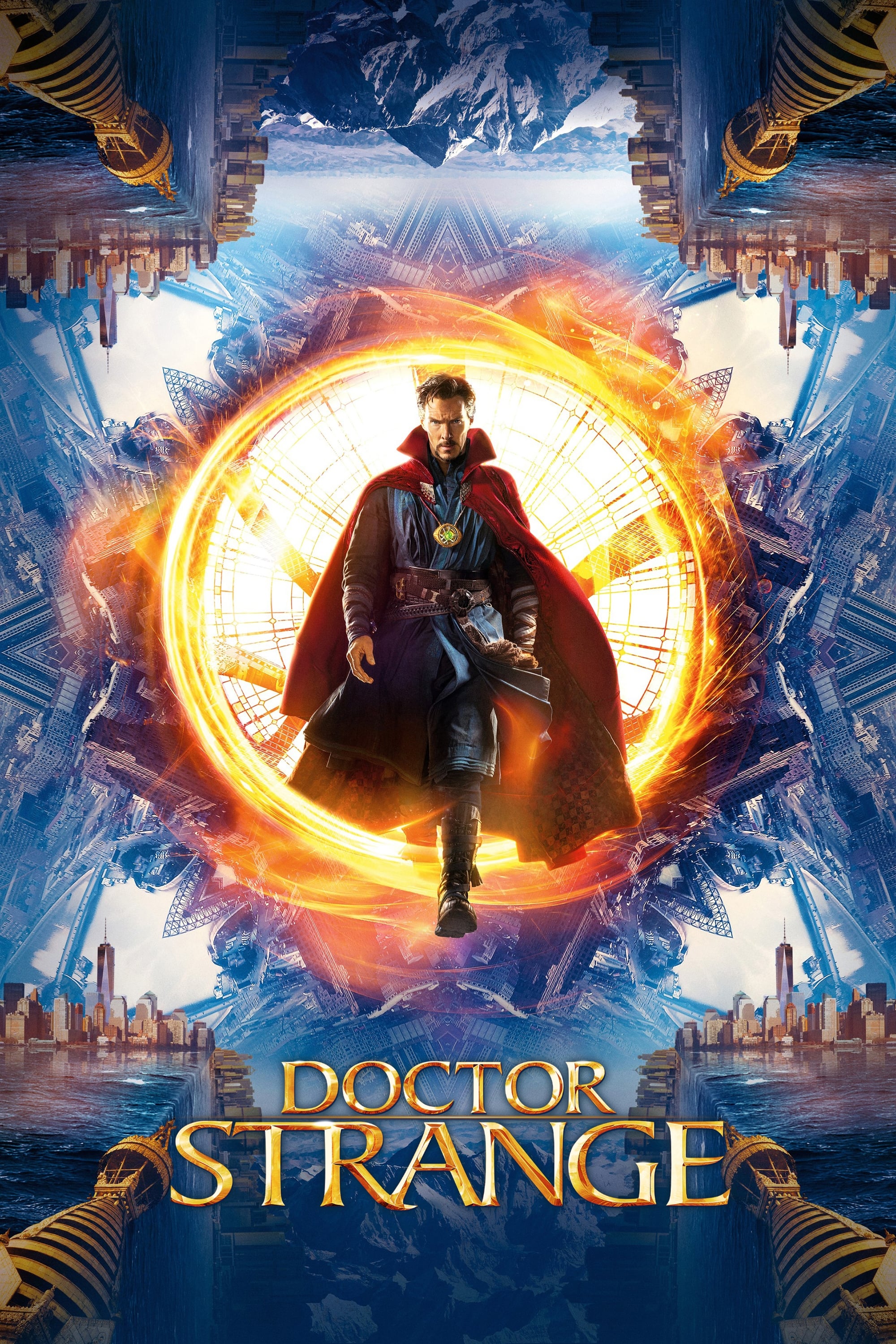
Baron Mordo was depicted as a white Transylvanian nobleman in the original Marvel comics. The film cast Chiwetel Ejiofor, reinventing the character as a distinct and honorable sorcerer who eventually turns against the Ancient One. This change added depth and tragedy to his arc, avoiding the stereotypical villain tropes of the source material. Ejiofor’s performance provided a compelling philosophical counterpoint to the titular hero.
‘Spider-Man: Homecoming’ (2017)

Mary Jane Watson has been Peter Parker’s primary love interest for decades, traditionally portrayed as a white redhead. The Marvel Cinematic Universe introduced Zendaya as MJ, a dry-witted and observant classmate with a distinct personality from the comic character. While not a direct adaptation of Mary Jane, the character fills the same narrative role and uses the famous nickname. The change reflected the diverse reality of a high school in Queens, New York.
‘The Batman’ (2022)
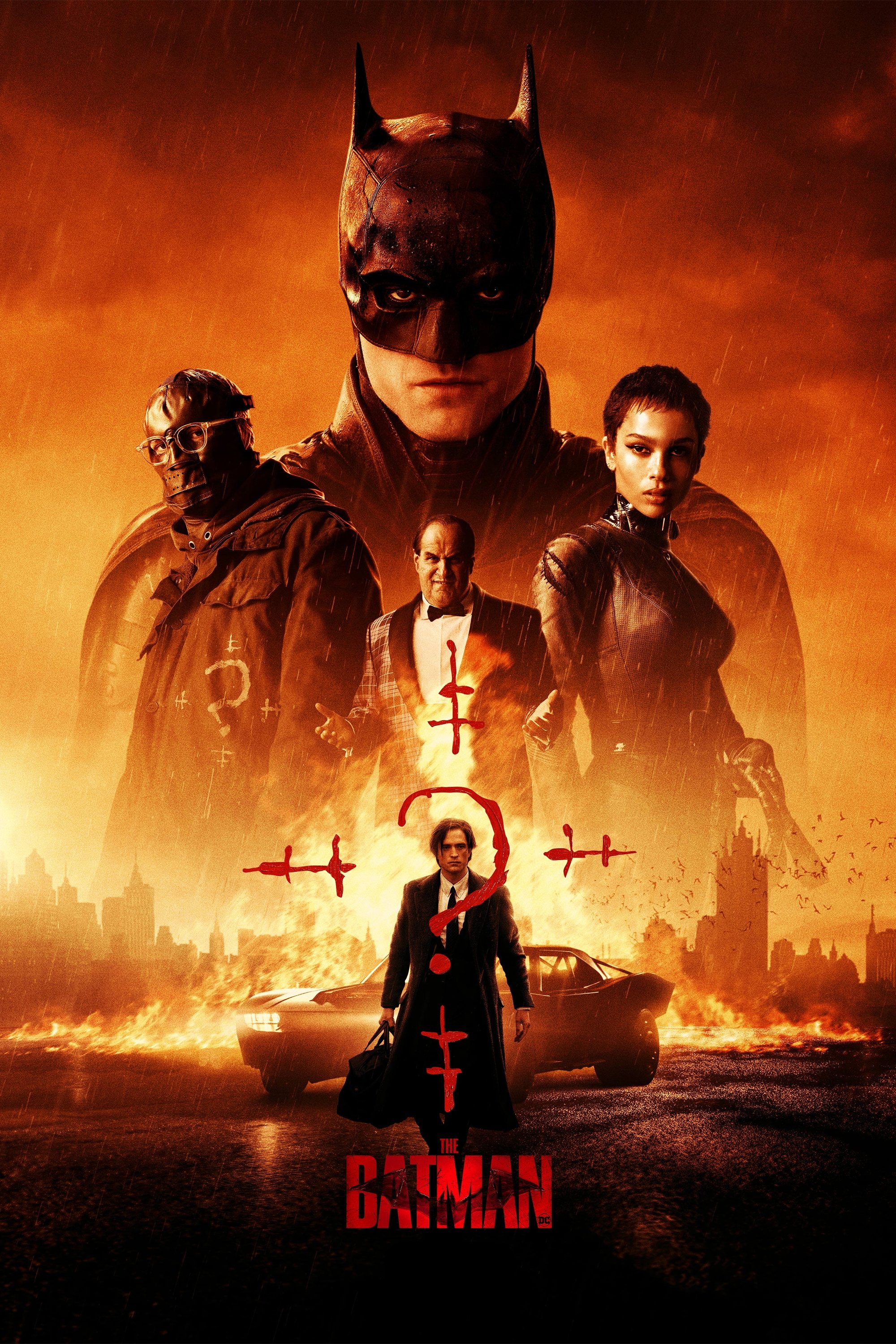
Commissioner James Gordon has been played by white actors like Gary Oldman and J.K. Simmons in previous franchise entries. Jeffrey Wright took on the role in this detective-noir iteration, creating a weary and trusted ally for the Caped Crusader. Wright’s chemistry with Robert Pattinson was praised for grounding the fantastical elements of the story in emotional reality. This casting further illustrated that the race of the character is secondary to their moral compass and role in the story.
‘The Little Mermaid’ (2023)

Ariel is one of Disney’s most recognizable princesses, originally animated as a white teenager with bright red hair. Halle Bailey was cast in the live-action remake, a decision that generated a massive discourse on social media regarding representation in folklore. Bailey’s vocal performance was widely acclaimed, and the film maintained the core narrative while updating the visuals for a new era. The film demonstrated Disney’s commitment to diversifying their classic “Princess” lineup for global audiences.
Tell us which of these recasting choices you felt added the most to the franchise in the comments.