


24 Films with Soundtracks That Evolve with the Plot




Film scores often serve as emotional guides that dictate how an audience perceives a scene or character. Some composers take this a step further by creating soundtracks that actively transform alongside the narrative arc to mirror character development. These musical compositions might change in tempo or instrumentation to reflect the internal state of the protagonist or the escalation of conflict. The result is an immersive auditory experience that feels inextricably linked to the visual storytelling.
‘Baby Driver’ (2017)

The entire film is edited to sync perfectly with the music that the protagonist hears in his earbuds. Director Edgar Wright designed the action sequences so that every gunshot and car maneuver matches the beat of the soundtrack. The main character relies on these songs to drown out his tinnitus and focus on his dangerous work as a getaway driver. As the narrative becomes darker and the stakes increase the track selection shifts from upbeat pop to more intense and frantic rhythms. This evolution highlights the loss of control the protagonist experiences as his criminal life collapses around him.
‘Inception’ (2010)
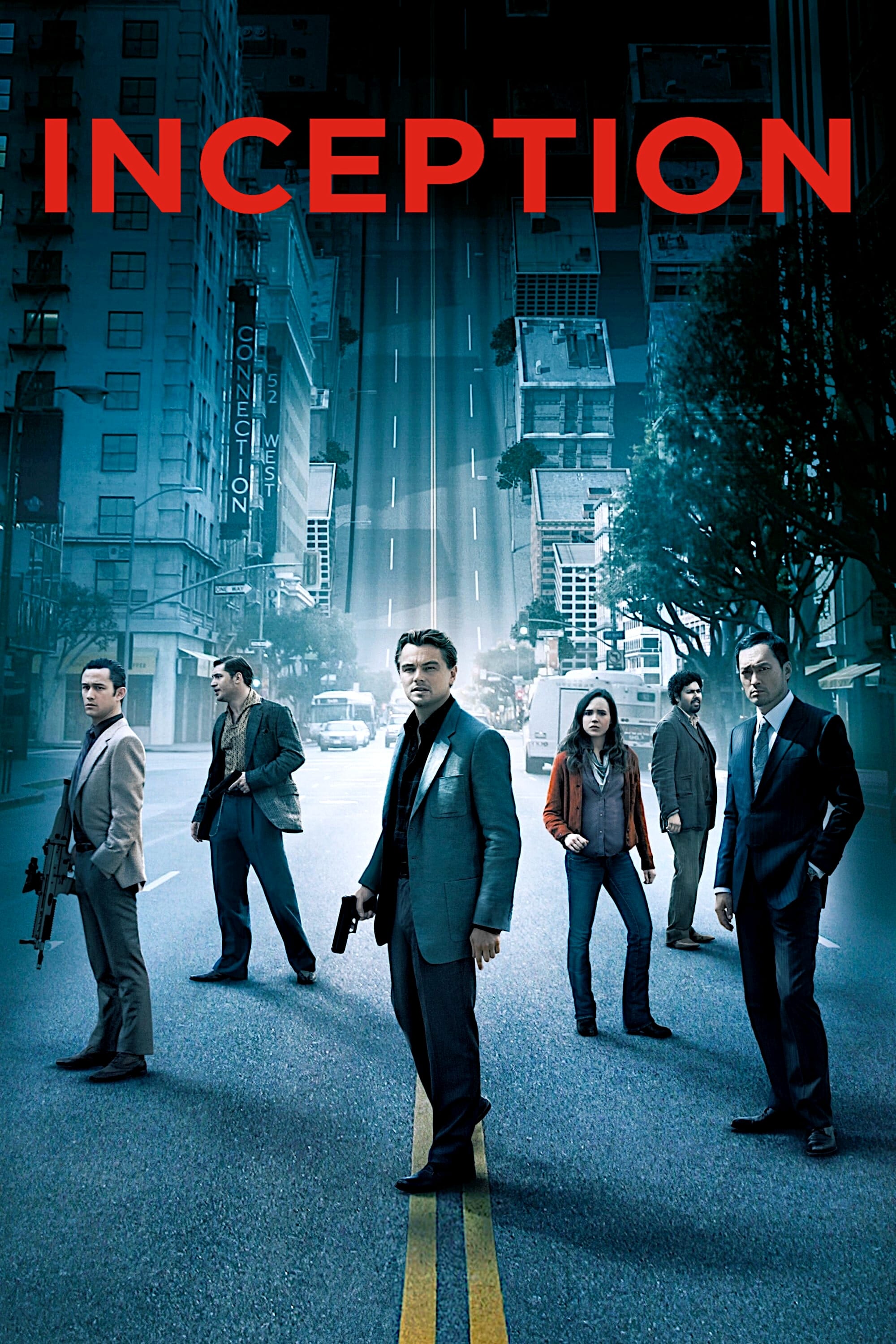
Hans Zimmer composed a score that integrates directly with the plot device of dream layers and time dilation. The soundtrack features a heavily slowed down version of the song ‘Non, je ne regrette rien’ to represent the distorted passage of time in deeper dream states. Characters in the film use the original recording of the song as a signal to wake up from their induced slumber. The music becomes booming and massive to match the scale of the collapsing dream worlds. This auditory cue helps the audience subconsciously track the complex narrative structure.
‘The Social Network’ (2010)
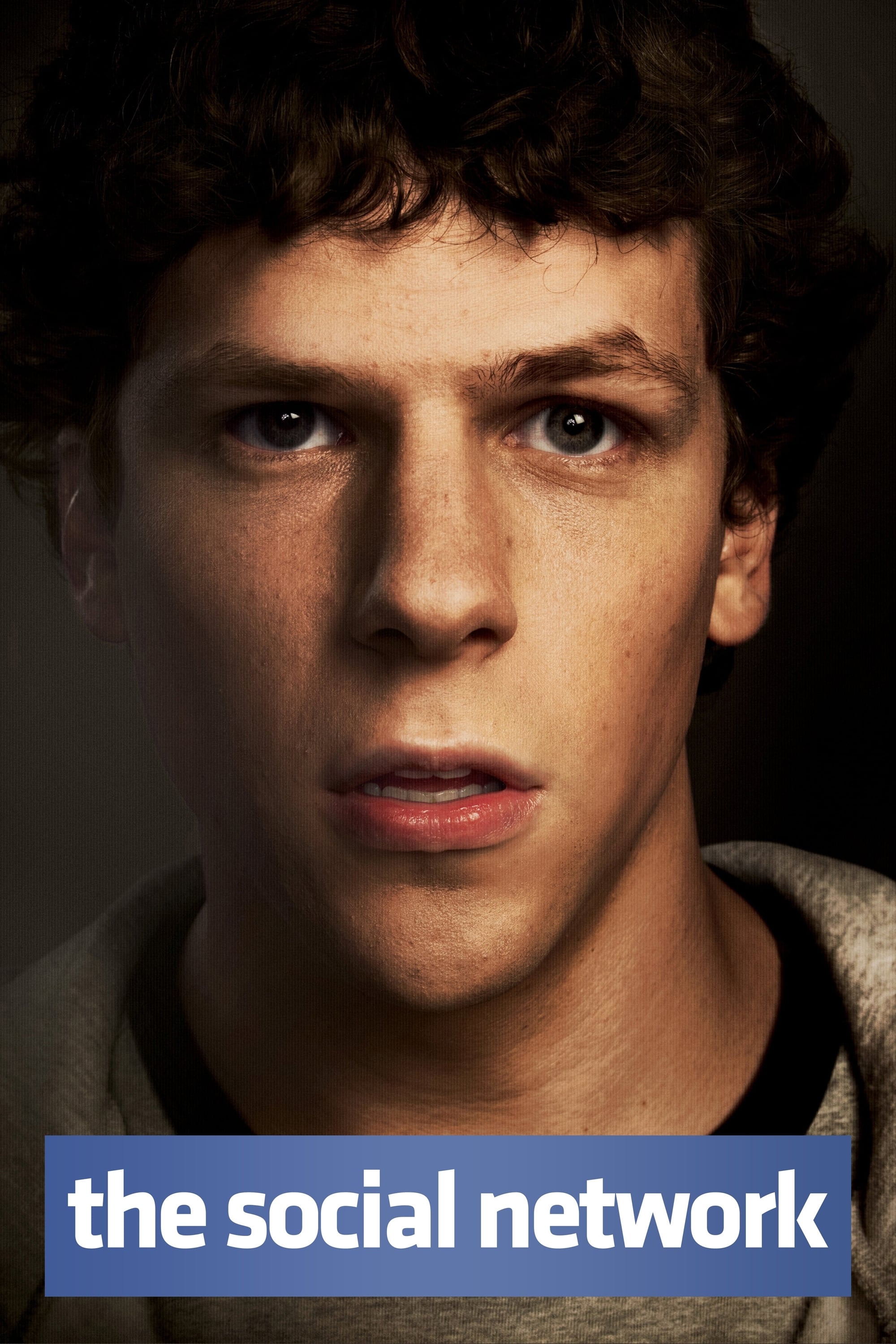
Trent Reznor and Atticus Ross created a score that reflects the erosion of friendship and the rise of corporate alienation. The music begins with complex and collaborative sounding pieces that suggest creativity and connection during the early coding scenes. As the story progresses and lawsuits emerge the compositions become colder and more fragmented. The final tracks utilize hollow synthesizer sounds to emphasize the protagonist’s ultimate isolation at the top. This sonic shift mirrors the narrative journey from a dorm room project to a lonely empire.
‘Birdman’ (2014)
The score for this film consists almost entirely of improvised jazz percussion performed by Antonio Sanchez. The frantic drumming mirrors the chaotic mental state of the protagonist as he attempts to mount a Broadway play. As the main character loses his grip on reality the percussion becomes more erratic and dissonant. There are moments when the drummer appears on screen to blur the line between the soundtrack and the diegetic world. The relentless beat creates a sense of anxiety that never resolves until the final scene.
‘Interstellar’ (2014)
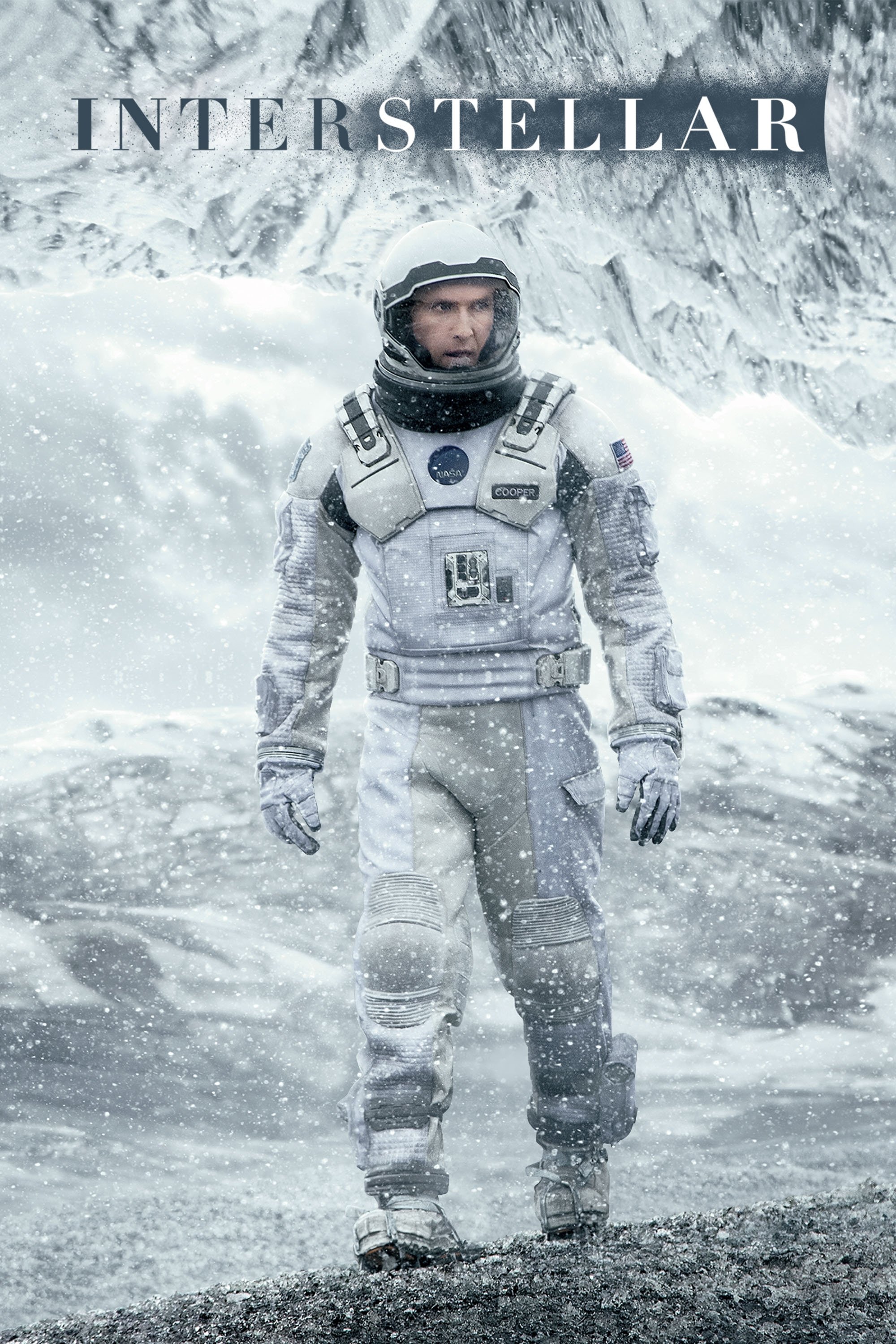
Hans Zimmer utilized a massive pipe organ to convey the spiritual and scientific grandeur of space exploration. The score evolves from quiet and contemplative melodies on Earth to thunderous walls of sound during space travel. A prominent ticking sound is integrated into the music during high-stakes sequences to represent the relativity of time. This rhythmic element accelerates to heighten the tension as the characters race against critical time slippage. The music eventually circles back to a sense of human intimacy to resolve the cosmic journey.
‘Requiem for a Dream’ (2000)
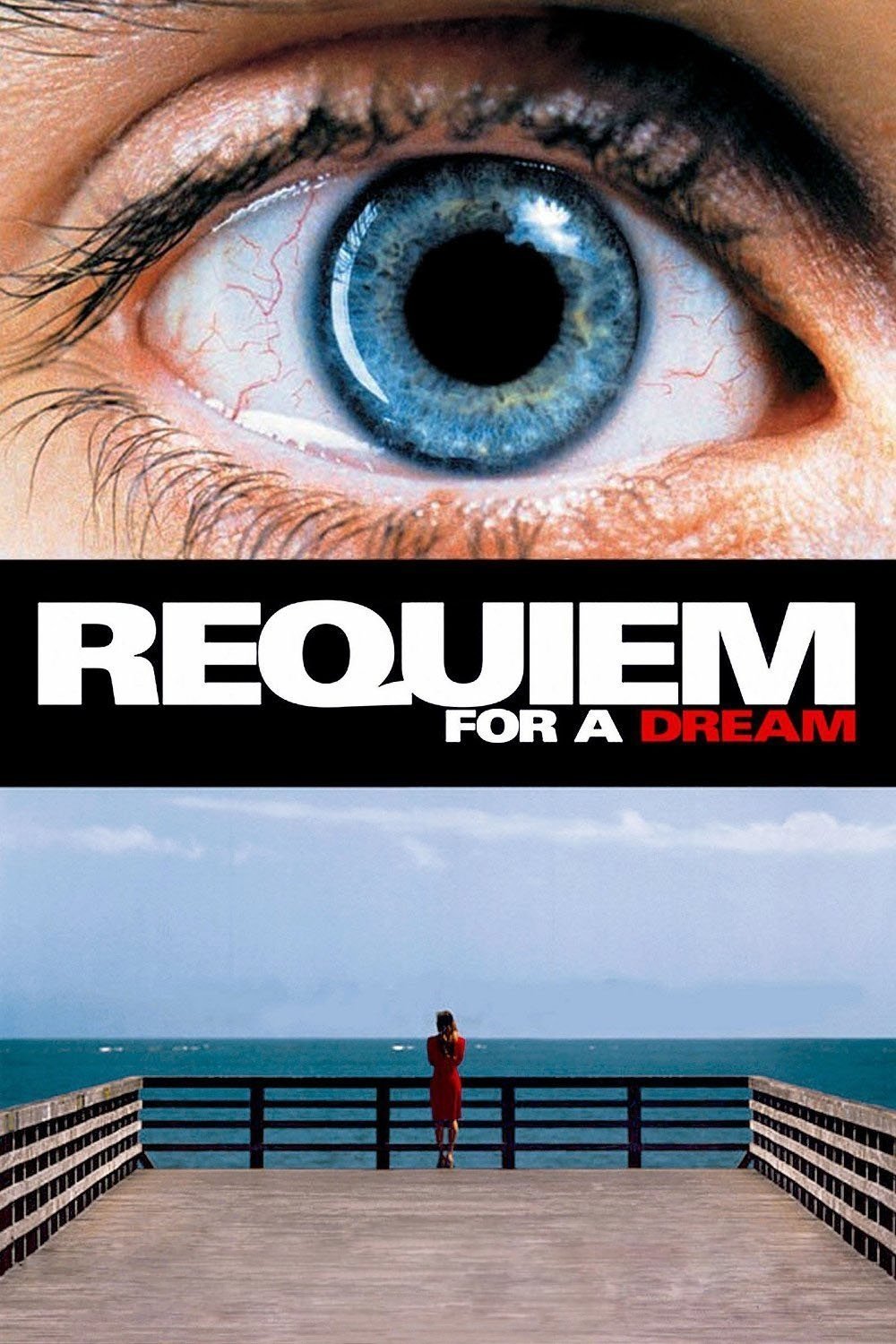
Clint Mansell composed a haunting score that degrades alongside the lives of the four main characters. The central theme begins as a melancholic melody that suggests a sense of longing and hope. As the characters descend deeper into addiction the music becomes faster and more repetitive to induce anxiety. The instrumentation incorporates industrial sounds that mimic the harsh reality of their physical deterioration. By the climax the once beautiful theme transforms into a nightmarish and chaotic crescendo.
‘Joker’ (2019)
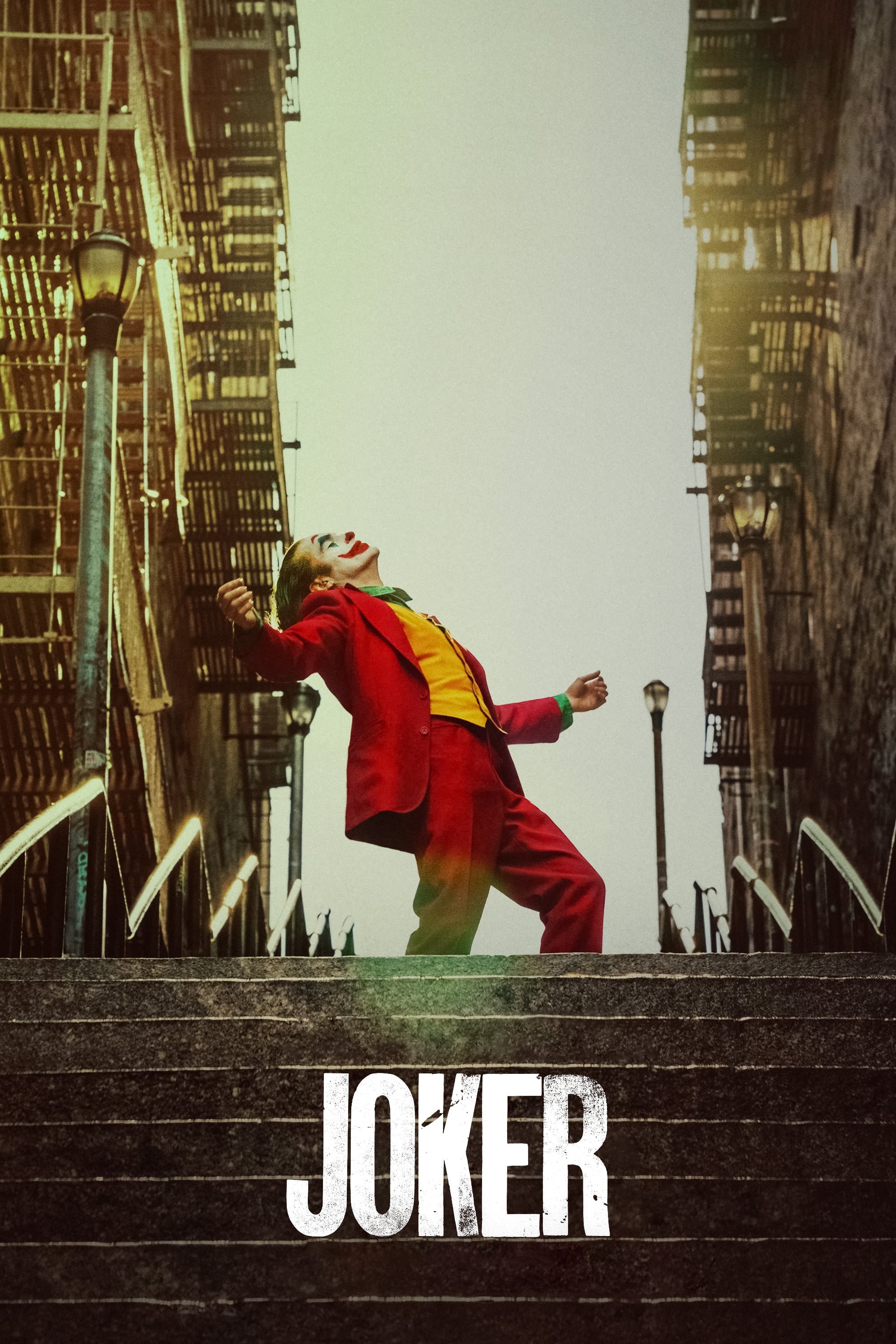
Hildur Guðnadóttir wrote a cello-based score that tracks the protagonist’s transformation from Arthur Fleck into the Joker. The music starts as a slow and solitary melody that reflects the character’s depression and loneliness. As he embraces his darker impulses the score expands to include a full orchestra that provides a sense of grandeur. The deep and resonant cello notes become louder and more confident to mirror his newfound power. This musical evolution signifies his complete acceptance of chaos.
‘Arrival’ (2016)
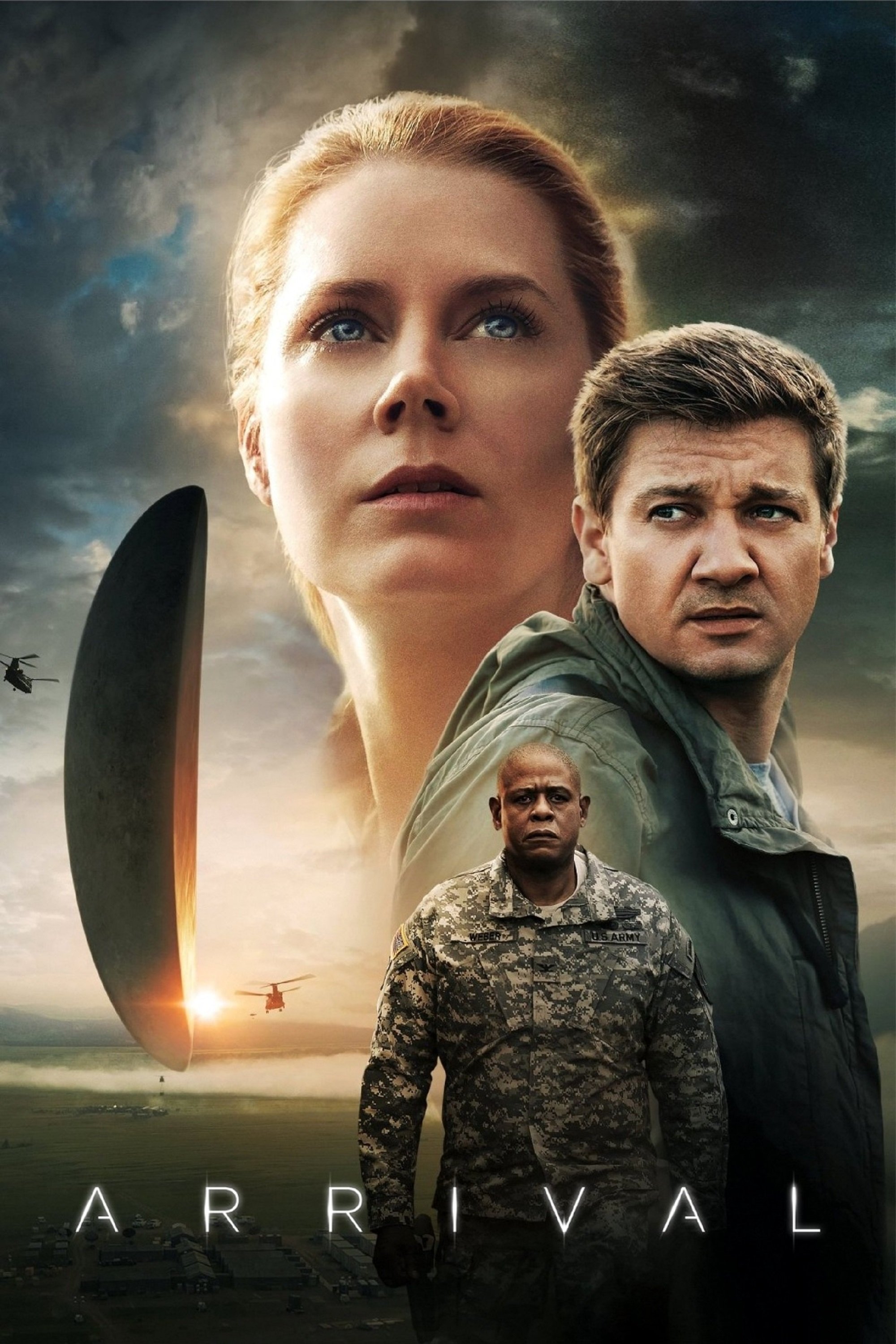
Jóhann Jóhannsson created a score that utilizes vocal loops and palindromic structures to reflect the film’s themes of language and time. The music often lacks a clear beginning or end which mirrors the alien perception of time presented in the plot. Strange vocalizations are layered to sound like the mysterious logograms used by the extraterrestrial visitors. As the protagonist begins to understand the alien language the music becomes more cohesive and emotional. The score unifies the concept of circular time through its repetitive and looping composition.
‘There Will Be Blood’ (2007)
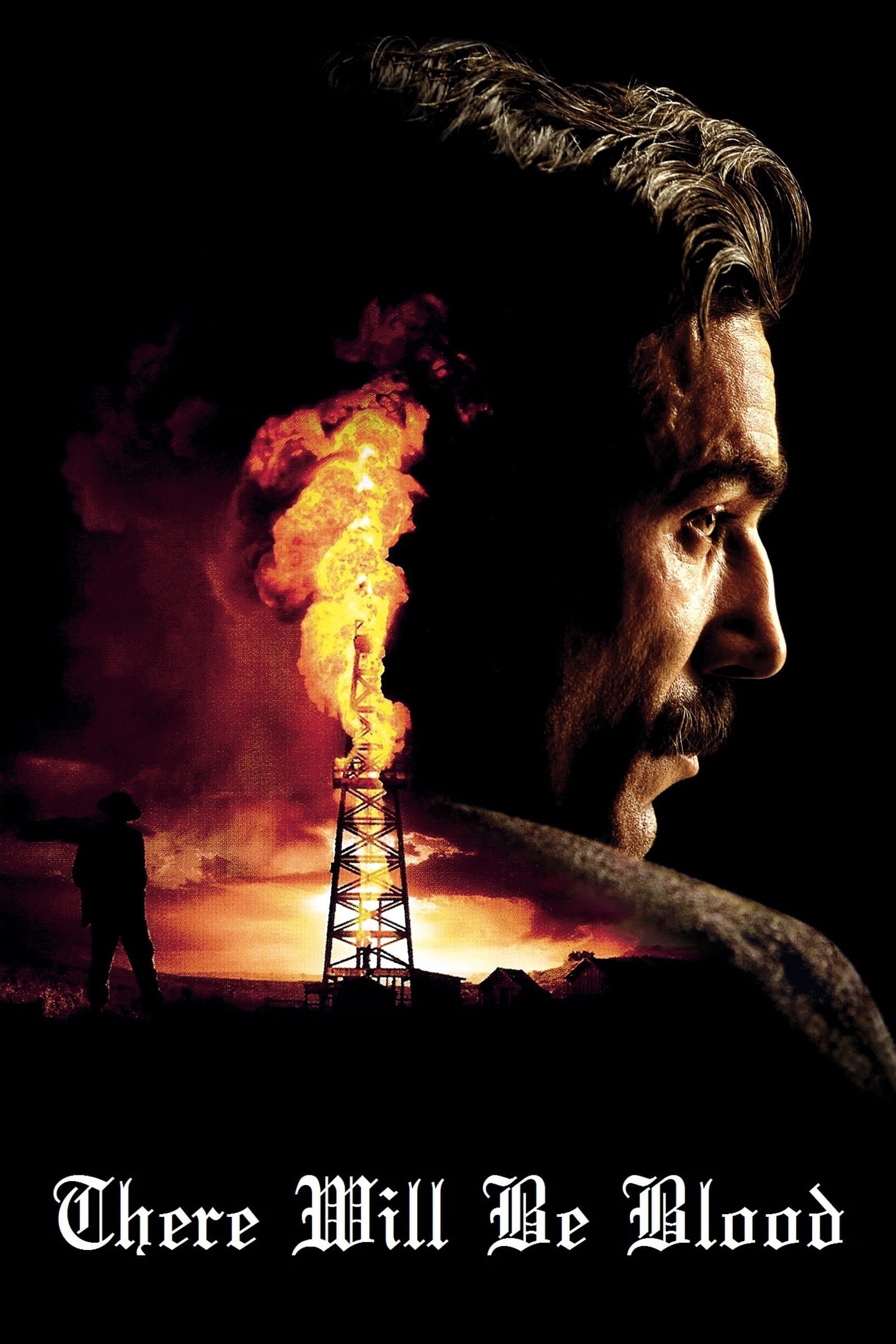
Jonny Greenwood composed a score that is intentionally discordant and unsettling to match the protagonist’s greed. The music features string arrangements that sound like swarming insects or warning sirens during moments of tension. As the oil baron accumulates more wealth and power the music strips away any warmth or traditional harmony. The sounds become abrasive and jagged to reflect his descent into misanthropy and madness. This sonic landscape emphasizes the harshness of the landscape and the brutality of the main character.
‘A Clockwork Orange’ (1971)
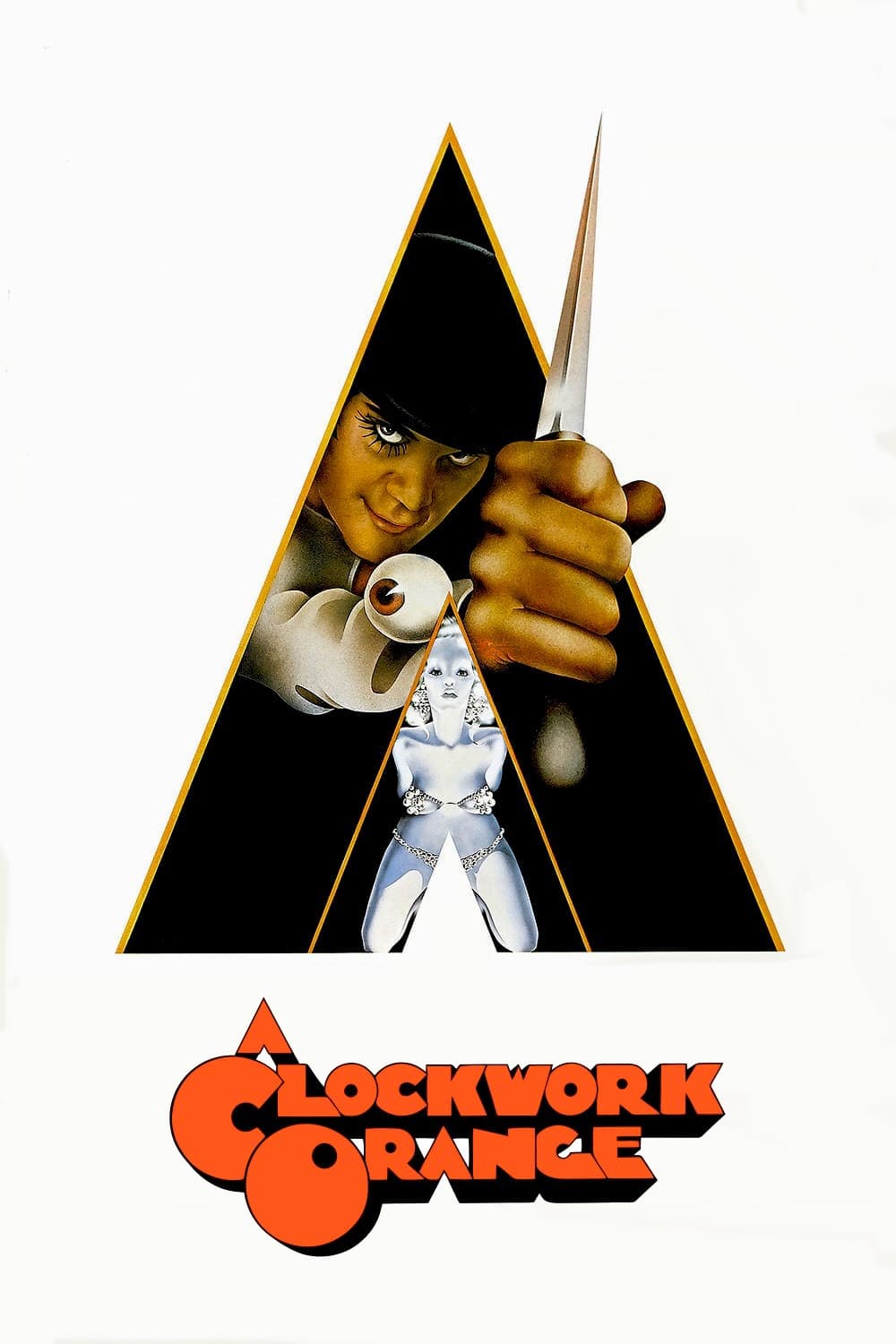
Wendy Carlos reimagined classical pieces by Beethoven using early synthesizers to create a sound that feels both sophisticated and artificial. The protagonist loves classical music but the electronic distortion reflects his twisted morality and the futuristic setting. As he undergoes aversion therapy the music he loves is turned against him to create a sense of nausea. The soundtrack subverts the grandeur of the original compositions to mirror the film’s critique of free will. This juxtaposition creates an unsettling atmosphere that persists throughout the story.
‘Eternal Sunshine of the Spotless Mind’ (2004)
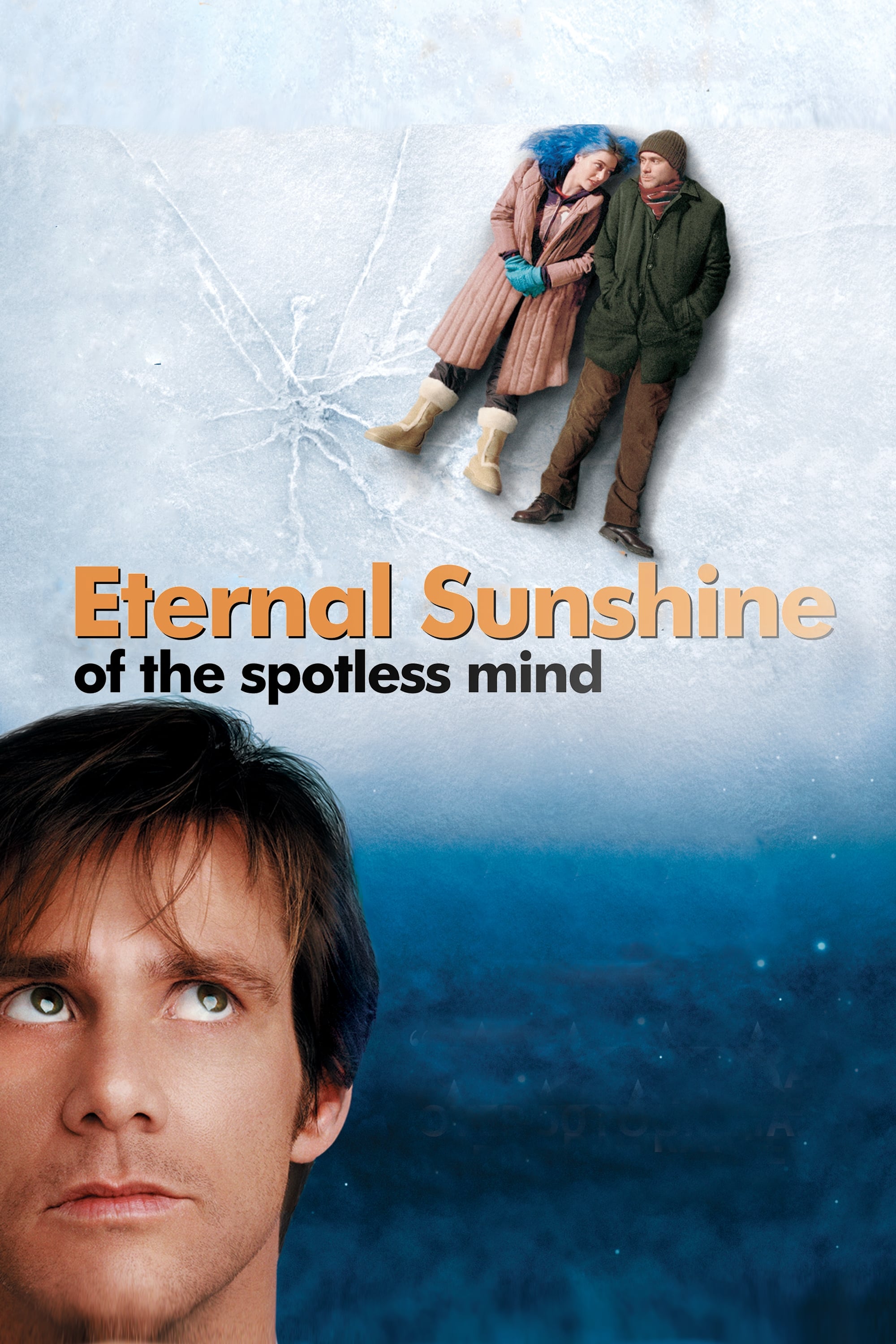
Jon Brion constructed a score that unravels and disintegrates just as the protagonist’s memories are erased. The early tracks are melodic and structured to represent the stability of the character’s past. As the memory erasure procedure destroys specific moments the music becomes distorted and skips like a broken record. Instruments drop out of the mix to symbolize the disappearance of details and faces. This fragmentation allows the audience to hear the psychological collapse of the main character.
‘Mad Max: Fury Road’ (2015)
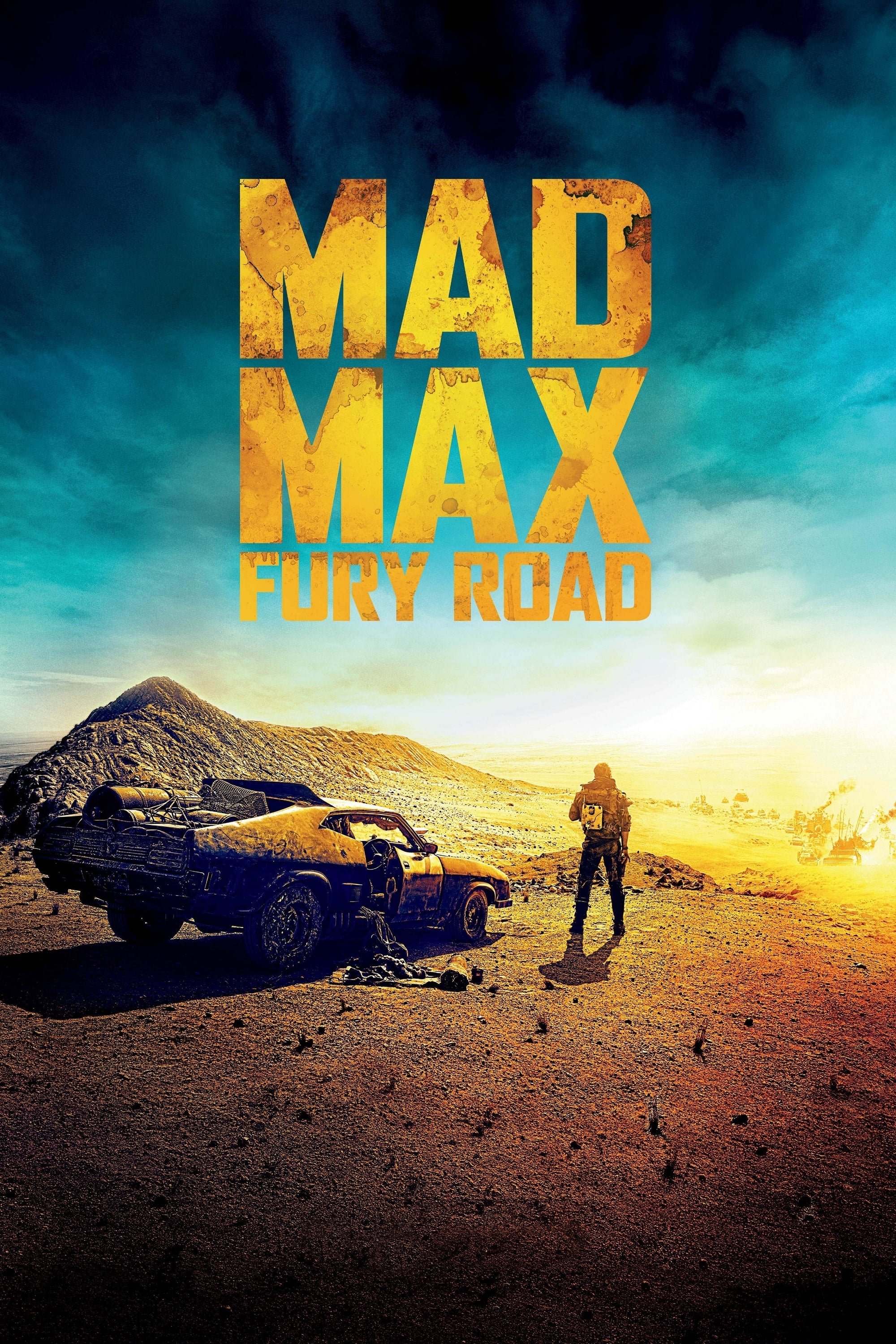
The soundtrack blends diegetic and non-diegetic sounds to fuel the relentless pace of the chase. A character known as the Doof Warrior plays a flamethrowing guitar atop a speeding vehicle to motivate the war boys. The aggressive guitar riffs and pounding drums intensify whenever the villain’s convoy gains ground. During moments of quiet character development the score shifts to sweeping orchestral strings. The music serves as the engine of the film by dictating the adrenaline levels of the audience.
‘Tron: Legacy’ (2010)
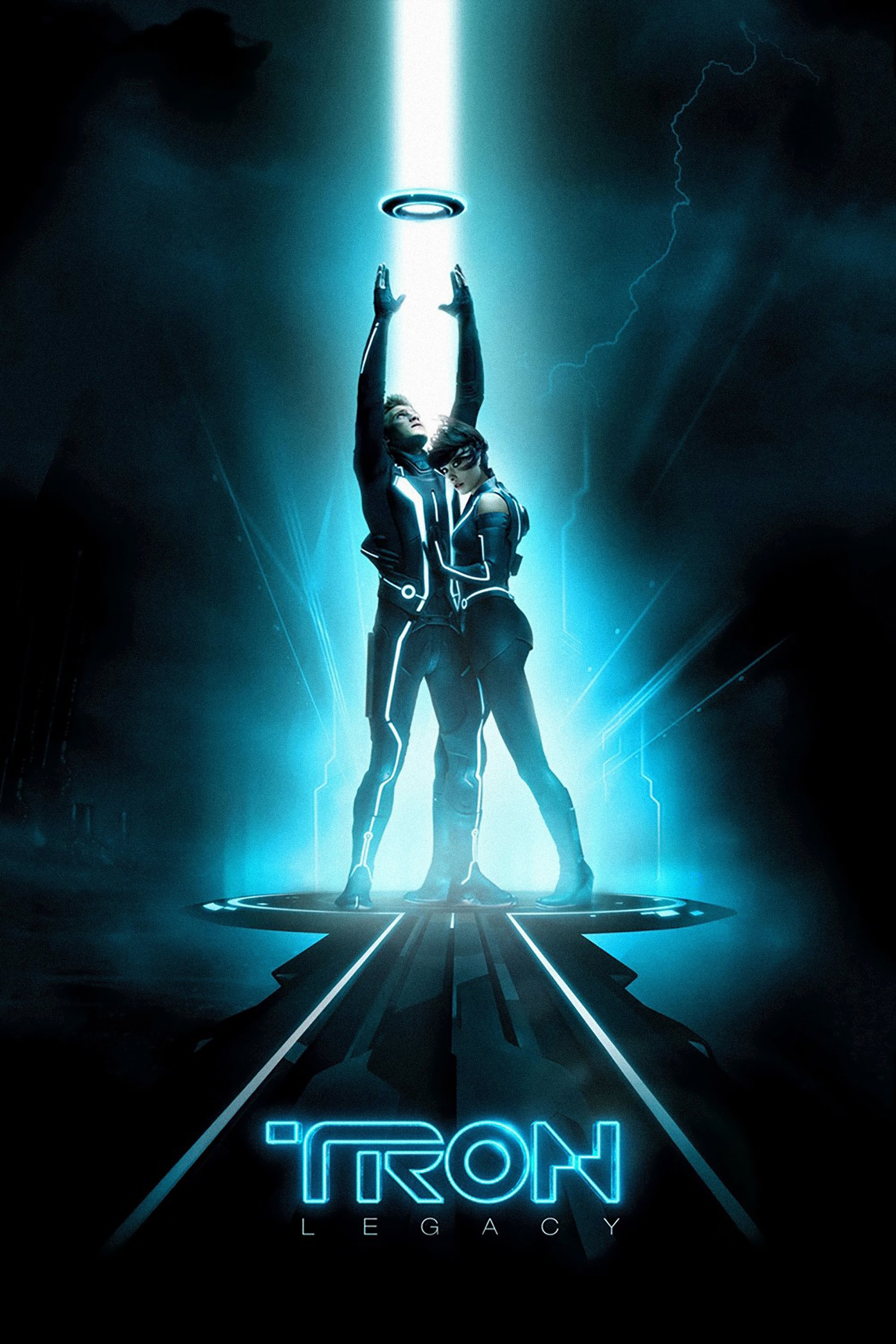
Daft Punk composed a score that merges a traditional 85-piece orchestra with heavy electronic synthesizers. The music starts with more organic sounds in the real world before shifting to digital beats inside the Grid. As the protagonist learns to navigate the digital realm the electronic elements become more harmonious with the orchestral strings. This blend represents the union of human emotion and computer precision. The soundtrack pulses with the visual aesthetic of the neon-lit environment.
‘Dunkirk’ (2017)
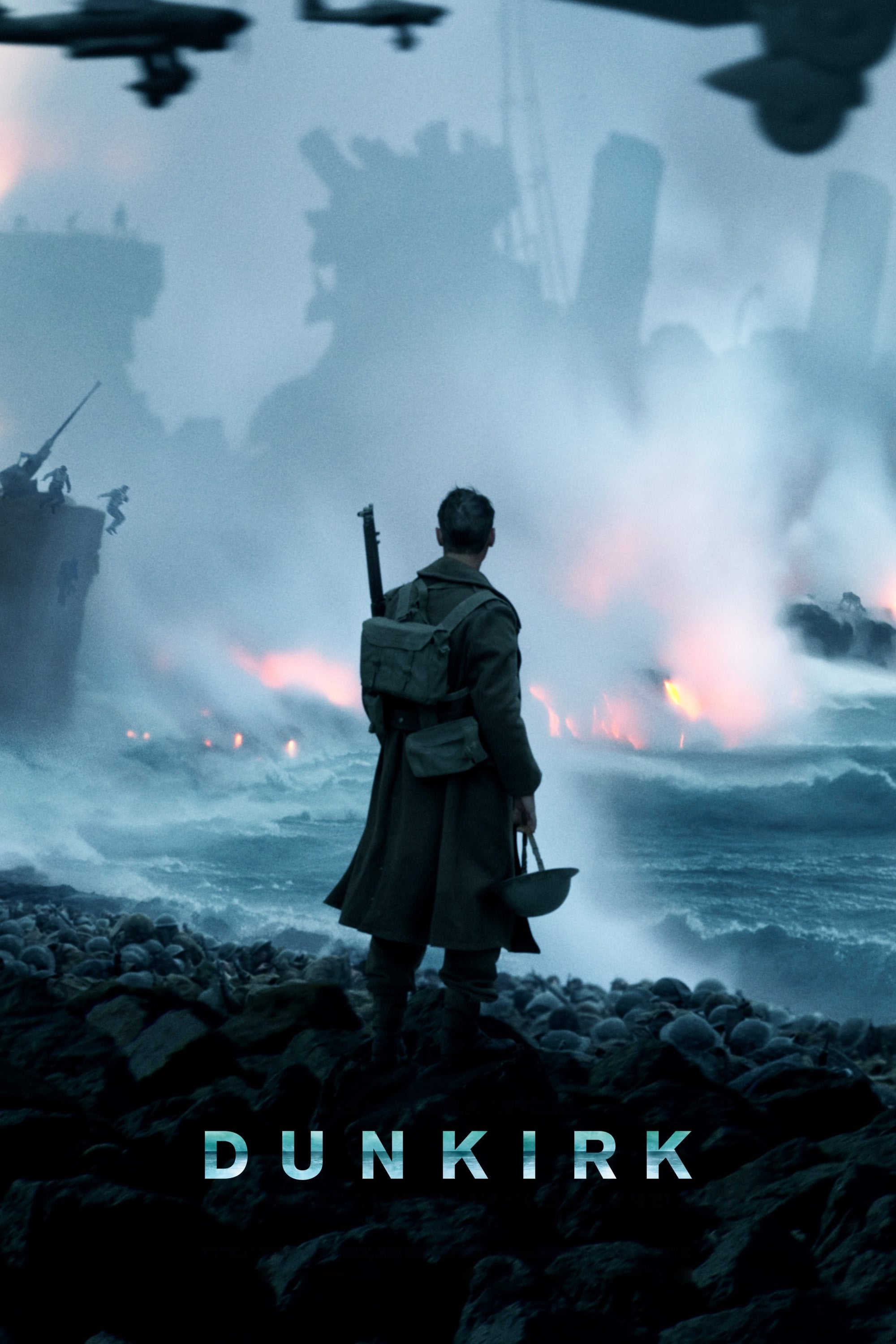
The score utilizes an auditory illusion called the Shepard tone which creates the sensation of a pitch that is continually ascending. This technique builds a constant state of tension that never resolves or releases. Hans Zimmer synchronized the music with the sound of a ticking watch to emphasize the race against time. The three different timelines of the film are woven together by this relentless rhythmic drive. The music ensures the audience feels the immediate danger of the evacuation from start to finish.
‘The Grand Budapest Hotel’ (2014)
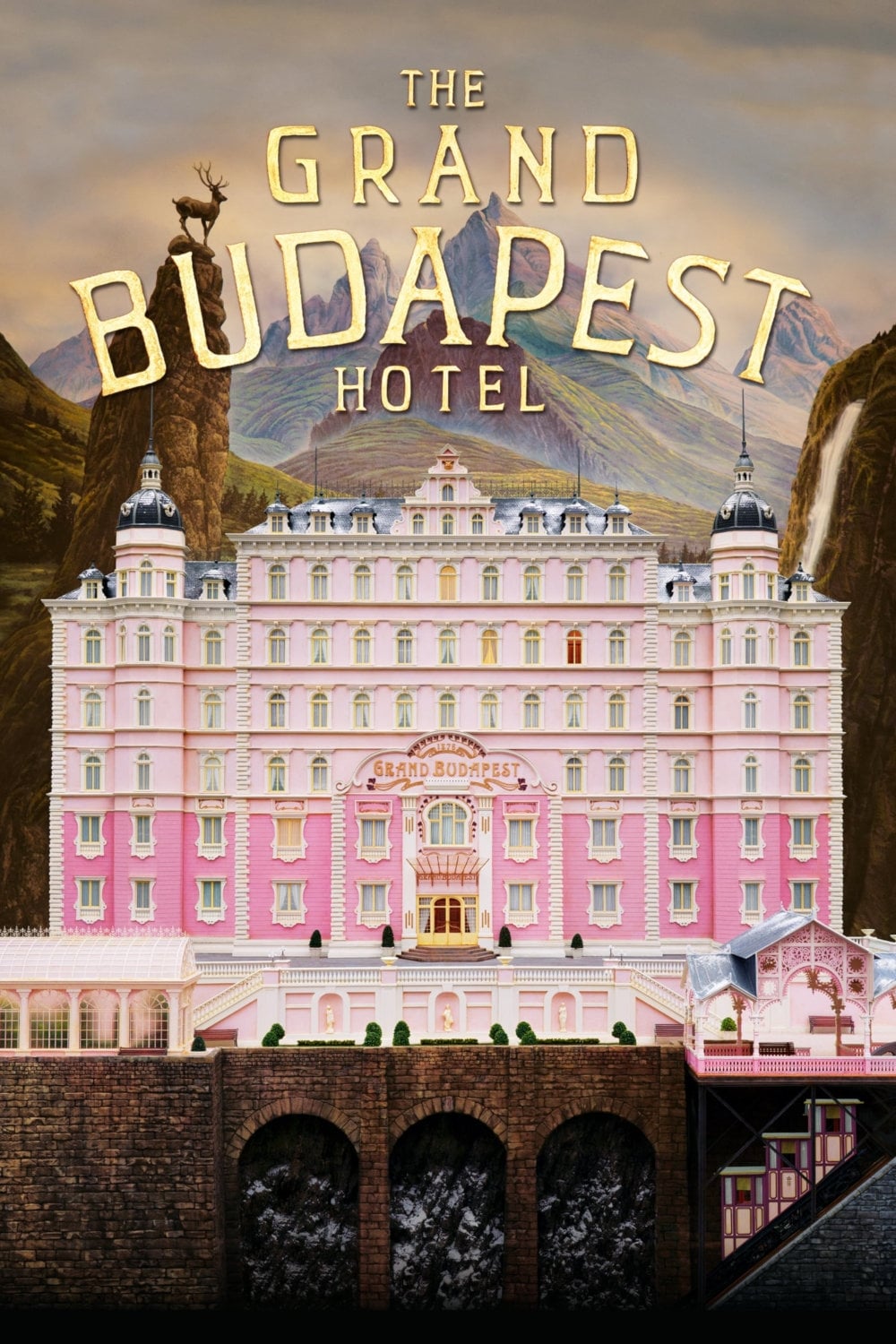
Alexandre Desplat used different instruments to define the various time periods depicted in the film. The 1930s sequences feature balalaikas and cymbaloms to evoke a sense of Central European whimsy and nostalgia. As the narrative jumps to the drab 1960s the music becomes simpler and less ornate. The score captures the elegance of the hotel in its prime and its eventual melancholy decline. These musical shifts help the viewer navigate the complex nested narrative structure.
‘Spider-Man: Into the Spider-Verse’ (2018)
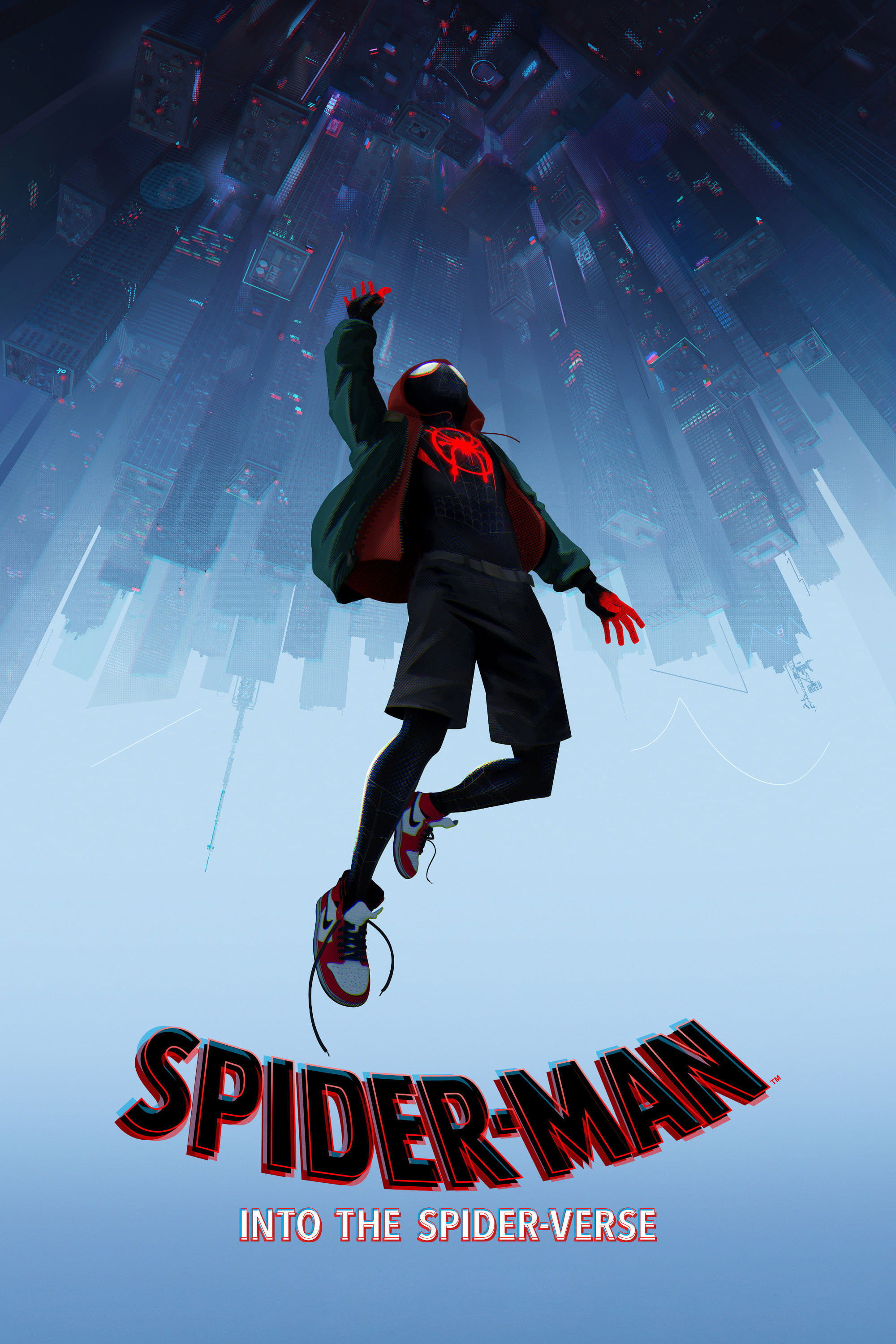
The soundtrack follows the evolution of Miles Morales from an insecure teenager to a confident superhero. His main theme starts as a tentative motif that is often interrupted or overshadowed by other sounds. When he finally takes a leap of faith the song ‘What’s Up Danger’ explodes with volume and clarity. The mixing of hip-hop beats with orchestral hero themes reflects his unique identity within the multiverse. The music matures alongside the character as he learns to control his powers.
‘Us’ (2019)
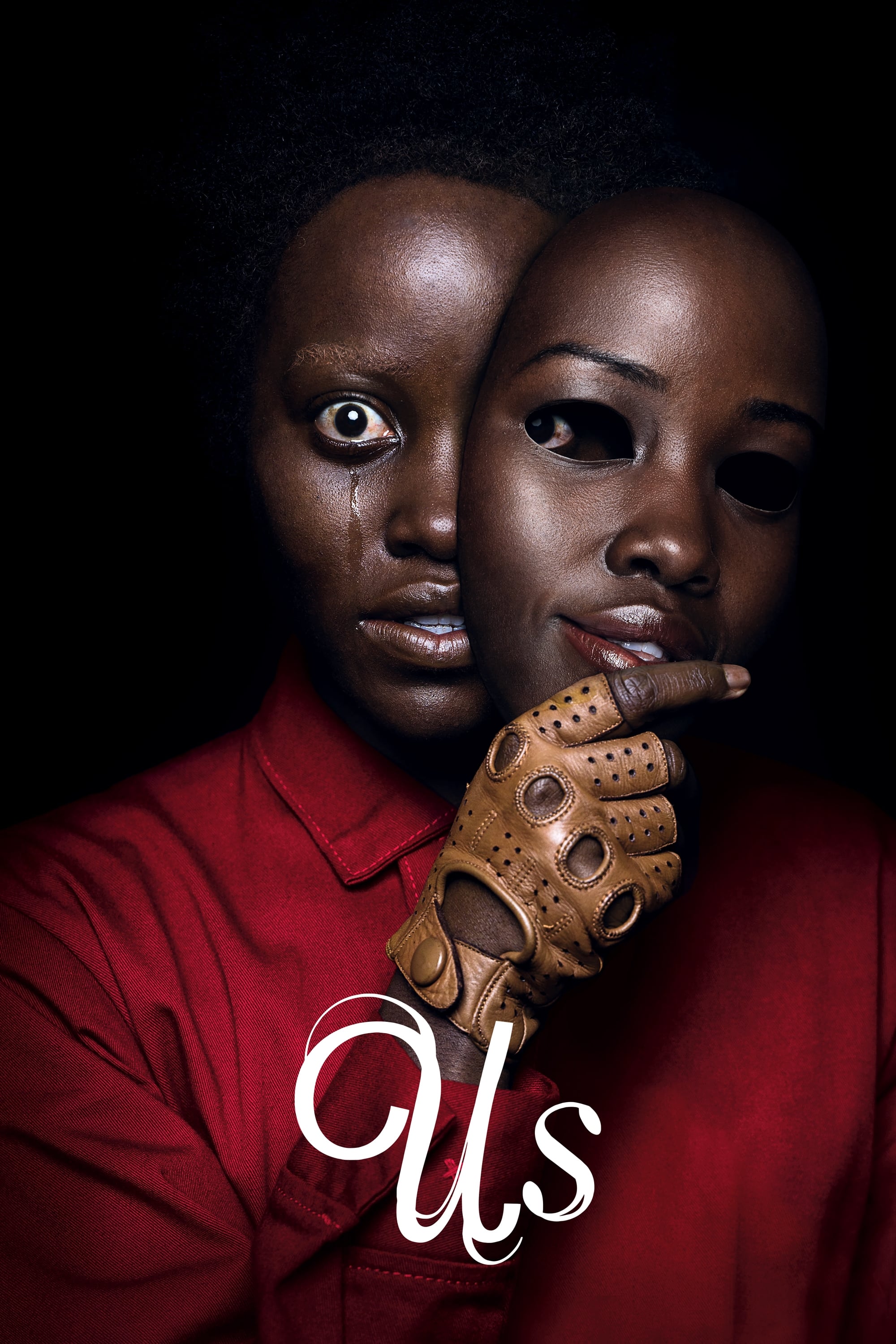
Michael Abels rearranged the hip-hop classic ‘I Got 5 On It’ into a terrifying orchestral anthem called ‘Pas de Deux’. The song initially appears as a fun radio track during a family drive which establishes a sense of normalcy. As the horror unfolds the melody is slowed down and played with disjointed strings to represent the twisted nature of the doppelgängers. The familiarity of the tune makes its perversion even more unsettling for the audience. This musical evolution mirrors the distortion of the American family unit.
‘Moonlight’ (2016)
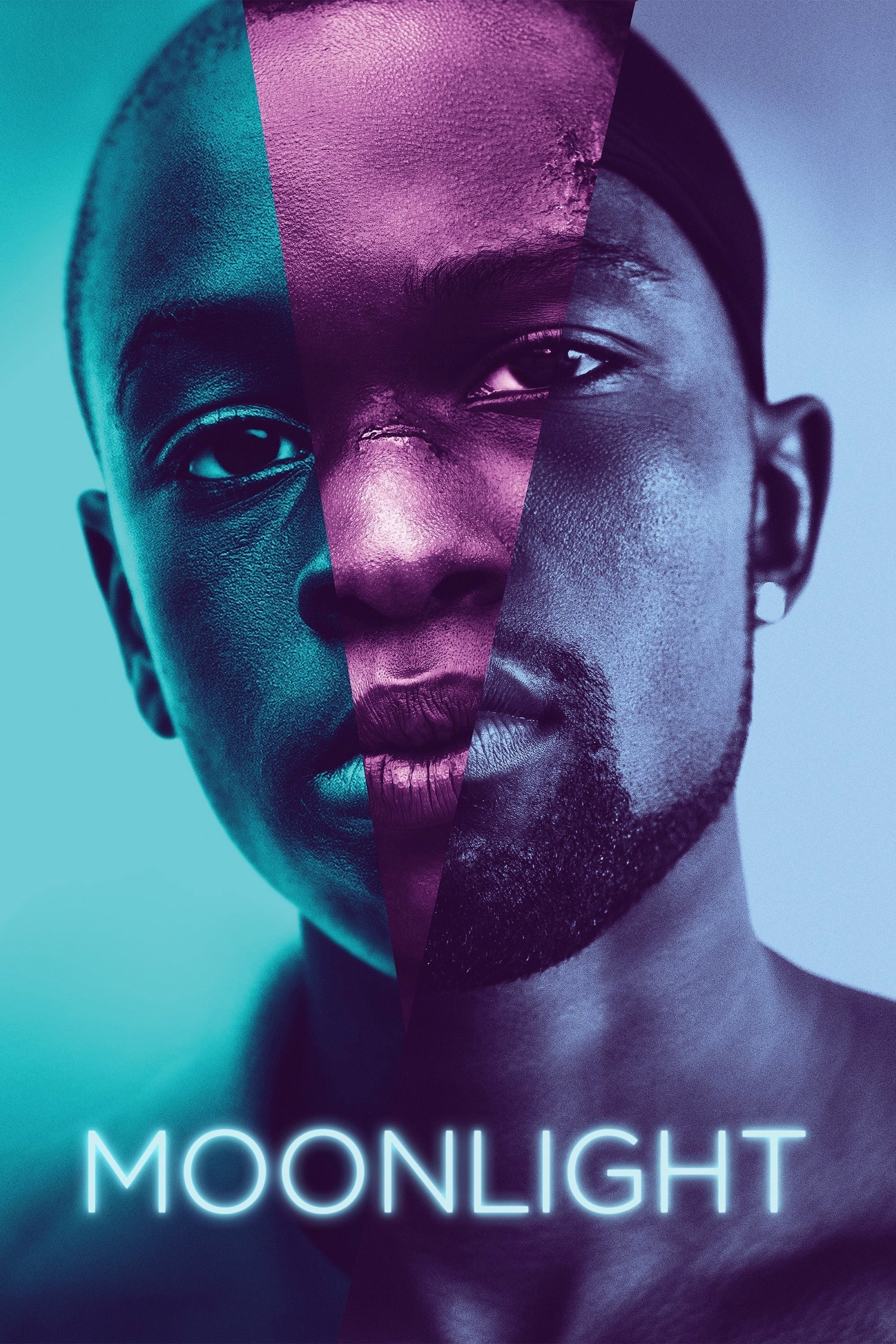
Nicholas Britell used a technique called chopped and screwed to remix his own orchestral themes throughout the film. The score begins with a delicate piano melody that represents the vulnerability of the protagonist as a child. As the character grows up and hardens his exterior the music is pitched down and slowed to sound deeper. This alteration reflects the protagonist’s attempt to mask his true self with a tough persona. The core melody remains underneath the distortion to show that his inner self has not changed.
‘The Shining’ (1980)
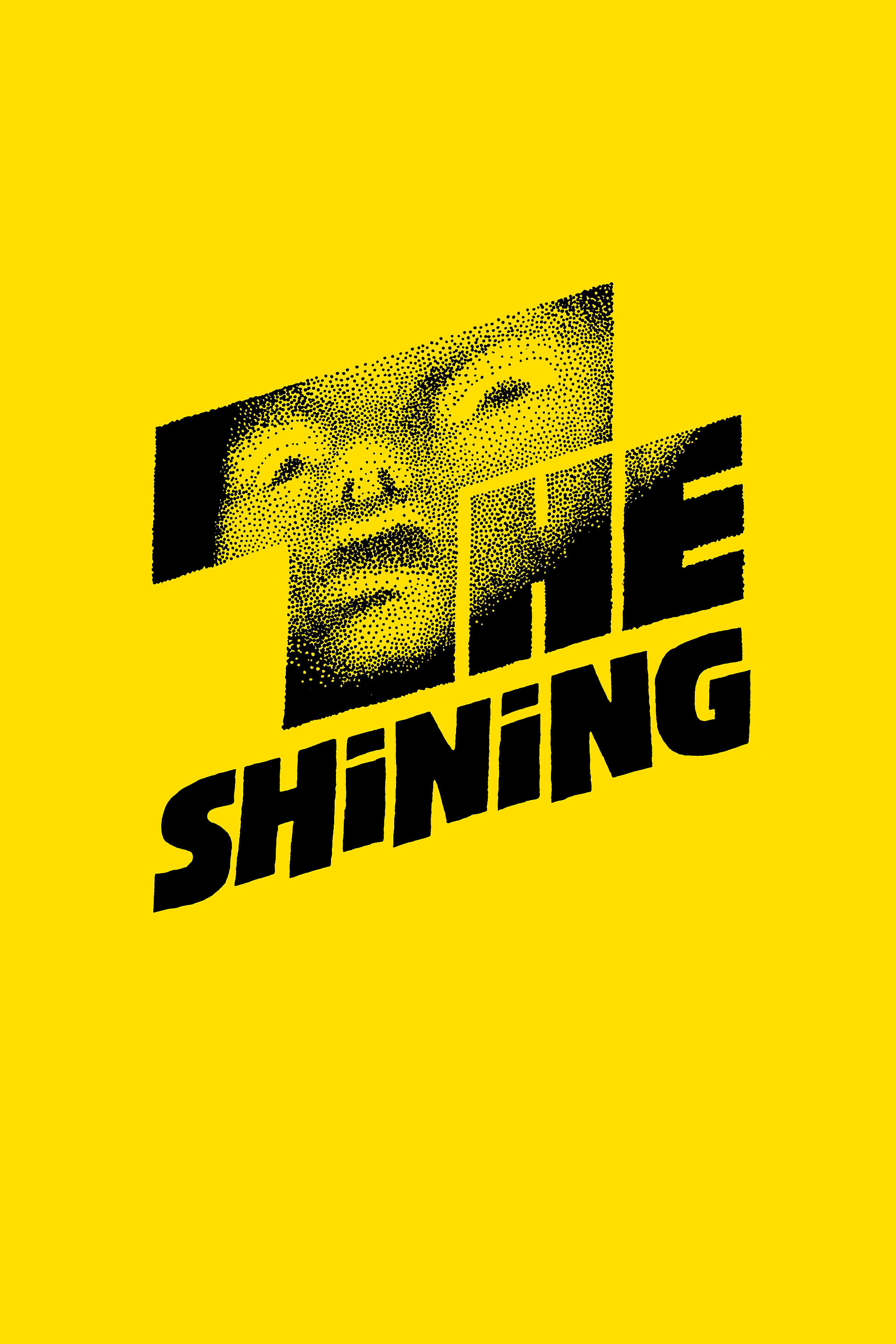
The soundtrack uses modernist classical music to mirror the psychological disintegration of the Torrance family. Pieces by Krzysztof Penderecki and György Ligeti feature shrill strings and dissonant clusters that create a sense of dread. The music often builds to a climax when nothing is happening on screen to suggest invisible threats. As the father loses his mind the score becomes increasingly chaotic and detached from reality. The music functions as a sonic representation of the evil presence within the hotel.
‘Black Panther’ (2018)
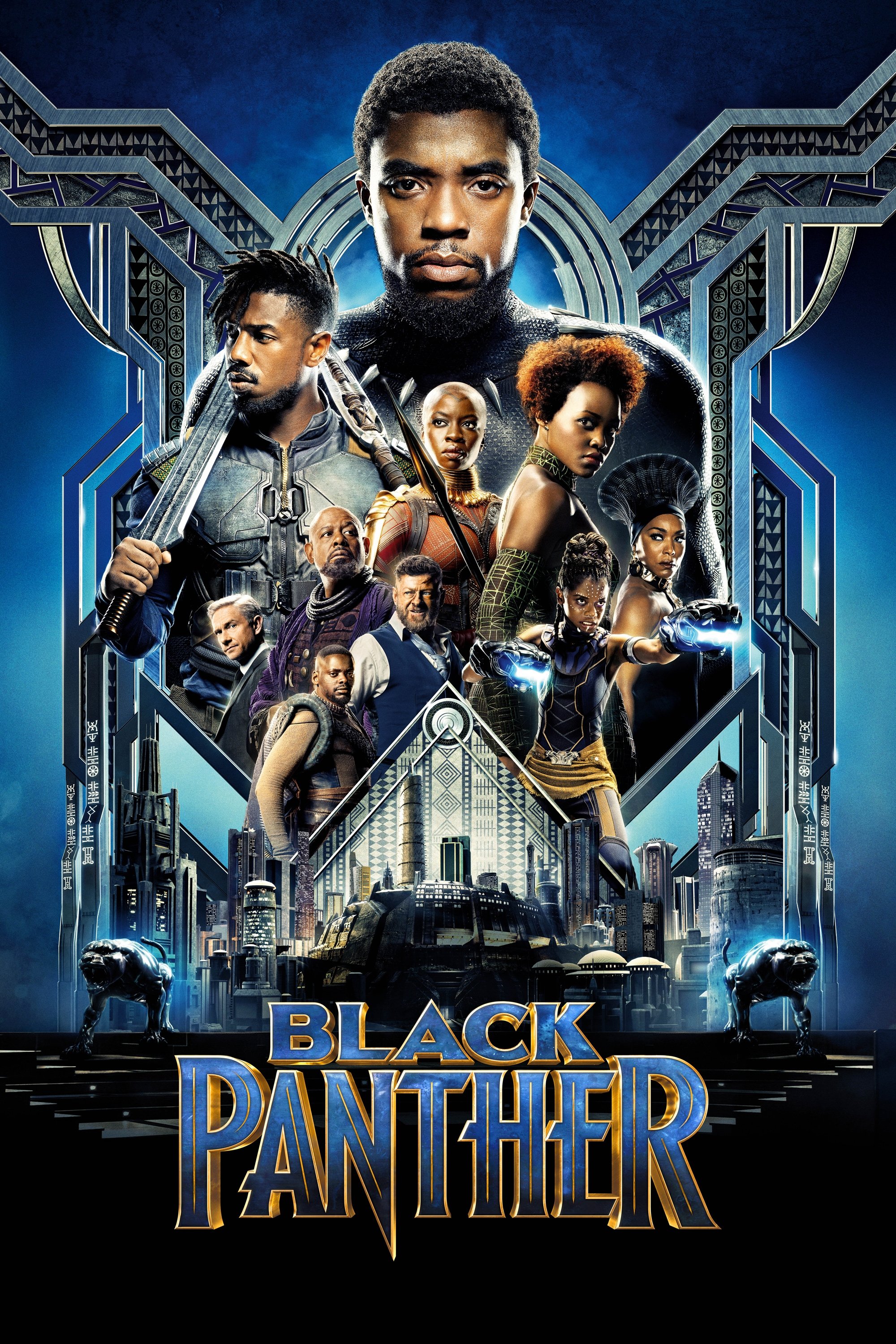
Ludwig Göransson combined traditional African talking drums with modern trap beats to represent the dual identity of Wakanda. The percussion serves as a character motif that changes depending on who challenges the throne. When the antagonist Killmonger enters the story the score shifts heavily toward American hip-hop influences. This musical conflict resolves in the finale by merging both styles to symbolize unity. The soundtrack effectively bridges the gap between ancient tradition and modern culture.
‘Suspiria’ (1977)
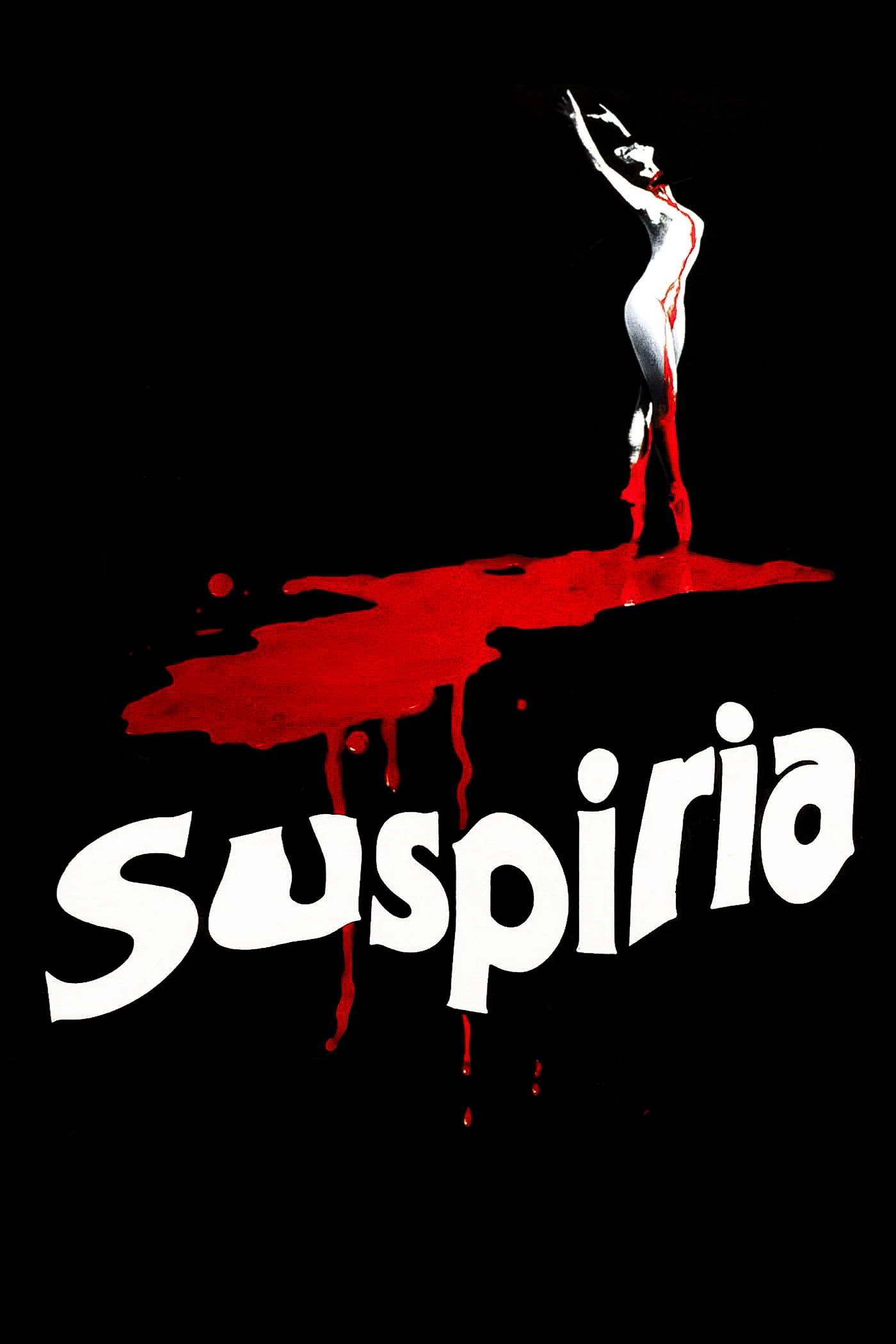
The band Goblin created a score that acts as a physical assault on the senses of the viewer. The music features whispering vocals and pounding tribal drums that play at incredibly high volumes. As the protagonist discovers the coven of witches the music becomes more intrusive and drowns out the dialogue. The score does not just accompany the film but actively participates in the terror. The relentless noise mirrors the overwhelming nature of the supernatural forces at work.
‘Tenet’ (2020)
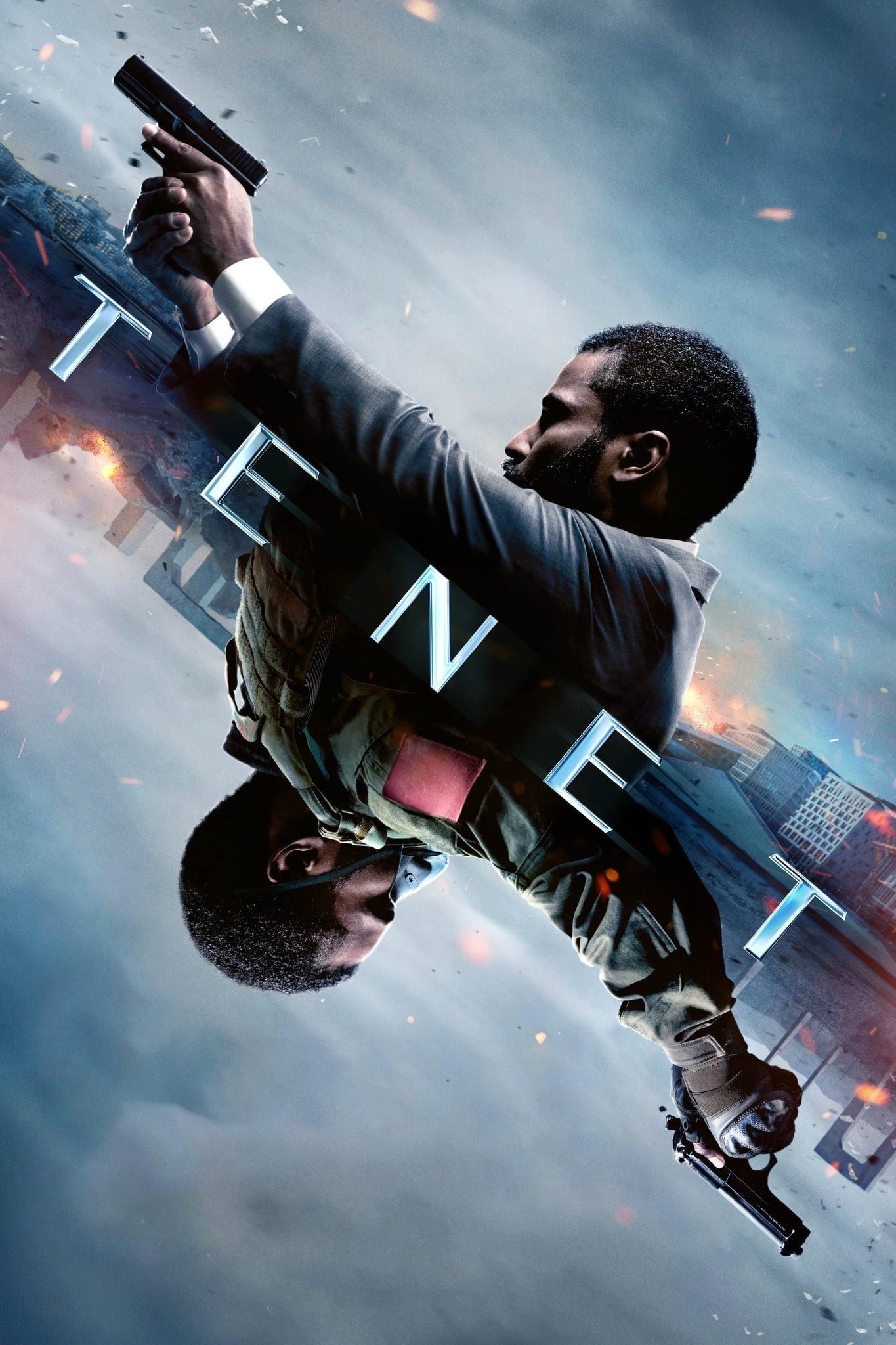
Ludwig Göransson composed a score that can be played forwards and backwards to match the film’s entropy mechanics. The music utilizes heavy breathing sounds and industrial noises that sound distinct depending on the direction of time. During the temporal pincer movements the soundtrack layers the forward and reverse tracks on top of each other. This creates a disorienting sonic palette that helps the audience understand the mechanics of inversion. The audio experience is designed to be as palindromic as the visual narrative.
‘Hereditary’ (2018)

Colin Stetson used a bass saxophone to create a low and rumbling drone that persists throughout the movie. This sound creates a subconscious feeling of unease that mimics the inescapable nature of the family curse. The score avoids traditional melodies in favor of atmospheric noise that sounds like heavy breathing or scratching. As the supernatural elements take over the drone becomes louder and more suffocating. The music reflects the complete loss of agency experienced by the characters.
‘Under the Skin’ (2013)
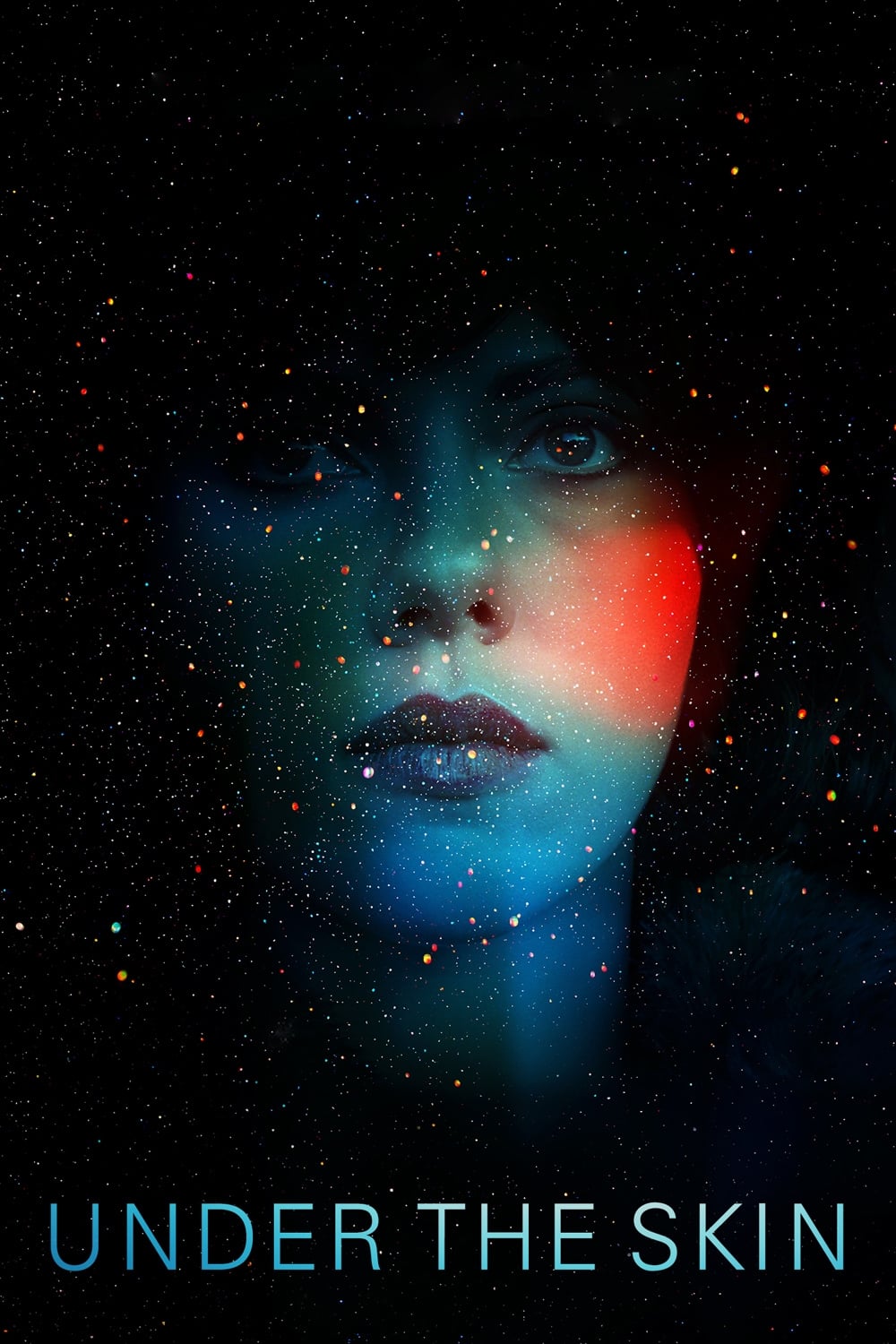
Mica Levi composed a score that sounds intentionally alien and predatory to match the perspective of the protagonist. The music uses shivering strings and inconsistent tempos to create a sensation of biological wrongness. As the alien character begins to develop human empathy the sharp edges of the score soften slightly. The music reverts to a terrifying void when her true nature is exposed. The soundtrack forces the audience to feel the cold detachment of the main character.
Share which of these evolving film scores made the biggest impression on you in the comments.